13 April 2026
The Healing Tree Collective • Tempe, Arizona
What Is Tuning Fork Therapy?
Tuning fork therapy is one of those practices that a lot of people are curious about, but do not always understand right away. The name can sound a little mysterious at first. People hear it and wonder, What exactly is that? What happens in a session? Is it relaxing? Is it intense? Is it something I need to understand before I try?
The simple answer is this: tuning fork therapy is a gentle sound and vibration-based practice that helps create space for the body to slow down, settle, and reconnect.
It is subtle. It is focused. It is often deeply calming. And for many people, it becomes a beautiful way to experience support without needing to force, perform, or figure everything out first.
You do not need to understand all the details before it can feel meaningful.
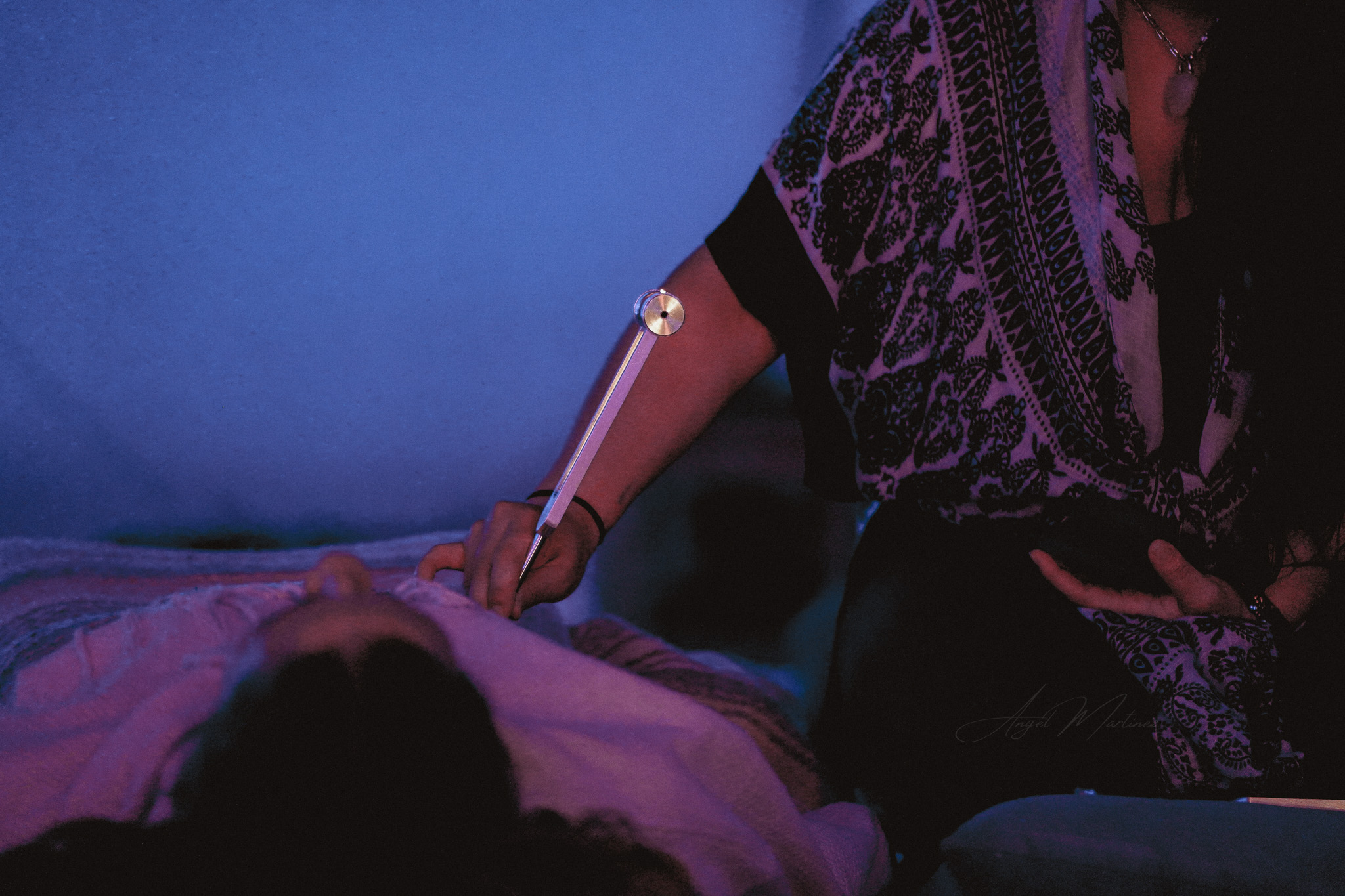
In simple terms, tuning fork therapy is:
A practice that uses sound and vibration to support:
- Rest
- Body awareness
- Calm
- Presence
- Gentle reconnection
Tuning fork therapy works with sound and vibration
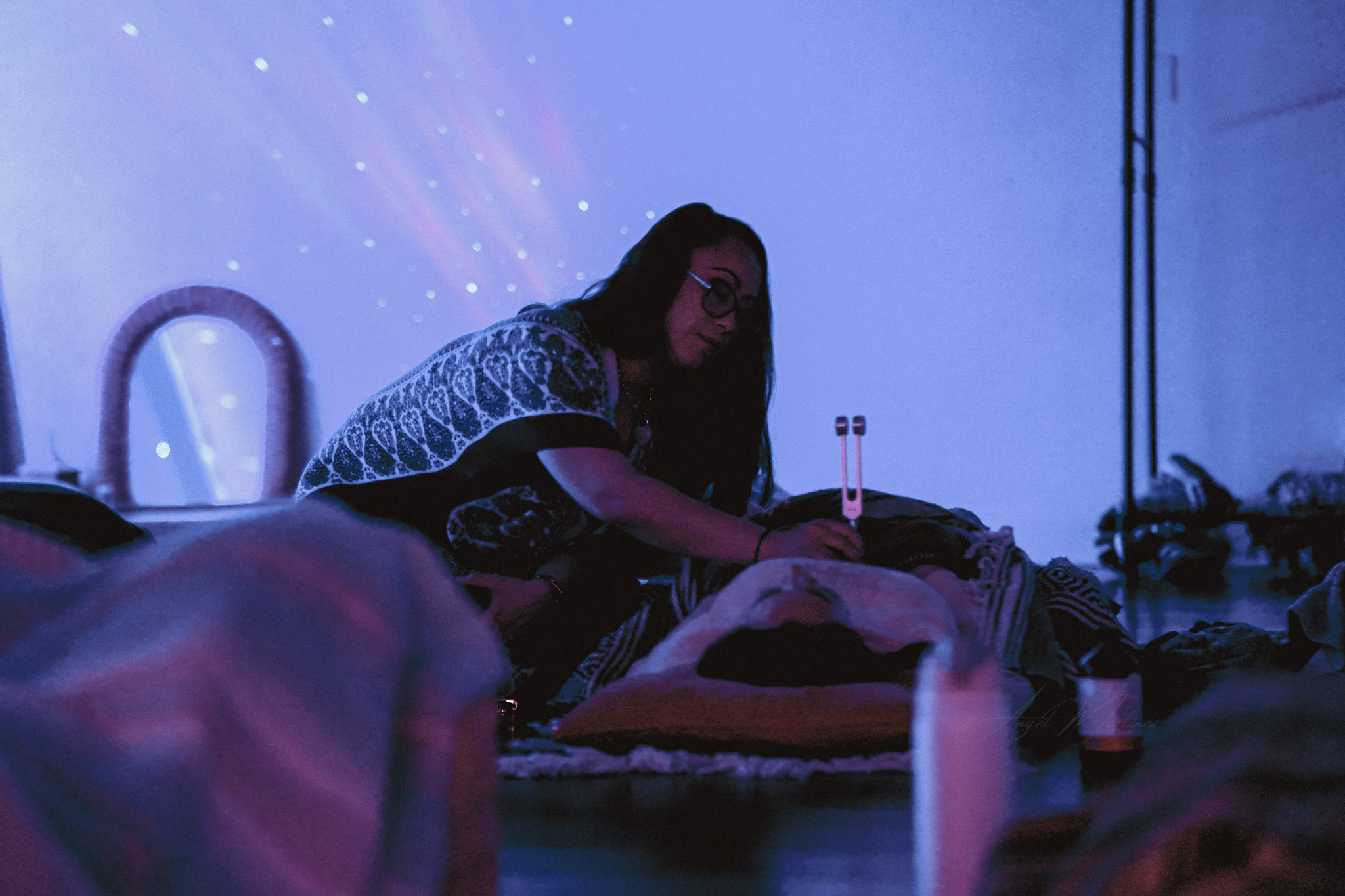
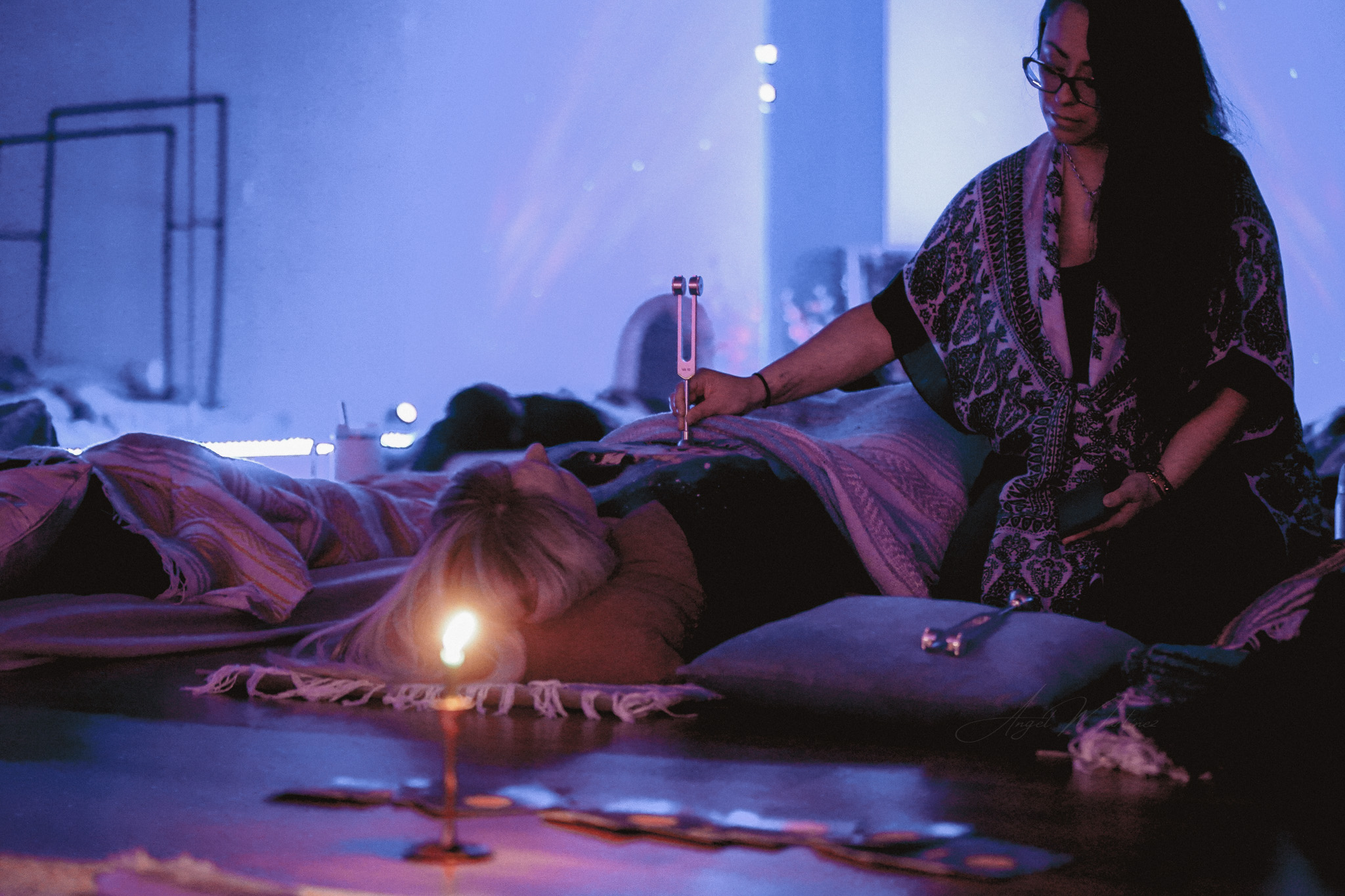
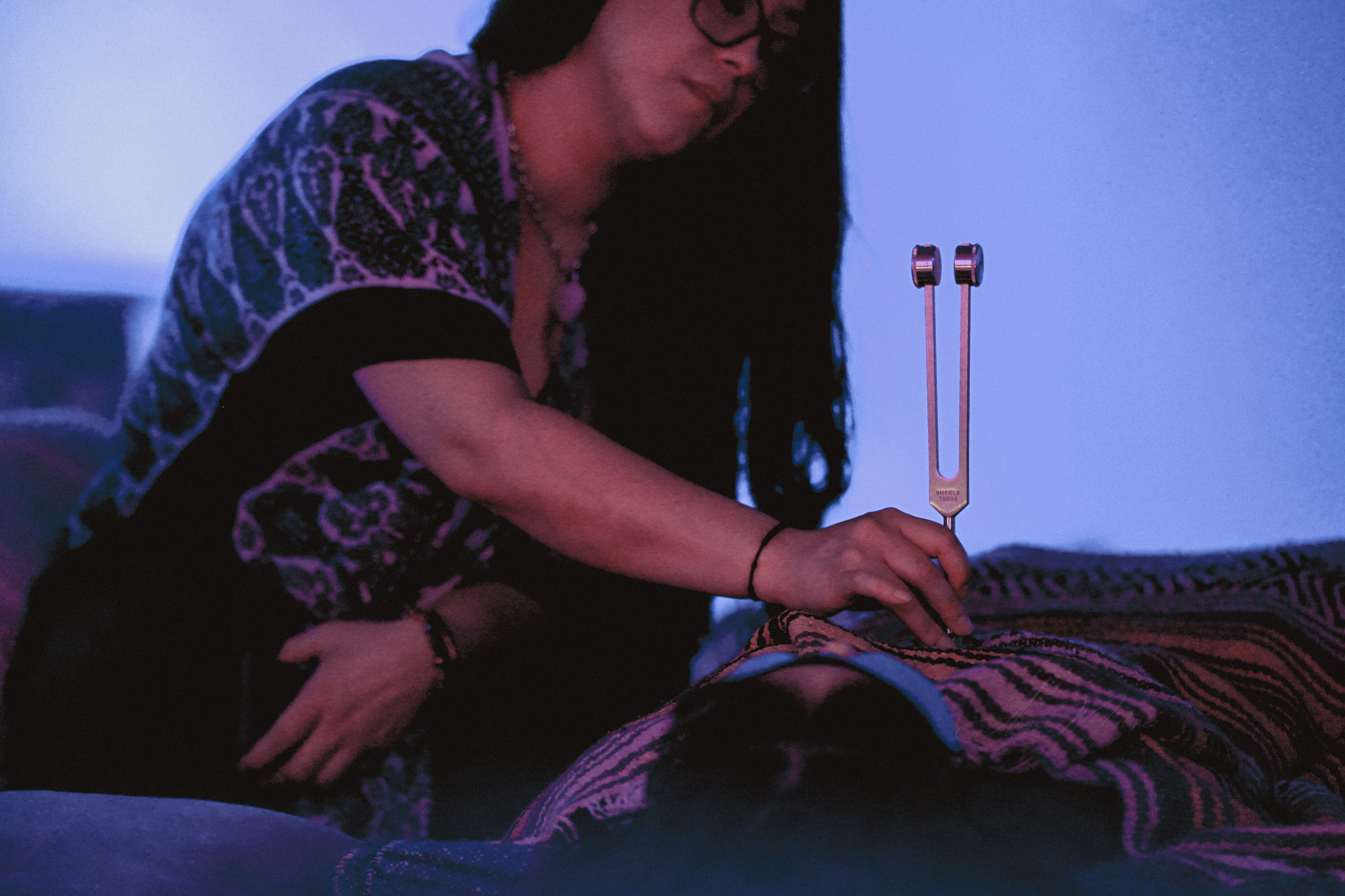
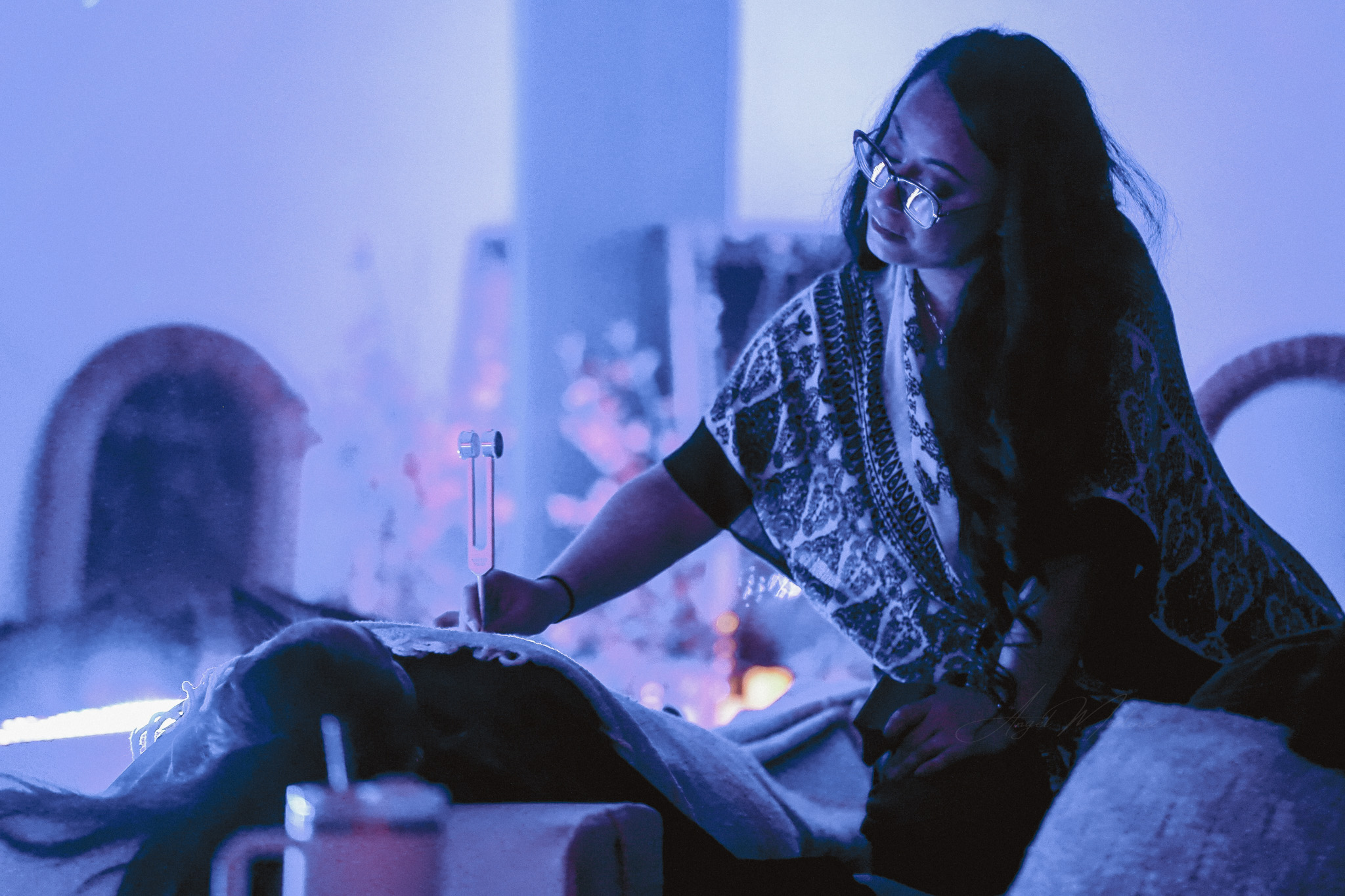
Tuning fork therapy uses specially tuned forks that are activated and then brought near the body or gently applied to specific areas, depending on the style of the practitioner and the intention of the session.
What makes this practice unique is that it is not only about hearing a tone. It is also about experiencing vibration. The sound can feel calming to the mind, while the vibration can feel grounding and focused in the body.
For many people, that combination feels surprisingly supportive. Especially in a world where life is often loud, fast, overstimulating, and full of pressure. Tuning fork therapy creates a very different rhythm. A quieter one. A more intentional one.
Tuning fork therapy is not about doing more. It is often about creating a quieter space where the body can soften and the person can listen inward again.
Why people are drawn to it
A lot of people are drawn to tuning fork therapy because they want something gentle. They are tired of always pushing. They are tired of always performing. They are tired of always having to “hold it together.”
Some people come because they feel stressed and need a place to slow down. Some come because they feel disconnected from their bodies. Some come because they are curious about sound-based healing. Some simply know they need something more supportive than the pace they have been living at.
Tuning fork therapy can feel like a softer doorway into healing work. It does not ask you to be loud. It does not ask you to prove anything. It often just asks you to arrive, breathe, and receive.
Sometimes what people need most is not something more intense. Sometimes they need something gentle enough for the nervous system to actually receive.
It is more approachable than many people expect
Sometimes the name alone can make people think tuning fork therapy is going to be complicated or hard to understand. But once people experience it, many realize it feels much more approachable than they expected.
You do not need to know technical language. You do not need a background in healing work. You do not need to understand every frequency or every method before coming in. You are not expected to study for it.
In many ways, it is one of those practices that makes more sense through experience than explanation. You feel the pace. You feel the quiet. You feel the focused care of it. And that often tells you more than words alone.
Tuning fork therapy is not about being an expert. It is about allowing yourself to experience something supportive, subtle, and real.
What it can feel like
Every person’s experience can be different. Some people notice the sound first. Others notice the vibration more. Some people feel deeply relaxed. Some feel grounded. Some feel emotional. Some feel lighter. Some simply notice that their body has a chance to soften in a way it has not in a while.
You may notice warmth, tingling, stillness, calm, heaviness, spaciousness, or the feeling of being gently brought back into your body. And sometimes the experience is not dramatic at all. Sometimes it simply feels peaceful. That counts too.
There is no one right way to experience it. You do not need to chase a certain response. You are allowed to let the practice meet you where you are.
What tuning fork therapy is not
It may also help to say what it is not. Tuning fork therapy is not about performance. It is not about forcing a big emotional release. It is not about needing to “get it right.” It is not something you have to be spiritual enough for, flexible enough for, or experienced enough for.
It is also not necessarily loud or dramatic. In fact, part of its power is often in how subtle it is. The experience can be quiet, precise, and gentle. For many people, that is exactly why it feels supportive.
In a culture that often equates healing with intensity, tuning fork therapy reminds people that something can be soft and still meaningful.
Gentle does not mean insignificant. Sometimes gentle is exactly what the body has been asking for.
How it is different from a sound bath
People often ask how tuning fork therapy differs from a sound bath. Both work with sound, but they tend to feel very different in the way the experience is offered.
A sound bath is usually more immersive and often offered in a group setting, where you rest while layers of live sound fill the room. Tuning fork therapy is usually more focused and individualized, with the sound and vibration applied in a more intentional, targeted way.
Both can be beautiful. Both can be calming. They simply offer different textures of support.
Tuning Fork Therapy
Often more focused, one-on-one, and intentionally applied through specific sound and vibration.
Sound Bath
Often more immersive, spacious, and group-based with live sound surrounding the whole room.
Shared Support
Both can offer rest, slowing down, and a softer relationship with the nervous system.
Best Starting Point
The best place to begin is usually the one that feels most approachable to your body right now.
Why subtle practices matter right now
So many people are living with stress, overstimulation, and emotional overload. They are tired, but they do not know how to rest. They are disconnected, but they do not know how to come back. They are carrying a lot, but life keeps asking them to keep moving.
That is part of why practices like tuning fork therapy matter. They offer a different pace. A different doorway. A different kind of support. One that does not demand more from people, but instead invites them to settle, notice, and soften.
And for a lot of people, that kind of subtle support is exactly what makes it powerful.
Not every healing practice has to be intense to be real. Sometimes the body responds most deeply to what feels quiet enough to trust.
So what is tuning fork therapy, really?
It is a gentle sound and vibration-based practice that supports rest, awareness, and reconnection.
It is a quieter kind of support. A focused kind of care. A practice that invites the body to soften and the person to tune in, rather than keep pushing through.
And for many people, it becomes a meaningful reminder that healing does not always have to be loud to be powerful.
Tuning fork therapy is less about doing something and more about allowing yourself to be met in stillness, vibration, and care.
Curious about tuning fork therapy?
At The Healing Tree Collective in Tempe, Arizona, we offer beginner-friendly healing experiences designed to help people slow down, soften, and reconnect. Tuning fork therapy can be a beautiful place to begin if you are curious about sound-based healing and want something gentle, focused, and approachable.
You do not need prior experience. You do not need to know the language. You do not need to have it all figured out before you begin.
Sometimes the first step is not understanding every detail. It is simply giving yourself permission to receive something new.
Want to explore tuning fork therapy in Tempe?
Explore sessions, classes, and healing experiences at The Healing Tree Collective in Tempe, Arizona. Whether you are curious, brand new, or simply looking for a gentler place to begin, you are welcome here.