27 April 2026
The Healing Tree Collective • Tempe, Arizona
How Is Tuning Fork Therapy Different From Reiki or Sound Healing?
This is one of the most common questions people ask when they are curious about trying something new: What is the difference between tuning fork therapy, Reiki, and sound healing?
It is a great question, because all three can feel gentle, calming, and supportive, especially for people who are carrying stress, overwhelm, or a sense of disconnection. But even though they can overlap in how people describe the experience, they are not exactly the same.
The simplest way to say it is this: they each offer support through a different doorway.
None of them is “better” than the others. They are just different ways of helping people slow down, soften, and reconnect.
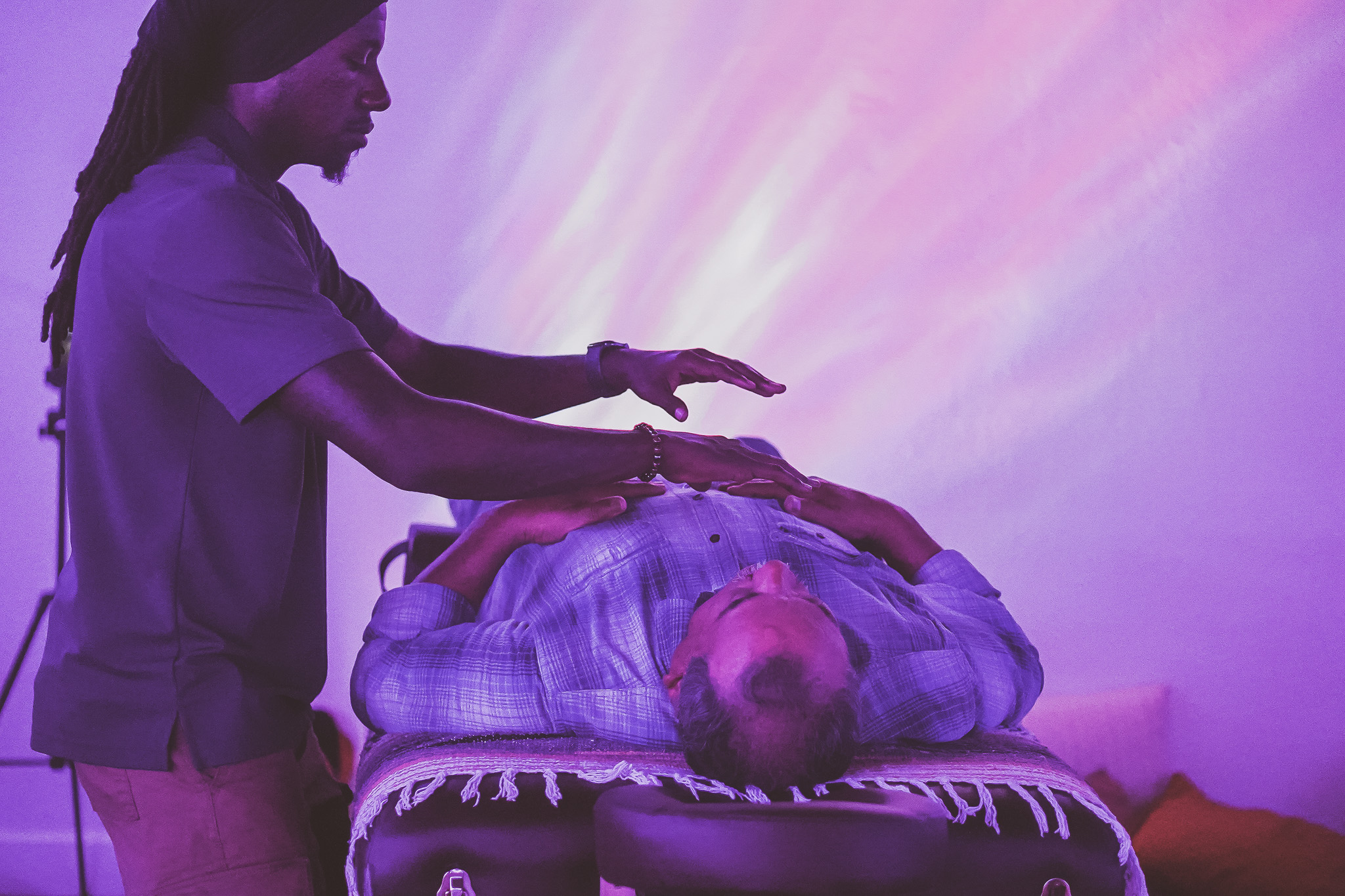
In simple terms
Here is the quick version:
- Tuning Fork Therapy uses focused sound and vibration in a more targeted way
- Reiki is a gentle energy healing practice centered on stillness and receiving
- Sound Healing often creates an immersive field of live sound around the whole body
They all support people in gentle ways
Before getting into the differences, it helps to name the common thread. People are often drawn to all three because they want support that feels softer than the pace of everyday life. They want rest. Stillness. Reconnection. A chance to slow down. A way to come back to themselves without more pressure.
That is why these practices often get grouped together. They can all feel calming. They can all be beginner-friendly. They can all create a more supportive environment for the nervous system. And they can all be meaningful for people who are looking for gentler forms of care.
But the way each modality offers that support can feel very different.
Sometimes people are not choosing between better or worse. They are simply choosing which kind of support feels most approachable to their body right now.
Tuning fork therapy is often more focused and specific
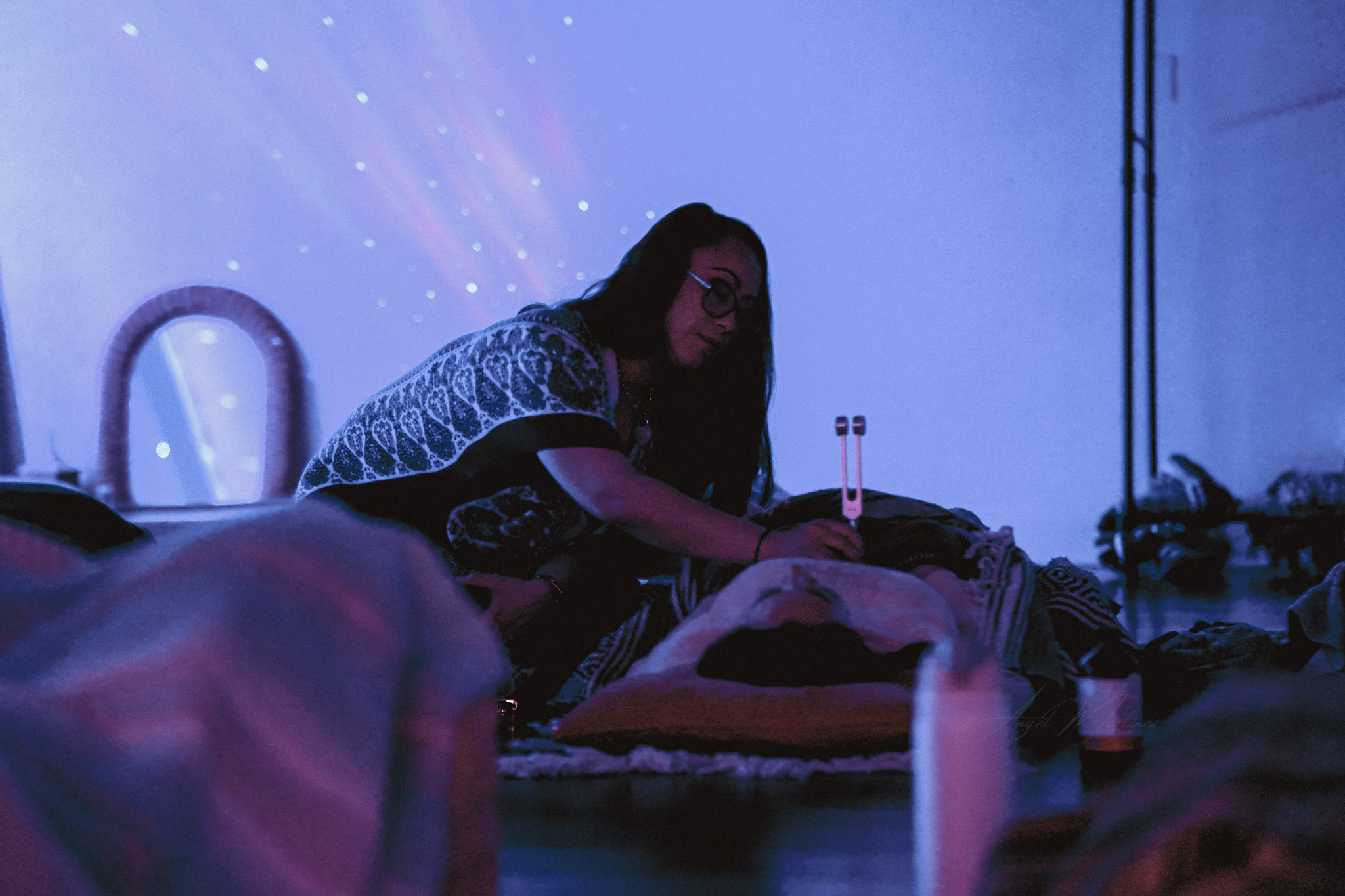
Tuning fork therapy uses specially tuned forks that create both sound and vibration. The forks are activated and then brought near the body or gently applied to certain areas, depending on the style of the practitioner and the flow of the session.
What makes tuning fork therapy stand out is how focused it can feel. The experience is often more precise and more individualized. Instead of being surrounded by layers of sound filling the whole room, the person is usually receiving sound and vibration in a more intentional, directed way.
Many people describe tuning fork therapy as subtle, grounding, focused, and low-pressure. It can feel especially supportive for people who want something quiet, steady, and very intentional.
Tuning fork therapy often feels less like being immersed in sound and more like being gently guided through sound and vibration in a focused way.
Reiki often feels more spacious, still, and energetically held
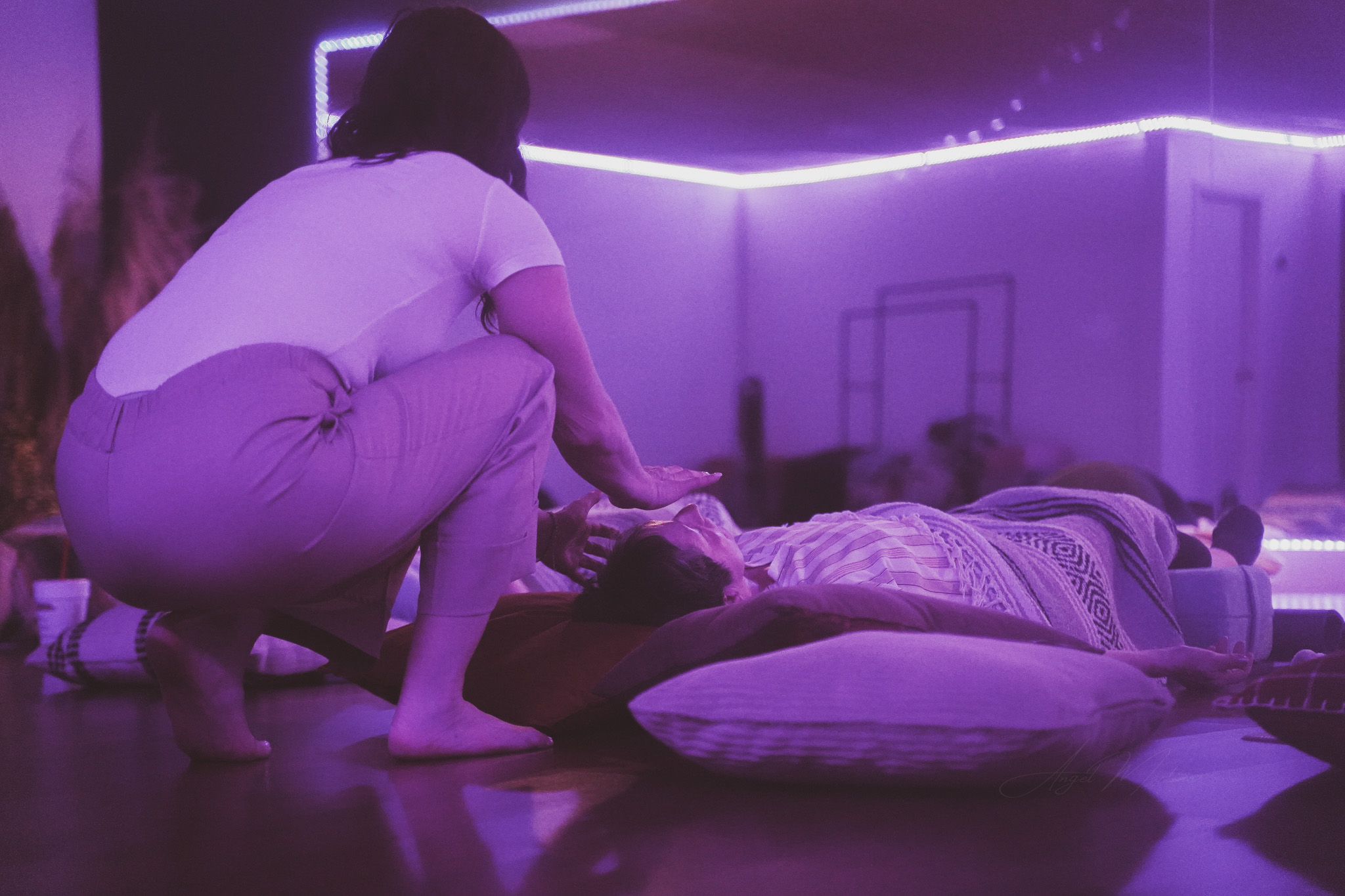
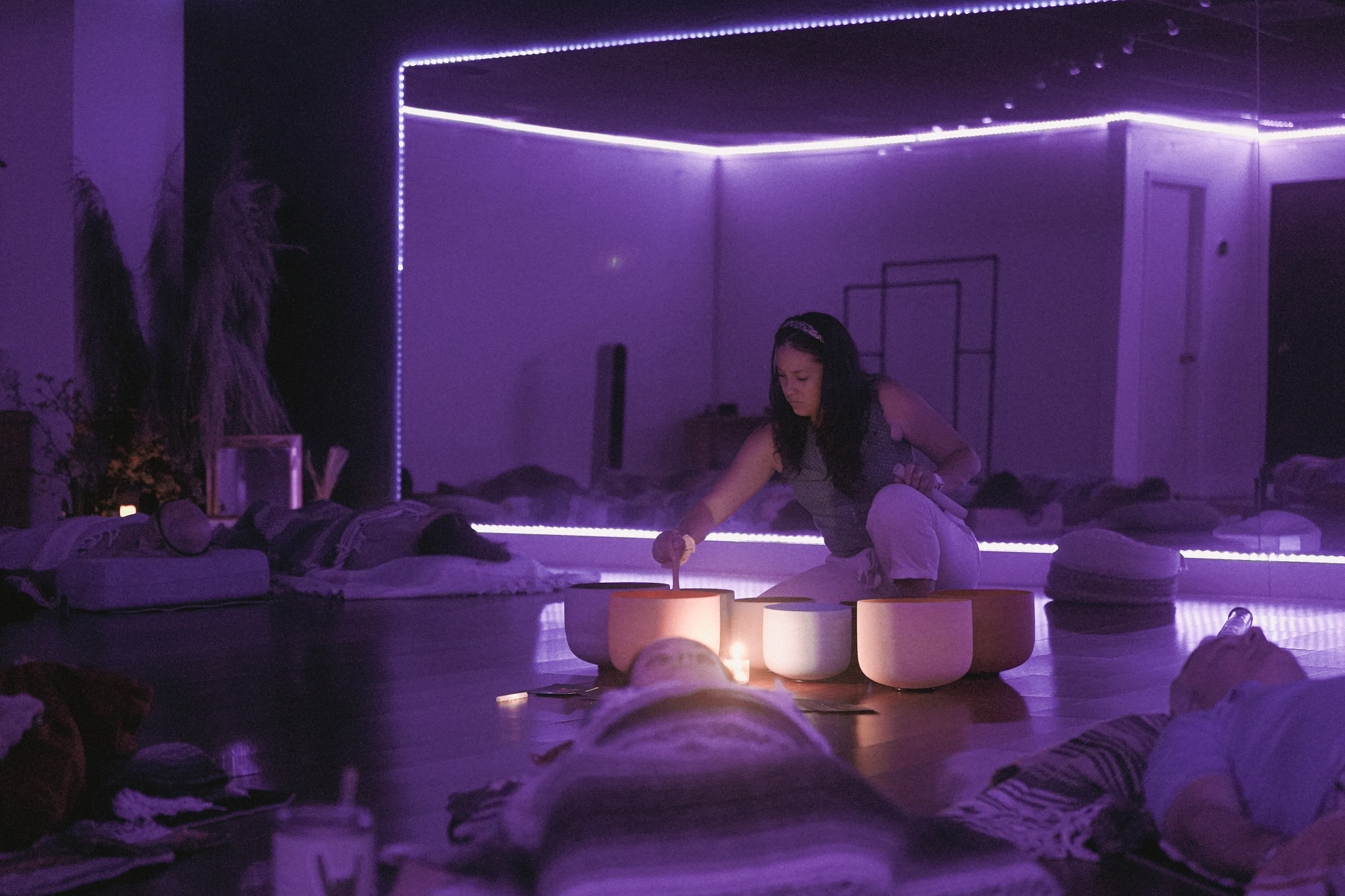
Reiki is a gentle energy healing practice that is usually offered through light touch or hands held near the body. A Reiki session is often very quiet, very still, and very spacious.
In Reiki, the experience is not primarily built around sound. It is more about creating a supportive energetic environment where the person can rest, receive, and soften. Many people experience Reiki as deeply calming, subtle, and emotionally supportive.
It can feel especially meaningful for people who want stillness, quiet care, and a low-demand experience where they are simply allowed to lie down and receive.
Reiki often feels less like focused sound and more like resting inside a gentle field of quiet support.
Sound healing is often more immersive and room-filling
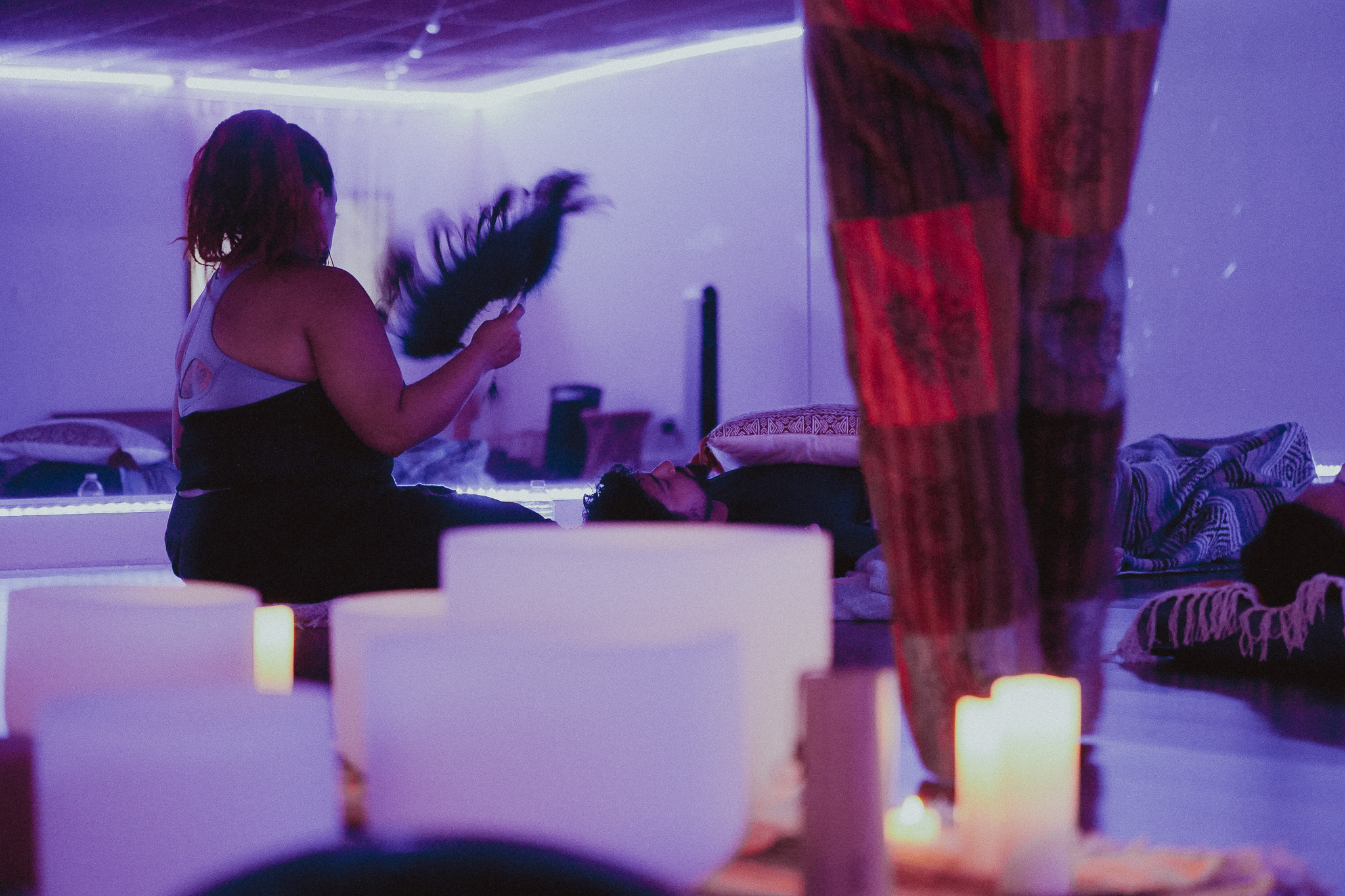
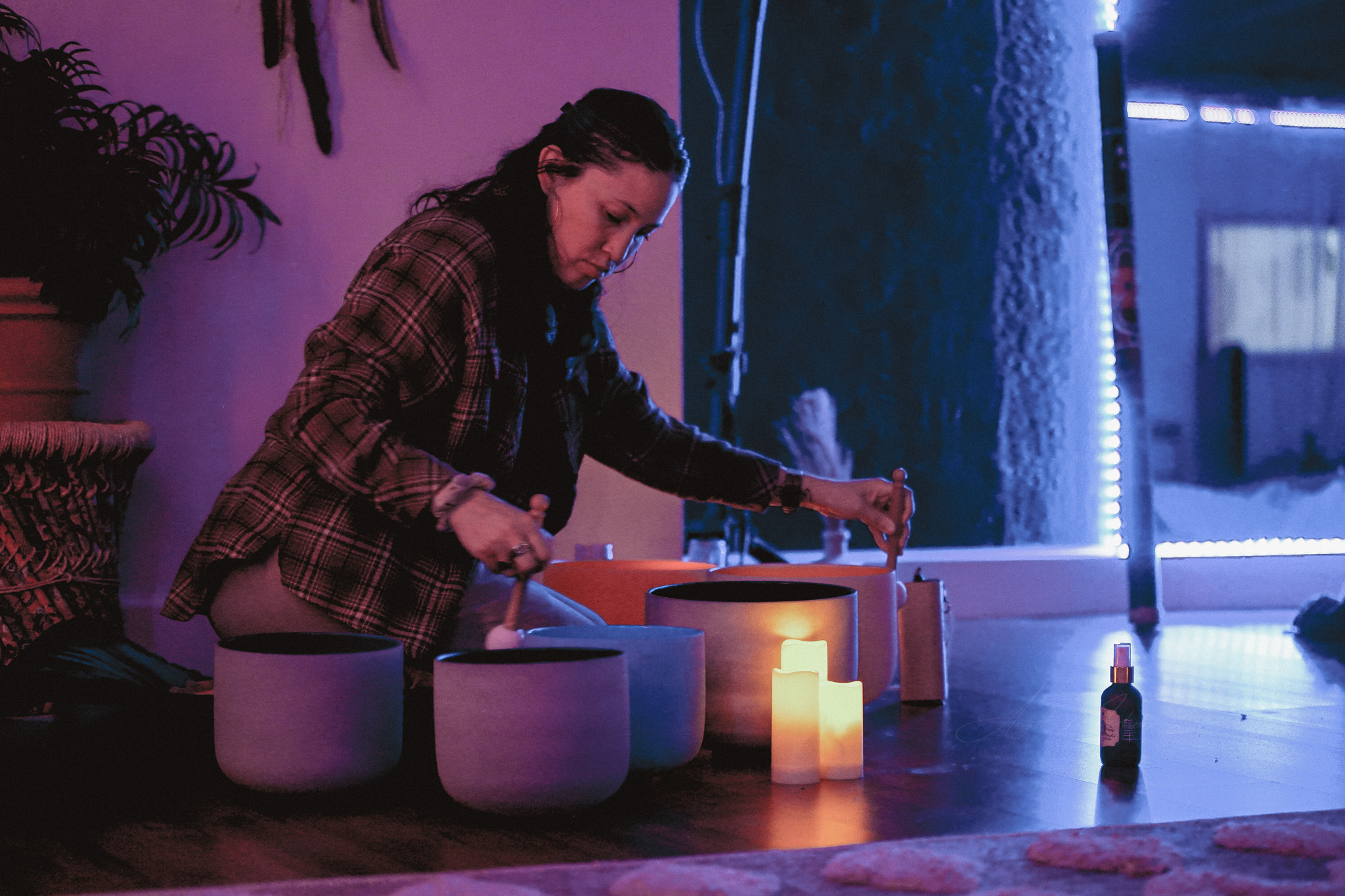
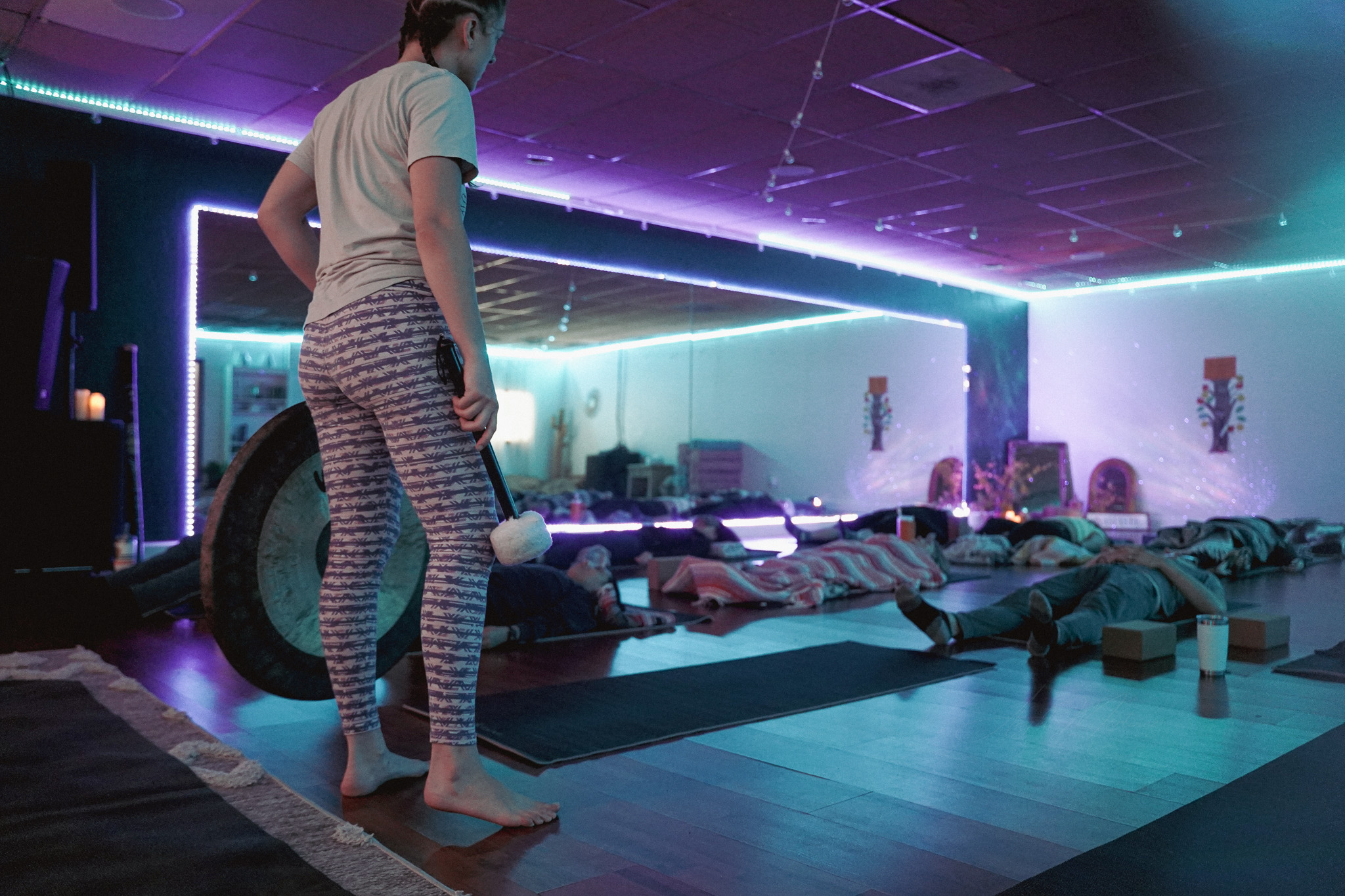
Sound healing usually works through live instruments such as crystal singing bowls, chimes, drums, gongs, tuning forks, or other sound tools. In a sound bath or sound healing class, people are often lying down while the sound fills the space around them.
That makes the experience feel more immersive. Rather than focused in one specific area, the sound is often washing over the whole room and surrounding the whole body. Some people describe this as feeling held, bathed, or enveloped in sound.
Sound healing can be especially supportive for people who want a larger sensory field to rest inside. It often feels spacious, atmospheric, and deeply restorative.
Sound healing often feels like being immersed in a whole environment of sound, rather than receiving a more targeted one-on-one sound experience.
The feel of the session can be different too
Even though all three practices can support calm and relaxation, the actual texture of the experience can feel different in the body.
Tuning fork therapy often feels more focused, precise, and vibrational. Reiki often feels quieter, more spacious, and energetically held. Sound healing often feels more immersive, atmospheric, and room-filling.
Some people love the focused quality of tuning forks. Some love the quiet softness of Reiki. Some love the immersive field of a sound bath. And some enjoy different modalities at different times depending on what season they are in.
One is not more “real” than the other
This part matters too. Sometimes people hear about these modalities and start trying to decide which one is more legitimate, more powerful, or more effective. But that way of looking at it usually misses the point.
The better question is often: What kind of support feels most accessible to me right now? What feels gentler? What feels more approachable? What feels like the right doorway for the season you are in?
Some people want more stillness. Some want more sound. Some want a more focused one-on-one experience. Some want to rest in a room full of vibration. There is room for all of that.
People do not always need the same kind of support. Sometimes they need the modality that matches what their body can actually receive right now.
Here is a simpler side-by-side way to think about it
Tuning Fork Therapy
Often one-on-one, focused, and intentionally applied through sound and vibration. Great for people who want something subtle, grounded, and precise.
Reiki
Often one-on-one, quiet, spacious, and energy-centered. Great for people who want stillness, softness, and a low-pressure experience of receiving care.
Sound Healing
Often offered in classes or group settings through live instruments filling the room. Great for people who want a more immersive and atmospheric experience of sound.
Shared Thread
All three can support rest, nervous system care, and reconnection in different ways, especially for beginners looking for gentler practices.
So how do you choose?
Sometimes the best way to choose is not by overthinking it. It is by noticing what you feel drawn to.
If you want something more focused and vibrational, tuning fork therapy might feel like a good fit. If you want something deeply still and energetically spacious, Reiki might feel supportive. If you want to lie down and be surrounded by live sound in a group setting, sound healing may be the doorway.
And honestly, you do not need to get it perfect. You are allowed to try one. You are allowed to be curious. You are allowed to discover what your body responds to by experiencing it.
Sometimes the right modality is not the one you understand best on paper. It is the one your body softens into when you give yourself permission to try it.
So how is tuning fork therapy different from Reiki or sound healing?
Tuning fork therapy is usually more focused and intentionally applied through sound and vibration. Reiki is usually more quiet, spacious, and energy-centered. Sound healing is usually more immersive, layered, and room-filling.
They all support people gently, but they each create a different kind of experience. None of them asks you to be experienced before you begin. None of them requires you to perform. And all of them can be meaningful for different reasons.
The goal is not to pick the “best” one. The goal is to find the doorway that feels most supportive for you.
Different practices can lead people toward the same thing: more rest, more softness, more awareness, and a gentler return to themselves.
Curious which modality might be the best fit for you?
At The Healing Tree Collective in Tempe, Arizona, we offer beginner-friendly experiences in tuning fork therapy, Reiki, sound healing, breathwork, meditation, movement, and more.
You do not need to know all the language before you come. You do not need to have it all figured out. You are welcome to begin with what feels most approachable to you.
Sometimes the next right step is not knowing exactly which practice is best. It is simply letting yourself begin somewhere gentle.
Looking for a gentler place to begin?
Explore classes, sessions, and healing experiences at The Healing Tree Collective in Tempe, Arizona. Whether you feel drawn to tuning fork therapy, Reiki, or sound healing, we would love to help you find the support that feels right for you.