24 June 2026
Tai Chi for People Who Feel Overwhelmed, Burned Out, or Mentally Exhausted
When you feel overwhelmed, burned out, or mentally exhausted, even the idea of adding another wellness practice can feel like too much.
You may know you need support. You may know your body is tired. You may know your mind has been running for too long. But when your energy is already low, it can be hard to begin something new, especially if you imagine it has to be intense, complicated, or emotionally demanding.
Tai Chi can be supportive because it gives you a gentle way to move, breathe, and return to your body without asking you to push harder than you already have.
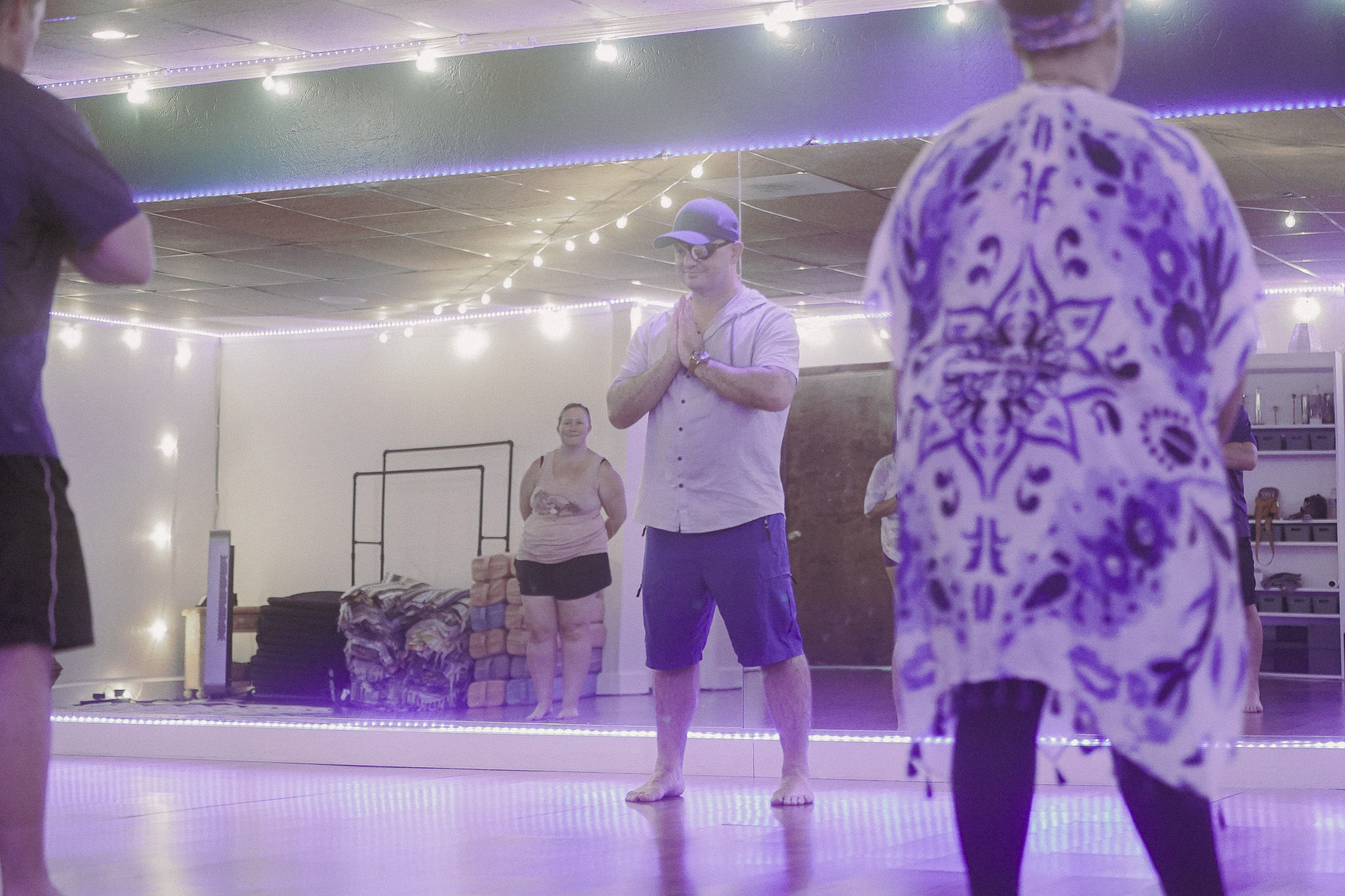
Tai Chi offers a slower, gentler rhythm for people who feel mentally tired, emotionally full, or disconnected from their body.
Tai Chi may feel supportive if you are experiencing:
A tired mind, a tense body, or the feeling that life has been asking too much for too long.
- Mental exhaustion
- Emotional overwhelm
- Low energy
- Decision fatigue
- Stress in the body
- Difficulty slowing down
- Feeling disconnected from yourself
Overwhelm often shows up in the body
When people feel overwhelmed, they often describe it as a mental experience. Too many thoughts. Too many responsibilities. Too many decisions. Too many things needing attention at the same time.
But overwhelm does not only live in the mind. It can show up in the body as tight shoulders, shallow breathing, jaw tension, heaviness, fatigue, restlessness, irritability, or the feeling that you cannot fully settle even when you finally have a moment to rest.
For some people, overwhelm feels like being unable to slow down. For others, it feels like shutting down. The body may feel wired, tired, numb, tense, scattered, or disconnected. Sometimes it can feel like you are functioning on the outside while internally feeling far away from yourself.
Overwhelm is not always loud. Sometimes it is the quiet exhaustion of carrying more than your body has had space to process.
Burnout can make intense practices feel unreachable
When you are burned out or deeply tired, practices that once felt helpful may start to feel inaccessible. A hard workout may feel like too much. Sitting in silence may make your thoughts feel louder. A long wellness routine may feel unrealistic. Even choosing what kind of support you need can feel exhausting.
This is important because people often blame themselves when they cannot keep up with the very practices that are supposed to help them. They may think they are unmotivated, undisciplined, or not trying hard enough.
But sometimes the body does not need more intensity. Sometimes it needs an entry point that feels gentle enough to begin.
Tai Chi can meet people in that place because it does not ask you to perform, push, or force your way into calm. It offers slow movement, breath awareness, balance, and presence in a way that can feel more approachable for a tired body and busy mind.
You do not always need a stronger push. Sometimes you need a softer place to begin.
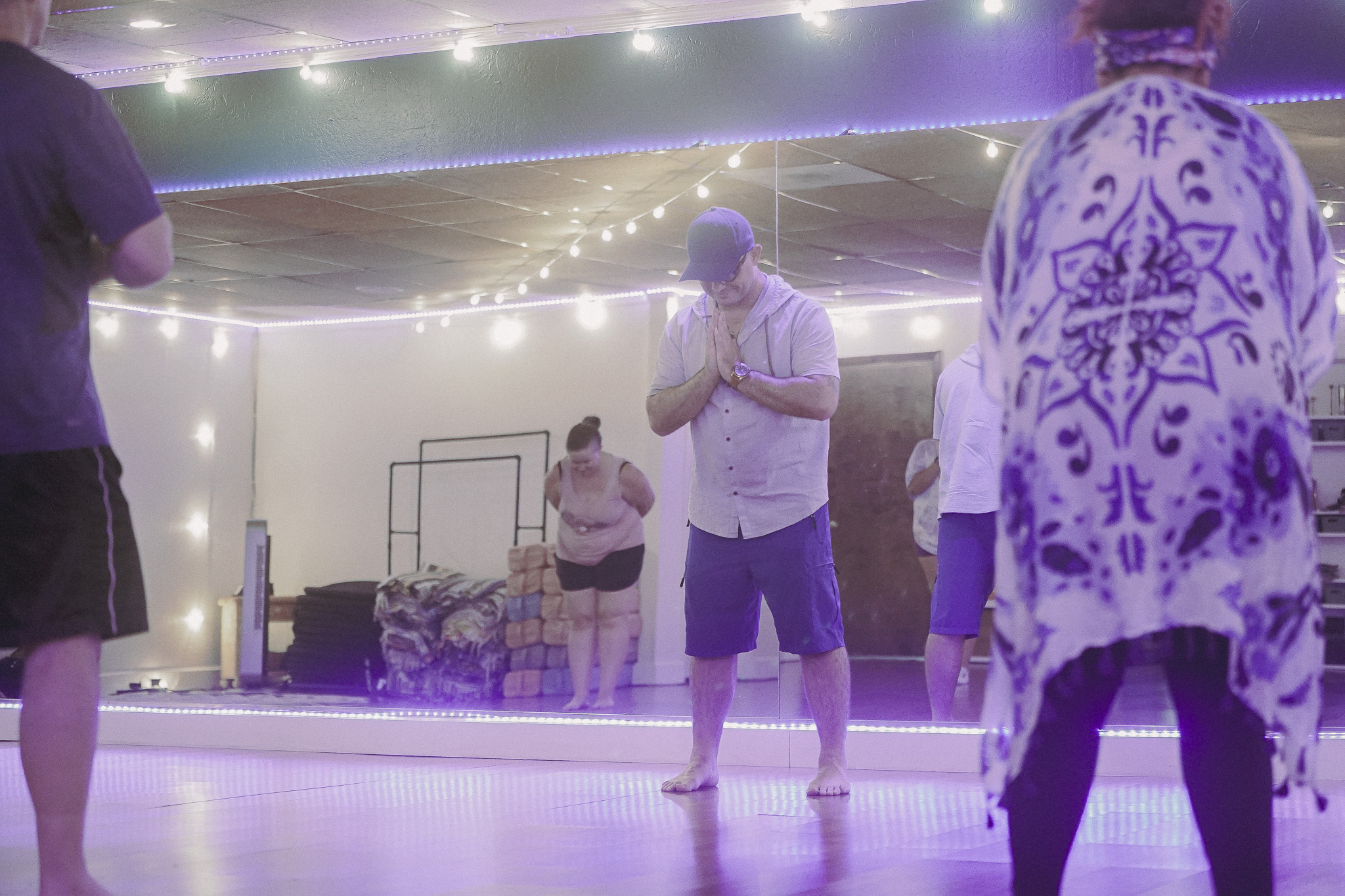
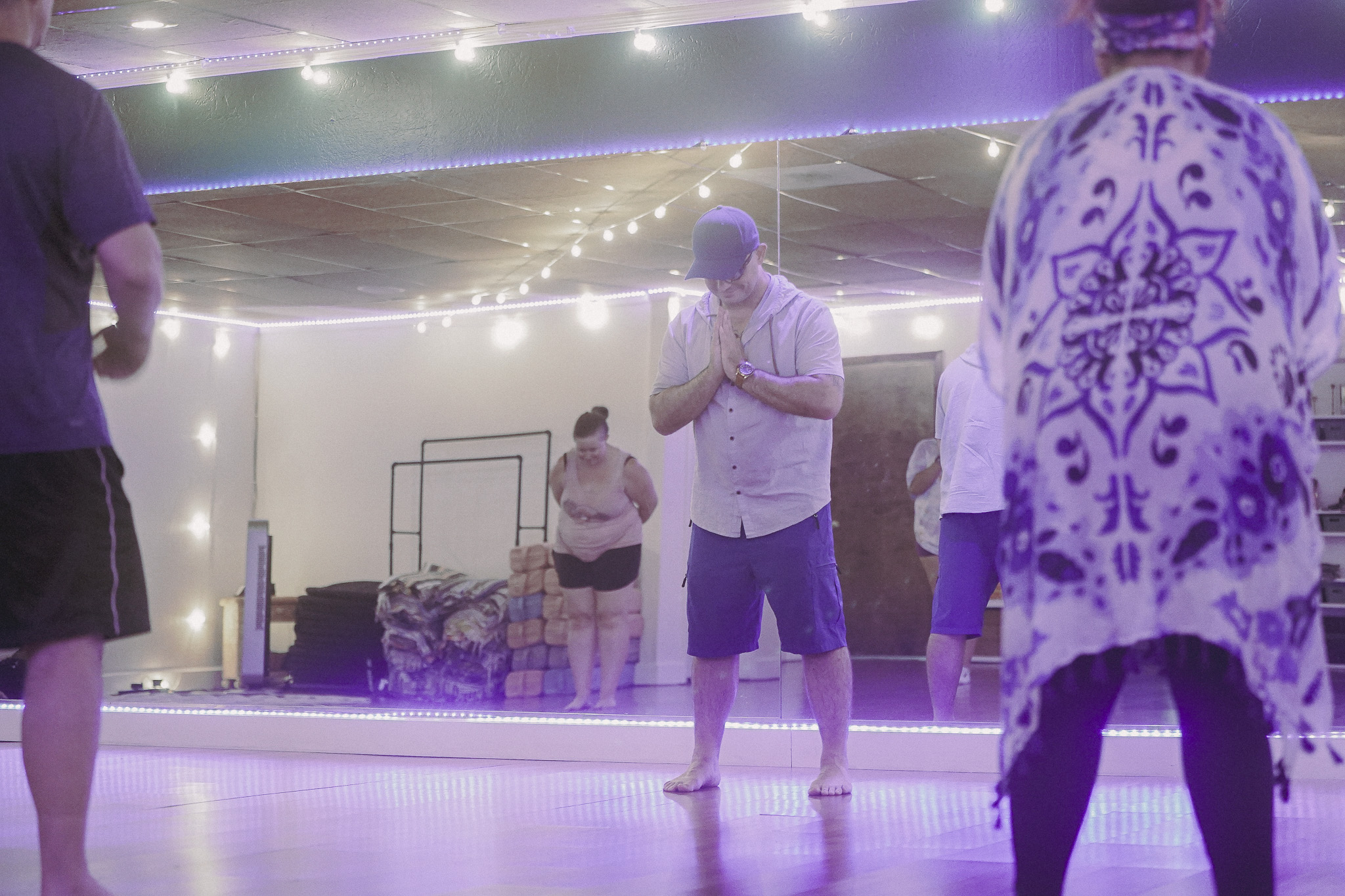
Tai Chi gives the mind something steady to follow
Mental exhaustion can make it difficult to focus. Your mind may feel scattered, foggy, overstimulated, or tired of processing everything. You may feel like you are thinking all the time, but not actually feeling present.
Tai Chi helps by giving the mind a simple, steady place to return. The movement becomes an anchor. The feet, hands, breath, posture, and slow transitions give your attention something gentle to follow.
This can be supportive because the practice does not demand that your mind become perfectly quiet. Instead, it gives your attention a pathway back into the body. When thoughts wander, you return to the movement. When you feel distracted, you return to the breath. When you feel disconnected, you return to your feet.
Tai Chi does not ask a tired mind to become perfectly silent. It gives the mind a gentle place to land.
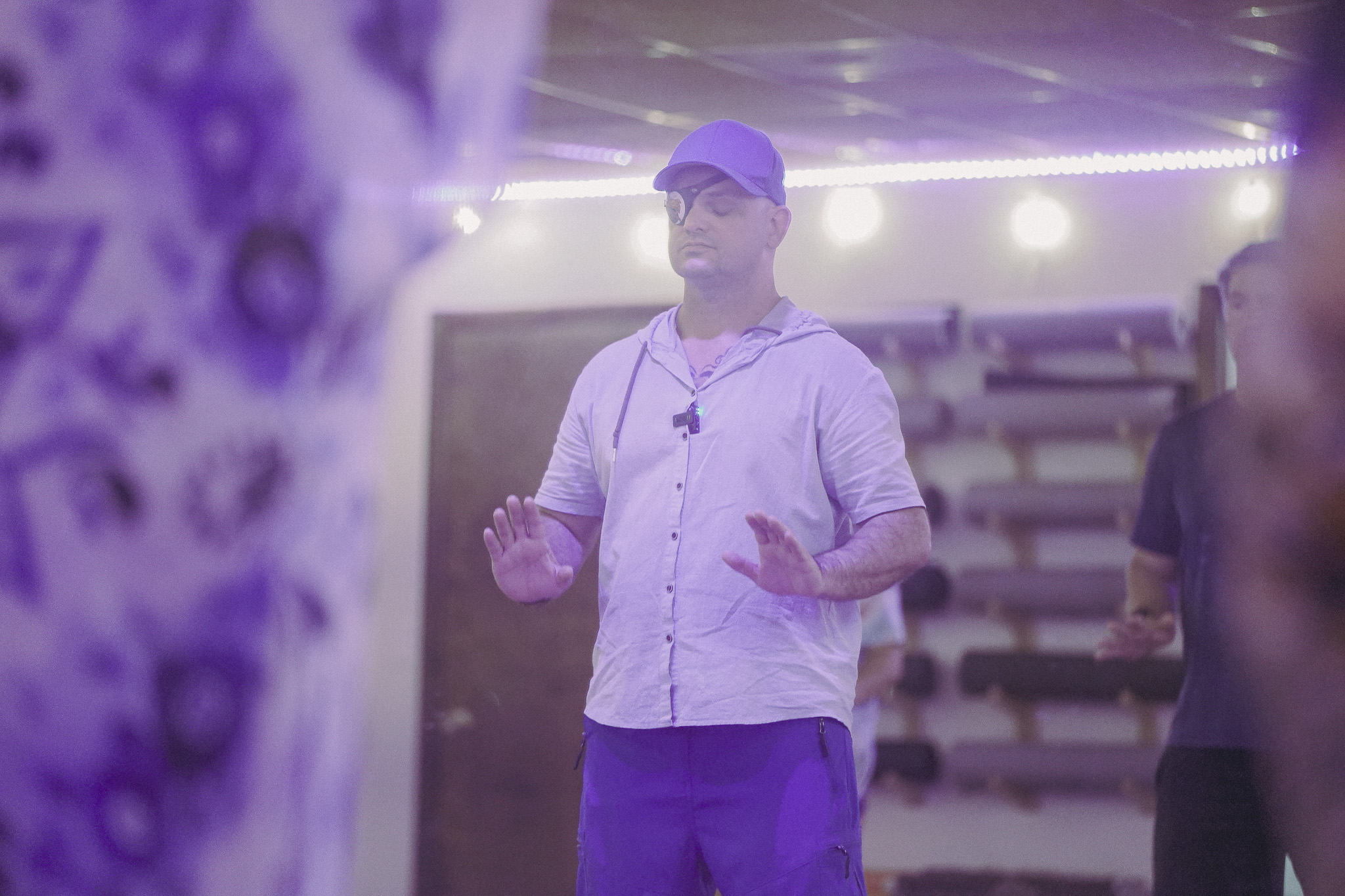
Moving meditation can feel supportive when sitting still feels difficult or when the mind has been carrying too much.
Tai Chi helps you slow down without shutting down
For people who feel overwhelmed, slowing down can be complicated. Sometimes slowing down feels peaceful. Other times, slowing down can make everything you have been holding feel louder.
This is why gentle movement can be helpful. Tai Chi allows you to slow down without needing to become completely still. You are moving, but softly. You are paying attention, but not forcing. You are practicing presence, but the body still has something to do.
This can create a supportive middle ground for people who feel too tired for intensity but too restless for stillness. The practice gives your system a way to ease into slowness one movement at a time.
Tai Chi can help you practice slowing down in a way that still feels supported, structured, and embodied.
Not Too Intense
Tai Chi offers gentle movement without asking the body to push into exhaustion or performance.
Not Completely Still
The body stays engaged, which can make mindfulness feel more accessible for restless or overwhelmed minds.
Not About Perfection
You do not need to know the movements already. The practice is about noticing, learning, and returning.
Not Another Pressure
The practice invites you to move with care instead of turning wellness into one more thing to accomplish.
Burnout can disconnect you from your body
When people are burned out, they often spend a lot of time in survival mode. They do what needs to be done. They keep showing up. They answer the messages, finish the tasks, take care of others, and push through the responsibilities.
But the cost of constantly pushing through is that the body can become something you stop listening to. You may ignore hunger, fatigue, tension, emotion, or the need for rest because there is always another thing that feels more urgent.
Tai Chi gives the body a place back in the conversation. It asks simple questions through movement: Can you feel your feet? Can you notice your breath? Can you sense your shoulders? Can you shift your weight with awareness? Can you move without rushing?
These questions may seem small, but for someone who has been disconnected from their body, they can be meaningful.
Tai Chi helps rebuild body awareness gently, one movement, one breath, and one moment of noticing at a time.
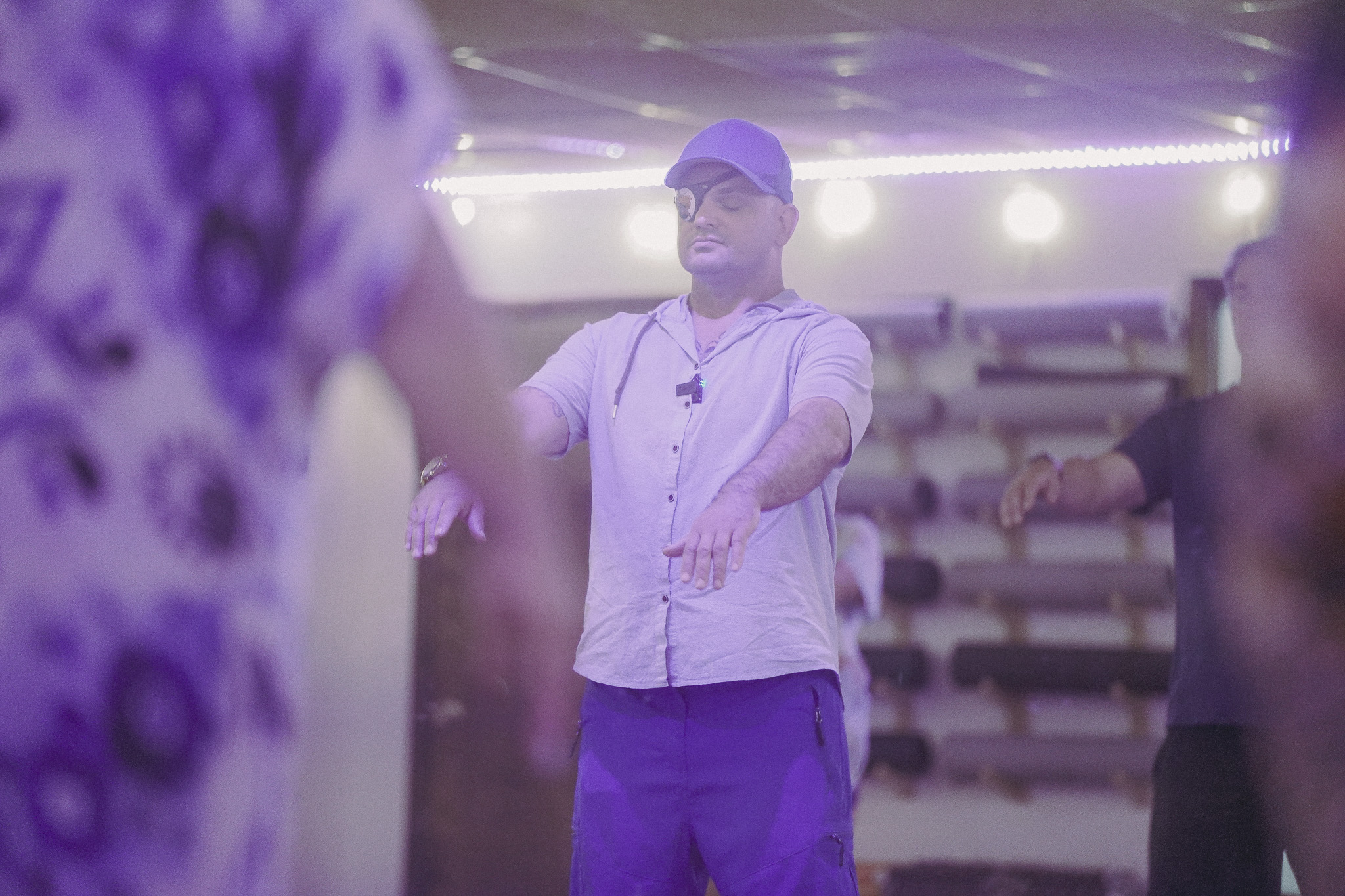
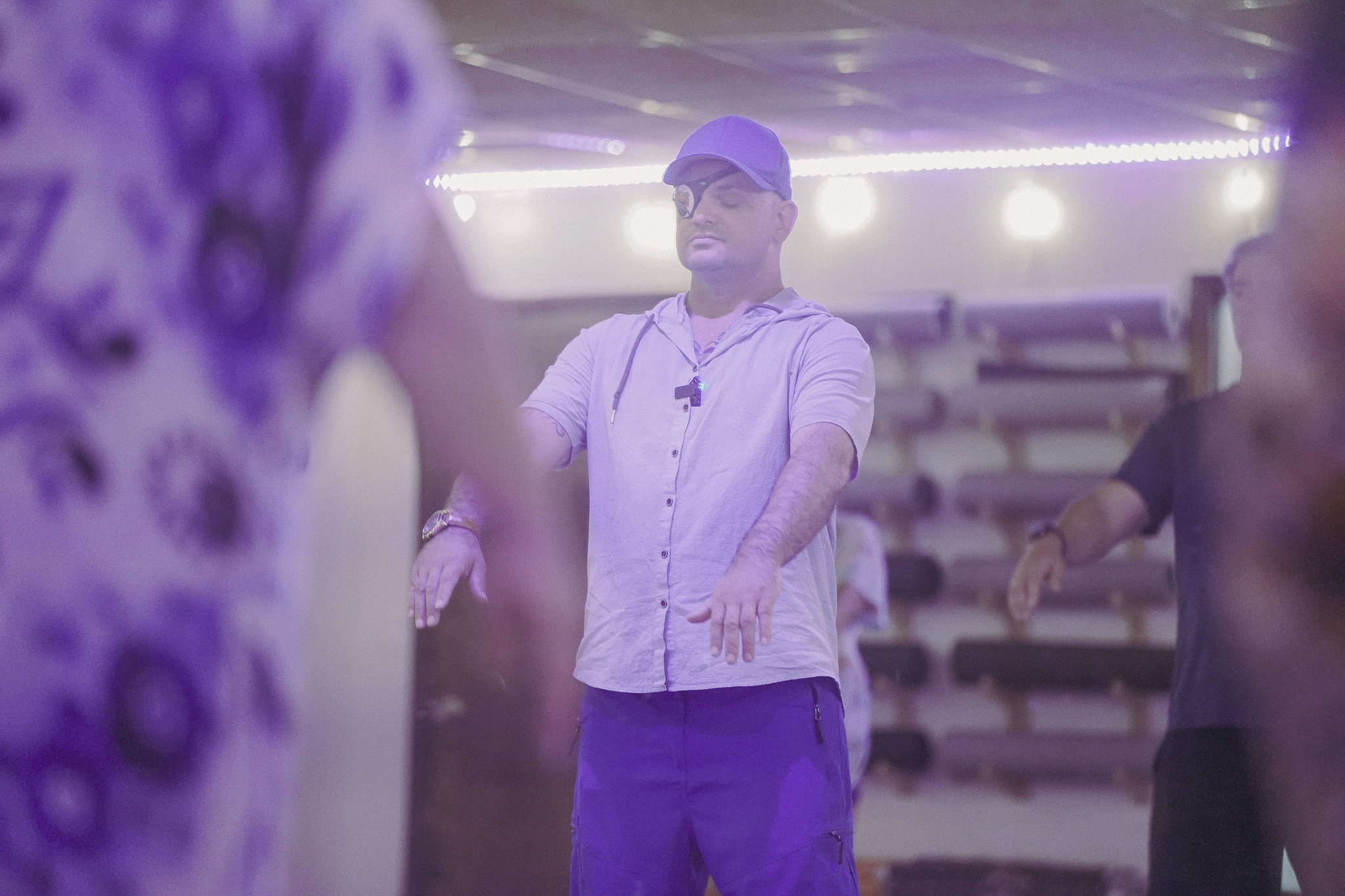
Tai Chi supports a slower relationship with stress
Overwhelm often creates urgency. Everything feels important. Everything feels like it needs attention right now. Even simple tasks can begin to feel heavy when your mind and body are already full.
Tai Chi helps the body practice a different rhythm. The movement is slow. The breath has space. The feet connect to the ground. The transitions are intentional. Nothing needs to be rushed.
This can be powerful because many people do not need another reminder to do more. They need a practice that helps the body experience what it feels like not to be pushed by urgency.
Over time, the rhythm of Tai Chi can begin to show up outside of class. You may notice yourself taking a slower breath before responding. You may pause before rushing into the next task. You may feel your body before saying yes to something you do not have capacity for.
Tai Chi does not remove every stressor, but it can help you build a different relationship with how stress moves through your body.
You do not have to feel calm before you begin
One of the biggest misunderstandings about practices like Tai Chi is that you need to arrive already calm, focused, flexible, peaceful, or ready.
You do not.
You can come in tired. You can come in distracted. You can come in unsure. You can come in with a busy mind, tight shoulders, shallow breath, or low energy. You can come in feeling like you do not know how to slow down.
The practice is not asking you to be somewhere else. It is giving you a place to begin from where you are.
You do not need to be calm to practice Tai Chi. The practice is one way of learning how to return to calm, little by little.
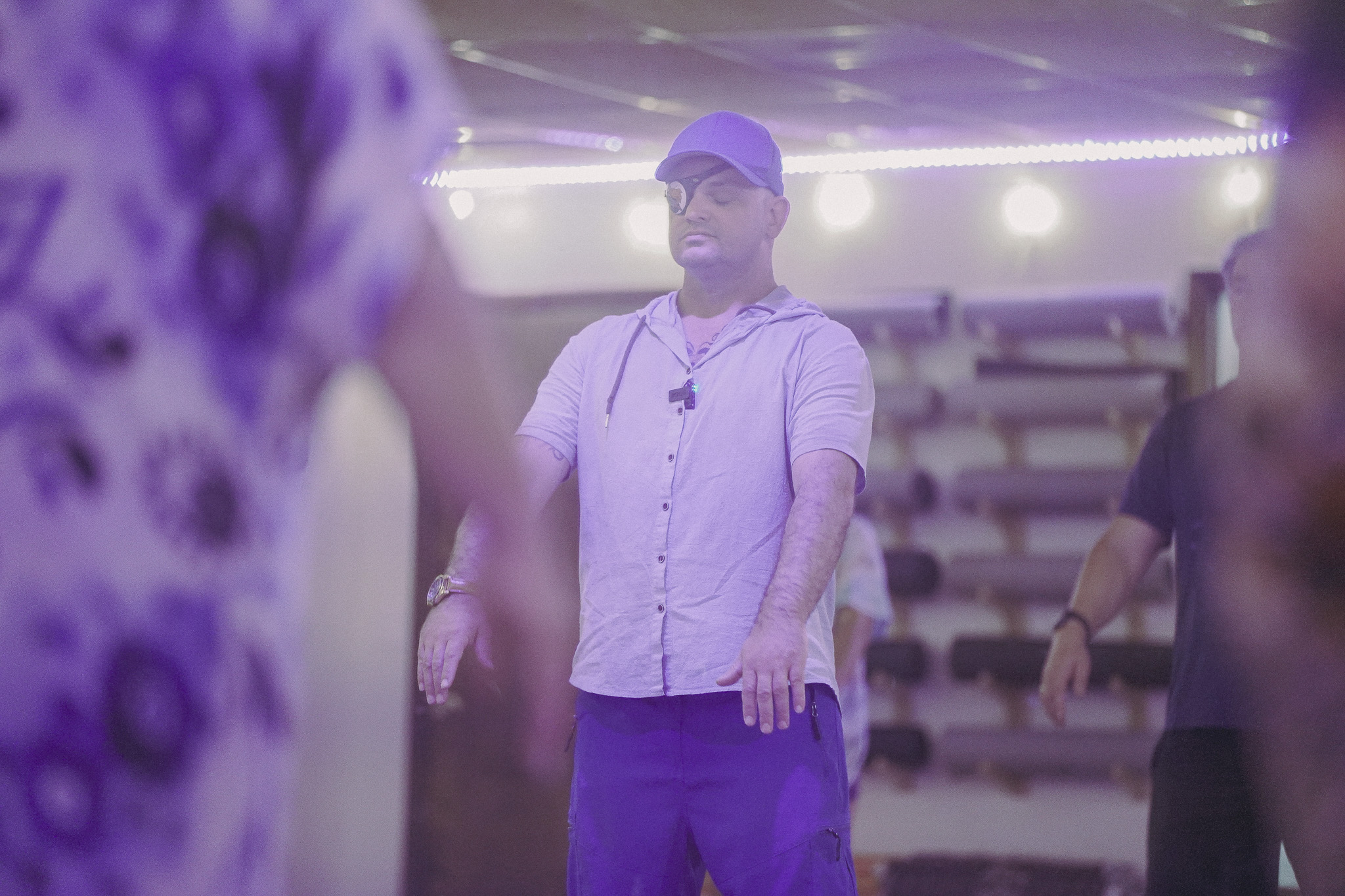

Tai Chi can help make rest feel less unfamiliar
For many people, rest is not as simple as stopping. The body may not know how to fully settle. The mind may keep running. The nervous system may still feel alert. The body may be tired, but still unable to soften.
Tai Chi can help create a bridge into rest because it begins with gentle movement. Instead of asking the body to go from full speed to complete stillness, the practice gives it a slower transition. Movement becomes quieter. Breath becomes more noticeable. The pace becomes softer. The body gets to ease into presence gradually.
This can be especially helpful for people who feel too exhausted for intensity but too activated to simply rest.
Sometimes the body needs a bridge into rest. Tai Chi can be one of those bridges.

Gentle movement can help the body transition from urgency into a slower rhythm.
Tai Chi can support people who feel emotionally full
Burnout and overwhelm are not always only about being busy. Sometimes they are emotional. You may be carrying grief, uncertainty, pressure, worry, responsibility, frustration, or the invisible weight of always needing to be okay.
When emotions feel full, it can be hard to know what to do with them. Talking may feel like too much. Stillness may feel too close. Distraction may only help temporarily. The body may need a way to move with what is present without needing to explain everything.
Tai Chi offers a gentle form of movement that can help you be with yourself without forcing emotional expression. You can move slowly. You can breathe. You can notice what is happening. You can let the body participate without needing to have all the words.
Sometimes the body needs a way to move with what it is carrying before the mind knows how to explain it.
When Words Feel Hard
Gentle movement can give the body a way to participate without needing to explain everything right away.
When Stillness Feels Too Close
Tai Chi offers motion, rhythm, and structure for people who feel overwhelmed by complete stillness.
When You Feel Disconnected
The practice helps bring attention back to the feet, breath, posture, and present moment.
When You Feel Depleted
The gentle pace can feel more accessible than practices that require intensity, performance, or high energy.
The benefits may feel subtle at first
If you are overwhelmed or mentally exhausted, you may not leave your first Tai Chi class feeling completely transformed. That is okay.
The benefits of Tai Chi often build through repetition and consistency. At first, you may simply notice that your breath feels a little easier. Your shoulders feel slightly less lifted. Your mind feels a little less scattered. Your feet feel more connected to the ground. You feel like you had a moment where you did not have to hold everything.
These subtle shifts matter. They are not small because they are meaningless. They are small because the body may need gentle, repeated experiences before deeper change feels possible.
When you are burned out, subtle support can be powerful because the body may not have capacity for anything more forceful.
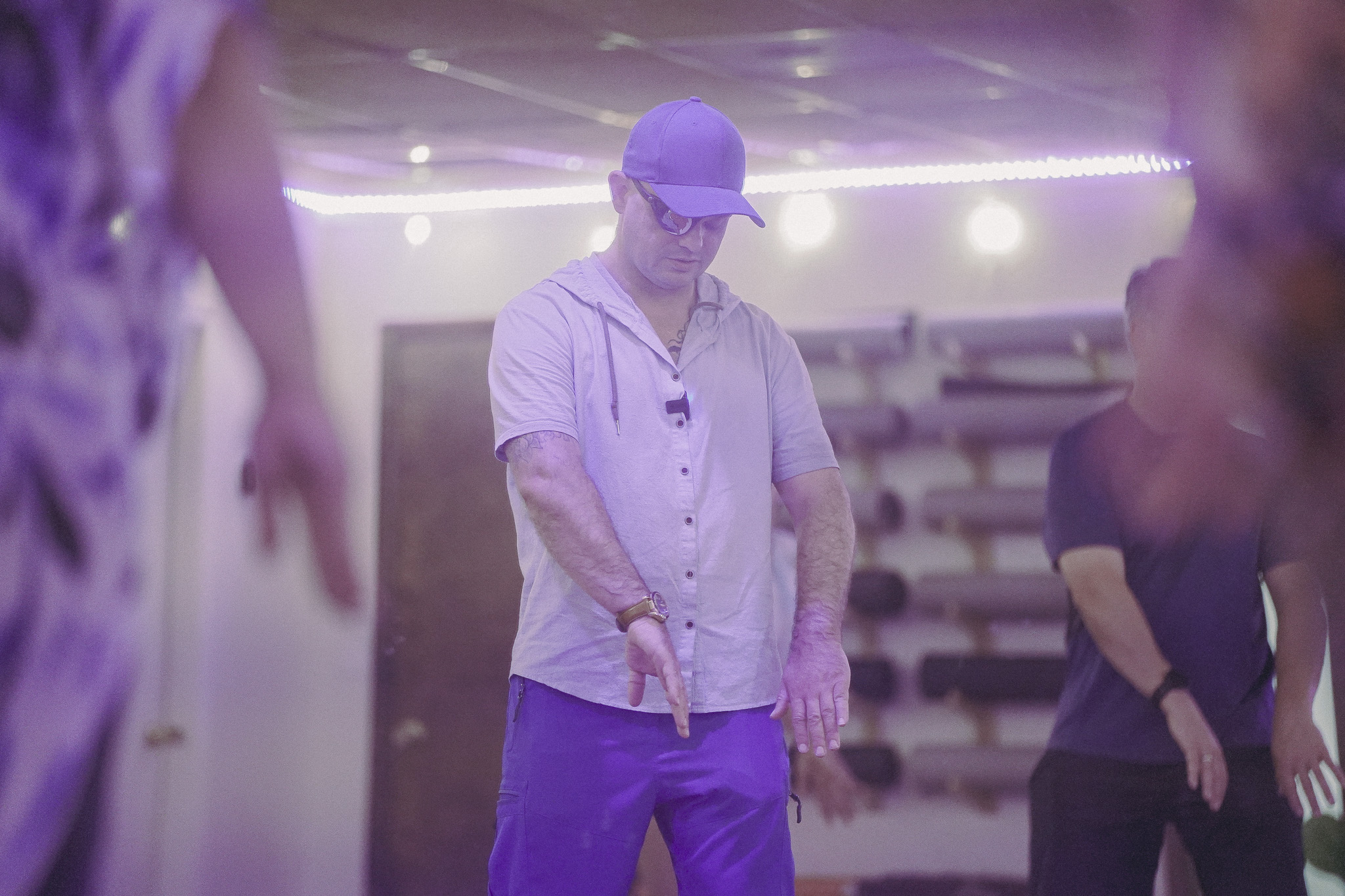
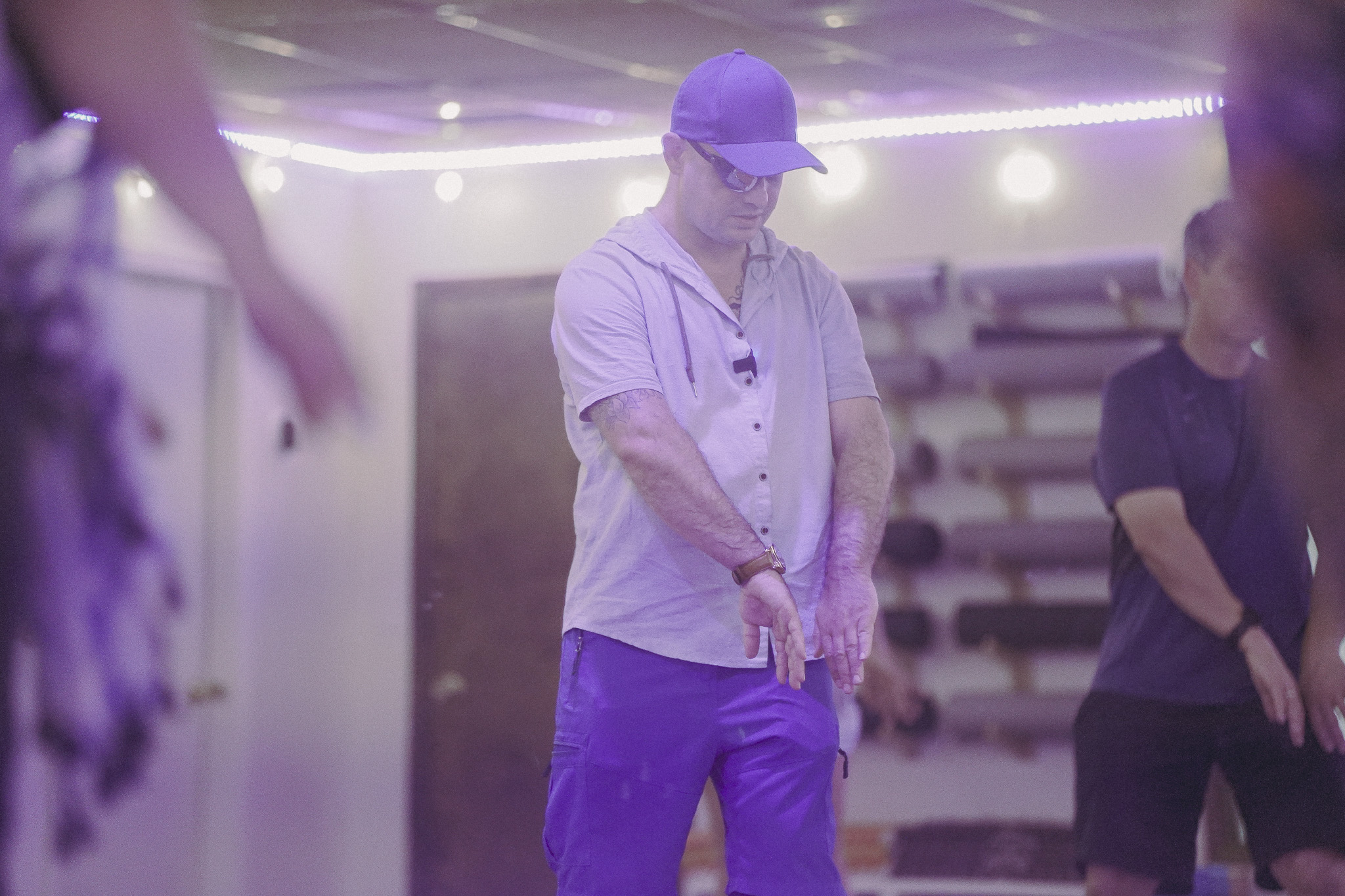
Tai Chi can help you build capacity over time
When people feel overwhelmed, they often think they need to immediately solve everything that is causing the overwhelm. Sometimes changes are needed. Sometimes boundaries are needed. Sometimes support is needed. Sometimes rest is needed.
But there is also something important about building capacity in the body.
Capacity means having a little more room to notice, breathe, feel, respond, and return. It does not mean you never get overwhelmed. It means you begin practicing how to stay connected to yourself when life feels full.
Tai Chi can support this over time because it gives the body repeated practice in grounding, slowing down, shifting attention, and moving through transitions with awareness.
Capacity is not built through forcing yourself to handle more. It is built through learning how to stay connected to yourself with more care.
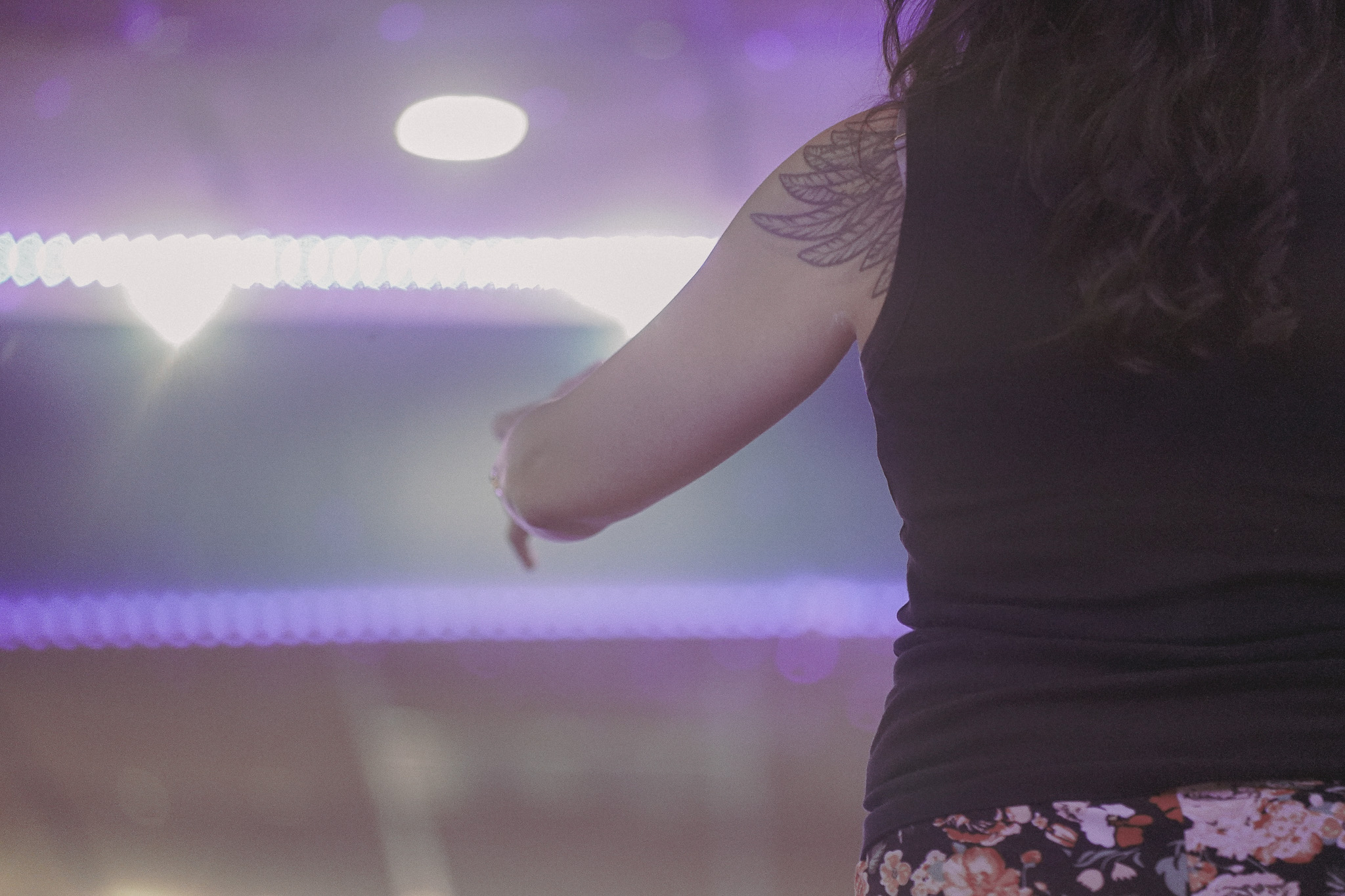
Tai Chi can help people build a slower relationship with stress through repetition, awareness, and gentle movement.
Tai Chi and The Healing Tree Collective
At The Healing Tree Collective, we know that many people arrive carrying more than they say out loud. They may be overwhelmed, burned out, mentally exhausted, emotionally full, or simply tired of pushing through everything alone.
That is why we believe wellness practices need to feel accessible. Not everyone needs intensity. Not everyone needs to be challenged harder. Not everyone needs another space where they feel like they have to perform.
Practices like Tai Chi give people a gentle way to come back to themselves. The movements are slow. The pace is compassionate. The practice allows room for beginners, tired bodies, busy minds, and people who are still learning how to feel safe slowing down.
This connects directly to our mission. We are here to create accessible wellness spaces where people can heal, grow, and reconnect with themselves through practices that feel supportive, educational, and real.
We are not just creating classes. We are creating spaces where people can stop performing wellness and begin practicing a real return to themselves.
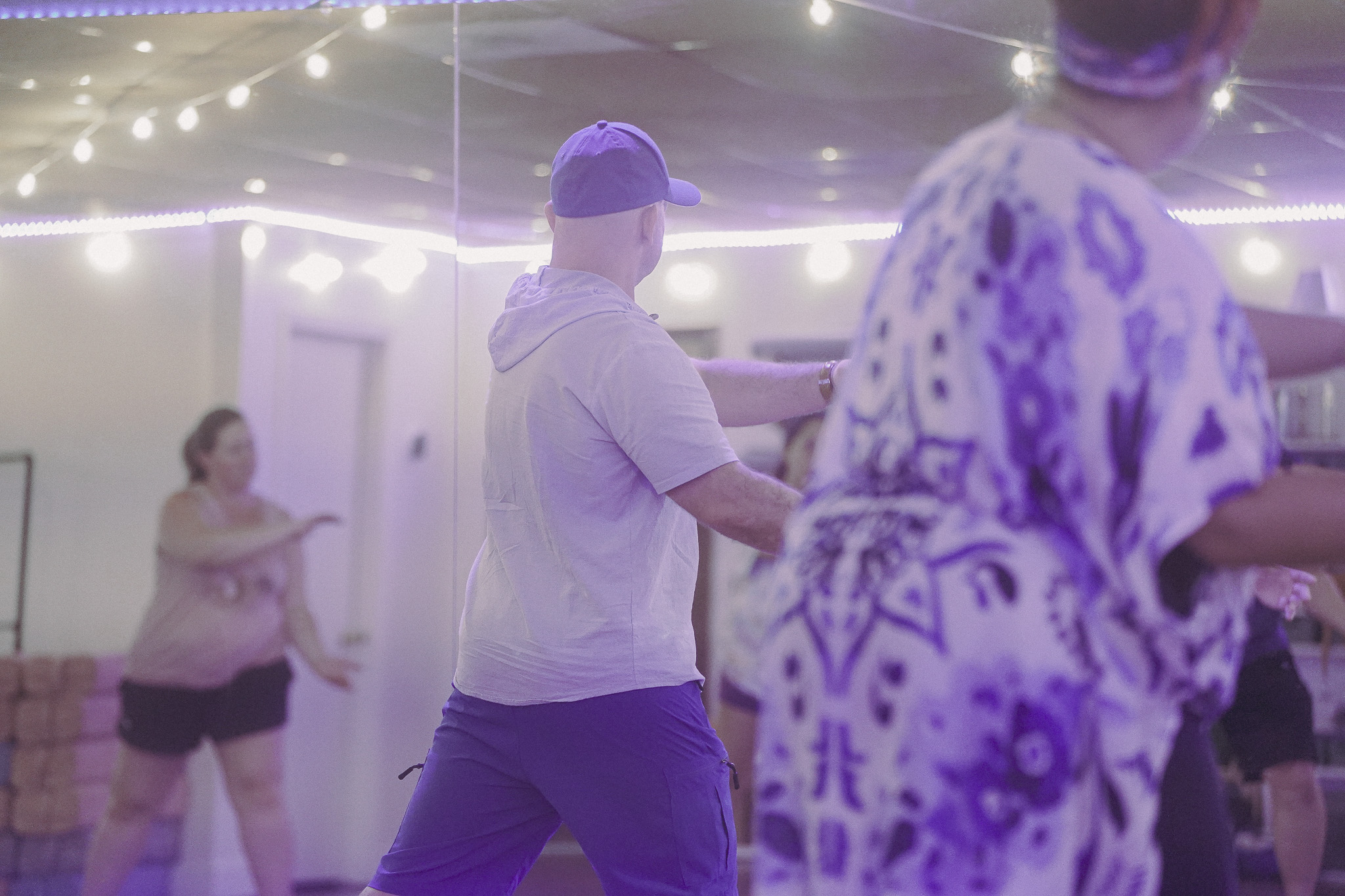
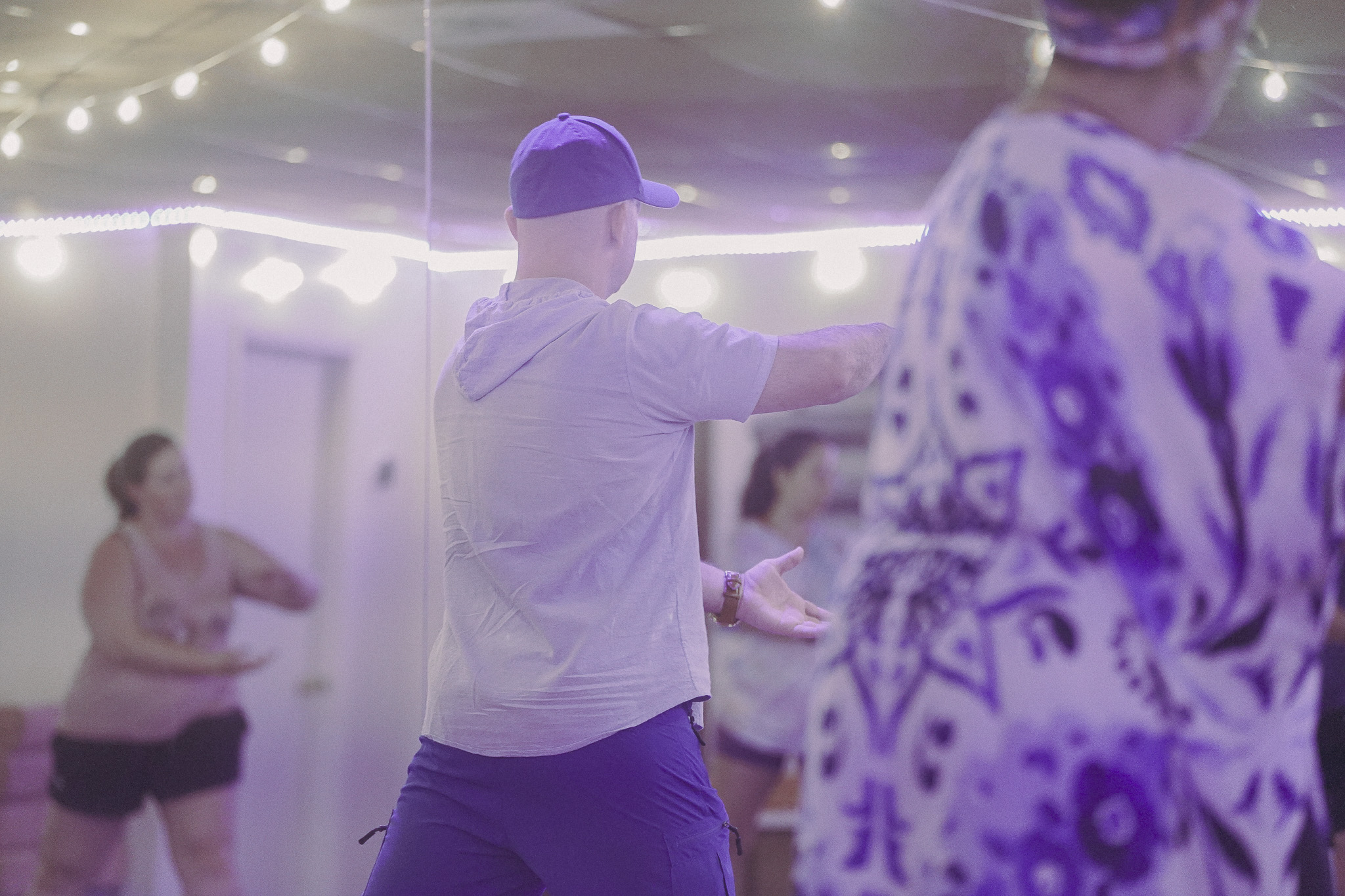
Final thoughts: you do not have to push harder to begin healing
When you feel overwhelmed, burned out, or mentally exhausted, the answer is not always to push harder. Sometimes the body has already been pushed enough.
Tai Chi offers a different kind of support. It invites you to move slowly, breathe gently, feel your feet, notice your body, and return to the present moment without needing to perform calm or force yourself into peace.
The practice may feel subtle at first, but subtle can be exactly what an exhausted body needs. One movement. One breath. One pause. One moment of remembering that you are allowed to come back to yourself.
Tai Chi can support people who feel overwhelmed or burned out because it does not ask you to become more. It gives you a place to return to what is already here.
Looking for gentle support for overwhelm or burnout in Tempe, Arizona?
At The Healing Tree Collective, our beginner-friendly wellness classes are designed to support stress relief, mindfulness, body awareness, and deeper connection. If you are curious about Tai Chi, moving meditation, burnout support, or gentle mind-body practices, you are welcome to begin here.