25 June 2026
The Healing Tree Collective • Tempe, Arizona
Can Tai Chi Help You Feel More Calm? Understanding the Stress Relief Benefits
Many people are looking for practices that help them feel calmer, but calm is often misunderstood. Calm does not mean that life becomes quiet, that responsibilities disappear, or that the mind never feels stressed again.
In a more practical sense, calm can mean having a little more space inside your body before reacting. It can mean noticing your breath sooner, recognizing tension earlier, feeling more grounded in the present moment, or being able to return to yourself after stress pulls you away.
Tai Chi may support a calmer state because it combines slow movement, breath awareness, balance, posture, and mindful attention in a way that helps the body practice slowing down without forcing stillness.
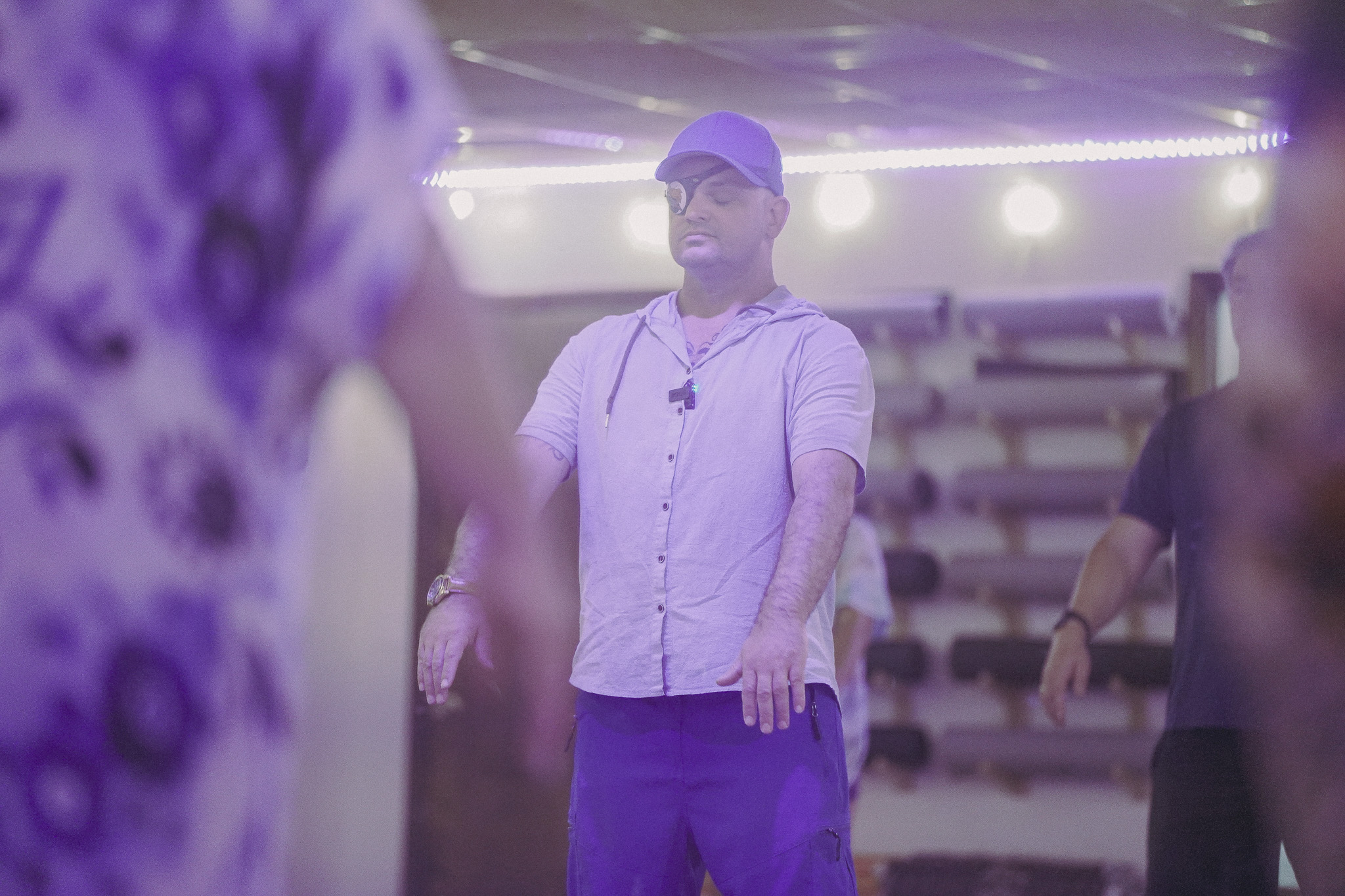
Tai Chi uses slow, intentional movement to help the body practice presence, grounding, and awareness.
Tai Chi may help you feel more calm by supporting:
A body-based approach to stress relief that does not depend on force, intensity, or performance.
- Breath awareness
- Body awareness
- Grounding through the feet
- Slower movement patterns
- Mindful focus
- Reduced rushing
- A stronger connection between body and mind
What does it actually mean to feel calm?
When people say they want to feel calm, they often imagine an immediate emotional shift. They may picture a completely quiet mind, a relaxed body, a peaceful mood, and the absence of stress. While those experiences can happen at times, they are not always realistic or sustainable, especially when someone is navigating a full life with work, family, responsibilities, relationships, financial pressure, health concerns, or emotional stress.
A more realistic understanding of calm is not the absence of all challenge. Calm can also be understood as a state of increased regulation, awareness, and steadiness within the body. In everyday life, this may look like taking a breath before responding to a difficult message, noticing your shoulders before they stay tight all day, feeling your feet during a stressful conversation, or recognizing that your body is becoming overwhelmed before you push past your limits.
This distinction matters because many people assume they are failing when they cannot make themselves feel calm on command. Tai Chi offers a different approach. Rather than trying to force calm through willpower, it gives the body a repeated experience of moving more slowly, paying attention more carefully, and returning to the present moment through movement.
Calm is not always a sudden feeling. Sometimes it is a skill the body learns through repeated experiences of slowing down, breathing, and returning.
Why stress can make calm difficult to access
Stress affects more than your thoughts. It can influence your posture, breathing, muscle tension, emotional reactions, attention span, energy levels, and ability to rest. When stress is present, the body may become more alert, more tense, and more prepared to respond. This response can be helpful in moments that require immediate attention, but when the body stays in that heightened pattern for too long, it can become difficult to settle.
Many people live with a low-level sense of urgency without realizing it. They move quickly from one task to another, answer messages while holding their breath, sit with tight shoulders, drive with a clenched jaw, and carry tension from one part of the day into the next. Over time, the body may become so familiar with stress that calm begins to feel unfamiliar or even uncomfortable.
Tai Chi can be helpful in this context because it does not ask the body to jump from stress into complete relaxation. Instead, it introduces a gradual rhythm. The movement is slow enough to interrupt autopilot, but active enough to give the mind and body something clear to follow. This makes Tai Chi especially useful for people who want to feel calmer but struggle with traditional stillness-based practices.
For many people, calm becomes more accessible when the body is given a structured, gentle way to slow down rather than being told to relax immediately.


Tai Chi supports calm through slow, intentional movement
One of the most important features of Tai Chi is its pace. The movements are slow, controlled, and continuous, which allows the body to participate without the pressure of intensity. This slower pace is not simply for appearance. It gives you time to notice how you are moving, where tension may be present, how the breath is responding, and whether your attention is staying connected to the body.
In many forms of exercise, speed or effort can allow a person to move through discomfort without fully noticing it. Tai Chi creates a different experience. Because the movement is slower, there is more opportunity to become aware of the body’s subtle signals. You may notice that you are holding your shoulders too high, gripping your hands, tightening your jaw, leaning forward, or rushing through a transition even when the class itself is moving slowly.
This awareness is one of the reasons Tai Chi can support a calmer state. The practice gives the body a chance to move without urgency. Over time, that repeated experience can help the body become more familiar with slowing down, adjusting, and softening unnecessary effort.
Slow movement helps create the conditions for calm because it gives the body time to notice, adjust, and return.
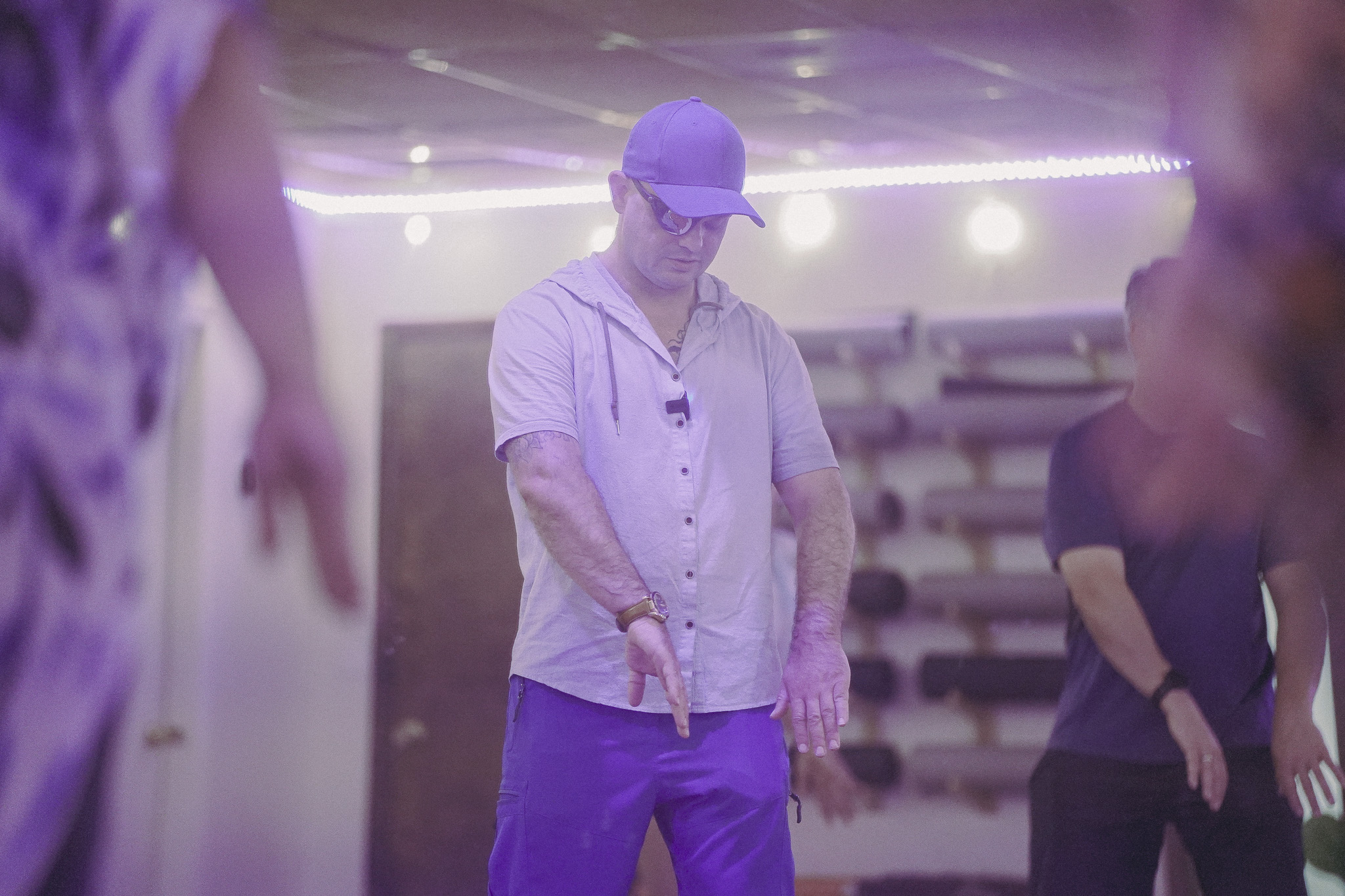
The pace of Tai Chi allows movement to become a form of awareness rather than another source of pressure.
Tai Chi gives the mind a steady place to focus
One reason stress can feel overwhelming is that the mind often moves in many directions at once. It may replay conversations, anticipate problems, plan future tasks, organize responsibilities, or search for solutions before the body has had a chance to settle. When the mind is moving quickly, being told to “just relax” rarely helps.
Tai Chi gives the mind a practical point of focus. Instead of asking your thoughts to disappear, the practice invites your attention to follow the body. You may focus on where your feet are placed, how your weight shifts, how your arms move, how your breath feels, and how one movement transitions into the next. These physical anchors provide structure for attention.
This is why Tai Chi is often described as a form of moving meditation. The practice does not depend on perfect silence or complete stillness. Instead, it helps the mind return to the present moment through the body. Each time your mind wanders, the movement gives you a clear place to come back to.
For people with busy minds, Tai Chi can make mindfulness more accessible because attention has something concrete and physical to follow.
Feet
Your attention can return to the feeling of your feet meeting the ground, which helps connect awareness to the present moment.
Breath
Your breath becomes easier to notice as movement slows down and the body has more room to sense what is happening.
Posture
You begin to recognize whether the body is bracing, collapsing, leaning, or holding unnecessary tension.
Transition
The space between movements teaches you how to stay present rather than rushing toward the next thing.
Breath awareness is part of the calming effect
The breath is often one of the first things to change when stress is present. Many people breathe more shallowly when they are overwhelmed, hold their breath when concentrating, or forget to fully exhale during moments of pressure. Because these patterns can become familiar, people may not notice how much their breathing reflects the state of their body.
Tai Chi creates an opportunity to observe the breath without forcing it. As the body moves more slowly, breathing often becomes easier to notice. You may begin to feel where the breath is restricted, where the body is holding tension, or where an exhale allows the shoulders to soften. This kind of breath awareness is not about doing a complicated breathing technique. It is about rebuilding a simple relationship with the breath as part of the body’s communication.
When breath and movement become more connected, the practice may begin to feel calming because the body is no longer operating only from urgency. The breath becomes part of the rhythm of the practice, and that rhythm can help create a more grounded internal experience.
Calm often begins with noticing the breath as it is, rather than forcing the breath to become something different immediately.
Grounding can help the body feel more settled
Feeling calm is closely connected to feeling grounded. When you are grounded, you may feel more connected to your body, more aware of your surroundings, and less pulled away by racing thoughts or emotional urgency. Grounding does not mean that stress disappears. It means there is a stronger sense of connection to the present moment.
Tai Chi supports grounding by placing consistent attention on the feet, legs, posture, weight shifting, and balance. As you move, you begin noticing how the body is supported by the ground. You learn how to shift weight more carefully, stabilize through the legs, and adjust posture with more awareness.
This can be especially helpful for people who feel mentally scattered or emotionally overwhelmed. When the mind is moving quickly, the body can become an anchor. Feeling your feet, noticing your stance, and moving slowly through a transition can help bring attention back into the present moment in a practical and embodied way.
Grounding gives calm a physical foundation. Tai Chi supports that foundation by bringing attention back to the body and the ground beneath it.
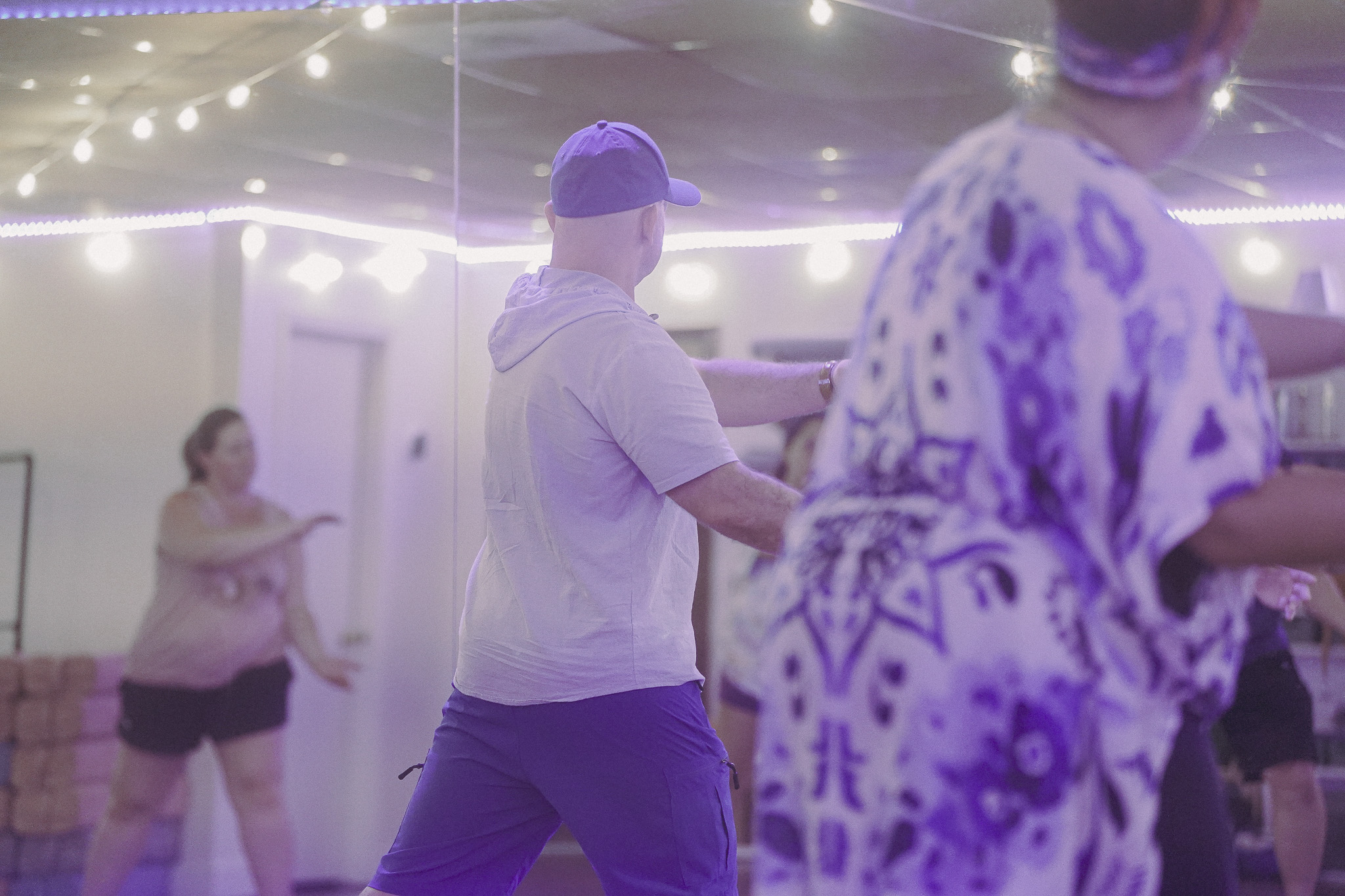
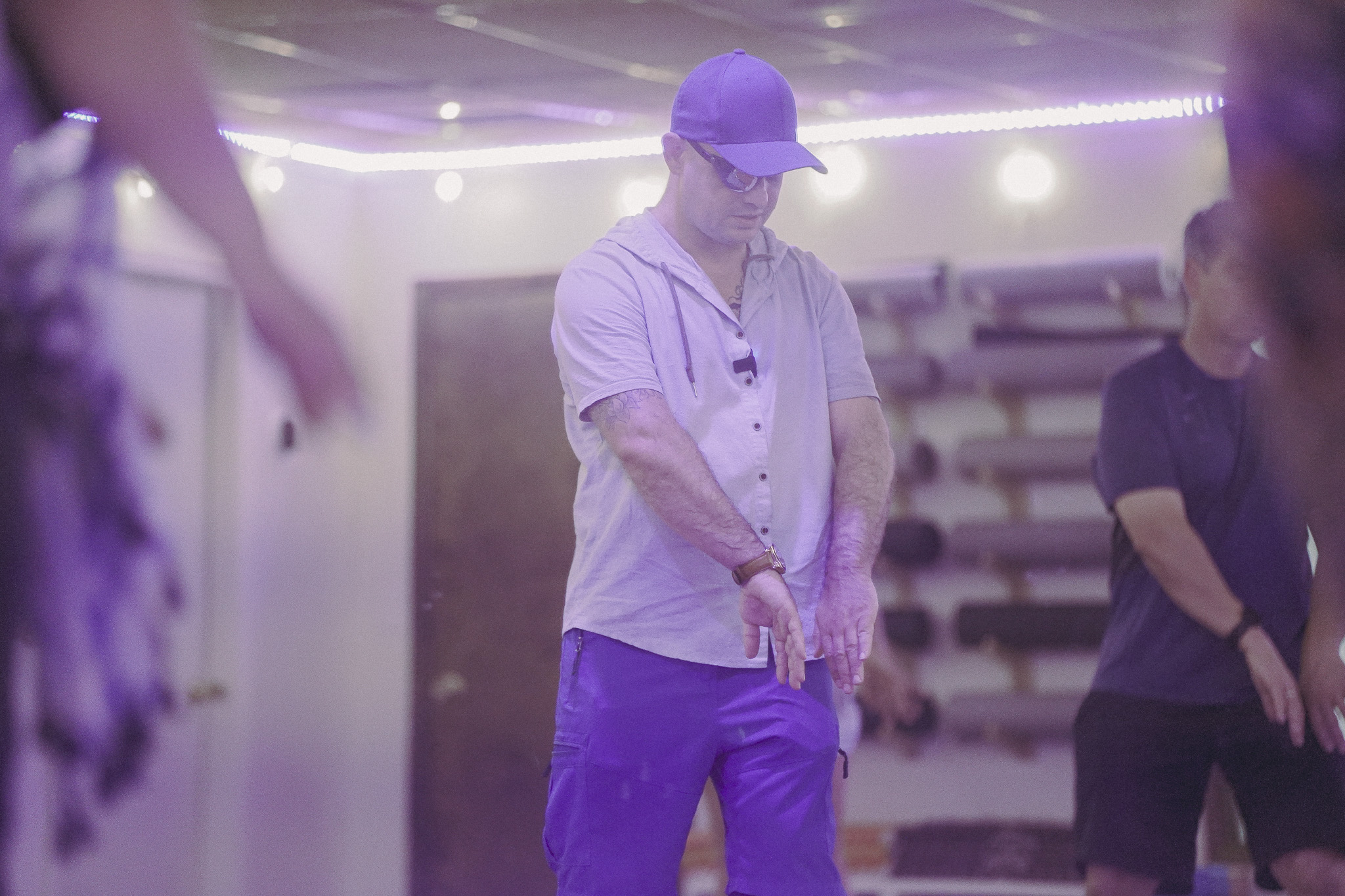
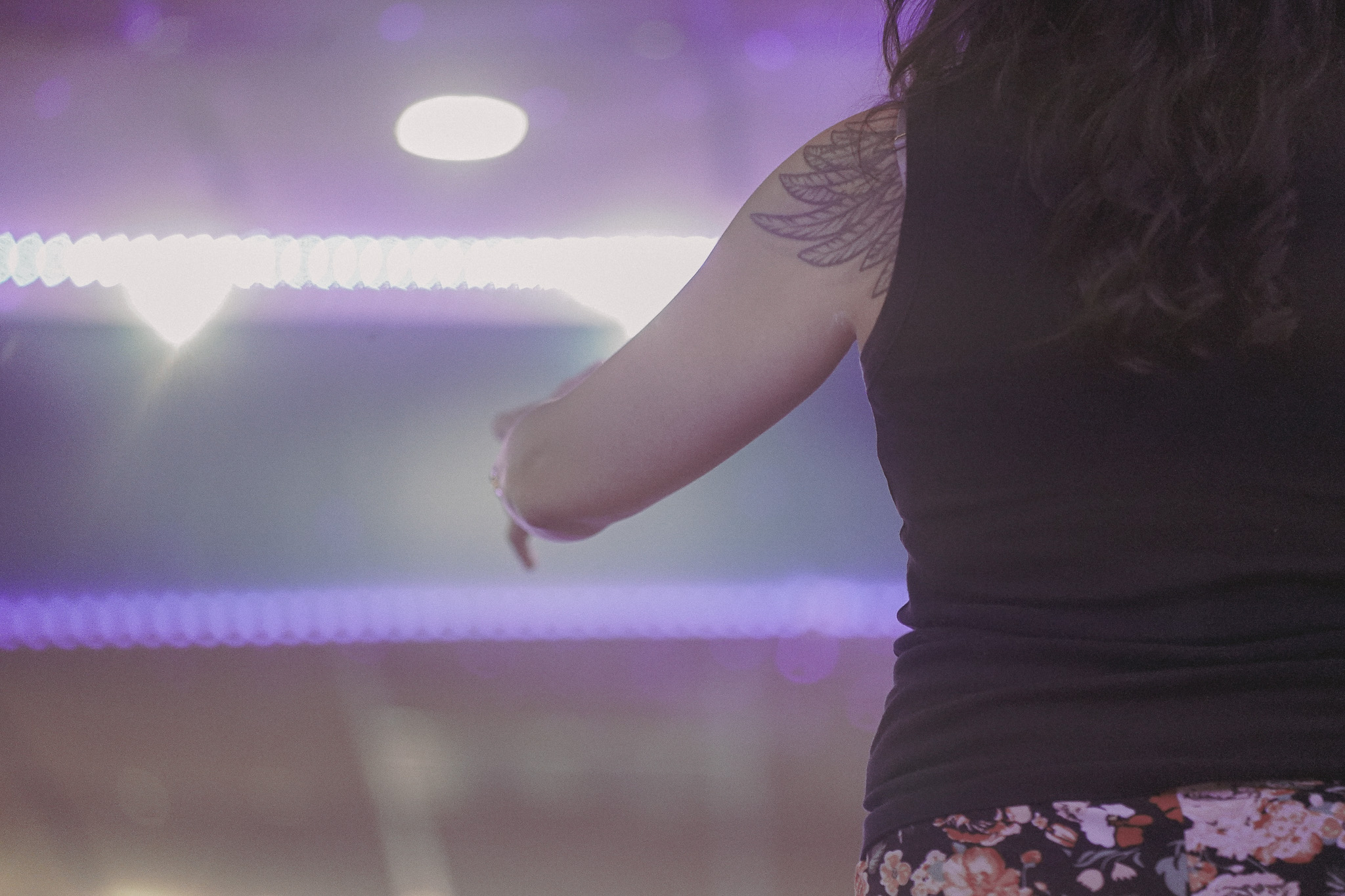
Grounding is not only a mental idea; it can be practiced through the feet, posture, balance, and breath.
Tai Chi may be helpful when stillness feels difficult
Many people want to meditate or rest, but sitting still can feel difficult when the body is stressed. The mind may become louder, the body may feel restless, or emotions may become more noticeable. This can make people believe they are not good at mindfulness, when in reality they may simply need a different doorway into the practice.
Tai Chi can be a supportive option because it allows the body to remain engaged while the mind practices attention. You are not required to sit in silence or force yourself into stillness before your body is ready. Instead, you can move slowly, breathe, follow the teacher, and let the physical practice give your attention a place to land.
This makes Tai Chi especially accessible for people who feel overstimulated, mentally exhausted, restless, or disconnected from their bodies. The practice allows mindfulness to happen through motion, which can feel more natural for those who find seated practices challenging at first.
Tai Chi can support calm because it offers a middle path between constant motion and complete stillness.
The stress relief benefits often build over time
Although some people may feel calmer after a single Tai Chi class, the deeper benefits usually develop through consistency. This is important for beginners to understand because Tai Chi can feel subtle at first. It may not create a dramatic emotional release or an immediate sense of transformation. Instead, the benefits often show up through repeated small shifts.
Over time, you may begin to notice that your body recognizes tension sooner, your breath becomes easier to feel, your balance improves, or your mind has an easier time returning to the present moment. You may also notice that the practice begins to influence daily life. For example, you may take a slower breath before responding to a stressful message, soften your shoulders during work, or recognize when your body is rushing even though nothing urgent is happening.
These changes matter because stress relief is not only about feeling better during class. It is also about developing practical skills that support how you move through ordinary moments. Tai Chi can help build those skills gradually, through repetition, body awareness, and a slower relationship with movement.
The calming benefits of Tai Chi often come from practice over time, not from expecting one class to solve everything immediately.
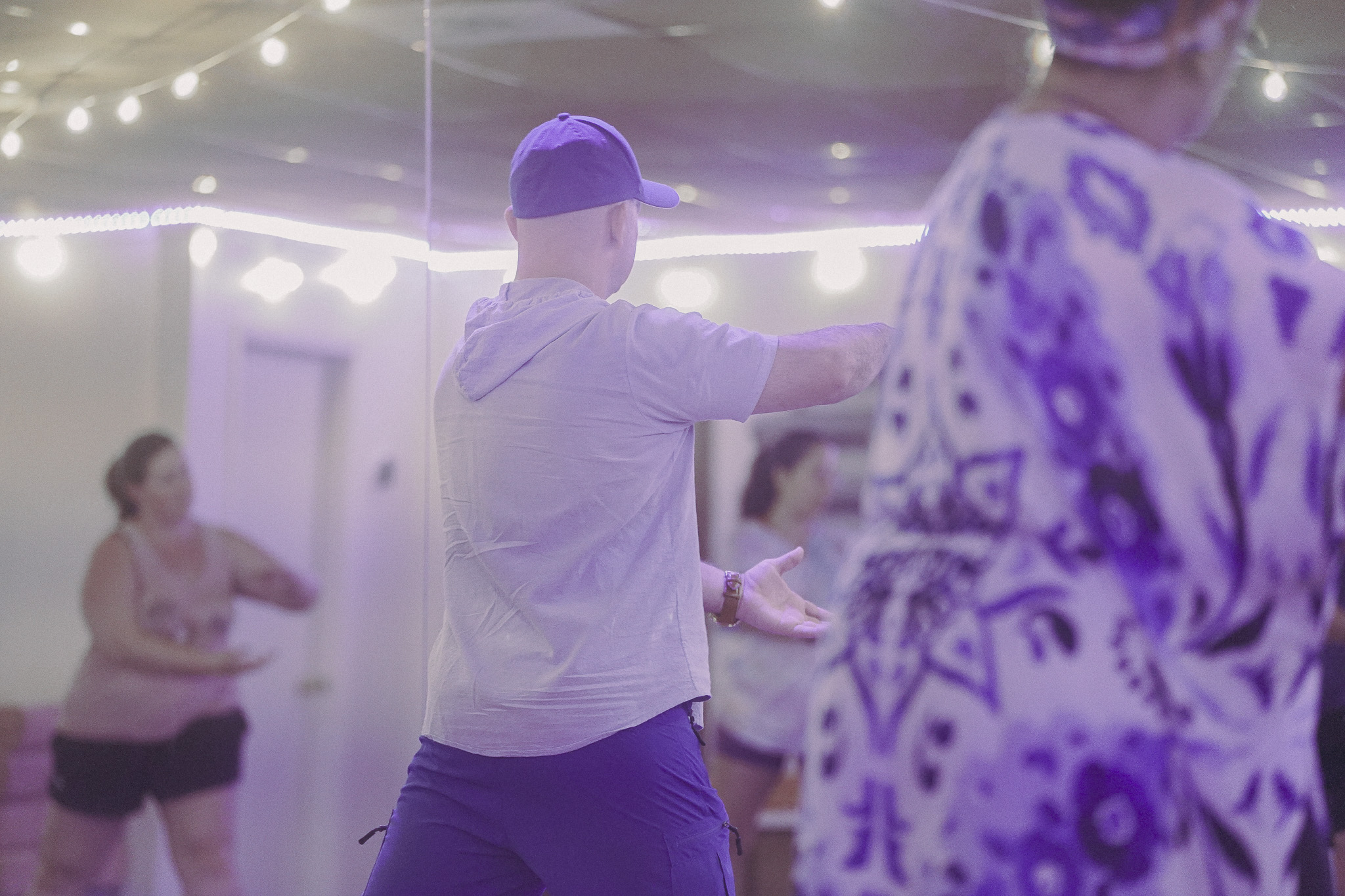
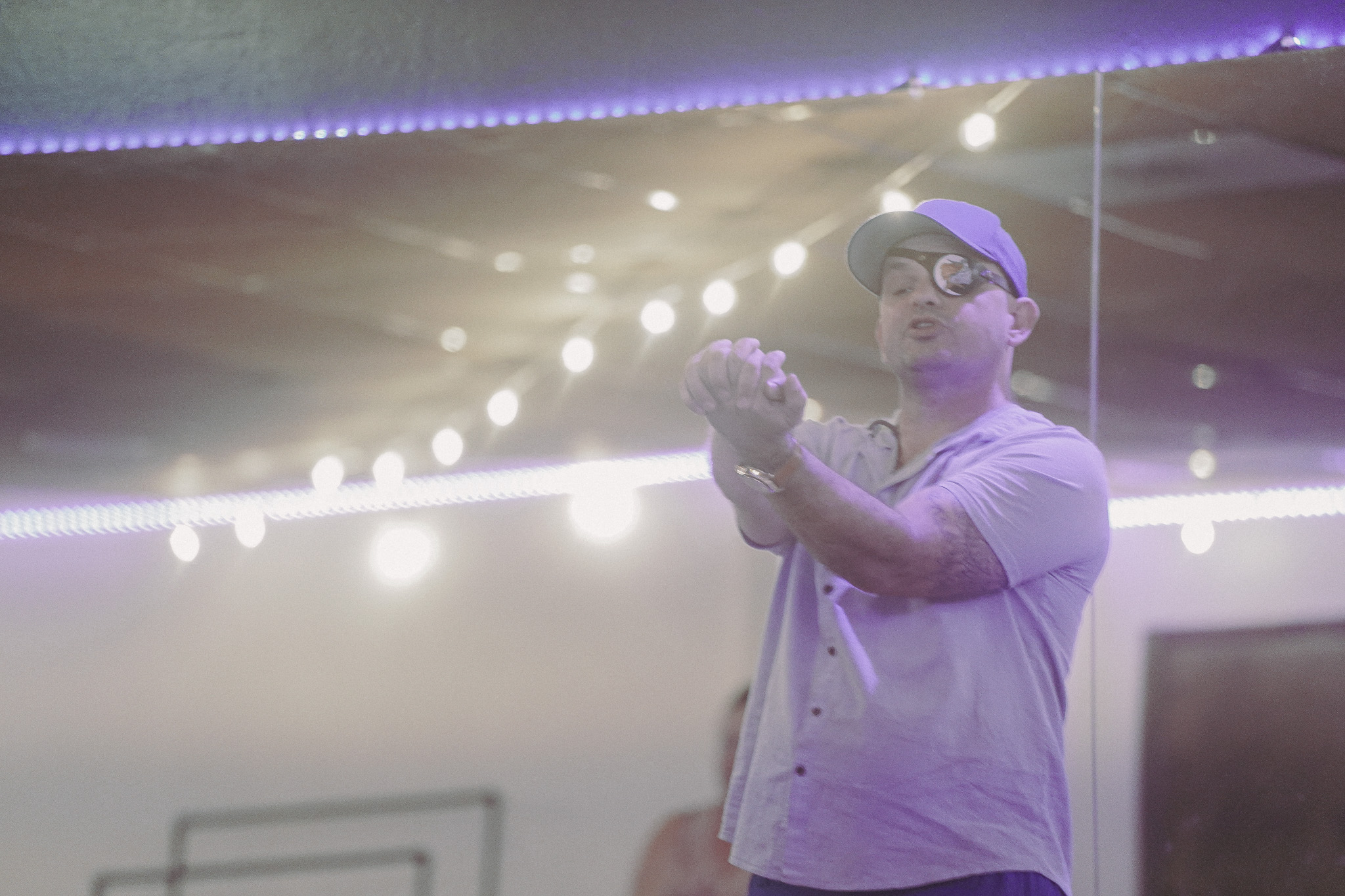
What calm can look like after practicing Tai Chi
Calm may not always feel dramatic. For some people, calm may look like a slightly deeper breath, a little less tightness in the shoulders, or the ability to notice that the body has been bracing all day. For others, it may feel like being more present, less scattered, or more connected to the body after class.
It is helpful to look for subtle signs rather than expecting a perfect emotional state. A person may still have stress in their life and still benefit from Tai Chi. They may still have responsibilities, decisions, and challenges, but they may begin to experience a different relationship with those stressors.
In practical terms, calm might look like pausing before reacting, noticing stress earlier, feeling more stable in the body, or having a reliable practice that helps you return to yourself. These are meaningful outcomes because they support the way people live, work, communicate, and care for themselves in real life.
In the Body
You may notice more ease in the breath, less gripping in the shoulders or jaw, and more awareness of how tension shows up.
In the Mind
You may feel less scattered because the practice gives your attention a clear and steady place to return.
In Stressful Moments
You may recognize the early signs of stress before the body reaches a more overwhelmed state.
In Daily Life
You may begin applying the practice through slower breathing, more grounded transitions, and more intentional responses.
Tai Chi is not about pretending stress does not exist
A common misunderstanding about calming practices is that they are meant to make a person feel peaceful all the time. That is not realistic, and it is not the goal of Tai Chi. Stress is a normal part of life, and many stressors require practical action, communication, boundaries, support, or professional care.
Tai Chi does not replace those needs. Instead, it can support the internal skills that help you relate to stress with more awareness. It can help you notice what is happening in the body, create a little more space before reacting, and practice returning to breath and movement when the mind becomes overwhelmed.
This distinction is important because calm should not become another performance. You do not need to arrive at class already relaxed. You do not need to be good at meditation. You do not need to know the movements before beginning. The practice is valuable because it meets you in the process of learning, not because it expects you to already be calm.
Tai Chi does not ask you to deny stress. It gives you a structured way to practice being with stress differently.
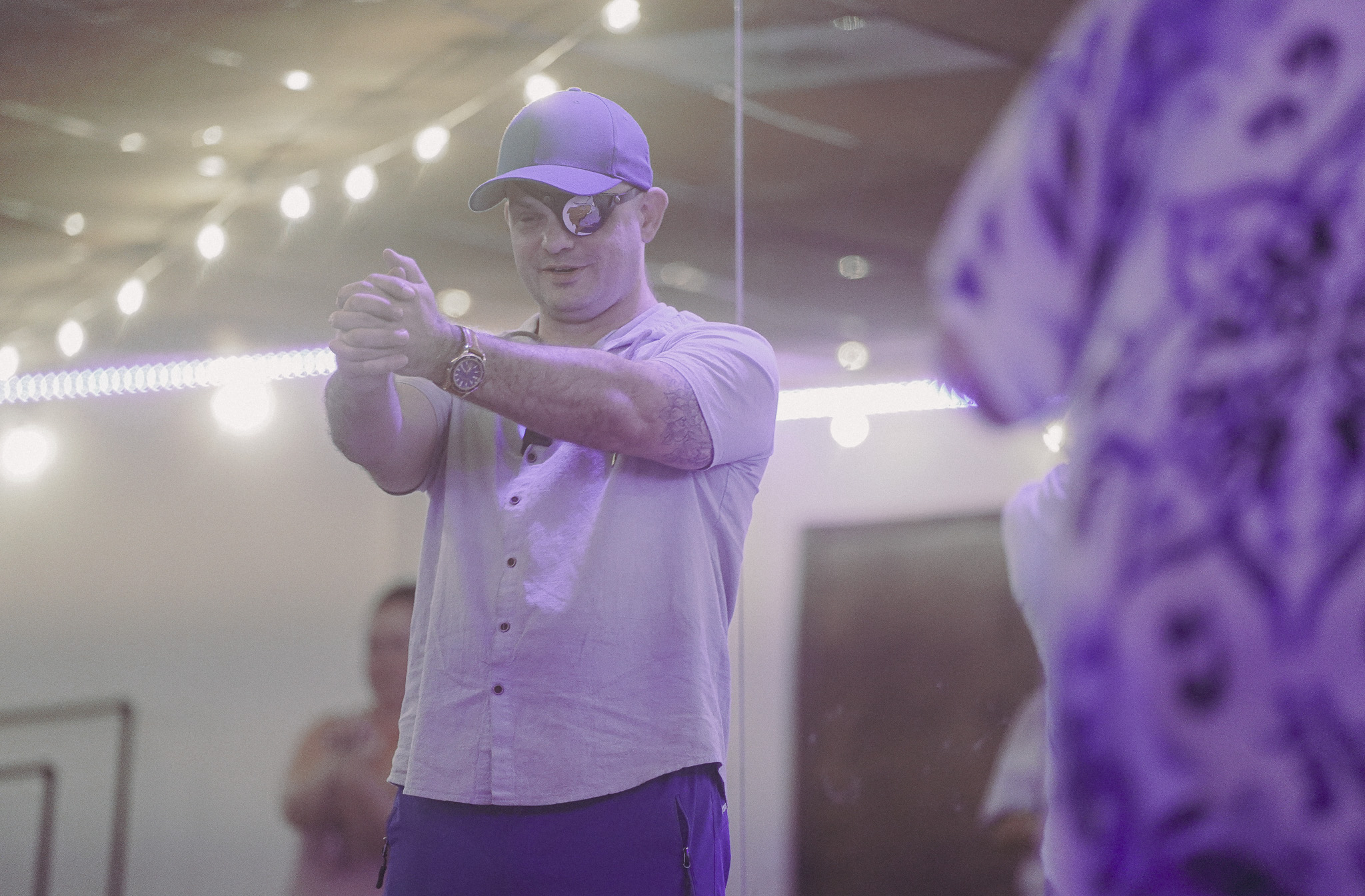
The practice supports calm by helping people build awareness and steadiness, not by requiring them to be peaceful before they begin.
Who may benefit from Tai Chi for calm?
Tai Chi may be especially supportive for people who want stress relief but do not feel drawn to high-intensity exercise, silent meditation, or complicated wellness routines. Because it is gentle, low-pressure, and adaptable, it can offer an accessible starting point for people who feel overwhelmed, mentally busy, physically tense, or disconnected from their bodies.
It may also be helpful for people who want a practice that feels practical and sustainable. Tai Chi does not require special equipment, intense physical ability, or prior experience. In a beginner-friendly class, the focus is not on doing every movement perfectly. The focus is on learning how to move with more awareness, patience, and connection.
For people who feel like their lives are constantly moving, Tai Chi can provide a rare opportunity to experience movement without urgency. That alone can be meaningful, especially when the body is used to associating movement with productivity, performance, or pressure.
For many beginners, Tai Chi is less about becoming calm immediately and more about learning how calm can be practiced through the body.
Tai Chi and The Healing Tree Collective
At The Healing Tree Collective, we understand that many people are not looking for another practice that makes them feel like they have to perform. They are looking for a place where they can slow down, reconnect with their bodies, and explore wellness in a way that feels accessible and real.
This is why Tai Chi fits naturally into our approach. It offers a gentle, structured, and beginner-friendly way to build body awareness, breath awareness, balance, and presence. It supports people who want to feel calmer but may not know how to begin. It also supports people who feel disconnected from themselves because life has kept them in a constant state of doing.
Our mission is not to create spaces where people feel pressured to be perfectly peaceful. Our mission is to create accessible wellness spaces where people can heal, grow, and reconnect with themselves through practices that support the whole person. Tai Chi is one of those practices because it allows people to begin exactly where they are and develop calm through repetition, patience, and embodied awareness.
At The Healing Tree Collective, calm is not treated as a performance. It is something people are invited to explore through breath, movement, presence, and compassionate practice.
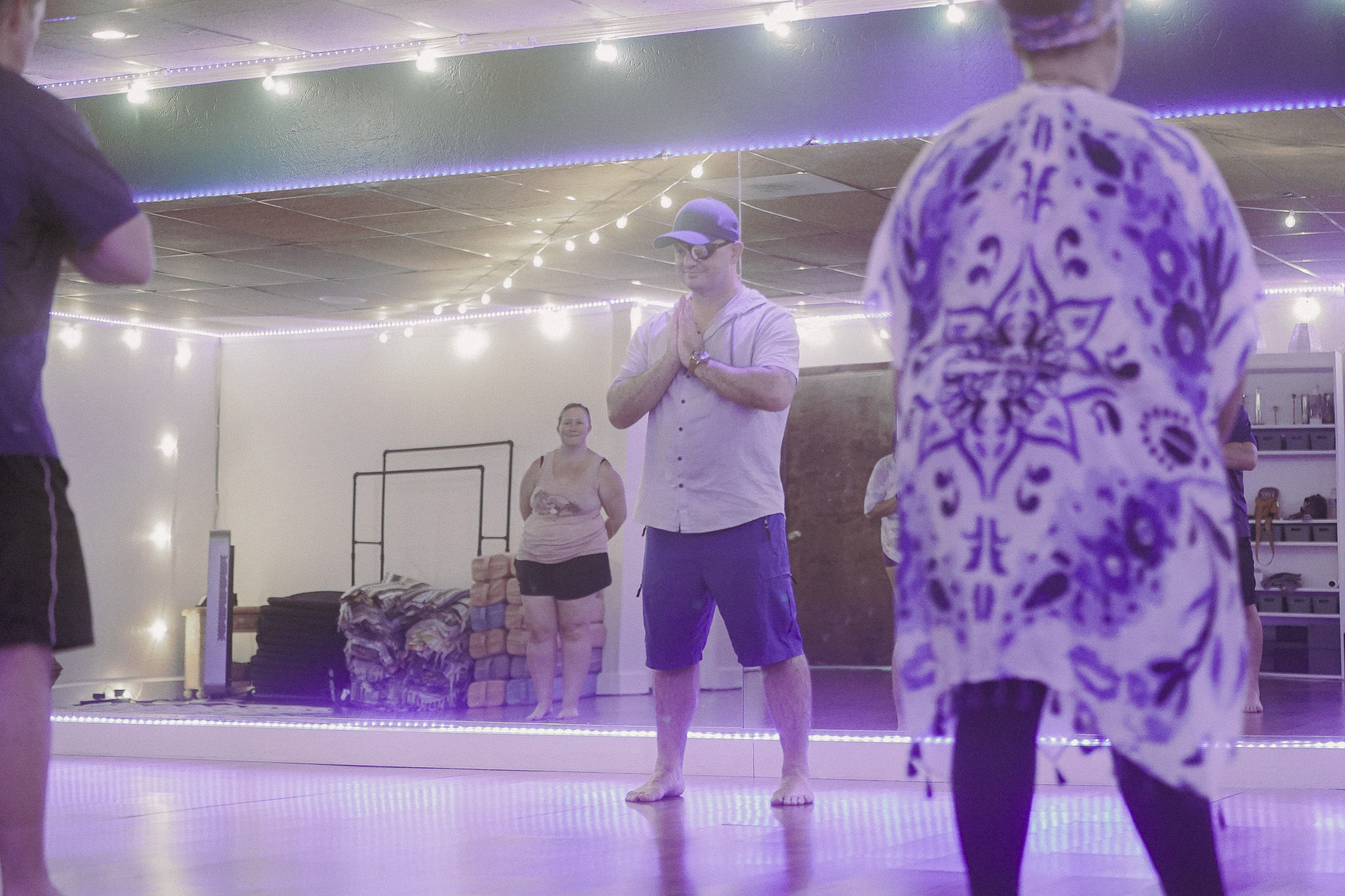
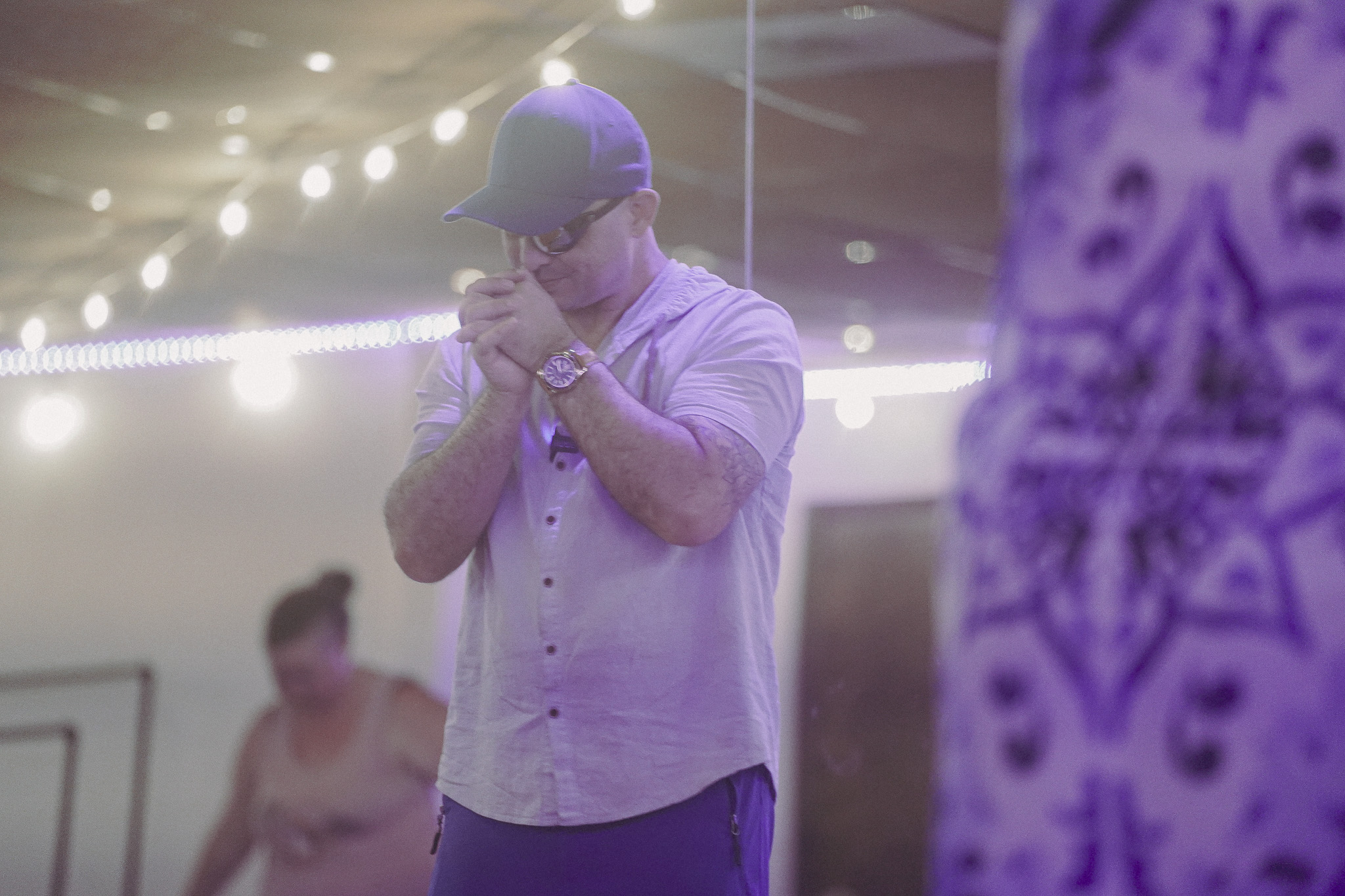
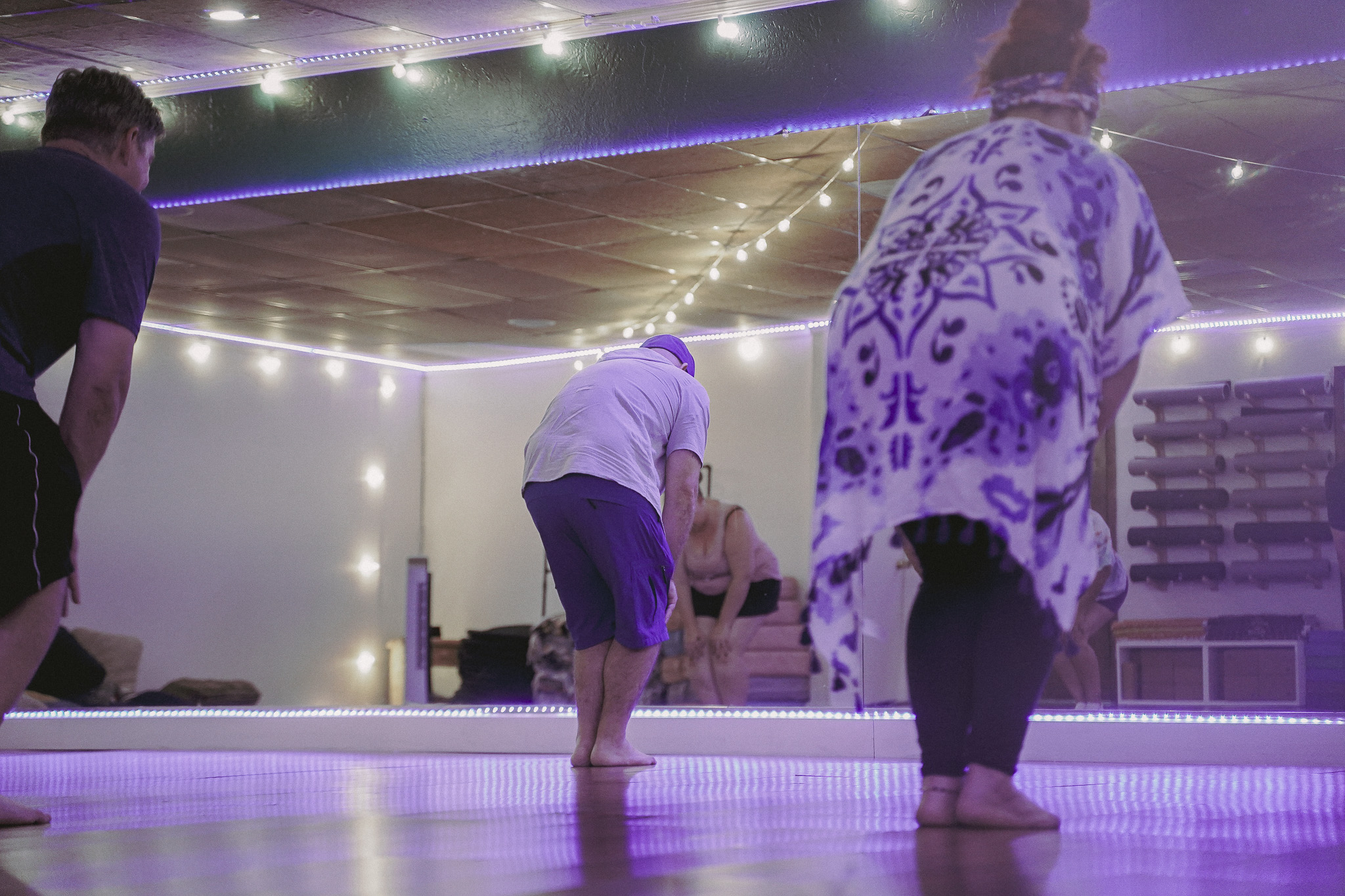
Our beginner-friendly classes are created to help people reconnect with the body in ways that feel supportive, practical, and grounded.
Final thoughts: Tai Chi may help you practice calm in a realistic way
Tai Chi may help you feel more calm because it gives the body and mind a structured way to slow down together. Through slow movement, breath awareness, grounding, balance, and mindful attention, the practice creates repeated opportunities to return to the present moment.
The benefits may be subtle at first, and they often grow through consistency. Rather than expecting one class to erase stress, it may be more helpful to think of Tai Chi as a practice that builds a calmer relationship with your body over time.
For people who feel stressed, overwhelmed, or mentally busy, this can be especially meaningful. Tai Chi does not require you to force stillness or perform peace. It gives you a gentle way to move, breathe, notice, and return.
Tai Chi can support calm because it teaches the body that slowing down is something you can practice, one movement at a time.
Looking for Tai Chi for calm and stress relief in Tempe, Arizona?
At The Healing Tree Collective, our beginner-friendly wellness classes are designed to support stress relief, mindfulness, body awareness, and deeper connection. If you are curious about Tai Chi, moving meditation, calm, or gentle mind-body practices, you are welcome to begin here.