26 June 2026
Tai Chi as a Weekly Reset for Stress, Tension, and Mental Noise
Stress does not usually build in one dramatic moment. More often, it accumulates gradually through repeated responsibilities, unfinished conversations, physical tension, emotional pressure, full schedules, and the constant mental activity required to keep up with daily life.
By the end of the week, many people notice that their body feels tighter, their mind feels louder, and their ability to fully relax feels less accessible. They may not need another intense workout or another complicated wellness routine. They may need a consistent weekly practice that helps them slow down, notice what they are carrying, and reconnect with their body in a structured and supportive way.
Tai Chi can serve as a weekly reset because it combines gentle movement, breath awareness, balance, mindfulness, and body-based attention in a way that supports stress relief without requiring intensity, performance, or prior experience.
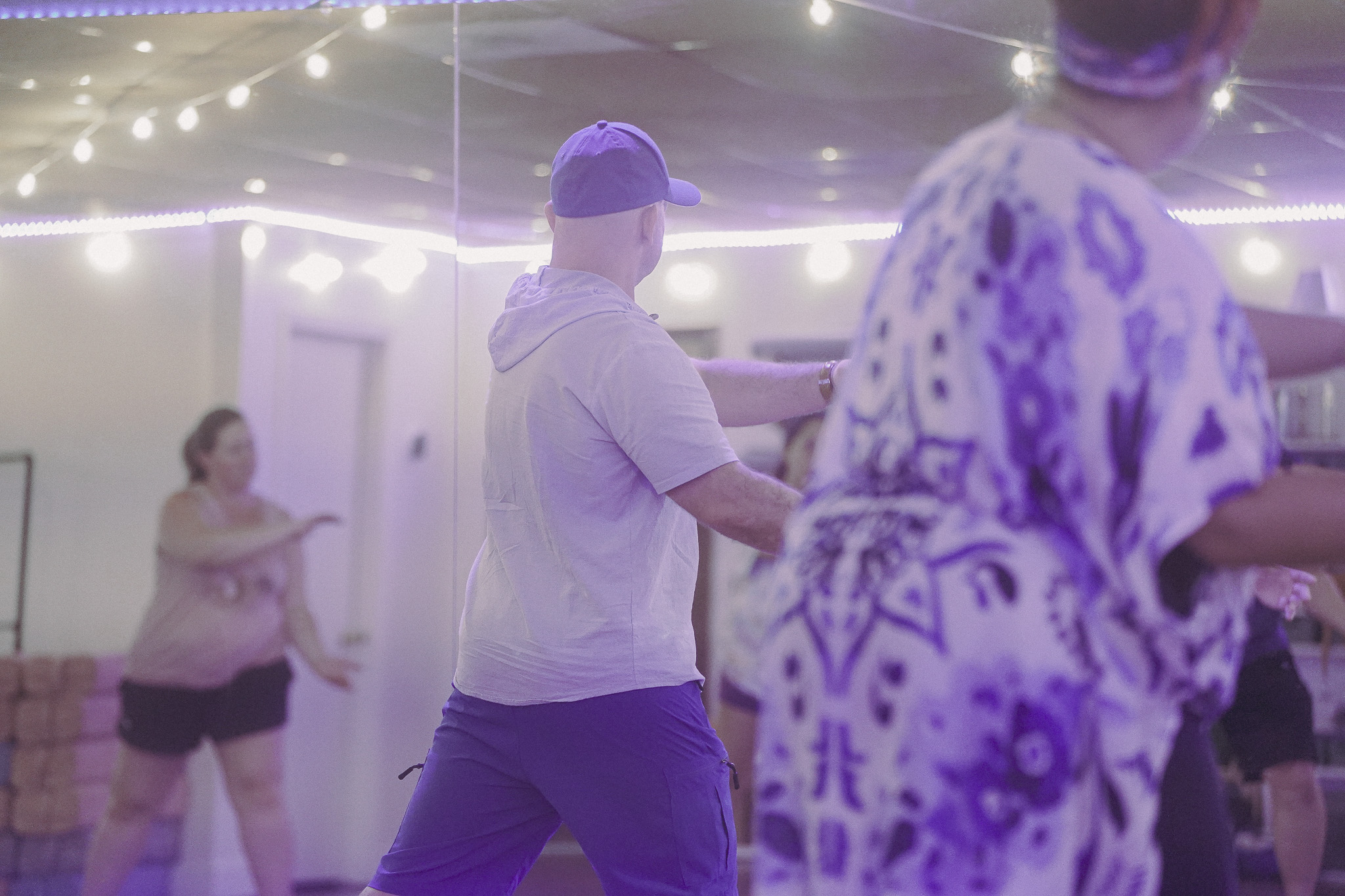
A weekly Tai Chi practice can create a consistent space to slow down, reconnect with the body, and interrupt the pace of daily stress.
A weekly Tai Chi reset may support:
A practical rhythm of care for the body and mind.
- Stress awareness
- Physical tension relief
- Reduced mental noise
- Breath and body connection
- Grounding through movement
- Mindful transitions
- A more consistent relationship with self-care
Why a weekly reset matters
Many people wait until stress becomes overwhelming before they seek support. They wait until their shoulders are constantly tight, their patience is low, their sleep is disrupted, their thoughts feel difficult to quiet, or their body begins sending stronger signals that something needs attention. While it is understandable to respond once discomfort becomes noticeable, stress management often becomes more sustainable when it is practiced before the body reaches a breaking point.
A weekly reset creates a predictable place to pause and check in. Instead of treating self-care as something that only happens when life becomes too much, a weekly practice gives your body and mind a repeated opportunity to release accumulated tension, notice stress patterns, and reconnect with a slower rhythm. This is especially important for people whose daily lives require frequent decision-making, caregiving, leadership, emotional labor, communication, or constant availability.
Tai Chi can fit into this role because it is both structured and gentle. The practice gives you movement to follow, but it does not require the intensity of a high-impact workout. It gives the mind something to focus on, but it does not require complete stillness. It engages the breath, posture, balance, and attention in a way that can make the practice feel accessible for people who feel mentally tired or physically tense.
A weekly reset is not about escaping life. It is about creating a consistent rhythm that helps you return to yourself before stress becomes harder to manage.
Stress often accumulates quietly throughout the week
Stress is not always obvious while it is happening. A person may move through the week answering emails, managing responsibilities, caring for others, completing tasks, navigating conversations, and solving problems without realizing how much the body is absorbing along the way. Because the mind is focused on what needs to be done, physical and emotional signals are often pushed into the background.
Over time, those small moments can accumulate. The shoulders may stay slightly lifted after a stressful meeting. The jaw may remain tense after a difficult conversation. The breath may become shallow during a busy workday. The mind may continue processing unfinished tasks long after the day is over. The body may be physically present at home, while the nervous system is still carrying the pace of the week.
This is one reason a weekly Tai Chi practice can be helpful. It creates an intentional space where those subtle patterns become easier to notice. Through slow movement, breath awareness, and careful weight shifting, you may begin recognizing tension, restlessness, rushing, or disconnection that you did not notice during the week.
Stress often becomes easier to address when you notice it before it becomes overwhelming.


Tai Chi helps interrupt mental noise
Mental noise can feel like a constant stream of planning, remembering, worrying, organizing, analyzing, and preparing. It may not always feel like anxiety in an obvious way. Sometimes it simply feels like the mind is never fully off. Even during rest, the mind may continue moving through unfinished tasks, unresolved conversations, future plans, or the pressure to stay ahead.
Tai Chi supports mental quiet by giving the mind a clear and embodied focus. Rather than asking thoughts to stop, the practice gives attention somewhere specific to return. You can focus on the placement of your feet, the shift of your weight, the timing of the breath, the path of your hands, the alignment of your posture, and the transition from one movement into the next.
This is important because many people struggle with meditation when the practice feels too open-ended. Sitting in silence can sometimes make the mind feel louder, especially for beginners or for people who are already overstimulated. Tai Chi offers a different doorway into mindfulness because the body is actively participating. The mind is not left alone with itself; it is invited to follow movement.
Tai Chi does not require the mind to become silent immediately. It gives the mind a steady physical anchor that makes returning to the present moment more practical.

For people with busy minds, Tai Chi can make mindfulness more accessible because attention has something physical to follow.
A weekly practice helps the body recognize tension sooner
One of the most practical benefits of Tai Chi is that it helps you become more aware of physical tension. Many people carry tension in the same places week after week: the shoulders, neck, jaw, chest, hands, hips, back, or breath. Because these patterns become familiar, they are often not noticed until they become uncomfortable or disruptive.
Tai Chi helps bring these patterns into awareness because the movements are slow enough for the body to reveal what it is doing. You may notice that your shoulders lift when you concentrate, that your jaw tightens when you are trying to remember a sequence, or that your breath becomes shallow when your balance feels uncertain. These observations are not signs of failure. They are useful information about how your body responds to stress, focus, and unfamiliarity.
When practiced weekly, Tai Chi gives the body repeated opportunities to notice tension earlier. This matters because tension is easier to soften when it is noticed sooner. A weekly rhythm allows you to build familiarity with your own patterns, which can help you carry body awareness into the rest of your life.
Shoulders and Neck
A weekly practice may help you notice when the upper body is carrying stress, pressure, or unnecessary effort.
Jaw and Face
You may become more aware of subtle gripping that happens during concentration, stress, or emotional tension.
Breath and Chest
The practice can help you recognize shallow breathing or breath-holding that may accompany mental overload.
Hands and Posture
Slow movement can reveal where the body is bracing, gripping, leaning, or working harder than necessary.
Tai Chi creates a transition between the week and your next rhythm
One of the most overlooked parts of stress management is transition. Many people move from work into home life without truly transitioning. They move from one responsibility into another without giving the body time to process what came before. They carry the mental pace of the week into their evenings, relationships, rest, and weekends.
Tai Chi can function as a deliberate transition point. A weekly class gives you a structured space to step out of autopilot and into awareness. The practice asks you to arrive in your body, feel your feet, notice your breath, and move with intention. In doing so, it helps mark a shift from constant output into a more reflective and restorative rhythm.
This kind of transition can be valuable because the body often needs cues that it is allowed to change pace. Without those cues, stress can continue carrying forward. A weekly Tai Chi class becomes more than an isolated wellness activity; it becomes a repeated signal to the body that there is a time to slow down, reset, and reconnect.
For many people, the weekly reset is less about doing one more thing and more about creating a necessary transition out of constant doing.

Gentle movement can be more sustainable than intensity
When stress is high, some people benefit from intense exercise or highly active practices. However, not everyone has the capacity for intensity every week, especially when they are already physically tired, emotionally drained, or mentally exhausted. For some people, adding more intensity can feel like another demand on a system that is already overwhelmed.
Tai Chi offers a different form of support. It is active without being aggressive, structured without being rigid, and mindful without requiring complete stillness. The practice allows the body to move while also encouraging softness, balance, breath awareness, and patience. This combination can make it easier for people to return consistently because the practice does not depend on having a high level of energy before beginning.
A sustainable weekly reset should not feel like another pressure to perform. It should create a space where the body can participate honestly. Tai Chi supports that by giving people permission to practice at their own pace, learn gradually, and notice what is present without judgment.
Sustainable care is often the kind of care people can return to, even when they are tired, stressed, or mentally full.

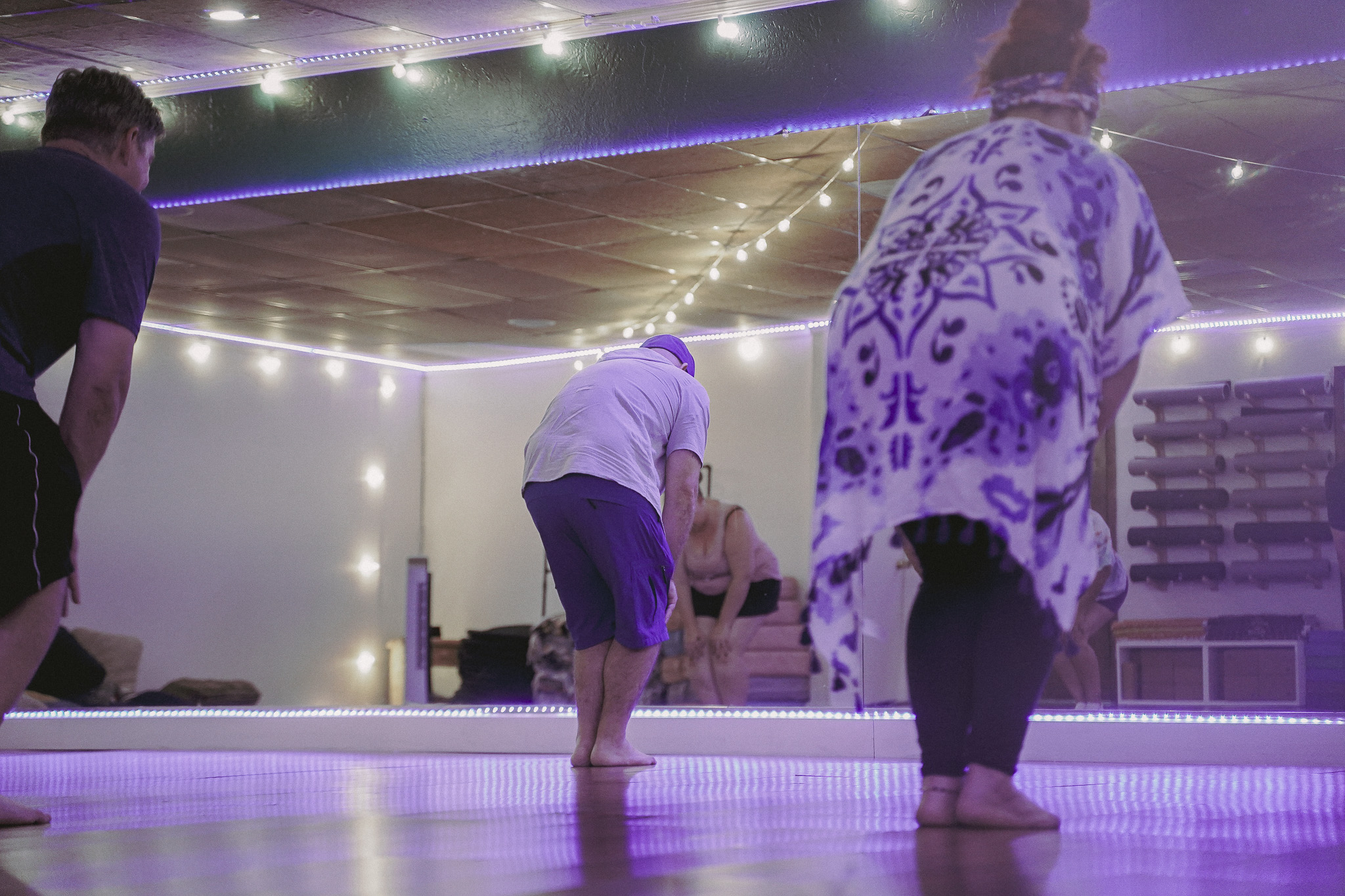
A weekly Tai Chi practice can feel accessible because it supports movement without requiring intensity or performance.
Why repetition matters in a weekly reset
The benefits of Tai Chi often become more meaningful through repetition. A single class can feel calming, but the deeper value usually comes from returning to the practice again and again. Each class gives the body another opportunity to recognize tension, practice balance, connect breath with movement, and experience a slower rhythm.
Repetition matters because stress itself is often repetitive. People may repeatedly hold their breath while working, repeatedly lift their shoulders under pressure, repeatedly rush through transitions, or repeatedly ignore the body’s signals until they become difficult to dismiss. A weekly Tai Chi practice introduces a different repeated pattern: noticing, slowing down, breathing, softening, and returning.
This does not mean the practice needs to feel profound every time. Some weeks may feel focused and grounding, while others may feel distracted or awkward. The value is not only in having a perfect experience. The value is in creating consistency. Over time, consistency can help the body become more familiar with awareness, steadiness, and self-connection.
The reset is not only what happens in one class. It is the relationship that forms when the body is given a regular opportunity to return.
How a weekly Tai Chi reset can support daily life
The purpose of a weekly reset is not limited to feeling better during the class itself. The larger benefit is that the practice can begin to influence how you move through ordinary moments during the rest of the week. Tai Chi trains awareness in the body, and that awareness can become more available when stress appears in daily life.
For example, you may begin noticing your shoulders while reading a stressful email. You may catch yourself holding your breath while trying to finish a task. You may feel your feet before entering a difficult conversation. You may recognize that your body is rushing before your mind has named the urgency. These are not dramatic changes, but they are practical ones.
Over time, these small moments can become part of a larger stress management practice. Instead of waiting until the end of the week to recognize how much you have been carrying, you may begin checking in with yourself throughout the week. This is where Tai Chi becomes more than a class. It becomes a repeated training in attention, breath, posture, and response.
At Work
You may notice when stress is affecting your posture, breath, jaw, shoulders, or ability to focus.
At Home
You may become more aware of carrying the stress of the day into your relationships, routines, or rest.
In Conversation
You may recognize body tension before responding from frustration, urgency, or defensiveness.
During Transitions
You may create more intentional pauses between responsibilities instead of moving on autopilot.
Mental noise often quiets when the body has a clear task
For many people, mental noise becomes louder when the mind has too much open space and no clear anchor. This is one reason sitting still can feel difficult, especially when someone is stressed, overstimulated, or new to mindfulness. The intention may be to quiet the mind, but the experience may feel like being left alone with every thought at once.
Tai Chi provides a physical anchor that can make mindfulness more accessible. The body has a task, but it is not an overwhelming one. The feet shift weight, the arms move with intention, the breath becomes easier to notice, and the attention follows the rhythm of the practice. Because the body is engaged, the mind has a structured place to return.
This can be helpful for people who are mentally exhausted because it does not require them to think their way into calm. Instead, the practice allows attention to move through the body. The result may not be complete silence, but many people find that mental noise becomes less dominant when the body is given something steady, slow, and present to do.
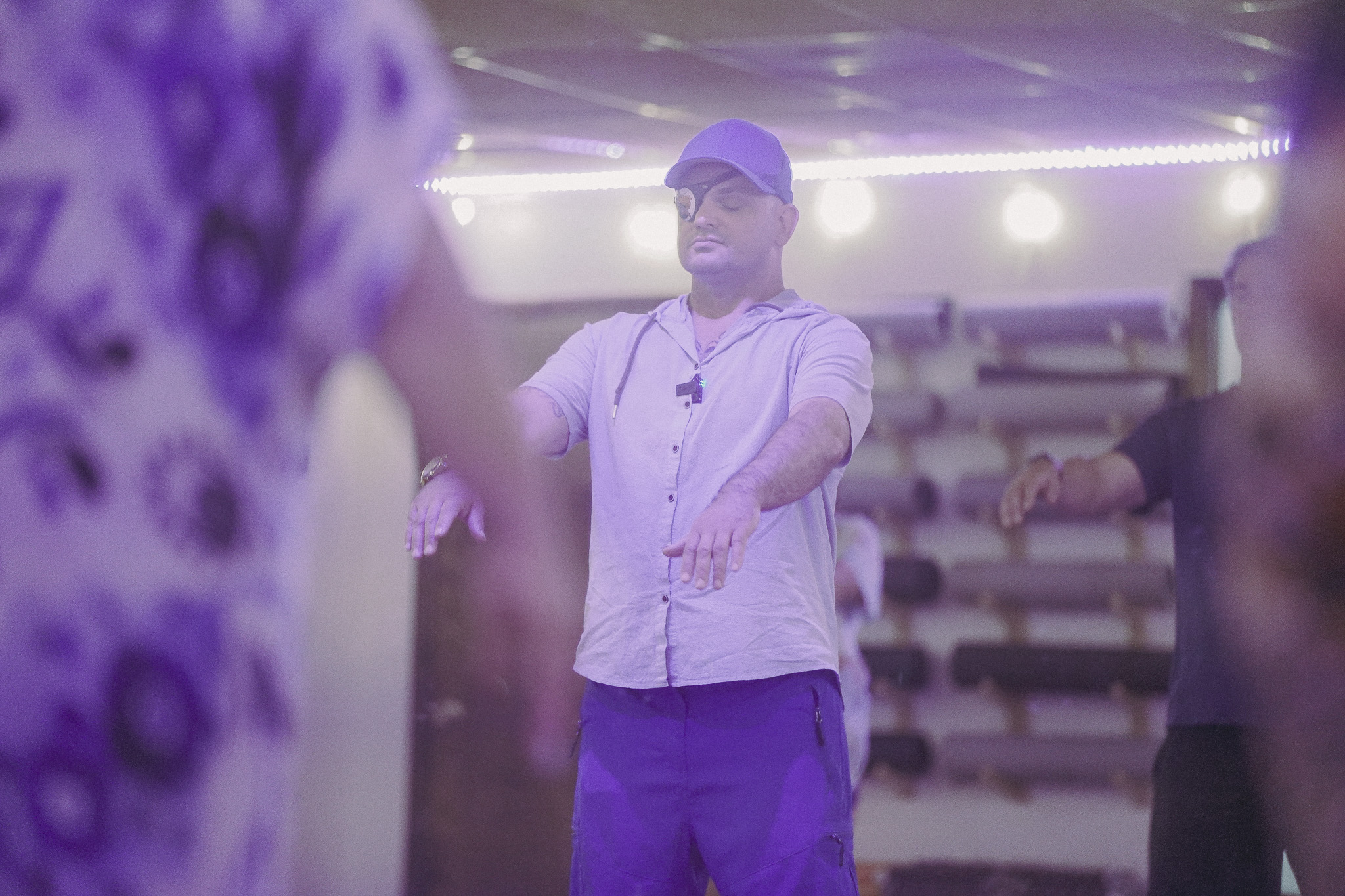
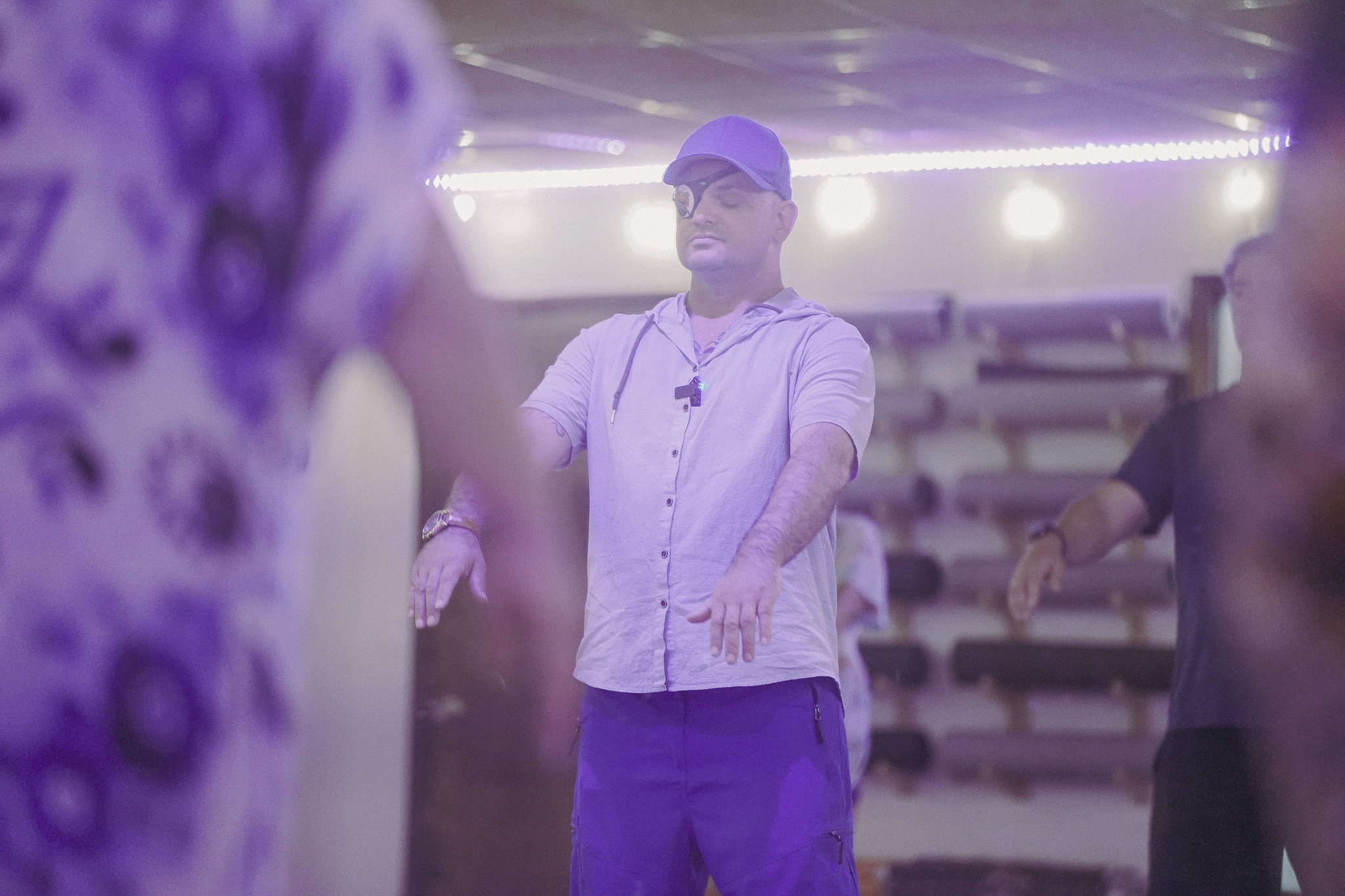
Moving meditation can be especially useful for busy minds because it brings attention into the body rather than asking the mind to quiet itself through effort alone.
A weekly reset does not need to be perfect to be effective
Some people hesitate to begin a weekly practice because they assume consistency requires perfection. They may worry that missing a class means they have failed, that distraction means they are not doing it correctly, or that they need to feel calm every time for the practice to be worthwhile.
This mindset can turn wellness into another form of pressure. A weekly Tai Chi reset should not become another standard you have to perform. The purpose is not to prove discipline or achieve an ideal version of calm. The purpose is to create a reliable opportunity to return to your body, notice what is present, and practice a slower relationship with yourself.
Some weeks, the practice may feel grounding. Other weeks, it may reveal how restless or tense you are. Both experiences can be useful. The reset is not always about feeling peaceful immediately. Sometimes it is about receiving honest information from the body and having a supportive space to work with that information.
A weekly practice does not have to be perfect. It simply has to be a place you can keep returning to with honesty and care.

The value of a weekly practice is built through returning, not through doing every movement perfectly.
Tai Chi and The Healing Tree Collective
At The Healing Tree Collective, we understand that many people are not looking for wellness practices that add more pressure to their lives. They are looking for practices that feel supportive, accessible, and connected to the real stress they carry in their bodies. A weekly Tai Chi class can offer that kind of support because it gives people a consistent space to slow down, move gently, and reconnect with themselves.
Our approach to Tai Chi is rooted in accessibility. You do not need prior experience, advanced flexibility, athletic ability, or a perfectly calm mind before beginning. The practice is designed to meet people where they are, including those who feel tense, overstimulated, burned out, mentally busy, or unsure how to slow down.
This connects directly to our mission. We are here to create wellness spaces where people can heal, grow, and reconnect with themselves through practices that feel grounded, educational, and real. Tai Chi supports that mission because it offers a practical way to build awareness, reduce unnecessary tension, and create a weekly rhythm of care that people can carry into everyday life.
At The Healing Tree Collective, a weekly reset is not about escaping your life. It is about building enough awareness, steadiness, and connection to return to your life with more presence.


Final thoughts: a weekly reset can change your relationship with stress
Tai Chi can be a meaningful weekly reset because it gives the body and mind a structured way to slow down together. Through gentle movement, breath awareness, grounding, balance, and mindful attention, the practice helps create space to notice what stress, tension, and mental noise may be doing beneath the surface.
It is not about expecting one class to remove every stressor or solve every challenge. Instead, it is about building a consistent relationship with awareness. A weekly practice gives the body repeated opportunities to soften unnecessary tension, gives the mind a steady place to focus, and gives the nervous system a slower rhythm to experience.
For people who are busy, overwhelmed, mentally tired, or disconnected from their bodies, this kind of weekly reset can become a practical form of care. It allows you to step out of autopilot, listen more clearly, and return to yourself one movement at a time.
Tai Chi can serve as a weekly reset because it helps transform stress relief from something you chase after exhaustion into something you practice with consistency, awareness, and care.
Looking for a weekly Tai Chi reset in Tempe, Arizona?
At The Healing Tree Collective, our beginner-friendly wellness classes are designed to support stress relief, mindfulness, body awareness, and deeper connection. If you are looking for a weekly reset for stress, tension, mental noise, or gentle mind-body support, Tai Chi may be a supportive place to begin.