8 May 2026
The Healing Tree Collective • Tempe, Arizona
How Breath, Sound, and Gentle Movement Can Support Clients Outside the Therapy Room
Therapy can create powerful insight.
It can help clients name patterns, process pain, build awareness, and understand their internal world more clearly.
But many clients need support outside the therapy room too.
They need ways to slow down after a hard session.
They need ways to reconnect with their body when their mind is overwhelmed.
They need practices that help them feel more grounded, more present, and more supported in everyday life.
That is where breath, sound, and gentle movement can become meaningful forms of therapy-complementary support.

Why clients often need support between sessions
A lot can happen between therapy sessions.
Emotions stirred in session may still be active in the body days later.
Real-life triggers may show up.
Stress may build.
Grief may surface unexpectedly.
Old patterns may feel more noticeable than before.
This does not mean therapy is not working.
It often means the therapy is working well enough that more is becoming visible.
And when more becomes visible, clients may need supportive ways to stay connected to themselves between appointments.
That is one reason body-aware practices matter.
They can help bridge insight into lived support.
Clients do not only need insight between sessions. They often need practices that help the body feel supported enough to integrate what therapy is already opening.
Why breath can be so supportive
Breath is one of the most accessible tools a person has.
It is always with them.
And when used with intention, it can help bring awareness back to the body, support the nervous system, and create a little more space between what someone is feeling and how they respond.
Breathwork for therapy clients does not need to be dramatic to be helpful.
Sometimes a guided breathing practice simply helps a person slow down enough to notice what they are carrying.
Sometimes it helps reduce mental noise.
Sometimes it supports emotional release.
Sometimes it creates a felt sense of steadiness in the middle of stress.
For clients who tend to live in their heads, breath can become a doorway back into the body.

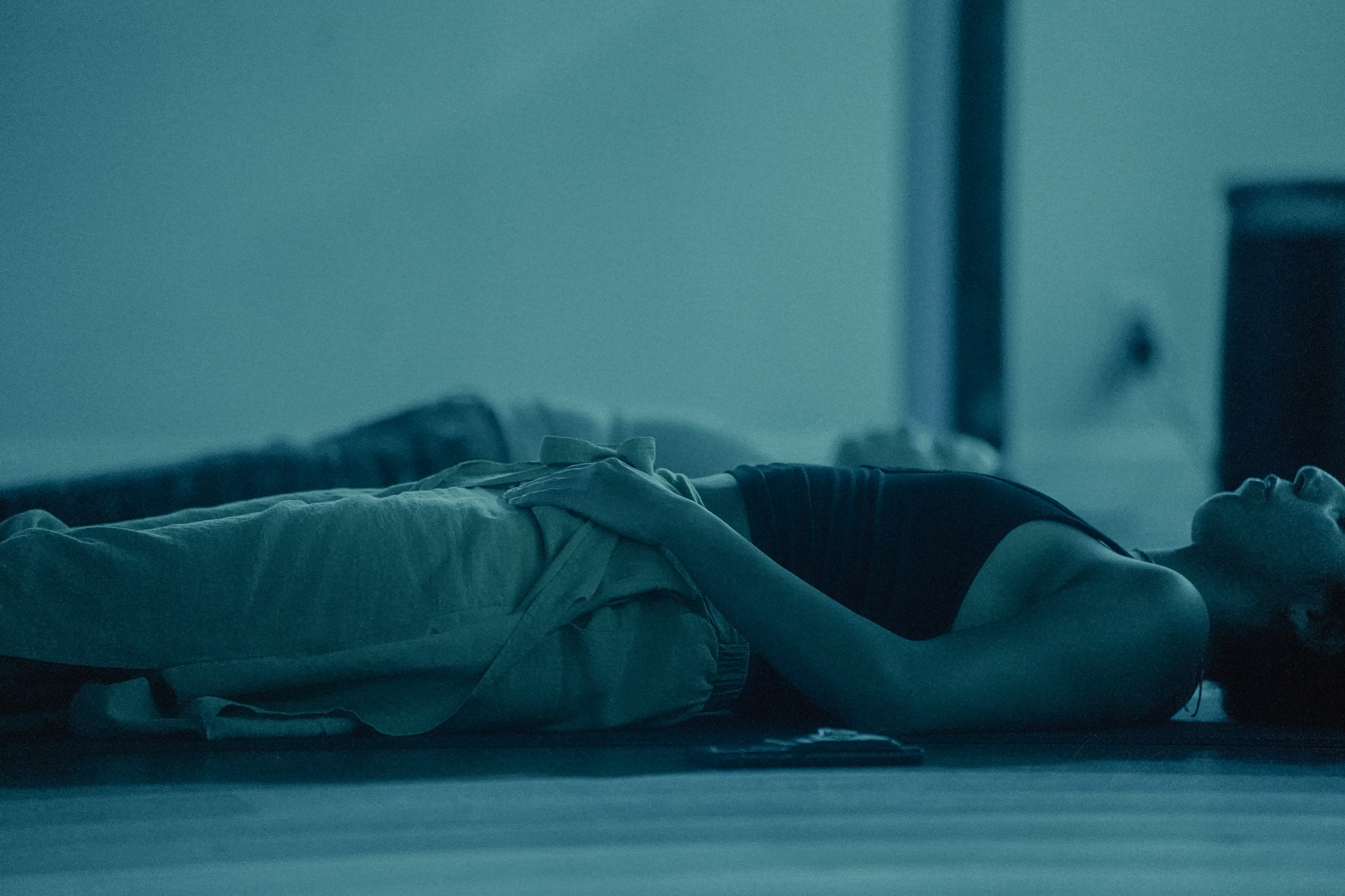
Breath may help clients:
- Slow down after activation
- Reconnect with their body
- Create more awareness around stress and emotion
- Support nervous system regulation
- Feel more grounded between sessions
Why sound can help the mind and body soften
Sound healing can be especially supportive for clients who feel mentally overloaded, emotionally saturated, or unable to access deep rest on their own.
The experience of sound offers something to receive rather than perform.
It helps shift attention out of constant mental effort and into a more restful, supported experience.
For many people, sound creates a sense of spaciousness.
It can help quiet mental noise.
It can help the body soften.
It can help people notice how tired they really are and allow themselves to receive.
Sound healing is not therapy.
But it can be a meaningful support for clients needing a place to exhale, decompress, and let their nervous system rest outside the therapy room.
Sometimes support for a client does not need to look like more talking. Sometimes it looks like finally having a place to rest.

Why gentle movement matters for clients who feel disconnected
Some clients do not need more intensity.
They need a gentler way back into the body.
Gentle movement can help with that.
For people who feel numb, frozen, shut down, or disconnected from sensation, movement can offer a way to begin noticing the body again without forcing anything.
It can create awareness, mobility, breath, and a sense of relationship to the body that feels safer and more gradual.
This kind of movement is not about performance.
It is not about pushing.
It is about supporting the body in feeling more present, more mobile, and more connected.
Gentle movement can be especially supportive for clients who need something more embodied, but are not looking for an intense fitness or exercise-based environment.


Why these practices work well together
Breath, sound, and gentle movement each support clients in different ways.
But together, they can create a fuller experience of regulation, rest, and reconnection.
Breath helps bring awareness inward.
Sound helps the mind and nervous system soften.
Gentle movement helps the body reconnect in a more tangible way.
Some clients may resonate more with one than the others.
That is why variety matters.
A supported care ecosystem gives clients different doorways back into themselves, depending on what they are carrying and what their body is ready for.
Together, these practices may help clients:
- Feel more grounded between sessions
- Practice regulation in real time
- Access rest and decompression
- Reconnect with their body gently
- Reduce the feeling of carrying everything alone
- Build capacity over time
Why this matters to therapists and clinicians
Therapists, counselors, psychotherapists, and social workers often see firsthand that clients need more than insight alone.
They need support that helps them bring insight into the body, into the week, and into the spaces where life is actually being lived.
That is why trustworthy referral partners matter.
Clinicians need spaces they can feel confident about — places that are trauma-aware, clear about scope, and supportive of the therapeutic process rather than trying to replace it.
Body-aware practices like breathwork, sound healing, and gentle movement can be meaningful additions to a client’s support system when they are held in a responsible and respectful environment.
How The Healing Tree Collective supports clients outside the therapy room
At The Healing Tree Collective, we see ourselves as a mental health support partner.
We are not a therapy clinic.
We do not diagnose, assess, or provide psychotherapy.
We do not replace licensed clinical care.
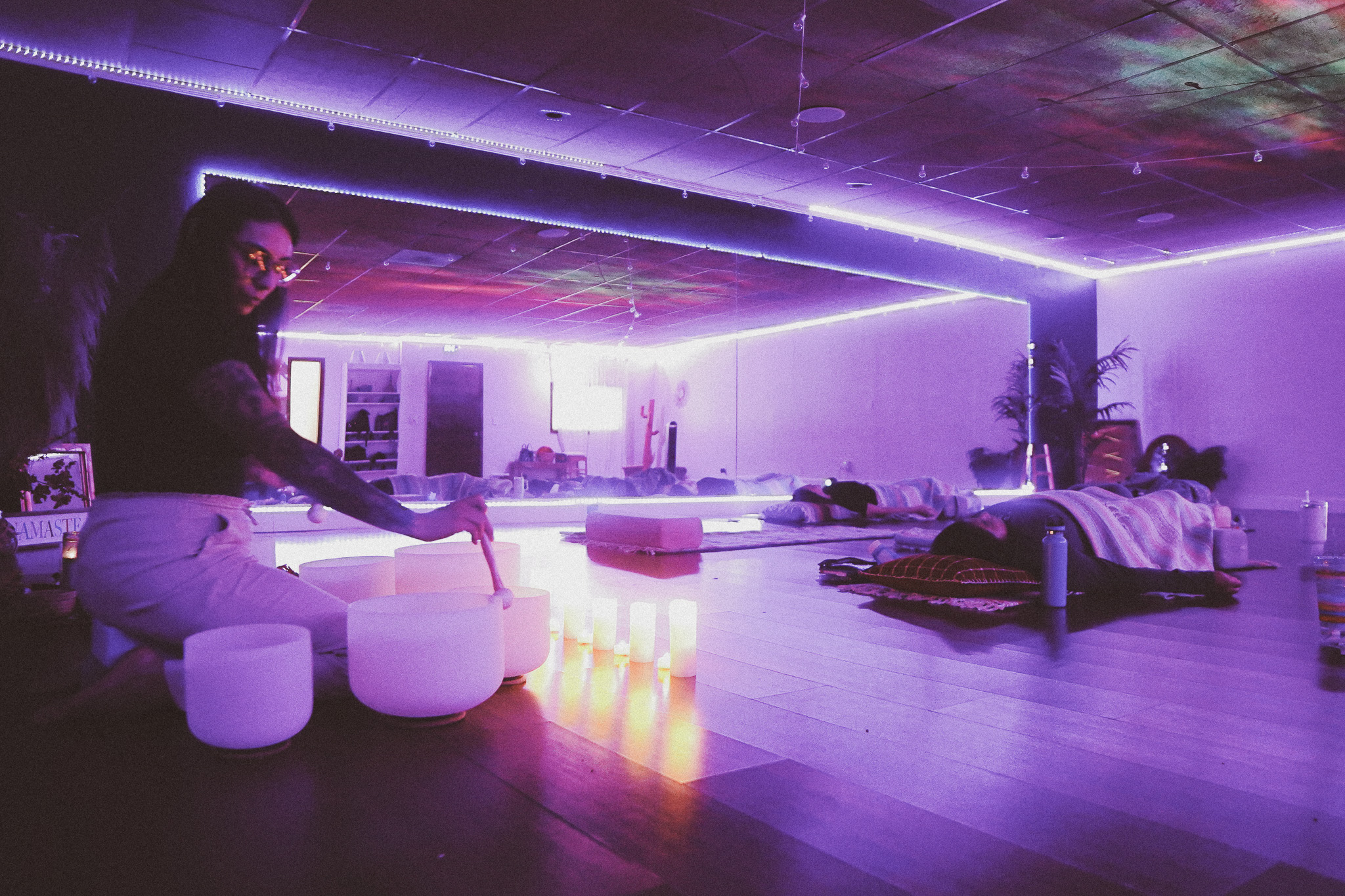
What we do offer is a trauma-aware, nervous-system–friendly environment where clients can access supportive practices like breathwork, sound healing, meditation, Yoga Nidra, and gentle movement between therapy sessions and in everyday life.
Our intention is to create spaces where clients can slow down, reconnect with themselves, and experience more support in their body, breath, and nervous system in real time.

A more supported way forward
Clients deserve more than isolated moments of care.
They deserve support that feels connected, embodied, and sustainable.
And clinicians deserve referral partners who understand that responsibility with care.
Breath, sound, and gentle movement are not small things.
In the right environment, they can become meaningful ways for clients to support themselves outside the therapy room — not as a replacement for therapy, but as part of a stronger circle of care.
The work of healing does not only happen in the therapy room. Sometimes it deepens in the spaces where clients learn how to breathe, rest, and reconnect with themselves in everyday life.
Looking for therapy-complementary support for your clients?
Explore the Mental Health Partnerships and weekly classes at The Healing Tree Collective in Tempe, Arizona. We would love to connect with therapists, counselors, psychotherapists, and social workers seeking trauma-aware, embodied support options for the people they serve.