16 June 2026
The Healing Tree Collective • Tempe, Arizona
What Makes a Healing Space Feel Safe?
A lot of people talk about healing spaces.
But not every healing space actually feels safe.
And that matters more than most people realize.
Because a beautiful room, calming music, or a thoughtful class title does not automatically create safety.
What makes a space feel safe is something deeper.
It is the way the room is held.
The way people are welcomed.
The pacing.
The energy.
The language.
The level of care.
A safe healing space is not only about aesthetics.
It is about whether your body feels like it can soften there.
Whether you feel pressured or invited.
Whether you feel judged or welcomed.
Whether you feel like you have to perform, or whether you are allowed to simply arrive as you are.
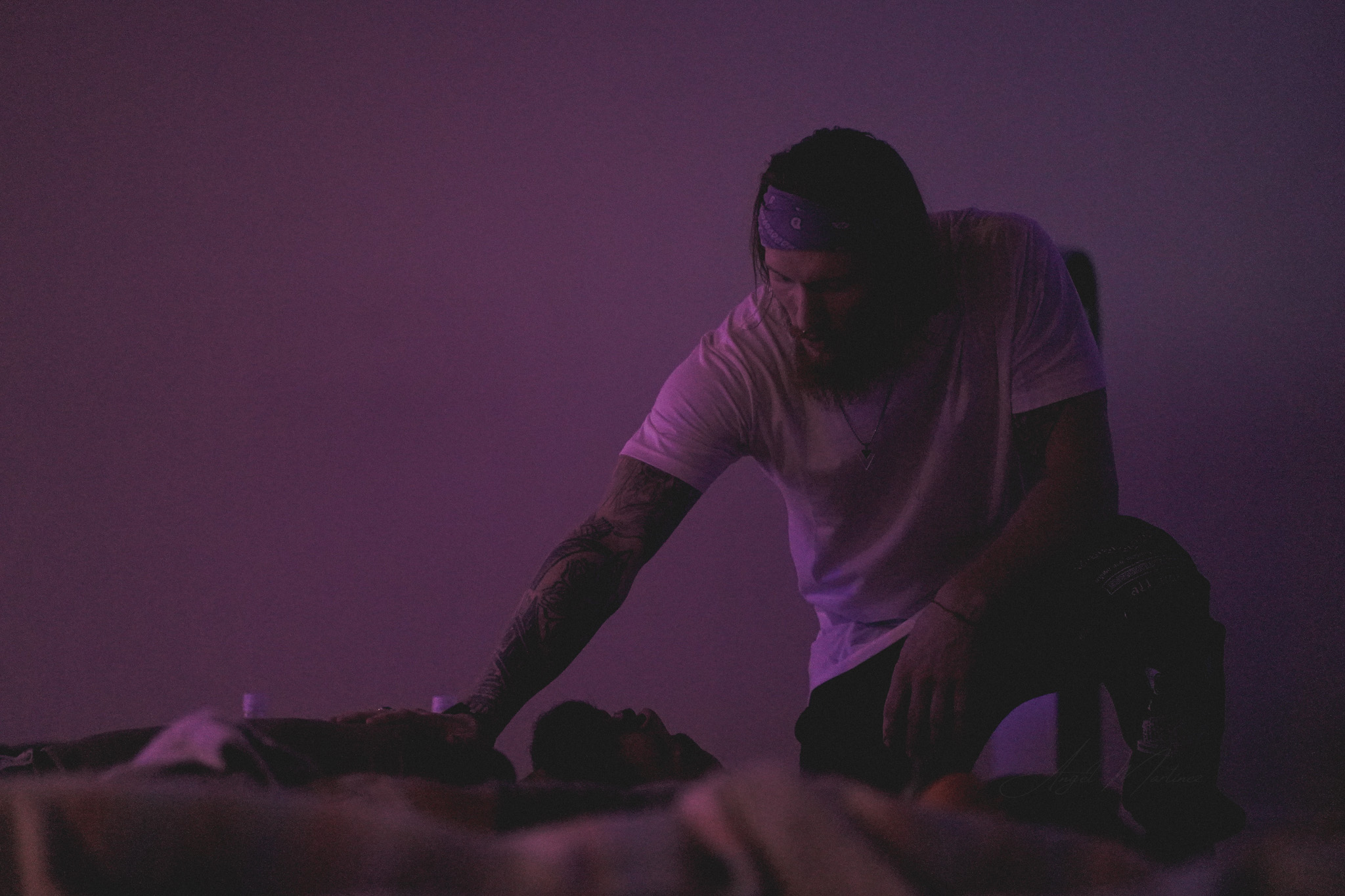
Safety is not always loud. Sometimes it is subtle.
When people think about safety, they often think of something obvious.
But in healing spaces, safety is often felt through the quieter things.
The tone of voice.
The way instructions are given.
The lack of pressure.
The feeling that no one is demanding anything from you that you are not ready for.
For many people, especially those carrying stress, grief, anxiety, burnout, or past emotional pain, the nervous system is already paying close attention to the environment.
It notices whether the room feels predictable or chaotic.
Whether the guidance feels gentle or forceful.
Whether the space feels welcoming or performative.
A healing space feels safe when your body does not feel like it has to defend itself the whole time.
A safe space does not expect you to be a certain way
One of the fastest ways a healing space stops feeling safe is when people feel like they need to show up as a certain version of themselves in order to belong.
More calm.
More spiritual.
More open.
More emotionally ready.
More experienced.
But real safety does not ask for performance.
It does not require you to hide your nerves, your uncertainty, your tiredness, or your tenderness.
It makes room for the truth of where you actually are.
A safe healing space tells people, through words and through energy:
you do not have to be fully figured out to be welcomed here.
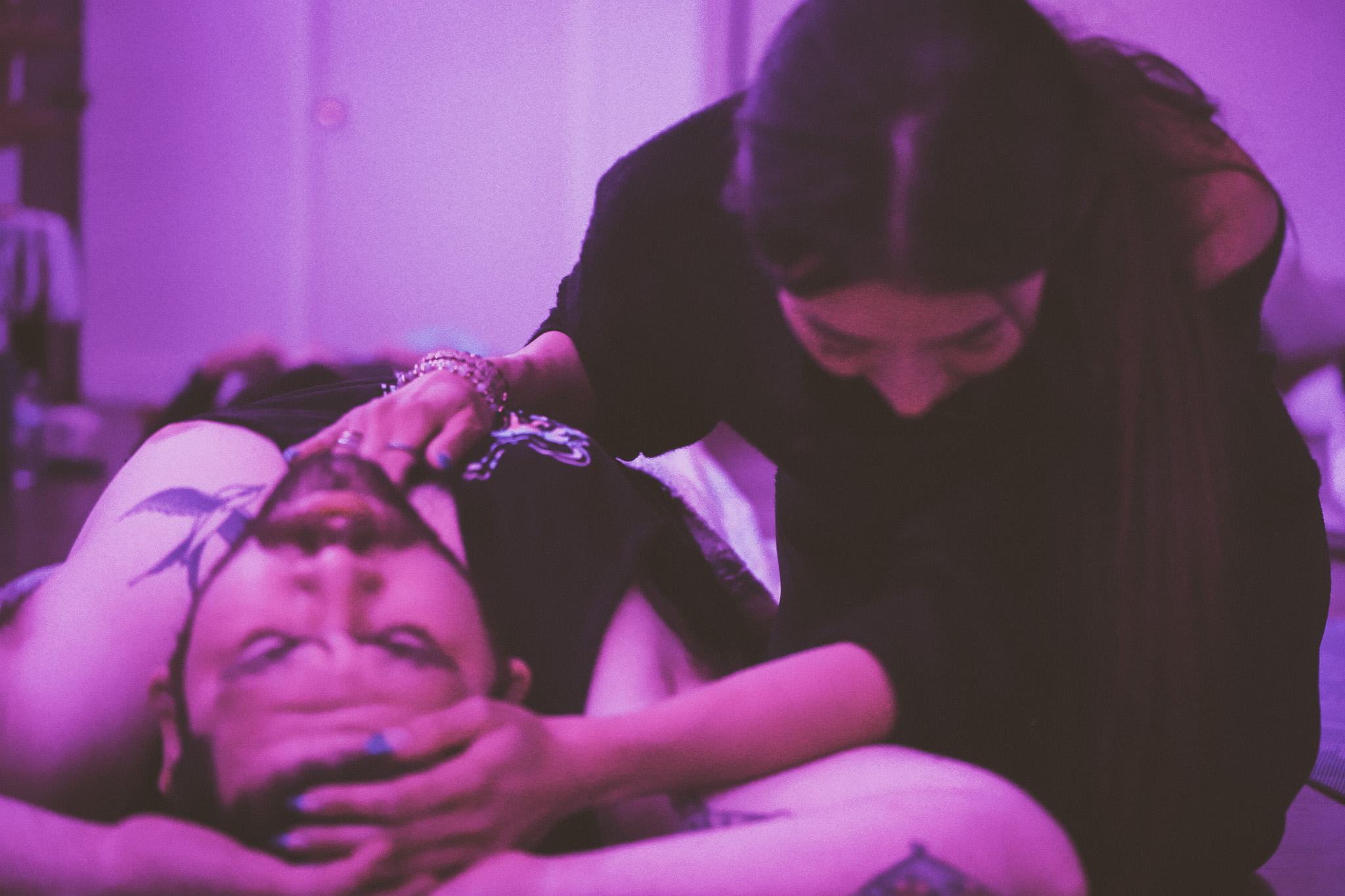

Choice matters more than people think
One of the biggest things that helps a healing space feel safe is choice.
Choice helps people stay connected to themselves.
It reminds them they are allowed to listen to their body.
It reduces the pressure to override their own needs just to fit into the room.
In a supportive healing environment, people should feel like they can:
rest if they need to,
keep their eyes open if that feels better,
move slowly,
modify,
pause,
step out,
or simply take their time.
That kind of choice matters because safety is not only about what is offered.
It is also about whether people feel they have agency inside the experience.
A healing space feels safer when people are invited into the experience, not pressured through it.
Things that help create safety in a healing space:
- Clear, gentle guidance
- Consent-centered language and pacing
- Options for rest and modification
- A welcoming environment for beginners
- Respect for different comfort levels
- A sense of calm and steadiness in the room
- Facilitators who are grounded and attentive
People need to feel welcome before they can fully receive
Belonging and safety are deeply connected.
If someone walks into a space and feels out of place, judged, confused, or like they should already know how everything works, it becomes much harder for them to relax and receive support.
But when someone feels genuinely welcomed, something shifts.
The nervous system softens a little.
The body becomes less guarded.
The person starts to feel like maybe they do not have to prove anything here.
That matters because healing does not only depend on the practice itself.
It also depends on whether the person feels safe enough to let the practice reach them.
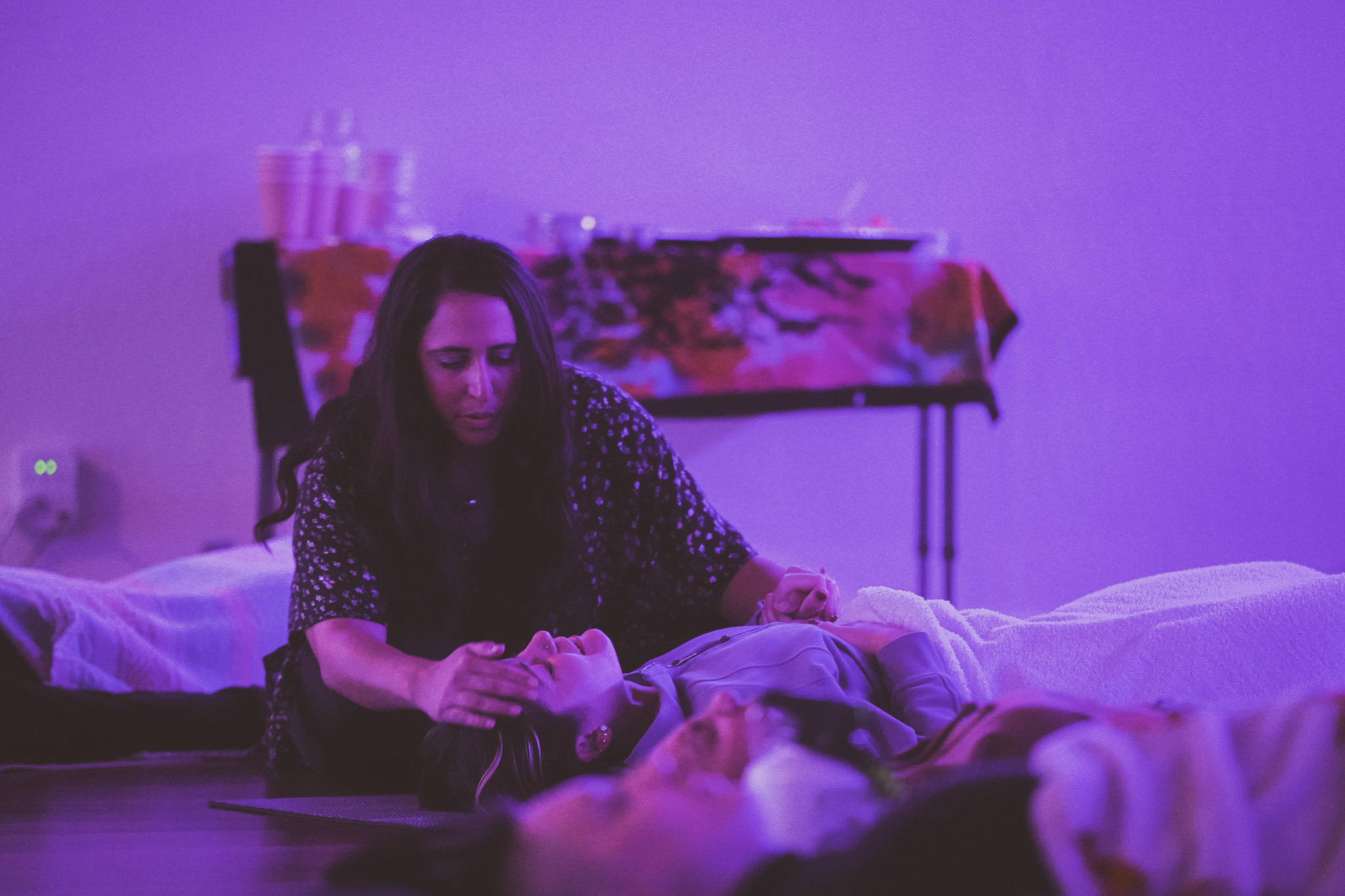
A safe healing space feels grounded, not performative
Sometimes wellness spaces can feel intimidating because they seem built around image instead of actual care.
Everything looks beautiful, but people do not always feel emotionally safe there.
A grounded healing space is different.
It is less about performance and more about presence.
Less about appearance and more about how people are actually held.
Less about trying to impress, and more about creating the kind of environment where people can breathe more honestly.
For many people, especially first-timers, that grounded feeling matters.
Because if the room feels too curated, too exclusive, or too performative, the body may stay guarded.
But if the room feels human, warm, and steady, people often feel more permission to be real.
Safety often lives in the feeling that you do not have to become someone else to belong in the room.
Trauma-aware spaces often feel safer because they are more thoughtful
A trauma-aware healing space understands that people may be arriving with more than what is visible.
Stress.
Grief.
Anxiety.
Burnout.
Emotional fatigue.
Past experiences that make rest, stillness, or vulnerability feel complicated.
Because of that, trauma-aware spaces tend to move with more care.
More pacing.
More invitation.
More awareness that not everyone will respond the same way to the same practice.
That does not mean the space is doing therapy.
It means the space is taking the reality of people’s nervous systems seriously.
And that alone can make the room feel much safer.
Gentle pacing
People are given time to arrive, settle, and move at a more supported pace.
Clear invitations
The class feels guided, not forced.
Respect for boundaries
People are not pressured to share, move, or engage beyond what feels supportive.
Human-centered care
The person matters more than the performance of the practice.
What we believe helps create safety at The Healing Tree Collective
At The Healing Tree Collective, we believe safety is something people feel.
And because of that, we care deeply about the things that make that feeling more possible.
We care about how people are welcomed.
We care about beginner-friendly guidance.
We care about pacing.
We care about creating a space where people do not have to know everything before they walk in.
We care about making room for people to be human.
Whether someone is coming for sound healing, breathwork, meditation, Reiki, Yoga Nidra, or movement, our intention is not to pressure them into an experience.
It is to create a space where they can begin where they are and feel supported in doing so.
Safety is part of what allows healing to happen
Not all healing begins with a big breakthrough.
Sometimes it begins with a subtle shift:
a breath deepening,
the shoulders dropping,
the mind softening,
the body realizing it does not have to stay on guard the whole time.
That is why safety matters so much.
Because when a space feels safe, people become more available to themselves.
More able to receive.
More able to listen.
More able to rest.
More able to heal.
A healing space feels safe when it reminds you, through the whole experience,
that you are allowed to be here exactly as you are.
What makes a healing space feel safe is not only what happens in the room. It is the feeling that your body, your pace, and your humanity are being respected while you are there.
Looking for a healing space that feels safe and supportive?
Explore classes and healing experiences at The Healing Tree Collective in Tempe, Arizona. Whether you are looking for sound healing, breathwork, meditation, Reiki, movement, or simply a more supportive place to begin, we would love to welcome you in.