14 June 2026
The Meaning Behind Tai Chi: Why Slowness Is Part of the Practice
Tai Chi can look simple when you first see it. The movements are slow, gentle, and quiet. There is no rush. There is no dramatic intensity. There is no obvious performance happening on the outside.
But the slowness in Tai Chi is not random. It is not there because the practice is easy, passive, or only meant for relaxation.
Slowness is part of the meaning of Tai Chi because it gives the body and mind enough space to work together with awareness.
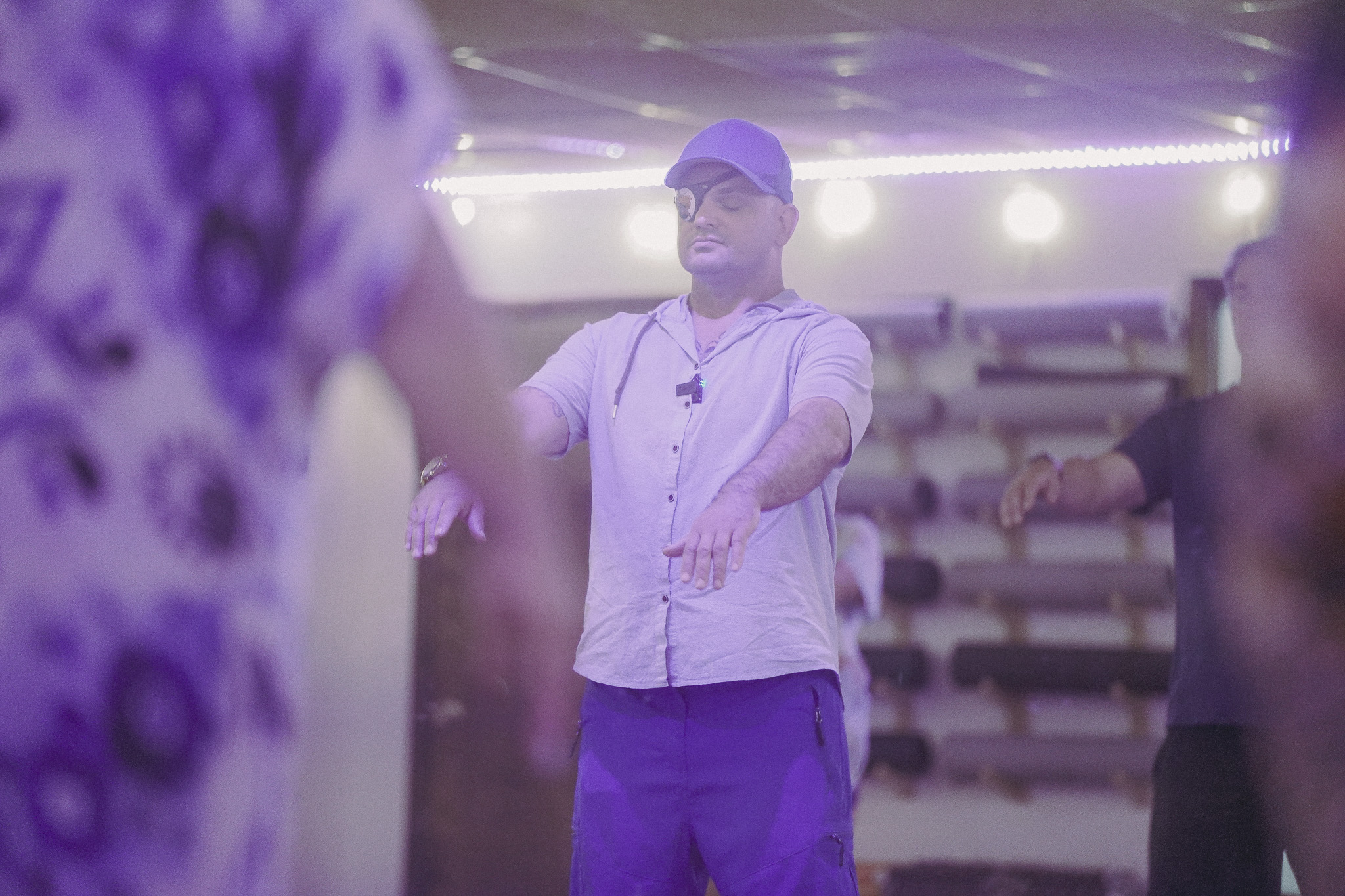
Tai Chi invites us to slow down enough to notice how the body, breath, and mind are moving together.
Slowness in Tai Chi helps you practice:
A different relationship with movement, stress, and presence.
- Awareness instead of autopilot
- Balance instead of rushing
- Breath instead of bracing
- Patience instead of performance
- Listening instead of forcing
- Presence instead of pressure
Why people misunderstand the slowness of Tai Chi
In a fast-paced culture, slowness is easy to misunderstand. We are used to measuring effort by how hard something looks, how quickly it moves, how much we sweat, or how exhausted we feel afterward. Because of that, many people see Tai Chi and assume it is not doing much.
But Tai Chi is not trying to prove itself through intensity. It is not designed to overwhelm the body or push the nervous system harder. It asks for a different kind of attention. A quieter kind of discipline. A deeper kind of listening.
The slowness is what allows the practice to become more than movement. When you slow down, you can notice what usually gets missed. You can feel where your body is tense. You can become aware of your breath. You can notice your balance, your posture, your pace, and the way your mind reacts when it is not allowed to rush.
Slowness in Tai Chi is not a lack of effort. It is an invitation into deeper awareness.
The meaning of Tai Chi is connected to balance
While Tai Chi has deep roots as an internal martial art, many people today practice it as a way to support balance, mindfulness, stress relief, and mind-body connection. The practice often reflects the relationship between opposing forces: softness and strength, movement and stillness, effort and ease, grounding and flow.
This is part of the deeper meaning behind Tai Chi. It is not just about learning a sequence of movements. It is about learning how to find balance inside the movement.
When you move slowly, you can feel that balance more clearly. You can notice when you are forcing. You can notice when you are collapsing. You can notice when the movement has too much tension or not enough structure. You begin to understand that strength does not always have to be hard, and softness does not mean weakness.
That lesson matters beyond class. Many people live swinging between extremes. They push until they crash. They overextend and then disconnect. They hold everything together and then feel overwhelmed. Tai Chi gives the body a place to practice balance in a very real, embodied way.
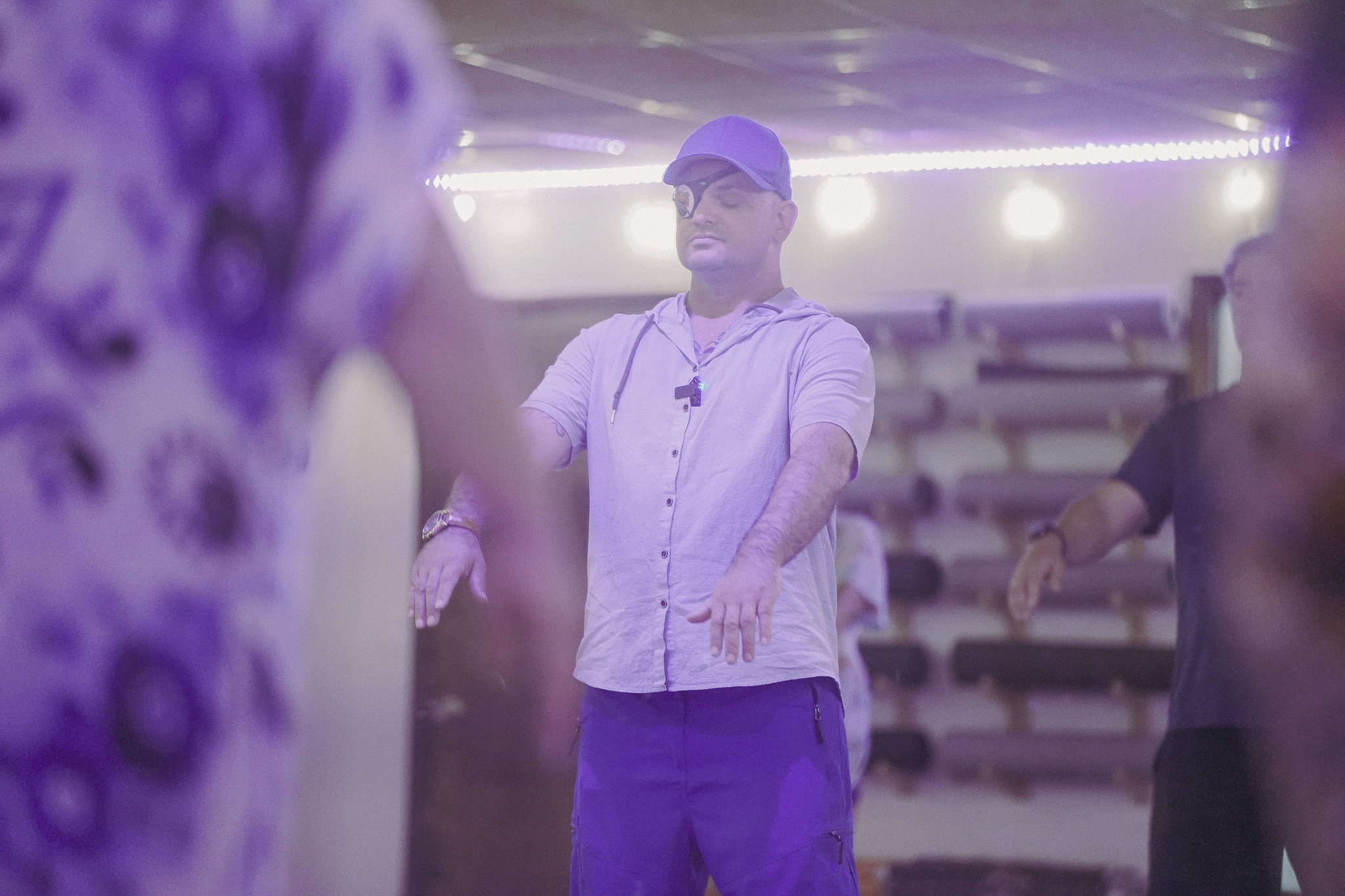
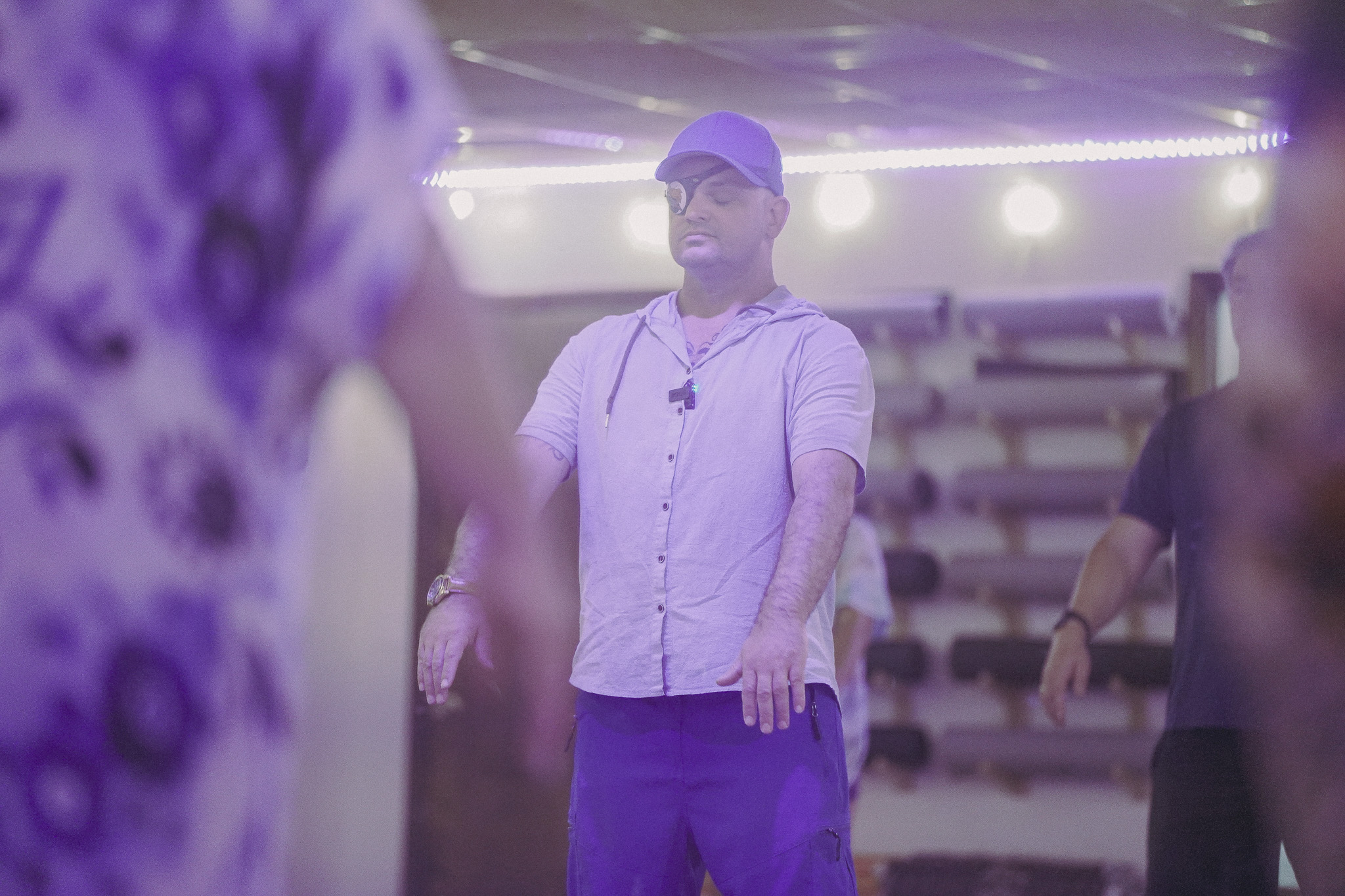
Tai Chi teaches that balance is not a fixed place you arrive at. It is something you practice through constant listening and adjustment.
Slowness helps reveal your habits
One of the most powerful parts of Tai Chi is that slow movement reveals patterns we usually move too quickly to notice. It may show you that you hold your breath when you concentrate. It may show you that one side of your body feels more stable than the other. It may show you how quickly your mind gets impatient when something does not happen right away.
These discoveries are not failures. They are information.
The body carries habits from daily life, stress, emotions, posture, work, injuries, responsibilities, and the ways we have learned to move through the world. Tai Chi gives us a slower environment where those habits can be seen with more compassion.
You cannot change what you do not notice. Slowness gives you time to notice.

When movement slows down, the body has more space to show us what it has been carrying.
Slowness teaches patience with the body
For many beginners, Tai Chi can bring up impatience. The movements may feel too slow. The practice may feel unfamiliar. The mind may want to rush ahead and “get it right.”
This is one of the reasons slowness is so important. It gives you a chance to notice your relationship with learning, discomfort, and patience.
Many people have been taught to treat the body like something that should perform on command. They expect immediate results. They want to understand everything quickly. They want to feel confident right away. But the body often learns through repetition, consistency, and time.
Tai Chi honors that. It gives the body time to learn through experience instead of pressure. It allows the practice to unfold gradually. It reminds us that we do not need to rush our way into awareness.
Slowness teaches the body that it does not have to be forced in order to grow.
Tai Chi slows the mind without forcing silence
Many people think a calm mind means having no thoughts. So when they try meditation and their thoughts keep moving, they assume they are doing it wrong. Tai Chi offers another way to understand calm.
In Tai Chi, you are not trying to force the mind into silence. You are giving the mind something steady to follow. The movement becomes an anchor. The breath becomes a rhythm. The body becomes the place where attention returns.
This is why slowness matters. If the movement were too fast, it would be easier to move on autopilot. But when the pace slows down, the mind has to participate. It has to notice. It has to come back. It has to stay close to the body.
Over time, this can create a different kind of calm. Not a forced quiet, but a practiced return.
Tai Chi does not demand that the mind become empty. It teaches the mind how to come back.
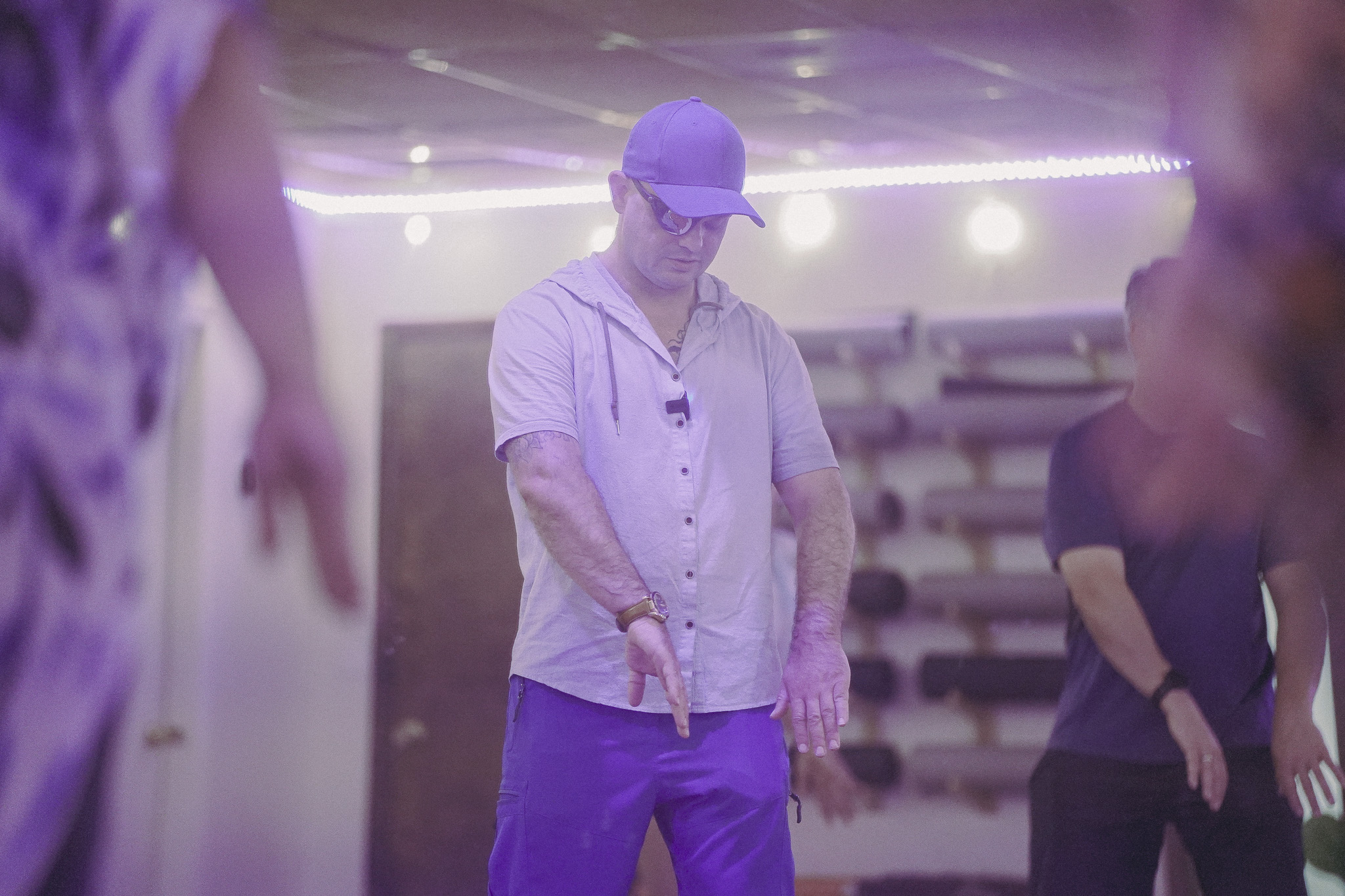
Slowness helps you feel the connection between breath and movement
The breath is easy to ignore when life is moving quickly. Many people breathe shallowly throughout the day without realizing it. They hold their breath when stressed, brace their body during conflict, or rush from task to task without ever fully exhaling.
Tai Chi gives the breath a place in the movement. As the body slows down, the breath becomes easier to notice. You may begin to feel how the breath supports balance, how it softens tension, and how it helps you stay connected to the present moment.
Breath does not have to be forced. It can be observed. It can become part of the rhythm. It can help the body feel less rushed and more grounded.
When movement slows down, breath becomes more than automatic. It becomes part of the practice.
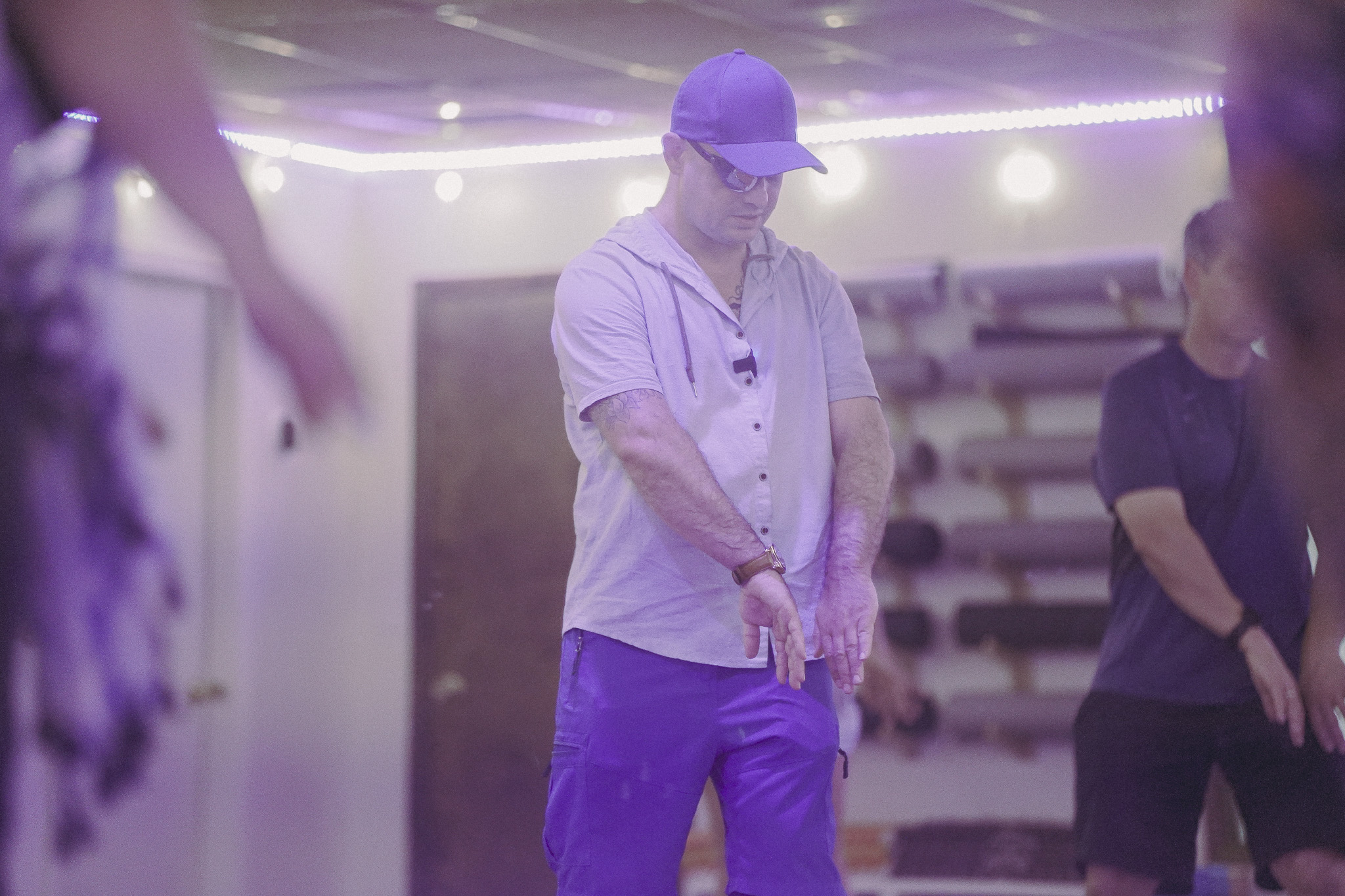
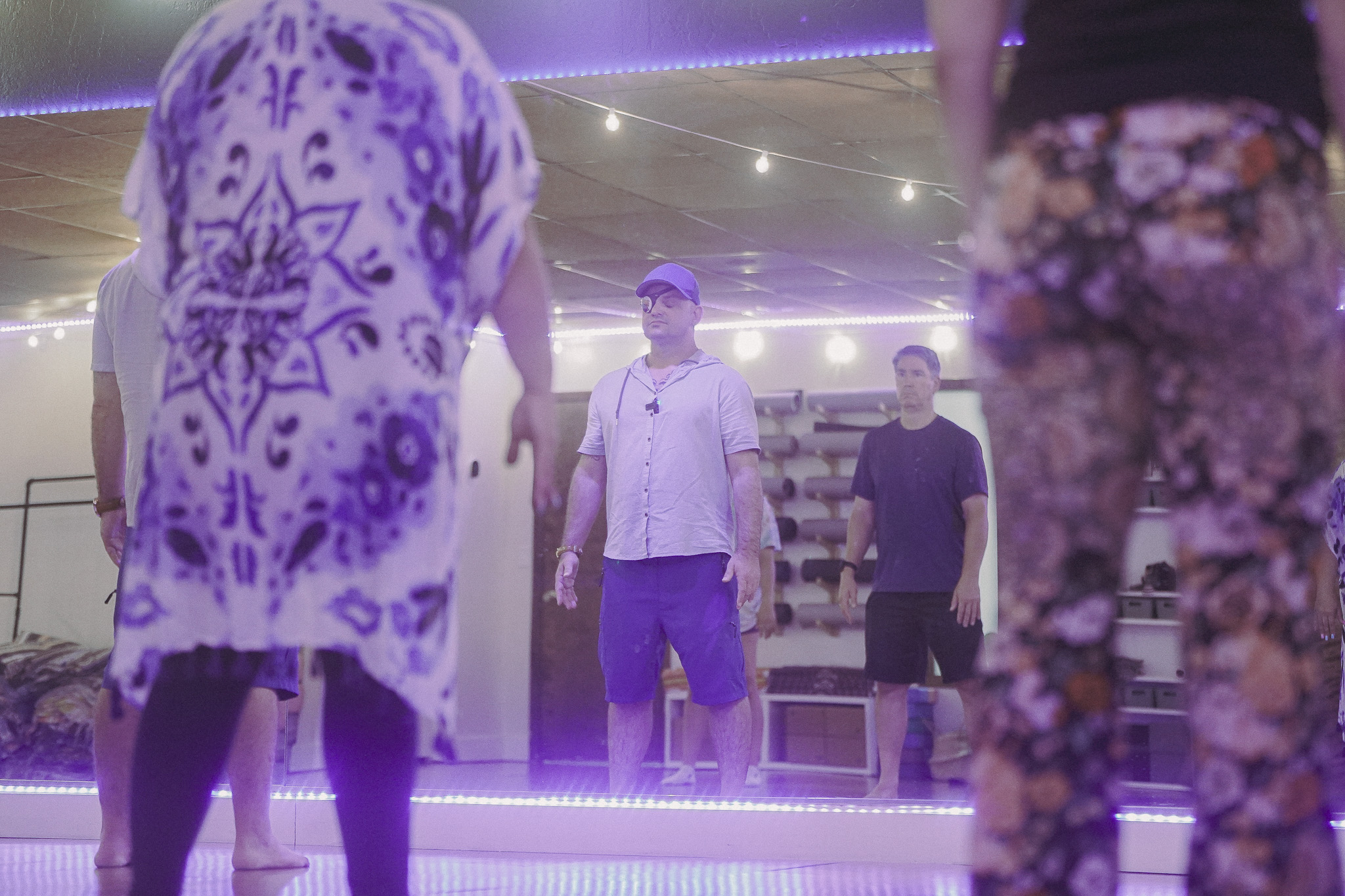
The slower pace of Tai Chi allows breath, posture, and movement to become more connected.
Slowness is not the goal. Awareness is the goal.
This is an important distinction. Tai Chi is not slow just because slow is better than fast. Slowness is a tool. It creates enough space for awareness, balance, breath, and presence to become part of the movement.
The deeper intention is not to move as slowly as possible. The deeper intention is to move consciously.
That means you begin to notice what is happening while it is happening. You feel the transition between one posture and the next. You notice how your body prepares to move. You notice where you are grounded and where you feel unstable. You learn how to stay with the process instead of rushing toward the result.
Slowness is the doorway. Awareness is the practice.
Why this matters outside of class
The meaning behind Tai Chi becomes even more powerful when you start to see how the practice connects to daily life.
If you practice slowing down in movement, you may begin to notice when you are rushing through conversations. If you practice grounding through the feet, you may remember to feel your body during stressful moments. If you practice returning to the breath, you may catch yourself before reacting automatically.
This is where Tai Chi becomes more than a class. It becomes a way of practicing how to live with more awareness.
Many people do not need more pressure in their lives. They need practices that help them pause, notice, and choose differently. Tai Chi gives you a way to practice that in the body first.
How we move can teach us something about how we live.
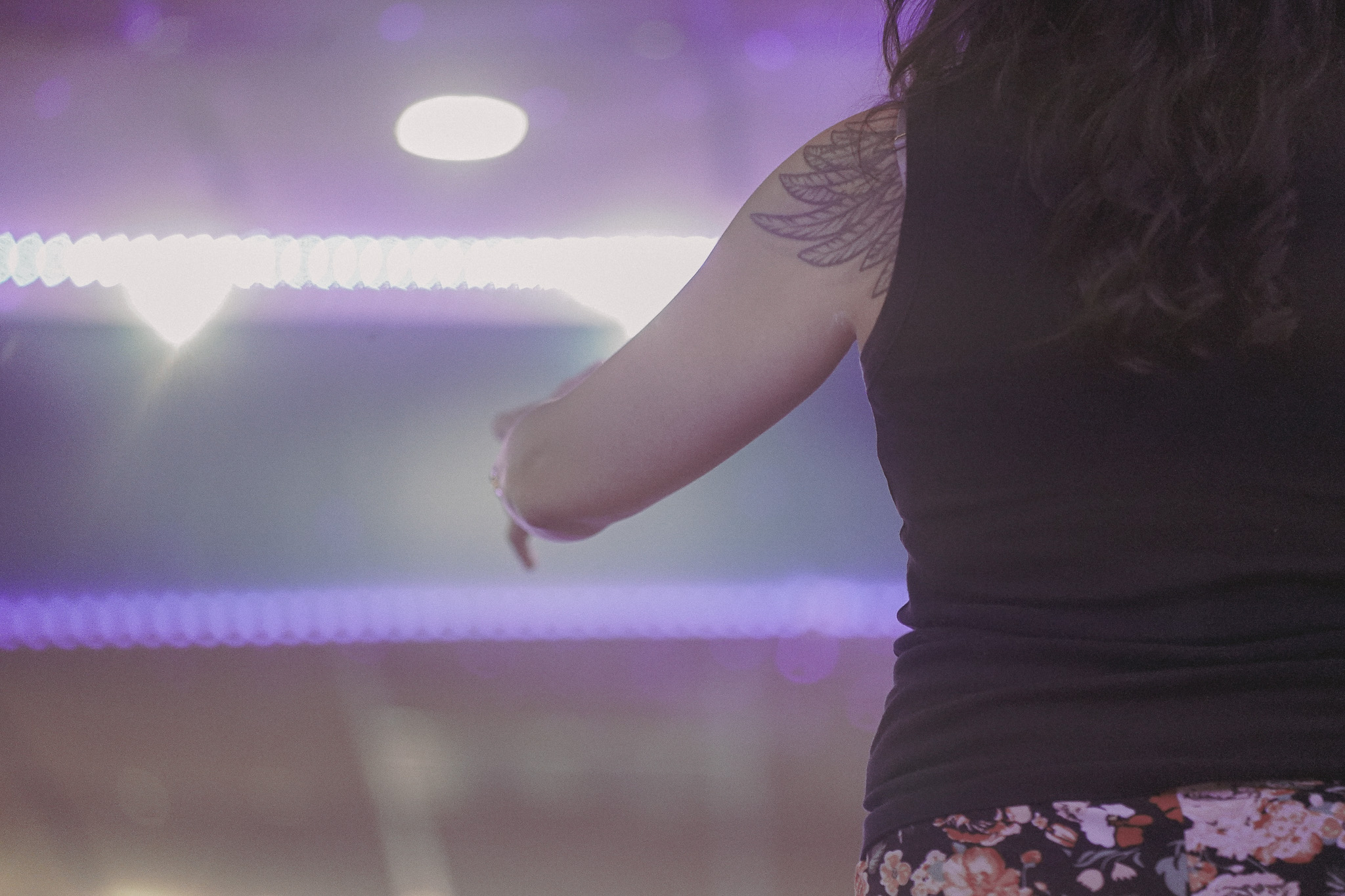
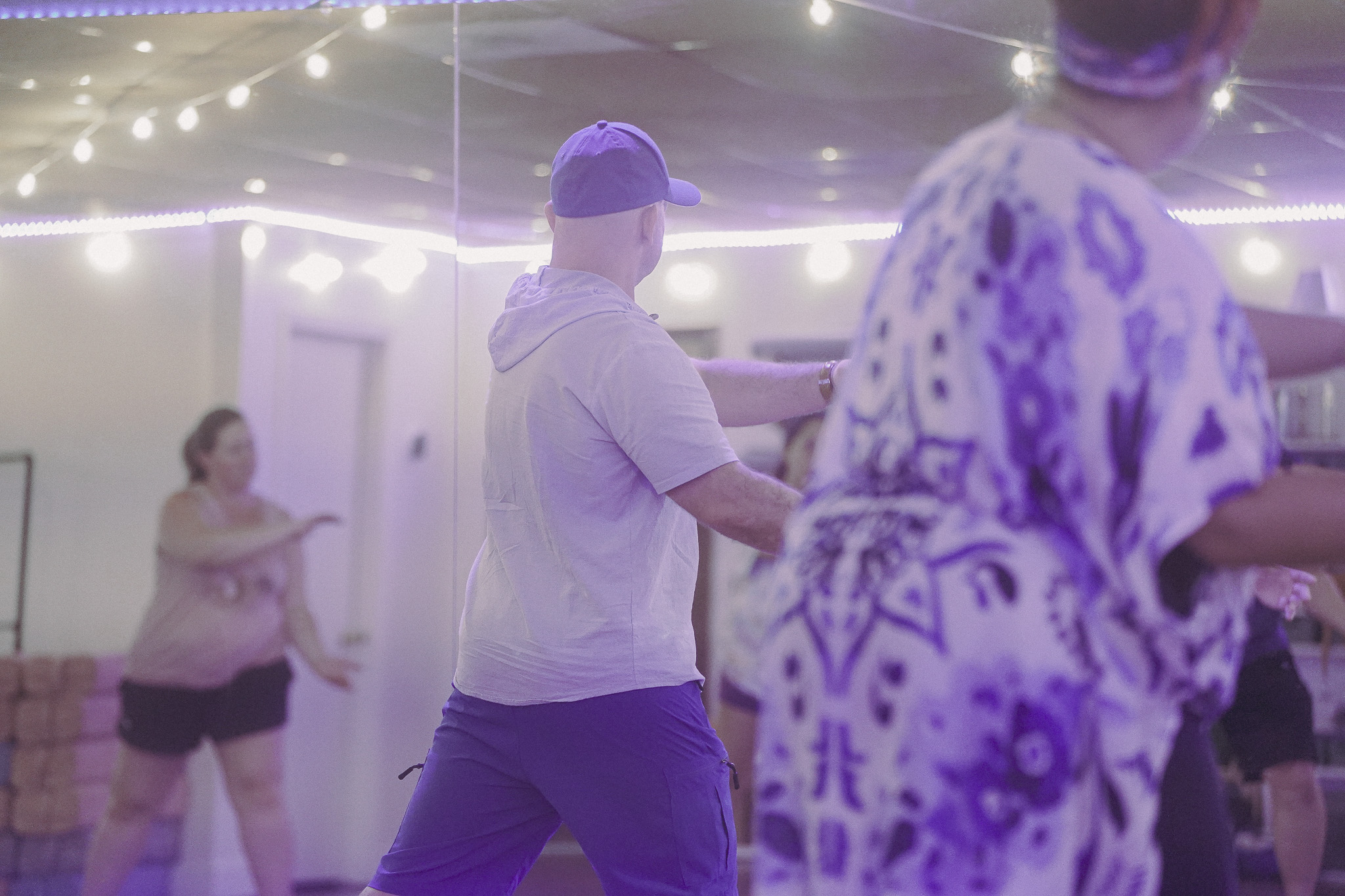
Tai Chi and The Healing Tree Collective
At The Healing Tree Collective, we believe Tai Chi matters because it speaks to something many people are missing in modern life: the ability to slow down without feeling like they are falling behind.
So many people are moving through their days with tension in the body, racing thoughts, shallow breath, and a constant sense of urgency. They are not always looking for another intense workout or another thing to accomplish. Sometimes they are looking for a practice that helps them feel human again.
Tai Chi offers that kind of space. It teaches that slowness can be meaningful. It teaches that the body can be listened to. It teaches that awareness can be built gradually. It teaches that healing does not always arrive as a dramatic breakthrough. Sometimes it arrives as a quiet moment of noticing.
We are not just creating classes. We are creating spaces where people can slow down enough to come back to themselves.
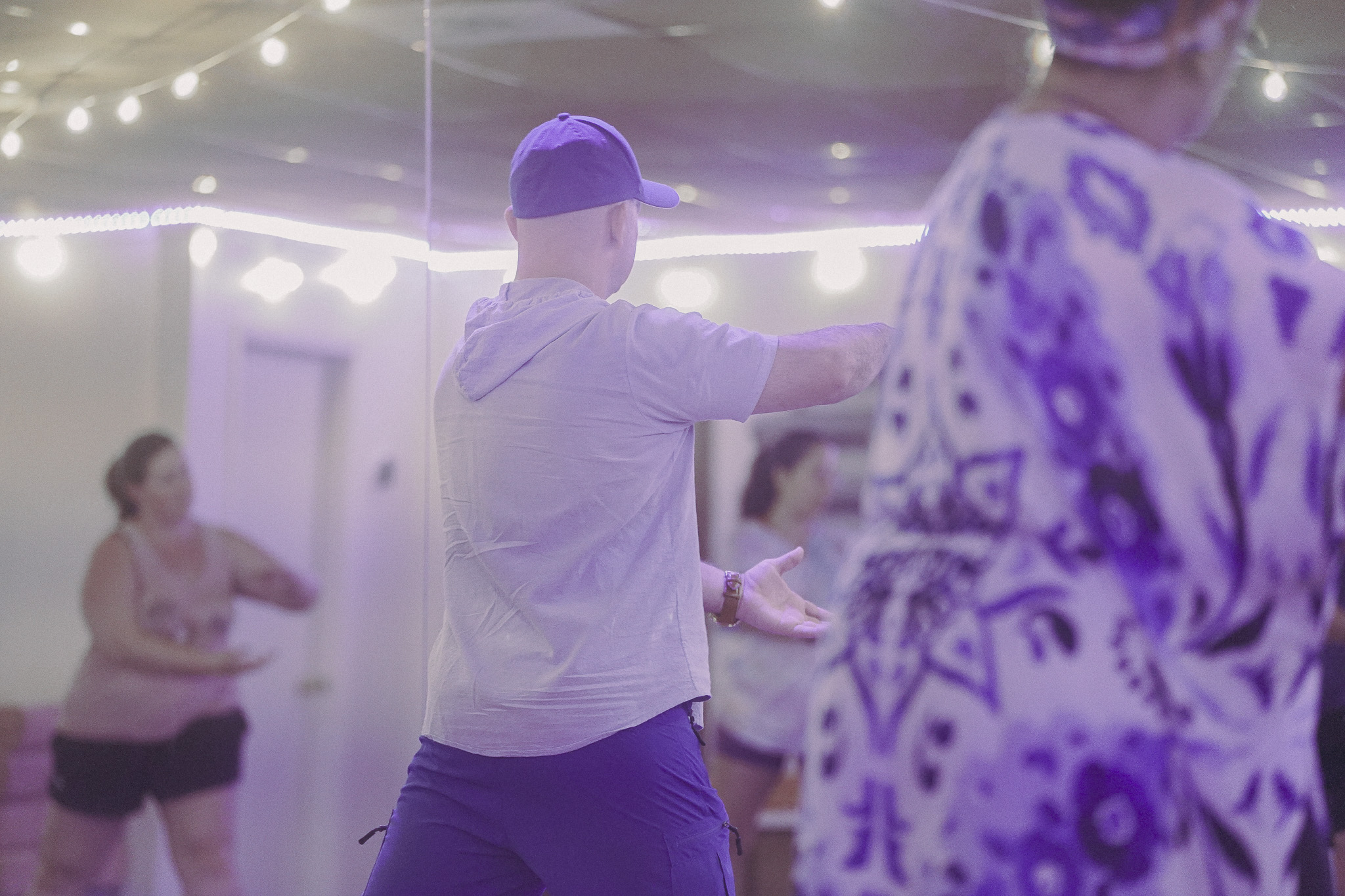
At The Healing Tree Collective, slow practices are part of how we help people reconnect with the body, breath, and self.
Final thoughts: slowness is part of the wisdom
The slowness of Tai Chi is not something to overlook. It is part of the meaning of the practice.
It helps reveal what the body is doing. It gives the breath room to become part of the movement. It teaches balance, patience, awareness, and presence. It gives the mind a place to return without forcing silence. It helps us practice a different rhythm in a world that often pushes us to rush.
For beginners, the slowness may feel unfamiliar at first. But over time, it can become one of the most powerful parts of the practice.
Tai Chi moves slowly because some things can only be felt when we stop rushing past them.
Looking for beginner-friendly Tai Chi in Tempe, Arizona?
At The Healing Tree Collective, our beginner-friendly wellness classes are designed to support stress relief, mindfulness, body awareness, and deeper connection. If you are curious about Tai Chi, moving meditation, or gentle mind-body practices, you are welcome to begin here.
No prior experience is needed. Come as you are. We will meet you there.