23 June 2026
How Tai Chi Helps Release Tension You May Not Realize You’re Holding
Sometimes the body holds tension for so long that we stop noticing it.
The shoulders stay slightly lifted. The jaw stays tight. The breath stays shallow. The hands grip. The belly braces. The body moves through the day carrying stress, pressure, responsibility, and emotion in ways that begin to feel normal.
Tai Chi can help release tension by slowing the body down enough for you to notice where you are holding, how you are moving, and where unnecessary effort may be ready to soften.
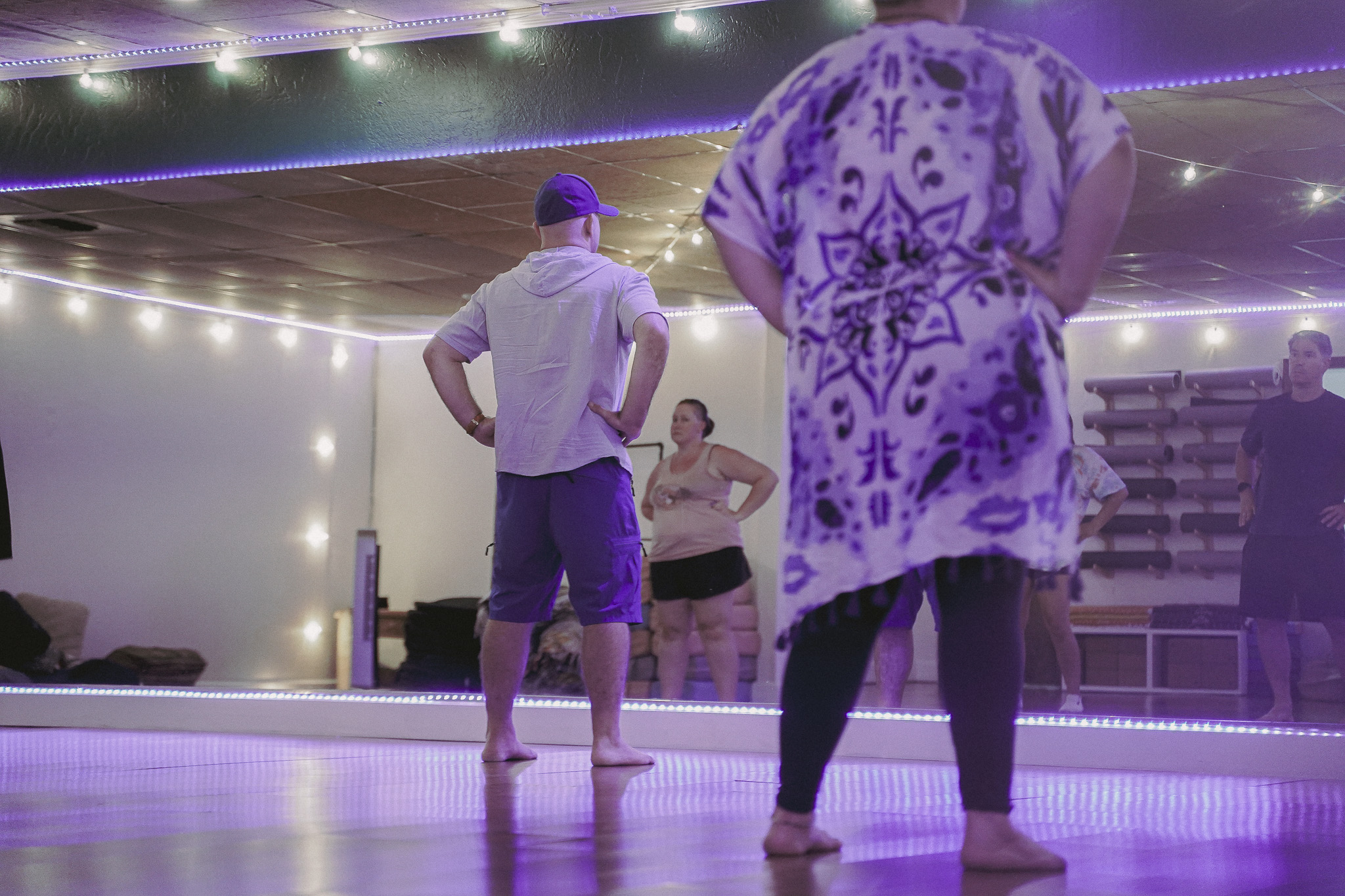
Tai Chi creates space to notice tension gently, without forcing the body to relax before it feels ready.
You may be holding tension in places like:
The body often carries stress quietly before we consciously notice it.
- Shoulders and neck
- Jaw and face
- Hands and fingers
- Chest and breath
- Belly and hips
- Back and posture
- The pace of your movement
Tension can become so familiar that it feels normal
Many people do not realize how much tension they are carrying because the body adapts. If you have been stressed for a long time, your body may begin to treat certain patterns as normal. Tight shoulders may feel normal. A clenched jaw may feel normal. A braced stomach may feel normal. A shallow breath may feel normal. Rushing may feel normal.
This does not mean your body is doing something wrong. Often, tension is the body’s way of trying to help you get through the day. It may be preparing you, protecting you, stabilizing you, or keeping you alert when life feels demanding.
The challenge is that when tension becomes familiar, it can become harder to recognize. You may not notice how much your body is holding until you finally slow down, breathe, stretch, move gently, or enter a quiet space.
Tension often becomes invisible when the body has been carrying it for too long.
Tai Chi helps you notice what the body has been holding
One of the reasons Tai Chi can be so supportive is because it slows movement down. When you move quickly, it is easy to miss the details. You may not notice where you are gripping, bracing, collapsing, forcing, or rushing.
In Tai Chi, the pace is slow enough for the body to become more visible to your awareness. You notice how your feet meet the ground. You notice how your weight shifts. You notice whether the shoulders are lifting, whether the breath is restricted, whether the hands are tense, or whether the body is using more effort than necessary.
This awareness is the beginning of release. Not because you are forcing tension out of the body, but because you are finally noticing what has been happening beneath the surface.
You cannot soften what you do not notice. Tai Chi helps make the hidden patterns easier to see.
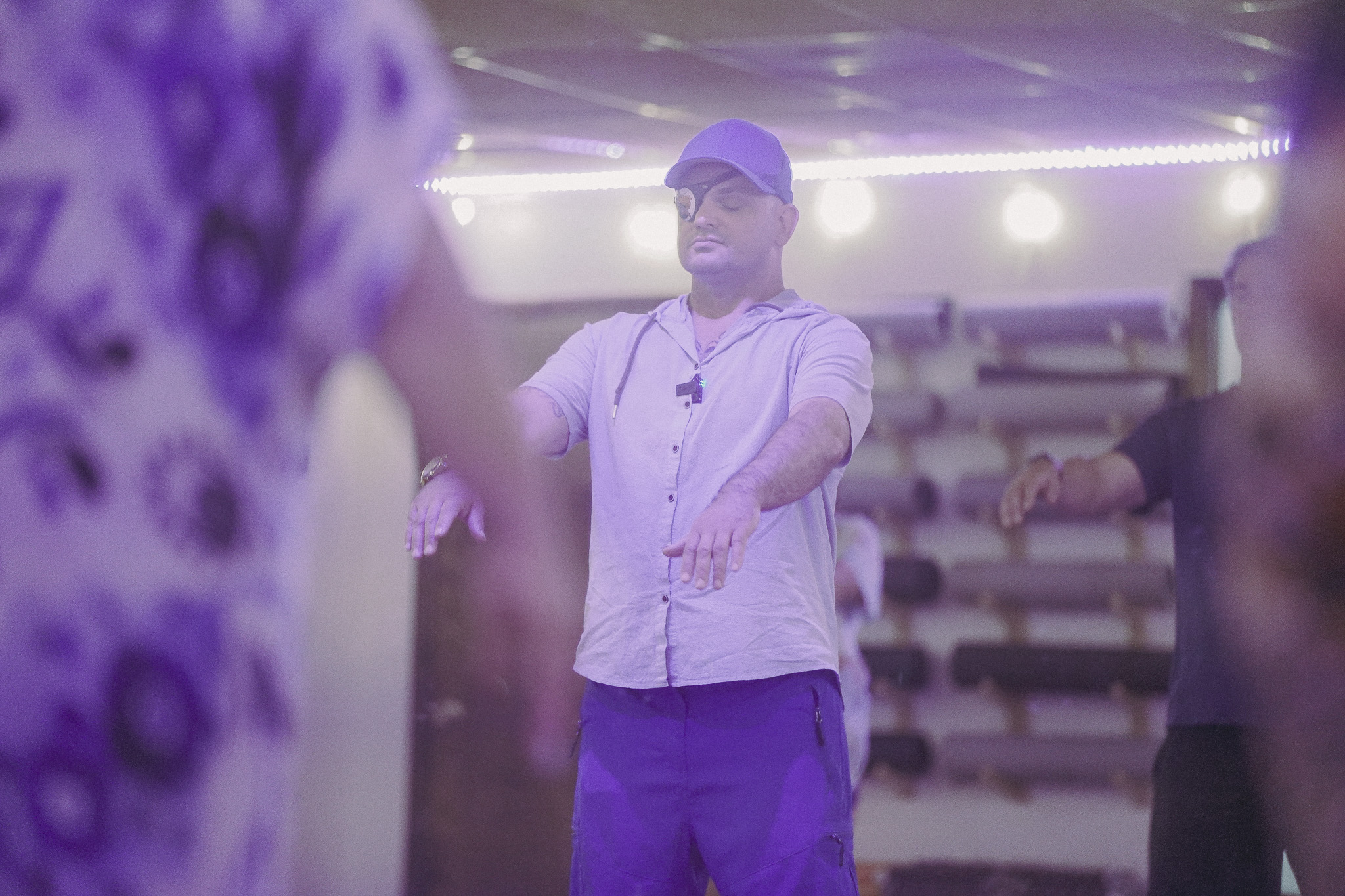
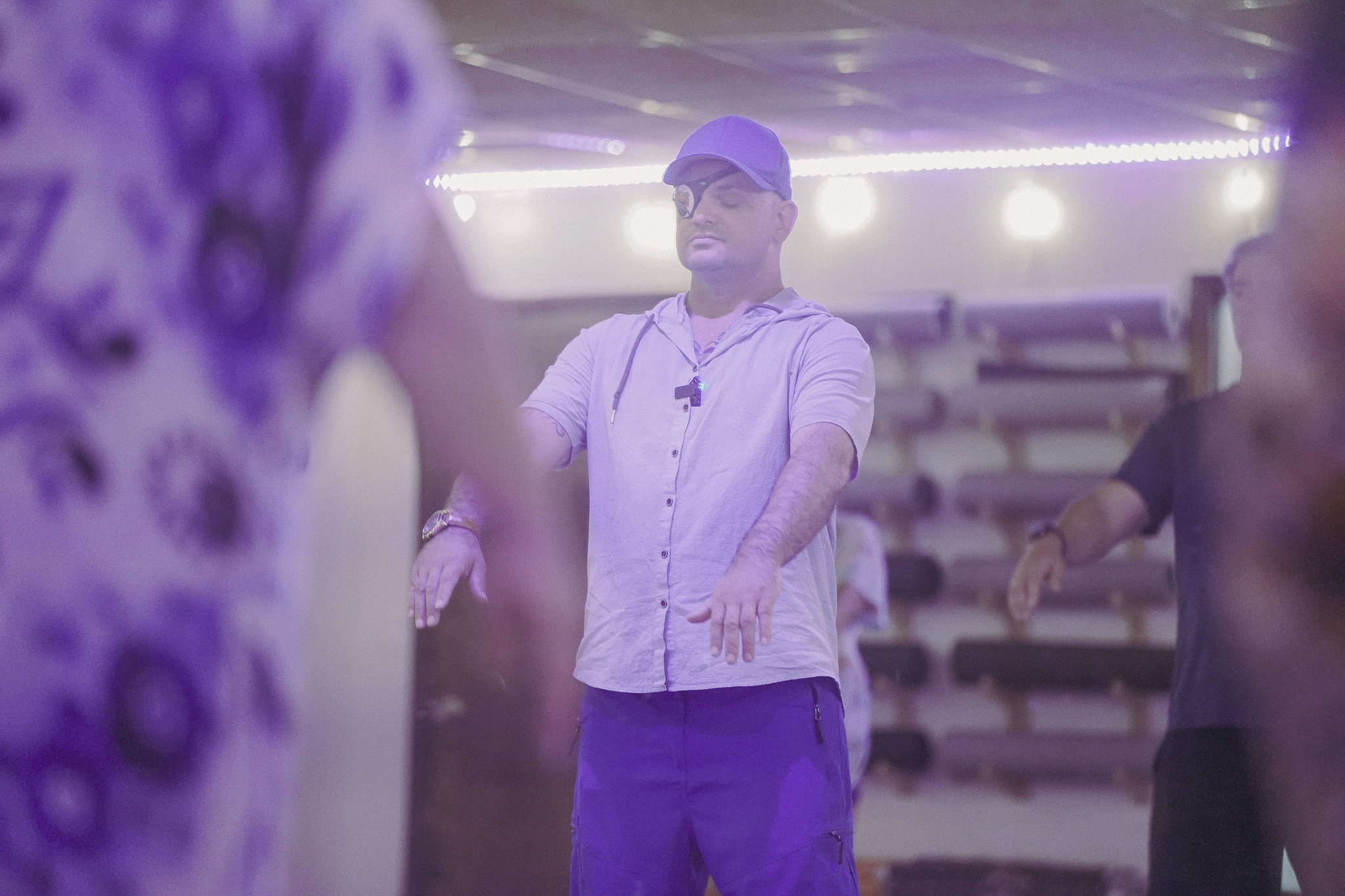
Release does not always happen through force
When people think about releasing tension, they may imagine stretching deeply, working out hard, getting a massage, or doing something intense enough to make the body let go.
Those approaches can be helpful for some people, but tension does not always need more force. Sometimes the body needs a slower kind of attention.
Tai Chi invites release through awareness, breath, rhythm, and gentle movement. You are not attacking the tension. You are listening to it. You are noticing where the body is working harder than it needs to. You are practicing how to soften without collapsing, how to stay strong without gripping, and how to move with less unnecessary effort.
Sometimes the body does not need to be pushed harder. Sometimes it needs to feel safe enough to soften.
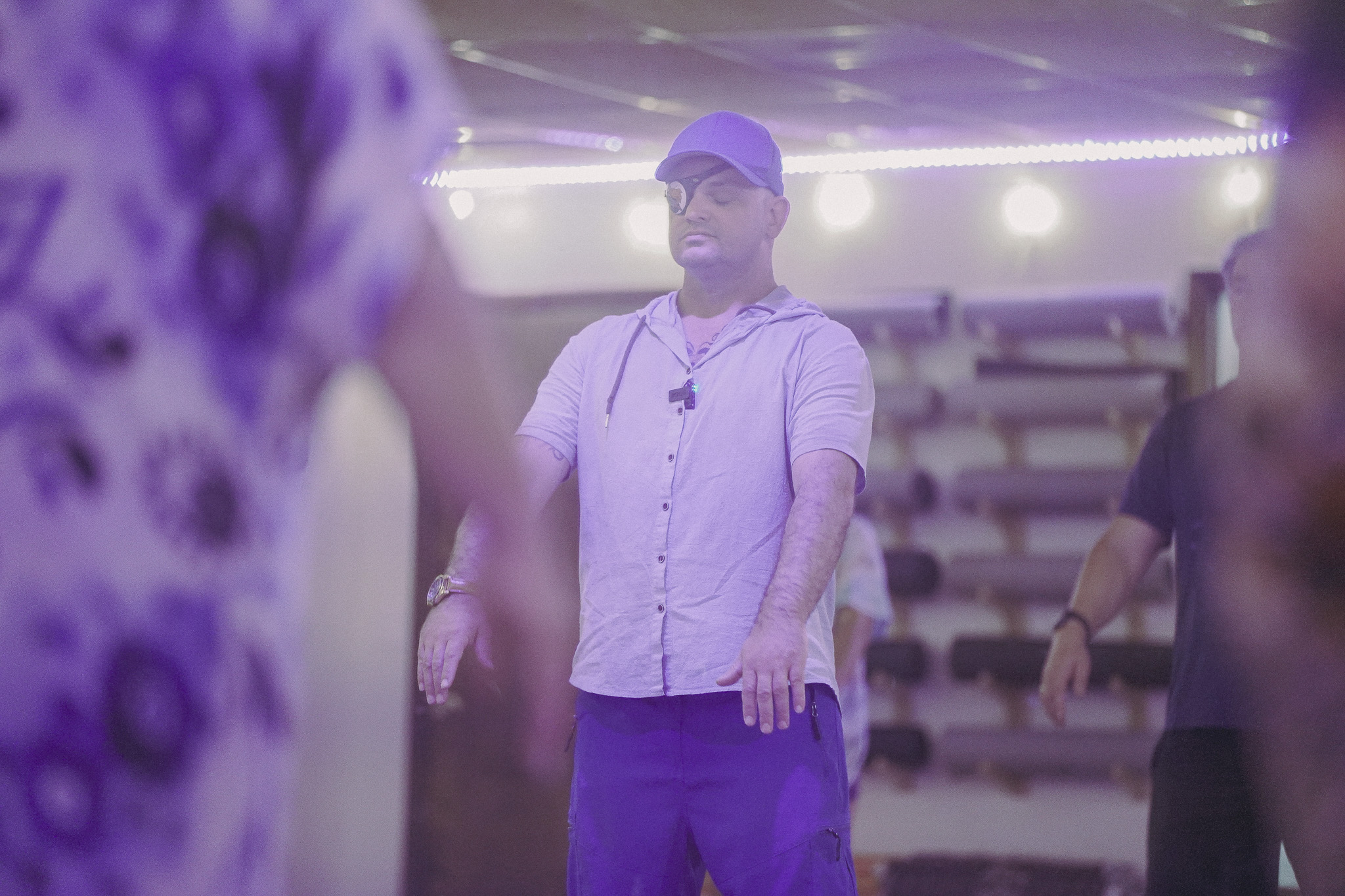
Gentle movement can help the body explore release without pressure, performance, or force.
Tai Chi helps you recognize unnecessary effort
A lot of tension comes from unnecessary effort. The body may be doing more than the moment requires. The shoulders may be working during a simple movement. The jaw may be tightening during concentration. The hands may be gripping even when nothing needs to be held.
In Tai Chi, slow movement makes unnecessary effort easier to notice. You may realize that your body is trying to control every part of the movement. You may notice that you are holding your breath because you are trying to get it right. You may feel that your body is bracing even when the practice is gentle.
This is not a mistake. It is information.
When you begin noticing unnecessary effort, you can begin asking a different question: “Can I use only the effort this moment needs?”
Tai Chi teaches that strength does not always require gripping, and relaxation does not mean collapsing.
Shoulders
You may notice when the shoulders lift during stress, concentration, or the urge to control the movement.
Jaw
You may realize the jaw tightens when you are focused, uncertain, frustrated, or trying to do things correctly.
Hands
You may notice gripping in the fingers or palms, even when the movement does not require force.
Breath
You may become aware of shallow breathing or breath-holding that happens when the body is tense.
Tension is not the enemy
It is important to approach tension with compassion. Tension is not always a problem to fight against. Sometimes tension is protection. Sometimes it is habit. Sometimes it is the body trying to stabilize itself. Sometimes it is the physical expression of stress, emotion, responsibility, or fear.
If you have been pushing through life for a long time, your body may have learned to hold tension as a way to keep going. If you have had to stay strong for others, your body may have learned to brace. If you are used to being busy, your body may not know how to soften right away.
Tai Chi does not ask you to shame the tension. It asks you to notice it with honesty. From there, release can become less about forcing the body to relax and more about building a relationship with the body that feels safer, slower, and more supportive.
The body is not wrong for holding tension. It may simply need a new experience of support.
Tai Chi connects tension to breath
The breath often changes when the body is holding tension. Many people breathe shallowly when they are stressed. They may hold their breath while concentrating, rush their breath during urgency, or forget to fully exhale when the body is braced.
Tai Chi gives the breath a chance to become part of the movement. You are not forcing the breath to be perfect. You are noticing it. You may feel where the breath gets stuck. You may notice that the shoulders soften a little when the exhale becomes easier. You may feel how the breath supports movement when the body is not rushing.
When breath and movement begin to reconnect, tension often becomes easier to feel. And when tension becomes easier to feel, the body has more opportunity to soften.
The breath can reveal where the body is holding, and movement can give the breath more room to return.


Slow movement gives the nervous system time to respond
Fast movement can be helpful in many contexts, but when the body is already tense, fast movement can sometimes keep the nervous system in a state of urgency. The body may keep pushing, bracing, and moving from momentum rather than awareness.
Tai Chi offers a different pace. The movements are slow enough for the nervous system to begin tracking what is happening. You can feel the transition. You can notice the breath. You can sense whether the body feels supported or unstable. You can adjust before forcing.
This slower rhythm can help the body experience movement without needing to rush. For people who are used to carrying tension, that can feel like a completely new relationship with the body.
Slow movement gives the body time to realize it does not have to carry everything with force.
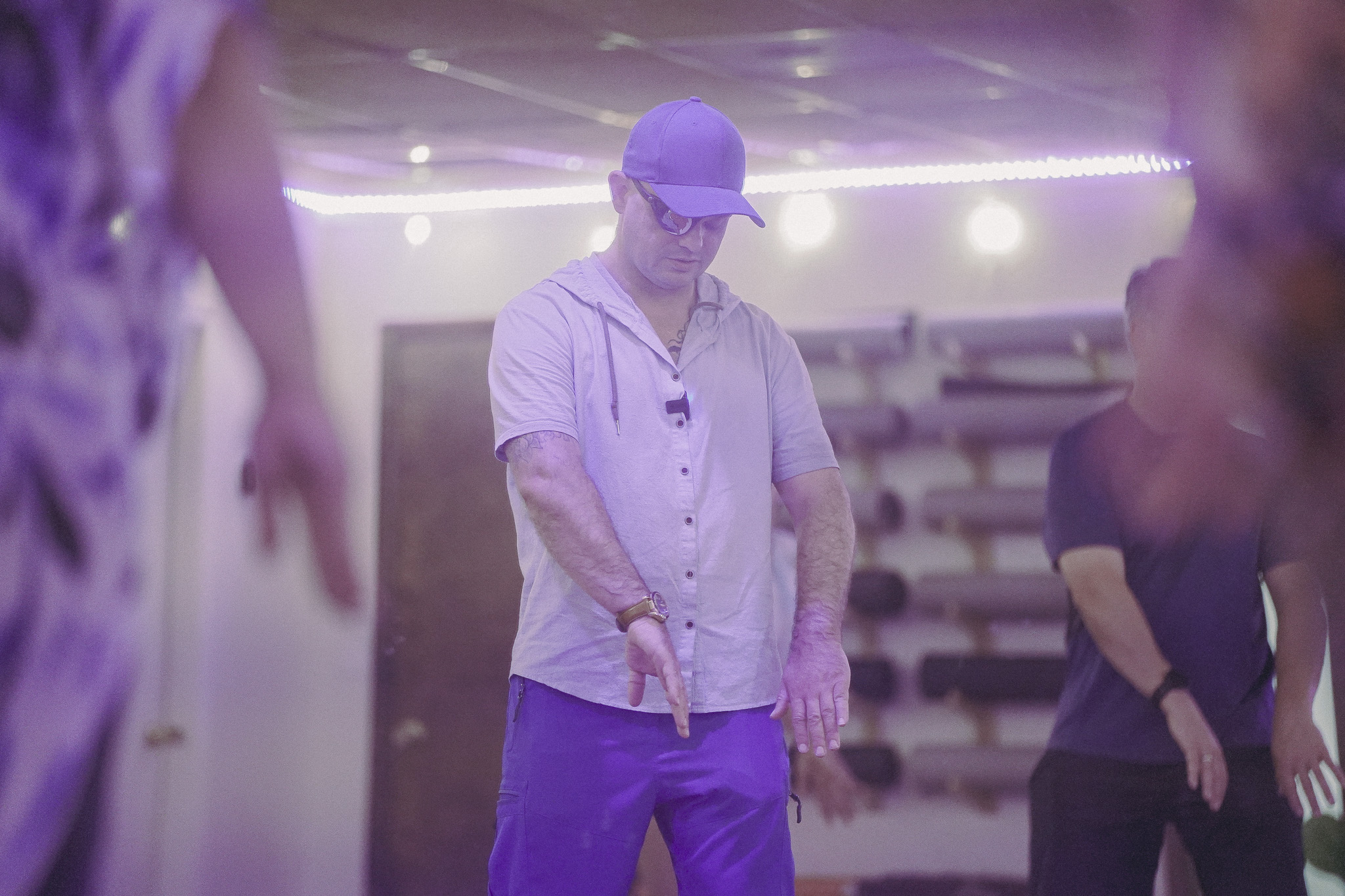
The slower rhythm of Tai Chi gives the body more time to notice, adjust, and soften.
You may notice tension in the places you least expect
One of the surprising parts of Tai Chi is that you may begin noticing tension in places you were not paying attention to.
You may notice that your face tightens when you are learning something new. You may notice that your hips feel guarded when shifting weight. You may notice that your hands want to grip even during soft movements. You may notice that your breath gets smaller when you are unsure. You may notice that your body tries to rush through the transition instead of staying with it.
These moments are valuable because they show you how tension shows up beyond class. The same patterns may appear when you are answering emails, driving, parenting, working, creating, caregiving, or moving through emotional stress.
Tai Chi helps you notice the small places where tension hides, so you can begin meeting them with more care.
During Learning
You may notice tension when you are trying to understand something new or get the movement right.
During Balance
You may notice gripping or bracing when the body feels unsure, unstable, or unfamiliar.
During Transitions
You may notice the urge to rush through the in-between instead of staying present with the shift.
During Stillness
You may notice restlessness or tension when the body is asked to slow down and listen.
Release can be subtle
Releasing tension does not always feel dramatic. Sometimes it is not a big emotional breakthrough or a sudden wave of relaxation. Sometimes it is much quieter.
It may feel like the shoulders lowering slightly. The jaw unclenching. The breath becoming easier. The hands softening. The feet feeling more connected to the ground. The body moving with less pressure. The mind noticing one place where it does not have to rush.
These small shifts matter. They may not look impressive from the outside, but they are meaningful because they represent a different relationship with the body.
Tai Chi helps you practice those subtle releases again and again. Over time, the body may become more familiar with softening before tension becomes overwhelming.
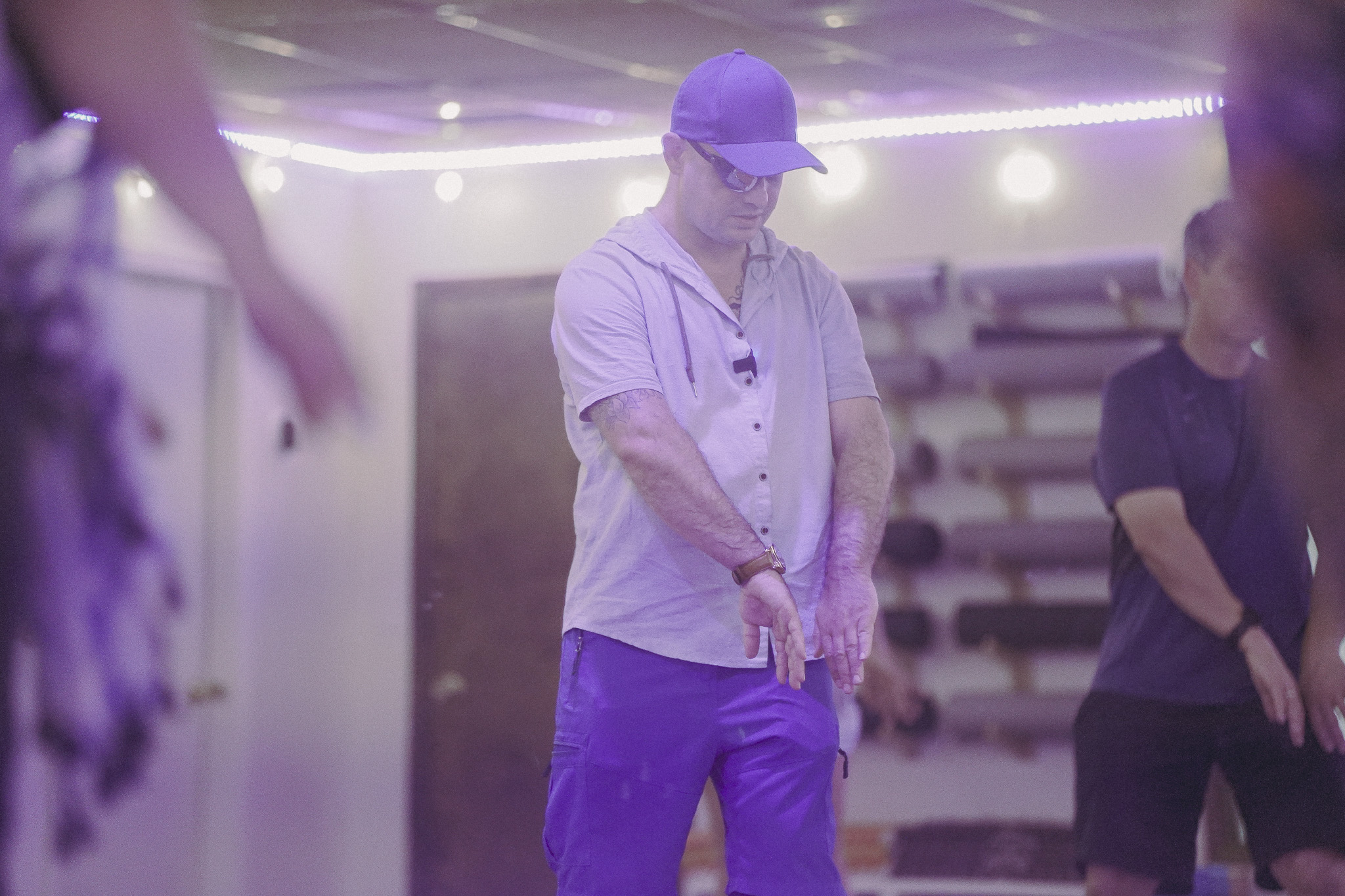
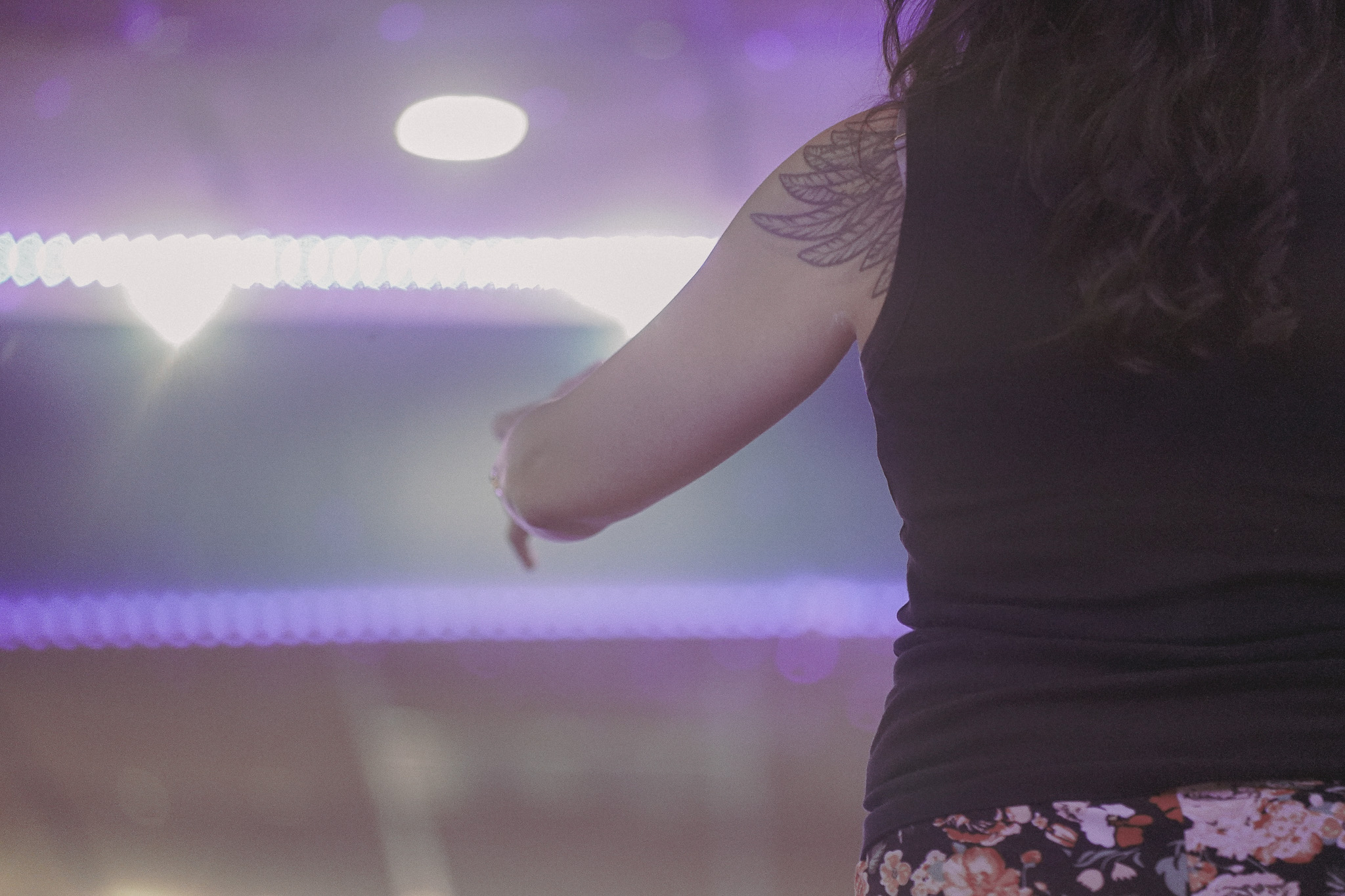
Release does not have to be dramatic to be real. Sometimes the body changes through small moments of softening.
Tai Chi helps you carry awareness into daily life
The awareness you build in Tai Chi can begin to follow you outside of class. This is where the practice becomes practical.
You may begin noticing that your shoulders rise while reading a stressful email. You may feel your jaw clench during a difficult conversation. You may notice that you hold your breath when you are trying to finish too many things at once. You may feel your hands grip the steering wheel when your mind is racing.
These are ordinary moments, but they are also opportunities. Once you notice tension, you can pause. You can breathe. You can soften. You can adjust. You can remind the body that it does not have to carry everything the same way.
The goal is not to never feel tension. The goal is to notice it sooner and respond with more care.
At Work
You may notice tension in your shoulders, jaw, breath, or posture during emails, meetings, or deadlines.
At Home
You may become more aware of carrying stress from one responsibility into another without a real pause.
In Conversation
You may notice the body tightening before you respond, explain, defend, or shut down.
During Rest
You may begin noticing whether the body actually knows how to soften when there is finally space to pause.
Tai Chi is not about forcing the body to let go
Sometimes the phrase “release tension” can sound like something we are supposed to make happen. But the body does not always respond well to force, especially when tension has been connected to stress, protection, responsibility, or survival.
Tai Chi offers a different approach. It does not demand release. It creates the conditions where release may become more possible.
The movement is gentle. The breath is noticed. The body is given time. The pace is slow. The practice does not require performance. You are allowed to be new, awkward, tense, distracted, and still welcome in the practice.
Tai Chi does not force the body to let go. It helps the body feel safe enough to consider softening.
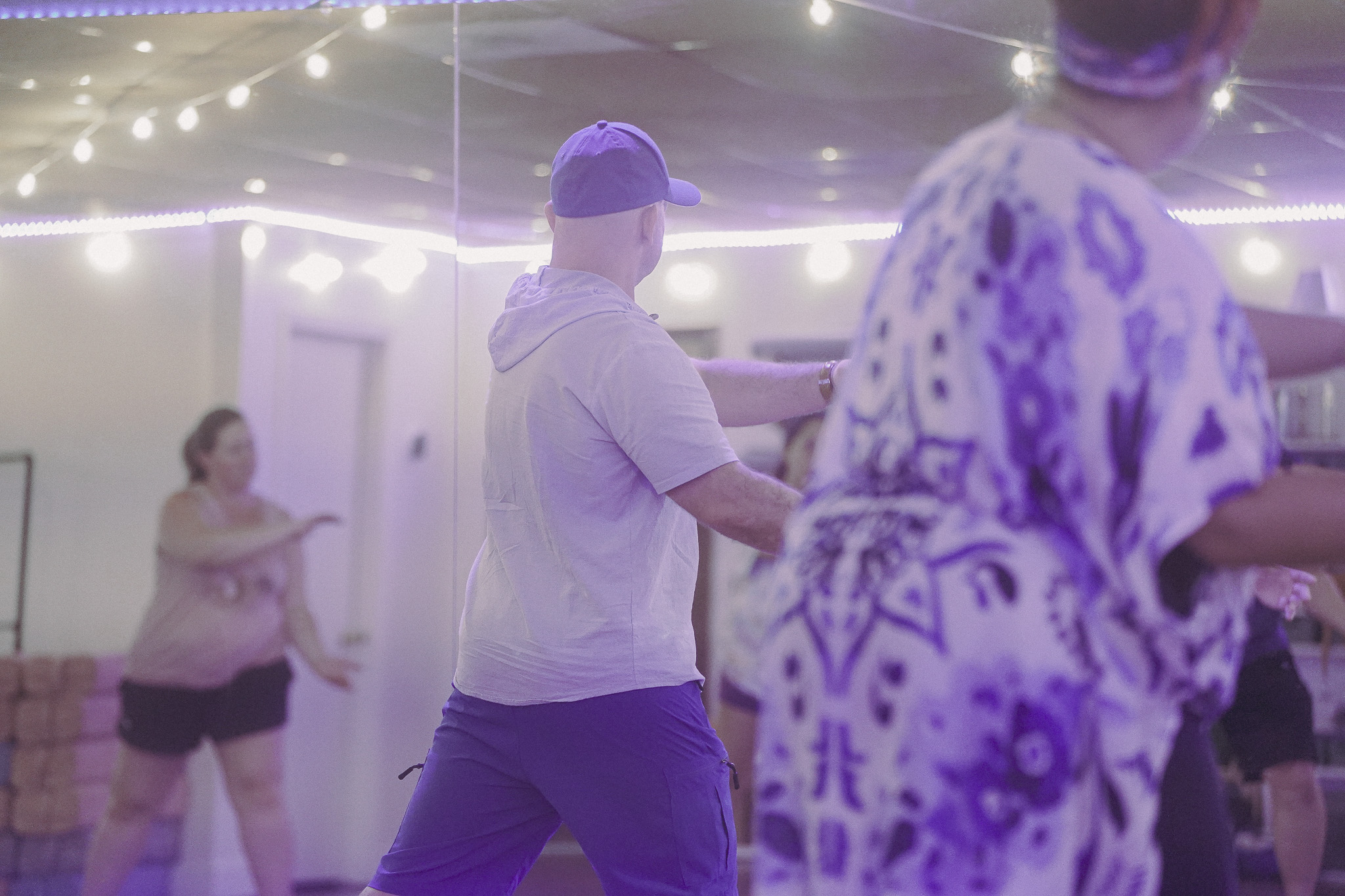
Release often becomes more available when the body is met with patience instead of pressure.
Tai Chi and The Healing Tree Collective
At The Healing Tree Collective, we believe many people are carrying more tension than they realize. Not because they are doing anything wrong, but because life asks a lot from the body.
People are working, caregiving, creating, grieving, healing, parenting, leading, holding responsibility, navigating emotions, and trying to keep up. The body often becomes the place where all of that is stored, even when the mind has moved on to the next thing.
Tai Chi offers a gentle way to begin noticing what the body has been holding. It gives people space to slow down, feel the feet, notice the breath, soften unnecessary effort, and return to themselves without pressure or performance.
This connects directly to our mission. We are here to create accessible wellness spaces where people can heal, grow, and reconnect with themselves through practices that feel supportive, educational, and real.
We are not just creating classes. We are creating spaces where people can listen to the tension they have been carrying and begin meeting the body with care.
Final thoughts: the body may be holding more than you think
Tension can become so familiar that we forget it is there. We keep moving, working, caring, creating, responding, and pushing through without realizing how much the body is carrying.
Tai Chi helps by slowing the body down enough to notice. You may notice the shoulders. The breath. The jaw. The hands. The posture. The pace. The effort. The places where the body has been bracing without your conscious awareness.
And once you notice, you have a chance to respond differently.
Not by forcing the body to release, but by giving it space, breath, movement, patience, and support.
Tai Chi helps release tension you may not realize you are holding because it teaches the body that awareness can be the beginning of softening.
Looking for Tai Chi and gentle tension release in Tempe, Arizona?
At The Healing Tree Collective, our beginner-friendly wellness classes are designed to support stress relief, mindfulness, body awareness, and deeper connection. If you are curious about Tai Chi, moving meditation, tension release, or gentle mind-body practices, you are welcome to begin here.