23 June 2026
The Healing Tree Collective • Workplace Wellness
What Workplace Wellness Really Means Beyond Perks and Benefits
A lot of workplaces still think wellness means adding a few perks and calling it support.
Snacks in the break room.
A wellness stipend.
A once-a-year event.
A few surface-level benefits meant to signal care.
And while those things may be appreciated, they are not always the same as creating a workplace where people actually feel supported.
At The Healing Tree Collective, we believe workplace wellness means something deeper than perks and benefits.
It is about the lived experience of the people inside the workplace.
It is about whether people feel grounded, connected, supported, and human in the environments they spend so much of their lives in.
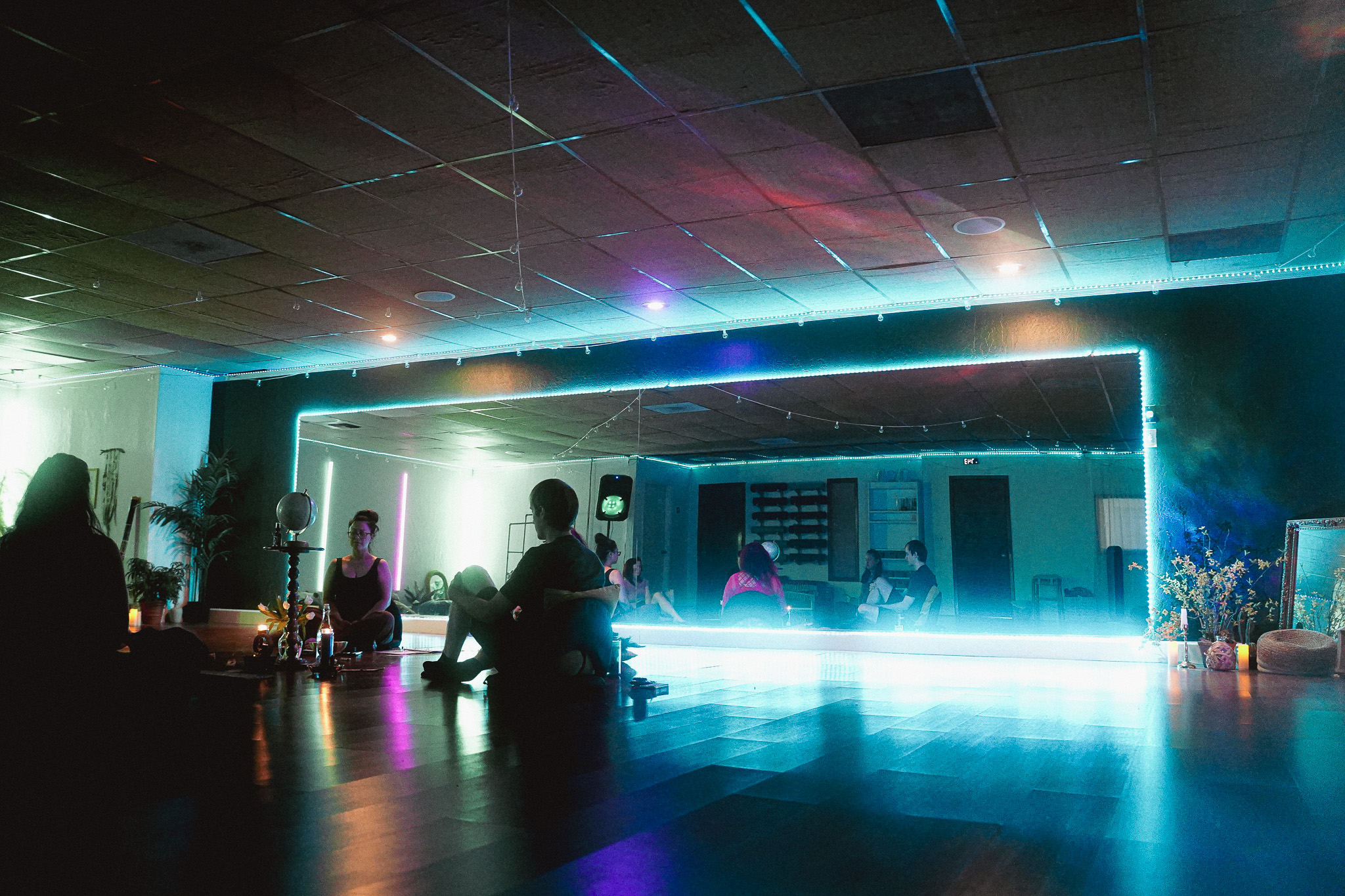
Workplace wellness goes deeper than perks
A meaningful approach may support:
- Stress relief and nervous system support
- More grounded and supported employees
- Healthier connection among team members
- A more compassionate workplace atmosphere
- Meaningful care that people can actually feel
Perks are not the same as support
Perks can make a workplace feel more enjoyable.
Benefits can add value.
There is nothing wrong with those things.
But real wellness asks a different question:
Do people actually feel supported in their bodies, minds, emotions, and day-to-day experience of work?
Someone can have nice perks and still feel overwhelmed.
Someone can have benefits and still feel disconnected.
Someone can work in a well-funded environment and still feel emotionally drained, mentally overloaded, and under-supported.
Perks can be helpful. But workplace wellness begins to matter more deeply when it touches how people actually feel while living and working inside the culture.
Real workplace wellness is about the quality of the environment
Workplace wellness is not only about what is offered.
It is also about what is felt.
Does the environment support people in slowing down when they need to?
Does it make room for reflection, care, and humanity?
Does it help people feel connected to themselves and to each other?
These questions matter because wellness is not just a program.
It is part of the tone of the workplace.
It lives in the pace, the relationships, the emotional climate, and whether people feel like they are allowed to be human while doing their jobs.
What workplace wellness really means is creating conditions where people do not have to leave themselves behind in order to succeed.
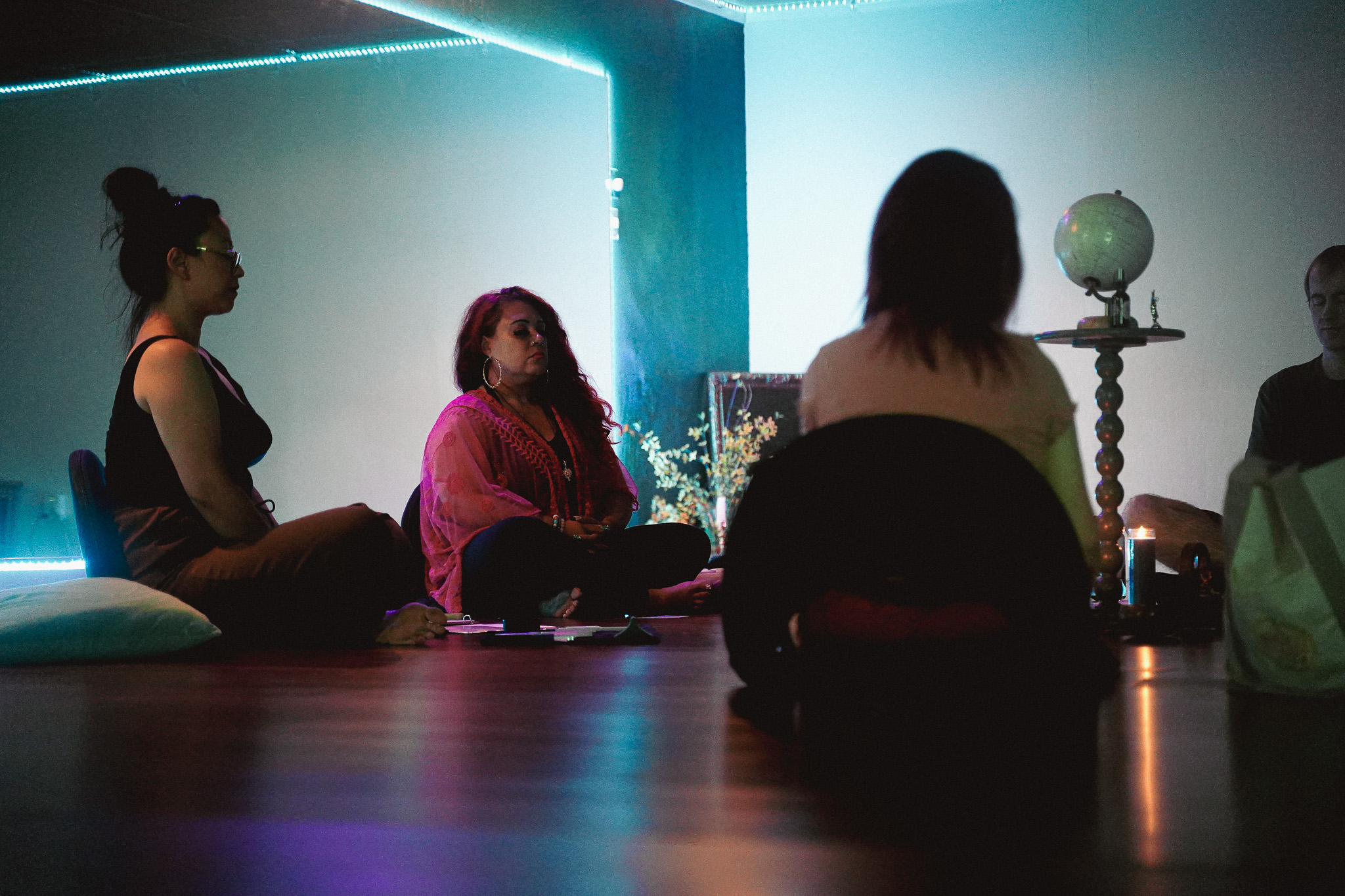
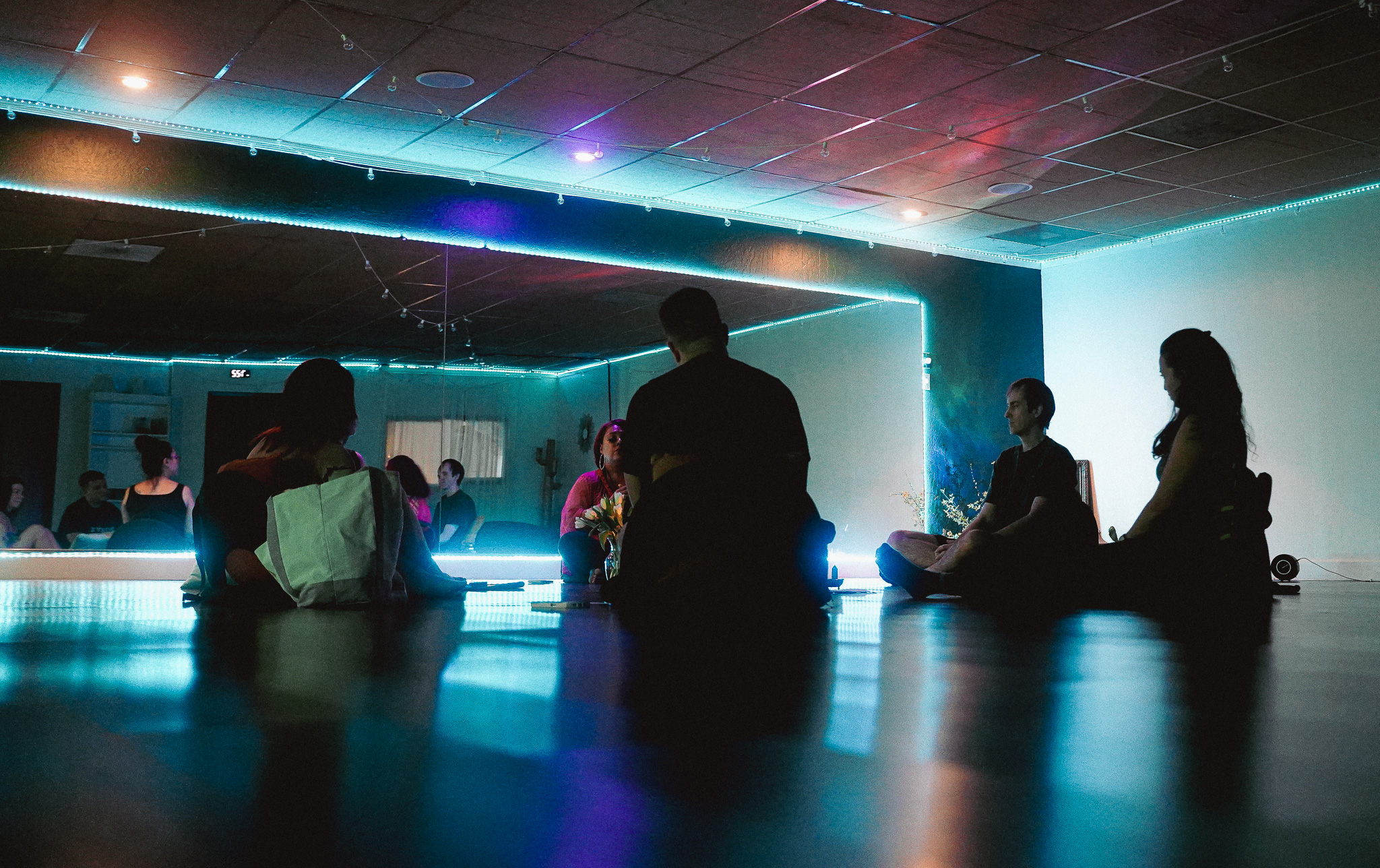
Beyond perks, people need real moments of relief
A lot of employees are moving through their days with very little room to actually pause.
Stress builds quietly.
Mental fatigue becomes normal.
Emotional overload gets hidden beneath professionalism and performance.
That is why meaningful workplace wellness often includes experiences that help people feel relief in a real, embodied way.
A deeper breath.
A softer nervous system.
A moment of stillness.
A chance to reconnect with the body.
When people are given that kind of space, support starts to feel real.
Stress Relief
People need more than nice extras. They need opportunities to come out of constant pressure and feel supported in real time.
Reconnection
Workplace wellness can help employees reconnect with their breath, body, emotions, and internal state.
Reflection
Intentional spaces can help people notice what they are carrying and what support may actually help.
Presence
Wellness can help people return to the workday with more clarity, steadiness, and awareness.
Connection
Shared wellness experiences can strengthen empathy, patience, and a more human team culture.
Care
True workplace wellness helps people feel that their well-being matters beyond what they produce.

Workplace wellness also shapes how people relate to one another
This part matters deeply.
Because workplace wellness is not only about the individual employee.
It also influences the relationships inside the workplace.
When people are constantly in survival mode, it becomes harder to access patience, empathy, humility, and care.
But when they are given intentional spaces to slow down and reconnect, something often shifts.
People soften.
They listen differently.
They see each other more clearly.
They remember that the people around them are not just coworkers or roles, but human beings carrying things too.
Workplace wellness goes beyond perks when it starts to change how people feel with themselves and how they relate to each other.
What workplace wellness may support over time
A more meaningful approach to workplace wellness may support:
It may also support:
-
- More meaningful morale
- Healthier communication
- Greater resilience
- A stronger sense of support within the team
- A workplace culture where people feel more seen and valued

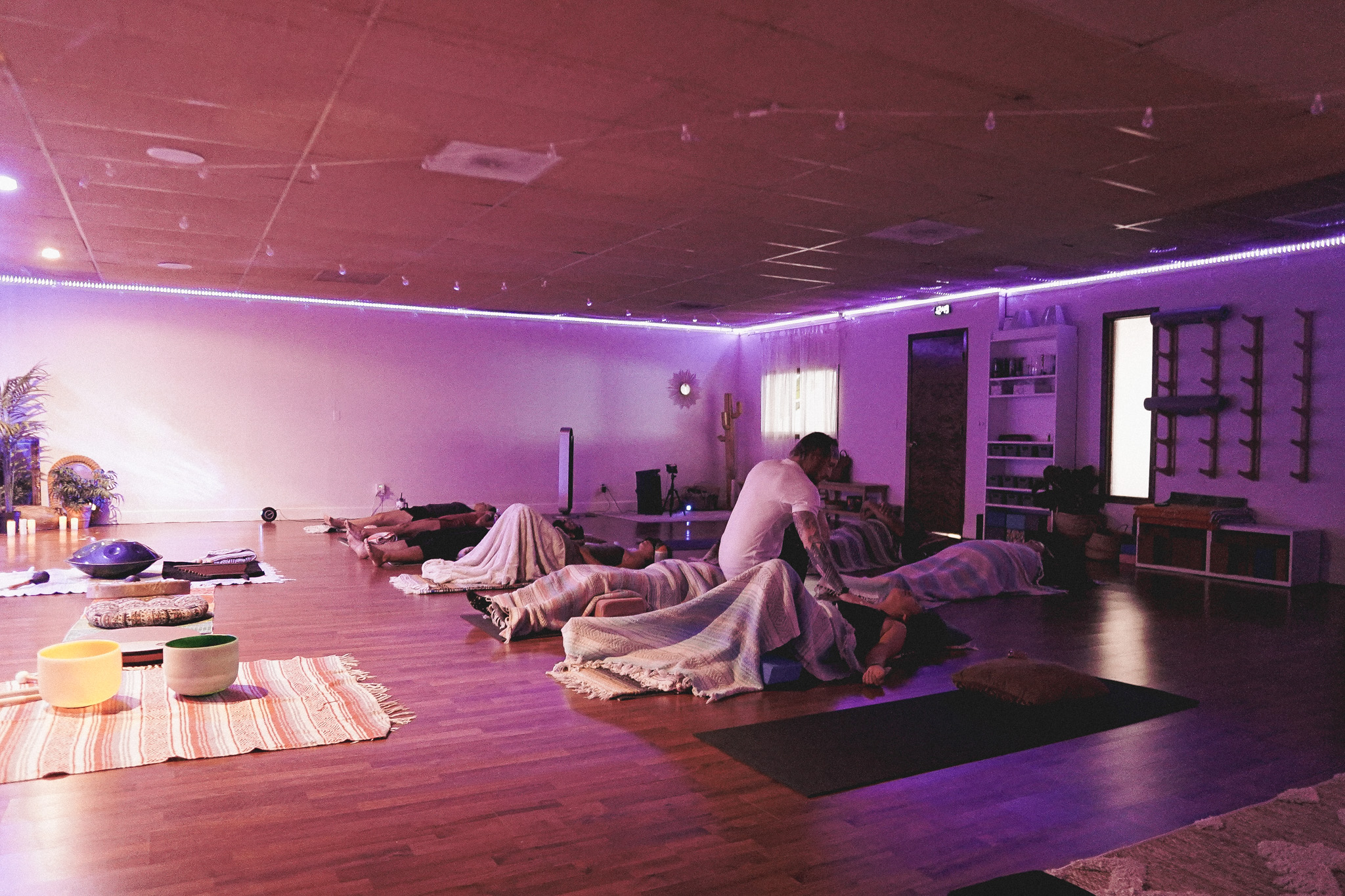
What workplace wellness means to us
To us, workplace wellness means creating experiences and environments where people can breathe, reconnect, and feel supported in a real way.
It means recognizing that the health of a workplace is shaped not only by systems and performance, but by the people inside of it and how cared for they feel.
It means moving beyond perks and asking something deeper:
What would it look like for people to feel more grounded, more connected, and more human while they work?
What workplace wellness really means is not just adding more benefits. It is creating a culture where support is actually felt.
So what does workplace wellness really mean beyond perks and benefits?
It means supporting the whole person.
It means creating space for stress relief, reflection, reconnection, and care.
It means helping employees feel more grounded in themselves and more connected to the people around them.
Because when support is real, people often bring a different quality of presence into the workplace.
And that can change the culture in meaningful ways.
Workplace wellness, beyond perks and benefits, is about creating conditions where people can actually feel supported while they do the work they are being asked to carry.
Looking to bring more meaningful workplace wellness to your team?
Explore our workplace wellness offerings and learn how we can create a thoughtful, restorative, and human-centered experience for your employees, staff, or leadership team.