20 June 2026
How Tai Chi Supports Stress Management in Everyday Life
Stress management is not only something we practice when life finally becomes overwhelming. It is something we need in the small moments of everyday life.
It shows up in the morning rush, the work email that makes your shoulders tighten, the conversation where you feel yourself reacting, the drive home when your mind is still carrying the whole day, and the quiet moment at night when your body finally realizes how much it has been holding.
Tai Chi can support stress management because it teaches you how to slow down, notice your body, return to your breath, and move through life with more awareness one moment at a time.
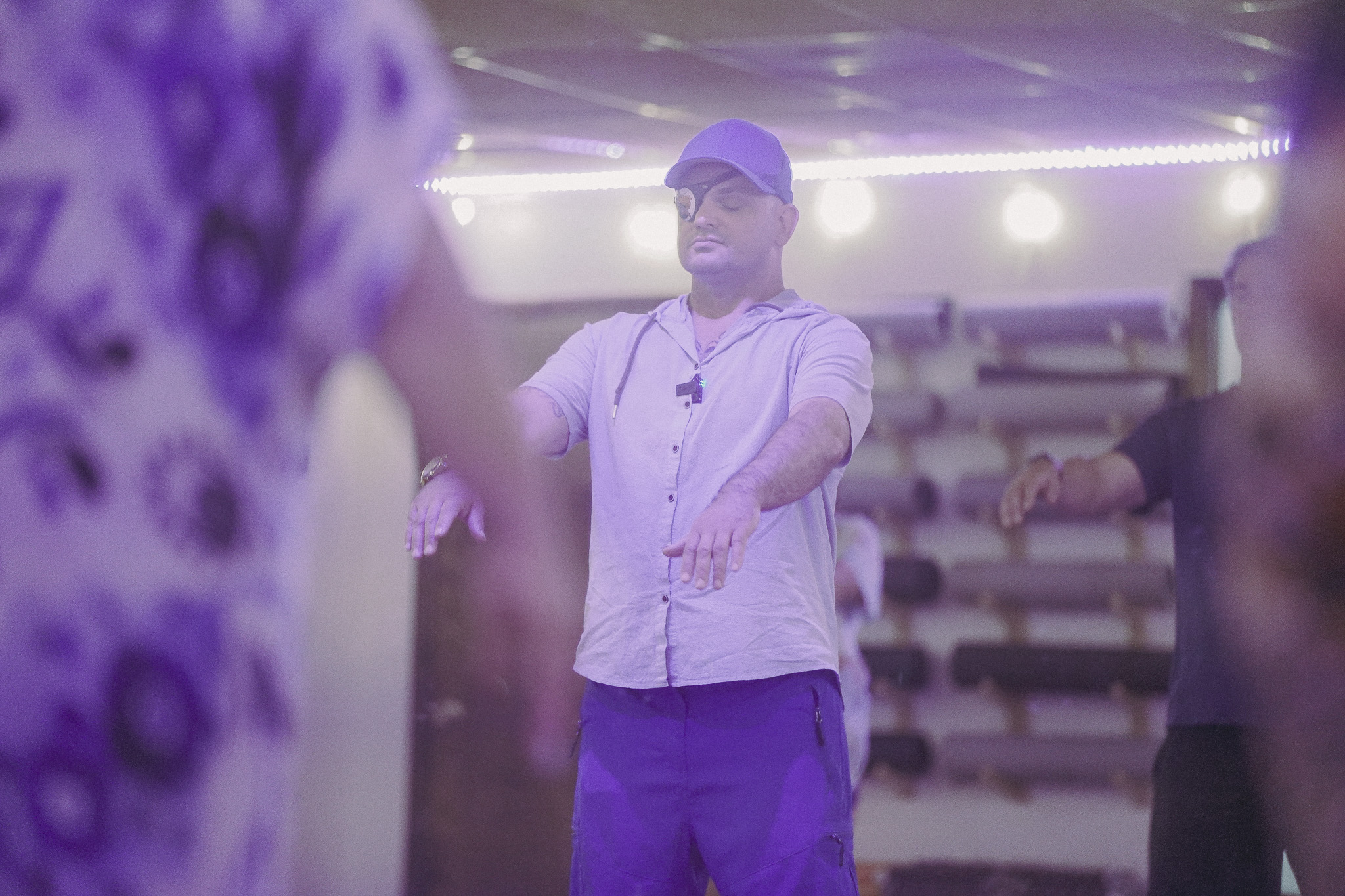
Tai Chi helps you practice stress management in the body, not just as an idea in the mind.
Tai Chi can support everyday stress management by helping you practice:
Small body-based skills that can follow you into real life.
- Slowing down before reacting
- Noticing tension earlier
- Returning to the breath
- Grounding through the body
- Moving through transitions with awareness
- Creating space between stress and response
Stress management has to work in real life
Many people understand stress management as something they are supposed to do after they are already overwhelmed. They wait until the end of the day, the end of the week, or the moment when their body finally says, “I cannot keep going like this.”
But stress usually does not build all at once. It builds through repeated moments. The email you read too quickly. The conversation you did not have time to process. The responsibility you accepted even though your body was already tired. The shallow breath you did not notice. The tension you carried from one part of the day into the next.
This is why stress management has to be practical. It has to be something you can access in ordinary moments, not only when you finally make time to rest.
Tai Chi supports this because it gives you a practice for noticing what is happening inside your body while you are still moving. It does not separate stress management from real life. It teaches awareness while in motion, which is exactly where most of life happens.
Stress management is not only about escaping stress. It is about learning how to meet stress with more awareness while life is still happening.
Tai Chi helps you notice stress before it becomes overwhelming
One of the most useful parts of Tai Chi is that it teaches you to notice subtle signals in the body. This matters because stress often begins quietly before it becomes loud.
You may notice that your shoulders lift when you are under pressure. You may notice that your breath becomes shallow when you are trying to focus. You may notice that your jaw tightens before a difficult conversation. You may notice that your body starts rushing even when there is no immediate emergency.
In Tai Chi, these patterns become easier to see because the practice slows everything down. You move with intention. You shift your weight. You follow the breath. You pay attention to posture, balance, tension, and transition.
Over time, this kind of awareness can help you notice stress sooner in daily life. And when you notice sooner, you have more room to respond with care.
You cannot manage what you do not notice. Tai Chi helps you begin noticing before stress takes over.
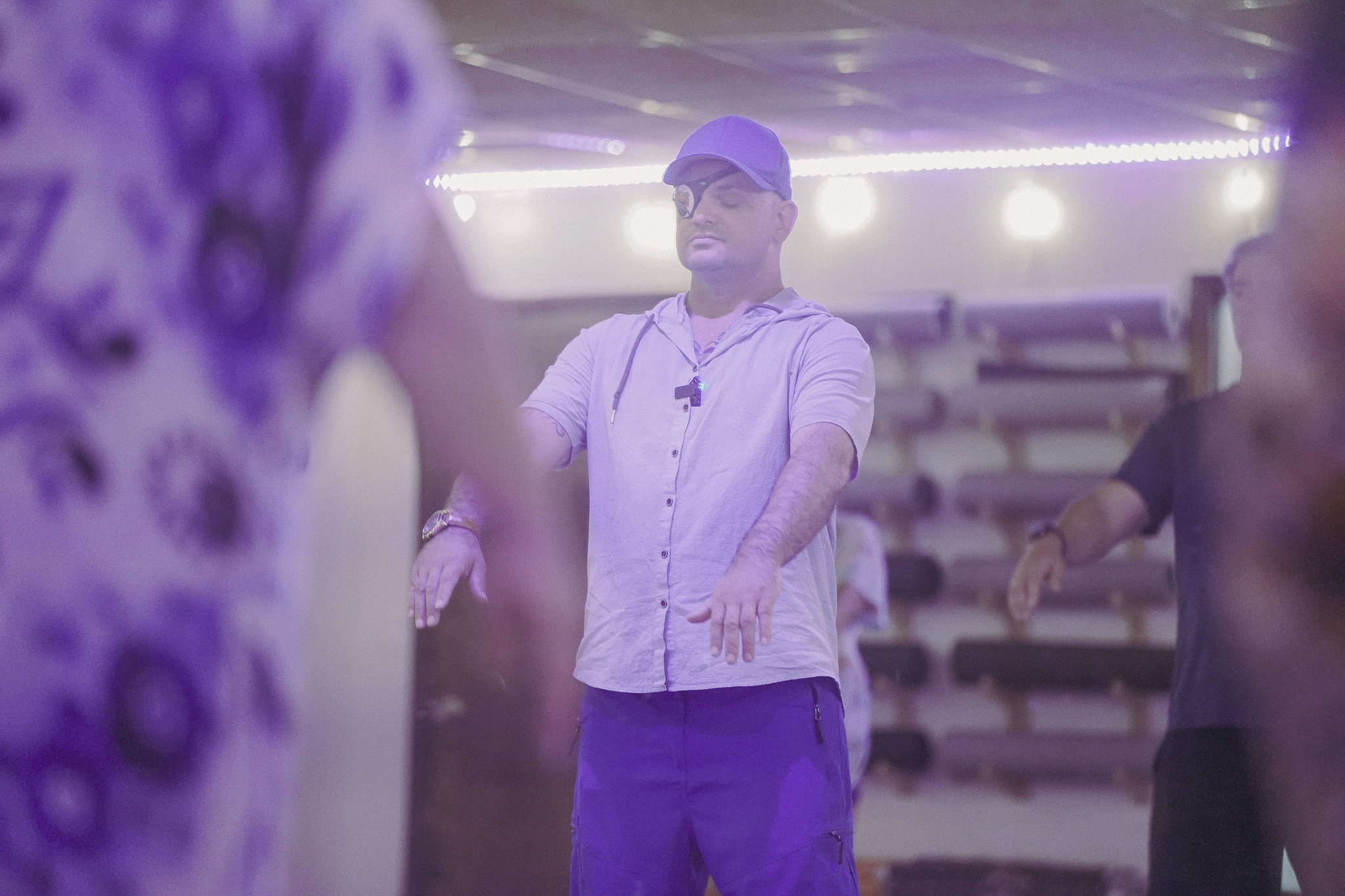
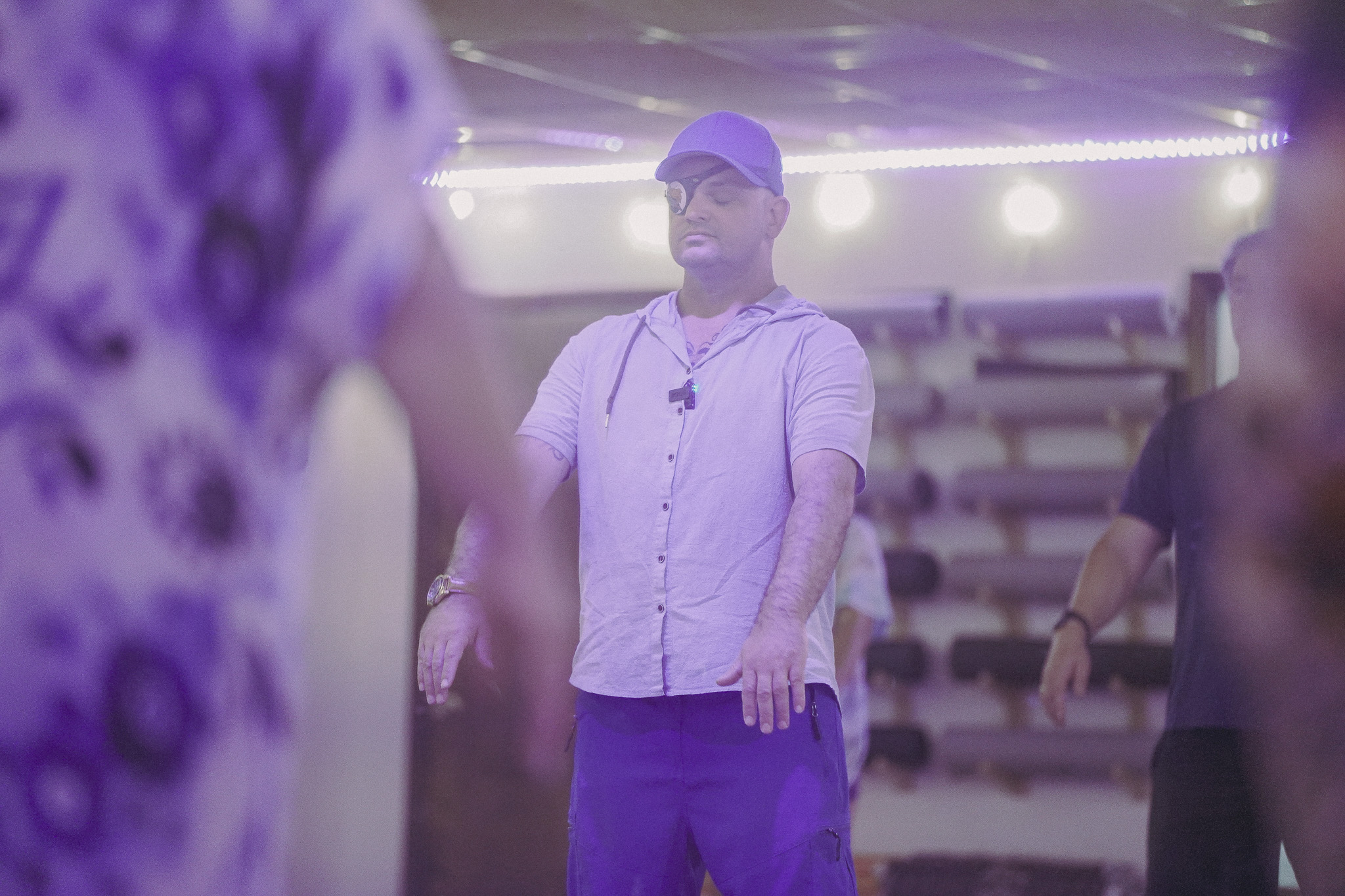
Tai Chi gives you a way to pause without stopping everything
One reason people struggle with stress management is that they think they need a large block of time before they can regulate. They imagine needing a full class, a long meditation, a quiet room, a perfect morning routine, or a complete break from responsibility.
Those things can be supportive, but everyday stress management also needs smaller entry points.
Tai Chi teaches the body how to pause inside movement. You are not frozen. You are not checking out. You are not escaping. You are moving slowly enough to come back to yourself while still participating in the moment.
That lesson can translate into real life. You can take one slower breath before responding. You can feel your feet before entering a difficult conversation. You can notice your shoulders while reading an email. You can soften your jaw while driving. You can create a small pause without needing your whole life to stop.
Sometimes a pause is not a full stop. Sometimes it is one conscious breath before the next movement.

Tai Chi teaches a slower relationship with movement, which can help create space in everyday stress moments.
Tai Chi can support work stress
Work stress often keeps people in their head for long periods of time. Emails, meetings, deadlines, decisions, communication, conflict, multitasking, and constant availability can all keep the mind moving faster than the body can process.
Over time, the body may start carrying that pace. You may sit with tight shoulders. You may hold your breath while concentrating. You may move from one task to another without a real transition. You may finish the workday but still feel like your nervous system is logged in.
Tai Chi can help by giving people a practice for bringing awareness back into the body. The slow movement, weight shifting, breath awareness, and gentle repetition help interrupt the pattern of living only from the neck up.
Even outside of class, the principles of Tai Chi can support work stress. You can notice your posture while typing. You can soften your shoulders before answering a message. You can take a slower breath between meetings. You can feel your feet before responding to something stressful.
For work stress, Tai Chi helps remind the body that you are more than the tasks you are trying to complete.
Before Emails
Notice your breath, shoulders, and jaw before opening the next message that may pull you into urgency.
Between Meetings
Take one slower breath and feel your feet before moving into the next conversation or responsibility.
During Deadlines
Notice when your body is bracing and give yourself a moment to soften unnecessary tension.
After Work
Create a transition ritual so your body can begin releasing the pace of the workday.
Tai Chi can support emotional reactions
Stress management is not only about calming down after a busy day. It is also about what happens in the moment when emotion rises.
Maybe someone says something that triggers frustration. Maybe your child needs you when you already feel stretched thin. Maybe a conversation becomes tense. Maybe you feel misunderstood, rushed, criticized, or overwhelmed.
In those moments, the body often reacts quickly. The breath changes. The chest tightens. The voice may sharpen. The mind prepares to defend, explain, withdraw, or push back.
Tai Chi gives you repeated practice in noticing before reacting. In class, you practice transitions. You practice returning to breath. You practice moving with awareness instead of rushing. Over time, that body-based awareness can help create a little more space between what you feel and what you do next.
Tai Chi does not stop you from feeling. It helps you practice staying connected while you feel.
Tai Chi helps with transitions
Transitions are one of the most overlooked sources of stress. Moving from sleep into the morning rush. Moving from home into work. Moving from work into parenting. Moving from a hard conversation into the next obligation. Moving from stimulation into rest.
Many people rush through transitions because they are focused on getting to the next thing. But the body often needs time to catch up. When transitions happen too quickly, stress can carry forward from one part of the day into another.
Tai Chi is built around transition. The space between movements matters. The way you shift your weight matters. The way one movement becomes the next matters. You learn not to rush the in-between.
This can become a powerful lesson for daily life. Instead of pushing from one moment into the next, you can begin creating small transitions that help your body arrive.
Tai Chi teaches that the in-between matters. How you move from one moment to the next can change how your body carries stress.

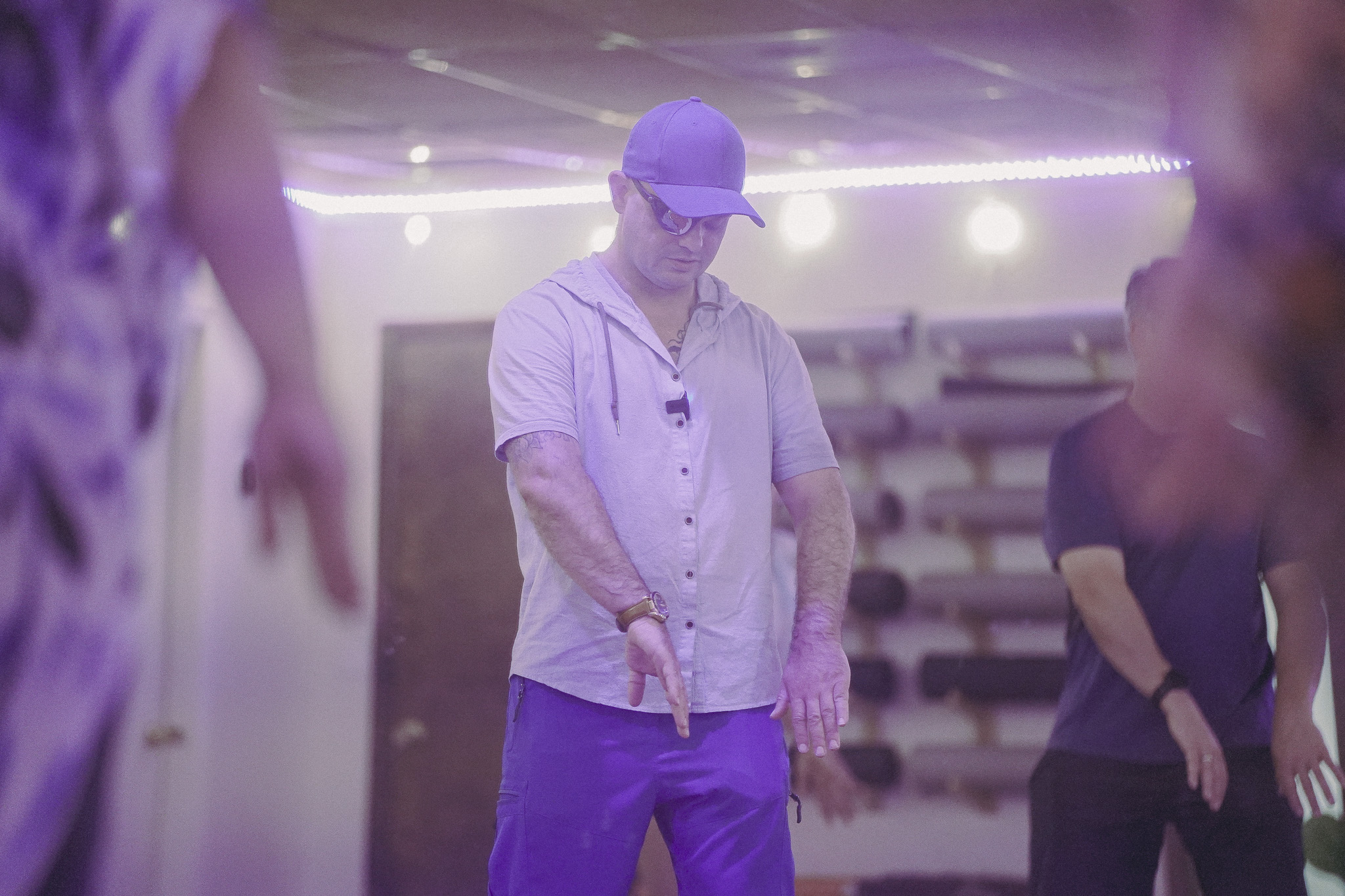
Everyday stress management can begin with small practices
You do not need to wait until you have an entire hour to support your stress. While a full Tai Chi class can be deeply helpful, the principles of the practice can also remind you to make smaller choices throughout the day.
You can slow your pace while walking into work. You can feel your feet before answering a difficult message. You can soften your shoulders before entering the house. You can take one conscious breath before responding to someone you love. You can notice when your body is rushing and choose to come back.
These small moments may not seem dramatic, but they matter because they begin changing your relationship with stress. Instead of waiting until stress becomes overwhelming, you begin practicing awareness earlier.
Stress management becomes more sustainable when it is woven into daily life, not saved only for moments of crisis.
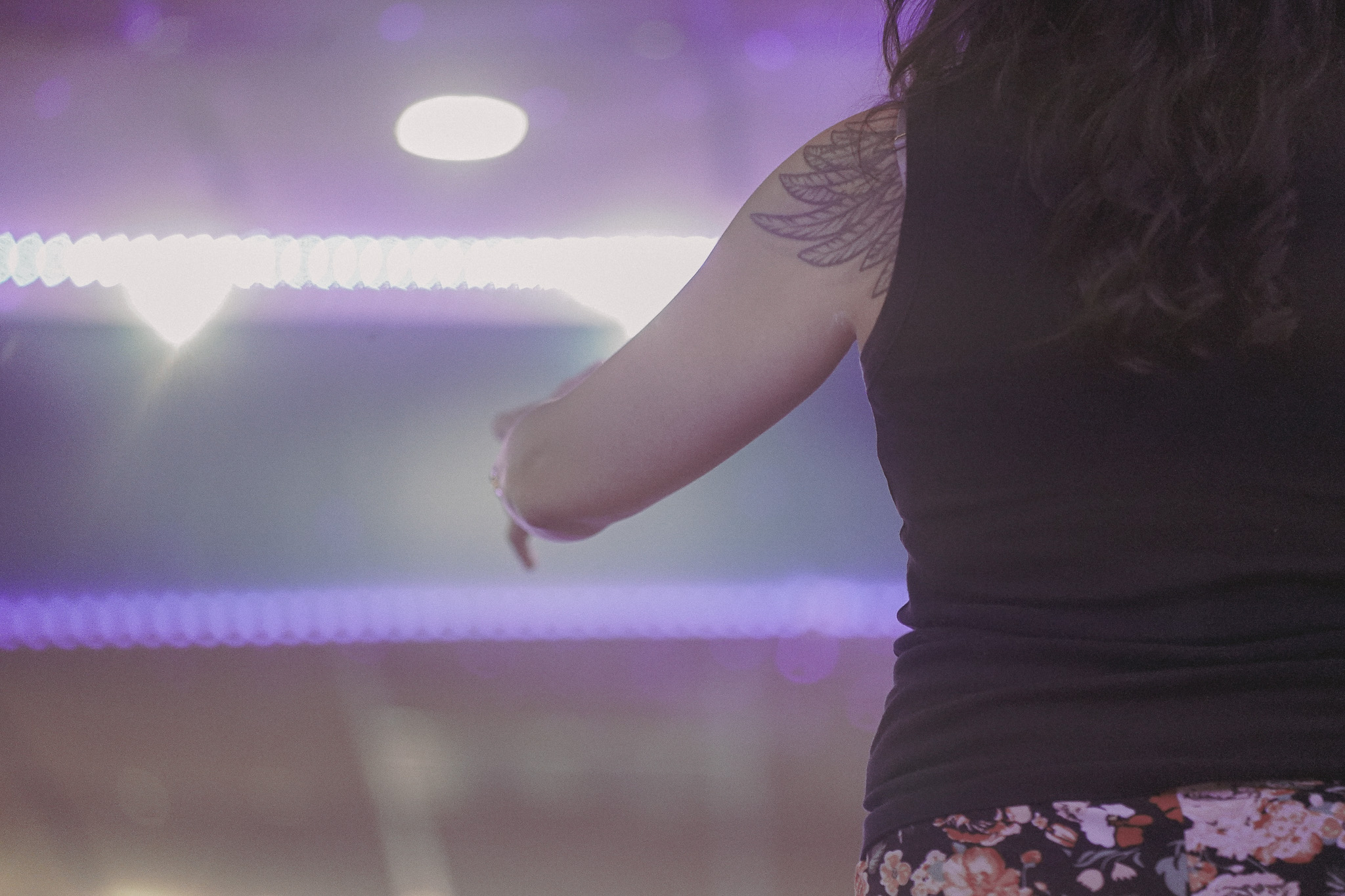
Small moments of awareness can become practical tools for how you move through stress each day.
Tai Chi helps you practice responding instead of reacting
When stress is high, reaction can happen quickly. The body gets activated, the mind starts moving fast, and the next response may come from urgency rather than awareness.
Tai Chi does not promise that you will never react. That would not be realistic. But it can help you practice a different relationship with reaction.
In class, you learn how to slow down. You notice the transition. You feel your footing. You come back to your breath. You move with attention instead of momentum. These are the same skills that can help you create more space in stressful moments outside of class.
That space may be small at first. Maybe it is only one breath. Maybe it is one moment of feeling your feet. Maybe it is one second where you notice, “My body is getting tense.” But that one second can matter.
The space between stress and response is where awareness begins to change the pattern.
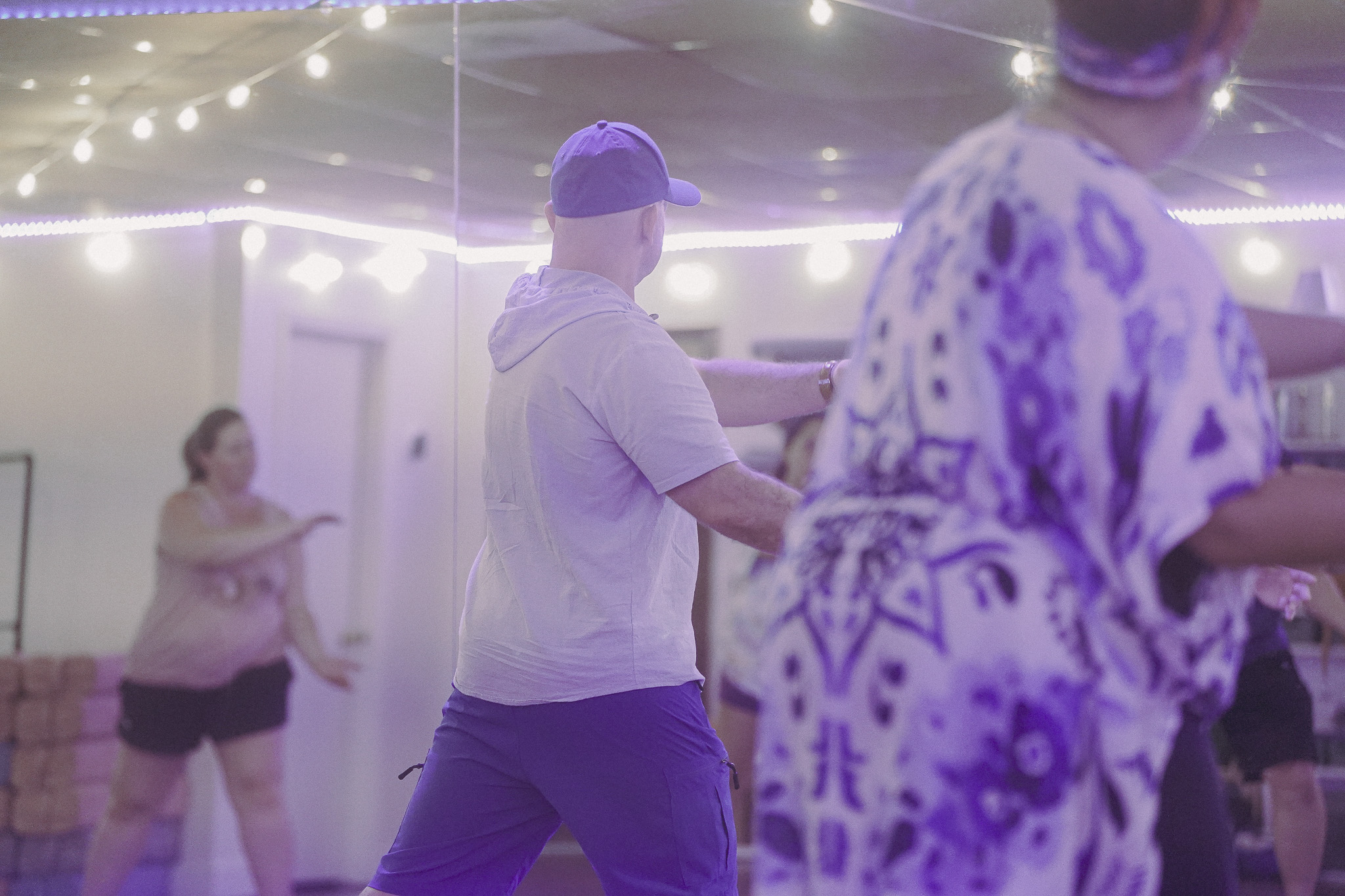
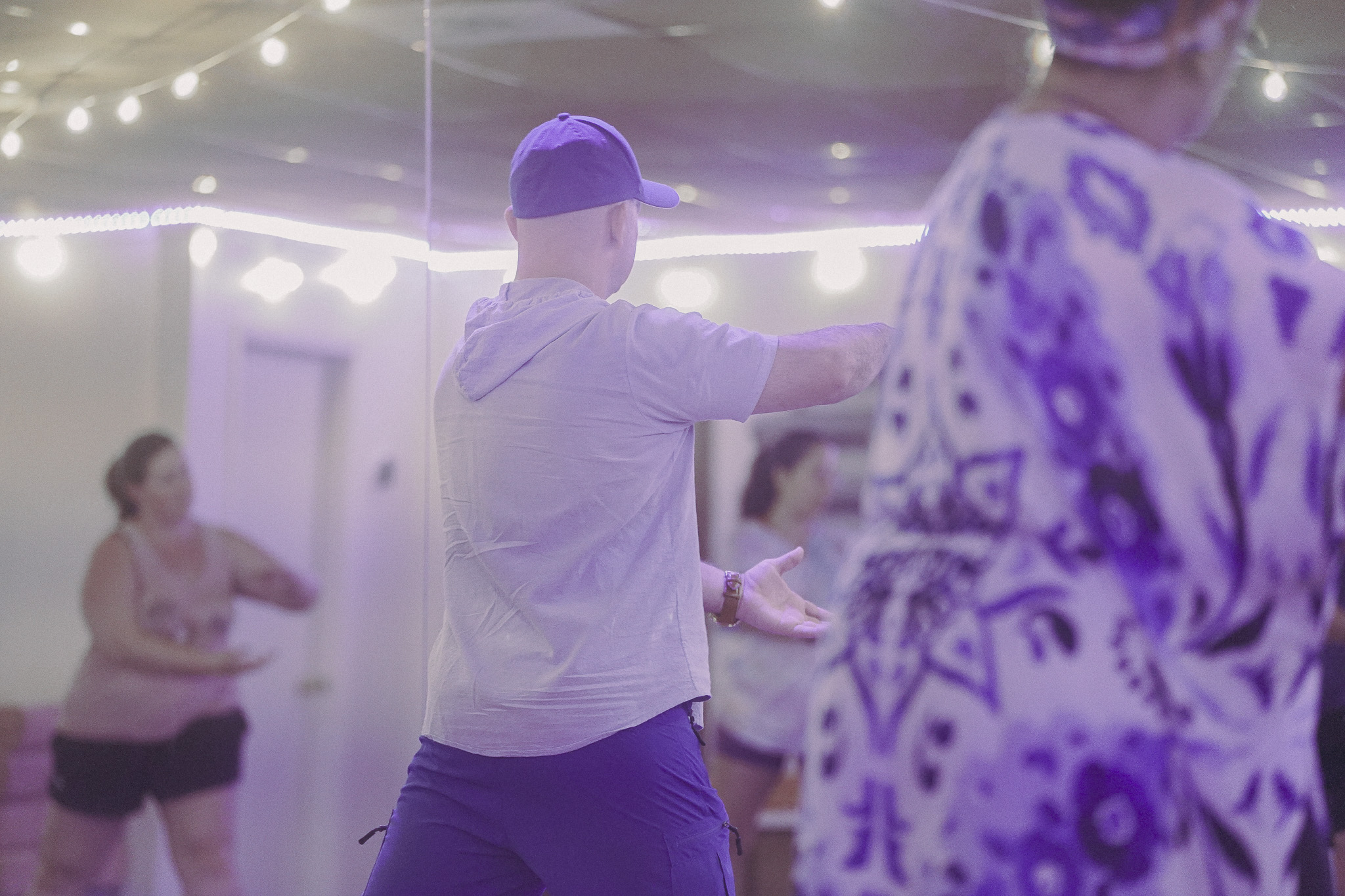
Tai Chi supports stress management through consistency
Stress management is not a one-time practice. It is something we build a relationship with over time.
This is why Tai Chi can be so supportive. The practice is repetitive, steady, and gradual. You return to the same principles again and again: notice the body, return to the breath, shift with awareness, move slowly, soften unnecessary tension, and stay present through transition.
Over time, the body begins to recognize that rhythm. The practice becomes less about learning movements and more about learning how to come back to yourself.
That consistency matters because stress often builds through repeated patterns. Repeated rushing. Repeated bracing. Repeated shallow breathing. Repeated disconnection. Tai Chi gives the body repeated practice in another pattern.
Stress can become a pattern in the body. Tai Chi offers a repeated practice for building a different pattern with care.
Less Autopilot
With practice, you may begin noticing when you are moving through the day without checking in with yourself.
More Body Awareness
You may recognize tension, breath changes, or stress signals earlier than before.
More Grounding
The body may become more familiar with slowing down, feeling supported, and returning to the present moment.
More Choice
Awareness can create more space between what you feel and how you respond.
Why Tai Chi feels practical for busy people
People with full lives often need practices that feel accessible. They may not always have the energy for intensity. They may not feel ready for deep stillness. They may want something gentle, but still active enough to keep their attention engaged.
Tai Chi can meet people in that space. It is slow, but not empty. It is gentle, but not passive. It is mindful, but not limited to sitting still. It gives busy minds and tired bodies something to follow without adding more pressure.
This can make Tai Chi feel especially practical for people who are carrying a lot. Parents, caregivers, professionals, students, business owners, healers, and anyone navigating stress can benefit from a practice that supports awareness without demanding perfection.
Tai Chi is practical because it teaches calm while moving — and most of us need calm while life is still moving.
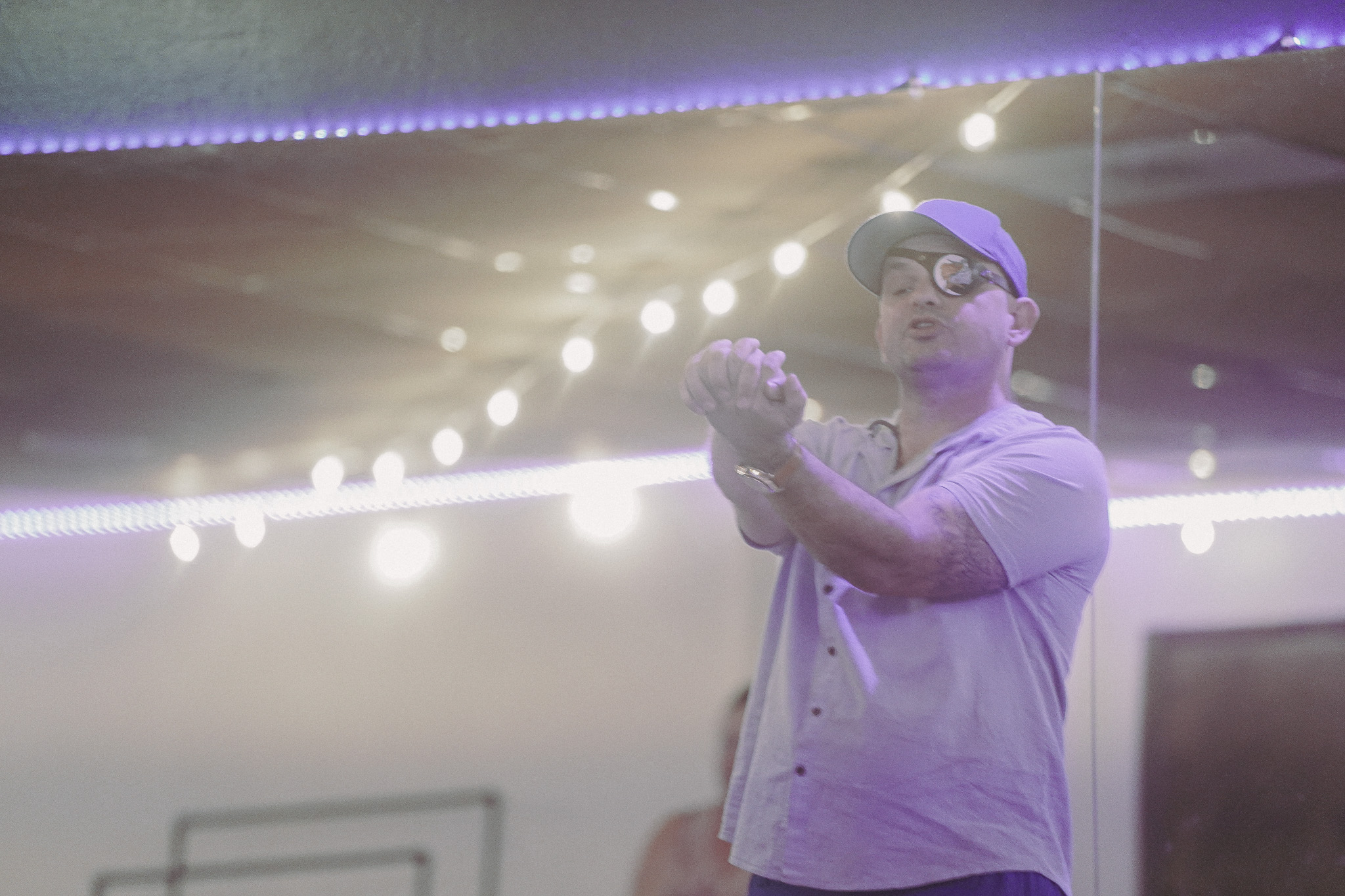
For busy people, Tai Chi offers a slower rhythm without requiring performance, intensity, or prior experience.
Tai Chi and The Healing Tree Collective
At The Healing Tree Collective, we believe stress management should feel accessible, grounded, and connected to real life. So many people are not just stressed in one big obvious way. They are carrying stress in hundreds of small ways throughout the day.
They are holding tension in their shoulders while working. They are answering messages while holding their breath. They are caring for others while ignoring their own signals. They are moving quickly because slowing down feels unfamiliar. They are functioning, but not always feeling connected to themselves.
Tai Chi offers a gentle path back. It helps people practice slowing down, listening to the body, noticing stress earlier, and returning to breath one movement at a time.
This connects directly to our mission. We are here to create accessible wellness spaces where people can heal, grow, and reconnect with themselves through practices that feel supportive, educational, and real.
We are not just creating classes. We are creating spaces where people can practice the kind of awareness they can carry back into their everyday lives.
Final thoughts: stress management is a practice, not a personality trait
Some people think they are simply “bad at managing stress.” But often, they have never been taught how to notice stress in the body before it becomes overwhelming.
Tai Chi offers a way to practice that noticing. Slowly. Gently. Repeatedly. Through movement, breath, balance, and awareness.
It teaches you to feel your feet, soften your shoulders, notice your breath, move through transitions with more attention, and create a little more space before reacting. These may seem like small things, but small things practiced consistently can begin to change the way stress moves through your life.
Tai Chi supports stress management in everyday life because it helps you practice coming back to yourself before life has to force you to slow down.
Looking for Tai Chi for stress management in Tempe, Arizona?
At The Healing Tree Collective, our beginner-friendly wellness classes are designed to support stress relief, mindfulness, body awareness, and deeper connection. If you are curious about Tai Chi, moving meditation, or gentle mind-body practices, you are welcome to begin here.