13 June 2026
“`
Why Tai Chi Is More Than Slow Movement
One of the biggest misunderstandings about Tai Chi is that it is “just slow movement.”
From the outside, it can look simple. The body moves slowly. The pace is quiet. There may not be sweat, intensity, or dramatic effort. So it is easy for someone to assume that not much is happening.
But Tai Chi is not slow for the sake of being slow. The slowness is where the practice begins to reveal what the body, breath, and mind are doing underneath the surface.
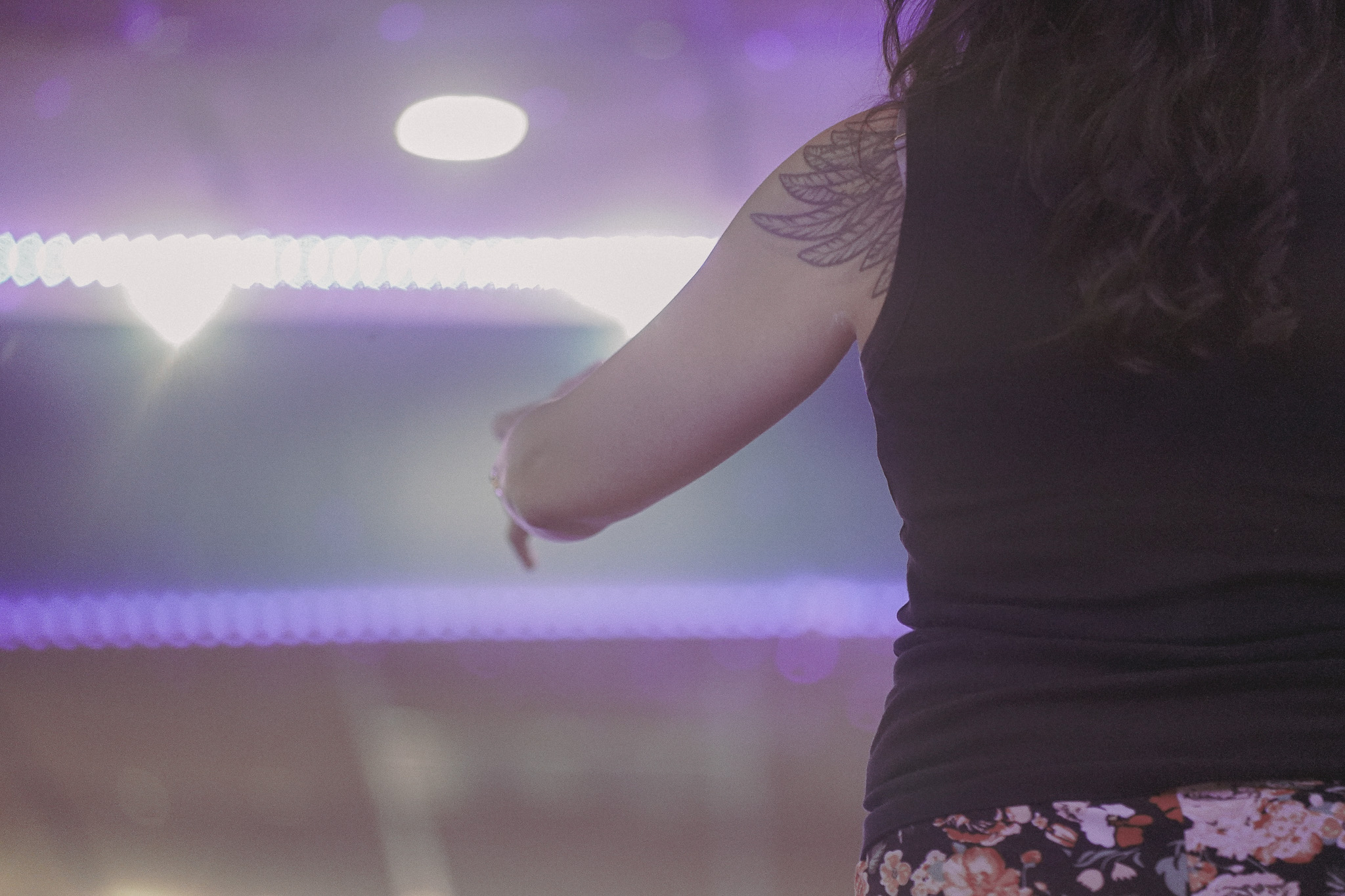
Tai Chi invites the body to move slowly enough for awareness to catch up.
Tai Chi is more than slow movement because it teaches:
A deeper relationship with the body, breath, and present moment.
- Body awareness
- Balance and grounding
- Mindful attention
- Emotional regulation
- Patience and presence
- A slower relationship with stress
Slow movement is only what you see from the outside
When someone watches Tai Chi for the first time, they usually notice the pace before anything else. The movements look soft, steady, and controlled. The body is not rushing. The arms flow. The feet shift carefully. The breath is quieter. Everything appears calm.
But what is happening internally is much more active than it may look.
In Tai Chi, the body is learning how to coordinate movement, balance, posture, breath, attention, and intention all at once. You are not simply moving slowly. You are noticing how you move. You are paying attention to where your weight is, how your feet meet the ground, how your shoulders respond, how your breath changes, and how your mind reacts to slowing down.
That is why Tai Chi can feel surprisingly challenging for beginners. It is not necessarily physically intense in the traditional sense, but it asks for a different kind of effort. It asks you to be present.
Slow movement is what the eyes see. Awareness is what the practice is really building.
Tai Chi teaches you how to notice your body again
Many people move through life disconnected from their bodies without realizing it. They spend most of the day in their thoughts, schedules, responsibilities, and screens. The body becomes something they drag along, push through, criticize, or ignore until it starts sending louder signals.
Tai Chi invites a different relationship. Instead of asking the body to perform harder, it asks the body to become more conscious. You begin to notice where you are tense. You notice how your weight shifts. You notice if you are holding your breath. You notice if you are rushing even when the movement is slow.
This kind of noticing can be powerful because most people do not need another practice that teaches them how to override themselves. They need a practice that teaches them how to listen.
Tai Chi is more than slow movement because it helps turn the body from something you push through into something you can listen to.
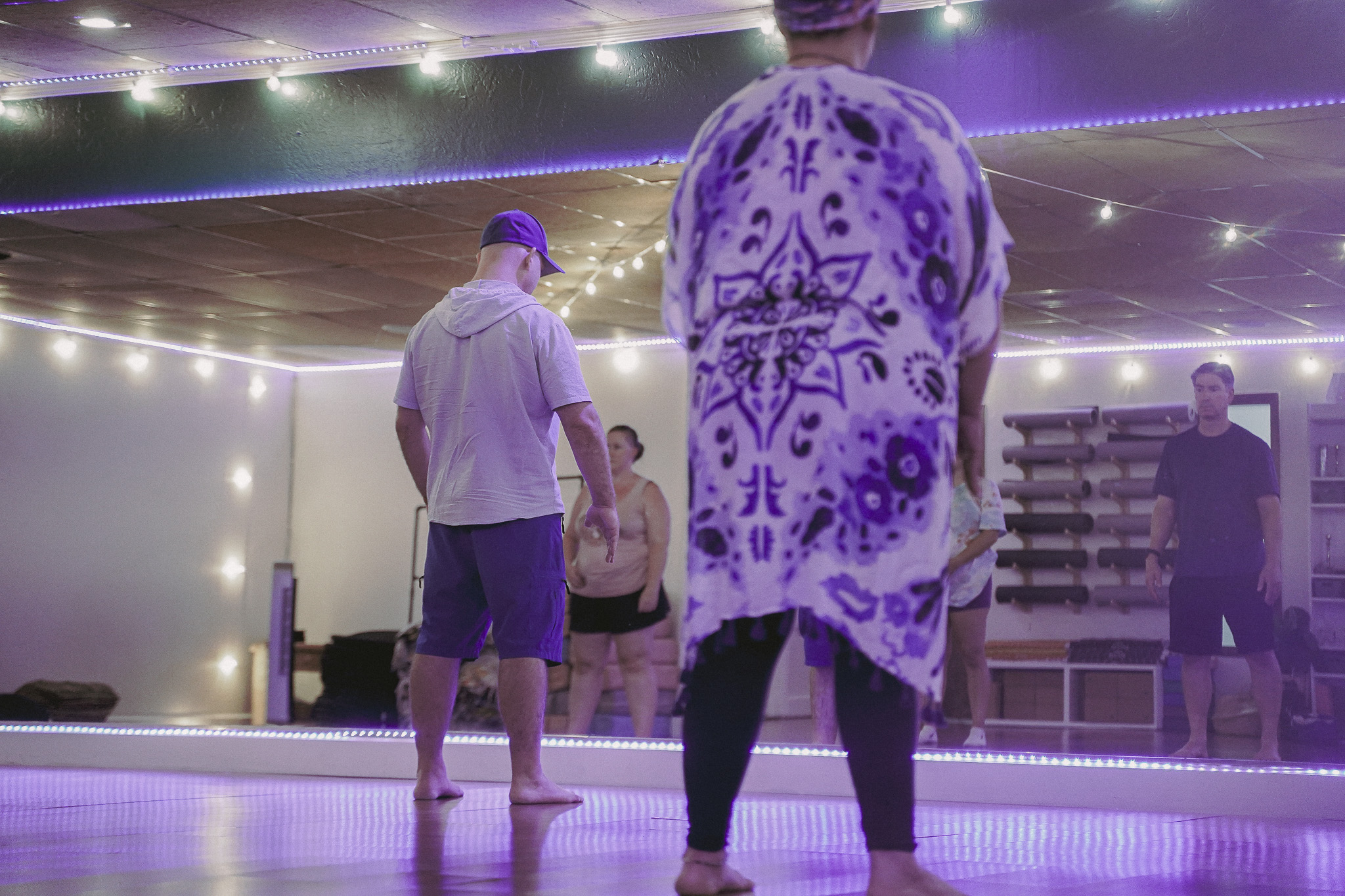
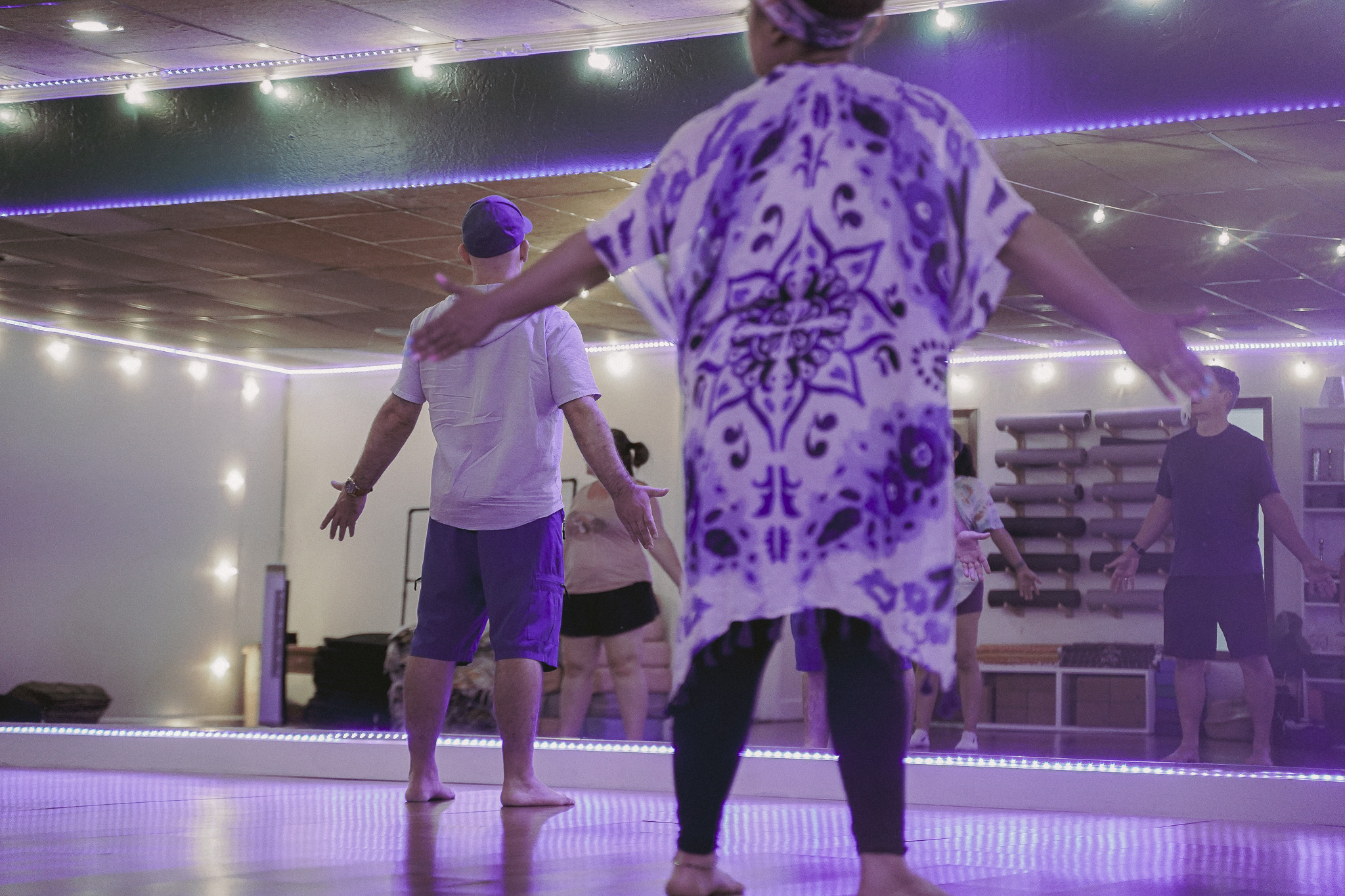
The slowness creates space for awareness
In everyday life, many people move so quickly that they do not have time to notice what is happening inside of them. They react before they feel. They speak before they breathe. They push through tension before they understand where it came from.
Tai Chi slows the body down enough to make the invisible more visible. You may notice how difficult it is to stay present. You may notice how often your mind jumps ahead. You may notice how your body braces even when nothing is wrong. You may notice how unfamiliar it feels to move without rushing.
This is not a problem. This is part of the practice. The slowness gives you information. It gives your nervous system a different rhythm to experience. It gives the mind a place to return to. It gives the body permission to move without urgency.
When the body slows down, the mind has a chance to see what it has been carrying.
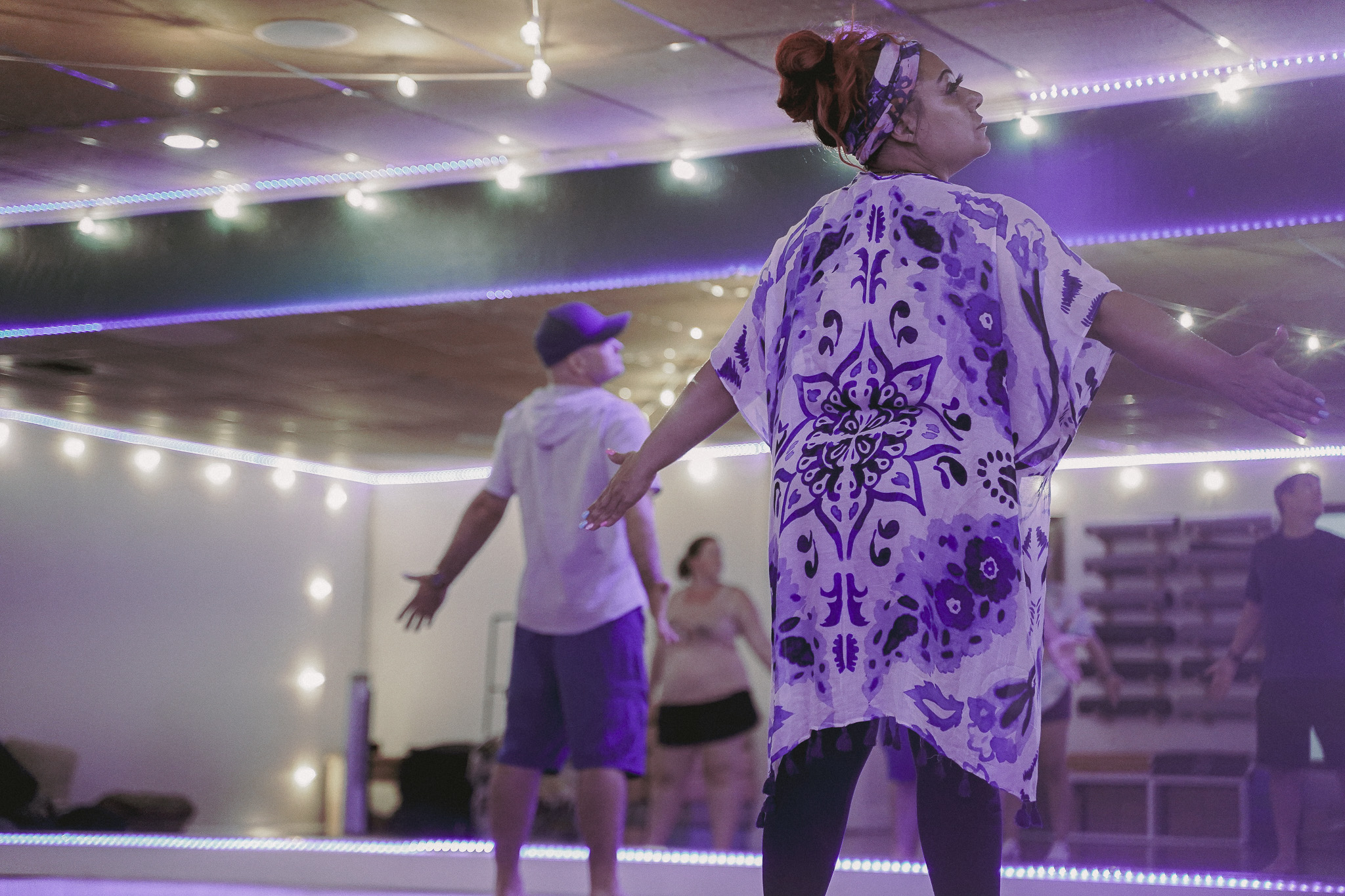
Slowness gives the body enough space to communicate and the mind enough space to listen.
Tai Chi is a practice of balance, not just movement
Balance in Tai Chi is not only physical. Yes, the practice can help you become more aware of how you stand, shift weight, and stabilize your body. But balance also shows up in the way you relate to effort, control, emotion, and attention.
You may notice the balance between movement and stillness. Between strength and softness. Between focus and relaxation. Between doing and allowing. Between trying and trusting.
This is part of what makes Tai Chi so valuable. It does not teach balance as something you only practice with your feet. It teaches balance as something you practice with your whole self.
Physical Balance
You learn how to shift weight, ground through the feet, stabilize the body, and move with more control.
Mental Balance
The practice gives the mind a steady focus, helping you return when thoughts become scattered or rushed.
Emotional Balance
Slow movement creates space to notice emotion without immediately reacting or pushing it away.
Energetic Balance
Tai Chi can help you explore the difference between force, flow, tension, softness, effort, and ease.
Tai Chi teaches that balance is not about being perfectly still. It is about learning how to adjust with awareness.
Tai Chi helps you notice how you respond to discomfort
Because Tai Chi is slow, it can bring up subtle discomfort that people are used to avoiding. Not always physical pain, but the discomfort of being new. The discomfort of not knowing the next move. The discomfort of moving slower than your mind wants to go. The discomfort of being seen while learning. The discomfort of not feeling instantly good at something.
This is where the practice becomes very real.
Many people are used to rushing past discomfort. They distract, overwork, overthink, perform, or push through. Tai Chi invites you to stay with what is happening in a gentle way. You do not have to force anything. You do not have to master everything. You simply practice noticing your response and coming back to the movement.
Sometimes the practice is not the movement itself. Sometimes the practice is noticing who you become when things feel unfamiliar.
Tai Chi is also a practice of patience
We live in a world that teaches people to want fast results. Fast workouts. Fast answers. Fast healing. Fast transformation. Fast relief. It makes sense that many people come into wellness practices hoping to feel something immediately.
But Tai Chi teaches a different rhythm.
The practice often deepens over time. The first class may feel unfamiliar. The second class may help you notice a little more. Over time, the movements become less about remembering steps and more about feeling the relationship between breath, body, and attention.
This is why Tai Chi can be so important for people who are used to rushing through life. It teaches that not everything meaningful happens instantly. Some things become powerful through repetition. Some benefits are subtle. Some growth happens quietly.
Tai Chi reminds us that consistency can be healing, even when the changes are not dramatic at first.
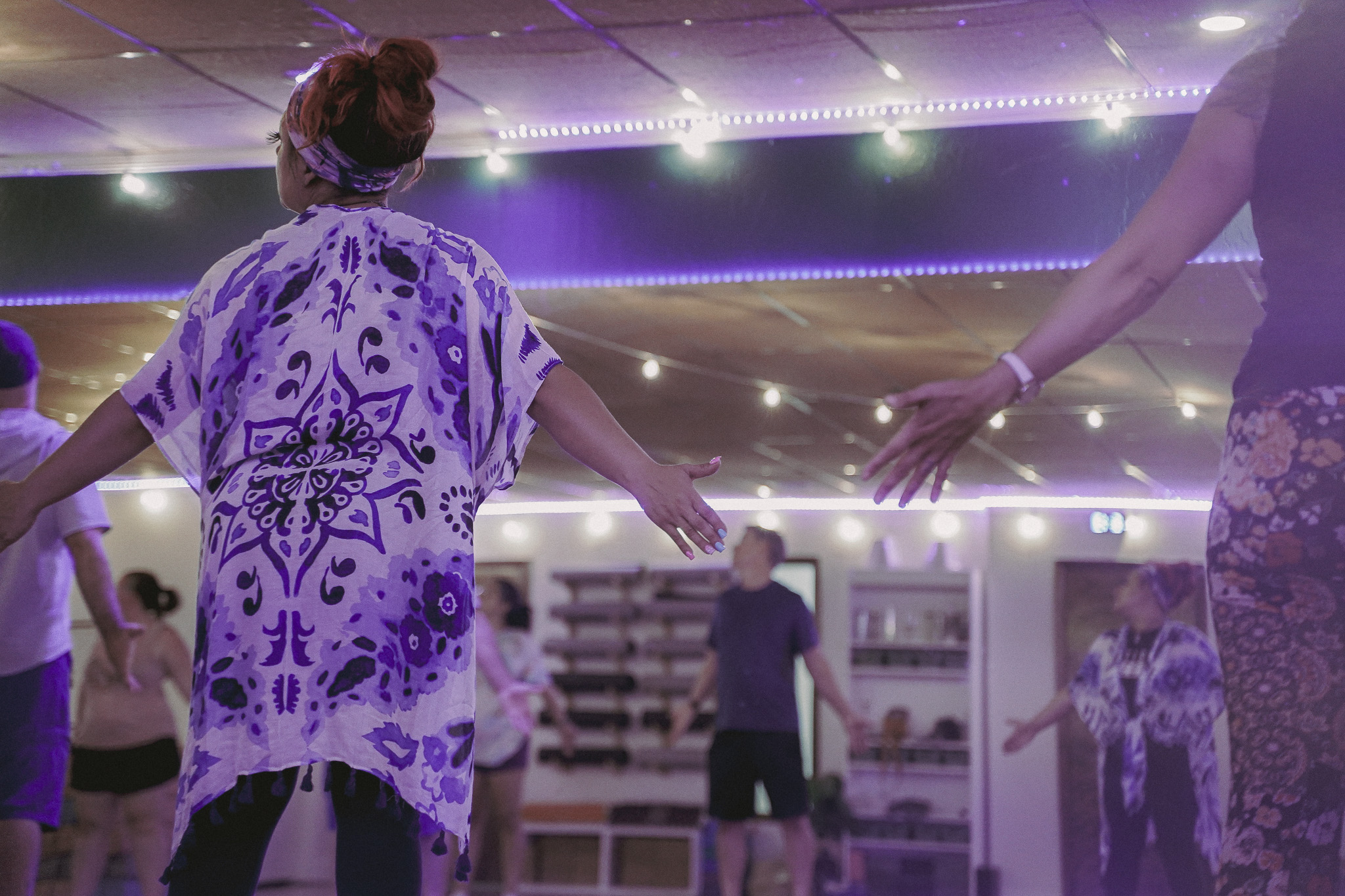
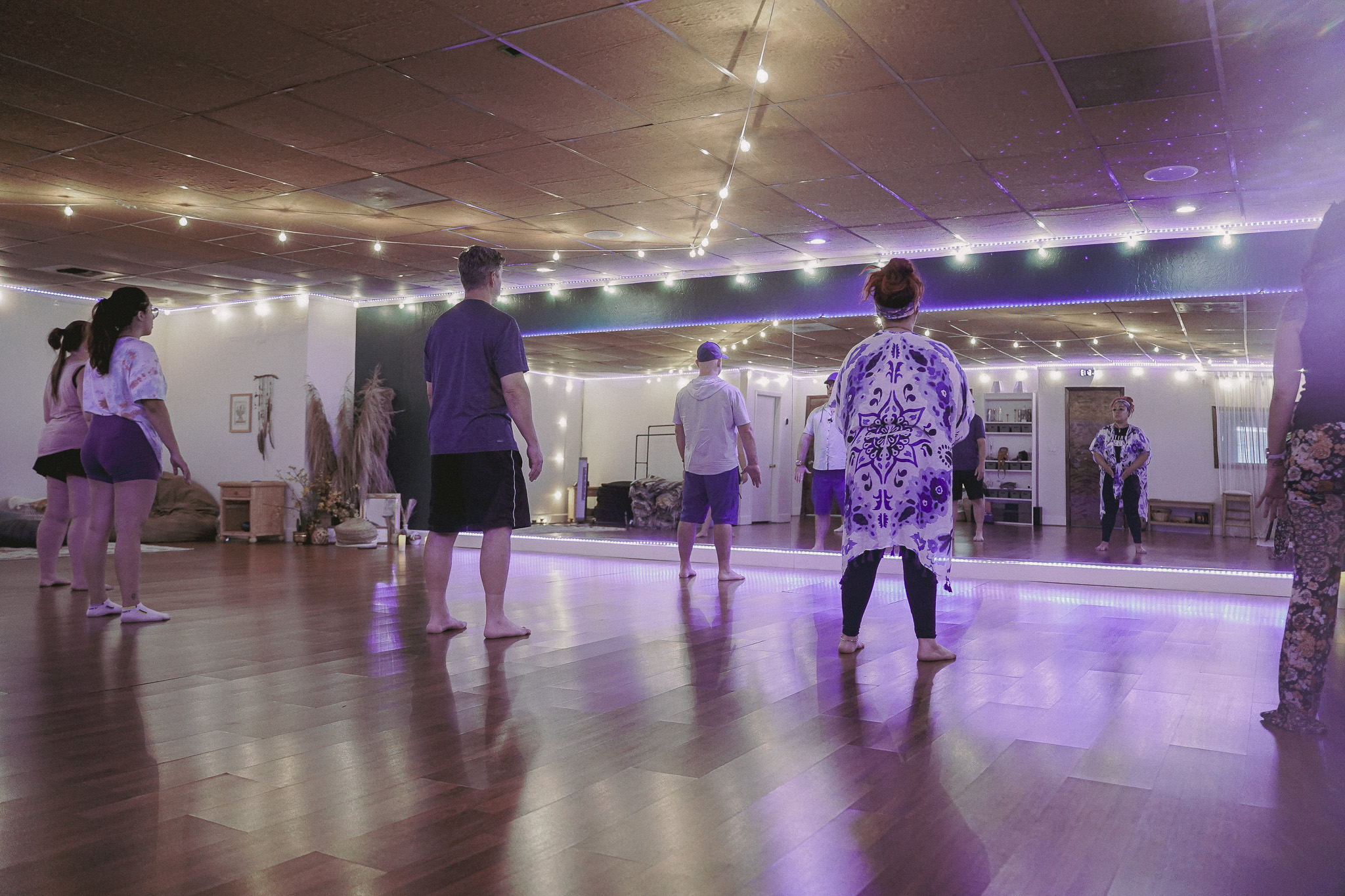
Tai Chi supports the nervous system through rhythm and repetition
Stress often creates a feeling of urgency in the body. The breath becomes shallow. The shoulders tighten. The mind speeds up. The body prepares to respond, even when the threat is not immediate. Over time, this can make people feel like they are always bracing for something.
Tai Chi gives the body another rhythm to practice. The movements are slow, repetitive, and intentional. The breath becomes part of the experience. The feet connect to the ground. The body moves in a way that does not demand urgency.
This does not mean Tai Chi magically removes stress from your life. It means the practice can help your body experience a slower, steadier pattern. For someone who is used to rushing, bracing, or living in a constant state of mental noise, that can be meaningful.
The body learns through repetition. Tai Chi gives the body repeated practice in slowing down, grounding, and returning.

The repetition of Tai Chi can help the body practice a steadier relationship with movement, breath, and stress.
Tai Chi is not passive
Because Tai Chi looks calm, people may assume it is passive. But calm does not mean inactive. Gentle does not mean weak. Slow does not mean easy.
In Tai Chi, you are actively practicing awareness. You are actively refining how you move. You are actively learning how to stay present. You are actively noticing how much effort is needed and how much tension can be released.
That is a different kind of work. It may not look dramatic from the outside, but it can be deeply engaging from the inside.
Tai Chi is gentle, but it is not empty. It is slow, but it is not passive. It is quiet, but there is a lot happening beneath the surface.
Why this matters in everyday life
The deeper value of Tai Chi is not only what happens during class. It is what the practice begins to teach you about how you move through your life.
If you practice slowing down in class, you may begin noticing when you rush through conversations. If you practice shifting weight with awareness, you may become more aware of how you move through transitions. If you practice returning to your breath, you may remember to breathe before reacting in a stressful moment.
This is where Tai Chi becomes more than movement. It becomes a practice for daily life.
The way you move in Tai Chi can begin to reflect the way you respond to stress, change, emotion, pressure, and uncertainty. Not perfectly. Not immediately. But gradually, through practice.
Tai Chi is not just about what your body does in class. It is about how awareness begins to follow you back into your life.
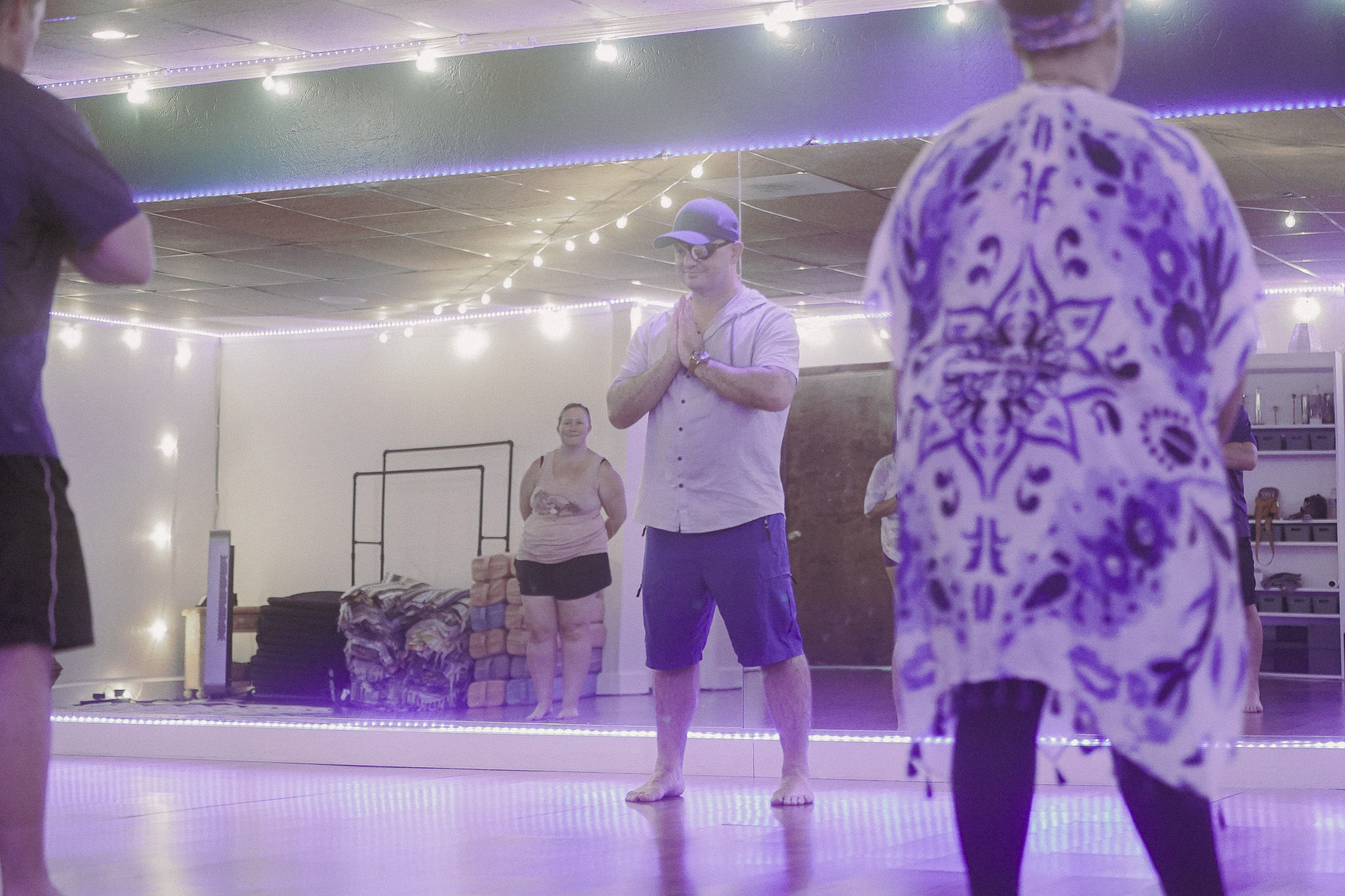
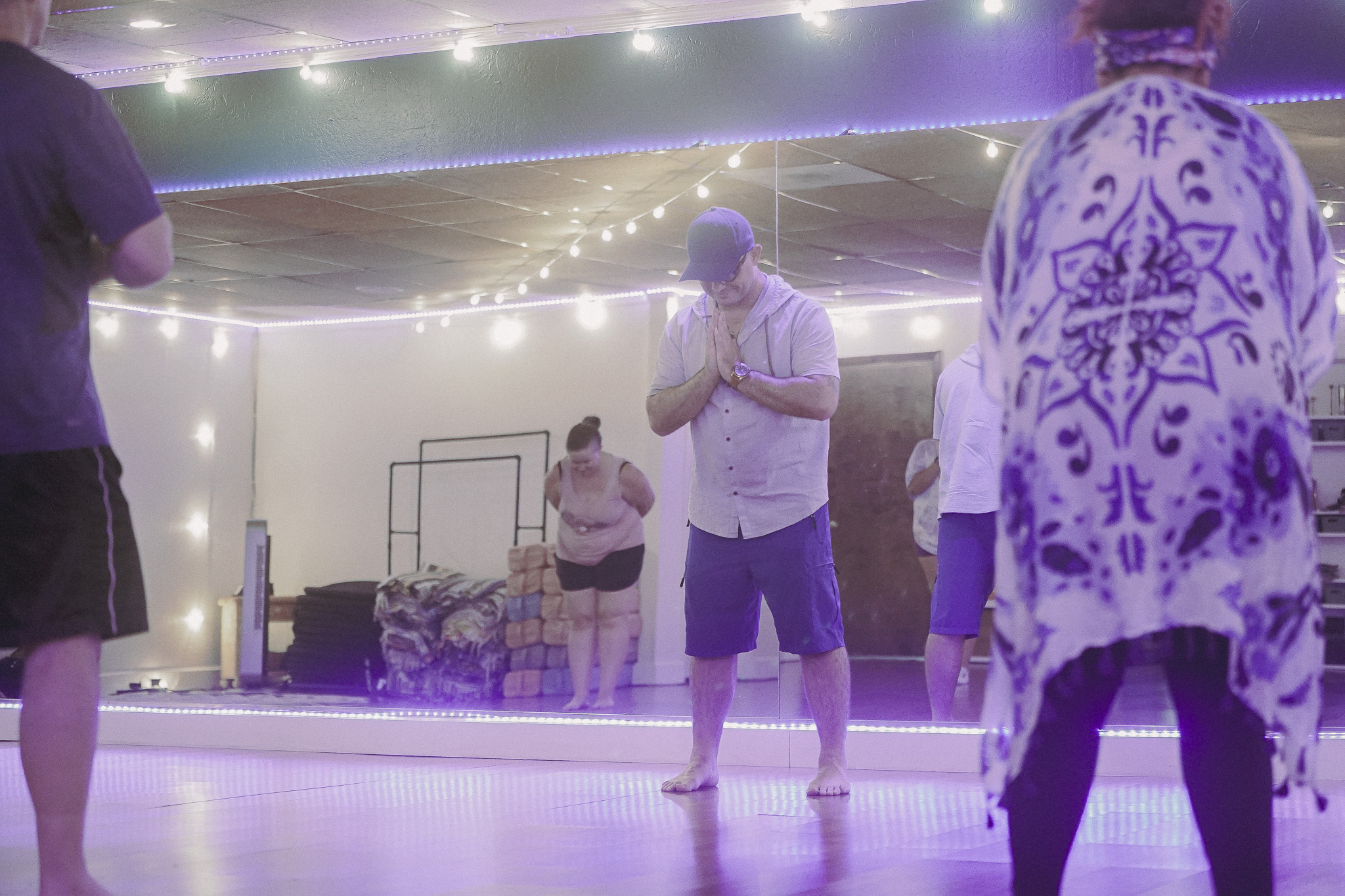
Tai Chi and The Healing Tree Collective
At The Healing Tree Collective, we believe Tai Chi matters because so many people are living at a pace that keeps them disconnected from themselves. They are moving quickly, thinking constantly, carrying stress in the body, and often waiting until exhaustion forces them to slow down.
Tai Chi offers another way to practice being with yourself.
It helps people understand that slow movement is not the absence of effort. It is the presence of awareness. It is a way of listening. It is a way of grounding. It is a way of practicing patience in a culture that often teaches urgency.
This connects directly to our mission. We are here to create accessible spaces where people can heal, grow, and reconnect with who they are beneath the pressure, the pace, and the noise. Tai Chi is one of the practices that supports that return.
We are not just teaching people to move slower. We are creating space for people to remember that their body has wisdom worth listening to.
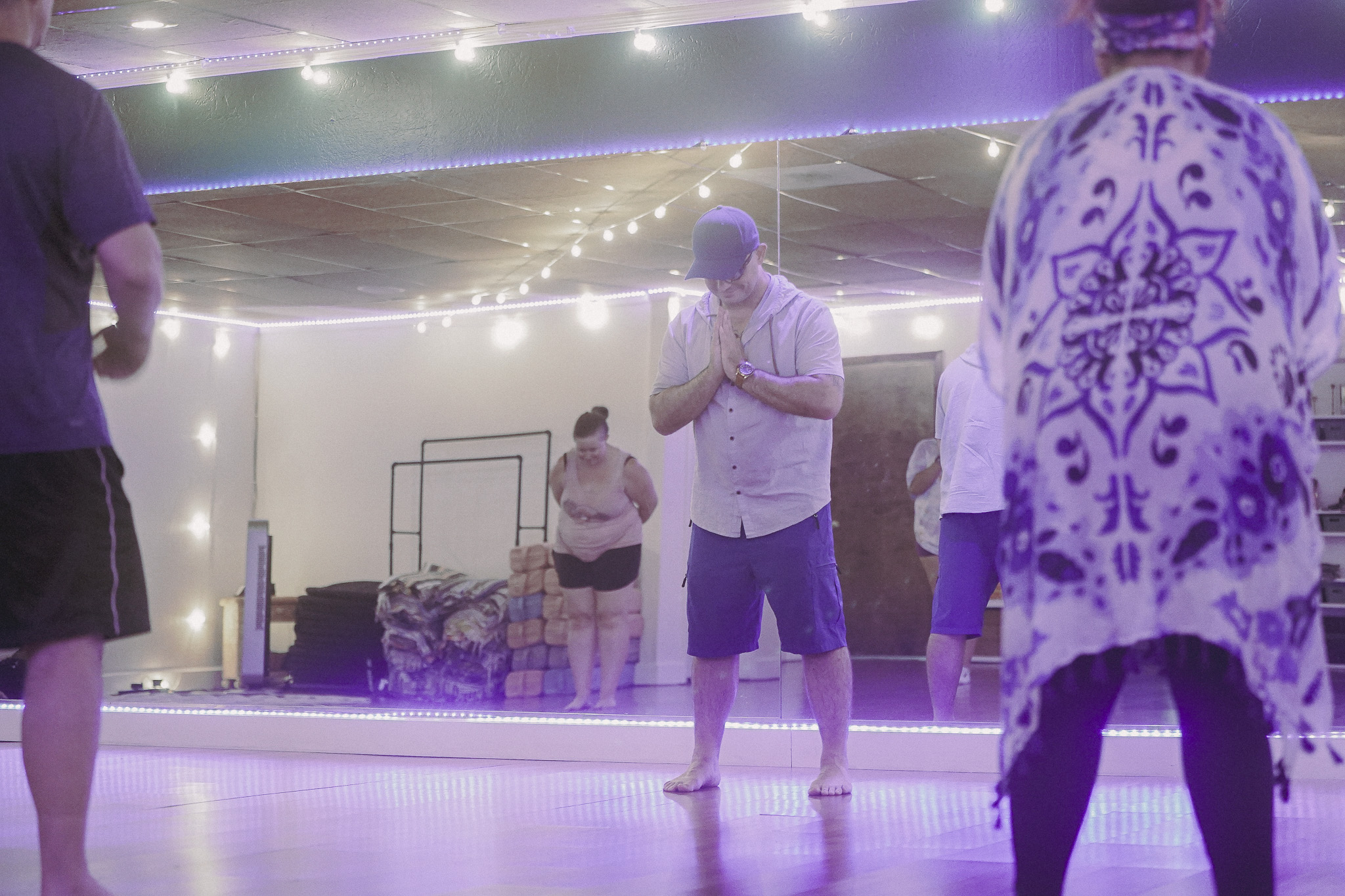
At The Healing Tree Collective, slow practices are part of how we help people return to the body with care.
Final thoughts: the movement is slow, but the practice is deep
Tai Chi may look like slow movement, but it is much more than that. It is body awareness. It is balance. It is breath. It is patience. It is mindfulness. It is a practice of noticing what is happening beneath the surface.
For beginners, it may not feel powerful right away. It may feel unfamiliar, quiet, or even awkward. But over time, the practice can begin to reveal how much there is to learn from slowing down.
In a world that often teaches us to rush, perform, and push through, Tai Chi reminds us that there is another way to move. A way that is slower. A way that is more aware. A way that gives the body and mind a chance to come back into relationship.
Tai Chi is more than slow movement because slowing down is not the whole practice. It is the doorway into the practice.
Looking for beginner-friendly Tai Chi in Tempe, Arizona?
At The Healing Tree Collective, our beginner-friendly wellness classes are designed to support stress relief, mindfulness, body awareness, and deeper connection. If you are curious about Tai Chi, moving meditation, or gentle mind-body practices, you are welcome to begin here.
No prior experience is needed. Come as you are. We will meet you there.