30 June 2026
The Healing Tree Collective • Tempe, Arizona
Why Rest Feels Uncomfortable for So Many People
A lot of people say they want rest.
They know they are tired.
They know they need a break.
They know their body is asking for something softer.
And yet, the moment they actually try to rest, something in them resists.
They sit down and feel restless.
They lie down and their mind gets louder.
They finally have a free hour and suddenly feel guilty, anxious, or like they should be doing something more productive.
If that feels familiar, you are not alone.
And you are not broken.
For many people, rest feels uncomfortable not because they do not need it, but because their body, mind, and nervous system have been living in a very different rhythm for a very long time.
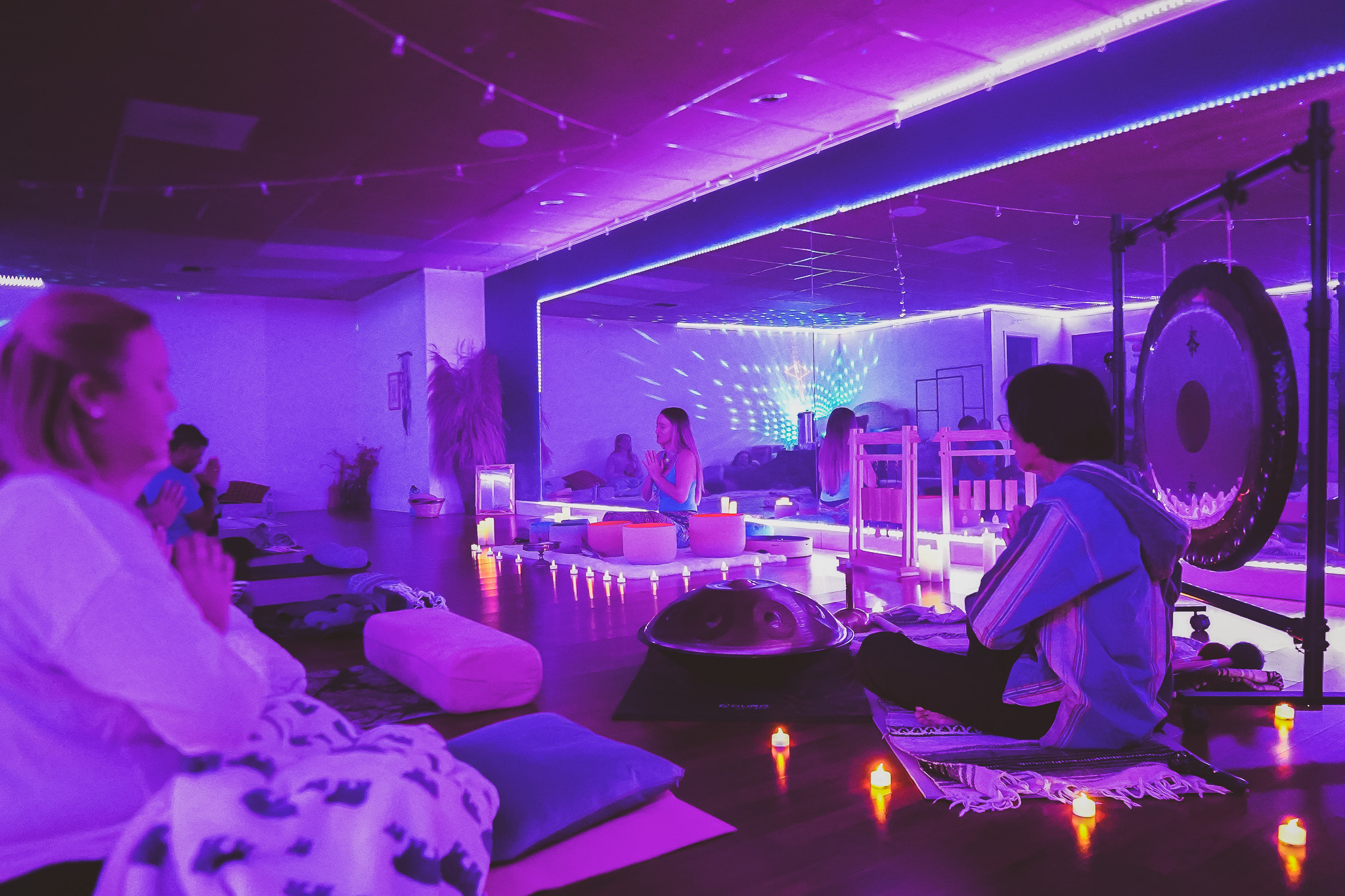
When stress becomes normal, rest can feel strange
A lot of people have lived for so long in stress, pressure, urgency, and constant mental activity that being “on” starts to feel normal.
The body gets used to staying alert.
The mind gets used to scanning.
The nervous system gets used to carrying more than it should have to.
So when rest finally becomes available, it may not feel instantly good.
Sometimes it feels unfamiliar.
Sometimes it feels edgy.
Sometimes it feels like you do not know what to do with yourself.
That does not mean rest is wrong for you.
It often means your system has been shaped by stress for so long that slowing down feels like a different language.
Rest can feel uncomfortable when stress has become familiar, even if stress is the very thing wearing you down.
Rest gets complicated when your worth is tied to doing
Many of us were taught, directly or indirectly, that being productive makes us valuable.
That resting too much is laziness.
That if we are not helping, working, fixing, answering, producing, or taking care of something, we are falling behind.
So even when the body is exhausted, the mind may still say:
you should be doing more.
You have not earned this yet.
You are wasting time.
There are more important things to handle.
That kind of conditioning makes rest feel emotionally loaded.
Not because rest is bad, but because many people were never taught to see it as necessary, worthy, or protective.


Sometimes rest gets uncomfortable because feelings start rising
When life is busy, there is not always time to fully notice what is happening inside.
People keep going.
Keep functioning.
Keep managing.
Keep putting one thing after another in front of themselves.
But when things get quiet, what has been sitting underneath the surface can begin to come up.
Grief.
Tiredness.
Anxiety.
Sadness.
Anger.
Loneliness.
The truth about how much you have really been carrying.
That is part of why rest can feel uncomfortable.
Because sometimes rest is not only rest.
Sometimes it is the moment the noise quiets enough for honesty to get louder.
Rest can feel uncomfortable because stillness often brings you closer to what busyness helped you avoid.
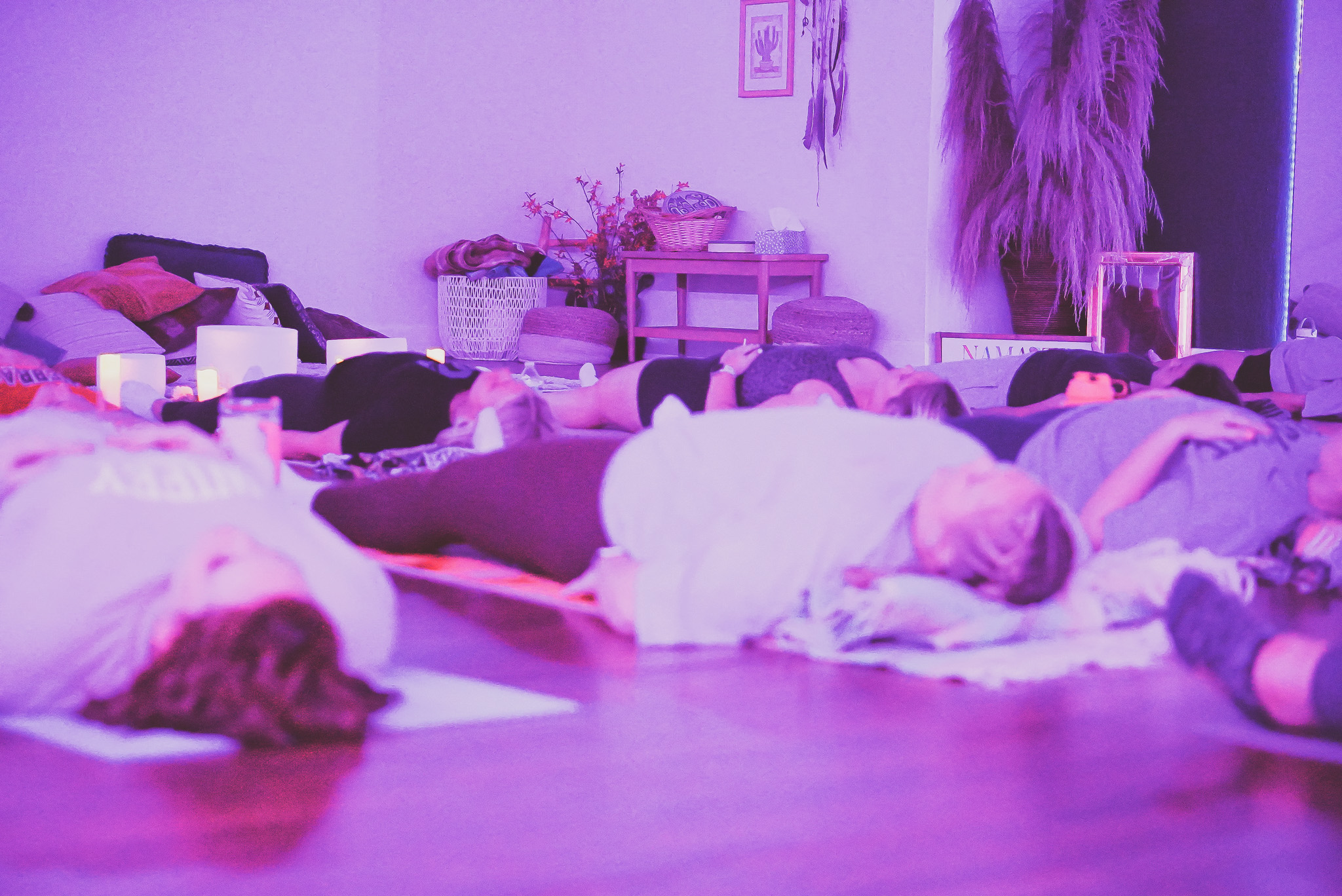
The nervous system may not trust rest right away
A lot of people think rest is a simple choice.
But for some nervous systems, it is more complex than that.
If the body has spent a long time adapting to stress, hyper-responsibility, or emotional holding, it may not know how to downshift easily.
In that case, rest can feel vulnerable.
Strange.
Even a little unsafe at first.
Not because rest is dangerous, but because the body has learned to stay prepared.
Stay braced.
Stay alert.
Stay in motion.
This is one reason supportive practices matter so much.
They help the body relearn what it feels like to soften without forcing it.
Signs rest may feel uncomfortable for your system:
- You feel guilty when you slow down
- Your mind races the moment things get quiet
- You reach for distractions as soon as you stop
- You feel restless even when you are tired
- You do not know how to be still without feeling uneasy
- You keep telling yourself you will rest “later”
Burnout can make rest feel harder, not easier
This part surprises a lot of people.
When you are burned out, you would think rest would feel simple.
But burnout often means the body is deeply tired while the nervous system is still running hot.
So you can be exhausted and still unable to settle.
Tired and restless at the same time.
Desperate for a break, but unable to actually receive one fully.
That is why burnout recovery is not always just about sleeping more.
It is also about supporting the nervous system, softening internal pressure, and rebuilding a relationship with rest that feels more trustworthy.
Burnout does not always look like collapsing. Sometimes it looks like being desperate for rest but unable to fully let yourself receive it.


This is why people often need support to rest
If rest feels uncomfortable, it does not mean you have to force yourself into perfect stillness alone.
Sometimes people need support to rest.
A space.
A rhythm.
A container.
Something that helps guide the body into slowing down more gently.
That is where practices like sound healing, breathwork, meditation, Yoga Nidra, Reiki, and gentle movement can be so supportive.
They help create an environment where rest becomes more available.
Not because you suddenly become a different person, but because the body is given something steadier to lean into.
Sound Healing
Can create a supportive environment where the mind quiets and the body begins to soften.
Yoga Nidra
Offers guided deep rest for people who struggle to access stillness on their own.
Meditation
Can help build awareness and create more space between stress and reaction.
Breathwork
Can help reconnect you to the body and support a gentler nervous system shift.
Rest is something many people have to relearn
Rest is not always automatic.
For many people, it is a practice.
A relearning.
A return.
It can begin in small ways.
One class.
One hour where you let yourself receive.
One moment where you notice that your shoulders dropped.
One breath where your body feels a little less defended.
Those moments matter.
Because over time, they begin teaching your system something new:
that slowing down is possible,
that rest does not have to be earned through collapse,
and that you are allowed to receive support before everything gets worse.
If rest feels uncomfortable, maybe your body is not failing. Maybe it is learning a new way to be held.

You are allowed to need help learning how to rest
You are allowed to be tired and still struggle with rest.
You are allowed to want peace and still feel restless.
You are allowed to need support in learning how to slow down, soften, and receive.
Rest is not always easy in a world that rewards pressure and pace.
But that does not mean rest is not for you.
It may mean it matters even more than you realized.
And sometimes, the first step is simply understanding this:
if rest feels uncomfortable, there is a reason.
And with support, that can begin to change.
Why does rest feel uncomfortable for so many people? Because many bodies and minds have been asked to carry too much for too long. That is exactly why gentleness and support matter.
Looking for support in learning how to rest?
Explore classes and healing experiences at The Healing Tree Collective in Tempe, Arizona. Whether you are seeking sound healing, breathwork, meditation, Yoga Nidra, Reiki, or simply a more supportive place to exhale, we would love to welcome you in.