22 September 2026
The Healing Tree Collective • Heal • Create • Inspire • Creativity, Responsibility and Love
What Are You Creating and What Are You Amplifying? The Responsibility of Creating From Love
I have spent much of the last ten years intentionally creating things for other people. Sometimes that has meant photography. Sometimes video. Sometimes social-media content. Sometimes businesses, experiences, ideas, stories, or something that began privately in my own head and eventually became something another person could see, hear, use, feel, or participate in.
The longer I have created, the more I have realized that creativity is not only about expression. There is also responsibility attached to it. Once something leaves us and enters another person’s world, it has the potential to influence what they notice, what they think about, what they believe is normal, what they fear, what they desire, what they question, and sometimes even how they see themselves.
That responsibility becomes especially visible for people creating online. A single post may disappear almost immediately, but repeated messages create patterns. A creator who continually talks about scarcity amplifies one way of looking at life. A business that repeatedly tells people they are inadequate unless they buy something reinforces another. A storyteller who consistently makes room for complexity, compassion, honesty, or possibility contributes something different.
That does not mean every creation needs to carry the weight of changing the world. Sometimes the thing we create is simply meant to make somebody laugh. Sometimes it is beautiful because beauty itself has value. Sometimes experimentation has no lesson beyond the joy of experimenting. The responsibility is not to become serious all the time. It is to become more conscious of what we repeatedly place into circulation.

Creation does not end when we publish.
Once something enters the world, other people begin relating to it. They interpret it through their own histories, beliefs, needs, insecurities, hopes, and circumstances. We cannot control all of that, but we can become more intentional about what we are contributing before we release it.
The question becomes less about controlling impact and more about taking responsibility for intention, framing, and the messages we repeatedly choose to amplify.
The work of creating begins before the camera turns on
When we think about getting better at creating, we usually think about craft. A photographer studies light, composition, editing, and storytelling. A filmmaker learns pacing, sound, framing, and movement. A writer develops language. A content creator studies hooks, retention, audience behavior, platform trends, and what helps an idea travel farther.
All of that matters. Craft determines whether what is inside us can actually be communicated well enough for another person to experience it. But over time, I have become equally interested in another kind of preparation: understanding the person holding the camera, writing the message, building the campaign, or deciding what deserves to be amplified.
We bring ourselves into everything we create. We bring our beliefs about success. Our relationship with attention. Our need for approval. Our insecurities. Our values. Our wounds. Our ideas about money, status, relationships, gender, leadership, beauty, achievement, wellness, and what makes a person valuable. Sometimes those beliefs are intentional. Other times they have been inherited from families, industries, communities, algorithms, or broader cultural messages we have rarely questioned.
That is where self-discovery becomes relevant to creativity. The point is not that we need to become fully healed before we are allowed to make anything. If that were the standard, none of us would create. The point is that greater self-awareness gives us more ability to distinguish between something we consciously want to communicate and something we are reproducing simply because it has been operating inside us for years.
The creator is always somewhere inside the creation. The more we understand what is shaping us, the more intentional we can become about what we allow ourselves to shape in others.
That is why the work can begin long before publishing. It may begin when we ask where our ideas came from, what assumptions are underneath them, who benefits from a particular message, what fear may be driving us, and whether the thing we are about to amplify actually reflects the person we want to become.
An audience turns creativity into influence, even when we never asked to become an “influencer”
The word influencer has become its own professional category, but influence is much larger than that. If another person encounters something we make and it changes what they notice, think about, feel, consider, purchase, question, or attempt, influence has happened on some level. That may involve millions of people, or it may involve one.
Social platforms make this especially interesting because scale can arrive faster than our emotional or ethical development. Someone may begin posting casually and suddenly thousands of people are watching. A business owner who simply wanted to promote a service may become a voice people associate with an entire subject. A personal story may travel far beyond the audience for whom it was originally intended.
That possibility creates responsibility, but not omnipotence. Creators are not responsible for every interpretation another person makes. People bring their own context to what they consume, and even careful communication can be misunderstood. Trying to control every possible response can make honest creation almost impossible.
Responsibility lives somewhere more realistic. We can ask whether we communicated honestly. Whether we exaggerated something for attention. Whether we intentionally created fear because fear performs well. Whether we know a claim is more complicated than the version we posted. Whether we are sharing a story that belongs to someone else. Whether the engagement incentive of the platform is quietly pulling us toward becoming a version of ourselves we do not particularly like.
Having influence does not mean being responsible for every reaction. It means becoming more responsible for what we knowingly choose to put into the stream.
What are you teaching people to pay attention to?
Every individual post may seem insignificant, but patterns matter. If our content repeatedly centers outrage, comparison, inadequacy, status, fear, beauty standards, wealth, conflict, compassion, curiosity, creativity, community, or hope, we are helping direct attention toward those things. That does not automatically make one category good and another bad; even anger can be appropriate when something deserves attention.
The more useful question is whether the emotional environment of what we create matches what we say we value. If someone consumed our work consistently for a year, what kind of world would our content teach them to notice?
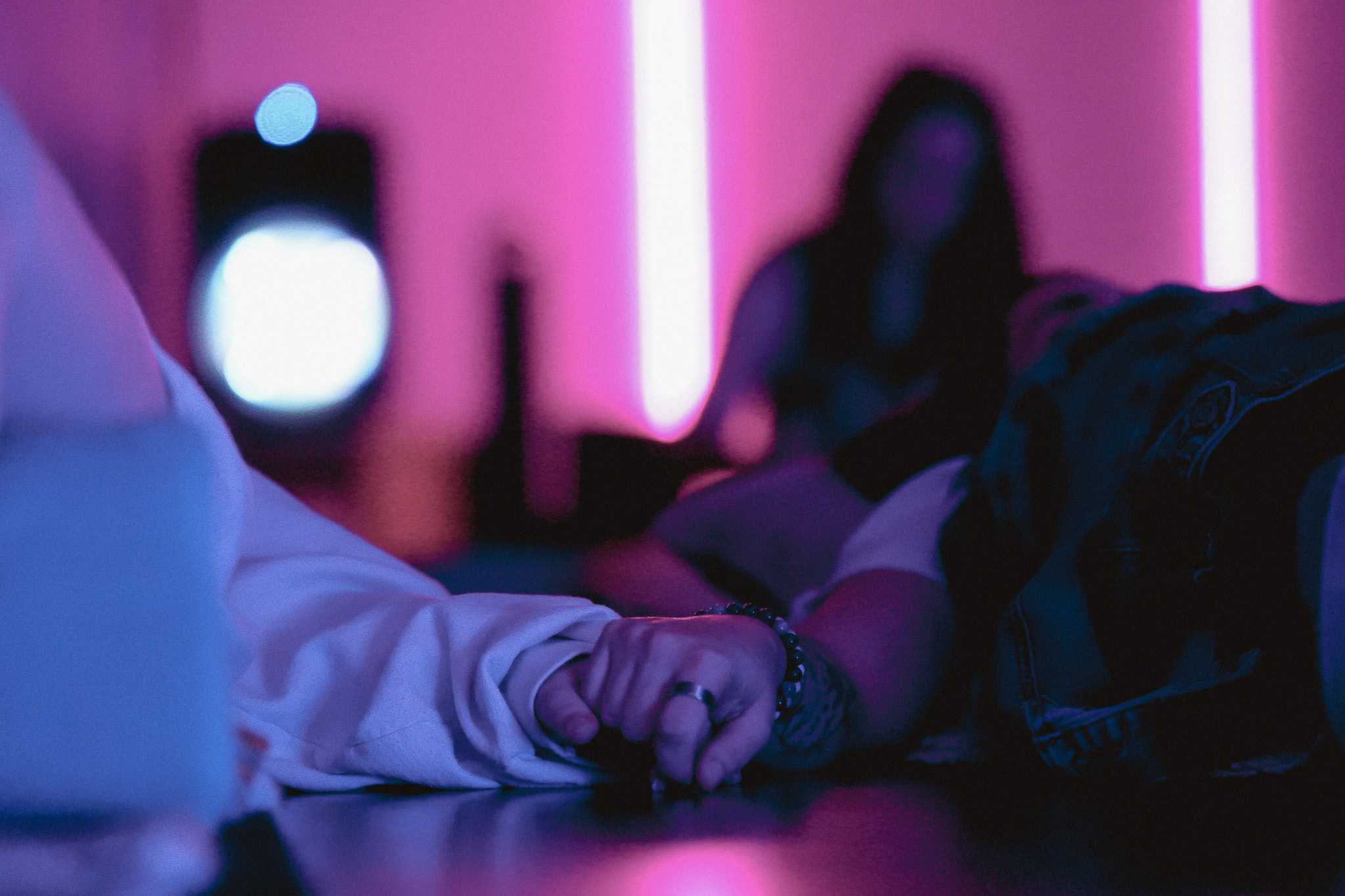
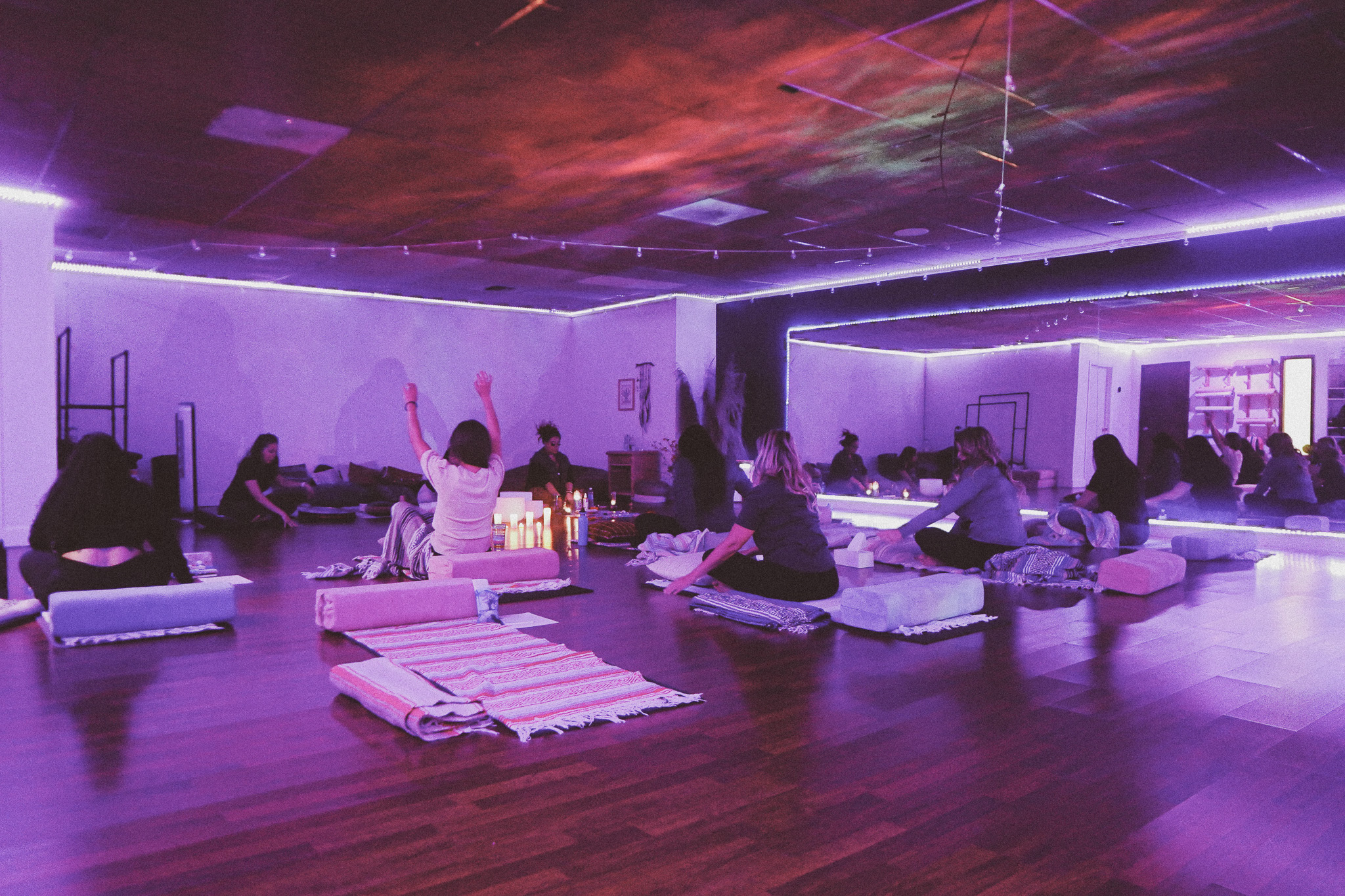
Creating from love is more complicated than simply feeling loving
In the video, I describe love as being at the purity of our creativity, and I still connect deeply with that idea. When I think about the things I most want to create, there is usually something underneath them that comes back to connection, service, beauty, curiosity, encouragement, family, community, or a desire to contribute something that feels meaningful.
But I think the idea becomes stronger when we allow it to remain human. I can create something from love and still want people to like it. I can care deeply about helping someone and still want the business to succeed financially. I can tell a sincere story and still enjoy the attention it receives. I can make something beautiful and still feel competitive when I see another creator doing something better.
Those mixed motives do not automatically invalidate the creation. Human intention is rarely completely pure. The danger comes when we divide ourselves into acceptable and unacceptable motives so rigidly that we stop being honest about what is actually happening inside us.
Creating from love may therefore be less about eliminating every ego-driven impulse and more about deciding which impulse gets final authority. I can notice that I want attention without allowing attention to determine the message. I can want revenue without allowing revenue to justify manipulation. I can feel jealous without allowing jealousy to turn another person’s success into something I need to diminish.
Love becomes meaningful precisely because other motivations exist. It becomes a direction we can return to rather than a permanent emotional state we have to pretend we have achieved.
Creating from love does not require becoming a perfectly pure creator. It may simply mean becoming honest enough about our competing motives that love can remain one of the values guiding the final choice.
That feels much more realistic to me than believing we can reach some completely purified version of ourselves where everything we make automatically benefits everyone who encounters it. We are still human. We are still learning. Our responsibility is not perfection; it is awareness, reflection, correction, and an ongoing willingness to ask whether what we create still aligns with what we say we care about.
Sometimes “doing the work” means questioning the stories we are unconsciously amplifying
The phrase “peeling back the layers” can sound abstract until we look at what those layers actually contain. We grow up receiving messages about what success looks like, what men and women should be, what kind of body is desirable, what kind of work matters, how much money is enough, what strength looks like, what emotions are acceptable, which communities are trustworthy, and what makes someone worthy of attention.
We may consciously reject some of those messages while still reproducing others through our work. A creator can genuinely believe in self-worth while consistently producing content that depends on making people feel inadequate. A business can talk about community while rewarding only individual status. A wellness brand can say people are already whole while marketing every service through the suggestion that something is fundamentally wrong with them.
This is where self-reflection becomes less about private personal development and more about public responsibility. Once we create for others, our unexamined beliefs can become other people’s repeated exposure. That does not mean we have the power to program everyone who sees our content, but it does mean our messages participate in a larger cultural environment.
The goal is not to become terrified of saying the wrong thing. Fear can make creation sterile. The goal is to develop enough curiosity that we can catch ourselves occasionally and ask, “Wait. Do I actually believe this? Or am I repeating something because this is how my industry talks?”
Some of the most important creative decisions happen when we notice that the message performing well is not necessarily the message we want to keep amplifying.
Would you still create it if the algorithm did not reward it?
That question can reveal a lot. Platforms naturally teach creators what receives attention, and attention is not neutral when attention is connected to opportunities, revenue, influence, or identity. Outrage may travel. Fear may convert. Controversy may increase reach. Simplifying a complicated topic may outperform nuance.
None of that means we should ignore what audiences respond to. Communication requires understanding people. But there is a difference between learning how to communicate effectively and allowing the metrics to decide which version of ourselves deserves to exist publicly.
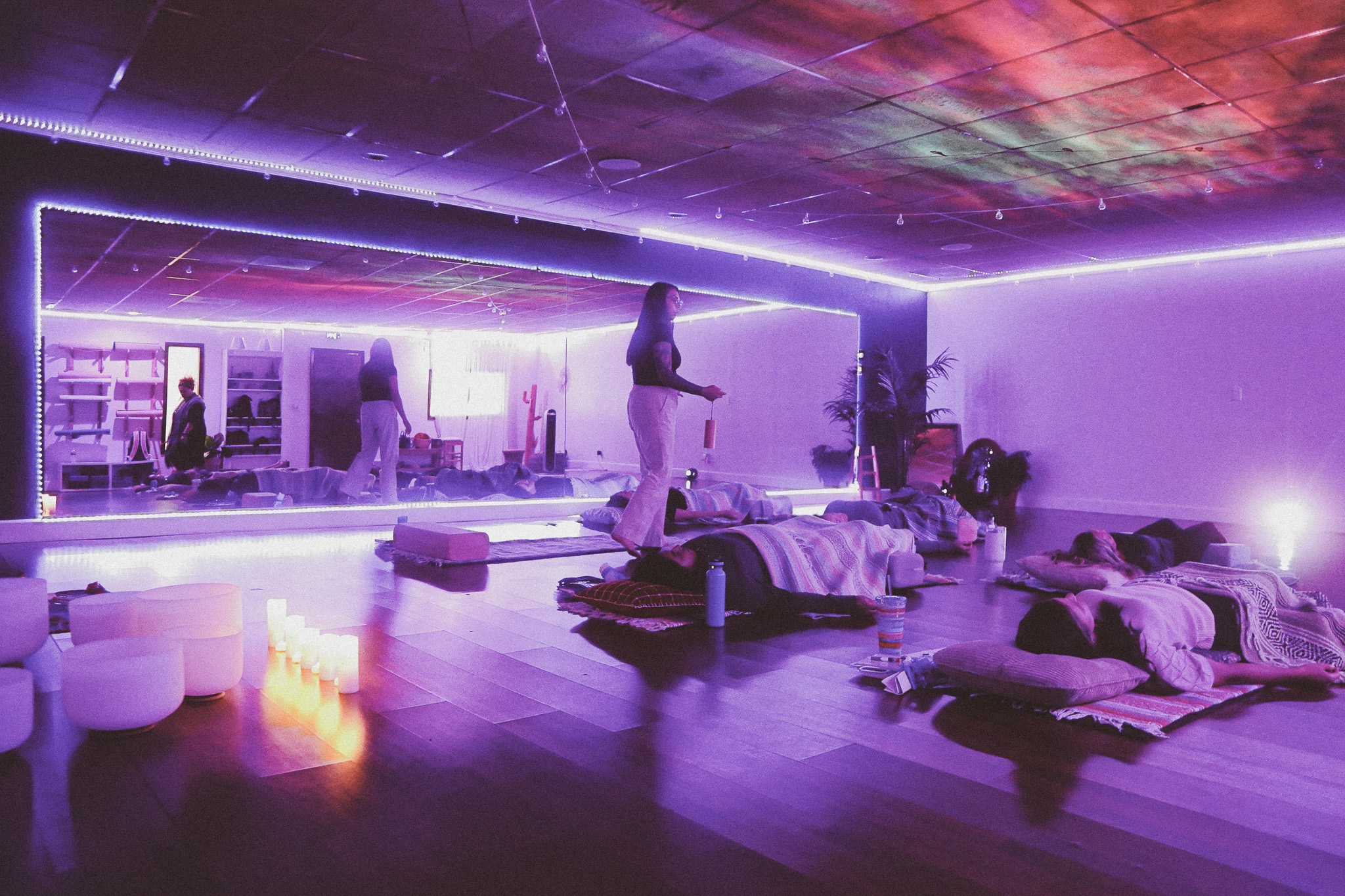
Love does not always look soft
If we are going to use love as a creative compass, I think we also have to resist reducing love to positivity. Creating from love does not mean every message needs to feel uplifting, soothing, agreeable, or comfortable. Sometimes love tells the truth about something difficult. Sometimes it challenges a harmful pattern. Sometimes it says no. Sometimes it creates boundaries. Sometimes it makes room for grief, anger, disappointment, or conflict because those experiences are part of being human too.
This matters because a creator who believes “spreading love” means avoiding everything uncomfortable can accidentally create a different kind of dishonesty. We may begin suppressing complexity in order to maintain a positive image. Difficult emotions become problems to quickly transform. Structural problems become personal mindset issues. Legitimate anger becomes something people are told to breathe away rather than understand.
Love can be compassionate without becoming passive. It can challenge without humiliating. It can criticize an idea without dehumanizing the person holding it. It can name pain without making pain the only story. It can create content around difficult subjects without using another person’s suffering as entertainment.
For me, that expands the meaning of creating from love. The question is not merely, “Does this make people feel good?” It may be, “Does this honor people’s humanity?” Sometimes those are the same thing. Sometimes they are not.
Love is not always the softest message in the room. Sometimes love is the willingness to tell the truth without forgetting the humanity of the people who have to hear it.
That distinction also keeps us from turning positivity into another performance. A creator can spread more love into the world while talking honestly about grief, money, conflict, pressure, burnout, mistakes, fear, or difficult social realities. What matters is the relationship we create with those subjects and whether our work invites more humanity or simply turns pain into another source of attention.
Creation becomes part of the ripple whether we see the ripple or not
One of the strange things about creating for other people is that we rarely know the full impact. Analytics can tell us how many people watched something. Comments can tell us how some people responded. Revenue can tell us whether an offer converted. None of those measurements can show us every place the creation eventually goes.
Someone may see a video, think about one sentence for several days, and never tell us. A photograph may change how someone remembers a moment. A business owner may hear an idea and bring it into their workplace. A parent may encounter a conversation about slowing down and rethink one part of their family routine. Or a piece of content may have no meaningful effect beyond providing thirty seconds of entertainment.
We do not need to inflate every creation into something profound. Most things we make will probably have modest, ordinary effects. But even that gives us reason to think carefully about what we repeatedly contribute. Culture itself is partly made of repetition. Ideas become familiar because people encounter versions of them again and again.
That is where the ripple becomes less mystical and more practical. What we create joins a much larger stream of messages already shaping the environments people live within. We are one voice among many, but being one voice does not mean our voice has no responsibility.
We may never know how far something travels after we create it. That uncertainty is not a reason to exaggerate our influence; it is a reason to be thoughtful about what we repeatedly choose to send outward.
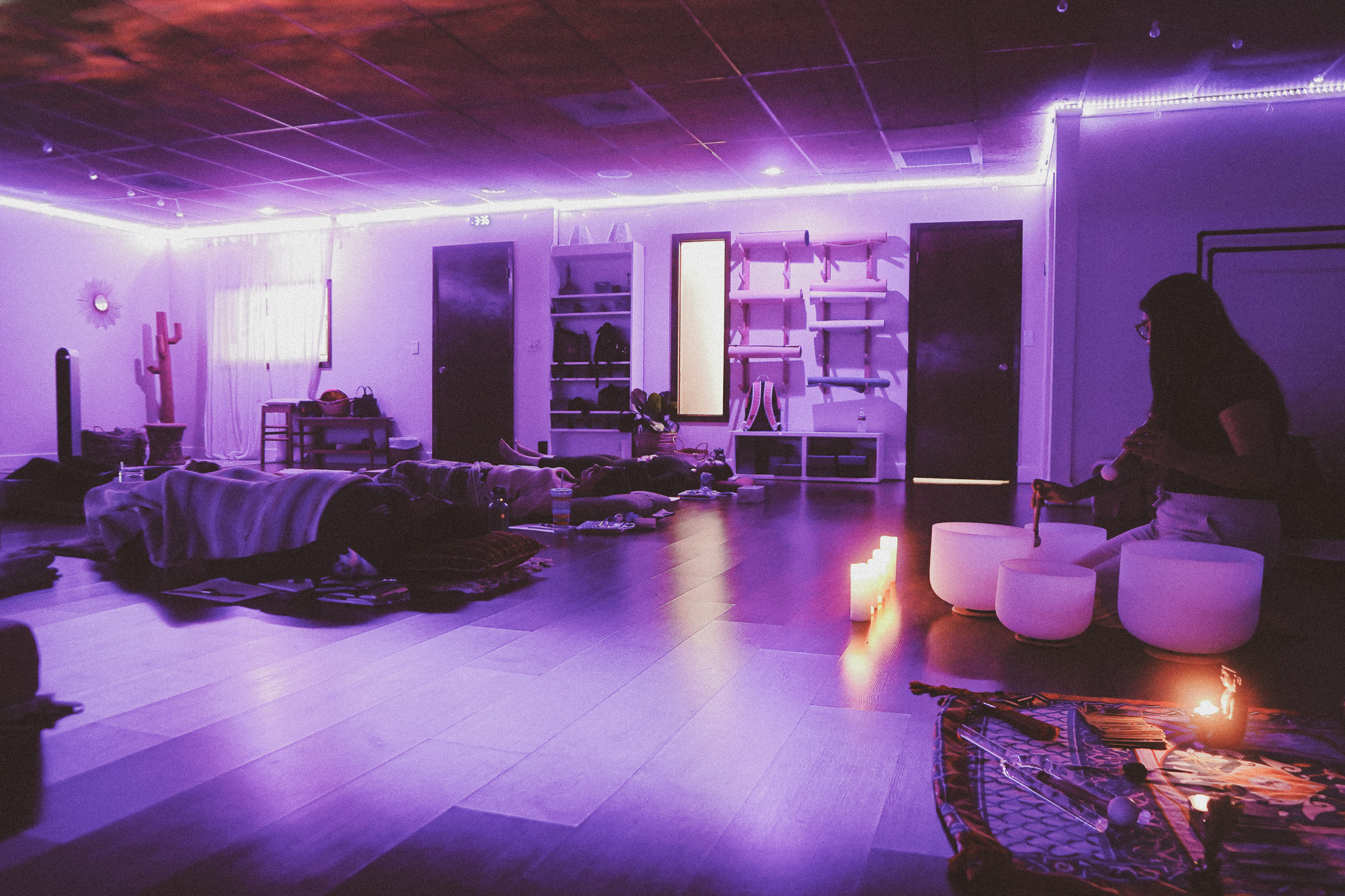
The ripple is not ours to control.
Once we create something, people decide what they carry from it. They may interpret it differently from what we expected. They may use one small piece and leave the rest. They may disagree completely.
Our responsibility is not controlling every outcome. It is becoming increasingly intentional about what we place at the beginning of the ripple.
This is where Heal • Create • Inspire becomes a responsibility, not just a philosophy
Heal asks us to become curious about what is shaping us before we unconsciously turn those influences into something we repeatedly offer other people. What beliefs did we inherit? What fears are speaking? What are we trying to prove? What parts of ourselves are still looking for validation? What values do we want to remain visible when the pressure to perform, grow, monetize, or gain attention becomes stronger?
Create is where those questions enter reality. We make the photograph. We build the business. We record the video. We develop the class. We raise the child. We lead the team. We design the experience. Whatever form creation takes, something from our inner world begins taking shape outside of us.
Inspire is what happens when another person encounters what we created and something moves. Maybe they become curious. Maybe they disagree. Maybe they feel seen. Maybe they create something of their own. We cannot control that part, and we should not try to. Inspiration is not ownership over another person’s response.
Then the process comes back around. The response teaches us something. The creation reveals something. Success exposes a new part of our ego. Criticism shows us where we are defensive. A conversation makes us rethink something we believed. We return inward again with more information than we had before.
This is why Heal • Create • Inspire is not simply a nice phrase to put on a wall. It can become a way of thinking about responsibility: understand more of what is moving through you, become increasingly intentional about what you bring into the world, and remain humble about what happens after another person receives it.
Heal asks what is shaping the creator. Create asks what the creator is bringing into the world. Inspire asks what becomes possible once that creation no longer belongs only to us.
Before you create the next thing, ask what you want to leave behind in the person receiving it
I do not think we need to turn every creative decision into an ethical examination so heavy that we become afraid to make anything. Creativity needs freedom. It needs experimentation. It needs mistakes, play, irreverence, humor, absurdity, and room to discover things we did not plan.
But when we build a body of work, there is value in occasionally pulling back far enough to see the larger pattern. What am I creating over and over again? What emotional state does my work invite people into? What assumptions does it reinforce? What does it teach people to fear, desire, question, or value? Does the larger body of my work resemble the world I say I want to participate in creating?
Sometimes we will find a gap. That does not require shame. It may simply mean we have grown faster internally than our creative habits have caught up. Maybe something we once created no longer represents us. Maybe the way we marketed something feels different now. Maybe our understanding of a subject has deepened enough that we would communicate it differently today.
That is part of being alive and continuing to create. The goal is not preserving a permanently perfect record of ourselves. It is becoming willing to evolve publicly when deeper awareness asks us to.
What are you creating and what are you amplifying?
Maybe you are a photographer, filmmaker, writer, content creator, entrepreneur, practitioner, teacher, parent, leader, or somebody who has never considered yourself a creator at all. The form matters less than the recognition that your choices contribute something to the environments around you.
You do not have to create perfectly. You do not have to remove every complicated motive from yourself. You do not have to make every message positive or meaningful enough to change someone’s life. You are allowed to experiment, make mistakes, evolve, and sometimes simply create because creating feels good.
But every once in a while, it may be worth asking a deeper question about the direction of the whole: what do I want there to be more of because I participated? More fear? More comparison? More urgency? More understanding? More beauty? More courage? More curiosity? More honesty? More compassion?
Maybe creating from love does not mean every creation has to look like love. Maybe it means staying connected enough to our humanity that even as we create, grow, challenge, sell, entertain, disagree, and express ourselves, we keep asking whether what we are adding to the world still reflects something we genuinely want there to be more of.