24 July 2026
The Healing Tree Collective • Tempe, Arizona
Why So Many People Feel Disconnected From Their Bodies
A lot of people do not feel at home in their bodies.
They live from the neck up.
They stay in their thoughts.
They push through exhaustion.
They override hunger, tension, sadness, rest, and emotion.
They move fast, stay busy, and keep going.
Then one day they realize something feels off. They feel numb. Tired. Anxious. Restless. Disconnected. Like they are living inside their life, but not fully inside themselves.
And the truth is, this is not random.
A lot of people feel disconnected from their bodies because they were taught to.
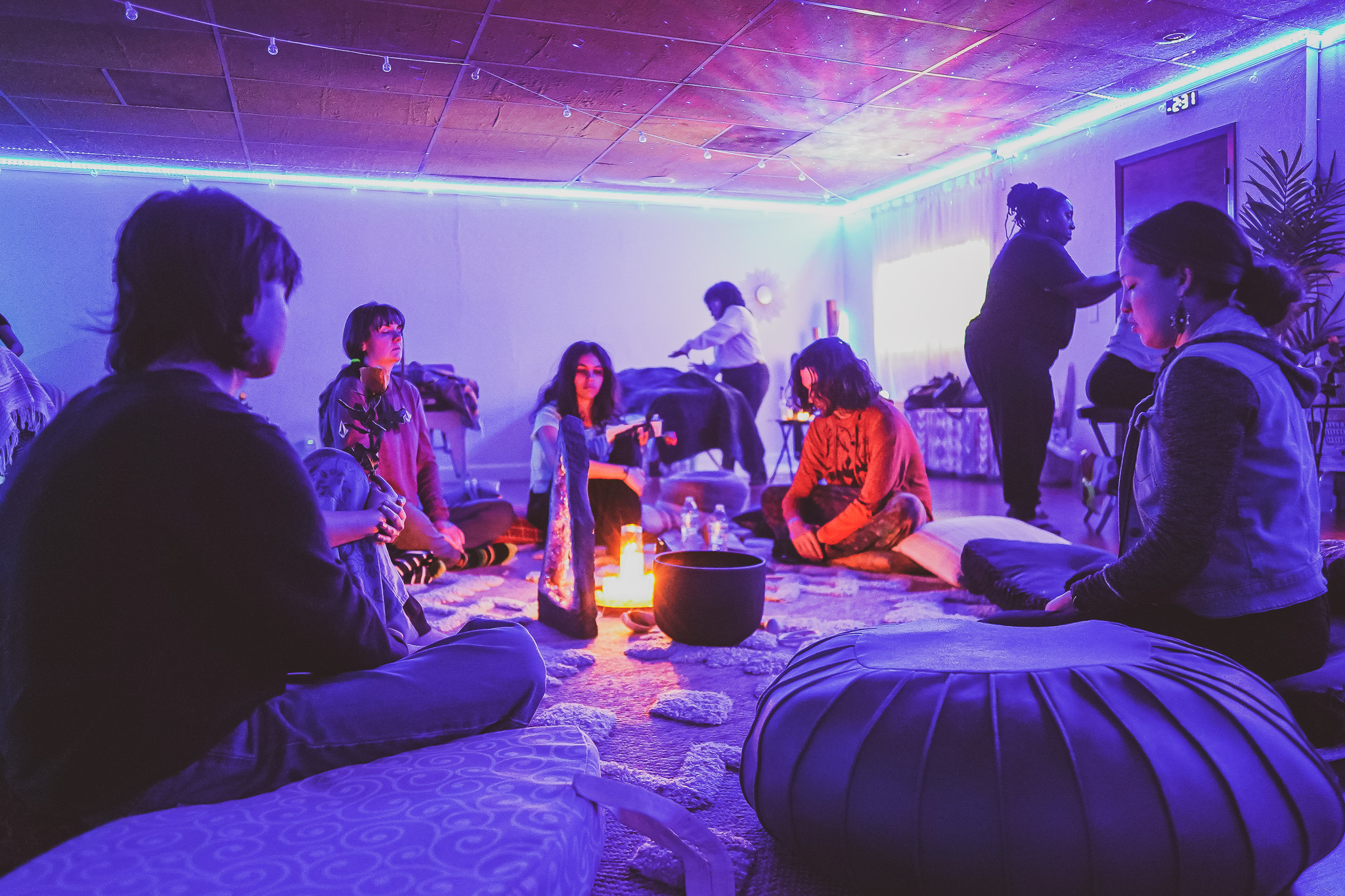
What body disconnection can feel like
It can sound like:
- I do not know what I feel anymore
- I am always tense, but I barely notice it
- I keep pushing through even when I am exhausted
- I feel numb, restless, or far away from myself
- I do not know how to slow down without feeling uncomfortable
A lot of us were raised to ignore the body
Many people did not grow up being taught how to listen to their bodies. They were taught how to be quiet. How to keep going. How to tough it out. How to not make a scene. How to not cry too much. How to ignore discomfort. How to keep smiling. How to be productive. How to stay useful.
If you were raised in an environment where emotions were dismissed, vulnerability was uncomfortable, or rest was seen as laziness, then disconnecting from the body may have become part of how you learned to survive.
Because the body is always telling the truth. The body feels fear. The body feels grief. The body feels exhaustion. The body feels when something is not right. And if the environment you grew up in did not feel safe enough to honor those signals, then you may have learned to turn the volume down.
A lot of people are not disconnected from their bodies because they are weak. They are disconnected because somewhere along the way, disconnection became useful for survival.
Generational trauma can teach disconnection before we even have language for it
This goes deeper than individual stress. Sometimes body disconnection is inherited.
Families pass down more than stories. They pass down coping patterns. They pass down silence. They pass down nervous system habits. They pass down ways of dealing with fear, pain, conflict, grief, and emotion.
If the generations before you had to survive poverty, instability, violence, addiction, emotional suppression, migration, abandonment, or constant stress, there is a good chance they were not taught how to be deeply present in their bodies either. They may have learned to disconnect because being fully present felt too overwhelming, too unsafe, or too costly.
And then those patterns get passed down quietly. Not always on purpose. Not always through words. But through tone, energy, behavior, and what is normalized in the home.
Sometimes what we call “my personality” is actually a survival pattern that has been living in the family line for a very long time.


Society also rewards disconnection
This part matters because it is not just family. It is culture too.
We live in a world that often rewards people for overriding themselves. For working through exhaustion. For staying available. For ignoring hunger. For sitting all day. For pushing through pain. For being productive no matter what. For looking good on the outside while feeling detached on the inside.
We are taught to treat the body like a machine, a brand, or a problem to fix. Not like a living place we actually inhabit.
Add constant screen time, overstimulation, comparison, beauty standards, hustle culture, and a pace of life that rarely leaves room for stillness, and it makes sense that so many people no longer know how to hear themselves clearly.
It is hard to stay connected to your body in a culture that keeps training you to leave it.

And here is the controversial part
Some people would call this conditioning.
Some people would call it a cultural pattern.
Some people would call it a kind of conspiracy.
Whether or not you use that word, the tension is still worth naming:
people are often easier to manage when they are disconnected from their bodies.
When people are disconnected, they are less likely to notice what they really need. Less likely to trust their instincts. Less likely to slow down. Less likely to question what is exhausting them. Less likely to challenge systems that profit from their burnout, insecurity, distraction, and constant striving.
A disconnected person is easier to keep consuming, easier to keep performing, easier to keep overworking, easier to keep doubting themselves, and easier to keep separated from their own inner knowing.
That does not mean there is one simple villain behind all of it. But it does mean we should be honest about this: a lot of modern life is not built to help people feel deeply present, rested, embodied, and internally free.
When people are deeply connected to their bodies, they tend to notice more, question more, feel more, and choose more consciously. That kind of presence can be powerful.
Disconnection from the body often becomes the norm
This is part of why so many people do not even realize it is happening. If everyone around you is stressed, tired, overstimulated, and running on autopilot, then disconnection starts to feel normal.
It becomes normal to be exhausted and keep going anyway. Normal to feel anxious and call it productivity. Normal to never sit still. Normal to ignore pain. Normal to never ask what your body is trying to say.
But normal does not always mean healthy. Common does not always mean natural. And living disconnected for a long time does not mean that is how it is meant to be.
Just because body disconnection is common does not mean it is harmless.
The body does not stop speaking just because we stop listening
Even when people are disconnected, the body is still communicating. Through tension. Through shallow breath. Through numbness. Through chronic stress. Through fatigue. Through irritability. Through overwhelm. Through gut feelings. Through the inability to rest. Through the sense that something feels off.
The body keeps telling the truth, even when the mind is trying to push past it.
That is why healing often begins not with forcing some huge breakthrough, but with learning how to listen again. Learning how to notice. Learning how to slow down enough to hear what has been there all along.
The body is not your enemy. It may actually be the part of you that has been trying to tell the truth the whole time.

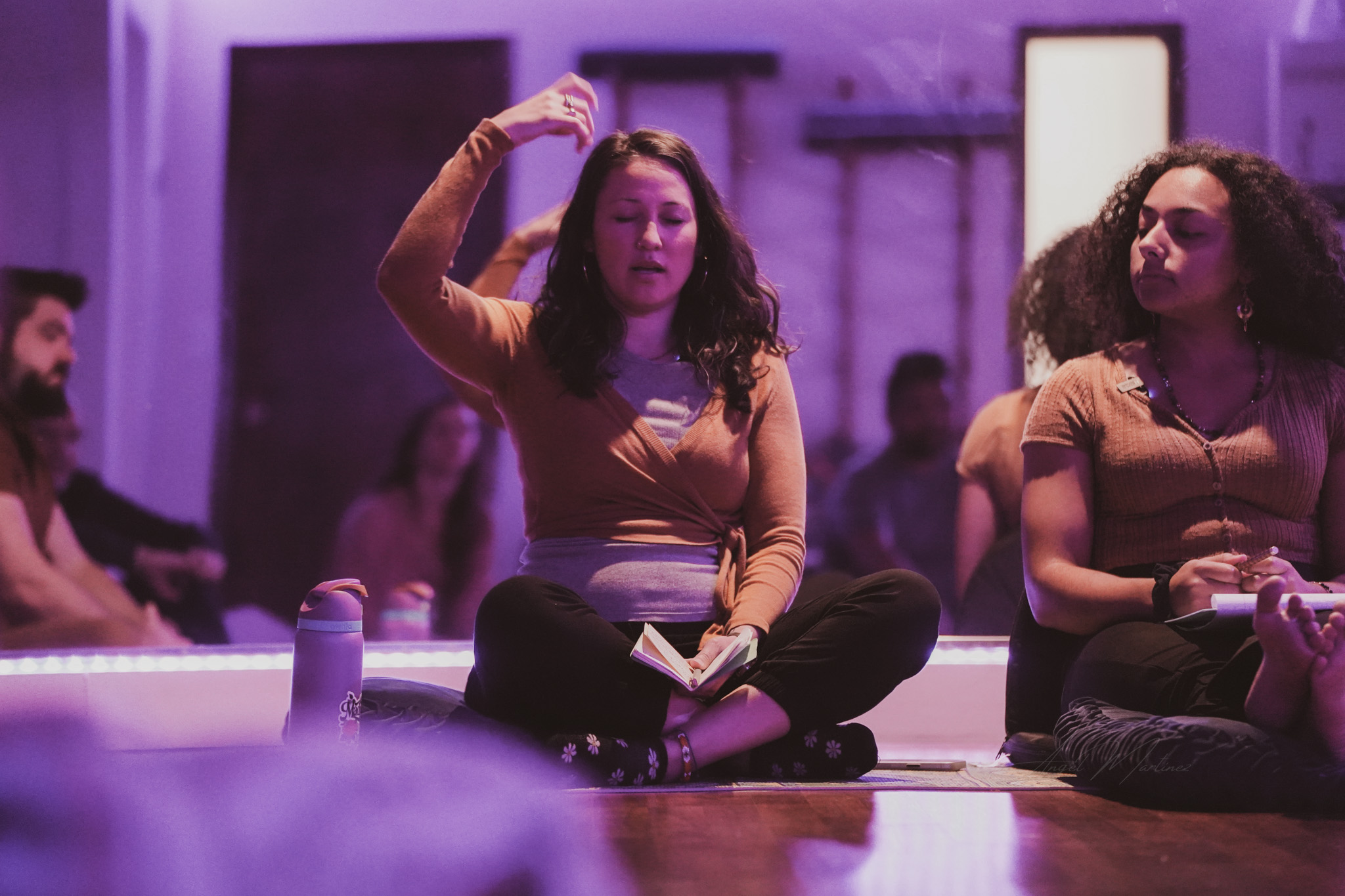
Reconnection can begin in simple ways
Coming back to the body does not have to start dramatically. It can begin quietly. One deeper breath. One moment of stillness. One class where you finally soften. One walk without your phone. One honest check-in. One experience of letting your body be where it is instead of forcing it to be somewhere else.
Reconnection is often less about fixing yourself and more about creating enough safety to listen again.
And for many people, that kind of safety needs to be practiced. Especially if disconnection has been the norm for a long time.
You do not need to rush your way back into your body. Sometimes it begins with one moment of noticing, one moment of rest, one moment of truth.
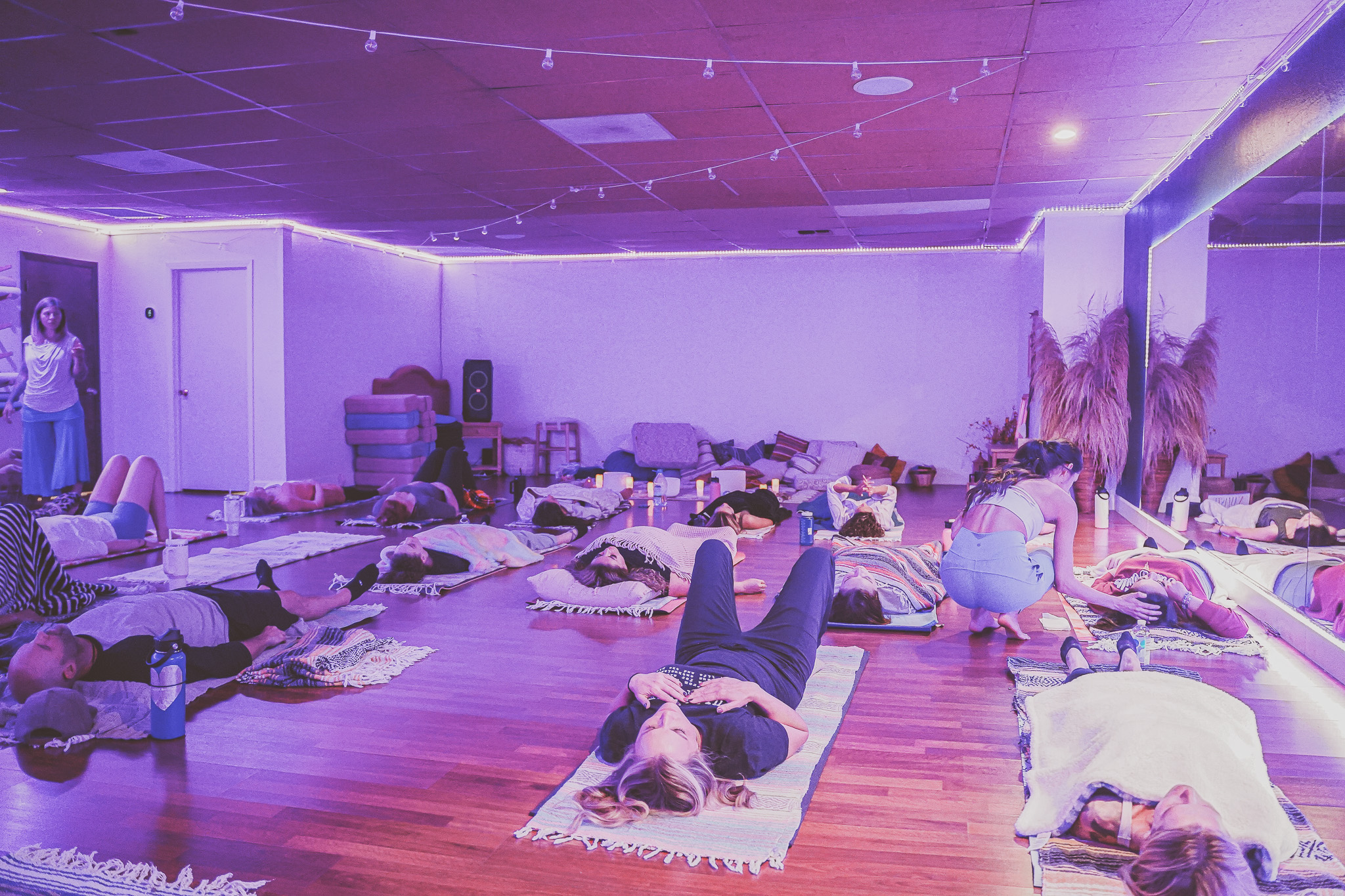
Different practices can help people come back to their bodies
Different practices support reconnection in different ways. Some help people rest. Some help them feel sensation again. Some help them slow down enough to hear themselves. Some help create an environment where the body no longer has to stay braced all the time.
Sound Healing
Can help the body soften and rest, especially when life has felt loud, overstimulating, or emotionally full.
Breathwork
Can support deeper awareness of what is happening internally and help people reconnect with sensation and emotion.
Meditation
Can create space to notice what has been buried beneath pace, distraction, and constant mental noise.
Gentle Movement or Yoga
Can help people rebuild trust with the body and remember what it feels like to inhabit themselves more fully.
You are not failing because you feel disconnected from your body
If you feel far away from your body, that does not mean you are broken. It may mean you learned how to survive in ways that asked you to disconnect. It may mean you inherited patterns that taught you to override yourself. It may mean you have been living in a culture that constantly pulls you away from your own inner signals.
That is not a personal failure. It is something many people are carrying.
And the beautiful part is this: what was learned can be unlearned. What was adapted can be softened. What has been disconnected can begin, little by little, to reconnect.
The goal is not to shame yourself for disconnecting. The goal is to understand why it happened and begin returning with compassion.
So why do so many people feel disconnected from their bodies?
Because many of us were raised to override ourselves.
Because trauma teaches protection.
Because family systems pass down survival patterns.
Because society rewards productivity more than presence.
Because modern life profits from distraction.
Because stillness, truth, and embodiment can feel unfamiliar when disconnection has been normalized.
But that does not mean disconnection has to be your forever.
It may simply mean your body is waiting for a different kind of relationship now.
Sometimes healing begins when you stop asking, “What is wrong with me?” and start asking, “What taught me to leave myself in the first place?”
Looking for a place to reconnect with your body gently?
At The Healing Tree Collective in Tempe, Arizona, we offer beginner-friendly classes in breathwork, sound healing, meditation, movement, Reiki, and more. If you have been feeling disconnected from your body, overwhelmed, or stuck in your head, you are welcome to begin gently here.