12 June 2026
Is Tai Chi a Workout, Meditation, or Both? Understanding the Practice
When people first hear about Tai Chi, they often try to place it into a category they already understand.
Is it exercise? Is it meditation? Is it martial arts? Is it stretching? Is it something for relaxation? Is it something that actually strengthens the body?
The answer is that Tai Chi can be all of these things, but not always in the way people expect.
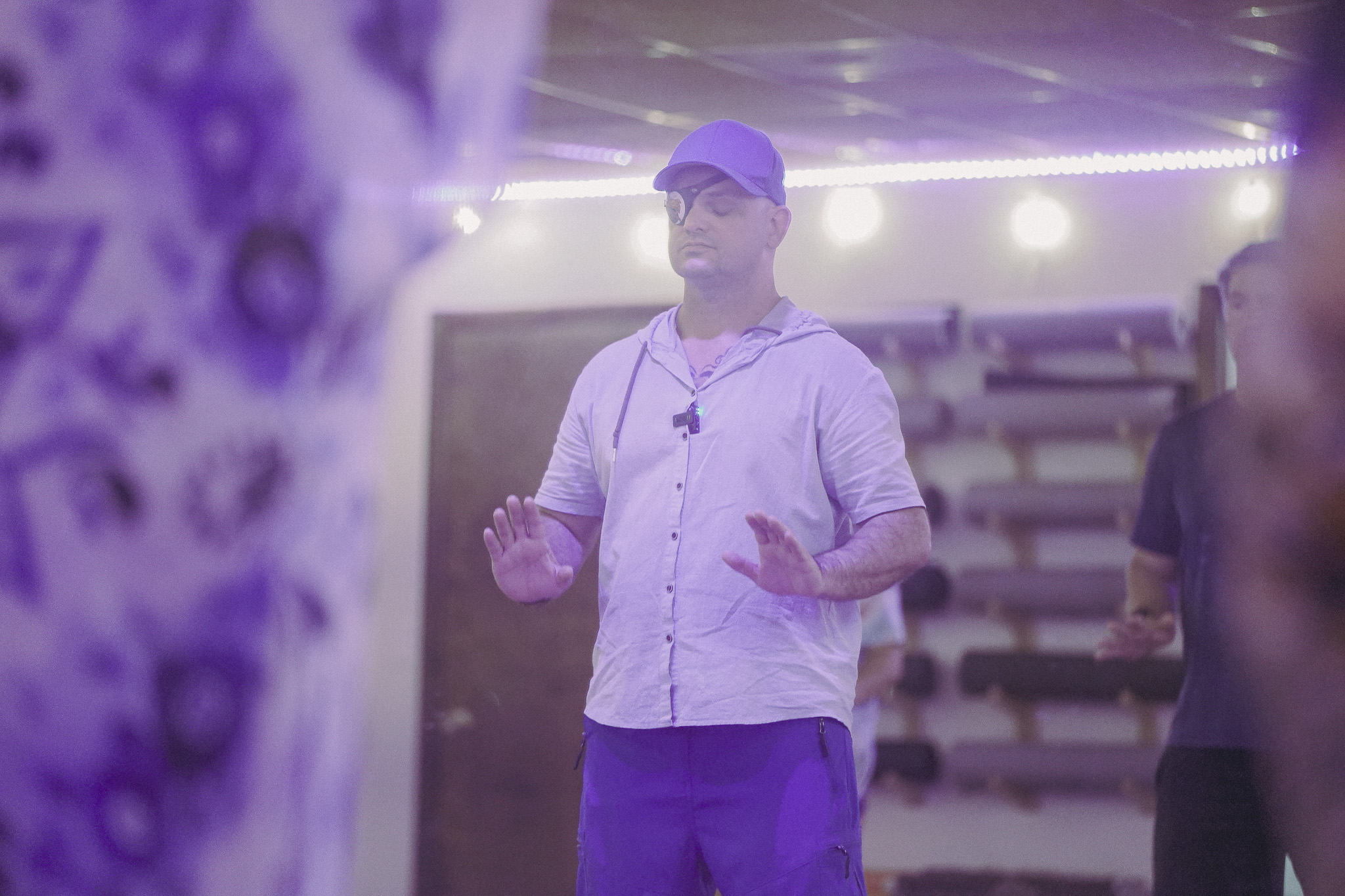
Tai Chi blends movement, breath, balance, and awareness into one practice.
Tai Chi can be understood as:
A practice that supports the body and the mind at the same time.
- A gentle workout
- A moving meditation
- A balance practice
- A breath and awareness practice
- A stress relief tool
- A mind-body connection practice
Why this question matters
It is completely understandable that people ask whether Tai Chi is a workout, meditation, or both. Most of us are used to separating wellness practices into different categories. Exercise is something we do for the body. Meditation is something we do for the mind. Stretching is something we do for flexibility. Stress relief is something we look for when life feels overwhelming.
But Tai Chi does not fit neatly into just one category. That is part of what makes it so unique and also part of why it can be misunderstood.
From the outside, Tai Chi may not look like much. The movements are slow. There is no loud music. No heavy weights. No intense cardio. No obvious push to sweat or burn calories. Because of that, some people may assume it is not really exercise.
At the same time, Tai Chi does not always look like the version of meditation many people imagine. You are not necessarily sitting still with your eyes closed, trying to empty your mind. Because of that, some people may not realize how deeply meditative it can be.
Tai Chi challenges the idea that movement has to be intense to be beneficial and that meditation has to be still to be meaningful.
Tai Chi as a gentle workout
Tai Chi can absolutely be a form of physical exercise, but it is not a workout in the way many people are used to thinking about workouts. It does not rely on speed, force, jumping, heavy resistance, or pushing the body to exhaustion.
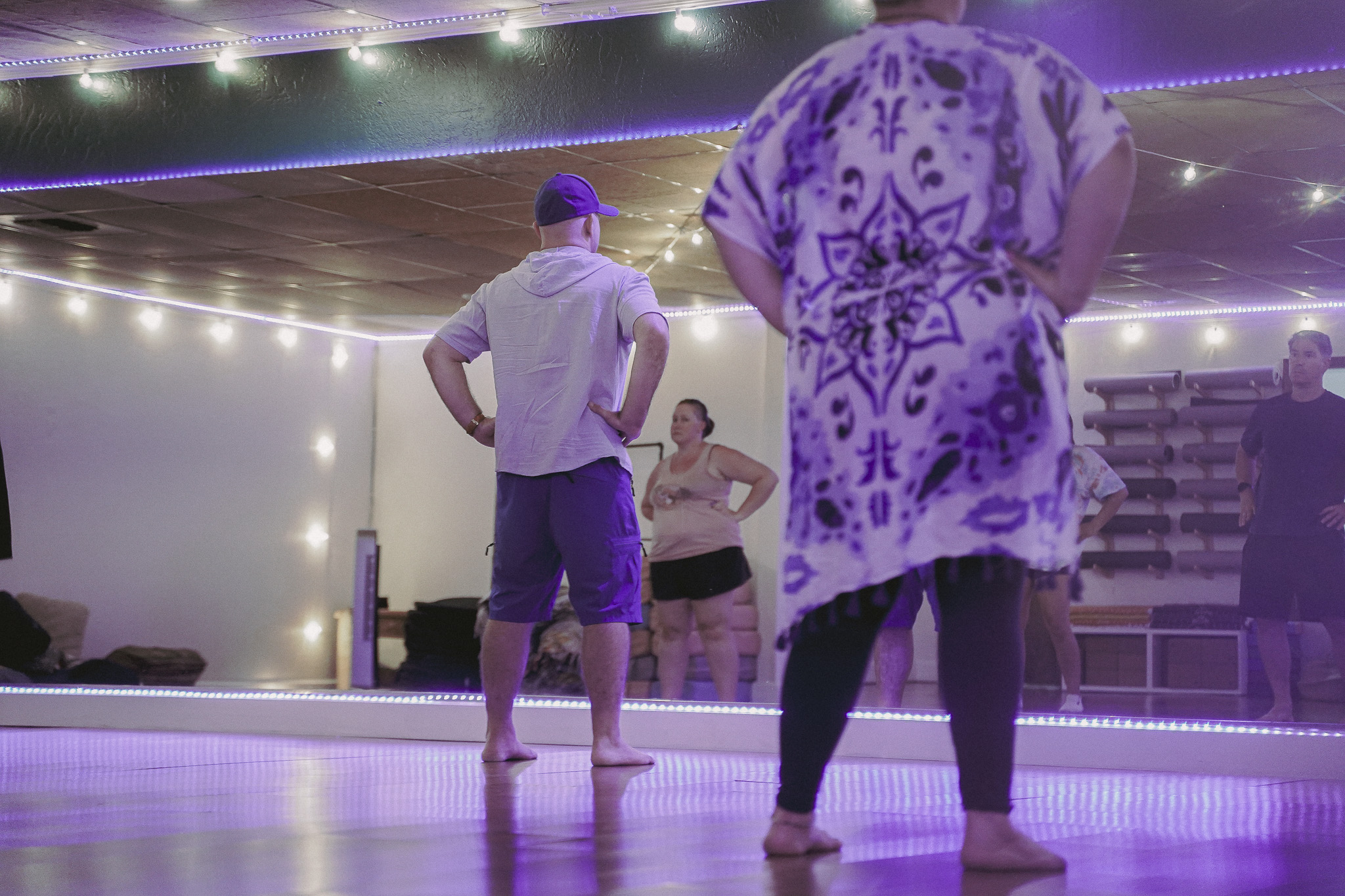
Instead, Tai Chi strengthens the body through slow, controlled movement. You may shift your weight from one foot to the other, soften the knees, move through postures, coordinate your arms and legs, and practice balance in a steady and intentional way.
This kind of movement may look simple, but it asks the body to pay attention. It asks the legs, core, posture, breath, and focus to work together. It can support mobility, coordination, stability, and body awareness without needing to move aggressively.
For beginners, this can be surprising. You may not leave class feeling like you just finished a high-intensity workout, but you may notice that your legs worked, your balance was challenged, your posture became more active, and your body had to stay present in a different way.
Tai Chi reminds us that the body can be strengthened through patience, control, and awareness.. not only through intensity.
Tai Chi as meditation
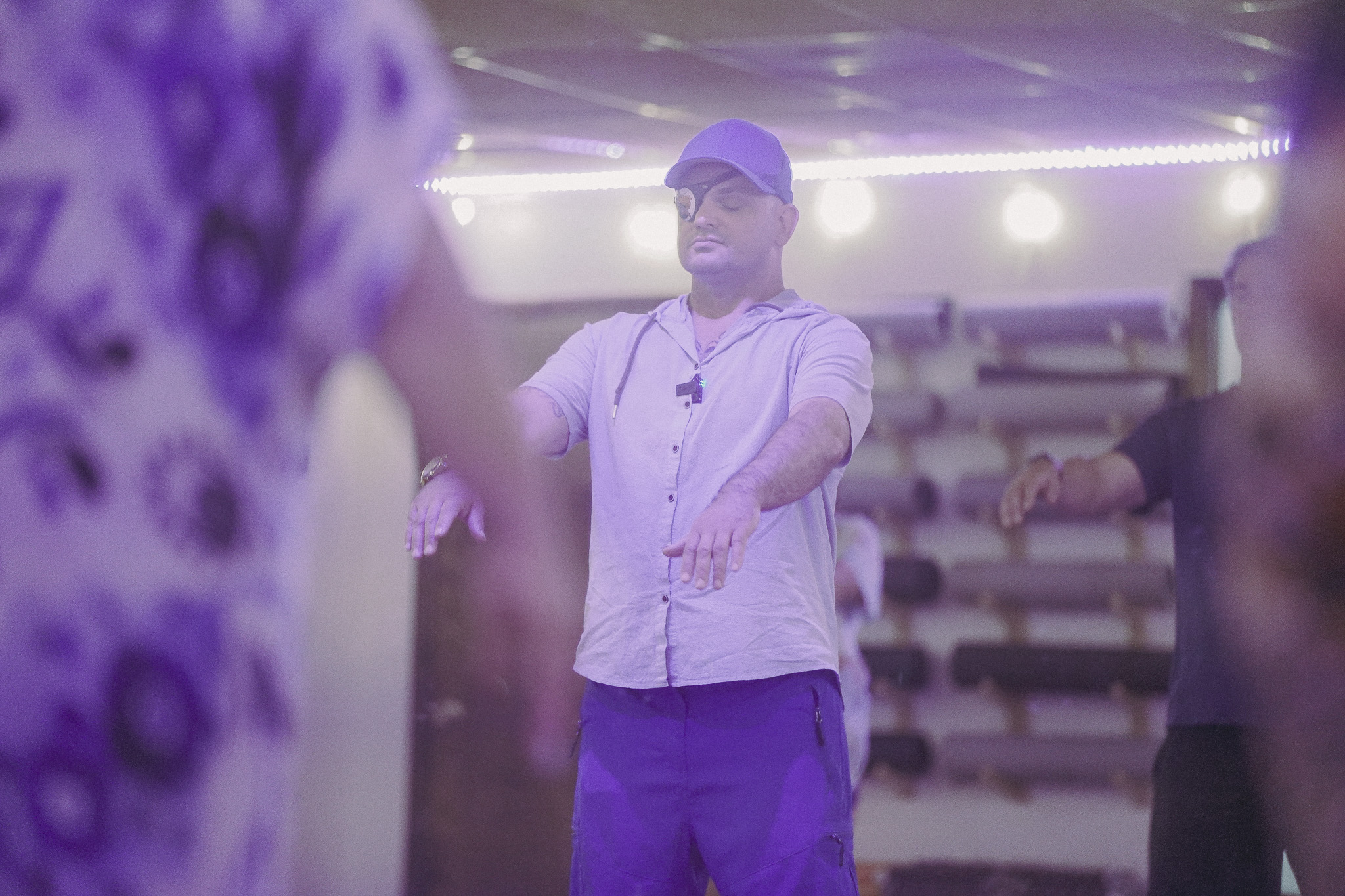
Tai Chi is often described as meditation in motion because it gives the mind something steady to follow. Rather than trying to sit completely still, you are invited to bring your attention into the movement.
You notice your feet. You notice your breath. You notice how your weight shifts. You notice when your shoulders tense. You notice when your mind wanders. And then, gently, you return to the movement.
This is meditation. Not because your mind becomes perfectly silent, but because you are practicing awareness. You are practicing presence. You are practicing the ability to come back to what is happening right now.
You do not have to empty your mind for Tai Chi to be meditative. You are learning how to return your attention through the body.
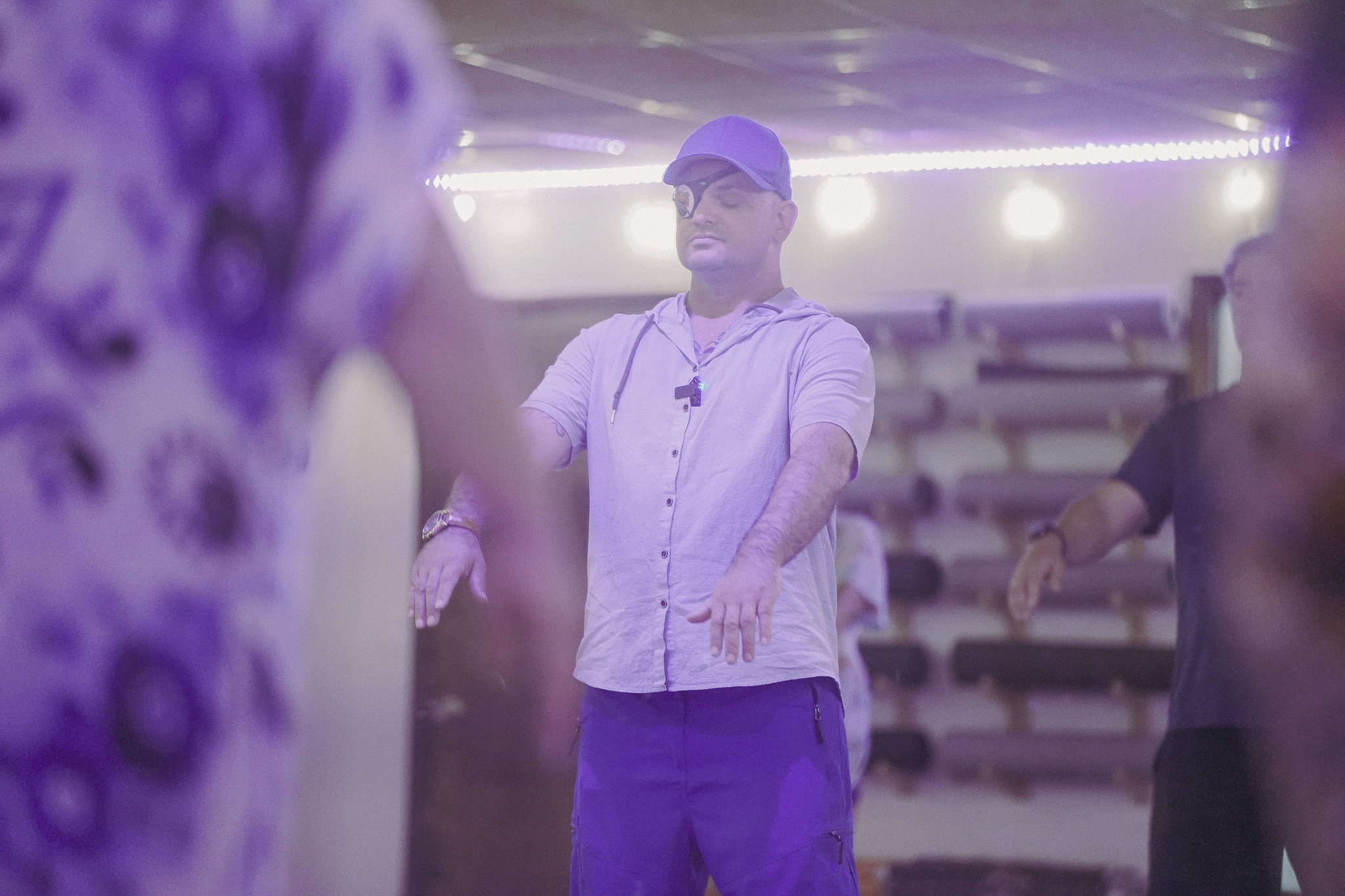
Moving meditation can feel supportive for people who struggle to sit still or quiet the mind by force.
Why Tai Chi can be easier for people who struggle with traditional meditation
Many people avoid meditation because they think they are bad at it. They sit down, close their eyes, and immediately notice how busy their mind is. Thoughts keep coming. The body feels restless. Silence feels uncomfortable. Then they assume meditation is not for them.
But meditation is not about having no thoughts. It is about noticing where your attention goes and learning how to come back with more gentleness.
Tai Chi gives people a different way to practice this. Instead of asking you to sit still and observe the mind directly, it gives your attention a physical anchor. The movement becomes the place you return to. The breath becomes the rhythm. The body becomes the doorway into presence.
This can be incredibly helpful for people who spend a lot of time in their head. If your mind is constantly planning, overthinking, worrying, or moving ahead, Tai Chi gives you a practice where your attention can slowly come back down into the body.
For busy minds, Tai Chi can offer a softer entry point into meditation because the body gives the mind something to follow.
So is Tai Chi both workout and meditation?
Yes. Tai Chi can be both a workout and a meditation, but it is also more than either category by itself.
As a workout, it supports the body through movement, balance, coordination, stability, and posture. As a meditation, it supports the mind through attention, breath, repetition, and present-moment awareness. As a mind-body practice, it brings those pieces together so they are no longer separate.
This is important because many people live disconnected from their bodies. They work from their heads. They rush through their days. They carry stress physically, but process it mentally. They may exercise without awareness or try to meditate while feeling completely removed from their body.
Tai Chi offers another way. It helps the body and mind meet in the same place.
For the Body
Tai Chi supports gentle movement, balance, mobility, posture, and coordination without relying on intensity or force.
For the Mind
The slow rhythm gives the mind a place to focus, helping you practice attention without needing perfect silence.
For the Breath
The practice encourages a more conscious relationship with breath, helping you notice when you are rushing or holding tension.
For Daily Life
Tai Chi can help you practice slowing down, responding with more awareness, and noticing stress before it builds.
Tai Chi is not just exercise for the body or meditation for the mind. It is a practice of bringing the whole self back into relationship.
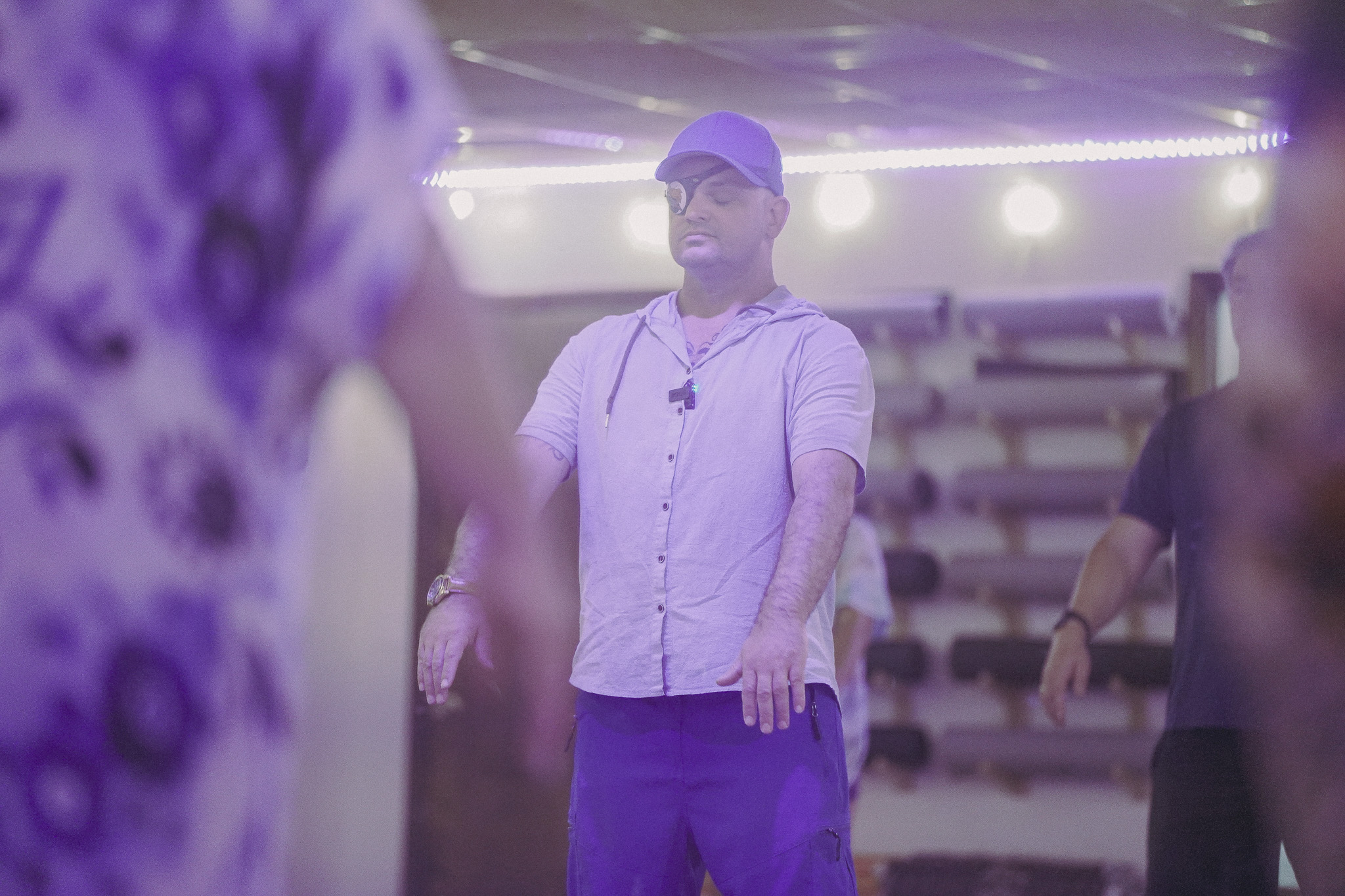

Why Tai Chi may not feel like a traditional workout
If you come into Tai Chi expecting the same feeling you get from a fitness class, you may be confused at first. You may not sweat heavily. You may not feel exhausted. You may not feel like you pushed yourself as hard as possible.
But that does not mean nothing happened.
Tai Chi works through control, patience, alignment, and awareness. It asks you to move with intention rather than momentum. It asks you to stay connected rather than rushing through a movement just to complete it.
For many people, this can be harder than expected. Moving slowly often reveals how much we rely on speed, tension, and habit. You may notice that balance takes focus. You may notice that your legs are working more than you thought. You may notice that your mind wants to move faster than your body.
Sometimes the challenge is not moving harder. Sometimes the challenge is moving with more awareness.
Why Tai Chi may not feel like traditional meditation
Tai Chi may also feel different from what people expect meditation to be. You are not necessarily sitting still. You are not trying to disappear from your body. You are not trying to stop every thought.
Instead, you are meditating through movement. You are learning how to pay attention while standing, shifting, reaching, breathing, and adjusting. You are practicing awareness inside motion.
This matters because real life does not happen only when we are sitting still. We need presence while we are moving through our day. We need awareness while we are communicating, working, parenting, driving, creating, and responding to stress.
Tai Chi gives us a way to practice presence while in motion, which can make the practice feel more connected to everyday life.
Tai Chi teaches that meditation is not only something you sit down to do. It can become a way of moving, noticing, and responding to life.
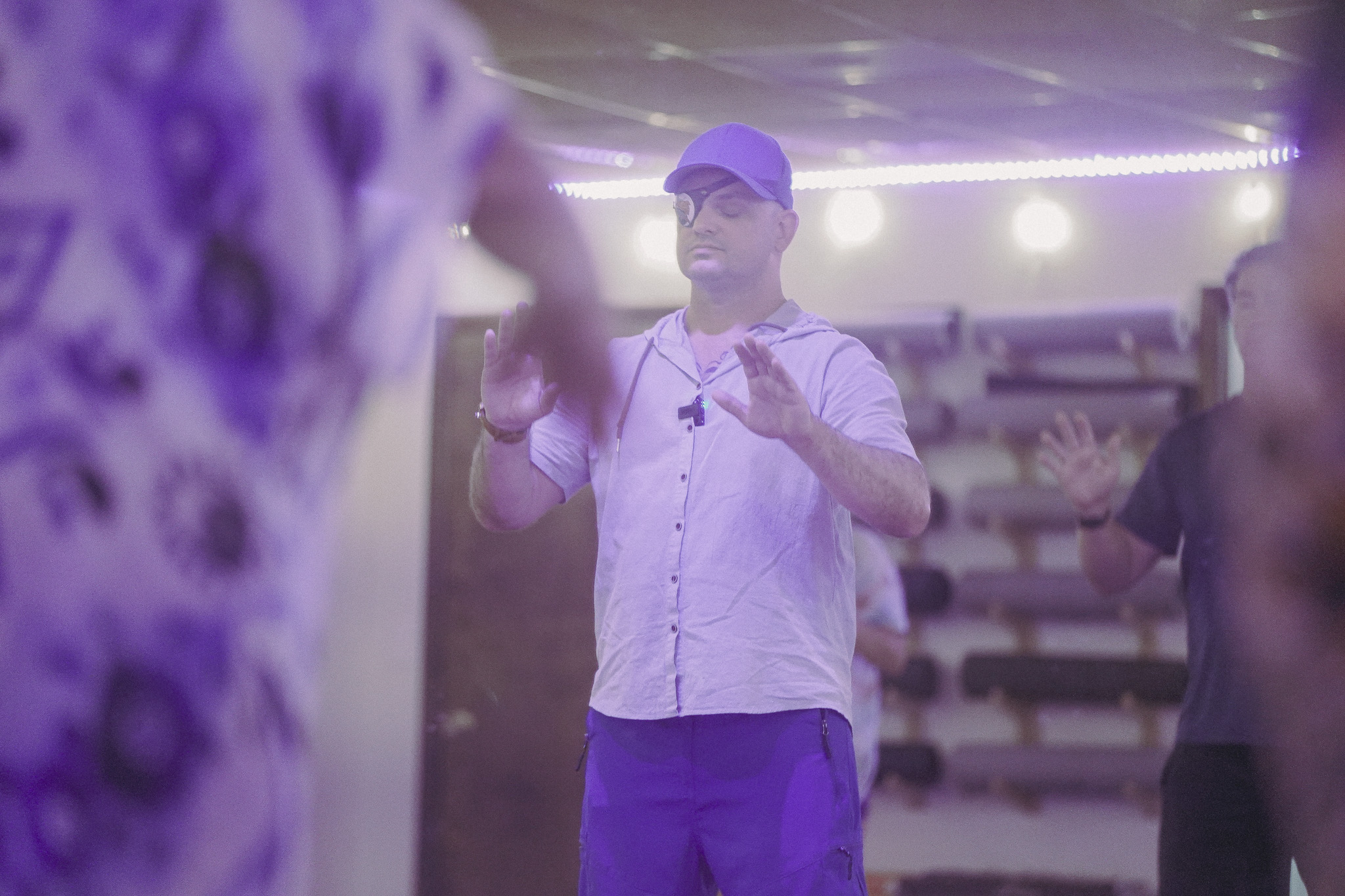
Tai Chi invites presence into movement, which can make mindfulness feel more practical and embodied.
The real practice is awareness
Whether you call Tai Chi a workout, meditation, or both, the deeper practice is awareness.
You are learning how to notice the body without judging it. You are learning how to move without rushing. You are learning how to breathe without forcing. You are learning how to return when the mind wanders. You are learning how to soften the parts of you that are used to bracing.
This is why Tai Chi can be so supportive for people who are stressed, overwhelmed, burned out, or disconnected from their bodies. It gives you a practice where you can begin to feel yourself again in a gentle and structured way.
Awareness is the bridge. It is what turns movement into meditation and exercise into a relationship with the body.
How Tai Chi can support stress relief
Stress often pulls people out of the present moment. It moves the mind into the future, into problem-solving, into worry, into control, into “what if” thinking. At the same time, stress can show up in the body as tension, shallow breathing, restlessness, fatigue, or the feeling that you cannot fully relax.
Tai Chi gives both the mind and body something steady to follow. The movement is slow enough to interrupt the rush. The breath brings attention back into the body. The repetition helps create rhythm. The balance work requires presence.
Over time, this kind of practice can help people notice stress sooner. You may begin to recognize when your shoulders lift, when your jaw tightens, when your breath becomes shallow, or when your body starts moving through the day on autopilot.
That awareness matters because you cannot support what you do not notice.
Tai Chi does not remove every stressor from life, but it can help you build a different relationship with how stress moves through you.

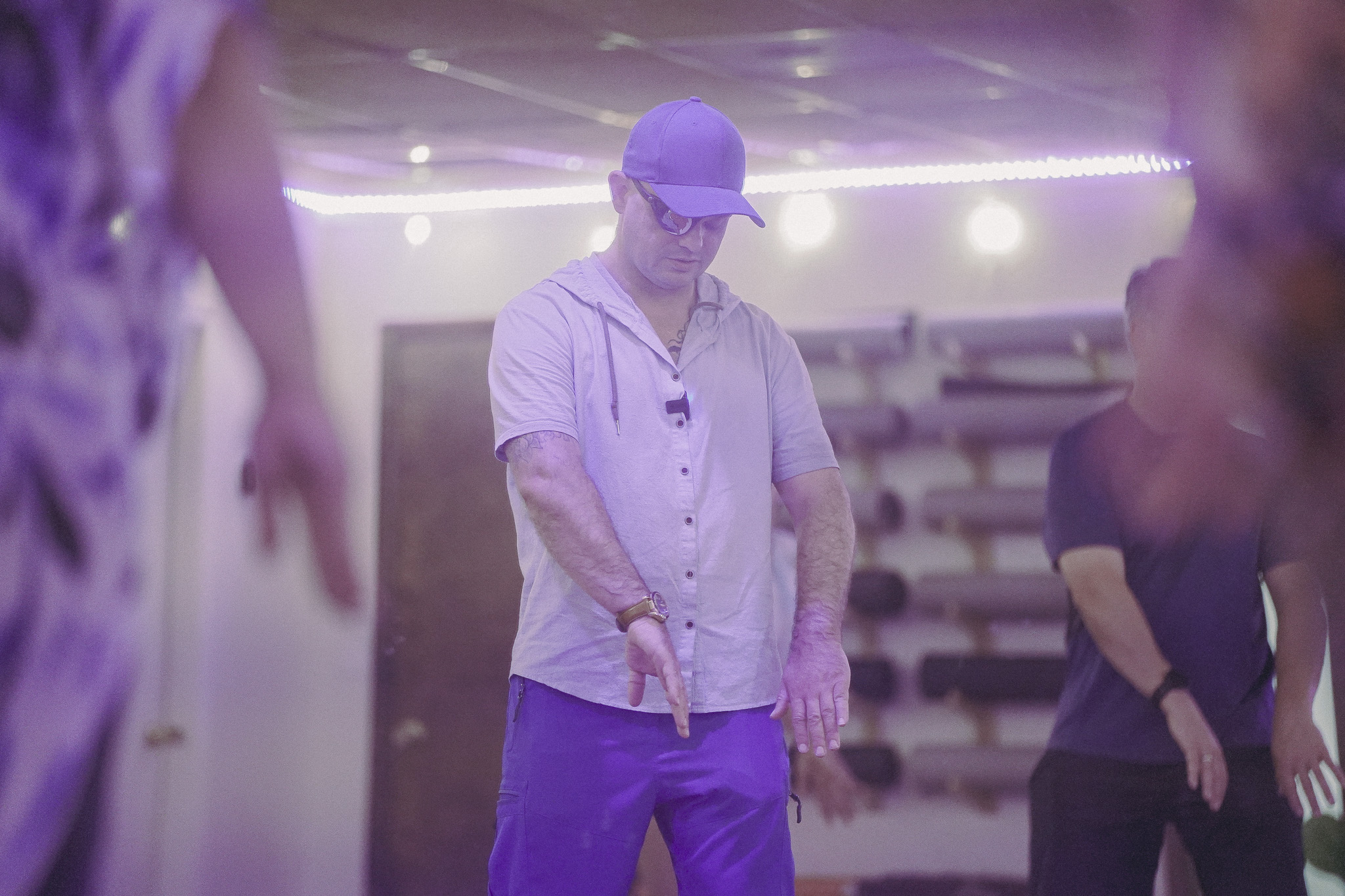
Who might benefit from Tai Chi?
Tai Chi can be especially supportive for people who want a practice that meets both the body and the mind. It may be a good fit if you want movement, but not intensity. It may be a good fit if you want meditation, but sitting still feels difficult. It may be a good fit if you want stress relief, but you also want something active enough to keep your attention engaged.
This is why Tai Chi can be helpful for beginners, busy professionals, parents, caregivers, students, people navigating stress, and anyone who wants to reconnect with their body in a gentle way.
Tai Chi may be supportive if you are looking for:
- A gentle movement practice
- A meditation practice that does not require sitting still
- A way to support balance and body awareness
- A slower practice for stress relief
- A beginner-friendly wellness class
- A practice that connects breath, body, and attention
- A way to feel more grounded in daily life
You do not need to be athletic, flexible, experienced, or already calm before starting Tai Chi. The practice is not asking you to arrive as an expert. It is inviting you to begin exactly where you are.
Tai Chi and The Healing Tree Collective
At The Healing Tree Collective, we believe practices like Tai Chi matter because so many people are living with a deep separation between the body and the mind. They may exercise, but still feel disconnected. They may try to rest, but still feel mentally busy. They may want to meditate, but feel too restless to sit still.
Tai Chi gives people a different doorway.
It creates a space where movement becomes mindful, where breath becomes part of the practice, and where the body becomes something you listen to instead of something you push past. It reminds us that wellness does not always have to be intense to be meaningful.
This connects directly to our mission at The Healing Tree Collective. We want healing and wellness practices to feel accessible, supportive, and grounded in real life. Tai Chi offers a way for people to practice slowing down, returning to the body, and building awareness one movement at a time.
We are not just moving for the sake of movement. We are learning how to inhabit the body with more patience, presence, and care.
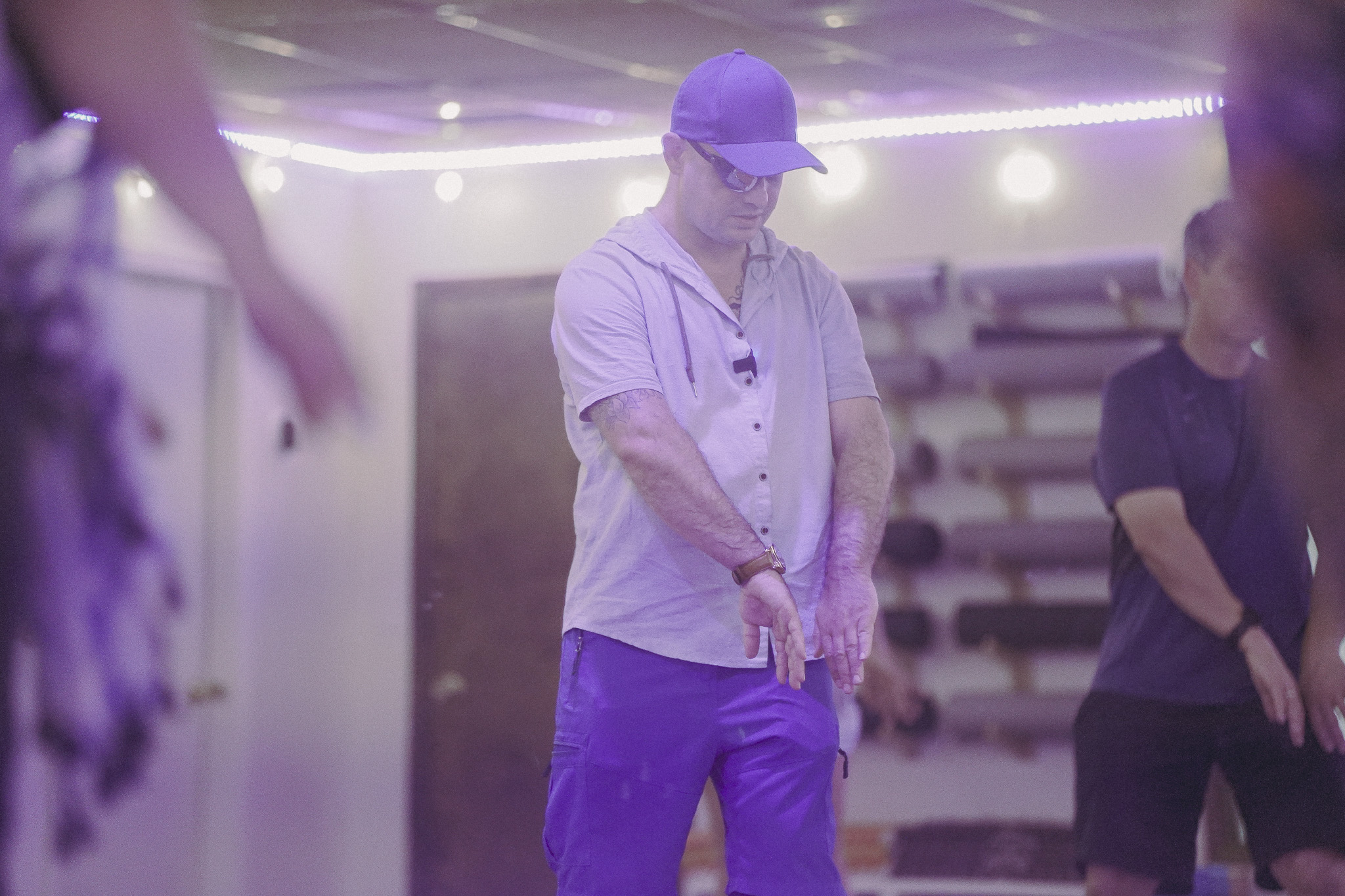
At The Healing Tree Collective, gentle practices are part of how we help people come back to themselves.
Final thoughts: Tai Chi is both, and that is the point
Tai Chi is a workout, but not always in the traditional sense. It strengthens the body through slow, controlled, intentional movement.
Tai Chi is meditation, but not always in the way people imagine. It helps quiet the mind by giving your attention a steady place to return to through movement.
And maybe most importantly, Tai Chi is a practice that brings the body and mind back into conversation.
In a world that often separates exercise from awareness and meditation from movement, Tai Chi reminds us that healing can happen when those parts of ourselves begin working together again.
Tai Chi is not just about moving slowly. It is about learning how to move through life with more awareness.
Looking for beginner-friendly Tai Chi in Tempe, Arizona?
At The Healing Tree Collective, our beginner-friendly wellness classes are designed to support stress relief, mindfulness, body awareness, and deeper connection. If you are curious about Tai Chi, moving meditation, or gentle mind-body practices, you are welcome to begin here.
No prior experience is needed. Come as you are. We will meet you there.