22 June 2026
Tai Chi and the Nervous System: Why Gentle Movement Can Help You Feel More Grounded
When your nervous system feels overwhelmed, it can be hard to feel present in your own body.
You may feel restless, tense, distracted, emotionally full, easily irritated, disconnected, or like your body is moving through the day with a quiet sense of urgency. Even when nothing dangerous is happening, your system may still feel like it is preparing, bracing, or trying to keep up.
Tai Chi can support the nervous system by giving the body a slower, steadier rhythm to practice through gentle movement, breath awareness, balance, and presence.

Gentle movement can help the body practice grounding, breath, and presence without force.
Tai Chi may help you feel more grounded by supporting:
Body-based awareness that can help you notice stress before it takes over.
- Slower breathing
- Body awareness
- Balance and stability
- Gentle movement
- Present-moment focus
- Softening unnecessary tension
- A steadier relationship with stress
What does the nervous system have to do with feeling grounded?
Your nervous system is constantly helping your body respond to the world around you. It helps you notice safety, stress, pressure, stimulation, connection, threat, rest, and change. It is part of how your body knows when to prepare, when to protect, when to focus, and when it may be able to soften.
When life feels full, stressful, or overstimulating, the body can start to live in a state of constant readiness. This may show up as shallow breathing, tight muscles, racing thoughts, restlessness, difficulty resting, or the feeling that you cannot fully settle.
This is why grounding matters. Grounding is not just a nice idea. It is a body-based experience of feeling more present, more connected, and less pulled away by stress or urgency.
Tai Chi can support grounding because it gives your attention somewhere steady to return: the feet, the breath, the movement, the shift of weight, and the present moment.
Feeling grounded is not about pretending stress is gone. It is about helping the body remember where it is, what it feels, and how to return to the present moment.
Stress can pull you out of your body
When stress builds, many people move into their head. They start planning, analyzing, worrying, solving, predicting, remembering, or preparing for what might happen next.
At the same time, the body is still carrying the experience. The shoulders may tighten. The jaw may clench. The breath may become shallow. The chest may feel heavy. The hands may grip. The stomach may brace. The body may be trying to communicate, but the mind is moving too quickly to listen.
Over time, this can make people feel disconnected from their body. They may know they are stressed, but not know where they feel stress. They may know they need rest, but not know how to settle. They may know they want to feel calmer, but their body does not trust slowing down yet.
Tai Chi gives the body a gentle way back into awareness. It does not force stillness. It invites slow movement, steady breath, and embodied attention.
Stress often pulls attention upward into the mind. Tai Chi helps bring attention back down into the body.
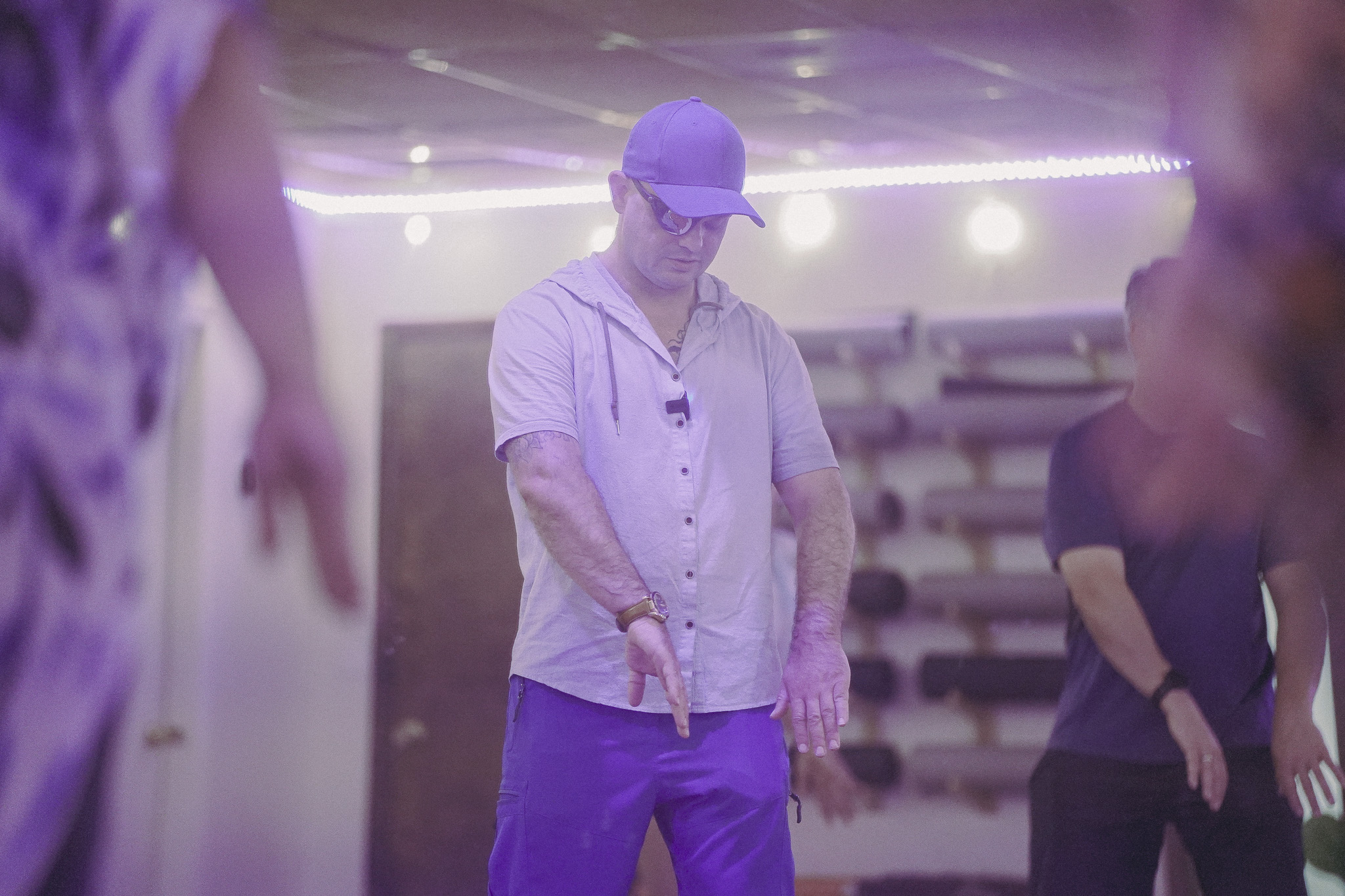
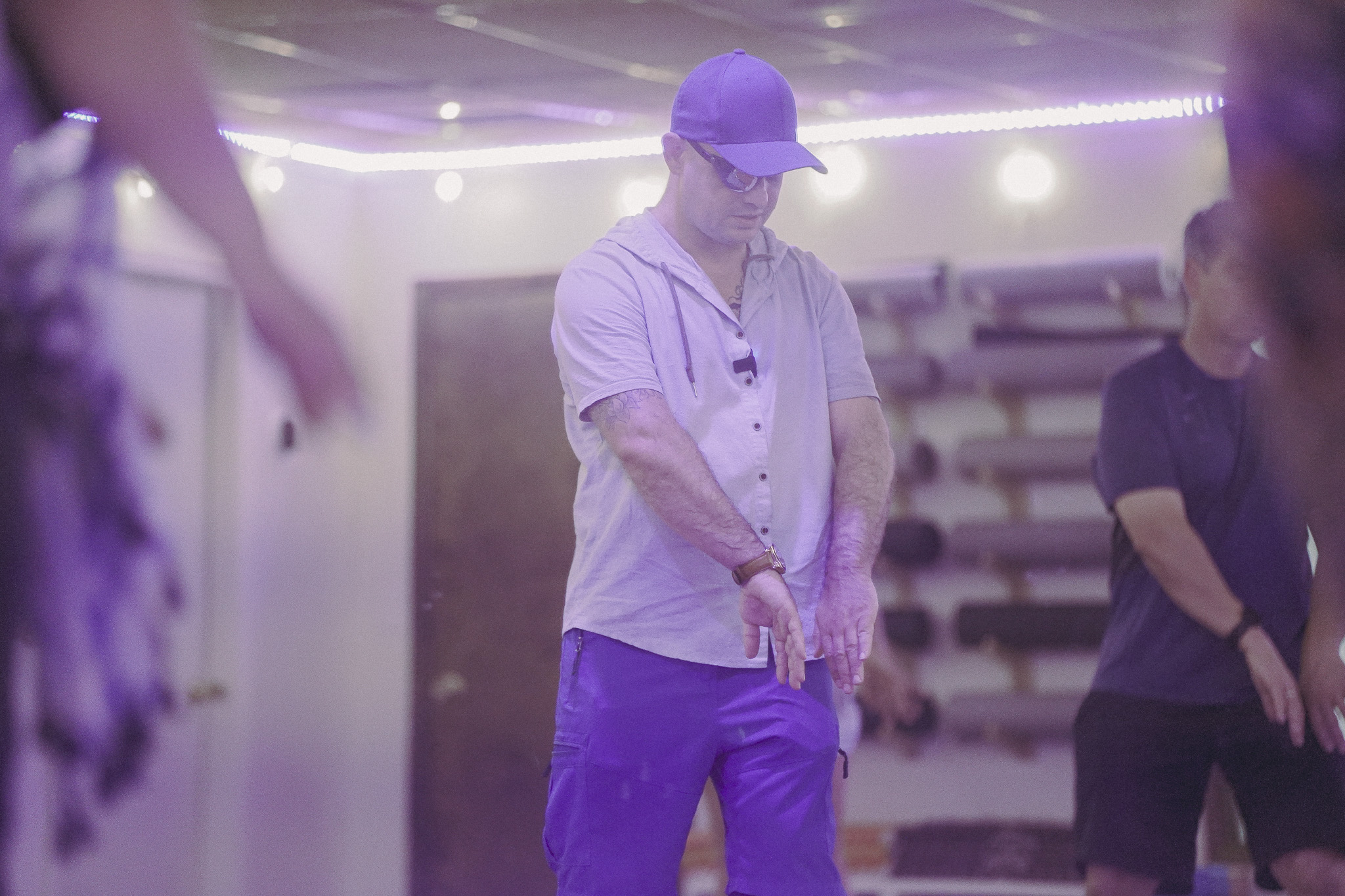
Tai Chi gives the body a slower rhythm to practice
Stress often comes with speed. Fast thoughts. Fast reactions. Fast breathing. Fast transitions. Fast decisions. Even when the body is sitting still, the inner experience can feel rushed.
Tai Chi offers a different rhythm.
The movements are slow, steady, and intentional. The body shifts weight carefully. The breath has more room to be noticed. The mind has a place to focus. The feet connect to the ground. The body is invited to move without urgency.
This matters because the nervous system learns through repetition. If the body is constantly practicing rushing, bracing, and reacting, those patterns can begin to feel normal. Tai Chi gives the body repeated practice in a different pattern: slowing down, grounding, softening, and returning.
The body often needs repeated experiences of slowness before slowing down begins to feel familiar.

The steady rhythm of Tai Chi gives the body a repeated experience of moving without urgency.
Grounding starts with the feet
One of the most practical ways Tai Chi supports grounding is through awareness of the feet.
In everyday life, many people barely notice their feet unless something hurts. The mind is usually somewhere else: in the next task, the next worry, the next message, the next responsibility.
In Tai Chi, the feet matter. You notice how they meet the floor. You notice how your weight shifts. You notice when you feel stable and when you feel unsteady. You begin to feel the relationship between your feet, legs, spine, breath, and attention.
This simple awareness can be powerful. Feeling your feet can bring you back into the present moment. It can remind the body that you are here. It can help interrupt the feeling of floating, rushing, or being pulled too far into your thoughts.
Sometimes grounding begins with the simple act of feeling your feet underneath you.
Feet
You practice noticing how your feet connect to the ground and how they support the rest of your body.
Weight
You become more aware of how weight shifts from one side to another instead of moving without attention.
Balance
You learn how small adjustments can help the body feel steadier and more supported.
Presence
You use the body as an anchor for returning to the present moment.
Tai Chi helps you notice tension without judging it
When the nervous system is carrying stress, the body often holds tension. This may show up in the shoulders, jaw, chest, hands, belly, hips, or breath.
The challenge is that many people do not notice tension until it becomes uncomfortable. They may go through the day bracing, holding, gripping, or tightening without realizing it because the pattern has become familiar.
Tai Chi helps make tension more visible. Because the movements are slow, you may notice where you are using more effort than needed. You may feel when your shoulders rise. You may notice when your jaw tightens. You may realize you are holding your breath during a simple movement.
This awareness is not about criticizing your body. It is about listening. Tension often has a reason. It may be connected to stress, protection, habit, responsibility, emotion, or the pace of daily life.
The goal is not to shame the tension. The goal is to notice it with enough care that the body can begin to soften.
The breath becomes part of the grounding process
Breath is one of the clearest ways the nervous system communicates. When stress is present, the breath may become shallow, fast, restricted, or held. When the body begins to feel safer, the breath may have more room to slow down and deepen.
In Tai Chi, breath is not usually forced. It is noticed. The slow movement gives you time to feel how the breath is moving through the body. You may notice when the breath feels tight. You may notice when an exhale helps the shoulders soften. You may notice when breath and movement begin to feel more connected.
This can be especially helpful for people who feel disconnected from their body. The breath becomes a bridge between the mind and the body. It gives attention something steady to return to without needing to control everything perfectly.
Tai Chi helps the breath become less of something you ignore and more of something you can gently listen to.
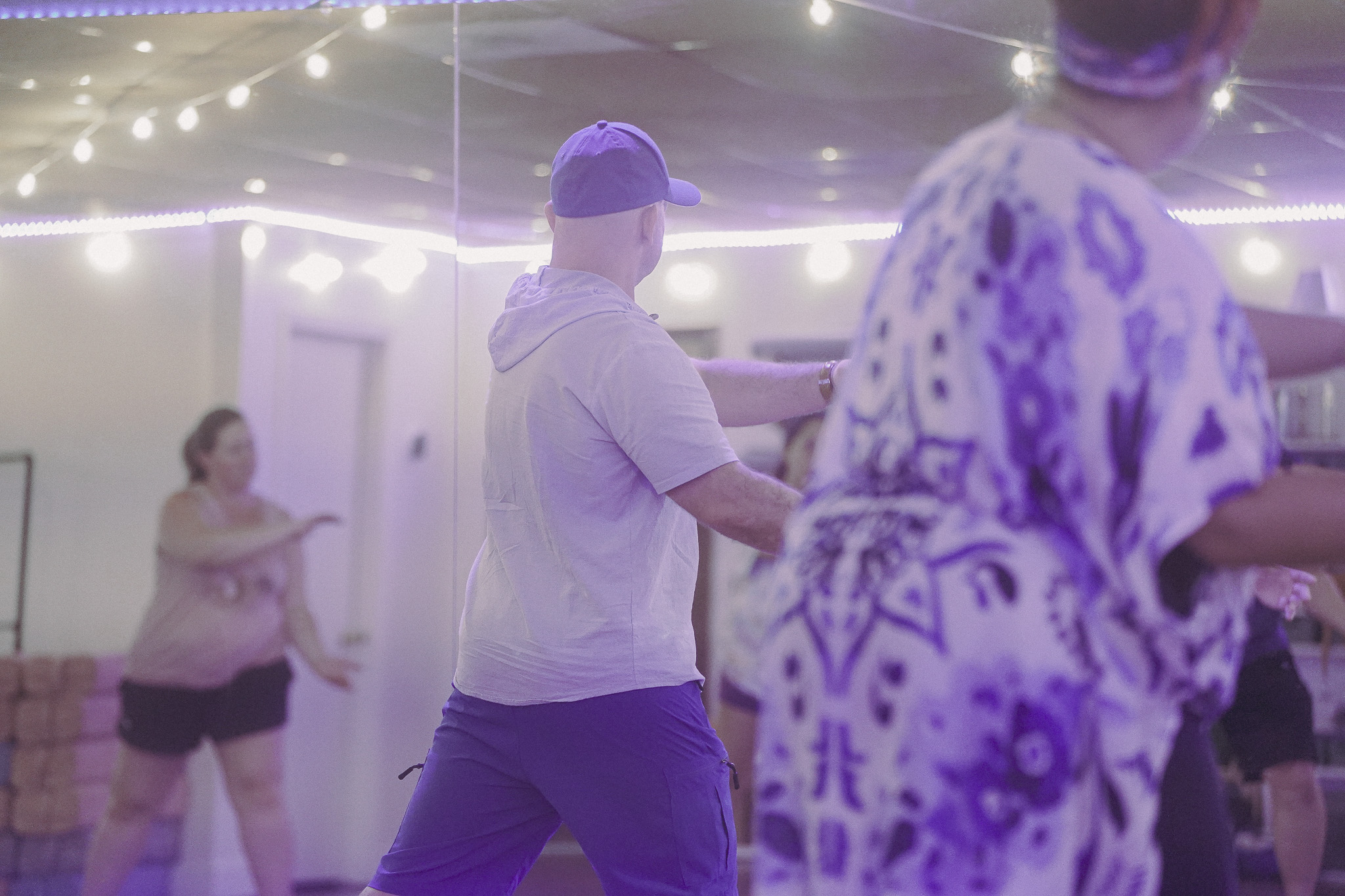

Gentle movement can feel safer than forced stillness
For some people, sitting still does not feel calming right away. The mind may get louder. The body may feel restless. Emotions may rise. Stillness may feel unfamiliar or uncomfortable, especially if the nervous system is used to being busy, alert, or constantly engaged.
This is one reason Tai Chi can be such a supportive practice. It gives people a way to slow down without having to become completely still.
The body is moving, but not rushing. The mind is focused, but not forced into silence. The breath is noticed, but not controlled aggressively. The practice creates a middle ground between doing and resting, movement and stillness, attention and softness.
Gentle movement can give the nervous system a way to slow down without feeling like it has to stop all at once.

For many people, gentle movement can be a softer doorway into presence than trying to force complete stillness.
Tai Chi helps create space between stress and reaction
When the nervous system feels activated, reactions can happen quickly. You may snap, shut down, rush, over-explain, withdraw, people-please, or push through without realizing how much your body is carrying.
Tai Chi gives you a place to practice slowing down the response. In class, you notice before you move. You shift weight before stepping. You breathe before transitioning. You feel where your body is before moving into the next shape.
Over time, this can become more than something you practice in class. You may begin to notice your body before reacting in daily life. You may feel your breath before responding to a difficult message. You may notice your shoulders before entering a hard conversation. You may catch the feeling of urgency before it becomes action.
This is how Tai Chi can support nervous system awareness in practical ways.
The space between stress and response may begin as one breath, one pause, or one moment of noticing.
Before Reacting
You may notice the first signs of activation in the breath, jaw, shoulders, chest, or pace.
During Stress
You may remember to feel your feet, soften your body, or take one slower breath.
In Conversation
You may create a small pause before responding from urgency or defensiveness.
After Class
You may notice that the practice gives you a steadier rhythm to return to throughout the day.
Grounding is built through repetition
Feeling grounded is not always instant. If your body is used to stress, rushing, or constant alertness, grounding may need to be practiced gradually.
This is why Tai Chi takes time. The practice gives the body repeated experiences of moving slowly, breathing with more awareness, feeling the feet, noticing tension, and returning to the present moment.
Each class becomes another opportunity to teach the body a steadier rhythm. Over time, the body may begin to recognize that rhythm more easily. You may begin to notice stress sooner. You may feel your breath more clearly. You may find grounding in moments where you used to move on autopilot.
That is the value of practice. Not perfection. Not instant calm. Practice.
The nervous system learns through repetition. Tai Chi gives the body repeated practice in returning to steadiness.


What feeling grounded can look like in everyday life
Feeling grounded does not mean you never feel stress. It does not mean you are always calm, always centered, or never affected by life. Grounding is not perfection.
Grounding may look like noticing that your body is tense before the tension takes over. It may look like taking a slower breath before answering a stressful email. It may look like feeling your feet during a difficult conversation. It may look like choosing to pause instead of rushing into the next thing.
Grounding may also look like coming back to yourself after you get pulled away. That part matters because we all get pulled away sometimes.
Grounding is not about never losing your center. It is about practicing how to return.
At Work
You notice your body during deadlines, meetings, emails, or moments of pressure.
At Home
You create small pauses between responsibilities instead of carrying stress into every room.
In Conflict
You feel your breath and body before responding from urgency or protection.
In Rest
You begin teaching the body that slowing down does not have to feel unsafe.
Tai Chi is not about forcing regulation
It is important to say this clearly: Tai Chi is not about forcing the nervous system to calm down on command.
Many people already have a complicated relationship with their bodies because they have spent years trying to control, override, or fix what they feel. Tai Chi offers a different relationship. Instead of forcing calm, it creates conditions where awareness, breath, grounding, and softness can become more available over time.
That may feel subtle at first. You may simply notice your shoulders. You may feel your feet. You may breathe a little more fully. You may recognize that your body has been bracing. These small moments are part of the practice.
Tai Chi does not demand calm. It gives the body repeated opportunities to remember what steadiness can feel like.
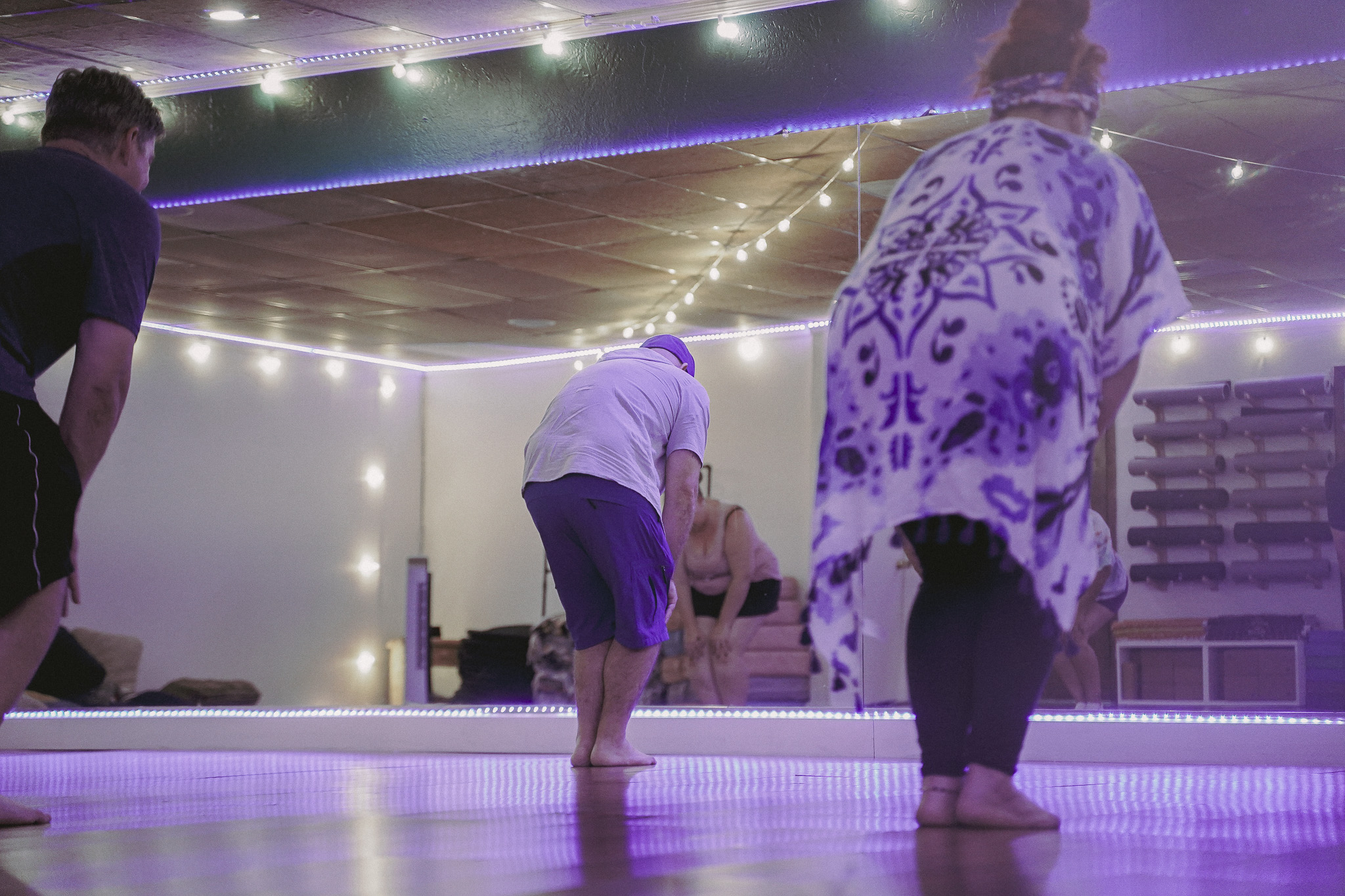
The practice is not about forcing calm. It is about creating space for the body to reconnect with steadiness.
Tai Chi and The Healing Tree Collective
At The Healing Tree Collective, we believe nervous system support should feel accessible, human, and grounded in real life. Many people are carrying stress in their bodies every day, but they do not always know how to listen until the signals become loud.
Tai Chi offers a gentle way to begin listening sooner.
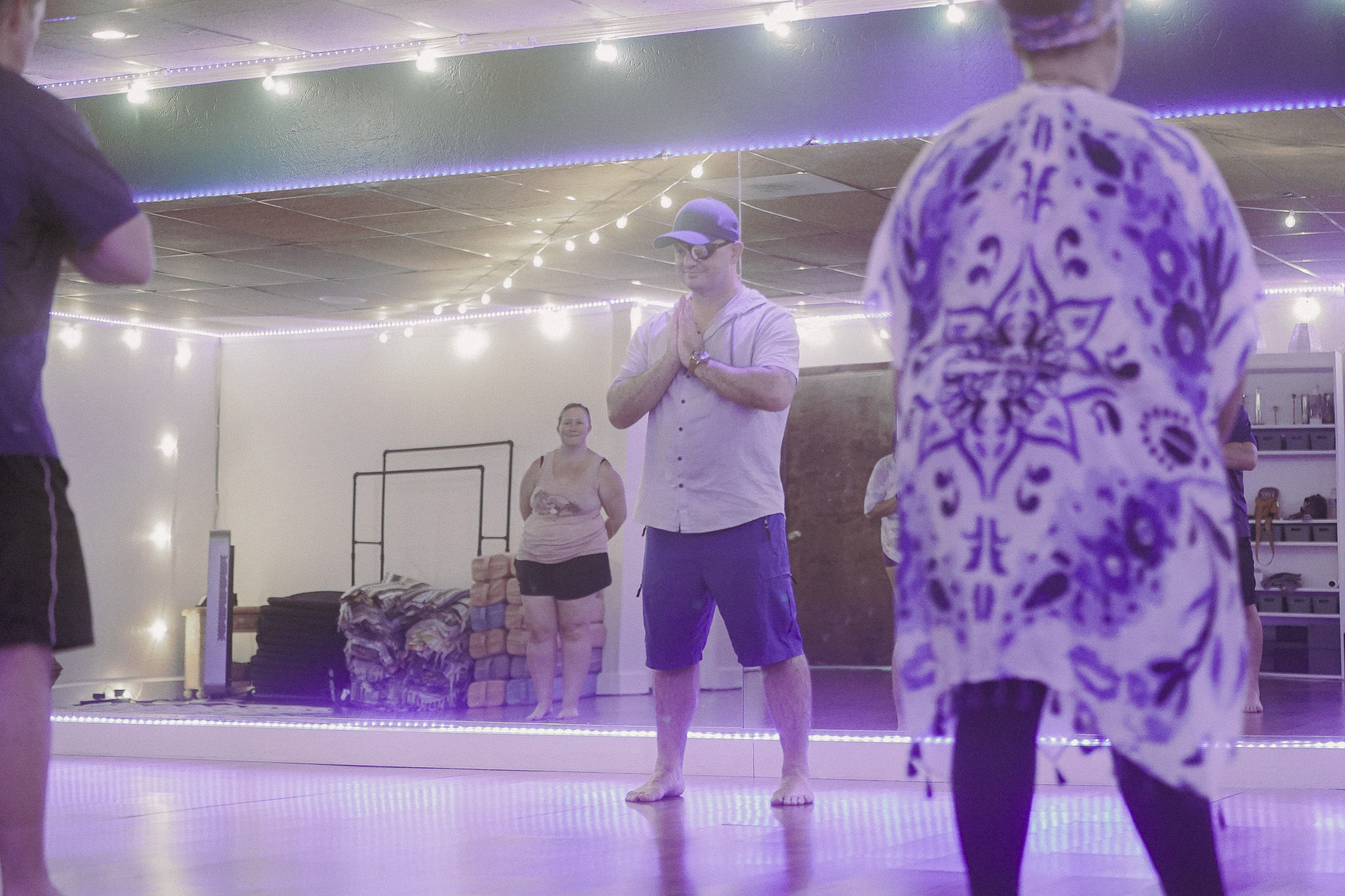
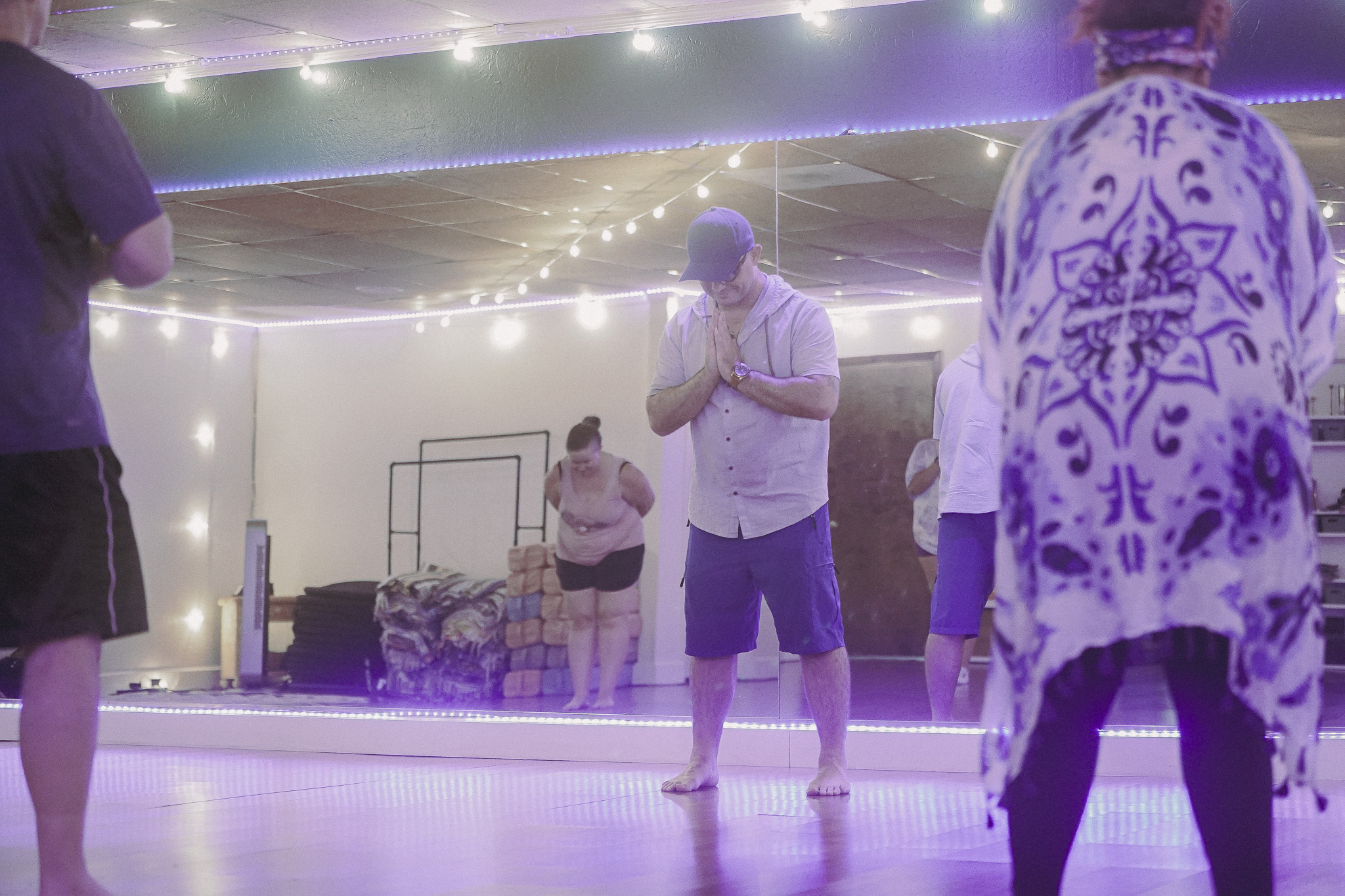
It helps people practice slowing down, feeling the feet, noticing breath, softening tension, and returning to the present moment without pressure or performance. It meets people where they are, especially those who feel overstimulated, disconnected from their bodies, or unsure how to begin a mindfulness practice.
This connects directly to our mission. We are here to create accessible wellness spaces where people can heal, grow, and reconnect with themselves through practices that feel supportive, educational, and real.
We are not just creating classes. We are creating spaces where people can practice feeling safe enough to return to their own body.
Final thoughts: grounding is something you can practice
Tai Chi can help you feel more grounded because it gives your body a practice for returning. Returning to the feet. Returning to the breath. Returning to slow movement. Returning to balance. Returning to the present moment.
When the nervous system feels overwhelmed, grounding may not happen instantly. The body may need time. It may need repetition. It may need gentle experiences that teach it a different rhythm.
That is why Tai Chi can be so supportive. It does not ask you to force calm or perform peace. It invites you to practice steadiness one movement at a time.
Tai Chi helps you feel more grounded because it teaches the body that slowing down, breathing, and returning can become a practice — not a performance.
Looking for Tai Chi and nervous system support in Tempe, Arizona?
At The Healing Tree Collective, our beginner-friendly wellness classes are designed to support stress relief, mindfulness, body awareness, and deeper connection. If you are curious about Tai Chi, moving meditation, nervous system support, or gentle mind-body practices, you are welcome to begin here.
No prior experience is needed. Come as you are. We will meet you there.