27 June 2026
Tai Chi for Mental Health: How Movement Supports Emotional Wellbeing
Mental health is not only shaped by what happens in the mind. It is also connected to the body, the breath, the nervous system, the way stress is carried, and the daily patterns that influence how a person moves through life.
When people feel stressed, emotionally overwhelmed, anxious, burned out, or disconnected, the experience is often physical as well as mental. The shoulders may tighten, the breath may become shallow, the body may feel restless or heavy, and the mind may move quickly from one thought to the next.
Tai Chi may support emotional wellbeing because it gives the body a structured way to move slowly, breathe with more awareness, feel grounded, and practice returning to the present moment without pressure or performance.

Tai Chi offers a gentle movement-based practice that can support emotional wellbeing, stress awareness, and body connection.
Tai Chi may support emotional wellbeing through:
A practical combination of movement, breath, grounding, and mindful awareness.
- Slow, intentional movement
- Breath awareness
- Grounding through the feet
- Reduced mental rushing
- Body awareness
- Mindfulness in motion
- Consistent stress management practice
Mental health support can include the body
When people think about mental health, they often think about thoughts, emotions, therapy, coping skills, medication, relationships, or life circumstances. All of those can be important, and for many people, professional mental health care is an essential part of support. At the same time, it is also important to recognize that emotional wellbeing is not separate from the body.
Stress, anxiety, grief, burnout, and emotional overwhelm often show up physically. A person may notice tight shoulders, shallow breathing, restlessness, fatigue, digestive discomfort, headaches, muscle tension, or difficulty settling at the end of the day. They may also feel disconnected from their body because their mind has been working so hard to manage responsibilities, solve problems, anticipate needs, or process emotional stress.
Tai Chi can offer a body-based complement to emotional wellbeing because it brings attention back into movement, breath, posture, balance, and physical awareness. Rather than asking a person to analyze everything they feel, Tai Chi gives the body a way to participate in care. This can be especially valuable for people who feel mentally tired, overstimulated, or unsure how to begin reconnecting with themselves.
Mental health support does not only have to happen through thinking and talking. The body can also become a place where awareness, regulation, and emotional support are practiced.
Tai Chi is not a replacement for mental health care
It is important to be clear that Tai Chi is not a substitute for therapy, medical care, psychiatric support, medication, crisis services, or any professional treatment someone may need. If someone is experiencing significant distress, persistent depression, panic, trauma symptoms, thoughts of self-harm, or difficulty functioning, it is important to seek support from a qualified mental health professional or appropriate emergency resource.
However, many people benefit from having additional supportive practices that help them care for their body and nervous system alongside professional support. Tai Chi can be one of those practices. It may help people build awareness of their body, notice stress signals sooner, practice slowing down, and create a repeated experience of moving with attention rather than urgency.
This distinction matters because wellness practices should not be presented as quick fixes or cures for mental health concerns. The value of Tai Chi is not that it replaces clinical care, but that it can help people develop a more consistent relationship with their body, breath, attention, and stress response in everyday life.
Tai Chi can be part of a supportive wellness routine, but it should not be used as a replacement for professional mental health care when that care is needed.


Movement can help people reconnect with themselves
One of the challenges many people experience during stress or emotional overwhelm is disconnection from the body. They may spend most of their time thinking, planning, remembering, worrying, or trying to manage what comes next. As a result, the body becomes something they only notice when it is tense, exhausted, in pain, or unable to keep going.
Tai Chi provides a gentle way to rebuild body awareness because the practice is slow enough to notice details that often get missed. You may begin to feel where your weight is, how your feet meet the floor, whether your shoulders are lifted, whether your breath feels restricted, or whether your body is trying to rush through the movement. These observations may seem simple, but they can help rebuild a relationship with the body that is based on listening rather than ignoring.
This kind of reconnection can support emotional wellbeing because emotions are not only thoughts. They are often experienced physically. When someone becomes more aware of their body, they may also become more aware of how stress, sadness, irritability, pressure, or emotional fatigue shows up in real time.
Body awareness can become an important part of emotional wellbeing because it helps people notice what they are experiencing before it becomes overwhelming.
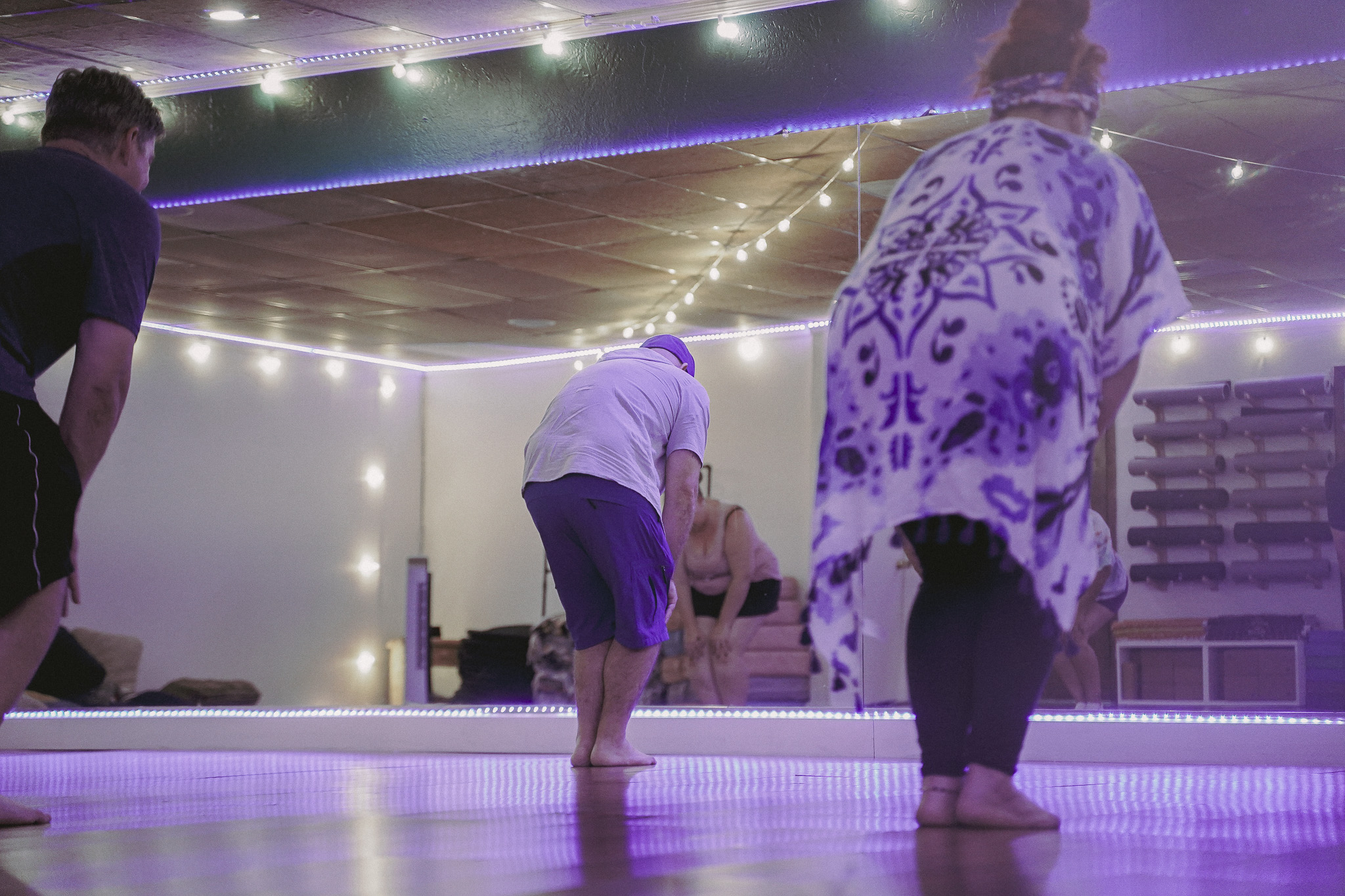
Slow movement gives the body enough space to become part of the conversation again.
Tai Chi supports emotional wellbeing through mindful attention
Mindful attention means bringing awareness to the present moment without immediately judging, fixing, or avoiding what is happening. In everyday life, this can be difficult because stress often pulls attention into the future or the past. A person may replay something that already happened, anticipate what could go wrong, or mentally prepare for tasks that have not happened yet.
Tai Chi gives the mind a specific and practical focus. Instead of trying to become still immediately, the mind follows the body. Attention can return to the feet, the breath, the hands, the posture, the shift of weight, and the transition between movements. This makes mindfulness more embodied and accessible, especially for people who struggle with seated meditation or who feel restless when asked to sit quietly.
Over time, this type of mindful attention can support emotional wellbeing by helping a person recognize when the mind is rushing, when the body is bracing, and when stress is beginning to build. The goal is not to stop every thought or emotion. The goal is to become more aware of what is happening so there is more room to respond with care.
Tai Chi supports mindfulness by giving attention a physical place to return, which can be especially helpful when the mind feels busy or overwhelmed.
Attention
The practice gives the mind a clear focus through movement, breath, posture, and balance.
Awareness
Slow movement makes it easier to notice stress patterns, tension, and emotional signals in the body.
Presence
The body becomes an anchor for returning to the present moment when thoughts begin to move quickly.
Response
With practice, awareness can create more space between emotional activation and automatic reaction.
Gentle movement can help when stillness feels difficult
Although stillness can be helpful for many people, it can also feel difficult when someone is stressed, anxious, burned out, or emotionally overwhelmed. Sitting quietly may cause the mind to feel louder, the body to become restless, or emotions to feel more intense. This does not mean someone is doing mindfulness incorrectly. It may simply mean that stillness is not the most accessible starting point in that moment.
Tai Chi can be a useful alternative because it offers mindfulness through movement. The body remains active, but the movement is gentle and slow. This gives the mind a structure to follow while the body gradually enters a slower rhythm. For people who have difficulty meditating in stillness, Tai Chi can make present-moment awareness feel more approachable.
This is one reason Tai Chi can be supportive for emotional wellbeing. It gives people a way to practice awareness without having to force themselves into a state that their nervous system may not yet be ready to access. Instead of demanding calm, the practice creates conditions where calm may become more available through repetition.
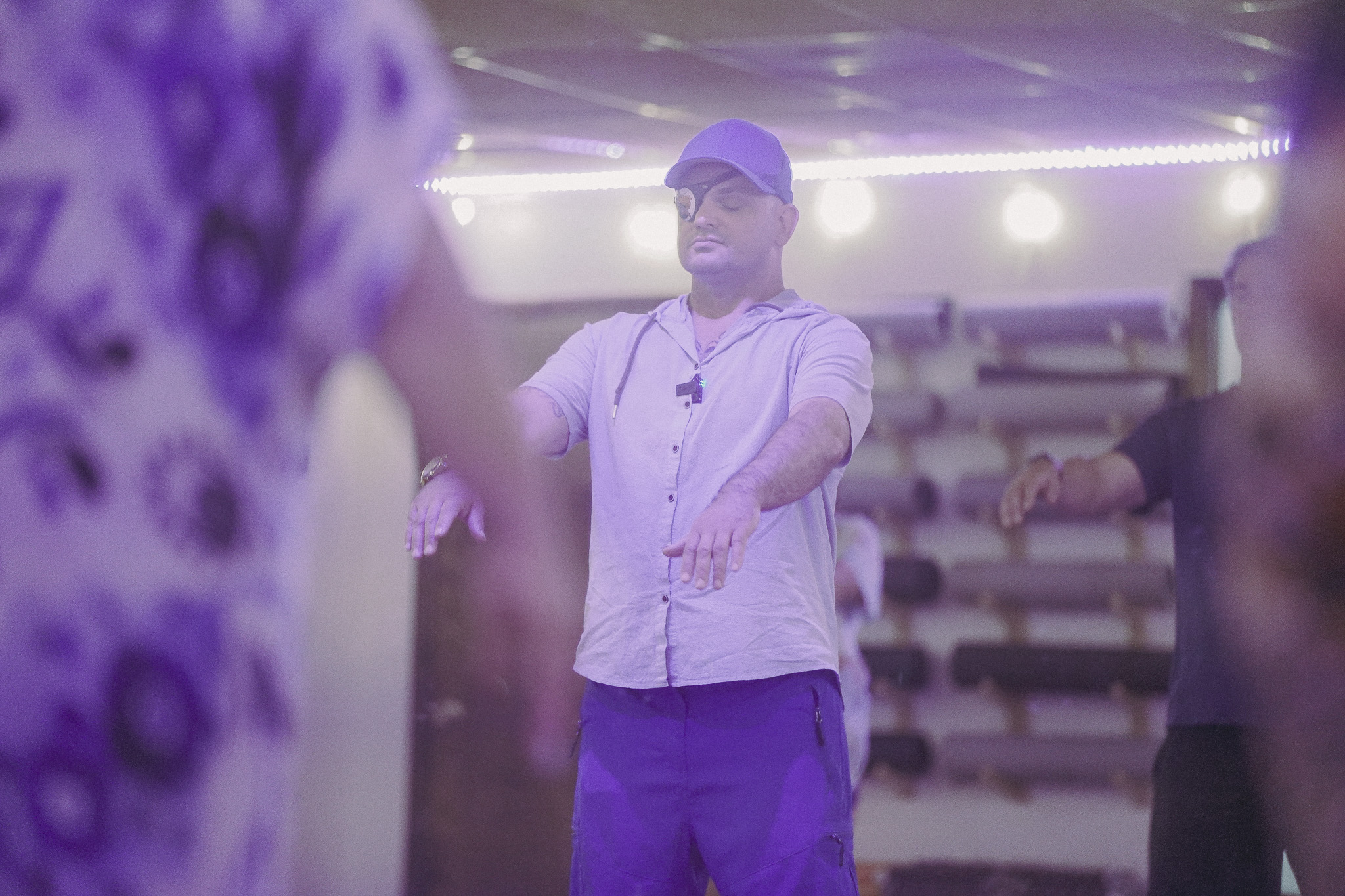
For some people, moving slowly is a more accessible first step than trying to sit completely still.

Tai Chi can help create a steadier relationship with stress
Emotional wellbeing is closely connected to how a person relates to stress. Stress cannot always be removed, and many responsibilities in life require ongoing attention. What can change, however, is a person’s ability to notice stress earlier, recognize how it affects the body, and practice returning to a more grounded state.
Tai Chi supports this process because it gives the body repeated experiences of slowing down and paying attention. In class, you practice noticing the breath, shifting weight with care, staying present through transitions, and releasing unnecessary tension. These are not only movement skills; they are stress management skills that can become useful outside of class.
For example, a person may begin noticing when they hold their breath while answering emails, when their shoulders tighten during conflict, or when their body starts rushing even though the situation does not require urgency. These small moments of awareness can support emotional wellbeing because they create an opportunity to respond rather than automatically continue the stress pattern.
Tai Chi does not remove every stressor from life, but it can help people build a more aware and grounded relationship with how stress shows up in the body.
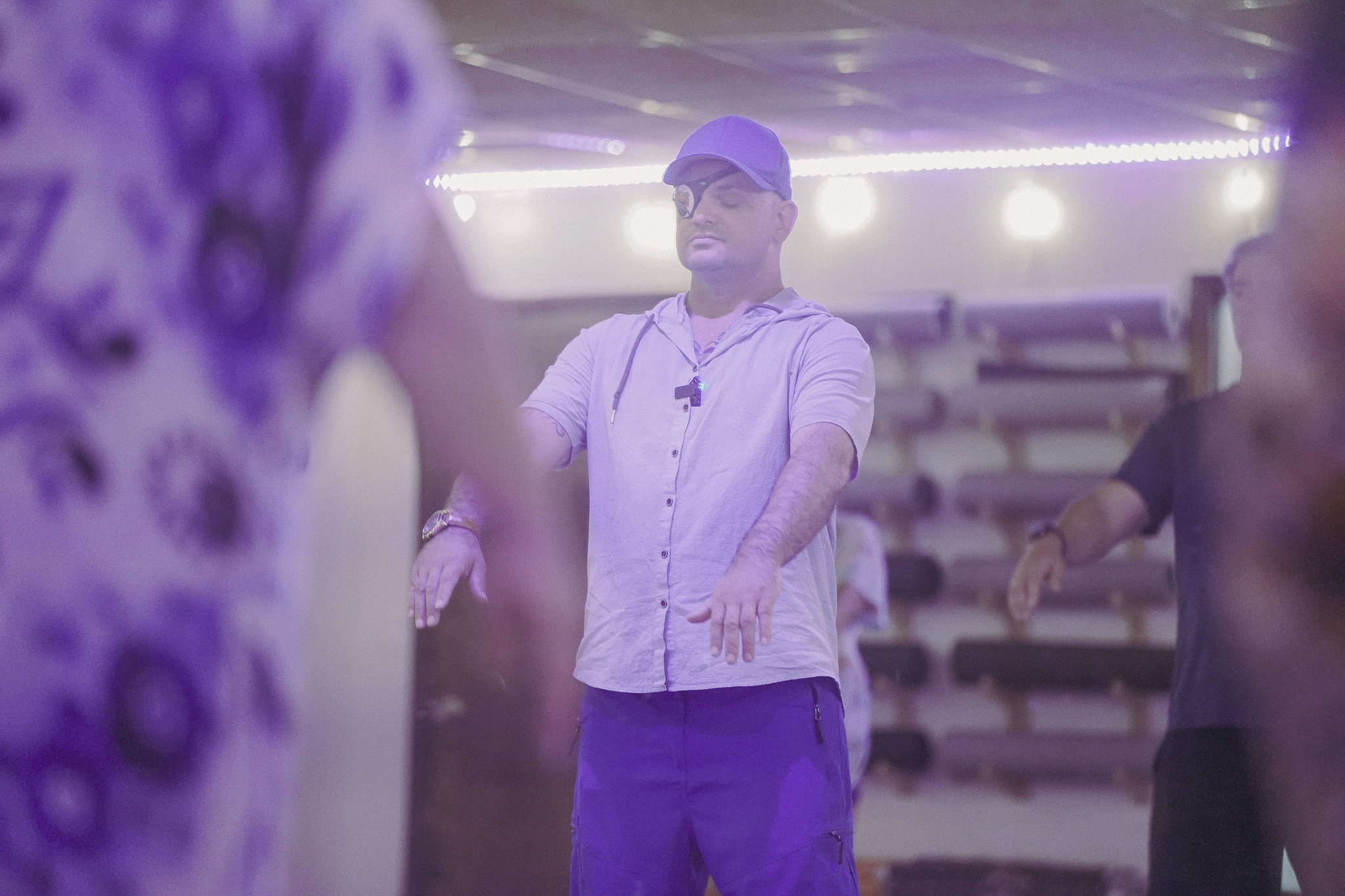
The practice can support emotional wellbeing by helping people notice stress earlier and return to the body with more awareness.
Why emotional wellbeing benefits often build over time
Tai Chi is not usually a one-time solution. While some people may feel calmer or more grounded after a single class, many of the deeper benefits develop through consistent practice. This is important because emotional wellbeing is not only about immediate relief. It is also about building supportive patterns that can help a person move through life with more awareness, steadiness, and self-connection.
Over time, the repeated rhythm of Tai Chi may help the body become more familiar with slowing down. The mind may become more comfortable returning to the present moment. The breath may become easier to notice. Tension may become easier to recognize. A person may begin to understand how their body responds to stress, uncertainty, or emotional pressure.
This gradual process can be especially meaningful for people who are used to pushing through their emotions or disconnecting from their bodies. Rather than expecting a sudden breakthrough, Tai Chi invites a slower and more sustainable relationship with healing. The practice becomes less about doing every movement perfectly and more about returning with consistency.
Emotional wellbeing is often supported through repeated practices that help the body and mind learn how to return, not through one perfect moment of calm.
Early Practice
You may mainly focus on learning the pace, movements, balance, and basic coordination of the class.
Growing Awareness
With repetition, you may begin noticing breath patterns, body tension, emotional responses, and mental rushing.
Daily Integration
Over time, the awareness practiced in class may begin showing up in conversations, work stress, transitions, and rest.
Long-Term Support
The practice can become part of a broader wellness routine that supports stress management and self-connection.
Tai Chi can support people who feel emotionally overwhelmed
Emotional overwhelm can make it difficult to know what kind of support is needed. Sometimes talking feels helpful. Other times, words feel unavailable or exhausting. Sometimes rest is needed, but the body does not know how to settle. Sometimes movement is needed, but intense exercise feels like too much.
Tai Chi can be supportive in these moments because it offers a middle ground. The body moves, but gently. The mind focuses, but does not have to solve everything. The breath is noticed, but not forced. The practice creates a structure where a person can be with themselves without needing to explain, analyze, or perform an emotional release.
This can be especially helpful for people who are carrying a lot internally. Tai Chi gives the body a way to participate in emotional care without requiring the person to process everything at once. The movement becomes a container for attention, and the slower pace allows space for awareness to develop gradually.
When emotions feel overwhelming, gentle movement can offer a way to reconnect with the body without requiring immediate explanation or intensity.


Emotional wellbeing also includes self-trust
Many people lose trust in their own signals over time. They may ignore fatigue until they are exhausted, push through stress until they are overwhelmed, or dismiss emotional discomfort because they are used to taking care of everyone else first. In this way, emotional wellbeing is not only about feeling better. It is also about rebuilding trust with the body and learning how to listen sooner.
Tai Chi can support this kind of self-trust because it encourages observation instead of judgment. The practice asks you to notice where your body is, how your breath feels, whether your movement is rushed, and where tension may be present. These observations help create a more honest relationship with your internal experience.
As that relationship grows, a person may begin to recognize needs earlier. They may notice when they need rest, when they are becoming overstimulated, when they are pushing past capacity, or when the body is asking for a slower rhythm. This awareness can support healthier emotional patterns because it strengthens the connection between what the body communicates and how the person responds.
Self-trust grows when people learn to notice their internal signals and respond with care instead of ignoring them until they become overwhelming.

Tai Chi can help people practice listening to the body with more patience, clarity, and consistency.
How Tai Chi can fit into a broader mental health routine
Tai Chi is most helpful when it is understood as one supportive part of a broader approach to wellbeing. Depending on a person’s needs, that broader approach may include therapy, medical care, medication, supportive relationships, rest, nutrition, sleep, time outdoors, creative expression, spiritual practice, community, or other forms of movement.
The value of Tai Chi is that it can provide a consistent body-based practice within that larger system of care. It does not require special equipment, intense physical effort, or advanced experience. In a beginner-friendly setting, it can offer a steady opportunity to move, breathe, notice, and return.
For people who are already receiving mental health support, Tai Chi may also help them integrate awareness into the body. Therapy may help someone understand their thoughts, emotions, relationships, or patterns, while Tai Chi may help them notice how those patterns are carried physically. This can create a more complete sense of support because emotional wellbeing often involves both understanding and embodiment.
Tai Chi can complement mental health support by helping people practice awareness in the body, where stress and emotion are often carried.
Alongside Therapy
Tai Chi can provide a body-based practice that supports awareness between sessions, without replacing clinical care.
As Weekly Self-Care
A regular class can create a consistent place to slow down, check in, and reconnect with the body.
For Stress Awareness
The practice can help you notice how stress affects breath, posture, movement, and tension.
For Emotional Regulation
Slow movement can support the practice of pausing, grounding, and returning before reacting automatically.
Tai Chi and The Healing Tree Collective
At The Healing Tree Collective, we believe mental health and emotional wellbeing should be supported through accessible, grounded, and whole-person care. We are not a therapy clinic, and our classes are not a replacement for licensed mental health services. However, we believe that practices such as Tai Chi, breathwork, meditation, sound, yoga, and energy work can provide meaningful support for people who want to reconnect with their bodies and develop a more compassionate relationship with themselves.
Many people come to wellness spaces because they are tired of living disconnected from their body. They may be managing stress, carrying emotional weight, recovering from burnout, or trying to find a practice that helps them slow down without feeling overwhelmed. Tai Chi fits into this work because it offers a gentle, structured, and beginner-friendly way to build body awareness, breath awareness, and present-moment attention.
Our mission is to create spaces where people can heal, grow, and reconnect with themselves in ways that feel supportive and real. Tai Chi supports that mission because it helps people practice emotional wellbeing through movement, not only through thought. It allows the body to become part of the healing conversation.
At The Healing Tree Collective, we see Tai Chi as one accessible pathway for helping people reconnect with their body, regulate stress with more awareness, and build emotional support through consistent practice.
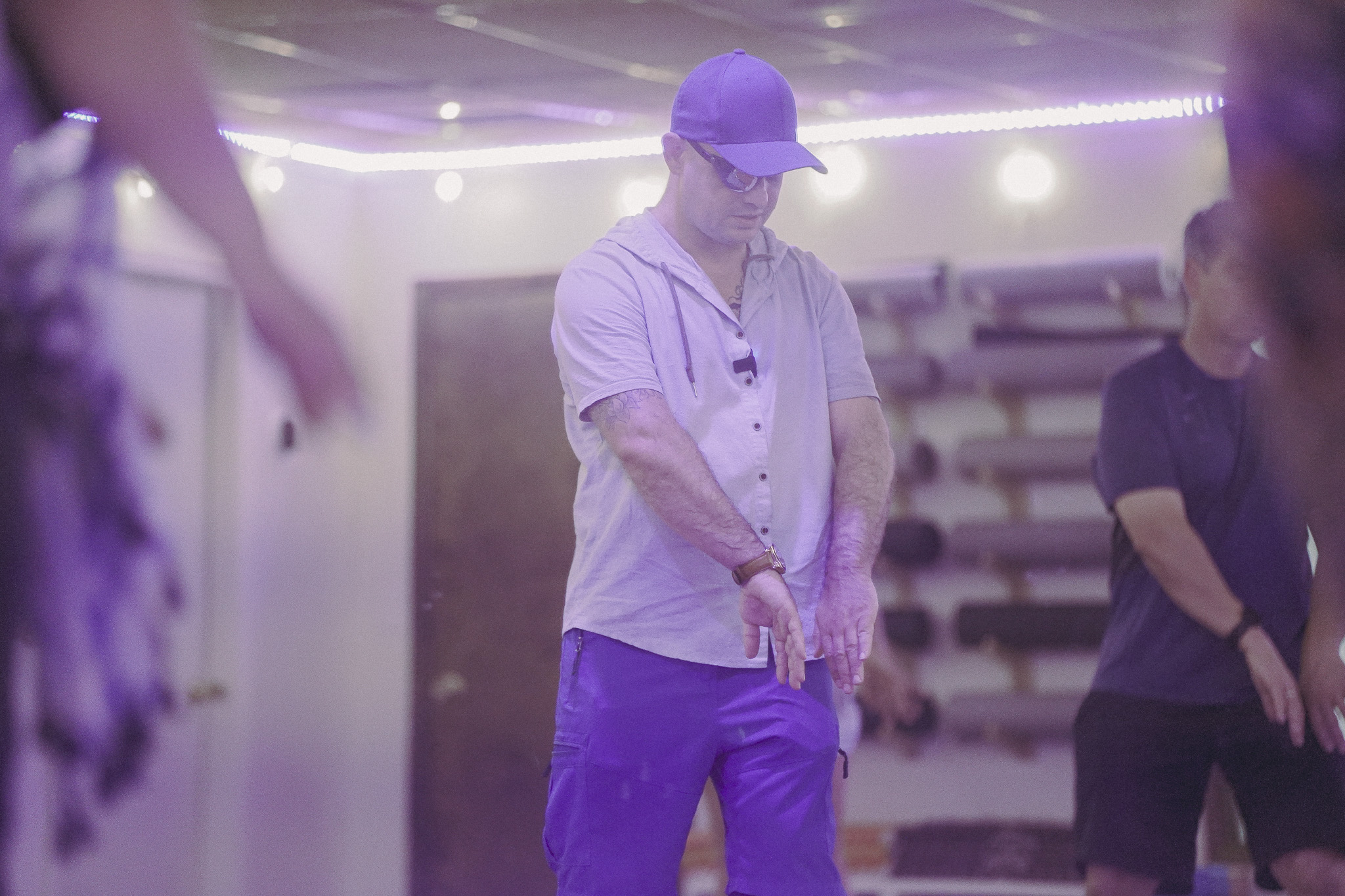

Final thoughts: movement can be part of emotional wellbeing
Tai Chi may support mental health and emotional wellbeing because it gives the body a practical way to participate in care. Through slow movement, breath awareness, grounding, balance, and mindful attention, the practice can help people notice stress, reconnect with the body, and create more space between emotional activation and response.
The benefits are often subtle and gradual. Tai Chi is not about forcing calm, achieving perfection, or replacing professional care. It is about creating a consistent practice where the body can move with awareness, the mind can return to the present moment, and the person can develop a more supportive relationship with themselves over time.
For people who feel stressed, emotionally overwhelmed, burned out, or disconnected, Tai Chi can be a gentle and accessible place to begin. It does not ask you to have everything figured out before you arrive. It simply offers a structured way to move, breathe, notice, and return.
Tai Chi supports emotional wellbeing by reminding us that movement can be more than exercise. It can be a way of listening, grounding, and reconnecting with the body in real life.
Looking for Tai Chi for mental health and emotional wellbeing in Tempe, Arizona?
At The Healing Tree Collective, our beginner-friendly wellness classes are designed to support stress relief, mindfulness, body awareness, and deeper connection. If you are curious about Tai Chi, moving meditation, emotional wellbeing, or gentle mind-body practices, you are welcome to begin here.