28 June 2026
Tai Chi for Anxiety: A Gentle Practice for a Racing Mind
Anxiety can make the mind feel as though it is constantly moving. Thoughts may move quickly from one concern to another, the body may feel tense or restless, and even quiet moments can feel difficult to settle into.
For many people, anxiety is not only experienced as worry. It may also show up physically through shallow breathing, tight shoulders, a clenched jaw, chest tension, stomach discomfort, difficulty relaxing, or the feeling that the body is preparing for something even when there is no immediate threat.
Tai Chi may support people experiencing anxiety-related stress because it provides a gentle, structured way to move slowly, focus attention, reconnect with the body, and practice grounding without requiring stillness, intensity, or perfection.
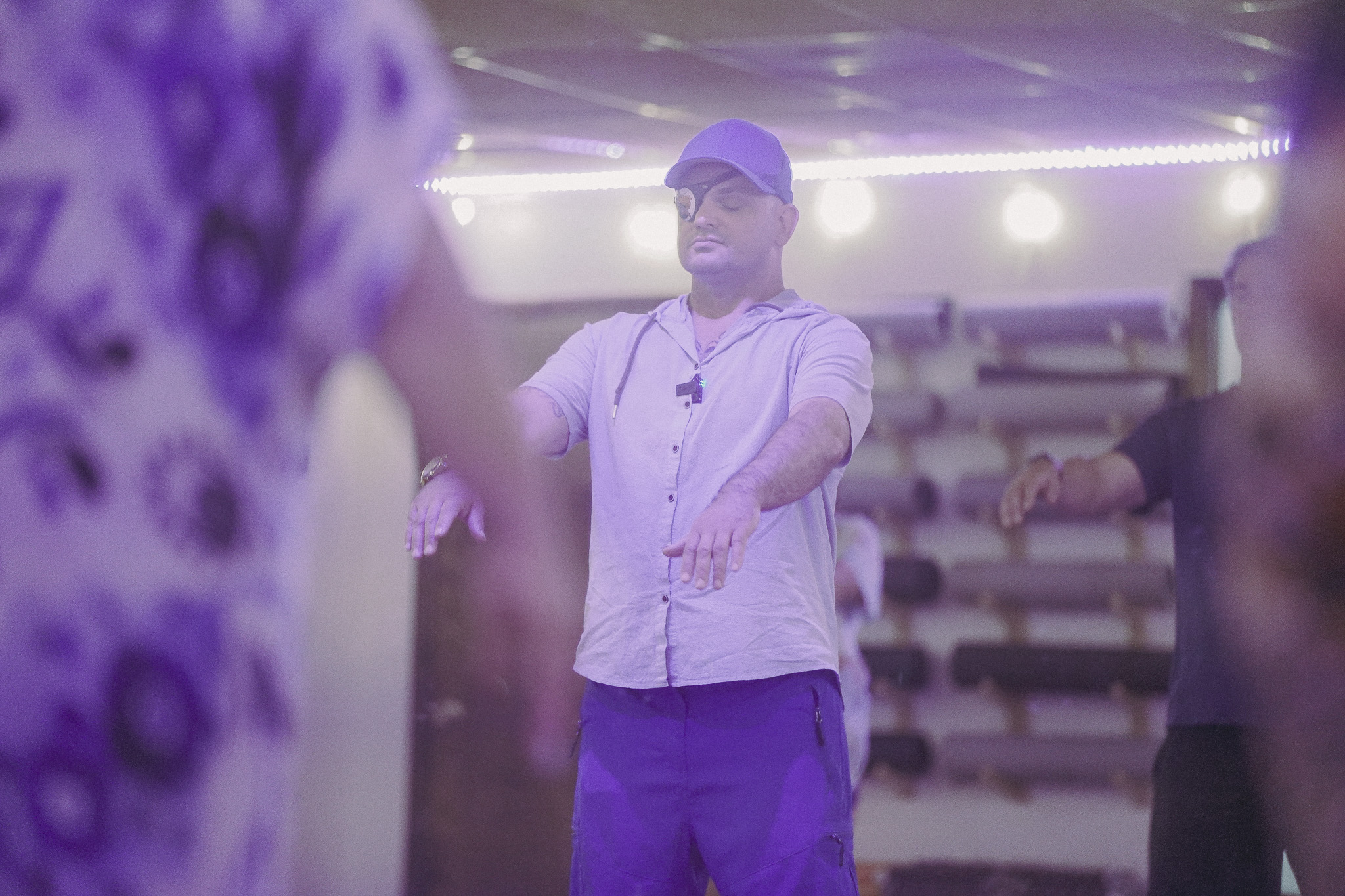
Tai Chi offers a gentle movement-based practice for people whose minds feel busy, restless, or overstimulated.
Tai Chi may feel supportive when anxiety shows up as:
A combination of mental, emotional, and physical stress signals.
- Racing thoughts
- Restlessness
- Difficulty relaxing
- Shallow breathing
- Muscle tension
- Feeling disconnected from the body
- Trouble staying present
Understanding anxiety as a mind-body experience
Anxiety is often described as a mental experience because it frequently involves worry, anticipation, overthinking, fear, or difficulty quieting the mind. However, anxiety is also strongly connected to the body. A person may feel anxious thoughts in the mind while also experiencing tension, restlessness, fatigue, shallow breathing, digestive changes, or a sense of internal urgency.
This matters because approaches that only address anxiety as a thinking problem may not fully support how anxiety is being carried physically. Many people know logically that they are safe, capable, or prepared, yet their body still feels activated. They may understand that a worry is unlikely to happen, but their breath, muscles, and nervous system may still respond as though something requires immediate attention.
Tai Chi can be helpful as a supportive practice because it engages the body in the process of calming and focusing. Instead of trying to think your way out of a racing mind, the practice invites you to place attention on movement, breath, posture, balance, and grounding. This body-based focus can help create a practical pathway back to the present moment.
Anxiety is not always resolved by telling the mind to calm down. Sometimes the body also needs a way to practice safety, presence, and steadiness.
Tai Chi is not a replacement for anxiety treatment
Before discussing the benefits of Tai Chi, it is important to name a clear boundary. Tai Chi is not a replacement for therapy, medication, medical care, psychiatric support, trauma-informed treatment, or crisis services. If anxiety is persistent, severe, interfering with daily life, causing panic, disrupting sleep, or making it difficult to function, support from a qualified mental health professional may be needed.
At the same time, many people benefit from supportive practices that can be used alongside professional care or as part of a broader wellness routine. Tai Chi may support anxiety-related stress by helping people become more aware of the body, slow the pace of movement, focus attention through gentle practice, and develop a more grounded relationship with stress signals.
This distinction is important because wellness practices should not be presented as cures for anxiety. The value of Tai Chi is that it can offer an accessible tool for practicing breath awareness, body awareness, and emotional steadiness. It may be one part of a larger support system, not the entire support system by itself.
Tai Chi may support anxiety-related stress, but it should not replace professional mental health care when that care is needed.
Why racing thoughts can feel difficult to interrupt
Racing thoughts can be exhausting because the mind often moves faster than the body can process. A person may jump from one concern to another, imagine multiple outcomes, replay past conversations, prepare for future responsibilities, or search for certainty in situations that feel unresolved. Even when the person wants to rest, the mind may continue scanning, planning, and problem-solving.
For many people, trying to stop thoughts directly can create additional frustration. The more they try to force the mind to be quiet, the more aware they become of how loud the mind feels. This can make traditional meditation or silent rest feel intimidating, especially for beginners or for people who are already overstimulated.
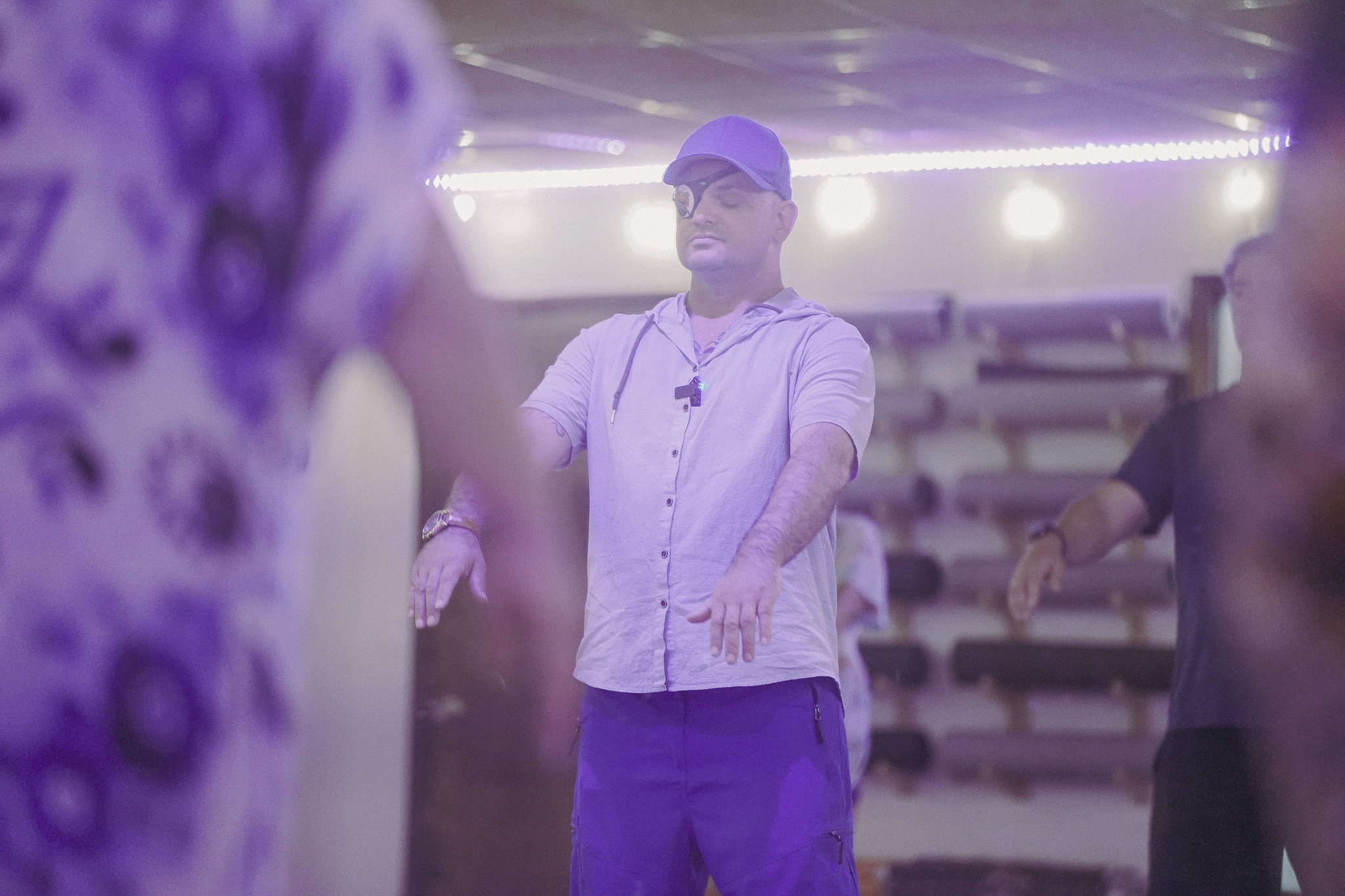
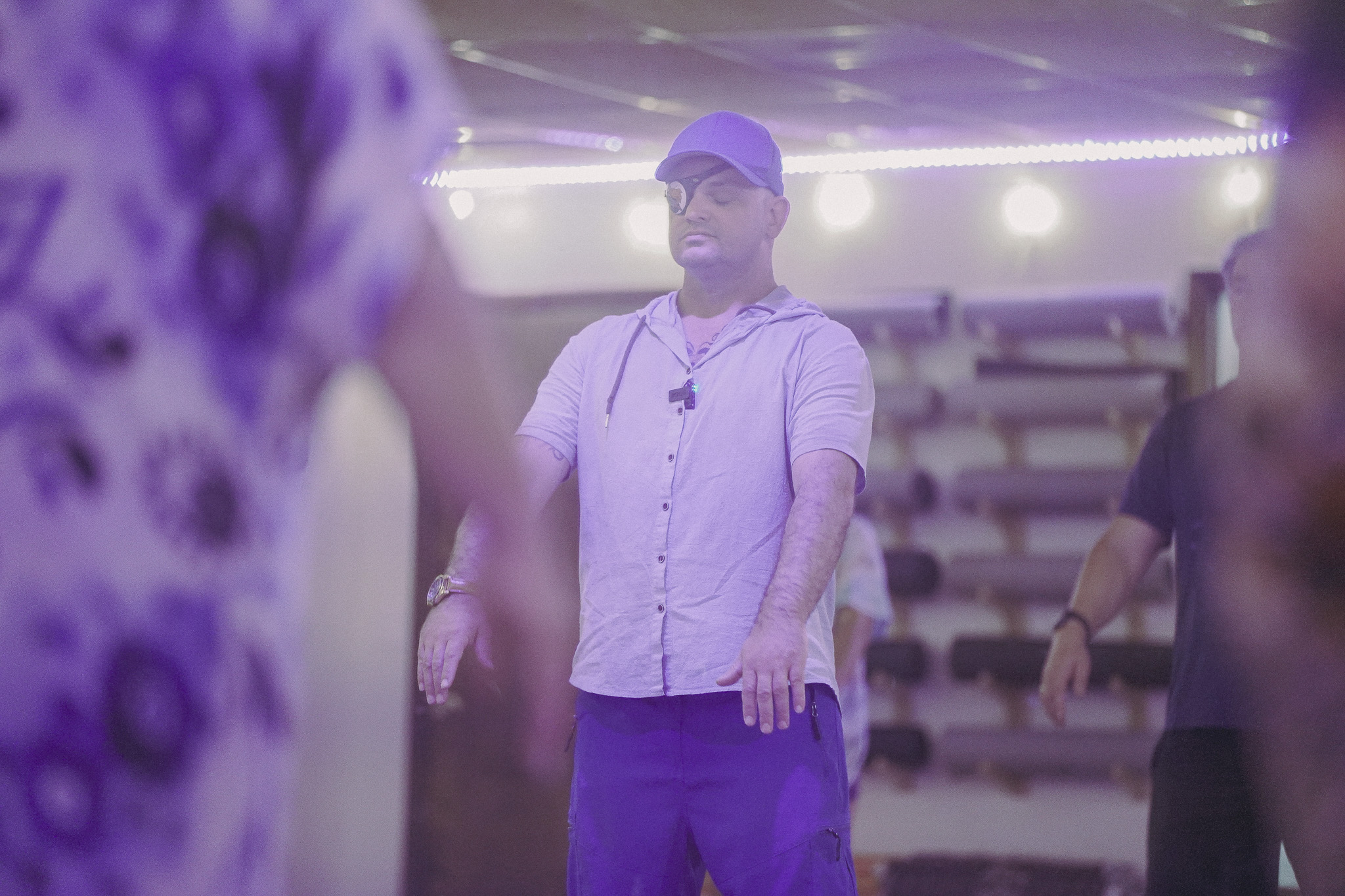
Tai Chi offers a different entry point because it does not require the mind to become empty. Instead, the practice gives attention a physical task. The mind can follow the feet, the hands, the shift of weight, the breath, the posture, and the timing of each movement. When thoughts wander, the body provides a clear place to return.
For a racing mind, Tai Chi can be useful because it offers attention a structured pathway back into the body.

Moving meditation can feel more accessible than stillness when the mind feels busy or overstimulated.
Tai Chi helps bring attention back to the present moment
Anxiety often pulls attention into the future. The mind may focus on what could happen, what might go wrong, what needs to be prepared, or what cannot yet be controlled. While planning and problem-solving can be useful in certain situations, anxiety can make the future feel more immediate than the present moment.
Tai Chi helps bring attention back to what is happening now. The practice asks you to notice where your feet are placed, how your weight is shifting, how your breath feels, and how the body moves from one posture into the next. These details create a present-moment focus that is concrete and physical rather than abstract.
This can be especially helpful because the body exists in the present moment even when the mind is focused elsewhere. By returning attention to movement and sensation, Tai Chi provides a way to reconnect with the body as an anchor. Over time, this can support a person’s ability to notice when they are mentally pulled away and practice returning with more awareness.
Present-moment awareness becomes more practical when the body has something specific to feel, follow, and return to.
Feet
Feeling the feet connect to the floor can help redirect attention away from racing thoughts and back into the body.
Breath
Noticing the breath during movement can help identify when anxiety is affecting the body’s rhythm.
Posture
Slow movement makes it easier to notice whether the body is bracing, collapsing, leaning, or carrying tension.
Transition
The space between movements helps train patience, attention, and awareness rather than rushing into the next moment.
Gentle movement can feel more accessible than stillness
Although stillness can be supportive for many people, it is not always the easiest place to begin when anxiety is present. Sitting quietly may bring more awareness to racing thoughts, restlessness, tightness, or emotional discomfort. This can make people feel as though they are not “good” at meditation, when in reality they may simply need a different way into mindfulness.
Tai Chi provides that alternative by allowing the body to remain gently engaged. The movement is slow and intentional, but the body is not asked to be completely still. This can create a middle ground for people who feel too mentally active for silent meditation but too depleted or overstimulated for intense exercise.
Because the practice has structure, the mind is not left without direction. The sequence of movement, the teacher’s guidance, and the physical sensations of shifting weight all provide a framework for attention. For people with anxiety, that structure can make mindfulness feel more approachable and less overwhelming.
Tai Chi can make mindfulness more accessible because it allows the body to move while the mind practices returning.

Breath awareness can support a calmer relationship with anxiety
The breath often changes when anxiety is present. A person may breathe more shallowly, hold the breath without realizing it, or feel as though the breath is stuck high in the chest. Because these patterns can become familiar, many people do not notice the breath until discomfort becomes more obvious.
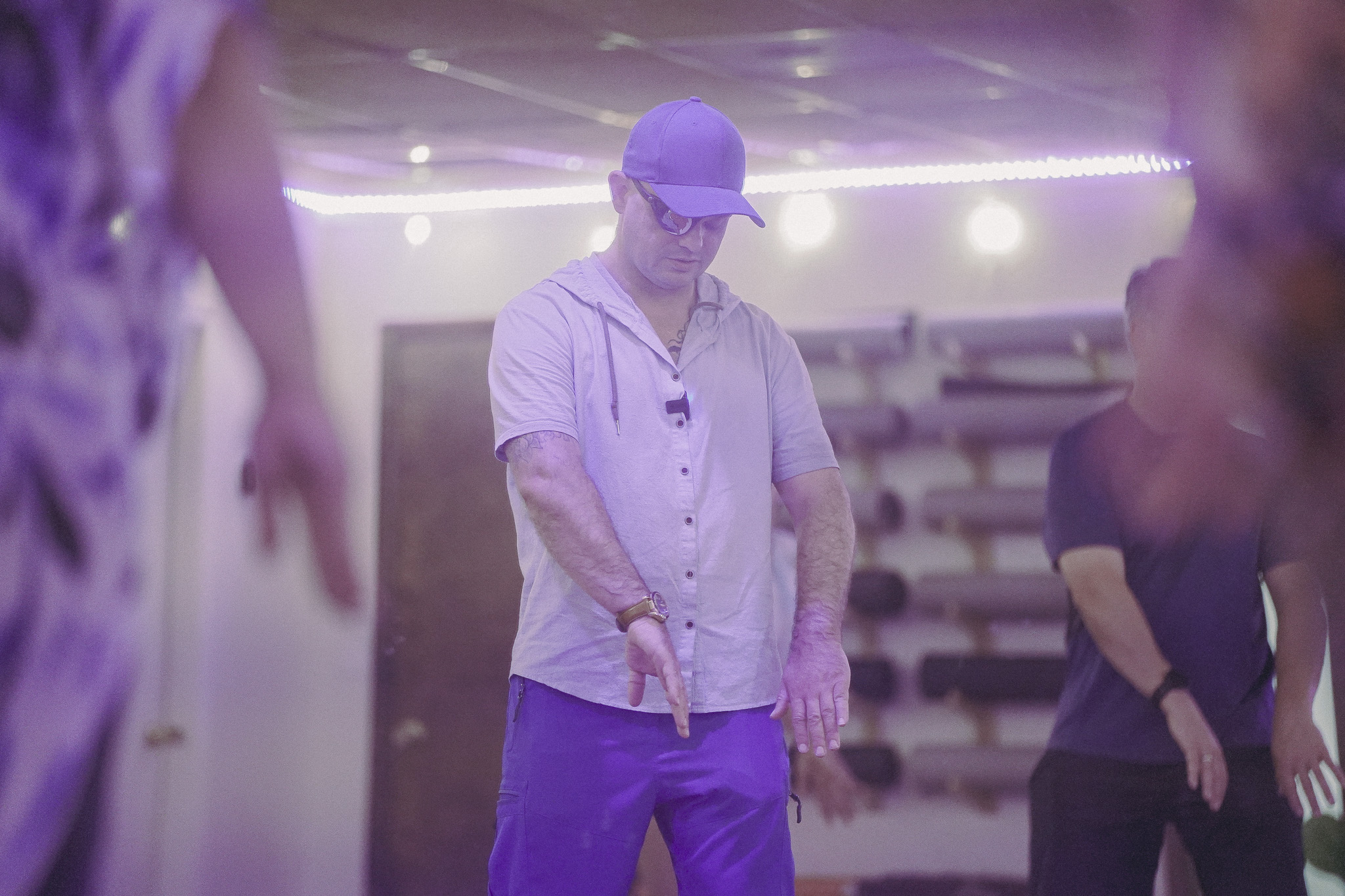
In Tai Chi, breath awareness develops gradually through movement. The practice does not require forcing the breath into a perfect rhythm. Instead, the slower pace makes it easier to notice how the breath is moving, where it feels restricted, and whether the body is holding tension while trying to focus.
This is meaningful because breath awareness can help a person recognize anxiety in the body earlier. Rather than waiting until the mind feels completely overwhelmed, a person may begin noticing physical cues such as shallow breathing, tight shoulders, or a braced chest. These cues can become invitations to pause, slow down, and reconnect with the body.
Breath awareness does not require perfect breathing. It begins with noticing how the body is breathing in the moment you are actually in.
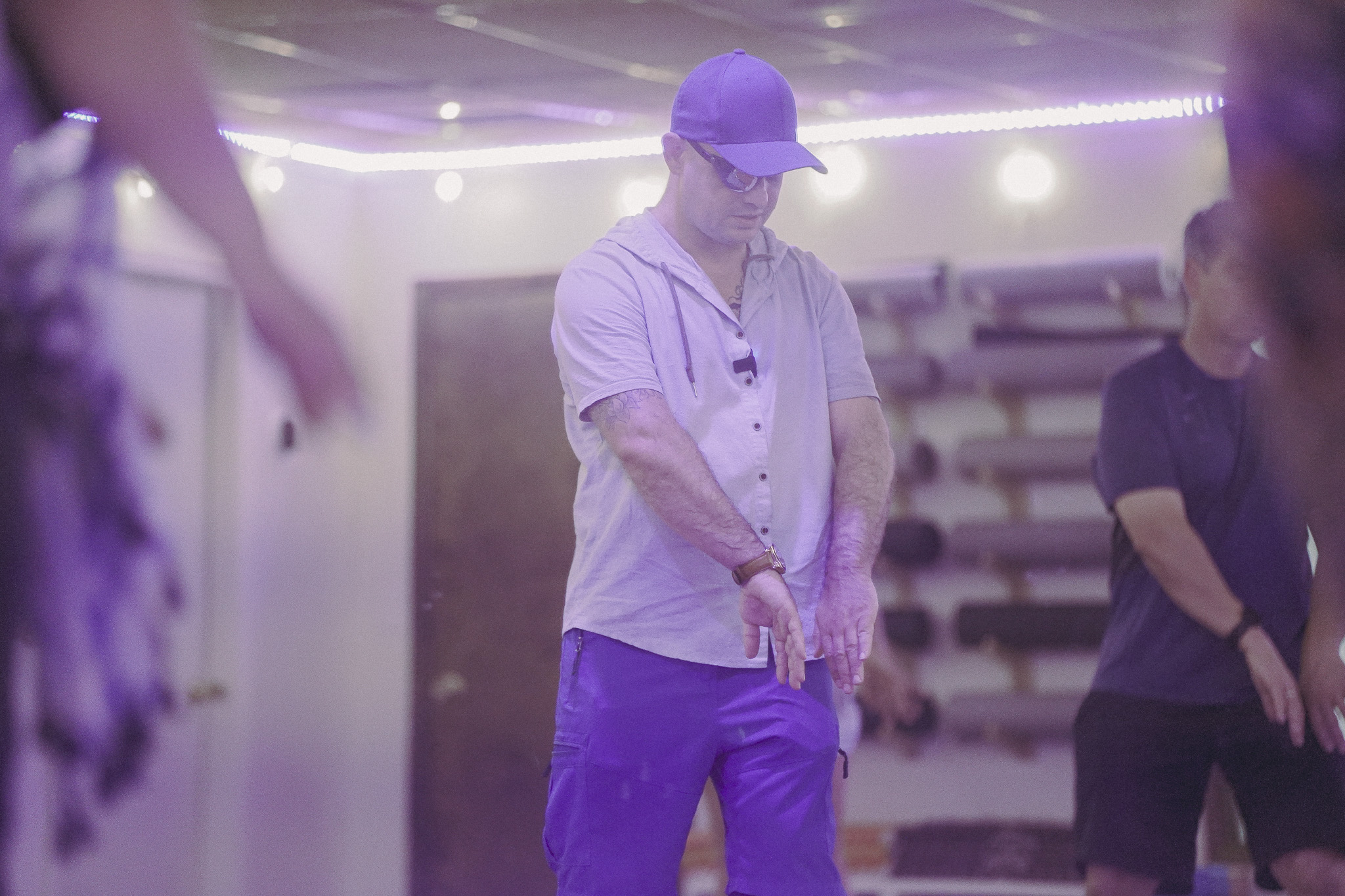
The slower pace of Tai Chi creates space to notice the breath without forcing the body to relax on command.
Tai Chi can help reduce the feeling of urgency
Anxiety often creates a sense of urgency. The body may feel as though something needs to be solved immediately, even when the situation does not require immediate action. This urgency can influence posture, speech, decision-making, communication, and the ability to rest.
Tai Chi introduces a very different rhythm. The movements are slow, continuous, and deliberate. Instead of rushing from one posture to the next, the practice asks the body to stay present through each transition. This can be uncomfortable at first for people who are used to moving quickly, but it is also one of the reasons the practice may feel supportive over time.
By repeatedly practicing slow movement, the body receives a different experience from the one anxiety often creates. It learns that movement does not always need to be urgent, that attention can remain steady, and that transitions can happen with care. This does not remove every anxious thought, but it can help build a more grounded internal rhythm.
Tai Chi supports anxiety-related stress by giving the body repeated practice in moving without urgency.
The practice can help identify anxiety patterns in the body
One of the practical benefits of Tai Chi is that it can help reveal how anxiety shows up physically. Because the movements are slow and mindful, small patterns become easier to recognize. A person may notice that their shoulders lift when they are concentrating, their jaw tightens when they feel unsure, or their breath becomes shallow when they are learning something new.
These observations can be useful because similar patterns often happen outside of class. The same shoulder tension that appears during a movement may also show up during emails, conflict, parenting stress, driving, deadlines, or decision-making. The same breath-holding that happens during balance may also happen during uncertainty in daily life.
Recognizing these patterns does not mean a person is doing anything wrong. It simply provides information. When someone understands how anxiety appears in the body, they may have more opportunities to respond earlier with breath, grounding, movement, rest, or professional support when needed.
Shoulders
The shoulders may lift or tighten when the body is carrying stress, uncertainty, or pressure.
Jaw
The jaw may clench during concentration, worry, frustration, or the desire to stay in control.
Chest
The chest may feel tight when breathing becomes shallow or when the body is bracing.
Hands
The hands may grip or tense during moments of mental effort, nervousness, or internal urgency.
Tai Chi may support emotional regulation through repetition
Emotional regulation is not about never feeling anxious. It is about building the ability to notice what is happening internally and respond with more awareness. For many people, this ability develops gradually through repeated practice rather than through one single experience.
Tai Chi supports this process because it is repetitive, structured, and embodied. Each class gives the body another opportunity to slow down, notice tension, connect with the breath, shift weight carefully, and return attention to the present moment. Over time, this repetition can help create a more familiar pathway back to steadiness.
This can be particularly important for anxiety because racing thoughts and physical activation can become habitual. If the body is repeatedly practicing urgency, tension, and mental rushing, those patterns may begin to feel normal. Tai Chi offers a different repeated pattern: move slowly, breathe with awareness, feel the ground, and return without judgment.
For anxiety, the value of Tai Chi is often found in repeated practice rather than in expecting one class to create complete calm.
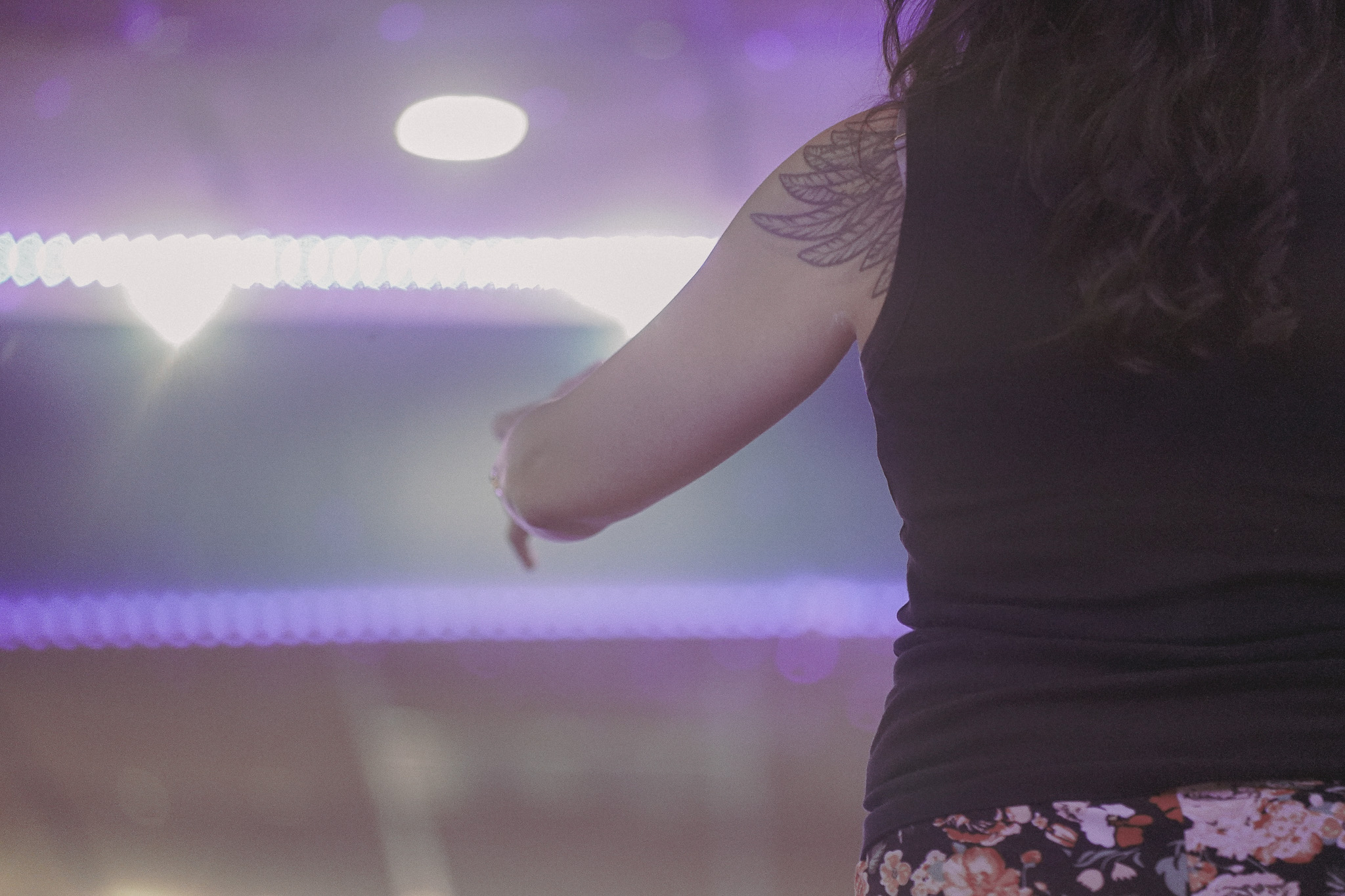
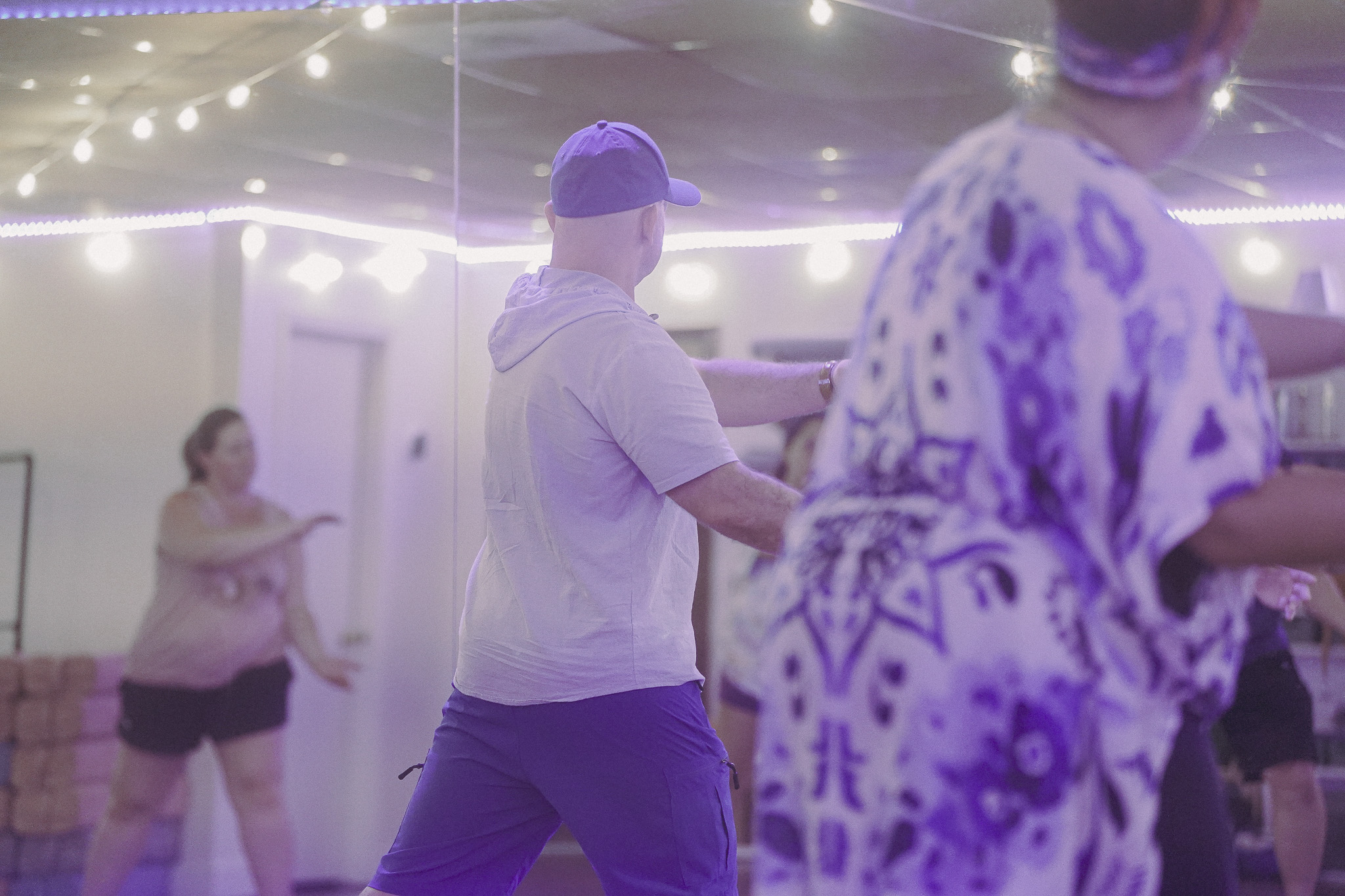
What beginners should expect
Beginners should not expect to feel completely calm, focused, or comfortable during their first Tai Chi class. In fact, some people notice how restless or distracted they feel once the practice slows down. This is normal. Slowing down often makes internal patterns more visible, especially for people who are used to moving quickly through stress.
A beginner-friendly Tai Chi class is not about performing the movements perfectly. It is about learning how to pay attention to the body in a new way. You may feel awkward at first. You may forget the sequence. You may notice your thoughts wandering. You may feel unsure about where to place your feet or how to coordinate your arms and breath. These experiences are part of learning, not signs that the practice is not working.
For people with anxiety, this distinction is especially important. The goal is not to “do Tai Chi correctly” in a way that creates more pressure. The goal is to practice moving with awareness, patience, and curiosity. Over time, the body begins to understand the rhythm of the practice more clearly.
You do not need to arrive calm in order to practice Tai Chi. The practice gives you a structured way to begin returning to calm over time.
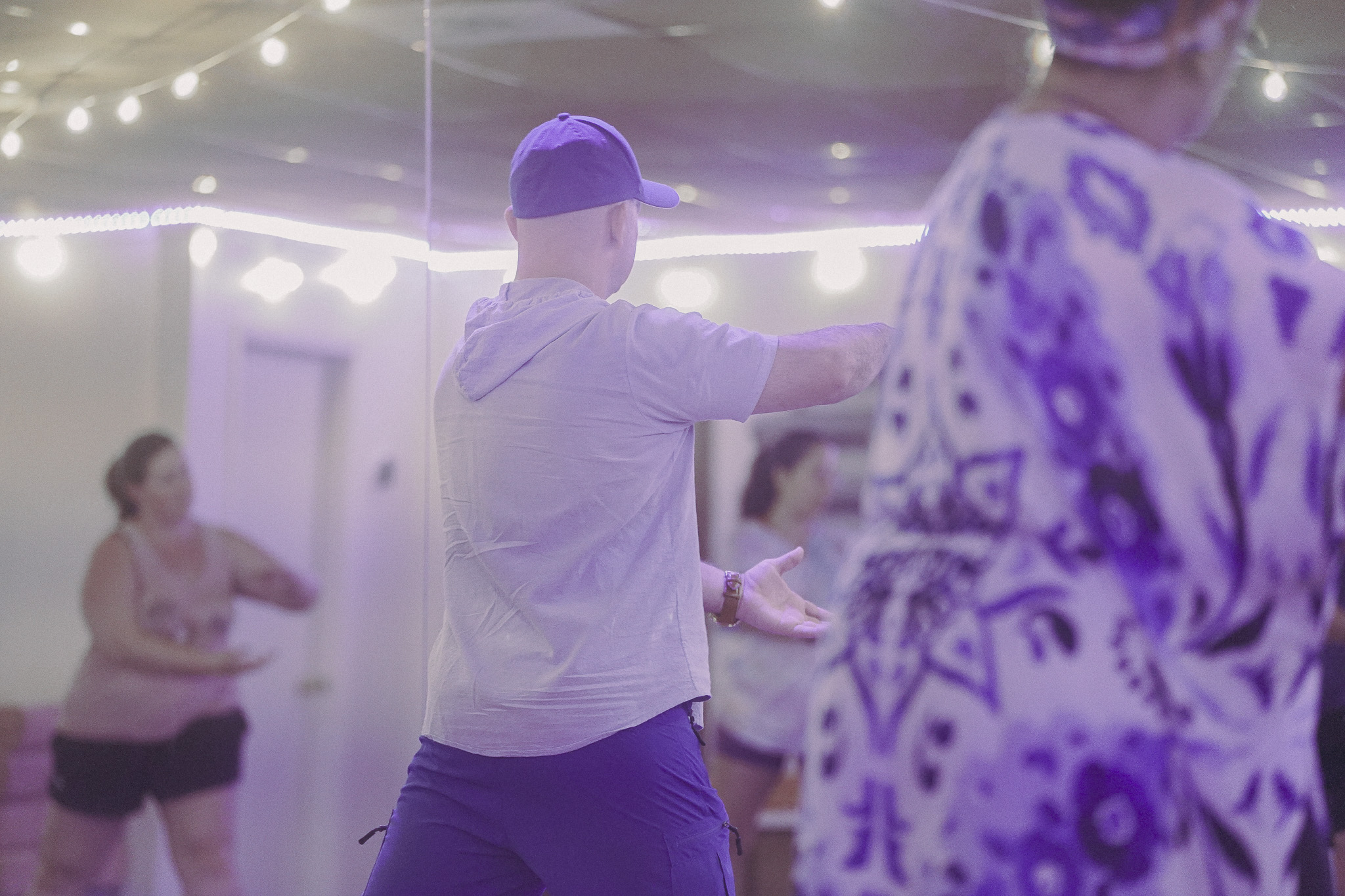
A beginner-friendly practice gives people permission to learn gradually without adding pressure or performance.
How Tai Chi can support everyday anxiety moments
The benefits of Tai Chi are not limited to what happens during class. Over time, the body awareness developed in the practice may begin to influence everyday moments. A person may notice anxiety signals sooner, recognize when they are holding their breath, or become more aware of the physical urge to rush, avoid, over-explain, or react.
For example, before answering a stressful message, someone may remember to feel their feet and take one slower breath. During a difficult conversation, they may notice their shoulders tightening and choose to soften their posture. While driving, they may recognize that their hands are gripping the steering wheel and allow the body to release some unnecessary tension.
These small shifts are not dramatic, but they are meaningful. Anxiety often becomes harder to manage when a person does not notice it until it has already escalated. Tai Chi can help build the skill of noticing earlier, which creates more opportunity to respond with care.
Before a Stressful Message
You may pause long enough to notice your breath, posture, and body before responding from urgency.
During a Difficult Conversation
You may feel your feet, soften your jaw, and recognize when the body is becoming activated.
When the Mind Is Racing
You may use movement, breath, or grounding as a way to bring attention back into the present moment.
At the End of the Day
You may create a gentler transition from mental activity into rest by reconnecting with the body.
Tai Chi and The Healing Tree Collective
At The Healing Tree Collective, we recognize that anxiety can make people feel disconnected from the present moment, from their bodies, and sometimes from their own sense of steadiness. We also understand that many people are looking for supportive practices that do not feel intimidating, overly intense, or rooted in performance.
Tai Chi fits naturally into our approach because it offers a gentle and educational way to build body awareness, breath awareness, grounding, and mindful movement. It supports people who may feel mentally busy, physically tense, emotionally overwhelmed, or unsure how to begin slowing down. The practice is accessible to beginners and does not require prior experience, advanced flexibility, or a perfectly calm mind.
Our mission is to create accessible wellness spaces where people can heal, grow, and reconnect with themselves through practices that feel grounded, supportive, and real. Tai Chi supports that mission because it gives people a practical way to work with stress and anxiety-related patterns through the body, not only through thought.
At The Healing Tree Collective, Tai Chi is not presented as a cure for anxiety. It is offered as a supportive practice that can help people slow down, reconnect with the body, and build a steadier relationship with stress over time.
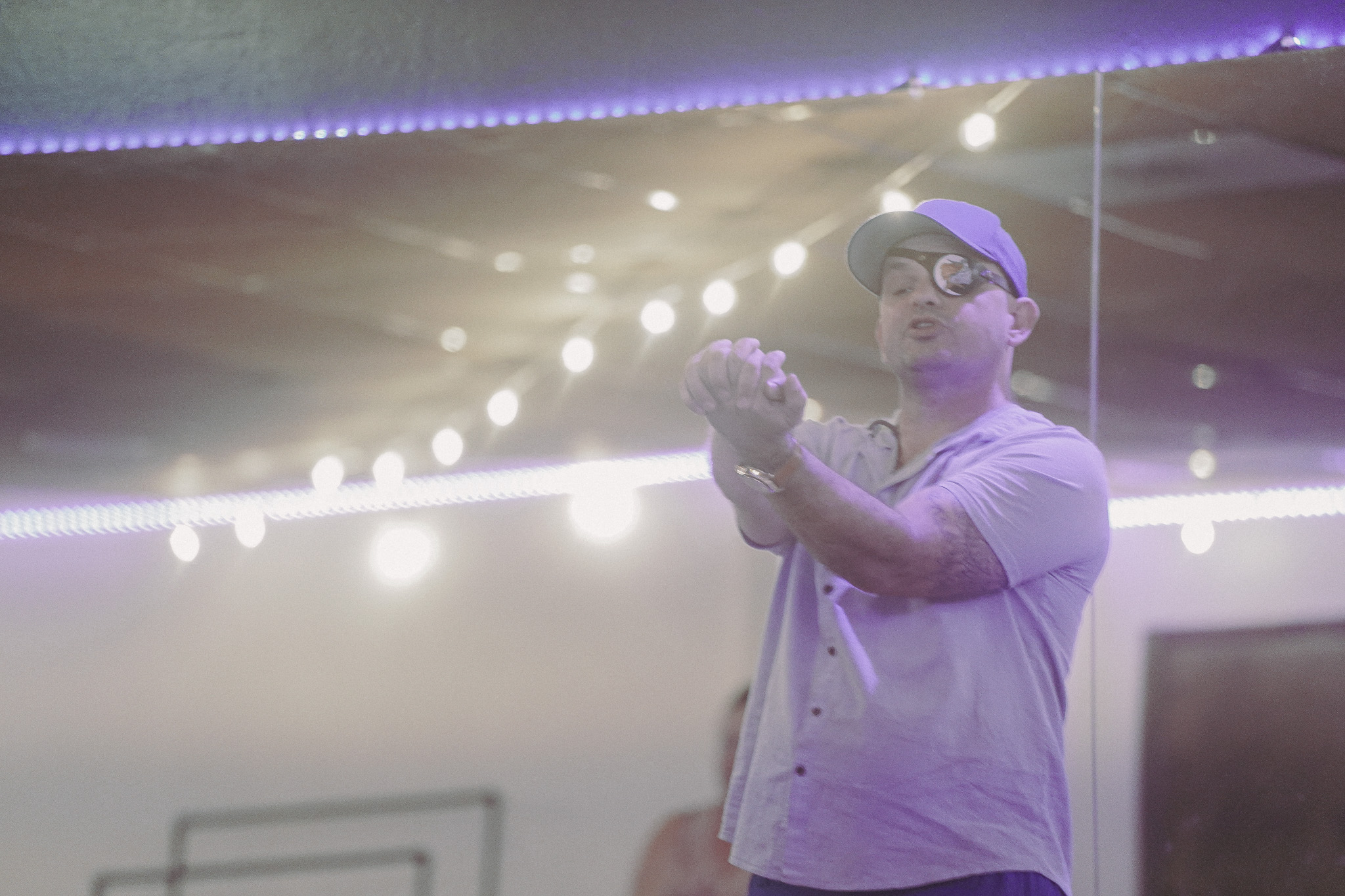
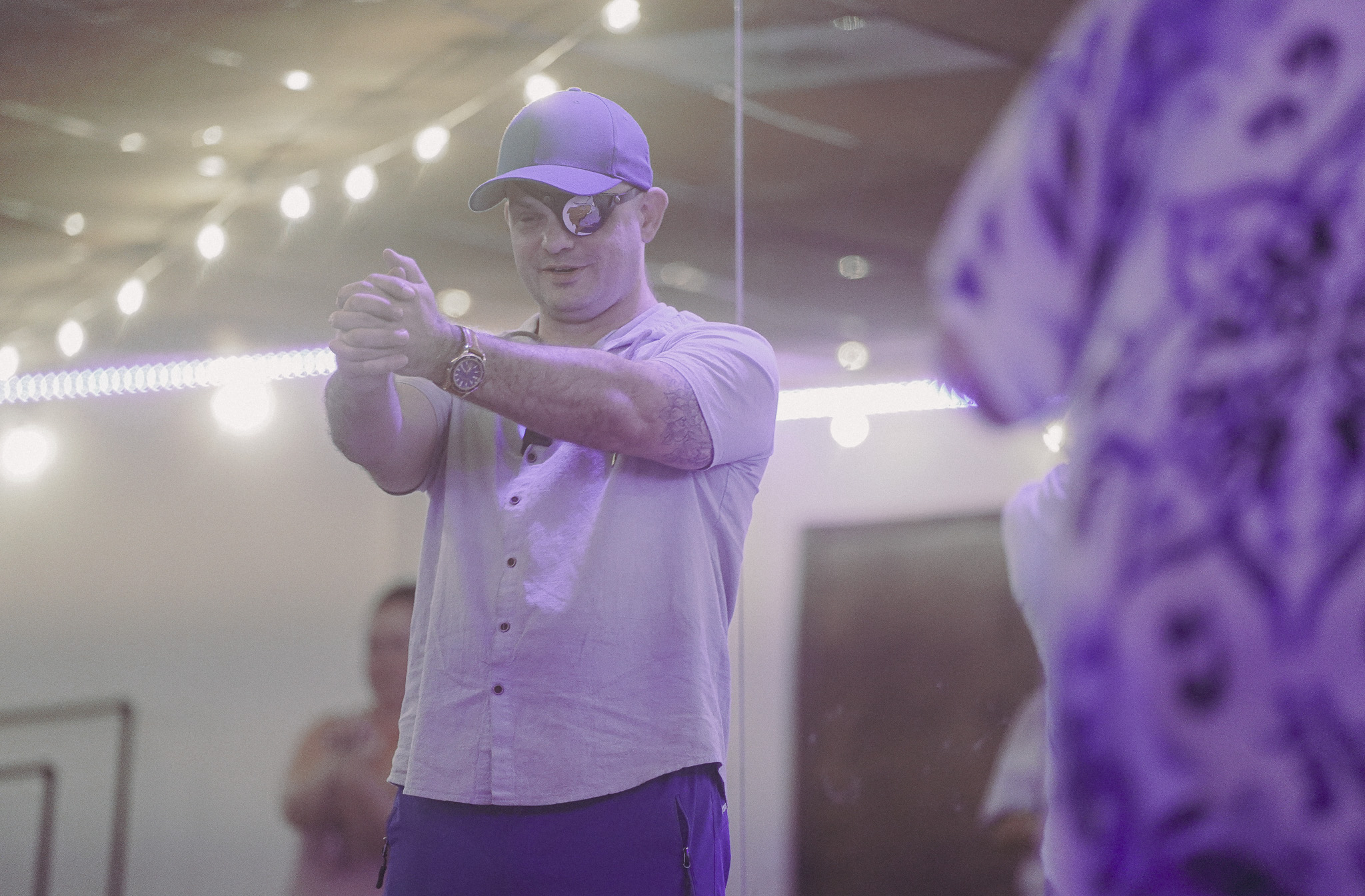
Final thoughts: Tai Chi can offer a gentle way to work with a racing mind
Tai Chi may be supportive for people experiencing anxiety-related stress because it gives the mind and body a structured way to slow down together. Through gentle movement, breath awareness, grounding, balance, and mindful attention, the practice creates repeated opportunities to return to the present moment.
The goal is not to eliminate every anxious thought or force the body into calm. A more realistic goal is to build awareness, recognize anxiety signals earlier, and develop a practice that helps the body experience steadiness over time. For many people, this can make Tai Chi a useful part of a larger emotional wellbeing routine.
A racing mind often needs more than instructions to relax. It may need rhythm, structure, movement, breath, and a physical anchor. Tai Chi provides those elements in a gentle and beginner-friendly way.
Tai Chi can support a racing mind by giving attention somewhere steady to return: the body, the breath, the ground, and the next slow movement.
Looking for Tai Chi for anxiety and racing thoughts in Tempe, Arizona?
At The Healing Tree Collective, our beginner-friendly wellness classes are designed to support stress relief, mindfulness, body awareness, and deeper connection. If you are curious about Tai Chi, moving meditation, anxiety support, or gentle mind-body practices, you are welcome to begin here.