2 July 2026
Tai Chi and Emotional Awareness: What Your Body May Be Trying to Tell You
Emotional awareness is often described as the ability to name what you feel, but it is also the ability to notice how those feelings are showing up in the body.
Many people do not recognize stress, sadness, anxiety, frustration, grief, or overwhelm right away because the mind is focused on tasks, responsibilities, conversations, or problem-solving. However, the body may already be communicating through breath changes, muscle tension, posture, fatigue, restlessness, heaviness, or the urge to rush.
Tai Chi may support emotional awareness because it slows movement down enough for people to notice physical signals, reconnect with the body, and begin listening to what their internal experience may be communicating before it becomes overwhelming.
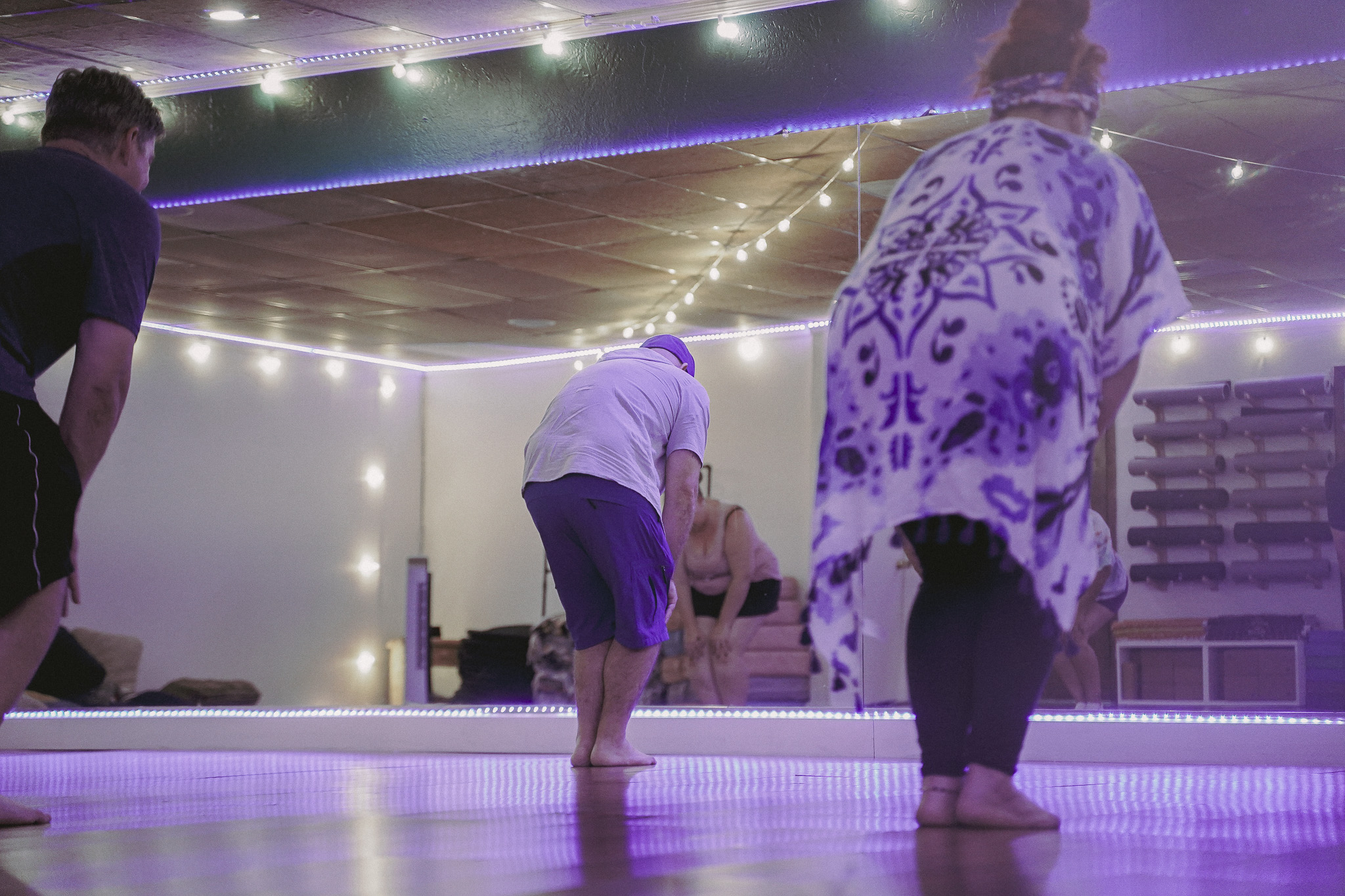
Tai Chi can help people notice the body’s signals through slow movement, grounding, breath awareness, and mindful attention.
Your body may communicate emotional stress through:
Subtle signals that can be easy to ignore during busy or overwhelming seasons.
- Shallow breathing
- Tight shoulders or neck
- A clenched jaw
- Restlessness or urgency
- Fatigue or heaviness
- Chest or stomach tension
- Difficulty settling into rest
Emotional awareness begins before words
Many people assume that emotional awareness begins when they can clearly name what they are feeling. Naming emotions is valuable, but it is not always the first step. In many cases, the body recognizes an emotional response before the mind has language for it. A person may not yet be able to say, “I feel anxious,” “I feel hurt,” “I feel overwhelmed,” or “I feel disappointed,” but the body may already be responding.
This early response may appear as a physical signal. The breath may become shallow. The shoulders may tighten. The jaw may clench. The stomach may feel unsettled. The body may feel restless, tired, guarded, or unusually heavy. These signals may not provide a complete explanation, but they can offer important information about what is happening internally.
Tai Chi can support this early layer of awareness because the practice is slow enough to make subtle signals more noticeable. Rather than asking people to immediately analyze their emotions, Tai Chi invites them to begin by observing the body. This can make emotional awareness feel more accessible, especially for people who struggle to identify what they feel until the emotion has already become intense.
Emotional awareness does not always begin with the right words. Sometimes it begins with noticing the breath, the shoulders, the jaw, the pace, or the places where the body is holding tension.
The body often carries what the mind moves past
In daily life, people often move quickly from one responsibility to the next. They may finish a difficult conversation and immediately return to work, respond to a stressful email and move into a meeting, care for someone else while postponing their own needs, or carry emotional pressure into the rest of the day without having time to process it.
The mind may move forward because life requires it, but the body may still be carrying what happened. This can create a gap between functioning and feeling. A person may appear composed, productive, or capable, while internally their body is storing tension, fatigue, agitation, or emotional weight.
Tai Chi helps reduce this gap by creating time to notice what the body is carrying. Through slow movement, a person may recognize that their shoulders are still tense from the day, their breath is still restricted, or their body feels more guarded than they realized. These observations are not failures; they are invitations to listen more closely.
The body may continue holding an experience long after the mind has moved on to the next responsibility.
Tai Chi is not a replacement for emotional or mental health care
Before exploring the emotional benefits of Tai Chi, it is important to be clear about the role of the practice. Tai Chi is not a replacement for therapy, medical care, psychiatric support, medication, trauma-informed treatment, or crisis services. If someone is experiencing persistent emotional distress, panic, depression, trauma symptoms, thoughts of self-harm, or difficulty functioning, support from a qualified mental health professional may be necessary.
At the same time, Tai Chi can be a supportive part of a broader wellness routine. It may help people become more aware of how stress and emotion appear in the body, practice grounding, and develop a more consistent relationship with breath and movement. For some people, this body-based awareness can complement other forms of care by helping them understand what their body is communicating between conversations, appointments, or stressful moments.
The value of Tai Chi is not that it diagnoses emotions or resolves complex experiences immediately. Its value is that it creates a structured and gentle environment where people can slow down, notice, and begin relating to the body with more attention and respect.
Tai Chi can support emotional awareness as part of a broader care routine, but it should not replace professional mental health support when that support is needed.
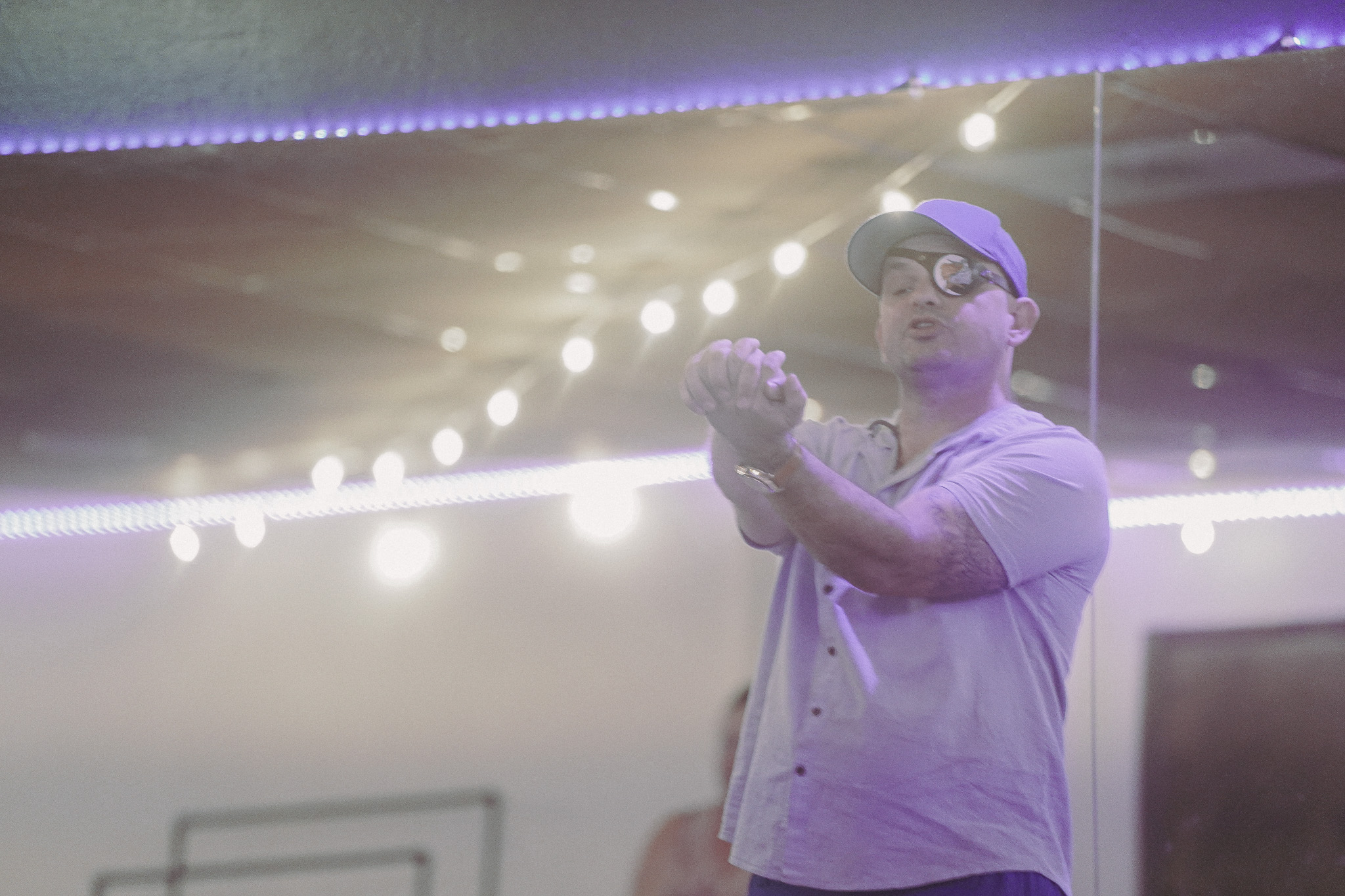
Tai Chi can offer a non-clinical, body-based practice for noticing stress, tension, and emotional signals with more care.
Emotions often appear as physical patterns
Emotions do not always arrive as clear thoughts. They may appear as physical patterns that repeat across situations. Someone may notice that their jaw tightens whenever they feel criticized, their chest becomes heavy when they are sad, their breath shortens when they feel rushed, or their shoulders lift when they are responsible for too many things at once.
These patterns can become so familiar that they go unnoticed. A person may not realize they are anxious because shallow breathing has become normal. They may not realize they are frustrated because jaw tension has become part of their everyday posture. They may not realize they are overwhelmed because fatigue has become the baseline they have learned to function through.
Tai Chi can make these physical patterns more visible because it changes the pace of attention. When movement slows down, a person can notice what the body is doing in more detail. They may begin to see how they hold stress, where emotion gathers, and what happens internally when they feel uncertain, challenged, or pressured.
Breath
Shallow or held breathing may signal stress, anxiety, concentration, or the body’s attempt to brace.
Shoulders and Neck
Tightness in the upper body may reflect responsibility, pressure, tension, or the habit of pushing through.
Jaw and Face
Clenching or tightening may appear during frustration, focus, worry, or emotional restraint.
Posture and Pace
Leaning forward, rushing, collapsing, or bracing may reveal how the body is responding to internal stress.
Tai Chi helps you observe without immediately judging
One of the most important parts of emotional awareness is learning how to observe without immediately judging what you notice. Many people are quick to criticize themselves for having emotions, becoming tense, feeling distracted, or struggling to relax. This self-judgment can make emotional awareness harder because the person begins reacting to the signal instead of listening to it.
Tai Chi encourages observation. During practice, you may notice that your balance feels uneven, your breath is shallow, your shoulders are tense, or your body wants to rush through the movement. These observations are not treated as evidence that something is wrong with you. They are information about your current state.
This same approach can support emotional awareness in daily life. If you notice that your body is tense during a conversation, you do not have to immediately shame yourself for being affected. You can treat the tension as information. You can ask what the body may be responding to, what support may be needed, and whether a pause, breath, or more intentional response would be helpful.
Emotional awareness becomes more supportive when body signals are treated as information, not as personal failures.
The breath may be one of the first signals
The breath often changes before a person consciously recognizes an emotional state. When stress, anxiety, fear, or pressure is present, the breath may become shorter, higher in the chest, more restricted, or temporarily held. When sadness, fatigue, or emotional heaviness is present, the breath may feel slower, heavier, or harder to fully access.
Tai Chi gives people a way to notice the breath through movement rather than through force. The practice does not require perfect breathing. Instead, it creates enough slowness for a person to observe how the breath responds to balance, attention, uncertainty, or transition. This can help people understand the breath as a form of communication rather than something they only notice when it becomes uncomfortable.
In daily life, this awareness can be useful. If you notice that your breath becomes shallow when reading a stressful message, entering a difficult conversation, or making a decision, that signal may help you pause earlier. The breath becomes a cue that something in the body is asking for attention.
The breath can be an early doorway into emotional awareness because it often shifts before the mind has fully named the feeling.
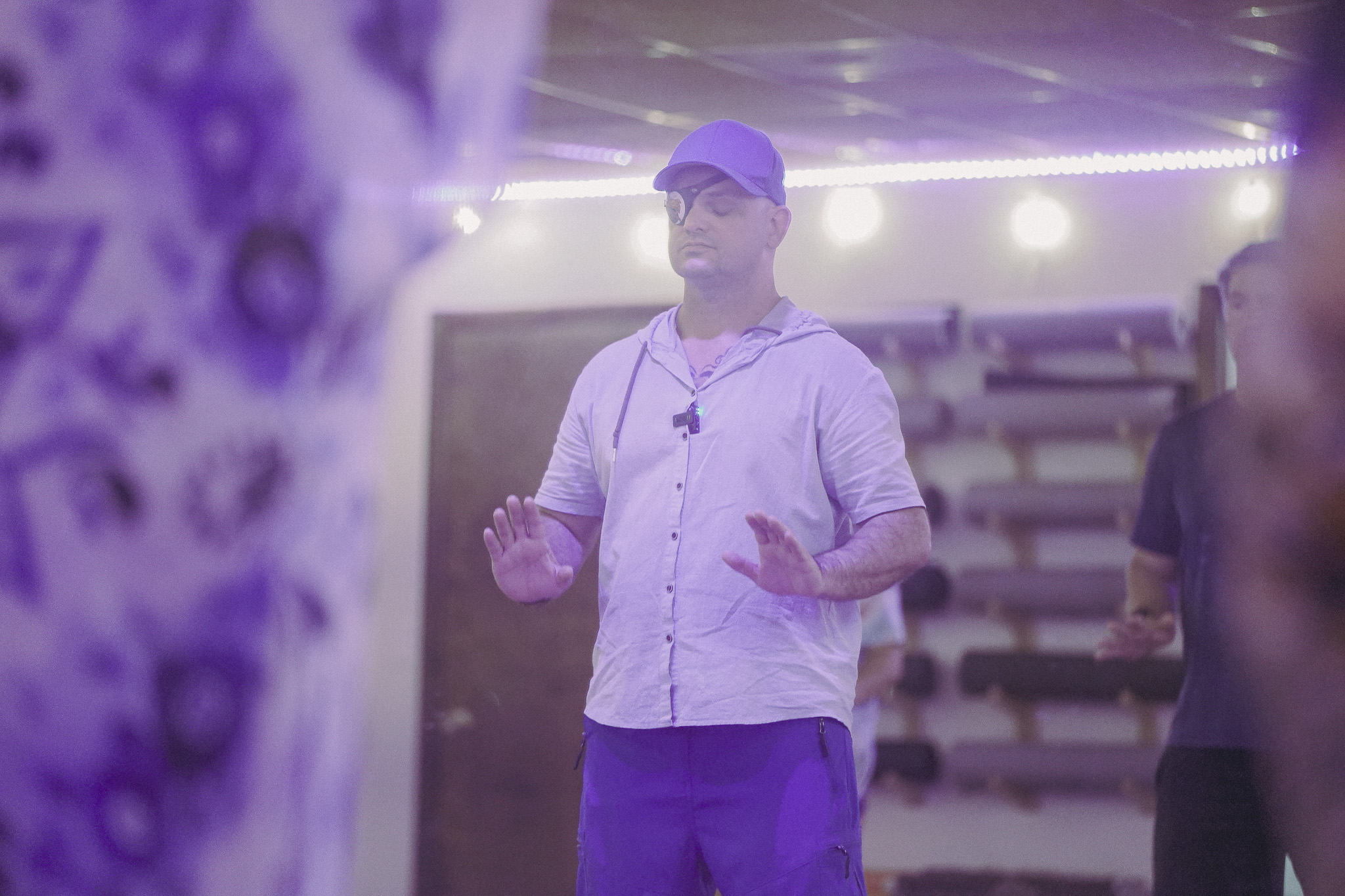
Breath awareness can help people identify stress and emotional activation before it becomes overwhelming.
Your body may be asking for a slower pace
Sometimes the body’s signals are not asking for an immediate solution. They may be asking for a slower pace. When the body feels tense, rushed, guarded, or fatigued, it may be communicating that the current rhythm is not sustainable. This does not mean every responsibility can be removed, but it may mean the body needs more moments of transition, rest, support, or awareness.
Many people are conditioned to override these signals. They continue working through fatigue, answering messages while holding their breath, moving quickly when the body feels overwhelmed, or saying yes when their internal capacity is low. Over time, ignoring the body can make emotional awareness more difficult because the signals have to become louder before they are taken seriously.
Tai Chi offers a direct practice in slowing down. The pace is deliberate, and the body is invited to move without rushing. This can help people recognize how unfamiliar slowness may feel and how much the body may have been operating from urgency. In that sense, Tai Chi may reveal not only what the body is holding, but also what pace the body is asking for.
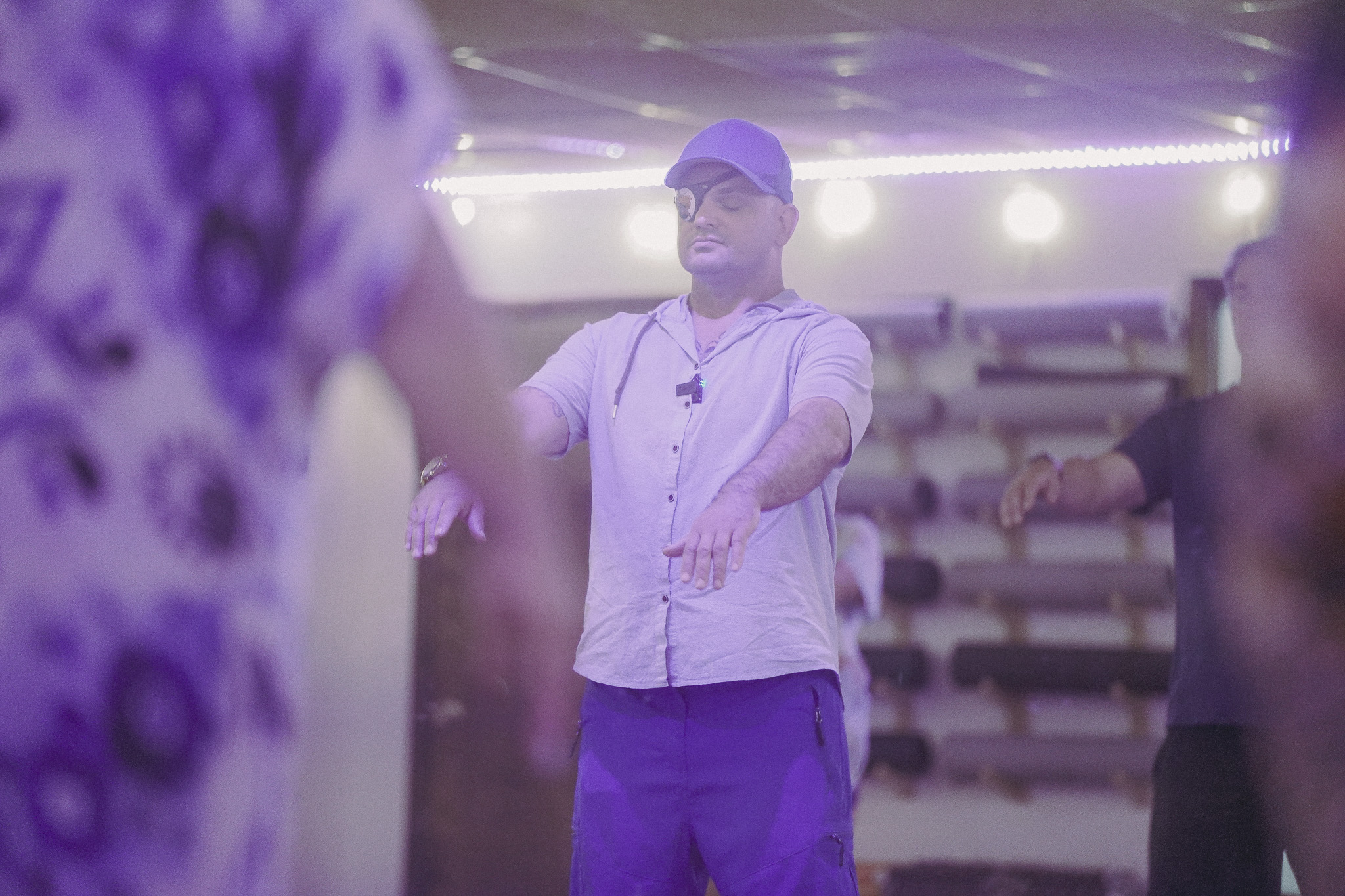
The body may not always be asking for a dramatic change. Sometimes it is asking to be heard before stress reaches the point of overwhelm.
The body may be communicating a need for boundaries
Emotional awareness is often connected to boundaries. Many people do not realize they have reached a boundary until the body becomes tense, resentful, exhausted, irritated, or overwhelmed. The body may tighten before the person has found the words to say, “I need space,” “I need help,” “I need more time,” or “This is too much for me right now.”
Tai Chi does not teach boundaries directly in the way a therapist, coach, or conversation might. However, it can help people recognize the physical experience of internal limits. During practice, you may notice when the body is over-efforting, when balance feels unstable, when the breath becomes restricted, or when you are trying to force a movement beyond what feels available. These moments can mirror patterns that happen in daily life.
Learning to notice internal limits in the body can support healthier self-awareness. A person may begin to identify when they are pushing past capacity, agreeing too quickly, or ignoring signs that they need to pause. This does not automatically solve boundary challenges, but it can make the body’s early signals easier to recognize.
The body often communicates limits before the mind has organized the words to name them.
Overextension
Fatigue, irritability, or tension may signal that the body has been operating beyond its current capacity.
Pressure
A tight chest, shallow breath, or rushed pace may appear when a person feels responsible for too much.
Uncertainty
Restlessness or bracing may appear when the body needs more time, clarity, or support before moving forward.
Need for Space
Withdrawal, heaviness, or mental fatigue may signal that the body needs a pause from stimulation or demand.
Tai Chi can help you notice emotional patterns over time
Emotional awareness becomes clearer through repetition. One class may help someone notice tension or breath changes, but consistent practice can reveal patterns. A person may begin to recognize that they tense their shoulders when they are trying to do something correctly, hold their breath when they feel uncertain, or rush through transitions when they feel uncomfortable with not knowing what comes next.
These patterns matter because they often exist outside of class as well. The same breath-holding that appears during balance may happen during work stress. The same shoulder tension that appears during concentration may happen during difficult conversations. The same rushing that appears in movement may also show up in decisions, communication, or transitions throughout the day.
Tai Chi gives people a consistent place to observe these patterns without needing to solve all of them immediately. Over time, the practice can help people become more familiar with their own internal language. This familiarity may support better self-care, more intentional responses, and a deeper understanding of what the body needs.
With consistent practice, emotional awareness becomes less about guessing what you feel and more about recognizing the patterns your body has been showing you.
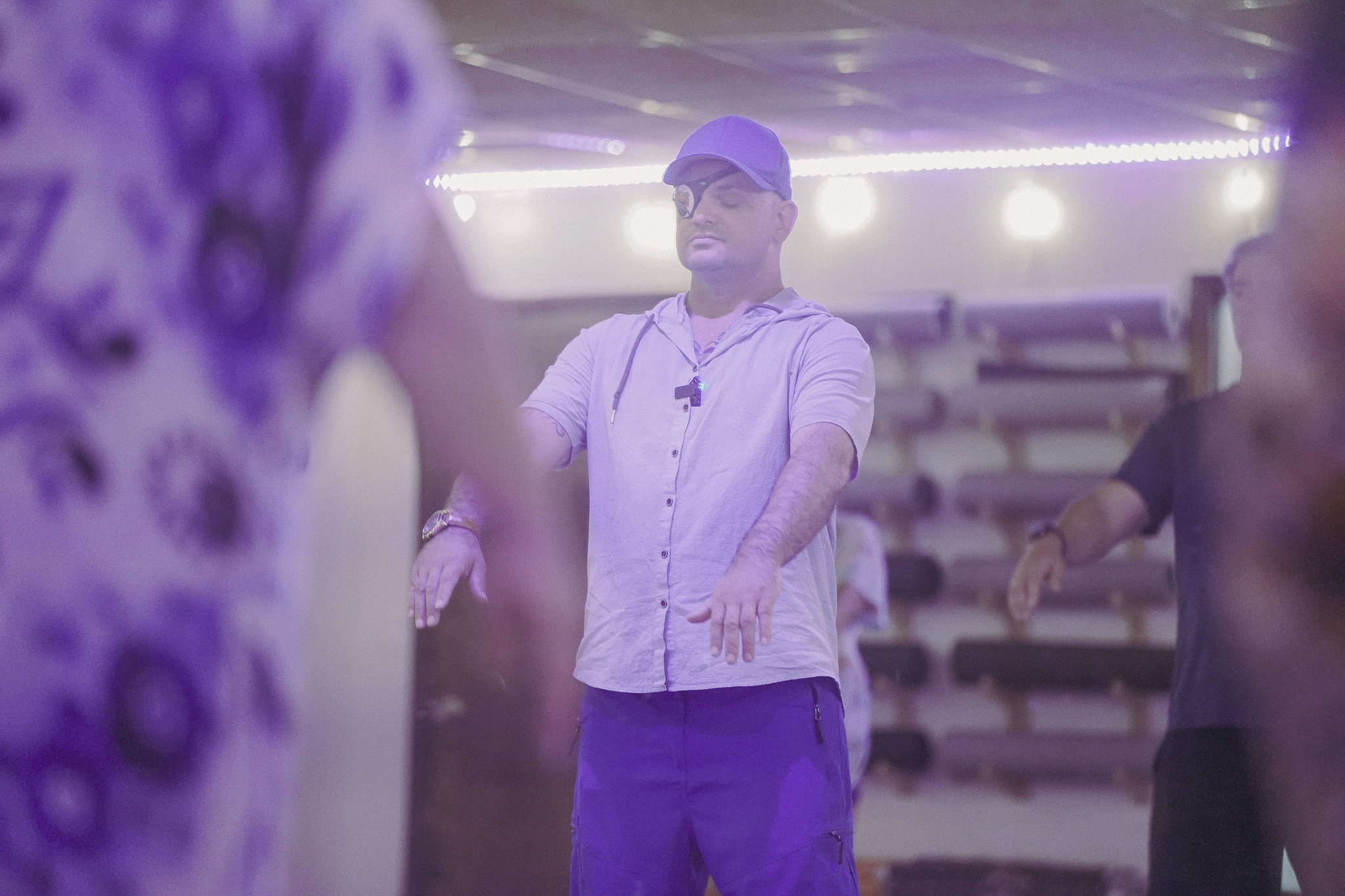
Consistent practice can help people recognize how stress, emotion, and internal pressure show up through movement and breath.
Emotional awareness can support more intentional responses
The purpose of emotional awareness is not simply to identify feelings. The deeper purpose is to create more room for intentional response. When a person understands what is happening inside, they may be better able to choose what kind of support, communication, boundary, rest, or action is needed.
Without awareness, the body may move quickly into automatic patterns. A person may react sharply, shut down, over-explain, say yes when they mean no, avoid the conversation, or continue pushing through stress. These reactions may be understandable, but they do not always create the care or clarity the situation requires.
Tai Chi supports intentional response by practicing the pause. The movement asks you to notice before shifting, breathe before continuing, and move through transitions with attention. In daily life, this may become the ability to pause before replying, notice your body before agreeing to something, or recognize that your reaction is being shaped by stress rather than by your full awareness.
Emotional awareness creates the possibility of responding from care rather than reacting from pressure, habit, or urgency.
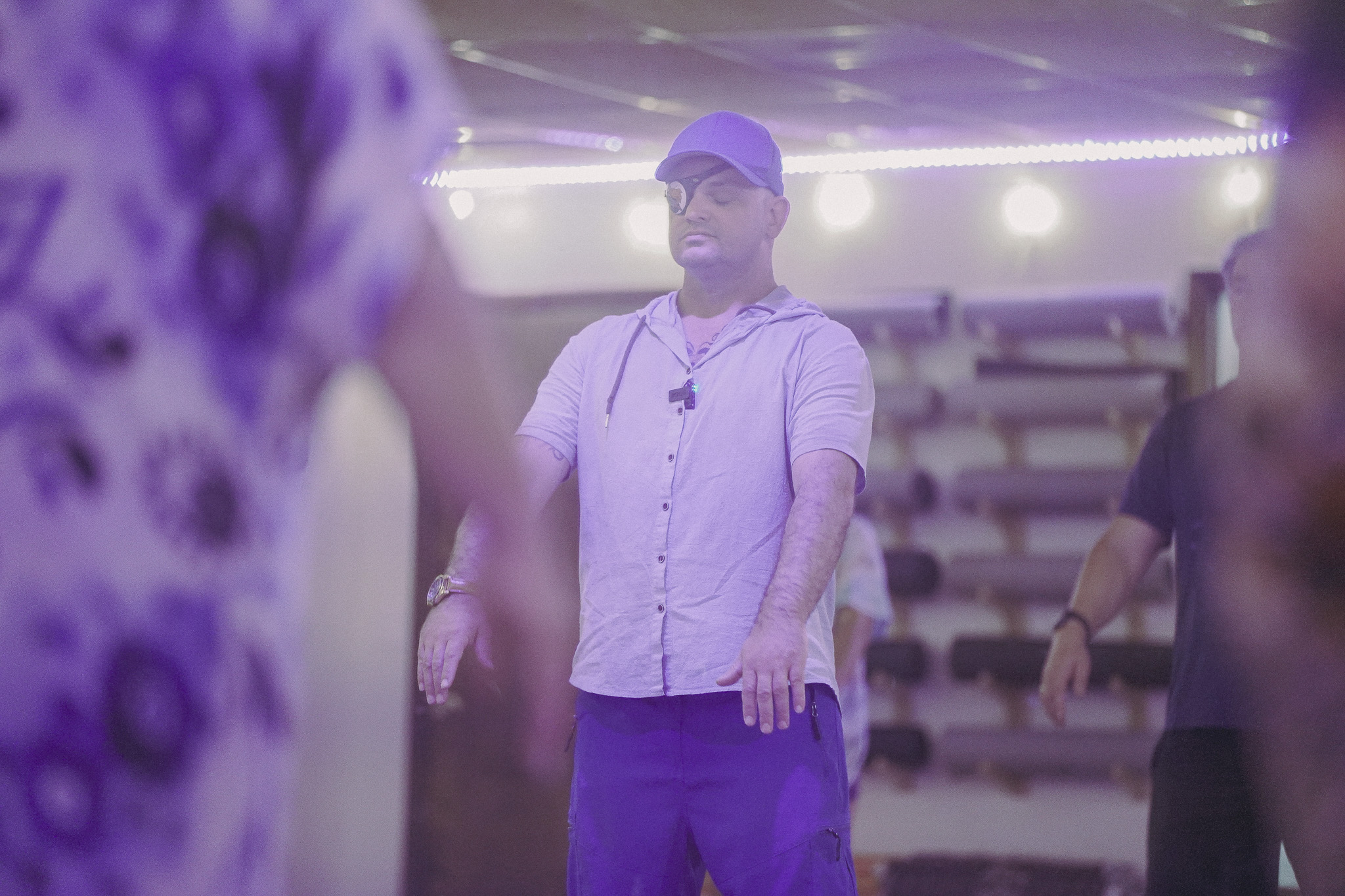

How emotional awareness can show up in everyday life
The benefits of Tai Chi are not limited to the class itself. Over time, the awareness practiced during movement may begin to influence ordinary moments. A person may notice their breath before responding to a stressful message, recognize jaw tension during a difficult conversation, or feel the urge to rush when they are uncomfortable with uncertainty.
These small moments can be meaningful because they allow a person to intervene earlier. Instead of waiting until stress becomes overwhelming, they may pause, breathe, stretch, take space, ask for help, clarify a boundary, or simply acknowledge that something is affecting them. This does not mean every situation becomes easy. It means the person has more information and more opportunity to care for themselves with awareness.
In this way, Tai Chi becomes practical. It teaches people to observe the body in motion, and life is always in motion. Work, parenting, relationships, grief, change, responsibility, and uncertainty all ask the body to respond. Emotional awareness helps people respond with more clarity and less disconnection.
At Work
You may notice how emails, meetings, deadlines, or feedback affect your breath, shoulders, jaw, and mental pace.
In Relationships
You may recognize physical activation before speaking, withdrawing, defending, or agreeing too quickly.
During Stress
You may identify early signals of overwhelm before the body reaches a more intense state.
During Rest
You may notice whether the body is actually settling or still carrying the pressure of the day.
Tai Chi and The Healing Tree Collective
At The Healing Tree Collective, we believe emotional wellbeing is supported when people are given accessible ways to reconnect with the body. Many people are moving through life with stress, responsibility, grief, pressure, or emotional fatigue that they have not had time to fully acknowledge. Often, the body carries those experiences quietly until there is finally enough space to listen.
Tai Chi fits naturally into our approach because it provides a gentle, structured, and beginner-friendly way to build emotional awareness through movement. It does not require prior experience, athletic ability, or a perfectly calm mind. It simply invites people to slow down, feel the body, notice the breath, and begin understanding the signals they may have been moving too quickly to hear.
Our mission is to create accessible wellness spaces where people can heal, grow, and reconnect with themselves through practices that feel supportive, educational, and real. Tai Chi supports that mission because it helps people develop a more honest relationship with the body, which can become an important part of understanding emotional wellbeing in everyday life.
At The Healing Tree Collective, Tai Chi is offered as a practice for listening: a way to notice what the body may be communicating and respond with more awareness, patience, and care.

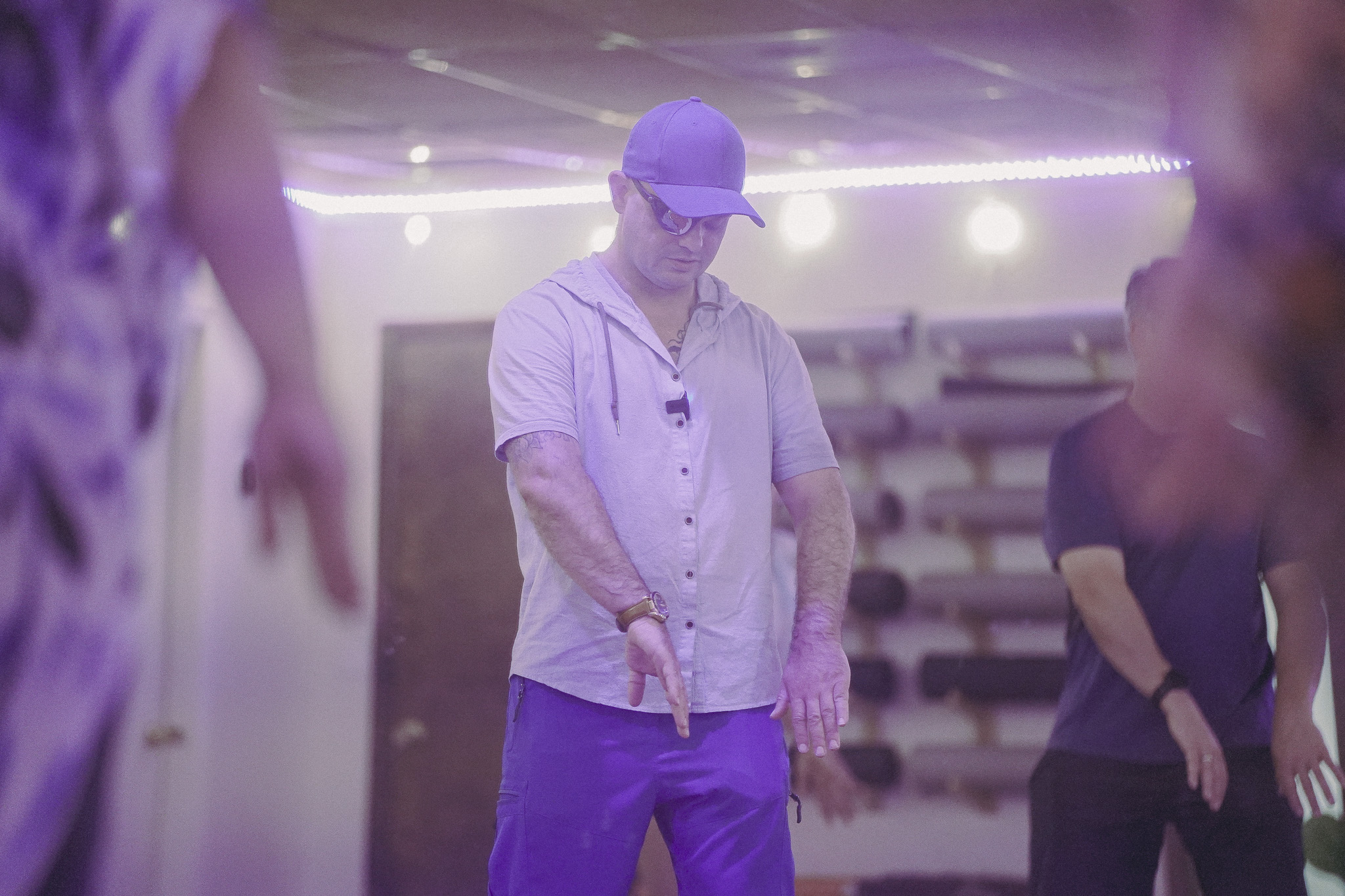
Final thoughts: your body may be offering important information
Tai Chi may support emotional awareness because it gives people a structured way to slow down and notice what the body is communicating. Through gentle movement, breath awareness, grounding, posture, balance, and mindful transitions, the practice helps make physical signals easier to recognize.
The goal is not to interpret every sensation perfectly or turn every body signal into a problem. The goal is to build a more compassionate and informed relationship with the body. Tension, breath changes, fatigue, restlessness, or heaviness may all carry useful information about stress, emotion, capacity, and the need for support.
For people who feel disconnected, overwhelmed, reactive, or unsure what they are feeling, Tai Chi can offer a gentle place to begin. It does not require immediate answers. It creates space to listen, move, breathe, and notice with more care.
Tai Chi supports emotional awareness by helping people slow down enough to hear what the body may have been communicating all along.
Looking for Tai Chi for emotional awareness in Tempe, Arizona?
At The Healing Tree Collective, our beginner-friendly wellness classes are designed to support stress relief, mindfulness, body awareness, and deeper connection. If you are curious about Tai Chi, moving meditation, emotional awareness, or gentle mind-body practices, you are welcome to begin here.