7 July 2026
The Healing Tree Collective • Tempe, Arizona
Why You Don’t Have to Empty Your Mind to Practice Tai Chi
One of the biggest reasons people feel intimidated by meditation, mindfulness, or practices like Tai Chi is the belief that they are supposed to empty their mind. They may assume that if thoughts keep appearing, if the mind wanders, or if they feel distracted during practice, they are doing something wrong.
This misunderstanding can keep people from receiving the benefits of a practice that was never about forcing the mind to become blank. In real life, the mind thinks. It plans, remembers, questions, reacts, organizes, worries, evaluates, and imagines. The goal of Tai Chi is not to stop the mind from being human.
Tai Chi can support mindfulness because it gives the mind a steady place to return: the body, the breath, the feet, the posture, and the slow movement happening in the present moment.
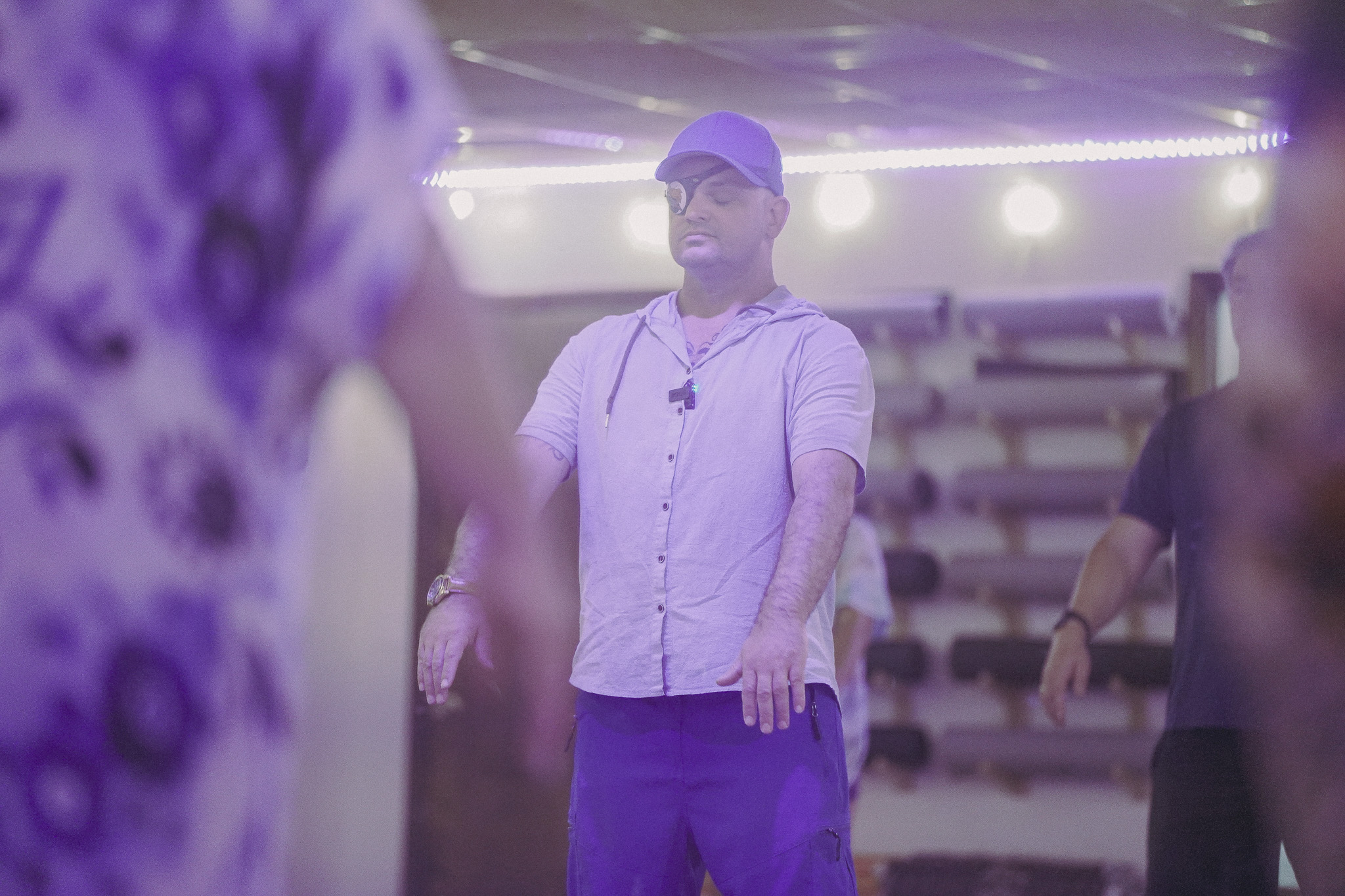
Tai Chi does not require an empty mind. It gives attention a physical place to return through movement, breath, and body awareness.
You do not need to empty your mind before practicing Tai Chi.
Instead, Tai Chi helps you practice returning your attention to:
- The feeling of your feet on the ground
- The pace of your breath
- The movement of your hands
- The shift of your weight
- The alignment of your posture
- The transition from one movement to the next
- The present moment, again and again
The goal is not an empty mind
Many beginners come into mindfulness practices with the idea that success means having no thoughts. This belief can create immediate frustration because the moment they begin practicing, they notice how active the mind actually is. Rather than feeling peaceful, they may become more aware of planning, remembering, analyzing, worrying, or wondering whether they are doing the practice correctly.
In Tai Chi, this is not a sign of failure. It is a normal part of learning awareness. The practice is not designed to erase thought. It is designed to help you notice when attention has moved away from the present moment and then return to the body with patience. Each time the mind wanders and you come back to the movement, you are practicing the skill of mindfulness.
This distinction matters because many people quit too early. They assume that because their mind wandered, the practice did not work. In reality, noticing the wandering mind is part of the practice itself. The return is the practice.
The purpose of Tai Chi is not to empty the mind. The purpose is to notice where attention has gone and gently return to the body.
A busy mind is not a barrier to Tai Chi
A busy mind can make stillness feel difficult, but it does not prevent someone from practicing Tai Chi. In fact, Tai Chi can be especially supportive for people whose minds feel active because the practice gives attention a clear and physical task. Instead of sitting in silence and trying to stop thoughts, the practitioner follows slow movement, breath, posture, and balance.
This physical structure can make mindfulness feel more accessible. When attention drifts into thoughts about work, family, responsibilities, stress, or future plans, the movement provides a concrete place to return. You can return to the feet, the breath, the hands, or the next transition. The body becomes the anchor.
For people who have felt discouraged by traditional meditation, this can be reassuring. Tai Chi does not require you to arrive with a quiet mind. It gives you a method for working with the mind you actually have.
You do not need a quiet mind to begin Tai Chi. You need a practice that helps your attention return when the mind becomes busy.
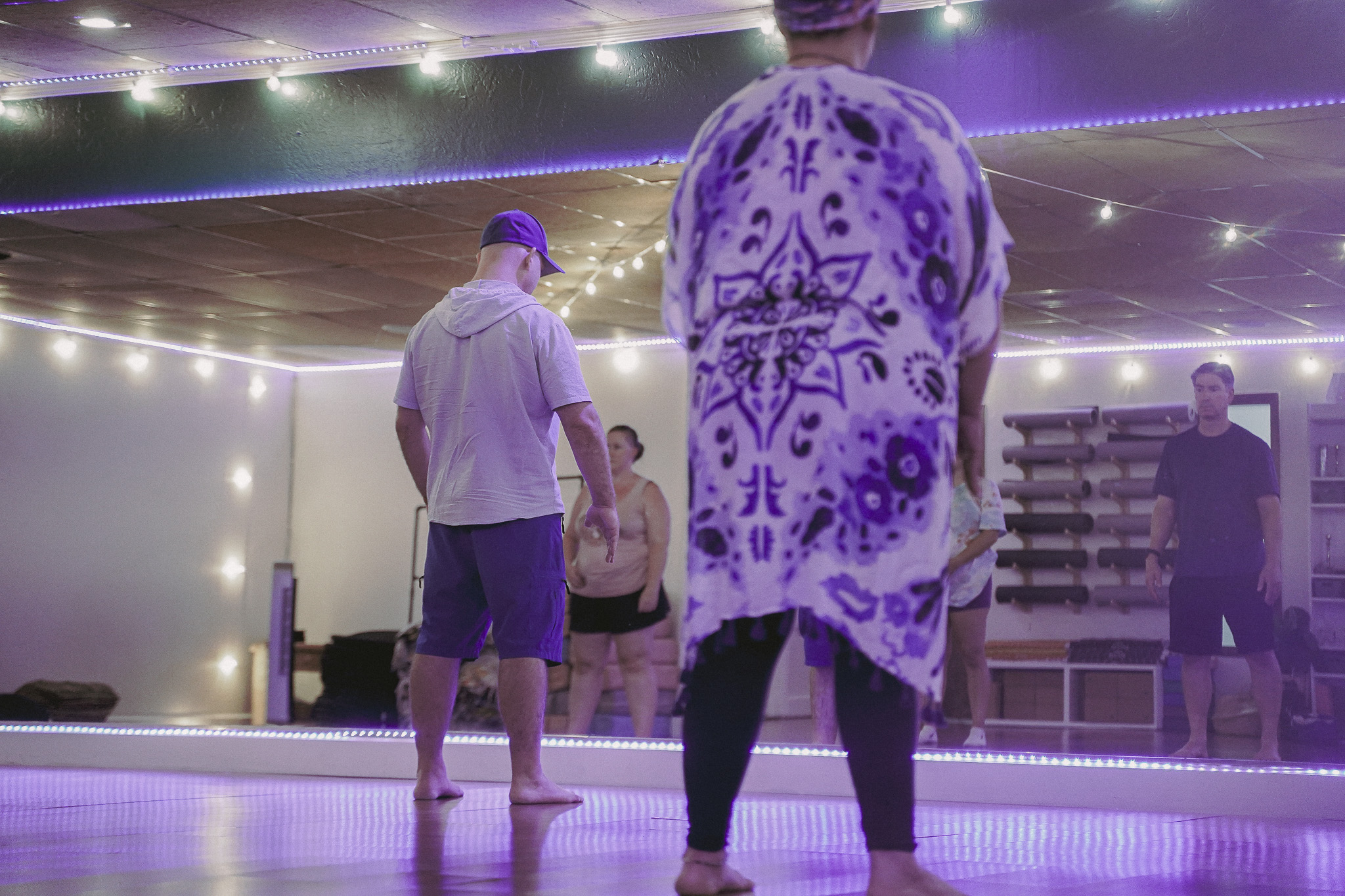
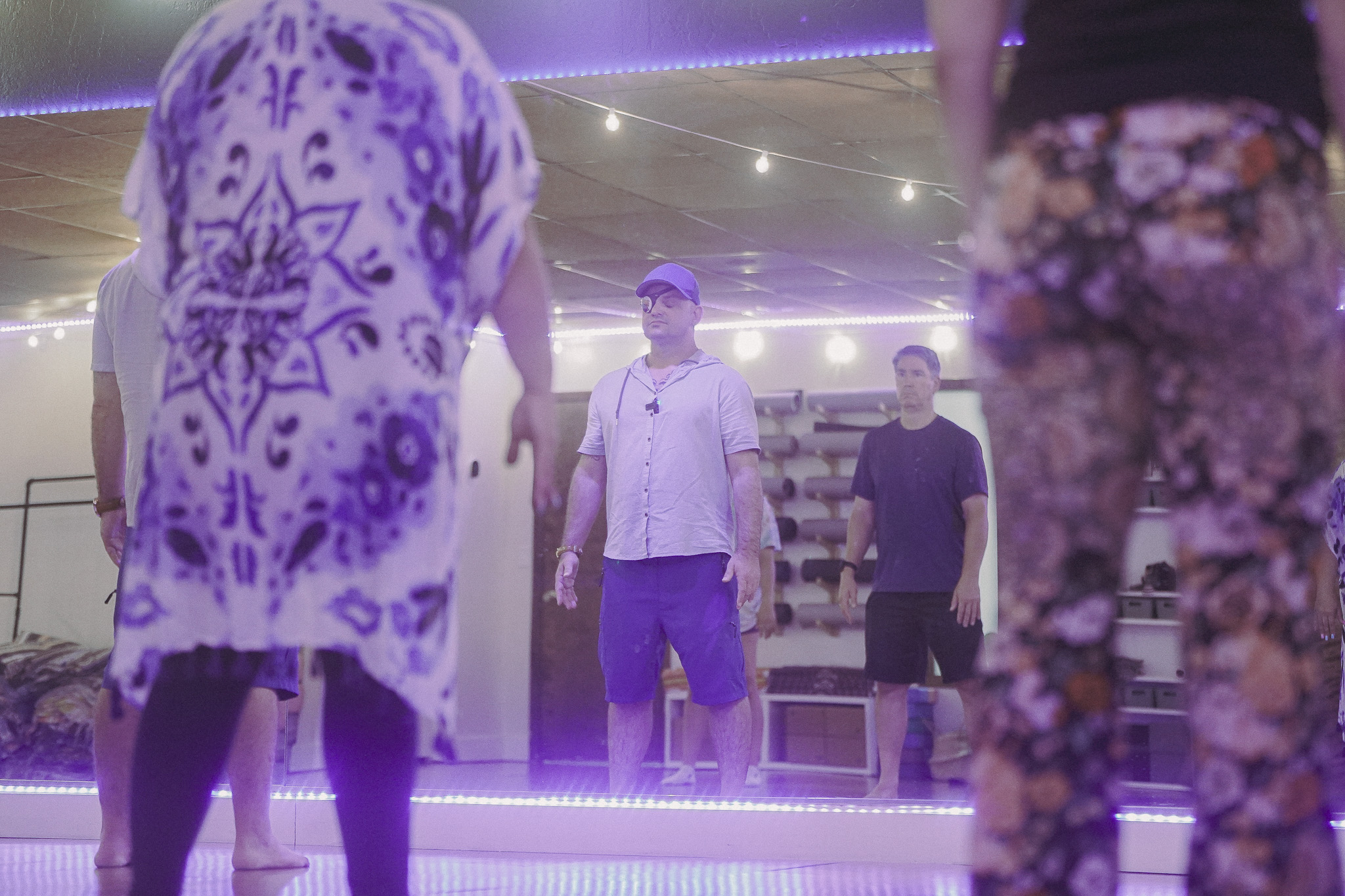
Tai Chi gives the mind a physical anchor
One reason Tai Chi can feel more approachable than silent meditation is that it gives the mind something physical to follow. A person does not have to wonder what awareness is supposed to feel like in an abstract way. They can bring attention to the body through specific and observable cues.
The feet provide one anchor. The practitioner can notice where weight is held, how the feet contact the floor, and how balance changes during movement. The breath provides another anchor. The practitioner can notice whether breathing is shallow, held, relaxed, or changing with the pace of movement. The hands, posture, and transitions also become places where attention can return.
This body-based structure is what allows Tai Chi to become a form of moving meditation. The mind is not forced into silence. Instead, it is guided into relationship with the body. Over time, this can help attention feel less scattered because there is a repeated pathway back to the present moment.
When the mind wanders, Tai Chi gives you somewhere simple and physical to return: the next breath, the next step, the next shift of weight.
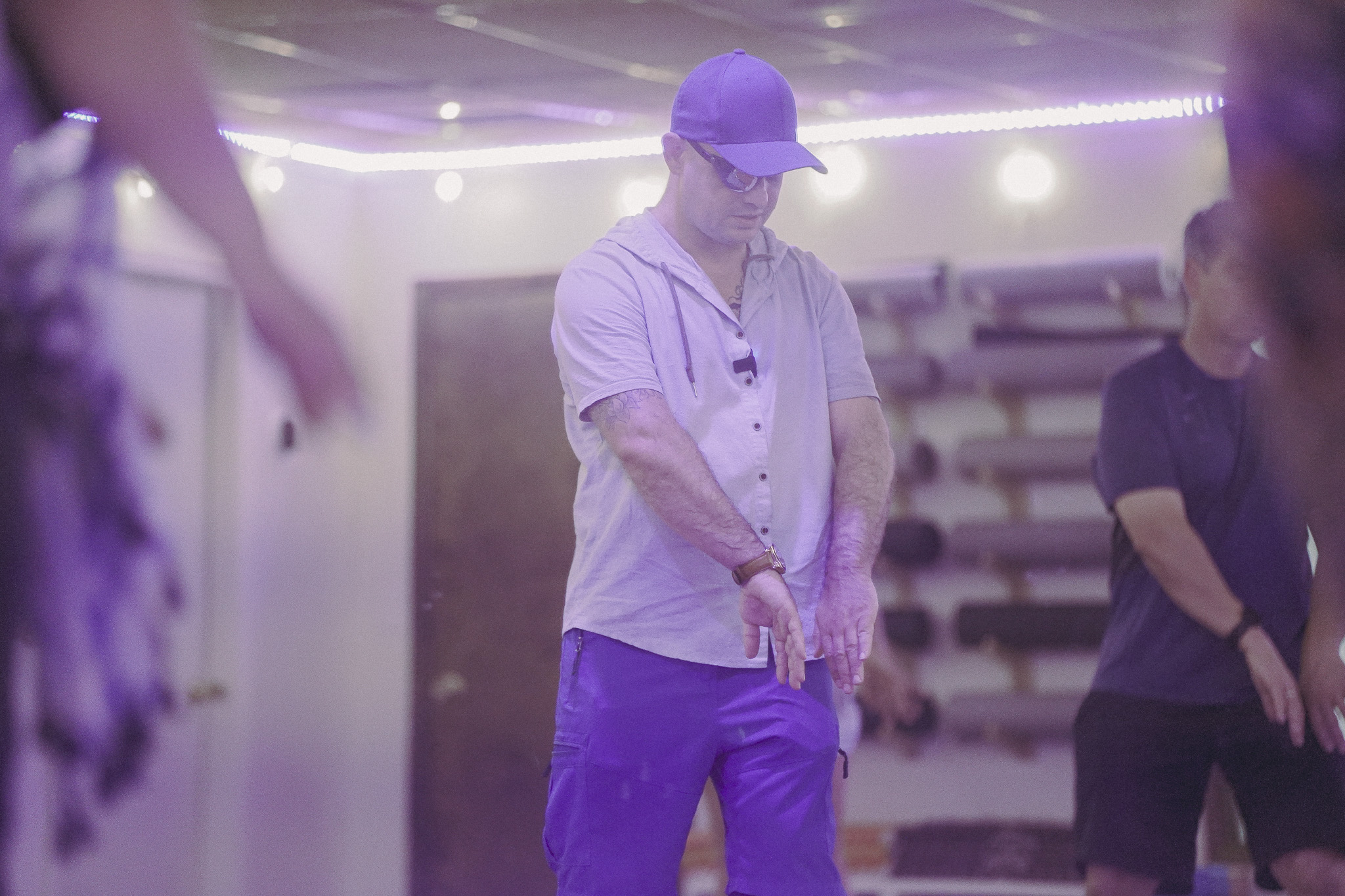
The body becomes an anchor for attention, which can make mindfulness more practical and less intimidating.
Thoughts can be present while practice is still happening
It is completely possible to have thoughts during Tai Chi and still be practicing. A thought may appear about your schedule, a conversation, a concern, or whether you are doing the movement correctly. That does not automatically interrupt the practice. What matters is whether you can notice the thought and return to the body without turning the thought into a problem.
This is important because many people become frustrated by their own thinking. They treat every thought as evidence that they are distracted or failing. However, thoughts are not the enemy of meditation. They are part of the experience that teaches awareness. When a thought appears, it gives you an opportunity to notice, release some judgment, and return.
Tai Chi supports this process because the movement continues. The body gives the mind a new opportunity to return with each step, breath, posture, and transition. Rather than trying to create a blank mental space, the practitioner learns to participate in the movement while allowing thoughts to come and go.
A thought appearing during practice does not mean the practice has stopped. The return to the body is what keeps the practice alive.
Notice the Thought
The first step is recognizing that attention has moved into thinking, planning, remembering, or evaluating.
Release the Judgment
You do not need to criticize yourself for having thoughts. Thinking is part of being human.
Return to the Body
Bring attention back to the feet, breath, hands, posture, or movement happening now.
Continue the Practice
Each return strengthens the skill of awareness, even when the mind wanders many times.
The practice is returning, not controlling
Trying to control the mind often creates more tension. A person may tell themselves to stop thinking, relax immediately, or focus perfectly. When that does not happen, they may become frustrated, which adds another layer of stress to the practice.
Tai Chi offers a different approach. Instead of controlling the mind through force, the practice trains returning through awareness. The mind wanders, and the body invites it back. The breath changes, and awareness notices it. The shoulders tense, and the practitioner observes the tension. The body rushes, and the movement asks for a slower pace.
This is a more sustainable way to practice mindfulness because it does not depend on perfection. It depends on repetition. Every time you return to the body, you reinforce the skill of noticing and coming back. That skill is useful not only in class, but also in everyday life.
Tai Chi does not ask you to control every thought. It helps you practice returning to awareness with less force and more patience.
Why Tai Chi can feel supportive for overthinkers
Overthinking often keeps attention in the mind. A person may analyze conversations, anticipate outcomes, second-guess decisions, rehearse what to say, or search for certainty before it is available. This can become exhausting because the mind keeps working even when the body needs rest or grounding.
Tai Chi can support people who overthink because it gives attention a different place to live for a while. Instead of continuing to follow every thought, the practitioner can follow the body. The practice provides enough structure to engage the mind without feeding the cycle of analysis. The person is not asked to solve everything in that moment; they are asked to notice the next movement.
This shift can be meaningful. It does not mean overthinking disappears completely, but it can create space between the person and the constant stream of thoughts. The body becomes a practical doorway out of mental looping and back into present-moment awareness.
For overthinkers, Tai Chi can be helpful because it gives the mind something grounded and physical to follow instead of another problem to solve.
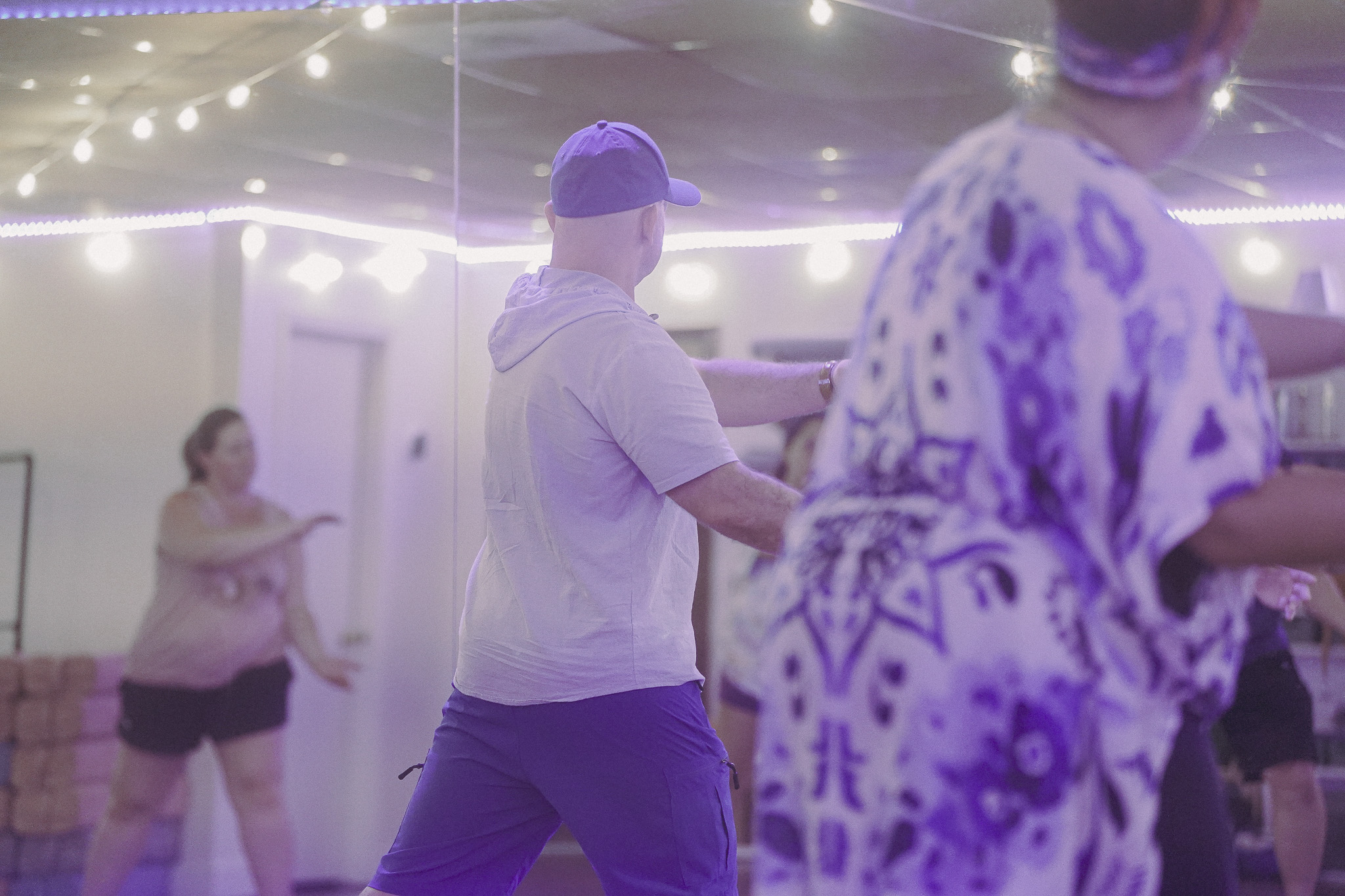
Tai Chi can help redirect attention from constant analysis into physical awareness, breath, and movement.
The mind may quiet down after the body feels supported
Many people try to quiet the mind directly. They attempt to think their way into calm, reason themselves out of stress, or force themselves to stop worrying. While reflection and perspective can be helpful, the mind does not always settle through thinking alone. Sometimes the body needs support first.
Tai Chi supports the body through gentle movement, grounding, breath awareness, and slow transitions. As the body begins to feel more connected and organized, the mind may gradually feel less scattered. This does not happen by command. It happens because the body and mind are participating in the same slower rhythm.
This is why Tai Chi can feel calming even when thoughts are still present. The practice does not need to remove every thought in order to be supportive. It can help create a steadier internal environment where thoughts are less likely to feel overwhelming or dominant.
Sometimes the mind becomes more settled after the body has been given movement, breath, grounding, and a slower rhythm.
Tai Chi can help change your relationship with distraction
Distraction is often treated as something that ruins meditation. However, distraction can also become part of the training. When the mind wanders during Tai Chi, there is an opportunity to notice how attention moves. Does it go into worry? Does it go into self-criticism? Does it compare you to someone else? Does it become impatient with the pace?
These observations can be useful because they reveal patterns that may also appear outside of class. The same self-criticism that appears when learning a movement may show up at work. The same impatience that appears during slow transitions may show up in relationships. The same mental rushing may appear during decisions or daily responsibilities.
Rather than seeing distraction as failure, Tai Chi invites you to see it as information. Each distraction becomes another chance to understand how the mind behaves and another chance to return to the body with more awareness.
Distraction does not have to end the practice. It can become part of what teaches you how your attention moves and how to return with care.
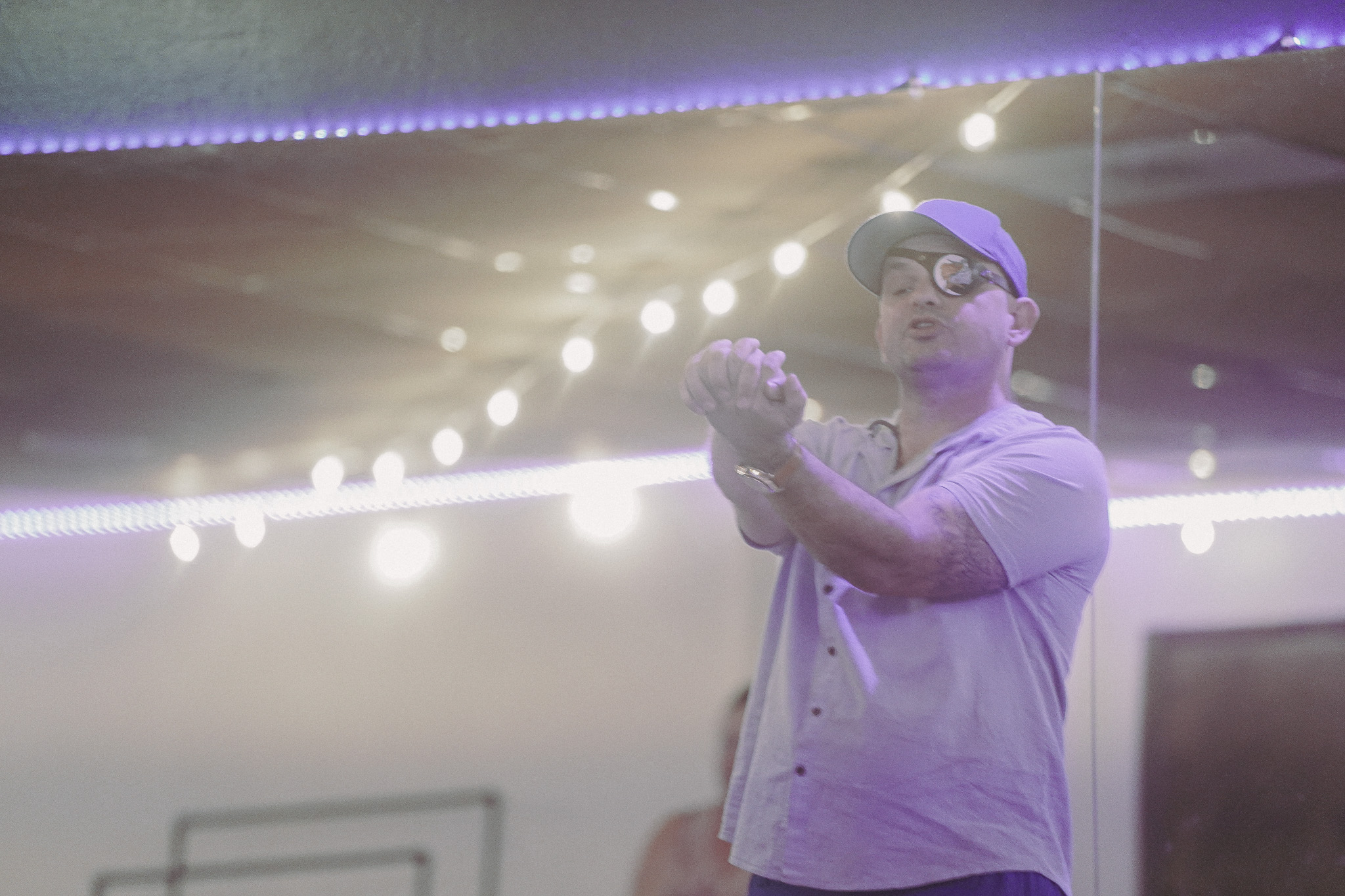
You do not need to feel peaceful to begin
Another common misconception is that people need to feel calm before they begin Tai Chi. This expectation can prevent people from practicing at the exact moment they may benefit from support. If someone waits until the mind is quiet, the body is relaxed, and life feels settled, they may never feel ready to start.
Tai Chi is valuable because it meets people in the middle of real life. You can arrive distracted, tense, overwhelmed, tired, or mentally busy. The practice gives you a structure for beginning from that place. You do not need to manufacture peace before stepping into the room.
Over time, this can help people develop a more realistic relationship with wellness. The goal is not to present yourself as calm. The goal is to practice awareness with honesty. Tai Chi creates space for that because the movements are gentle, the pace is patient, and the focus is on returning rather than performing.
You do not need to arrive with an empty mind or a peaceful mood. Tai Chi gives you a way to begin exactly where you are.
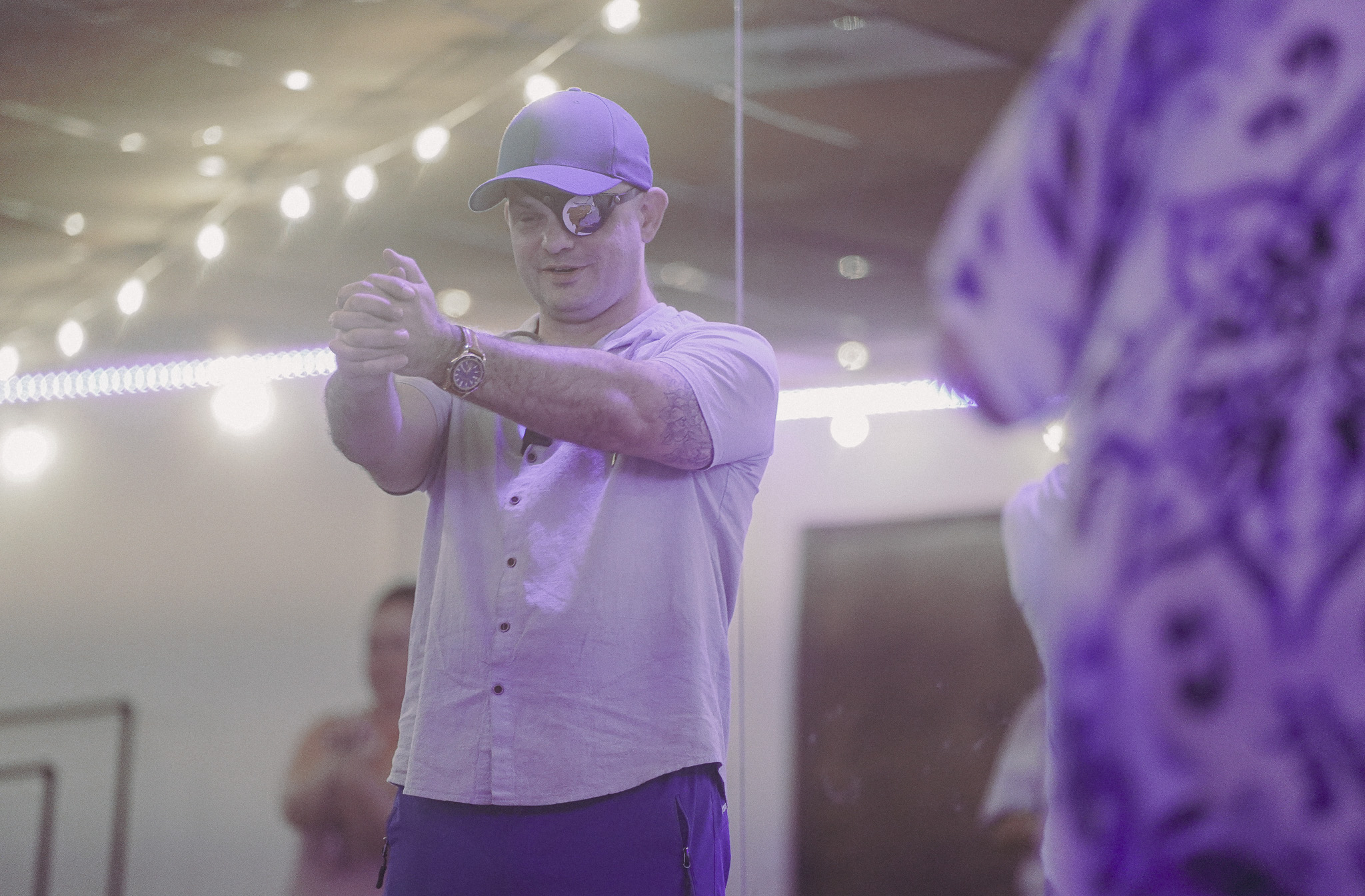
A beginner-friendly practice allows people to start without needing to feel calm, focused, or experienced beforehand.
How this mindset helps in daily life
Learning that you do not have to empty your mind can be helpful beyond Tai Chi class. In daily life, many people become frustrated when they cannot immediately stop worrying, overthinking, or feeling mentally scattered. They may judge themselves for having the same thoughts repeatedly or for not being able to relax on command.
Tai Chi teaches a more practical skill. Instead of demanding that the mind stop, you practice returning to something present. During a stressful workday, that might mean feeling your feet before answering an email. During a difficult conversation, it might mean noticing your breath before responding. During a busy evening, it might mean recognizing that the body is tense and needs a slower transition.
This is where Tai Chi becomes useful for real life. The practice is not only about what happens during class. It is about building the ability to notice when attention has been pulled away and to come back to the body with more steadiness.
At Work
You may notice when your mind is scattered and use the breath or body as an anchor before continuing.
In Relationships
You may create a small pause before responding from frustration, defensiveness, or emotional pressure.
During Stress
You may recognize that your mind is looping and return attention to the present moment through physical awareness.
Before Rest
You may use slow movement or grounding to help the body transition out of the pace of the day.
Tai Chi and The Healing Tree Collective
At The Healing Tree Collective, we understand that many people are curious about mindfulness but feel discouraged by the pressure to quiet the mind. They may have tried meditation and felt like they failed because thoughts kept appearing. They may want to feel more grounded, but sitting still or forcing calm does not always feel accessible.
Tai Chi fits naturally into our approach because it offers a beginner-friendly way to practice mindfulness through movement. It does not require prior experience, advanced coordination, athletic ability, or a perfectly calm mind. It simply invites people to move slowly, breathe with awareness, notice the body, and return to the present moment again and again.
Our mission is to create accessible wellness spaces where people can heal, grow, and reconnect with themselves through practices that feel supportive, educational, and real. Tai Chi supports that mission because it helps people understand that mindfulness is not about becoming empty. It is about becoming more aware, more connected, and more able to return to themselves in real life.
At The Healing Tree Collective, Tai Chi is offered as a practical way to build mindfulness without pressure, perfection, or the expectation that your mind must be blank before you begin.
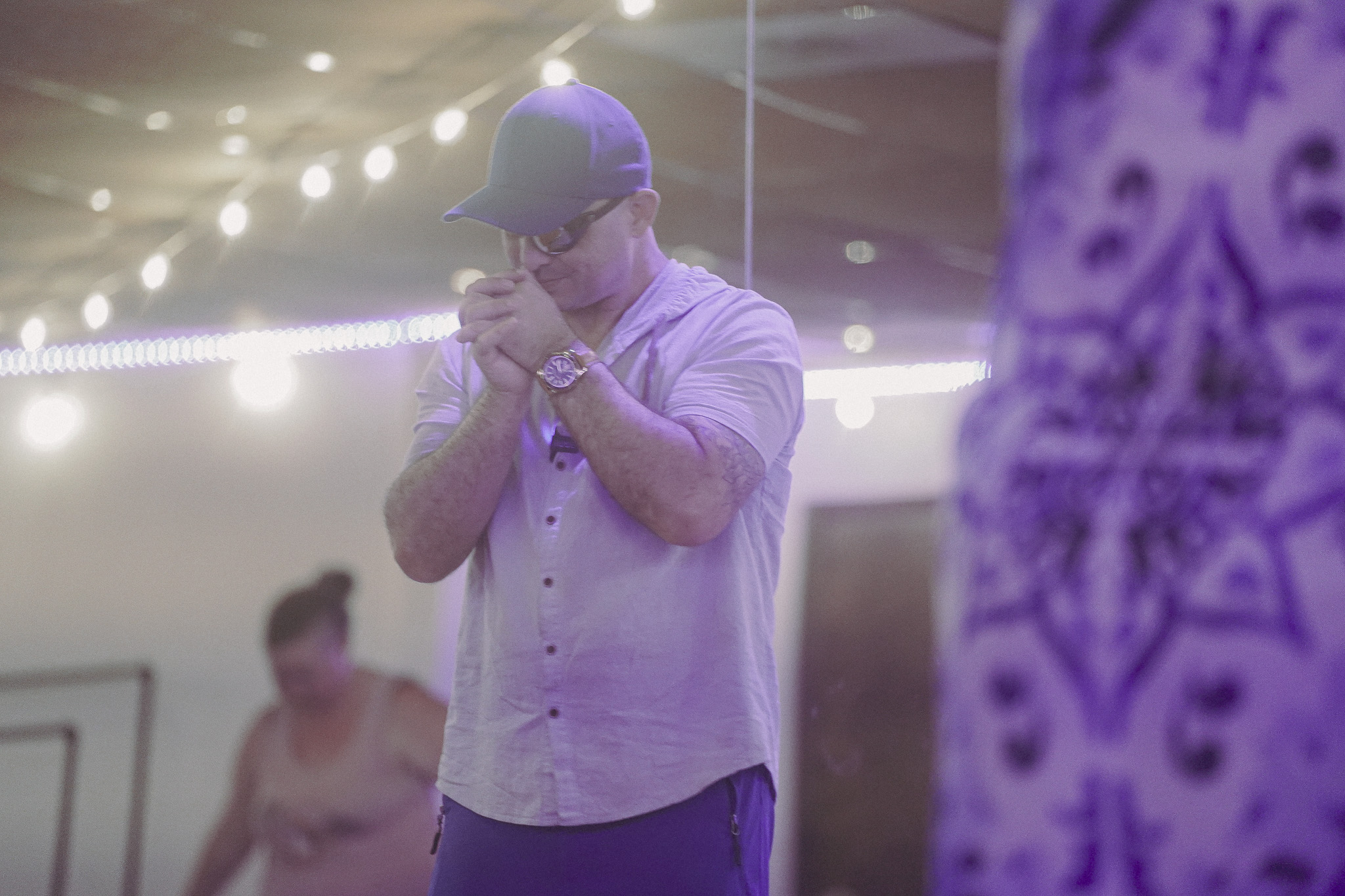
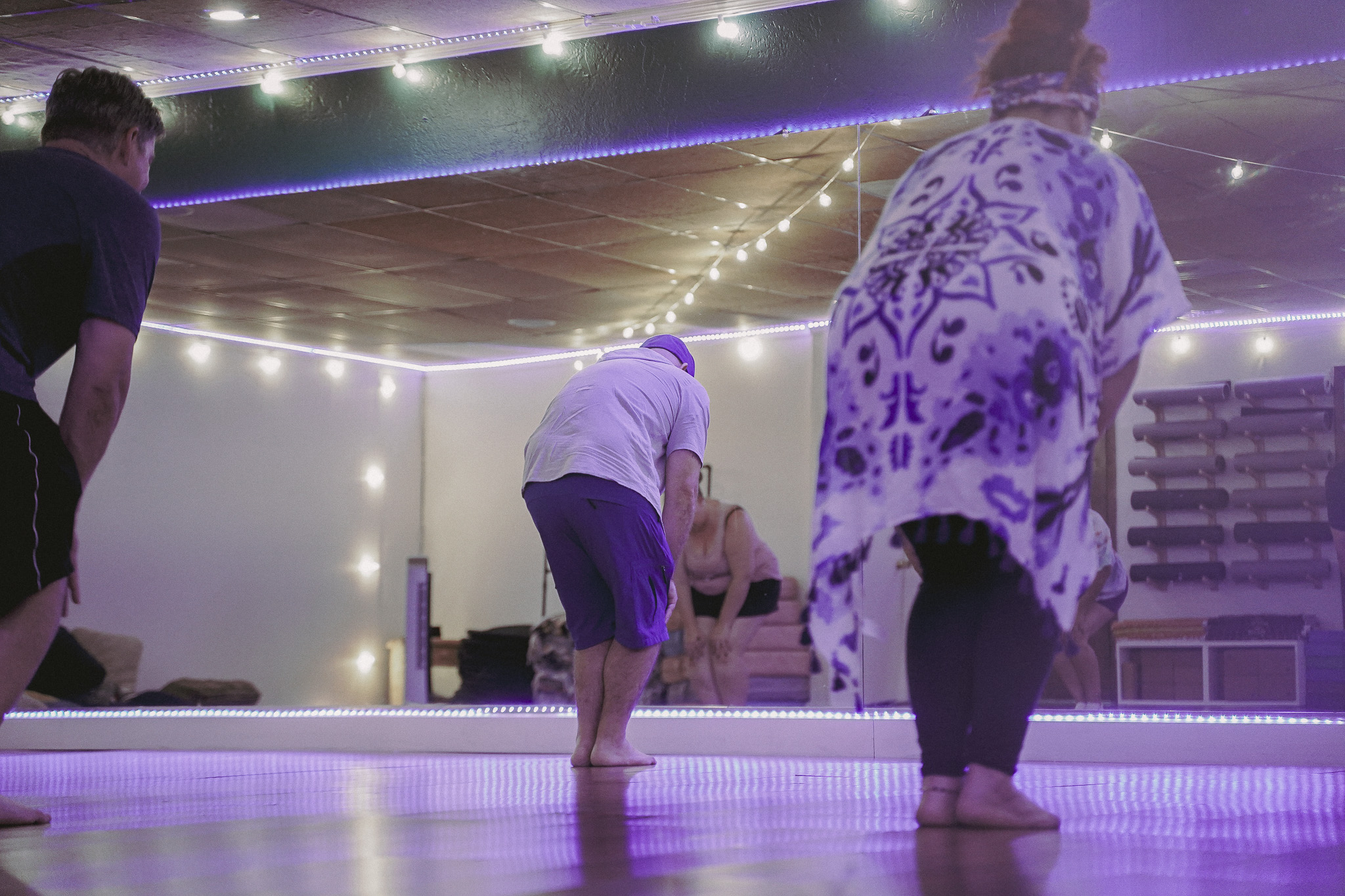
Final thoughts: Tai Chi gives the mind somewhere to return
You do not have to empty your mind to practice Tai Chi. You do not have to stop every thought, silence every distraction, or arrive in a perfectly peaceful state. A busy mind, a distracted mind, and a restless mind can all participate in the practice.
Tai Chi supports mindfulness by giving attention a physical place to return. Through slow movement, breath awareness, grounding, posture, balance, and mindful transitions, the practice helps you notice when the mind has wandered and return to the body with patience.
For people who feel discouraged by traditional meditation, this can be an important shift. The goal is not to create a blank mind. The goal is to build a relationship with awareness. Tai Chi makes that relationship practical by teaching the mind to return through the body, one movement at a time.
Tai Chi does not ask you to empty your mind. It teaches you how to return to the present moment, even when the mind is full.
Looking for Tai Chi for mindfulness in Tempe, Arizona?
At The Healing Tree Collective, our beginner-friendly wellness classes are designed to support stress relief, mindfulness, body awareness, and deeper connection. If you are curious about Tai Chi, moving meditation, gentle movement, or mindfulness practices that do not require an empty mind, you are welcome to begin here.
No prior experience is needed. Come as you are. We will meet you there.