11 July 2026
The Healing Tree Collective • Tempe, Arizona
How Tai Chi Teaches Presence Through Breath, Balance, and Movement
Presence is often talked about as something people should simply choose, but in real life, being present is not always that simple. A person may want to slow down, focus, and feel grounded, while the mind is still moving through tasks, worries, conversations, responsibilities, and future plans.
This is why practices that involve the body can be so helpful. Presence is not only a mental idea. It is something that can be practiced physically through breath, balance, posture, grounding, and movement. The body gives attention something real and immediate to return to.
Tai Chi teaches presence by asking the mind and body to work together. Through slow movement, breath awareness, balance, and mindful transitions, the practice helps people return to the present moment in a practical, body-based way.
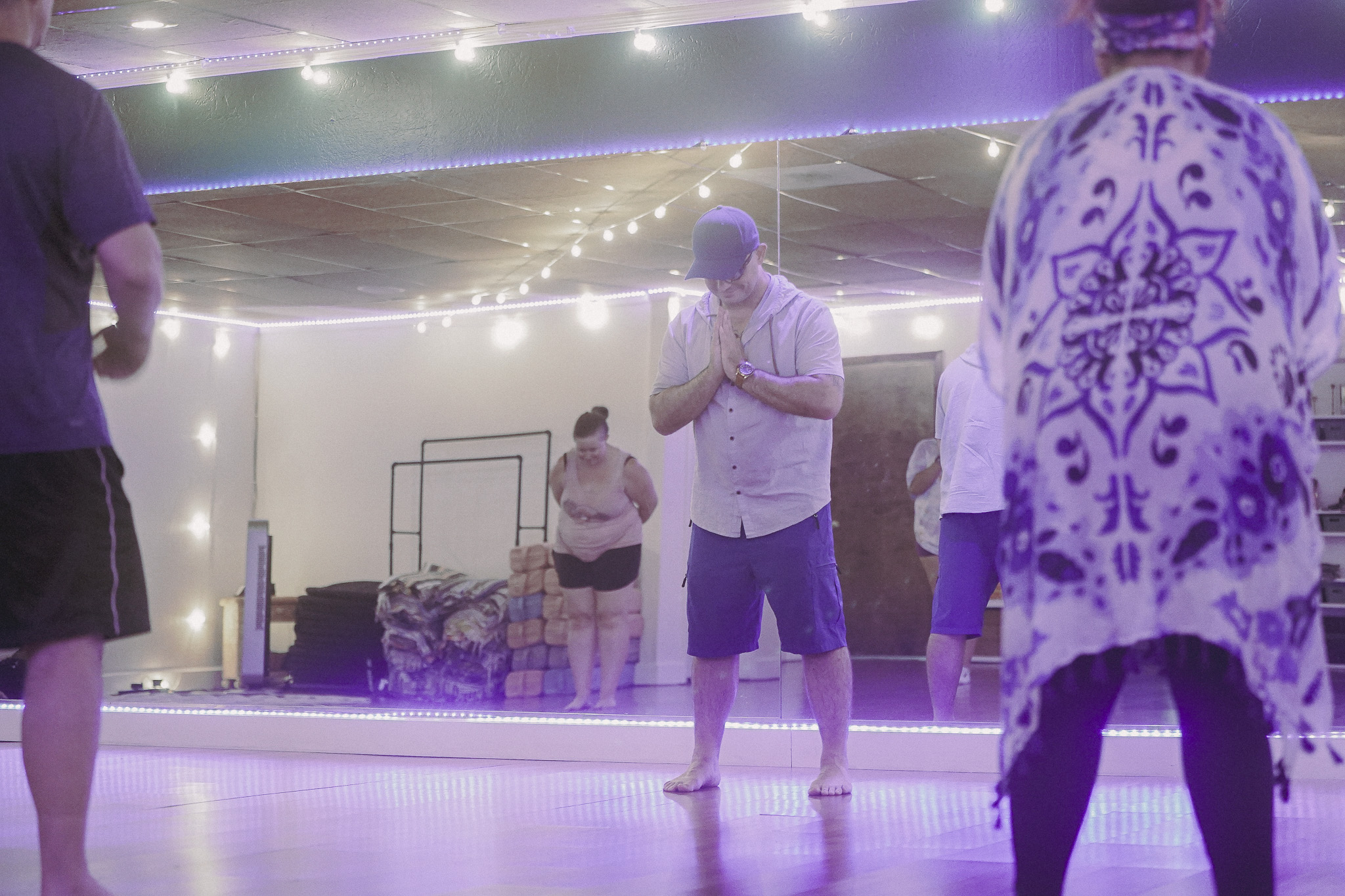
Tai Chi teaches presence by connecting attention to breath, balance, grounding, and slow intentional movement.
Tai Chi teaches presence through:
Simple physical anchors that help attention return to the present moment.
- Breath awareness
- Feeling the feet on the ground
- Shifting weight with intention
- Practicing balance
- Moving slowly enough to notice
- Softening unnecessary tension
- Returning when the mind wanders
Presence is a skill, not a personality trait
Some people assume presence comes naturally to certain people and not to others. They may believe they are simply too busy, too distracted, too anxious, too emotional, or too mentally active to be present. This belief can make mindfulness feel unreachable before the practice even begins.
Presence is better understood as a skill that can be practiced. Like any skill, it develops through repetition, patience, and consistent opportunities to return. The goal is not to stay perfectly focused at all times. The goal is to notice when attention has drifted and gently come back to what is happening now.
Tai Chi supports this skill because it gives presence a physical structure. The practitioner does not have to figure out presence through thought alone. They can feel the breath, notice the feet, shift weight, follow the hands, and return to the next movement. The body becomes the place where presence is practiced.
Presence is not about being perfectly focused. It is about learning how to return to the moment you are actually in.
Breath helps bring attention back into the body
The breath is one of the most practical ways to return to the present moment because it is always happening now. The mind may be thinking about yesterday or preparing for tomorrow, but the breath is taking place in the current moment. This makes breath awareness a powerful anchor for presence.
In Tai Chi, breath is not usually treated as something to force or control aggressively. Instead, the practice invites you to notice the breath as it relates to movement. You may begin recognizing when the breath becomes shallow, when you are holding it during concentration, or when an exhale helps the body soften.
This awareness matters because breath often reflects internal state. When the body is stressed or rushed, the breath may also become rushed or restricted. When attention returns to the breath during Tai Chi, the practitioner begins reconnecting with what the body is experiencing in real time. That reconnection is a form of presence.
The breath teaches presence because it gives the mind something immediate, physical, and alive to return to.
Balance requires attention to stay close
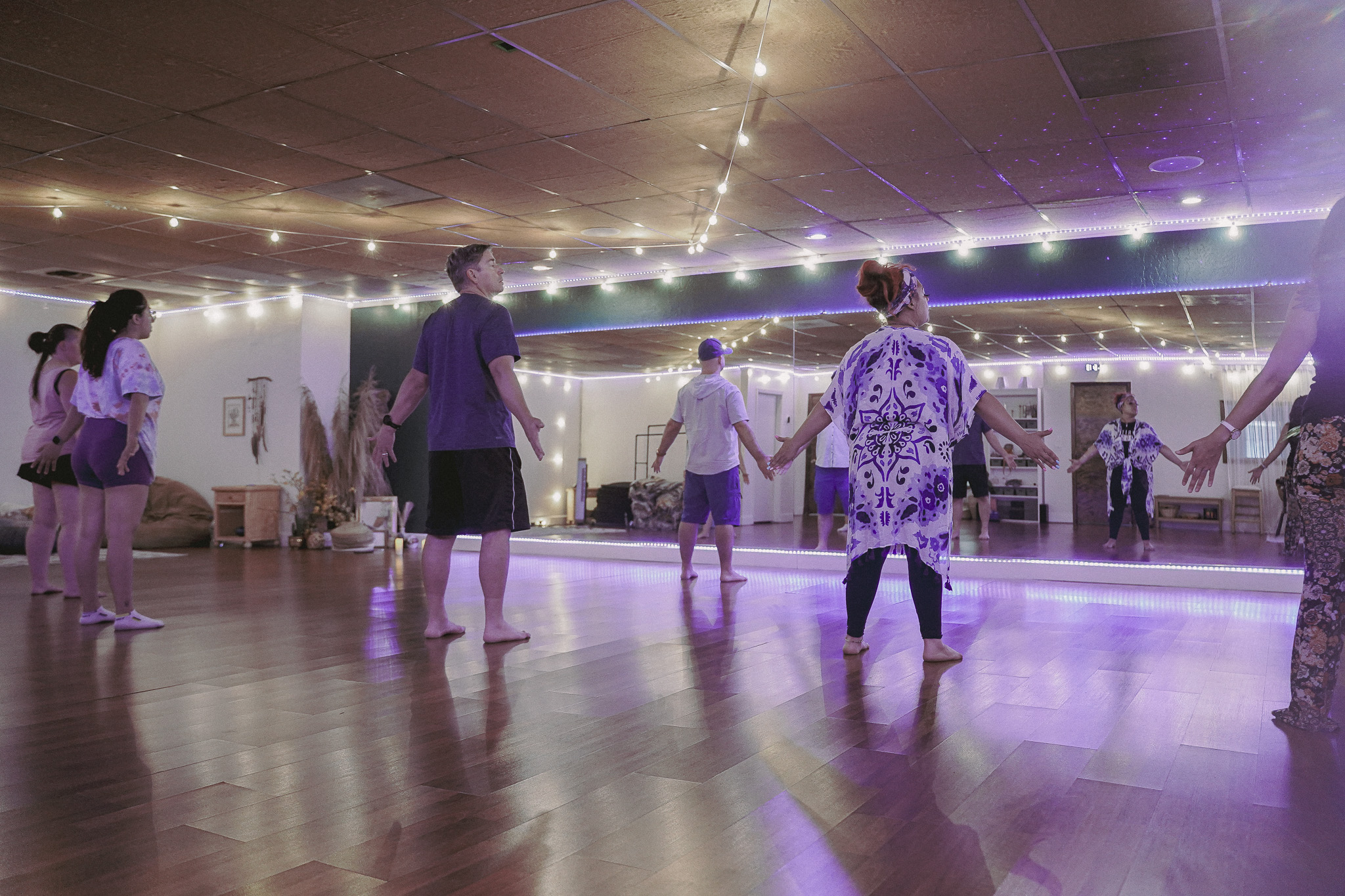
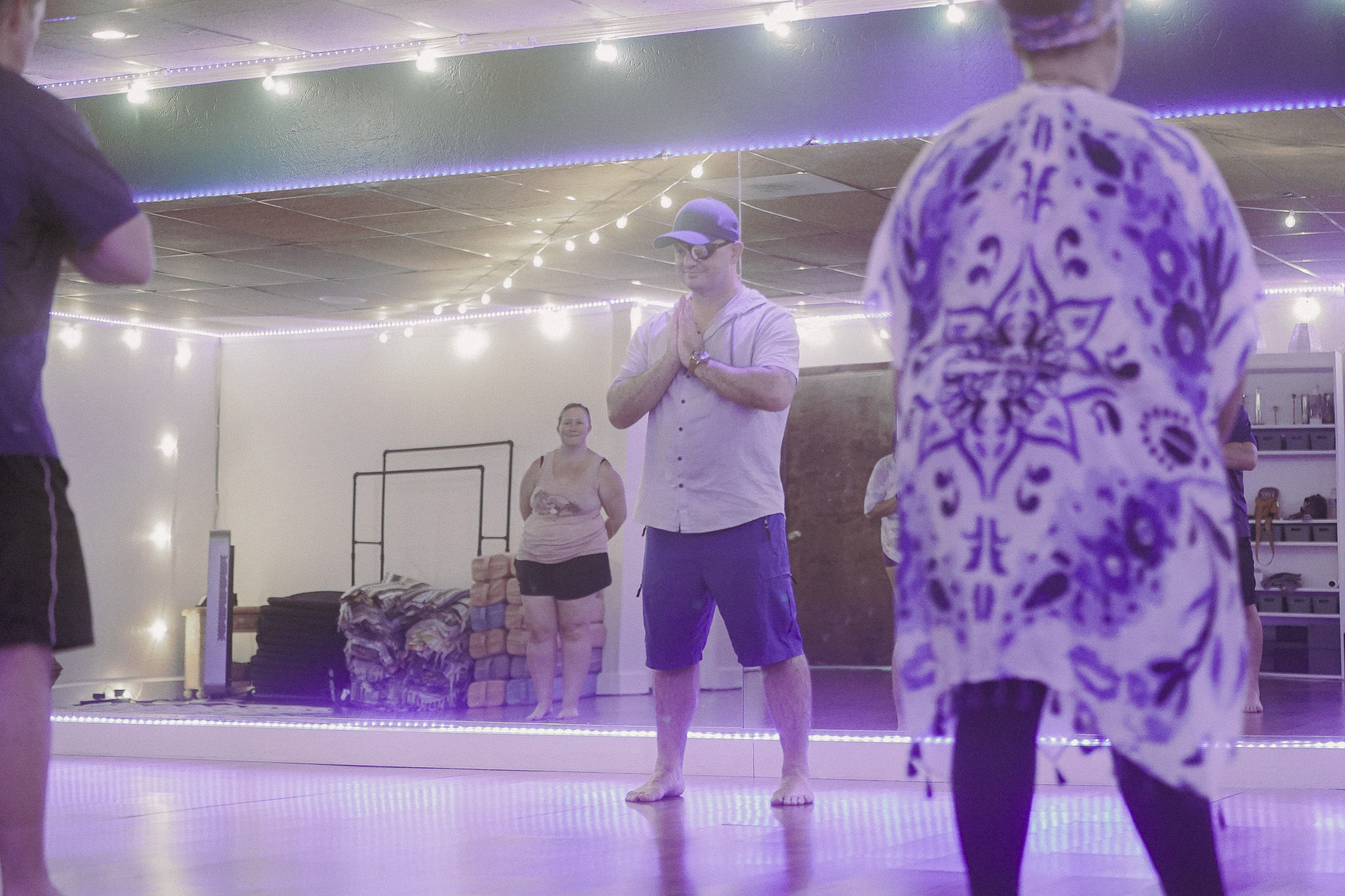
Balance is one of the most direct ways Tai Chi teaches presence. When the body is shifting weight slowly, attention has to stay connected. If the mind moves too far ahead, the body may feel unsteady. If the practitioner rushes through a transition, balance may become harder to maintain. This makes balance a clear teacher.
In daily life, people often move without noticing how they are standing, how they are carrying tension, or how quickly they are shifting from one task to another. Tai Chi slows this down. It asks the practitioner to feel how weight moves from one side to the other, how the feet contact the ground, and how the body adjusts to remain steady.
This type of balance is not only physical. It also teaches a mental and emotional lesson. Presence often requires staying close to what is happening rather than rushing into the next moment. Tai Chi makes that lesson visible through the body.
Balance teaches presence because the body cannot fully stabilize in a moment the mind has already left.
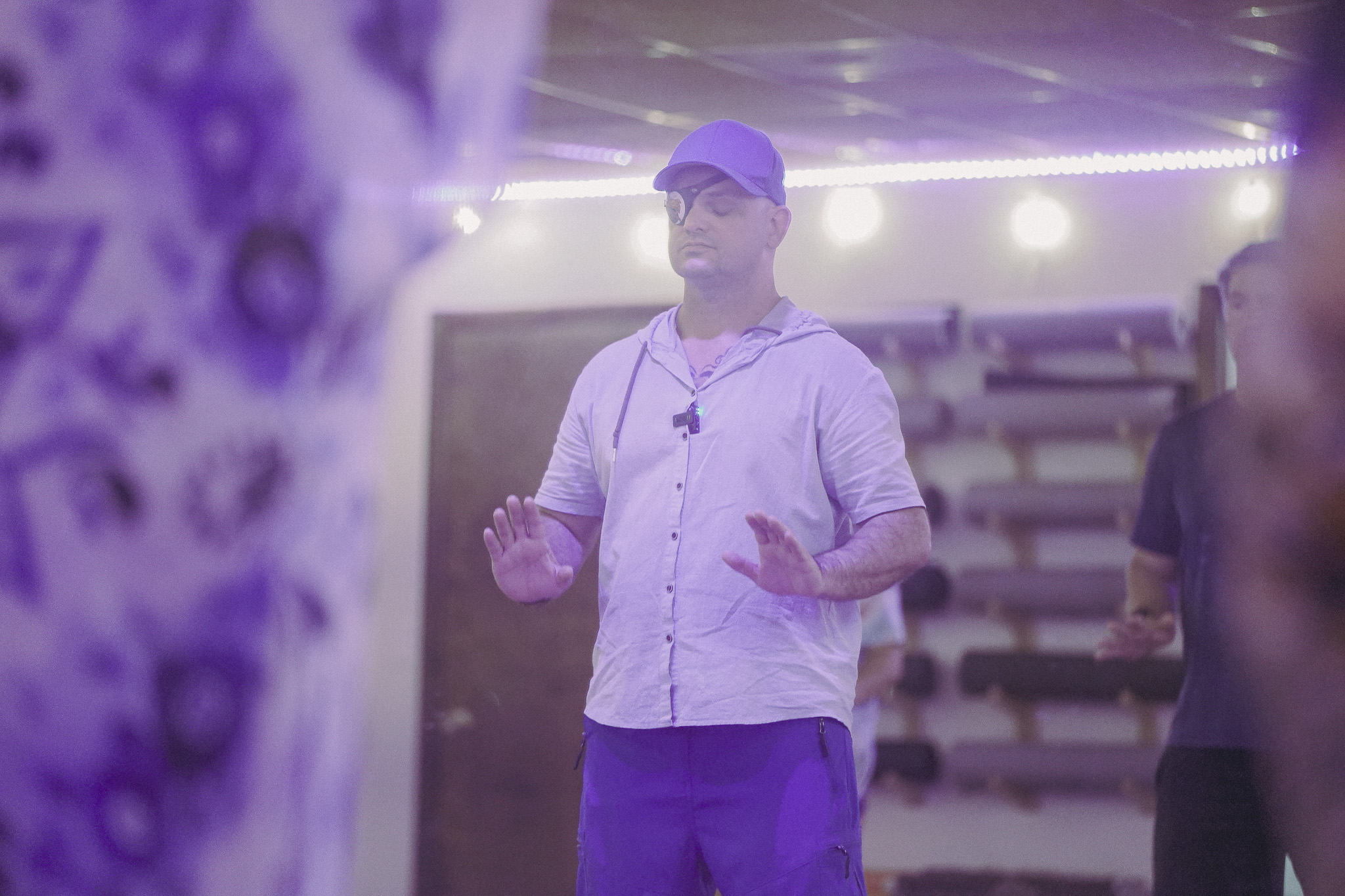
Balance practice helps attention stay connected to the feet, posture, breath, and present movement.
Movement gives the mind a steady place to return
Many people struggle with presence because the mind has no clear place to land. When someone is told to simply “be present,” the instruction may sound helpful but vague. The mind may continue moving through thoughts because it does not know what to focus on.
Tai Chi gives the mind a steady place to return. The movement of the hands, the shifting of the feet, the length of the spine, the release of the shoulders, and the transition from one posture into another all become anchors for attention. The body gives presence a practical form.
This is one reason Tai Chi can feel accessible for people with busy minds. The mind does not need to become blank. It simply needs a pathway back to the present moment. In Tai Chi, that pathway is movement.
Tai Chi teaches presence by turning movement into an anchor for attention.
The Hands
The movement of the hands gives the mind a visible and physical point of focus.
The Feet
The feet help attention return to grounding, balance, and physical support.
The Breath
The breath helps connect the internal experience with the rhythm of movement.
The Transition
The space between movements teaches patience, awareness, and the ability to stay with what is unfolding.
Tai Chi helps you notice when you are rushing
Rushing is one of the clearest signs that attention has left the present moment. When people rush, the mind is often already focused on the next task, next decision, next responsibility, or next outcome. The body may still be in the current moment, but attention is reaching ahead.
Tai Chi reveals this pattern because the practice moves slowly. If the body wants to speed up, if the breath becomes held, or if the practitioner becomes impatient with the pace, that information becomes noticeable. The slow movement creates enough space to observe the habit of rushing rather than being controlled by it automatically.
This is valuable because rushing is not limited to class. Many people rush through conversations, transitions, meals, rest, decision-making, and emotional experiences. Tai Chi teaches presence by helping people recognize the internal urge to move ahead before the current moment has been fully felt.
When Tai Chi reveals the habit of rushing, it also creates an opportunity to practice staying.
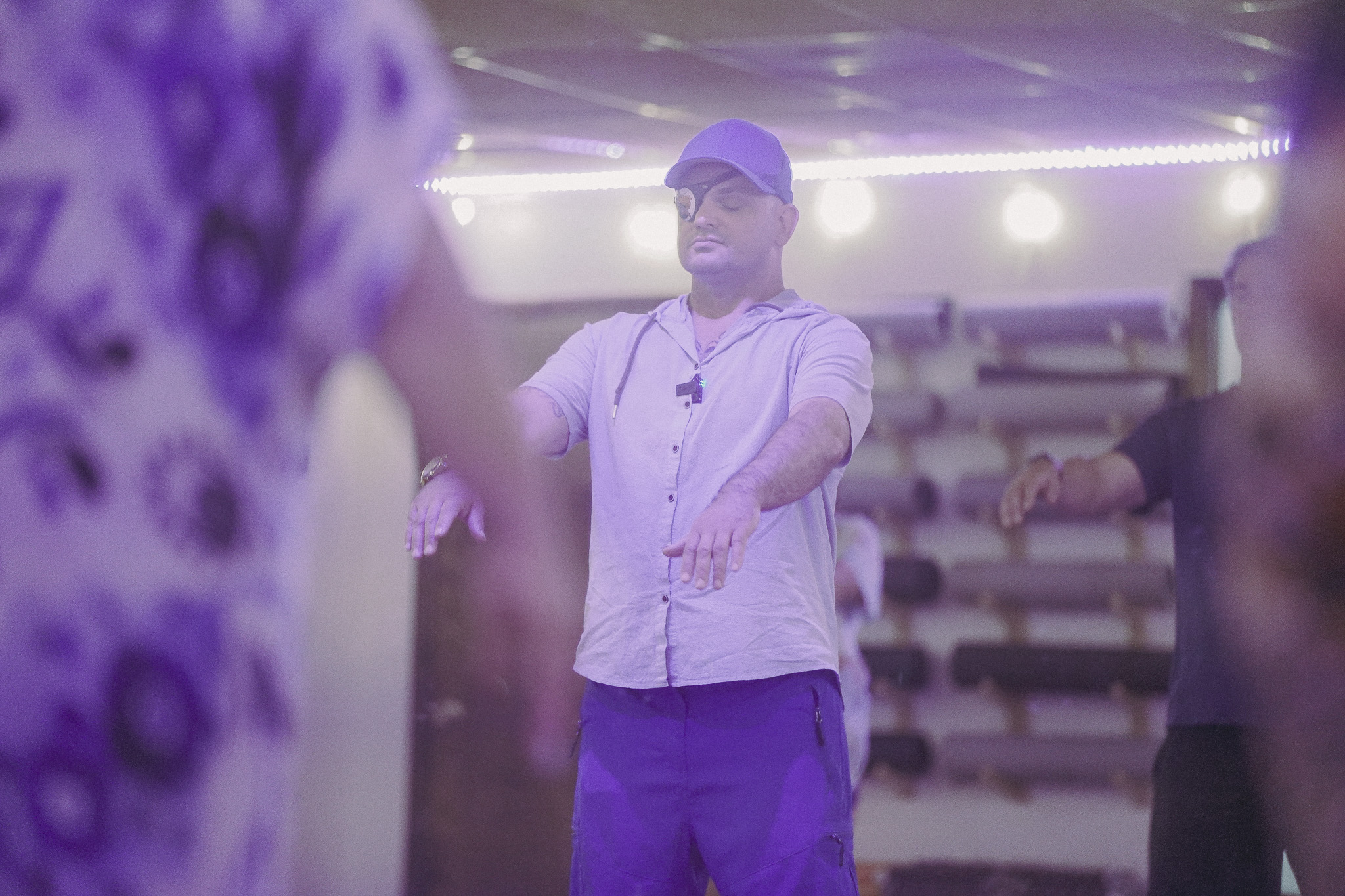

Presence is practiced through transitions
One of the most important lessons in Tai Chi is that transitions matter. The movement between postures is not rushed or ignored. It is part of the practice. The practitioner notices how weight shifts, how balance changes, how the breath responds, and how the body prepares for the next movement.
This attention to transition is one of the ways Tai Chi teaches presence. Many people only pay attention to outcomes. They focus on arriving, finishing, completing, solving, or moving on. Tai Chi invites attention into the in-between space, where the body is actively changing from one position to another.
This lesson can be useful in daily life. Transitions happen constantly: moving from work into home life, from stress into rest, from conversation into response, from one responsibility into another. Tai Chi teaches that the quality of attention during transitions can affect how we arrive in the next moment.
The transition is not empty space. It is where presence is practiced before the next movement begins.
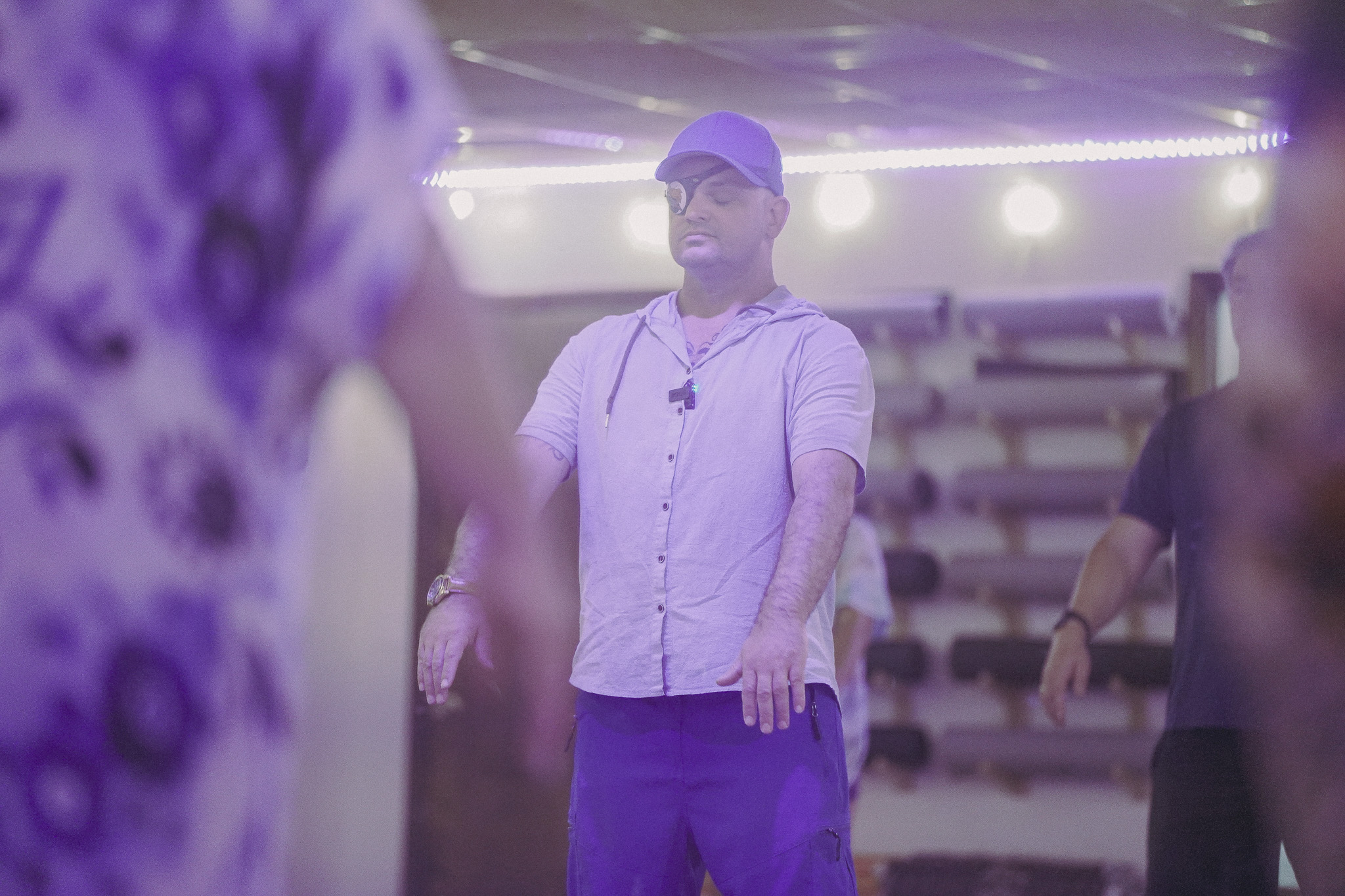
Tai Chi teaches presence by slowing down the in-between moments that are often rushed in daily life.
The body teaches what the mind often understands too late
Many people do not recognize stress until it becomes strong enough to interrupt their day. They may not notice shallow breathing, clenched shoulders, fatigue, restlessness, or irritability until the body is already overwhelmed. This often happens because attention is focused on thinking, planning, and doing rather than sensing.
Tai Chi helps shift attention toward sensing. Through breath, balance, and movement, the practitioner begins noticing physical information earlier. They may recognize when the breath is restricted, when the body is bracing, when balance feels unsettled, or when attention is scattered.
This body-based awareness is part of presence. Presence is not only noticing the room around you. It is also noticing what is happening within you. Tai Chi helps people practice this inner awareness in a structured and gentle way.
The body often communicates before the mind has words. Tai Chi helps people slow down enough to listen.
Presence does not mean the mind never wanders
It is important for beginners to know that presence does not mean the mind stays perfectly focused the entire time. The mind will wander during Tai Chi. It may think about work, compare itself to others, wonder what comes next, or become distracted by the room. This is normal.
The practice is not to prevent all distraction. The practice is to notice distraction and return. Each return to the breath, balance, or movement is a repetition of presence. In that way, distraction does not have to be seen as failure. It becomes part of the training.
This understanding can make Tai Chi feel more approachable. A person does not need to have perfect focus before beginning. They simply need a willingness to return. Over time, that willingness becomes a skill that can support both practice and daily life.
Presence is not the absence of distraction. Presence is the practice of returning when distraction has pulled attention away.

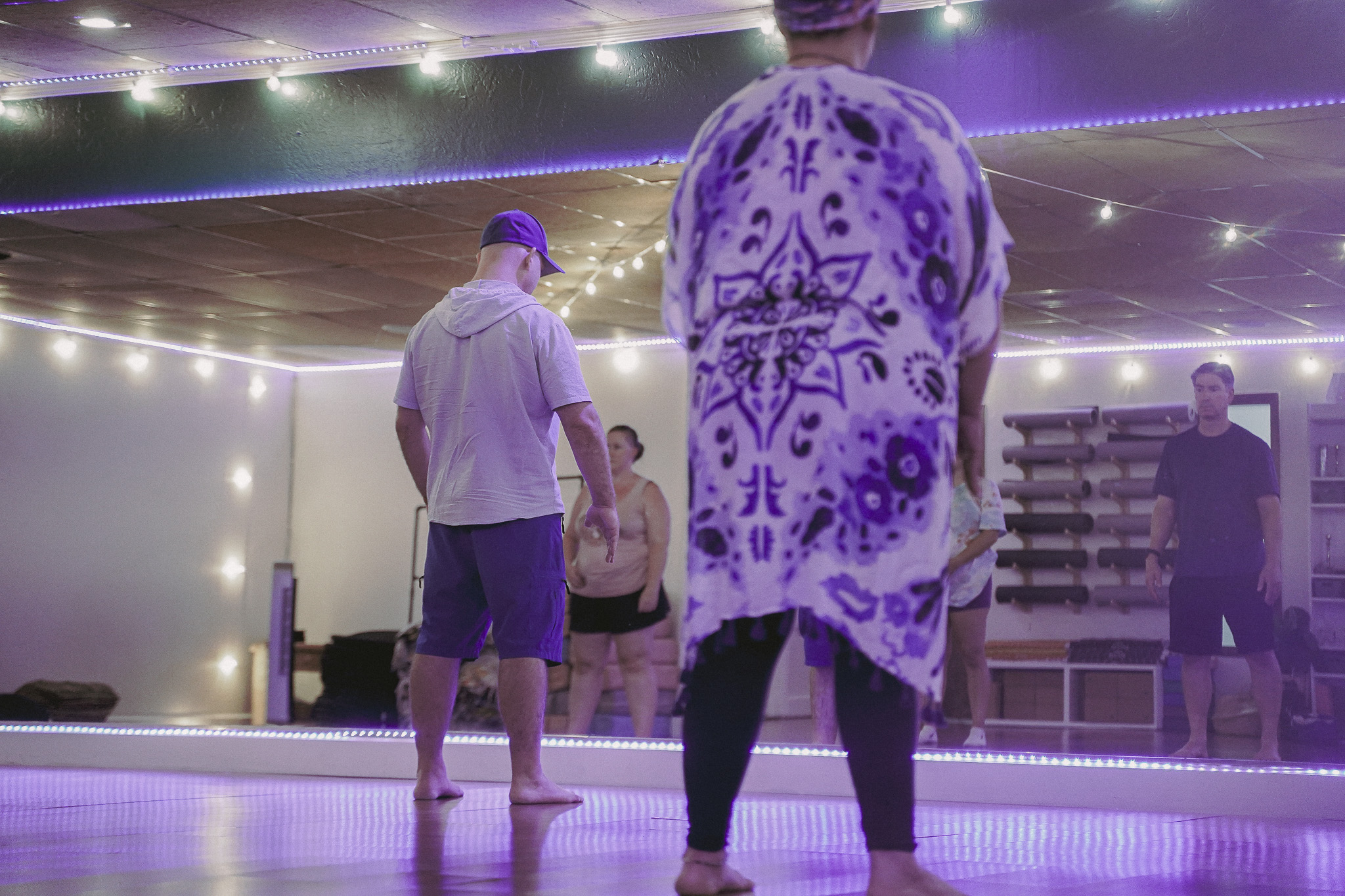
Tai Chi can support presence without pressure
Some mindfulness practices can feel intimidating when people believe they need to be calm, quiet, flexible, focused, or experienced before they begin. This pressure can prevent people from trying something that may actually be supportive.
Tai Chi offers a more accessible path because presence is practiced through simple physical anchors. You do not need to arrive with a silent mind. You do not need to perform the movements perfectly. You do not need to understand everything in the first class. The practice gives you repeated opportunities to notice and return.
This is one of the reasons Tai Chi can be helpful for people who are new to mindfulness. It provides structure without intensity. It invites attention without harshness. It allows the body to participate in presence at a pace that feels more sustainable.
Tai Chi supports presence by making mindfulness practical, physical, and repeatable.
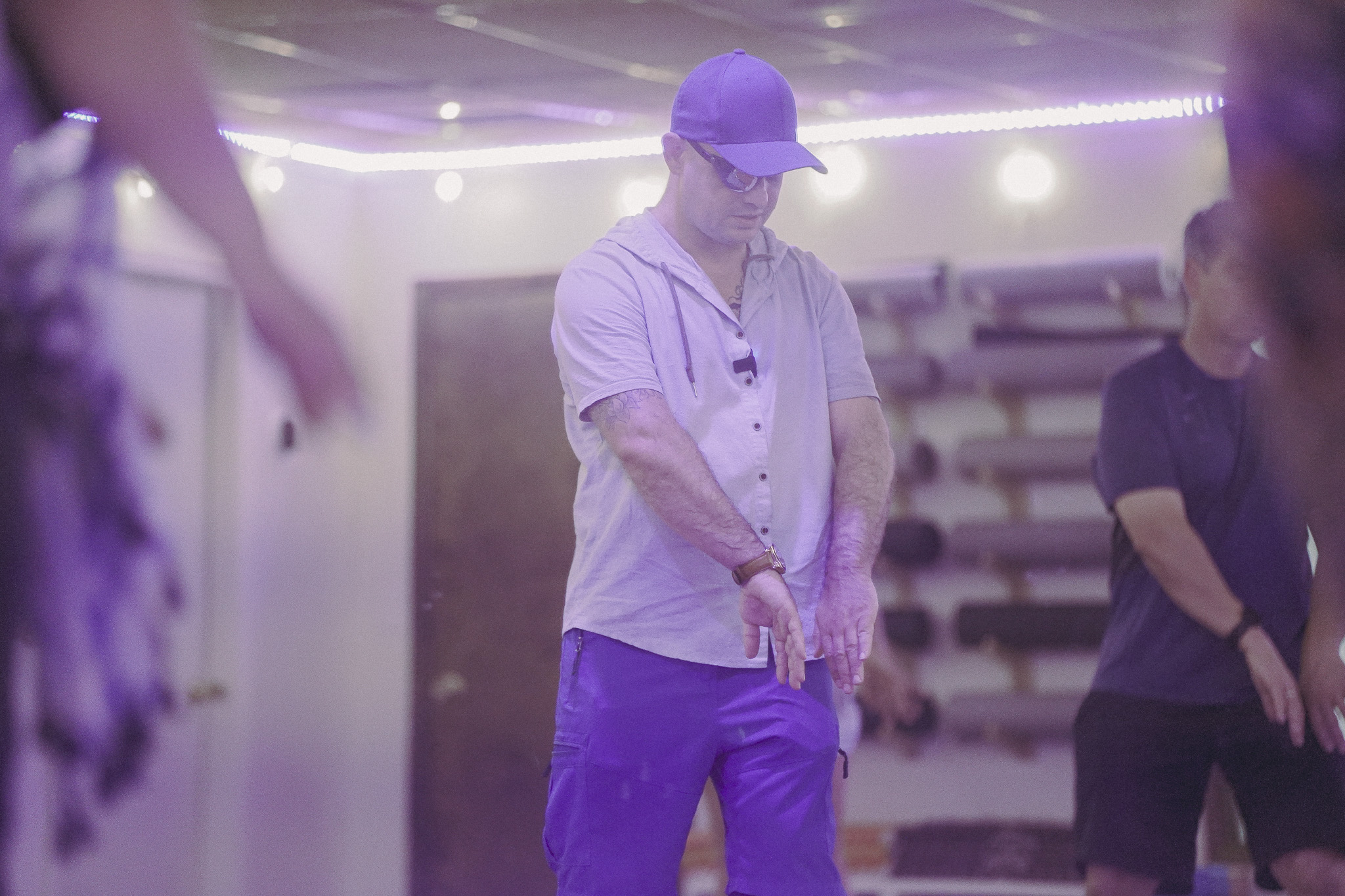
A beginner-friendly Tai Chi practice gives people space to learn presence without pressure, perfection, or prior experience.
How presence through Tai Chi can support daily life
The presence developed in Tai Chi can begin to show up outside of class. A person may notice their breath before responding to a stressful message, feel their feet before entering a difficult conversation, or recognize that they are rushing through a transition that needs more care.
These small moments are meaningful because they create space for a different response. Instead of moving automatically from stress into reaction, a person may pause, breathe, adjust posture, or return to the body. Presence becomes less abstract and more practical.
This is where Tai Chi becomes especially relevant to everyday life. The practice helps people develop skills they can use in work, relationships, parenting, rest, decision-making, and emotional regulation. Breath, balance, and movement become tools for returning to awareness in ordinary moments.
At Work
You may notice when your breath becomes shallow, your posture tightens, or your mind begins rushing ahead.
In Conversation
You may feel your feet and take a breath before responding from stress, pressure, or defensiveness.
During Transitions
You may slow down enough to notice how one moment is affecting the next.
Before Rest
You may use gentle movement or breath awareness to help the body shift out of the pace of the day.
Tai Chi is not a replacement for medical or mental health care
Tai Chi can be a supportive wellness practice for mindfulness, body awareness, stress awareness, balance, breath connection, and emotional wellbeing, but it is not a replacement for medical care, physical therapy, therapy, medication, psychiatric support, trauma-informed treatment, or crisis services. If someone is experiencing persistent pain, significant distress, panic, depression, trauma symptoms, thoughts of self-harm, or difficulty functioning, support from qualified professionals may be necessary.
At the same time, many people benefit from practices that help them return to the body, notice stress earlier, and develop a more grounded relationship with attention. Tai Chi can be one supportive part of a broader care routine because it offers a gentle and repeatable way to practice presence through breath, balance, and movement.
The value of Tai Chi is not that it removes every thought, stressor, or challenge. Its value is that it gives people a practical way to return to themselves in the middle of real life.
Tai Chi can support presence and mindfulness as part of a broader wellness routine, but it should not replace professional care when professional support is needed.
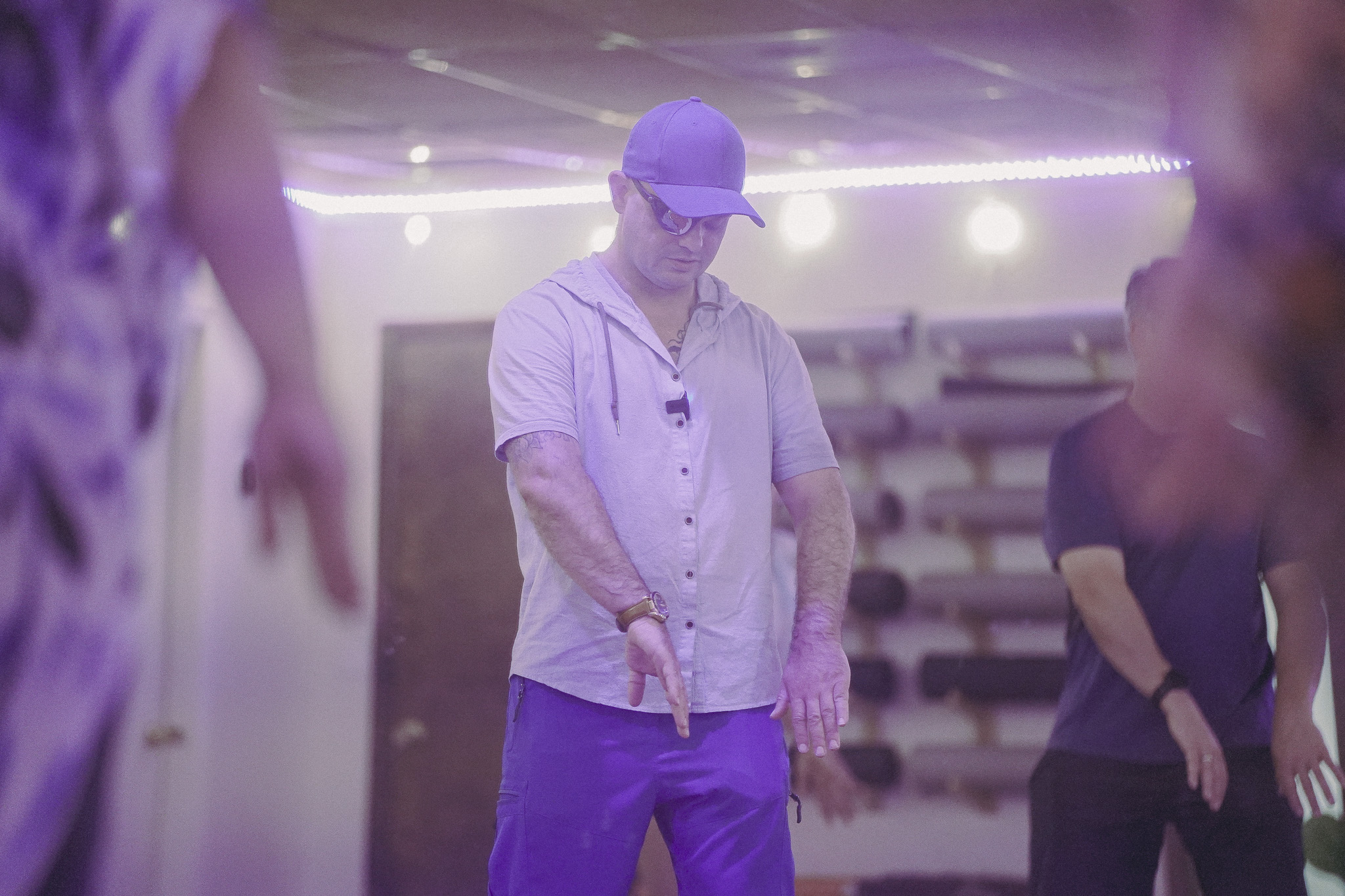
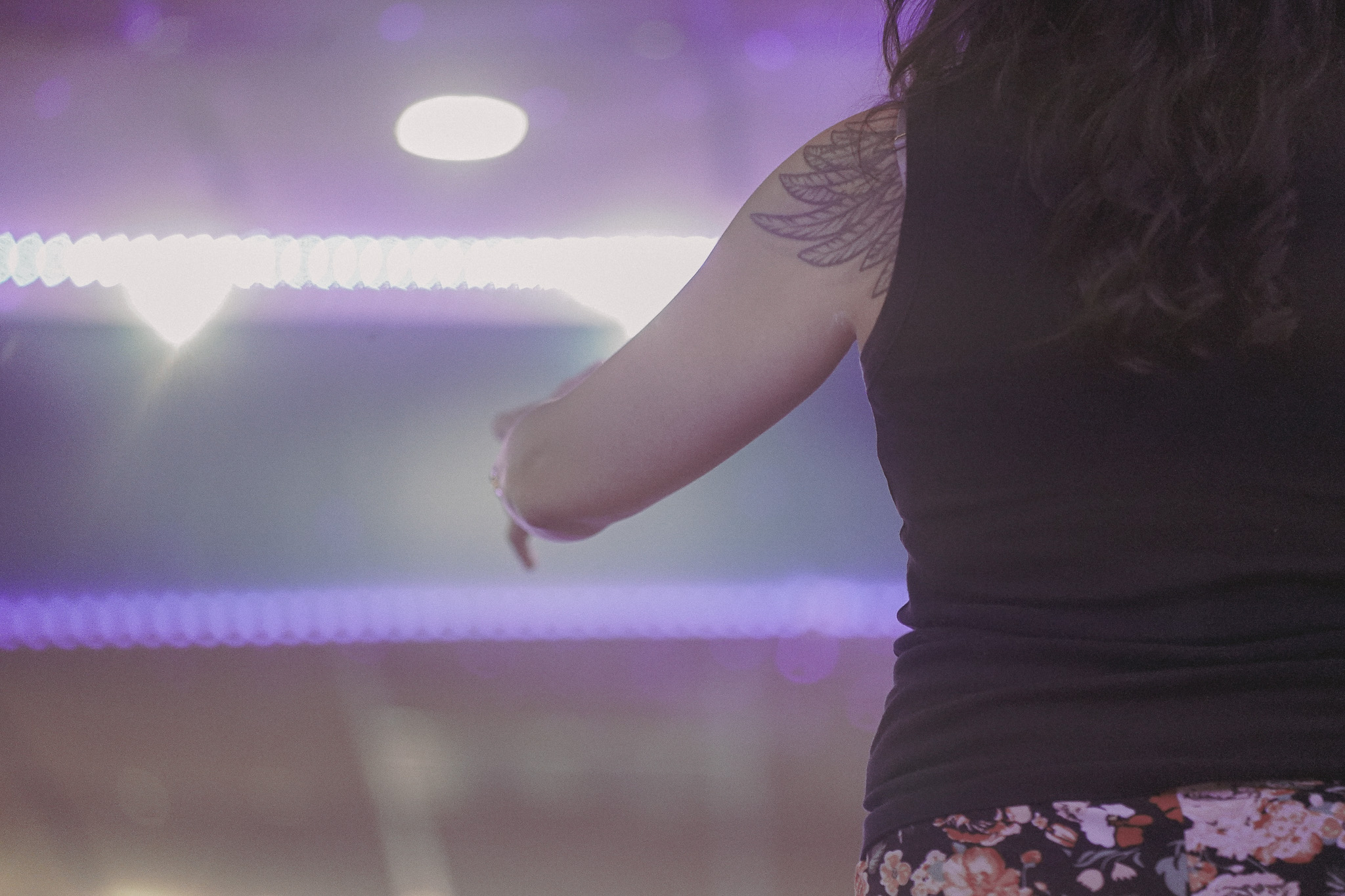
Tai Chi and The Healing Tree Collective
At The Healing Tree Collective, we understand that many people are trying to feel more present while living full, demanding lives. They may be carrying stress, emotional fatigue, responsibility, mental noise, or a sense of disconnection from the body. They may want to slow down, but not know how to begin in a way that feels accessible.
Tai Chi fits naturally into our approach because it teaches presence through the body. It does not require prior experience, advanced flexibility, athletic ability, or a perfectly calm mind. The practice invites people to breathe, balance, move slowly, and notice themselves with more patience.
Our mission is to create accessible wellness spaces where people can heal, grow, and reconnect with themselves through practices that feel supportive, educational, and real. Tai Chi supports that mission because it helps people practice presence in a way that can be carried into everyday life, not only experienced during class.
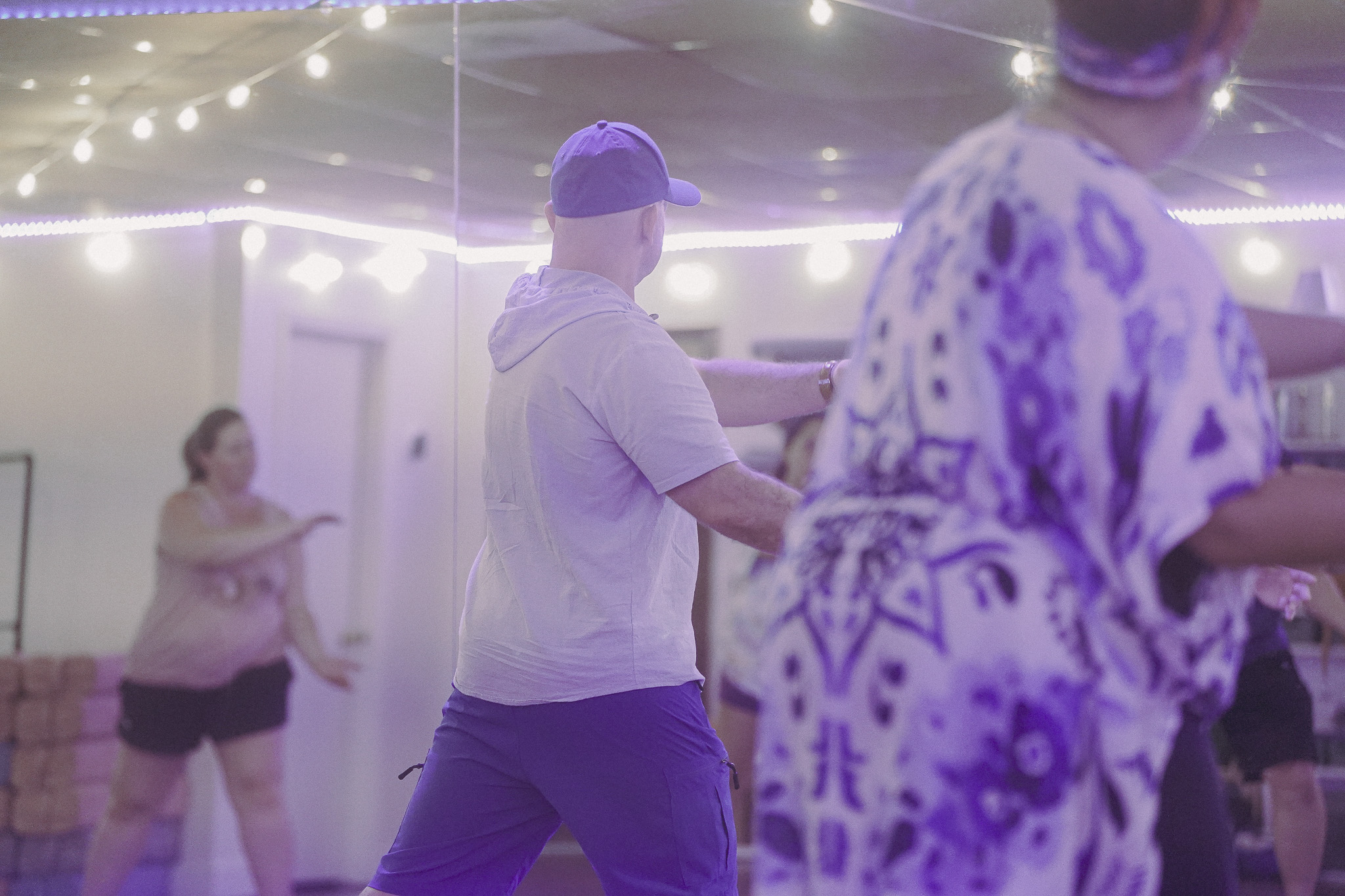
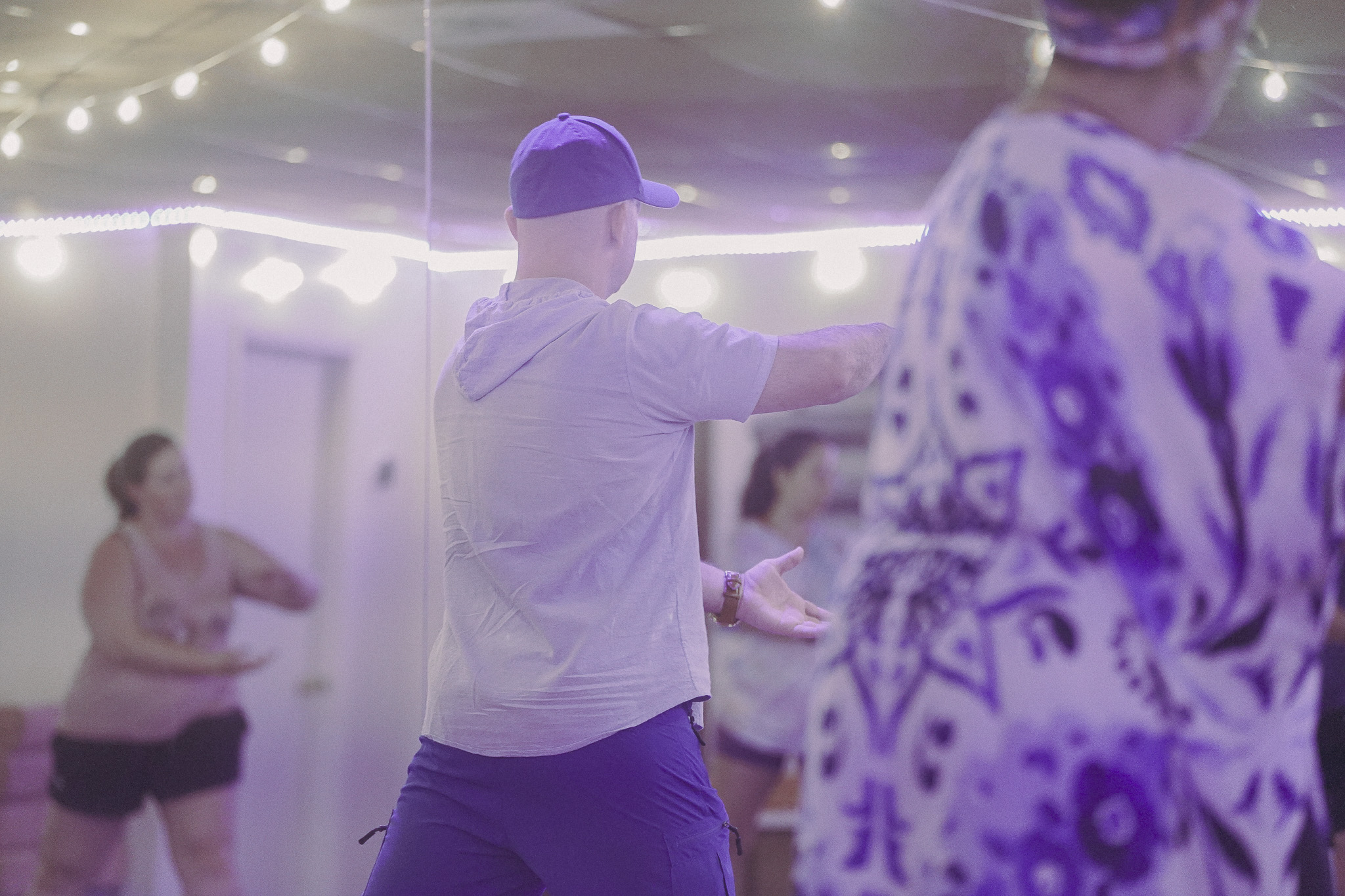
At The Healing Tree Collective, Tai Chi is offered as a practice of presence: a way to return to breath, balance, movement, and the body beneath you.
Final thoughts: presence can be practiced through the body
Tai Chi teaches presence through breath, balance, and movement by giving the mind and body a shared place to return. The breath helps anchor attention. Balance keeps awareness connected to the present moment. Movement gives the mind a steady pathway to follow.
The goal is not perfect focus, perfect stillness, or perfect movement. The goal is to practice returning. Each breath noticed, each weight shift felt, each transition completed with awareness, and each moment of returning helps strengthen the skill of presence.
For people who feel mentally busy, emotionally full, disconnected from the body, or unsure how to practice mindfulness, Tai Chi offers a gentle and practical place to begin. Presence becomes something you can feel, practice, and carry into daily life.
Tai Chi teaches presence by helping you return to the body through breath, balance, and movement, one moment at a time.
Looking for Tai Chi classes in Tempe, Arizona?
At The Healing Tree Collective, our beginner-friendly wellness classes are designed to support stress relief, mindfulness, body awareness, and deeper connection. If you are curious about Tai Chi, moving meditation, breath awareness, balance, or gentle movement practices, you are welcome to begin here.