16 July 2026
The Healing Tree Collective • Tempe, Arizona
What Your Posture, Breath, and Balance Can Teach You in Tai Chi
Tai Chi may look simple from the outside, but the practice can reveal a lot about how a person is carrying themselves from the inside. The way someone stands, breathes, shifts weight, holds tension, or responds to balance can offer meaningful information about stress, effort, attention, and body awareness.
For many people, posture, breath, and balance are not things they think about often. They may notice them only when something feels uncomfortable or when the body becomes difficult to ignore. Tai Chi slows the body down enough for these everyday signals to become easier to recognize.
In Tai Chi, posture, breath, and balance become teachers. They help you notice how stress shows up, where effort is being held, when attention has wandered, and how the body may be asking for more support, awareness, or care.
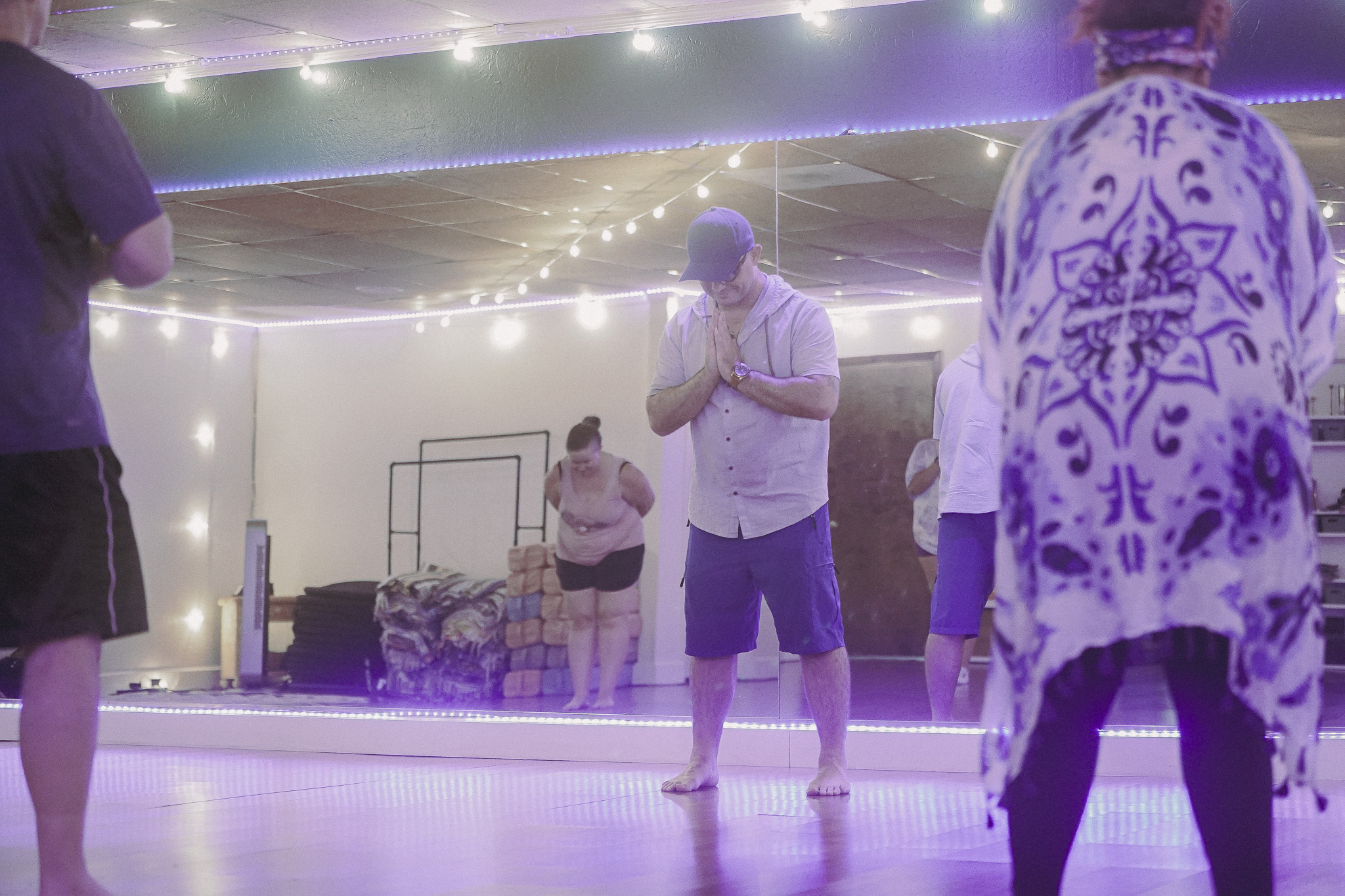
Tai Chi helps people learn from the body through posture, breath, balance, grounding, and slow intentional movement.
In Tai Chi, posture, breath, and balance can teach you about:
Small physical signals that often reflect larger patterns in daily life.
- Where the body holds effort
- How stress changes the breath
- Whether the body is rushing
- How balance responds to uncertainty
- Where tension gathers
- How attention moves
- What support feels like through the feet
Tai Chi teaches through observation, not force
One of the most supportive parts of Tai Chi is that the practice does not require the body to be forced into awareness. Instead, the movements create a space where awareness can develop gradually. You are not asked to push harder, move faster, or perform at a high level. You are asked to notice.
This kind of observation can be very different from how many people usually relate to their bodies. In daily life, the body is often treated as something that needs to keep up, perform, work, carry responsibility, or push through discomfort. Tai Chi offers a different relationship. It invites the body to become a source of information rather than only a tool for productivity.
Posture, breath, and balance become helpful because they are constantly communicating. They can show when the body is tense, when attention is scattered, when the breath is restricted, or when movement is being driven by urgency. The practice gives you time to notice these signals without immediately judging them.
Tai Chi teaches by slowing the body down enough for posture, breath, and balance to become visible sources of information.
Posture can reveal how you are carrying effort
Posture is often misunderstood as simply standing up straight. In Tai Chi, posture is more than appearance. It is a way of understanding how the body organizes itself. The shoulders, spine, chest, jaw, hips, knees, and feet all offer information about effort, support, protection, fatigue, and tension.
A person may discover that their shoulders lift when they concentrate, their chest closes when they feel uncertain, or their jaw tightens when learning something new. Someone else may notice that they lean forward through the movement because the body is used to rushing into what comes next. These patterns are not failures. They are information.
Over time, posture awareness can help people recognize how they carry themselves outside of class. The posture that appears during Tai Chi may also appear during work stress, difficult conversations, parenting moments, emotional pressure, or long periods of responsibility. Once the pattern is visible, there is more opportunity to respond with care.
Posture can teach you where the body has learned to carry pressure, responsibility, fatigue, or protection.
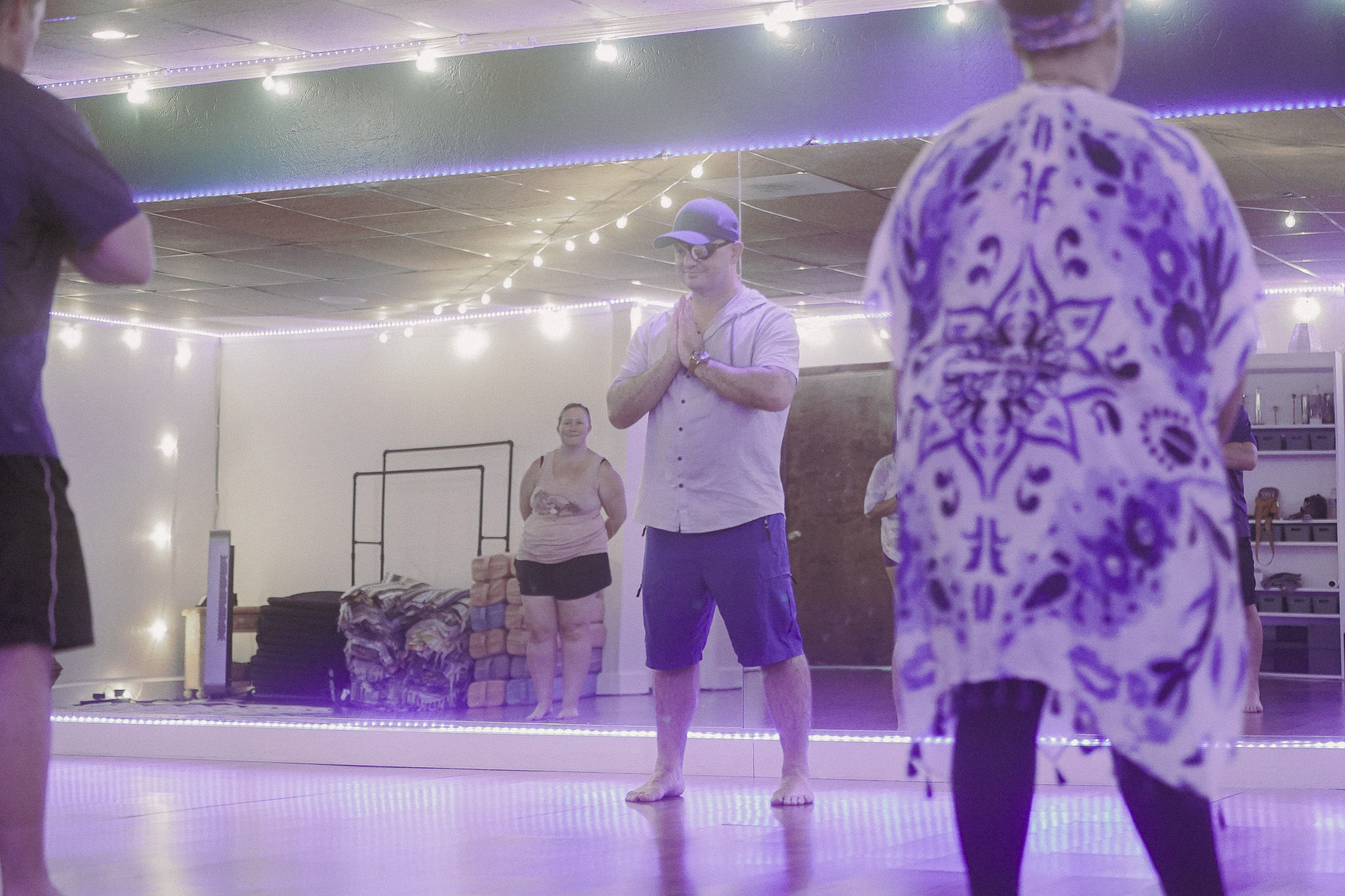
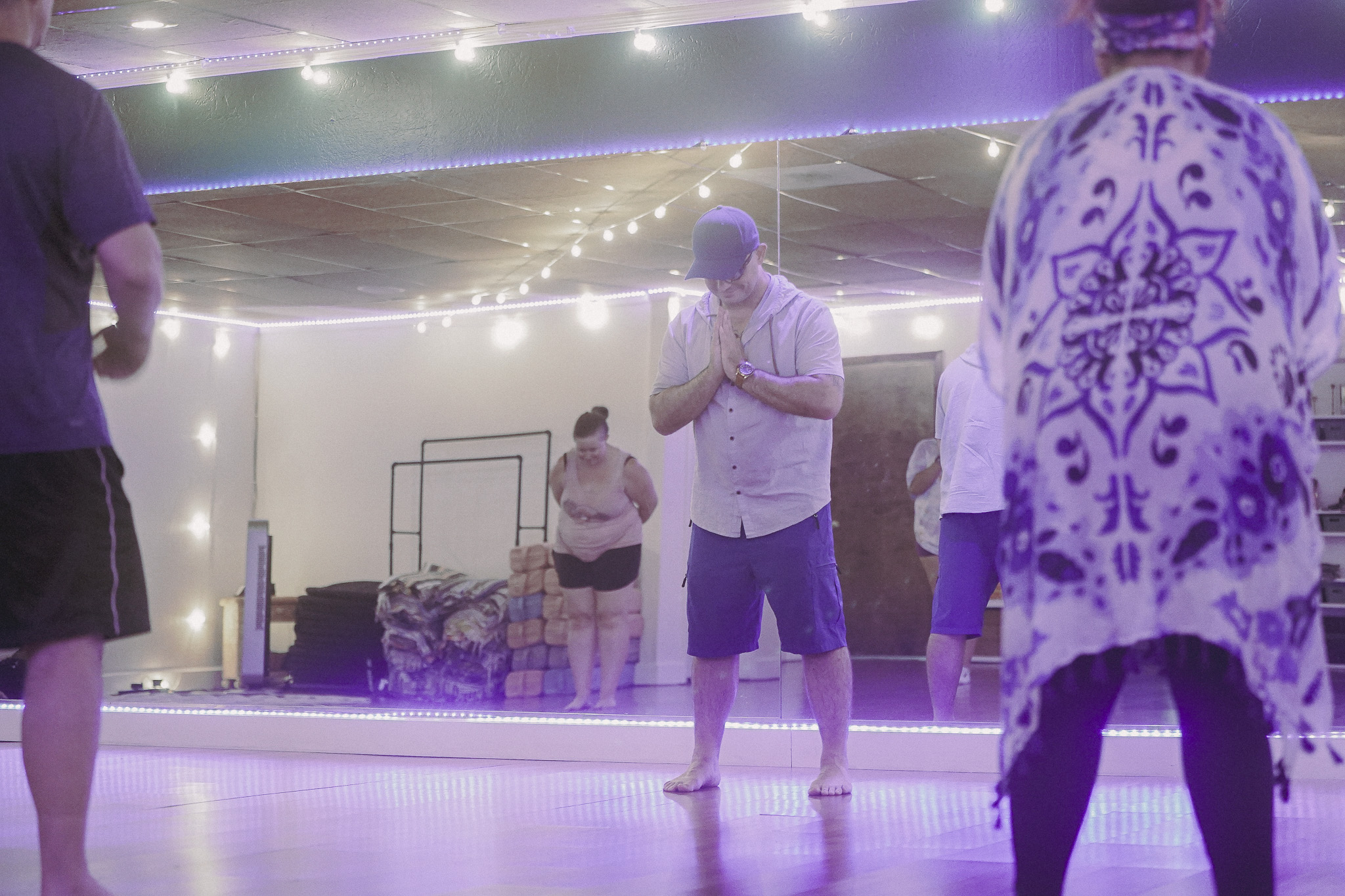
Posture can also show whether you feel supported
Support is not only emotional or mental. It can also be physical. In Tai Chi, the feet, legs, spine, and breath all participate in the feeling of support. When posture is grounded, the body may feel more organized. When posture is collapsed, rigid, or disconnected from the feet, the body may feel less steady.
This does not mean the goal is to force perfect posture. Forced posture often creates more tension. Tai Chi teaches a more useful question: does the body feel supported from the ground up? This question helps the practitioner notice whether they are bracing, collapsing, overworking, or allowing the feet and legs to provide a steadier base.
For many people, this lesson becomes practical beyond the movement itself. When life feels demanding, the body may lose its sense of support. The shoulders may carry too much. The breath may become tight. The body may move from the upper half instead of feeling rooted through the feet. Tai Chi helps rebuild the habit of feeling support through the body.
Posture can teach you whether the body is supported, bracing, collapsing, or trying to hold everything from one place.
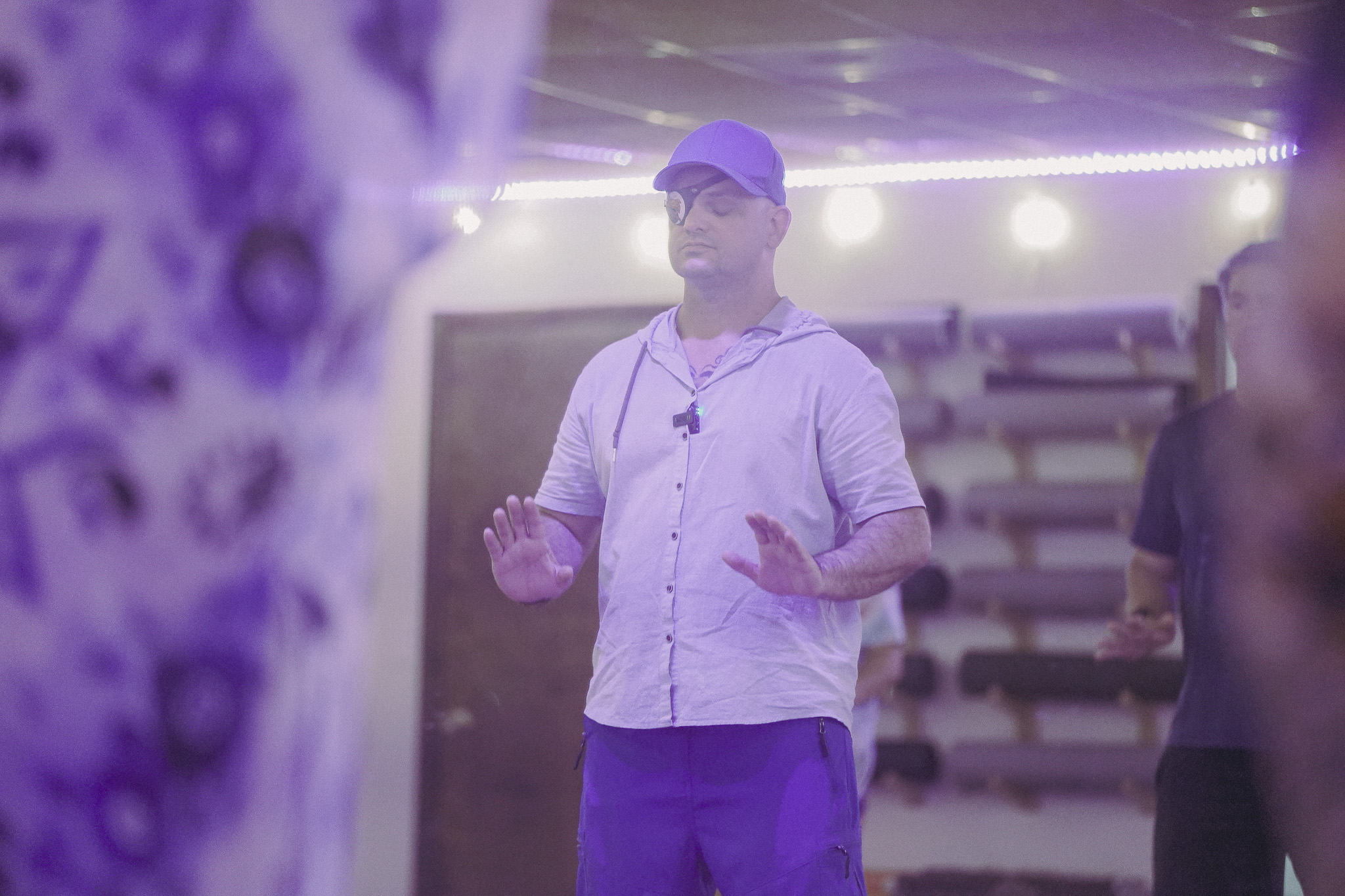
Tai Chi encourages the body to feel support through the feet, posture, breath, and grounded movement.
The breath can teach you when the body is under stress
The breath is one of the most direct ways the body communicates internal state. When someone feels rushed, stressed, anxious, guarded, focused, or emotionally activated, the breath often changes. It may become shallow, held, restricted, fast, or difficult to feel.
In Tai Chi, breath awareness develops because the practice slows the body down. A person may notice that they hold the breath while concentrating, restrict the breath during balance, or breathe more freely when the movement becomes familiar. These observations can be simple, but they can reveal a lot about how the body responds to pressure.
The breath can also teach people how much effort they are using. If the breath disappears during a movement, the body may be overworking. If the breath feels tight, the body may be bracing. If the breath becomes easier during a slower pace, the body may be responding to support and rhythm. Tai Chi helps people notice these signals without needing to force the breath into perfection.
The breath can teach you when the body is rushing, bracing, concentrating, settling, or asking for more ease.
Held Breath
May reveal concentration, uncertainty, over-effort, or the body’s attempt to control the movement.
Shallow Breath
May reveal stress, urgency, mental noise, or a body that is preparing to keep pushing through.
Restricted Breath
May reveal tension through the chest, shoulders, jaw, ribs, abdomen, or emotional guardedness.
Noticed Breath
Can become a practical anchor for returning attention to the body and the present moment.
Breath awareness can translate into daily life
One of the reasons breath awareness matters in Tai Chi is that breath patterns often show up outside of class. A person who holds the breath while learning a movement may also hold the breath while writing an email, making a decision, waiting for a response, or having a difficult conversation.
When this pattern becomes visible in practice, it can become easier to recognize in daily life. Instead of only noticing stress after it becomes overwhelming, a person may begin noticing earlier physical signs. A shallow breath may become a cue to pause. A tight chest may become a cue to soften. A held breath may become a cue to return to the body.
This is how Tai Chi becomes practical. The practice does not only teach breath awareness during class. It helps people learn the physical language of stress, concentration, and effort so they can respond sooner and with more care.
When you learn to notice the breath in Tai Chi, you may begin recognizing the breath as an early signal in everyday stress.
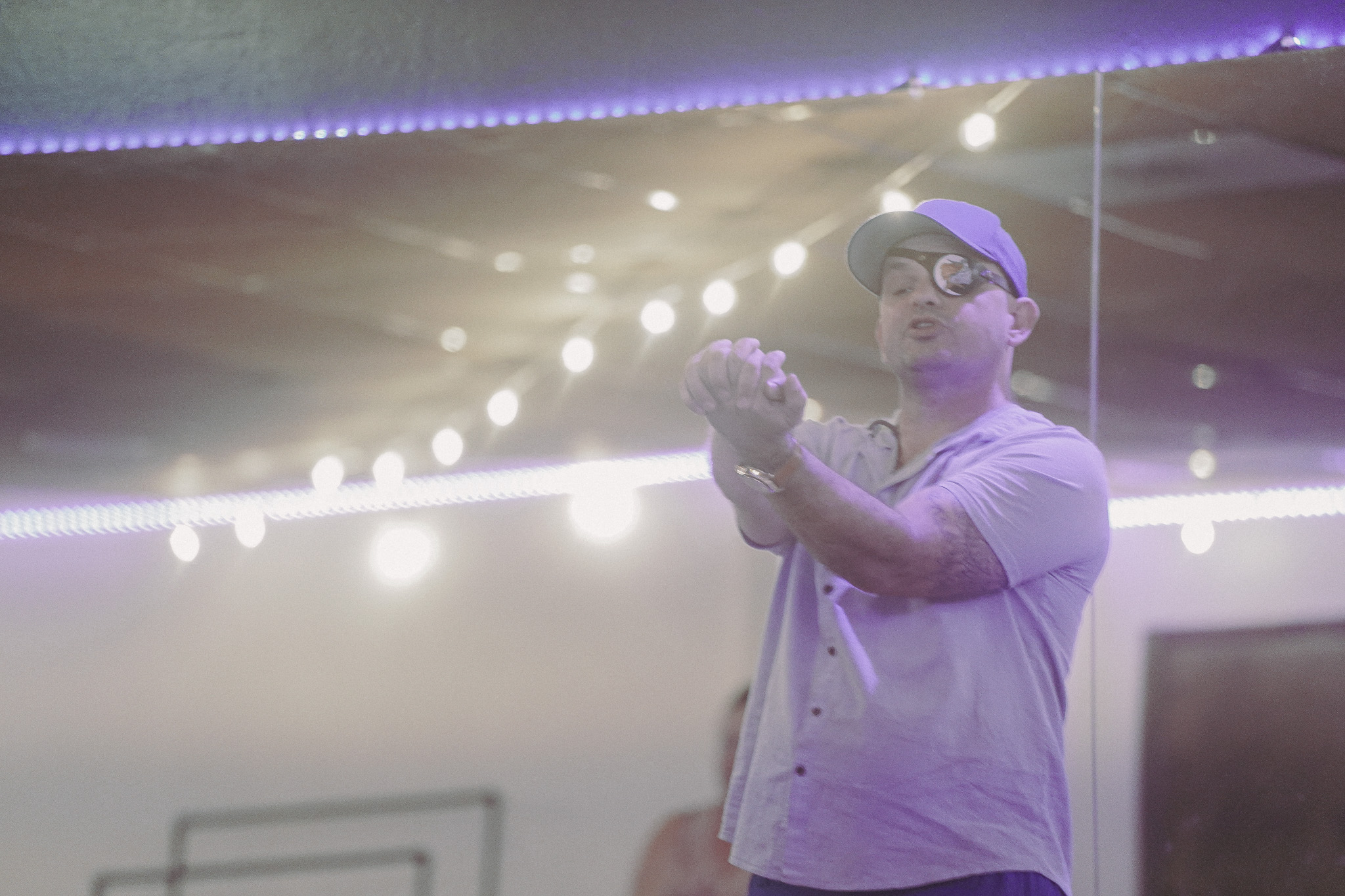
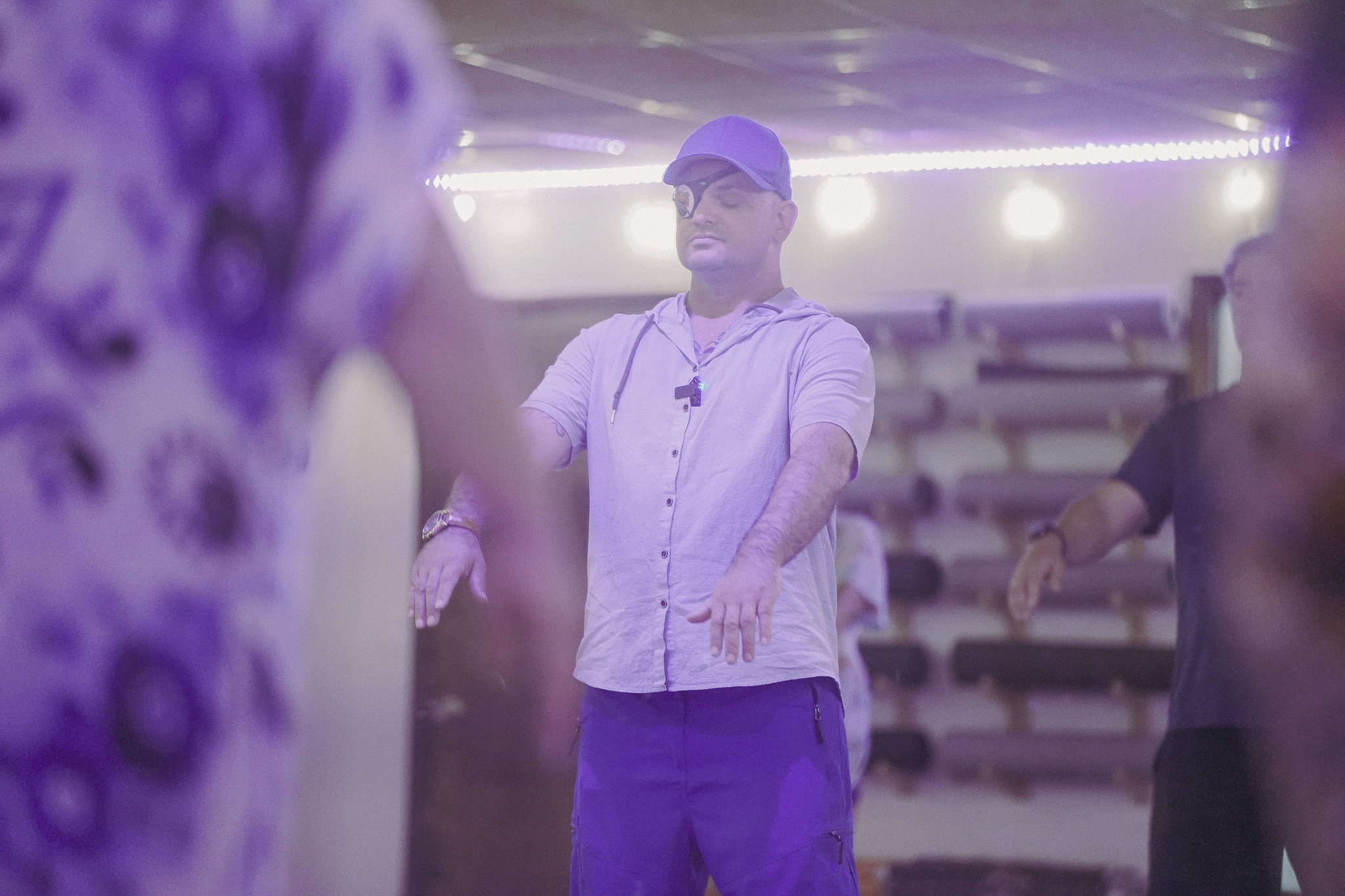
Balance can teach you how you respond to uncertainty
Balance is one of the clearest teachers in Tai Chi because it requires attention to stay close to the body. When weight shifts slowly from one foot to another, the practitioner has to notice where support is coming from, how the body is adjusting, and whether the movement is being rushed.
Balance can reveal more than physical steadiness. It can show how the body responds when something feels uncertain. Some people hold the breath. Some tense the shoulders. Some move quickly to avoid feeling unsteady. Some overcorrect. Some become self-critical. These responses may also appear in daily life when a person feels unsure, pressured, or outside their comfort zone.
Tai Chi creates a gentle place to observe these responses. The goal is not to be perfectly balanced at all times. The goal is to notice how balance changes and how the body tries to find steadiness again. This can teach patience, grounding, and trust in small adjustments.
Balance can teach you how the body meets uncertainty: with breath, grounding, tension, control, patience, or rushing.
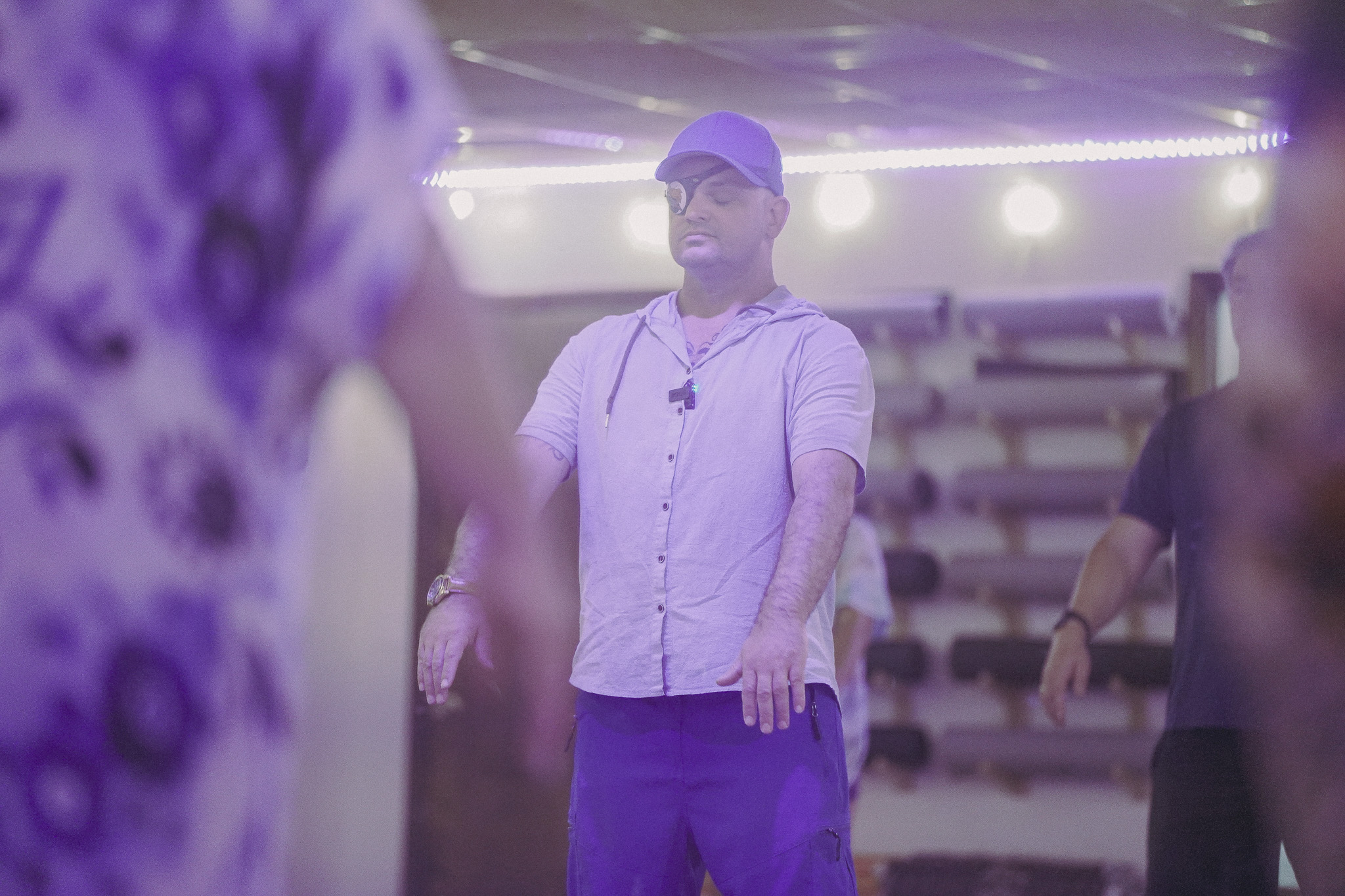
Balance practice can reveal how the body responds to uncertainty, adjustment, support, and attention.
Balance teaches the value of small adjustments
Many people think balance means staying perfectly steady, but Tai Chi shows that balance is often created through small adjustments. The body is constantly sensing, correcting, and organizing itself. A slight shift in the foot, a softer knee, a slower breath, or a more grounded posture can change the entire experience of a movement.
This lesson can be helpful because people often expect change to require large actions. In reality, many forms of steadiness are built through small choices. A slower breath before responding. A pause before saying yes. A softened jaw during stress. A moment of grounding before moving into the next task. Tai Chi makes these small adjustments visible in the body.
Over time, balance practice can help people trust that steadiness does not have to be forced. It can be discovered through attention, patience, and repeated corrections. This can shift the relationship with both movement and daily life.
Balance teaches that steadiness is not always a fixed state. It is often the result of small adjustments made with awareness.
Feel the Feet
The feet help you understand where support is coming from and whether the body feels grounded.
Soften the Knees
A softer stance can help the body adjust more naturally instead of locking into tension.
Notice the Breath
The breath can reveal whether the body is bracing or beginning to find a steadier rhythm.
Move Slowly
Slower movement gives the body time to sense, adjust, and remain connected to the present moment.
Posture, breath, and balance work together
In Tai Chi, posture, breath, and balance are not separate. They influence one another constantly. If the breath is held, balance may feel more tense. If posture collapses, breath may feel restricted. If balance feels uncertain, the shoulders may lift or the jaw may tighten. The body is always communicating as a whole.
This is why Tai Chi can be such a helpful practice for body awareness. It does not isolate one part of the body from the rest of the experience. It helps the practitioner notice relationships. How does the breath change when posture changes? How does balance change when attention wanders? How does the body feel when movement slows down?
These relationships can teach people how their bodies respond to stress, focus, fatigue, and emotional pressure. Instead of treating symptoms as random, Tai Chi helps people notice patterns. That awareness can support a more compassionate and practical relationship with the body.
Posture, breath, and balance teach together because the body does not experience stress, focus, or support in separate pieces.
These signals can reveal patterns you carry into daily life
The lessons from posture, breath, and balance do not stay inside Tai Chi class. The same patterns that appear during practice often appear in daily life. A person may hold their breath when reading a stressful message. They may lift the shoulders when trying to stay responsible for everything. They may lose their sense of grounding when life feels uncertain. They may rush through transitions because the mind is already focused on what comes next.
Tai Chi helps these patterns become visible because it slows them down. Instead of only noticing them after stress has built up, the practitioner can begin recognizing them in smaller moments. This kind of awareness can support more intentional choices.
Once a pattern is noticed, a person may pause, breathe, soften the shoulders, feel the feet, or move more slowly. These responses may seem simple, but they can help the body feel less ignored and more supported. Over time, this can change how a person relates to stress, responsibility, and self-care.
Tai Chi helps reveal the patterns you carry in your body so you can begin responding to them with more awareness.
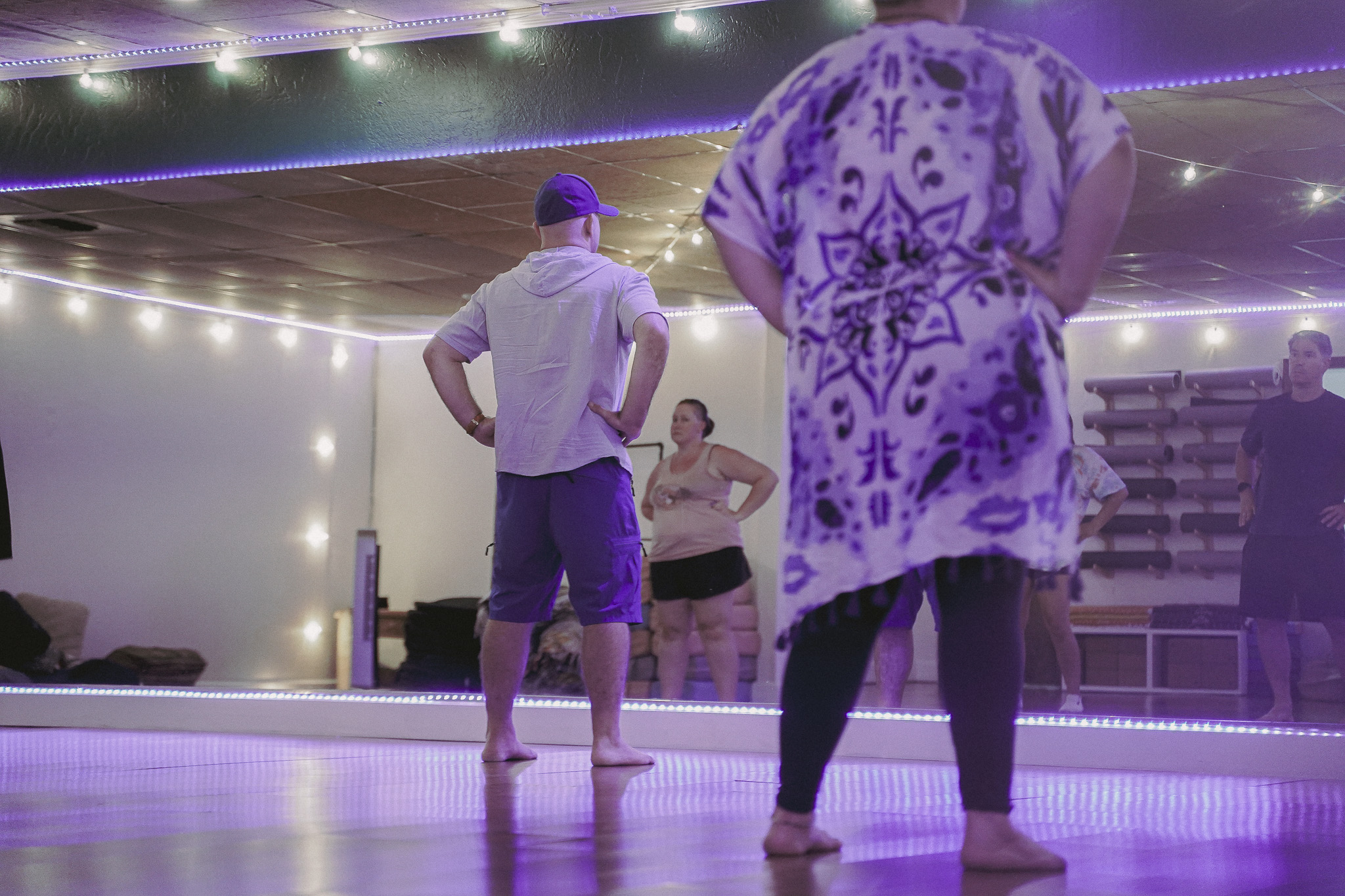

Learning from the body does not mean judging the body
For some people, body awareness can become self-criticism. They may judge their posture, breath, balance, coordination, flexibility, or ability to follow the movement. This can make the practice feel tense and discouraging.
Tai Chi invites a different kind of attention. The goal is not to judge what you notice. The goal is to learn from it. If the breath is held, that is information. If balance feels unsteady, that is information. If posture feels tense, that is information. None of those signals mean the body has failed.
This kind of compassionate observation is essential. Body awareness becomes supportive when the body feels listened to rather than criticized. Tai Chi helps create a practice where noticing can become a form of care instead of another form of pressure.
The body teaches more clearly when it is met with curiosity instead of judgment.
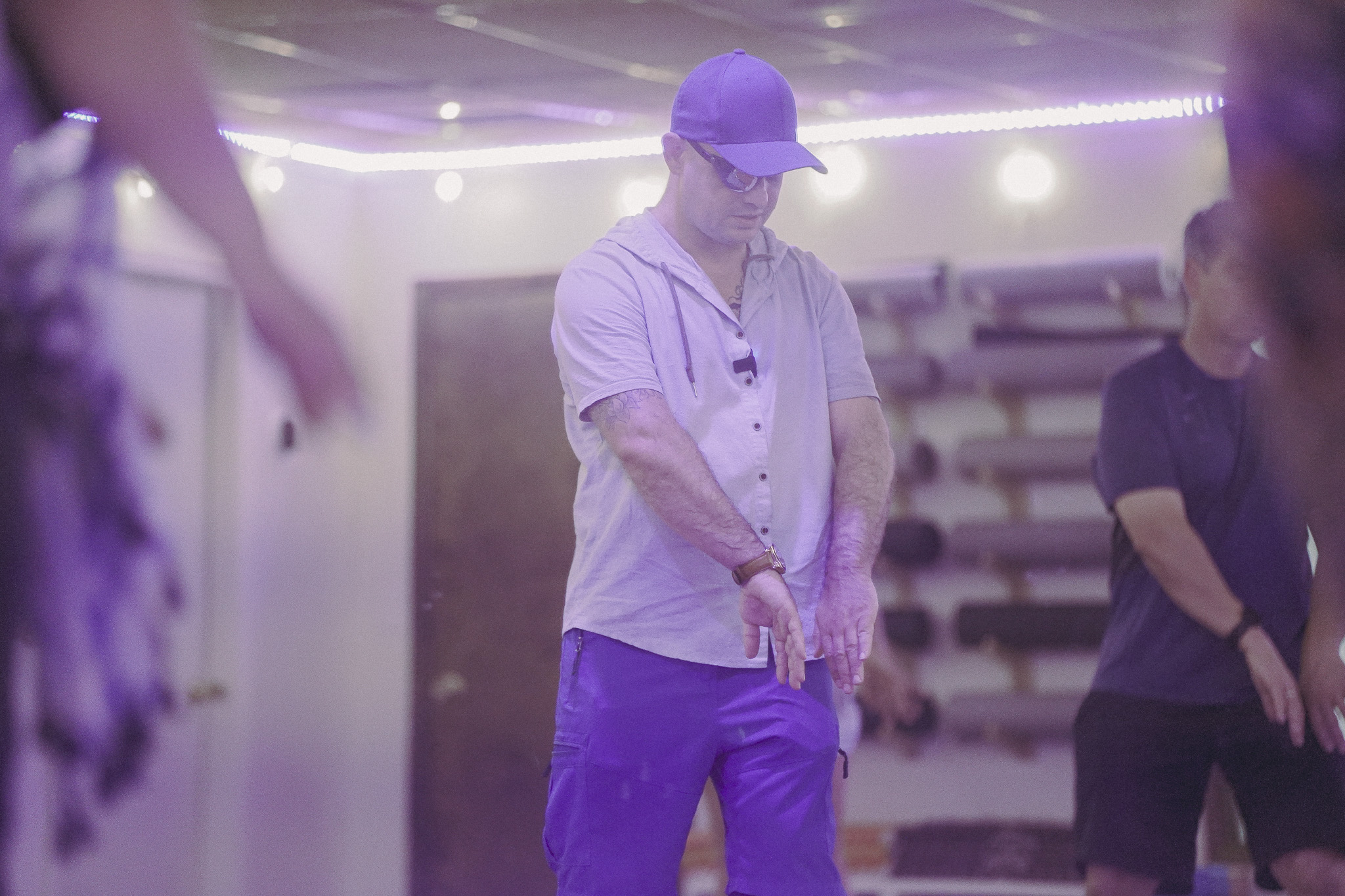
Tai Chi helps beginners observe the body with curiosity rather than turning every signal into criticism.
Repetition helps these lessons become clearer over time
The lessons of posture, breath, and balance are not always obvious in the first class. At first, a beginner may be focused on learning where to place the feet, how to move the hands, or how to follow the sequence. This is normal. The body and mind are learning a new rhythm.
With repetition, the movements become more familiar. Once the body is not working as hard to understand the sequence, deeper awareness becomes available. A person may start noticing how breath changes with concentration, how posture changes with fatigue, how balance changes with stress, or how the body responds differently on different days.
This is one reason Tai Chi deepens over time. The same movement can teach something new depending on the person’s state, attention, and willingness to listen. Repetition gives the body repeated opportunities to reveal what has been carried quietly.
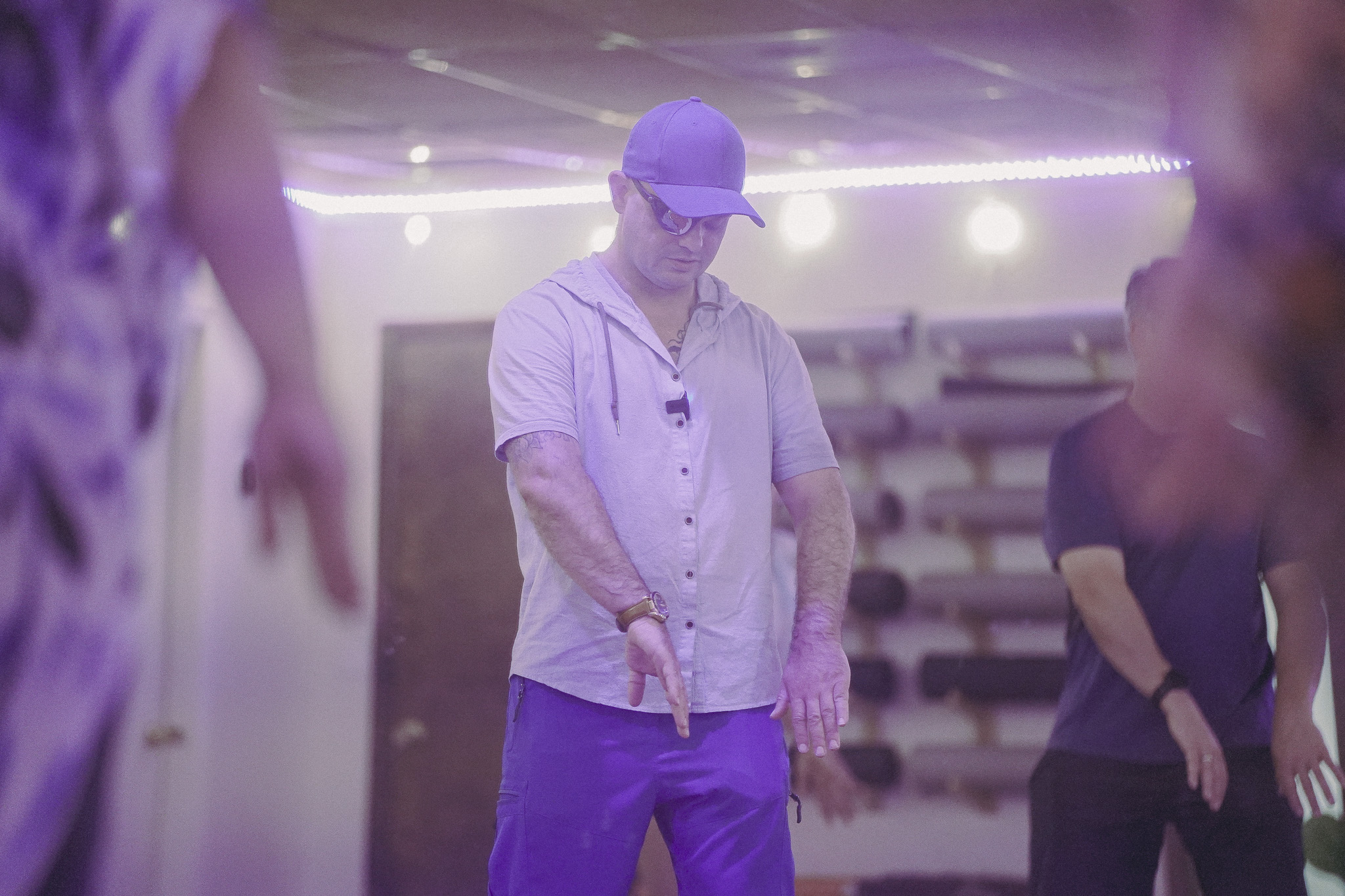
The practice deepens when repeated movement gives you more chances to hear what the body has been trying to say.
How these lessons support daily life
The awareness developed through Tai Chi can become practical outside of class. A person may notice their breath becoming shallow during work, their posture tightening during a conversation, or their balance feeling unsettled during a stressful transition. These moments can become invitations to pause and return to the body.
This does not mean every stressful moment disappears. It means the person has more information. Instead of moving automatically from stress into reaction, they may notice what is happening in the body and choose a more grounded response. They may breathe, soften, slow down, adjust posture, or feel the feet before continuing.
These small shifts matter because they help people respond earlier. The body does not have to wait until stress becomes overwhelming before being heard. Tai Chi helps build the habit of listening sooner.
At Work
You may notice when posture becomes tense, breath becomes shallow, or attention begins rushing ahead.
In Relationships
You may recognize jaw tension, guarded posture, or breath-holding before responding automatically.
During Transitions
You may notice whether the body feels grounded or scattered while moving from one moment into the next.
Before Rest
You may observe whether the breath, posture, and body are truly settling or still carrying the day.
Tai Chi is not a replacement for medical or mental health care
Tai Chi can be a supportive wellness practice for posture awareness, breath awareness, balance, mindfulness, gentle movement, and stress awareness, but it is not a replacement for medical care, physical therapy, therapy, medication, psychiatric support, trauma-informed treatment, or crisis services. If someone is experiencing persistent pain, significant distress, panic, depression, trauma symptoms, thoughts of self-harm, or difficulty functioning, support from qualified professionals may be necessary.
At the same time, many people benefit from practices that help them build a more compassionate and consistent relationship with the body. Tai Chi can be one supportive part of a broader care routine because it offers a gentle, structured, and repeatable way to notice posture, breath, balance, and the physical signals of stress.
The value of Tai Chi is not that it explains every sensation or fixes every pattern immediately. Its value is that it helps people slow down, listen more clearly, and respond with more awareness over time.
Tai Chi can support body awareness as part of a broader wellness routine, but it should not replace professional care when professional support is needed.
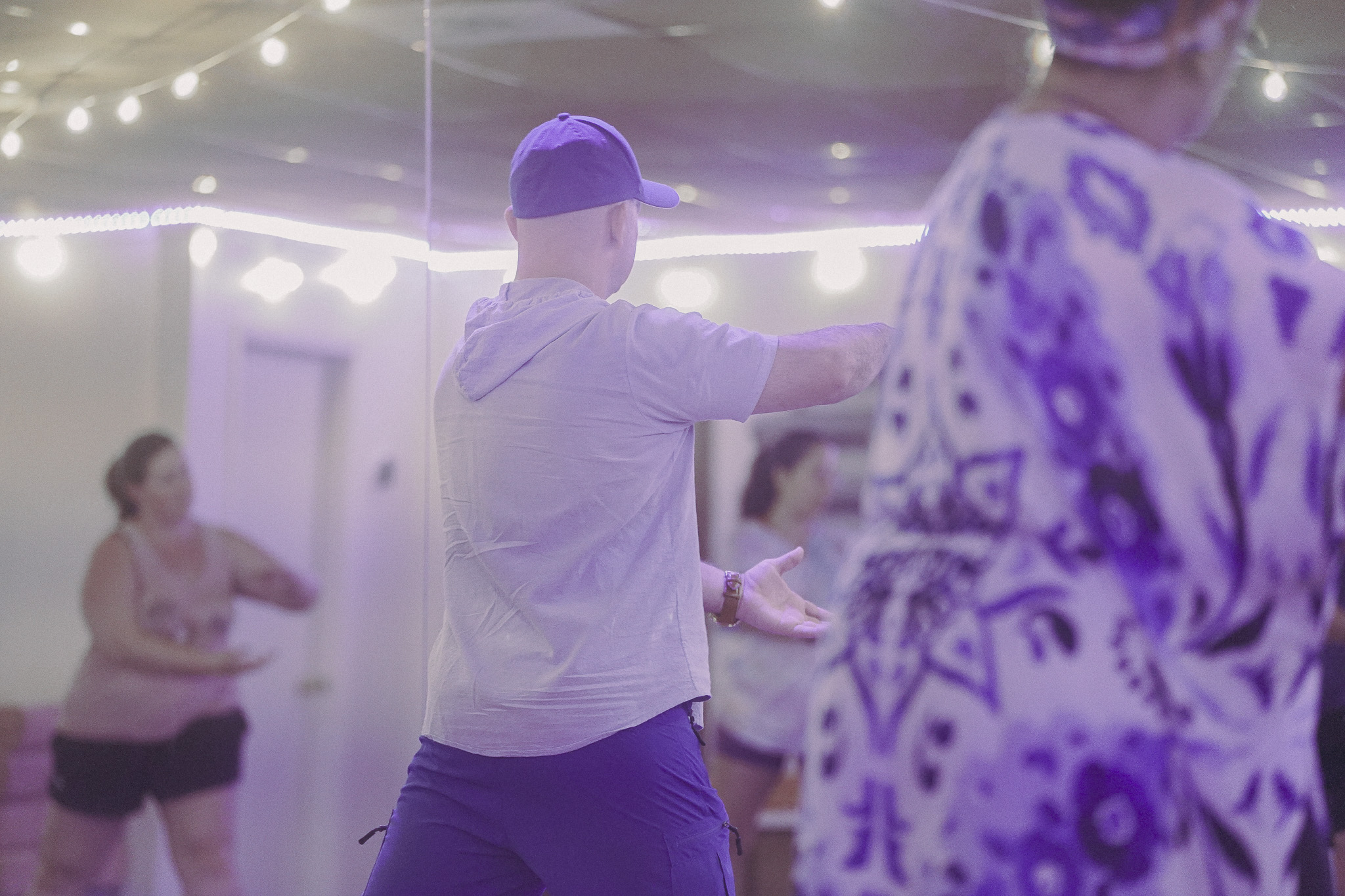
Tai Chi and The Healing Tree Collective
At The Healing Tree Collective, we understand that many people are carrying stress, responsibility, fatigue, or emotional pressure in their bodies without realizing how much they have been holding. They may want to feel more grounded, but they may not know how to begin listening to the body in a way that feels accessible and supportive.
Tai Chi fits naturally into our approach because it teaches awareness through simple physical signals. It does not require prior experience, advanced flexibility, athletic ability, or a perfectly calm mind. The practice invites people to notice posture, breath, balance, grounding, and movement with patience.
Our mission is to create accessible wellness spaces where people can heal, grow, and reconnect with themselves through practices that feel supportive, educational, and real. Tai Chi supports that mission because it helps people learn from the body without pressure, performance, or self-judgment.
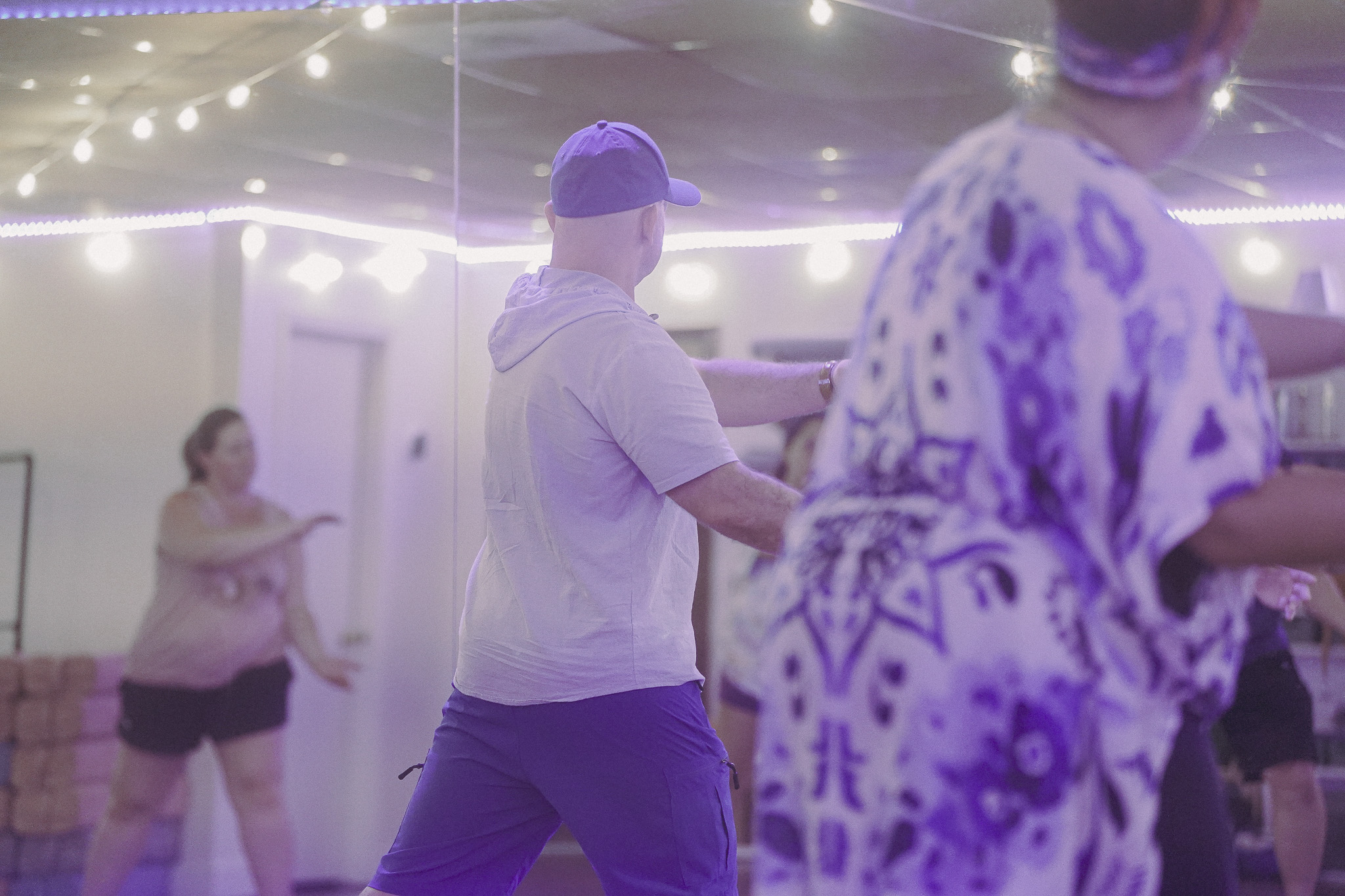
At The Healing Tree Collective, Tai Chi is offered as a practice of body awareness: a way to learn from posture, breath, balance, and the quiet signals the body has been carrying.

Final thoughts: your body is always teaching you
Tai Chi helps people learn from posture, breath, and balance by slowing movement down enough for the body’s signals to become easier to notice. Posture may reveal effort, support, protection, or fatigue. Breath may reveal stress, concentration, tension, or ease. Balance may reveal how the body responds to uncertainty, pressure, and adjustment.
The goal is not to judge these signals or perform the movements perfectly. The goal is to listen. The body is always communicating, but many people have been moving too quickly to hear it clearly. Tai Chi creates a space where those messages can become more visible and more useful.
For people who feel disconnected from their bodies, overwhelmed by stress, or unsure how to begin practicing body awareness, Tai Chi offers a gentle and practical place to start. The body does not need to become loud before it is listened to. It can be heard through the smallest shifts in posture, breath, balance, and movement.
In Tai Chi, posture, breath, and balance become teachers, helping you notice what the body is carrying and how to return with more awareness and care.
Looking for Tai Chi for body awareness in Tempe, Arizona?
At The Healing Tree Collective, our beginner-friendly wellness classes are designed to support stress relief, mindfulness, body awareness, and deeper connection. If you are curious about Tai Chi, posture awareness, breath awareness, balance, moving meditation, or gentle movement practices, you are welcome to begin here.