19 July 2026
Why Gentle Movement Can Be Powerful for People Who Feel Stuck
Feeling stuck can show up in many ways. It may feel like mental fog, emotional heaviness, physical tension, low motivation, decision fatigue, burnout, grief, or the sense that you are going through the motions without feeling fully connected to yourself.
When people feel stuck, they often assume they need a major breakthrough, an intense workout, a dramatic emotional release, or a sudden burst of motivation to change something. But not every stuck place responds well to force. Sometimes the body and mind need a gentler starting point.
Gentle movement can be powerful for people who feel stuck because it creates a low-pressure way to begin again. Through slow movement, breath awareness, grounding, balance, and body connection, practices like Tai Chi can help the body experience motion before the mind has everything figured out.
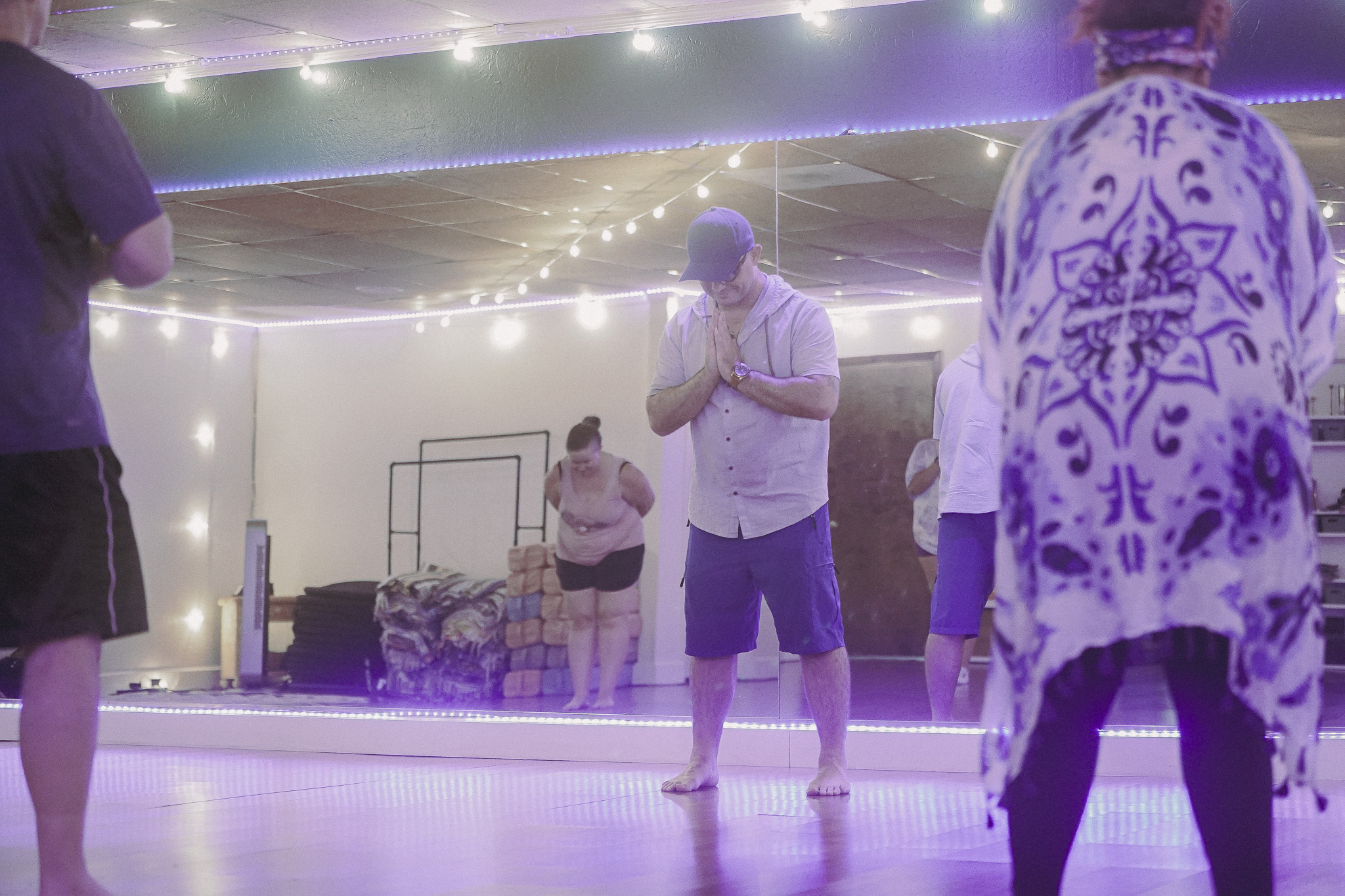
Gentle movement can help people begin shifting out of stuckness through breath, grounding, body awareness, and slow intentional motion.
Gentle movement may support people who feel stuck by helping them:
Begin with small, manageable steps instead of pressure or force.
- Reconnect with the body
- Notice breath and tension
- Create movement without intensity
- Feel grounded through the feet
- Shift attention out of mental looping
- Practice patience with change
- Build momentum gradually
Feeling stuck is not always laziness
Many people judge themselves when they feel stuck. They may assume they are lazy, unmotivated, undisciplined, or not trying hard enough. This judgment can make the stuckness feel even heavier because the person is not only dealing with low energy or lack of clarity; they are also carrying self-criticism.
In reality, feeling stuck can have many layers. A person may feel stuck because they are overwhelmed, emotionally exhausted, grieving, burned out, disconnected from the body, unsure what comes next, or carrying stress for too long without enough recovery. Sometimes the nervous system responds to too much pressure by slowing down, freezing, or conserving energy.
Gentle movement can be helpful because it does not begin with blame. It begins with the body. Instead of demanding that a person solve their entire life, change their mindset immediately, or push through with intensity, gentle movement offers one simple invitation: begin moving in a way that feels accessible.
Feeling stuck does not always mean you are not trying. Sometimes it means the body and mind need a different kind of support before movement feels possible again.
Gentle movement gives the body a place to begin
When someone feels stuck, the idea of making a big change can feel overwhelming. Starting a new routine, making a decision, processing an emotion, or shifting a pattern may feel too large to approach all at once. This is where gentle movement can be powerful. It creates a smaller starting point.
The body does not always need a dramatic action to begin shifting. Sometimes it needs a breath, a slow step, a weight shift, a stretch of the hands, or the simple feeling of the feet on the ground. These small movements can create a sense of participation when the mind feels uncertain or resistant.
Tai Chi is especially supportive in this way because the practice is slow, structured, and repeatable. A person does not have to know exactly what they are feeling or what they need to change. They can begin by moving with awareness, noticing the body, and letting motion happen in a way that feels manageable.
Gentle movement can help people begin because it asks for one small step, not an entire transformation at once.
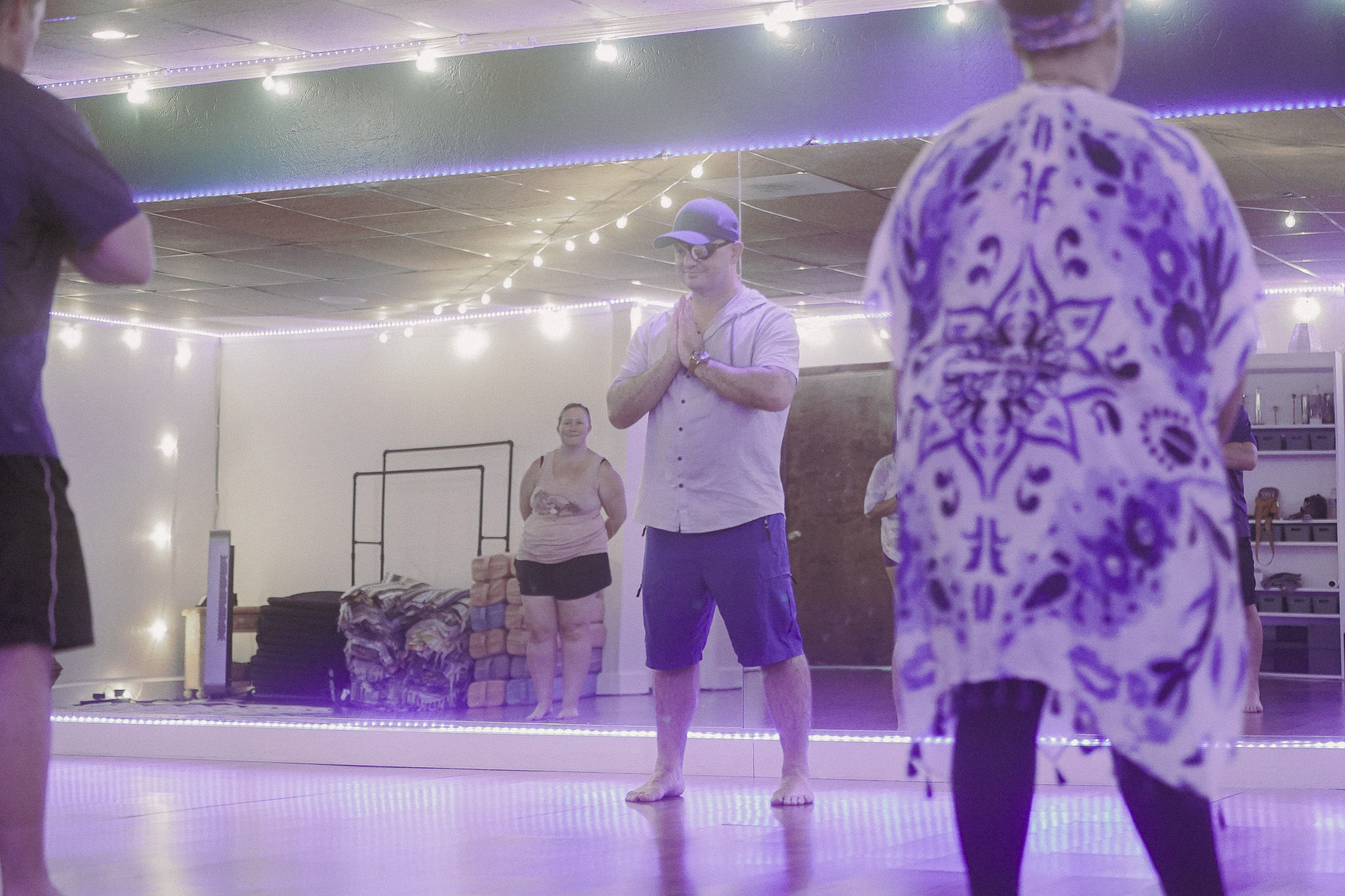
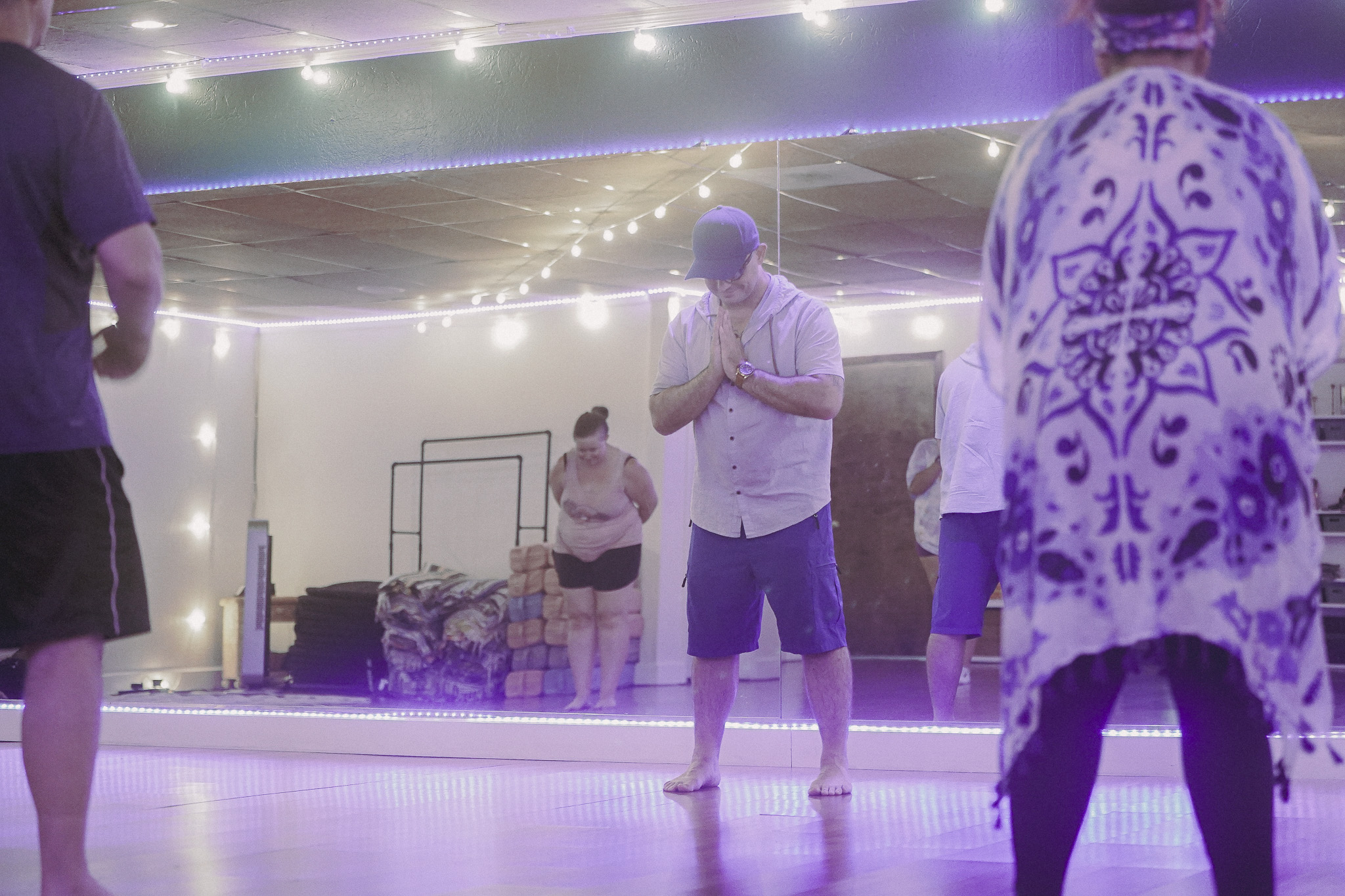
Movement can interrupt mental looping
Feeling stuck often comes with mental looping. A person may replay the same concern, think through the same decision repeatedly, imagine every possible outcome, or keep asking why they cannot move forward. The mind may be very active, but the activity does not always lead to clarity.
Gentle movement can interrupt this loop by bringing attention into the body. Instead of staying only in thought, the person begins noticing physical experience. The feet are on the ground. The breath is moving. The arms are shifting. The body is turning. The weight is transferring from one side to another.
This does not mean movement solves every problem. It means movement can help create space around the mental loop. When attention returns to the body, the mind has a different place to land. That space may make it easier to approach a situation with more steadiness, clarity, or patience later.
When the mind feels caught in the same loop, gentle movement gives attention a different pathway to follow.
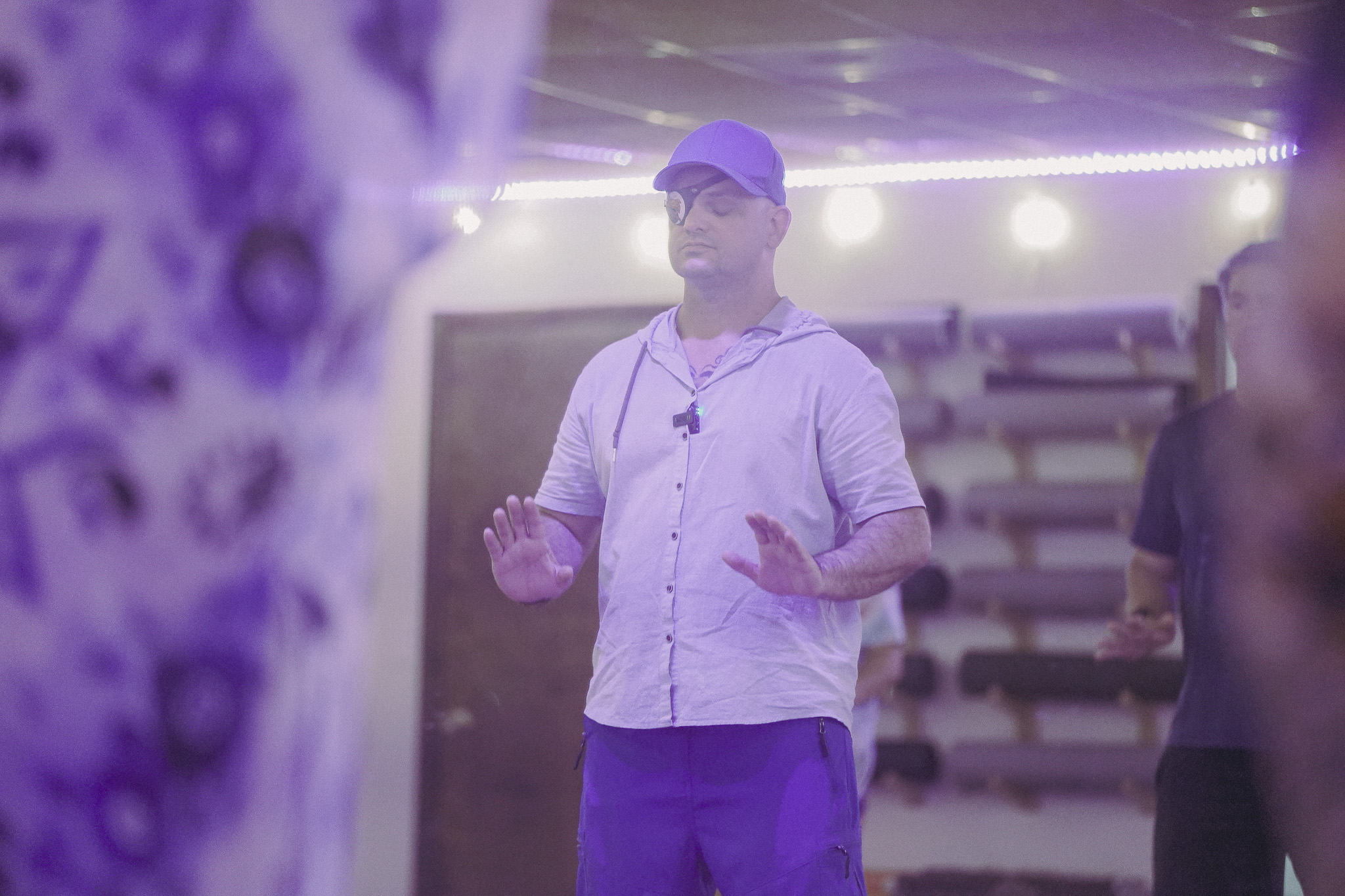
Slow movement can redirect attention from repetitive thinking into breath, grounding, and body awareness.
The body may need motion before the mind feels ready
Many people wait until they feel motivated before they begin moving, but motivation is not always available when someone feels stuck. Waiting to feel ready can keep a person in the same place for longer because the mind may continue searching for certainty, energy, or emotional readiness before taking action.
Gentle movement offers another possibility. The movement can come first, and the feeling may follow gradually. A person may not feel clear, calm, or motivated when they begin, but after a few slow movements, they may notice a little more breath, a little more grounding, or a little more connection to the body.
This is one of the reasons Tai Chi can be helpful. The practice does not require intensity or high motivation. It asks the body to participate slowly. Sometimes that slow participation is enough to begin shifting the internal state, even if the mind still feels unsure.
You do not always need to feel ready before you begin. Sometimes gentle movement helps readiness develop slowly.
Before Movement
The mind may feel foggy, overwhelmed, resistant, tired, or unsure where to begin.
During Movement
The body begins receiving simple signals of breath, grounding, rhythm, and physical participation.
After Movement
The person may feel a little more connected, present, steady, or aware of what they need next.
Over Time
Repeated gentle movement can help build trust, momentum, and a more compassionate relationship with change.
Gentle movement can help reconnect you with your body
People who feel stuck may also feel disconnected from their bodies. They may be living mostly in the mind, trying to think their way through stress, change, grief, burnout, or uncertainty. While thinking can be useful, it can become exhausting when the body is left out of the process.
Gentle movement helps bring the body back into the conversation. In Tai Chi, the practitioner notices how the feet meet the floor, how the breath changes, how the body shifts weight, where tension is held, and whether movement feels rushed or supported. These observations help rebuild body awareness.
This reconnection matters because the body often carries information that the mind has not fully named. A person may not know why they feel stuck, but they may notice fatigue, tightness, heaviness, shallow breathing, or the urge to rush. Gentle movement creates space for those signals to become visible without needing to force immediate answers.
When the mind cannot find the way forward, the body may still offer information through breath, tension, posture, balance, and movement.
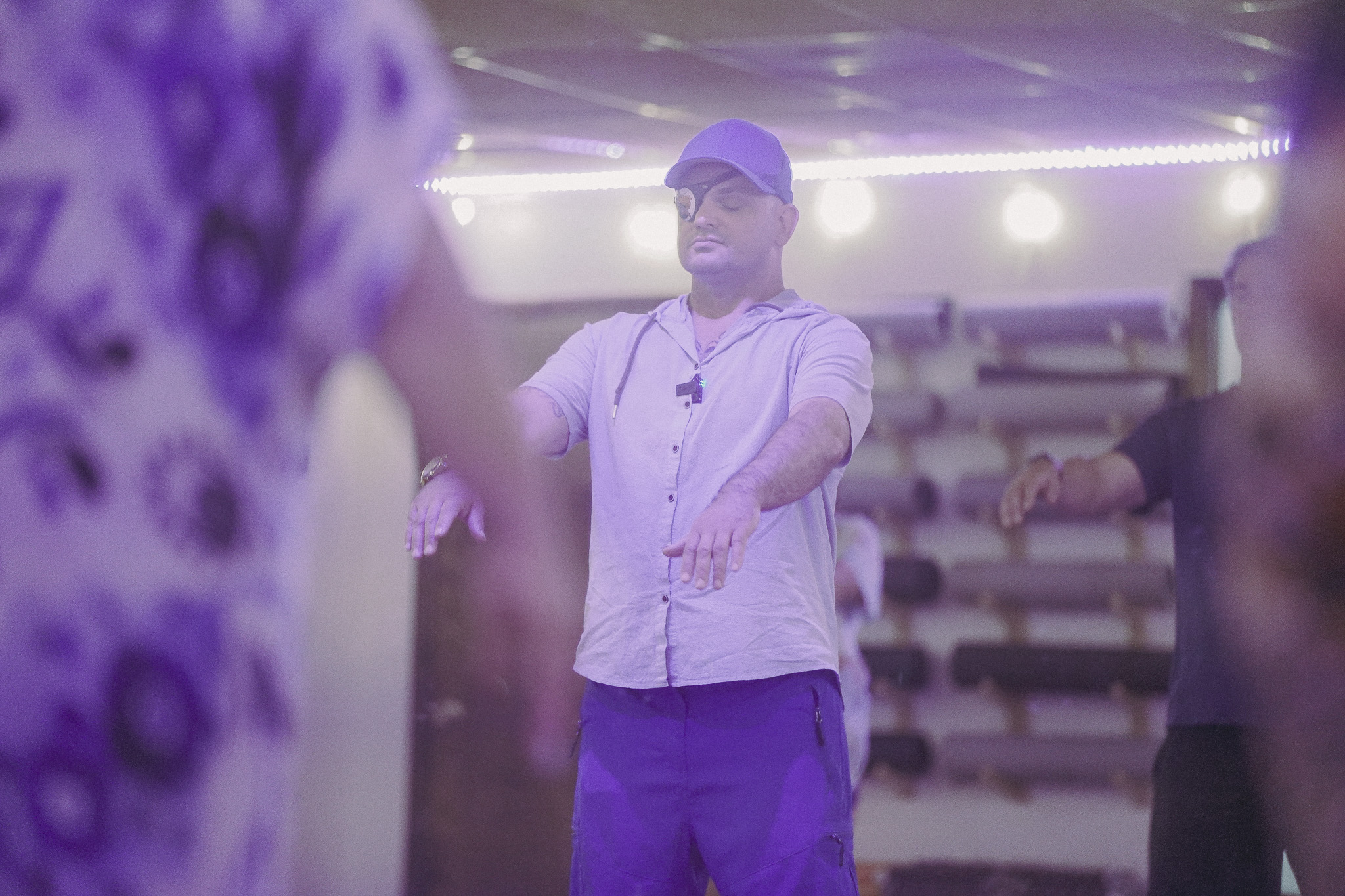
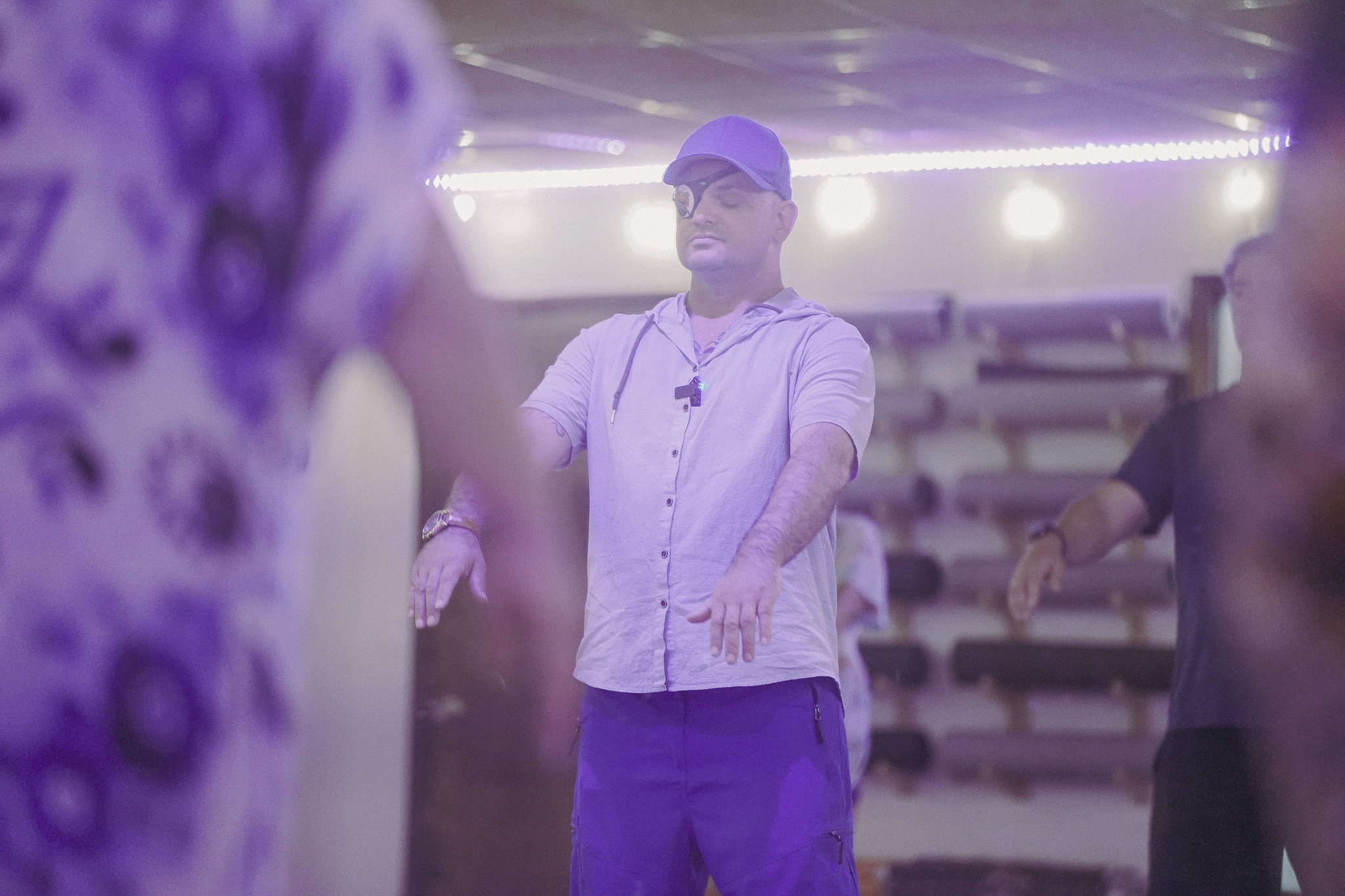
Slow movement can reveal where tension is holding you in place
Feeling stuck can sometimes live in the body as tension. The shoulders may stay lifted, the jaw may remain tight, the chest may feel guarded, or the breath may feel restricted. These patterns can become so familiar that a person does not notice them until they slow down.
Tai Chi helps reveal these patterns because slow movement creates time to notice effort. A practitioner may realize they are gripping when the movement does not require gripping, holding the breath when the body could breathe, or bracing during a transition that could happen with more ease.
This awareness can be powerful because the body may be showing how it has learned to protect, control, or hold on. Gentle movement does not force the body to release everything at once. It simply helps the person notice where tension is present and explore whether a softer relationship is possible.
Gentle movement can reveal that feeling stuck is not only mental. Sometimes the body is holding tension, protection, or effort that has not had space to soften.
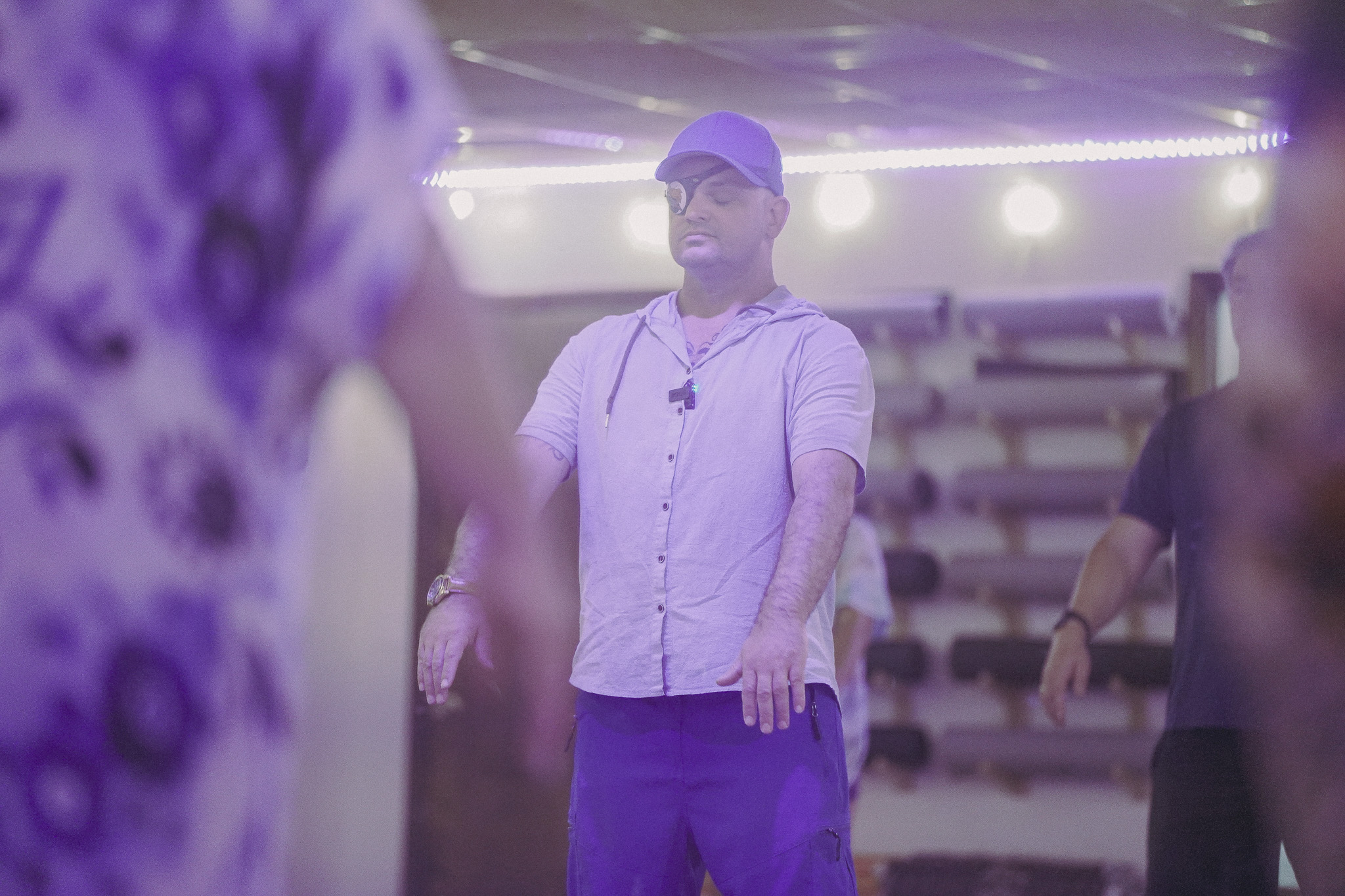
Gentle movement can help people notice where the body is holding tension, effort, or protection.
Gentle movement supports change without overwhelming the system
When people feel stuck, they may feel pressure to make a big change quickly. However, too much intensity can sometimes overwhelm the body and mind, especially if someone is already stressed, exhausted, or emotionally full. More pressure is not always the answer.
Gentle movement offers a different kind of change. It is gradual, accessible, and steady. The body receives movement without needing to perform at an extreme level. The mind receives structure without being forced into silence. The nervous system receives a slower rhythm instead of another demand.
This can be especially supportive for people recovering from burnout, emotional heaviness, or long periods of stress. The practice does not ask them to push harder. It asks them to participate gently. That kind of participation can be powerful because it creates movement without adding more pressure.
Gentle movement can be powerful because it creates change at a pace the body may be more able to receive.
Tai Chi teaches that small shifts matter
One of the most important lessons in Tai Chi is that small shifts can create meaningful change. A small shift of weight can change balance. A small breath can soften tension. A small adjustment in posture can create more support. A small pause can change how the next movement begins.
This lesson can be deeply supportive for people who feel stuck because stuckness often makes change feel too big. Tai Chi shows that change does not always have to begin with a dramatic decision. Sometimes it begins with a small shift in attention, breath, posture, or movement.
Over time, these small shifts can build trust. The person begins to experience that movement is possible, even if it is gradual. They begin to recognize that they do not have to force the entire path forward. They can practice returning to the next breath, the next step, and the next small movement.
When life feels too big to change all at once, Tai Chi reminds the body that small shifts still count.

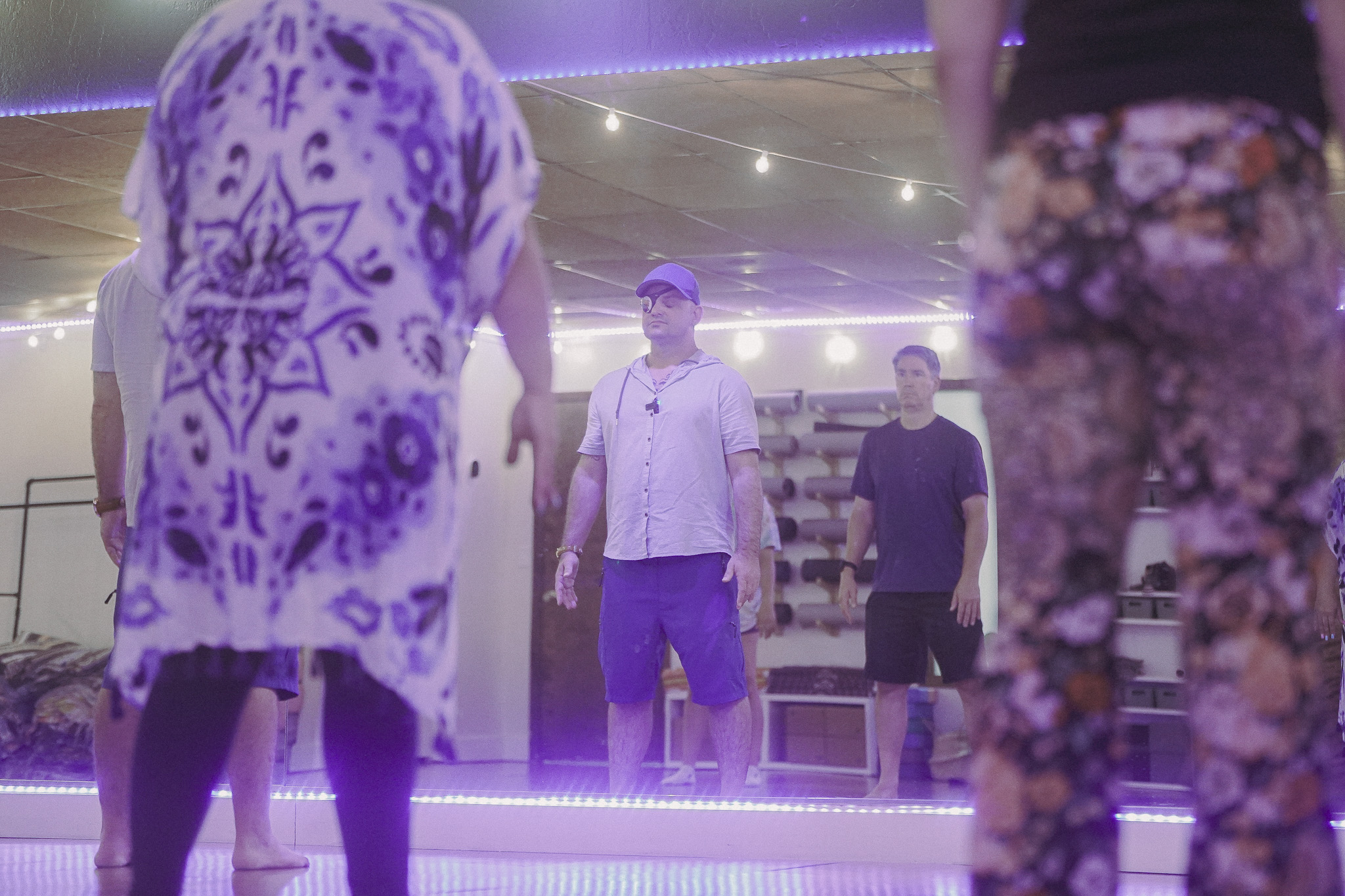
Movement can help create momentum without forcing a breakthrough
People often think of breakthroughs as big moments of clarity, emotional release, or sudden change. Those moments can happen, but they are not the only way healing or growth occurs. Sometimes progress is quieter. Sometimes it looks like showing up, moving slowly, noticing the body, breathing more fully, or feeling a little less disconnected than before.
Gentle movement helps create this kind of momentum. It allows the body to participate in change before the mind has everything resolved. The practice does not need to produce an immediate realization in order to be meaningful. It can simply help a person experience that they are not completely frozen, disconnected, or powerless.
This is especially important for beginners. A person may come to class feeling stuck and leave with only a small shift: a deeper breath, a softer shoulder, a clearer sense of their body, or a little more steadiness. Those small shifts matter because they can become the beginning of a more consistent relationship with movement and self-awareness.
Gentle movement does not have to force a breakthrough to be powerful. Sometimes the power is in helping the body remember that movement is possible.
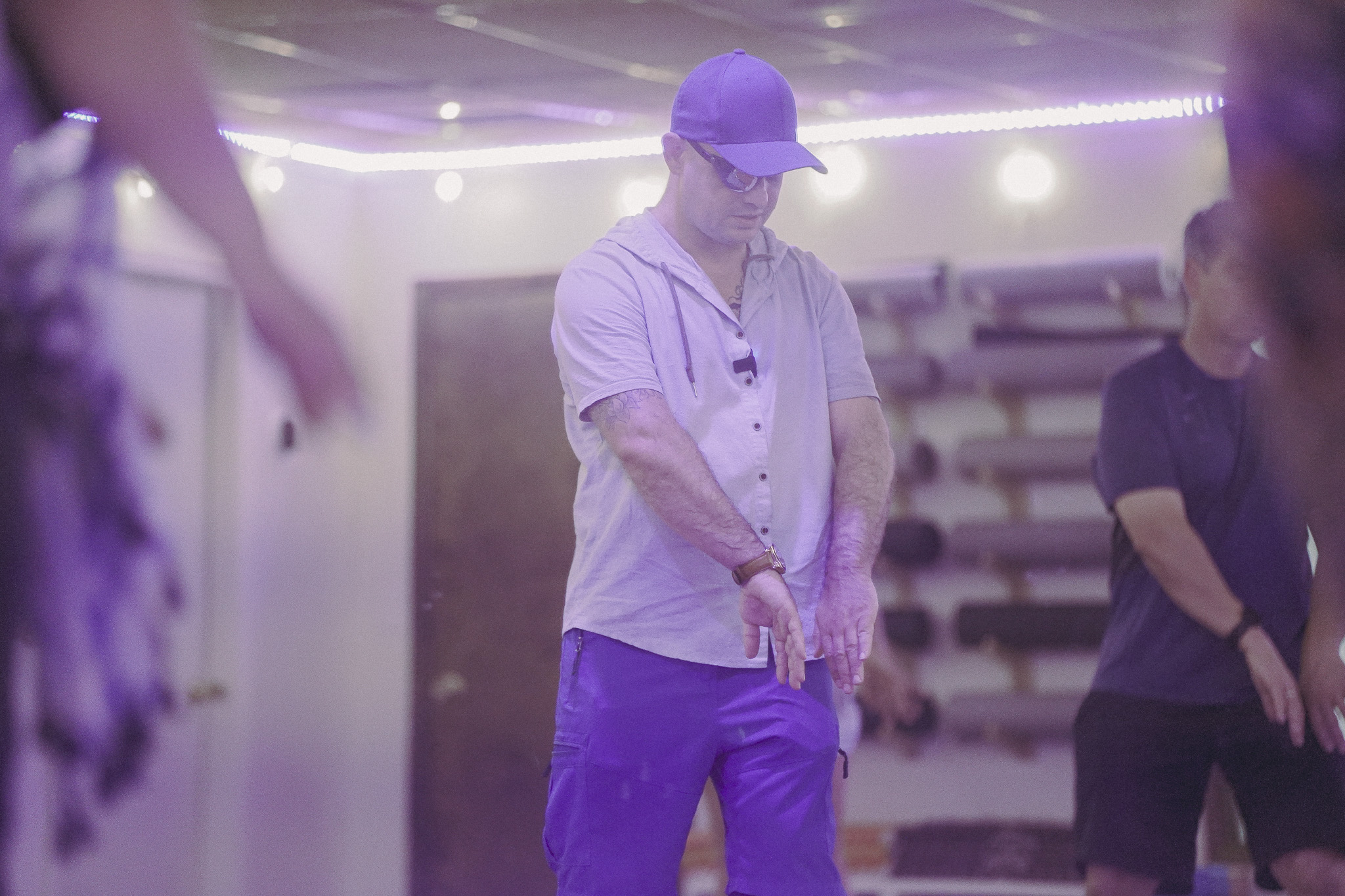
Gentle movement can support momentum through small, repeated moments of breath, grounding, and body awareness.
Feeling stuck can soften when the body feels supported
Sometimes people try to move forward mentally without giving the body enough support. They may tell themselves to be more positive, make a decision, stop feeling stuck, or figure everything out. But if the body feels tense, tired, guarded, or overwhelmed, mental pressure may not be enough.
Gentle movement supports the body first. In Tai Chi, the feet connect to the ground, the breath becomes easier to notice, posture becomes more visible, and the body is invited into a slower rhythm. This can create a sense of support that the mind may not be able to create through thinking alone.
When the body feels more supported, the experience of being stuck may begin to shift. The person may not have every answer, but they may feel more present. They may not feel completely motivated, but they may feel more connected. They may not know the next big step, but they may be able to take one small step.
Sometimes the mind cannot move forward until the body feels supported enough to begin.
Through the Feet
The body can begin to feel grounded through contact with the floor and awareness of support.
Through the Breath
The breath can help attention return from mental pressure into the present moment.
Through Movement
Slow movement can remind the body that change does not have to happen through force.
Through Repetition
Returning to practice over time can help the body build familiarity, trust, and steadiness.
Gentle movement can support emotional processing
Feeling stuck can sometimes be connected to emotions that have not had enough space to move. A person may be carrying grief, frustration, uncertainty, disappointment, fear, or exhaustion, but not have the words or energy to process everything directly. The body may hold some of that emotional weight as tension, heaviness, restlessness, or fatigue.
Gentle movement can support emotional processing by giving the body a way to participate without requiring immediate explanation. A person may not know exactly what they are feeling, but they may notice the chest, shoulders, breath, posture, or pace of movement. These physical signals can create a starting point for awareness.
Tai Chi does not force emotional release. It creates a supportive environment where the body can move, breathe, and notice. For some people, that gentle movement may help emotions feel less trapped inside. For others, it may simply create a little more space and steadiness around what they are carrying.
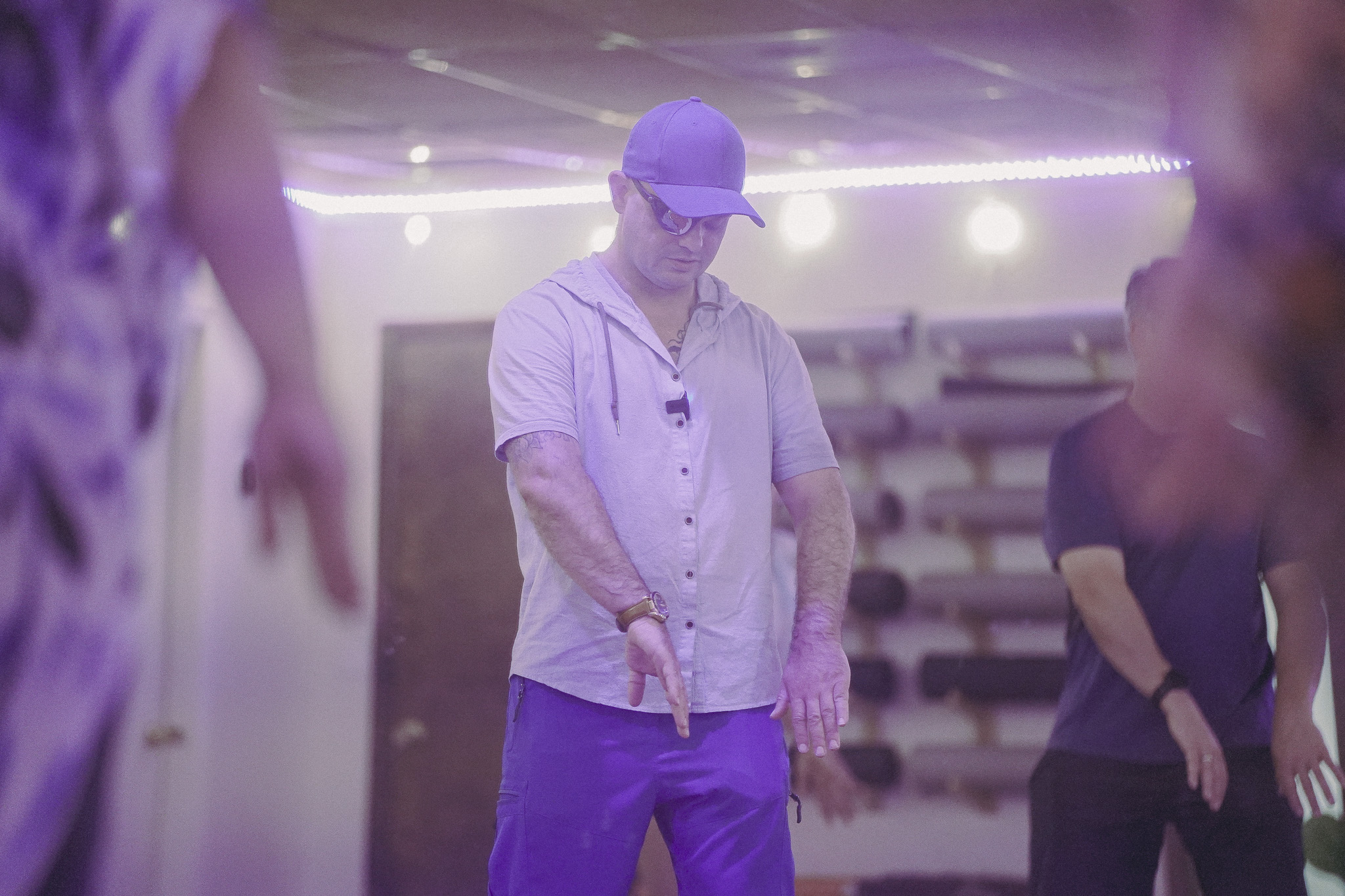
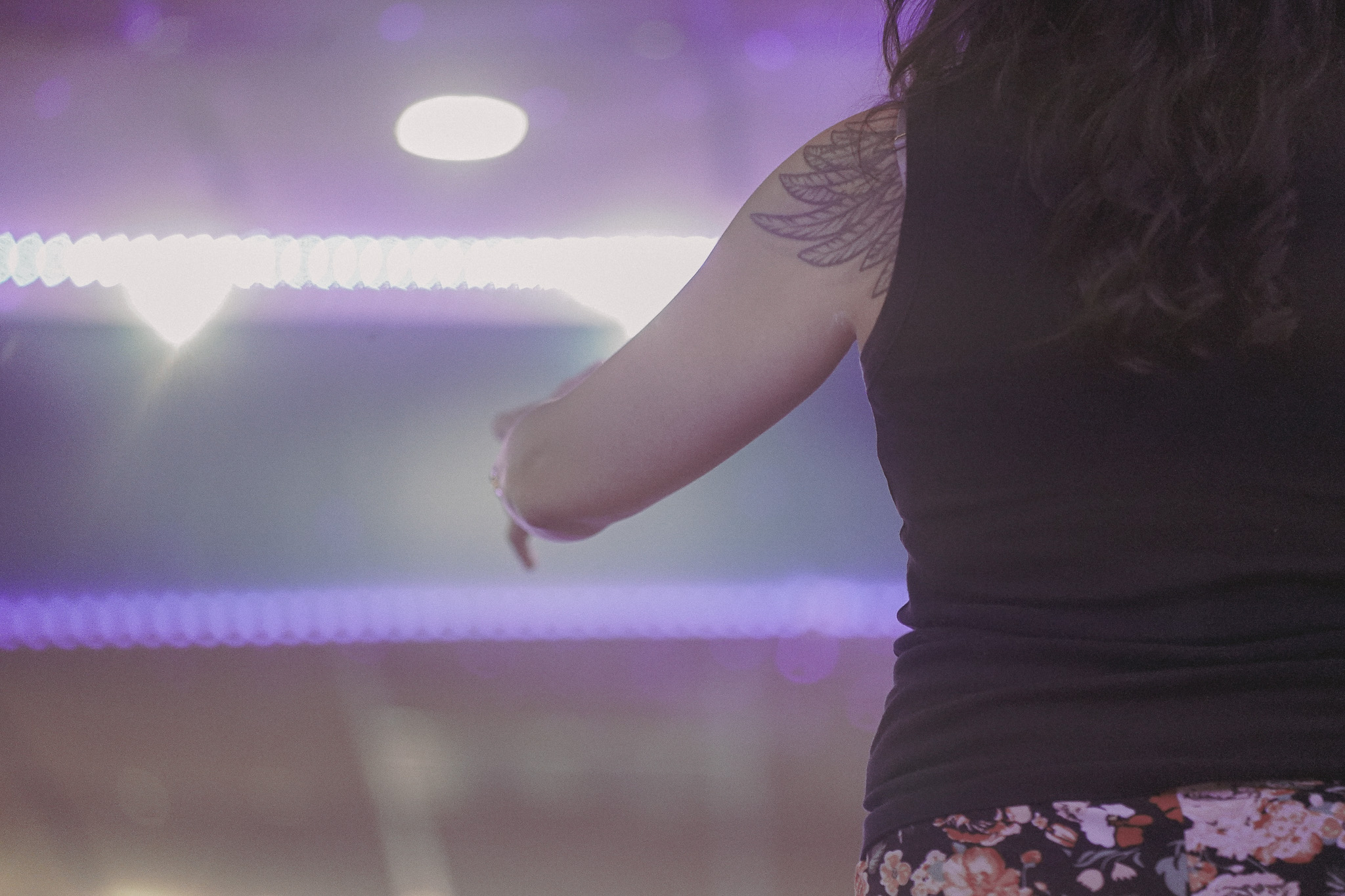
Gentle movement can help emotions become more approachable by allowing the body to participate before everything needs to be understood.
Gentle movement is not weak movement
There is a common belief that for movement to be powerful, it has to be intense. It has to make someone sweat, push limits, burn energy, or feel challenging in an obvious way. While intense movement can be helpful for some people, it is not the only kind of movement that matters.
Gentle movement can be powerful because it asks for attention. It teaches patience. It reveals patterns. It helps people notice breath, posture, tension, balance, and the relationship between the mind and body. It can support people who are tired, overwhelmed, disconnected, grieving, or beginning again after a difficult season.
In Tai Chi, the gentleness is part of the depth. The practice does not rely on force to be meaningful. It relies on awareness, repetition, breath, grounding, and the willingness to return. That kind of movement can be powerful precisely because it is sustainable.
Gentle movement is not less meaningful because it is slow. Its power often comes from the awareness it creates.
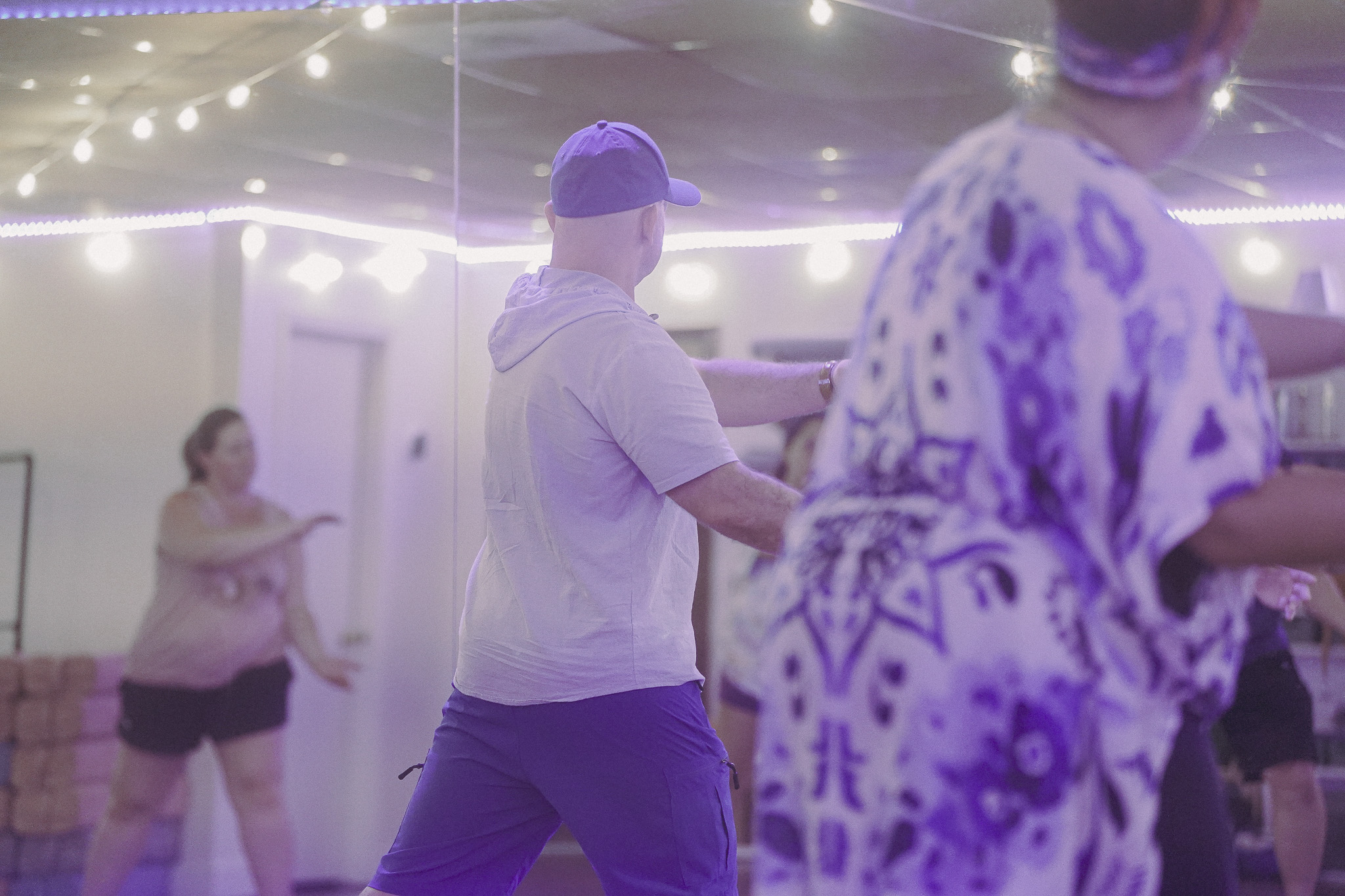
Gentle movement can be deeply supportive because it creates space for awareness, breath, grounding, and gradual change.
How gentle movement can support daily life
The lessons from gentle movement can begin to show up outside of class. A person may notice when they are mentally looping, when the body is tense, when the breath is shallow, or when they feel frozen by a decision. Instead of trying to force immediate clarity, they may return to something simple and physical.
That may look like taking one slower breath, feeling the feet on the floor, softening the shoulders, stepping outside for a few minutes, or moving the body gently before making a decision. These small actions can interrupt the feeling of being completely stuck and create a little more space.
Over time, this can change how a person relates to stuckness. Instead of seeing it as a permanent state or personal failure, they may begin to see it as a signal that the body and mind need support, movement, patience, and a slower way back into connection.
At Work
You may use one breath, a posture reset, or a short walk to shift out of mental overwhelm.
In Decision-Making
You may move gently before trying to think through the same question again.
During Emotional Heaviness
You may allow small movement to support the body when words or clarity are not available yet.
Before Rest
You may use gentle movement to help the body transition out of stress and into a slower rhythm.
Tai Chi is not a replacement for medical or mental health care
Tai Chi and gentle movement can be supportive wellness practices for body awareness, breath awareness, mindfulness, stress awareness, balance, emotional wellbeing, and reconnecting with the body, but they are not replacements for medical care, physical therapy, therapy, medication, psychiatric support, trauma-informed treatment, or crisis services. If someone is experiencing persistent pain, significant distress, panic, depression, trauma symptoms, thoughts of self-harm, or difficulty functioning, support from qualified professionals may be necessary.
At the same time, many people benefit from practices that help them begin moving gently when life feels heavy, overwhelming, or unclear. Tai Chi can be one supportive part of a broader care routine because it offers a slow, structured, and repeatable way to practice breath, grounding, body awareness, and gradual movement.
The value of gentle movement is not that it fixes every source of stuckness or creates instant transformation. Its value is that it gives the body and mind a practical place to begin again.
Gentle movement can support wellbeing as part of a broader care routine, but it should not replace professional support when professional care is needed.
Tai Chi and The Healing Tree Collective
At The Healing Tree Collective, we understand that many people arrive feeling stuck in ways they may not have words for. They may feel mentally full, emotionally heavy, physically tense, burned out, disconnected, or unsure how to begin moving forward. They may not need more pressure. They may need a place to start gently.
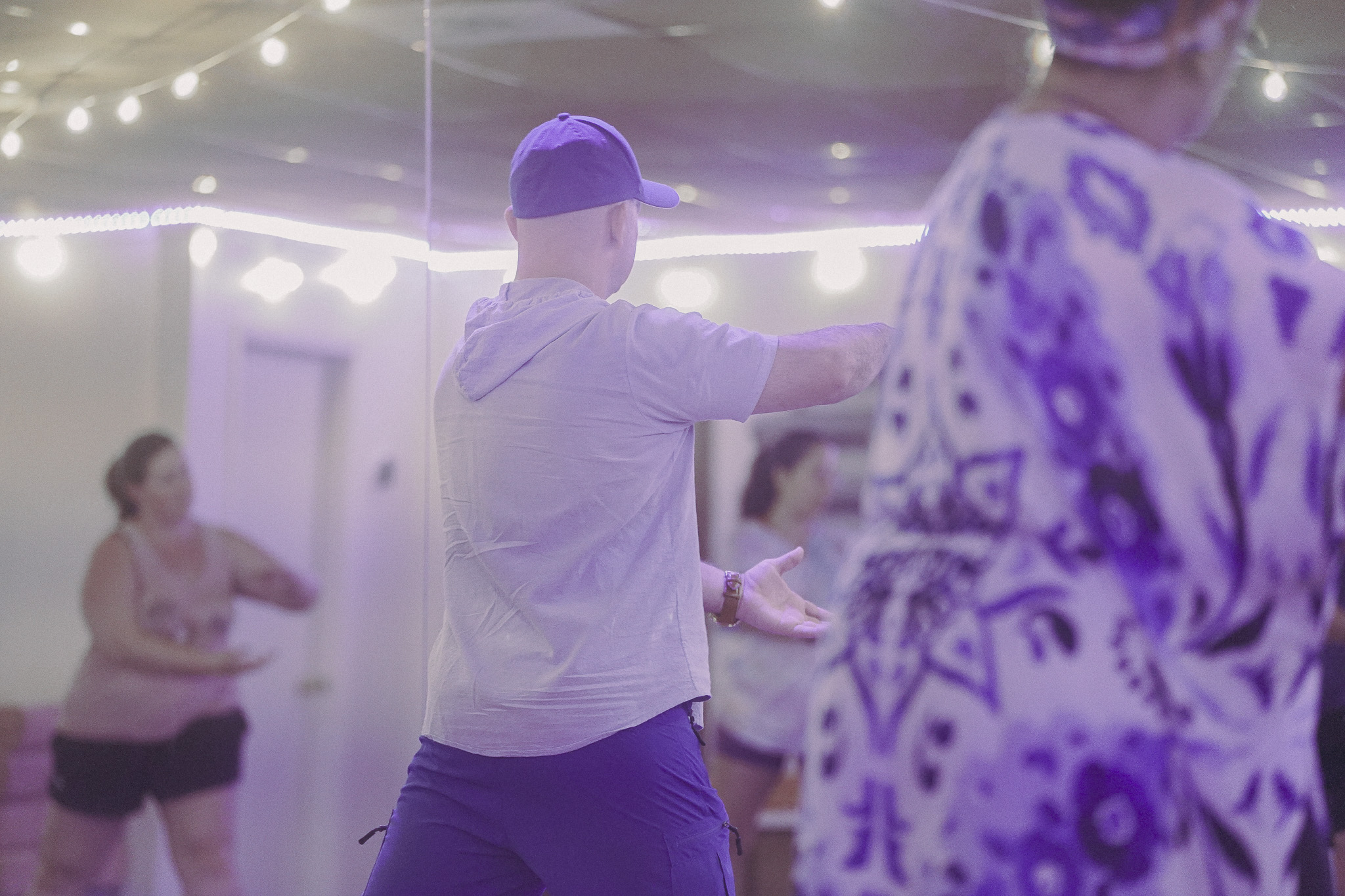
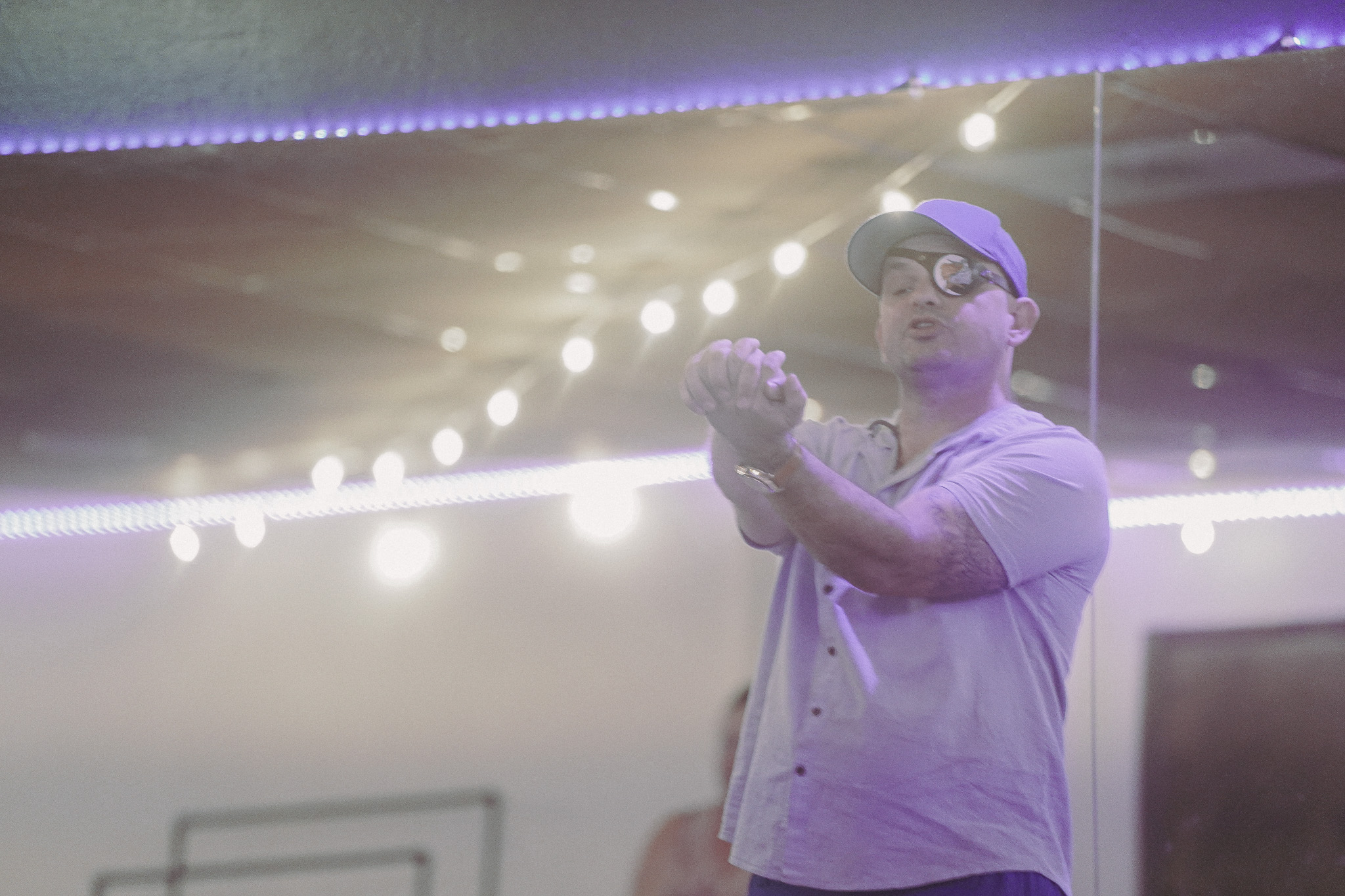
Tai Chi fits naturally into our approach because it offers movement without forcing intensity. It does not require prior experience, advanced flexibility, athletic ability, or a perfectly calm mind. The practice invites people to breathe, feel their feet, shift weight, move slowly, and reconnect with the body one step at a time.
Our mission is to create accessible wellness spaces where people can heal, grow, and reconnect with themselves through practices that feel supportive, educational, and real. Gentle movement supports that mission because it helps people begin again without shame, performance, or the expectation that everything has to change all at once.
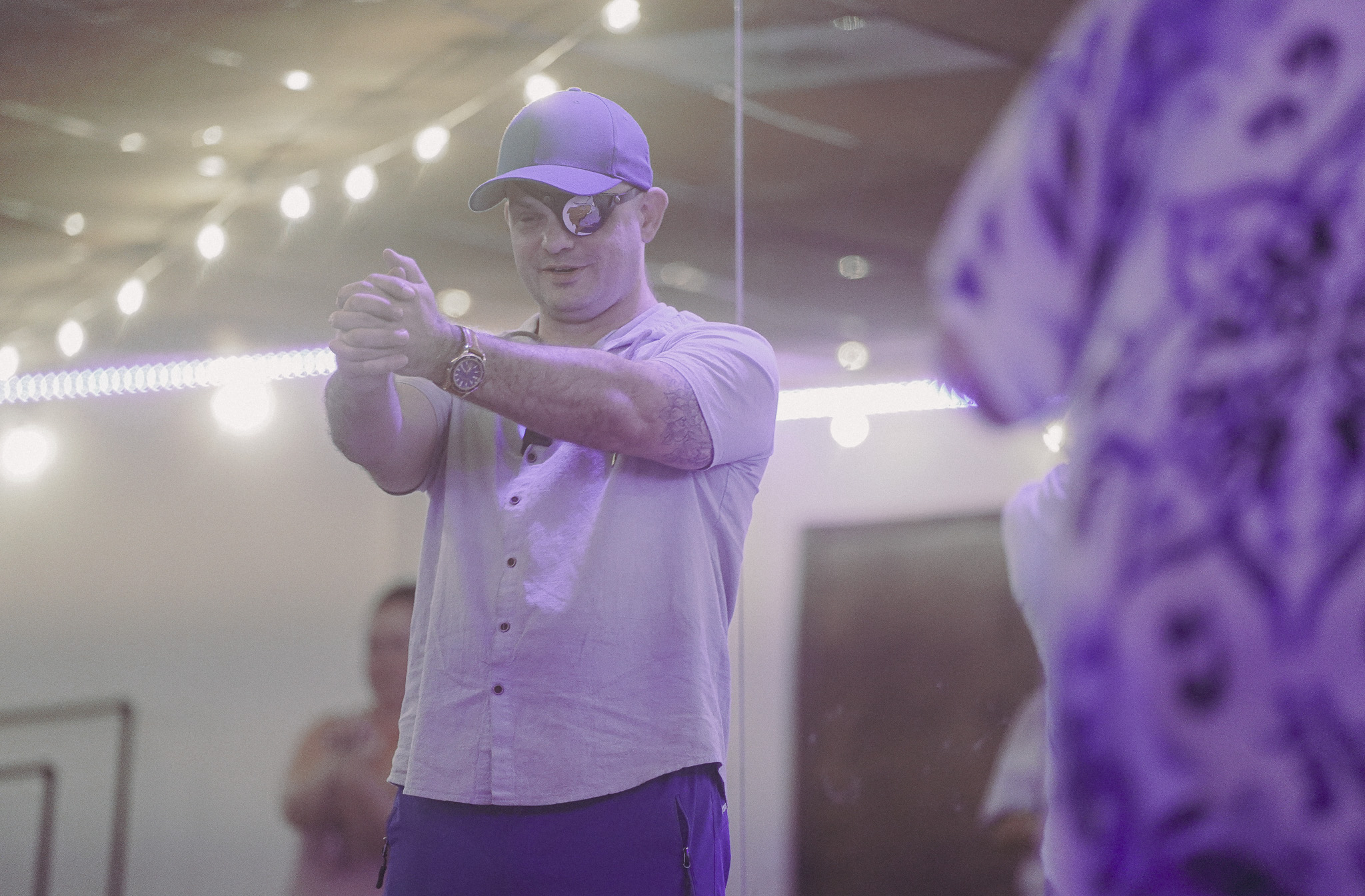
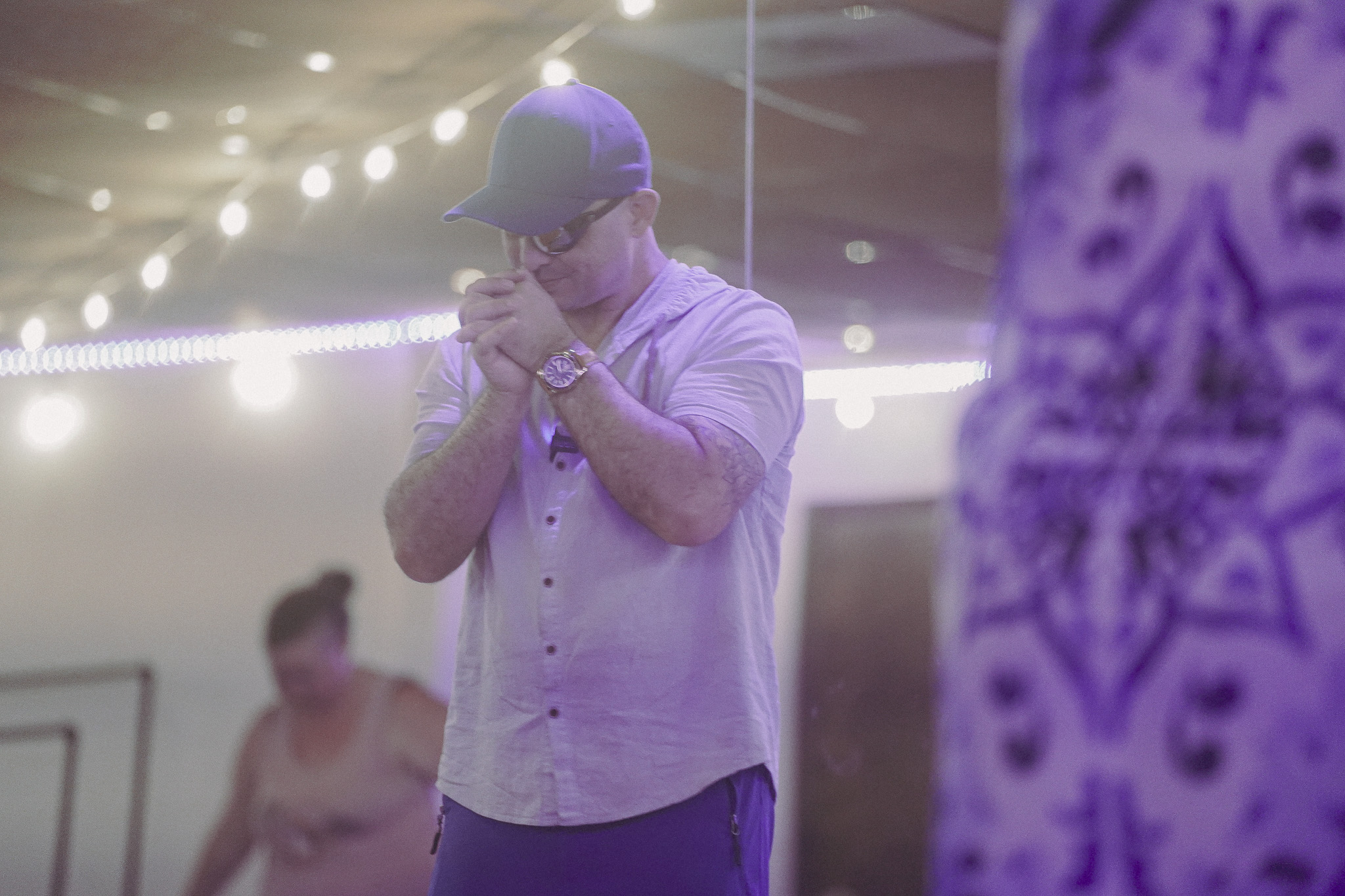
At The Healing Tree Collective, Tai Chi is offered as a gentle movement practice for people who need a grounded way to begin moving, breathing, noticing, and reconnecting with themselves again.
Final thoughts: movement can begin before clarity arrives
Gentle movement can be powerful for people who feel stuck because it gives the body and mind a place to begin without pressure. The practice does not require a major breakthrough, perfect motivation, or complete clarity. It begins with one breath, one small shift, one moment of grounding, and one movement at a time.
For people who feel mentally looped, emotionally heavy, physically tense, or disconnected from themselves, gentle movement can create a small but meaningful opening. It helps bring attention back to the body, creates space around stuck patterns, and reminds the system that movement is possible.
Tai Chi teaches that not all change has to happen through force. Sometimes the most powerful movement is the one that feels small enough to begin, steady enough to repeat, and gentle enough for the body to trust.
Gentle movement can help people who feel stuck by offering a grounded way to begin again, one breath, one step, and one small shift at a time.
Looking for gentle movement or Tai Chi in Tempe, Arizona?
At The Healing Tree Collective, our beginner-friendly wellness classes are designed to support stress relief, mindfulness, body awareness, balance, and deeper connection. If you are curious about Tai Chi, gentle movement, moving meditation, or practices that can support you when you feel stuck, you are welcome to begin here.