20 July 2026
Tai Chi for Grounding: How Slow Movement Brings You Back to the Present
Grounding is often described as the practice of coming back to the present moment, but for many people, that can be easier said than done. When the mind is busy, the body is tense, emotions are heightened, or life feels overwhelming, the present moment can feel difficult to access.
This is why body-based practices can be so supportive. Grounding is not only a mental idea. It is something that can be practiced through the feet, breath, posture, balance, and movement. Tai Chi gives people a slow and practical way to reconnect with the body so the present moment becomes easier to feel.
Tai Chi can support grounding because it brings attention back to physical experience. Through slow movement, weight shifting, breath awareness, and the feeling of the feet on the ground, Tai Chi helps people return to where they are now.
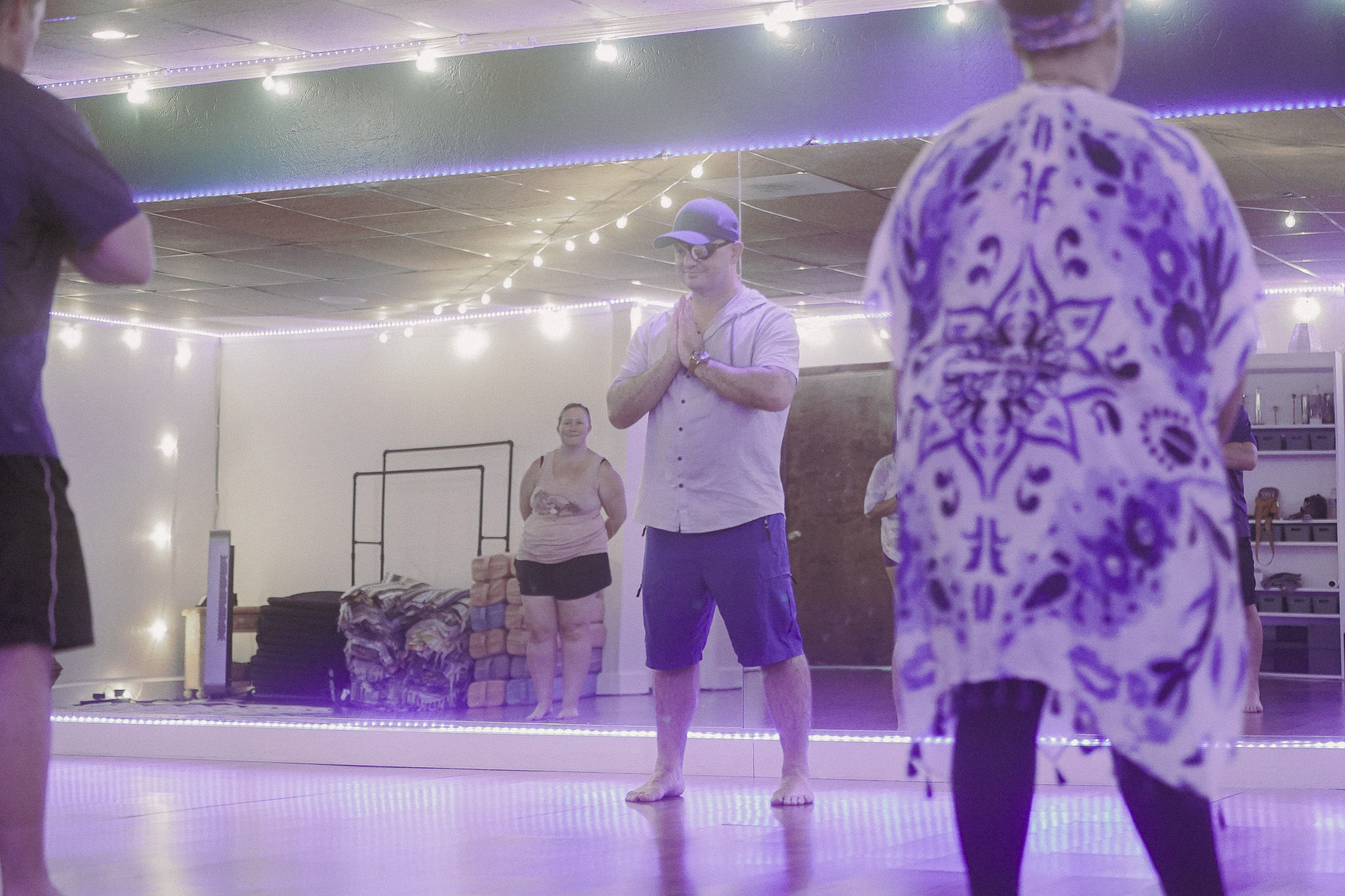
Tai Chi supports grounding by helping attention return to the feet, breath, posture, balance, and present movement.
Tai Chi may support grounding by helping you:
Use the body as a pathway back into the present moment.
- Feel your feet on the ground
- Notice your breath without forcing it
- Slow down racing thoughts
- Reconnect with posture and support
- Shift weight with awareness
- Return attention when the mind wanders
- Practice steadiness through movement
Grounding begins by returning to the body
Many people try to ground themselves by thinking their way into calm. They may tell themselves to relax, stop worrying, be present, or let go. While these reminders may be well-intentioned, they do not always reach the body. If the breath is shallow, the shoulders are tense, and attention is scattered, the body may still feel unsettled even when the mind is trying to be calm.
Tai Chi offers another pathway. Instead of starting with thought alone, it begins with the body. The practitioner feels the feet, notices the breath, shifts weight slowly, and follows the movement as it unfolds. These physical anchors help attention return to something real, immediate, and present.
This kind of grounding can be especially helpful for people who feel disconnected, overwhelmed, anxious, mentally busy, or physically tense. The goal is not to force calm. The goal is to create enough connection with the body that the present moment becomes easier to notice.
Grounding begins when attention returns from mental noise into the physical experience of being here.
The feet become an anchor for the present moment
One of the simplest grounding tools in Tai Chi is the feeling of the feet on the floor. This may sound basic, but it can be surprisingly powerful. Many people move through the day without noticing their feet at all. Their attention is in the head, the schedule, the phone, the conversation, or the next responsibility.
Tai Chi brings attention downward. The practitioner begins to notice how the feet meet the ground, where the weight is held, whether the body feels supported, and how the feet participate in each movement. This awareness creates a direct connection to the present moment because the feet are always in the here and now.
When attention returns to the feet, the body can begin to feel more located. Instead of floating in thought, worry, or mental planning, the person has a physical place to return. This is one of the clearest ways Tai Chi supports grounding.
The feet become an anchor because they remind the body where it is and where support is coming from.
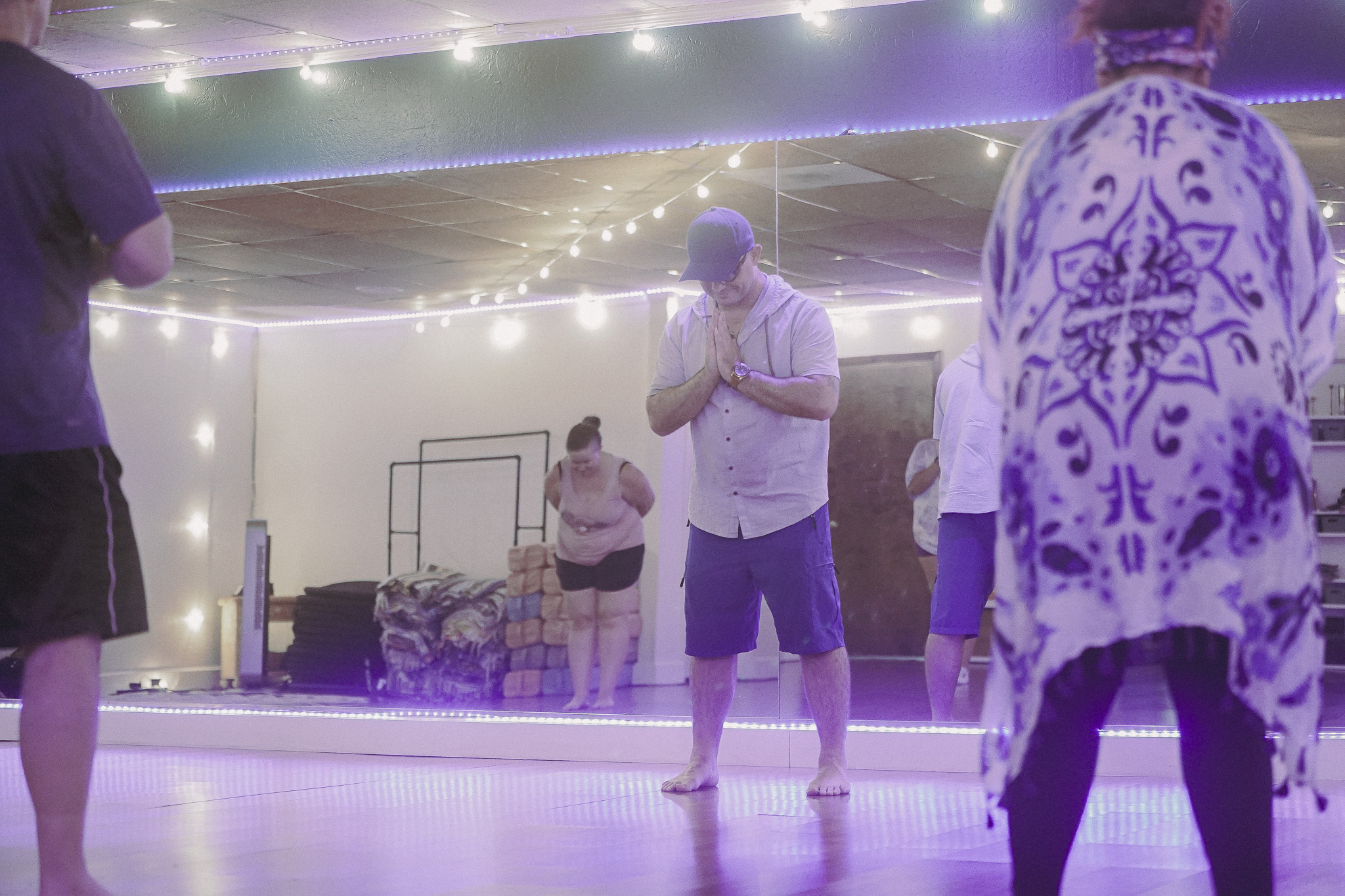
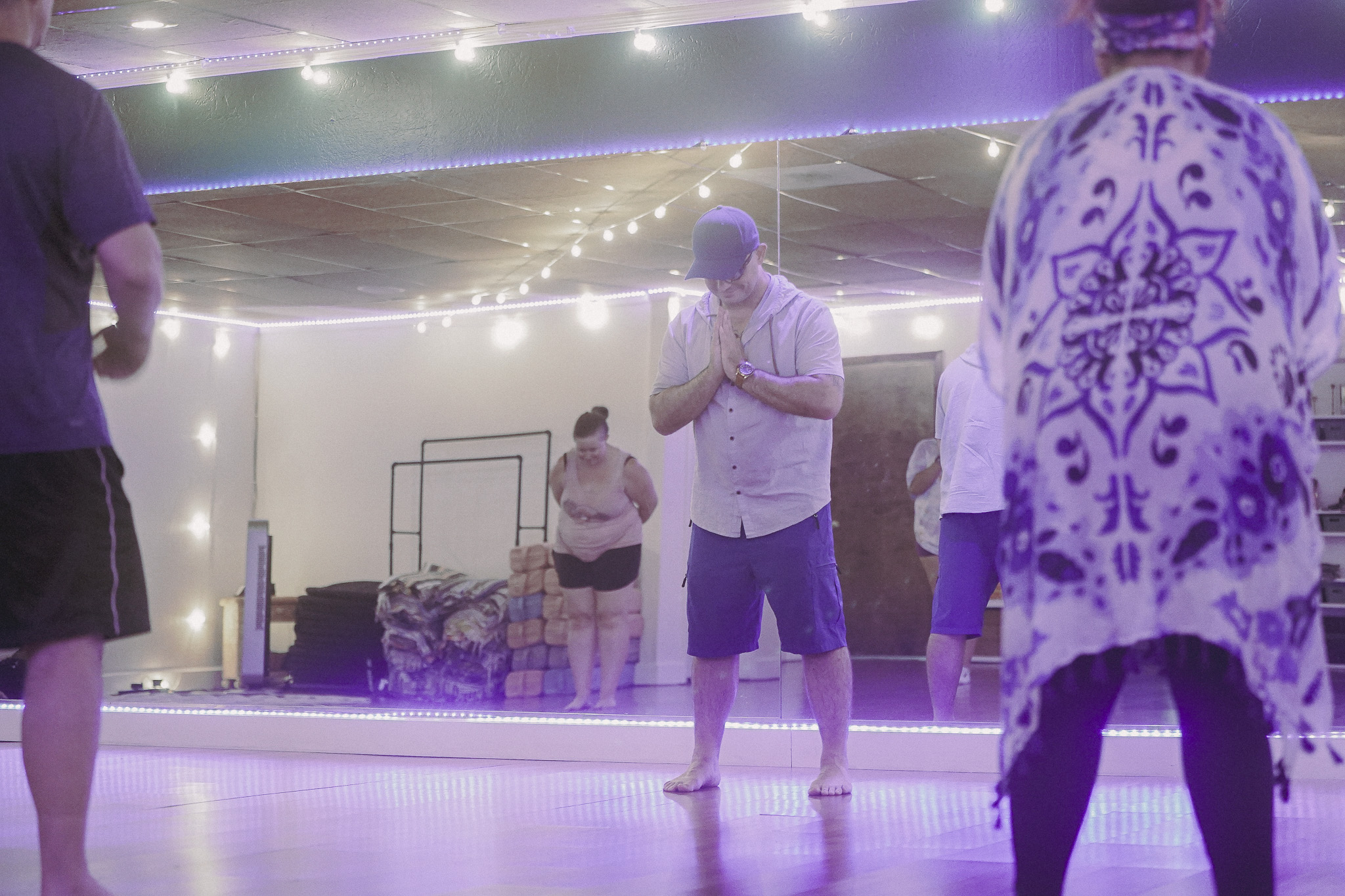
Slow movement helps interrupt mental rushing
When people feel ungrounded, the mind often moves quickly. It may jump between tasks, worries, memories, responsibilities, possible outcomes, and unfinished conversations. Even if the body is standing still, the mind may feel like it is already several steps ahead.
Tai Chi helps interrupt that rushing by asking the body to move slowly. The slow pace gives attention a different rhythm to follow. Instead of moving at the speed of stress, the practitioner begins moving at the speed of awareness. Each shift of weight, each movement of the hands, and each transition becomes a place to return.
This does not mean the mind becomes silent right away. Thoughts may still appear. The difference is that Tai Chi provides a physical pathway back to the present moment. When attention wanders, the practitioner can return to the feet, breath, posture, or movement happening now.
Slow movement gives the mind a steadier rhythm to follow when thoughts are moving too quickly.
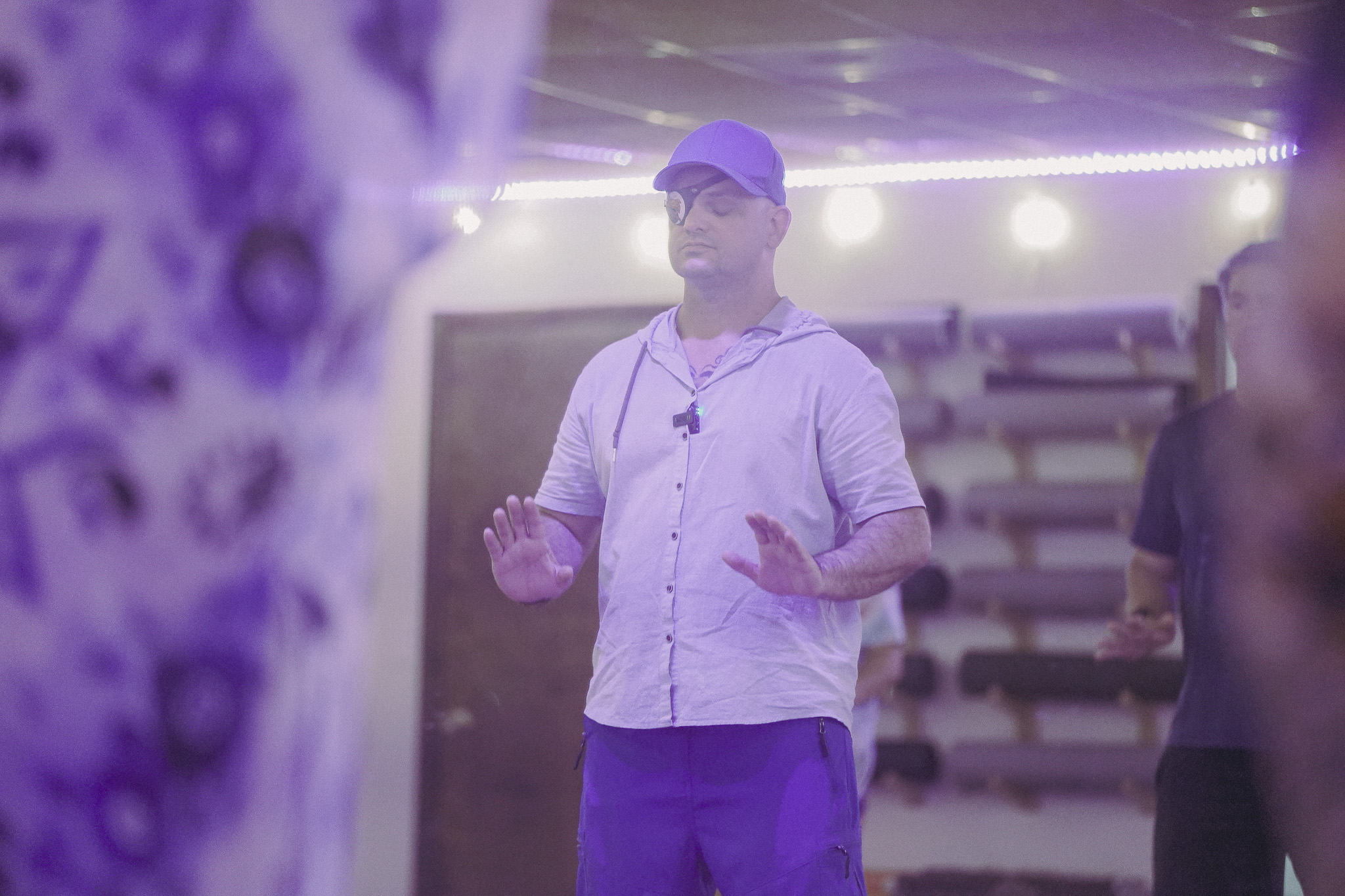
The slow pace of Tai Chi gives attention a physical rhythm that can help bring the mind back into the present.
The breath helps connect the mind and body
The breath is another important part of grounding because it links the mind and body in real time. When someone is stressed or mentally busy, the breath may become shallow, held, restricted, or rushed. Many people do not notice this because their attention is focused on what needs to be solved or completed.
In Tai Chi, breath awareness is developed gently. The practice does not demand perfect breathing. Instead, the slow movement creates enough space to notice what the breath is doing. A person may recognize when the breath is held during concentration, when the body exhales more fully during a slower transition, or when the breath becomes easier to feel as the practice becomes more familiar.
This awareness can help people feel more grounded because the breath is always happening in the present moment. When attention returns to the breath, it returns to something immediate and physical. Over time, this can become a practical tool for daily life.
The breath brings you back to the present because it is not happening yesterday or tomorrow. It is happening now.
Held Breath
May reveal concentration, tension, uncertainty, or the body’s attempt to control the moment.
Shallow Breath
May reveal stress, rushing, mental overload, or a body that is preparing to push through.
Noticed Breath
Can become an anchor that helps attention return from thought into body awareness.
Steadier Breath
May begin to appear when the body feels more supported, present, and connected.
Grounding is practiced through weight shifting
Weight shifting is one of the most practical ways Tai Chi teaches grounding. As the body moves slowly from one side to another, the practitioner begins noticing where support is coming from. Is the weight mostly in one foot? Are the knees locked? Is the body rushing into the next movement? Are the feet connected to the floor?
This kind of awareness helps the body understand support. Instead of moving from the head alone, the practitioner begins moving from the ground up. The feet, legs, hips, spine, breath, and attention all participate in the movement.
Weight shifting also teaches that grounding is not a fixed state. The body can remain grounded while changing position. This can be an important lesson for daily life. Grounding does not mean nothing is happening. It means there is enough awareness and support to stay connected while things are moving.
Weight shifting teaches that grounding can happen even during movement, transition, and change.
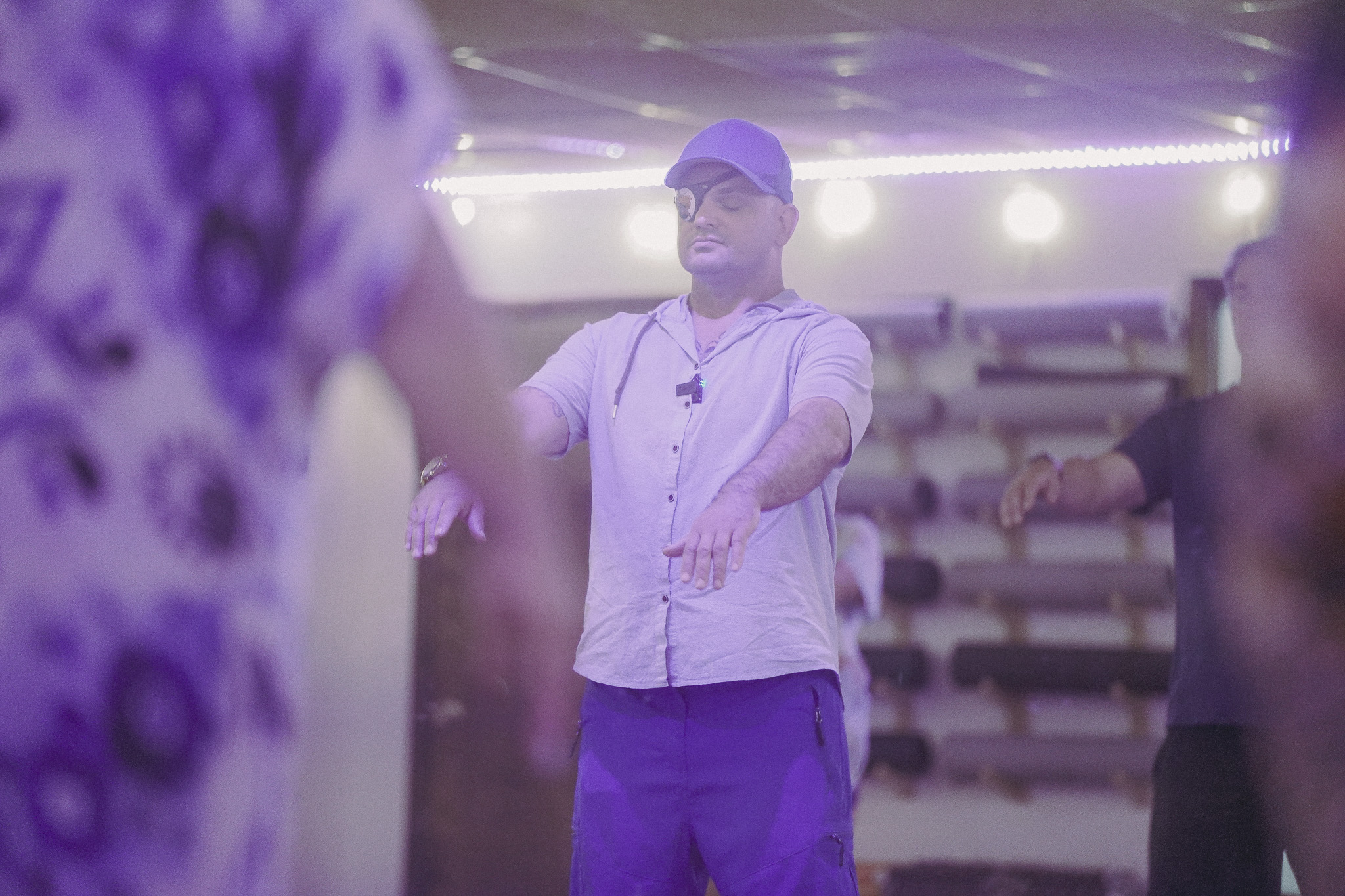
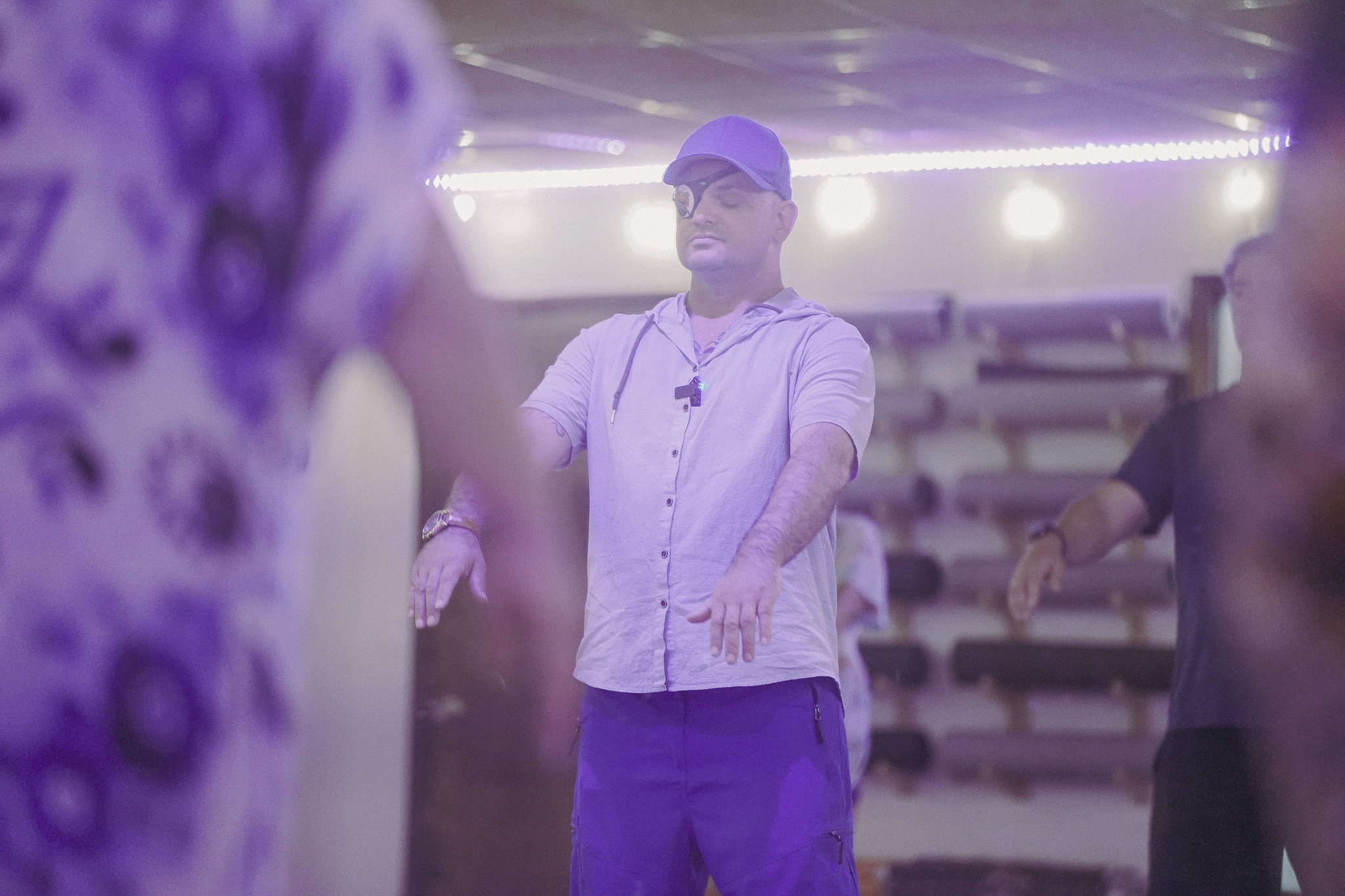
Balance brings attention back to now
Balance is one of the clearest ways Tai Chi brings attention into the present. When the body is shifting weight slowly, attention has to stay close. If the mind moves too far ahead, balance may feel less steady. If the body rushes through the transition, the practitioner may lose connection with the feet.
This makes balance a powerful grounding teacher. It asks the practitioner to feel what is happening now. Where is the weight? How is the breath? What is the posture doing? Is the body bracing, softening, rushing, or adjusting?
Balance does not require perfection. A small wobble can be useful because it gives feedback. It reminds the practitioner to return to support. In this way, Tai Chi teaches that grounding is not about never becoming unsteady. It is about learning how to notice and return.
Balance brings attention back to the present because the body cannot find steadiness in a moment the mind has already left.
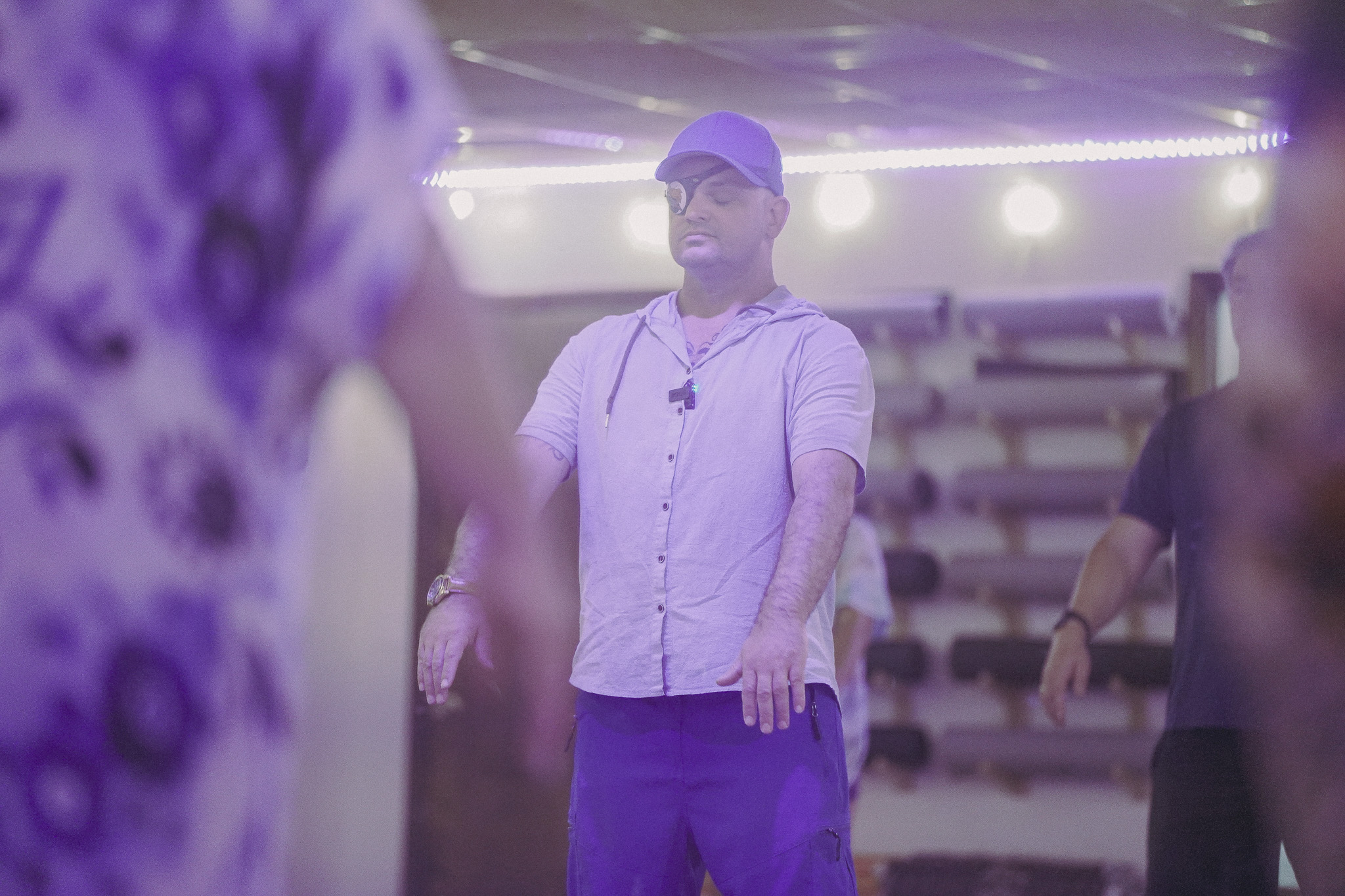
Balance practice helps people return to the present through feet, posture, breath, and small adjustments.
Grounding can help you notice stress earlier
When people are ungrounded, stress may build without being noticed. The body may become tense, the breath may become shallow, the mind may rush, and the nervous system may stay alert. Because daily life often rewards pushing through, many people do not recognize stress until the body becomes loud.
Tai Chi helps people notice stress earlier because grounding brings awareness back to physical signals. A person may recognize that the shoulders are lifted, the jaw is tight, the breath is restricted, or the body is leaning forward as if already moving into the next task.
These signals matter because they provide information. When stress is noticed earlier, there may be more room to respond with care. A person may breathe, soften, slow down, feel the feet, or take a pause before continuing. Grounding does not remove every stressor, but it can help people stay more connected to themselves while moving through stress.
Grounding helps stress become visible earlier, before the body has to become louder to be heard.
Grounding does not mean forcing yourself to be calm
One of the most important things to understand about grounding is that it is not about forcing calm. Some people try to ground themselves by pushing away emotion, suppressing thoughts, or demanding that the body relax immediately. This can create more tension because the body may not feel ready to settle on command.
Tai Chi offers a gentler approach. The practice does not ask the body to become calm instantly. It asks the body to participate in small, repeated acts of awareness. Feel the feet. Notice the breath. Shift weight slowly. Follow the hands. Return when attention wanders.
This approach can be more realistic for people who are stressed, overwhelmed, grieving, anxious, or mentally busy. Grounding becomes less about controlling the inner experience and more about creating a supportive relationship with the present moment.
Grounding is not forcing yourself to be calm. It is giving the body enough support to know where it is.


Slow movement can support emotional grounding
Grounding can be helpful during emotionally full seasons. When someone is carrying grief, stress, uncertainty, frustration, anxiety, or overwhelm, the body may feel unsettled. The mind may try to understand everything at once, while the body feels tense, heavy, restless, or disconnected.
Slow movement can support emotional grounding by giving emotions a physical context. A person does not have to explain everything immediately. They can begin by moving slowly, breathing, feeling the feet, and noticing what is present in the body.
Tai Chi does not force emotional release or require someone to process everything during class. Instead, it gives the body a steady rhythm and a place to return. For some people, that may create space around what they are carrying. For others, it may simply help them feel a little more connected to themselves in the middle of life.
Emotional grounding can begin when the body has a safe and steady place to return, even before the mind has all the words.
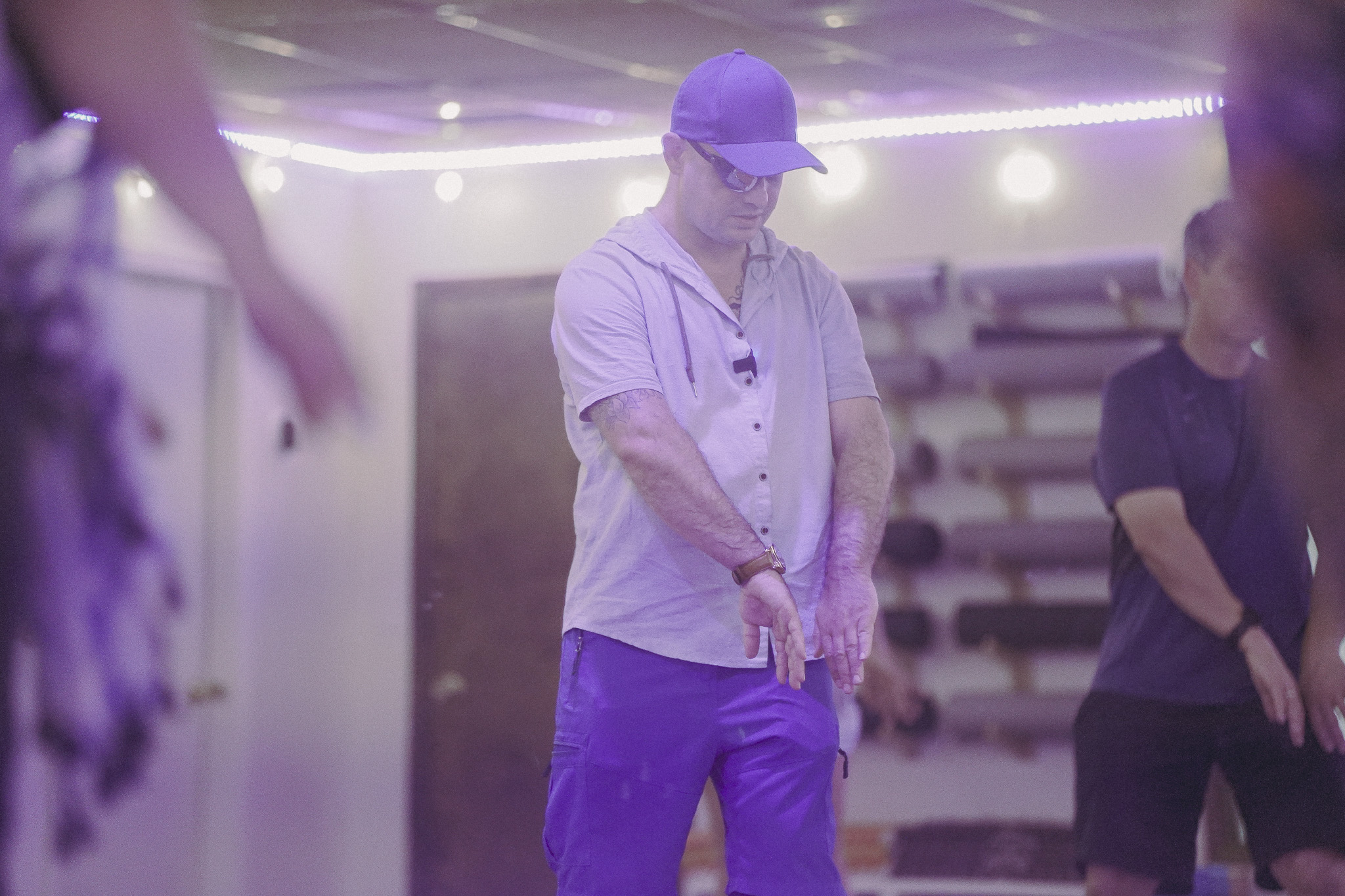
Tai Chi can support emotional grounding by creating a slower rhythm for the body to breathe, move, and return.
Repetition helps grounding become more familiar
Grounding is not always easy at first, especially for people who are used to moving quickly or living mostly in their thoughts. During the first Tai Chi class, someone may feel awkward, distracted, or unsure how to follow the movements. This is normal.
With repetition, the body begins recognizing the pathway back to the present. The feet become easier to feel. The breath becomes easier to notice. The movements become more familiar. The practitioner may begin to recognize when they are rushing, when the body is bracing, or when attention has drifted away.
This is why Tai Chi deepens over time. The practice gives the body repeated experiences of returning. Over time, grounding can become less like something a person has to force and more like something the body remembers how to access.
Grounding becomes more available when the body practices returning again and again.
First Practice
The mind may focus on learning the movements, following the teacher, and understanding the pace.
Repeated Practice
The body begins recognizing the feet, breath, posture, and movement as familiar anchors.
Deeper Awareness
The practitioner may begin noticing stress, rushing, tension, and disconnection earlier.
Daily Integration
The skill of grounding may begin to support work, relationships, transitions, and moments of stress.
How Tai Chi grounding can support daily life
The grounding practiced in Tai Chi can become useful outside of class. A person may notice that their breath becomes shallow during a stressful conversation, that their shoulders tighten during work, or that they feel disconnected from their body after a long day of thinking and doing.
In those moments, grounding does not have to be complicated. It may look like feeling the feet on the floor, taking one slower breath, softening the jaw, shifting posture, or allowing the body to arrive before responding. These small actions can help interrupt the feeling of being pulled away from the present moment.
This is where Tai Chi becomes practical. The practice does not only teach grounding during class. It teaches the body how to return in real life, during ordinary moments where stress, responsibility, emotion, or uncertainty may pull attention away.
At Work
You may feel your feet and slow your breath before continuing through a stressful task or message.
In Relationships
You may ground before responding from stress, defensiveness, pressure, or emotional activation.
During Transitions
You may let the body arrive before moving from one task, role, or emotional state into another.
Before Rest
You may notice whether the body is truly settling or still carrying the speed of the day.
Tai Chi is not a replacement for medical or mental health care
Tai Chi can be a supportive wellness practice for grounding, body awareness, breath awareness, mindfulness, balance, gentle movement, and stress awareness, but it is not a replacement for medical care, physical therapy, therapy, medication, psychiatric support, trauma-informed treatment, or crisis services. If someone is experiencing persistent pain, significant distress, panic, depression, trauma symptoms, thoughts of self-harm, or difficulty functioning, support from qualified professionals may be necessary.
At the same time, many people benefit from practices that help them return to the body and present moment in a gentle, structured way. Tai Chi can be one supportive part of a broader care routine because it offers repeated practice in slowing down, breathing, feeling the feet, shifting weight, and reconnecting with physical support.
The value of Tai Chi is not that it removes every stressor or guarantees constant calm. Its value is that it gives people a practical way to return to the present moment through the body.
Tai Chi can support grounding as part of a broader wellness routine, but it should not replace professional care when professional support is needed.
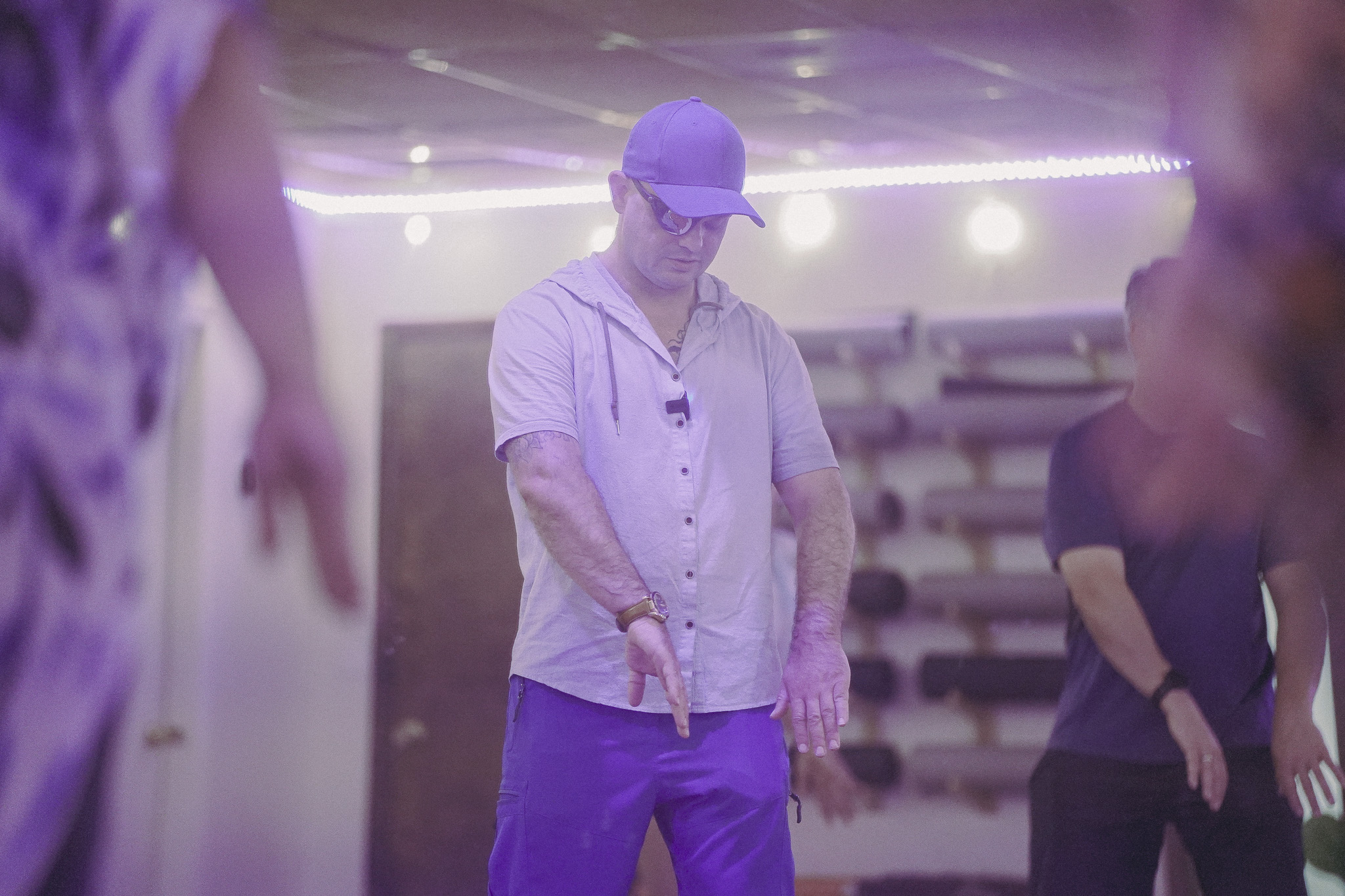
Tai Chi and The Healing Tree Collective
At The Healing Tree Collective, we understand that many people are looking for ways to feel more grounded in a world that often pulls attention outward. They may feel mentally busy, emotionally full, physically tense, overstimulated, or disconnected from the body after long seasons of stress and responsibility.
Tai Chi fits naturally into our approach because it offers grounding through gentle movement. It does not require prior experience, advanced flexibility, athletic ability, or a perfectly calm mind. The practice invites people to feel the feet, notice the breath, shift weight slowly, and return to the body with patience.
Our mission is to create accessible wellness spaces where people can heal, grow, and reconnect with themselves through practices that feel supportive, educational, and real. Tai Chi supports that mission because it helps people practice grounding in a way that is practical, repeatable, and connected to everyday life.
At The Healing Tree Collective, Tai Chi is offered as a grounding practice: a way to return to the present through breath, body, support, and slow intentional movement.
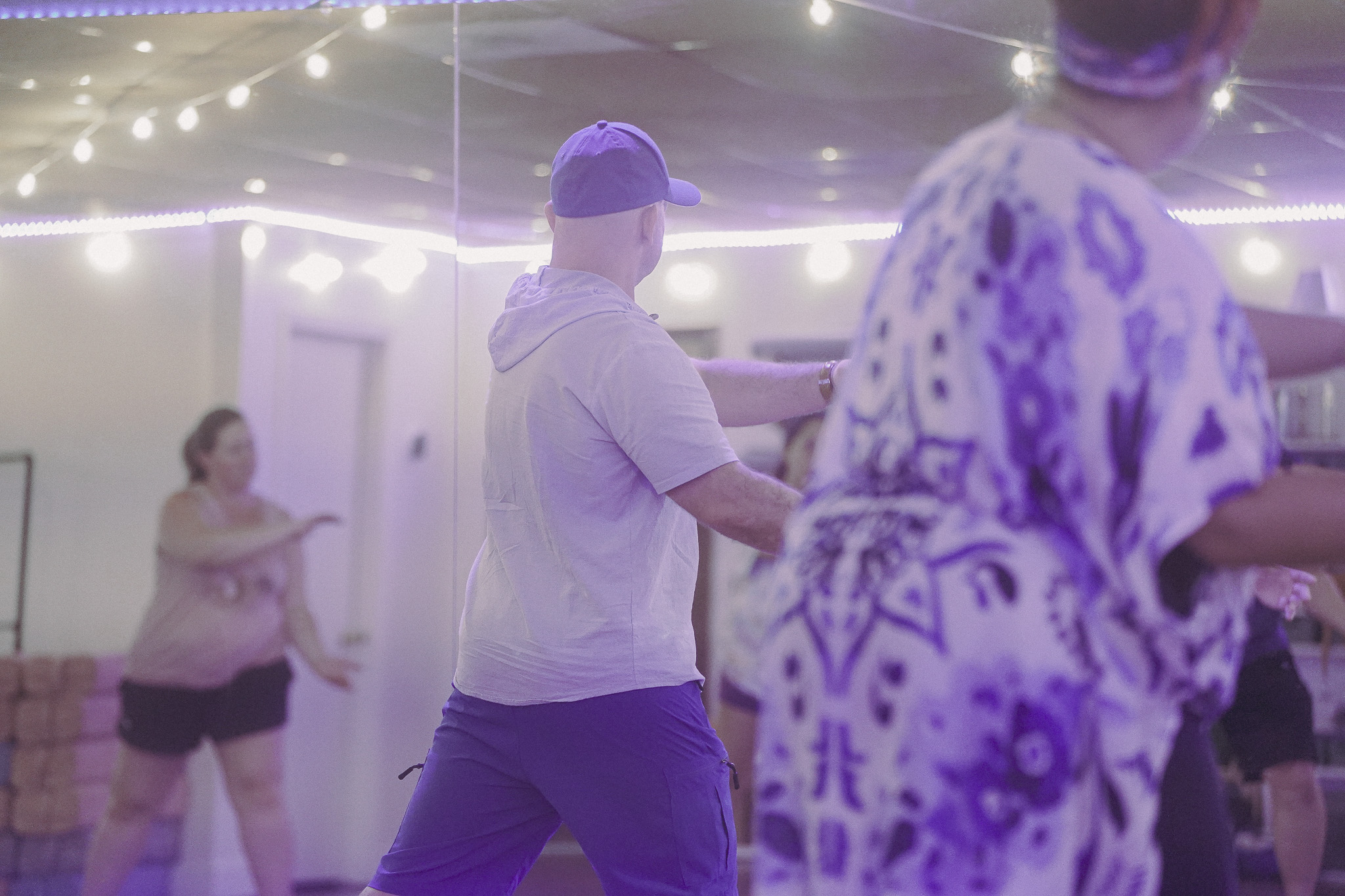
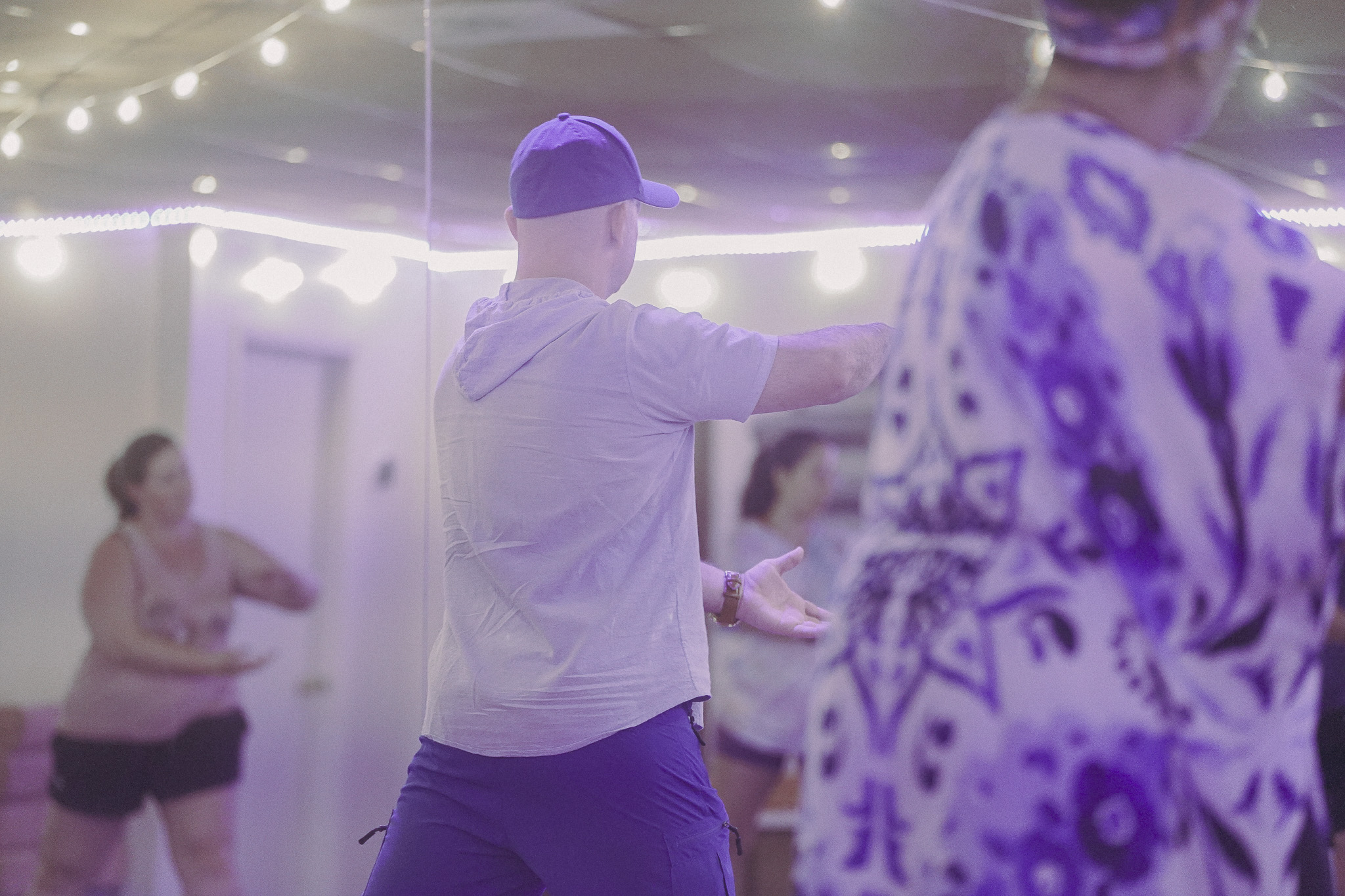
Final thoughts: grounding is the practice of returning
Tai Chi supports grounding by helping people return to the present moment through the body. The feet become an anchor. The breath becomes a signal. Weight shifting teaches support. Balance brings attention back to now. Slow movement gives the mind a steady rhythm to follow.
Grounding does not require perfect calm, perfect focus, or perfect movement. It begins with noticing. It begins with feeling the body, sensing support, and returning attention when it wanders. Over time, these small returns can help the present moment feel more accessible.
For people who feel mentally busy, emotionally overwhelmed, physically tense, or disconnected from themselves, Tai Chi offers a gentle and practical place to begin. The body is not separate from presence. It is one of the most direct places to return.
Tai Chi helps bring you back to the present by teaching the body how to slow down, feel support, breathe, move, and return.
Looking for Tai Chi for grounding in Tempe, Arizona?
At The Healing Tree Collective, our beginner-friendly wellness classes are designed to support stress relief, mindfulness, grounding, body awareness, balance, and deeper connection. If you are curious about Tai Chi, slow movement, moving meditation, or gentle grounding practices, you are welcome to begin here.