22 July 2026
Tai Chi for Busy People: A Practice for Full Schedules and Tired Bodies
Many people know they need support, movement, rest, or a way to reconnect with themselves, but their schedules already feel full. Between work, family, caregiving, responsibilities, messages, appointments, emotional labor, and the constant pressure to keep up, adding one more thing can feel unrealistic.
This is especially true when the body is tired. A person may want to move, but not have the energy for intensity. They may want to meditate, but the mind feels too busy to sit still. They may want stress relief, but not know where to begin without feeling like wellness has become another task to manage.
Tai Chi can be a supportive practice for busy people because it offers gentle movement, breath awareness, grounding, balance, and mindfulness without requiring high intensity, advanced flexibility, or a perfectly calm mind.
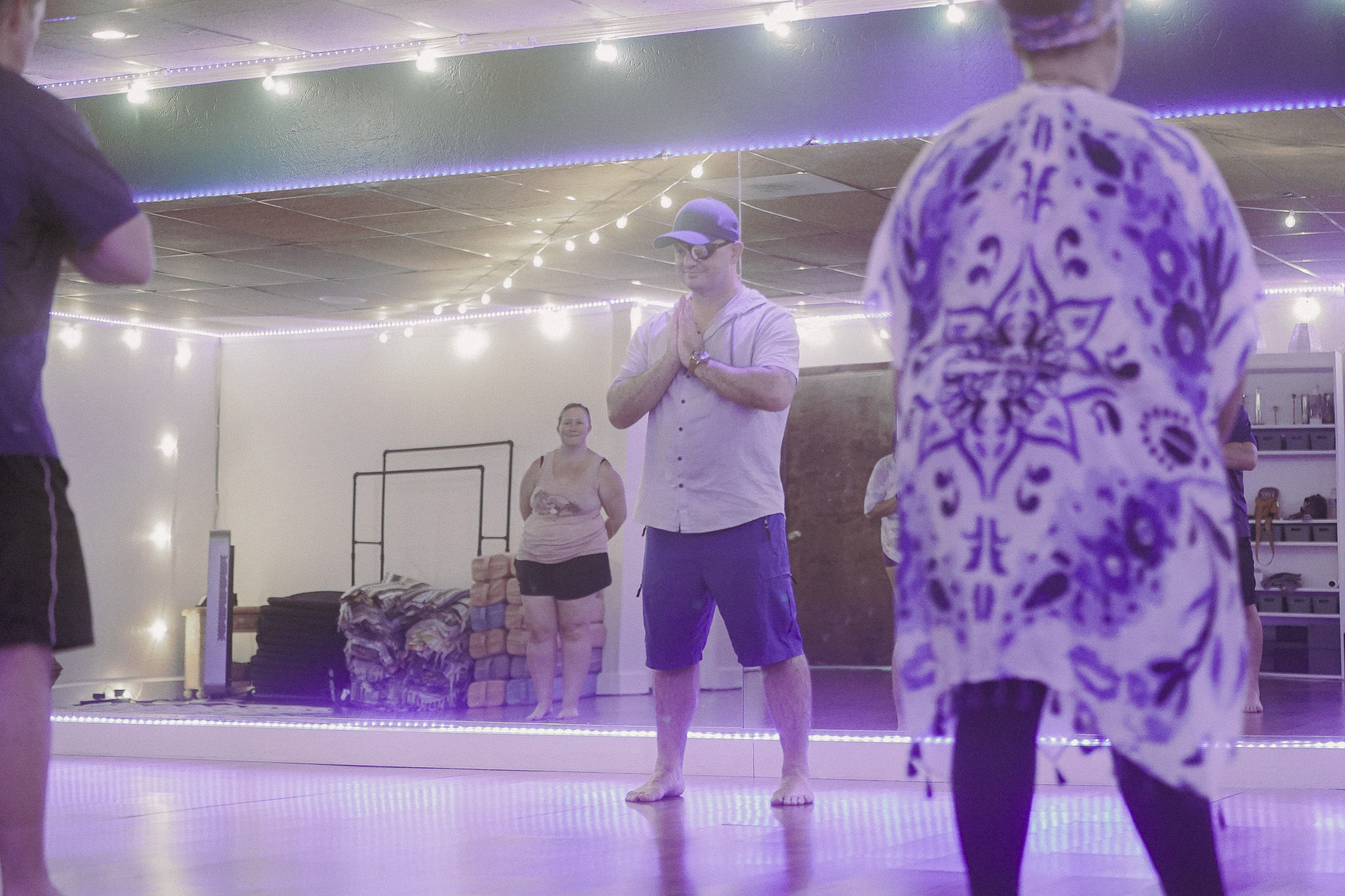
Tai Chi offers busy people a slower, more sustainable way to move, breathe, ground, and reconnect with the body.
Tai Chi may support busy people by helping them:
Practice movement and mindfulness in a way that feels realistic for tired bodies and full schedules.
- Move without high intensity
- Reconnect with the breath
- Slow down mental rushing
- Feel grounded through the feet
- Notice physical stress signals
- Practice presence without forcing stillness
- Build consistency through a gentle routine
Busy people often need support that does not add more pressure
When life is full, wellness can sometimes feel like another expectation. People may feel pressure to work out harder, meditate perfectly, eat better, sleep more, manage stress, stay emotionally regulated, show up for others, and still keep up with everyday responsibilities. Even helpful practices can begin to feel like one more thing to do.
This is why the kind of practice matters. Busy people often do not need another high-pressure commitment. They need a practice that helps them slow down without demanding performance. They need a way to move without exhausting themselves further. They need a space where the body can participate gently instead of being pushed to produce more.
Tai Chi can be supportive because it is both structured and gentle. It gives the mind something to follow and the body something to do, but it does not require the same kind of intensity that many people associate with exercise. The practice offers movement, breath, balance, and attention in a way that can feel more sustainable.
Busy people do not always need more intensity. Sometimes they need a practice that helps them return to themselves without adding more pressure.
Full schedules can disconnect people from their bodies
When a schedule is full, attention often moves outward. The mind tracks deadlines, conversations, errands, responsibilities, messages, finances, family needs, and everything that still has to be done. In the middle of that pace, the body can become easy to ignore.
A person may not notice that the breath has become shallow, the shoulders have been tense for hours, the jaw is tight, or the body has been running on fatigue. They may not realize how long they have been pushing through until they finally stop and feel the impact of what they have been carrying.
Tai Chi helps bring attention back to the body. The practice invites people to feel the feet on the ground, notice the breath, shift weight slowly, and observe how the body responds to movement. This kind of body awareness can be especially important for busy people because it helps them recognize physical stress signals earlier.
A full schedule can pull attention away from the body. Tai Chi helps bring attention back to breath, posture, grounding, and the present moment.
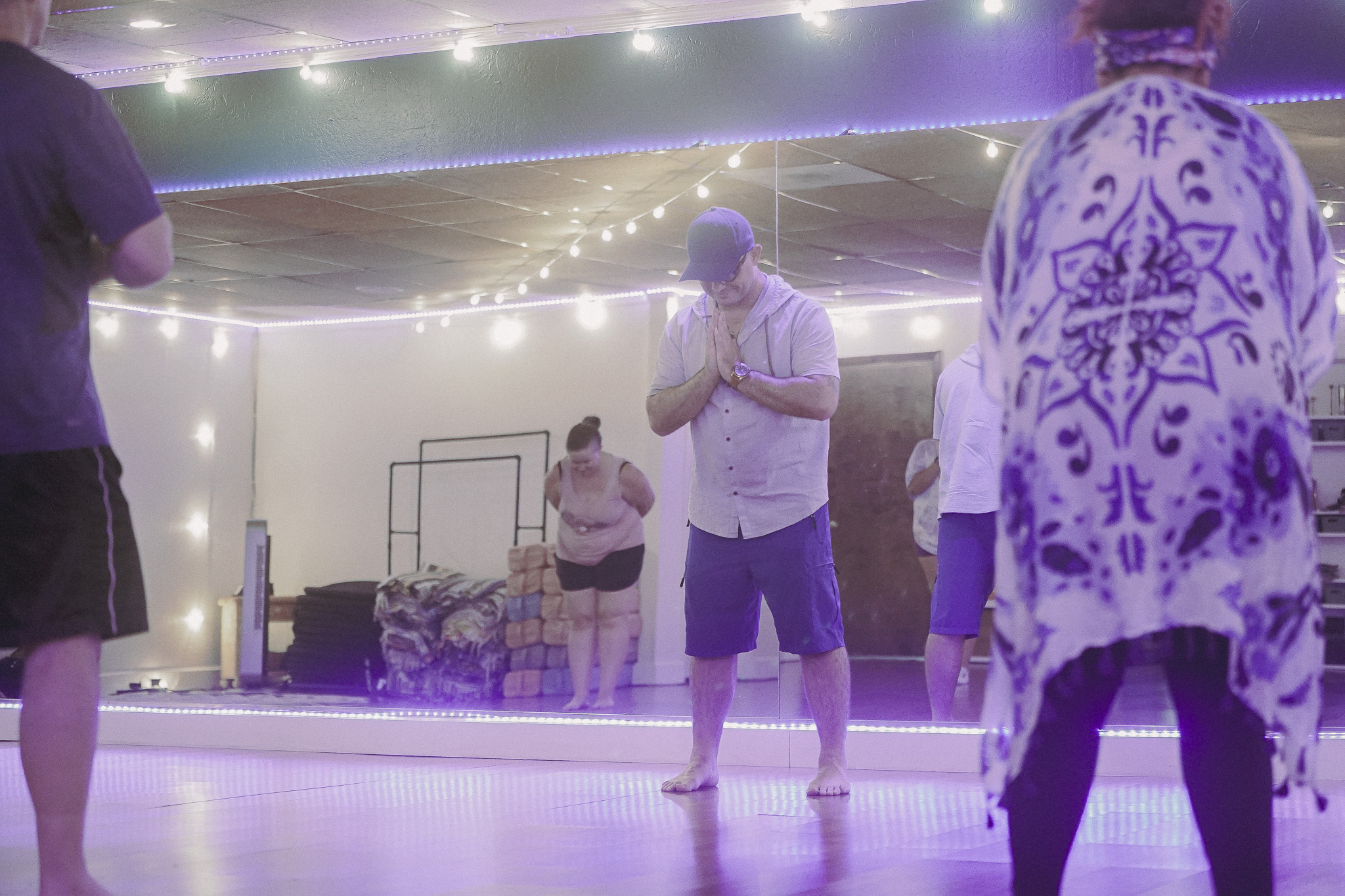
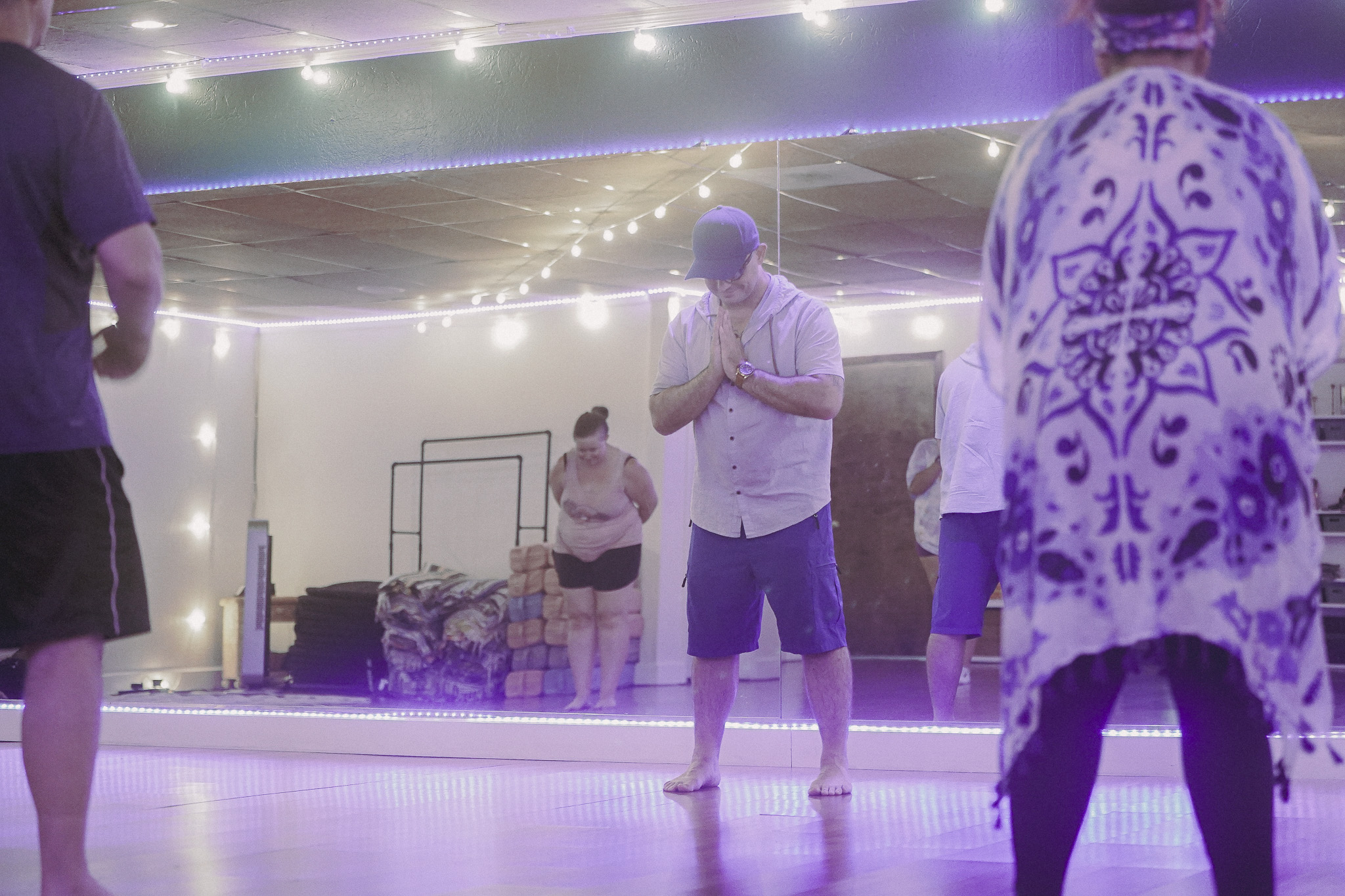
Tai Chi offers movement that does not demand more from an exhausted body
Many people avoid movement when they are tired because they assume movement has to be intense to count. They may think of exercise as something that requires high effort, sweating, pushing, or feeling challenged in a very obvious way. When the body is already exhausted, that kind of movement may not feel accessible.
Tai Chi offers a different relationship with movement. The practice is slow, gentle, and intentional. The body still moves, but it is not forced into intensity. The legs, feet, arms, spine, breath, and attention all participate, but the goal is not to push the body past its limits.
This can be supportive for tired bodies because it allows movement to become restorative rather than depleting. A person can practice body awareness, balance, breath, grounding, and gentle mobility without needing to perform at a high level.
For tired bodies, movement does not always need to be harder. Sometimes it needs to be more intentional, more supportive, and more connected.
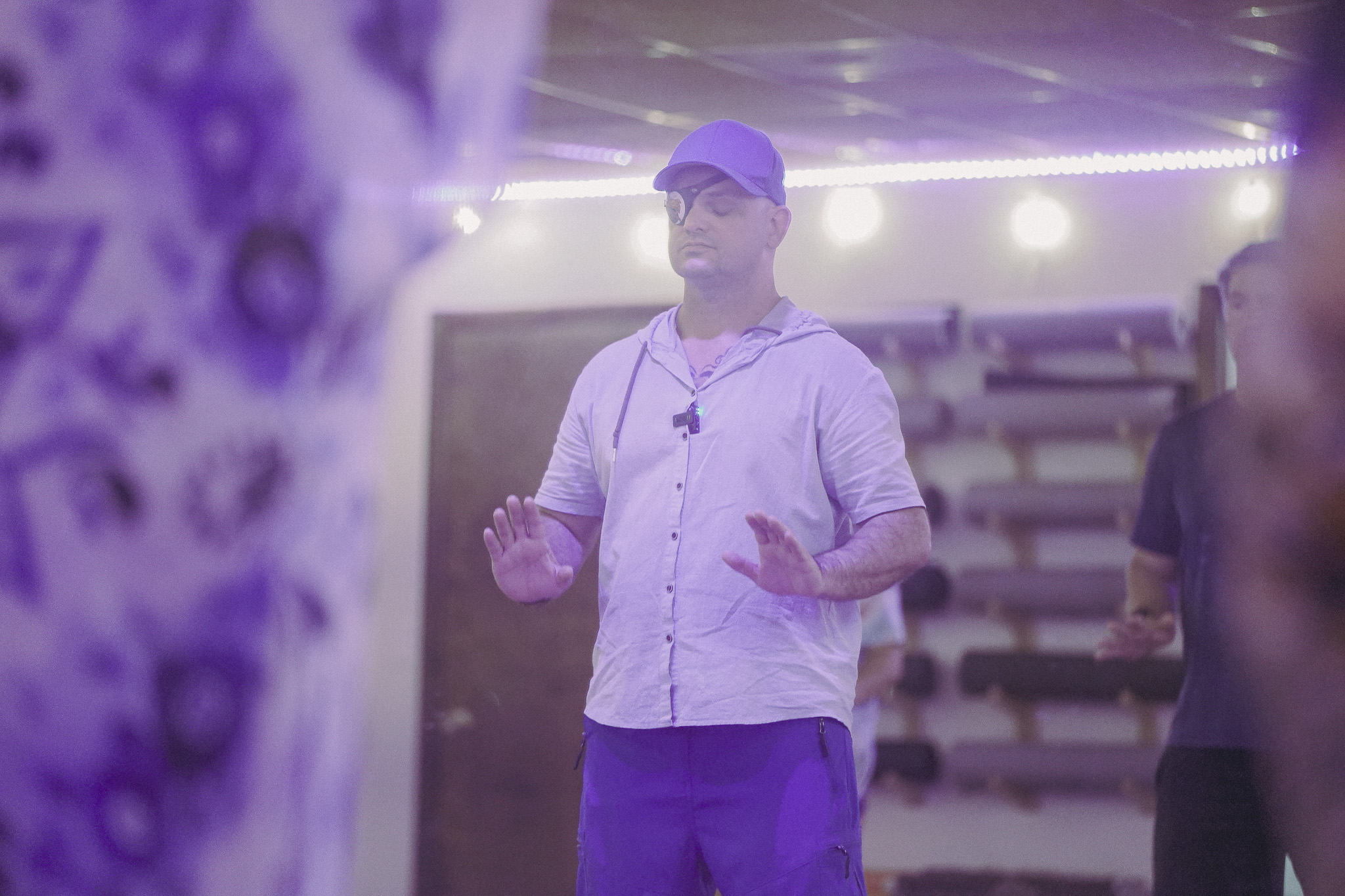
Tai Chi gives tired bodies a way to move gently while still practicing strength, balance, breath, and awareness.
Tai Chi helps busy minds practice one thing at a time
Busy people often carry busy minds. Even when the body is in one place, attention may be divided between several things at once. A person may be thinking about a meeting while answering a text, planning dinner while finishing work, or trying to rest while mentally reviewing everything that still needs to happen.
Tai Chi offers a practice in doing one thing at a time. One breath. One weight shift. One posture. One transition. One moment of noticing the body. This does not mean every thought disappears, but the practice gives attention a clear place to return.
This is one reason Tai Chi can feel supportive for people who struggle with seated meditation. The mind is not asked to become blank. Instead, it is invited to follow the body. Movement becomes a pathway into focus, and focus becomes more accessible because the body is participating.
For busy minds, Tai Chi offers a physical pathway back to one breath, one movement, and one present moment at a time.
One Breath
The breath becomes a present-moment anchor when the mind is moving through too many thoughts.
One Movement
The body gives attention something concrete to follow instead of staying caught in mental noise.
One Transition
The space between movements teaches patience, awareness, and the ability to slow down.
One Return
Each time attention wanders, returning to the body becomes part of the practice.
A practice for full schedules has to be sustainable
For a wellness practice to help busy people, it has to be realistic. A practice that requires too much time, too much energy, too much perfection, or too much intensity may be difficult to maintain. When life is already full, consistency often depends on whether the practice feels supportive rather than demanding.
Tai Chi can be sustainable because the practice does not require someone to arrive feeling strong, flexible, calm, or fully energized. A person can come tired. They can come mentally busy. They can come stressed, distracted, or unsure. The practice meets them with slow movement, breath, grounding, and repetition.
This matters because sustainable practices are often the ones that support people over time. Tai Chi does not need to create a dramatic result in one class to be meaningful. Its value often grows through repeated opportunities to slow down, move with awareness, and return to the body.
A sustainable practice is one you can return to even when life is full, the body is tired, and the mind is busy.
Tai Chi can help reveal the pace your body has been carrying
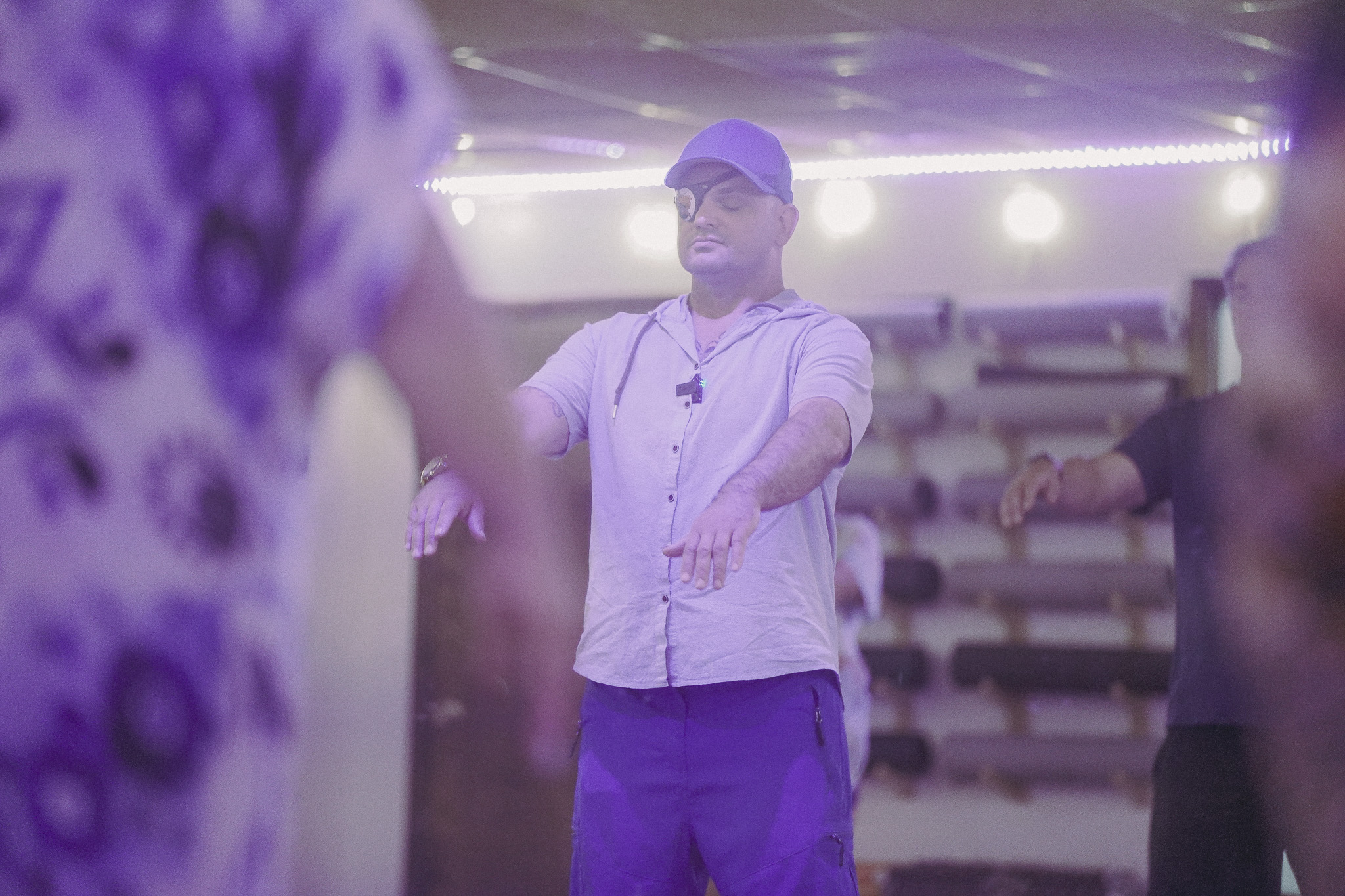
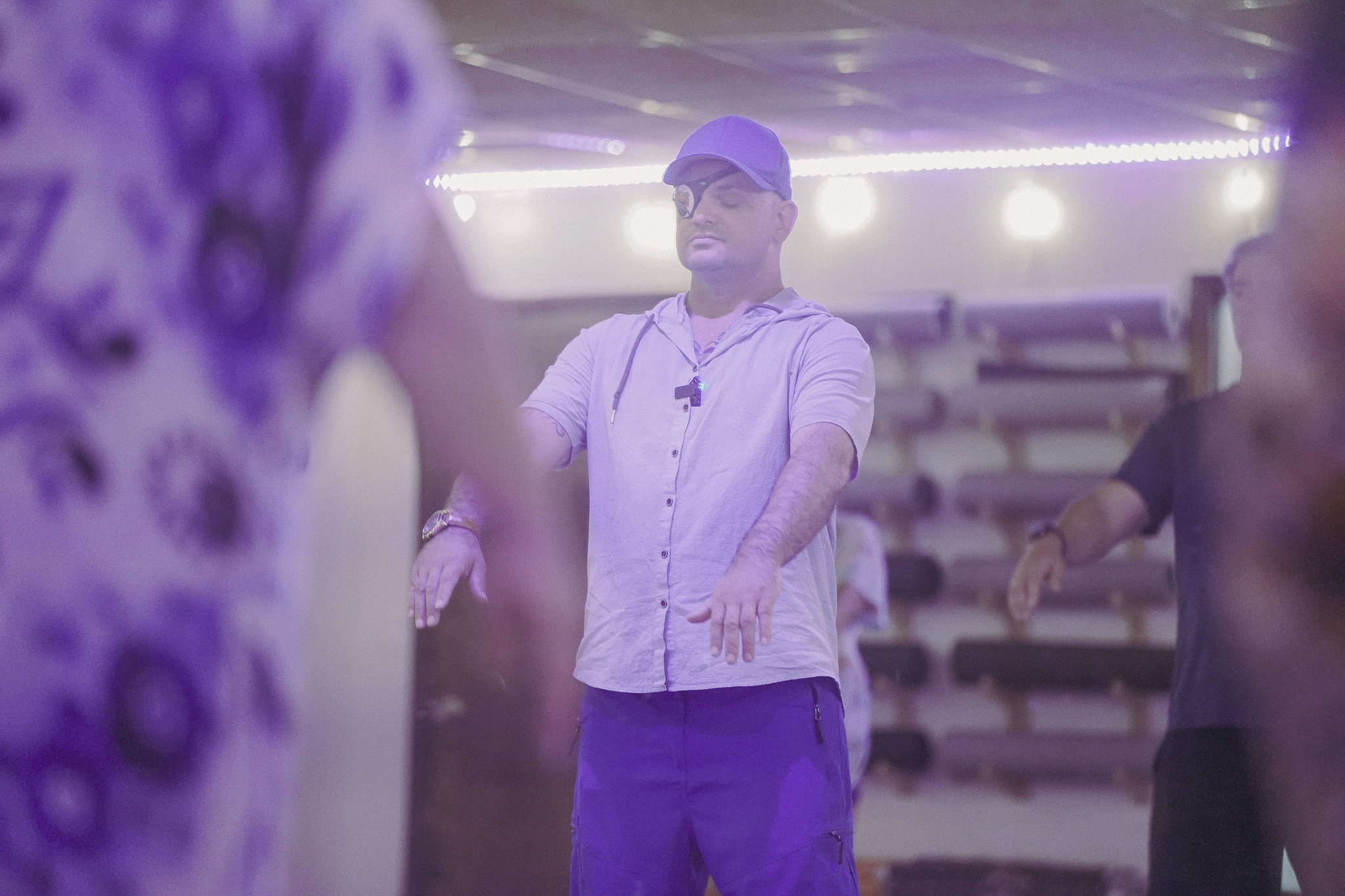
Busy people often do not realize how fast they have been moving until they slow down. The body may have adapted to urgency, shallow breathing, tight shoulders, mental rushing, and constant readiness. This pace can feel normal until a slower practice reveals how much speed the body has been carrying.
Tai Chi makes this visible because it asks the body to move slowly. A person may notice impatience, restlessness, breath-holding, or the urge to finish the movement quickly. These reactions are not problems. They are information. They show how unfamiliar slowness may feel when the body has been living in a constant state of hurry.
With practice, the slower pace can become less uncomfortable. The body begins to recognize that it does not always have to match the speed of the outside world. The nervous system receives repeated experiences of movement without urgency.
Tai Chi helps busy people notice the speed they have been carrying and practice a rhythm that feels more connected to the body.
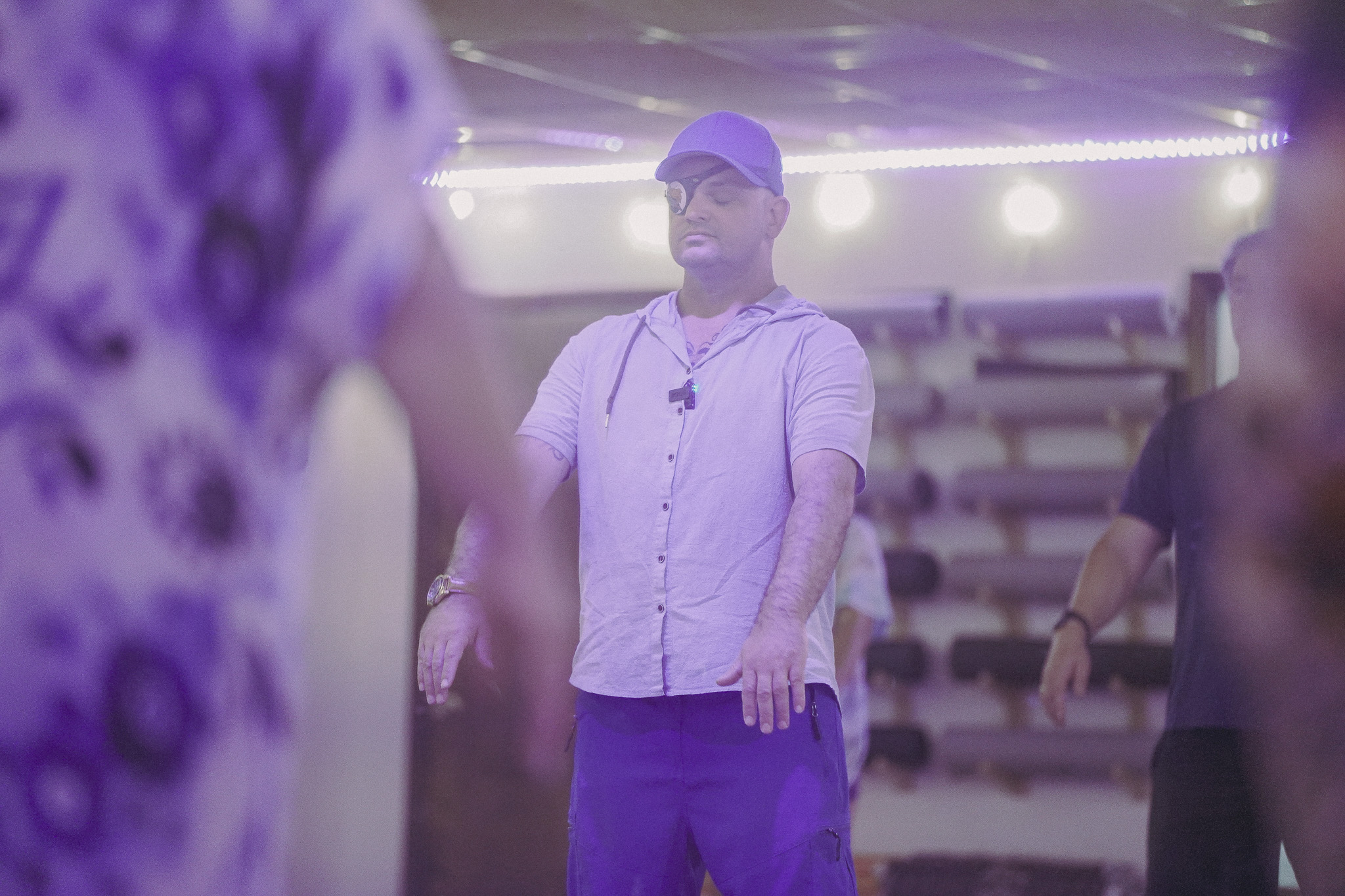
The slower rhythm of Tai Chi can reveal rushing, tension, breath-holding, and the body’s need for a different pace.
The breath can show when the body needs support
One of the most practical parts of Tai Chi is breath awareness. Busy people often hold their breath without realizing it. This may happen while concentrating, answering messages, sitting in meetings, caring for others, making decisions, or trying to get through a long list of responsibilities.
In Tai Chi, the slow movement gives the breath space to become noticeable. A person may recognize when the breath feels shallow, restricted, held, or more available. These breath patterns can reveal whether the body is tense, rushed, bracing, or beginning to settle.
This awareness can support daily life because the breath becomes an early signal. Instead of waiting until stress becomes overwhelming, a person may notice the breath changing and choose to pause, soften, slow down, or return to the body.
The breath can become a simple signal that tells busy people when the body is asking for support.
Tai Chi can support tired bodies without ignoring them
When people are tired, they often respond in one of two ways. They may push through and ignore the body completely, or they may avoid movement because movement feels like too much. Both responses are understandable, especially when fatigue has been building over time.
Tai Chi offers another option. It allows tired bodies to move gently while still being listened to. The practice invites attention to the breath, posture, balance, and energy level. A person can notice fatigue without judging it and move in a way that respects the body rather than overriding it.
This is important because tired bodies often need reconnection, not criticism. The goal is not to prove that the body can do more. The goal is to rebuild a relationship where the body is heard, supported, and invited into movement at a sustainable pace.
Tai Chi gives tired bodies a way to move without being ignored, forced, or judged.
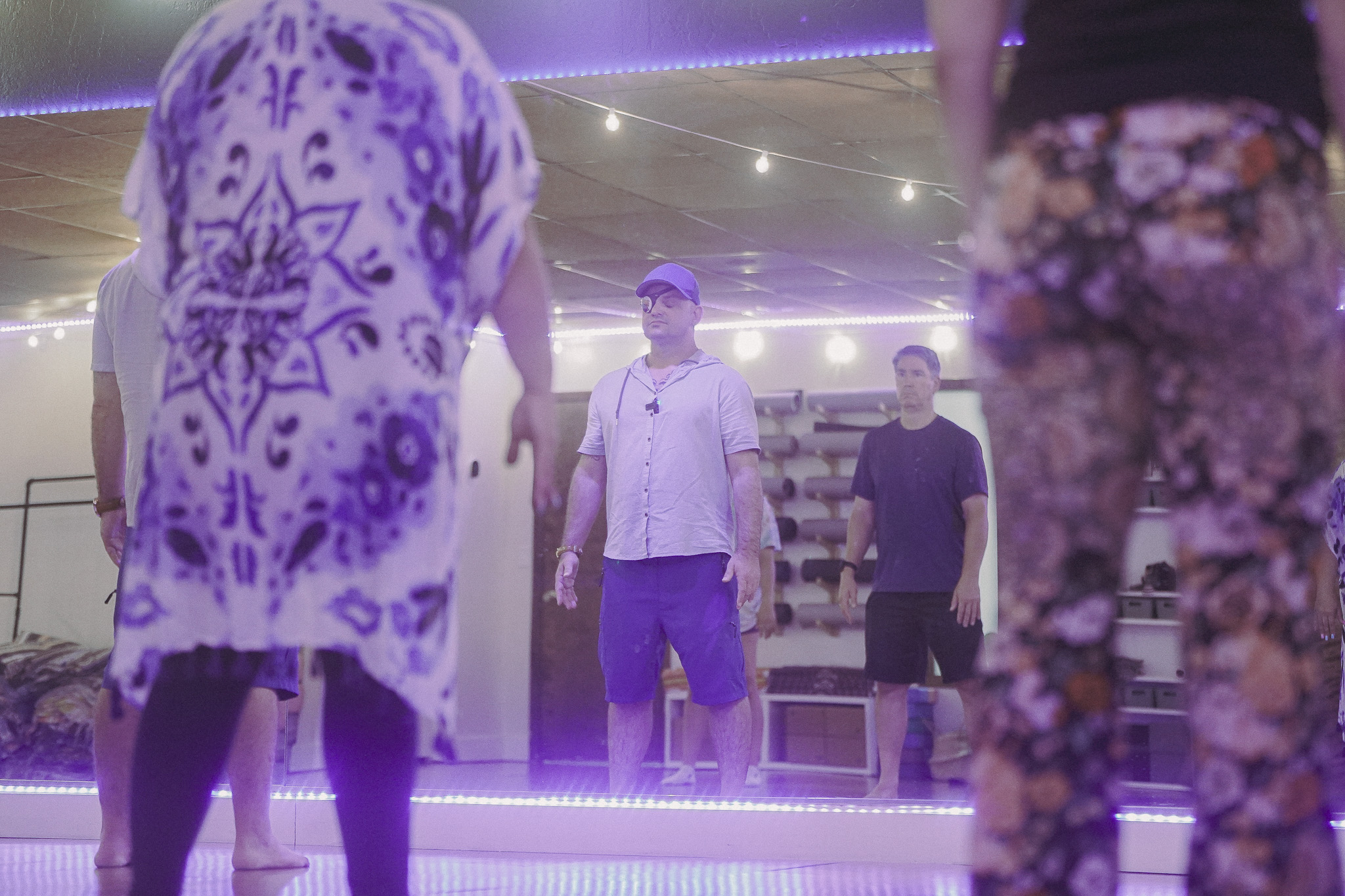
Tai Chi makes mindfulness more accessible for people who cannot sit still
Busy people often struggle with stillness. When they finally sit down, the mind may become louder. Thoughts may rush in. The body may feel restless. Instead of feeling peaceful, stillness may make someone more aware of how overstimulated, tense, or tired they are.
Tai Chi can make mindfulness more accessible because the body is allowed to move. The movement is slow enough to support attention, but active enough to give restlessness somewhere to go. The practice gives the mind a physical sequence to follow, which can feel easier than trying to sit silently with a full mind.
This does not mean Tai Chi is easier in a shallow way. It still requires attention, patience, and practice. But it can feel more approachable for people who need mindfulness to begin through the body instead of through complete stillness.
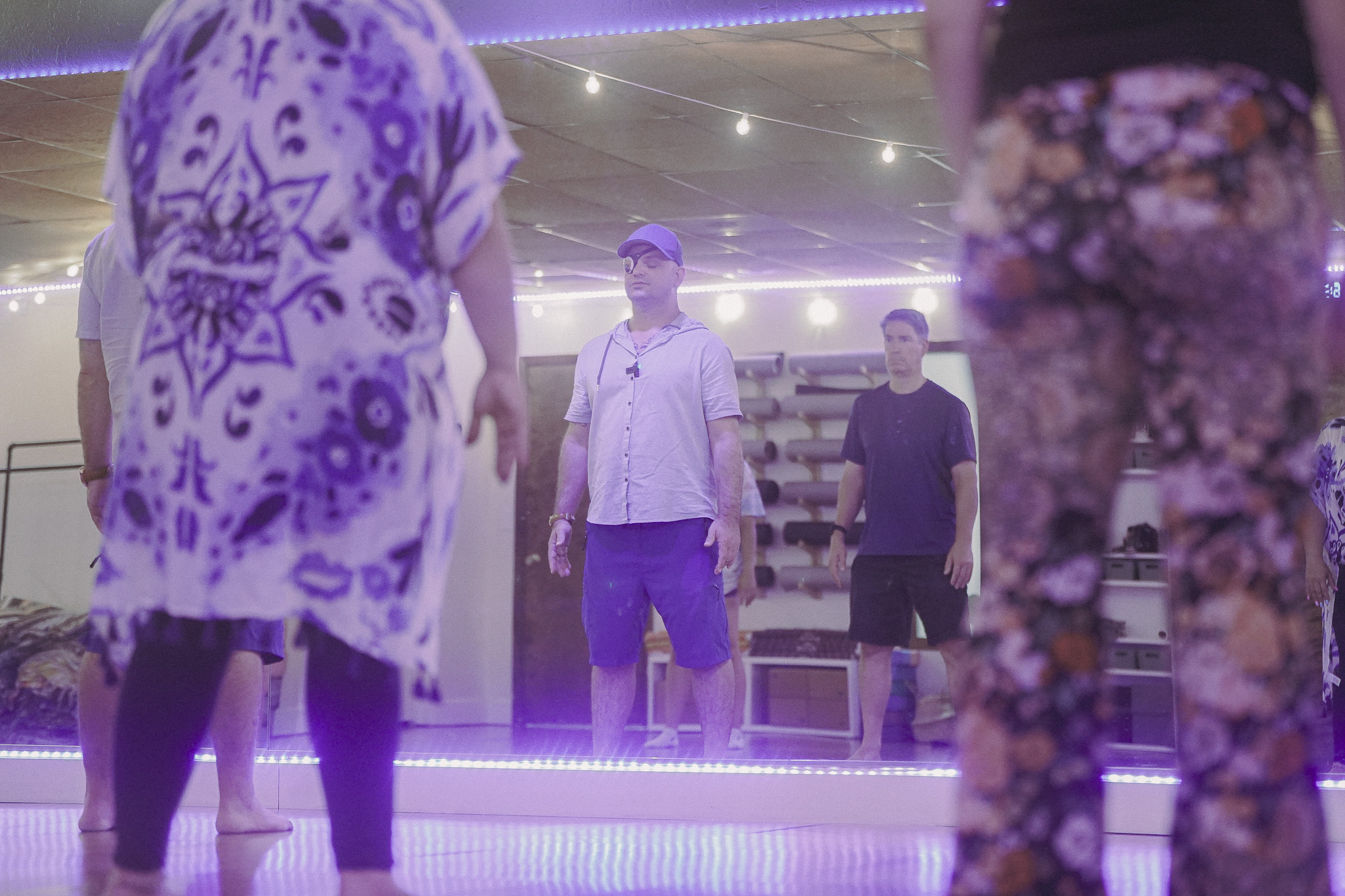
Tai Chi can support busy people because it turns mindfulness into movement rather than asking the mind to become silent before beginning.
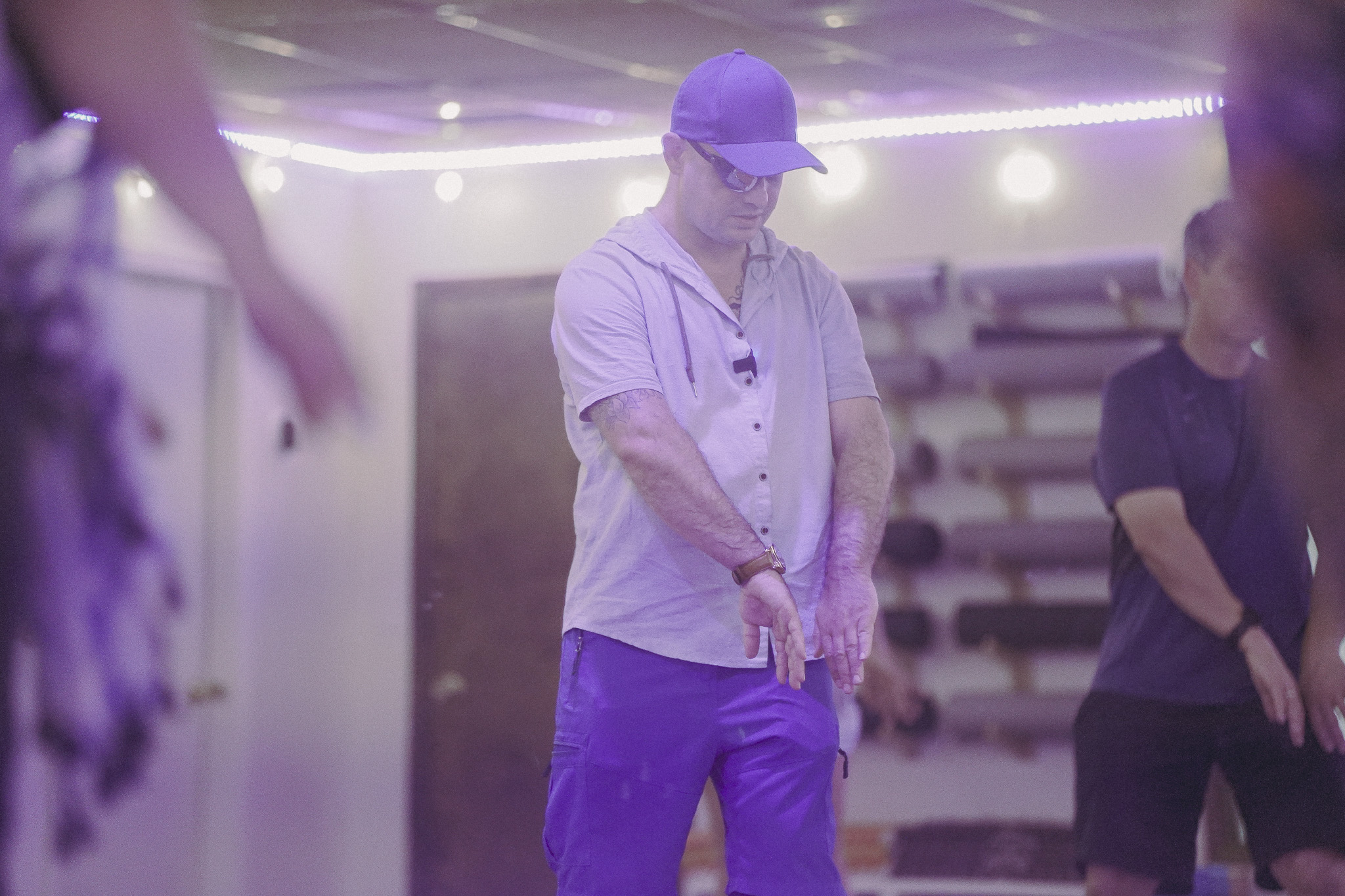
Tai Chi offers mindfulness through movement, making presence more accessible for busy minds and restless bodies.
A short reset can still be meaningful
Busy people may assume that if they cannot commit to a long practice, it is not worth beginning. This belief can prevent people from receiving support because they think wellness only counts when it fits an ideal routine. In real life, not every season allows for long blocks of time.
Tai Chi teaches that small moments can matter. A few minutes of slow movement, one mindful weight shift, a breath before responding, or a short practice after work can still help the body return to awareness. Consistency does not always have to begin with a perfect schedule.
This is helpful because full schedules often require realistic entry points. A weekly class may become a reset. A short movement practice at home may become a bridge between work and rest. A breath and grounding moment during the day may become a way to interrupt stress before it becomes heavier.
A practice does not have to be long to be meaningful. Sometimes one slower breath and one intentional movement can begin the return.
Before Work
A few slow breaths and gentle movements can help the body arrive before the day begins.
Between Tasks
A short pause can help the body transition instead of rushing from one responsibility to another.
After Work
Gentle movement can help the body shift out of productivity mode and into a slower rhythm.
Before Rest
Breath and grounding can help you notice whether the body is actually ready to settle.
How Tai Chi can support daily life for busy people
The lessons from Tai Chi can begin to support everyday life because busy people do not only need calm during class. They need tools that translate into work, home, relationships, transitions, and moments of stress.
A person may begin noticing when their breath becomes shallow during a busy workday, when their shoulders tighten while managing responsibilities, or when their mind jumps ahead before the body has finished the current task. These moments of awareness can create opportunities to pause and respond differently.
Instead of pushing through automatically, a person may feel their feet, take one slower breath, soften the jaw, slow down a transition, or notice fatigue before it becomes complete depletion. These small shifts may seem simple, but they can help busy people stay connected to the body throughout the day.
At Work
You may notice when productivity pressure is showing up as shallow breath, tension, or rushing.
With Family
You may pause before reacting from exhaustion, stress, or the feeling of being pulled in many directions.
During Errands
You may practice moving through transitions with more breath and less automatic urgency.
During Rest
You may recognize whether your body is actually resting or still carrying the pace of the day.
Tai Chi is not a replacement for medical or mental health care
Tai Chi can be a supportive wellness practice for gentle movement, mindfulness, breath awareness, grounding, balance, body awareness, stress awareness, and emotional wellbeing, but it is not a replacement for medical care, physical therapy, therapy, medication, psychiatric support, trauma-informed treatment, or crisis services. If someone is experiencing persistent pain, significant distress, panic, depression, trauma symptoms, thoughts of self-harm, or difficulty functioning, support from qualified professionals may be necessary.
At the same time, many people benefit from practices that help them reconnect with the body, notice stress earlier, and build a routine that feels sustainable instead of overwhelming. Tai Chi can be one supportive part of a broader care routine because it offers movement, mindfulness, and body awareness in a gentle and repeatable way.
The value of Tai Chi is not that it removes every responsibility or makes life less full overnight. Its value is that it gives busy people a place to slow down, breathe, and return to themselves within the fullness of real life.
Tai Chi can support busy people as part of a broader wellness routine, but it should not replace professional care when professional support is needed.
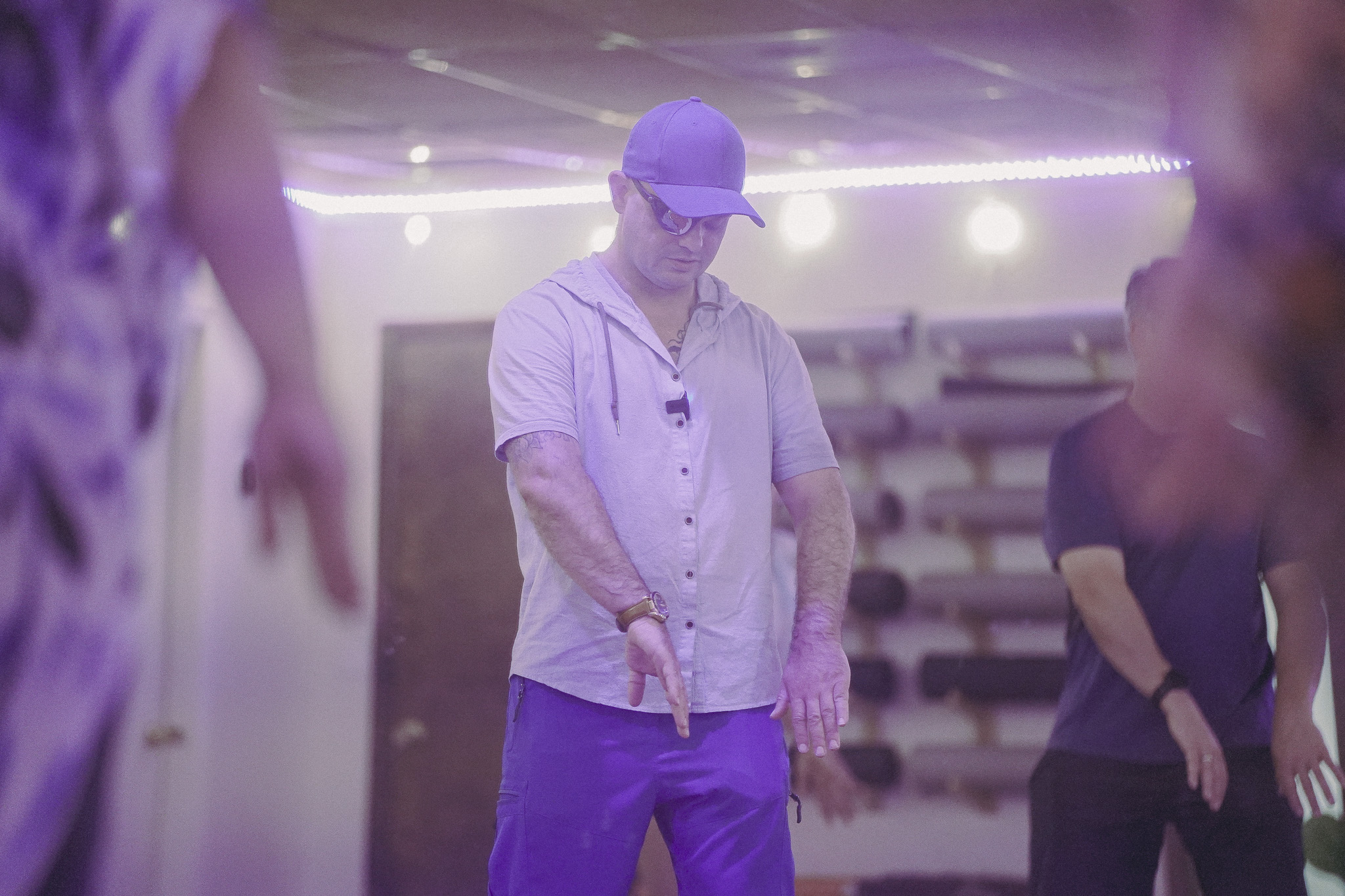
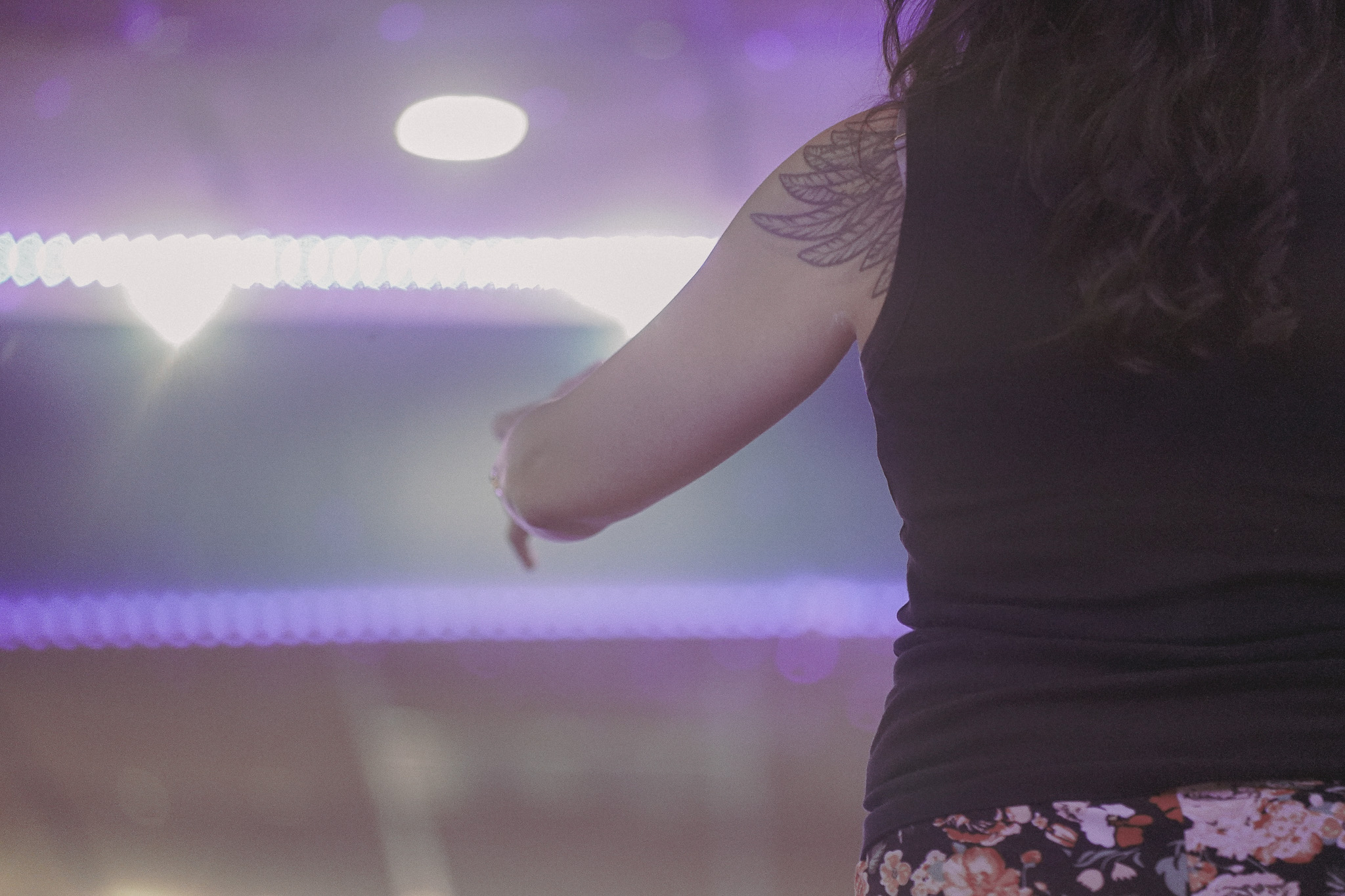
Tai Chi and The Healing Tree Collective
At The Healing Tree Collective, we understand that many people are trying to care for themselves while also carrying full lives. They may be working, parenting, caregiving, studying, building, grieving, healing, and doing their best to keep up. They may want support, but not want another practice that feels demanding or out of reach.
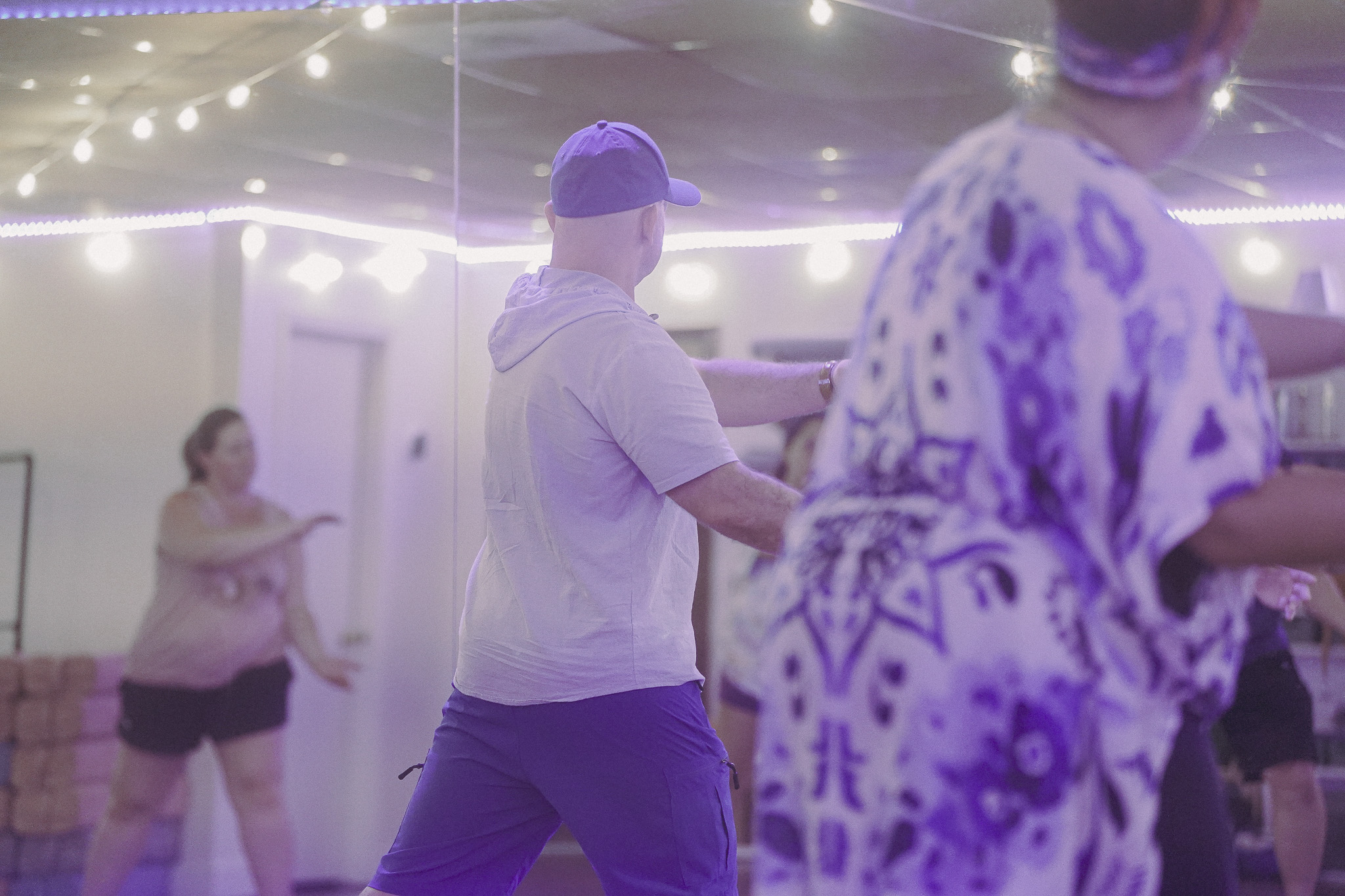
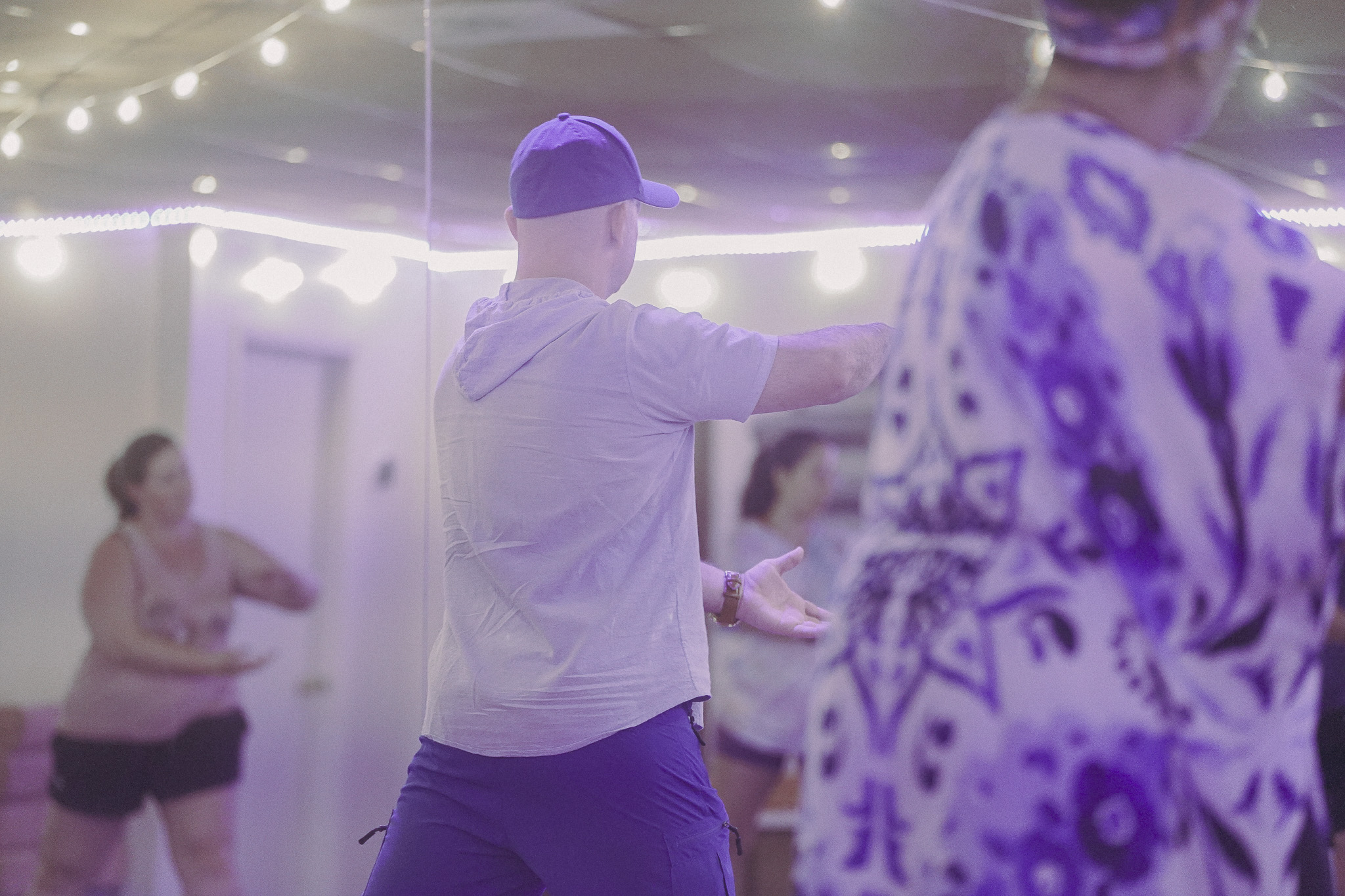
Tai Chi fits naturally into our approach because it offers a grounded, beginner-friendly way to move and reconnect. It does not require prior experience, advanced flexibility, athletic ability, or a perfectly calm mind. The practice invites people to breathe, move slowly, feel the feet, notice the body, and return to themselves with patience.
Our mission is to create accessible wellness spaces where people can heal, grow, and reconnect with themselves through practices that feel supportive, educational, and real. Tai Chi supports that mission because it meets people where they are, including the busy, tired, overwhelmed, and full-schedule seasons of life.
At The Healing Tree Collective, Tai Chi is offered as a practice for real life: a way for busy people and tired bodies to slow down, breathe, move gently, and return to themselves.
Final thoughts: busy people need practices they can actually return to
Tai Chi can be a supportive practice for busy people because it does not ask tired bodies to perform at a high level. It offers movement without intensity, mindfulness without forced stillness, and stress relief without requiring a perfect routine.
For people with full schedules, Tai Chi creates a place to slow down, reconnect with the breath, notice the body, and practice moving at a pace that feels more sustainable. It can help reveal where the body is carrying tension, urgency, fatigue, or disconnection, while also offering a gentle way to return.
A busy life does not mean you are disconnected from your need for care. It may simply mean your care practices need to be accessible enough to meet you where you are. Tai Chi offers that kind of practice: slow, steady, gentle, and rooted in the body.
Tai Chi helps busy people and tired bodies return to breath, movement, grounding, and presence without needing to force, perform, or push harder.
Looking for Tai Chi for busy people in Tempe, Arizona?
At The Healing Tree Collective, our beginner-friendly wellness classes are designed to support stress relief, mindfulness, grounding, body awareness, balance, and deeper connection. If you are curious about Tai Chi, gentle movement, moving meditation, or a practice that can support full schedules and tired bodies, you are welcome to begin here.
No prior experience is needed. Come as you are. We will meet you there.