23 July 2026
The Healing Tree Collective • Tempe, Arizona
How Tai Chi Can Support Parents, Caregivers, and People Who Carry a Lot
Parents, caregivers, and people who carry a lot often move through life with more responsibility than others can see. They may be managing schedules, emotions, needs, decisions, appointments, meals, work, family dynamics, household tasks, health concerns, and the quiet mental load of remembering what everyone else needs.
When you are used to caring for others, it can become easy to lose connection with your own body. The breath may become shallow. The shoulders may stay tense. The mind may run through the next task before the current one is finished. Rest may feel difficult because there is always something else that needs attention.
Tai Chi can support parents, caregivers, and people who carry a lot by offering a gentle way to slow down, breathe, reconnect with the body, and practice steadiness without needing to perform, push harder, or hold everything alone.
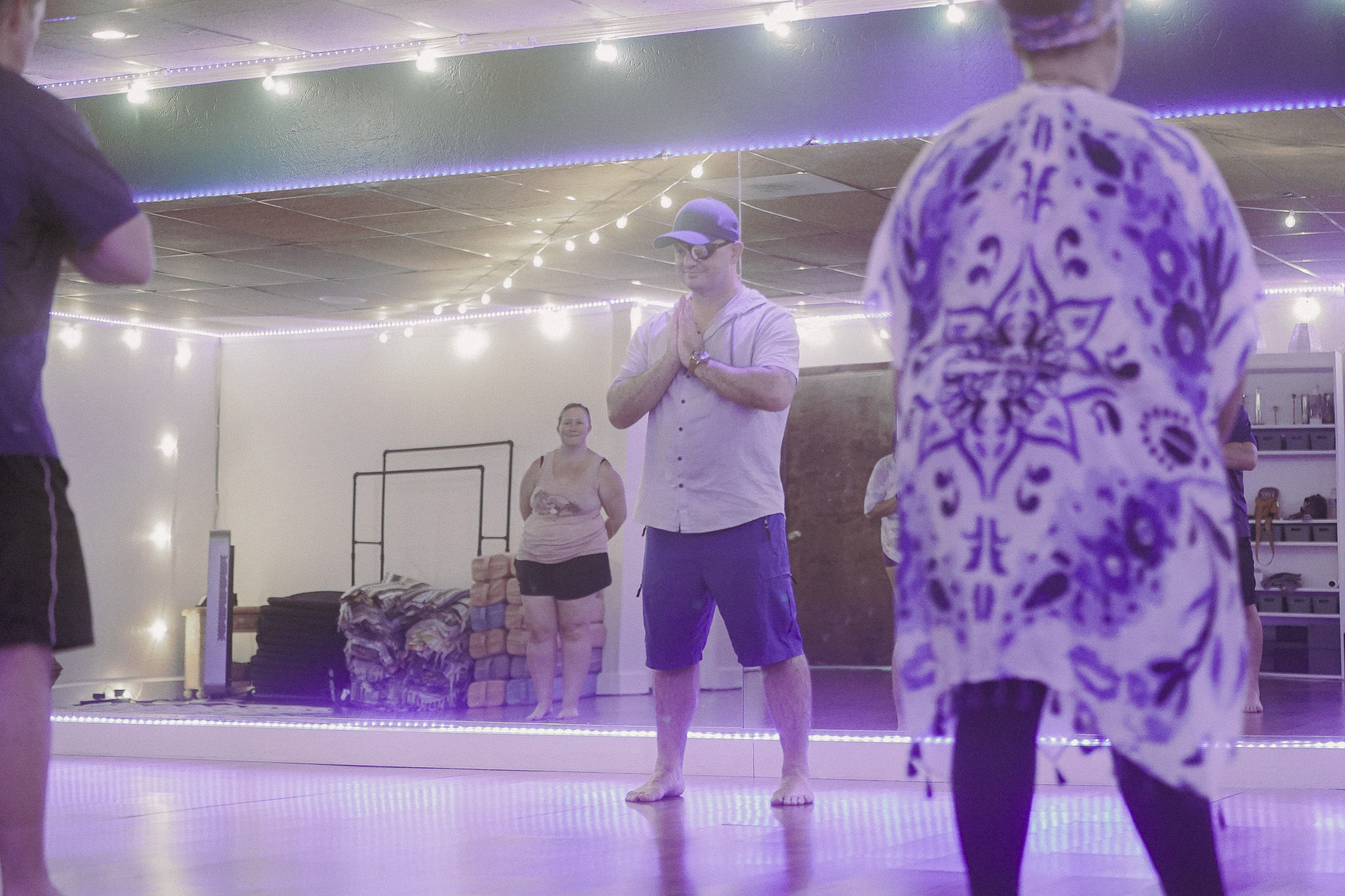
Tai Chi offers parents, caregivers, and people carrying responsibility a gentle way to return to breath, grounding, body awareness, and support.
Tai Chi may support caregivers by helping them:
Reconnect with their own body while carrying responsibility for others.
- Slow down mental rushing
- Notice breath and tension
- Feel grounded through the feet
- Practice movement without intensity
- Create space before reacting
- Recognize physical signs of stress
- Return to themselves with more care
Caregiving often asks the body to keep going
Caregiving can be meaningful, loving, and deeply important. It can also be physically, mentally, and emotionally demanding. Parents and caregivers often have to respond to needs before they have had time to fully check in with themselves. They may move from one responsibility into another without a clear pause, carrying both visible tasks and invisible emotional labor.
Over time, the body can begin adapting to constant readiness. The breath may stay shallow because the mind is always anticipating the next need. The shoulders may carry tension from responsibility. The jaw may tighten during stress. The body may rush even when the moment itself is not urgent because the nervous system has learned to stay alert.
Tai Chi can be supportive because it creates a dedicated space where the body is not being asked to keep up with anyone else’s needs. The practice invites the caregiver to move slowly, feel the feet, breathe, notice posture, and return attention inward. For people who are used to being outwardly focused, that inward return can be deeply necessary.
Caregiving often teaches the body to stay ready. Tai Chi offers a practice where the body can begin learning how to return.
Parents and caregivers often carry an invisible mental load
The work of caring for others is not only physical. Much of it happens in the mind. Remembering appointments, planning meals, tracking emotions, managing schedules, anticipating needs, organizing tasks, thinking ahead, and holding concern for others can create a constant mental load that may be difficult to describe.
This mental load can make it hard to feel present in the body. Even during moments of rest, the mind may continue scanning, planning, and preparing. A person may sit down, but their thoughts are still moving. They may finish one task, but mentally they are already three steps ahead.
Tai Chi helps interrupt this pattern by giving the mind something physical and present to follow. The practitioner shifts weight, follows the hands, notices the breath, and feels the feet on the ground. This does not erase responsibilities, but it can give the mind and body a different rhythm to practice.
Tai Chi gives the busy caregiving mind a physical pathway back to the present moment.
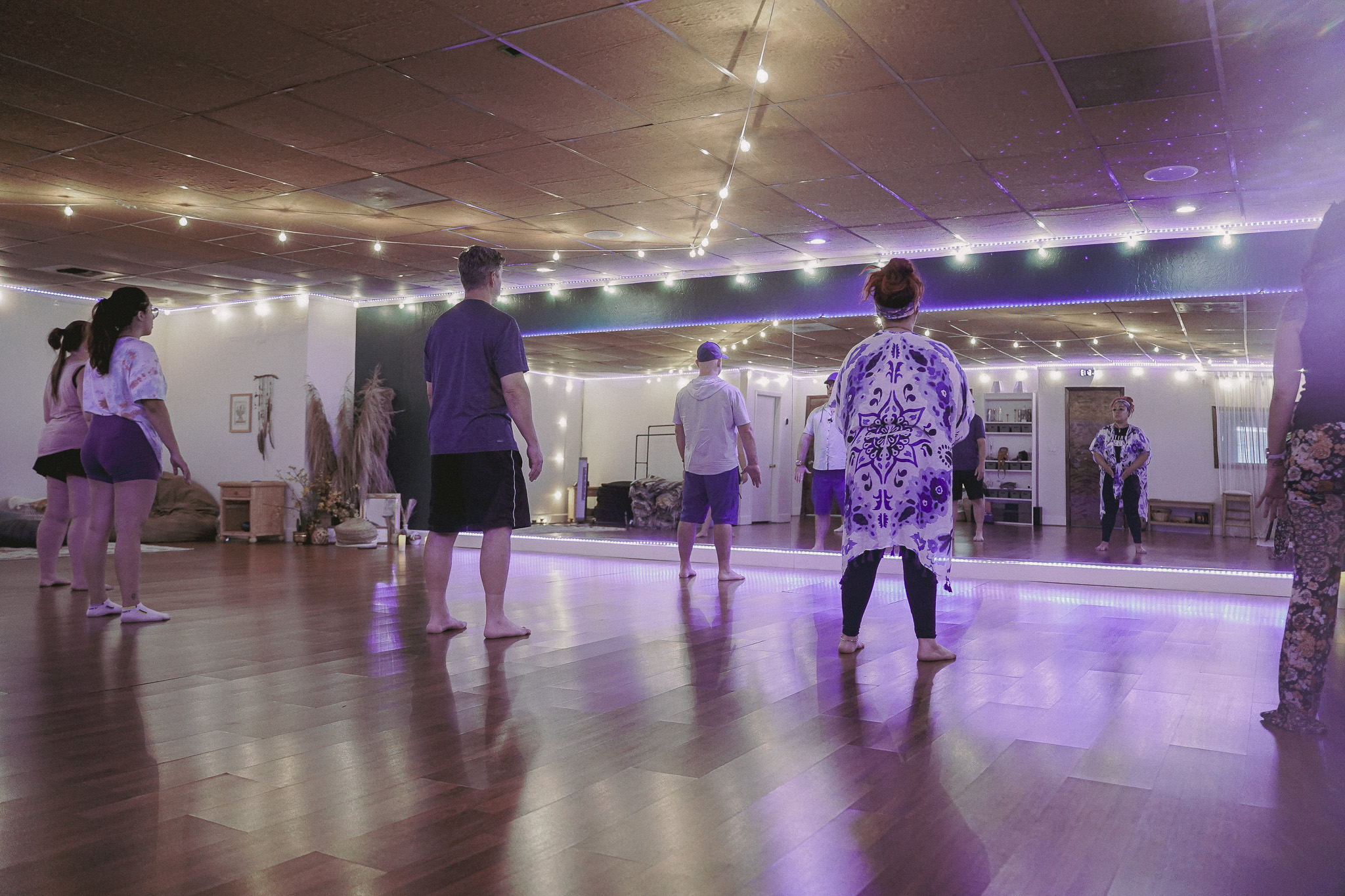
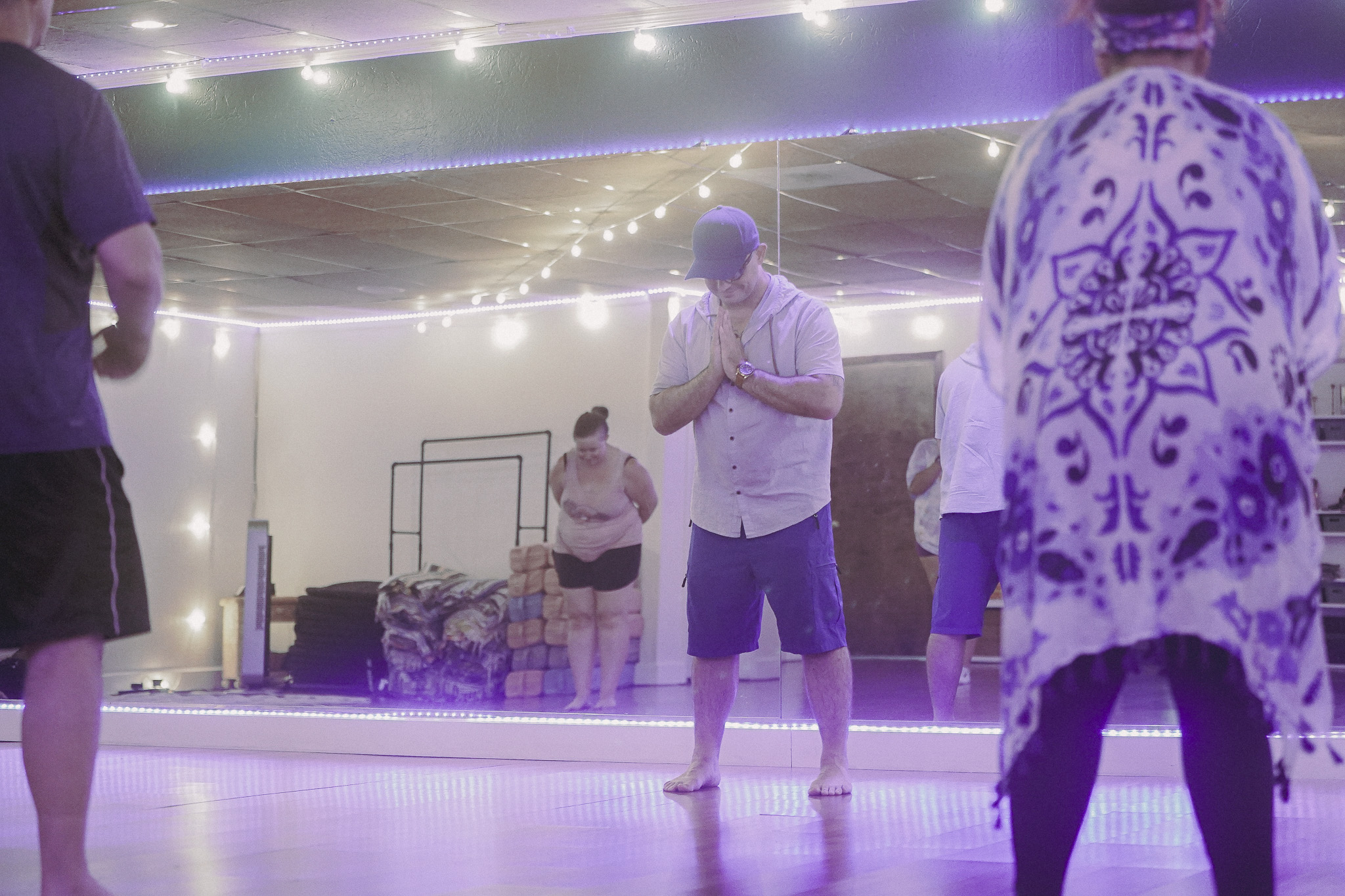
Tai Chi offers movement without demanding more from an already tired body
Parents, caregivers, and people who carry a lot are often tired in ways that are not solved by one night of sleep. The body may be tired from physical labor, emotional responsibility, decision-making, lack of rest, interrupted sleep, or the ongoing need to stay available for others.
When the body is tired, intense movement may feel inaccessible. A person may want to care for themselves, but not have energy for a workout that asks them to push harder. Tai Chi offers another kind of movement. It is slow, gentle, structured, and intentional. The body participates, but it is not forced into intensity.
This can be meaningful for caregivers because the practice does not ask the body to prove anything. It offers a way to move, breathe, stretch attention, and reconnect without adding more pressure. Movement becomes supportive rather than another demand.
Tai Chi gives tired bodies a way to move without needing to push past themselves.
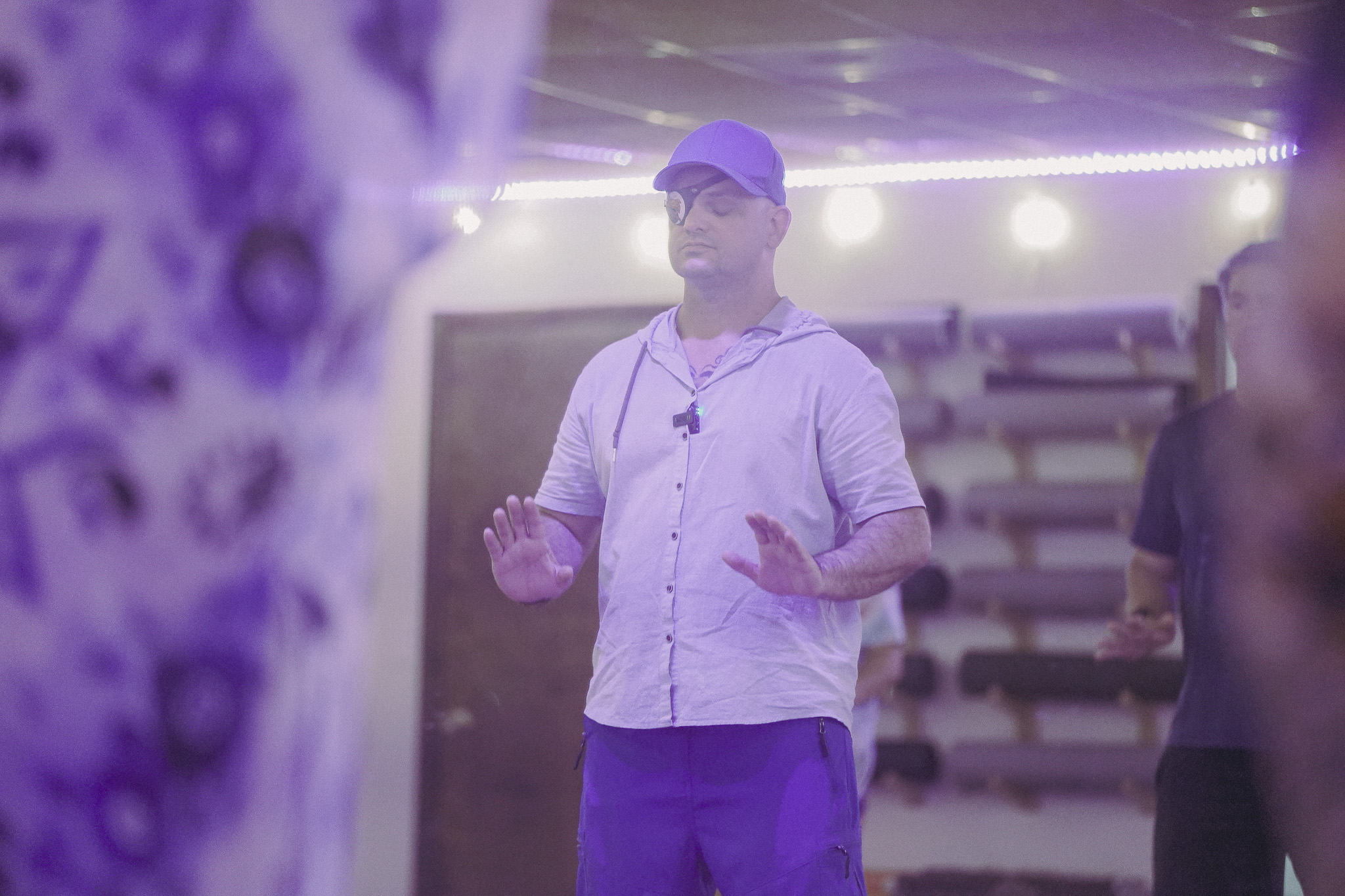
Tai Chi can offer gentle movement for tired bodies that need support, breath, awareness, and a slower rhythm.
The breath can reveal how much you have been holding
People who carry a lot often hold more than tasks. They may hold worry, patience, responsibility, emotional restraint, problem-solving, and the effort it takes to stay steady for others. The breath often reflects this. It may become shallow, restricted, held, or difficult to fully feel.
In Tai Chi, the slower pace makes the breath easier to notice. A practitioner may realize they hold the breath while concentrating, breathe shallowly during balance, or exhale more fully when the body begins to feel supported. These observations can help reveal how much the body has been carrying quietly.
This awareness is not about blame. It is about listening. When a caregiver notices the breath, they may begin recognizing earlier signs of stress and fatigue. A shallow breath may become a signal to pause. A held breath may become a cue to soften. A fuller breath may become a reminder that the body also deserves attention.
The breath can reveal what the body has been carrying before the mind has had time to name it.
Held Breath
May appear when concentrating, anticipating needs, managing stress, or trying to stay in control.
Shallow Breath
May reveal urgency, fatigue, worry, emotional pressure, or a body that has been pushing through.
Noticed Breath
Can become a simple way to return attention from caregiving mode into body awareness.
Supported Breath
May become more available when the body feels grounded, seen, and less rushed.
Grounding matters when you are pulled in many directions
Parents and caregivers are often pulled in many directions at once. One person may need attention, another may need help, work may still be waiting, messages may be unanswered, and personal needs may keep getting moved to the end of the list. In that kind of pace, the body can begin feeling scattered or ungrounded.
Tai Chi supports grounding by repeatedly bringing attention back to the feet, the floor, and the body’s sense of support. The practice asks the practitioner to feel where weight is held, shift slowly, and remain connected to the ground beneath them. This can help attention move out of mental overload and into physical presence.
Grounding does not remove every responsibility, but it can help a person feel less lost inside of them. Even a small return to the feet can remind the body that it is here, supported, and allowed to slow down for a moment.
Grounding helps people who carry a lot remember that they are allowed to feel support too.
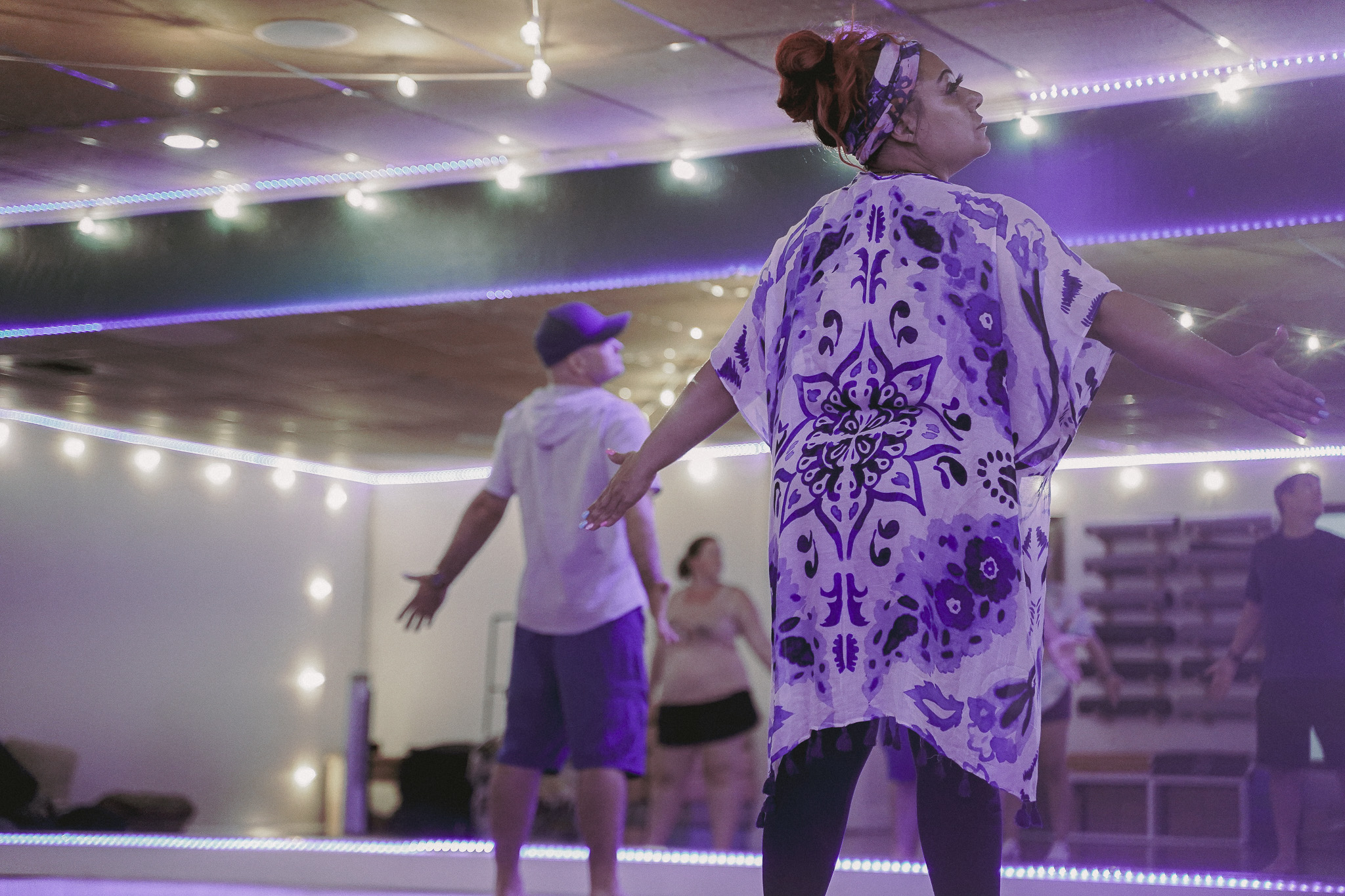
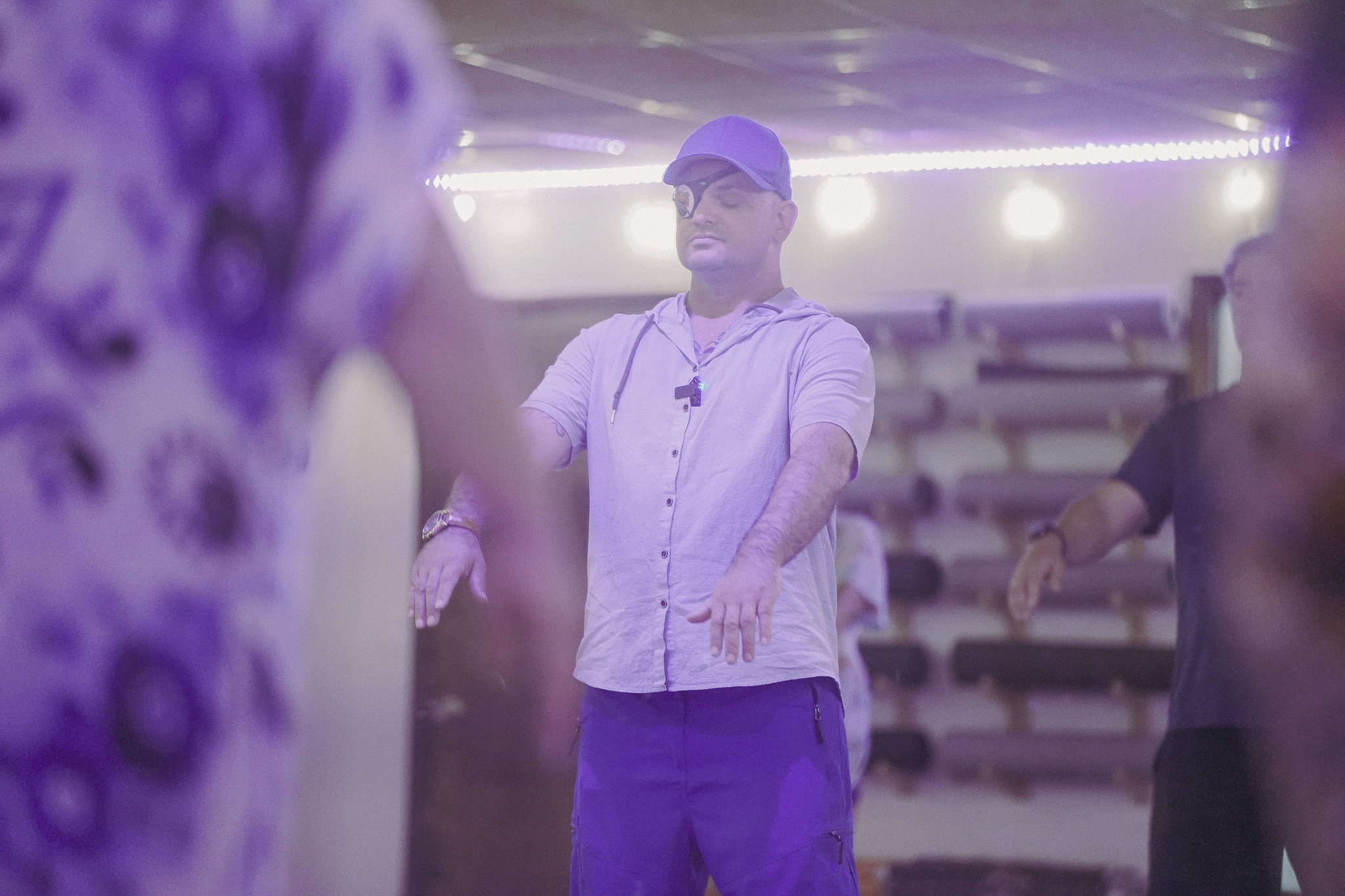
Balance can teach caregivers how to return to center
Balance in Tai Chi is not only about physical stability. It is also a practice of noticing when the body is pulled off center and learning how to return. This can be especially relevant for caregivers, parents, and people who are constantly responding to changing needs.
During Tai Chi, balance may shift as the body moves from one foot to another. The practitioner may notice bracing, breath-holding, rushing, or tension when the body feels uncertain. These small moments can reveal larger patterns. When life becomes uncertain, caregivers may also brace, rush, overthink, or try to hold everything together.
Tai Chi offers a gentle way to practice returning. Feel the feet. Notice the breath. Adjust the posture. Move slowly. Come back to the body. These small returns can help caregivers experience balance as something they can practice, not something they must always perfectly maintain.
Balance is not about never being pulled off center. It is about learning how to notice, adjust, and return.
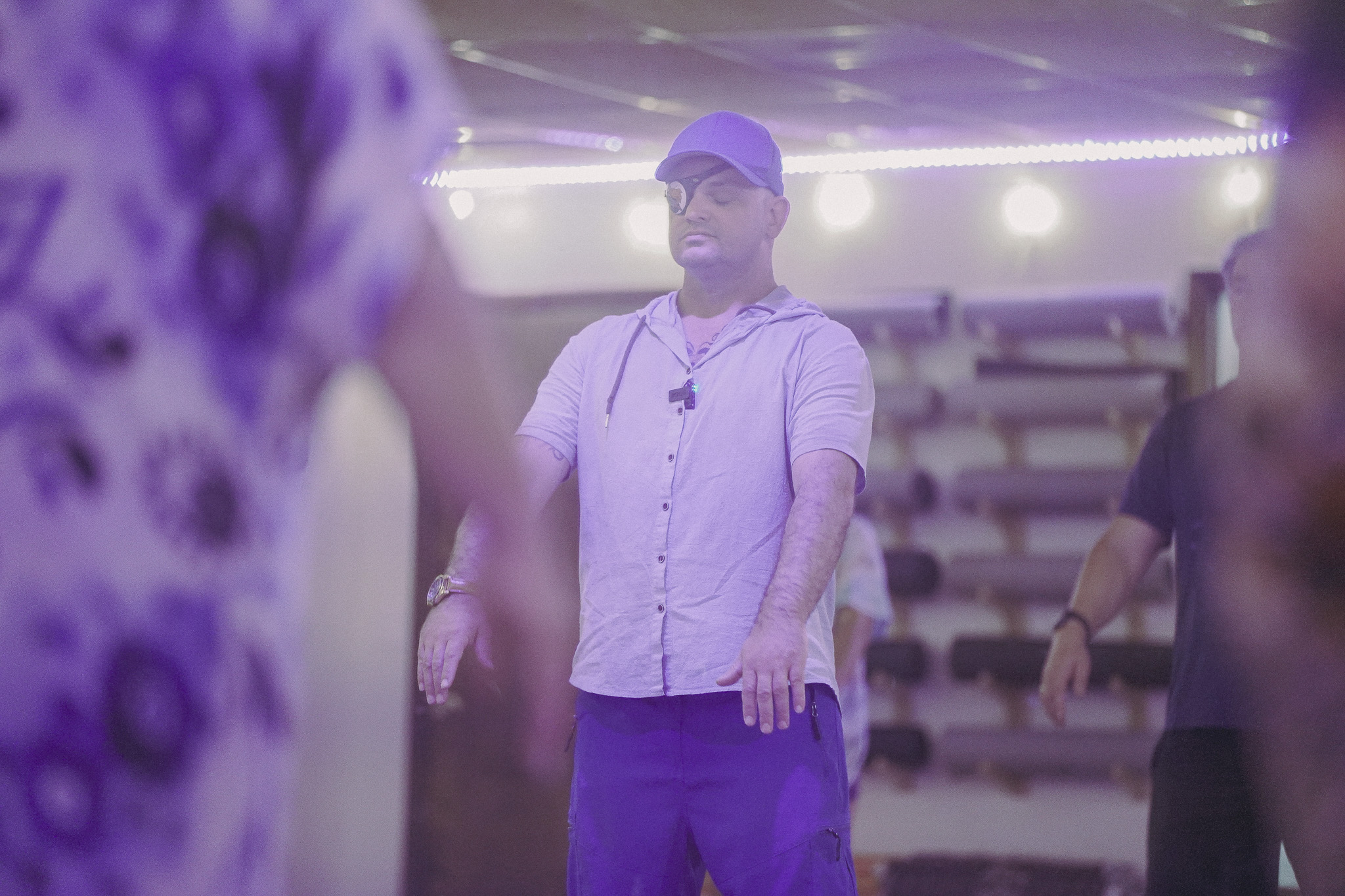
Tai Chi helps people practice returning to center through balance, breath, grounding, and small adjustments.
Caregivers need space to be people, not only providers of care
One of the hardest parts of caregiving is that personal needs can become quiet. The caregiver may be so focused on others that they stop asking what their own body needs. They may become skilled at noticing everyone else’s hunger, fatigue, stress, emotions, and schedules, while becoming less aware of their own internal signals.
Tai Chi creates a space where the caregiver is not required to solve, manage, explain, or respond to anyone else for a moment. The practice brings attention back to the person inside the caregiving role. The body is invited to move for itself. The breath is allowed to be noticed. The feet are given attention. The person is allowed to have an experience that belongs to them.
This matters because caregivers are not only caregivers. Parents are not only parents. People who carry a lot are not only responsible for what they carry. They are human beings with bodies, emotions, needs, limits, and a right to receive support.
Tai Chi can give caregivers a rare space to return to themselves, not as a role, but as a person with a body that deserves care.
Tai Chi can create space before reacting
Parents and caregivers are often placed in situations where quick responses are needed. A child is upset, a loved one needs help, a schedule changes, a conflict appears, or an unexpected responsibility lands in the middle of an already full day. Over time, the body can become used to reacting quickly.
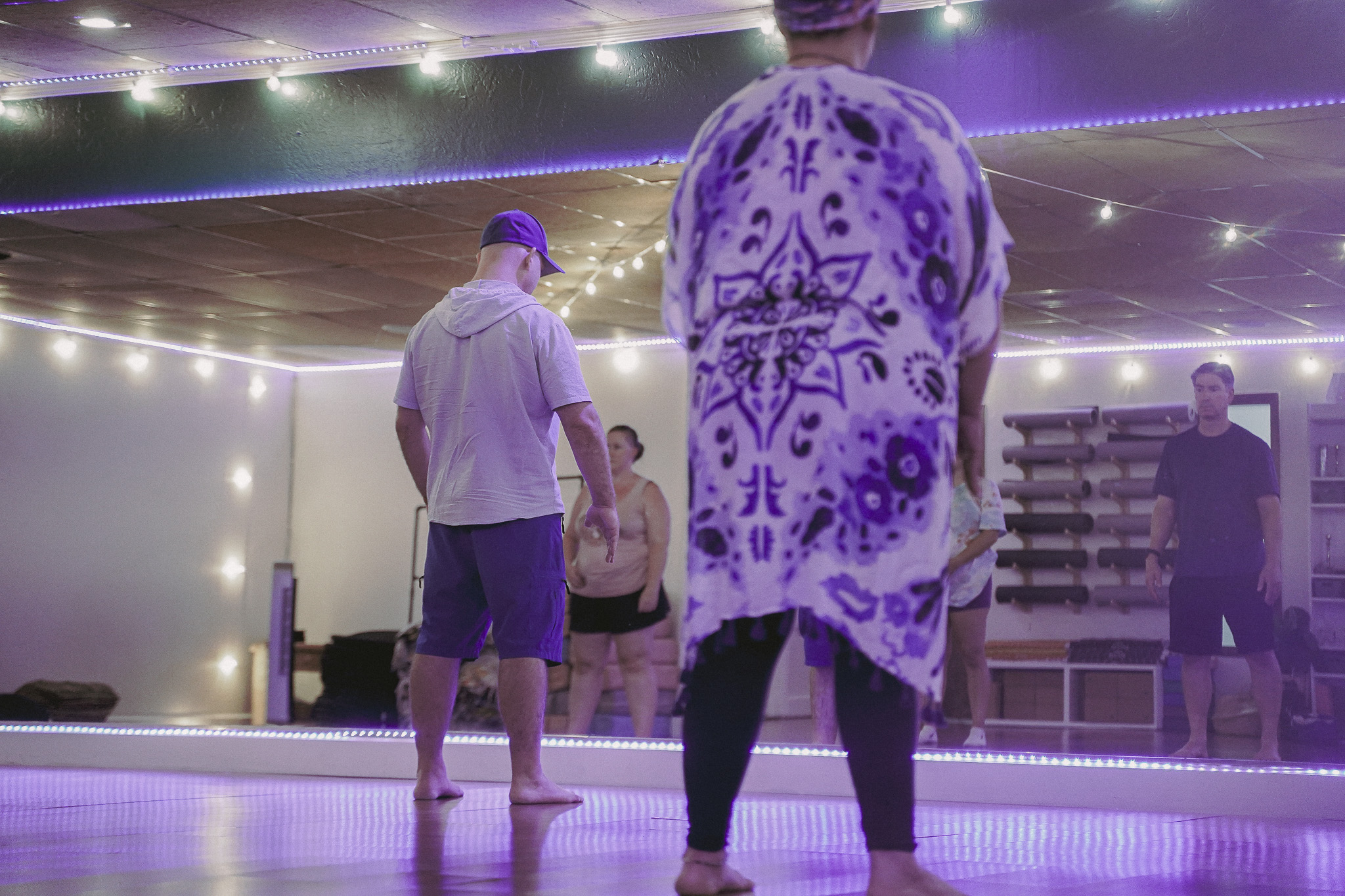
Tai Chi can support the ability to create space before reacting because the practice trains attention to slow down. The practitioner learns to notice breath, posture, balance, and the urge to rush. This can help develop a small pause between what happens and how the body responds.
That pause can be meaningful in daily life. It may allow a parent to take one breath before answering. It may help a caregiver soften their shoulders before continuing. It may support someone in recognizing that they are tired, overstimulated, or emotionally full before responding from that state.
A small pause can change how we respond when stress, responsibility, or emotional pressure asks us to react quickly.
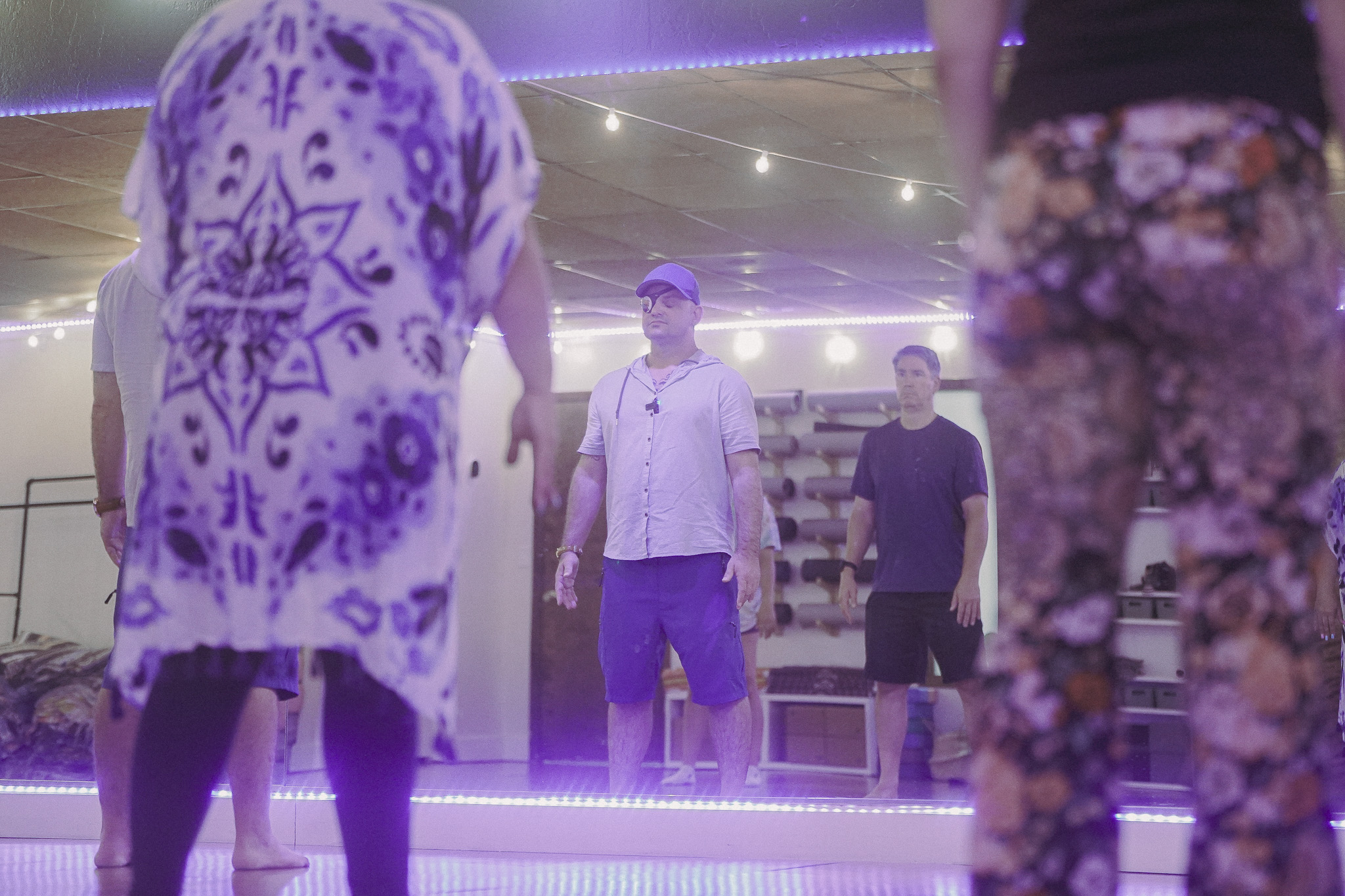
A gentle practice can be more sustainable than another demand
Caregivers often hear that they need self-care, but self-care advice can feel frustrating when time, energy, money, or support is limited. A person may already know they need care, but not know how to add more to a life that is already full.
This is why sustainable practices matter. Tai Chi does not have to be approached as another task to complete perfectly. It can be approached as a weekly reset, a gentle movement practice, or a simple opportunity to breathe and reconnect with the body. The value is not in doing it perfectly. The value is in having a place to return.
For parents and caregivers, consistency may not always look ideal. Some seasons allow weekly classes. Other seasons may only allow short moments of breath, grounding, or slow movement at home. Both can matter. A practice becomes supportive when it can meet real life instead of competing with it.
A caregiving life needs practices that are realistic enough to return to, not perfect enough to perform.
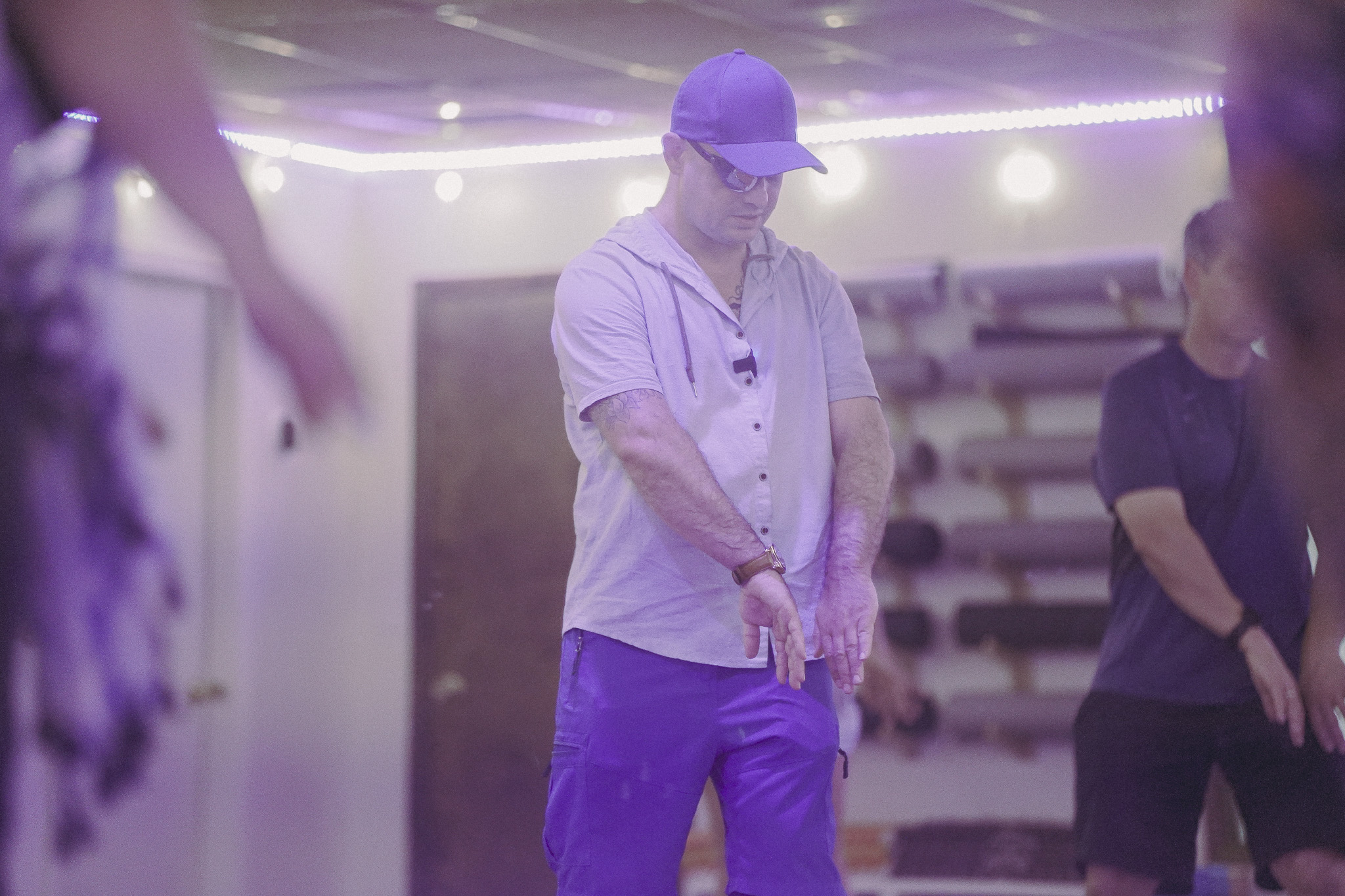
Tai Chi can become a sustainable weekly reset for people who need gentle movement, breath, grounding, and support.
Tai Chi helps people notice what they have been carrying
When people are constantly carrying responsibility, they may not realize how much has accumulated. Stress can become normal. Tension can become familiar. Fatigue can become something they work around. Emotional fullness can be pushed aside because other needs feel more urgent.
Tai Chi slows the body down enough for some of these signals to become visible. A person may notice tight shoulders, shallow breath, heaviness, restlessness, imbalance, or the urge to rush through the movement. These signals can show what the body has been holding in the background.
This awareness is not about creating more guilt or self-criticism. It is about noticing with care. When people recognize what they are carrying, they may begin making small choices to support themselves earlier. They may breathe, rest, ask for help, set a boundary, attend a class, or simply acknowledge that what they carry is real.
Sometimes the first step toward support is noticing how much the body has been carrying quietly.
Physical Load
May show up as fatigue, posture changes, tight shoulders, jaw tension, or heaviness in the body.
Mental Load
May show up as rushing thoughts, difficulty focusing, planning ahead, or feeling unable to fully rest.
Emotional Load
May show up as irritability, sadness, numbness, overwhelm, sensitivity, or quiet exhaustion.
Body Awareness
May help people recognize these signals earlier and respond with more care.
How Tai Chi can support caregiving in daily life
The awareness developed in Tai Chi can begin to support moments outside of class. A parent may notice they are holding their breath while trying to get everyone out the door. A caregiver may recognize shoulder tension during a difficult conversation. Someone carrying a lot may feel their body rushing before they have even begun the next task.
These moments create opportunities for small returns. One breath before responding. Feet on the ground before making a decision. A softer jaw before continuing. A slower transition between work and home. A moment of noticing fatigue before pushing through again.
These small returns may not change every responsibility, but they can change how disconnected a person feels inside of those responsibilities. Tai Chi helps caregivers practice returning to themselves in the middle of real life, not only when everything is calm and quiet.
During Morning Routines
A slow breath and grounded posture can help the body prepare without immediately entering urgency.
During Emotional Moments
A small pause can create space before responding from exhaustion, worry, or overwhelm.
During Care Tasks
Body awareness can help you notice when you are holding tension, rushing, or ignoring fatigue.
Before Rest
Gentle movement can help the body transition from responsibility mode into a slower rhythm.
Tai Chi is not a replacement for medical, mental health, or caregiving support
Tai Chi can be a supportive wellness practice for gentle movement, breath awareness, grounding, balance, mindfulness, body awareness, stress awareness, and emotional wellbeing, but it is not a replacement for medical care, physical therapy, therapy, medication, psychiatric support, respite care, caregiving support, trauma-informed treatment, or crisis services. If someone is experiencing persistent pain, significant distress, panic, depression, trauma symptoms, thoughts of self-harm, caregiver burnout, or difficulty functioning, support from qualified professionals may be necessary.
At the same time, many parents, caregivers, and people who carry a lot benefit from practices that help them reconnect with the body, notice stress earlier, and create space for support. Tai Chi can be one supportive part of a broader care routine because it offers a gentle, structured, and repeatable way to slow down, breathe, move, and return to the present.
The value of Tai Chi is not that it removes responsibility or solves every challenge of caregiving. Its value is that it gives people a place to remember that they are also worthy of care.
Tai Chi can support caregivers as part of a broader wellness routine, but it should not replace professional care, respite, or support systems when those are needed.
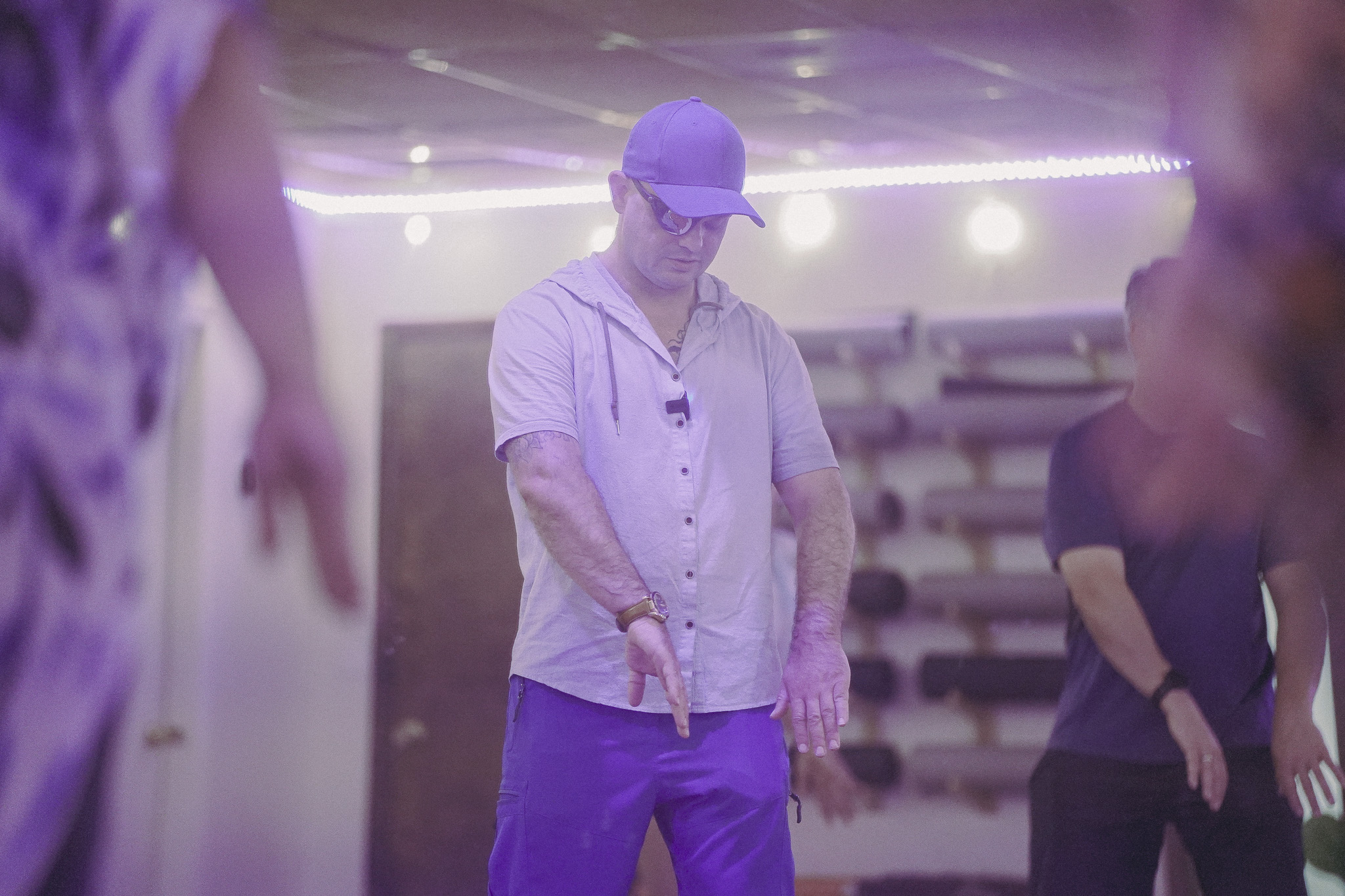
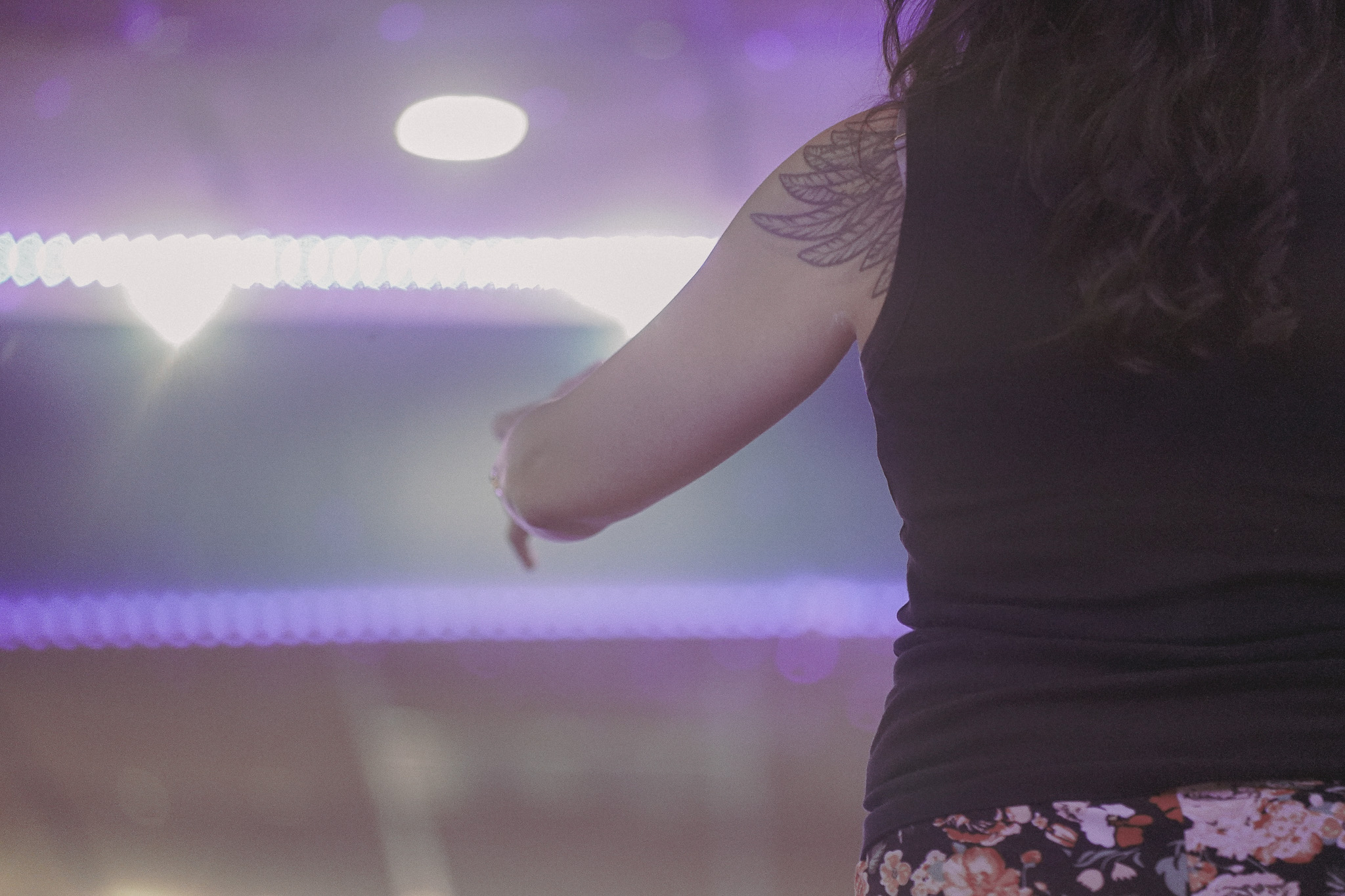
Tai Chi and The Healing Tree Collective
At The Healing Tree Collective, we understand that many people in our community are carrying more than they say out loud. Parents, caregivers, helpers, leaders, partners, and people who hold things together for others often need spaces where they are not required to keep performing strength.
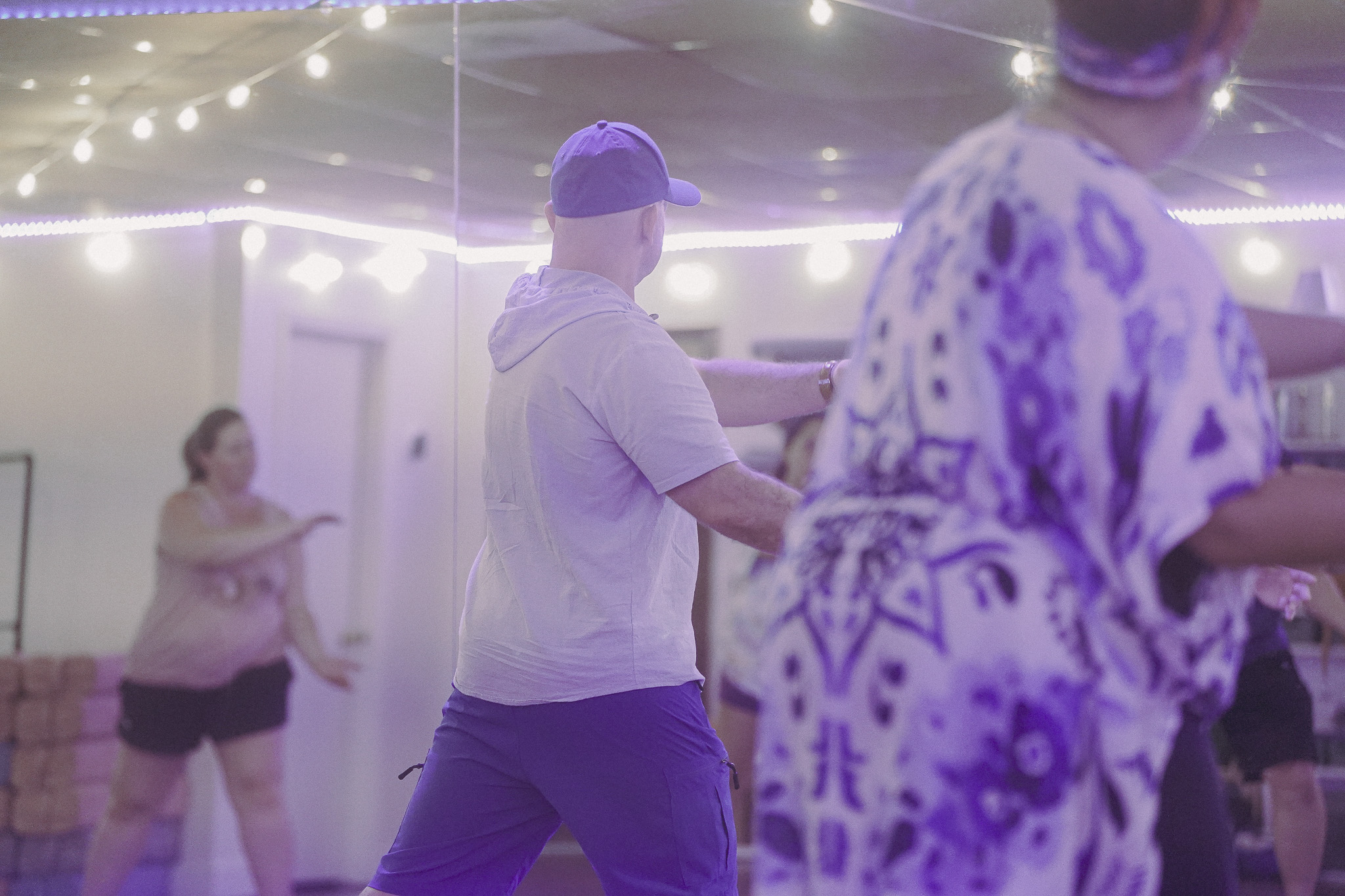
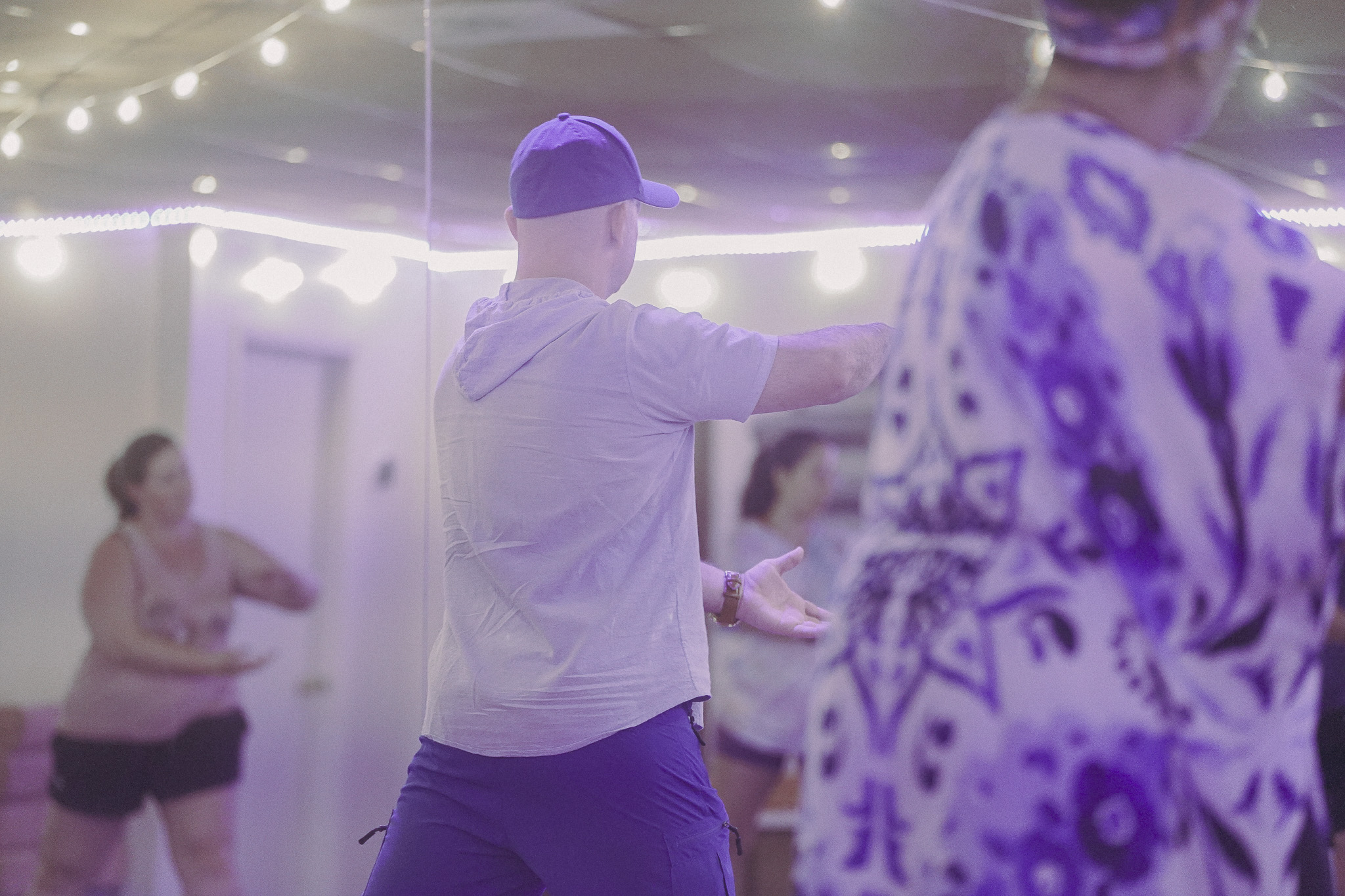
Tai Chi fits naturally into our approach because it gives people a gentle way to slow down and reconnect. It does not require prior experience, advanced flexibility, athletic ability, or a perfectly calm mind. The practice invites people to breathe, feel the feet, notice the body, move slowly, and return to themselves with patience.
Our mission is to create accessible wellness spaces where people can heal, grow, and reconnect with themselves through practices that feel supportive, educational, and real. Tai Chi supports that mission because it offers care to the people who are often busy caring for everyone else.
At The Healing Tree Collective, Tai Chi is offered as a practice of return for parents, caregivers, and people who carry a lot: a way to breathe, move gently, feel supported, and reconnect with yourself.
Final thoughts: people who care for others need care too
Tai Chi can support parents, caregivers, and people who carry a lot by offering a gentle way to return to the body. Through slow movement, breath awareness, grounding, balance, and repetition, the practice creates space to notice what has been carried and reconnect with what has been overlooked.
This support does not have to be dramatic to be meaningful. One slower breath, one moment of feeling the feet, one softened shoulder, or one small return to the body can matter. For people who are used to caring for others, these moments can become reminders that their own wellbeing also deserves attention.
Caregiving may always include responsibility, but it does not have to mean complete disconnection from yourself. Tai Chi offers a practice of returning: to breath, to body, to support, and to the person beneath all the roles you carry.
Tai Chi reminds parents, caregivers, and people who carry a lot that support is not only something they give. It is something they are allowed to receive.
Looking for Tai Chi for caregivers, parents, or stress support in Tempe, Arizona?
At The Healing Tree Collective, our beginner-friendly wellness classes are designed to support stress relief, mindfulness, grounding, body awareness, balance, and deeper connection. If you are curious about Tai Chi, gentle movement, moving meditation, or a practice that can support you while you carry a lot, you are welcome to begin here.
No prior experience is needed. Come as you are. We will meet you there.