24 July 2026
The Healing Tree Collective • Tempe, Arizona
Tai Chi for Work Stress: A Gentle Practice for People Who Spend All Day in Their Head
Work stress does not only happen during the hours we are actively working. For many people, work stress continues in the body long after the laptop closes, the meeting ends, or the last message has been answered. The mind may still be solving problems, reviewing conversations, thinking through deadlines, or preparing for what comes next.
People who spend all day in their head often carry stress in ways that are easy to overlook. The breath becomes shallow. The eyes feel tired. The shoulders stay lifted. The jaw tightens. The body stays seated for hours while the mind moves quickly from one task to another. By the end of the day, a person may feel mentally drained but physically disconnected.
Tai Chi can support people experiencing work stress because it offers a gentle way to get out of the head and back into the body. Through slow movement, breath awareness, grounding, balance, and mindful attention, Tai Chi helps create space between mental overload and physical presence.
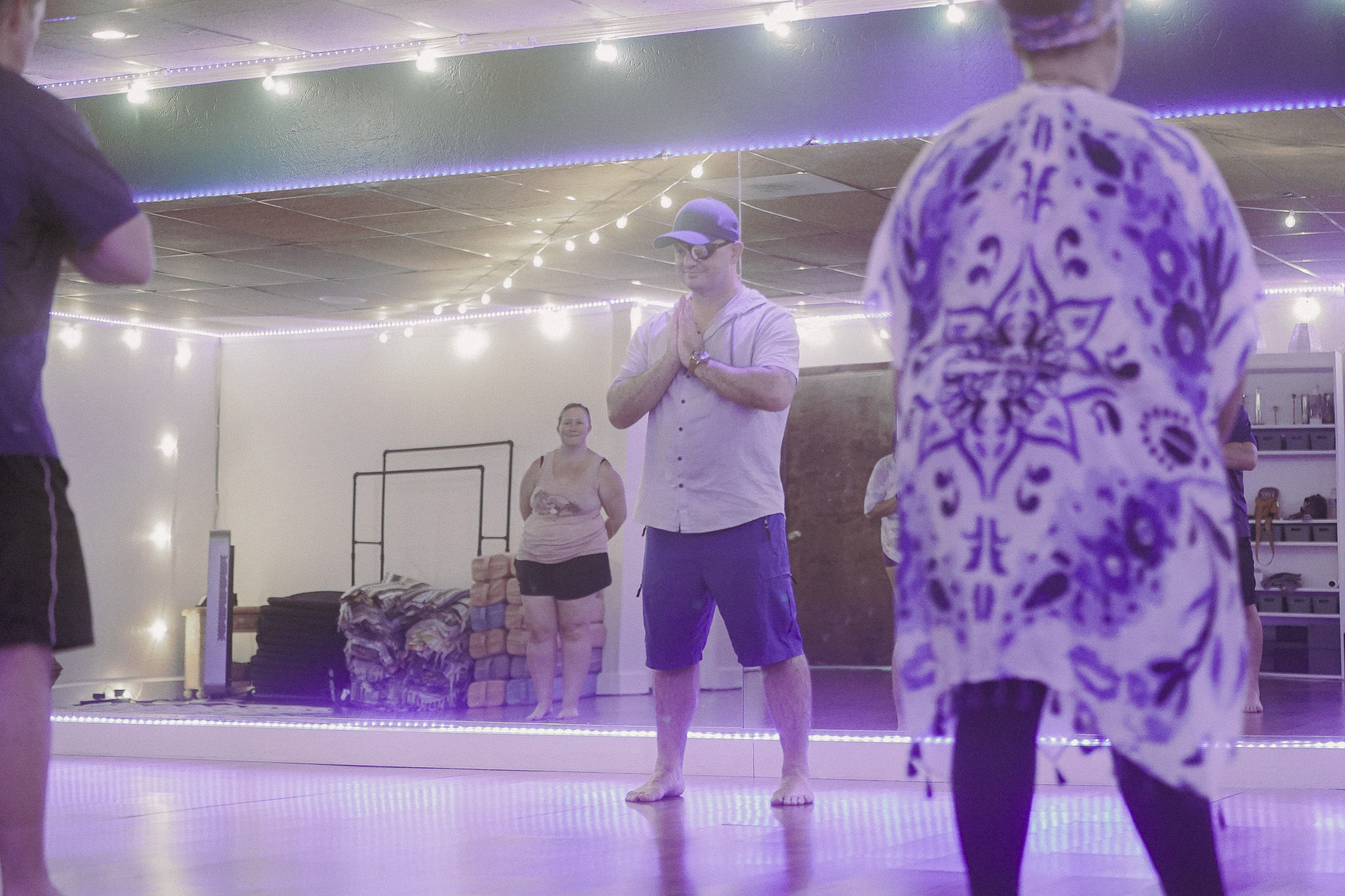
Tai Chi helps people move from mental overload into breath, grounding, posture awareness, balance, and slow movement.
Tai Chi may support work stress by helping you:
Reconnect with the body after long hours of thinking, planning, responding, and problem-solving.
- Notice shallow breathing
- Release unnecessary shoulder tension
- Feel grounded after screen time
- Slow down mental rushing
- Reconnect with posture and balance
- Create space before reacting
- Transition from work mode into rest
Work stress often keeps people living in their head
Many jobs require constant mental activity. People spend their day making decisions, answering questions, solving problems, communicating clearly, remembering details, responding quickly, planning ahead, managing expectations, and keeping track of everything that still needs to be done. Even when the work is meaningful, the mental load can become heavy.
When the mind is working at that pace for hours, the body can become easy to ignore. A person may not notice how long they have been sitting, how shallow their breath has become, how tense the shoulders feel, or how disconnected they are from their feet and posture. The body is present, but attention is almost entirely in thought.
Tai Chi offers a different experience. It asks the mind to follow the body instead of constantly leading through thought. The practitioner shifts weight, moves slowly, feels the feet, notices the breath, and pays attention to balance. This creates a pathway out of mental overactivity and into physical awareness.
Work stress often pulls attention into the head. Tai Chi helps bring attention back into the body.
Stress from work can live in the body
Work stress is not only mental. It can show up physically through posture, tension, breath, fatigue, restlessness, headaches, jaw clenching, tight shoulders, or the feeling of being unable to fully relax. These signals are easy to dismiss because many people are used to pushing through the workday.
A person may tell themselves they are fine because they finished the tasks, attended the meetings, answered the emails, and handled what needed to be handled. But the body may still be carrying the stress through muscle tension, shallow breathing, and a nervous system that has not had enough time to settle.
Tai Chi helps make these signals more visible. When movement slows down, the body has a chance to speak. The practitioner may notice where tension is being held, where the breath is restricted, or how quickly the mind wants to rush into the next thing. This awareness can become the first step toward responding with more care.
The body often carries the workday long after the calendar says the workday is over.
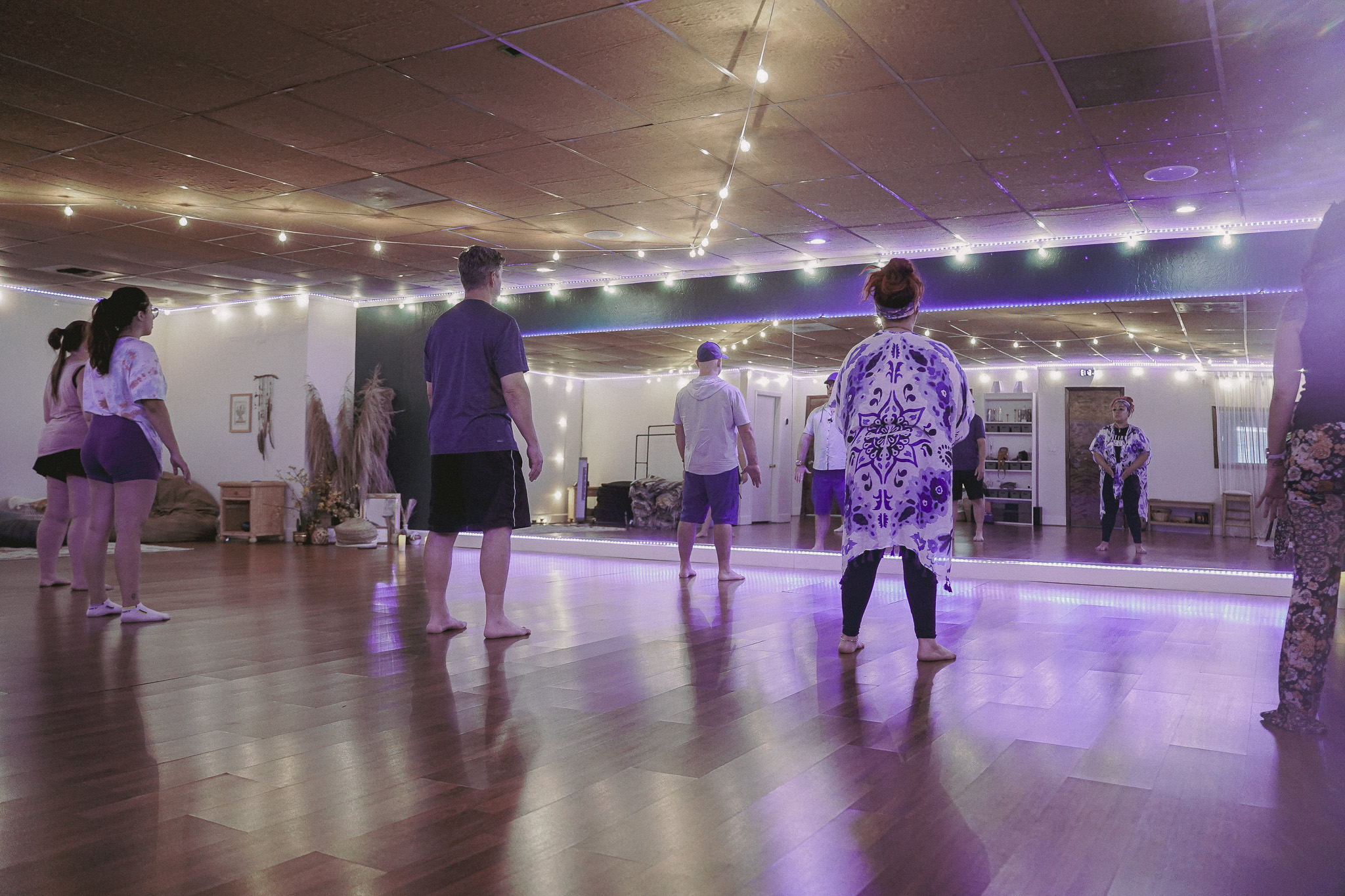
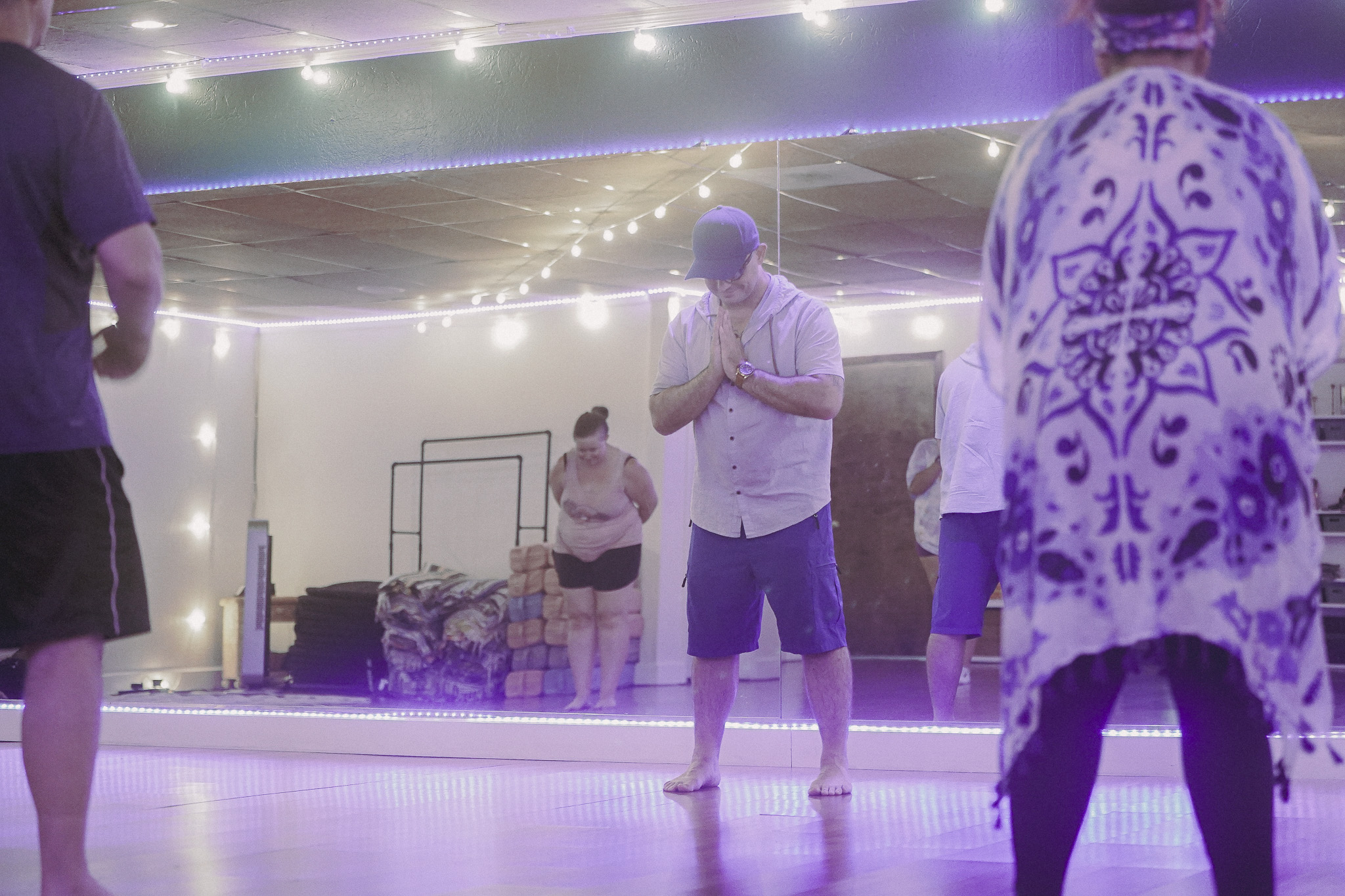
Tai Chi helps interrupt mental looping
One common experience of work stress is mental looping. The mind replays conversations, reviews decisions, anticipates tomorrow, questions whether something was done correctly, or keeps circling around unresolved tasks. This can be exhausting because the mind is active, but not necessarily clear.
Tai Chi can help interrupt mental looping by giving attention something physical and present to follow. Instead of remaining inside the same thoughts, the practitioner begins noticing the hands moving, the feet grounding, the breath shifting, and the weight transferring slowly from one side to another.
This does not mean Tai Chi erases responsibilities or solves every work problem. It means the practice can create space around the mental loop. When attention returns to the body, the mind may have more room to settle, organize, or step away from repetitive thinking for a while.
When the mind keeps circling around work stress, Tai Chi gives attention a different pathway through the body.
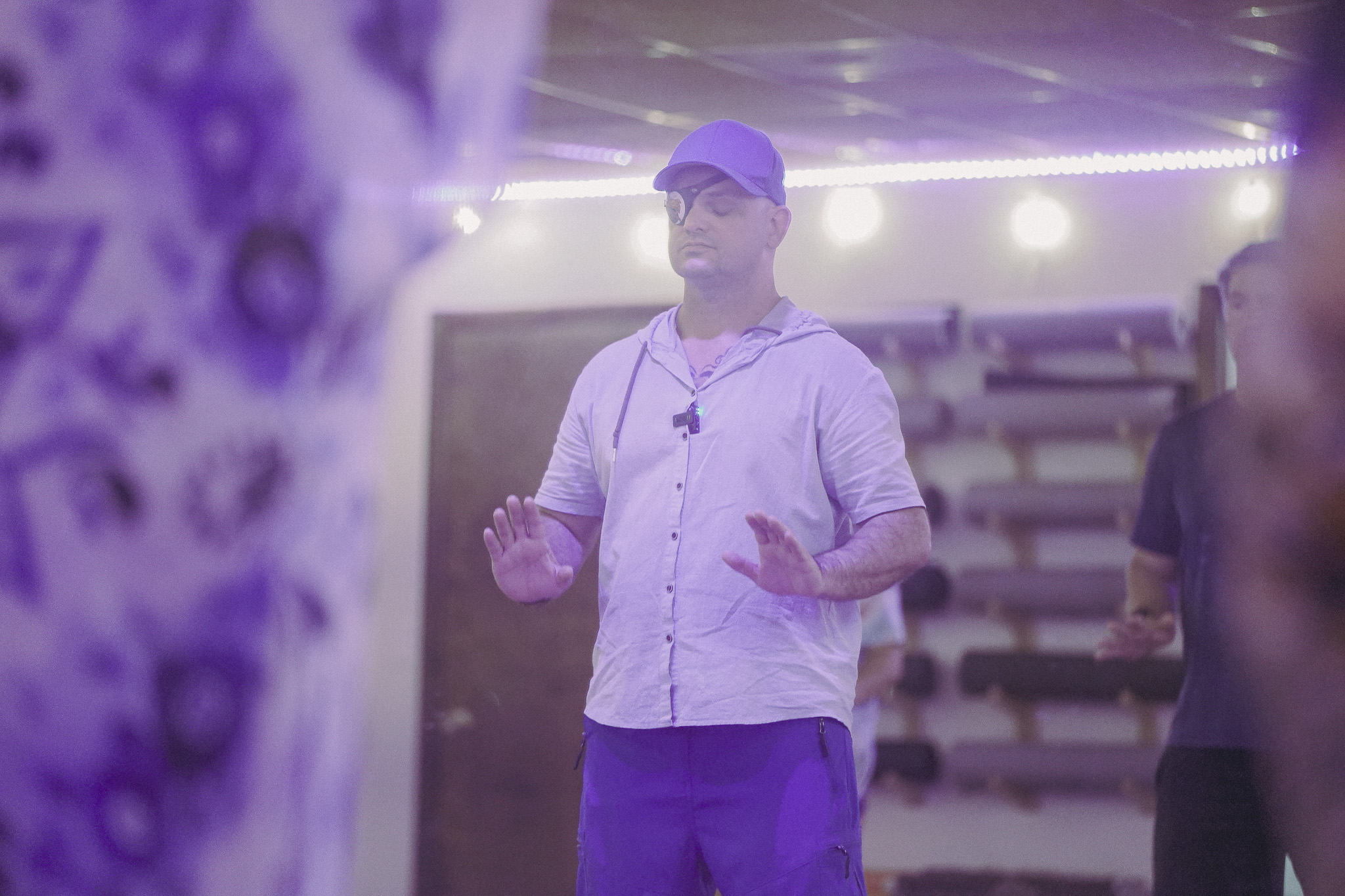
Slow movement gives the mind a physical path to follow when work stress creates mental looping.
The breath can reveal how work stress is affecting you
People who work under pressure often hold their breath without realizing it. This may happen while answering emails, preparing for a meeting, concentrating on a difficult task, navigating conflict, or trying to get through a full schedule. The breath may become shallow, tight, or restricted as the body stays alert.
In Tai Chi, the breath becomes easier to notice because the movement is slower. A person may realize that they hold the breath when concentrating, restrict the breath during balance, or breathe more freely when the body begins settling into the rhythm of the practice. These observations can be simple, but they are useful.
Once breath patterns are recognized during Tai Chi, they may become easier to notice at work. A shallow breath during a meeting, a held breath while answering a difficult message, or a tight chest during a deadline can become early signals that the body is carrying stress and may need support.
The breath can reveal work stress before the mind has fully admitted how much pressure the body is under.
Held Breath
May appear during concentration, pressure, uncertainty, or the effort to stay in control.
Shallow Breath
May show up during deadlines, meetings, difficult conversations, or long periods of screen focus.
Restricted Breath
May reflect tension in the chest, shoulders, ribs, abdomen, jaw, or posture.
Noticed Breath
Can become a cue to pause, soften, and return attention to the body before continuing.
Posture can show what the workday has asked you to carry
Work stress often shows up in posture. Long periods at a desk, screen time, phone use, emotional pressure, decision-making, and responsibility can all influence how the body holds itself. The shoulders may lift. The upper back may round. The chest may close. The jaw may tighten. The body may lean forward as if trying to keep up with what comes next.
Tai Chi brings posture into awareness without shaming or forcing the body. The goal is not to create a rigid shape. The goal is to notice how the body is organizing itself and whether that organization feels supported or strained. This can be especially helpful for people who spend hours sitting, typing, thinking, or managing work stress through the upper body.
As posture becomes more visible, a person may begin noticing where work stress is being carried. They may recognize that their shoulders are holding responsibility, their jaw is holding frustration, their chest is holding pressure, or their posture reflects fatigue. This awareness can help them respond sooner instead of ignoring the body until discomfort builds.
Posture can become a record of the workday, showing where the body has held pressure, effort, focus, and fatigue.
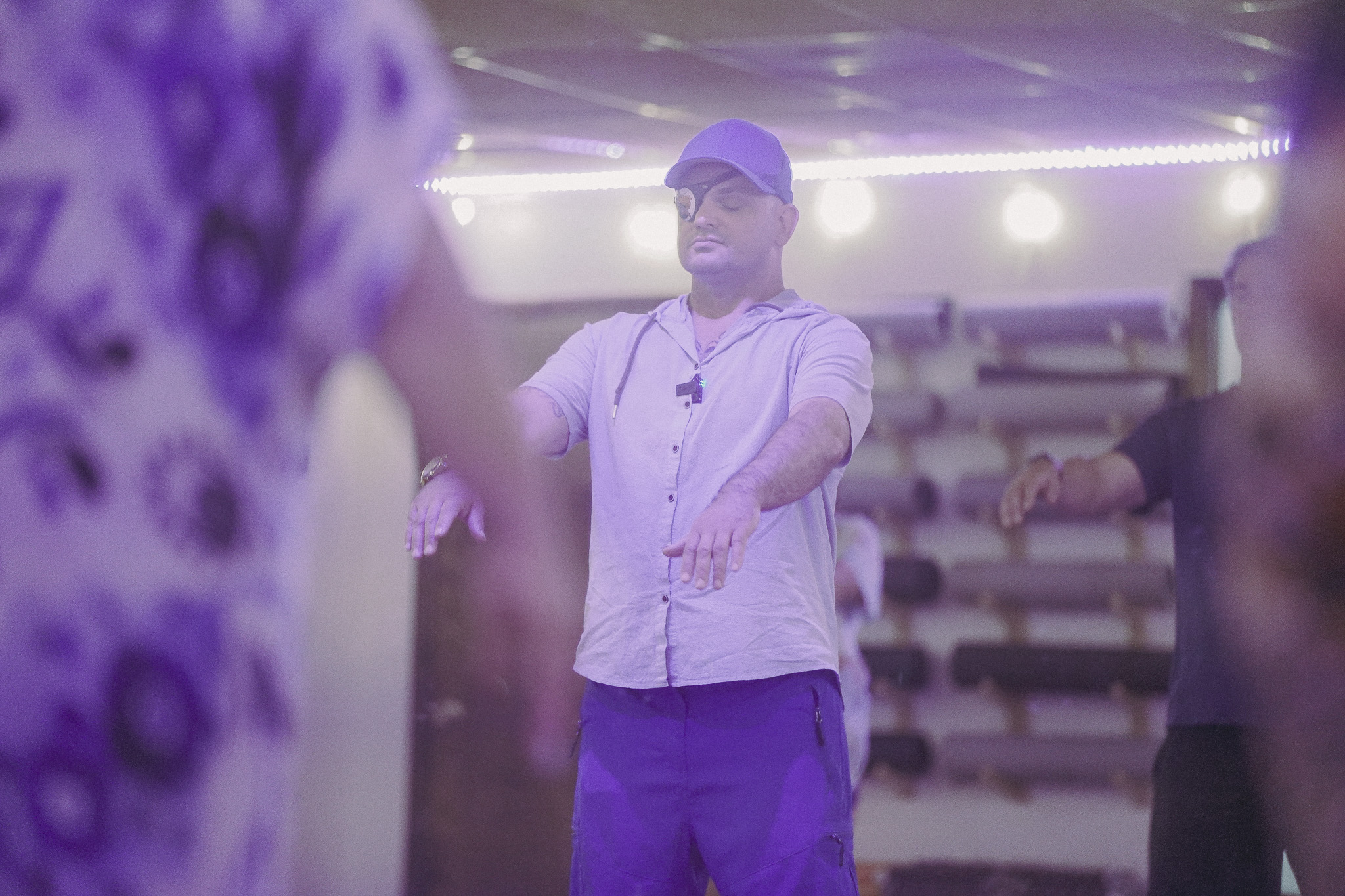

Grounding helps when work pulls your attention in every direction
Work stress can make attention feel scattered. A person may be physically sitting in one place while mentally managing several things at once. They may be thinking about the next task, the unfinished project, the meeting that just happened, the message they need to send, and what still needs to be done after work.
Tai Chi supports grounding by bringing attention back to the feet, the floor, and the feeling of the body in space. This can be especially important for people who spend most of the day in screens, thought, and communication. Grounding helps attention move from mental activity into physical presence.
Feeling grounded does not mean work stress disappears. It means the person has a way to return to themselves while stress is present. A slow weight shift, a moment of feeling the feet, or a breath connected to movement can help the body remember where it is.
Grounding helps people who spend all day in their head remember that they also have a body beneath the workload.
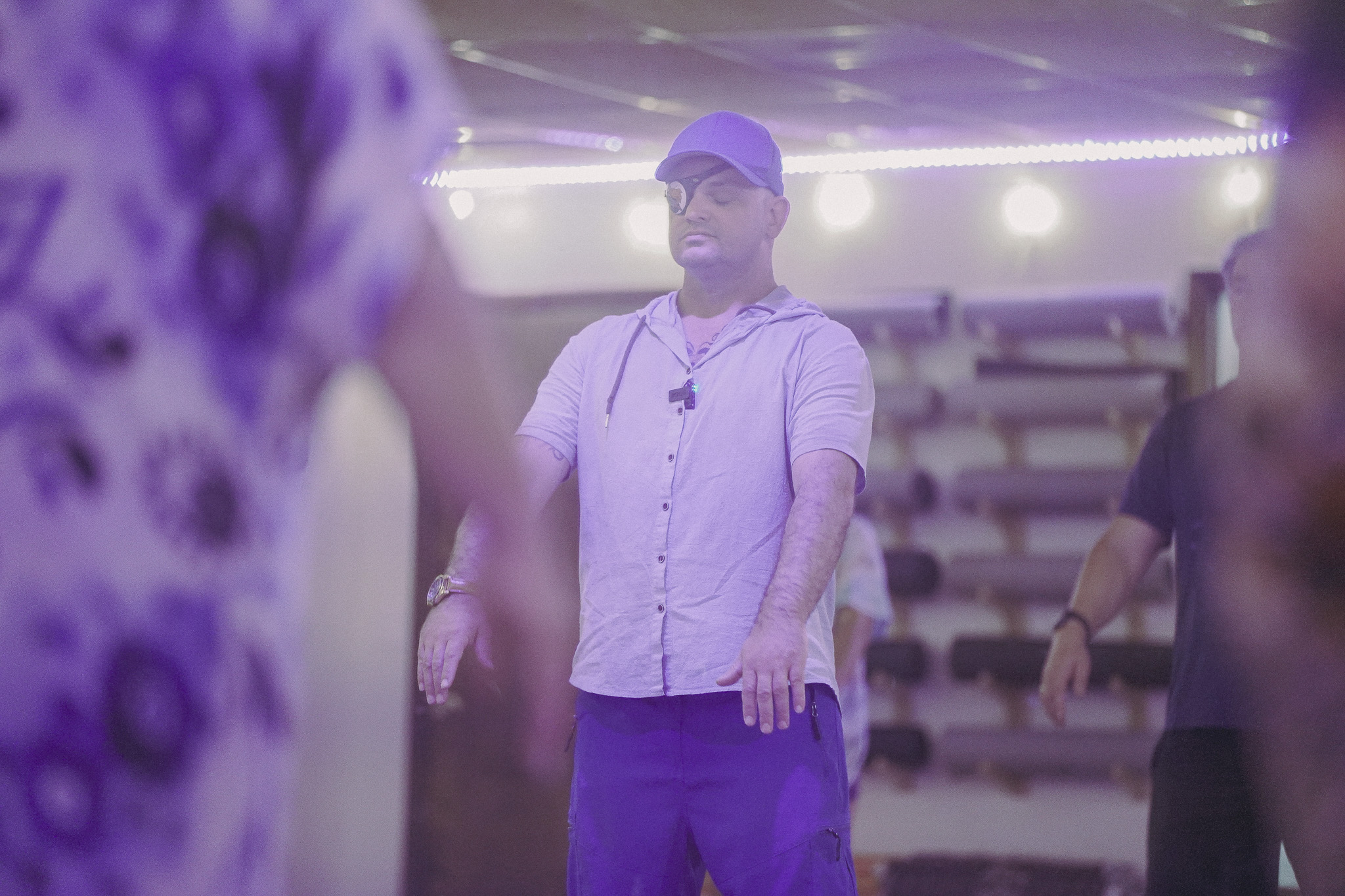
Grounding through Tai Chi helps attention return to the feet, breath, posture, and present movement.
Balance can teach you how you respond to pressure
Work often includes pressure: deadlines, expectations, communication, problem-solving, leadership, responsibility, or the need to keep moving even when energy is low. The body may respond to this pressure by bracing, rushing, tightening, or trying to control everything.
Balance in Tai Chi can reveal these patterns. During a slow weight shift, a person may notice that they hold the breath, tense the shoulders, rush through uncertainty, or become self-critical when the body feels unsteady. These responses may also appear during work stress.
Tai Chi gives people a gentle place to practice returning when pressure pulls them off center. Feel the feet. Notice the breath. Adjust the posture. Move slowly. Return to the body. This physical practice can help develop a more grounded response to stress outside of class.
Balance teaches that pressure does not always need to be met with tension. It can be met with breath, grounding, adjustment, and return.
Tai Chi can help create a transition out of work mode
One of the hardest parts of work stress is that the body may stay in work mode even after the workday ends. A person may leave the office, close the laptop, or stop answering messages, but their body may still feel alert, tense, rushed, or mentally engaged. Rest can feel difficult because the system has not had a clear transition.
Tai Chi can support that transition. The slow pace of the practice gives the body a different rhythm. Instead of continuing at the speed of deadlines and communication, the body begins moving at the speed of breath, weight shifting, balance, and awareness. This can help create separation between work mode and rest mode.
For people who struggle to “turn off” after work, Tai Chi can become a bridge. It does not require the mind to suddenly become quiet. It gives the body a structured way to slow down, move, and signal that the workday does not have to keep living in the body with the same intensity.
Tai Chi can help the body transition out of work mode by giving it a slower rhythm to follow after a day of mental demand.

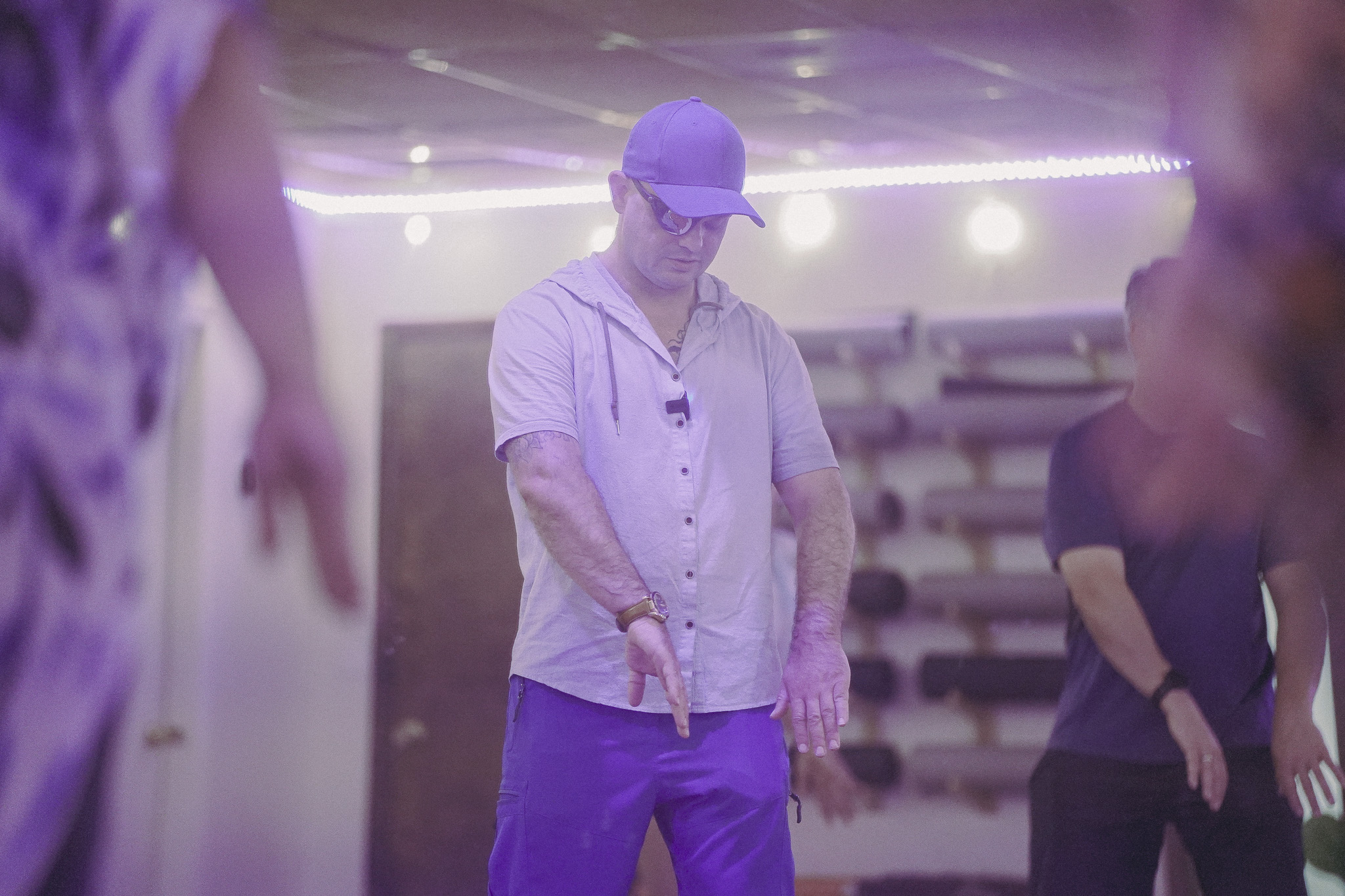
People who spend all day thinking often need movement that is not another performance
After a mentally demanding day, some people want to move but do not want another intense experience. They may not have energy for high-impact exercise, complicated choreography, or anything that feels like one more thing to achieve. The body may need movement, but it may also need gentleness.
Tai Chi offers movement without performance. The practice is not about proving strength, flexibility, speed, or perfection. It is about moving with awareness, breathing, feeling support, and learning how to stay connected through slow transitions.
This can be especially valuable for people who already perform all day through work. They may spend hours being professional, productive, clear, available, and responsible. Tai Chi creates a space where the body can move without needing to produce, impress, or keep up.
For people who perform all day at work, Tai Chi offers movement without performance.
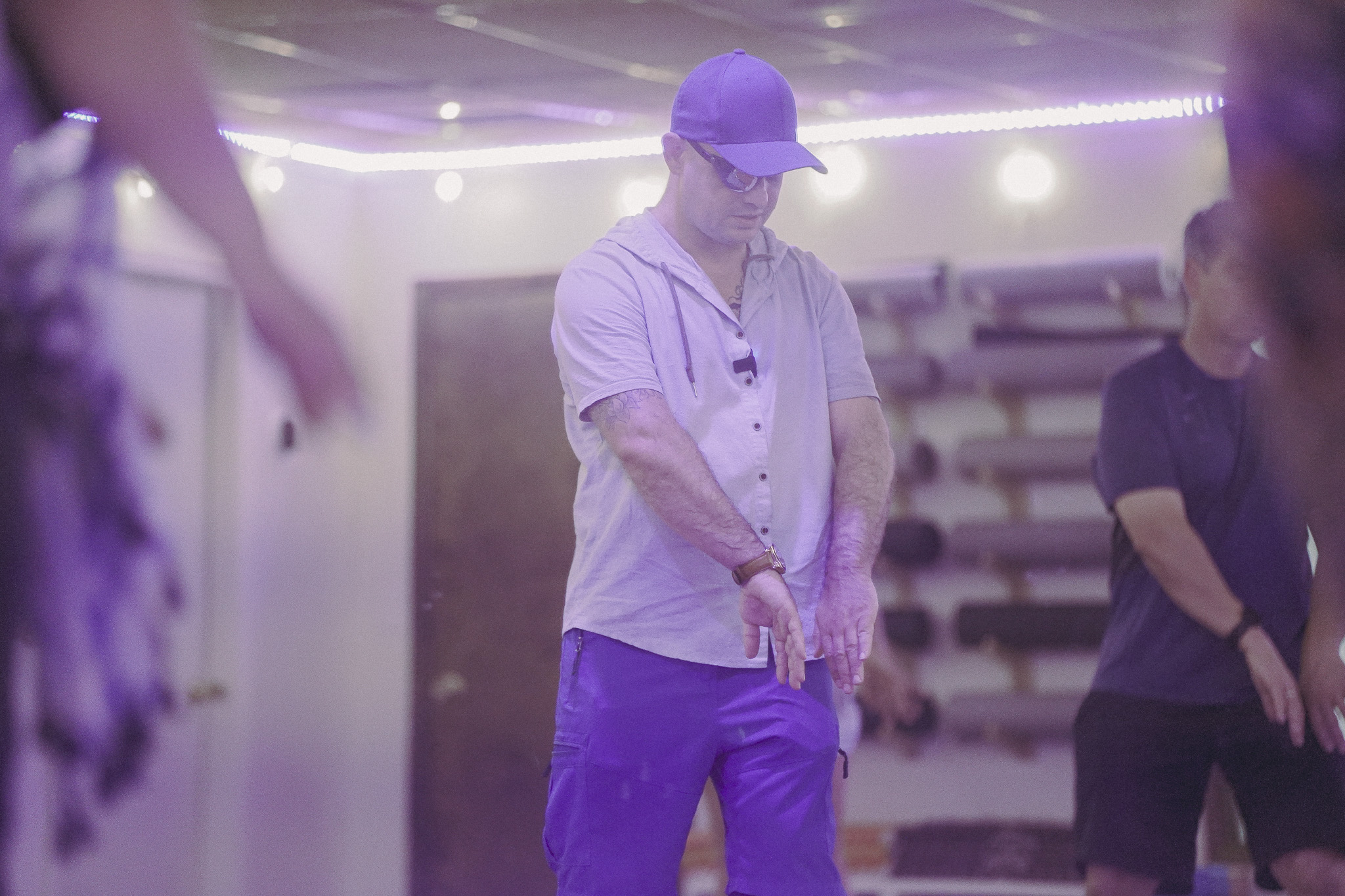
Tai Chi gives people a practice that is structured and intentional without becoming another performance requirement.
A weekly practice can help you notice stress before it builds
Work stress often becomes harder to manage when it builds quietly over time. A person may not notice the accumulation until they are exhausted, irritable, disconnected, tense, or unable to rest. By then, the body may already be carrying more than it should have had to carry alone.
A weekly Tai Chi practice can create a consistent opportunity to check in with the body. How is the breath today? Where is tension being held? Does the body feel rushed, heavy, disconnected, or supported? Is the mind present, or is it still working through tasks?
These check-ins can help people recognize work stress earlier. Tai Chi does not remove every responsibility, but it can help people listen to the body before stress becomes harder to ignore. Over time, this kind of body awareness can support more sustainable self-care.
A consistent practice gives the body regular opportunities to be heard before stress becomes overwhelming.
Before Stress Builds
Body awareness can help you notice physical signals before they become harder to manage.
After Long Workdays
Slow movement can help the body transition out of mental pressure and into a steadier rhythm.
During Busy Seasons
Tai Chi can offer a repeatable place to breathe, ground, and reconnect with the body.
Over Time
Repeated practice can help slowness, grounding, and body awareness feel more familiar.
How Tai Chi can support work stress in daily life
The lessons from Tai Chi can begin to support ordinary work moments. A person may notice they are holding their breath during a meeting, clenching their jaw while responding to a difficult email, lifting their shoulders during a deadline, or mentally rushing before the next task has even begun.
These moments create opportunities for small returns. One slower breath. Feet on the floor. A softer jaw. A pause before responding. A short movement break. A slower transition between tasks. These actions may seem small, but they help the body feel less ignored in the middle of a demanding day.
This is where Tai Chi becomes practical. The practice does not only support people during class. It helps them recognize the physical signs of work stress and respond with more awareness during the workday itself.
Before a Meeting
Feel your feet, take one slower breath, and notice whether the body is already bracing.
After a Difficult Email
Pause before moving on, soften the jaw, and allow the body to recognize that the moment has shifted.
Between Tasks
Use a short transition to breathe, move gently, and let attention arrive before continuing.
After Work
Practice slow movement to help the body transition from work mode into a more grounded state.
Tai Chi is not a replacement for medical or mental health care
Tai Chi can be a supportive wellness practice for work stress, gentle movement, mindfulness, breath awareness, grounding, balance, body awareness, and emotional wellbeing, but it is not a replacement for medical care, physical therapy, therapy, medication, psychiatric support, trauma-informed treatment, workplace accommodations, or crisis services. If someone is experiencing persistent pain, significant distress, panic, depression, trauma symptoms, thoughts of self-harm, severe burnout, or difficulty functioning, support from qualified professionals may be necessary.
At the same time, many people benefit from practices that help them reconnect with the body, notice stress earlier, and create space around mental overload. Tai Chi can be one supportive part of a broader care routine because it offers a gentle, structured, and repeatable way to slow down, breathe, move, and return to the present.
The value of Tai Chi is not that it eliminates work stress or solves every workplace challenge. Its value is that it gives people a practical way to care for the body and mind while navigating real responsibilities.
Tai Chi can support work stress as part of a broader wellness routine, but it should not replace professional care, workplace support, or mental health support when those are needed.
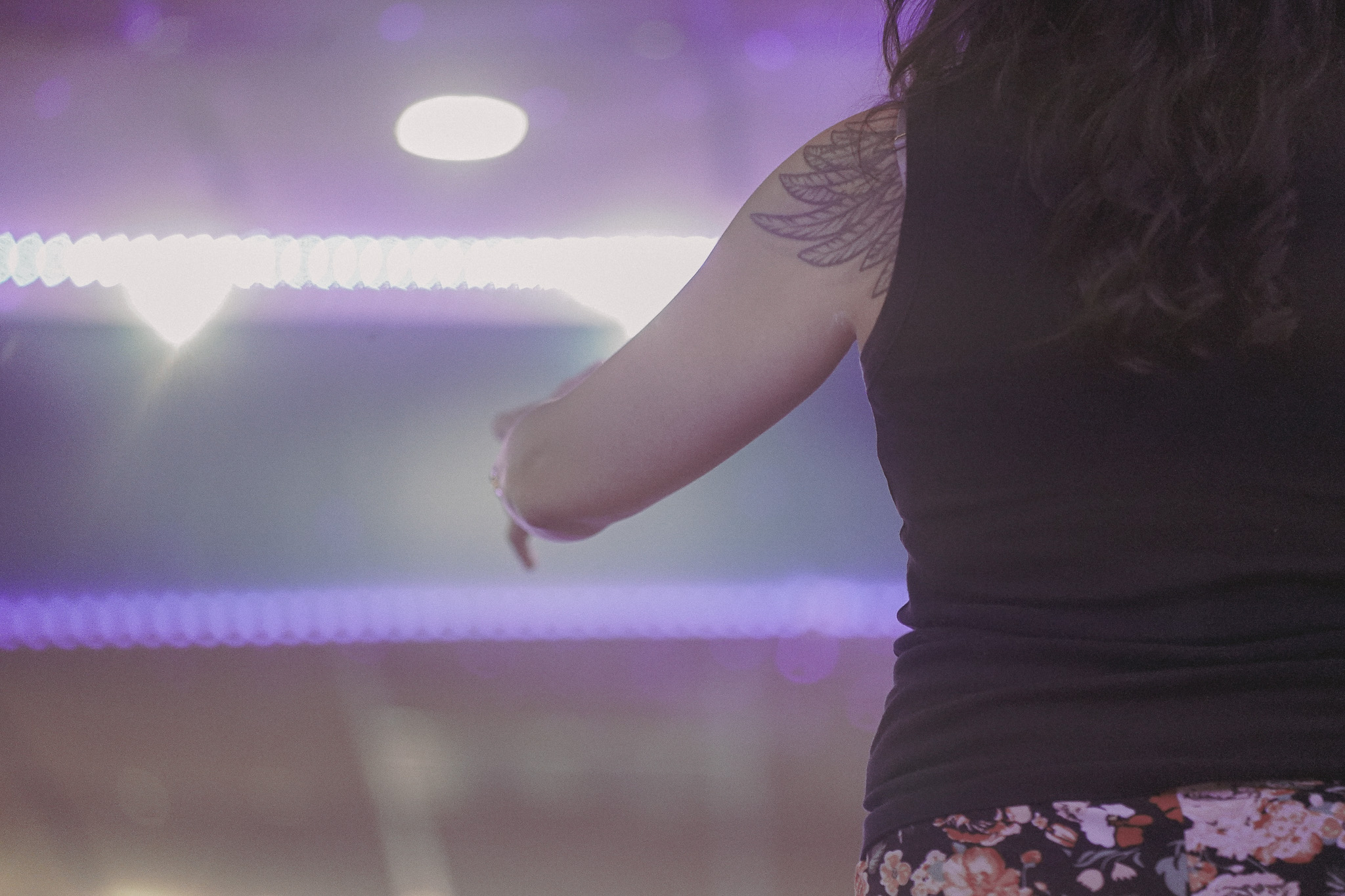
Tai Chi and The Healing Tree Collective
At The Healing Tree Collective, we understand that many people spend their days thinking, solving, producing, communicating, leading, responding, and carrying responsibility. By the time they arrive in our space, they may feel tired, tense, overstimulated, disconnected from the body, or unsure how to slow down.
Tai Chi fits naturally into our approach because it offers a grounded way to move out of mental overload and back into physical awareness. It does not require prior experience, advanced flexibility, athletic ability, or a perfectly calm mind. The practice invites people to breathe, feel the feet, move slowly, notice tension, and return to the body with patience.
Our mission is to create accessible wellness spaces where people can heal, grow, and reconnect with themselves through practices that feel supportive, educational, and real. Tai Chi supports that mission because it gives working people a practice that helps them step out of the pace of productivity and return to a more sustainable rhythm.
At The Healing Tree Collective, Tai Chi is offered as a gentle practice for people who spend all day in their head: a way to return to breath, body, grounding, and presence after work stress.
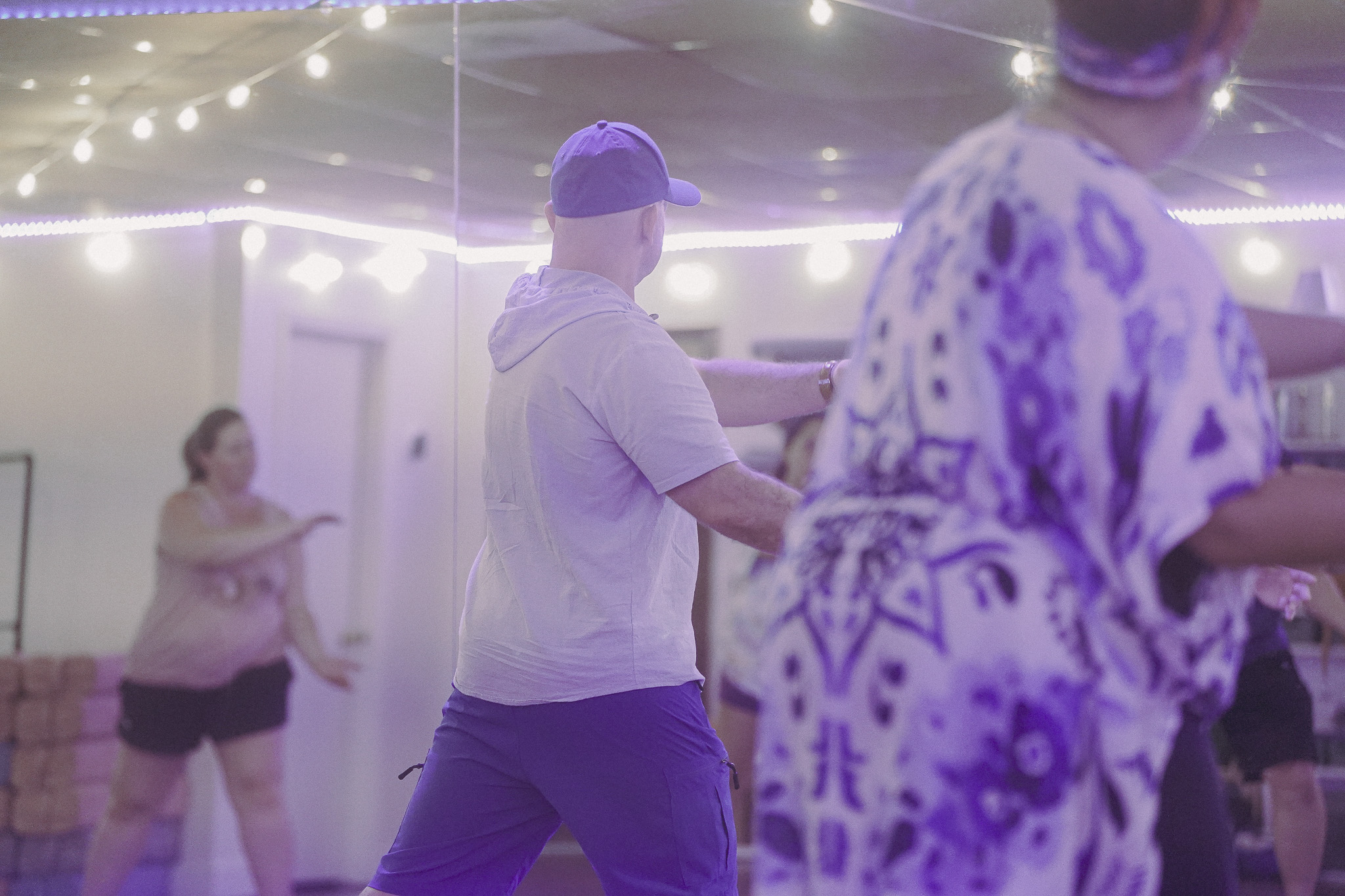
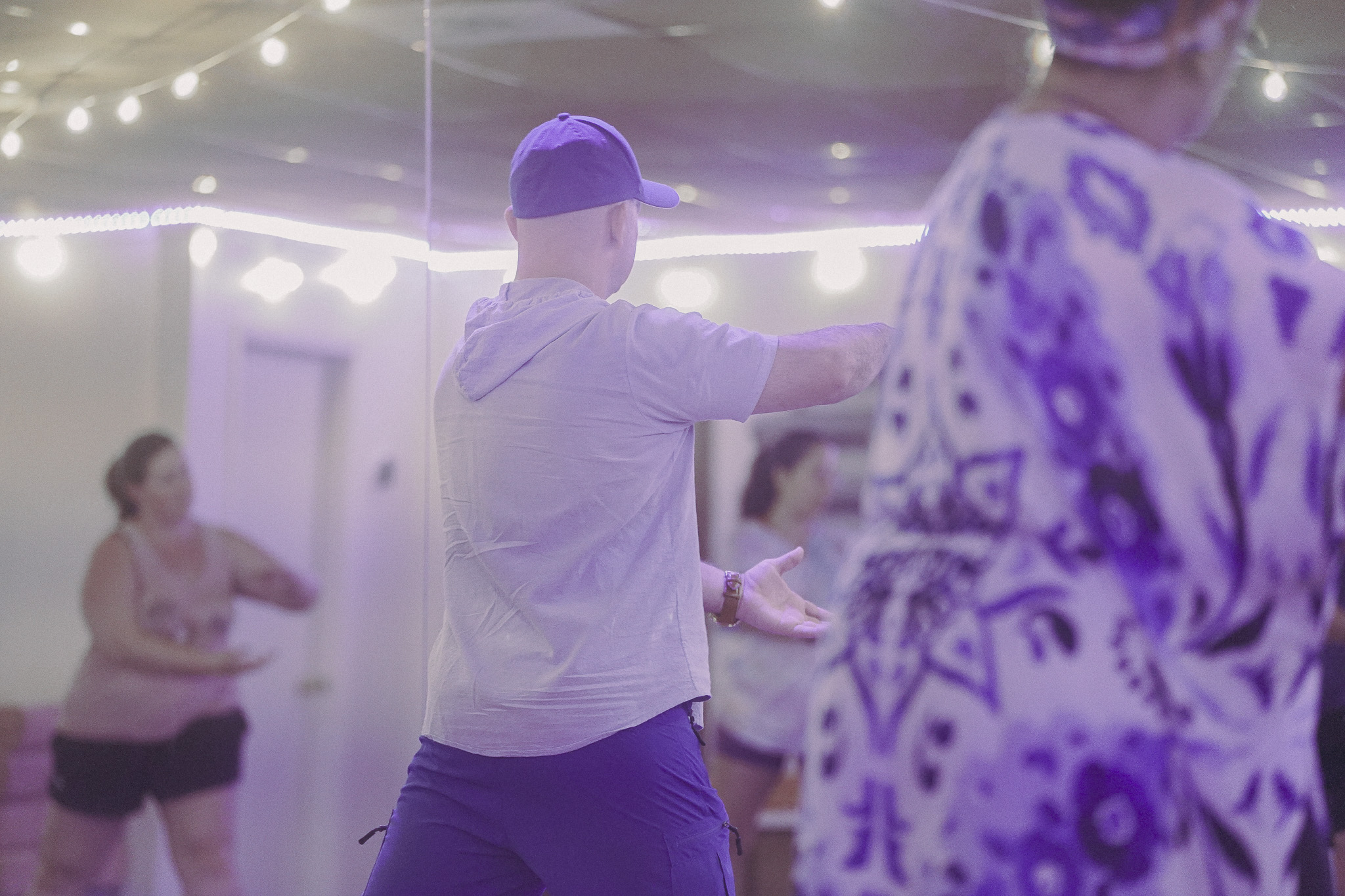
Final thoughts: your body needs support after a day of thinking
Tai Chi can support work stress by helping people move from mental overload into body awareness. Through slow movement, breath awareness, grounding, posture, balance, and repetition, the practice gives people a way to reconnect with the body after spending hours in thought, screens, communication, and responsibility.
This support does not have to be intense to be meaningful. A slower breath, a softer shoulder, a grounded stance, or one gentle movement can begin to interrupt the pace of stress. Over time, these small returns can help the body recognize that it does not have to keep carrying the workday with the same level of tension.
For people who spend all day in their head, Tai Chi offers a gentle and practical way to come back to themselves. The mind may have worked hard all day, but the body deserves a place to breathe, move, and be heard too.
Tai Chi helps people with work stress return from mental overload to breath, body, grounding, and a slower rhythm that feels more sustainable.
Looking for Tai Chi for work stress in Tempe, Arizona?
At The Healing Tree Collective, our beginner-friendly wellness classes are designed to support stress relief, mindfulness, grounding, body awareness, balance, and deeper connection. If you are curious about Tai Chi, gentle movement, moving meditation, or a practice that can support work stress and mental overload, you are welcome to begin here.
No prior experience is needed. Come as you are. We will meet you there.