26 July 2026
What Tai Chi Teaches Us About Responding Instead of Reacting
Most people know what it feels like to react before they have fully processed what is happening. A difficult message comes in, a conversation becomes tense, a schedule changes, someone says something upsetting, or stress builds throughout the day until the body moves faster than awareness.
Reaction is not always intentional. Often, it happens because the body is already activated. The breath is shallow. The shoulders are tense. The jaw is tight. The mind is rushing. The body may be trying to protect, defend, control, or solve the moment before there has been enough space to notice what is actually needed.
Tai Chi can help us practice responding instead of reacting by teaching the body how to slow down, notice sensation, stay present during transition, breathe before moving, and create space between what we feel and what we do next.
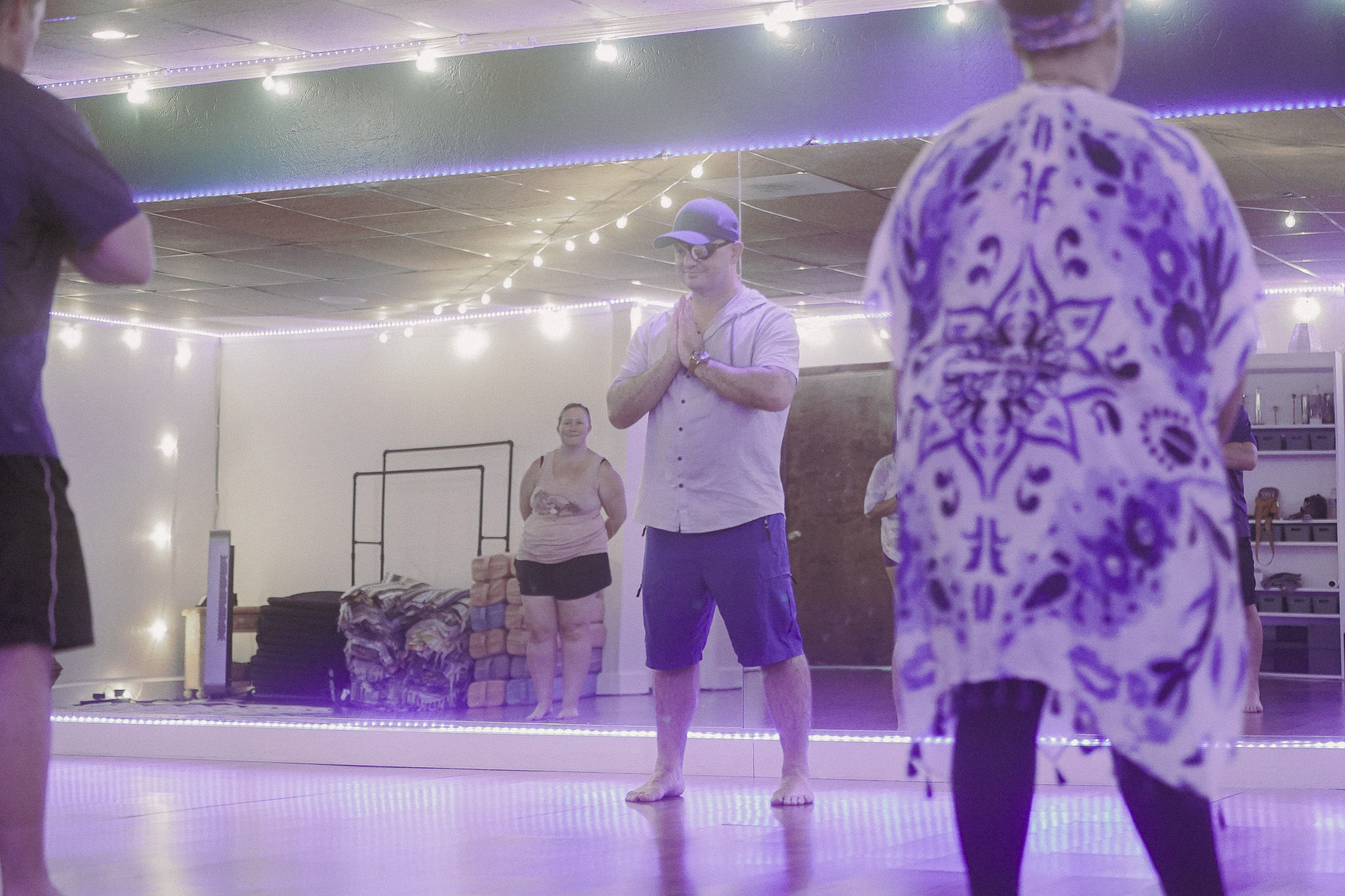
Tai Chi helps people practice the space between feeling, noticing, breathing, and choosing the next movement.
Tai Chi may support responding instead of reacting by helping you:
Practice awareness before action through slow movement and body connection.
- Notice urgency in the body
- Recognize breath-holding
- Feel tension before reacting
- Slow down transitions
- Create space before responding
- Practice balance during uncertainty
- Return to the body when emotions rise
Reacting often happens before we realize the body is activated
When people talk about reacting, they often focus on the behavior itself. They may regret what they said, how quickly they responded, how defensive they became, or how they shut down. While the behavior matters, it is also important to notice what happened in the body before the reaction.
Many reactions begin as physical signals. The breath changes. The chest tightens. The jaw clenches. The shoulders lift. The body leans forward. The stomach tightens. The hands become tense. The mind begins moving quickly. These signals can appear before a person has fully understood what they are feeling.
Tai Chi helps build awareness of these early signals because the practice slows movement down enough for the body to become easier to observe. When someone learns to notice breath, tension, balance, and posture during practice, they may begin noticing similar signals in daily life before they turn into automatic reactions.
Responding begins when we can notice the body’s activation before it becomes the action.
Tai Chi gives the body a slower rhythm to practice
Reaction is often fast. A person may respond before they have breathed, before they have listened fully, before they have checked in with the body, or before they have allowed the moment to settle. This speed can be especially common during stress, conflict, pressure, fatigue, or emotional overwhelm.
Tai Chi gives the body a different rhythm. The movements are slow, intentional, and connected. Instead of rushing from one posture into the next, the practitioner learns to stay with the present movement. Instead of skipping the transition, they learn to feel it. Instead of moving before sensing support, they learn to shift weight gradually.
This slower rhythm matters because it trains the body to experience space. The practice repeatedly teaches that not every moment has to be met with immediate action. There can be a breath. There can be a pause. There can be a moment of sensing before moving forward.
Tai Chi teaches the body that there can be space between what happens and what comes next.
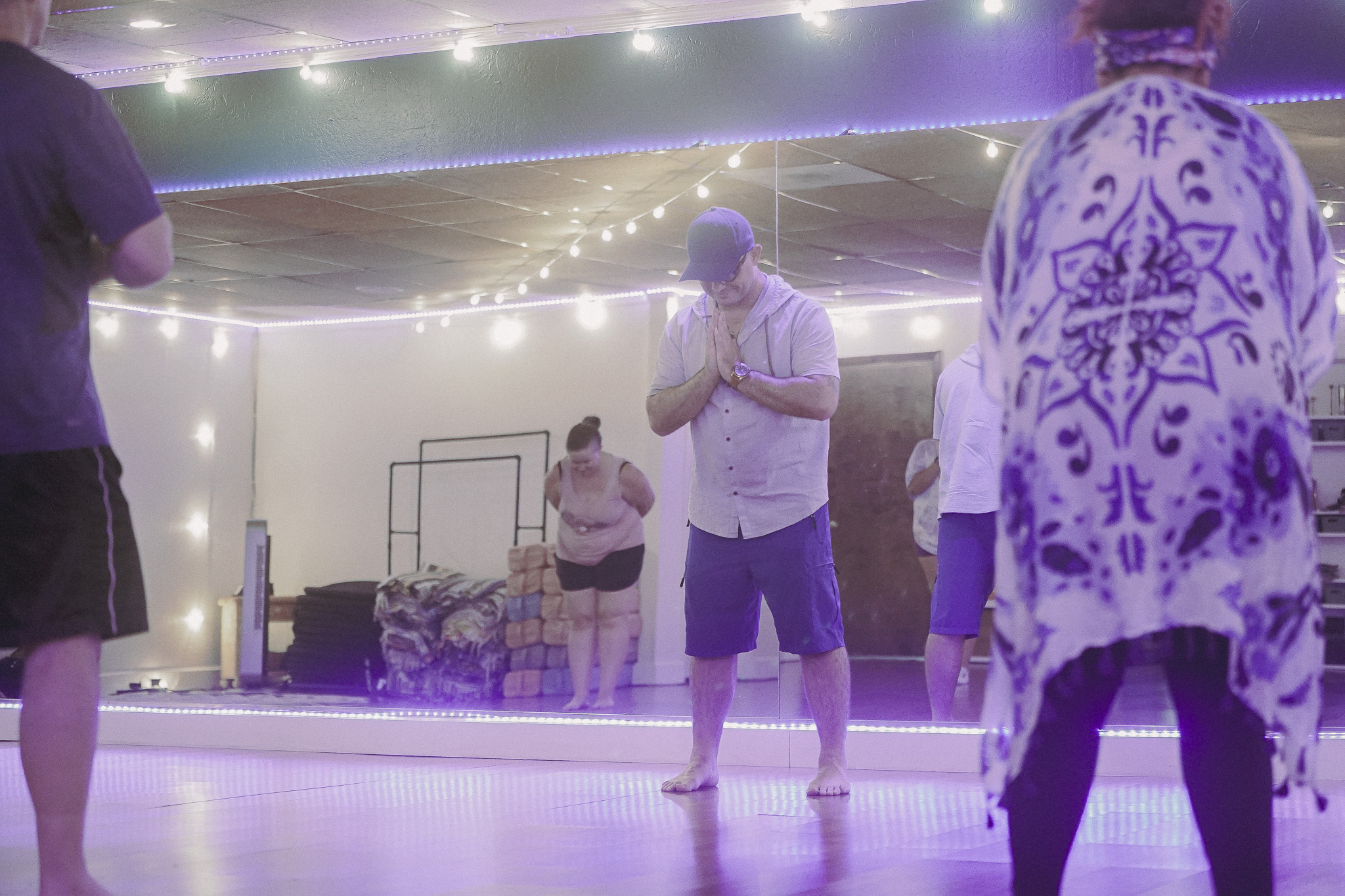
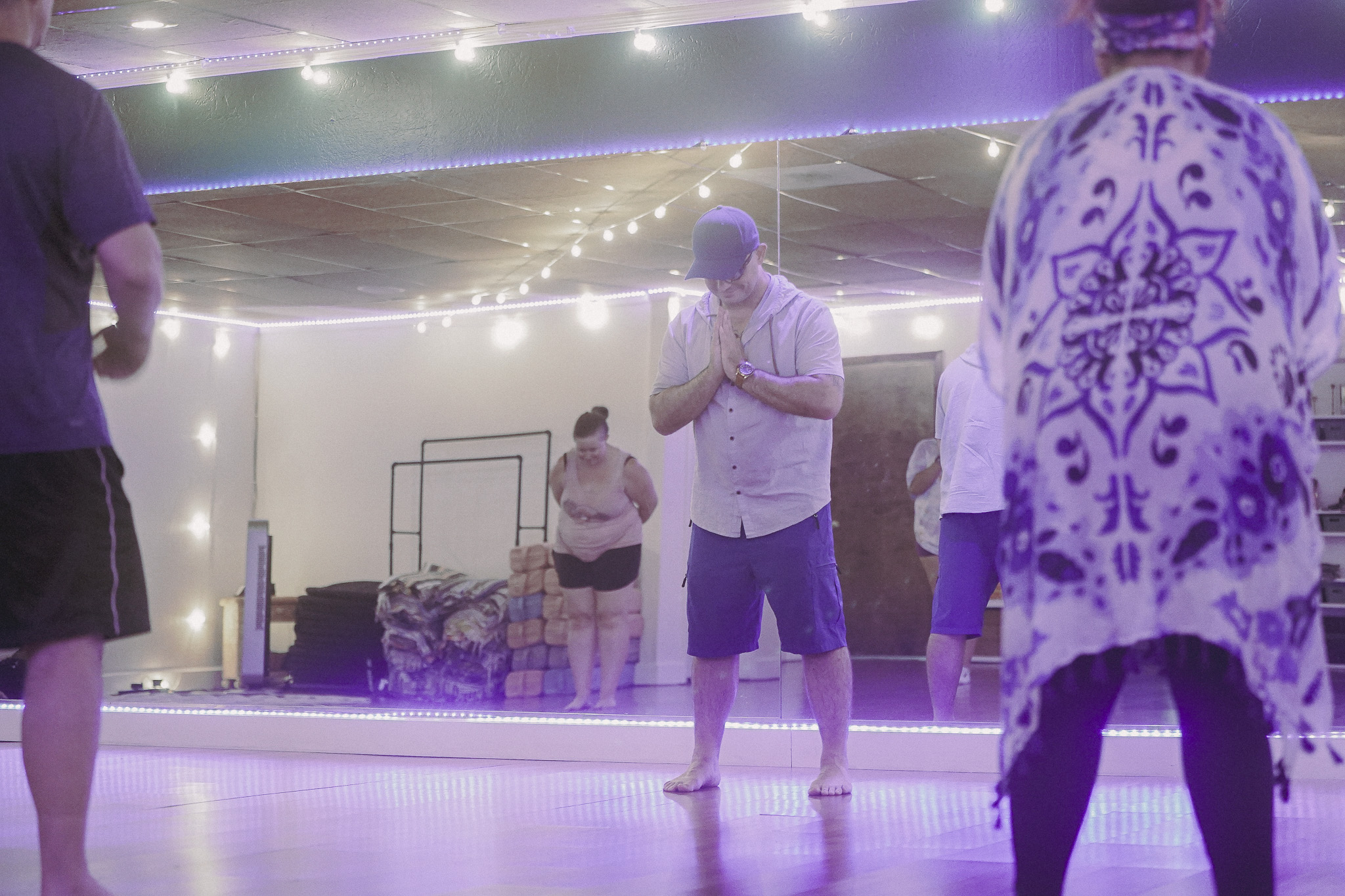
The breath can become an early signal
The breath often changes before a reaction happens. A person may hold the breath when they feel pressure, breathe shallowly when they feel rushed, or restrict the breath when they are bracing for conflict. Because these changes can happen automatically, they may be missed until after the reaction has already taken place.
In Tai Chi, breath awareness develops gradually because the movement slows the body down. A practitioner may notice that they hold the breath when trying to concentrate, lose track of the breath when balance feels uncertain, or breathe more easily when the body feels supported. These observations create a relationship with the breath as information.
In daily life, this awareness can become practical. A held breath during a conversation may become a cue to pause. A shallow breath before replying to a message may become a cue to step back. A tight breath during stress may become a signal that the body needs support before responding.
The breath can help you notice the moment when reaction is beginning to build.
Held Breath
May reveal pressure, concentration, uncertainty, or the body’s attempt to control the moment.
Shallow Breath
May show that urgency, stress, defensiveness, or emotional activation is present.
Noticed Breath
Can create a small space before speaking, responding, deciding, or moving forward.
Supported Breath
May help the body feel grounded enough to choose a response instead of reacting automatically.
Responding requires awareness of the body, not just good intentions
Many people intend to respond calmly. They may want to be patient, thoughtful, kind, clear, or grounded. But when stress rises quickly, good intentions may not be enough if the body is already in a reactive state. The nervous system may move into protection before the mind has time to choose a different response.
This is why body awareness matters. If a person can notice that the chest is tight, the jaw is clenched, the breath is held, or the body is rushing, they may have more opportunity to pause before reacting. Without that awareness, the body may drive the response before the person realizes what is happening.
Tai Chi helps develop this awareness through repeated practice. The body learns to notice posture, breath, balance, tension, and movement. These skills may seem simple during class, but they can become meaningful in daily life because they help people recognize the physical beginning of a reaction.
Responding becomes more possible when the body gives us enough information to pause.
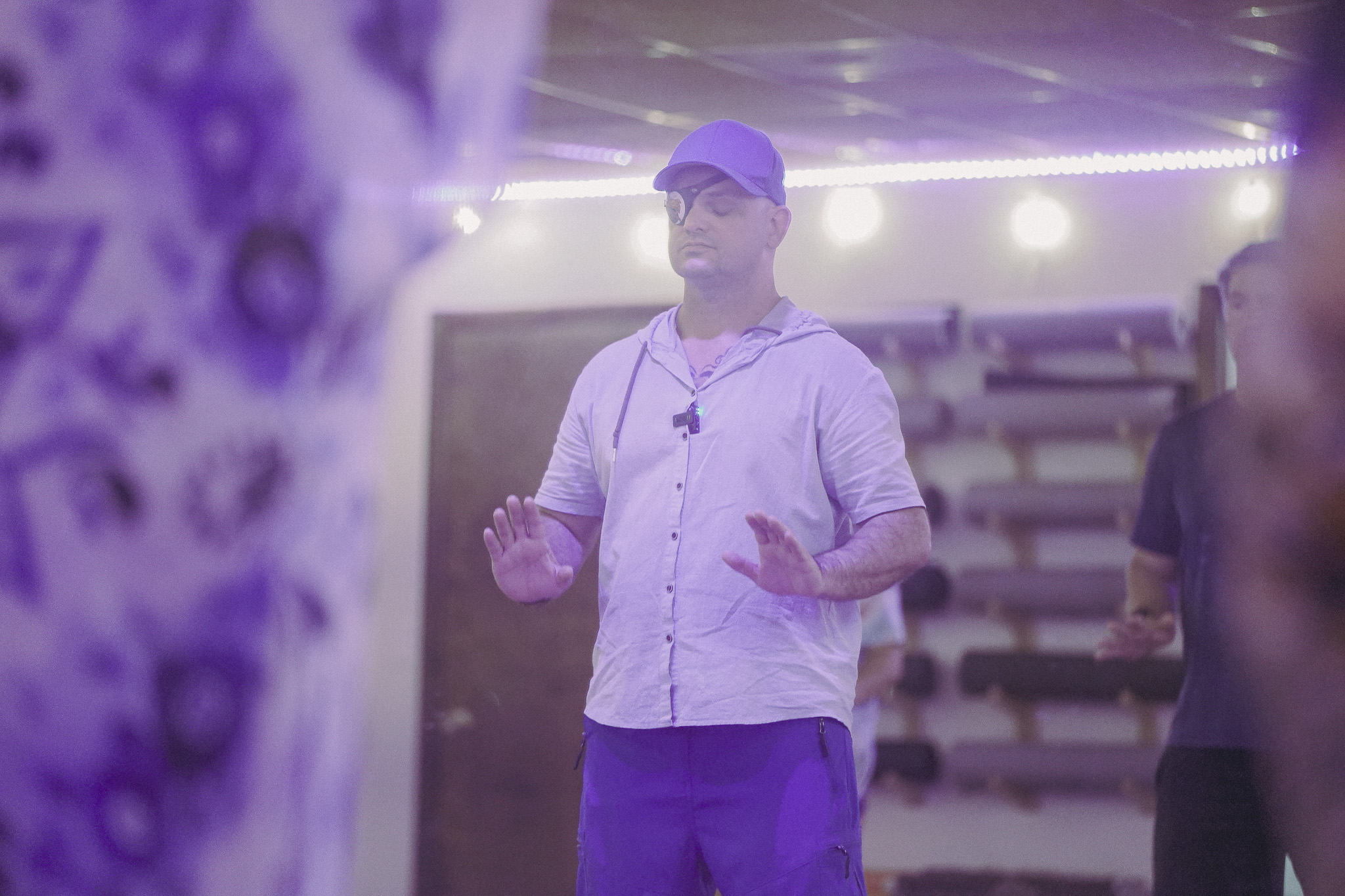
Tai Chi helps develop body awareness so people can notice breath, posture, tension, and urgency before reacting.
Tai Chi teaches us to move after sensing support
In Tai Chi, the body does not simply move without awareness. The practitioner learns to sense support first. Where are the feet? Where is the weight? Is the body grounded? Is the posture tense or supported? Is the breath available? Is the movement being rushed?
This lesson is powerful because reacting often happens when people move before sensing support. They speak before they have breathed. They respond before they have felt their body. They make decisions before recognizing fatigue, fear, anger, or overwhelm. They act from the pressure of the moment instead of the support of awareness.
Tai Chi gives the body repeated opportunities to practice a different order: feel first, then move. Breathe first, then shift. Sense support, then respond. This sequence can become a practical model for daily life.
Tai Chi teaches that movement becomes more intentional when it begins from support.
Transitions are where reaction patterns become visible
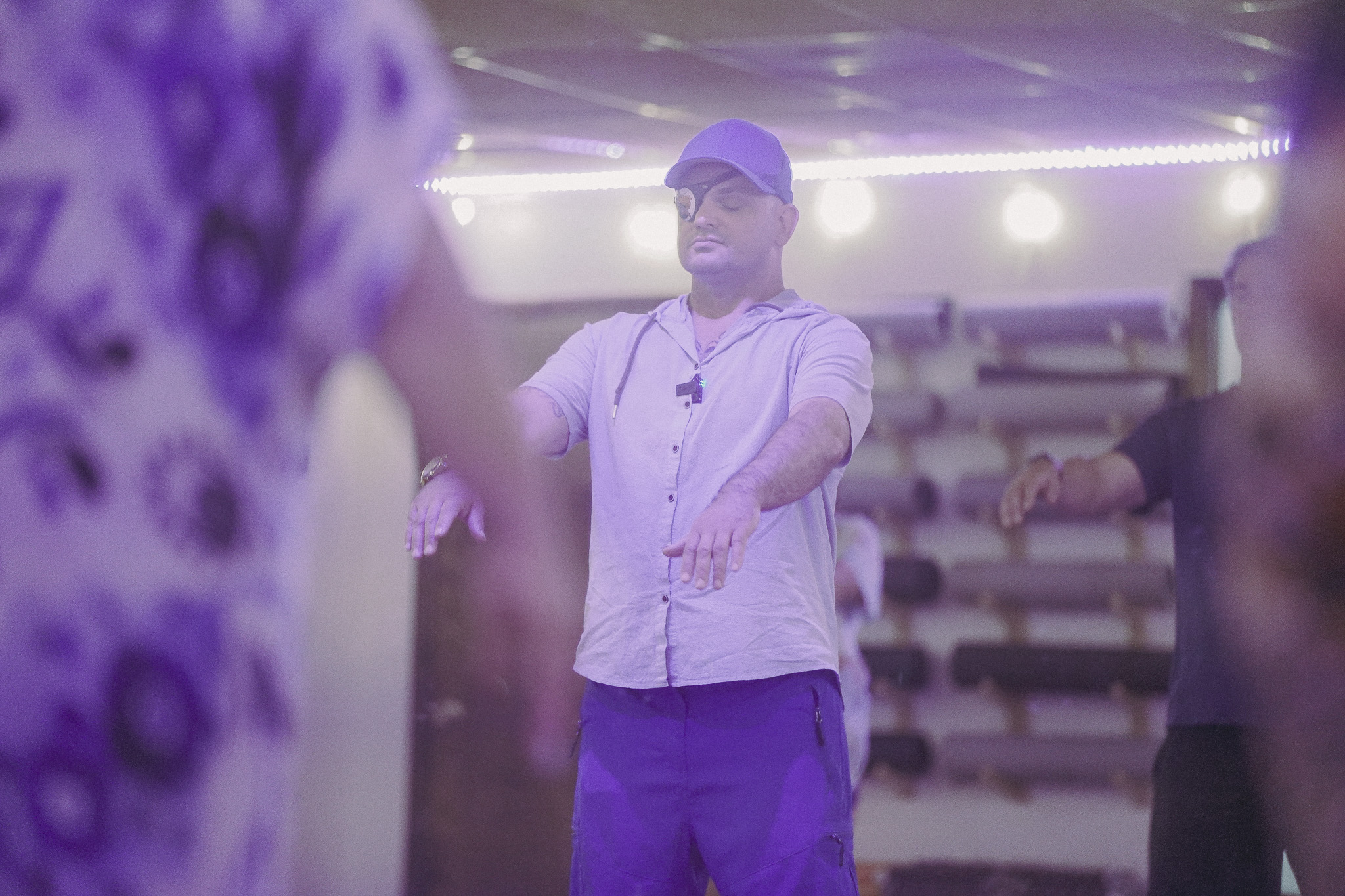
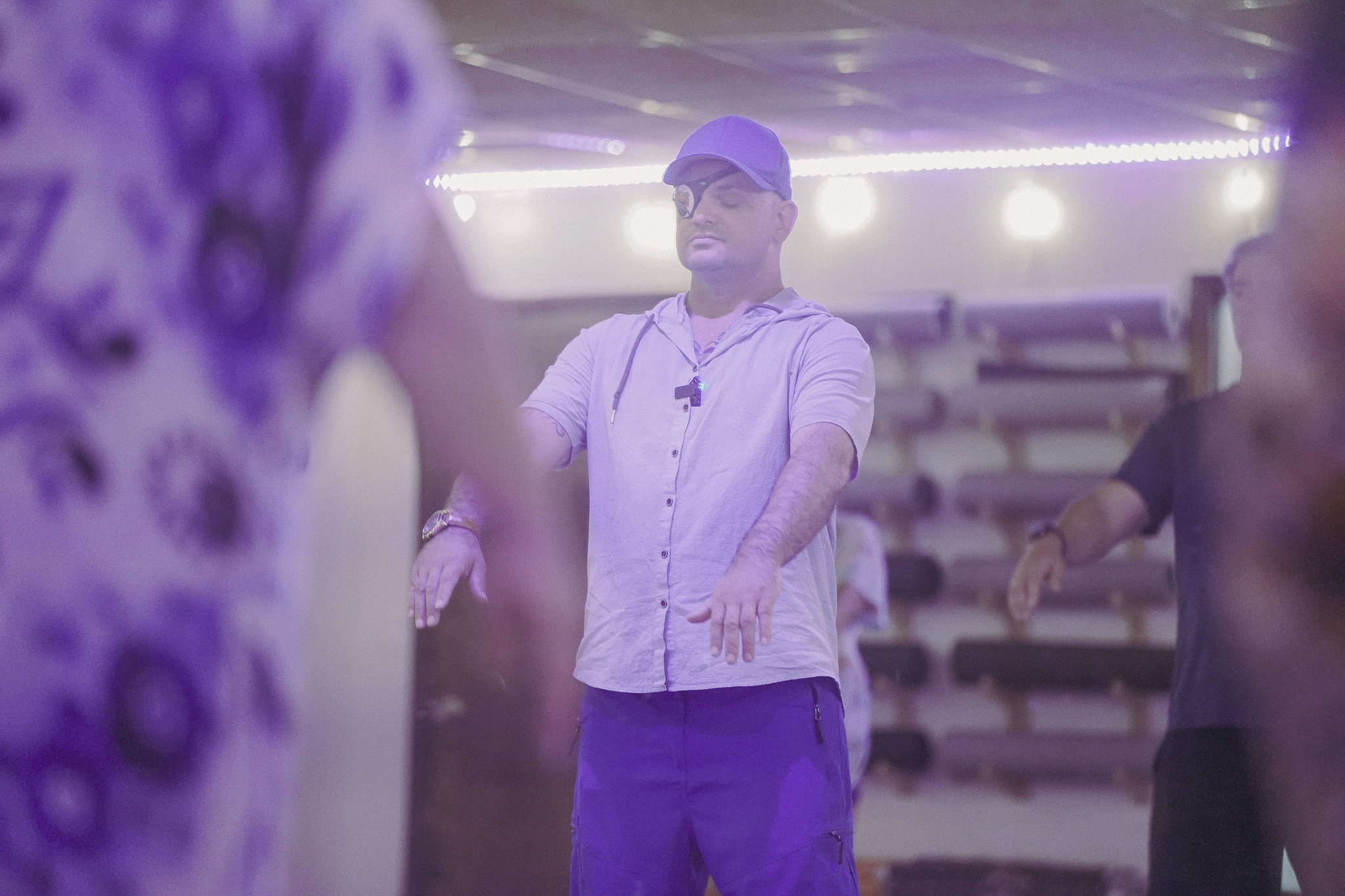
Transitions are one of the most revealing parts of Tai Chi. The space between one posture and the next requires attention. The practitioner has to shift weight, adjust balance, follow the breath, and stay present as the body moves through change.
This is often where reaction patterns become visible. A person may rush the transition, hold the breath, tighten the shoulders, or become frustrated when the movement does not feel smooth. These reactions are not failures. They are information. They show how the body responds when it is between one state and another.
Daily life is full of transitions. Moving from work into home, from calm into stress, from listening into speaking, from feeling into responding, and from uncertainty into action all require transition. Tai Chi helps people practice staying connected in those in-between moments, where reactions often happen quickly.
The transition teaches us how to stay present before choosing the next movement.
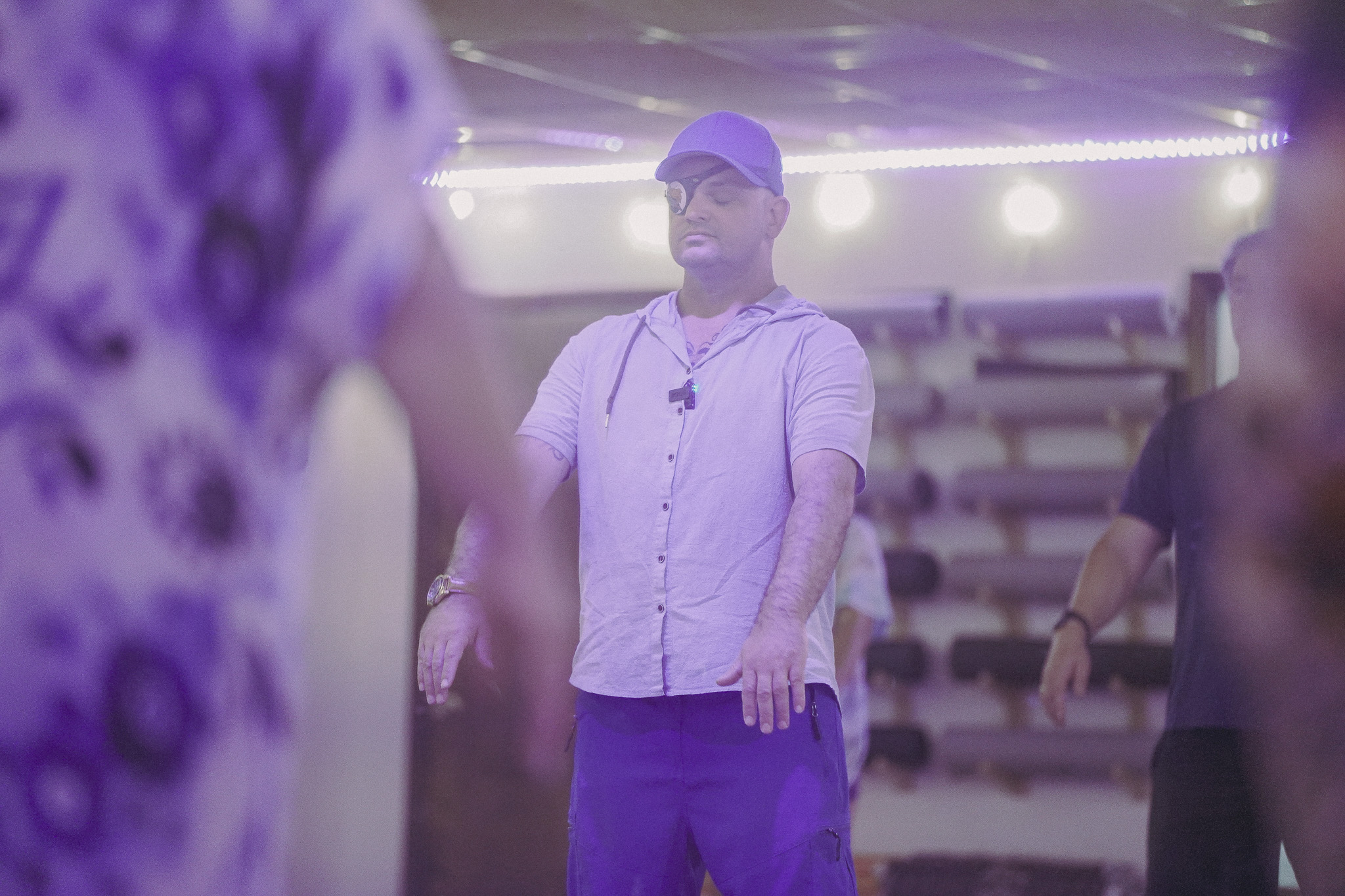
Tai Chi transitions teach patience, awareness, breath, and the ability to stay present before moving forward.
Balance teaches us how to stay with uncertainty
Many reactions are attempts to get away from uncertainty. When something feels unclear, uncomfortable, or emotionally charged, the body may want to resolve the discomfort quickly. This can look like rushing, interrupting, defending, shutting down, over-explaining, or trying to control the outcome.
Balance in Tai Chi teaches another possibility. When the body feels slightly unsteady, the practitioner learns to stay present long enough to adjust. A wobble does not require panic. Uncertainty does not require immediate force. The body can feel the feet, soften the knees, notice the breath, and make a small correction.
This can be helpful in daily life because many situations do not become clear right away. Conversations take time. Emotions need space. Decisions may require reflection. Conflict may require listening before responding. Tai Chi teaches the body how to remain with uncertainty without immediately reacting to escape it.
Balance teaches that uncertainty can be met with breath, grounding, and adjustment instead of immediate reaction.
Responding does not mean suppressing what you feel
Responding instead of reacting does not mean ignoring emotions. It does not mean pretending to be calm, silencing anger, avoiding conflict, or forcing yourself to stay composed at all costs. A response is not the absence of feeling. It is a more aware relationship with what is being felt.
Tai Chi supports this because it teaches people to notice what is present without immediately acting from it. A person may notice tension, impatience, discomfort, frustration, or uncertainty during practice. The goal is not to deny those experiences. The goal is to stay connected to the body while those experiences are happening.
This distinction matters. Reacting often happens when feeling moves directly into action without enough awareness. Responding becomes possible when there is enough space to feel, notice, breathe, and choose what comes next.
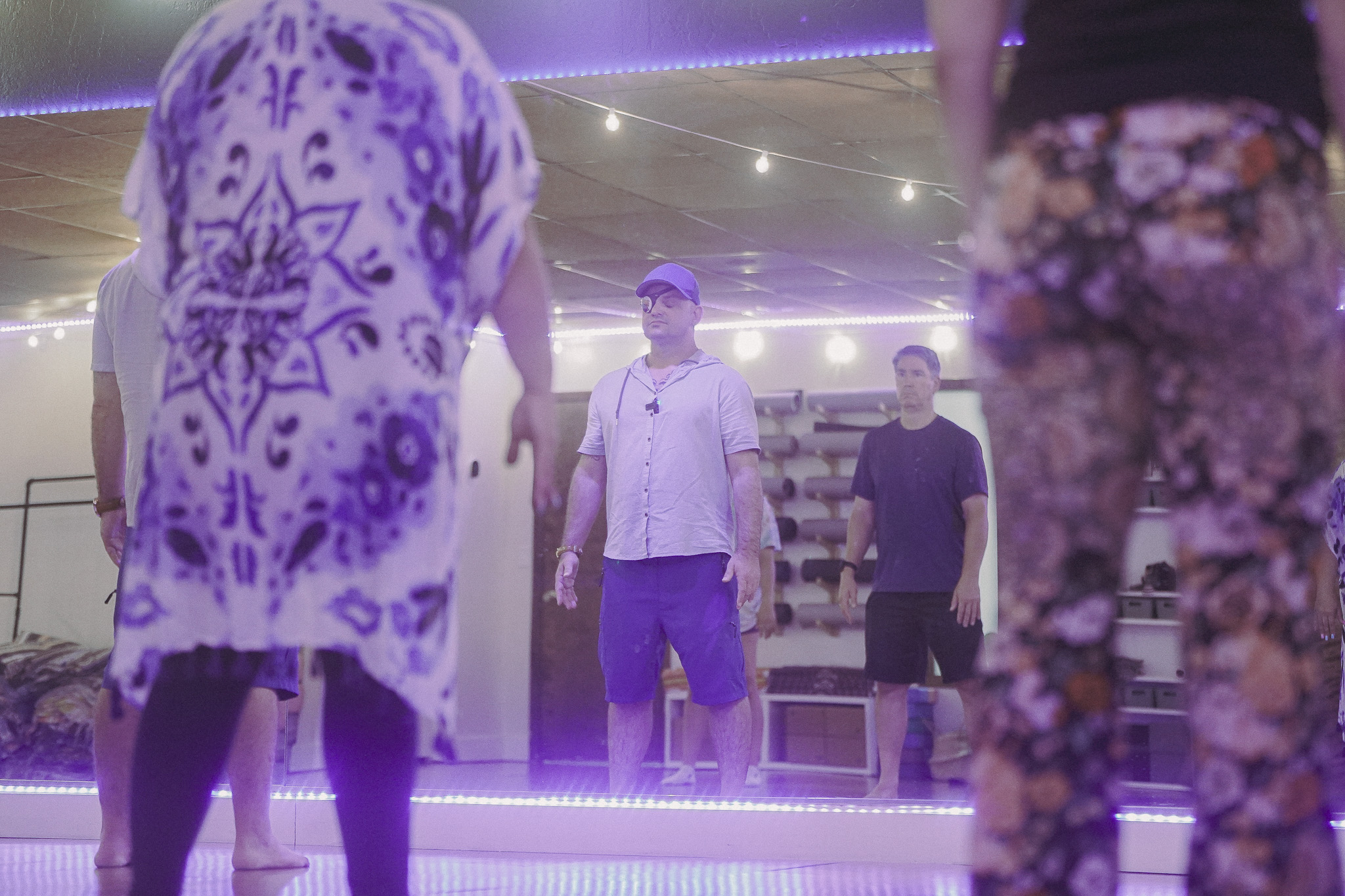
Responding does not ask you to stop feeling. It asks you to stay aware while feeling is present.

Tai Chi helps soften the habit of immediate reaction
Immediate reaction can become a habit when life is fast, stressful, or demanding. People may respond quickly because they are used to solving problems, protecting themselves, keeping up, or managing pressure. Over time, the body may begin treating many moments as urgent, even when a slower response would be more supportive.
Tai Chi helps soften this habit by practicing a slower relationship with action. Every movement gives the practitioner a chance to notice before moving. Every transition gives the body a chance to stay present. Every breath becomes an opportunity to return. This repetition can help the body become more familiar with responding from awareness.
This does not mean reactions disappear completely. Everyone reacts sometimes. The value of the practice is that it can create more opportunities to notice sooner, repair when needed, and return to a more grounded way of moving through life.
The goal is not to become someone who never reacts. The goal is to build more space, awareness, and choice.
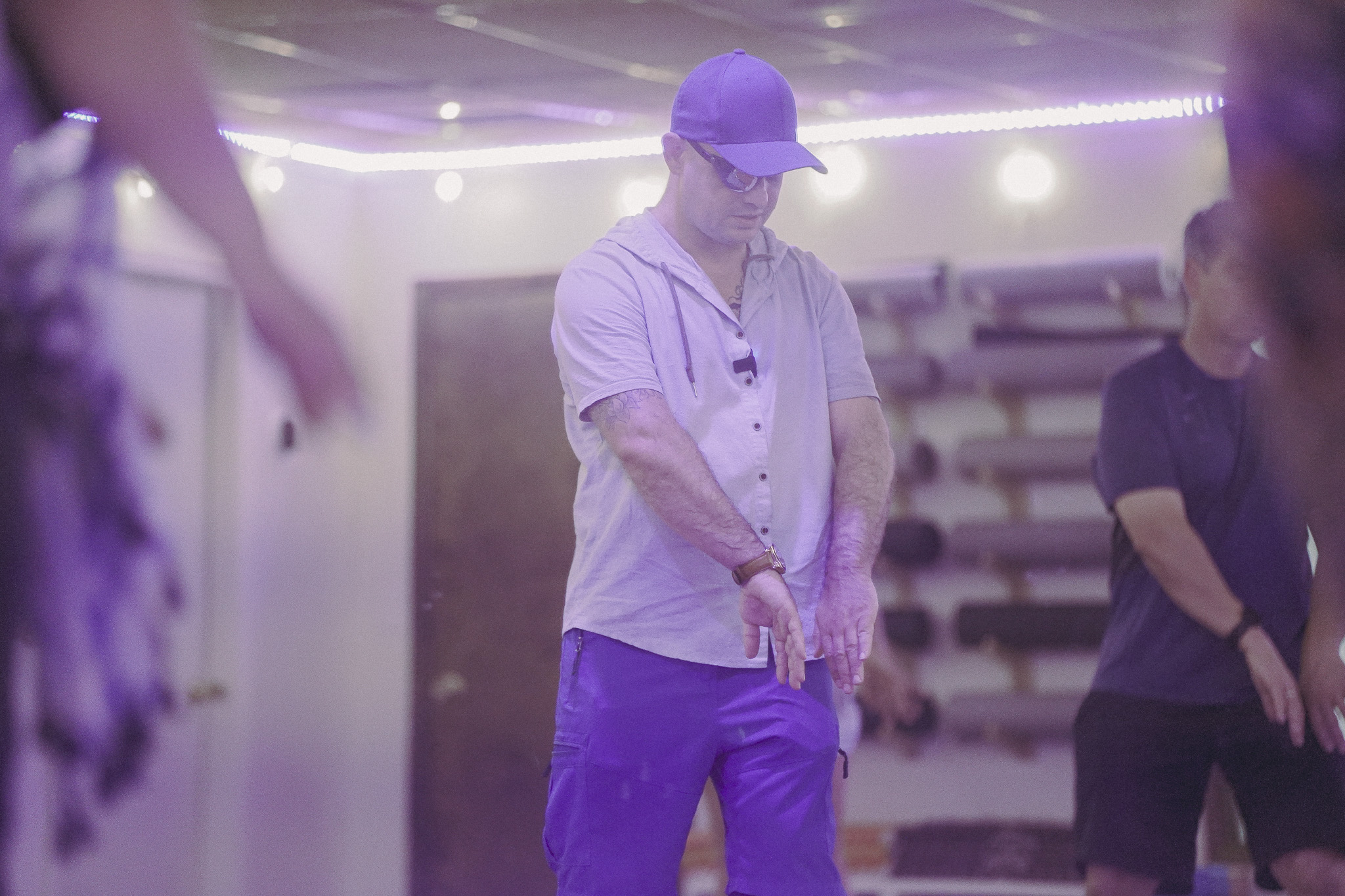
Tai Chi helps the body practice a slower relationship with action, breath, and response.
Daily life gives many chances to practice the pause
The lessons from Tai Chi can begin to show up in everyday moments. A person may notice the urge to respond quickly to a message, become defensive in a conversation, rush through a transition, or react from fatigue after a long day. These moments are not separate from the practice. They are where the practice becomes useful.
A pause does not have to be long to matter. One breath before answering can shift the tone of a conversation. Feeling the feet before responding can help the body feel more grounded. Softening the jaw before speaking can reduce unnecessary tension. Noticing a shallow breath can reveal that the body is activated and needs a moment.
Tai Chi helps people practice these small pauses through movement. Over time, the body may begin to recognize that it does not have to rush directly from feeling into action. There can be a moment of awareness in between.
Before Replying
Notice your breath, posture, and urgency before answering a message or email.
During Conflict
Feel the feet and take one breath before speaking from defensiveness or frustration.
When Overwhelmed
Pause long enough to notice whether the body is rushing, bracing, or needing support.
After Reacting
Return with compassion, notice what happened in the body, and use awareness to repair or reset.
Tai Chi is not a replacement for medical or mental health care
Tai Chi can be a supportive wellness practice for mindfulness, gentle movement, breath awareness, grounding, balance, body awareness, stress awareness, emotional wellbeing, and building more space before reacting, but it is not a replacement for medical care, therapy, medication, psychiatric support, trauma-informed treatment, anger management support, relationship counseling, workplace support, or crisis services. If someone is experiencing persistent distress, panic, depression, trauma symptoms, thoughts of self-harm, severe burnout, ongoing emotional dysregulation, unsafe relationship dynamics, or difficulty functioning, support from qualified professionals may be necessary.
At the same time, many people benefit from practices that help them slow down, notice the body, and create more space between feeling and action. Tai Chi can be one supportive part of a broader care routine because it offers a gentle, structured, and repeatable way to practice responding through movement.
The value of Tai Chi is not that it makes someone calm in every situation or eliminates every reaction. Its value is that it helps people build more awareness, more breath, and more choice in the moments where reactions usually happen automatically.
Tai Chi can support emotional awareness and stress regulation as part of a broader wellness routine, but it should not replace professional care when professional support is needed.
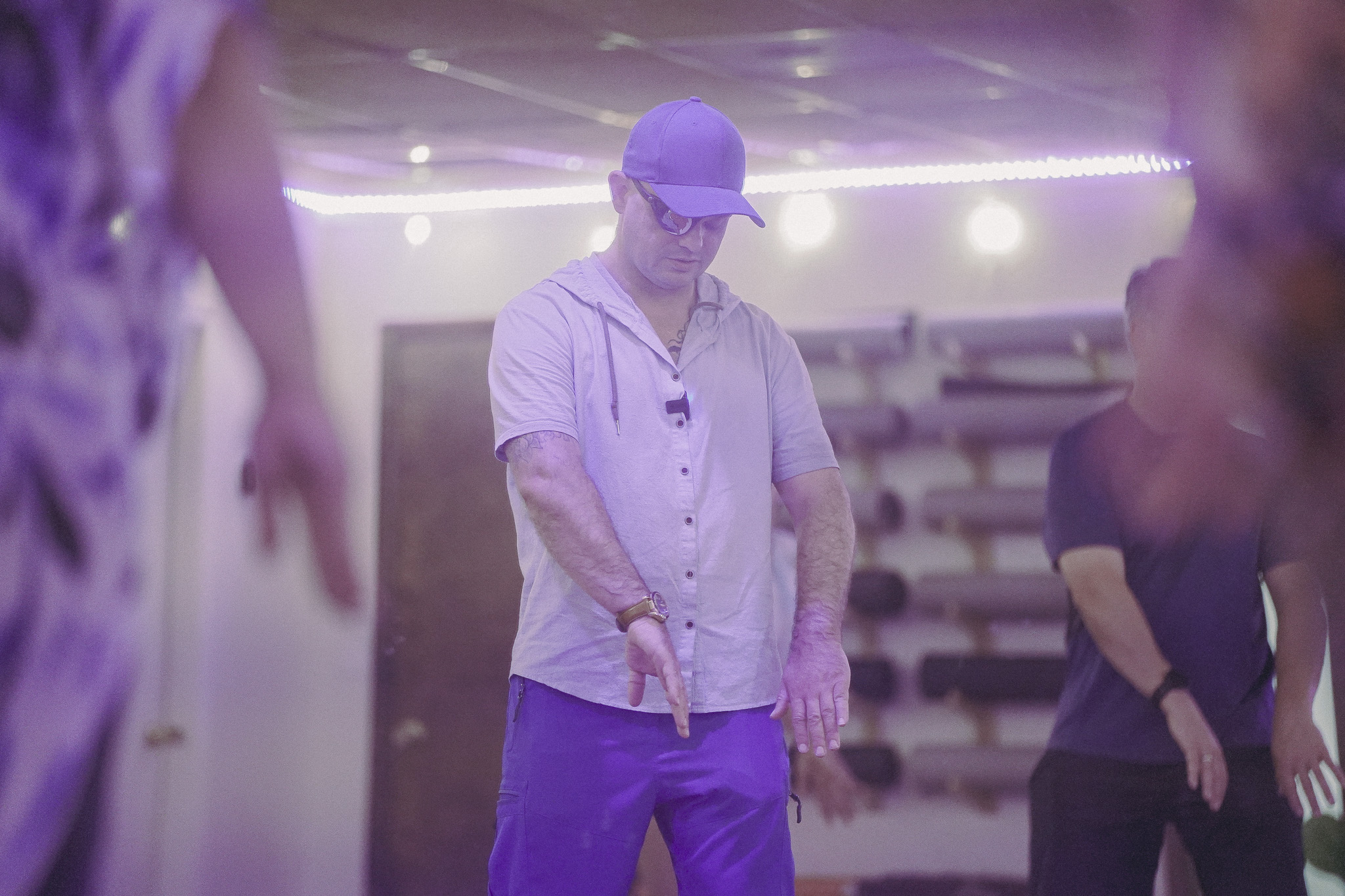
Tai Chi and The Healing Tree Collective
At The Healing Tree Collective, we understand that many people are trying to respond with more awareness while living under real pressure. Work stress, family responsibilities, caregiving, emotional fatigue, grief, uncertainty, and constant stimulation can make it difficult to pause before reacting.
Tai Chi fits naturally into our approach because it teaches response through the body. It does not require prior experience, advanced flexibility, athletic ability, or a perfectly calm mind. The practice invites people to breathe, feel the feet, notice tension, move slowly, and create space between sensation and action.
Our mission is to create accessible wellness spaces where people can heal, grow, and reconnect with themselves through practices that feel supportive, educational, and real. Tai Chi supports that mission because it helps people practice awareness in a way that can translate into relationships, work, stress, communication, and daily life.
At The Healing Tree Collective, Tai Chi is offered as a practice of response: a way to slow down, notice the body, breathe, and choose the next movement with more care.
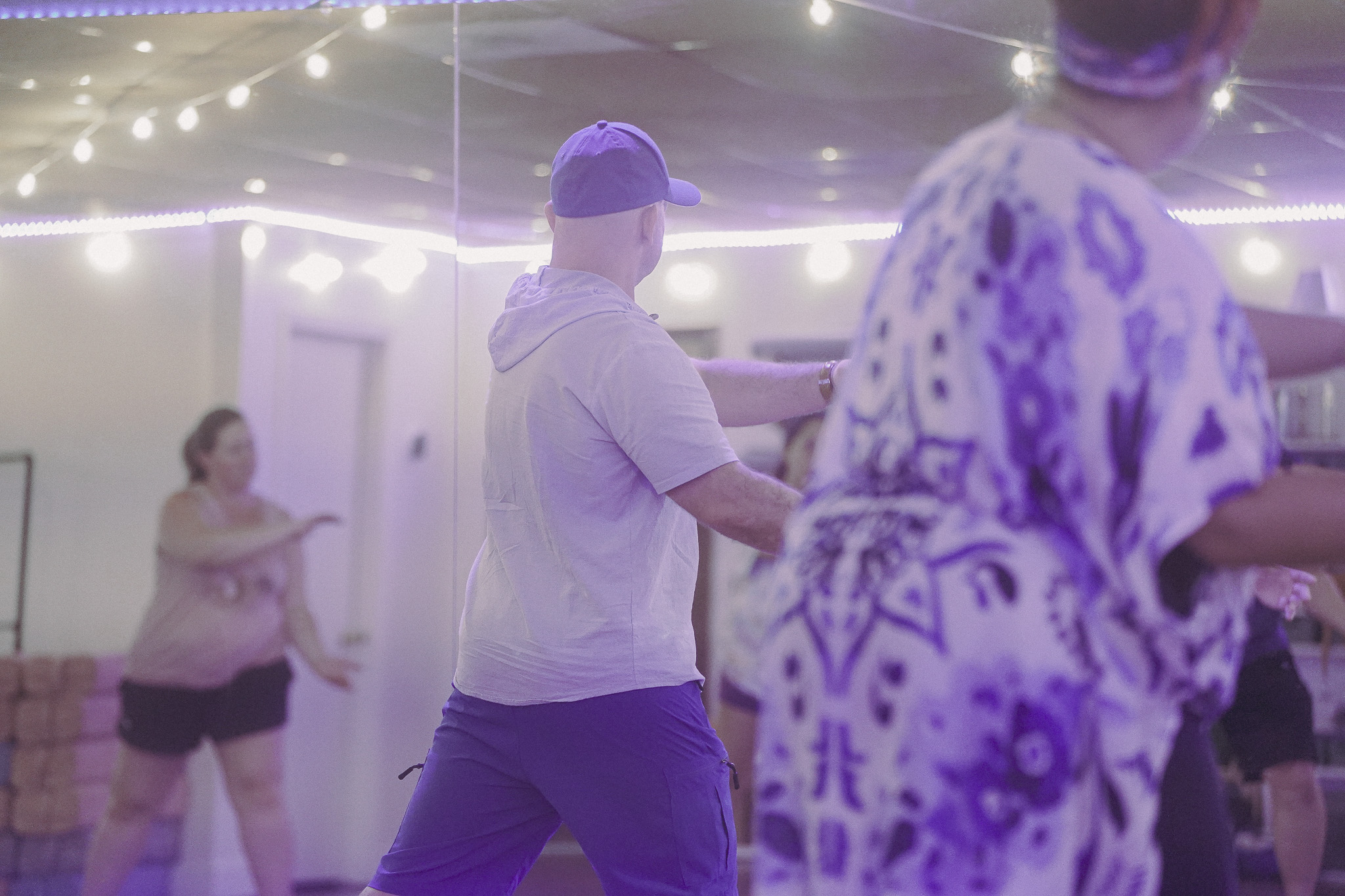
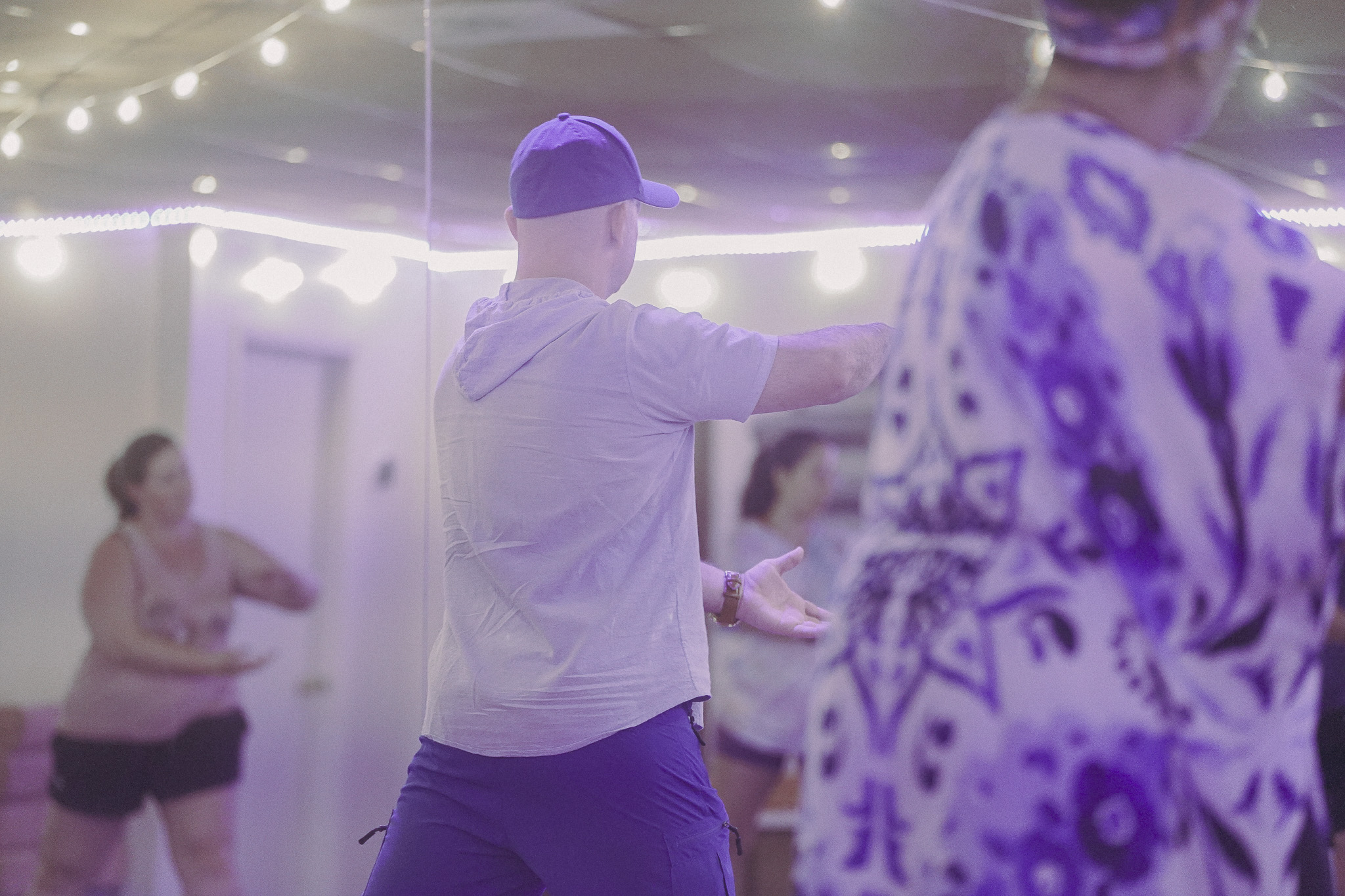
Final thoughts: response begins with the pause
Tai Chi teaches us that responding instead of reacting begins before the action. It begins in the breath, the posture, the feet, the transition, the balance, and the moment where the body notices what is happening before moving forward.
This practice does not make someone perfect. Everyone reacts sometimes. But Tai Chi can help create more space between what is felt and what is done. It teaches the body that there can be a breath before the next word, a pause before the next decision, and a moment of grounding before the next response.
For people who want to feel less reactive in daily life, Tai Chi offers a gentle and practical place to begin. The practice is not about suppressing emotion. It is about learning how to stay connected to yourself while emotion, stress, pressure, or uncertainty is present.
Tai Chi teaches that the space between reaction and response can be practiced through breath, body awareness, grounding, balance, and slow intentional movement.
Looking for Tai Chi to support stress awareness and emotional balance in Tempe, Arizona?
At The Healing Tree Collective, our beginner-friendly wellness classes are designed to support stress relief, mindfulness, grounding, body awareness, balance, and deeper connection. If you are curious about Tai Chi, gentle movement, moving meditation, or a practice that can help you respond with more awareness instead of reacting automatically, you are welcome to begin here.