28 July 2026
Why Tai Chi Is a Practice of Self-Trust, Not Performance
Many people come into movement practices carrying the belief that they need to do it right. They may worry about how they look, whether they are coordinated, if they are flexible enough, if they can remember the sequence, or if they are moving the way everyone else is moving.
This pressure can make it difficult to actually feel the body. Instead of listening inward, the mind starts comparing, correcting, judging, or trying to perform. The practice becomes about approval instead of awareness. For many beginners, this is one of the biggest barriers to starting something new.
Tai Chi offers a different relationship with movement. It teaches self-trust by helping people listen to their breath, feel their pace, notice their balance, respect their body, and practice without needing to perform perfectly.
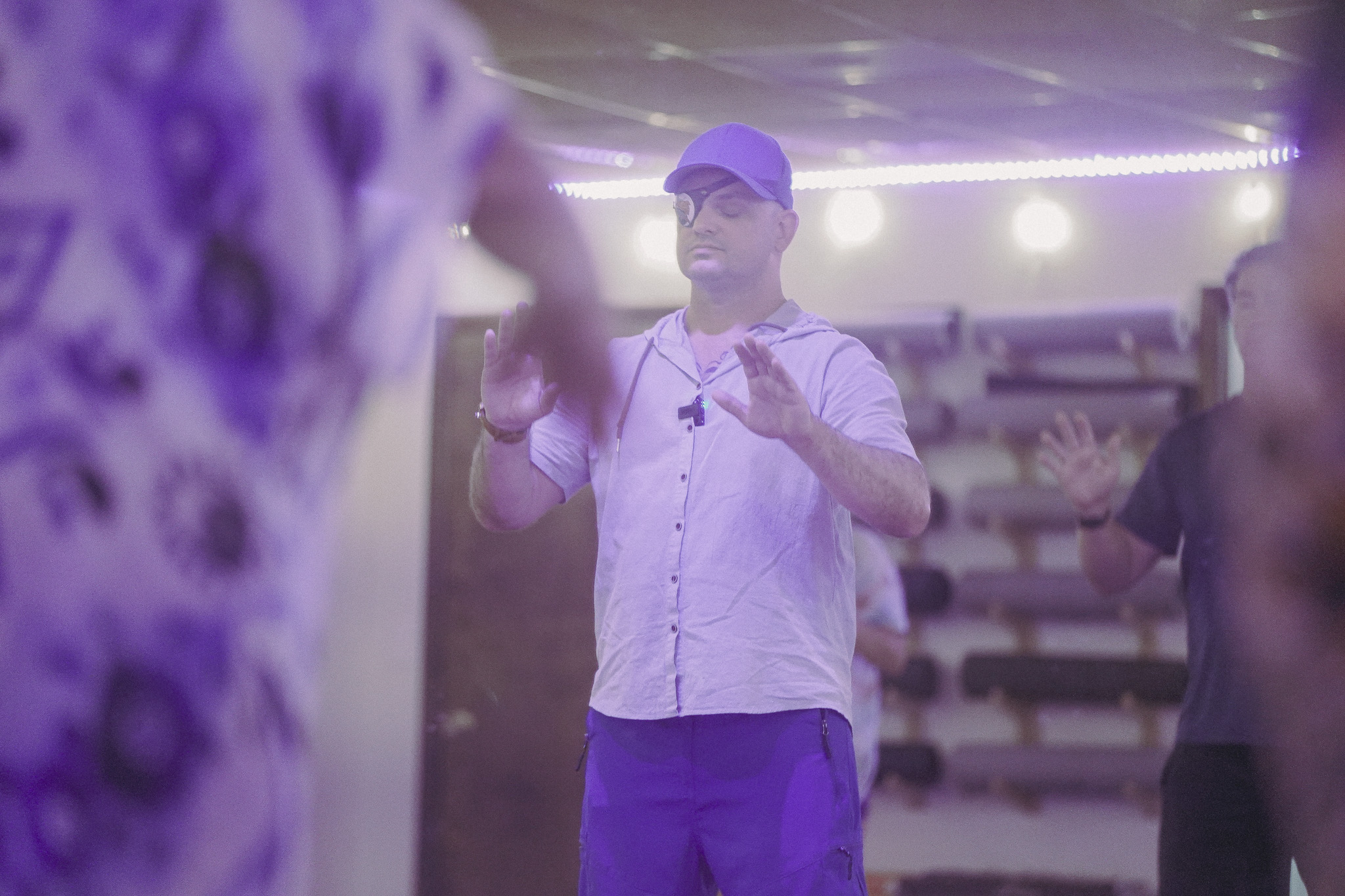
Tai Chi supports self-trust by inviting people to listen to the body, move at a sustainable pace, and practice without performance pressure.
Tai Chi may support self-trust by helping you:
Move from comparison into body awareness.
- Listen to your own body
- Respect your current pace
- Notice effort without forcing
- Practice balance without judgment
- Let repetition build confidence
- Focus less on how it looks
- Trust small adjustments over perfection
Performance pressure can disconnect you from the practice
Performance pressure often begins quietly. A person may enter a class and immediately start wondering if they look awkward, if they are behind, if they are doing the movement correctly, or if others can tell they are new. The attention moves outward. Instead of feeling the body, the mind begins watching the body from the outside.
This can create tension. The breath may become held. The shoulders may lift. The body may try to copy everything quickly instead of moving with awareness. The person may become so focused on getting it right that they miss the deeper purpose of the practice.
Tai Chi helps soften this pressure because the practice is not built around speed, intensity, or competition. The goal is not to impress anyone. The goal is to pay attention. When performance becomes less important, the body can become easier to hear.
Tai Chi is not asking you to prove something. It is inviting you to listen.
Self-trust begins with listening to the body
Self-trust does not always begin with confidence. Sometimes it begins with listening. A person may not feel confident in a new movement right away, but they can begin noticing how their body responds. Is the breath present? Are the shoulders tense? Is the movement being forced? Does the body need to slow down? Is there enough support through the feet?
These questions help shift the practice away from appearance and into awareness. Instead of asking, “Am I doing this perfectly?” the practitioner begins asking, “What is my body telling me?” This shift can be powerful because it gives the body a voice in the practice.
Over time, listening becomes part of self-trust. The practitioner learns that the body provides useful information through breath, posture, balance, tension, fatigue, ease, and discomfort. Tai Chi helps people build a relationship with these signals instead of ignoring them to keep up.
Self-trust grows when you begin treating the body’s signals as information instead of obstacles.
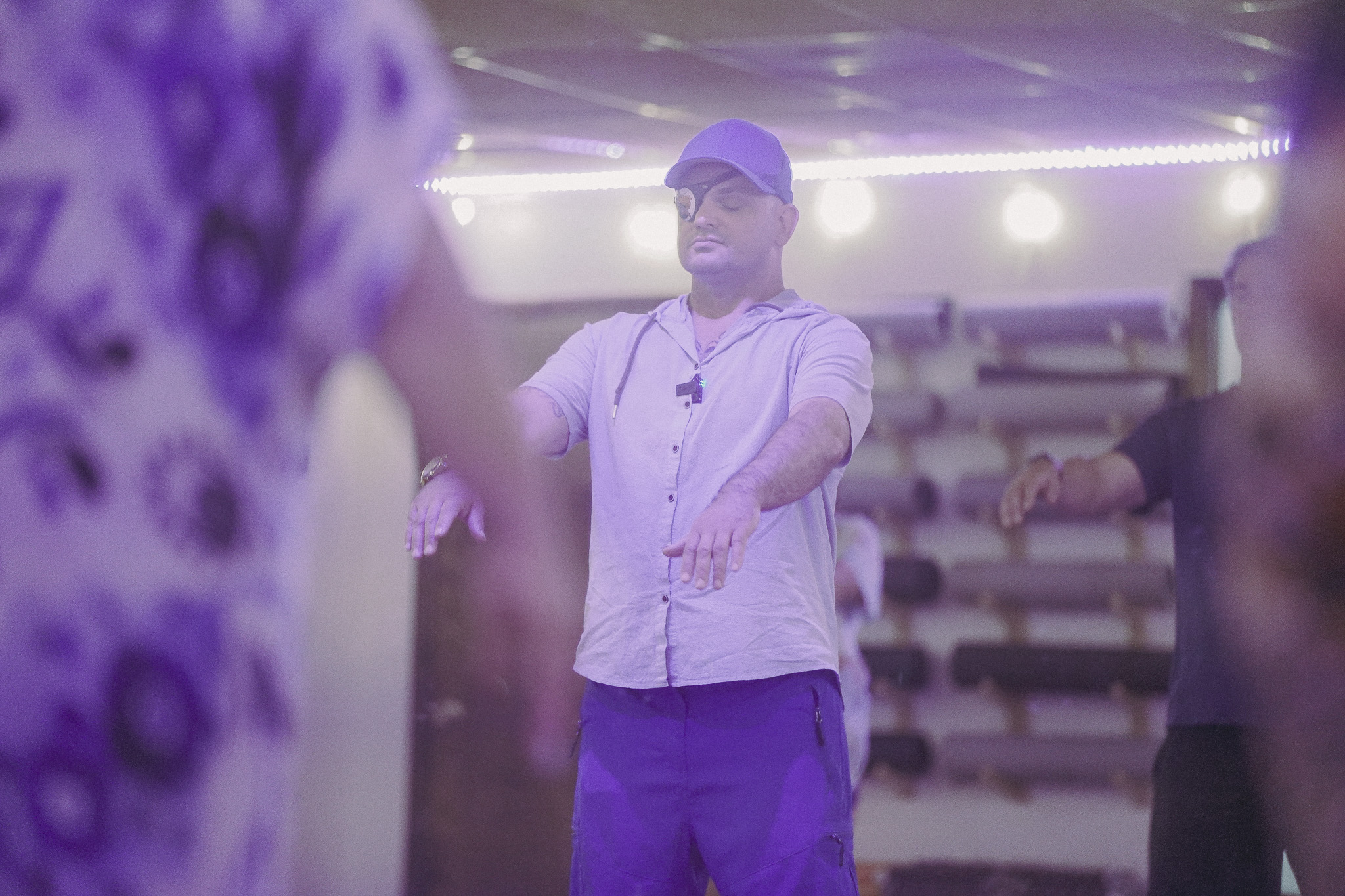
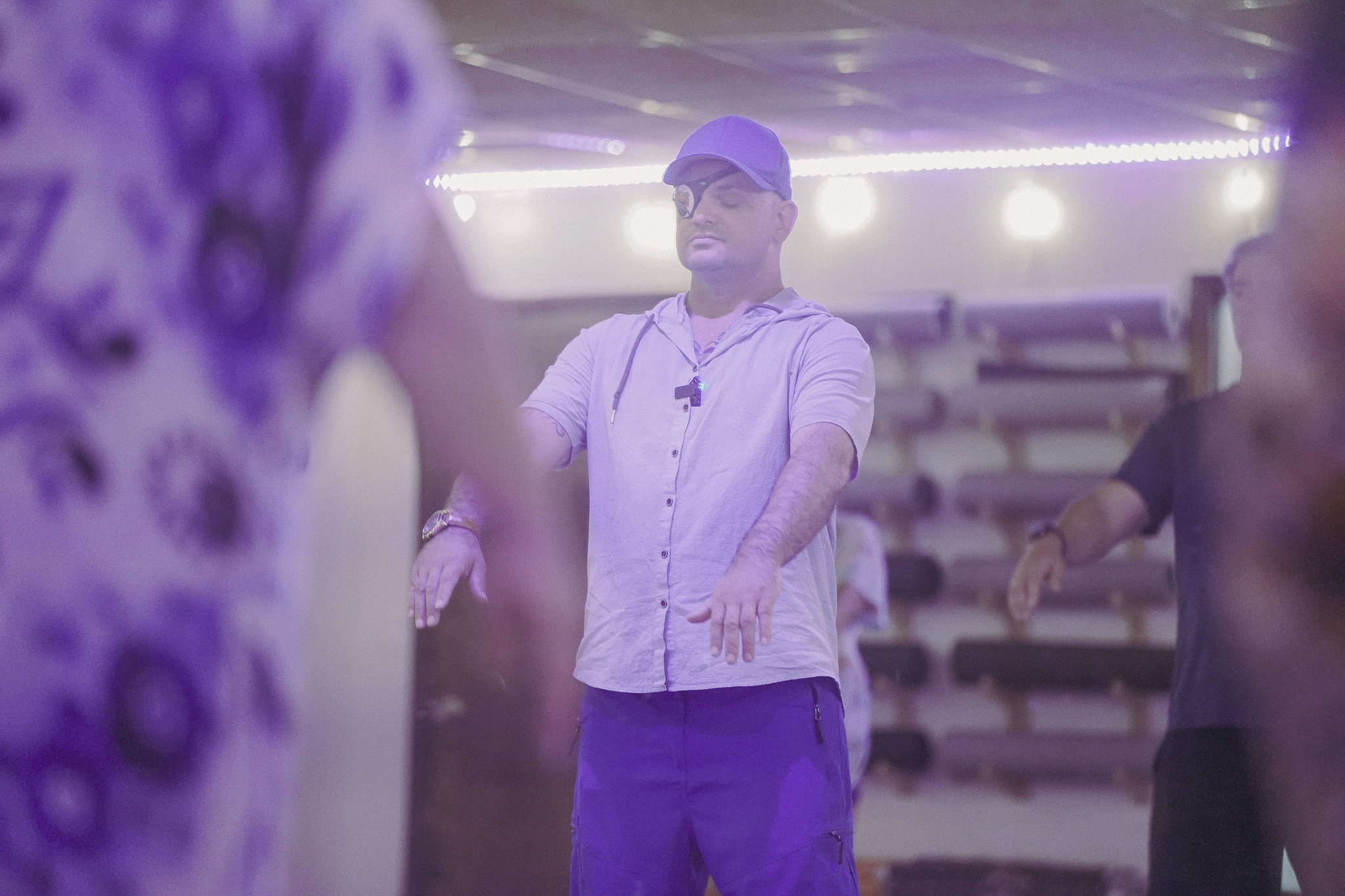
Tai Chi teaches you to trust your own pace
Many people are used to moving at the pace of the world around them. They rush because work moves quickly. They push because responsibilities keep building. They compare because social media, fitness culture, and daily life often reward visible achievement. In that kind of environment, trusting your own pace can feel unfamiliar.
Tai Chi teaches a different pace. The movements are slow enough for the practitioner to notice what is happening. This pace may feel uncomfortable at first, especially for people who are used to speed. But over time, the slower rhythm can help the body understand that it does not have to rush in order for the practice to matter.
Trusting your pace does not mean avoiding growth. It means allowing growth to happen without abandoning the body. It means recognizing that a slower practice can still be strong, valuable, and meaningful.
Your pace is not a problem to fix. In Tai Chi, your pace becomes part of how you learn.
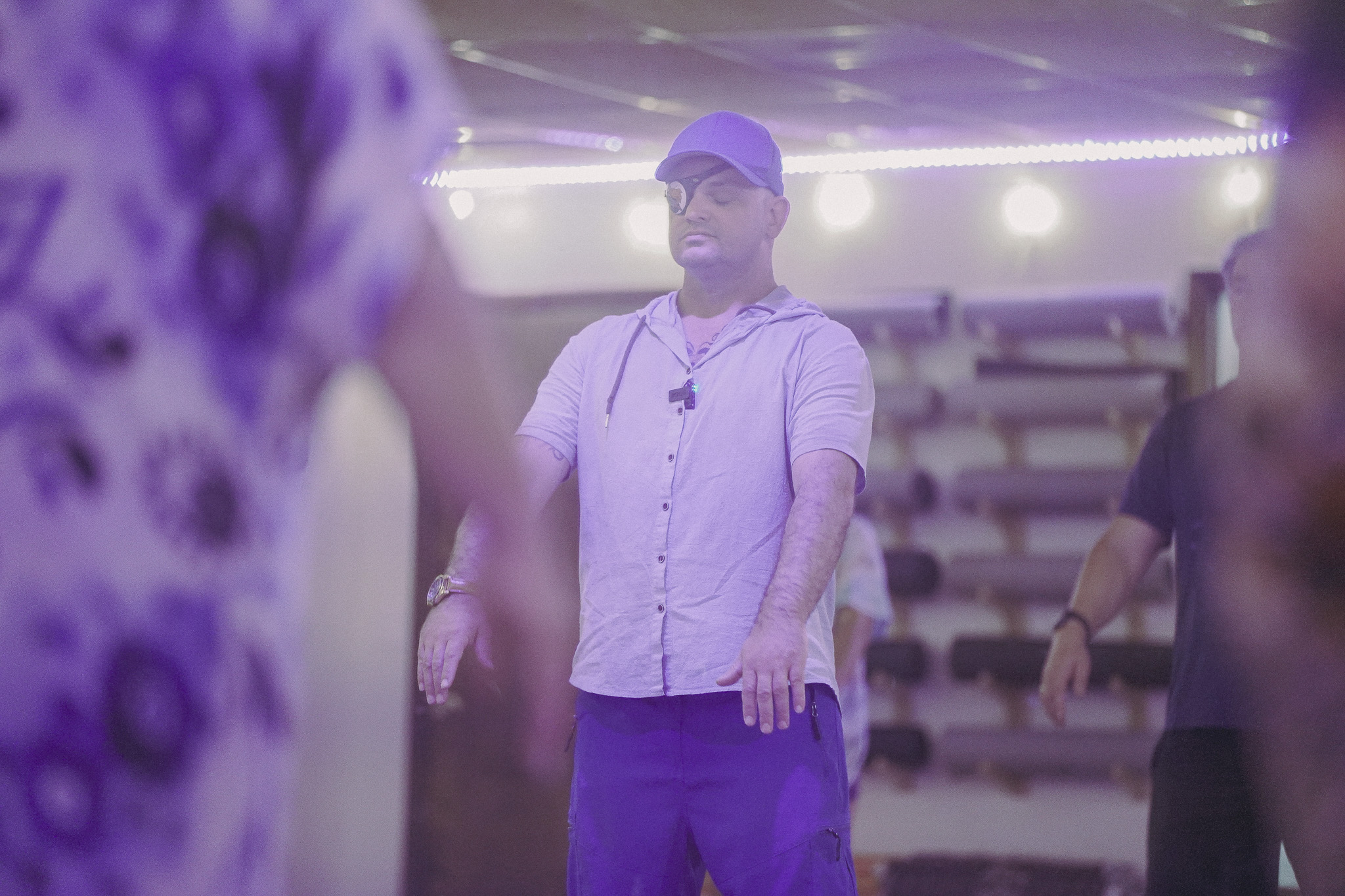
Tai Chi helps people practice a pace that is connected to awareness instead of pressure.
Balance teaches trust through adjustment, not perfection
Balance is one of the clearest places where self-trust can develop in Tai Chi. Many people think balance means staying perfectly steady. But in practice, balance is often built through small adjustments. The body senses, shifts, corrects, and returns.
A wobble does not mean the practice has failed. It means the body is learning how to respond. It may need more grounding through the feet, a softer knee, a slower breath, or a more patient transition. Each small adjustment becomes part of the learning process.
This can be deeply supportive for people who judge themselves quickly. Tai Chi teaches that imperfection is not a reason to stop. It is information. The body can lose balance slightly and still return. That experience can help rebuild trust, especially for people who are used to seeing mistakes as proof that they are not good enough.
Balance teaches self-trust by showing that you can wobble, adjust, and still return.
Wobbling
Does not mean failure. It shows where the body is learning, adjusting, and finding support.
Adjusting
Helps the body discover steadiness through small changes instead of force.
Returning
Builds trust by showing that being pulled off center is not the end of the practice.
Learning
Becomes easier when mistakes are treated as feedback instead of judgment.
The breath can help you recognize when you are trying too hard
When people move from performance pressure, the breath often changes. A person may hold the breath while trying to do the movement correctly, breathe shallowly while comparing, or restrict the breath while attempting to control the body. These patterns can reveal when effort has become pressure.
In Tai Chi, breath awareness helps people notice this shift. The breath becomes a signal. If the breath disappears, the body may be overworking. If the breath tightens, the mind may be trying to force the movement. If the breath becomes available again, the body may be finding a more supportive rhythm.
This awareness can help people practice self-trust because it teaches them to listen for internal cues. Instead of only asking whether the movement looks right, the practitioner can ask whether the body is breathing, supported, and present.
The breath can tell you when you are practicing from trust and when you are practicing from pressure.


Self-trust grows when you stop comparing your practice to someone else’s
Comparison can be one of the biggest barriers to self-trust. In a class setting, a beginner may notice someone who looks more fluid, more experienced, more balanced, or more confident. The mind may quickly turn that observation into self-judgment.
Tai Chi helps soften comparison by bringing attention back to internal experience. The practice asks each person to feel their own feet, follow their own breath, notice their own balance, and stay connected to their own body. No one else can do that part for them.
This does not mean the group does not matter. Practicing with others can be supportive and grounding. But the purpose is not to match everyone else perfectly. The purpose is to remain in relationship with your own body while sharing a practice space with others.
Self-trust grows when your attention returns from how others are moving to what your own body is telling you.
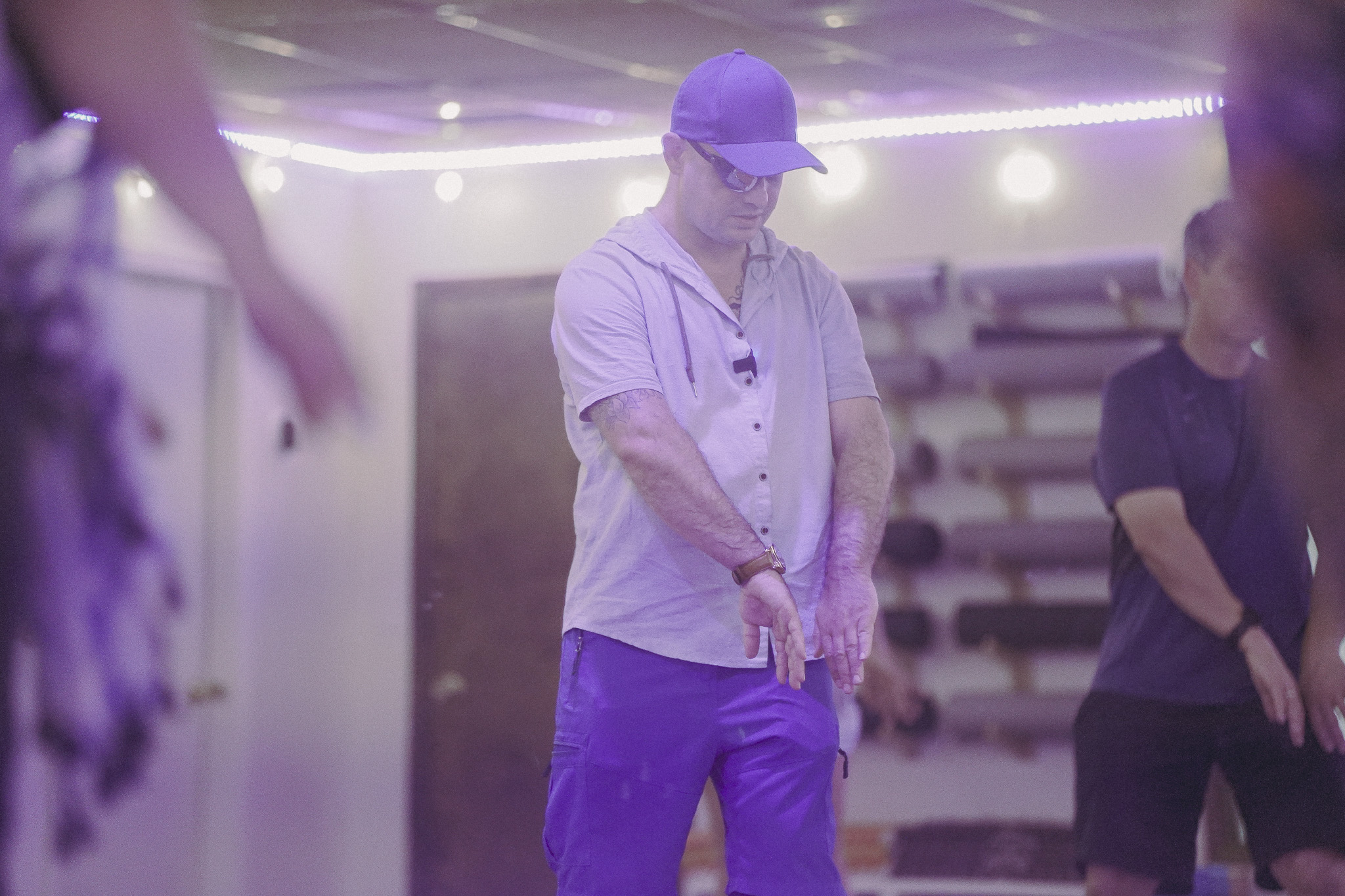
Tai Chi helps people release comparison and return to their own breath, body, balance, and pace.
Tai Chi does not require a perfectly calm mind
Some people avoid practices like Tai Chi because they believe they need to be calm before they begin. They may worry that their mind is too busy, their body is too tense, or their attention is too scattered. This belief can keep people from receiving support because they assume they need to arrive already regulated.
Tai Chi does not require a perfectly calm mind. It gives the busy mind a place to practice returning. Thoughts may appear. Attention may wander. The body may feel awkward. The sequence may be unfamiliar. None of this means the practice is not working.
Self-trust develops when people realize they can show up as they are and still participate. They do not need to arrive perfect. They can arrive human, distracted, tired, uncertain, or new. The practice begins from there.
Tai Chi teaches that you do not have to be calm, confident, or perfectly focused before you begin.
Repetition builds confidence without forcing it
Self-trust often develops through repeated experience. At first, a movement may feel unfamiliar. The sequence may be hard to remember. Balance may feel inconsistent. The body may need time to understand what is being asked. This early stage can bring up frustration if someone expects immediate confidence.
Tai Chi teaches that confidence does not have to be forced. It can grow slowly through repetition. Each practice gives the body another opportunity to feel the movement, understand the transition, notice the breath, and return to the same pattern with more familiarity.
This gradual process matters because many people have learned to trust themselves only when they feel certain. Tai Chi offers another kind of trust. It helps people learn that they can participate while still learning, adjust while still uncertain, and keep returning even when the movement is not perfect.
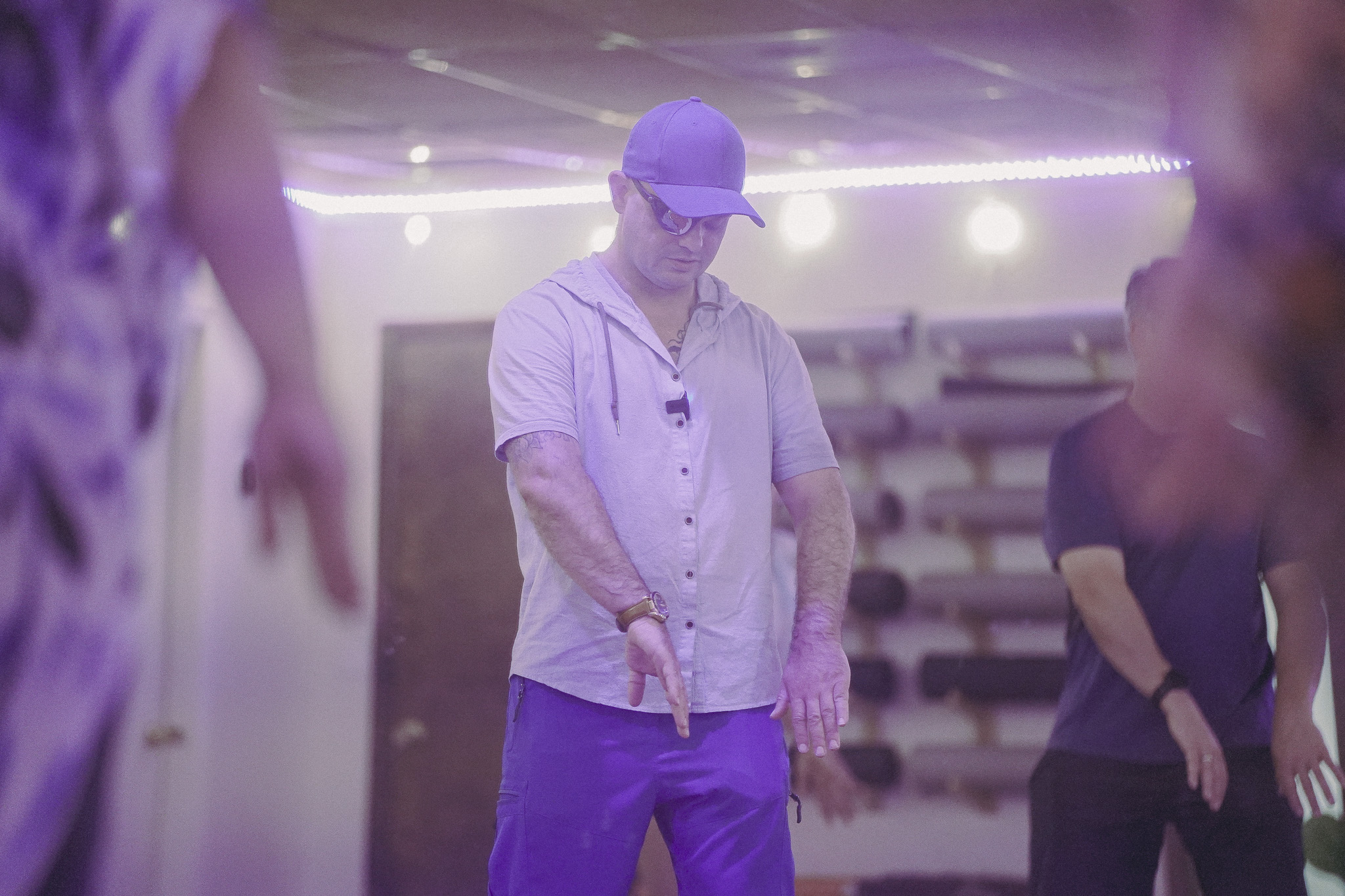
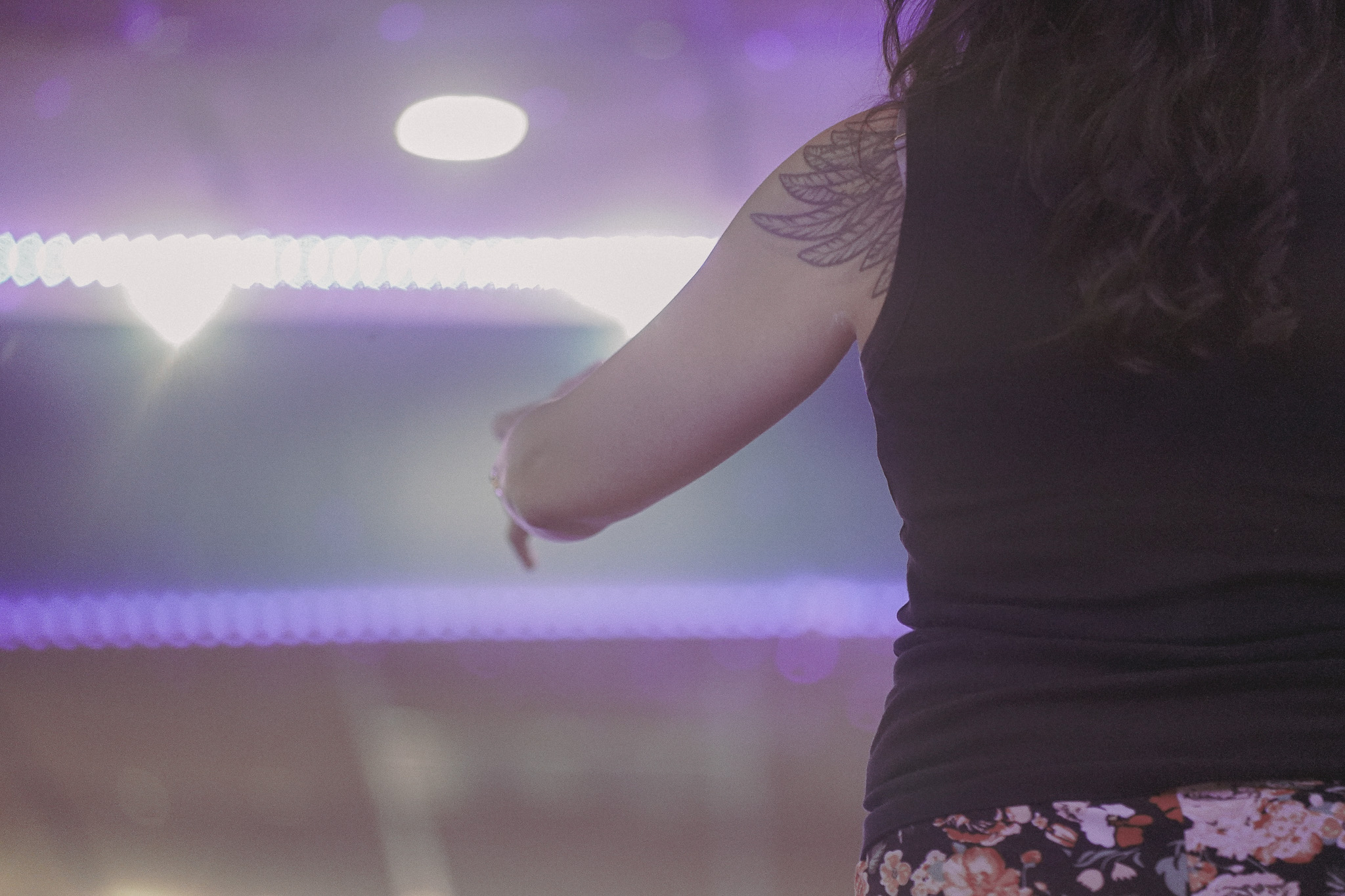
Self-trust grows when repetition teaches the body, “I can return. I can learn. I do not have to master this immediately.”
Self-trust includes knowing when to soften
Many people associate self-trust with pushing through. They think trusting themselves means being disciplined, strong, and able to keep going no matter what. But Tai Chi offers a more balanced understanding. Sometimes self-trust means recognizing when the body needs to soften.
During practice, a person may notice that they are using more effort than necessary. The jaw may clench. The shoulders may lift. The knees may lock. The breath may disappear. These signals can show that the body is trying to force the movement instead of listening to it.
Learning to soften does not mean giving up. It means working with the body more honestly. It means trusting that ease can be useful, that support matters, and that less force can sometimes create more connection.
Self-trust is not only knowing when to push. It is also knowing when to soften, breathe, and listen.
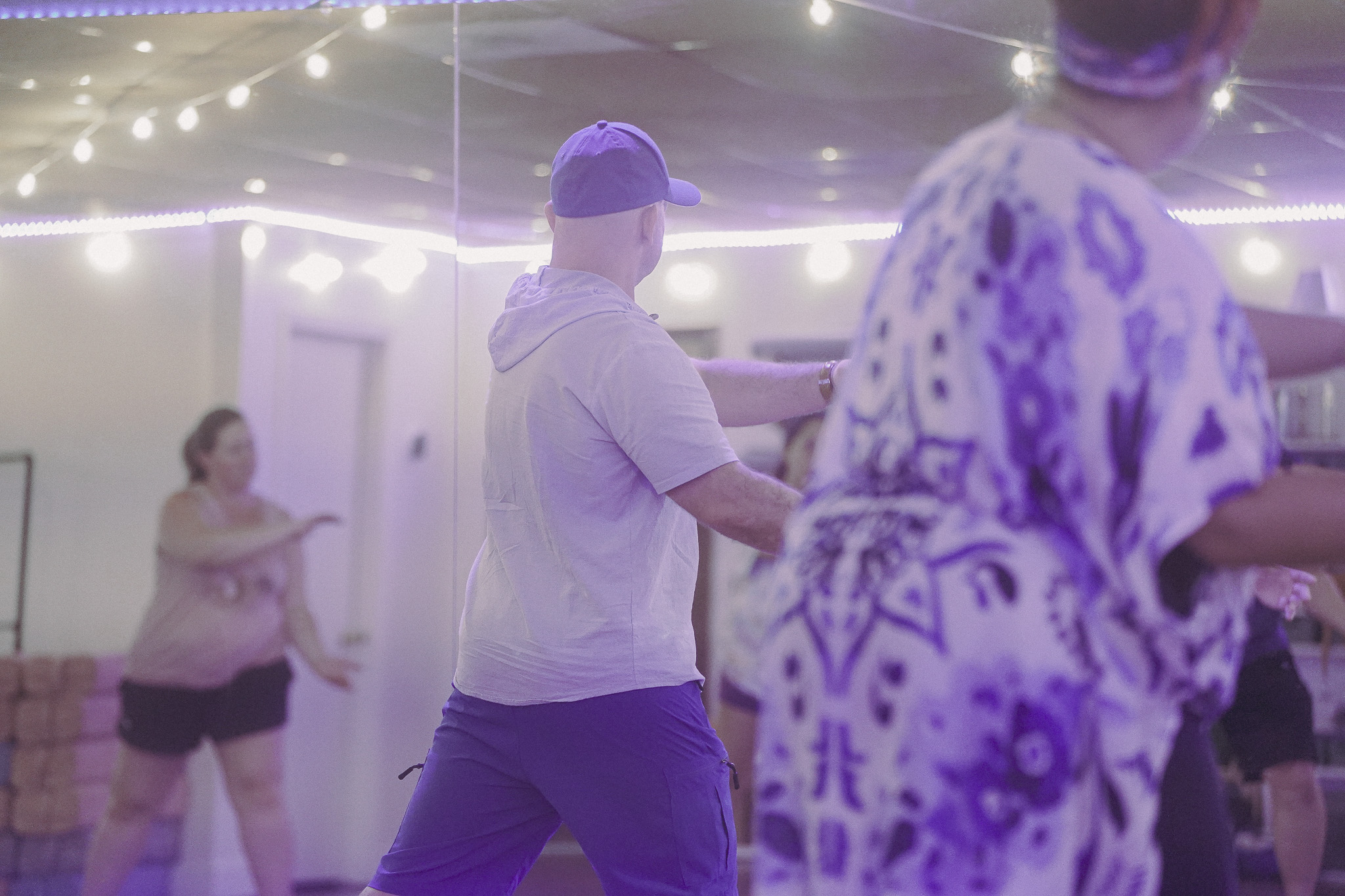
Tai Chi helps people recognize when the body is forcing and when it may need more ease, breath, and support.
A non-performance practice can support emotional safety
For some people, performance pressure is not only uncomfortable. It can feel emotionally unsafe. They may have past experiences of being judged, corrected harshly, compared, embarrassed, or made to feel like their body was not enough. These experiences can make new movement practices feel vulnerable.
Tai Chi can be supportive because it creates a slower and more spacious environment for learning. The practice does not require loud intensity, fast correction, or public performance. People can begin by following along, noticing their own body, and allowing the practice to become familiar over time.
This does not mean discomfort never appears. Learning something new can still feel vulnerable. But a non-performance approach gives people more room to be beginners. It allows them to build trust with the practice gradually, without needing to prove their worth through immediate skill.
A practice becomes more supportive when beginners are allowed to learn without feeling like they have to perform belonging.
Beginner-Friendly
You do not need previous Tai Chi experience to begin learning slowly and respectfully.
Body-Aware
The practice invites you to listen to breath, balance, posture, and internal signals.
Non-Competitive
The goal is not to outperform others. The goal is to stay connected to yourself.
Gradual
Trust develops over time through repetition, patience, and small moments of return.
How self-trust in Tai Chi can support daily life
The self-trust practiced in Tai Chi can begin to show up outside of class. A person may become more willing to listen to fatigue instead of pushing through automatically. They may notice the breath before reacting. They may trust a slower response during a stressful conversation. They may recognize that their body needs support before stress becomes overwhelming.
This is where Tai Chi becomes practical. The practice is not only about the movements themselves. It is about building a relationship with your own internal signals. The more often you listen during practice, the more familiar listening can become in daily life.
Self-trust does not mean always knowing exactly what to do. It means having a stronger relationship with yourself while you figure out what comes next. Tai Chi helps people practice that relationship through movement, breath, grounding, balance, and repeated returns to the body.
At Work
You may trust your body’s signal that it needs a pause, a breath, or a slower transition.
In Relationships
You may notice tension or urgency before responding and choose a more grounded next step.
During Stress
You may recognize when the body is bracing and return to breath, feet, and support.
During Growth
You may allow yourself to learn gradually instead of judging yourself for not being further ahead.
Tai Chi is not a replacement for medical or mental health care
Tai Chi can be a supportive wellness practice for self-trust, mindfulness, gentle movement, breath awareness, grounding, balance, body awareness, stress awareness, and emotional wellbeing, but it is not a replacement for medical care, physical therapy, therapy, medication, psychiatric support, trauma-informed treatment, or crisis services. If someone is experiencing persistent pain, significant distress, panic, depression, trauma symptoms, thoughts of self-harm, severe burnout, or difficulty functioning, support from qualified professionals may be necessary.
At the same time, many people benefit from practices that help them listen to the body, reduce performance pressure, and build a more compassionate relationship with themselves. Tai Chi can be one supportive part of a broader care routine because it offers a gentle, structured, and repeatable way to practice self-trust through movement.
The value of Tai Chi is not that it makes every movement perfect or eliminates self-doubt. Its value is that it gives people repeated opportunities to listen, adjust, return, and learn that their body can be trusted as part of the practice.
Tai Chi can support self-trust and body awareness as part of a broader wellness routine, but it should not replace professional care when professional support is needed.
Tai Chi and The Healing Tree Collective
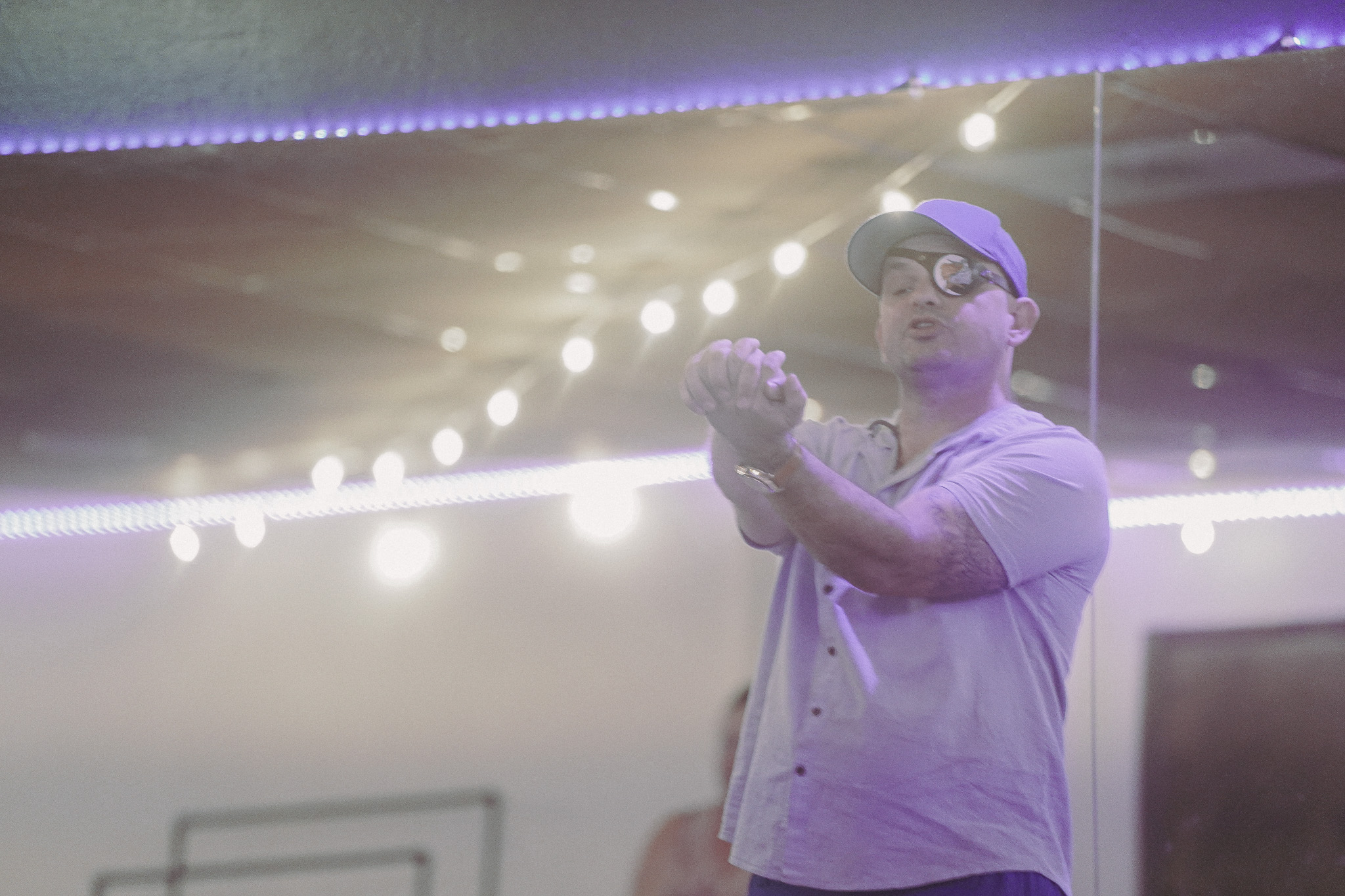
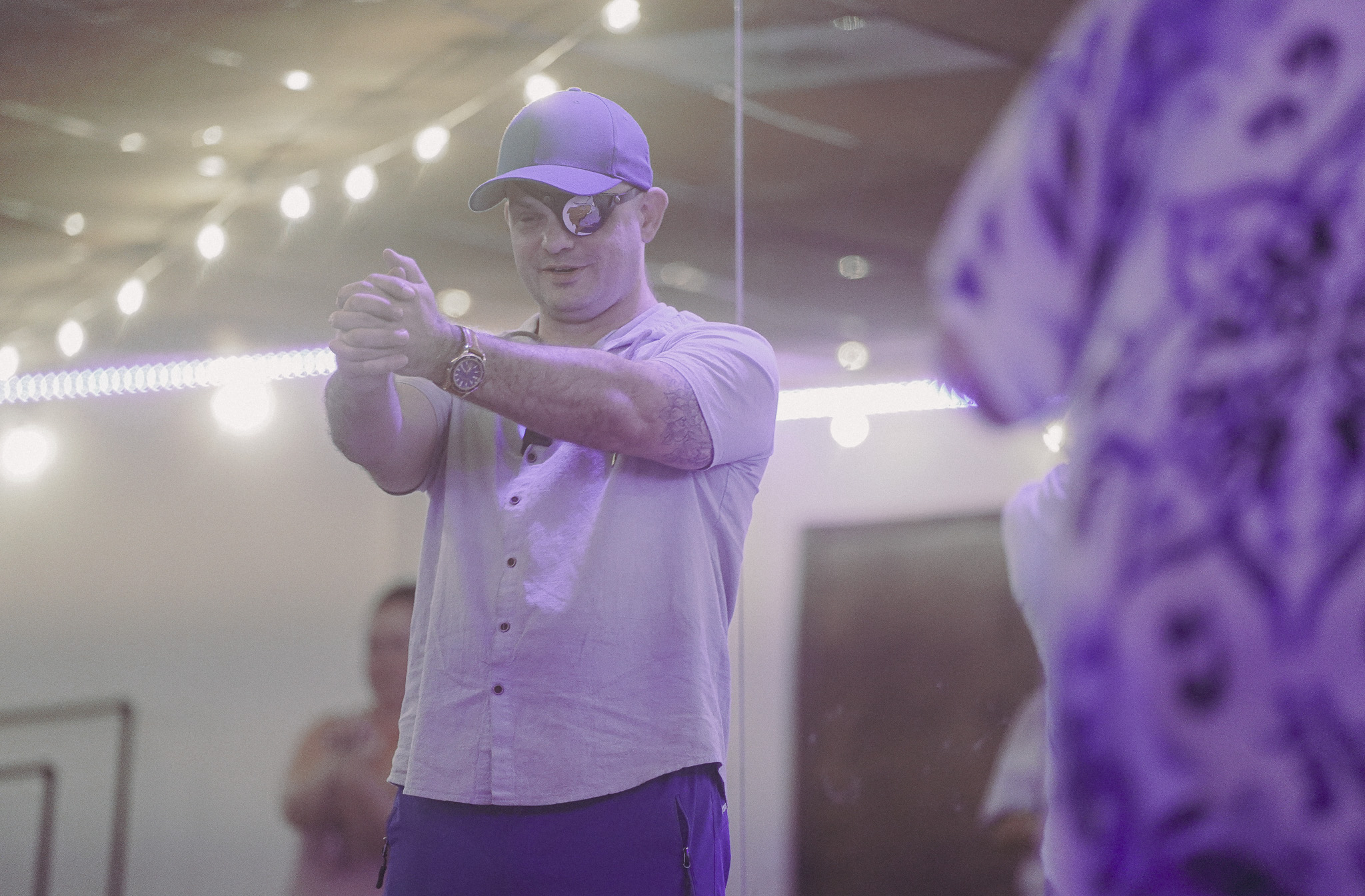
At The Healing Tree Collective, we understand that many people arrive in wellness spaces with pressure already living in their bodies. They may feel pressure to get it right, heal quickly, be flexible, stay calm, move beautifully, understand everything immediately, or look like they know what they are doing.
Tai Chi fits naturally into our approach because it offers a different way to practice. It does not require prior experience, advanced flexibility, athletic ability, or a perfectly calm mind. The practice invites people to breathe, feel the feet, move slowly, notice the body, and trust the process one step at a time.
Our mission is to create accessible wellness spaces where people can heal, grow, and reconnect with themselves through practices that feel supportive, educational, and real. Tai Chi supports that mission because it reminds people that the purpose is not performance. The purpose is relationship: with breath, body, attention, support, and self-trust.
At The Healing Tree Collective, Tai Chi is offered as a practice of self-trust: a way to move slowly, listen inward, release performance pressure, and reconnect with your body with care.
Final thoughts: the practice is not about proving yourself
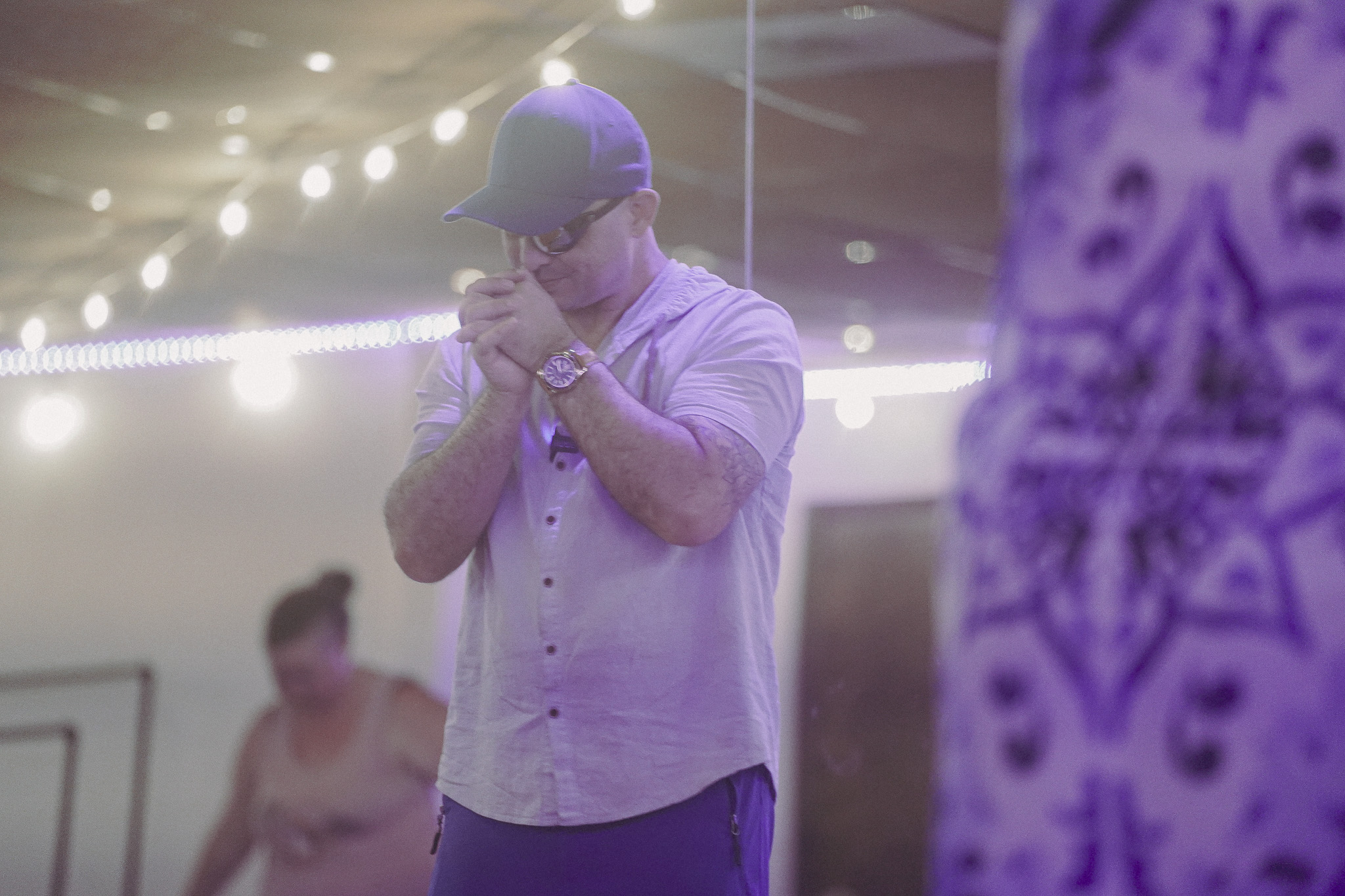
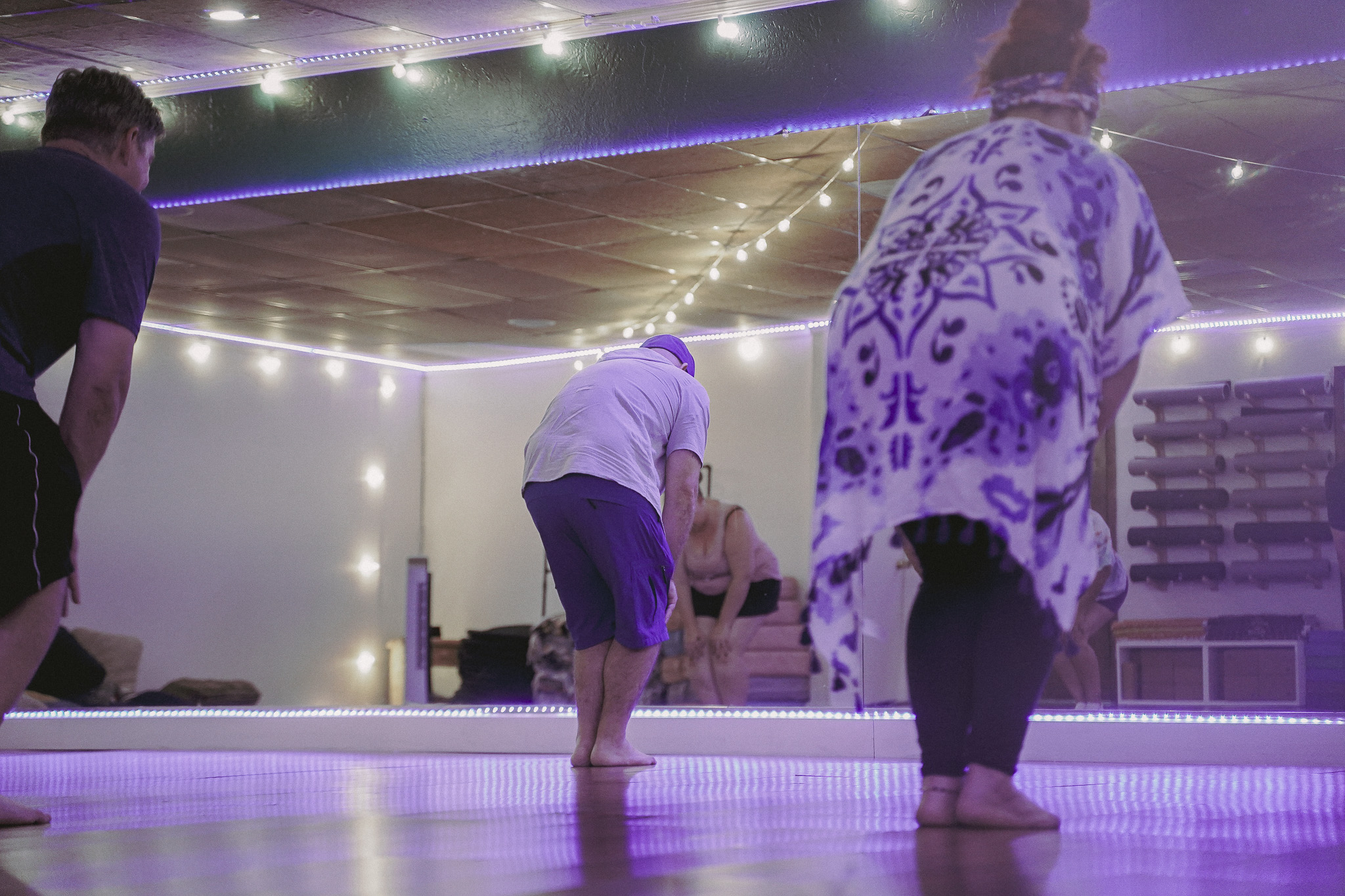
Tai Chi is a practice of self-trust, not performance. It teaches people to listen to the body, respect their pace, notice breath and balance, adjust without shame, and return when the mind begins to compare or judge.
This does not mean the movements do not matter. They do. But the movements are not meant to become another way to criticize yourself. They are a pathway into awareness. They help you notice how the body responds, how the breath changes, where tension gathers, and what support feels like.
For people who feel intimidated by movement, self-conscious in classes, or used to performing their way through life, Tai Chi offers a different invitation. You do not have to prove that you belong in the practice. You can begin exactly where you are and let the practice teach you how to trust yourself again.
Tai Chi reminds us that self-trust is built through listening, adjusting, softening, returning, and allowing the body to be part of the learning.
Looking for beginner-friendly Tai Chi in Tempe, Arizona?
At The Healing Tree Collective, our beginner-friendly wellness classes are designed to support stress relief, mindfulness, grounding, body awareness, balance, and deeper connection. If you are curious about Tai Chi, gentle movement, moving meditation, or a practice that helps you build self-trust without performance pressure, you are welcome to begin here.