1 August 2026
The Healing Tree Collective • Tempe, Arizona
Tai Chi Near ASU: A Gentle Practice for Students, Professionals, and Busy Minds
If you are looking for Tai Chi near ASU, you may be searching for a practice that helps you slow down, feel less stressed, and reconnect with your body after long days of studying, working, commuting, caregiving, or spending hours in your head.
Students, professionals, and busy-minded people often carry stress in ways that are easy to overlook. The mind may stay active with deadlines, messages, meetings, assignments, exams, conversations, responsibilities, and the constant pressure to keep up. The body may be present, but attention is often somewhere else.
Tai Chi can be a supportive practice for people near ASU because it offers gentle movement, breath awareness, grounding, balance, focus, and stress relief without requiring high intensity, prior experience, or a perfectly calm mind.
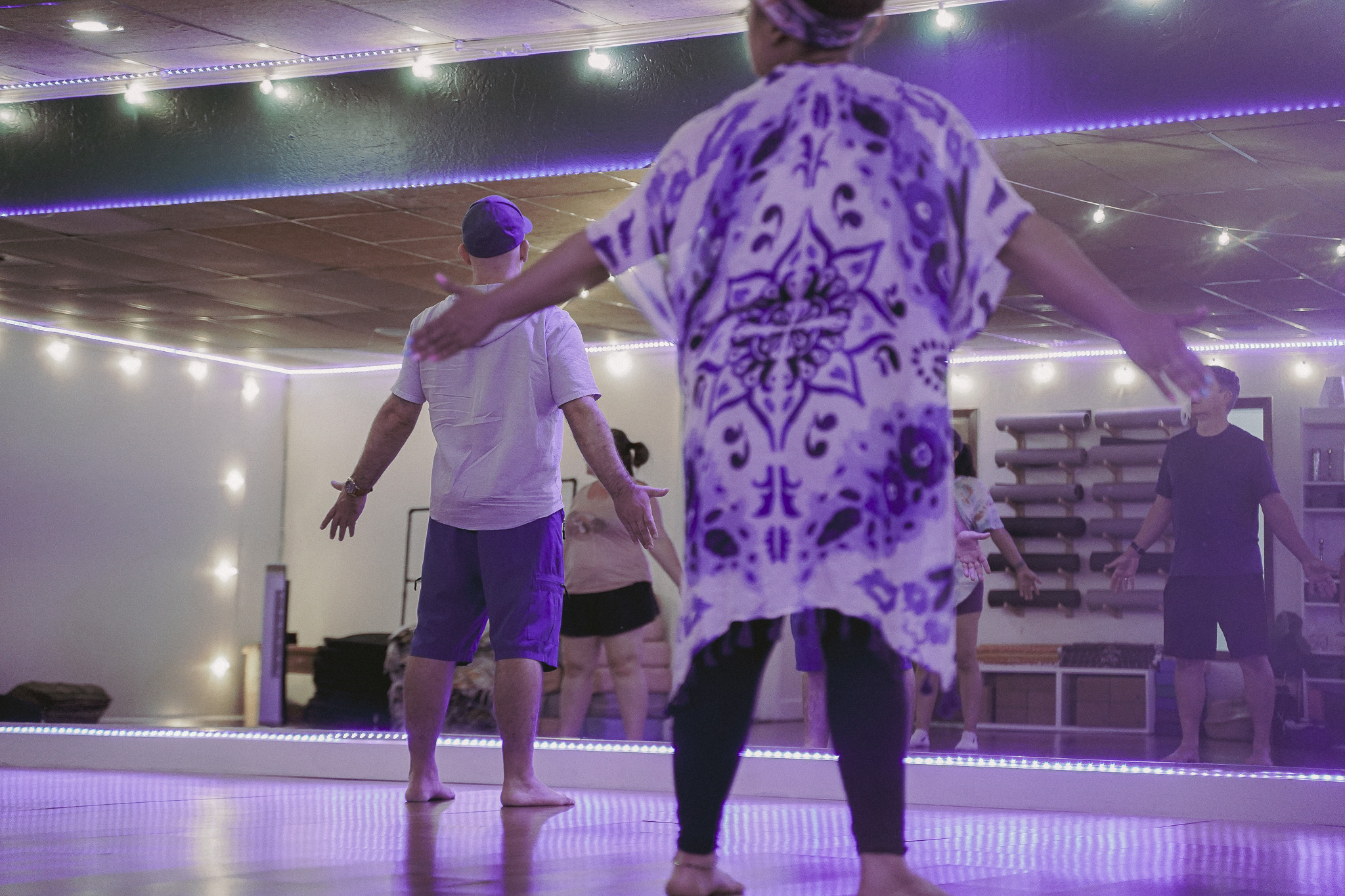
Tai Chi near ASU can offer students, professionals, and busy minds a gentle way to slow down, breathe, and reconnect with the body.
Tai Chi may support students and professionals by helping with:
A more grounded relationship with stress, focus, movement, and attention.
- Stress relief after long days
- Focus and attention
- Mind-body connection
- Grounding after screen time
- Breath awareness
- Gentle movement for tired bodies
- Transitioning out of productivity mode
Why students and professionals often need a body-based reset
Students and professionals often spend large parts of the day using the mind intensely. Whether someone is studying, sitting in class, working on a computer, managing projects, attending meetings, answering messages, preparing presentations, or planning the next step, the brain is constantly being asked to process information.
Over time, that level of mental activity can create a disconnect from the body. A person may not notice how long they have been sitting, how shallow their breathing has become, how tight their shoulders feel, or how tired their eyes are from looking at a screen. The body may be carrying the stress of the day even while the mind keeps pushing forward.
Tai Chi offers a body-based reset because it brings attention back to physical experience. The feet meet the ground. The breath becomes noticeable. The weight shifts slowly. The hands move through space. Instead of staying only in thought, the person begins reconnecting with the body in a practical and gentle way.
For students and professionals, Tai Chi can become a place where the mind does not have to keep leading everything alone.
Tai Chi helps busy minds practice slowing down
Busy minds are often used to moving quickly. Students may be thinking about assignments, exams, work schedules, finances, social plans, and future goals. Professionals may be thinking through deadlines, responsibilities, conversations, clients, team needs, and everything waiting for them the next day.
When the mind is moving at that pace, slowing down can feel unfamiliar. Even rest may feel uncomfortable because the body is still carrying the speed of the day. Tai Chi helps by giving the body a slower rhythm to practice through movement, breath, grounding, and repetition.
The goal is not to force the mind to become quiet. The goal is to give attention something steady to follow. One breath. One shift of weight. One movement. One transition. One return. This makes Tai Chi especially supportive for people who struggle with traditional stillness-based meditation.
Tai Chi helps busy minds slow down by giving attention a physical rhythm to follow.
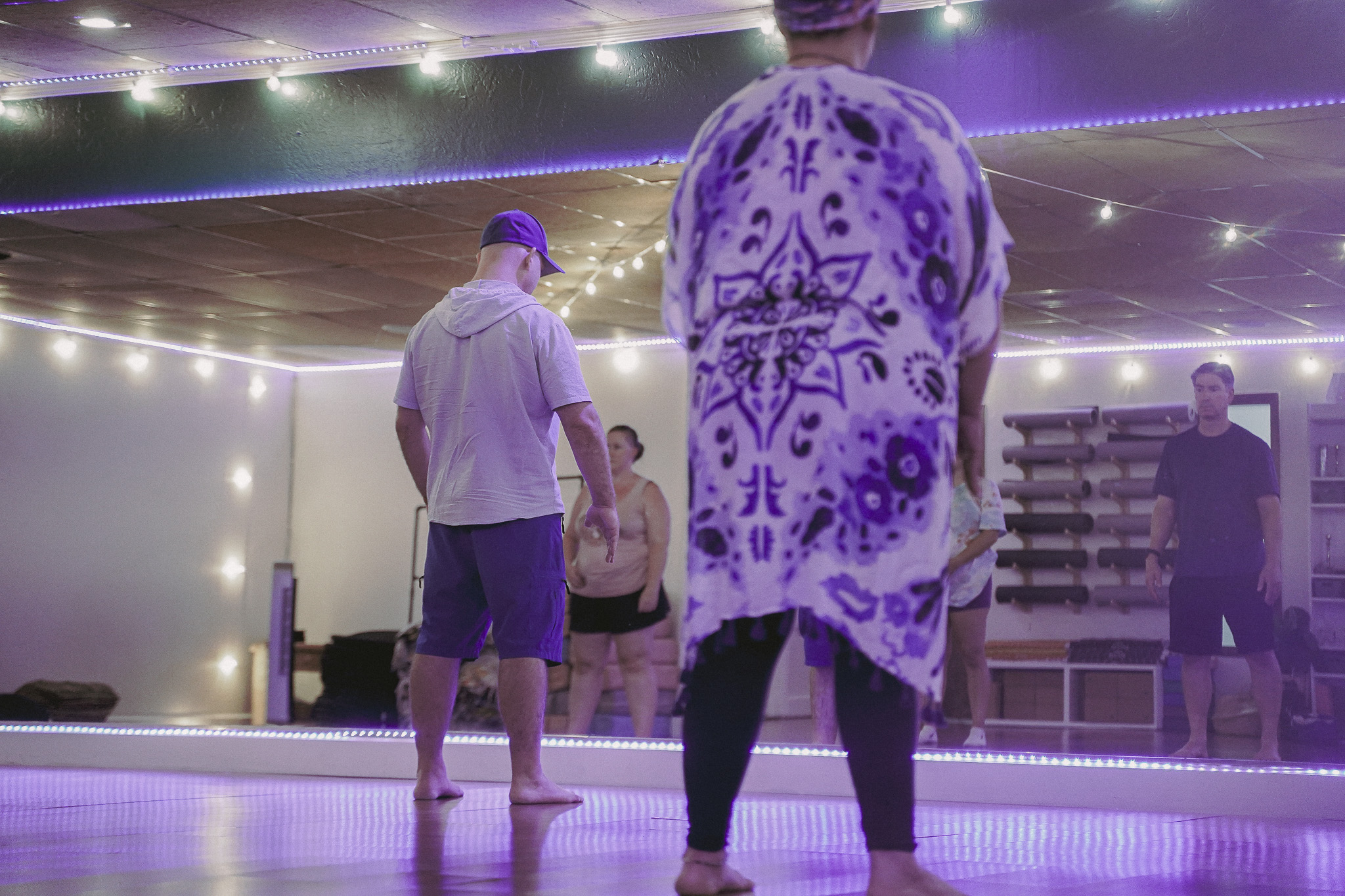
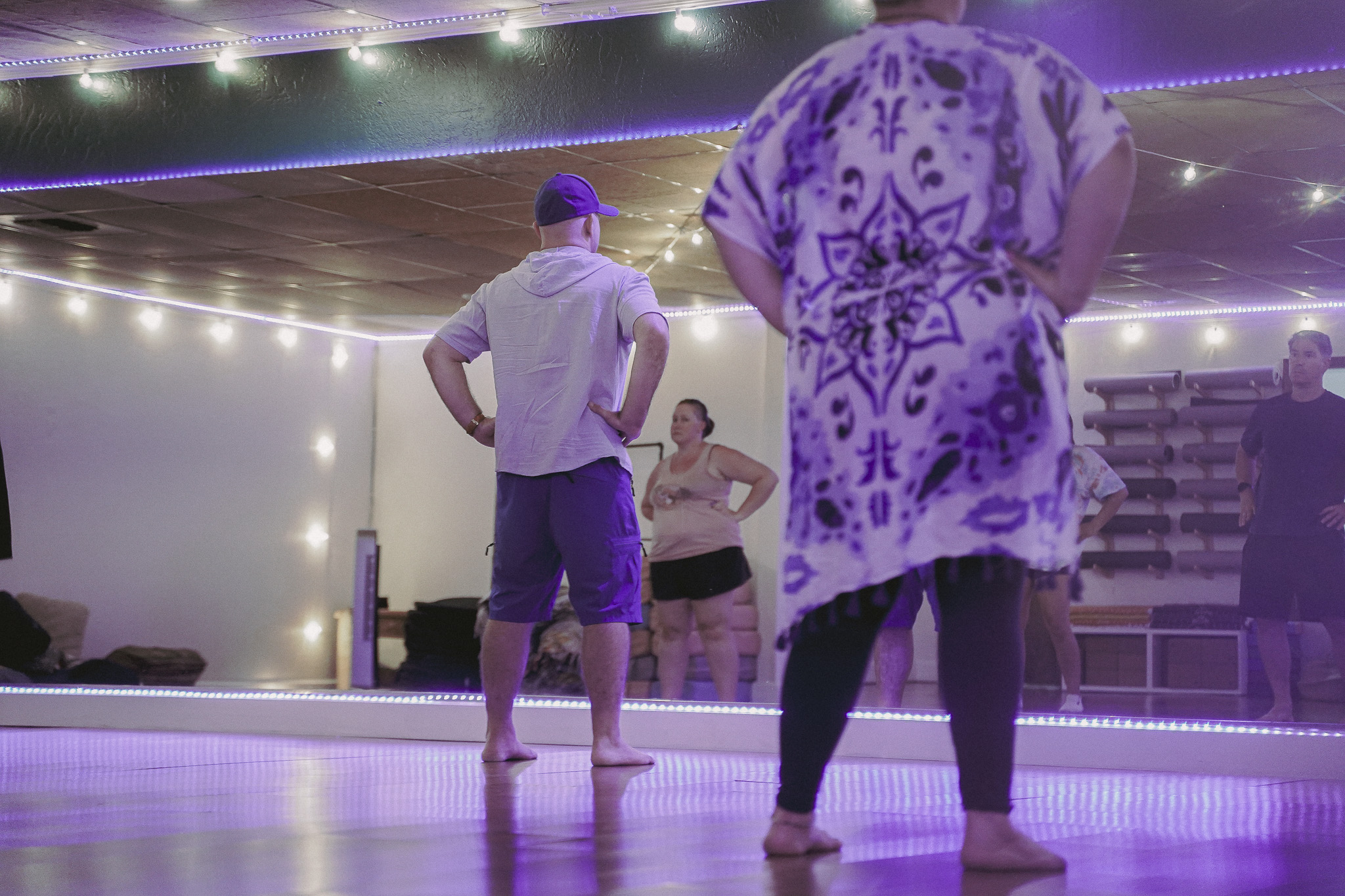
Tai Chi can support stress relief without high intensity
When people are stressed, they may assume they need a hard workout to release tension. For some people, intense exercise can be helpful. For others, especially after a long day of studying, working, caregiving, or sitting at a screen, the body may need movement that feels supportive rather than demanding.
Tai Chi offers a gentler option. The practice is active, but not aggressive. It involves movement, balance, breath, posture, and attention, but it does not require the body to push into high intensity. This can make it especially accessible for tired bodies and overstimulated minds.
Stress relief in Tai Chi often happens through slowing down, feeling the feet, noticing the breath, and moving with awareness. Instead of adding more pressure to an already pressured system, the practice gives the body a different pace to experience.
Not every form of stress relief needs to be intense. Sometimes the body needs a slower rhythm, not another demand.
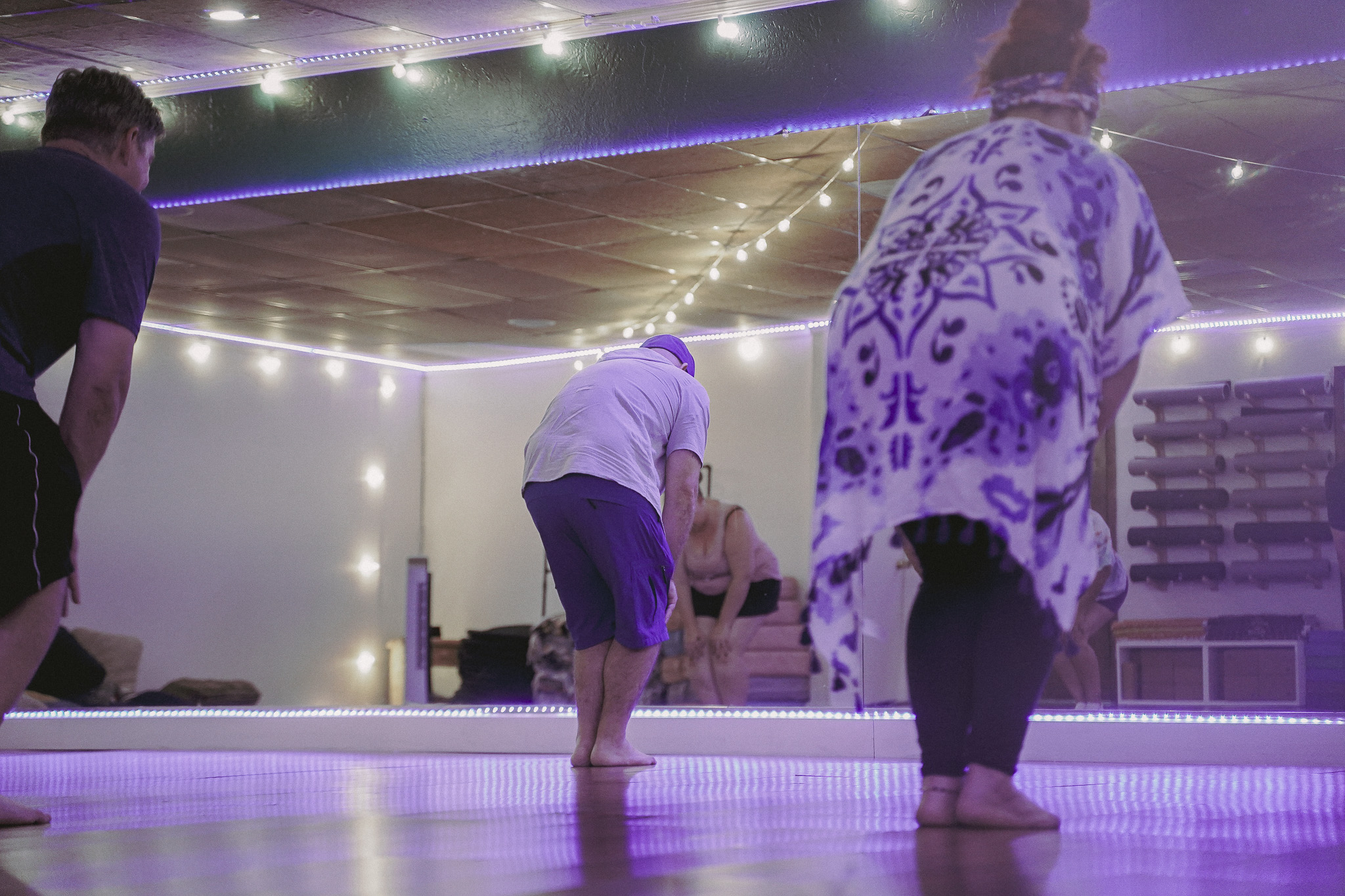
Tai Chi supports stress relief through slow movement, breath awareness, grounding, and a pace that does not require pushing harder.
A practice for students who spend long hours studying
Students often spend long hours reading, writing, studying, sitting in class, working on laptops, preparing for exams, and managing the pressure of deadlines. Even when the work is meaningful, the body can become tense from long periods of focus and limited movement.
Tai Chi can support students by helping them reconnect with the body after time spent in the head. The practice may help students notice shallow breathing, posture tension, restless energy, or the mental fatigue that can come from long study sessions.
Because Tai Chi is slow and structured, it can also support focus. The mind has something physical to follow, which can help attention return when it feels scattered. For students who struggle to sit still or meditate silently, Tai Chi may offer a more accessible pathway into mindfulness.
For students, Tai Chi can become a gentle reset between studying, stress, screens, and the pressure to keep up.
After Studying
Slow movement can help the body release the stillness and tension of long study sessions.
During Exam Seasons
Breath and grounding may support a steadier relationship with stress and pressure.
After Screen Time
Tai Chi helps attention move away from screens and back into the body.
When Focus Feels Scattered
Following one movement at a time can help the mind practice returning with patience.
A practice for professionals who spend all day in their head
Professionals often carry work stress in both the mind and body. The mind may be solving problems, managing communication, making decisions, planning ahead, and navigating expectations. The body may be sitting for hours, holding tension, and staying alert through back-to-back responsibilities.
After work, it can be difficult to transition into rest because the body may still feel like it is in productivity mode. Even when the workday is over, the mind may continue reviewing conversations, thinking about what needs to be done tomorrow, or feeling pressure to stay available.
Tai Chi can help create a transition out of work mode. The practice gives professionals a slower physical rhythm to follow. Instead of continuing at the speed of emails, deadlines, and problem-solving, the body begins moving with breath, balance, grounding, and awareness.
For professionals, Tai Chi can become a bridge between the speed of the workday and the body’s need to slow down.


Tai Chi can help with screen fatigue and posture tension
Students and professionals often spend hours looking at screens. Laptops, phones, tablets, emails, documents, online classes, projects, and video calls can all keep the eyes and mind engaged while the body stays in similar positions for long periods of time.
Over time, screen fatigue can affect how people feel in the body. The shoulders may lift. The neck may feel tight. The jaw may clench. The breath may become shallow. The eyes may feel strained. The body may feel tired but restless.
Tai Chi helps bring attention back to posture, breath, and movement. The practice does not aggressively stretch or force the body. Instead, it invites the body to move slowly, notice tension, shift weight, and reconnect with support. This can be a gentle way to come out of screen-focused posture and back into whole-body awareness.
After hours of screen time, Tai Chi gives the body a chance to move, breathe, and be noticed again.

Tai Chi can help students and professionals notice posture, breath, grounding, and physical tension after long hours of screen focus.
Tai Chi is beginner-friendly and low-pressure
One reason Tai Chi can be supportive for students, professionals, and busy-minded people is that it does not require advanced experience to begin. You do not need to be athletic, flexible, coordinated, or already familiar with Tai Chi before your first class.
Beginners may feel awkward at first, and that is normal. The movements are slower and more intentional than many people are used to. The practice may ask you to shift weight, slow down, follow your breath, and coordinate the body in a new way. These skills develop gradually.
A beginner-friendly Tai Chi class should not feel like a performance. It should offer clear guidance, a supportive pace, and enough space to learn without feeling judged. The goal is not to look perfect. The goal is to practice awareness.
Tai Chi is learned one breath, one movement, and one return at a time.
Tai Chi as moving meditation for busy minds
Many people are interested in meditation but struggle with sitting still. This can be especially true for students and professionals whose minds are trained to keep processing information. When they finally sit down, the mind may feel even louder.
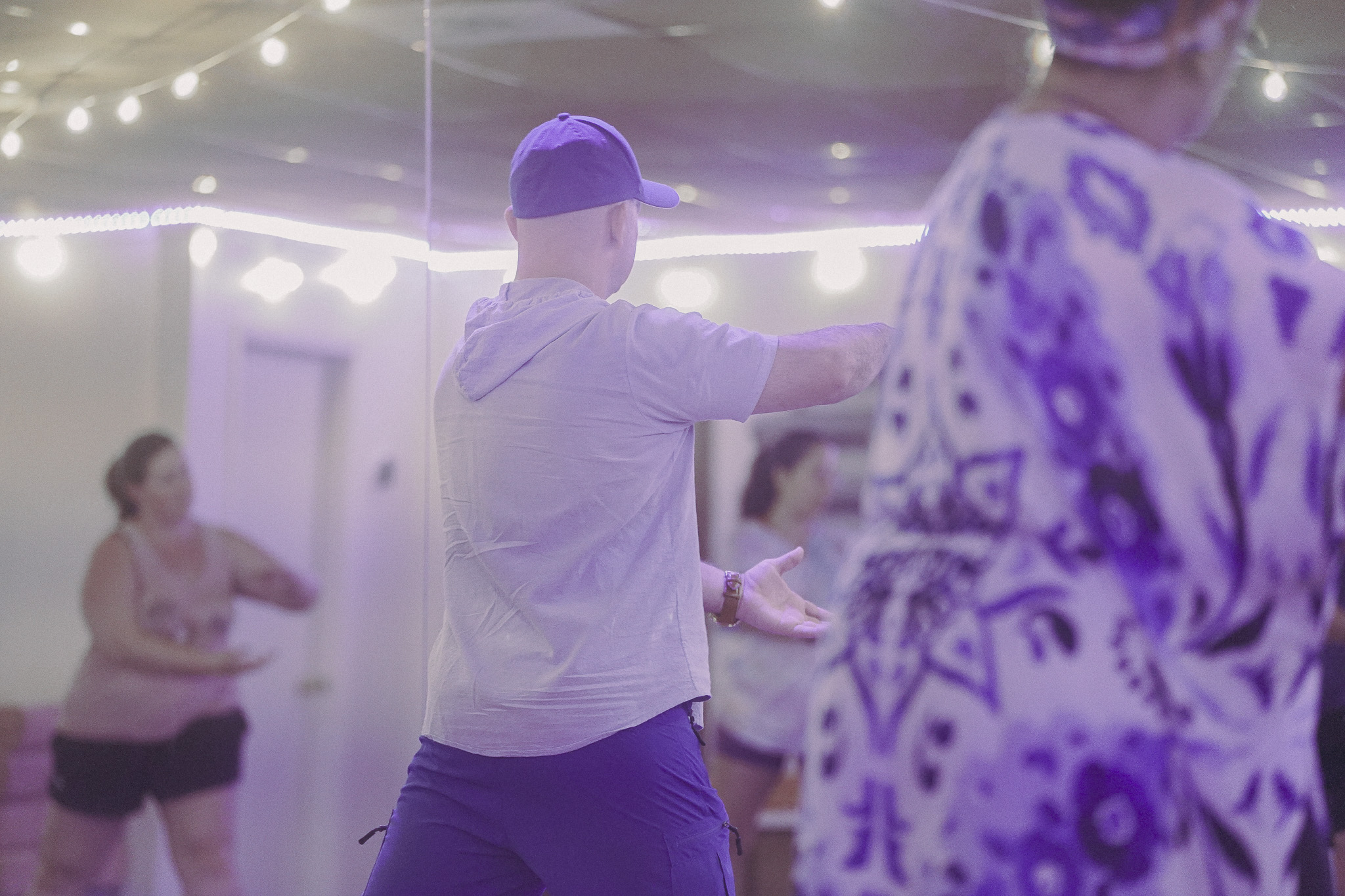
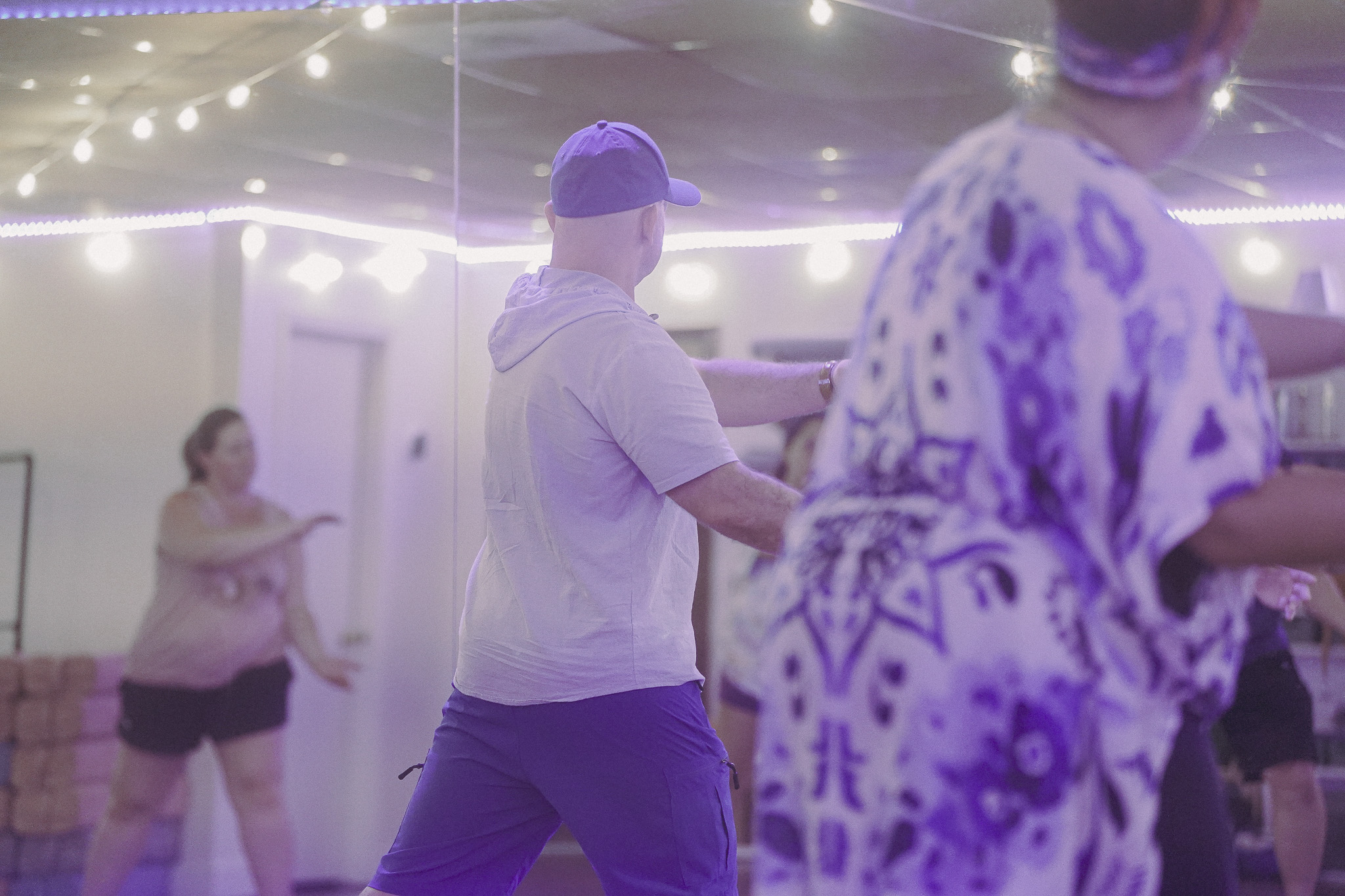
Tai Chi can offer a different entry point into mindfulness. Because the body is moving, attention has something physical to follow. The practice becomes a moving meditation: the breath, feet, posture, balance, and movement all become anchors for presence.
This can make mindfulness more accessible. Instead of trying to empty the mind, the practitioner simply returns to the movement. Thoughts may still appear, but they do not have to lead the entire experience. The body becomes part of the meditation.
Tai Chi helps busy minds meditate through movement instead of forcing stillness before the body feels ready.
Tai Chi helps focus by practicing one thing at a time
Students and professionals often have to multitask. They move between assignments, meetings, conversations, emails, deadlines, classes, projects, and personal responsibilities. Over time, attention can become fragmented.
Tai Chi helps practice single-task attention. One breath. One movement. One weight shift. One posture. One transition. This can be a helpful contrast to the constant switching that many people experience throughout the day.
Focus in Tai Chi is not about forcing perfect concentration. It is about noticing when attention wanders and returning to the body. This repeated return can help people build a more patient relationship with focus, especially when the mind feels scattered.
Focus grows through repeated returns, not through never becoming distracted.

Tai Chi supports focus by helping attention return to one breath, one movement, and one present moment at a time.
Why Tai Chi may feel different from other wellness classes
Tai Chi may feel different because it is not centered on intensity, speed, or performance. The practice is slower, more subtle, and more focused on awareness. This can feel unusual at first, especially for people who are used to workouts that measure success through sweat, difficulty, or visible effort.
In Tai Chi, small movements matter. Slow transitions matter. Breath matters. Balance matters. Noticing matters. The practice teaches that something does not have to be intense to be meaningful.
For students and professionals who already spend much of life striving, producing, achieving, and keeping up, this can be an important shift. Tai Chi offers a practice where the goal is not to do more, but to feel more connected to what is already happening.
Tai Chi reminds busy people that slowing down is not the opposite of progress. It can be part of how the body learns to sustain itself.
Less Performance
The practice is not about looking perfect. It is about listening, learning, and returning.
More Awareness
Students are invited to notice breath, posture, balance, tension, and focus.
Gentle Movement
The body moves without needing high intensity or force to make the practice meaningful.
Real-Life Support
The skills practiced in class can support work, school, stress, transitions, and daily life.
How Tai Chi near ASU can support daily life
The benefits of Tai Chi are not limited to the class itself. The skills practiced in Tai Chi can begin showing up throughout the day. A student may notice they are holding their breath while studying. A professional may notice shoulder tension during a meeting. Someone with a busy mind may recognize that they are mentally rushing before they have completed the task in front of them.
These moments create opportunities to return. Feel the feet. Take one slower breath. Soften the jaw. Notice posture. Move through a transition with awareness. Pause before reacting. These small actions can help people stay more connected to themselves in the middle of real responsibilities.
Tai Chi supports daily life because it teaches a practical skill: returning to the body. That return can happen during stress, after screen time, before a meeting, between classes, after studying, or before trying to rest.
Between Classes
A grounding breath or slow movement can help students transition from one demand into the next.
After Work
Tai Chi can help professionals move out of productivity mode and into a slower rhythm.
During Stress
Breath, posture, and grounding can create space before reacting automatically.
Before Rest
Slow movement can help the body notice whether it is actually ready to settle.
Tai Chi is not a replacement for medical or mental health care
Tai Chi can be a supportive wellness practice for stress relief, mindfulness, gentle movement, breath awareness, grounding, balance, body awareness, focus, and emotional wellbeing, but it is not a replacement for medical care, physical therapy, therapy, medication, psychiatric support, ADHD treatment, trauma-informed care, workplace or academic accommodations, or crisis services. If someone is experiencing persistent pain, significant distress, panic, depression, trauma symptoms, thoughts of self-harm, severe burnout, or difficulty functioning, support from qualified professionals may be necessary.
At the same time, many students, professionals, and busy-minded people benefit from practices that help them slow down, reconnect with the body, and build awareness in a gentle and structured way. Tai Chi can be one supportive part of a broader wellness routine because it offers a repeatable way to practice presence through movement.
The value of Tai Chi is not that it removes every deadline, responsibility, exam, meeting, or stressor. Its value is that it gives people a practical way to return to breath, body, grounding, and awareness within the reality of daily life.
Tai Chi can support stress relief and mind-body connection as part of a broader wellness routine, but it should not replace professional care when professional support is needed.
Tai Chi at The Healing Tree Collective near the ASU area
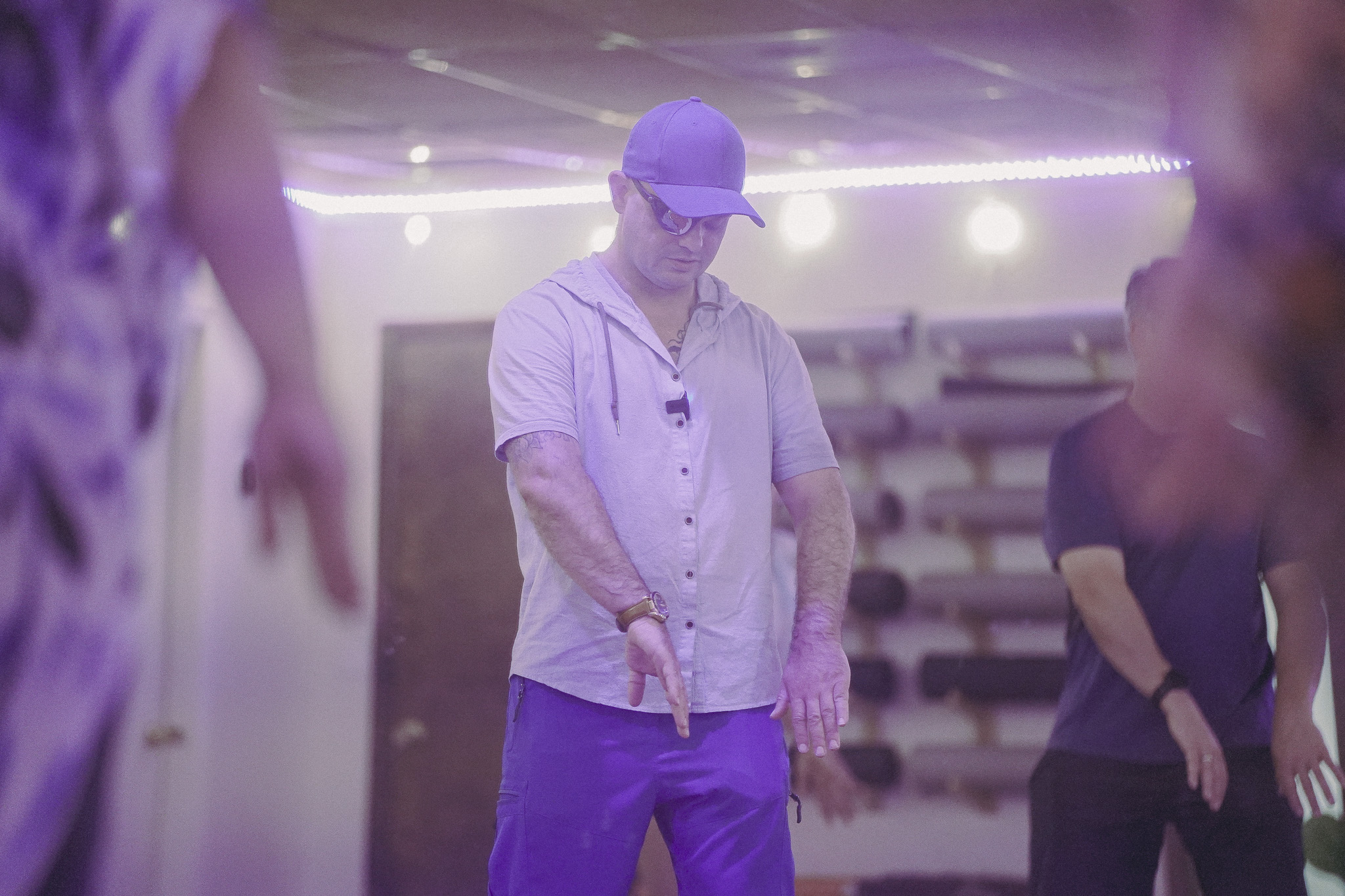
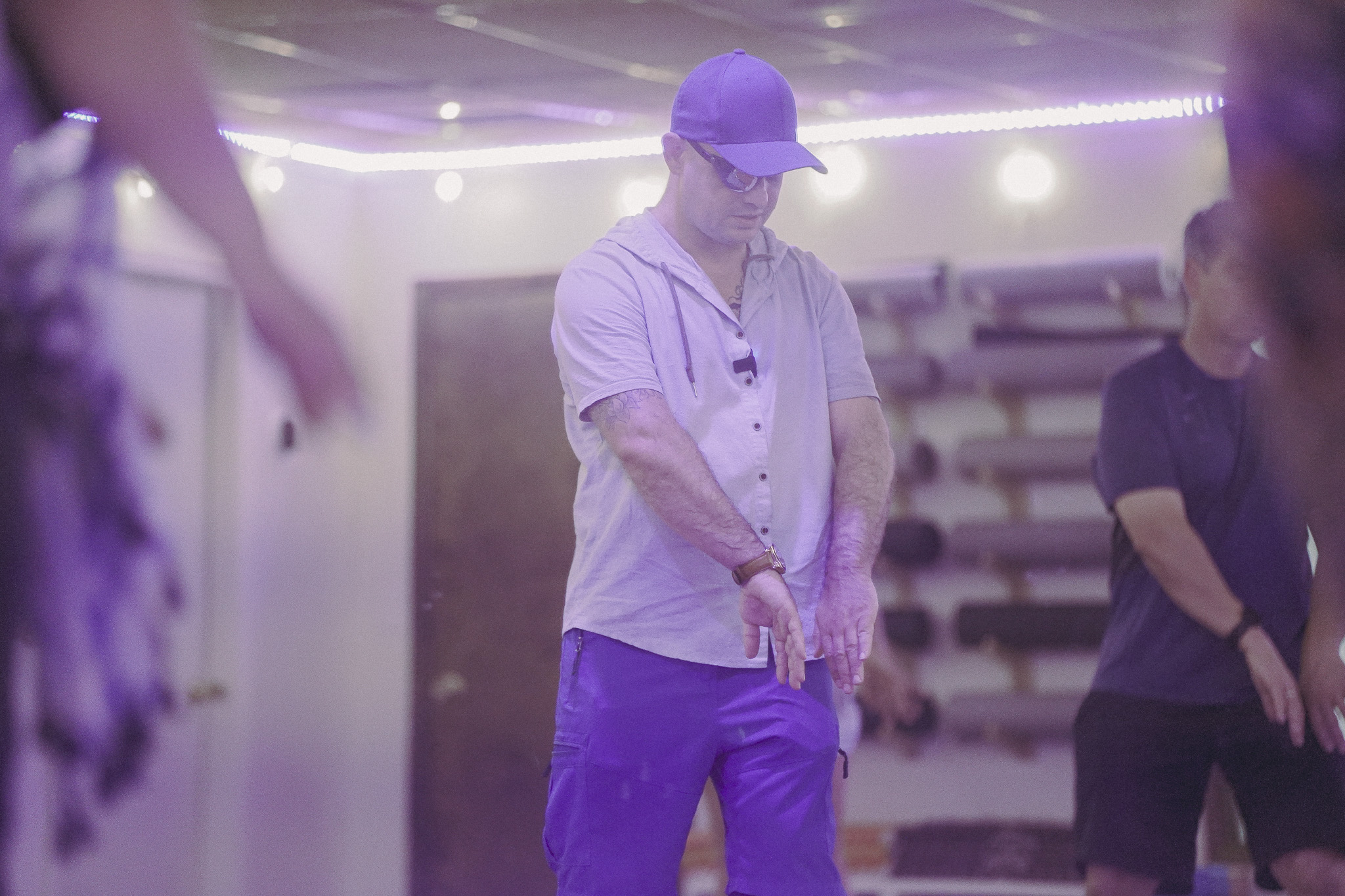
The Healing Tree Collective is located in Tempe and offers beginner-friendly wellness classes for people who are looking for stress relief, grounding, mindfulness, gentle movement, and deeper connection with themselves. Our space is designed for real people with full lives, busy minds, tired bodies, and a desire to feel supported.
Tai Chi fits naturally into our approach because it offers a gentle way to move, breathe, focus, and reconnect with the body. It does not require prior experience, advanced flexibility, athletic ability, or a perfectly calm mind. The practice is approachable, steady, and meaningful over time.
If you are near ASU and looking for a Tai Chi class that feels beginner-friendly, grounded, and supportive, The Healing Tree Collective may be a welcoming place to begin. You can arrive curious, stressed, tired, distracted, or completely new. The practice can meet you there.
At The Healing Tree Collective, Tai Chi is offered as a beginner-friendly practice for students, professionals, and busy minds who need breath, grounding, movement, and support.


Final thoughts: Tai Chi can be a gentle reset near ASU
For students, professionals, and busy-minded people near ASU, Tai Chi can offer a meaningful way to slow down and reconnect. The practice supports stress relief, focus, body awareness, grounding, balance, and mind-body connection without asking the body to push harder.
Tai Chi is not about arriving perfect, calm, flexible, or experienced. It is about beginning with the body you have and learning how to listen through breath, movement, posture, and repetition. For people who spend most of the day in their head, this can be a powerful shift.
At The Healing Tree Collective, our intention is to make practices like Tai Chi accessible and supportive for the people in our Tempe community, including students, professionals, caregivers, and anyone who is ready to return to themselves through gentle movement.
Tai Chi near ASU can be more than a class. It can be a place to slow down, breathe, move gently, and return to your body in the middle of a busy life.
Looking for Tai Chi near ASU in Tempe, AZ?
The Healing Tree Collective offers beginner-friendly wellness classes in Tempe, Arizona designed to support stress relief, mindfulness, grounding, body awareness, balance, and deeper connection. If you are a student, professional, or busy-minded person looking for Tai Chi near ASU, gentle movement, moving meditation, or a practice that supports mind-body connection, you are welcome to begin here.