6 August 2026
Tai Chi for Workplace Stress: Why Teams Need Practices That Help Them Slow Down
Workplace stress does not only affect productivity. It affects communication, patience, creativity, decision-making, morale, and the way people carry themselves throughout the day. When teams are constantly moving from one task to the next, stress can become the pace everyone is expected to live inside.
Many workplaces try to support employees through benefits, team lunches, wellness challenges, or occasional events. These efforts can be helpful, but teams also need practices that help people slow down in a real and embodied way. Stress relief is not only about taking a break from work. It is also about helping the body experience a different rhythm than urgency.
Tai Chi can support workplace stress by offering employees a gentle, beginner-friendly way to move, breathe, focus, ground, and reconnect with themselves. It gives teams a shared practice that does not require high intensity, athletic ability, or prior experience.
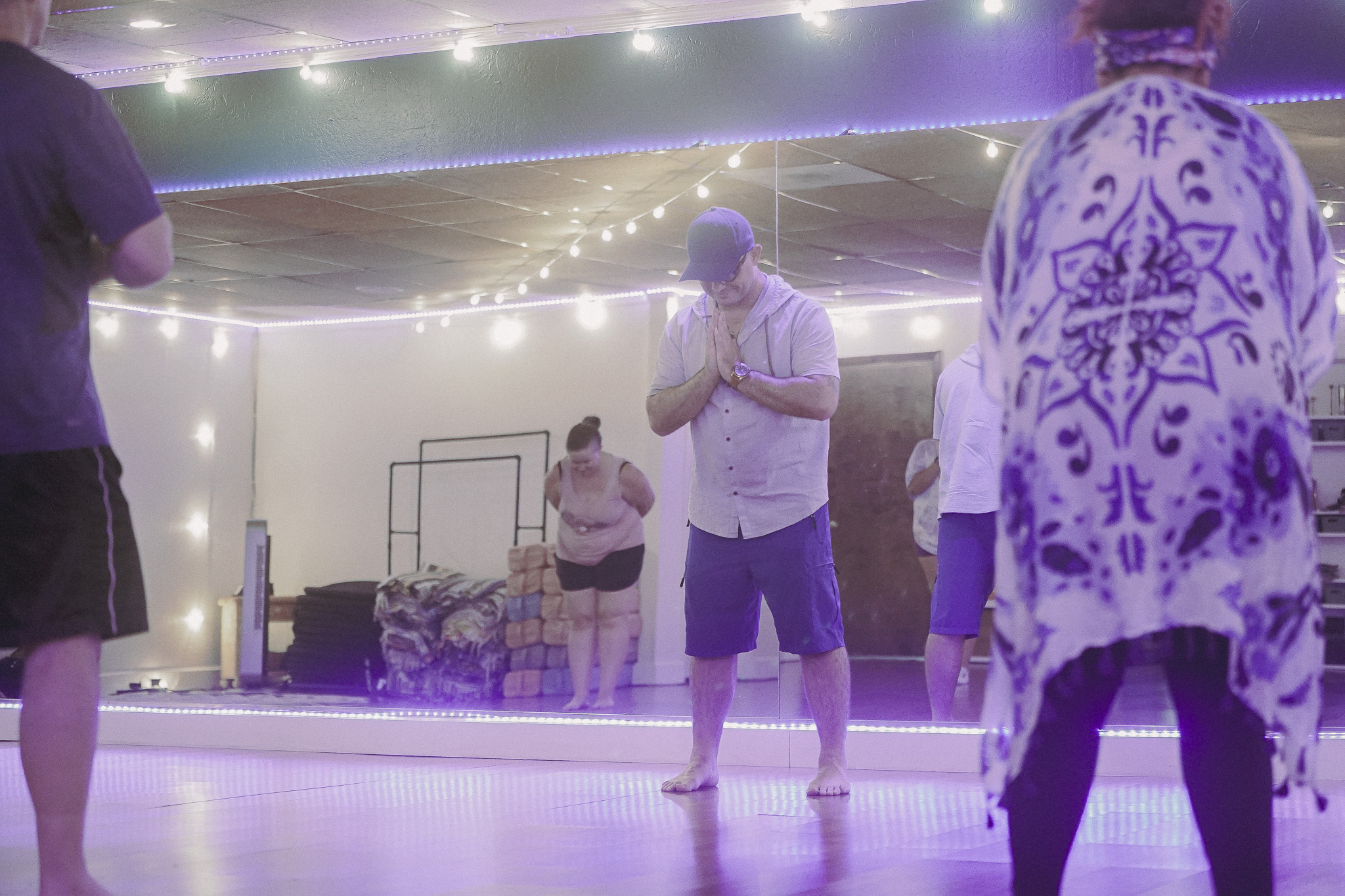
Tai Chi can give teams a simple, body-based way to slow down, breathe, reset, and return to the present moment.
Tai Chi may support workplace wellness by helping teams:
Practice stress relief through gentle movement, breath, and grounding.
- Slow down mental rushing
- Reduce physical tension
- Improve focus and presence
- Build body awareness
- Practice grounding during stress
- Create a calmer team rhythm
- Reconnect after screen-heavy workdays
Workplace stress is often carried in the body
Workplace stress is easy to discuss as a mental experience. People talk about deadlines, meetings, clients, emails, communication issues, pressure, workload, and the constant need to stay responsive. But stress is not only happening in the mind. It is also carried in the body.
Employees may hold tension in the shoulders, jaw, neck, chest, stomach, or lower back. They may breathe shallowly during busy days, sit for long periods, rush between tasks, or feel physically tired even when most of the work happens at a desk. The body often absorbs the pace of the workplace before people have time to notice it.
This is why body-based practices matter. A team can talk about stress management, but if the body never has a chance to experience a slower rhythm, stress may remain physically present. Tai Chi offers a practical way to include the body in workplace wellness.
Workplace stress is not only something employees think about. It is something the body learns to carry.
Why slowing down is difficult in work culture
Many workplaces reward speed. Employees are often expected to respond quickly, switch between tasks, solve problems, attend meetings, manage communication, and stay available. Over time, speed can become the default setting for the whole team.
This creates a challenge. Even when people are given a break, the body may not immediately know how to slow down. The mind may still be reviewing tasks. The shoulders may remain tense. The breath may stay shallow. The body may continue carrying the workday long after the meeting has ended.
Tai Chi helps because it does not only tell people to relax. It gives them a structure for slowing down. One movement. One breath. One shift of weight. One return to the body. The practice creates a different pace that employees can feel rather than simply understand.
Teams do not only need permission to slow down. They need practices that teach the body how to slow down.
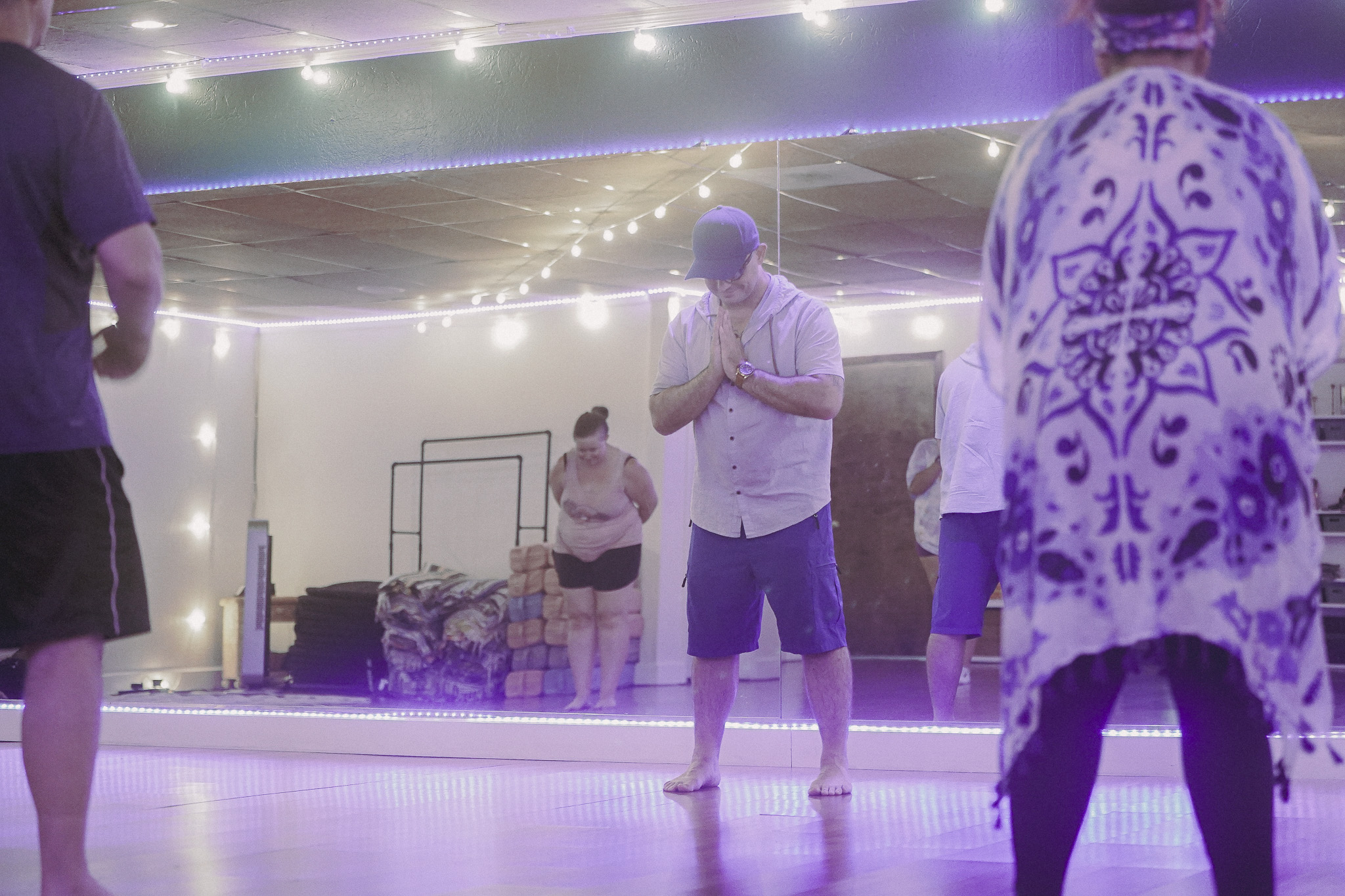
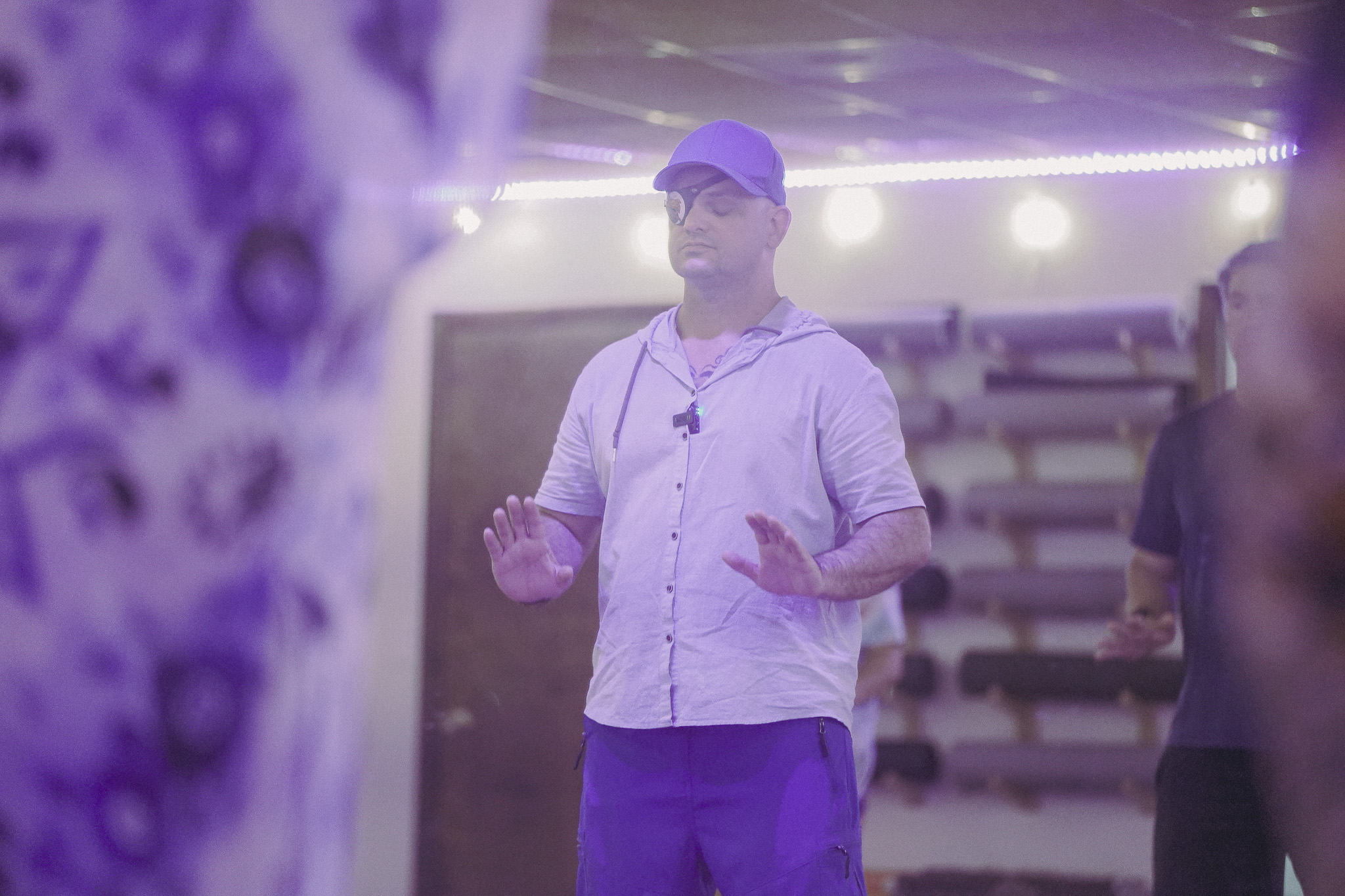
Tai Chi gives teams a low-pressure way to reset
Workplace wellness practices need to feel accessible. If a wellness session feels too intense, too unfamiliar, too complicated, or too physically demanding, employees may feel hesitant to participate. This is especially true for team environments where people may feel self-conscious trying something new around coworkers.
Tai Chi can be a supportive option because it is gentle, low-pressure, and beginner-friendly. Employees do not need to be athletic, flexible, coordinated, or experienced. The practice can be introduced in plain language with simple cues: feel your feet, notice your breath, soften the shoulders, shift your weight slowly, and move with awareness.
This makes Tai Chi a practical workplace wellness offering. It gives teams movement without high intensity, mindfulness without requiring stillness, and stress relief without turning the experience into another performance.
Tai Chi can help workplace wellness feel more human because it does not ask employees to perform calm. It gives them a way to practice returning to it.
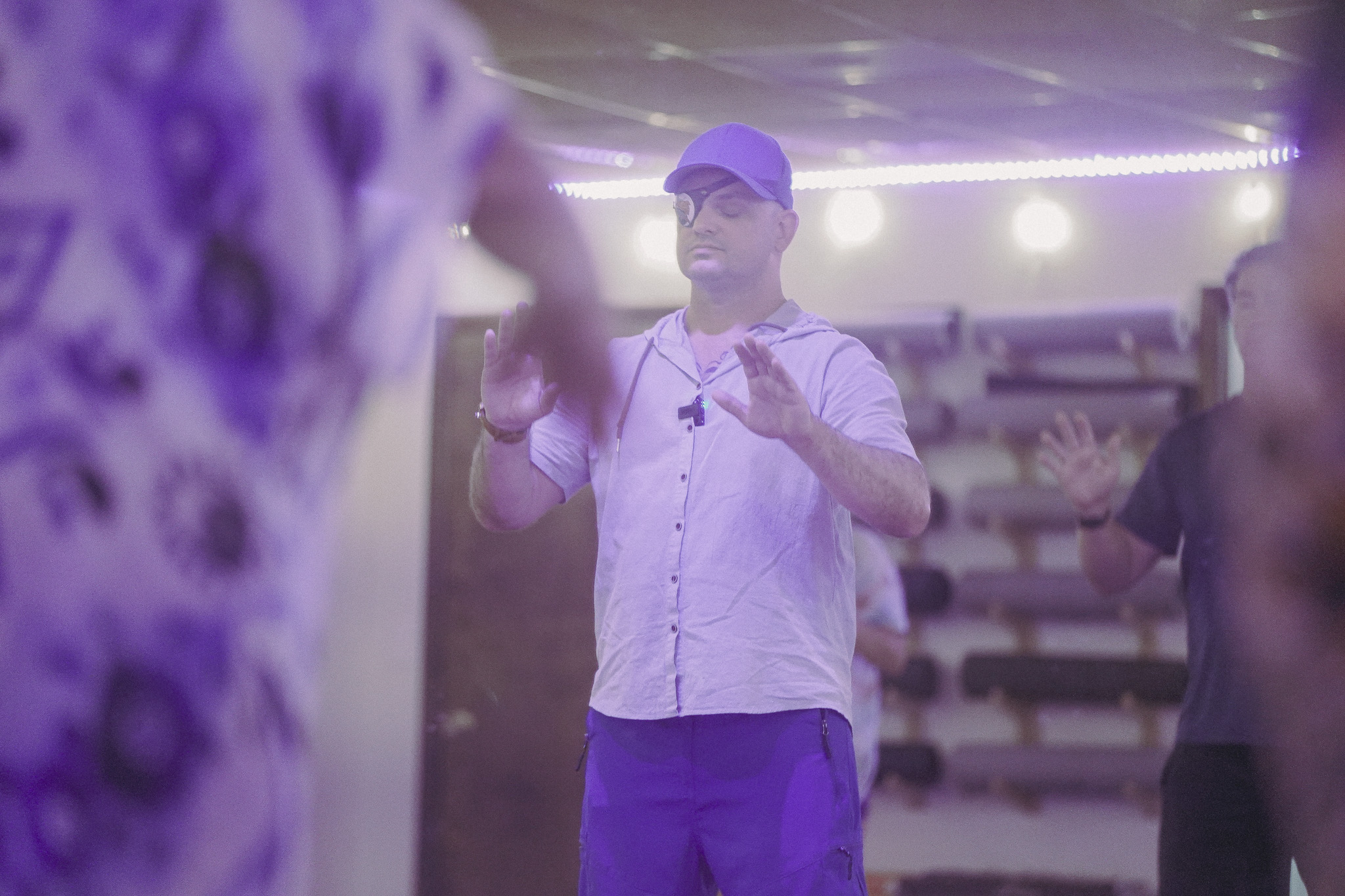
Tai Chi can support workplace wellness because it is gentle, approachable, and adaptable for many experience levels.
Tai Chi supports focus after mental overload
Many teams spend the day in constant mental activity. Employees may be answering messages, joining calls, reviewing details, making decisions, managing clients, solving problems, navigating deadlines, and switching between tasks. This kind of mental load can leave people feeling scattered and depleted.
Tai Chi supports focus by giving attention one physical pathway to follow. Instead of jumping between responsibilities, the mind follows the movement. The breath becomes easier to notice. The feet become a grounding point. The body gives attention something steady and present to return to.
This can be useful during workplace wellness sessions because employees are not only receiving a break. They are practicing a skill: noticing when attention wanders and returning to one thing at a time. Over time, that skill can support a healthier relationship with focus during the workday.
Focus does not always improve by thinking harder. Sometimes the mind needs a slower physical rhythm to follow.
After Meetings
Tai Chi can help employees transition out of mental overload and return to the body.
After Screen Time
Slow movement can help attention move away from devices and back into physical awareness.
Before Deep Work
A brief Tai Chi practice may help teams settle attention before entering focused work.
During Stress
Grounding and breath awareness can help employees create space before reacting automatically.
Teams need practices that support regulation, not just motivation
Motivation can help a team begin, but it does not always address what stress is doing to the body. A team can be motivated and still be exhausted. Employees can care deeply about their work and still feel overwhelmed. People can be productive and still be carrying too much tension, pressure, and emotional load.
This is why workplace wellness should include practices that support regulation. Regulation is about helping the body and mind find a steadier state, especially after stress, pressure, or activation. Tai Chi supports this by combining movement, breath, grounding, and focused attention in a slow and structured way.
In a workplace setting, this matters because teams are made of human beings, not machines. People need practices that help them return to themselves so they can communicate, focus, collaborate, and recover with more care.
Teams do not only need to be inspired. They need to be supported in the body that carries the work.
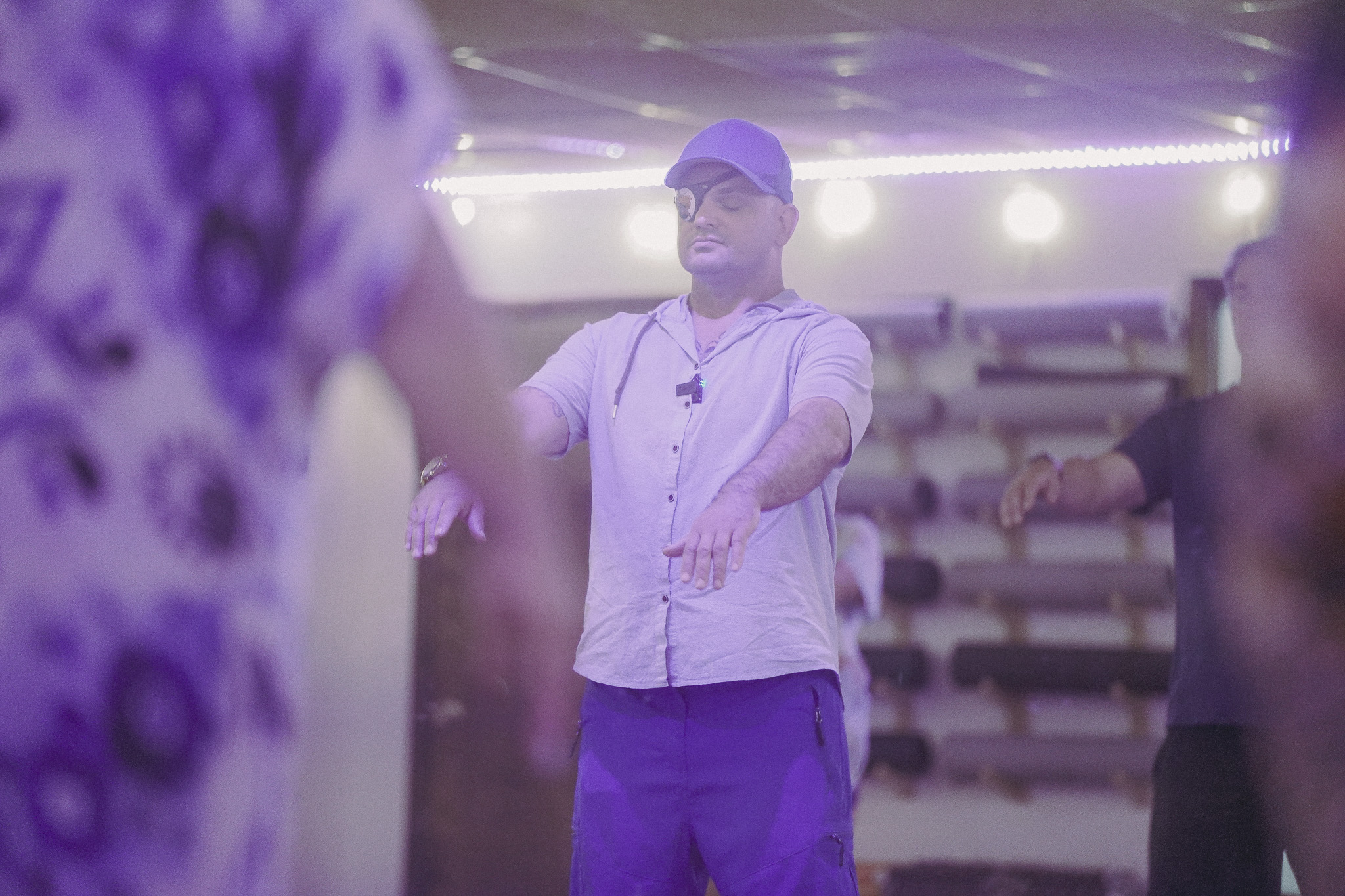
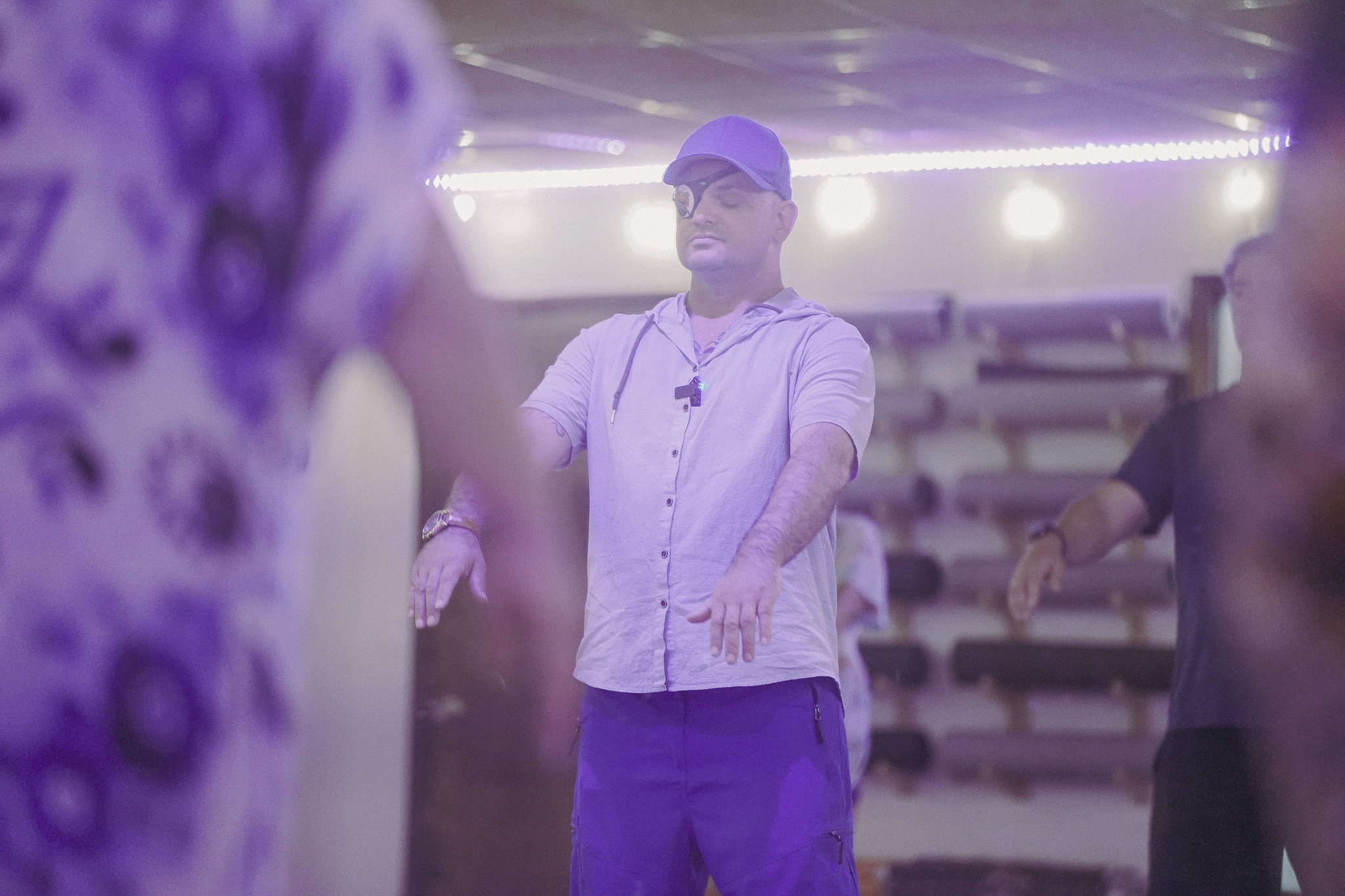
Slowing down can improve how teams relate to each other
Stress affects communication. When people feel rushed, overwhelmed, or mentally overloaded, patience can decrease. Conversations may become shorter. Misunderstandings may happen more easily. Small issues may feel larger because the body is already operating from pressure.
Tai Chi does not solve every workplace communication challenge, but it can help teams practice a slower internal rhythm. When people experience a few minutes of breath, grounding, and intentional movement together, the shared pace in the room can change.
This matters because team culture is not only built through strategy. It is also built through the state people bring into conversations. A team that practices slowing down together may have more opportunities to notice tension, pause before reacting, and return to a more grounded way of relating.
A calmer team rhythm can support better communication because people are not only thinking together. They are learning how to slow down together.
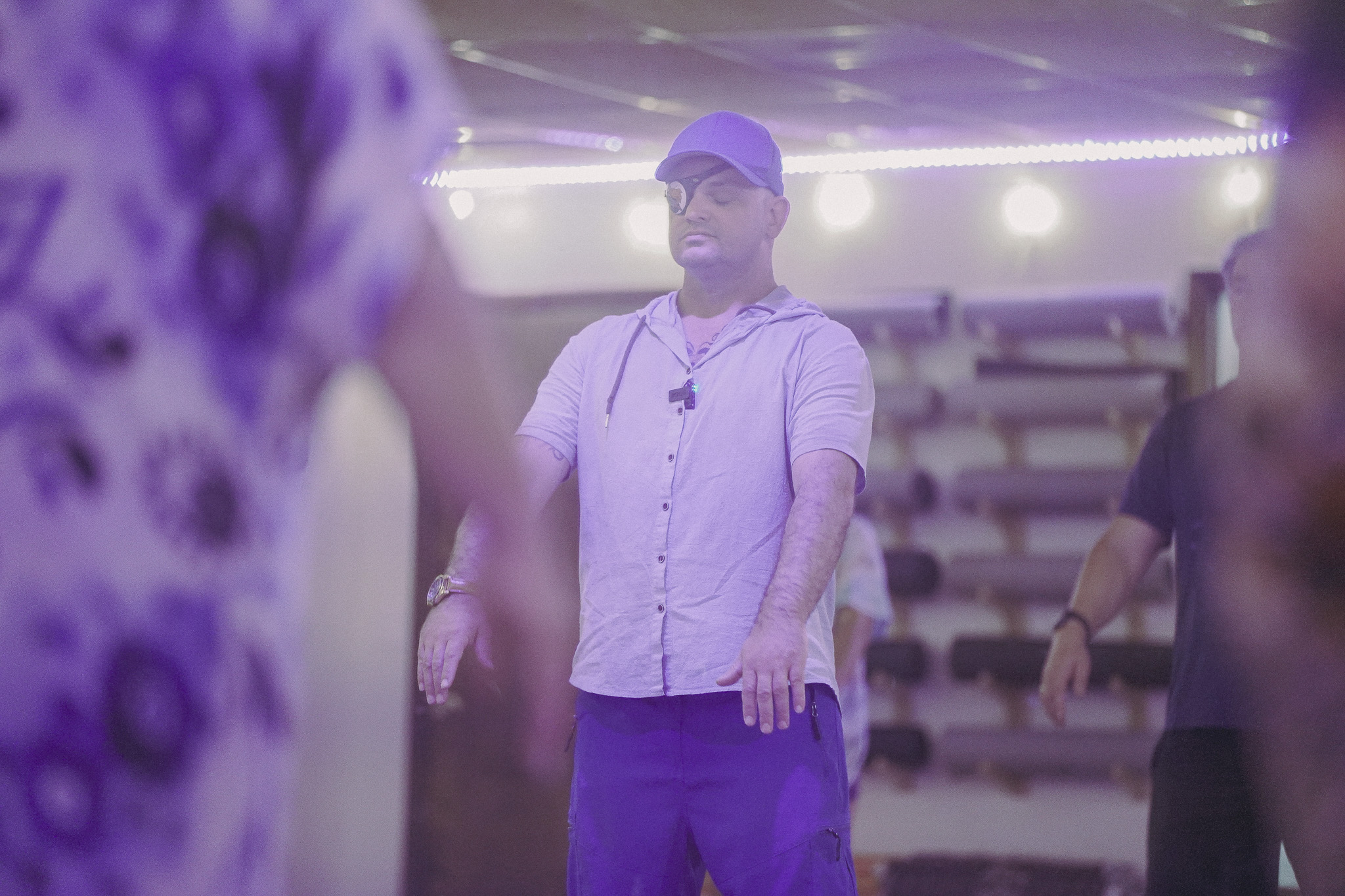
When teams slow down together, they create space for more grounded communication, patience, and shared awareness.
Tai Chi is accessible for different bodies and experience levels
One challenge with workplace wellness is that every team includes different bodies, abilities, preferences, and comfort levels. Some employees may love fitness classes. Others may feel intimidated by them. Some may have limited mobility, fatigue, discomfort, or anxiety about participating in physical activities around coworkers.
Tai Chi can be introduced in a way that feels more accessible because the movements are slow and gentle. The practice can focus on breath, posture, grounding, and small movements rather than athletic performance. Employees can participate at their own pace and listen to what feels appropriate for their body.
This accessibility is important. Workplace wellness should not create another place where people feel judged, left out, or pressured to keep up. The most supportive practices are often the ones that allow people to begin where they are.
A strong workplace wellness practice should meet people where they are, not only where the most athletic person on the team happens to be.
Tai Chi can help employees transition out of productivity mode
Many employees struggle to transition out of productivity mode. Even after work hours, the mind may keep thinking about tasks, deadlines, messages, conversations, and what needs to happen next. The body may still feel alert because it has been operating under pressure all day.
Tai Chi can support this transition by giving the body a clear signal that it is safe to slow down. The practice moves at a different pace than the workday. It does not ask employees to produce, solve, respond, or achieve. It asks them to feel, breathe, move, and return.
This can be especially helpful during on-site wellness sessions, team retreats, lunch-and-learns, or end-of-day resets. Tai Chi creates a structured pause where employees can step out of constant doing and into body awareness.
Teams need moments where they are not asked to produce anything, but are invited to reconnect with themselves.
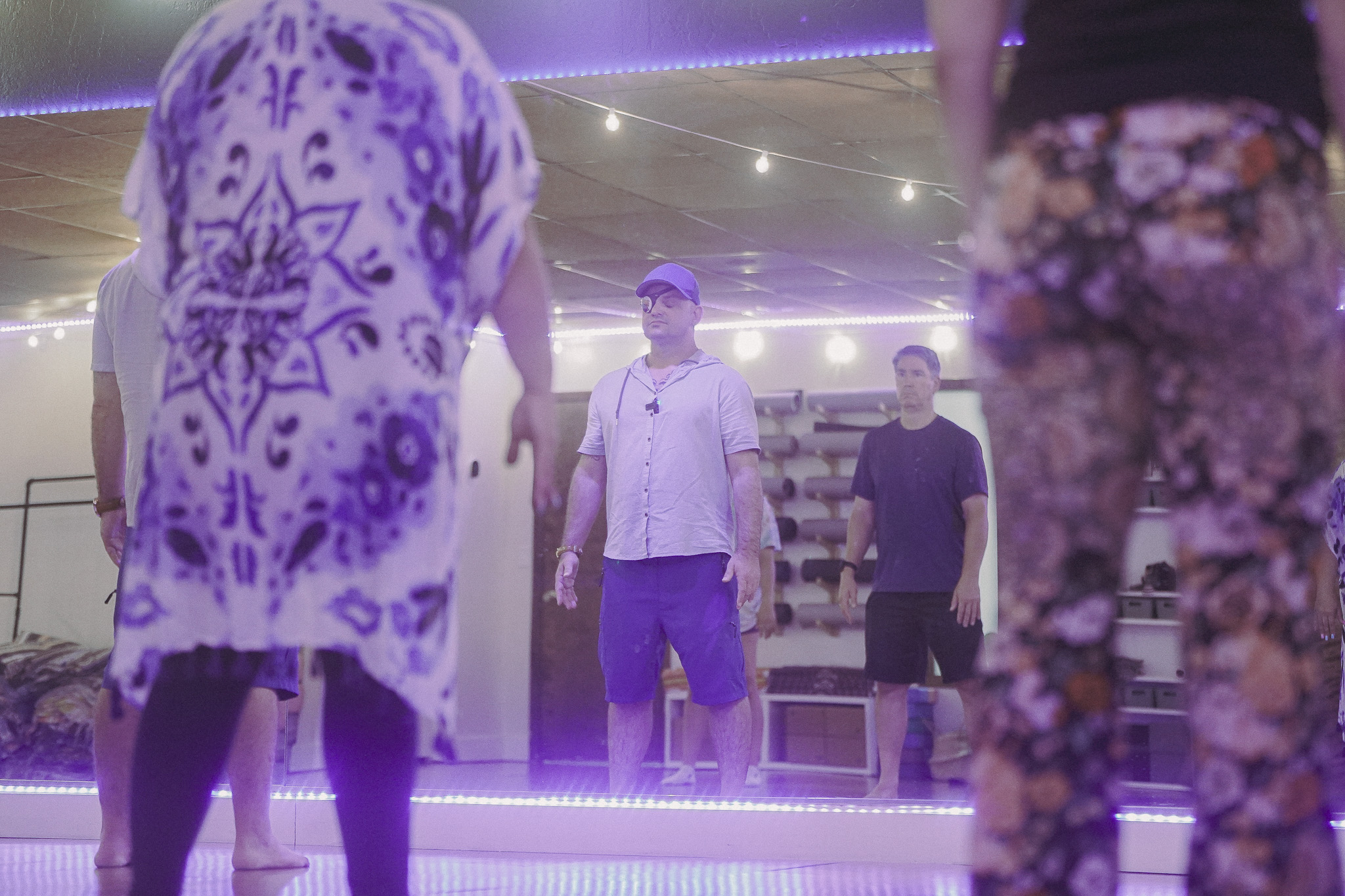
What a workplace Tai Chi session can look like
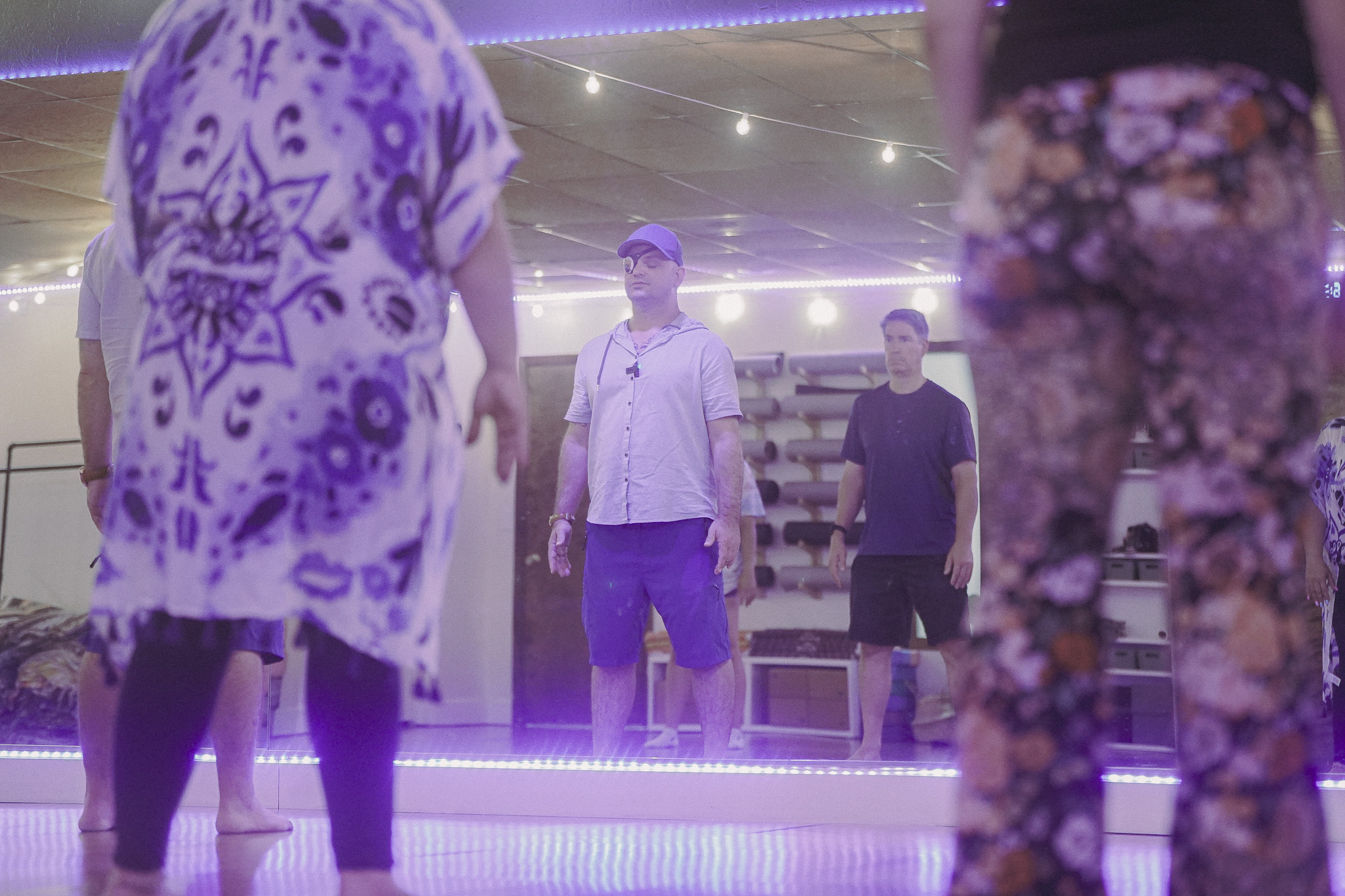
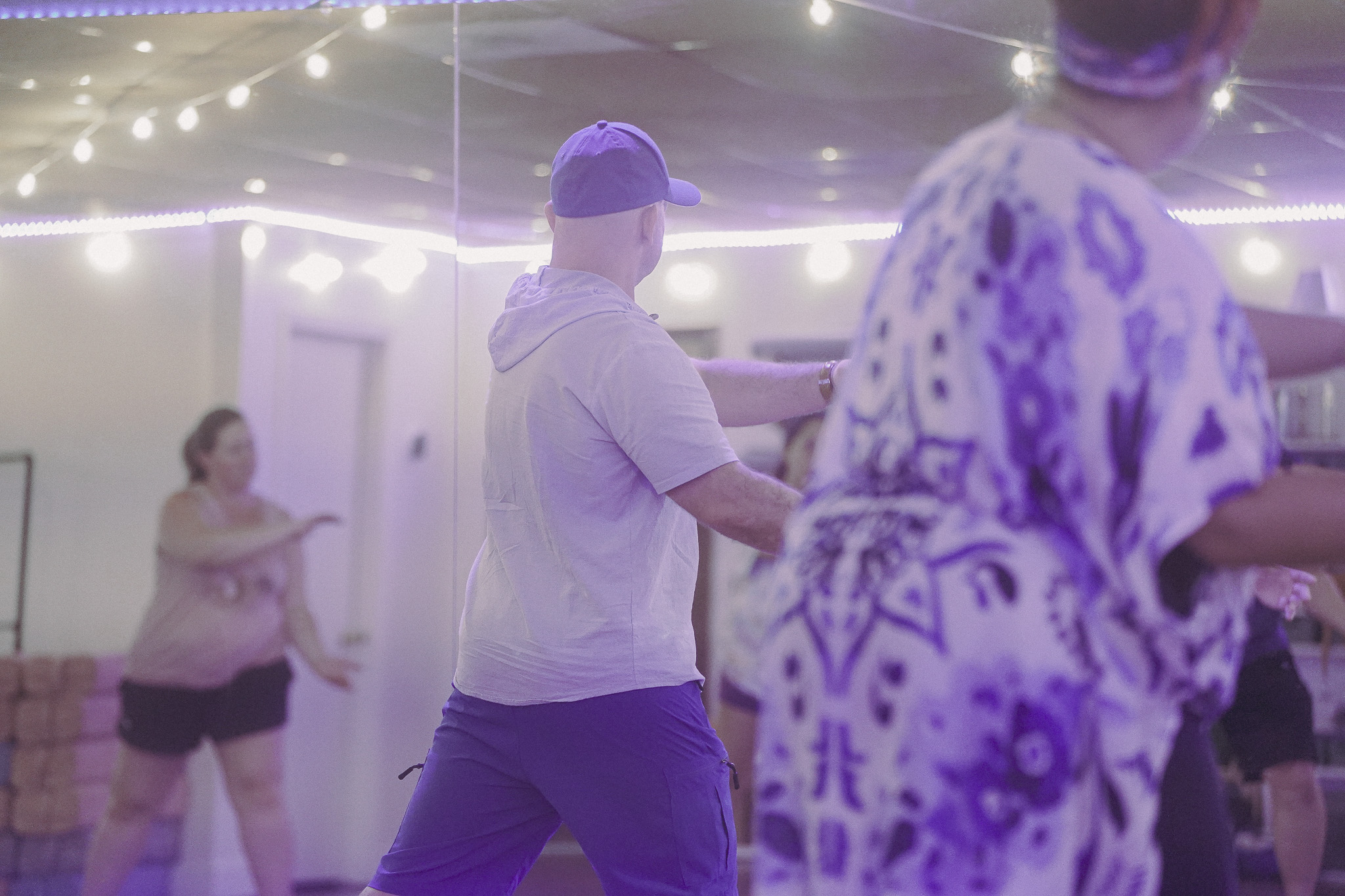
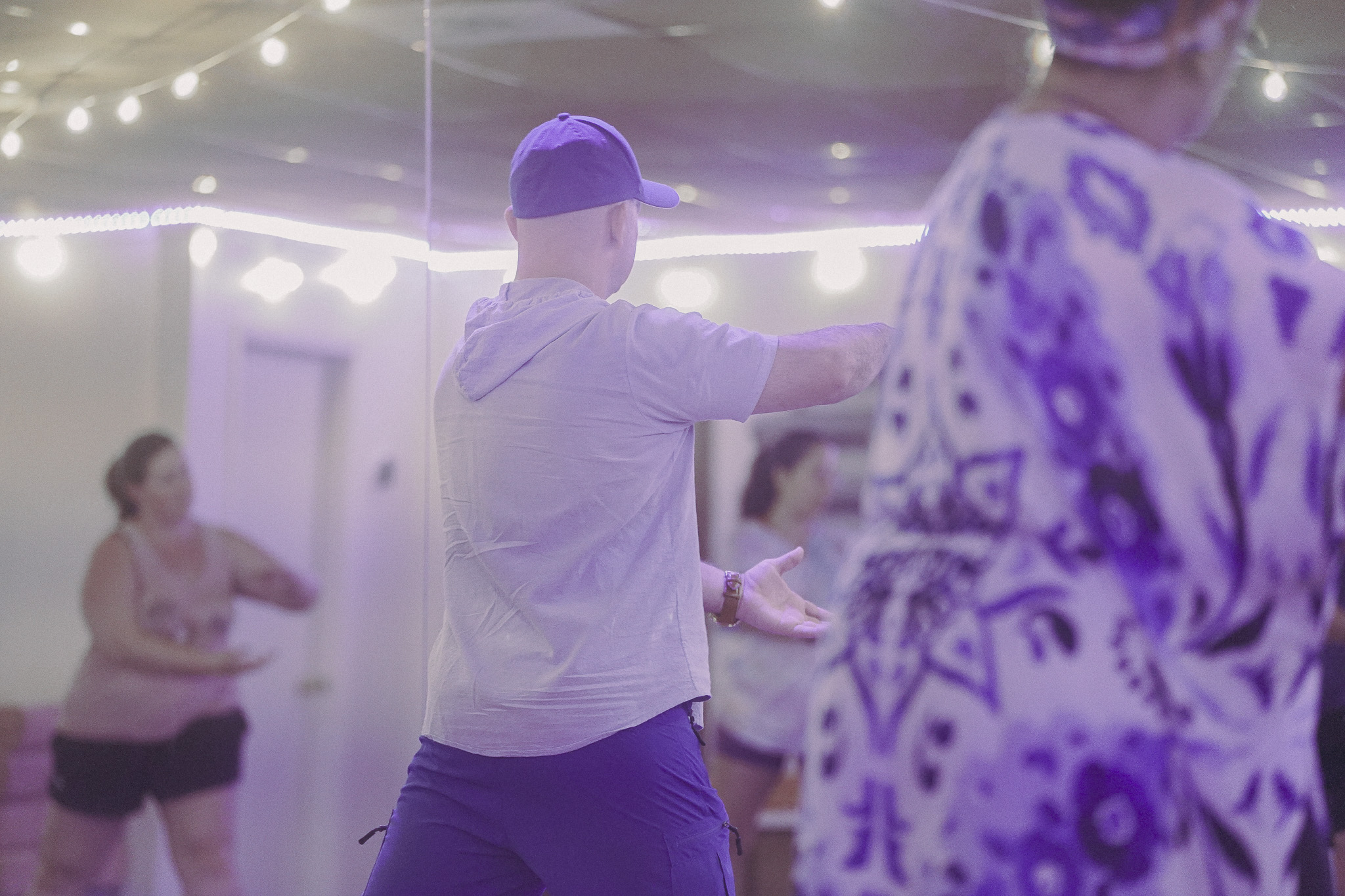
A workplace Tai Chi session does not have to be complicated. It can be designed as a gentle introduction to movement, breath, grounding, posture awareness, and stress relief. The session can be held on-site, in a meeting room, in a retreat setting, or as part of a larger workplace wellness experience.
A session may begin with a short grounding practice, followed by simple Tai Chi-inspired movements that help employees feel their feet, shift weight, notice breath, soften tension, and move slowly with awareness. The facilitator may also offer plain-language education about how stress shows up in the body and how employees can use small moments of breath and grounding throughout the day.
The goal is not to teach an entire Tai Chi form in one session. The goal is to give the team an accessible experience of slowing down and reconnecting with the body in a way they can understand and use.
A workplace Tai Chi session can be simple, practical, and deeply supportive when it is taught with care and accessibility.
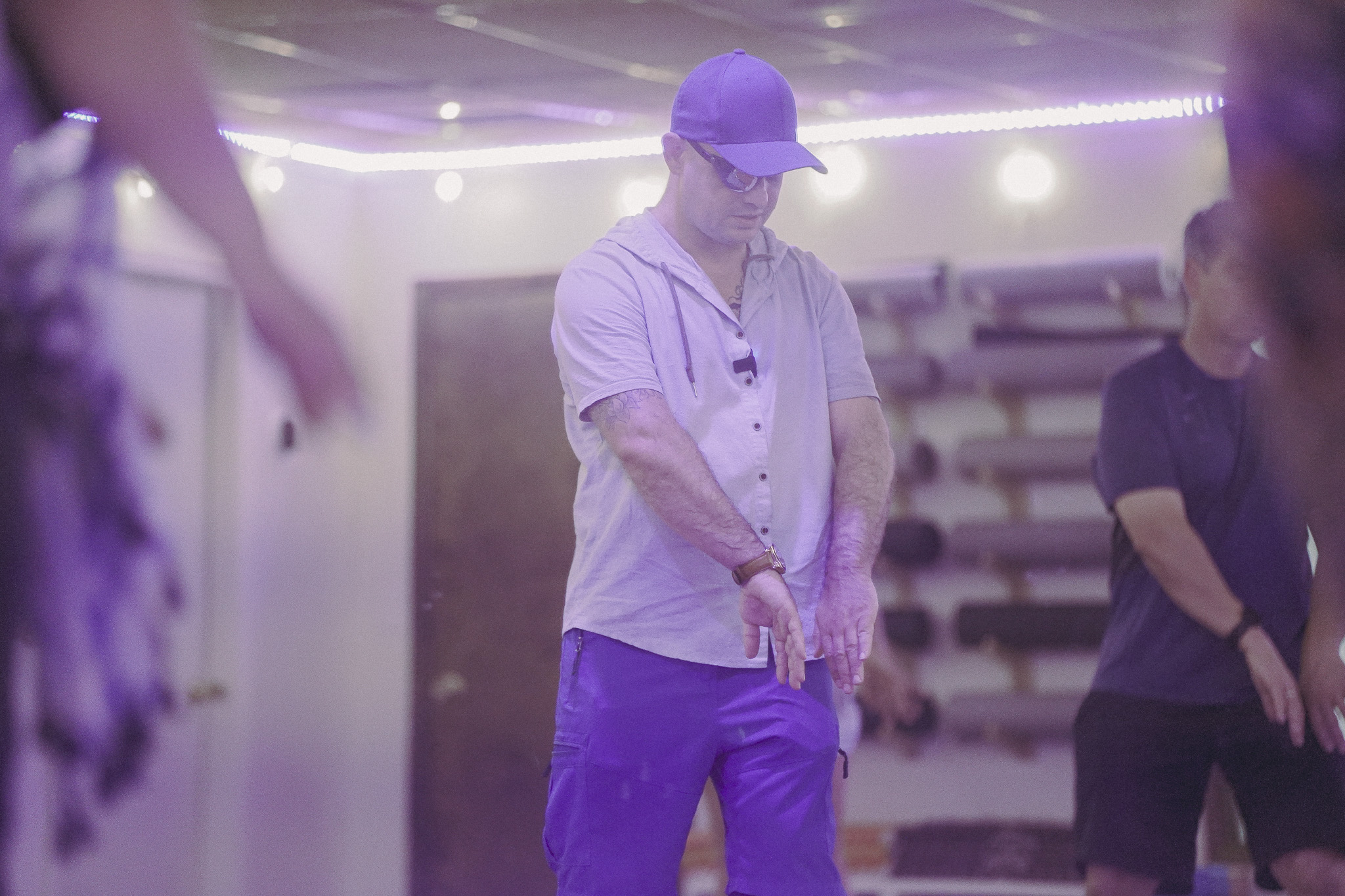
A workplace Tai Chi session can introduce teams to breath, grounding, posture awareness, and gentle movement in a practical way.
How Tai Chi supports workplace stress in daily moments
The value of workplace Tai Chi is not limited to the session itself. The practice can give employees simple tools they can return to during real workday moments. A person may notice shallow breathing before a meeting, tense shoulders while responding to emails, or mental rushing before finishing one task.
These small moments create opportunities to return. Feel the feet. Take one slower breath. Soften the jaw. Notice posture. Pause before responding. Move through a transition with more awareness. These are not complicated tools, but they can help employees recognize stress earlier.
When teams learn practical body-based skills together, workplace wellness becomes more than an event. It becomes something employees can carry back into communication, focus, leadership, and daily responsibility.
Before Meetings
A brief grounding pause can help employees arrive with more presence and less urgency.
During Transitions
Slow movement or one conscious breath can help the body shift from one task into the next.
After Conflict
Grounding can help the body settle before continuing communication or decision-making.
At the End of the Day
Tai Chi can help employees transition out of work mode and back into their body.
Workplace Tai Chi is not a replacement for employee care systems
Tai Chi can be a supportive workplace wellness practice for stress relief, gentle movement, mindfulness, breath awareness, grounding, focus, balance, and body awareness, but it is not a replacement for strong workplace systems, healthy leadership, fair workloads, mental health resources, medical care, therapy, employee accommodations, or crisis support.
Employee stress should not be treated only as an individual responsibility. Teams need supportive cultures, reasonable expectations, clear communication, access to professional resources, and leadership that takes wellbeing seriously. Mind-body practices like Tai Chi can be helpful, but they work best as part of a broader commitment to care.
The value of Tai Chi is that it gives employees a practical way to reconnect with the body and practice slowing down. It should support workplace wellbeing, not be used to ignore larger issues that need attention.
Workplace wellness is strongest when practical practices are paired with real care, healthy systems, and leadership that listens.
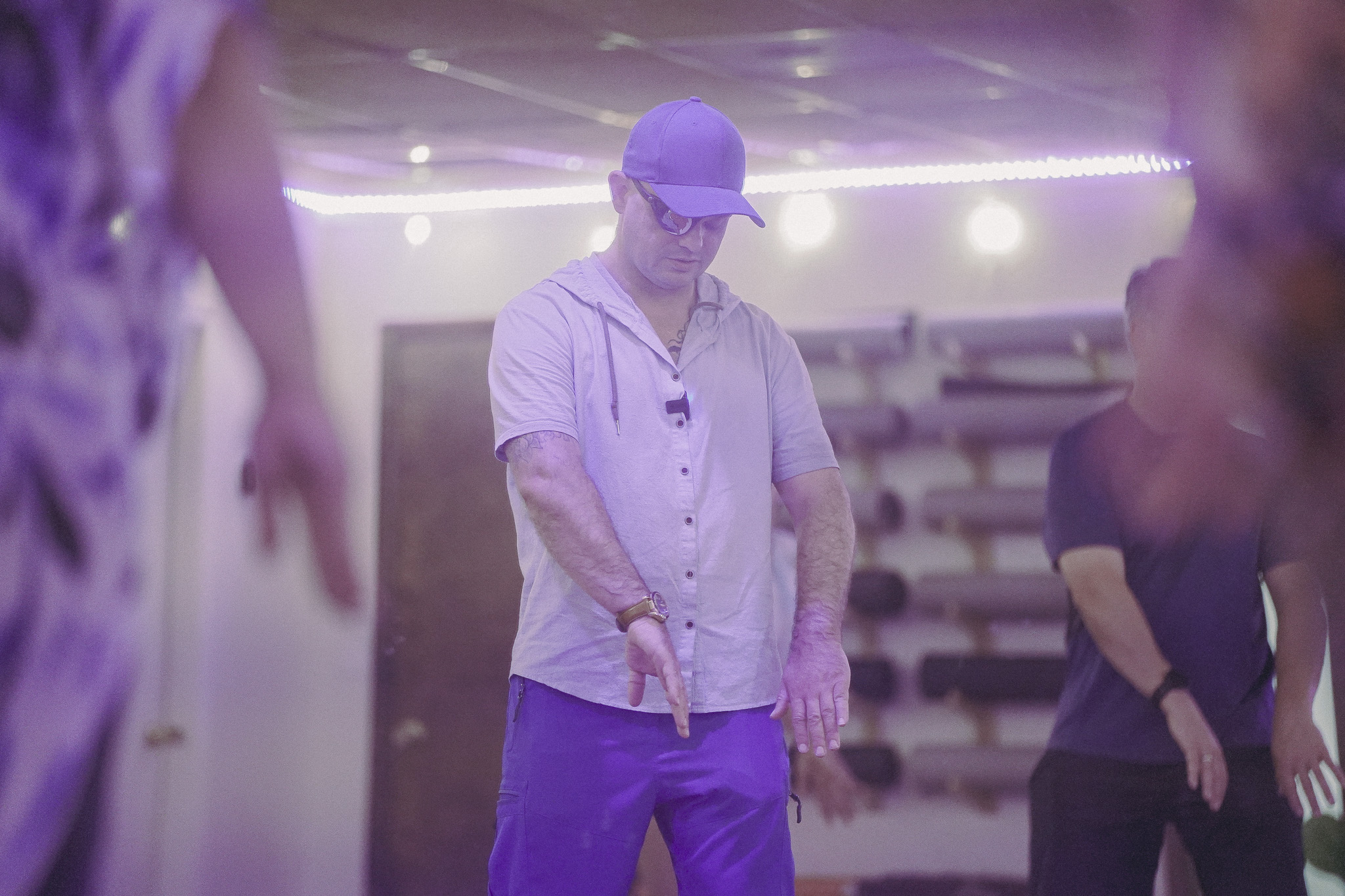
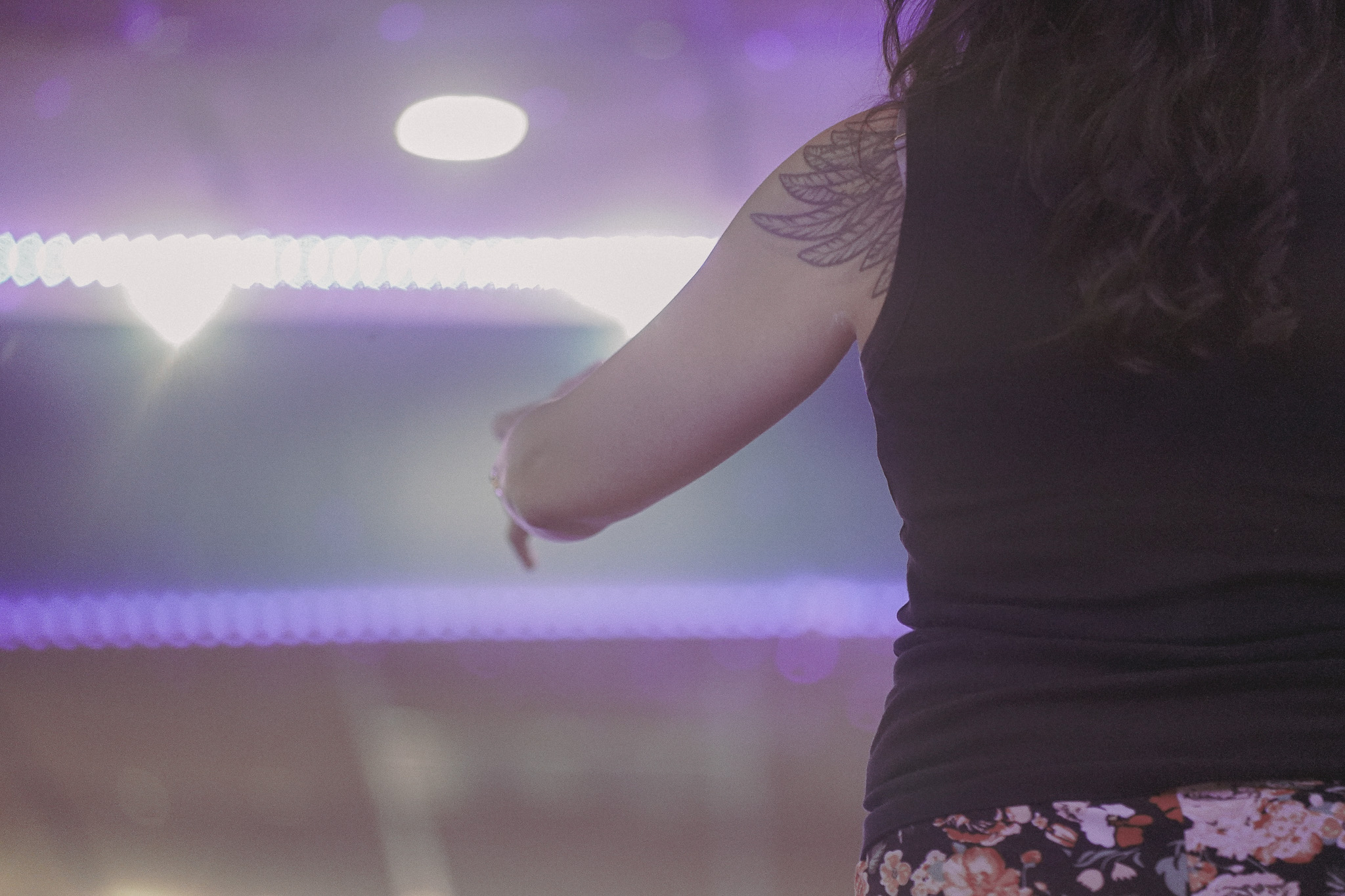
Workplace wellness with The Healing Tree Collective
At The Healing Tree Collective, we support workplaces that want to care for their teams in a more human way. Our wellness experiences are designed to help employees slow down, reconnect with their bodies, understand stress in practical terms, and experience supportive practices that can translate into daily life.
Tai Chi can be part of a larger workplace wellness experience alongside meditation, breathwork, sound healing, Reiki, nervous system education, grounding practices, and reflective team sessions. Each offering can be customized based on the needs of the team, the workplace environment, and the intention of the experience.
We believe workplace wellness should feel accessible, educational, and real. It should not be another performance or another task employees have to complete. It should offer space to breathe, reset, and feel supported.
At The Healing Tree Collective, workplace wellness is about helping teams return to the human being behind the role, the inbox, the meeting, and the deadline.
Final thoughts: teams need practices that help them return
Workplace stress is not only a productivity issue. It is a human issue. It affects the body, mind, communication, patience, creativity, and the way people experience their day. Teams need practices that help them slow down, breathe, ground, and reconnect with themselves in a way that feels practical and accessible.
Tai Chi can offer that kind of support. It gives employees a gentle way to move without high intensity, practice mindfulness without forcing stillness, and experience stress relief through the body instead of only talking about it.
For teams that spend much of the day thinking, responding, deciding, and producing, Tai Chi can become a meaningful reminder: people are not machines. The body needs space to slow down. The breath needs to be noticed. The team needs moments where care is practiced, not just discussed.
Tai Chi for workplace stress helps teams practice the art of returning: to breath, to body, to presence, and to a more human pace of working together.
Looking for workplace wellness experiences in Tempe or the Phoenix area?
The Healing Tree Collective offers workplace wellness experiences designed to support stress relief, mindfulness, grounding, nervous system education, body awareness, and team connection. If your team is curious about Tai Chi, meditation, breathwork, sound healing, or a customized wellness session, we would love to help you create an experience that feels supportive and practical.
We bring a human approach to workplace wellness because teams need more than productivity tools. They need space to breathe, slow down, and reconnect.