7 August 2026
How Tai Chi Can Support Employee Wellbeing and Stress Management
Employee wellbeing is not only about benefits, perks, or occasional team events. It is about the daily experience of the people inside the workplace: how they carry stress, how they communicate, how they recover, how they focus, and whether they have meaningful support for the pressure they are expected to manage.
Many employees spend their workdays responding to messages, solving problems, managing deadlines, sitting at screens, attending meetings, supporting others, and moving through constant mental activity. Even when the work is meaningful, the body may still carry the impact of stress, urgency, and prolonged focus.
Tai Chi can support employee wellbeing and stress management by giving teams a gentle, accessible way to move, breathe, slow down, ground, and reconnect with the body. It offers workplace wellness that is practical, beginner-friendly, and supportive for many different experience levels.
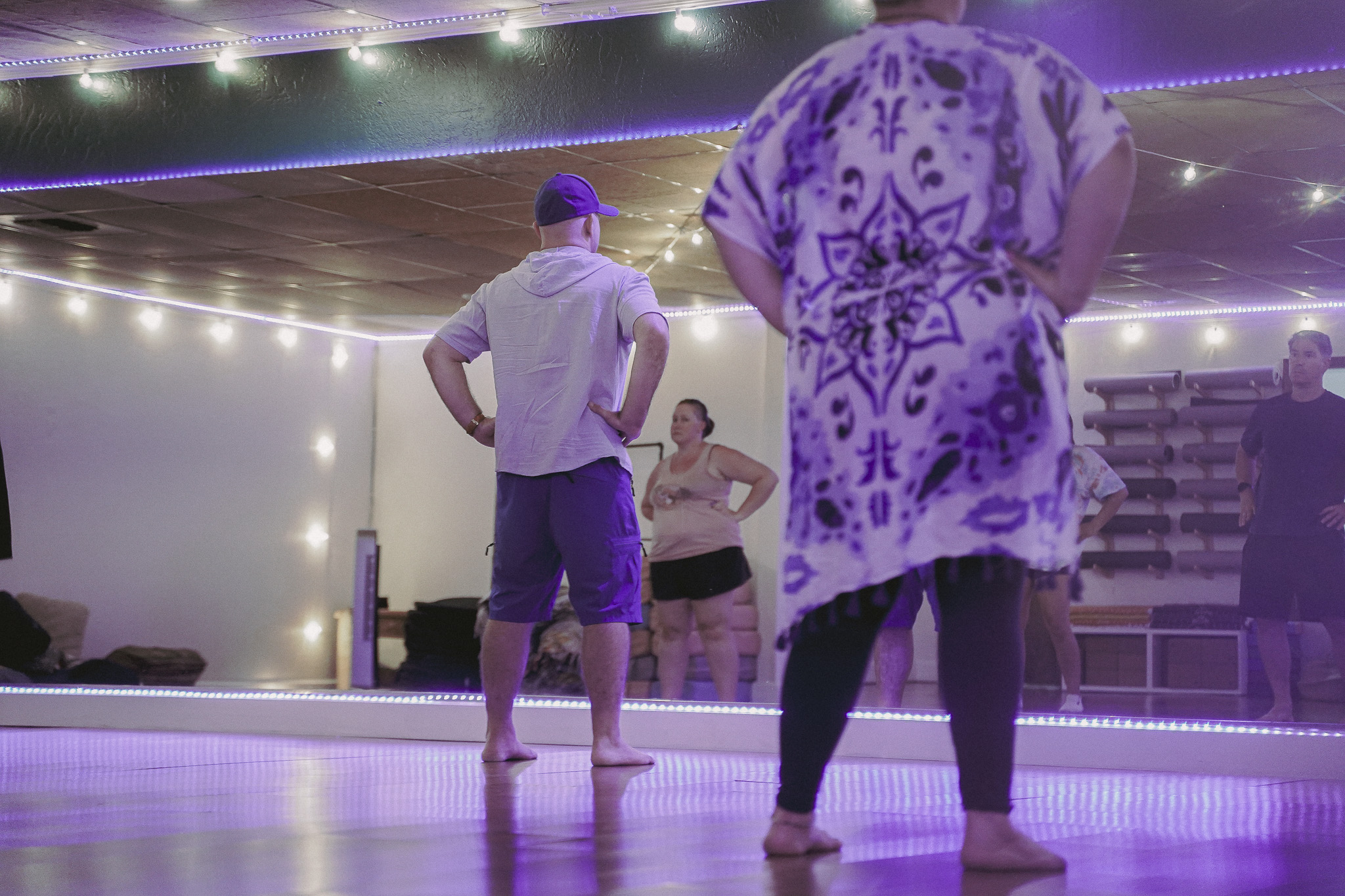
Tai Chi can support employee wellbeing by helping teams slow down, breathe, and reconnect with the body during seasons of workplace stress.
Tai Chi may support employee wellbeing by helping with:
Practical stress management through gentle movement, breath, and body awareness.
- Stress relief and grounding
- Breath awareness
- Physical tension awareness
- Focus and mental clarity
- Mind-body connection
- Transitioning out of productivity mode
- A calmer shared team rhythm
Employee wellbeing has to include the body
Workplace stress is often discussed as a mental or productivity issue. Employees may describe feeling overwhelmed, distracted, behind, anxious, unmotivated, irritable, or mentally drained. These experiences matter, but they are only part of the picture. Stress also shows up physically.
An employee may hold tension in the shoulders, neck, jaw, chest, stomach, or lower back. They may breathe shallowly during busy days, sit for long periods without noticing posture, rush from one task to the next, or carry the feeling of work long after the workday ends. The body often absorbs the pressure of the workplace before anyone names it as stress.
This is why employee wellbeing programs need to include body-based practices. A team can talk about stress management, but if the body never has a chance to slow down, breathe, move, and return to support, stress may continue living in the body as tension, fatigue, or urgency.
Employee wellbeing becomes more complete when the body is included in the conversation.
Tai Chi offers a gentle way to practice stress management
Tai Chi is a slow, intentional movement practice that combines breath awareness, posture, grounding, balance, and focused attention. In a workplace setting, this can be a supportive way to help employees experience stress management instead of only hearing about it.
Unlike high-intensity workouts, Tai Chi does not require employees to push harder, sweat, compete, or perform. It offers a slower rhythm that helps the body notice what is happening. Employees can feel their feet, shift weight, soften unnecessary tension, notice the breath, and follow simple movements that bring attention into the present moment.
This makes Tai Chi accessible for many teams because it can be introduced in plain language and adapted to different comfort levels. It does not require prior Tai Chi experience, advanced flexibility, athletic ability, or a perfectly calm mind.
Tai Chi supports stress management by giving employees a physical way to slow down, rather than simply telling them they should relax.
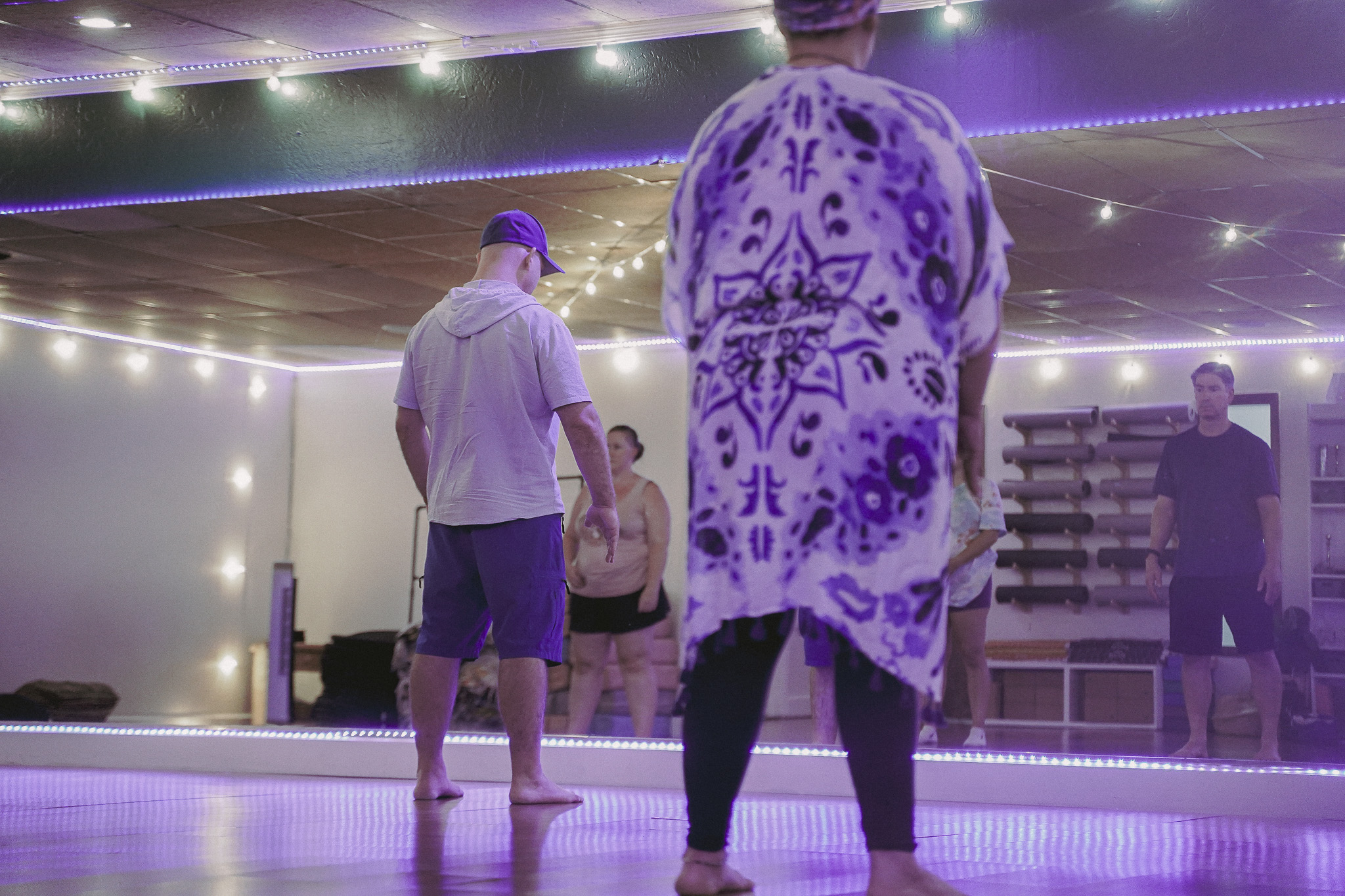
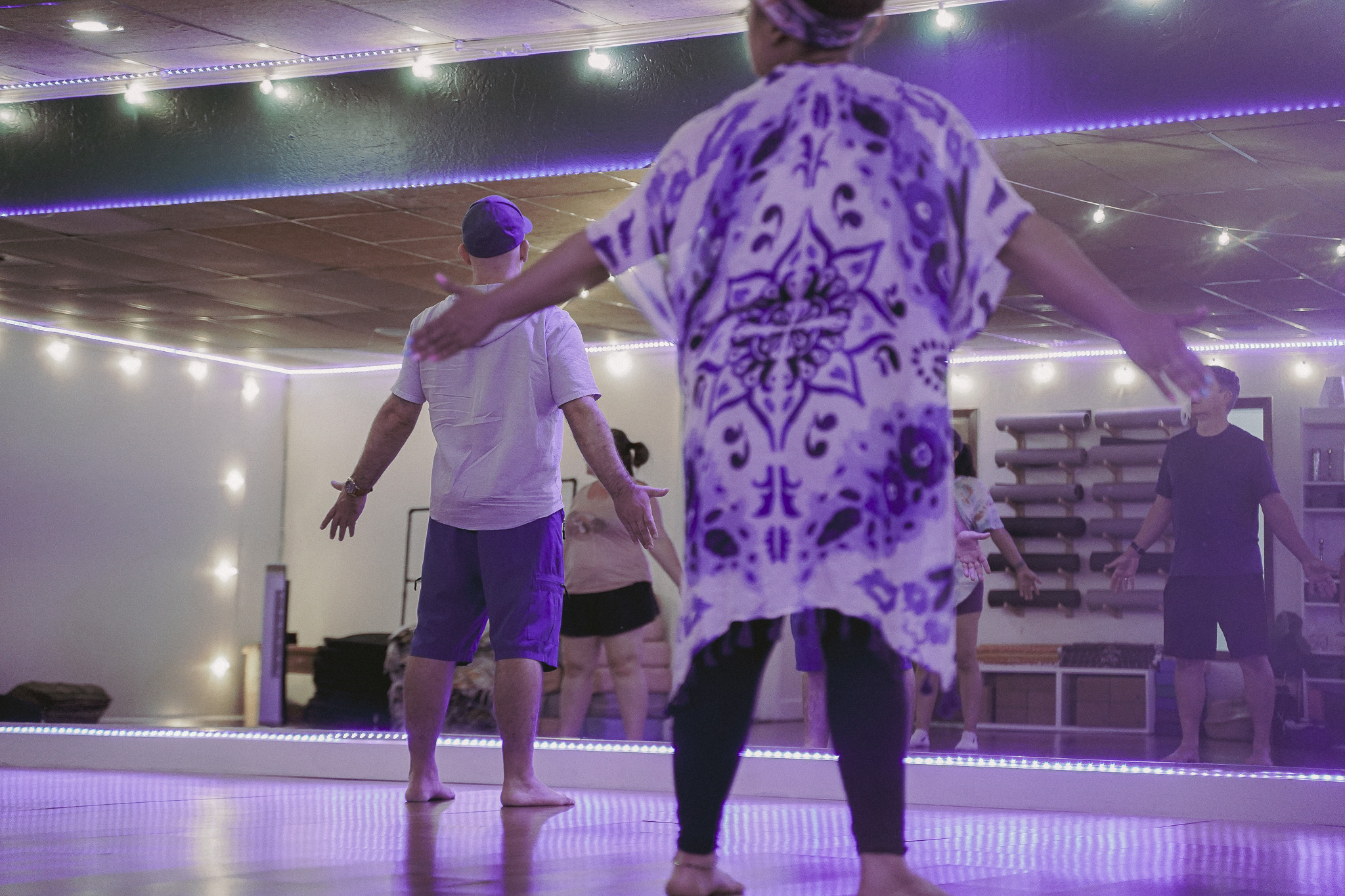
Why employees need practices that help them slow down
Many workplaces operate at a fast pace. Employees may be expected to respond quickly, solve problems efficiently, switch between priorities, stay available, and continue performing even when they feel mentally overloaded. Over time, speed can become the default rhythm of the workplace.
The challenge is that the body may not know how to shift out of that rhythm just because the workday pauses. Even during breaks, employees may still feel rushed. The mind may continue thinking about unfinished tasks. The breath may stay shallow. The shoulders may remain tense. The body may still feel like it is working.
Tai Chi helps because it gives employees a structured way to slow down. The practice uses movement, breath, grounding, and repetition to create a different rhythm. This can help teams experience a shift from urgency into presence, even if only for a few minutes at a time.
Slowing down is not always natural in workplace culture. It often has to be practiced.
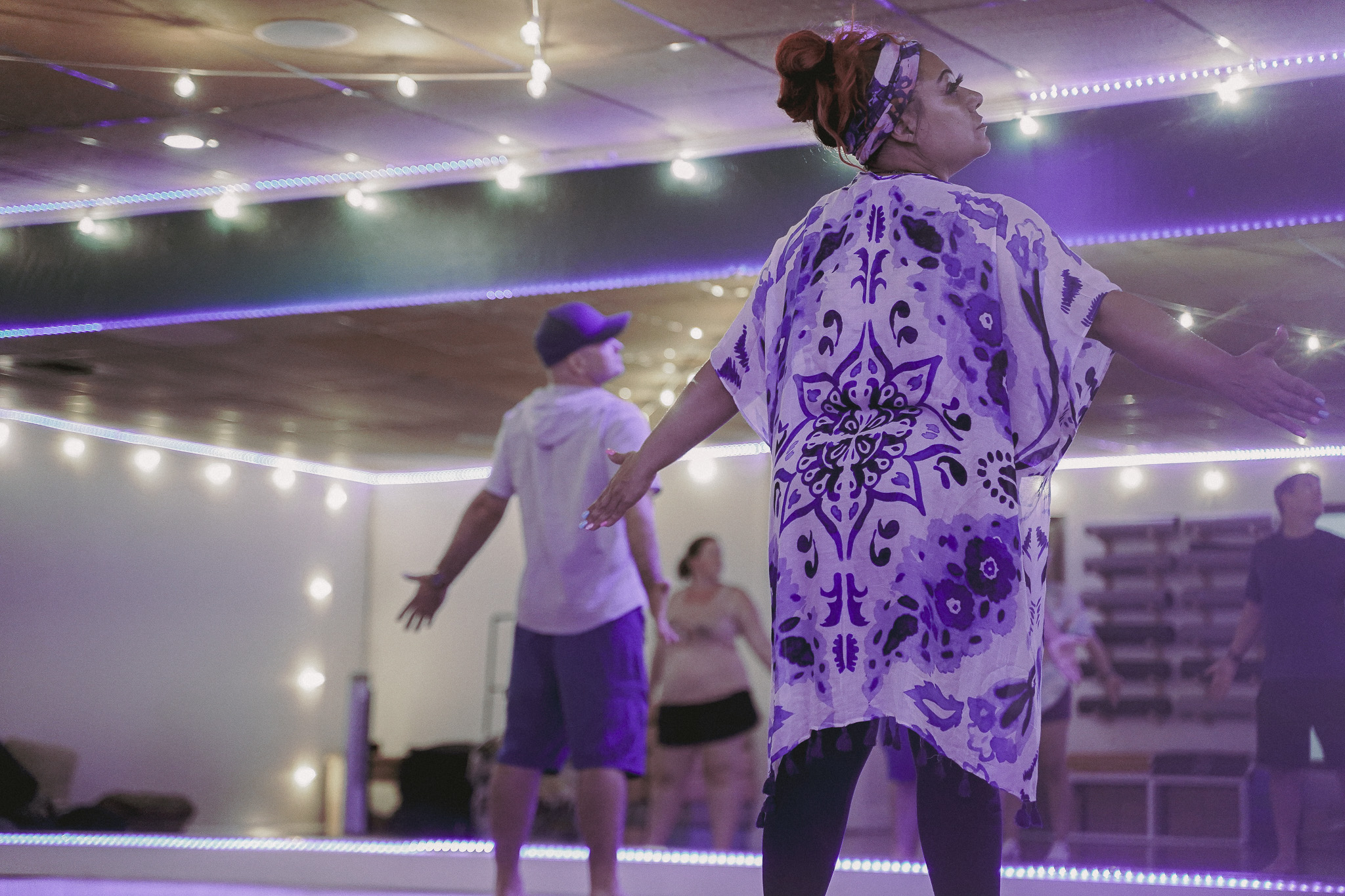
Tai Chi gives teams a slower rhythm to practice through breath, movement, grounding, and mindful attention.
Tai Chi can support focus and mental clarity at work
Workplaces often require sustained attention. Employees may move between meetings, emails, project details, client needs, reports, decisions, and conversations. This constant switching can make focus feel scattered and leave the mind feeling overloaded.
Tai Chi supports focus by giving attention one thing to follow at a time. One breath. One movement. One shift of weight. One transition. When attention wanders, the body gives the mind a place to return. This is a practical skill for employees because focus at work often depends on the ability to notice distraction and return with less frustration.
For teams that spend long hours in mental activity, Tai Chi can provide a helpful reset. It moves attention out of the screen, out of constant planning, and back into physical presence. That shift can support mental clarity because the mind is no longer trying to hold everything at once.
Mental clarity does not always come from thinking harder. Sometimes the mind needs the body to help it return.
Before Meetings
A brief Tai Chi-inspired grounding practice can help employees arrive with more presence.
After Screen Time
Slow movement can help attention return to the body after long periods of visual focus.
During Busy Days
Breath awareness and grounding can support a steadier relationship with stress and task switching.
During Transitions
One slower breath or mindful weight shift can help the body move from one task into the next.
Tai Chi can reduce performance pressure in workplace wellness
Some workplace wellness activities can unintentionally create pressure. Employees may feel self-conscious if a wellness session is too physically demanding, too competitive, too unfamiliar, or too centered on performance. This can make participation feel uncomfortable, especially in front of coworkers.
Tai Chi can feel different because the practice is gentle and non-competitive. The goal is not to be the strongest, fastest, most flexible, or most coordinated person in the room. The goal is to notice the body, follow the breath, move slowly, and return attention to the present moment.
This matters because employee wellbeing should not become another place where people feel evaluated. A supportive wellness practice should create space for employees to participate as human beings, not as performers.
Workplace wellness works better when employees do not feel like they have to perform their way into care.


Tai Chi supports the transition out of productivity mode
One of the most common challenges employees face is the inability to fully transition out of productivity mode. Even after work hours, the body may still feel alert. The mind may continue reviewing conversations, checking tasks, planning tomorrow, or feeling responsible for what remains unfinished.
Tai Chi can help create a clear transition because it changes the rhythm of the body. Instead of typing, solving, talking, responding, or producing, employees are invited to breathe, feel the feet, move slowly, and notice the present moment. The practice gives the body a different signal: there is space to slow down.
This can be especially supportive during team retreats, wellness days, lunch-and-learns, or end-of-day reset sessions. Tai Chi can help employees move from constant output into a more reflective and grounded state.
Employees need moments where they are not asked to produce more, but are invited to return to themselves.
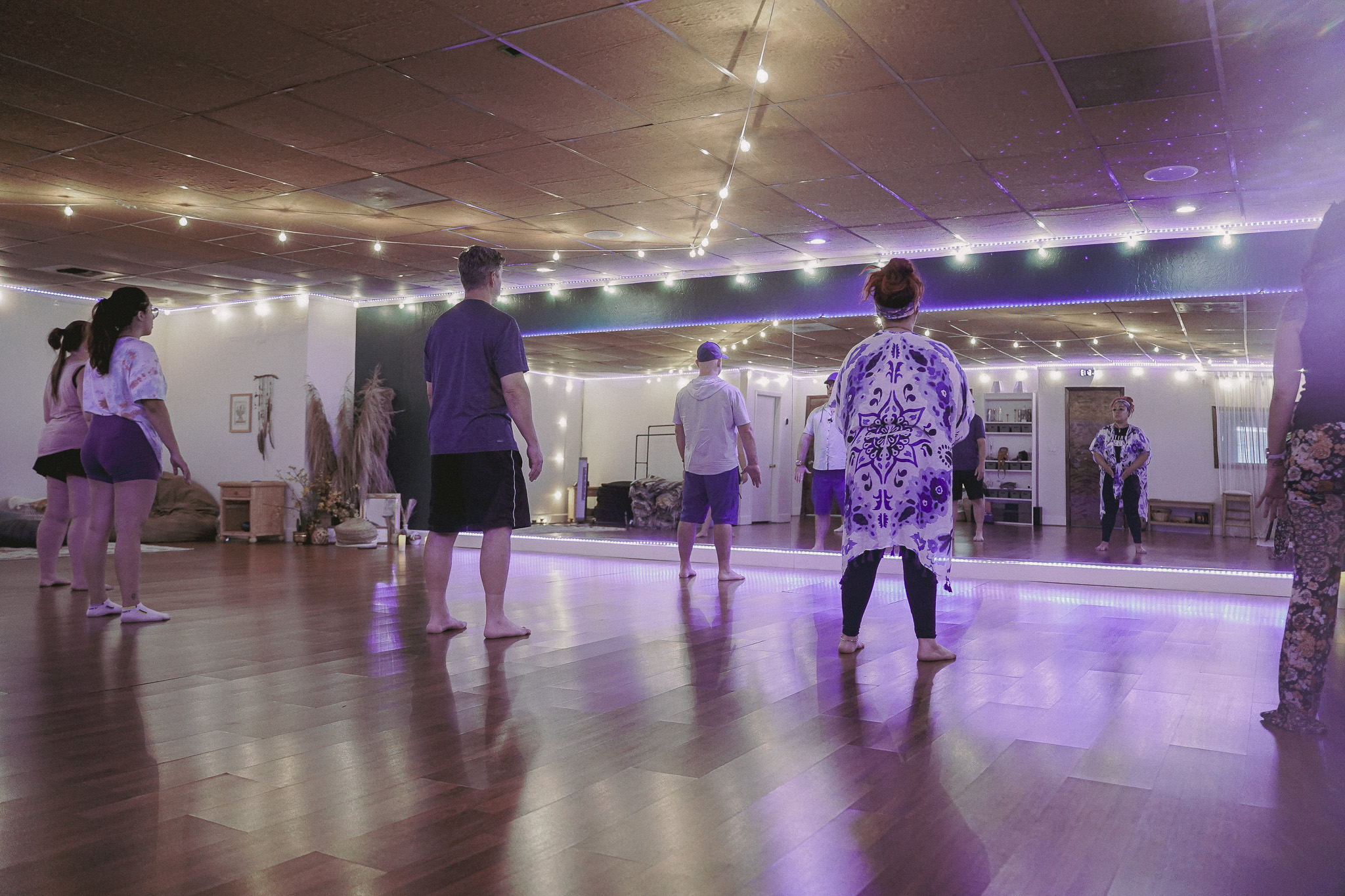
Tai Chi can help employees step out of productivity mode and reconnect with breath, posture, grounding, and body awareness.
Tai Chi can support communication and team culture
Stress affects the way people communicate. When employees are overwhelmed, rushed, or under pressure, patience may become thinner. Misunderstandings can happen more easily. Small frustrations may feel larger. People may respond from urgency instead of clarity.
Tai Chi does not replace healthy communication systems, good leadership, or clear workplace expectations, but it can support the internal conditions that help people communicate with more presence. When employees practice slowing down together, they share an experience of breath, grounding, and focused attention.
This shared experience can influence team culture because culture is not only built through policies. It is also built through the state people bring into the room. A team that practices grounding together may have more opportunities to pause, notice tension, and return to a more human pace of relating.
Teams communicate differently when people are given space to slow down, breathe, and return to themselves.
What a workplace Tai Chi session can include
A workplace Tai Chi session does not need to be complicated to be meaningful. It can be designed as a beginner-friendly introduction to gentle movement, stress awareness, breath, grounding, posture, and practical self-regulation tools.
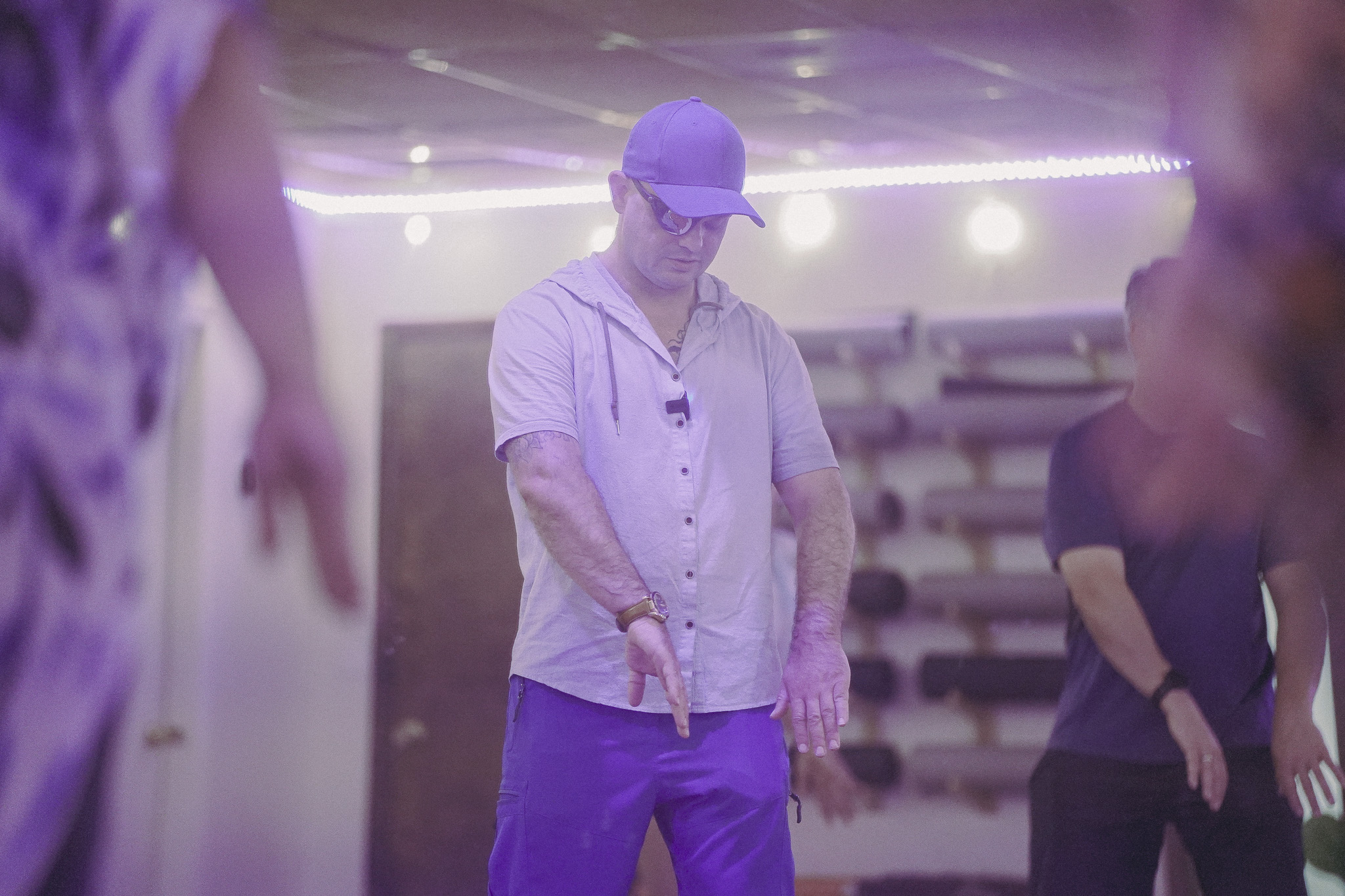
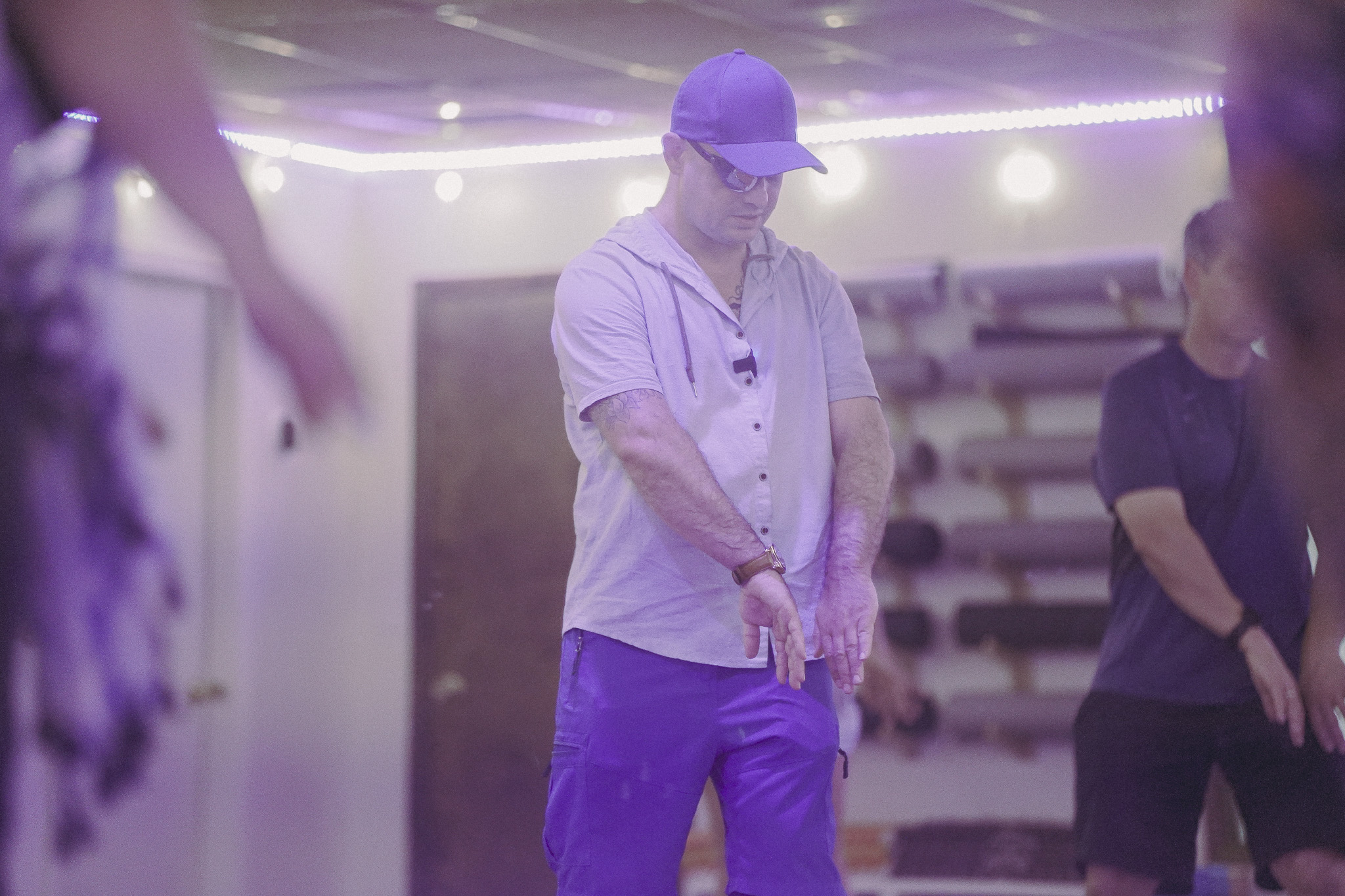
A session may begin with a short grounding practice, followed by simple Tai Chi-inspired movements that help employees feel the feet, shift weight, move slowly, and notice breath. The facilitator may also offer plain-language education about how stress shows up in the body and how small practices can support daily work moments.
The goal is not to teach an entire Tai Chi form in one workplace session. The goal is to offer employees an accessible experience of slowing down and reconnecting with the body in a way they can understand and use.
A workplace Tai Chi session can be simple, practical, and supportive when it helps employees feel what slowing down actually means.
Grounding Practice
Employees begin by feeling the feet, noticing the breath, and arriving in the body.
Gentle Movement
Simple Tai Chi-inspired movements introduce slow pacing, balance, and body awareness.
Stress Education
Teams learn how stress can show up physically through breath, posture, tension, and fatigue.
Practical Integration
Employees leave with small tools they can use during meetings, transitions, and stressful moments.
Tai Chi can be part of a larger employee wellbeing strategy
Tai Chi is not the only practice that can support employee wellbeing, and it does not need to stand alone. It can be part of a broader workplace wellness experience that includes meditation, breathwork, sound healing, nervous system education, reflective practices, leadership support, and team connection.
This is important because employees have different needs. Some may respond well to movement. Others may need rest. Some may benefit from breathwork, while others may prefer meditation or sound. A strong employee wellbeing strategy recognizes that care is more effective when it offers multiple pathways of support.
Tai Chi fits into this strategy because it is accessible, low-pressure, and practical. It gives employees a body-based way to practice stress management and creates a shared experience that can be adapted for different team environments.
Employee wellbeing becomes stronger when teams are offered practical practices that support the body, mind, and daily experience of work.
Employee wellbeing requires more than individual coping skills
It is important to be clear that employee wellbeing should not be reduced to individual coping skills. Employees can practice Tai Chi, meditation, breathwork, or mindfulness, but if workloads are unreasonable, communication is unclear, expectations are unhealthy, or leadership does not take stress seriously, wellness practices alone cannot solve the problem.
Tai Chi can support employees, but it should be paired with real workplace care. This includes healthier systems, realistic expectations, psychological safety, leadership accountability, access to mental health resources, and a culture where people are not expected to sacrifice their wellbeing to keep up.
The value of Tai Chi is that it gives employees a practical way to reconnect with the body and practice stress management. The responsibility of workplace wellbeing, however, belongs to the organization as well as the individual.
Workplace wellness is strongest when supportive practices are paired with healthy systems, thoughtful leadership, and real care for employees.


Workplace Tai Chi is not a replacement for medical or mental health care
Tai Chi can be a supportive workplace wellness practice for stress relief, gentle movement, mindfulness, breath awareness, grounding, focus, balance, and body awareness, but it is not a replacement for medical care, therapy, medication, psychiatric support, trauma-informed treatment, employee accommodations, crisis services, or healthy workplace systems.
If employees are experiencing significant distress, panic, depression, trauma symptoms, thoughts of self-harm, severe burnout, persistent pain, or difficulty functioning, support from qualified professionals may be necessary. Employers should take these needs seriously and connect employees with appropriate resources.
Mind-body practices like Tai Chi can support wellbeing, but they should not be used to avoid addressing deeper workplace conditions or professional care needs. They are most effective when they are part of a broader culture of support.
Tai Chi can support employee wellbeing as part of a broader workplace wellness strategy, but it should not replace professional care or healthy workplace systems.
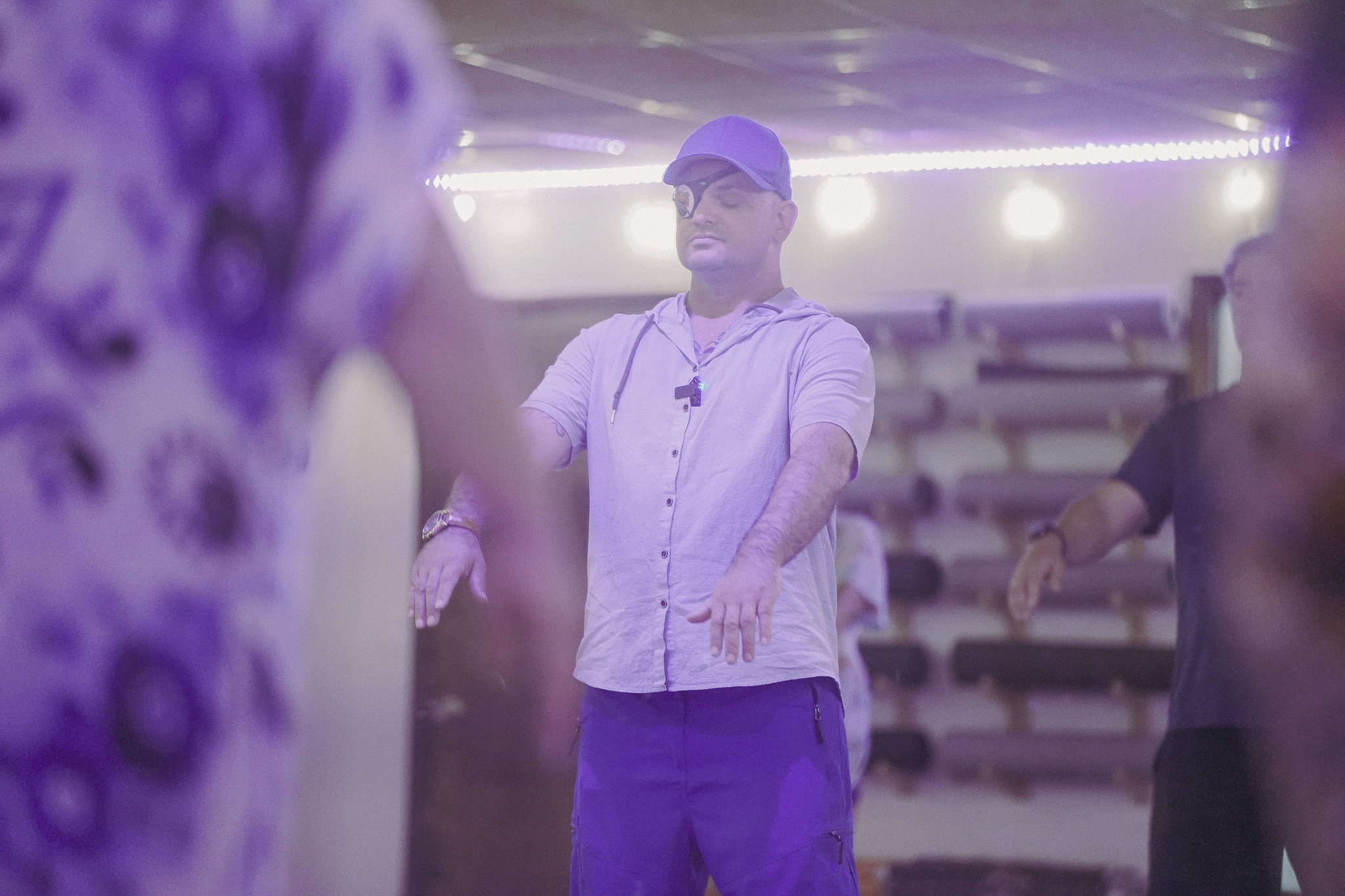
Employee wellbeing with The Healing Tree Collective
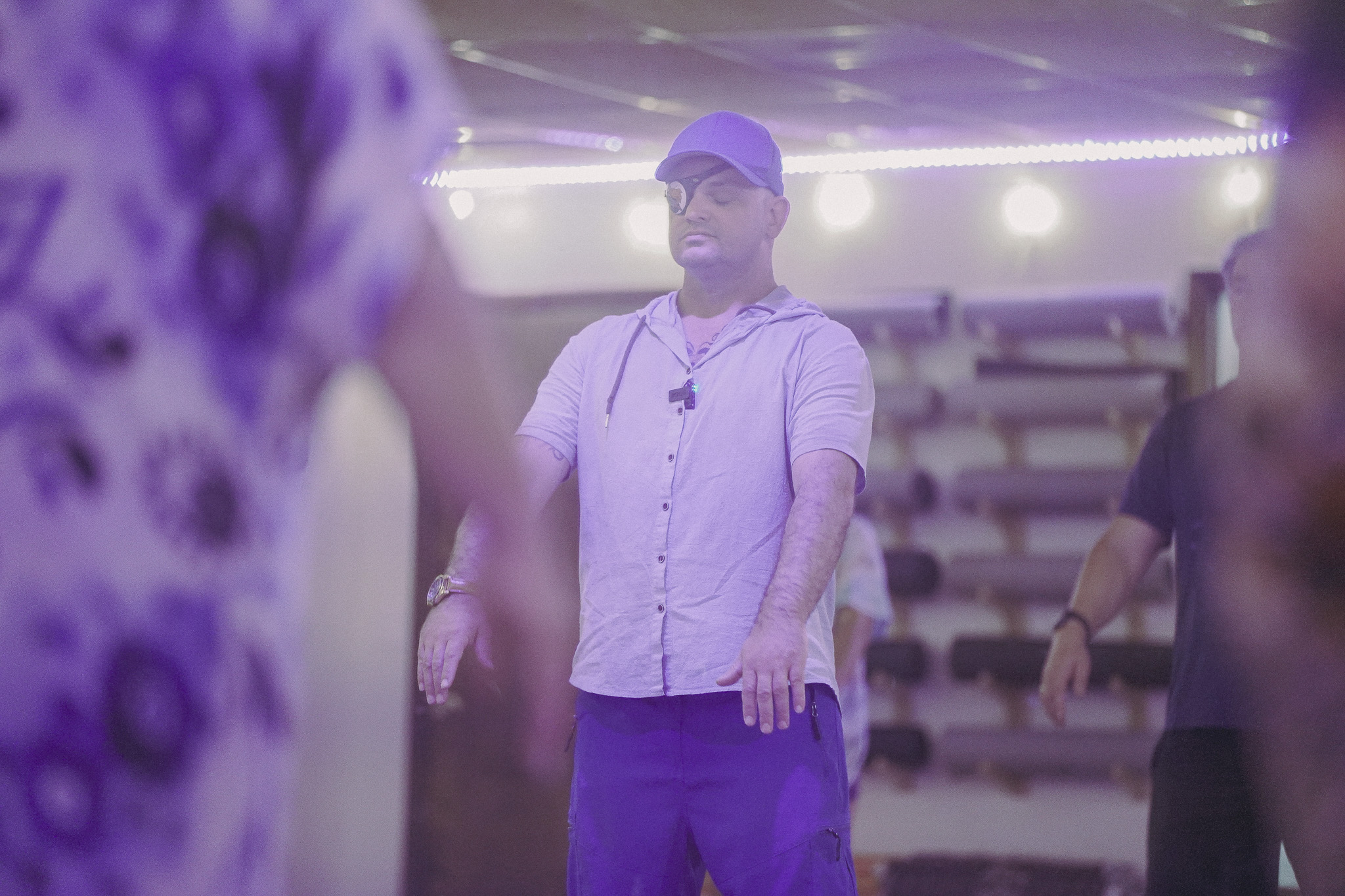
At The Healing Tree Collective, we support workplaces that want to care for their teams in a more human way. Our workplace wellness experiences are designed to help employees slow down, reconnect with their bodies, understand stress in practical terms, and experience supportive practices that can translate into daily life.
Tai Chi can be part of a larger employee wellbeing experience alongside meditation, breathwork, sound healing, Reiki, nervous system education, grounding practices, and reflective team sessions. Each offering can be customized based on the needs of the team, the workplace environment, and the intention of the experience.
We believe employee wellbeing should feel accessible, educational, and real. It should not be another performance or another task employees have to complete. It should offer space to breathe, reset, and feel supported as whole people.
At The Healing Tree Collective, employee wellbeing is about helping teams return to the human being behind the role, the inbox, the meeting, and the deadline.
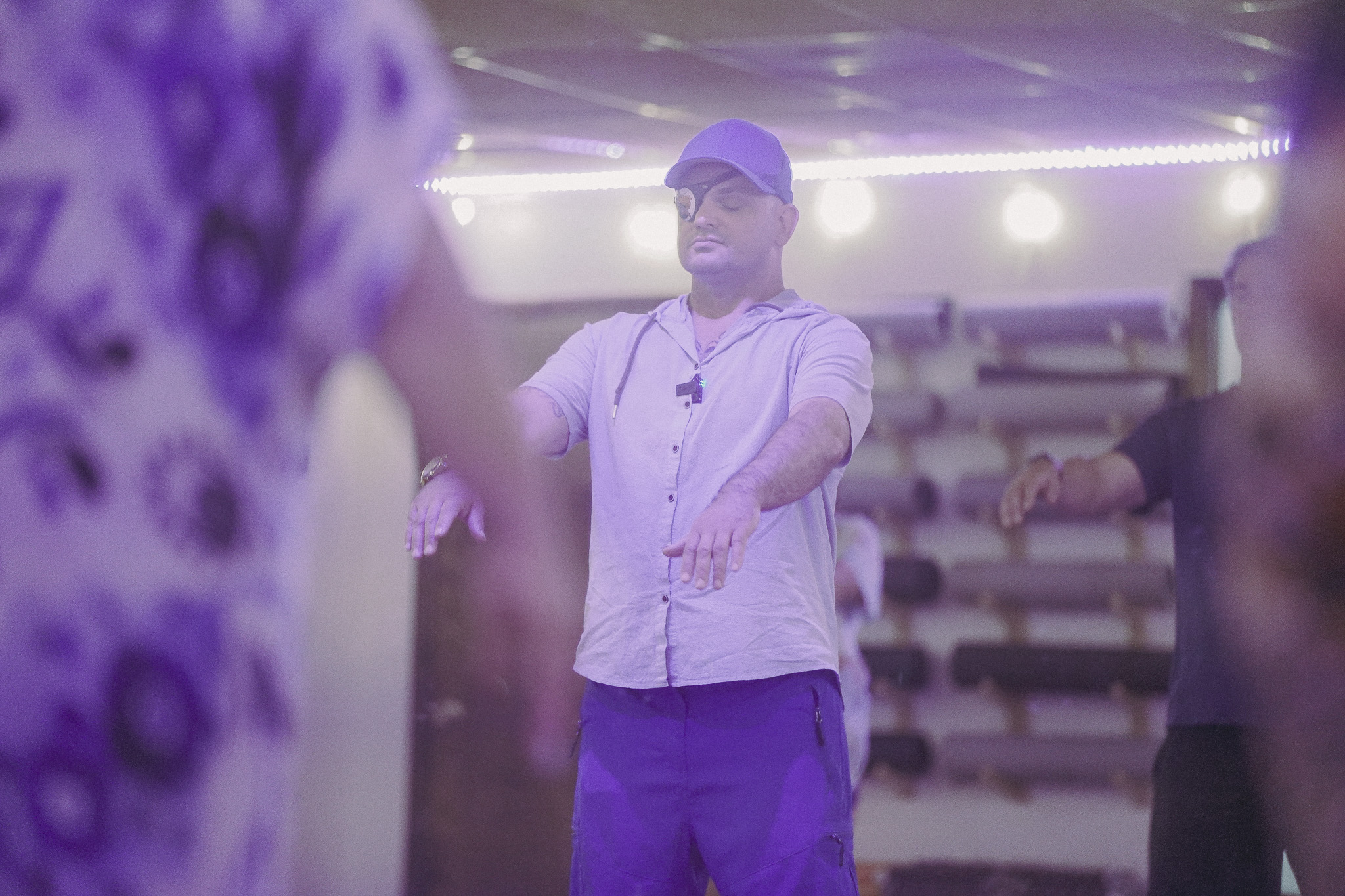
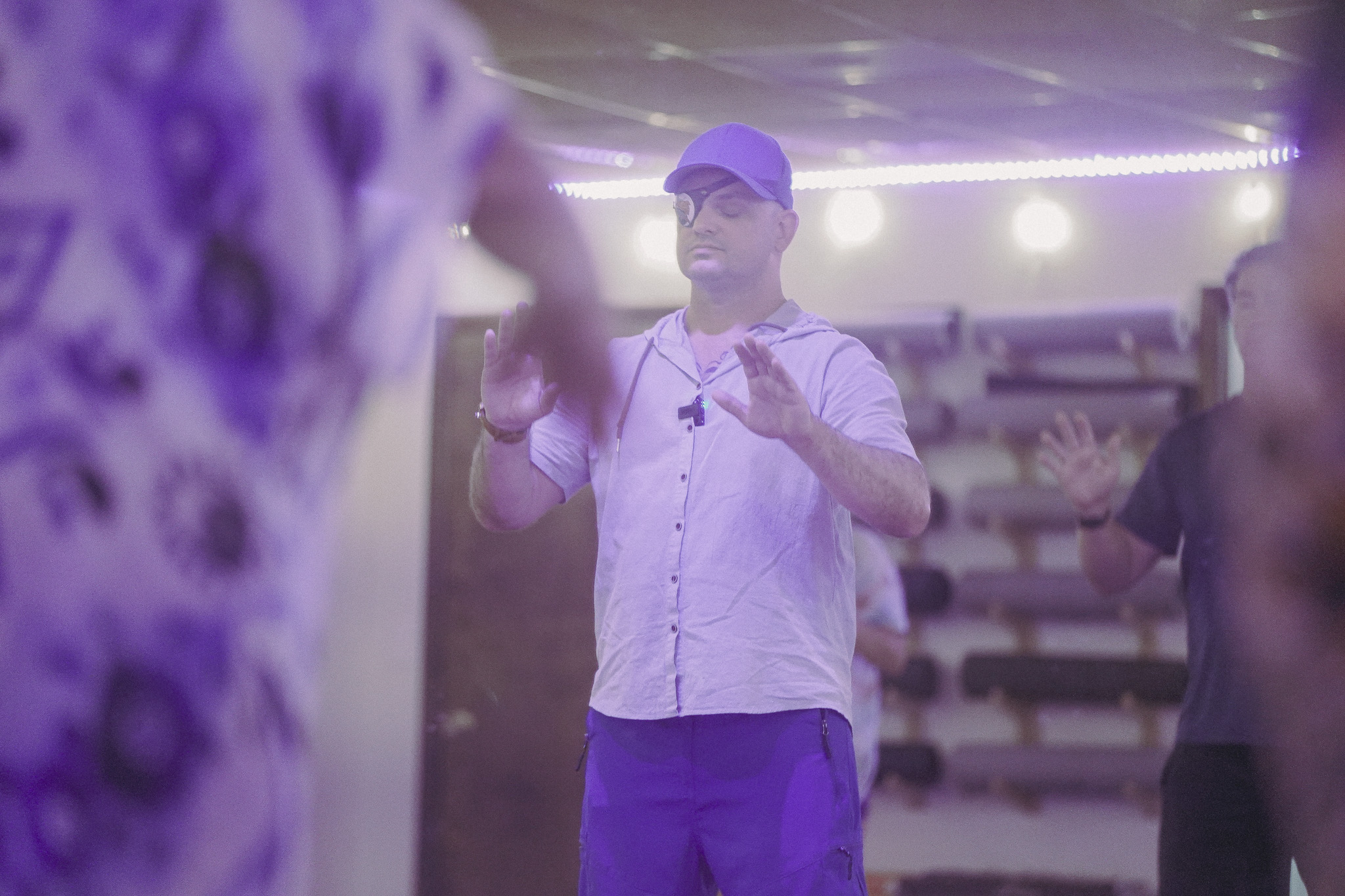
Final thoughts: employee wellbeing needs practices that are practical and human
Tai Chi can support employee wellbeing and stress management by giving teams a gentle way to slow down, breathe, move, ground, and reconnect with themselves. It is not about turning employees into Tai Chi experts. It is about giving them an experience of stress relief that includes the body.
For employees who spend their days thinking, responding, sitting, problem-solving, and producing, Tai Chi can offer a meaningful reset. The practice helps people notice breath, posture, tension, balance, and attention. It gives teams a shared way to practice slowing down in a work culture that often rewards constant speed.
Employee wellbeing should not be reduced to a checkbox. It should be felt. Tai Chi is one practice that can help teams feel what support, breath, grounding, and presence can look like in the middle of real work life.
Tai Chi supports employee wellbeing by helping teams practice the return: to breath, to body, to presence, and to a more human pace of working together.
Looking for employee wellbeing and workplace wellness experiences?
The Healing Tree Collective offers workplace wellness experiences designed to support stress relief, mindfulness, grounding, nervous system education, body awareness, and team connection. If your team is curious about Tai Chi, meditation, breathwork, sound healing, Reiki, or a customized wellness session, we would love to help you create an experience that feels supportive and practical.
We bring a human approach to workplace wellness because teams need more than productivity tools. They need space to breathe, slow down, and reconnect.