10 August 2026
How Tai Chi Supports Focus, Patience, and Emotional Regulation at Work
Focus, patience, and emotional regulation are not only personal qualities. In the workplace, they directly affect communication, decision-making, leadership, teamwork, morale, and the way people move through pressure. When employees are overwhelmed, rushed, or mentally overloaded, even simple interactions can become harder.
Many workplaces want employees to stay calm, focused, and emotionally balanced, but they do not always give teams practical ways to build those skills in the body. Stress management cannot only be an idea people understand. It has to become something they can practice during real workday moments.
Tai Chi can support focus, patience, and emotional regulation at work by giving employees a gentle, body-based practice for slowing down, noticing stress, grounding attention, and creating more space between what they feel and how they respond.
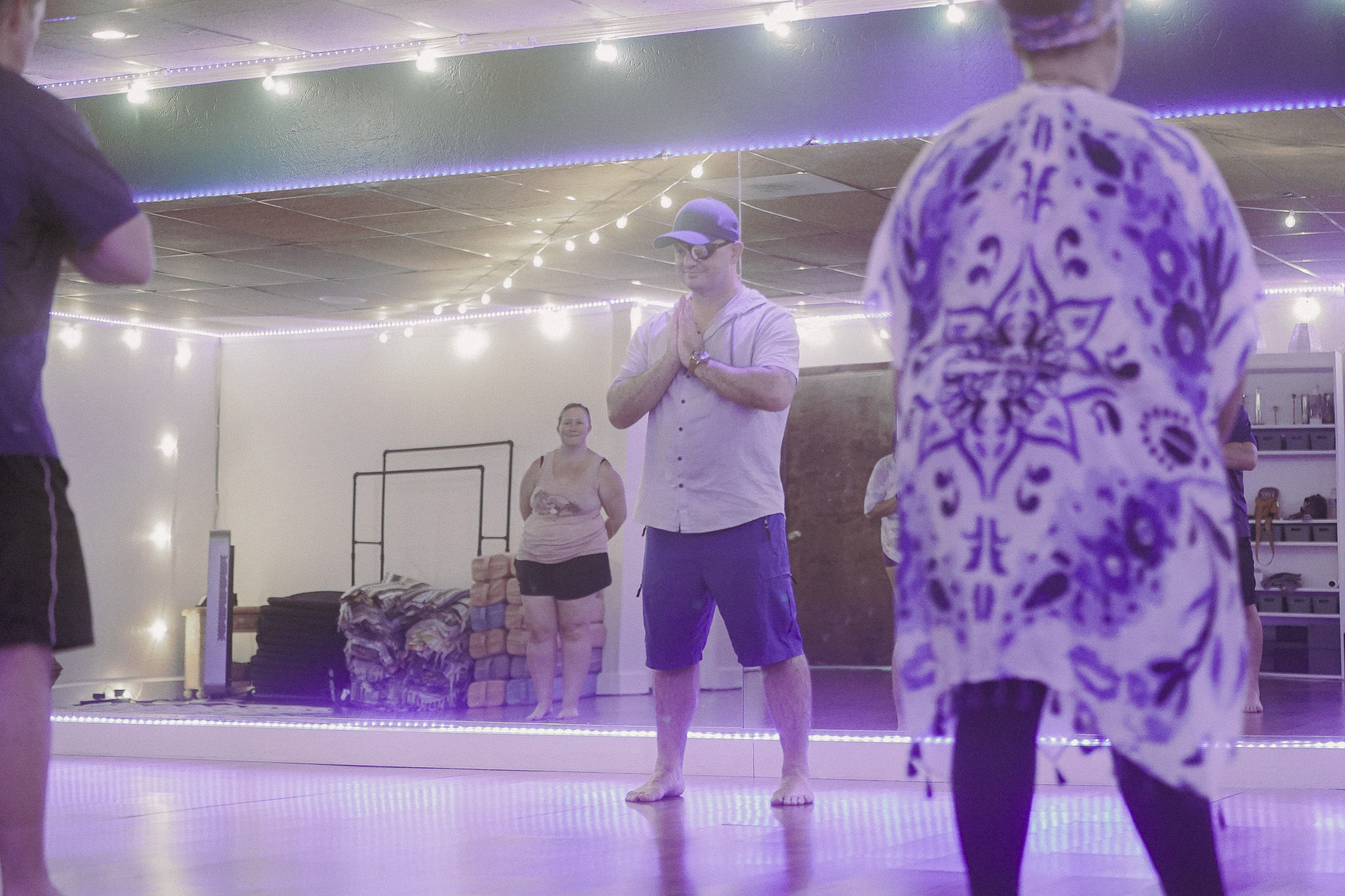
Tai Chi can support workplace focus, patience, and emotional regulation through slow movement, breath awareness, grounding, and mindful transitions.
Tai Chi may support workplace wellbeing by helping employees:
Practice awareness through the body instead of relying on willpower alone.
- Return attention to one thing at a time
- Notice stress before reacting
- Practice patience through slow movement
- Create space during emotional moments
- Ground during workplace pressure
- Transition between tasks with more awareness
- Reconnect with breath and body
Why focus, patience, and emotional regulation matter at work
Workplaces are full of moments that test a person’s ability to stay present. A team member may receive a difficult message, move through back-to-back meetings, deal with an unexpected change, navigate a tense conversation, or try to focus while several responsibilities compete for attention.
In these moments, focus, patience, and emotional regulation are not abstract wellness concepts. They are practical workplace skills. Focus helps employees stay connected to the task in front of them. Patience helps teams communicate with more care when pressure is high. Emotional regulation helps people notice what they are feeling without automatically reacting from stress, frustration, or overwhelm.
These skills are often expected, but not always supported. Employees may be told to stay calm, be professional, communicate clearly, or manage stress, but without practical tools, those expectations can become another pressure. Tai Chi offers a way to practice these skills through the body, not just talk about them.
Workplace wellbeing becomes more practical when employees are given tools to practice focus, patience, and emotional regulation before stress reaches its peak.
Tai Chi supports focus by training attention through movement
Focus can be difficult in a workplace full of emails, messages, meetings, alerts, conversations, deadlines, and task switching. The mind is often asked to move quickly from one thing to the next, which can leave attention feeling scattered by the middle of the day.
Tai Chi supports focus by giving attention one physical pathway to follow. One breath. One shift of weight. One slow movement. One transition. Instead of multitasking, the practitioner is invited to practice staying with what is happening now.
This does not mean the mind never wanders. In Tai Chi, distraction is expected. The practice is in the return. When attention drifts, the body offers a place to come back: the feet, the breath, the hands, the posture, the movement. This repeated return can help employees build a more patient relationship with focus.
Focus grows through repeated returns, not through never becoming distracted.
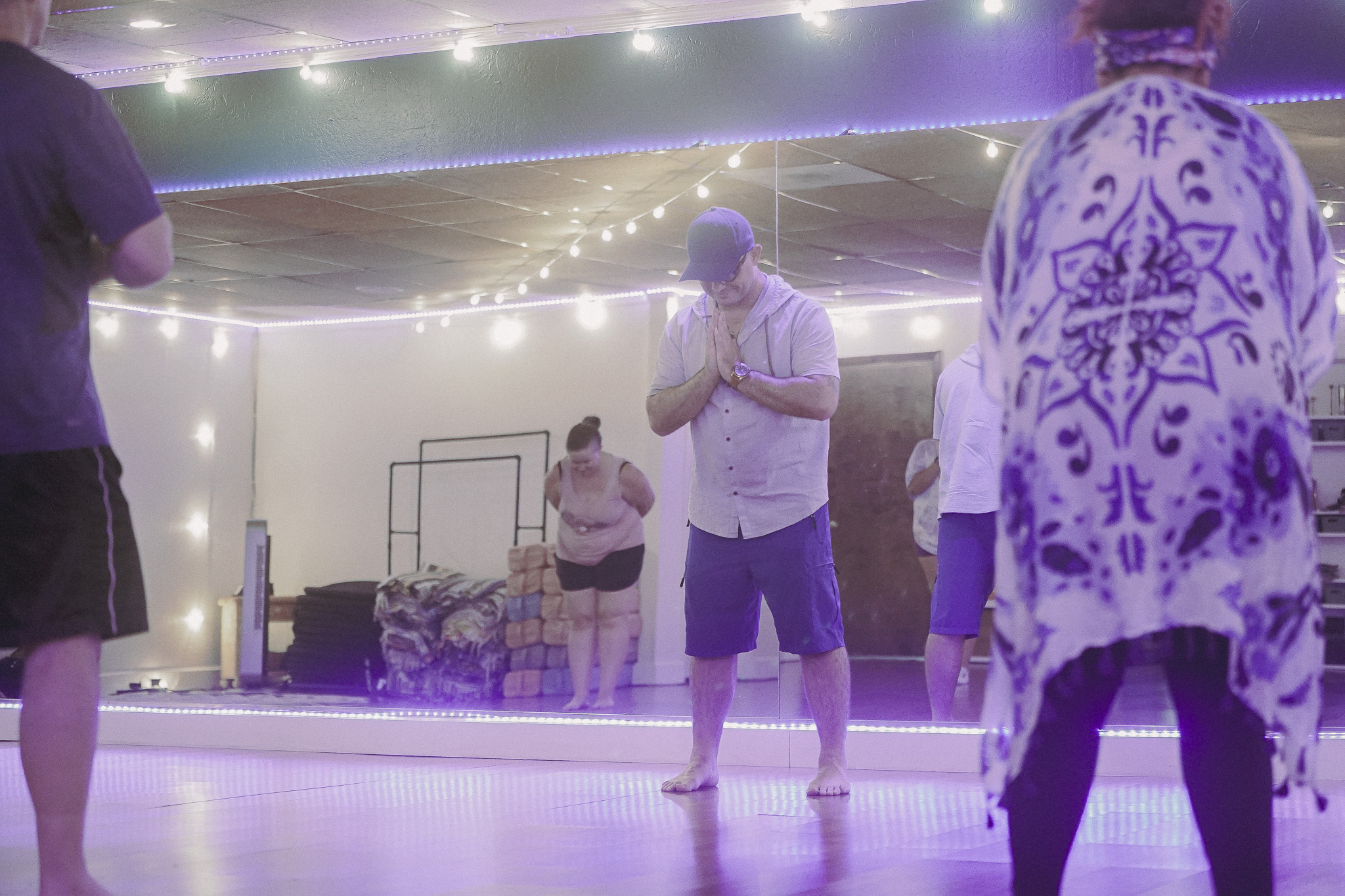
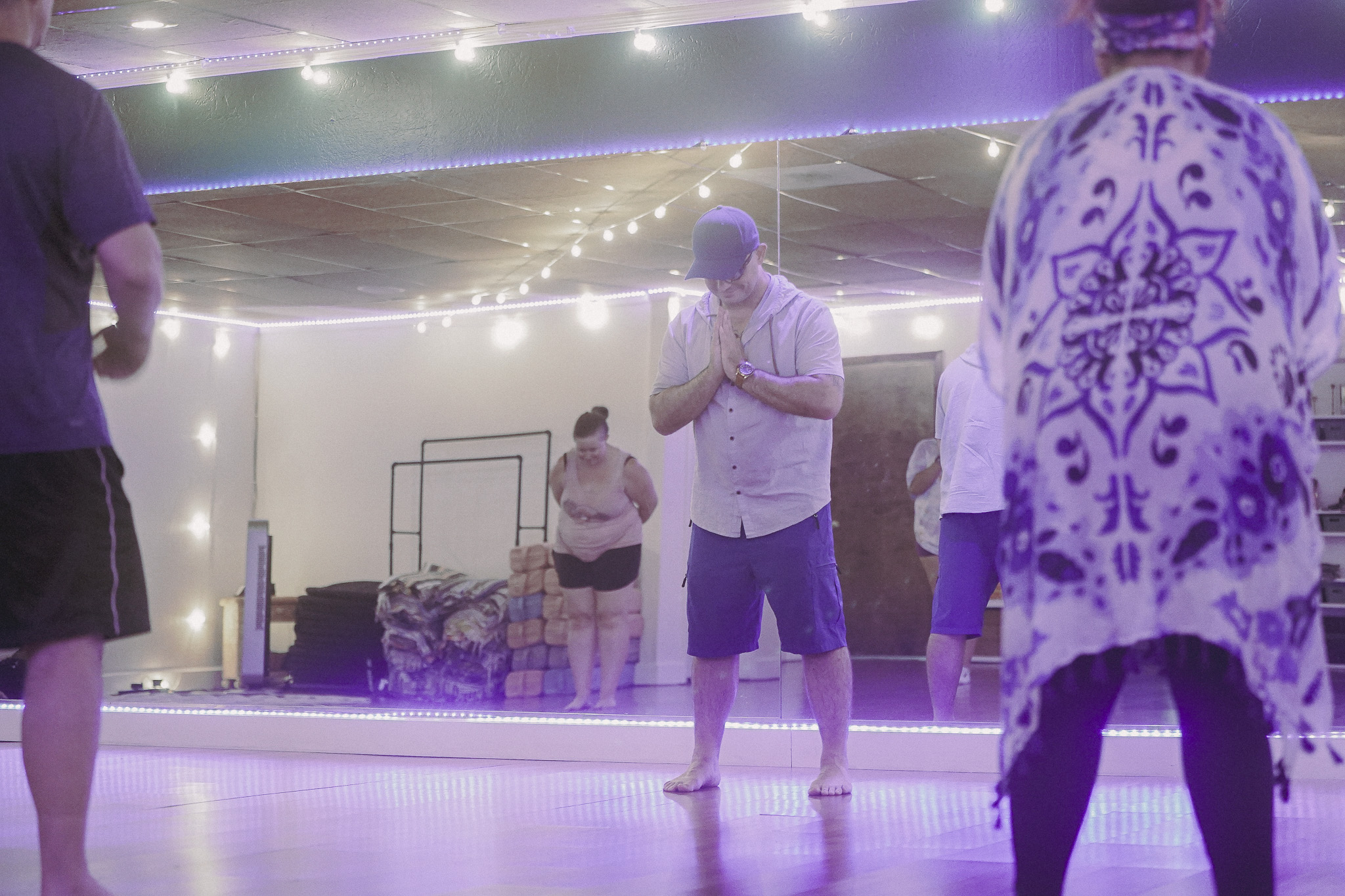
Tai Chi supports patience by slowing down the body’s pace
Patience can be difficult when the body is moving at the speed of urgency. In a busy workplace, employees may feel pressure to respond quickly, solve problems immediately, move through tasks without pause, and stay available even when they feel mentally overloaded.
Tai Chi teaches patience through pace. The movements are intentionally slow. The body has to wait long enough to feel the weight shift. The breath has to be noticed. The transition between movements matters. The practice gently interrupts the habit of rushing.
This can translate into work life. A person who practices slowing down in the body may begin noticing moments where they want to rush a response, interrupt a conversation, react from frustration, or move into the next task without fully arriving. Tai Chi gives the body a felt experience of another way.
Patience is not only a mindset. Sometimes it begins when the body learns that it does not have to rush every transition.

Tai Chi can help employees practice patience by slowing the pace of movement, breath, and response.
Emotional regulation begins with noticing the body
Emotional regulation at work does not mean suppressing emotions, pretending everything is fine, or becoming calm in every situation. It means building enough awareness to notice what is happening internally so there is more space to choose a response.
Emotions often show up physically before they are fully understood. Frustration may appear as jaw tension. Anxiety may show up as shallow breathing. Overwhelm may feel like tightness in the chest or a heavy body. Irritation may appear as restlessness, heat, urgency, or the desire to respond quickly.
Tai Chi helps employees practice noticing these signals. Because the movement is slow, the body has time to become visible. A person may notice where they are bracing, holding the breath, clenching, rushing, or trying to control the movement. These observations can become useful beyond class because the same patterns often appear during stress at work.
Emotional regulation becomes more possible when employees can recognize what stress feels like in the body before it turns into reaction.
Jaw Tension
May show up during concentration, frustration, uncertainty, or moments of pressure.
Shallow Breathing
May reveal stress, urgency, anxiety, screen fatigue, or emotional activation.
Rushing
May appear when the body is trying to move ahead before the present moment is complete.
Grounding
Can help employees return to the body before responding automatically.
Tai Chi creates space between feeling and reacting
One of the most practical benefits of Tai Chi for work is that it helps people experience the space between impulse and action. In the practice, movements are not rushed. The body learns to pause, sense support, shift weight, breathe, and move with intention.
This can be meaningful in workplace situations. A difficult email, a tense meeting, a change in plans, or a moment of conflict can activate the body quickly. Without awareness, people may respond from that activation. They may become defensive, shut down, speak sharply, or rush into problem-solving before they have fully understood what is happening.
Tai Chi gives employees a physical experience of slowing the process down. Feel the feet. Notice the breath. Sense the body. Let there be one moment before the next movement. That same practice can support real work moments where a pause may change the quality of a response.
Sometimes the difference between reaction and response is one breath of awareness.
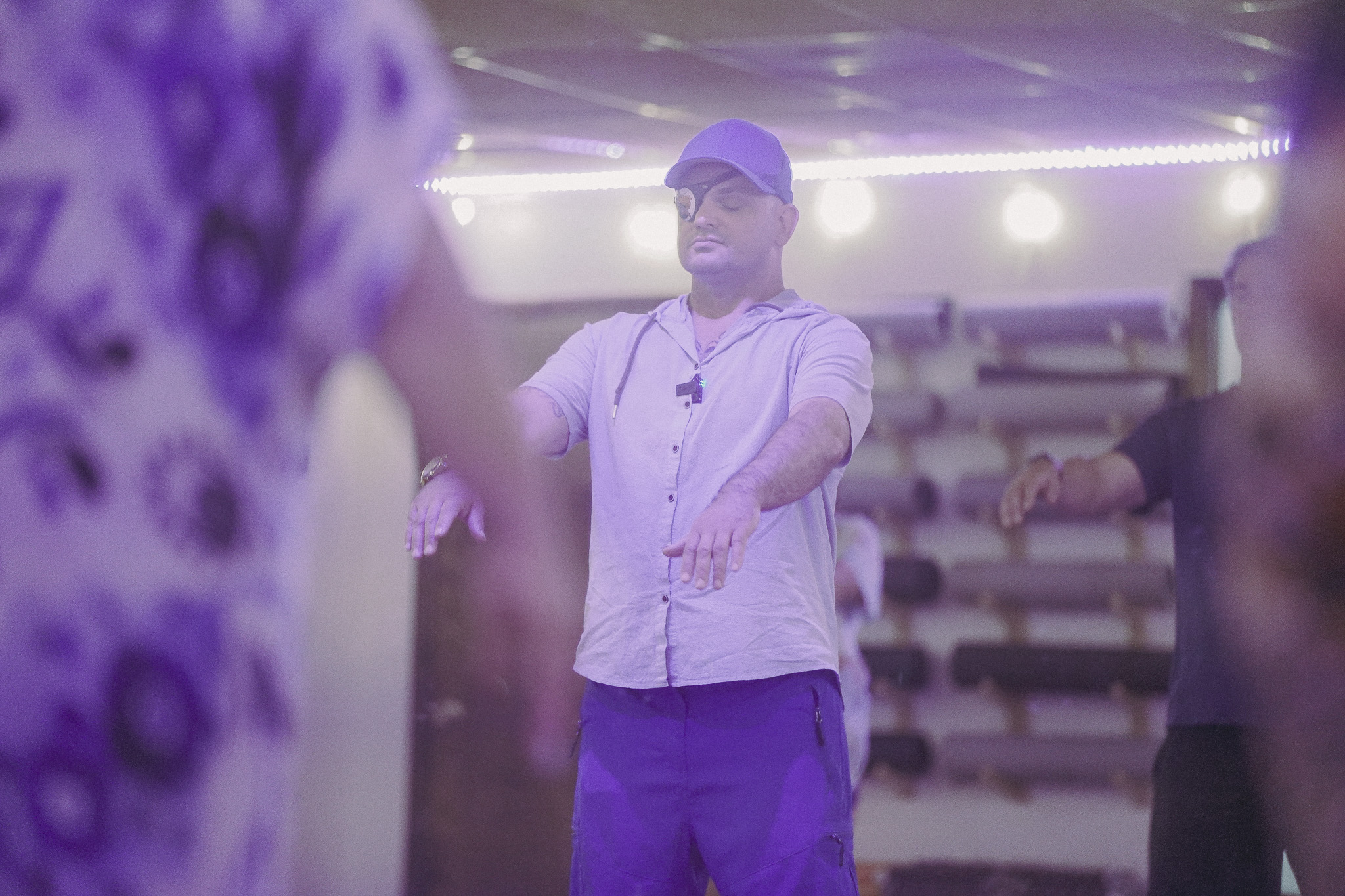
Grounding can help employees stay present under pressure
Workplace pressure often pulls attention into the future. Employees may think about what could go wrong, what still needs to be done, what someone might think, or how much time is left. This can make the body feel scattered or braced.
Tai Chi supports grounding by bringing attention back to the feet, floor, posture, and weight. The body learns to feel support before moving. This simple act can be powerful for employees who spend most of the day in mental activity.
Grounding does not remove workplace pressure, but it can help employees locate themselves while pressure is present. When someone feels their feet and notices their breath, they may be less likely to be completely pulled into urgency. This can support focus, patience, and emotional regulation in real time.
Grounding helps employees remember where they are when stress pulls attention in every direction.
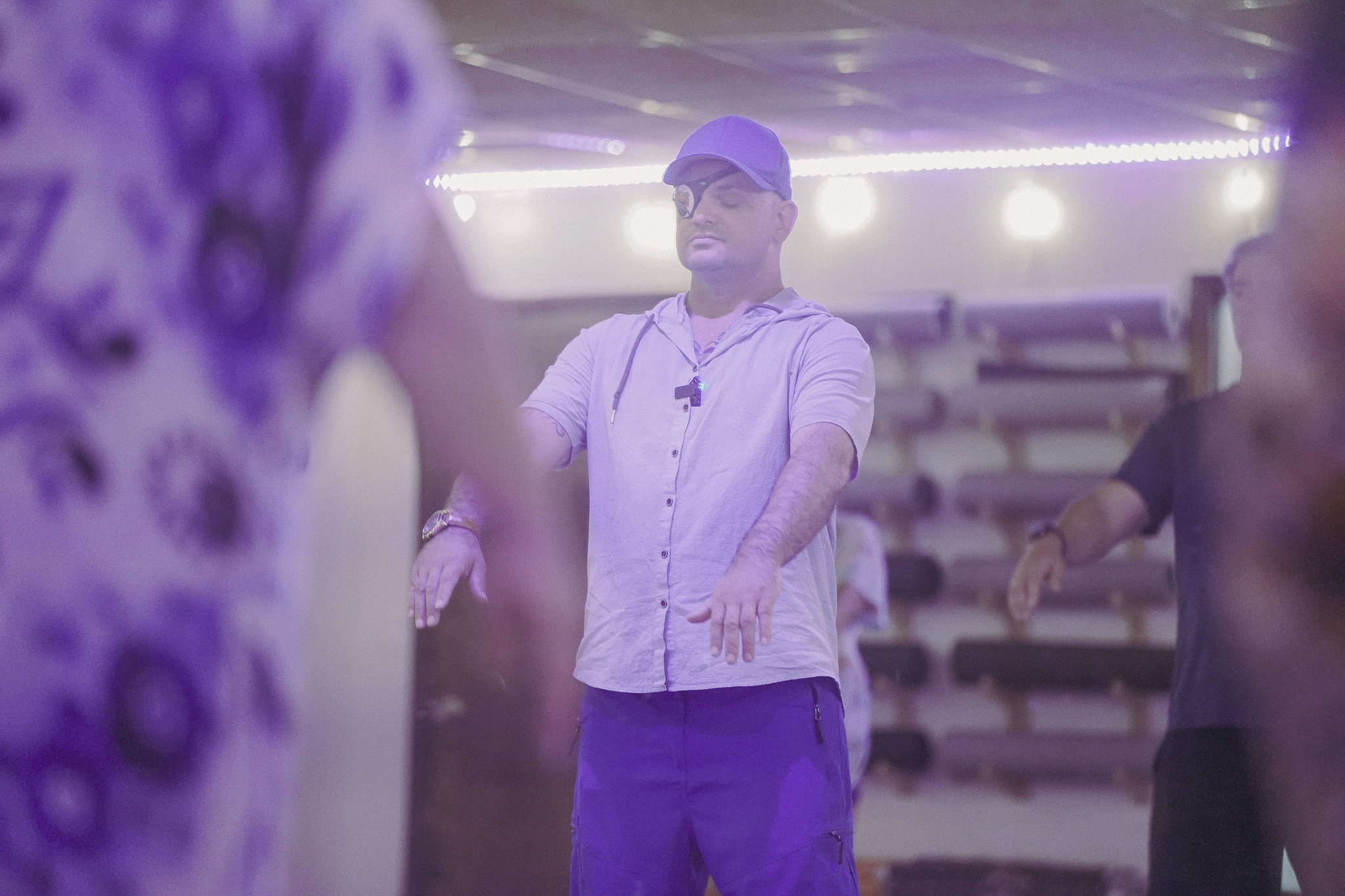
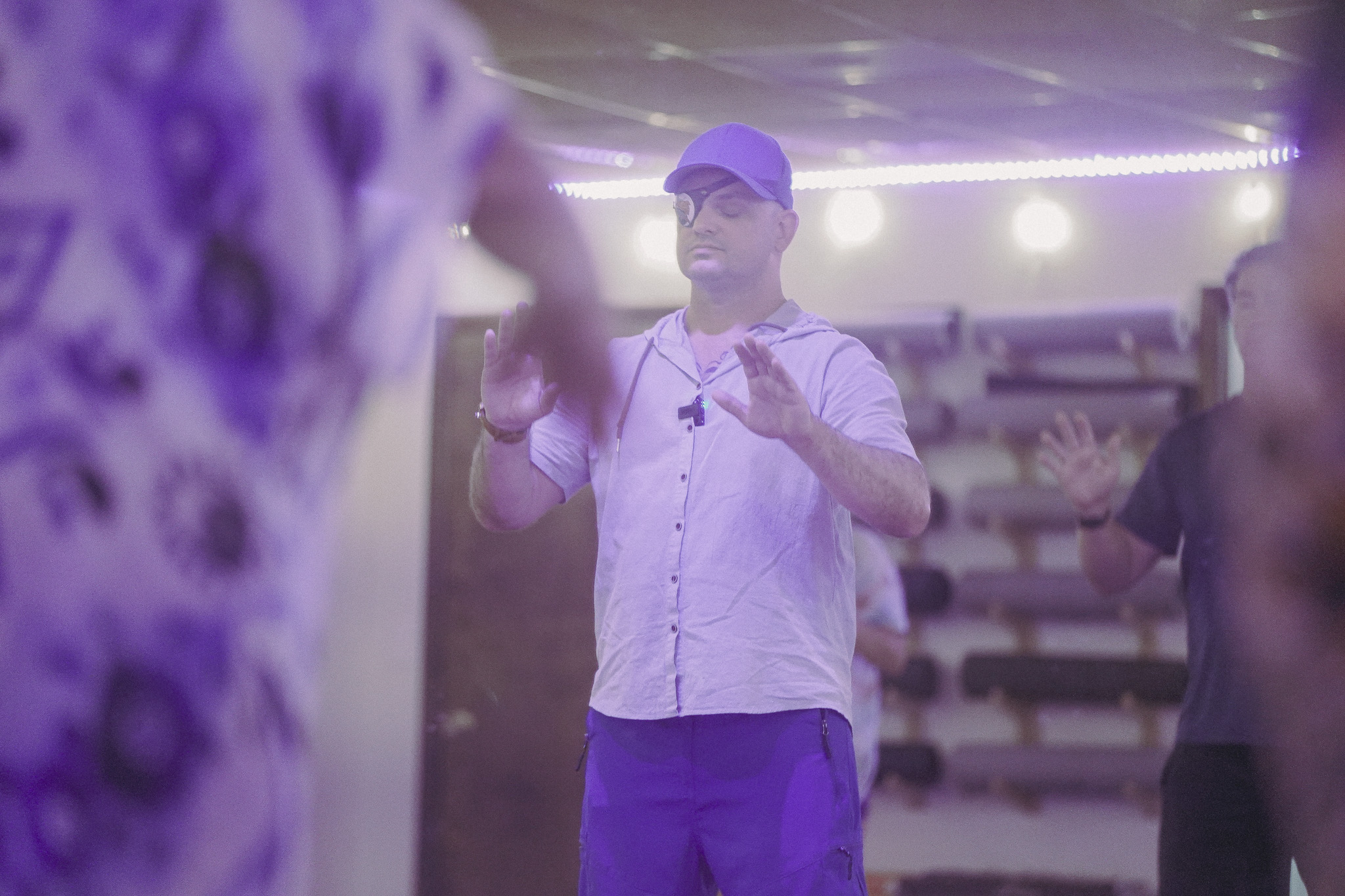
Grounding through Tai Chi helps employees return to the feet, posture, breath, and body during stress.
Tai Chi can support communication by improving internal awareness
Workplace communication is affected by more than words. It is also affected by the state people bring into the conversation. When employees are stressed, rushed, or emotionally activated, communication can become shorter, sharper, more defensive, or less patient.
Tai Chi does not replace communication training, leadership development, conflict resolution, or healthy team systems. But it can support the internal awareness that helps those systems work better. When employees can notice tension, breath, urgency, and emotional activation in the body, they have more opportunity to pause before communicating from stress.
This is especially important for teams. A group of people who practice slowing down together may begin to understand that communication is not only about what is said. It is also about how regulated, present, and grounded people are when they speak and listen.
Better communication often begins before the first word is spoken. It begins with the state people bring into the conversation.
Tai Chi can help busy teams transition between tasks
Modern workdays are filled with transitions, but most employees do not get much time to experience them. A person may leave one meeting and immediately open another message. They may finish a conversation and jump into a deadline. They may carry the emotional tone of one interaction into the next without realizing it.
Tai Chi teaches the value of transition. The movement from one posture to another is not treated as empty space. It is part of the practice. The body learns to shift weight slowly, feel the ground, breathe, and move with awareness from one moment into the next.
This can support employees at work because many stress reactions happen during rushed transitions. A short Tai Chi-inspired practice can help teams understand that even a small pause between tasks can change the body’s relationship with the next responsibility.
The space between tasks matters. That space is where employees can breathe, reset, and choose how they enter what comes next.
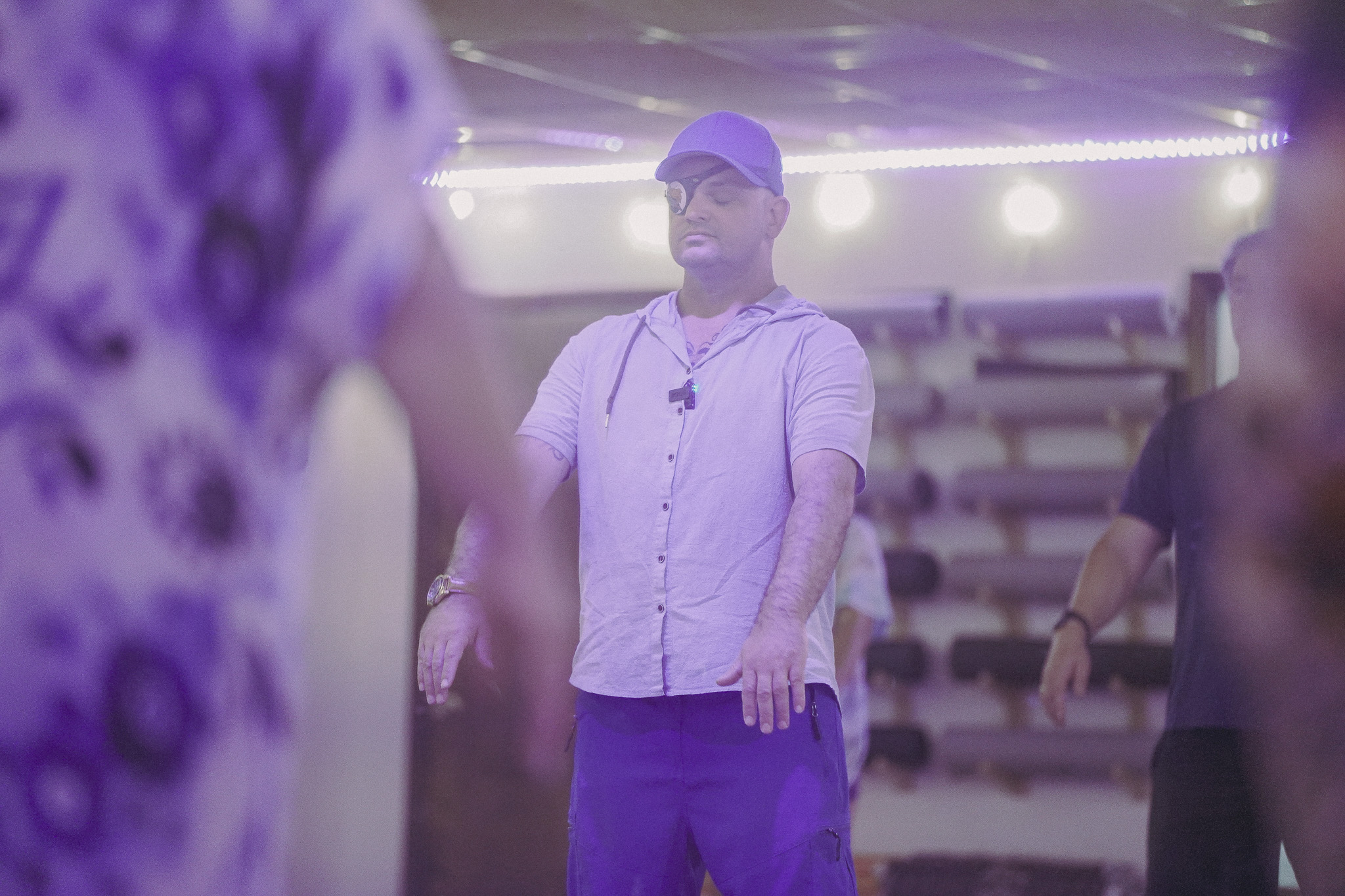

Tai Chi can be accessible for employees with different experience levels
Workplace wellness practices need to be realistic for a full team. Not every employee feels comfortable with high-intensity movement, competitive wellness challenges, or practices that require advanced flexibility, athletic ability, or prior experience.
Tai Chi can be introduced in a way that feels more accessible. The movements are slow, gentle, and adaptable. The class can focus on breath, grounding, posture, and small movements rather than physical performance. Employees can participate at their own pace and listen to what feels appropriate for their bodies.
This matters because support should not be limited to the people who already feel confident in movement spaces. A workplace wellness practice is more inclusive when it welcomes beginners, different bodies, and people who may feel nervous trying something new in front of coworkers.
Workplace wellness should create room for people to begin, not pressure them to perform.

Tai Chi can be offered as a beginner-friendly workplace wellness practice for different bodies, comfort levels, and experience levels.
What a workplace Tai Chi session can include
A workplace Tai Chi session can be designed to support focus, patience, and emotional regulation in a practical way. The session does not need to teach an entire Tai Chi form. Instead, it can introduce employees to simple movements and concepts they can understand and use during the workday.
A session may begin with grounding and breath awareness, followed by slow Tai Chi-inspired movements that support posture, balance, and focused attention. The facilitator may explain how stress shows up in the body and how employees can use breath, posture, and grounding during meetings, transitions, difficult conversations, or moments of pressure.
The goal is to give employees a direct experience of what it feels like to slow down, notice the body, and create more space before reacting. This makes the practice practical instead of theoretical.
A workplace Tai Chi session is not about making employees perfect at Tai Chi. It is about helping them practice awareness they can bring back into work.
Grounding
Employees practice feeling the feet, floor, posture, and body before moving into the next task.
Breath Awareness
The breath becomes a practical tool for noticing stress and returning to the present moment.
Slow Movement
Gentle movement helps employees practice patience, attention, and mindful transitions.
Integration
Teams learn how small pauses can support communication, focus, and emotional regulation at work.
How employees can use Tai Chi principles during the workday
The value of Tai Chi at work is not limited to the session itself. Employees can begin applying small principles throughout the day. These moments do not have to be long or complicated. They simply need to bring awareness back to the body.
Before a meeting, an employee may feel both feet on the ground and take one slower breath. After receiving a difficult message, they may notice jaw tension before replying. Between tasks, they may soften the shoulders and allow one moment of transition. During conflict, they may feel the body and pause before responding.
These small practices can support focus, patience, and emotional regulation because they help employees notice what is happening before stress takes over the next action. Over time, this can help teams build a more grounded relationship with workday pressure.
Before Replying
Notice the breath and body before responding to a stressful email or message.
Before Meetings
Feel the feet, soften the shoulders, and arrive before entering the conversation.
During Frustration
Recognize physical activation and create one pause before speaking or reacting.
Between Tasks
Use a slow breath or mindful posture shift to transition with more awareness.
Tai Chi should be part of a broader workplace wellness strategy
Tai Chi can support focus, patience, and emotional regulation, but workplace wellness should not depend only on individual employees managing stress on their own. If a workplace has unclear expectations, unrealistic workloads, poor communication, lack of psychological safety, or a culture of constant urgency, wellness practices alone will not fix the deeper issue.
Supportive practices work best when they are paired with supportive systems. Teams need healthy leadership, reasonable expectations, clear communication, access to mental health resources, and a culture where people are allowed to name stress before they reach exhaustion.
Tai Chi can be one meaningful part of that larger strategy. It gives employees a practical way to reconnect with the body, build awareness, and practice stress relief. But it should support real workplace care, not replace it.
Workplace wellness is strongest when practical body-based tools are paired with healthy systems, thoughtful leadership, and real care for employees.
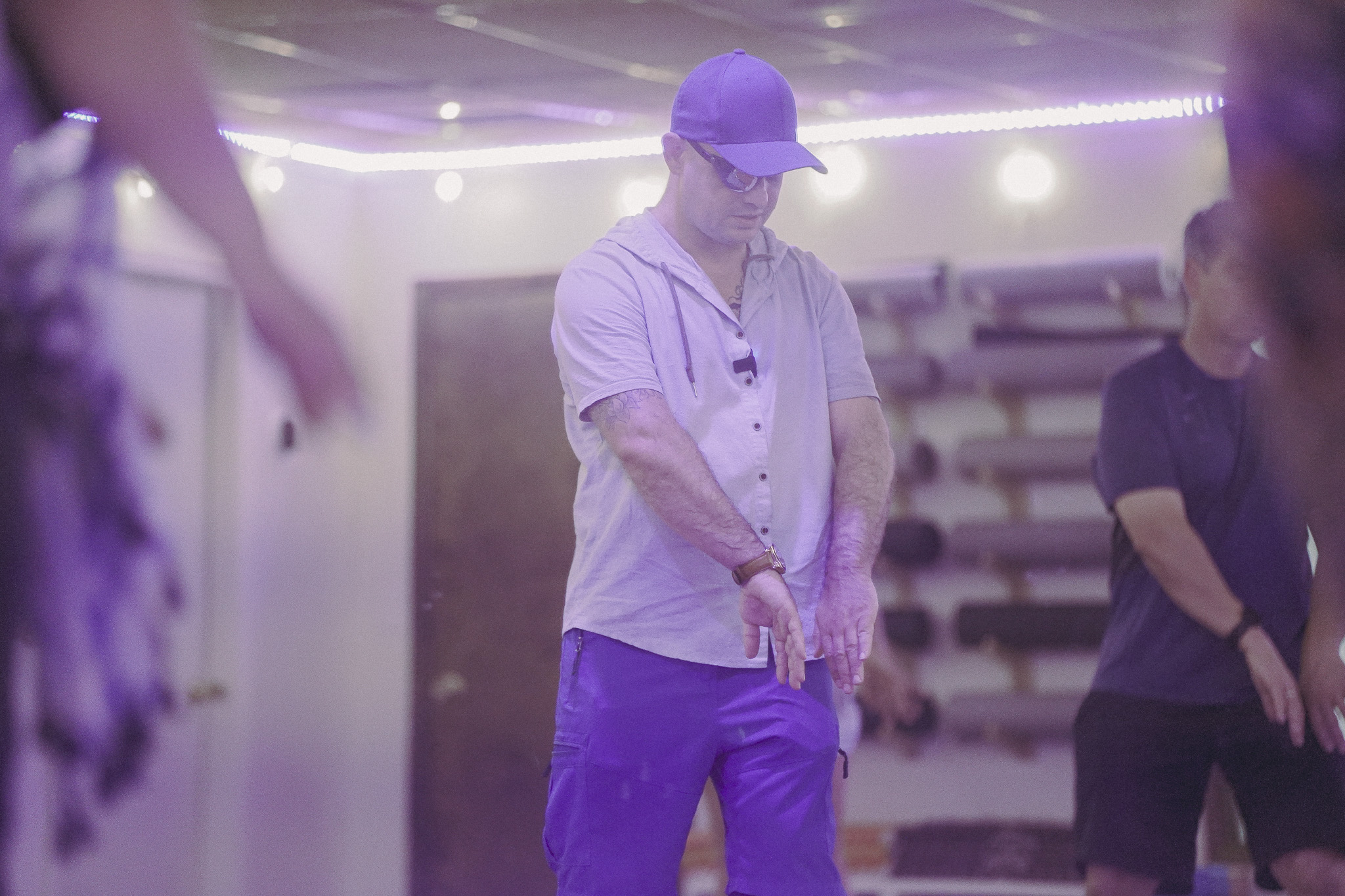
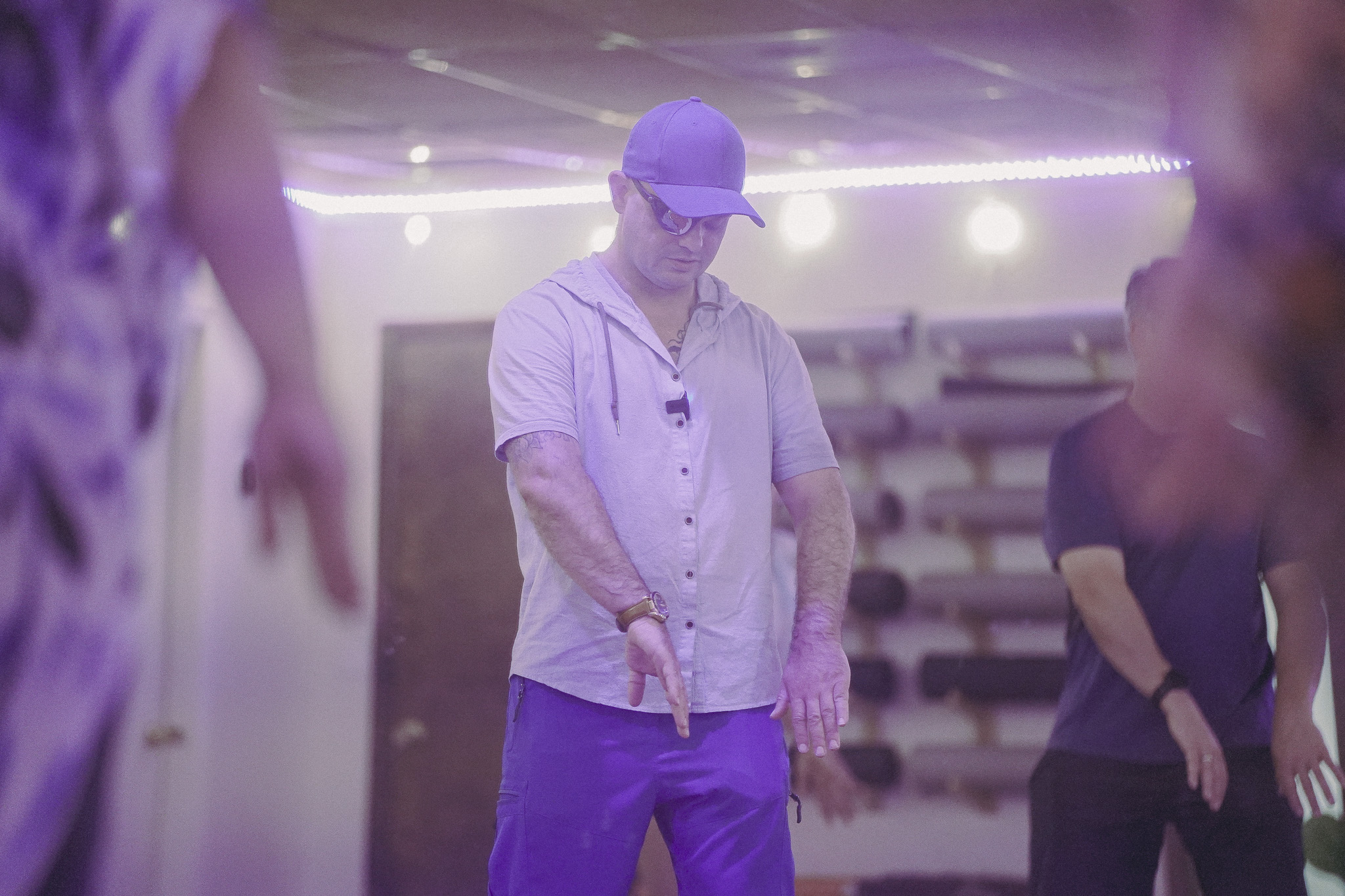
Tai Chi is not a replacement for professional care or healthy workplace systems
Tai Chi can be a supportive workplace wellness practice for focus, patience, emotional regulation, stress relief, gentle movement, mindfulness, breath awareness, grounding, balance, and body awareness, but it is not a replacement for medical care, therapy, medication, psychiatric support, trauma-informed treatment, employee accommodations, crisis services, communication training, leadership development, conflict resolution, or healthy workplace systems.
If employees are experiencing significant distress, panic, depression, trauma symptoms, thoughts of self-harm, severe burnout, persistent pain, or difficulty functioning, support from qualified professionals may be necessary. Employers should take these needs seriously and connect employees with appropriate resources.
Mind-body practices like Tai Chi can support wellbeing, but they should not be used to avoid addressing deeper workplace conditions or professional care needs. They are most effective when they are part of a broader culture of support, prevention, and accountability.
Tai Chi can support focus, patience, and emotional regulation as part of a broader workplace wellness strategy, but it should not replace professional care or organizational responsibility.
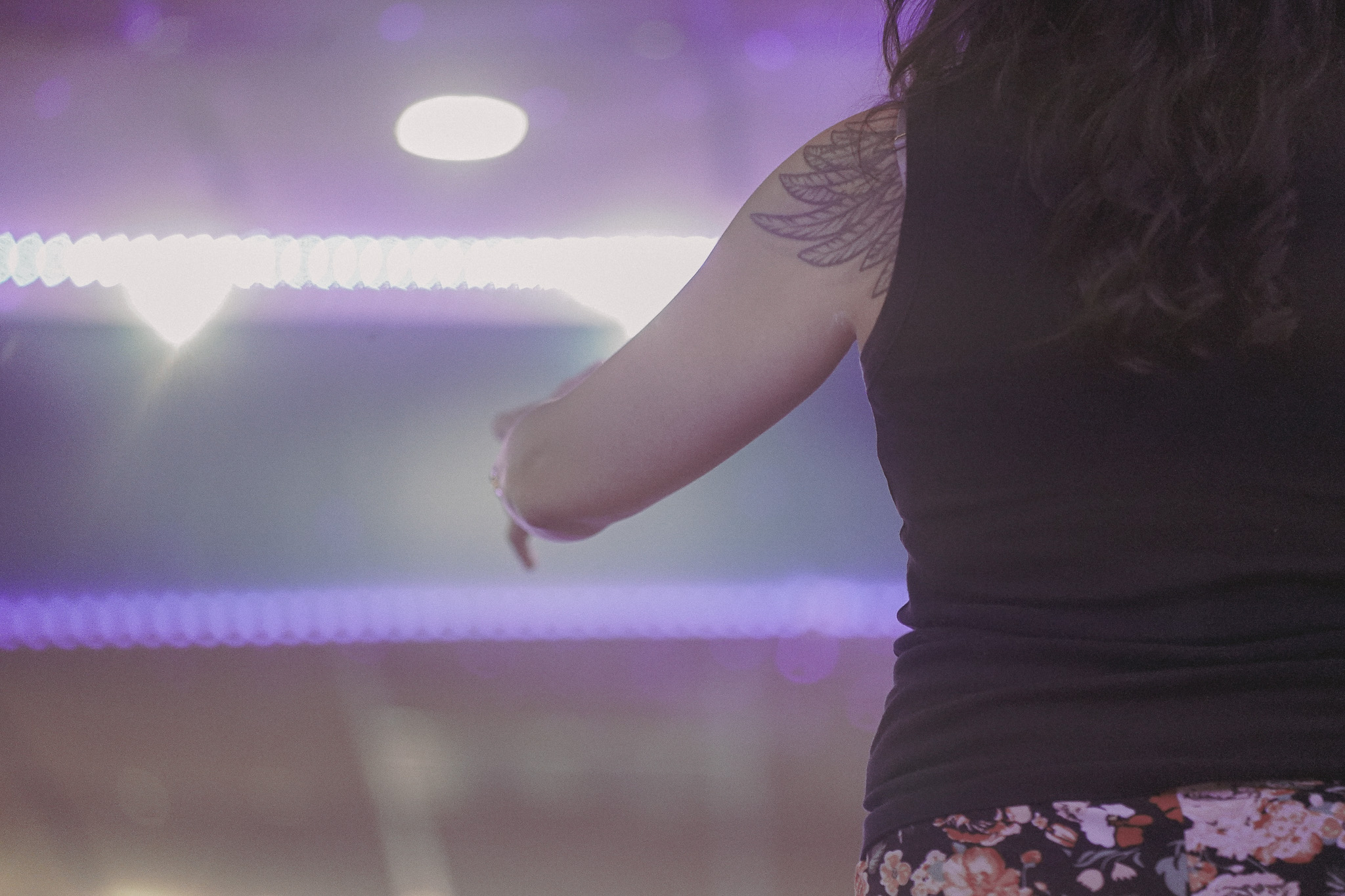
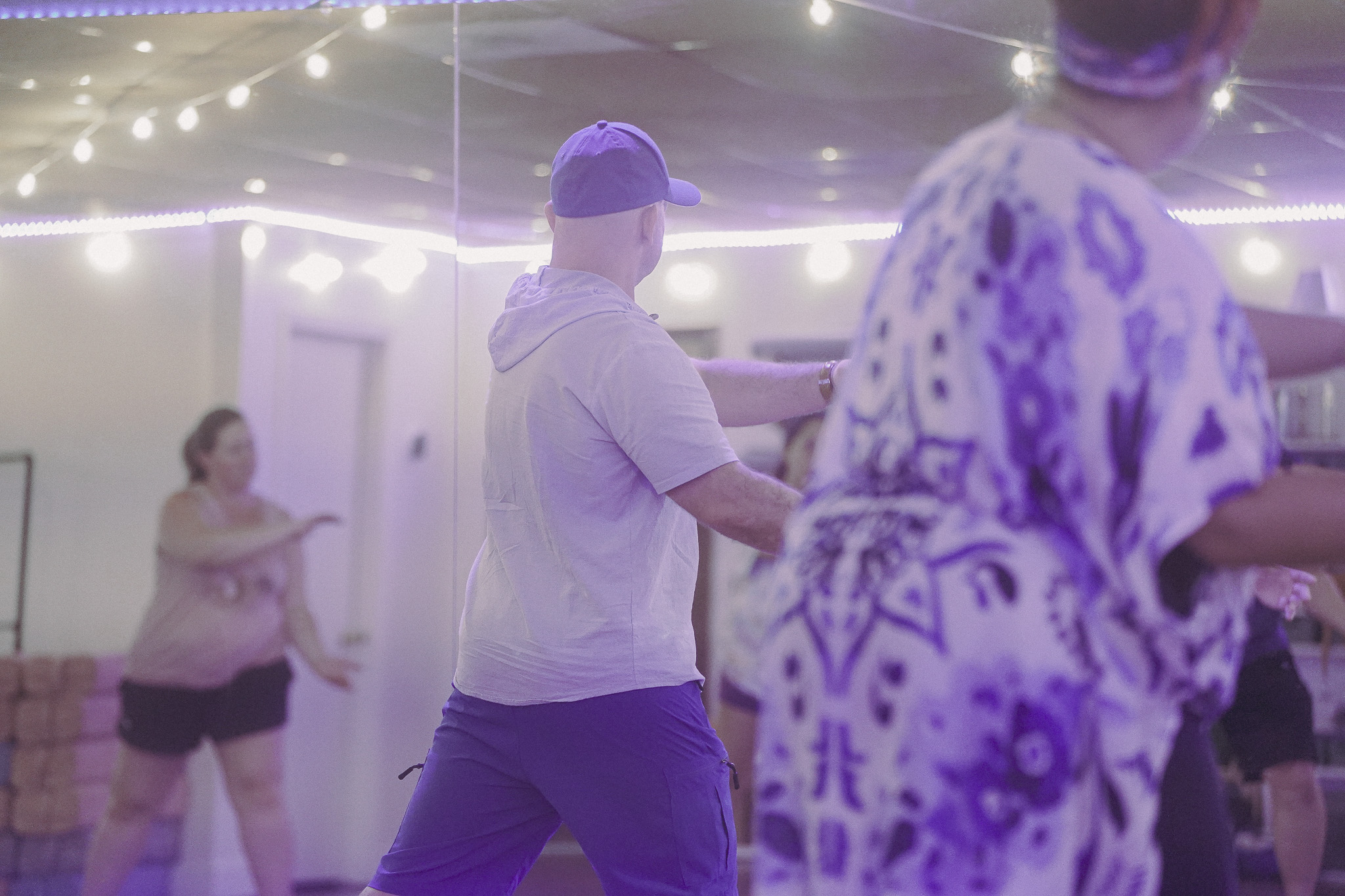
Workplace wellness with The Healing Tree Collective
At The Healing Tree Collective, we support workplaces that want to care for their teams in a more human and practical way. Our workplace wellness experiences are designed to help employees slow down, reconnect with their bodies, understand stress in plain language, and experience supportive practices that can translate into daily work life.
Tai Chi can be offered as a standalone workplace wellness session or as part of a larger experience that includes meditation, breathwork, sound healing, Reiki, nervous system education, grounding practices, or reflective team conversations. Each offering can be customized based on the needs of the team, the workplace environment, and the intention of the session.
We believe workplace wellness should feel accessible, educational, and real. It should not feel like another performance, another obligation, or another task employees have to complete. It should offer space to breathe, reset, and feel supported as whole people.
At The Healing Tree Collective, workplace wellness is about helping teams return to the human being behind the role, the inbox, the meeting, and the deadline.
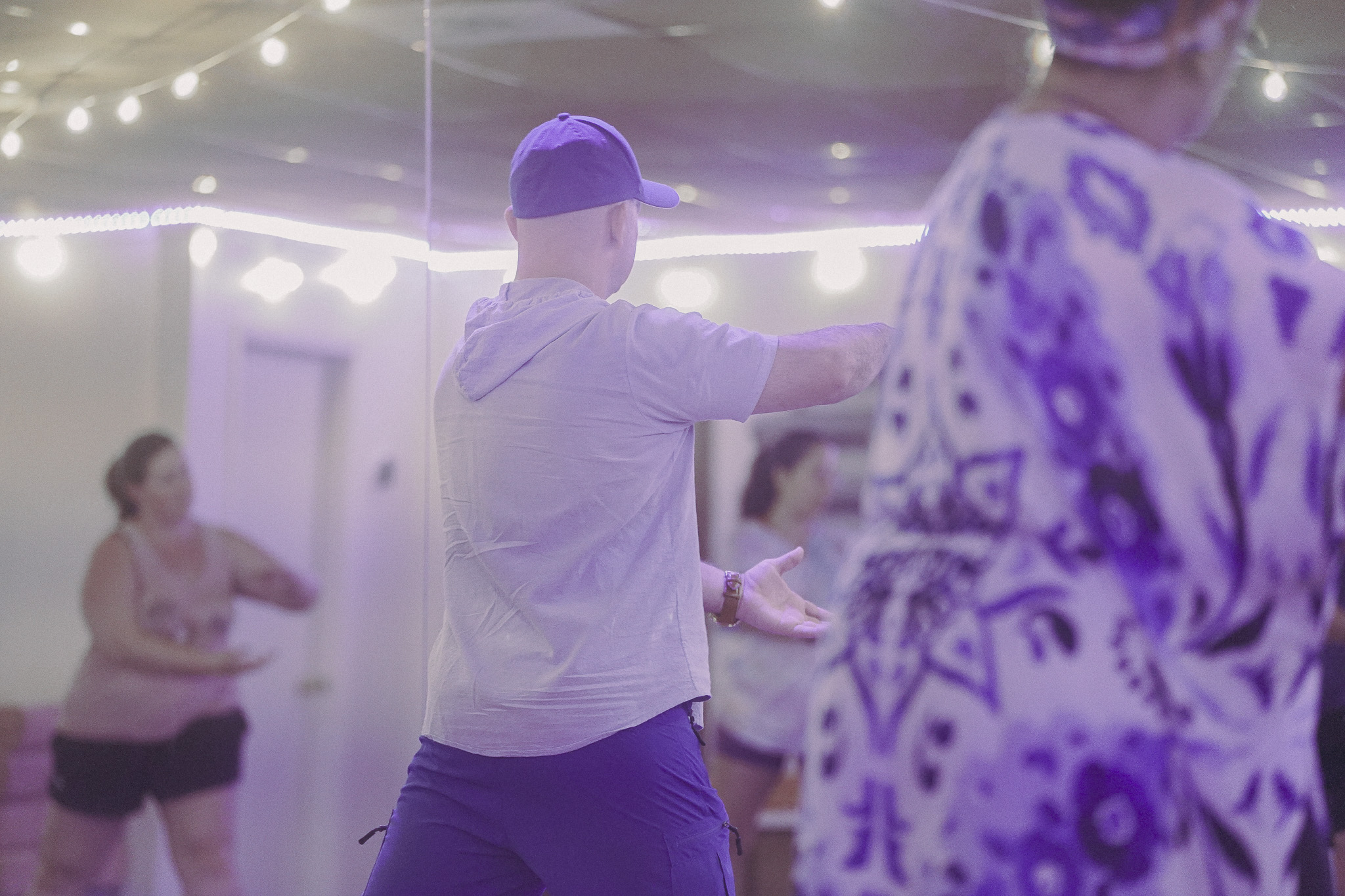
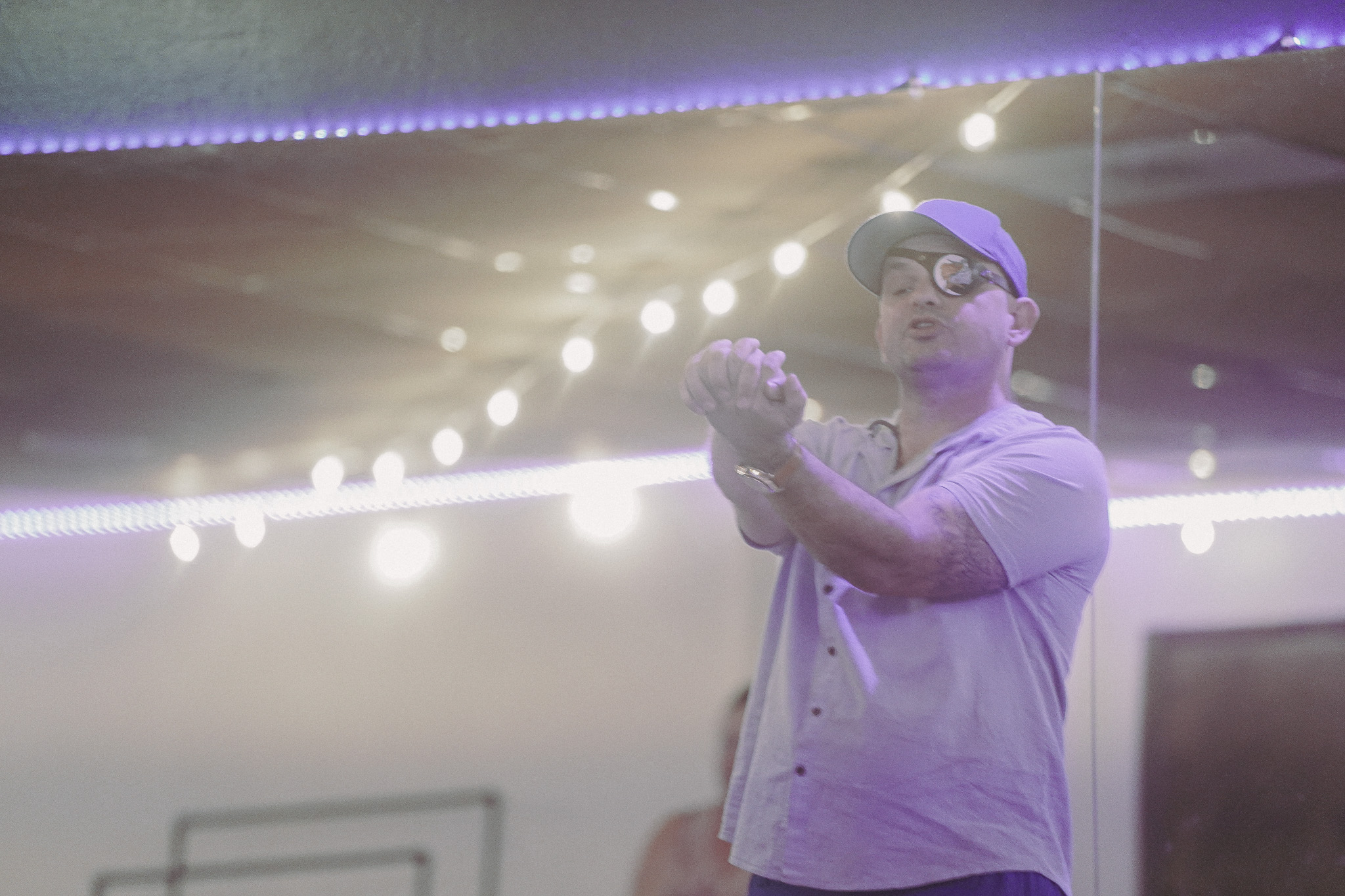
Final thoughts: focus, patience, and emotional regulation can be practiced
Focus, patience, and emotional regulation are not simply traits employees either have or do not have. They are capacities that can be supported through practice, environment, leadership, and workplace culture. Tai Chi offers one practical way to help employees develop these capacities through breath, grounding, slow movement, and body awareness.
For busy teams, this matters. The workplace can be full of moments that pull people into distraction, urgency, frustration, or reactivity. Tai Chi gives employees a way to pause, return to the body, and create more space before moving into the next response.
At The Healing Tree Collective, we believe workplace wellness should help people feel more human, not more pressured. Tai Chi is one practice that can help teams slow down enough to focus, communicate with more patience, and meet workplace stress with greater awareness.
Tai Chi supports focus, patience, and emotional regulation at work by helping employees practice the return: to breath, to body, to presence, and to a more grounded way of responding.
Looking for workplace wellness experiences that support focus, patience, and emotional regulation?
The Healing Tree Collective offers workplace wellness experiences designed to support stress relief, mindfulness, grounding, nervous system education, body awareness, team connection, and practical tools for busy workdays. If your team is curious about Tai Chi, meditation, breathwork, sound healing, Reiki, or a customized wellness session, we would love to help you create an experience that feels supportive and practical.
We bring a human approach to workplace wellness because busy teams need more than productivity tools. They need space to breathe, slow down, and reconnect.