19 September 2026
The Healing Tree Collective • Affordable Wellness • Tempe, Arizona
Why Our Classes Are $20: The Tension Between Accessibility, Sustainability and Staying True to the Mission
I want to share a little secret about The Healing Tree: one of the hardest things we had to figure out was not which classes to offer or what the space should look like. It was how to make the entire thing financially work without losing the reason we wanted it to exist in the first place.
When we stepped into The Healing Tree, there were questions everywhere. How would this business sustain itself? How would practitioners be supported? How would people participate consistently? How could we offer sound baths, Reiki, breathwork, meditation, movement, tuning fork experiences, gatherings, and other practices in a way that felt approachable rather than exclusive? And underneath all of those questions was an uncomfortable truth that every mission-centered organization eventually has to face: if something is going to continue serving people, the structure carrying it has to survive.
In our case, that meant the spiritual and wellness side of The Healing Tree had to meet the financial reality of operating a business. The building has expenses. Practitioners bring time, preparation, training, and energy into the space. Technology, marketing, equipment, maintenance, administration, insurance, and countless other things sit behind the one-hour experience a guest sees. None of those realities disappear because the intention behind the work is meaningful.
And yet, we also did not want the answer to simply become, “Charge as much as the market will tolerate.” We wanted more people to experience these practices. We wanted someone who had never tried a sound bath, Reiki class, breathwork session, or meditation practice to be able to explore without the price itself becoming the first major obstacle.
That tension is part of what eventually led us to the $20 class.
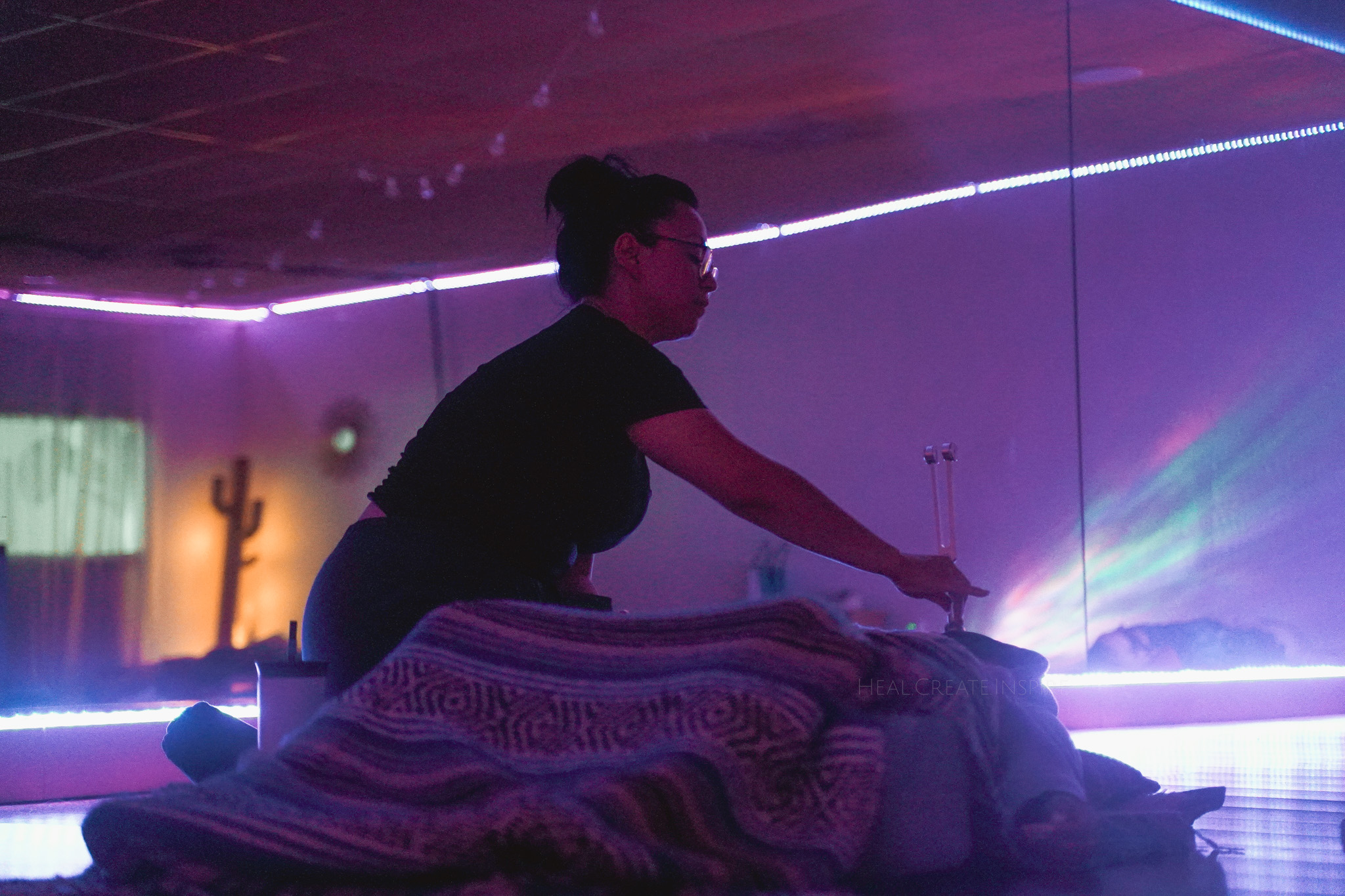
Accessibility only works if the thing remains available.
We could make everything extremely inexpensive and call that accessibility, but if the model cannot pay practitioners or sustain the space, eventually the offering disappears. We could also maximize prices in the name of sustainability, but that could quietly exclude many of the people we hoped would be able to explore the work.
The challenge became finding a model where both values had a seat at the table.
It took time to accept that a mission still needs an economic model
There can be something uncomfortable about talking openly about money in wellness spaces. We use words like service, community, care, healing, connection, purpose, and accessibility, and then suddenly we have to talk about revenue, class capacity, pricing, compensation, and whether an offering is financially viable. Those conversations can feel like they belong to completely different worlds.
But pretending those worlds are separate does not actually protect the mission. If anything, it can make the mission more fragile. A physical community space cannot run indefinitely on good intentions. Practitioners cannot continually give their time away. Owners and staff cannot sustain years of unpaid labor simply because the work matters. A business that never develops enough financial stability eventually begins making decisions from survival, and survival pressure can distort the mission just as easily as greed can.
That realization forced us to rethink what sustainability meant. Sustainability was not evidence that we were becoming too commercial. It could actually be part of caring for the work. If a healthy business model allows a practitioner to keep teaching, a studio to keep opening its doors, and guests to continue accessing experiences at a reasonable price, then financial health is not separate from service. It is one of the conditions that makes continued service possible.
At the same time, money cannot become the only measure. A class could theoretically generate more revenue at a much higher price, but the question for us has always been larger than maximizing a transaction. Who gets access? Who feels like wellness is “for them”? How much financial risk should someone have to take just to discover whether an unfamiliar practice resonates?
A mission without a sustainable structure eventually becomes difficult to carry. But a sustainable structure without a mission can eventually forget who it was built to serve.
What does “affordable” actually mean when a business still has to survive?
Affordability cannot mean one universal price feels inexpensive to everyone. Twenty dollars can still be a meaningful expense depending on someone’s circumstances, and acknowledging that matters. What we can do as a business is intentionally examine how much friction price creates, what our operating realities require, and whether we can build other structures around the core offering that make continued access more achievable.
That is a more honest conversation than pretending accessibility has been solved by choosing one price. Accessibility is something we continue working toward through pricing, memberships, introductory opportunities, class variety, education, and the overall structure of the business. It is not a badge we earn once and never have to think about again.
The $20 class was not simply a marketing decision
When we developed the $20 class, the intention was to create a relatively low barrier to entry while still building an ecosystem that could function as a real business. That distinction matters because lowering price only works long-term when the rest of the model has been thoughtfully designed around it. Class capacity matters. Attendance matters. Memberships matter. Scheduling matters. Practitioner compensation matters. Operational efficiency matters. Private offerings and other revenue streams matter. All of those pieces help determine whether an accessible entry point can remain accessible.
In other words, there is business strategy underneath the affordability.
I actually think that is something worth talking about openly because sometimes people assume a heart-centered price appears simply because an owner decides not to care very much about money. In reality, offering something at a lower price may require caring even more about the economics. You have to understand what else needs to happen for the model to support itself. You have to know which offerings can operate at a certain margin, where efficiency can be improved, how recurring participation changes the model, and what combination of services allows the entire ecosystem to remain healthy.
That is not a betrayal of the mission. It is the work required to make the mission repeatable.
Accessibility is not created by ignoring the numbers. Sometimes the numbers are exactly what allow accessibility to survive.
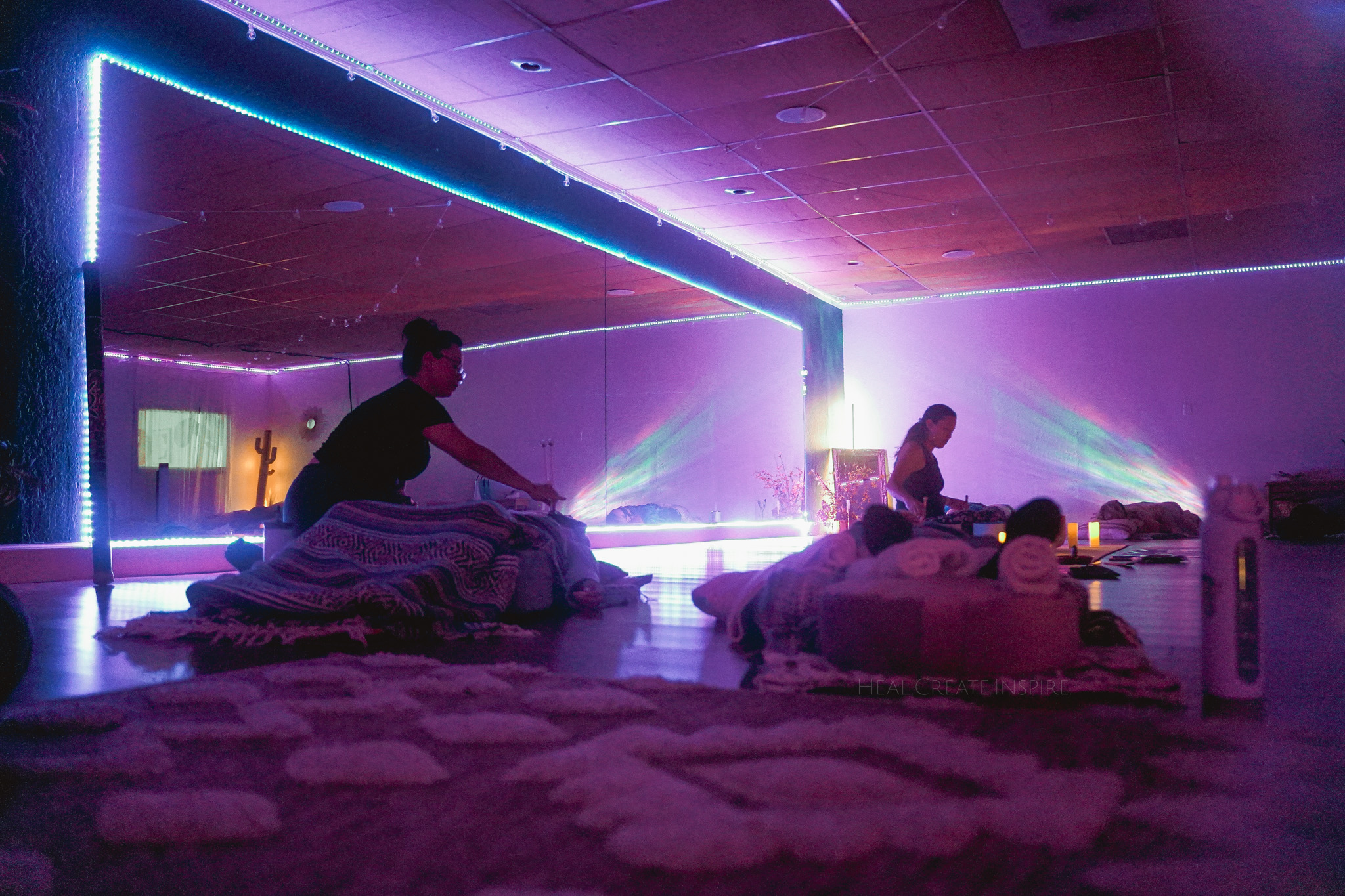
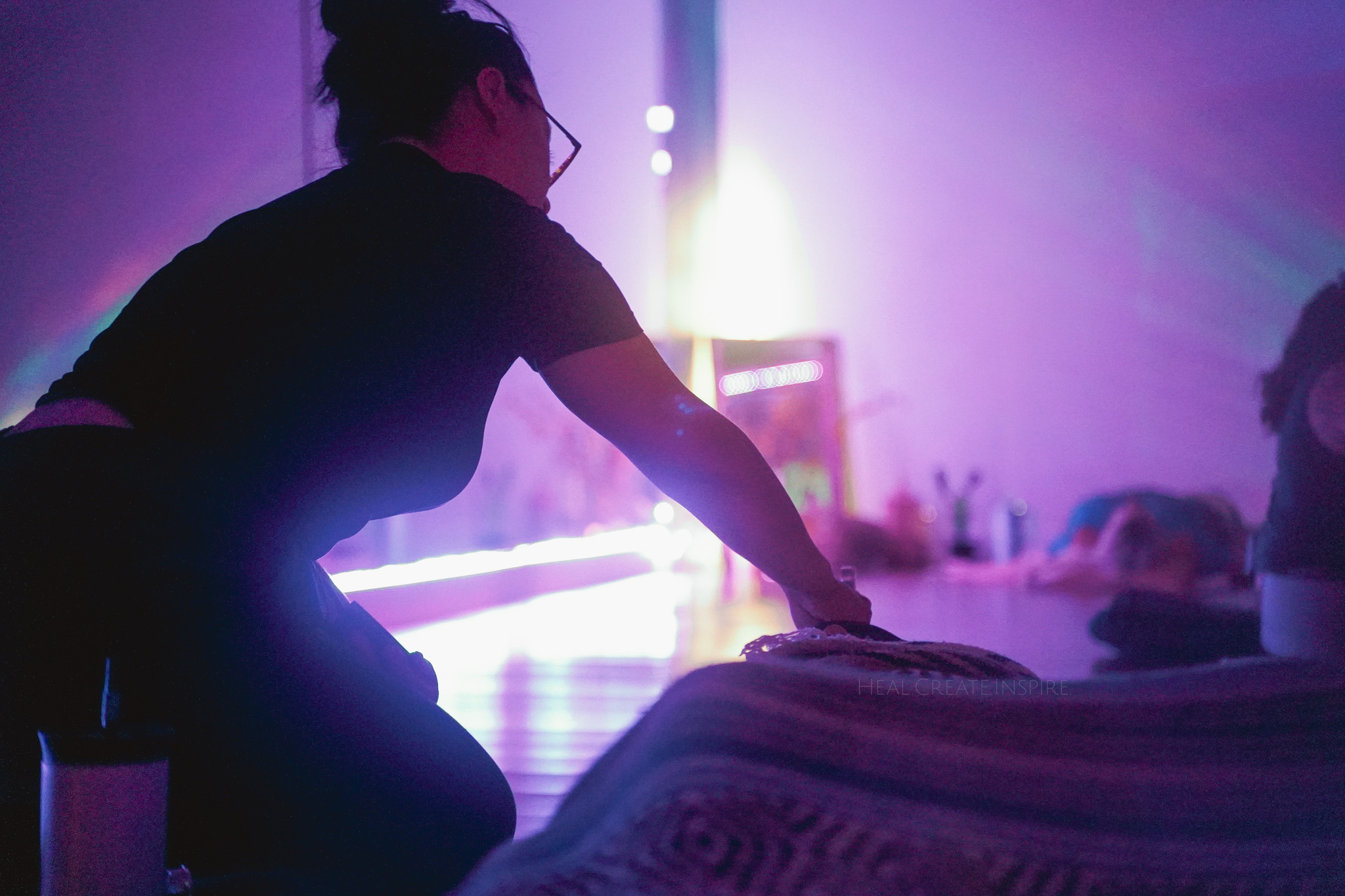
There is an important difference between affordability and undervaluing the work
This is another tension we have had to learn how to hold. When you care deeply about accessibility, it can become easy to assume the kindest choice is always making something cheaper. But if lower pricing consistently requires practitioners to accept less than the work reasonably deserves, owners to work without compensation, or the business to operate under constant financial stress, then eventually somebody else is paying the cost of affordability.
Sometimes that cost is invisible to the guest. The class still happens. The lights are still on. The practitioner still smiles. But behind the scenes, someone may be carrying an unsustainable workload or the organization may be one difficult month away from having to reduce what it offers. That is not the kind of accessibility we want to build.
The work itself has value. Practitioners have value. Their education, preparation, creativity, facilitation, and presence have value. The physical environment has value. The systems that make the experience possible have value. Saying that does not require turning wellness into luxury. It requires recognizing that affordability and fair exchange have to be negotiated together.
This is why there may never be one perfect price. The goal is not finding a magical number that satisfies every person and every business requirement forever. The goal is creating a model we can keep examining: does this price remain accessible enough to support our purpose? Does it remain sustainable enough to support the people providing the experience? Are there other pathways into the community for someone who wants greater consistency or lower per-class cost? Does the structure still reflect what we say matters?
If accessibility depends on somebody else quietly absorbing an unsustainable cost, then the model has not solved the problem. It has simply moved the burden somewhere harder to see.
There are several people inside every pricing decision
The guest
Is the experience approachable enough that someone can realistically explore it without feeling like wellness has become an exclusive luxury?
The practitioner
Does the model recognize the time, preparation, experience, and responsibility involved in facilitating the class?
The business
Can the space cover the ongoing costs required to keep operating without living permanently in financial crisis?
The larger mission
Does the pricing structure help more people encounter these practices while keeping the ecosystem healthy enough to continue serving the community?
Why does access matter so much to us in the first place?
Part of the reason we continued wrestling with this model was simple: there are still so many people who have never experienced any of this.
There are people living minutes away from The Healing Tree who have never been to a sound bath. They may have heard the word Reiki without really knowing what it means. They may think meditation requires completely stopping their thoughts. Breathwork may sound intimidating. Tuning forks may sound strange. They may not even realize that a space like this exists in Tempe where they can explore these experiences without needing to arrive as someone who already identifies with wellness culture.
That gap matters to us because we do not want self-reflection and intentional wellbeing to feel like experiences reserved only for people who already know the language, already have disposable income, already feel comfortable in these spaces, or already believe in every framework surrounding the practices.
We want somebody to be able to say, “I don’t really know what this is, but I am curious,” and have curiosity be enough to begin.
That is why affordability connects directly with education. A low price can reduce one barrier, but if the experience still feels culturally intimidating, confusing, overly spiritualized, or difficult to understand, there are other barriers remaining. Accessibility requires us to think about the whole experience: how we describe classes, how we welcome someone new, whether questions are encouraged, whether consent is clear, whether people feel pressure to perform, and whether the person leaving understands that their experience belongs to them.
Access is more than the ability to purchase a ticket. It is also the feeling that you are allowed to walk through the door without already knowing the language of the room.
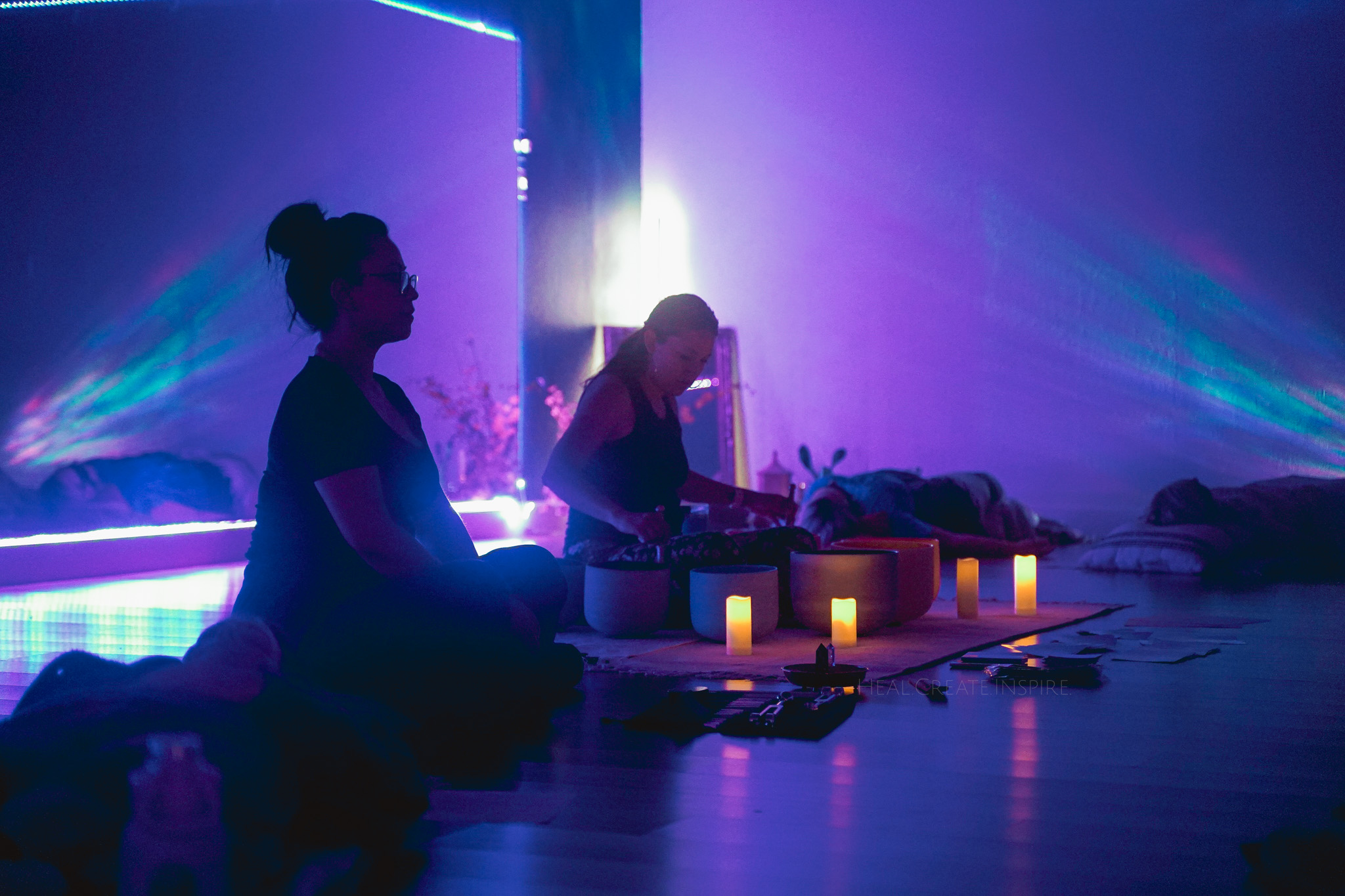
A thriving business and an accessible community do not have to be opposites
I think there is sometimes an assumption that a mission-centered organization proves its sincerity by struggling financially. If the business becomes profitable, grows, develops memberships, creates additional services, or builds stronger systems, people may begin wondering whether it has become too commercial.
I understand that concern because growth can absolutely change an organization. A business can begin with care and eventually become so focused on scale that the original relationships disappear. A wellness company can start speaking about accessibility and slowly move toward increasingly expensive products because higher margins are easier. Revenue can become the dominant metric until the mission exists mostly in marketing language.
That is possible.
But the opposite possibility exists too. A business can become financially healthier and use that stability to serve people more consistently. It can pay practitioners more reliably. It can invest in the space. It can create new offerings. It can maintain lower-cost entry points because other parts of the ecosystem help support them. It can survive difficult seasons without immediately cutting the very experiences people value.
The question, then, is not whether The Healing Tree should thrive financially. We want it to thrive. The more useful question is what financial success allows us to create and whether the way we pursue that success remains aligned with the reason the business exists.
A financially healthy Healing Tree should create more possibility, not less.
Profitability does not automatically mean a mission has been lost. Sometimes profitability is what gives a mission enough stability to reach farther without constantly operating from survival.
What would it look like if growth increased access instead of reducing it?
That is a question I think more mission-centered businesses should ask. What happens if growth gives us more resources to create introductory experiences, community programming, better practitioner support, educational content, partnerships, and pathways for people who otherwise may never have encountered the work?
Growth does not automatically produce those outcomes. They have to be chosen. That is why the mission has to remain active inside financial decisions rather than existing only as a statement on the website.
The $20 class is really an invitation to experience before deciding
When I think about the people who still have not walked through the doors, I do not assume they all need The Healing Tree. That would contradict so much of what we believe about autonomy and self-discovery. People have different ways of taking care of themselves, different communities, different spiritual beliefs, different financial realities, and different interests.
What I want is for people who are genuinely curious to have a reasonably approachable way to explore.
Maybe someone sees a sound bath online and thinks it looks interesting but does not know whether lying in a room listening to singing bowls will resonate. Maybe somebody has heard about Reiki for years but never had a setting where they felt comfortable asking questions. Maybe meditation has always felt inaccessible because they believe they are “bad at it.” A single class gives them a real experience instead of requiring them to form an opinion entirely from the outside.
Then they can decide.
Maybe they love it and return. Maybe they explore another class. Maybe they discover one practice that becomes meaningful while another does not resonate at all. Maybe one hour at The Healing Tree helps them recognize a kind of rest, reflection, connection, or body awareness that they later begin creating somewhere else in their life.
The ticket is not supposed to buy transformation.
It creates access to an experience.
What the person does with that experience belongs to them.
The $20 class is not a promise that one hour will change your life. It is a relatively simple invitation to experience something for yourself and decide what, if anything, feels worth exploring further.
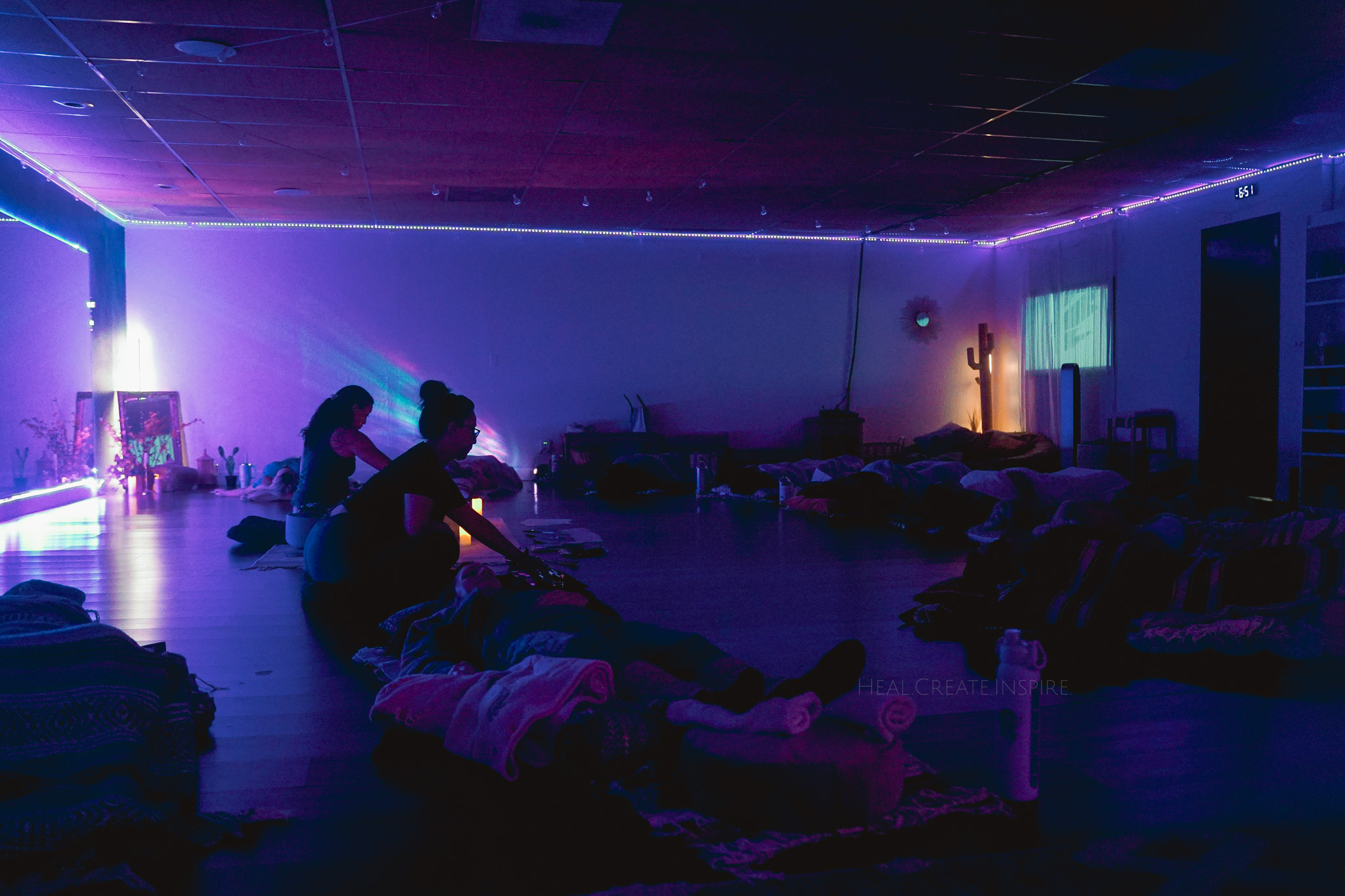
Come curious.
You do not need to understand every modality before you arrive. You do not need to promise yourself you will return. You do not need to produce a dramatic experience.
The invitation is simply to notice what happens when you create intentional time for yourself and experience something that may be new.
Affordable wellness is part of Heal • Create • Inspire
When we talk about Heal • Create • Inspire, accessibility matters because the mission only travels as far as people have meaningful opportunities to participate in it.
Heal begins with the inward opportunity: slowing down, noticing yourself, reflecting, exploring, resting, becoming curious about your own experience. That opportunity should not automatically be reserved for people who already have significant resources or familiarity with the wellness world.
Create is what we are responsible for as a business. We have to create the structures that make those opportunities possible. That includes the classes themselves, but it also includes pricing, memberships, scheduling, partnerships, practitioner relationships, operations, and all the less visible decisions that determine whether the ecosystem can keep functioning.
Inspire is where accessibility becomes a ripple. Someone experiences a practice and takes something from it into everyday life. A person who discovers the value of slowing down may begin protecting small moments of stillness at home. Someone who feels welcome as a beginner may become more willing to invite another person into something unfamiliar. A guest may discover a practitioner whose work they continue exploring. The experience moves beyond the original transaction.
That is why the financial model matters to the mission.
The easier it is for people to explore responsibly, the more opportunities there are for something meaningful to begin.
Accessibility is not separate from the mission. Creating a sustainable way for more people to experience the work is part of the mission.
We are still figuring out what sustainable accessibility looks like
I do not want to tell this story as though we discovered the perfect model and solved the tension forever.
We have not.
The economics of a community wellness space continue changing. Attendance changes. Costs change. People’s needs change. Practitioners grow. New offerings emerge. Some ideas work. Others need to be adjusted. A price that makes sense in one part of the business may not make sense somewhere else.
That means accessibility has to remain something we evaluate rather than something we declare.
Can the class remain approachable? Can practitioners continue feeling supported? Can the business continue investing in the experience? Are there pathways for people who want to come more consistently? Are we building enough revenue diversity that the lowest-cost offering does not have to carry the entire business by itself?
Those are business questions.
They are also mission questions.
And perhaps that is the lesson underneath this entire chapter of The Healing Tree: the business side and the heart side were never going to be separate for very long.
They have to keep talking to one another.
There are still so many people who have never experienced any of this.
That is part of why we continue talking about the classes, filming videos, explaining unfamiliar modalities, creating beginner-friendly experiences, and inviting people through the door.
Maybe you have never experienced a sound bath. Maybe you have heard about Reiki but still do not really understand what happens in a class. Maybe breathwork interests you. Maybe meditation intimidates you. Maybe you simply want an hour where you do not have to be productive.
You do not need to make wellness part of your identity before you explore it.
You can come once.
Experience it.
Ask questions.
Notice what happens.
Then decide for yourself whether there is anything you want more of.
The reason we worked so hard to make the model accessible was never simply to sell more tickets. It was to make the distance between curiosity and experience a little smaller.