5 August 2026
The Healing Tree Collective • Community Wellness in Tempe
How Community Wellness Creates Connection, Harmony and Empathy
Every person who enters a community wellness class brings something different into the room.
One person may arrive after a demanding day at work. Someone else may be carrying grief, uncertainty, physical tension, excitement, hope, or the quiet exhaustion that comes from caring for everyone else. Another guest may simply be curious about trying a sound bath, breathwork, Reiki, meditation, yoga, Tai Chi, or intentional movement for the first time.
No one has to arrive feeling the same way, and no one has to leave with an identical experience. That is part of what makes community wellness so meaningful. A group of people can enter the same space with different histories, emotions, responsibilities, and needs, while still choosing to slow down together and share the room with care.
At The Healing Tree Collective, we often think about that shared experience as a form of harmony. Not harmony in the sense that every person becomes the same or that one class permanently resolves what they are going through. We mean the kind of harmony that becomes possible when individuality is respected and people still find a shared rhythm through breath, sound, stillness, movement, and presence.
Every person may bring something different:
- Grief, stress, uncertainty, or emotional fatigue
- Joy, hope, celebration, or curiosity
- A need for movement, stillness, rest, or connection
- A different comfort level with wellness practices
- A personal story that may not be visible to anyone else
What harmony means in a community wellness class
When we describe a room as harmonizing, we are not suggesting that everyone suddenly becomes peaceful or that difficult emotions disappear. Harmony is not the absence of grief, stress, discomfort, restlessness, or uncertainty. It is also not an expectation that every person respond to the class in the same way.
Instead, harmony can mean finding a shared rhythm while allowing each person to remain connected to their own experience. During a sound bath, one guest may feel deeply relaxed while another notices emotion, physical sensation, mental activity, or difficulty becoming still. During breathwork, someone may feel focused and grounded while another person recognizes that they need to slow the practice down or return to a more natural breath.
The same is true during meditation, Reiki, yoga, Tai Chi, and mindful movement. Everyone may be working with a different intention, energy level, body, or emotional capacity. They do not need to feel the same thing in order to breathe together, listen together, move together, or respectfully share the same environment.
Harmony does not require people to become identical. It asks whether different people can remain themselves while participating in something shared.
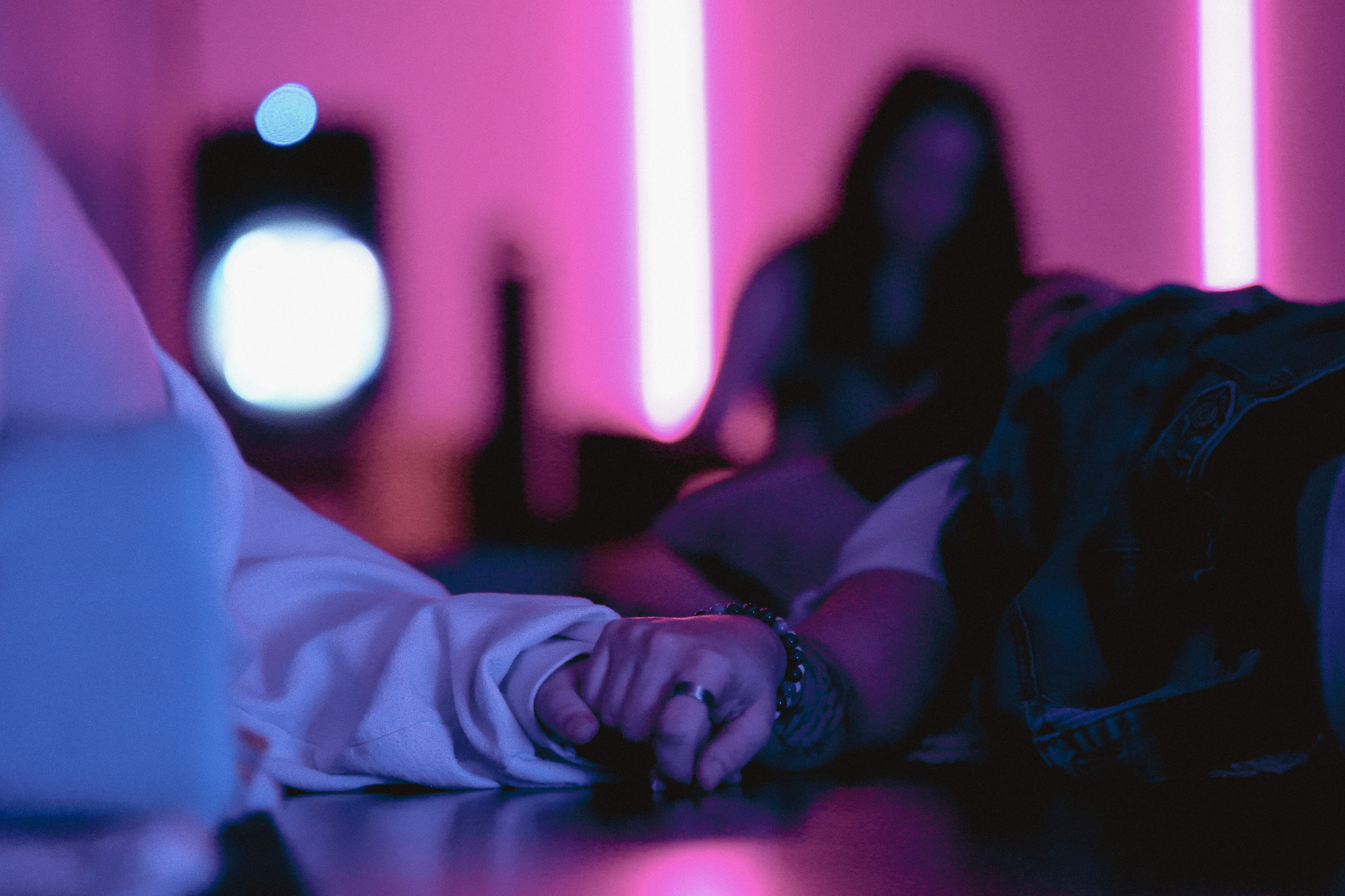
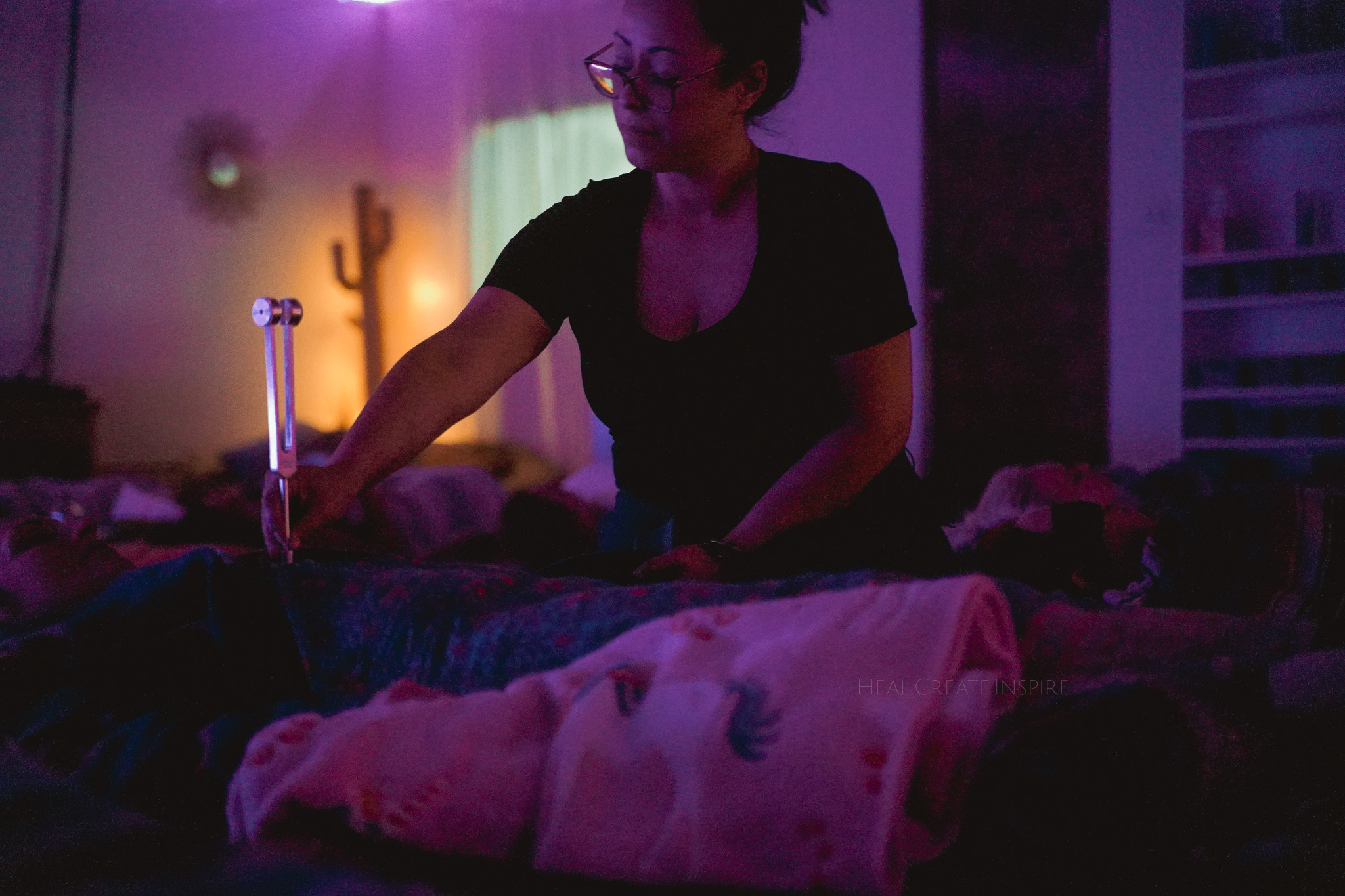
Community wellness creates an opportunity to pause
Many people move through their days by transitioning quickly from one responsibility to the next. Work ends, but the mind continues reviewing unfinished tasks. Family responsibilities begin before there has been time to process the day. Phones, messages, errands, school schedules, relationships, and never-ending mental lists compete for attention, often leaving very little room to notice what is happening internally.
A community wellness class creates an intentional interruption in that pace. For a period of time, participants are invited to stop producing, responding, organizing, and solving. They can pay attention to their breathing, recognize where tension is being held, notice the quality of their thoughts, and become more aware of what their body or emotional state may need.
That pause is not valuable because everyone must reach a particular state of calm. Its value comes from awareness. A person may discover that they are more tired than they realized, that their shoulders have been bracing all day, or that their mind has been moving so quickly that they have not taken a complete breath in several hours. Another person may recognize that they need movement rather than stillness, or quiet rather than conversation.
The goal is not to force ourselves into a different emotional state. The practice is learning to notice where we are with greater curiosity and less judgment.
What presence can help us notice
Presence sounds simple, but it can reveal a great deal. When people are given enough time to slow down, they may become aware of patterns that were difficult to notice while moving through the usual pace of the day.
The body
A slower environment can help people notice breath-holding, physical tension, restlessness, fatigue, or the need to adjust how they are sitting, lying down, or moving.
The mind
Meditation, breath, sound, and intentional movement can make racing thoughts, repetitive mental loops, or difficulty focusing easier to recognize without immediately judging them.
Emotional capacity
Participants may become more aware of grief, frustration, joy, uncertainty, or the amount of responsibility they have been carrying without having space to acknowledge it.
Shared wellness experiences can help us practice empathy
Being in community reminds us that every person around us is living through a story we cannot fully see. Someone who appears calm may be navigating grief. A person who seems distracted may be carrying a difficult decision. Someone who enters with visible joy may be celebrating a milestone that required years of effort, courage, or persistence.
When we share intentional space with other people, we begin to recognize the complexity of their humanity. We may not know what brought them into the room, and we do not need access to every detail of their life. Simply remembering that there is more to each person than what appears on the surface can soften the way we relate to them.
That awareness can follow us beyond the studio. We may pause before reacting to a coworker, become more patient with a family member, or wonder what another person could be carrying instead of immediately judging their behavior. We may also become more compassionate toward ourselves when we recognize that our own energy, emotions, and capacity naturally change from day to day.
Empathy often begins when we remember that the person in front of us has an inner life we cannot completely see.
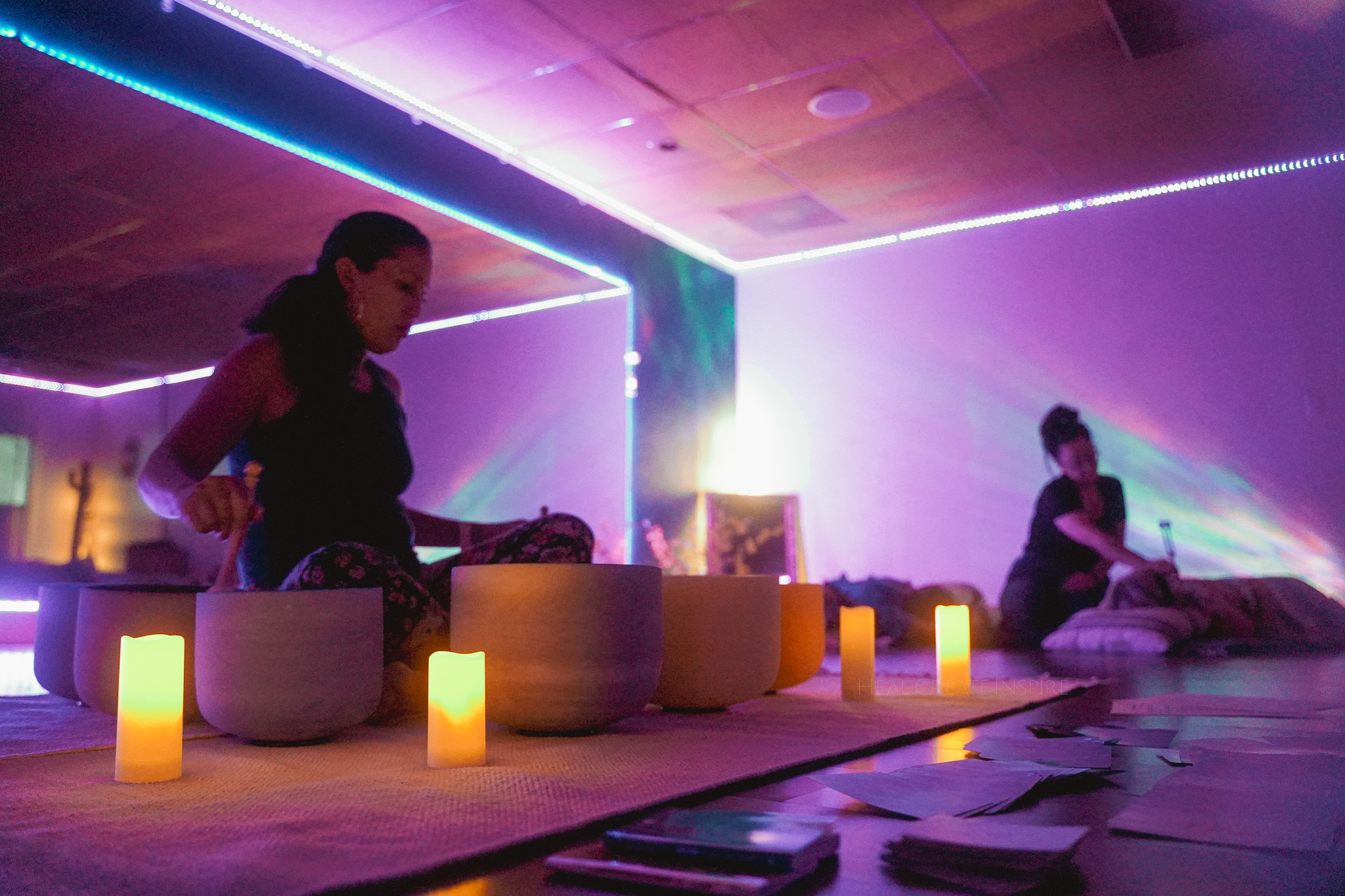
We do not have to share the same experience to feel connected
Connection is sometimes misunderstood as complete agreement or emotional sameness. In reality, meaningful community allows room for difference. One person may feel restored by stillness, while someone else feels more supported through movement. One guest may leave a class feeling reflective, while another leaves feeling energized, emotional, quiet, or simply grateful that they took time for themselves.
None of those responses makes the experience more correct than another. Community wellness becomes more inclusive when people are not pressured to describe the class in the same language or produce the same visible outcome.
The shared element is not uniformity. It is the willingness to enter the space respectfully, remain aware of personal boundaries, and allow other people to have an experience that may differ from our own. That kind of connection can be deeply meaningful because it does not require anyone to abandon their individuality in order to belong.
A supportive community wellness environment makes room for:
- Different emotions and energy levels
- Different bodies, abilities, and levels of experience
- Choice around participation, movement, touch, and sharing
- Quiet presence without pressure to explain personal experiences
- Curiosity without assuming that everyone needs the same thing
- Respectful connection without forcing vulnerability
Community wellness is not about creating perfection
One class cannot create permanent harmony, resolve every source of stress, or remove conflict from someone’s life. That is not the promise of community wellness, and it is not the expectation we want people to carry into the room.
These experiences are practices. Each gathering becomes an opportunity to practice presence, self-awareness, compassion, respectful connection, and care. Some days, a person may feel open and ready to connect with others. On another day, that same person may need quiet, privacy, and more space for themselves.
Both experiences are welcome. You do not have to share your story, explain what you are carrying, or participate beyond what feels appropriate for you. Sometimes the most supportive part of a class is simply resting in the presence of other people and remembering that you do not have to move through every part of life alone.
Community wellness is not about reaching perfect harmony. It is about practicing connection and care one gathering at a time.
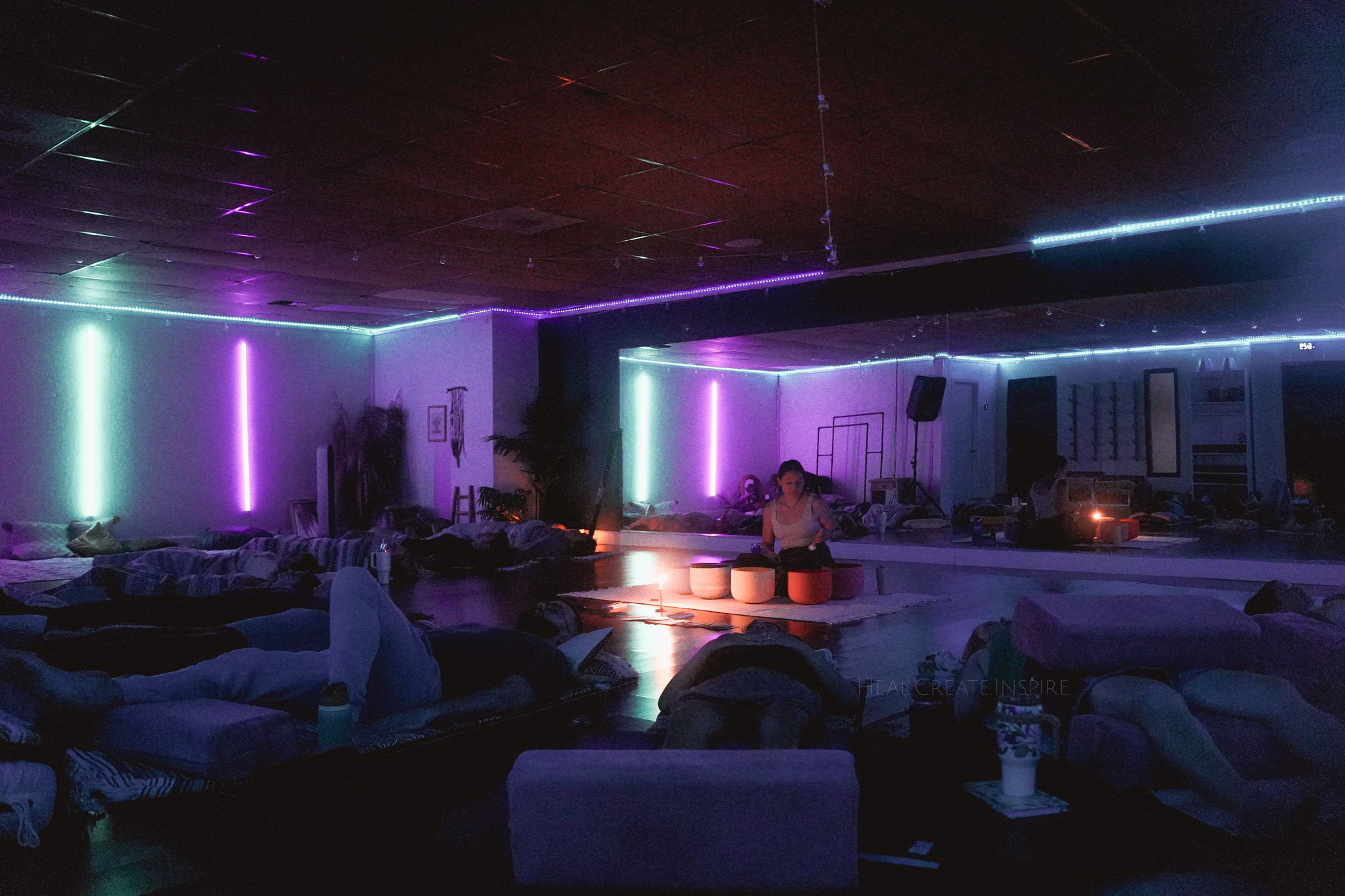
Community wellness classes in Tempe, Arizona
The Healing Tree Collective is an affordable, beginner-friendly community wellness studio in Tempe, Arizona. We offer intentional group experiences designed to support self-reflection, mind-body awareness, nervous system care, rest, creativity, and meaningful human connection.
Our classes welcome people with different backgrounds, levels of experience, intentions, and comfort levels. You do not need to know how to meditate, understand Reiki, have previous breathwork experience, or consider yourself flexible enough for yoga or movement. You can arrive with curiosity and learn at a pace that feels sustainable for you.
Explore community wellness at The Healing Tree Collective
Our Tempe wellness studio welcomes guests from Tempe, Phoenix, Mesa, Chandler, Scottsdale, the ASU community, and throughout the East Valley. Whether you are searching for a sound bath in Tempe, beginner-friendly breathwork, group Reiki, meditation, yoga, Tai Chi, somatic movement, or a supportive wellness community near ASU, you are welcome to explore what feels helpful for you.
You do not need to enter the room feeling calm. You do not need to arrive with the right intention or the right words. You can come as you are, carrying whatever is real for you that day.
We all bring something into the room
Every gathering is made up of individuals whose lives extend far beyond the class itself. Each person brings memories, responsibilities, emotions, questions, relationships, and experiences that may never be visible to the rest of the room.
Community wellness does not ask us to leave those parts of ourselves at the door. It gives us an opportunity to acknowledge that they exist while choosing to participate in a shared moment with other people.
We may breathe at a similar pace, listen to the same singing bowl, move through the same sequence, or rest in the same silence. Still, each person remains connected to their own story. That is what makes the experience both personal and collective.
Harmony, in this sense, is not everyone becoming one thing. It is many people bringing different things into the room and discovering that they can still share space with presence, dignity, empathy, and care.
Come as you are
At The Healing Tree Collective, our intention is to create community wellness experiences where people can slow down, listen inward, and share space without pressure to perform or become anything other than who they are that day.
Join us at our Tempe wellness studio and explore a class that gives you room to rest, reconnect, and experience what it can feel like to be part of a shared moment while still honoring your own individual journey.