4 August 2026
Gentle Movement Classes in Tempe for Stress, Balance, and Mental Clarity
If you are looking for gentle movement classes in Tempe, you may be searching for a way to move your body without pushing harder, forcing intensity, or feeling like you have to perform. You may want movement that supports stress relief, balance, mental clarity, body awareness, and a deeper sense of connection with yourself.
Many people know they need to move, but they do not always need a high-intensity class. After long workdays, school stress, screen time, caregiving, emotional pressure, or seasons of burnout, the body may need something slower and more supportive. Gentle movement can give the body a way to participate without adding more pressure.
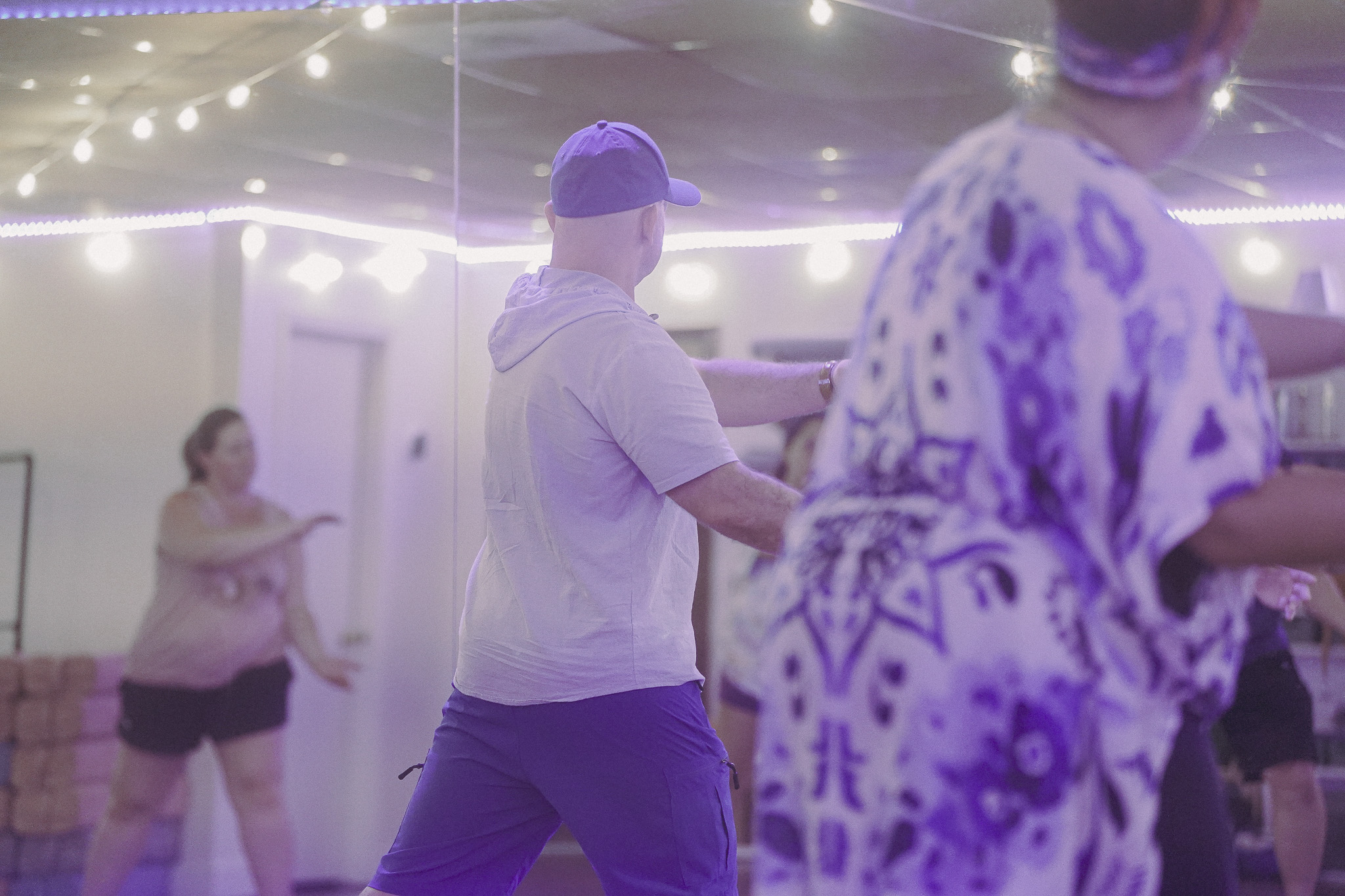
Tai Chi is one of the gentle movement practices we offer at The Healing Tree Collective in Tempe. Through slow movement, breath awareness, grounding, posture, balance, and mindful attention, Tai Chi can support stress relief, steadiness, and mental clarity in a way that feels approachable for beginners.
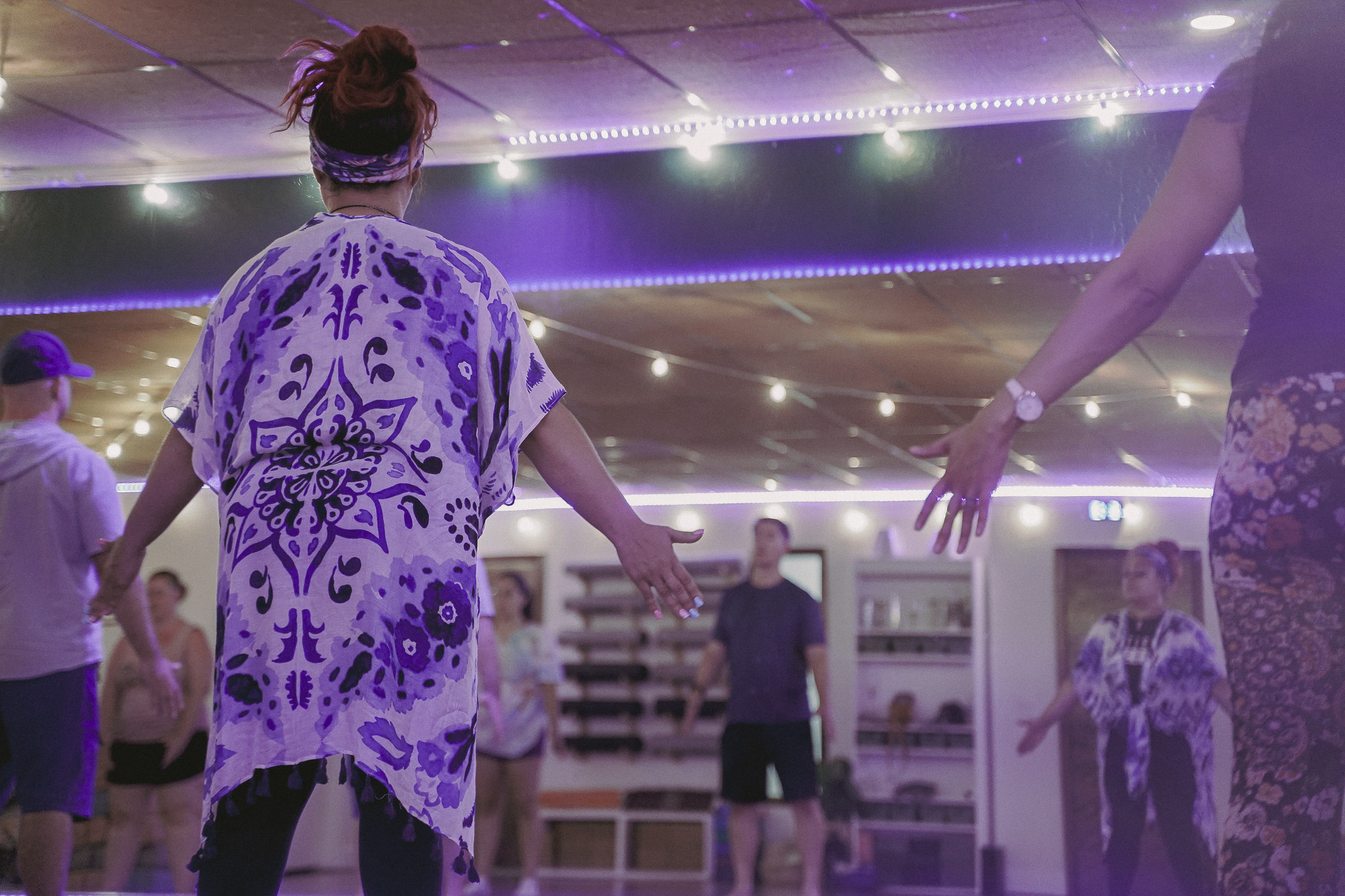
Gentle movement can help the body slow down, reconnect with breath, and practice balance without performance pressure.
Gentle movement may support:
A more sustainable relationship with movement, stress, and body awareness.
- Stress relief
- Balance and stability
- Mental clarity
- Breath awareness
- Mind-body connection
- Grounding and presence
- Movement without high intensity
Why gentle movement matters
Gentle movement matters because not every body needs the same kind of support. Some people feel restored by intense exercise, while others feel depleted by it, especially when they are already carrying stress, fatigue, or emotional overwhelm. Movement should not always feel like something the body has to survive.
For people who are tired, tense, overstimulated, or disconnected from the body, gentle movement can create a more accessible place to begin. The pace allows the body to notice what is happening instead of rushing through sensation. The movements can support circulation, coordination, balance, posture, and breath awareness without asking the body to push into intensity.
This can be especially helpful for people who have avoided movement because they think they are not flexible, athletic, coordinated, or experienced enough. A gentle movement class can remind people that movement does not have to be about performance. It can be about connection.
Gentle movement gives the body permission to participate without being pushed beyond what feels sustainable.
Tai Chi as a gentle movement practice
Tai Chi is a slow, intentional movement practice that combines breath awareness, posture, balance, grounding, and focused attention. It is often described as moving meditation because it allows people to practice mindfulness while the body is in motion.
For beginners, Tai Chi can feel different from other movement classes because the pace is slower and more subtle. Instead of rushing from one exercise to another, the practitioner learns to shift weight, feel the feet, notice the breath, and move with awareness. The practice is gentle, but it still asks for presence.
This is what makes Tai Chi such a meaningful gentle movement class. It is not passive. It is active in a quieter way. It supports the body while also training attention, balance, patience, focus, and self-awareness.
Tai Chi is gentle, but it is not empty. It teaches the body and mind how to slow down, listen, and return.
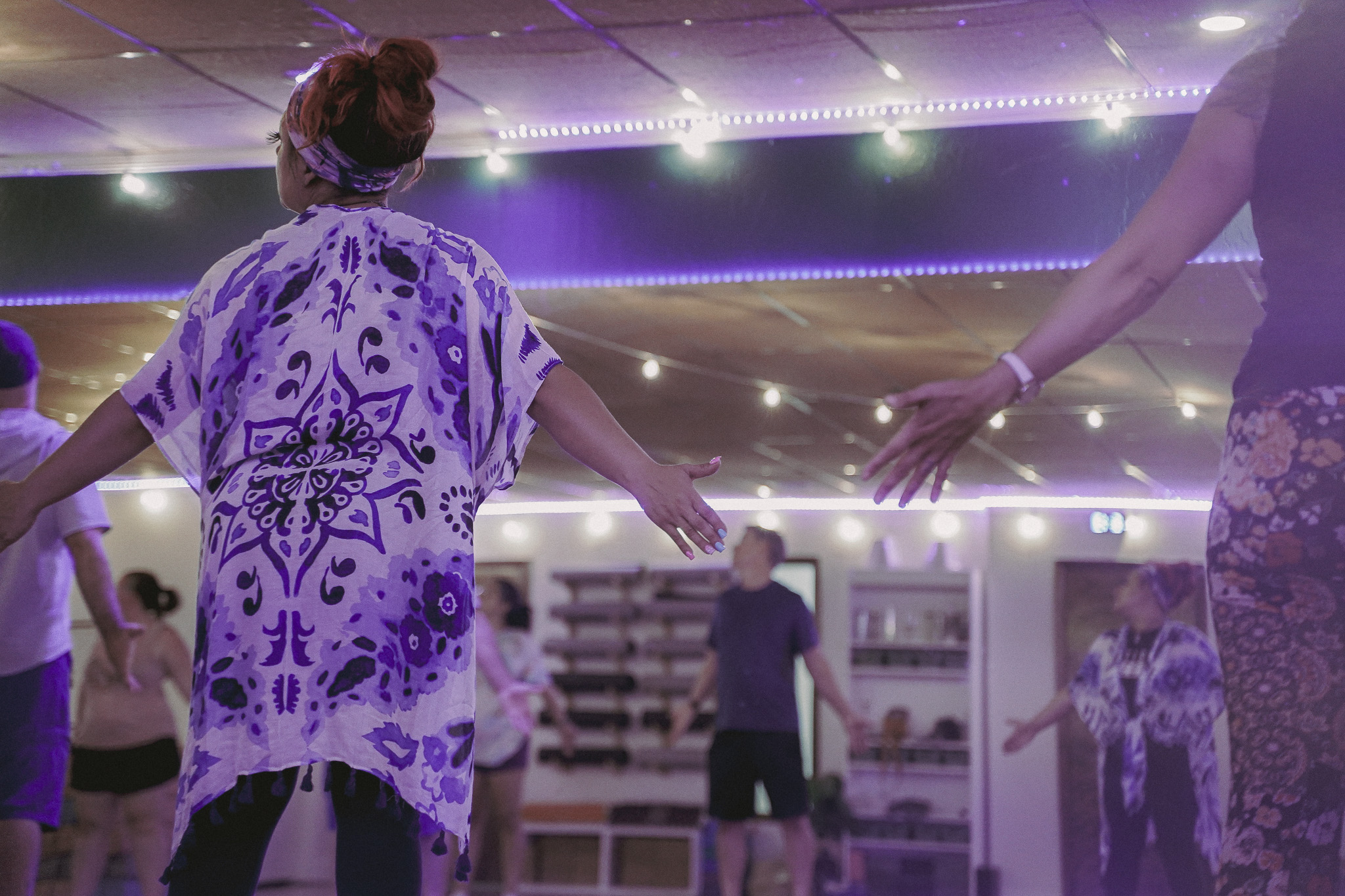
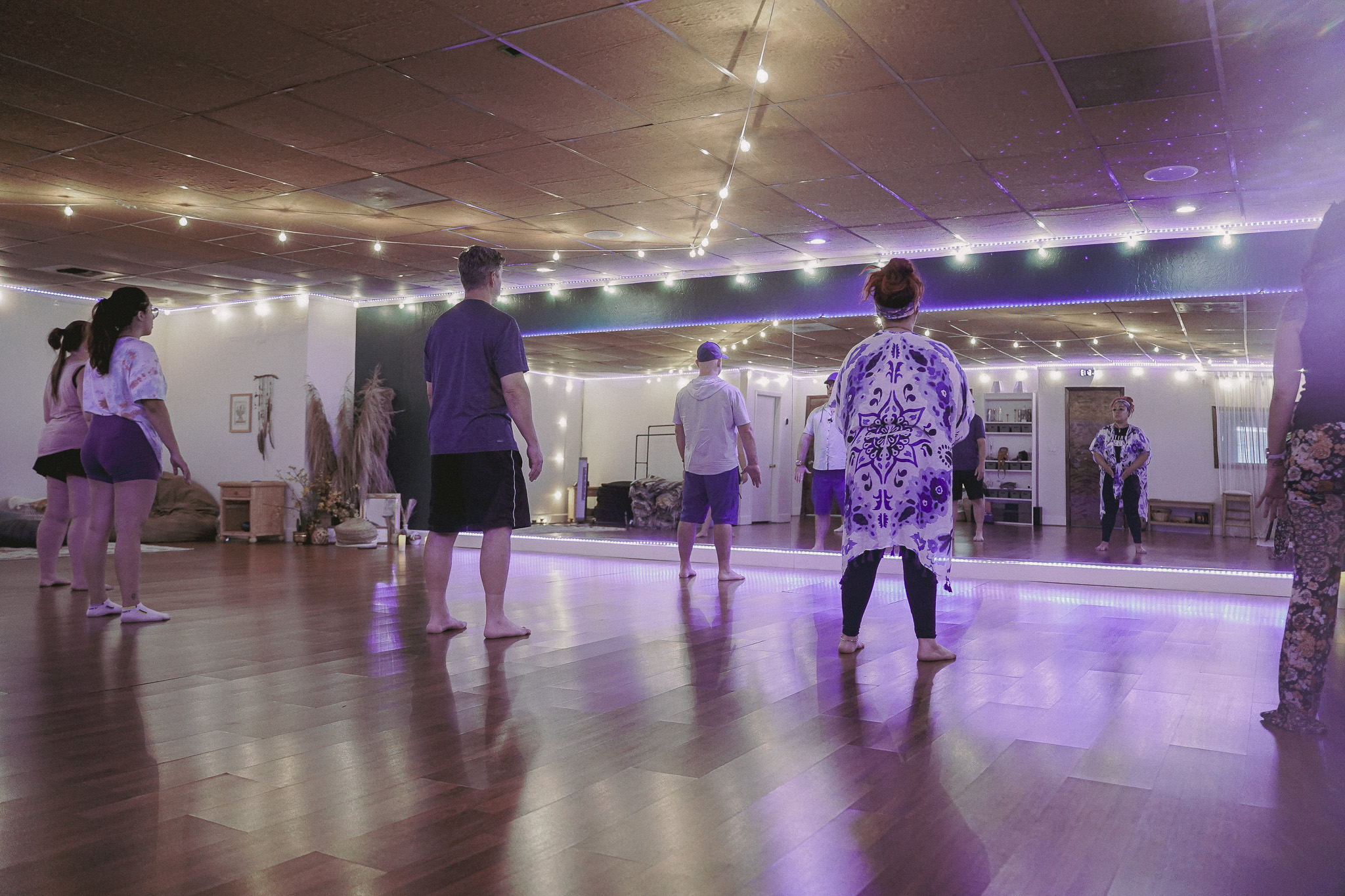
Gentle movement for stress relief
Stress often shows up in the body. It may appear as shallow breathing, tight shoulders, jaw tension, a heavy chest, restless energy, fatigue, or difficulty settling after a long day. Many people try to manage stress only through thinking, but the body is often where stress is being carried.
Gentle movement helps include the body in stress relief. In Tai Chi, the slow pace gives people time to notice breath, posture, weight shifting, and areas of tension. The body begins moving, but without being pushed into more strain. This can create a supportive contrast to the speed and pressure of everyday life.
Instead of forcing relaxation, Tai Chi creates conditions where the body can practice slowing down. The feet meet the floor. The breath becomes easier to notice. The movement gives the mind a steady place to return. Over time, this can help people build a more grounded relationship with stress.
Stress relief can begin when the body is given a slower rhythm than the one stress has been asking it to hold.
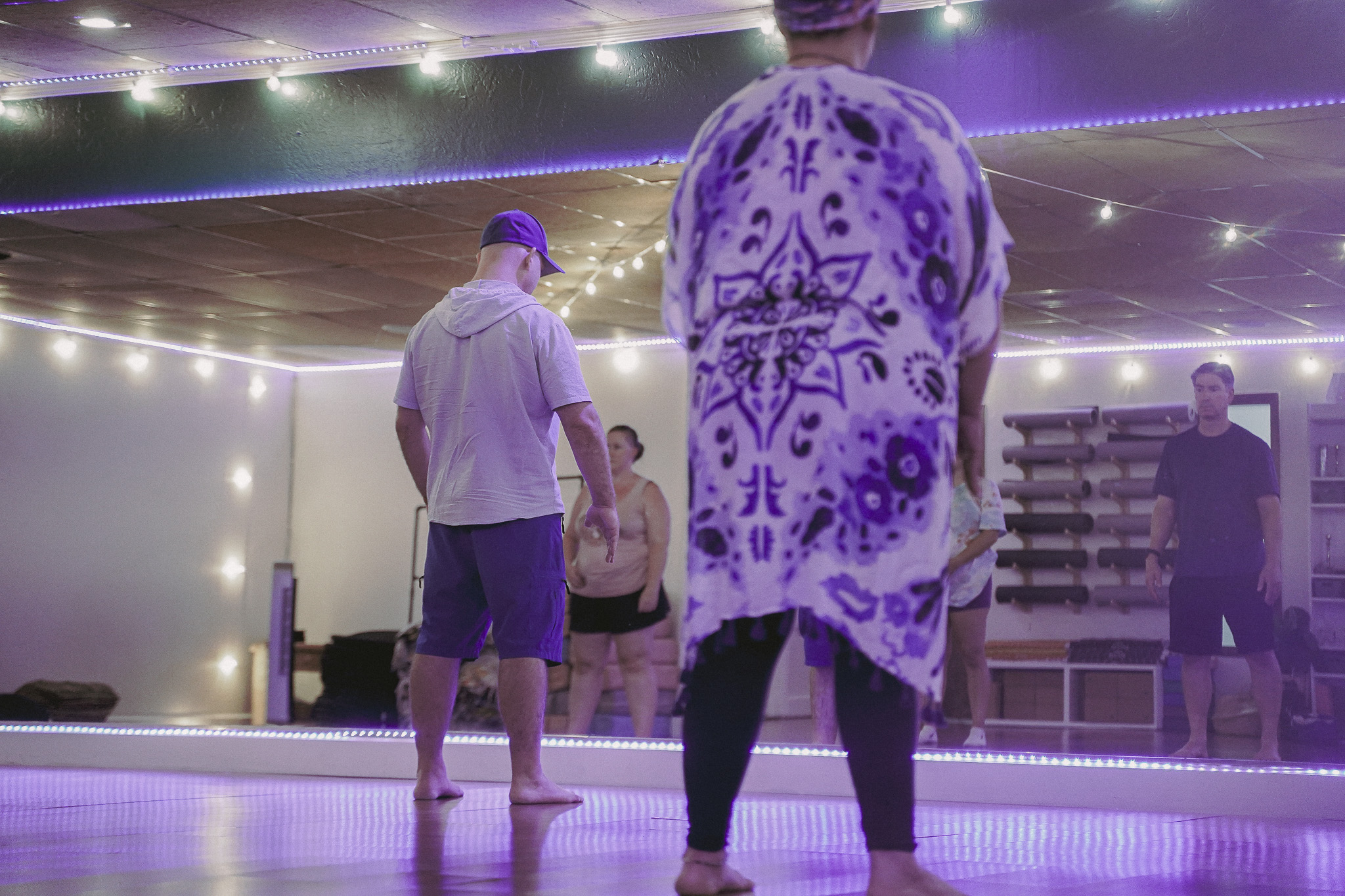
Tai Chi supports stress relief through slow movement, breath awareness, grounding, and a pace that allows the body to settle.
Gentle movement for balance and stability
Balance is not only about standing on one foot. It is also about learning how the body finds support through posture, breath, weight shifting, and small adjustments. Tai Chi works with balance in a slow and intentional way, which helps people notice how steadiness is built.
During Tai Chi, the body practices shifting weight from one side to another, grounding through the feet, softening unnecessary tension, and moving through transitions with awareness. These details may seem simple, but they help develop a stronger connection to the body’s sense of stability.
For beginners, balance may feel inconsistent at first. That is normal. Tai Chi does not treat wobbling as failure. It treats wobbling as feedback. The body learns by adjusting, returning, and building trust over time.
Balance grows through awareness, adjustment, and the willingness to return when the body feels unsteady.
Grounding
Feeling the feet and floor helps the body understand where support is coming from.
Weight Shifting
Slow transitions help the body practice moving with steadiness and control.
Posture Awareness
Noticing posture can help reveal where the body is tense, collapsed, or overworking.
Small Adjustments
Balance improves as the body learns to respond gently instead of forcing control.
Gentle movement for mental clarity
Mental clarity can be difficult when the mind is overloaded. Many people move through the day with constant input from screens, messages, work tasks, school responsibilities, family needs, and unfinished thoughts. Even during rest, the mind may continue planning, reviewing, or anticipating what comes next.
Tai Chi can support mental clarity by giving attention one physical pathway to follow. Instead of jumping between thoughts, the mind follows the movement. The breath becomes an anchor. The feet become a point of grounding. The body gives attention something real and present to return to.
This does not mean Tai Chi clears the mind instantly. Mental clarity often develops through repetition. The mind wanders, and the body returns. Attention drifts, and the breath brings it back. Over time, this repeated return can help people feel less scattered and more connected to the present moment.
Mental clarity is not always created by thinking harder. Sometimes it begins when the mind has a slower place to land.
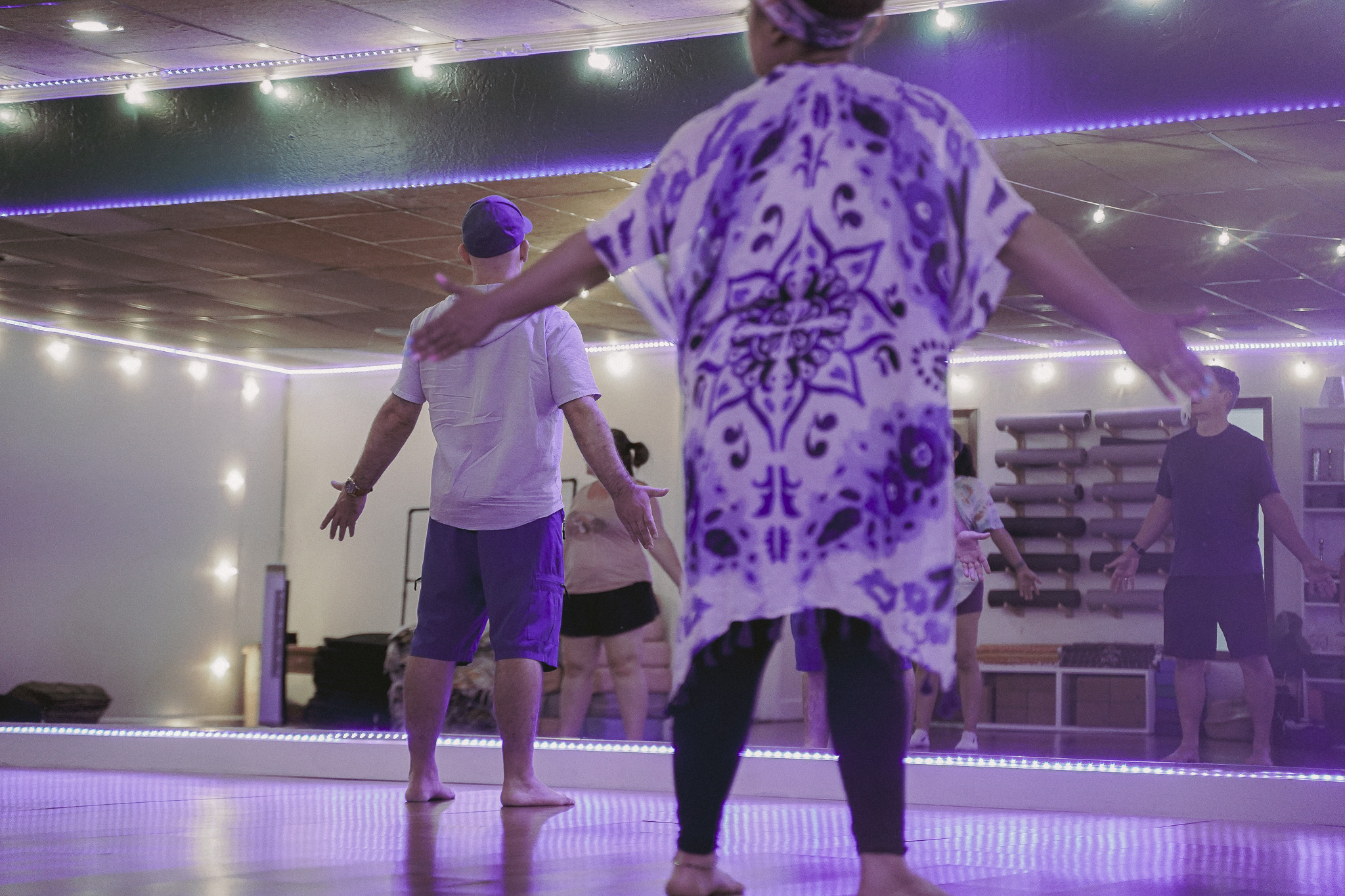
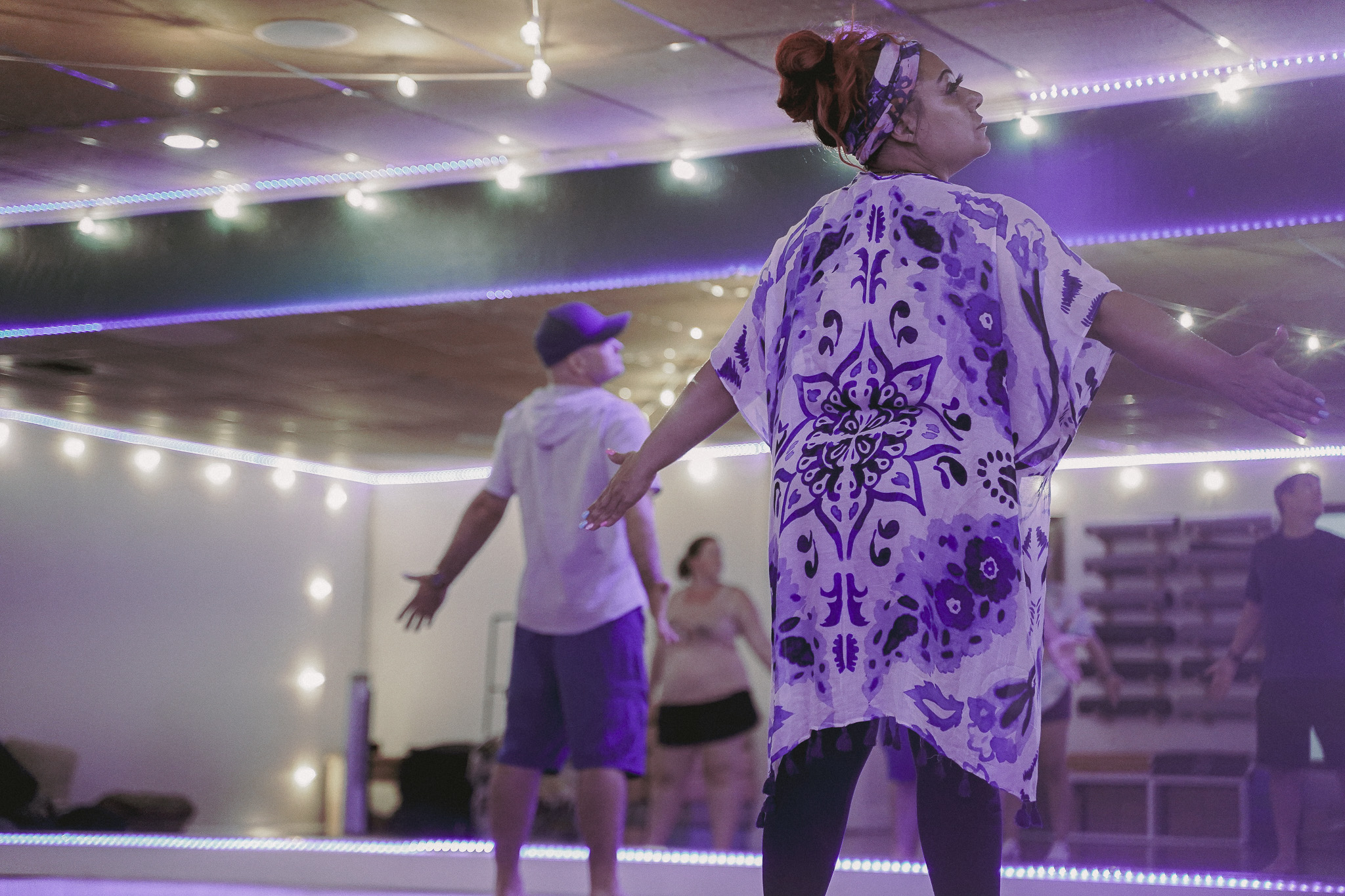
Why gentle movement can be helpful for busy minds
Busy minds often struggle with practices that require complete stillness. When the body becomes still, the mind may feel even louder. Thoughts, plans, worries, memories, and responsibilities may come forward all at once.
Gentle movement can offer another way into mindfulness. The body is moving, but the pace is slow enough to support awareness. In Tai Chi, the mind has something to follow: the breath, the hands, the feet, the posture, the balance, and the transition between movements.
This can make Tai Chi especially supportive for people who are curious about meditation but do not feel comfortable sitting in silence. Presence is practiced through movement, which can feel more accessible for people with active minds.
For busy minds, gentle movement can make mindfulness feel more possible because the body gives attention a place to return.
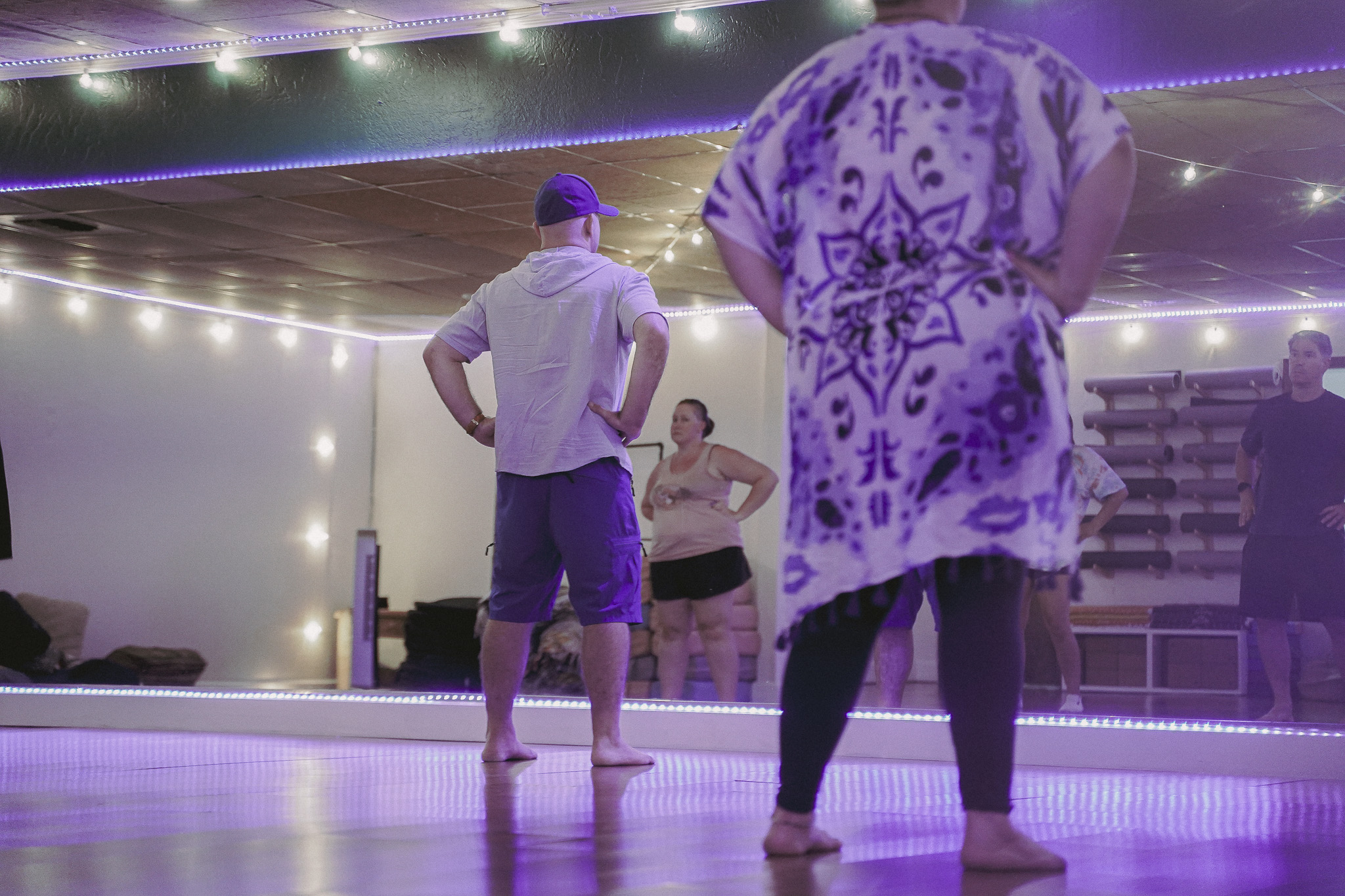
Tai Chi can help busy minds practice mindfulness through movement instead of forcing stillness first.
Gentle does not mean ineffective
One misunderstanding about gentle movement is that it is somehow less valuable than intense movement. Many people have been taught to measure movement by how difficult it feels, how much they sweat, how sore they are afterward, or how much they had to push through.
Tai Chi invites a different measure of value. Did you notice your breath? Did you feel your feet? Did you become aware of tension? Did you practice balance? Did you slow down enough to observe your body? Did you return when your attention wandered? These are meaningful forms of practice.
Gentle movement can be powerful precisely because it gives people time to notice. It may not overwhelm the body, but it can reveal patterns that are often missed at faster speeds. It can help people become more aware of how they hold stress, how they move through transitions, and how they respond when balance feels uncertain.
Gentle movement can be powerful because it gives the body enough space to be heard.
Who gentle movement classes may be good for
Gentle movement classes can be supportive for many different people. They may be especially helpful for anyone who feels stressed, tired, mentally overloaded, disconnected from the body, intimidated by fitness spaces, or curious about movement that feels slower and more intentional.
They can also be helpful for people who are returning to movement after a long break. Starting again can feel vulnerable. A gentle class can provide an approachable place to rebuild confidence, body awareness, and consistency without feeling rushed.
At The Healing Tree Collective, we believe movement should feel accessible to real people with real lives. You do not need to arrive flexible, athletic, calm, coordinated, or already experienced. You can begin where you are.
People With Stress
Gentle movement can help the body slow down, breathe, and notice tension before it builds further.
Busy Professionals
Tai Chi can support people who spend long hours thinking, sitting, typing, responding, and problem-solving.
Students
Gentle movement can offer a reset from studying, screen time, deadlines, and mental overload.
Beginners
A gentle pace gives beginners room to learn without feeling pressured to perform perfectly.
What to expect in a gentle movement class like Tai Chi
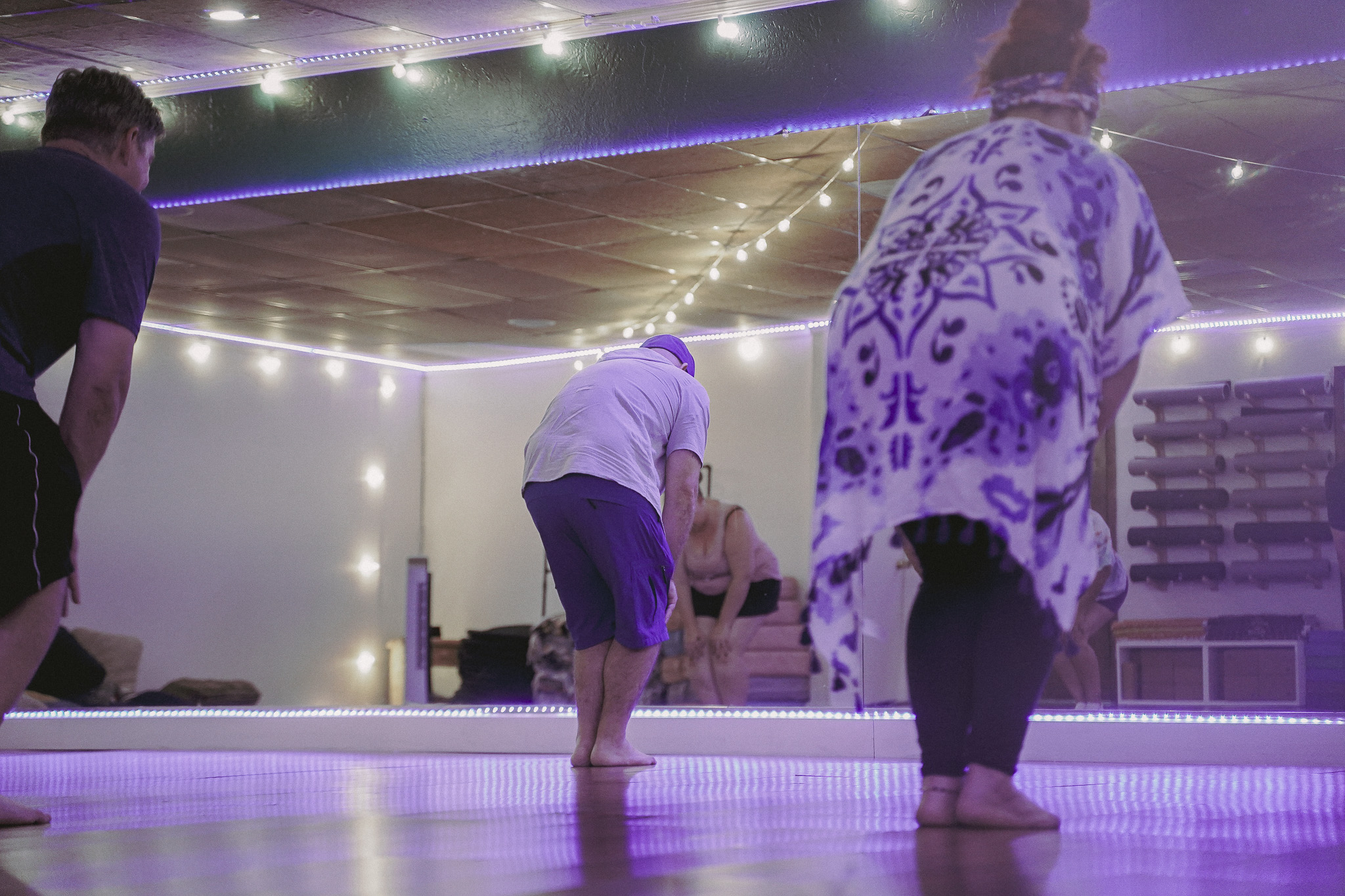
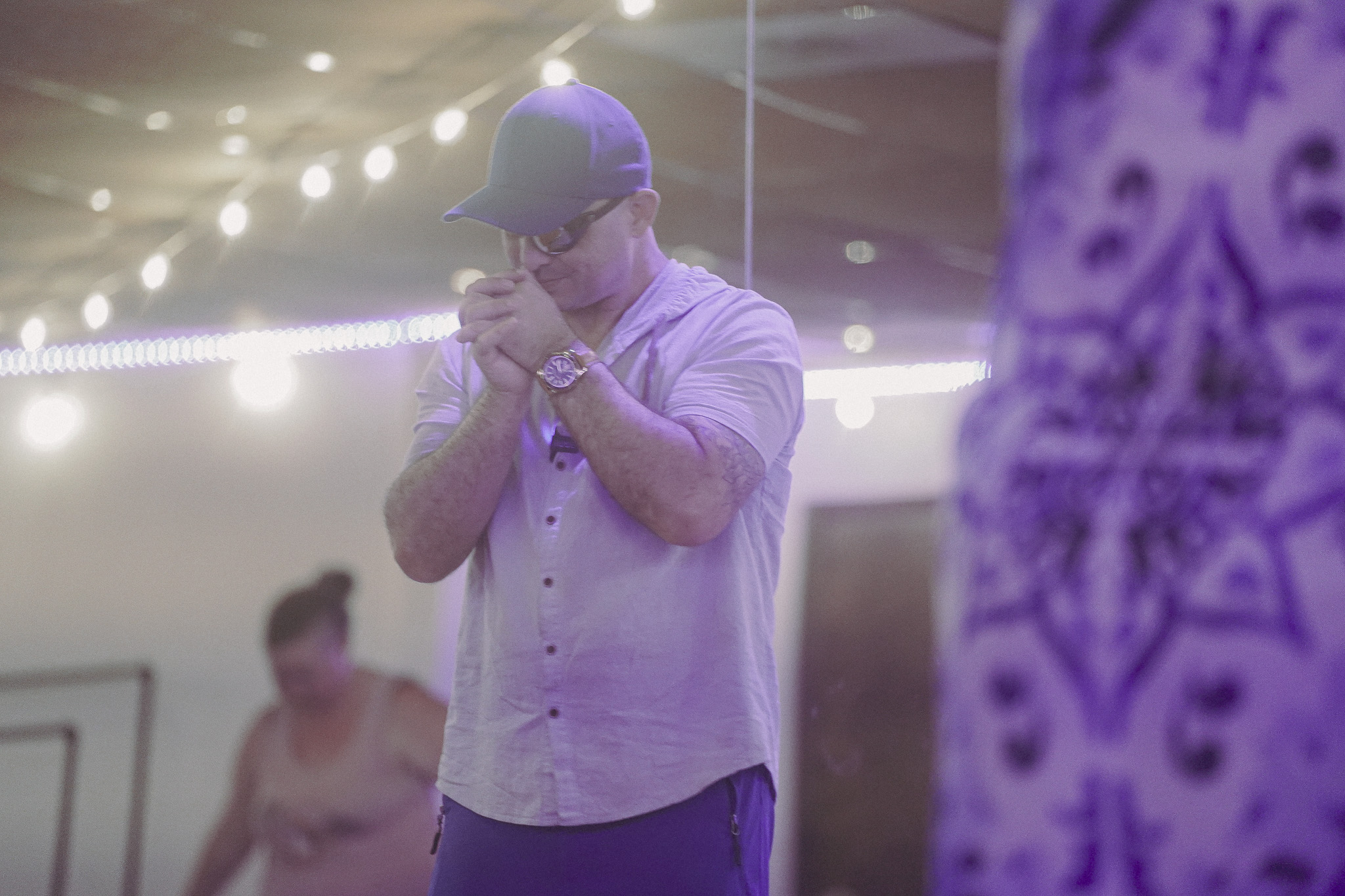
In a gentle movement class like Tai Chi, you can expect a slower pace, guided instruction, breath awareness, posture awareness, grounding, balance practice, and movements that are learned gradually. The class may feel quieter and more focused than a traditional workout.
If you are new, you do not need to know the movements in advance. You may feel awkward at first. You may forget what comes next. You may notice that your mind wanders or that your body wants to rush. These experiences are normal and do not mean you are doing it wrong.
The goal is not to master everything in one class. The goal is to begin building a relationship with your body, breath, balance, and attention. Over time, the movements can become more familiar, and the practice can deepen into a steady source of support.
A gentle movement class gives you permission to learn slowly, move carefully, and practice without performance pressure.
How gentle movement can support daily life
The value of gentle movement is not limited to class. The awareness practiced in Tai Chi can begin to support ordinary moments throughout the day. A person may notice shallow breathing during stress, tight shoulders during work, rushing during transitions, or scattered attention after screen time.
These moments create opportunities to return. Feel the feet. Take one slower breath. Soften the jaw. Notice posture. Move through a transition with more awareness. Pause before responding. These small actions can help the body feel less ignored and more supported.
Gentle movement can help people build a more practical relationship with self-care. It does not require waiting until life is calm. It teaches people how to return to the body within the reality of work, school, family, stress, and daily responsibilities.
Gentle movement becomes practical when the breath, feet, posture, and pause begin supporting daily life.
During Work
You may notice tension, shallow breathing, or mental rushing before continuing.
After Screen Time
You may use movement and grounding to reconnect with the body after hours of visual focus.
During Stress
You may feel your feet and take one slower breath before reacting automatically.
Before Rest
You may use gentle movement to help the body transition out of productivity mode.
Gentle movement is not a replacement for medical or mental health care
Gentle movement practices like Tai Chi can be supportive for stress relief, mindfulness, balance, breath awareness, grounding, body awareness, focus, and emotional wellbeing, but they are not a replacement for medical care, physical therapy, therapy, medication, psychiatric support, trauma-informed treatment, workplace accommodations, or crisis services. If someone is experiencing persistent pain, significant distress, panic, depression, trauma symptoms, thoughts of self-harm, severe burnout, or difficulty functioning, support from qualified professionals may be necessary.
At the same time, many people benefit from practices that help them slow down, reconnect with the body, and build awareness in a gentle and structured way. Tai Chi can be one supportive part of a broader wellness routine because it offers a repeatable way to practice presence through movement.
The value of gentle movement is not that it removes every responsibility, stressor, or challenge. Its value is that it gives people a practical way to return to breath, body, grounding, and awareness within the reality of daily life.
Gentle movement can support stress relief, balance, and mental clarity as part of a broader wellness routine, but it should not replace professional care when professional support is needed.
Gentle movement classes at The Healing Tree Collective in Tempe
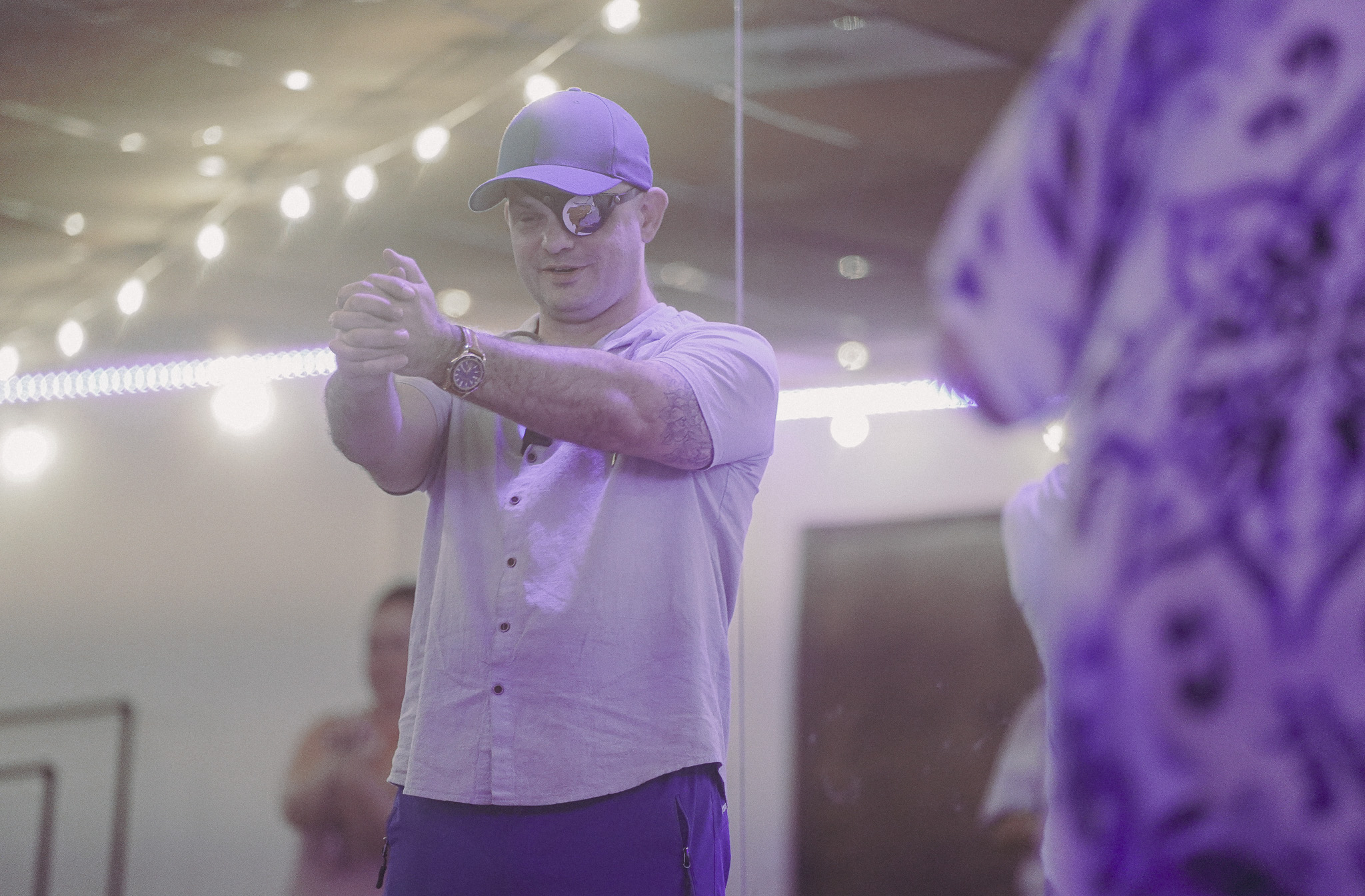
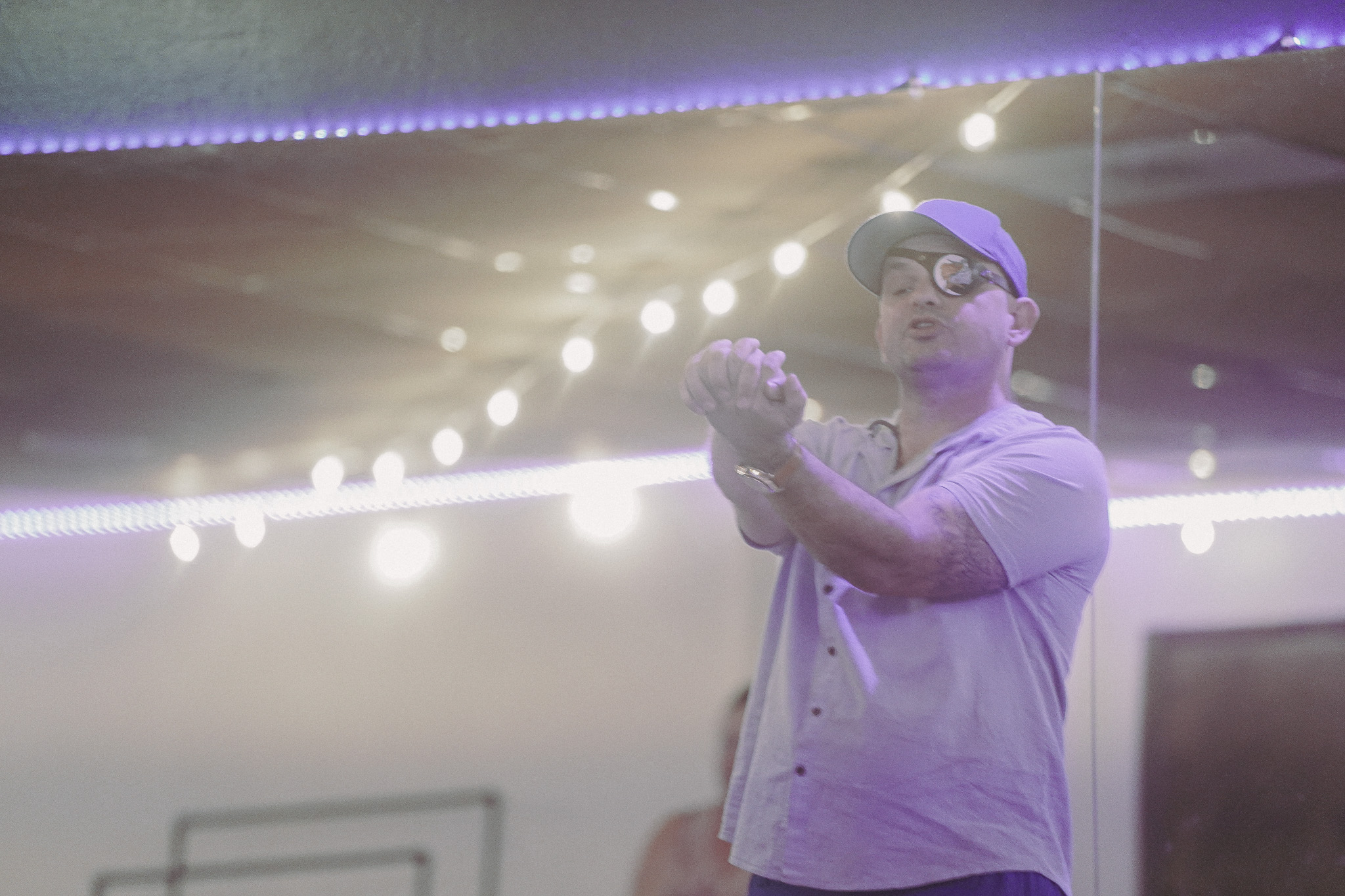
At The Healing Tree Collective, we offer wellness classes in Tempe that support stress relief, mindfulness, nervous system care, grounding, body awareness, emotional wellbeing, balance, and deeper connection. Our space is designed for people with real lives: full schedules, tired bodies, busy minds, emotional responsibility, and a desire to feel supported.
Tai Chi fits naturally into our approach because it offers a gentle way to move, breathe, focus, and reconnect with the body. It does not require prior experience, advanced flexibility, athletic ability, or a perfectly calm mind. The practice is approachable, steady, and meaningful over time.
If you are looking for gentle movement classes in Tempe and want something that feels beginner-friendly, grounded, and practical, Tai Chi may be a supportive place to begin. You can arrive curious, stressed, tired, distracted, or completely new. The practice can meet you there.
At The Healing Tree Collective, Tai Chi is offered as a beginner-friendly gentle movement practice for stress relief, balance, mental clarity, and mind-body connection.
Final thoughts: movement does not have to be intense to be meaningful
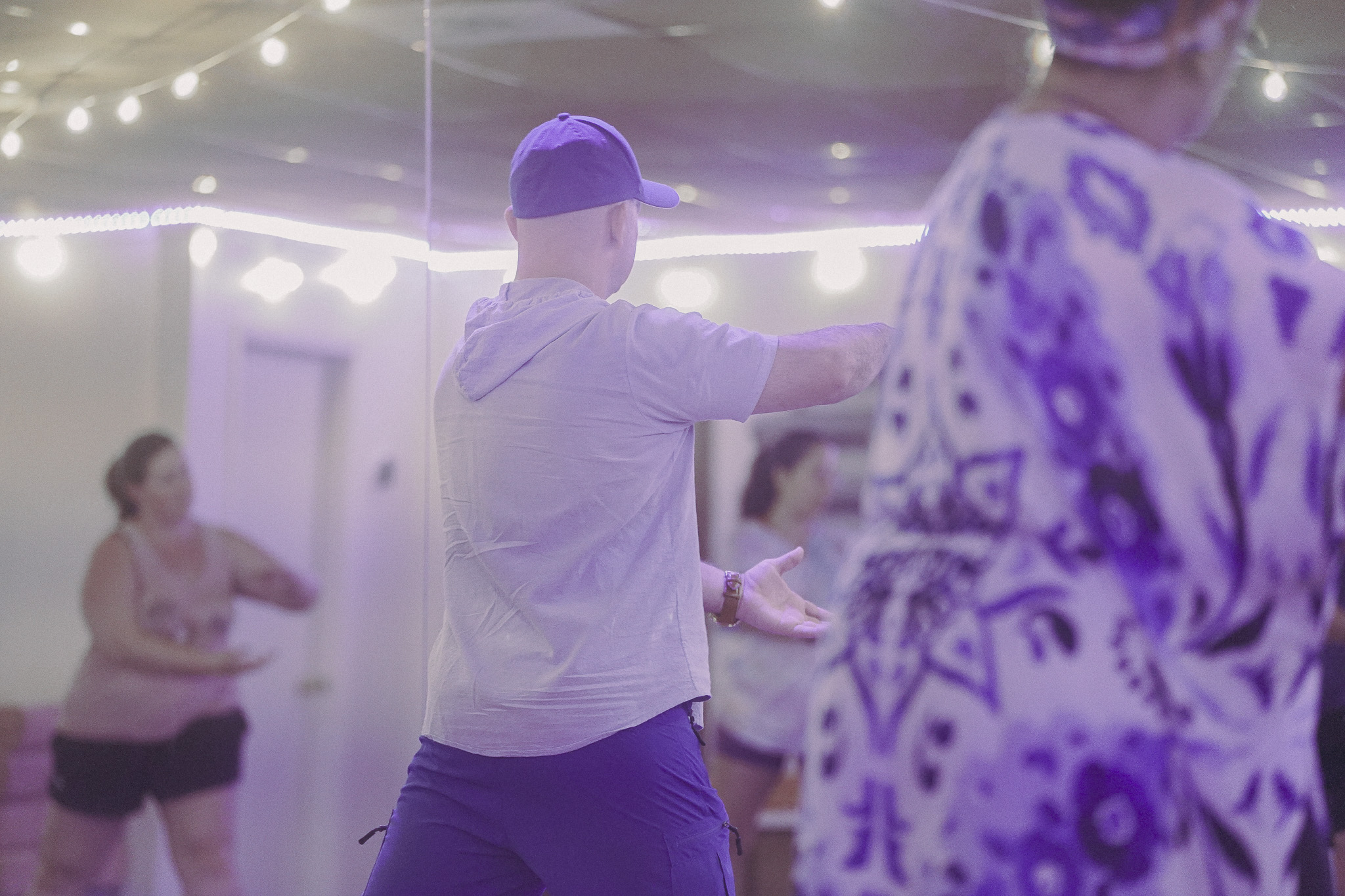
If you are searching for gentle movement classes in Tempe, Tai Chi may offer the kind of support your body has been needing. It is slow, accessible, grounding, and deeply connected to breath, balance, awareness, and presence.
Gentle movement can support stress relief, mental clarity, and balance without asking the body to push harder than it can sustain. It gives people a way to move, listen, breathe, and return without performance pressure.
At The Healing Tree Collective, our intention is to make movement feel accessible, human, and connected to real life. Tai Chi is one way we invite people to slow down, reconnect with the body, and experience movement as support instead of another demand.
Gentle movement reminds us that healing does not always require intensity. Sometimes it begins with one slower breath, one grounded step, and one return to the body.
Looking for gentle movement classes in Tempe?
The Healing Tree Collective offers beginner-friendly wellness classes in Tempe, Arizona designed to support stress relief, mindfulness, grounding, body awareness, balance, emotional wellbeing, and deeper connection. If you are curious about Tai Chi, gentle movement, moving meditation, or a practice that supports mental clarity and mind-body connection, you are welcome to begin here.