4 July 2026
The Healing Tree Collective • Tempe, Arizona
How Gentle Movement Can Support Mental Clarity and Inner Stability
Mental clarity is not only about having fewer thoughts. It is also about having enough internal steadiness to organize those thoughts, understand what needs attention, and respond to life without feeling constantly pulled in several directions at once.
When stress, emotional pressure, responsibilities, overstimulation, or fatigue begin to build, the mind can feel crowded. Decisions may feel heavier, simple tasks may feel more difficult to begin, and the body may carry tension while the mind continues trying to keep up. In those moments, clarity is often difficult to access because the body and mind are both operating from strain.
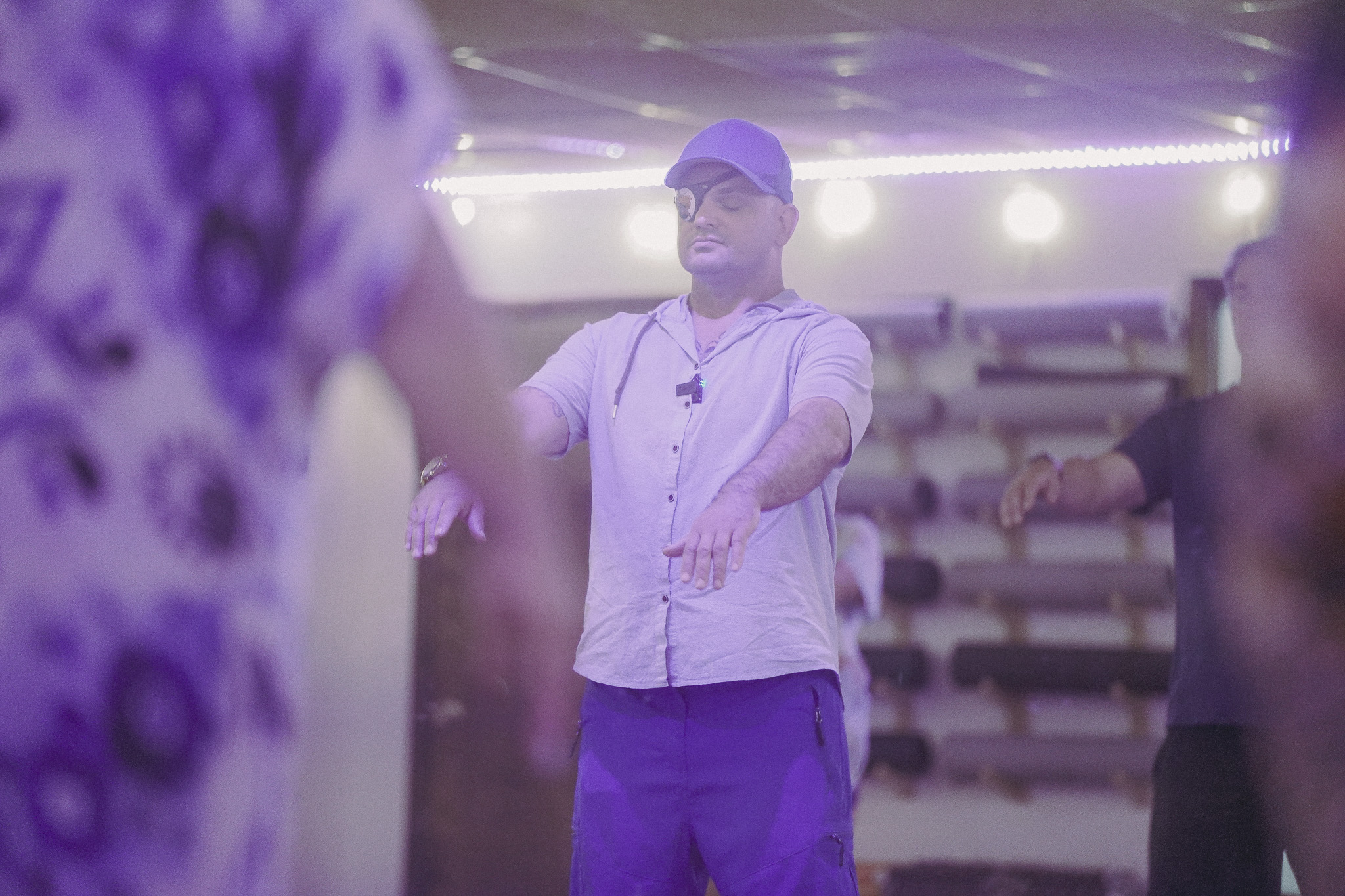
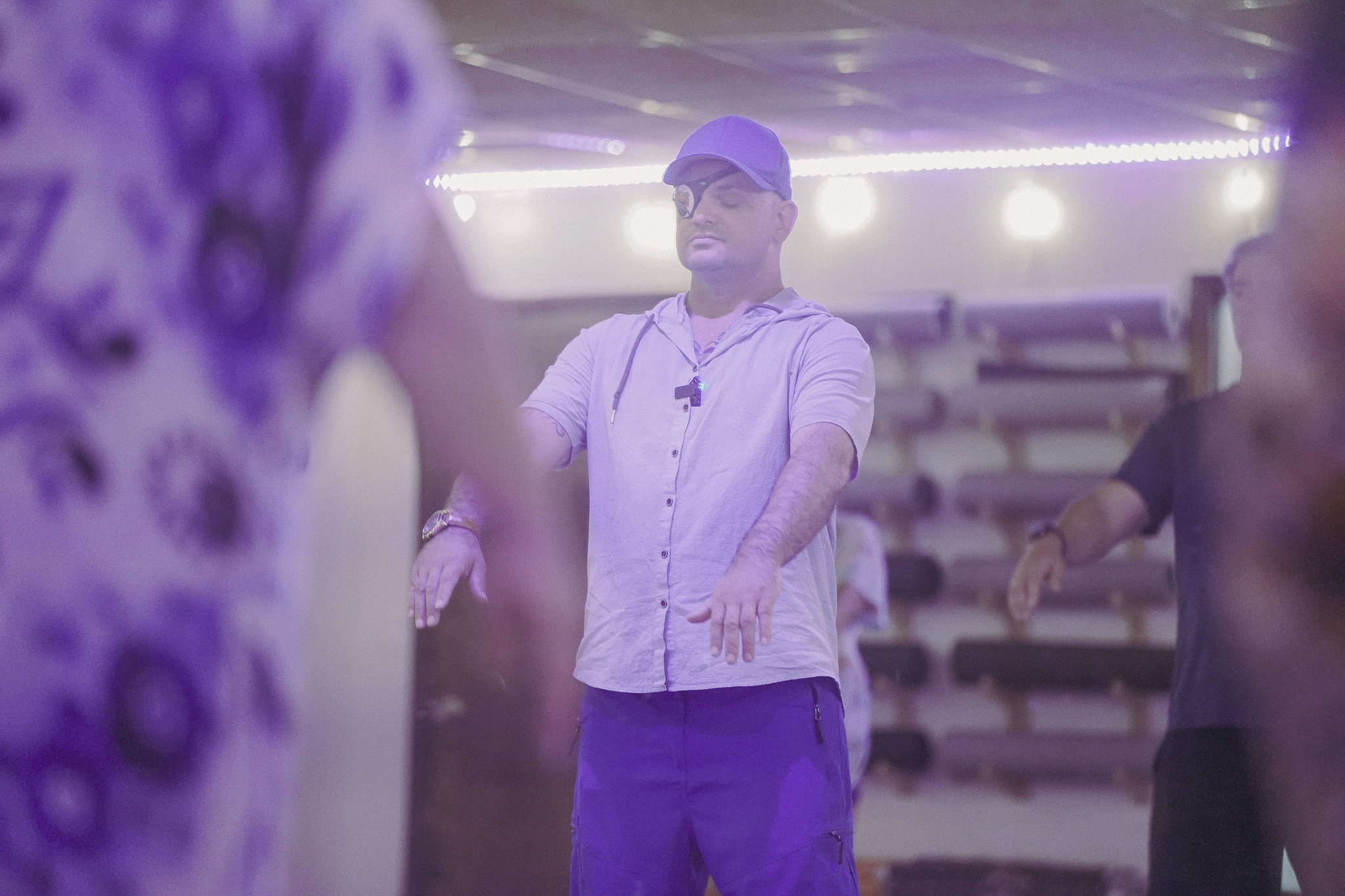
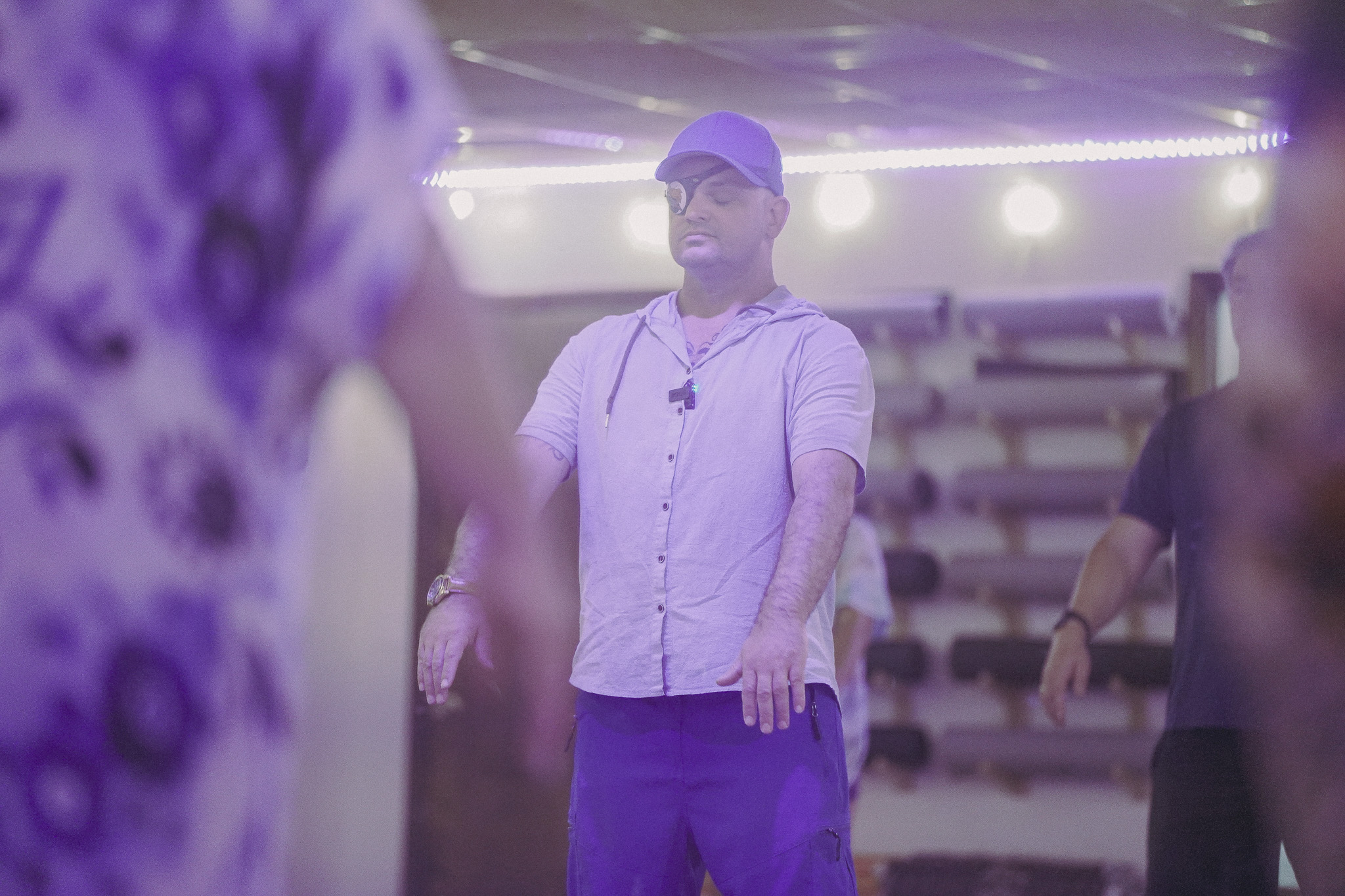
Gentle movement practices such as Tai Chi may support mental clarity and inner stability because they give the body a structured way to slow down, breathe, focus attention, release unnecessary tension, and return to the present moment without intensity or performance.
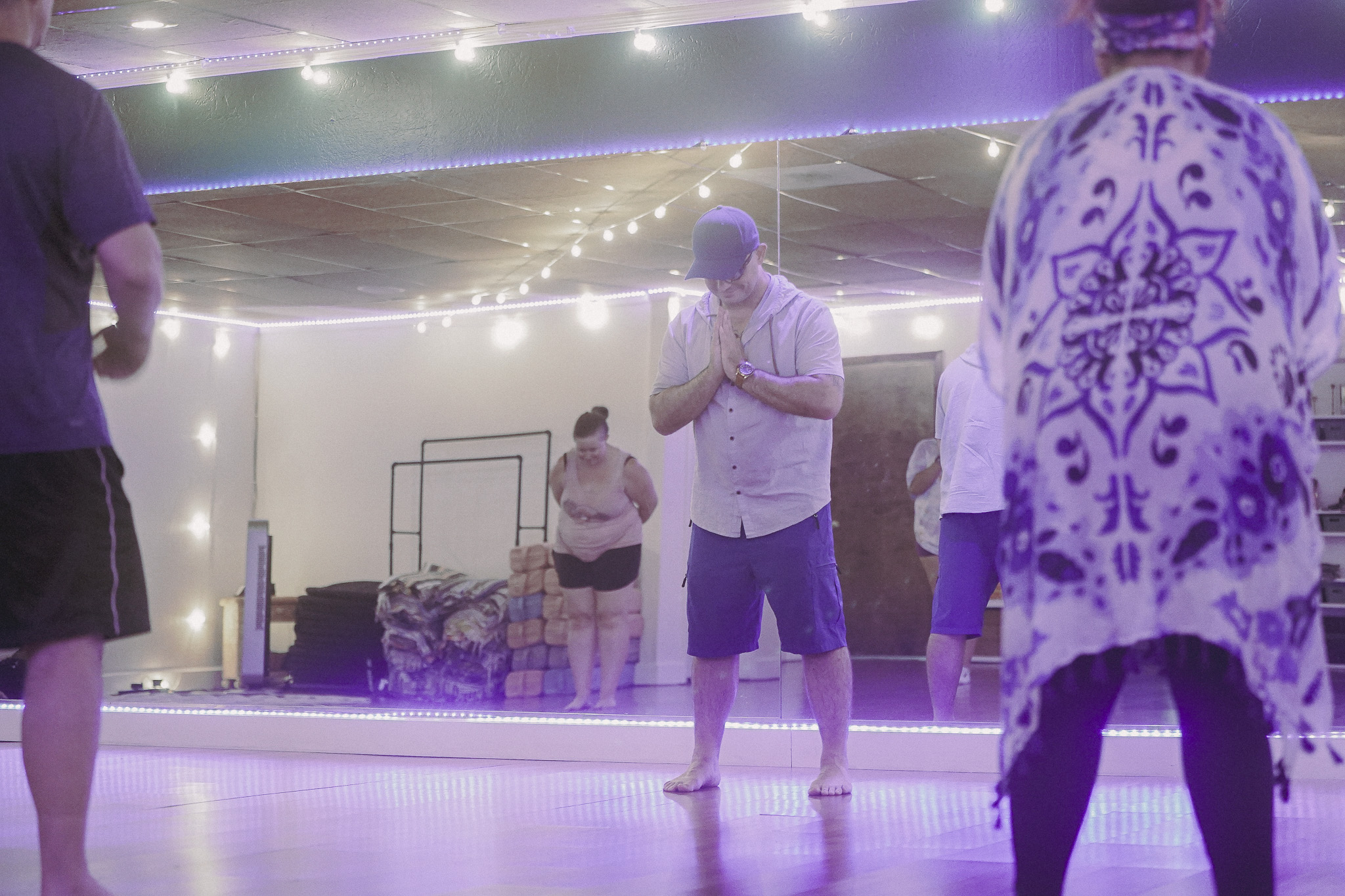
Gentle movement can help the body and mind slow down together, creating more space for awareness, focus, and steadiness.
Gentle movement may support mental clarity by helping you practice:
A grounded, body-based approach to focus, awareness, and internal steadiness.
- Slowing the pace of the body
- Focusing attention through movement
- Noticing breath patterns
- Recognizing unnecessary tension
- Grounding through the feet
- Creating space between thoughts
- Returning to the present moment with more awareness
Mental clarity is often affected by the state of the body
When people think about mental clarity, they often focus only on the mind. They may try to think harder, organize more, make another list, search for the right answer, or push themselves to concentrate even when they are already mentally tired. While planning and organization can be helpful, clarity is not only a thinking skill. It is also influenced by the state of the body.
When the body is tense, fatigued, overstimulated, or carrying stress, the mind may have a harder time feeling clear. Physical tension can make it more difficult to relax into focus. Shallow breathing can reinforce a sense of urgency. Restlessness can make attention feel scattered. Emotional stress can keep the mind looping through unresolved concerns. In this way, mental clarity often depends on whether the body has enough steadiness to support the mind.
Gentle movement can be helpful because it gives the body something structured and manageable to do. Instead of asking the mind to quiet itself through effort alone, practices such as Tai Chi invite the body into a slower rhythm. The movement gives attention a clear place to rest, and the body begins participating in the process of becoming more focused and present.
Mental clarity is not always created by thinking more. Sometimes it becomes more available when the body has a chance to slow down, breathe, and settle into the present moment.
Stress can make the mind feel crowded
Stress often increases the amount of information the mind is trying to manage. A person may be thinking about deadlines, responsibilities, finances, conversations, family needs, health concerns, future plans, and unresolved decisions all at the same time. Even when there is no immediate crisis, the mind may remain active because it is trying to anticipate what comes next.
This can create the feeling of mental noise. Thoughts may overlap, priorities may feel unclear, and it may become difficult to separate what is urgent from what simply feels urgent because the body is stressed. In this state, many people attempt to force clarity by pushing harder, but that can sometimes create more pressure rather than more focus.
Gentle movement offers a different approach. By bringing attention to slow movement, breath, posture, and grounding, the mind is given a concrete point of focus. The goal is not to erase every thought, but to create enough structure that attention can become less scattered. Over time, this can support a clearer relationship with what is actually happening in the present moment.
When stress makes the mind feel crowded, gentle movement can provide a physical anchor that helps attention become more organized.
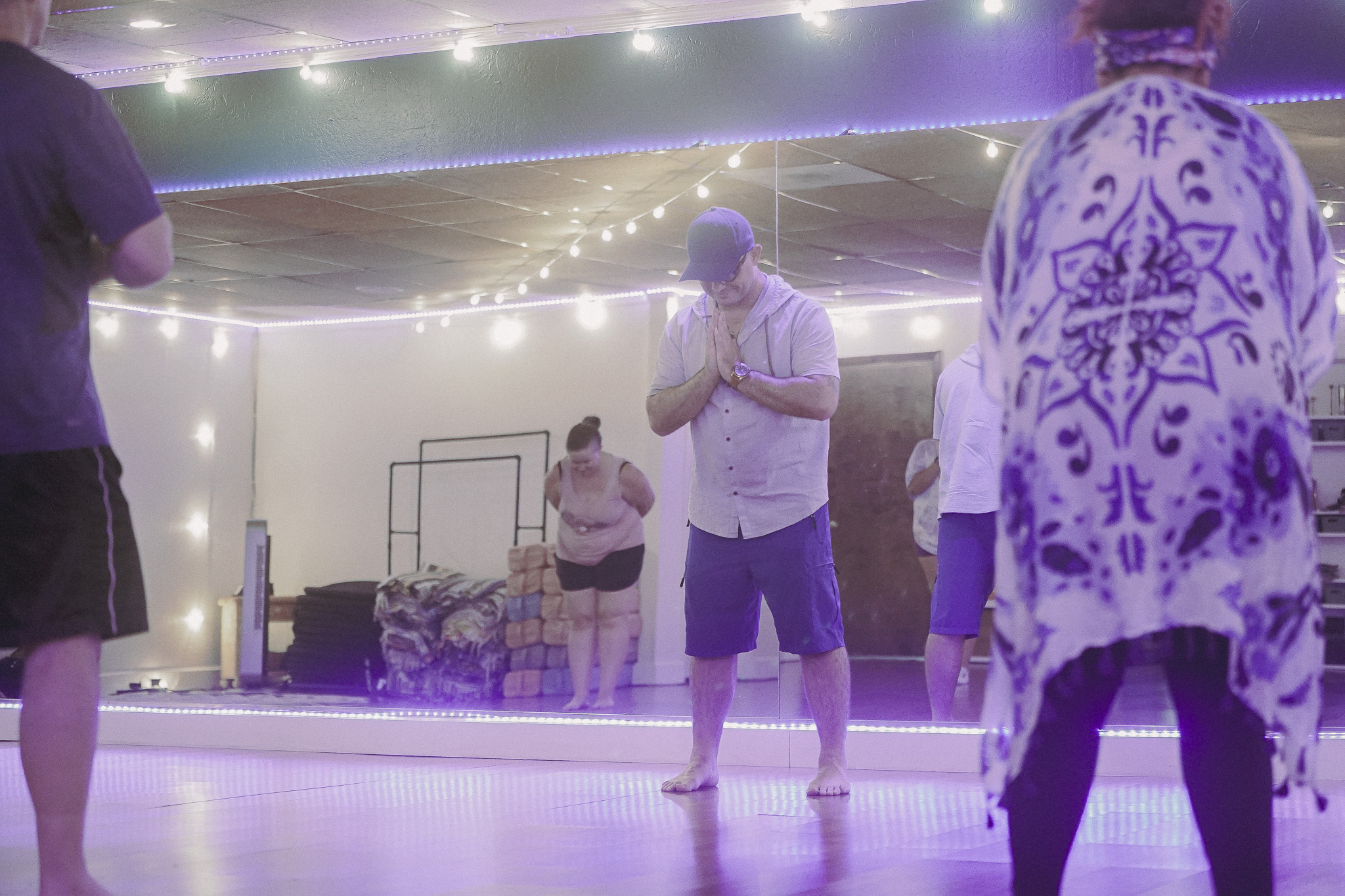
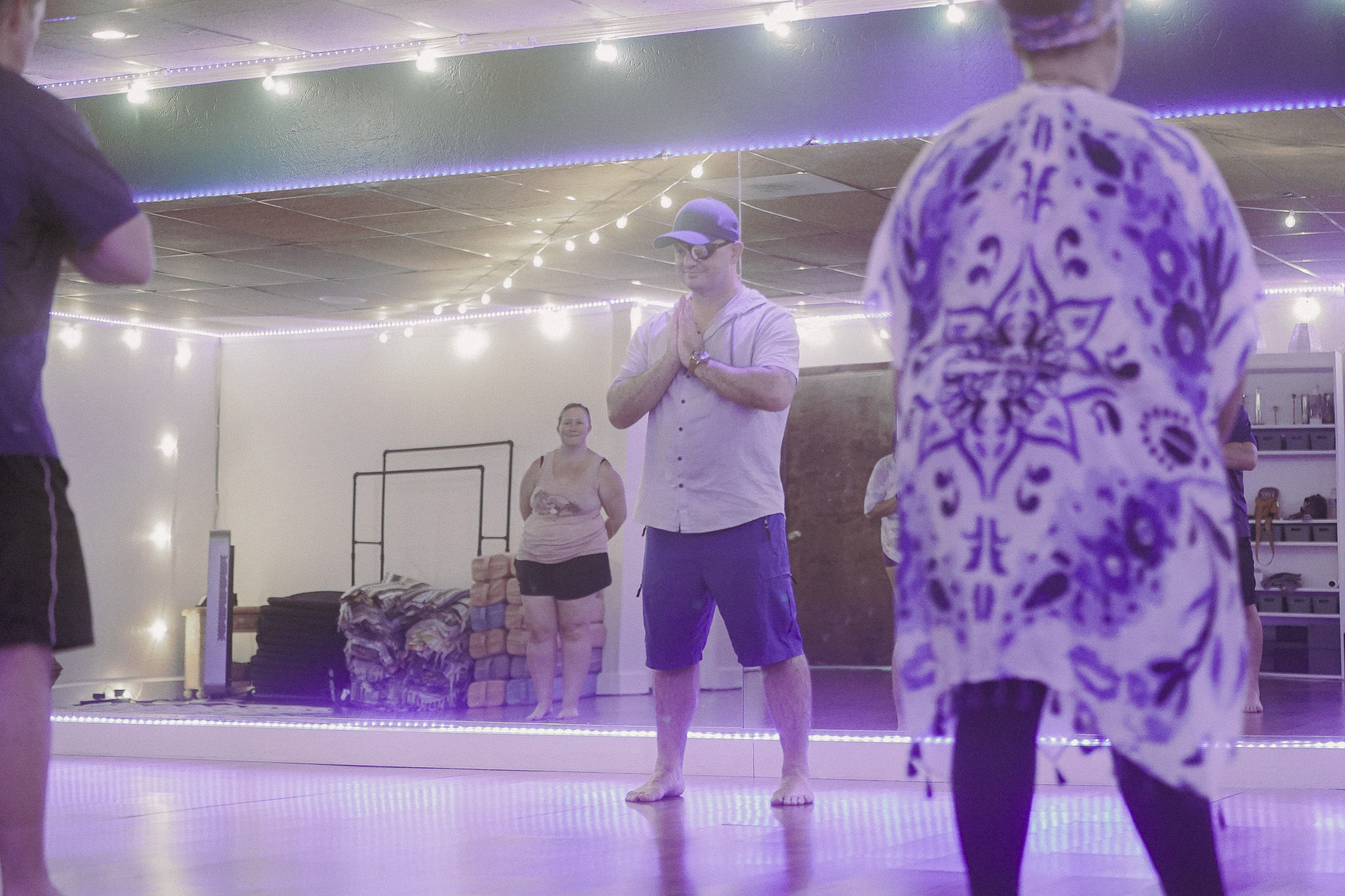
Gentle movement gives attention a clear place to return
One reason gentle movement can support mental clarity is that it gives attention a clear and repeated place to return. In Tai Chi, attention may return to the feet, the shifting of weight, the breath, the movement of the hands, the alignment of the posture, or the transition between one movement and the next. These anchors are specific enough to organize attention without overwhelming the body.
This can be especially helpful for people who struggle with racing thoughts or mental fatigue. Sitting still and trying to clear the mind can feel difficult when the mind is already active. Gentle movement offers a more accessible pathway because the body remains engaged. The mind does not have to become empty; it simply practices returning to the movement.
Over time, this repeated act of returning can become a useful mental skill. A person may begin recognizing when attention has drifted, when thoughts are becoming repetitive, or when the mind is trying to solve several things at once. Instead of becoming frustrated, they can practice returning to the next movement, the next breath, or the feeling of the feet on the ground.
Gentle movement does not require the mind to be silent. It helps the mind practice returning to one clear point of attention.
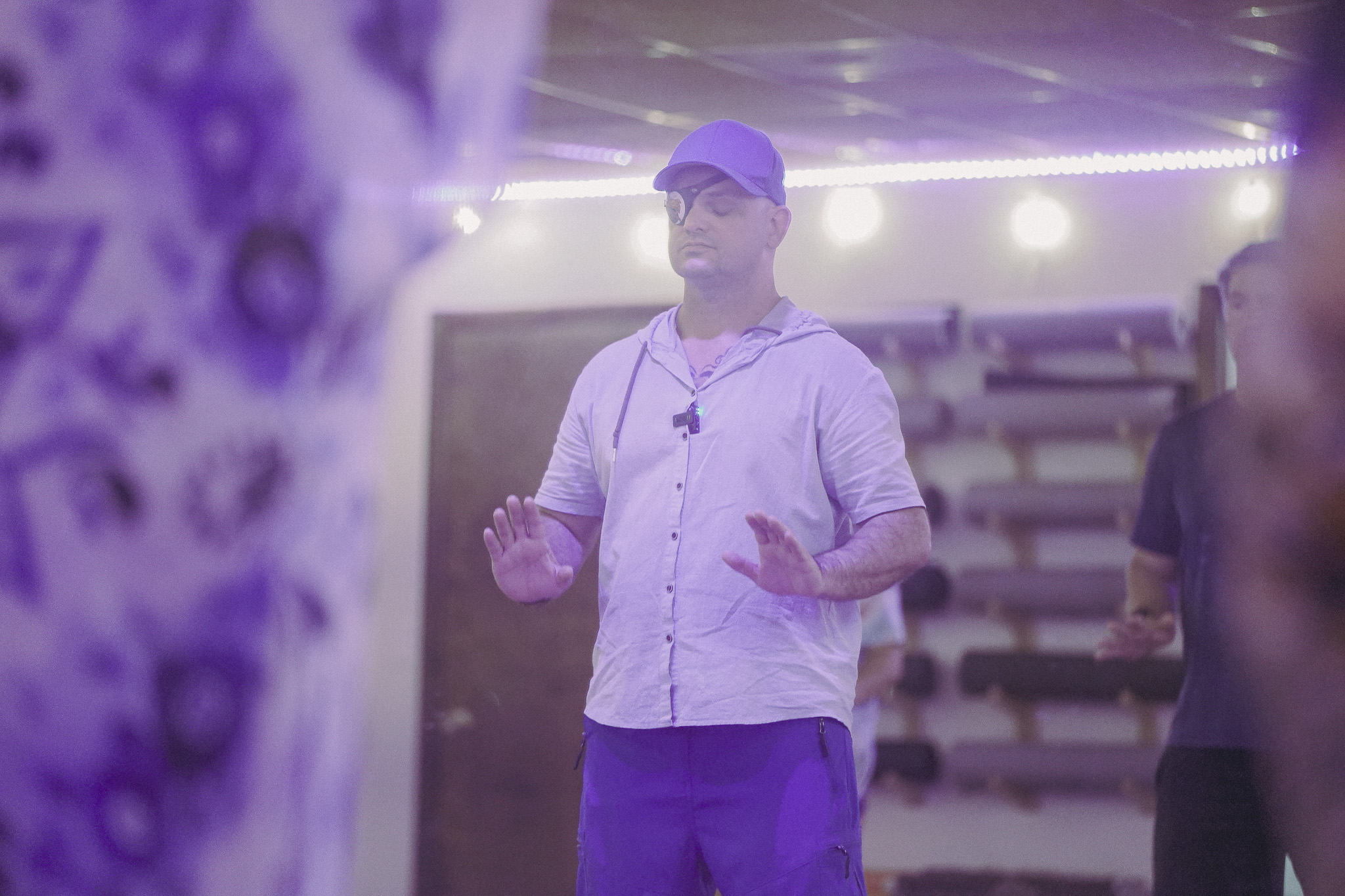
Movement can become a practical anchor for focus because attention has something physical to follow.
Inner stability begins with body awareness
Inner stability is often understood as an emotional or mental quality, but it also has a physical foundation. A person may feel more stable when they can feel their body, notice their breath, sense their feet on the ground, and recognize how stress is affecting them before they become overwhelmed. Without body awareness, inner stability can become difficult to access because the person may not notice their internal state until it has already intensified.
Gentle movement practices help develop body awareness by slowing down the pace of attention. In Tai Chi, the body is not moving randomly. The movements are intentional, coordinated, and connected to breath and posture. This creates an opportunity to notice how the body organizes itself, where tension is present, and how the nervous system responds to a slower rhythm.
As body awareness grows, inner stability may become more practical. A person may begin noticing when they are rushing, bracing, holding their breath, or carrying stress in the shoulders or jaw. These observations provide useful information. They allow the person to pause, breathe, adjust, or respond with more intention before stress becomes harder to manage.
Inner stability is strengthened when people can notice what is happening in the body before stress or emotion becomes overwhelming.
Breath
Noticing the breath can help identify when the body is moving into stress, urgency, or mental overload.
Posture
Posture can reveal whether the body is bracing, collapsing, leaning forward, or carrying unnecessary effort.
Balance
Balance practice can help develop awareness of support, adjustment, patience, and physical steadiness.
Pace
Slowing down can reveal how often the body is moving from pressure, habit, or internal urgency.
Gentle movement can reduce the pressure to figure everything out immediately
When life feels uncertain or mentally demanding, it is common to respond by trying to figure everything out at once. The mind may search for the right decision, the safest outcome, the next step, or the quickest way to feel settled again. While problem-solving is necessary at times, constant analysis can become exhausting when the body never has a chance to pause.
Gentle movement can create a temporary shift out of constant problem-solving. During practice, the focus is not on solving every concern. The focus is on movement, breath, grounding, and awareness. This does not mean responsibilities disappear, but it gives the mind a different rhythm long enough for pressure to soften.
For many people, clarity becomes more available after the body has had space to settle. A decision may not be solved immediately, but the person may return to it with more focus. A difficult conversation may still need to happen, but the body may feel less reactive. A full schedule may still be present, but the mind may feel less crowded because attention has been reorganized through movement.
Sometimes clarity comes after the body has a chance to step away from urgency and return to a slower, more grounded rhythm.
Gentle movement is not a replacement for mental health care
It is important to be clear that gentle movement practices, including Tai Chi, are not replacements for therapy, medication, medical care, psychiatric support, trauma-informed treatment, or crisis services. If someone is experiencing persistent anxiety, depression, panic, trauma symptoms, cognitive concerns, thoughts of self-harm, or difficulty functioning, professional support may be necessary.
At the same time, many people benefit from supportive wellness practices that help them reconnect with the body, manage everyday stress, and build more awareness of how their internal state affects focus, decision-making, and emotional steadiness. Gentle movement can be one part of a broader care routine, especially when it is approached with realistic expectations.
The value of gentle movement is not that it eliminates all mental noise or creates perfect clarity. Its value is that it gives the body and mind a structured practice for slowing down, noticing, grounding, and returning. These are practical skills that can support wellbeing in everyday life.
Gentle movement can support mental clarity and inner stability as part of a broader wellness routine, but it should not replace professional care when professional support is needed.
Supportive movement practices can help people develop awareness, but they should be understood as one part of a larger approach to care.
Mental clarity often improves when the body has a rhythm
Rhythm can be helpful for the mind because it gives attention a pattern to follow. In everyday life, stress can create an inconsistent internal rhythm. A person may move quickly, breathe shallowly, jump between tasks, respond to interruptions, and carry several unfinished thoughts at once. This can make the mind feel scattered because the body is also operating from a scattered pace.
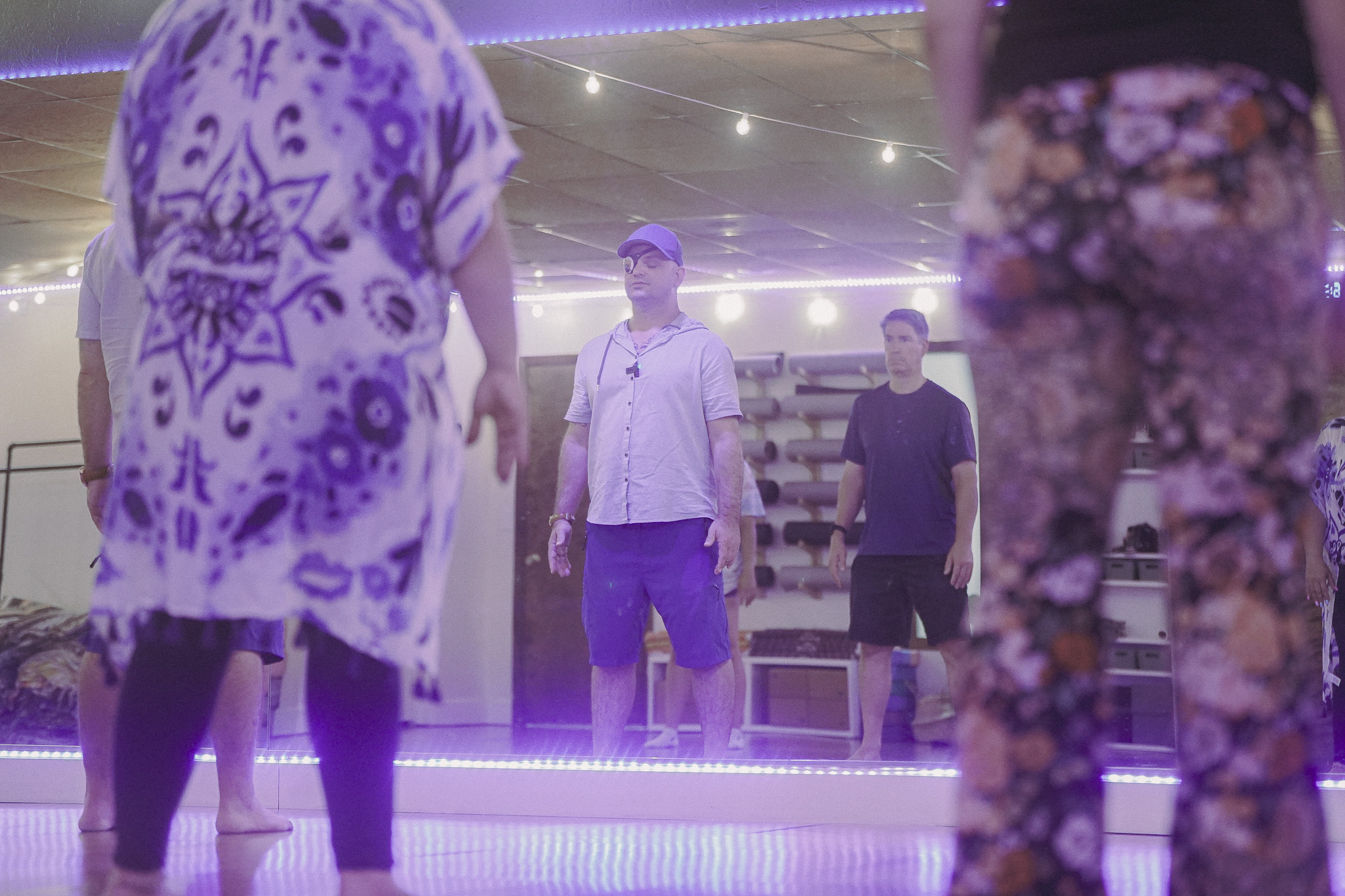
Gentle movement introduces a slower rhythm. In Tai Chi, each movement flows into the next with intention. The body is asked to shift gradually, breathe more consciously, and remain present through each transition. This rhythm can help the mind feel less fragmented because attention is no longer trying to follow several directions at once.
Over time, the rhythm of the practice may become familiar. The body begins to recognize the pattern of arriving, slowing down, feeling the feet, following the movement, and returning to breath. This repeated rhythm can support inner stability because it gives the nervous system a consistent experience of structure and steadiness.
A steady rhythm can help the mind feel less scattered because the body has a repeated pattern to follow.
Gentle movement supports clarity through transitions
Transitions are often where mental clarity becomes difficult. Moving from work into home life, from one task into another, from stress into rest, or from uncertainty into decision-making can all create internal friction. Without a transition, the body may carry the pace of one moment into the next, even when the next moment requires something different.
Tai Chi places careful attention on transitions. The space between movements is not rushed. The practitioner notices how weight shifts, how balance changes, and how the body prepares for the next movement. This can become a useful model for daily life because many moments of stress are also moments of transition.
When a person learns to respect transition in the body, they may become more aware of transitions in life. They may notice that they need a pause after work before engaging with family, a breath before responding to a message, or a grounding moment before making a decision. These small transitions can support clarity because they prevent the mind from moving forward without the body catching up.
The way you move from one moment into the next can influence whether you feel scattered or steady.
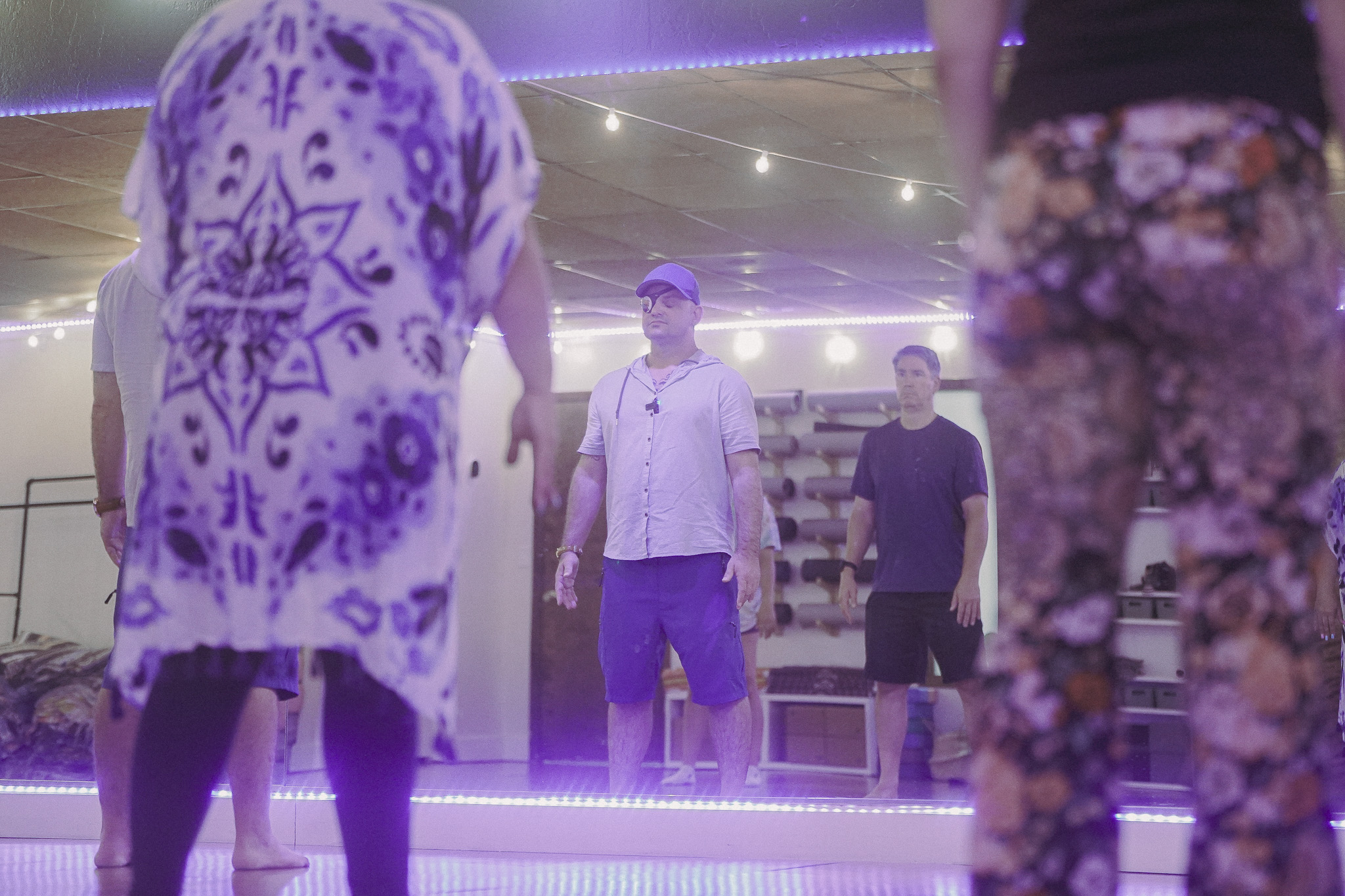
Inner stability does not mean feeling calm all the time
Inner stability is often mistaken for permanent calm. In reality, inner stability does not mean that a person never feels stress, sadness, irritation, fear, uncertainty, or pressure. It means the person has a more reliable way to notice what is happening internally and return to themselves with awareness.
This distinction matters because many people judge themselves for not feeling calm enough. They may assume that if they are still stressed, distracted, or emotionally affected, then their wellness practice is not working. However, the goal of gentle movement is not to create a perfect emotional state. The goal is to build a steadier relationship with the body and mind.
Gentle movement supports this by creating repeated experiences of return. Thoughts may wander, and attention returns to the movement. The body may tense, and awareness returns to the breath. Balance may feel uncertain, and attention returns to the feet. These repeated returns are part of how inner stability is practiced.
Inner stability is not the absence of emotion or stress. It is the ability to return to yourself with more awareness when stress is present.
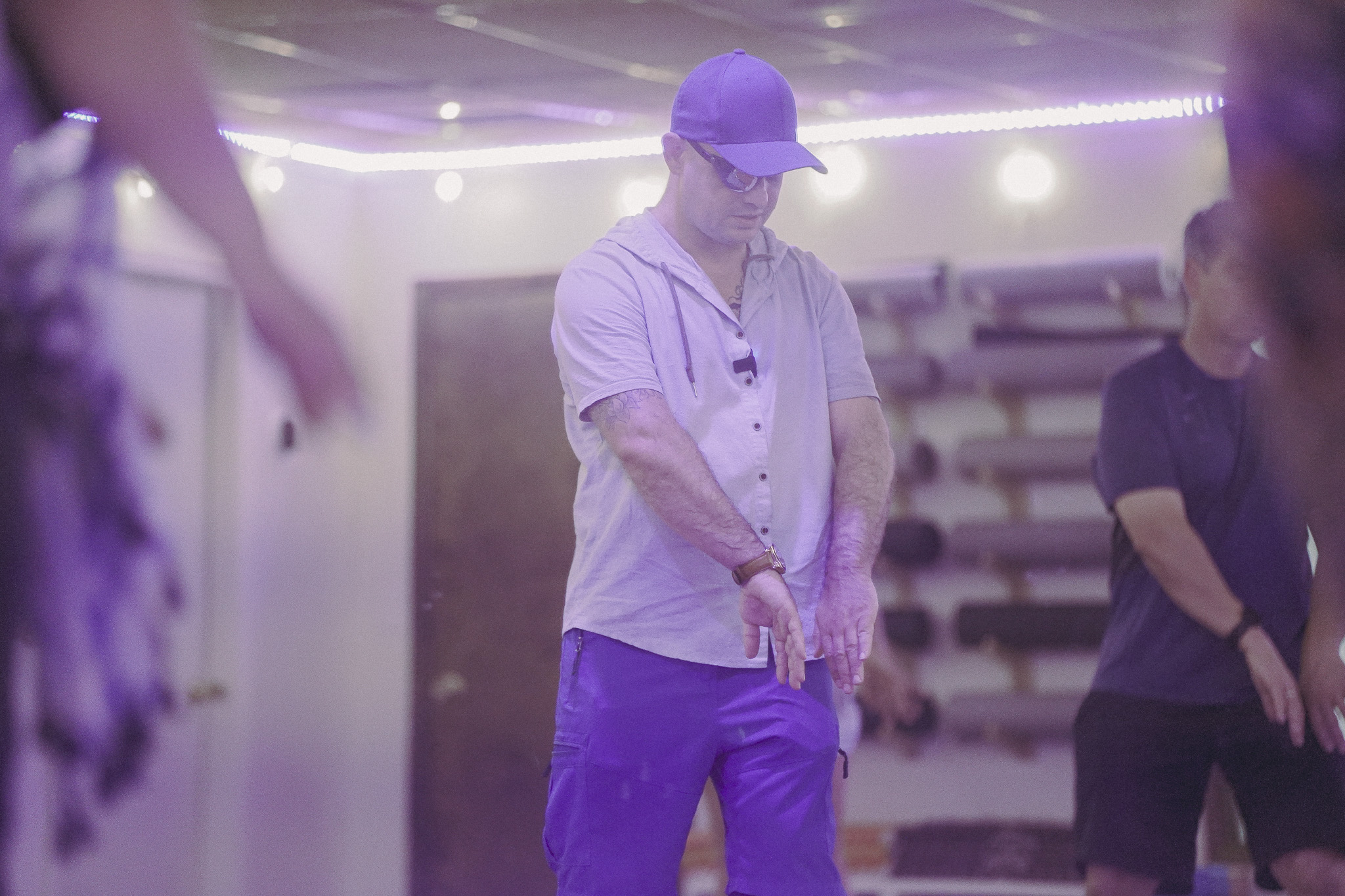
Inner stability is developed through repeated practice, not through expecting the mind to stay calm in every situation.
How mental clarity can show up in everyday life
The clarity developed through gentle movement is not limited to the practice itself. Over time, people may begin to notice small but meaningful changes in everyday life. They may become more aware of when their thoughts are scattered, when their breath changes under pressure, or when their body is rushing even though the situation does not require urgency.
This kind of awareness can support better decision-making, communication, and self-care. A person may pause before responding to a stressful message, notice that they need more time before making a commitment, or recognize that their mind feels unclear because the body is tired. These moments of recognition may seem simple, but they can prevent stress from becoming more overwhelming.
Mental clarity does not always arrive as a dramatic realization. Often, it appears as a little more space, a clearer next step, a better understanding of what the body needs, or the ability to separate what is truly important from what is simply loud in the moment.
Decision-Making
You may notice whether a decision is coming from clarity, pressure, fear, exhaustion, or urgency.
Communication
You may pause before responding, allowing your words to come from more awareness instead of reaction.
Work and Focus
You may recognize when your mind is scattered because the body needs a reset, breath, movement, or rest.
Emotional Awareness
You may begin noticing the physical signals that appear before stress becomes harder to manage.
Gentle movement helps reconnect thought with sensation
Many people spend most of their day in thought. They plan, analyze, organize, evaluate, remember, anticipate, and problem-solve. While these mental skills are useful, they can become exhausting when they are disconnected from physical awareness. A person may continue thinking without realizing that the body is tired, tense, hungry, overstimulated, or asking for a pause.
Gentle movement helps reconnect thought with sensation. The mind is still present, but it is no longer operating separately from the body. Attention begins to include the feet, the breath, the posture, the rhythm, and the quality of movement. This can create a more complete form of awareness.
This is important because clarity often improves when a person has access to both thought and sensation. The mind may provide analysis, but the body may provide information about capacity, stress, fatigue, readiness, or internal resistance. When these forms of awareness work together, decisions and responses may become more grounded.
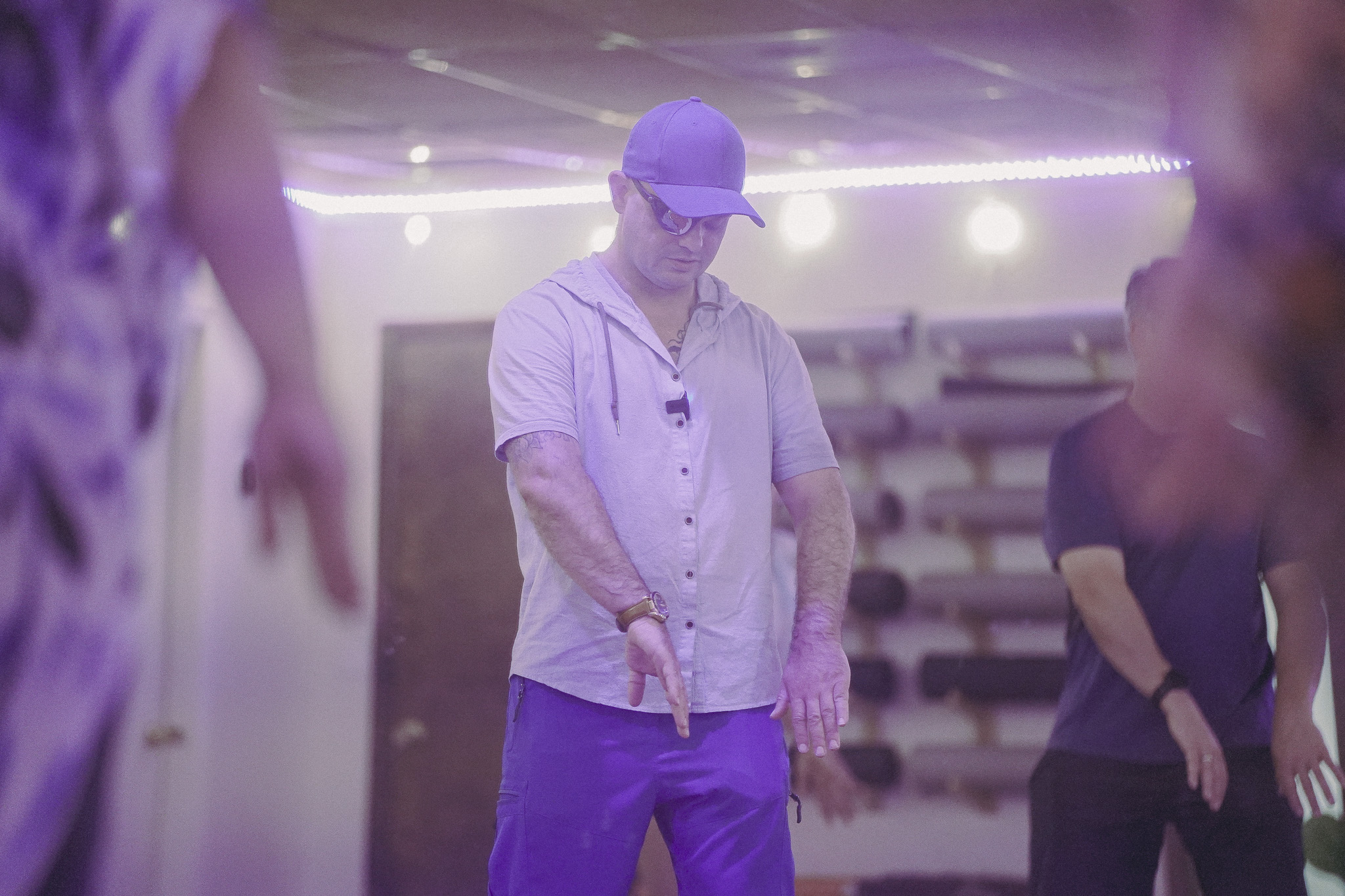
Clarity becomes more complete when the mind is not separated from the information the body is offering.
Consistency matters more than intensity
Many people assume that meaningful change requires intensity. They may believe that a practice needs to feel difficult, dramatic, or highly effortful in order to be effective. However, when the goal is mental clarity and inner stability, consistency is often more important than intensity.
Gentle movement can be returned to regularly because it does not require the body to be at peak energy before beginning. This is especially important for people who are tired, stressed, mentally full, or recovering from burnout. A sustainable practice needs to be accessible on the days when a person does not feel their best.
Through consistency, the body begins to recognize the rhythm of slowing down. The mind becomes more familiar with returning to attention. The breath becomes easier to notice. The relationship between movement and awareness becomes more natural. These benefits often develop gradually, but they can become deeply practical over time.
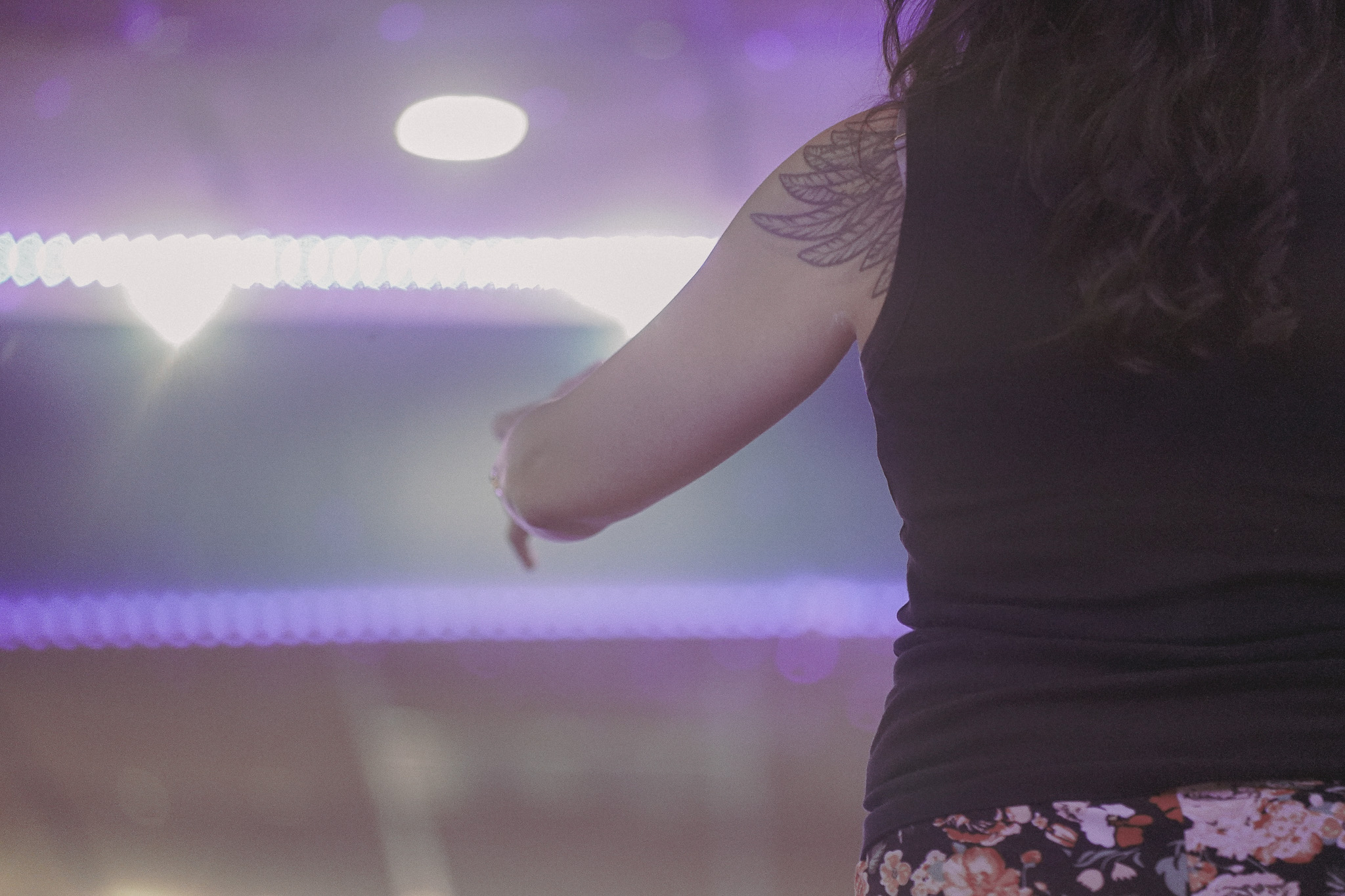
For mental clarity and inner stability, the most supportive practice is often the one you can return to consistently.
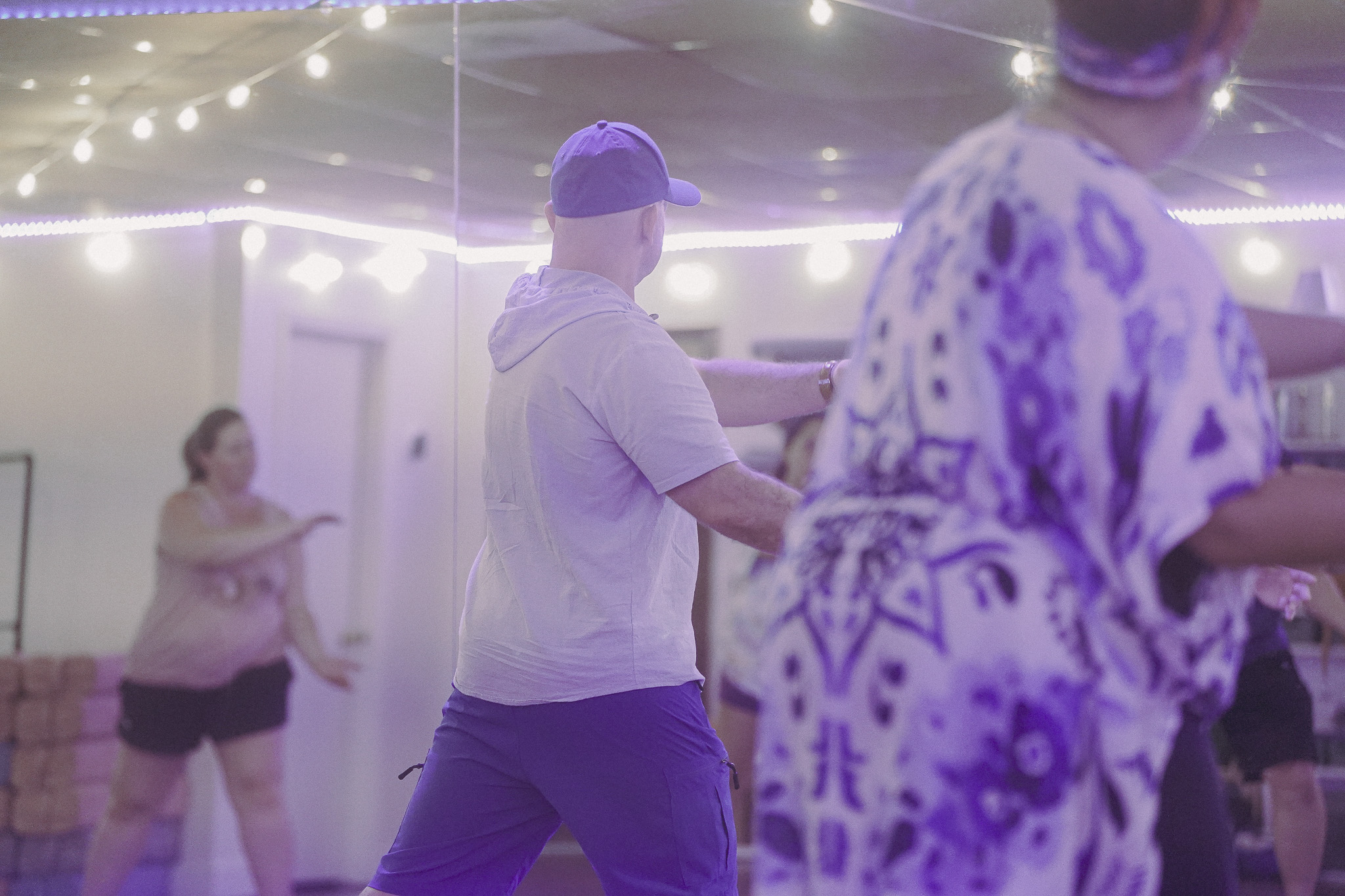
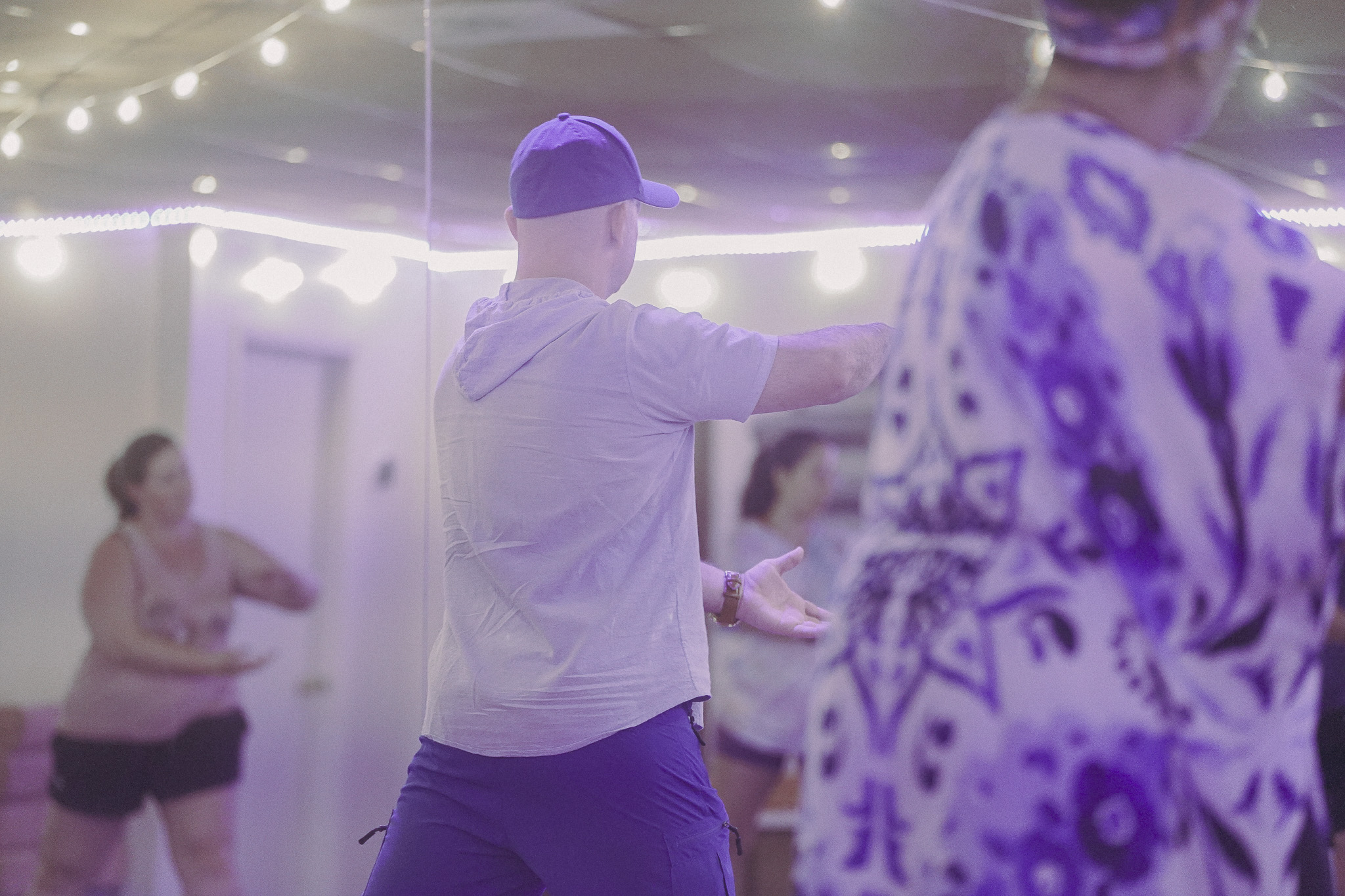
Gentle movement and The Healing Tree Collective
At The Healing Tree Collective, we understand that many people are not looking for another practice that adds pressure to their lives. They are looking for ways to feel more connected, clear, steady, and present without being asked to perform, push harder, or become someone different before they begin.
Gentle movement practices such as Tai Chi fit naturally into our approach because they support the whole person. They help people reconnect with the body, notice the breath, build awareness of stress patterns, and practice moving with more intention. The practice is beginner-friendly and accessible, making it a supportive option for people who feel mentally busy, emotionally full, physically tense, or disconnected from themselves.
Our mission is to create accessible wellness spaces where people can heal, grow, and reconnect with themselves through practices that feel supportive, educational, and real. Gentle movement supports that mission because it gives people a practical way to develop mental clarity and inner stability through the body, not only through thought.
At The Healing Tree Collective, gentle movement is offered as a practical pathway back to awareness: a way to slow down, reconnect with the body, and create more steadiness in real life.
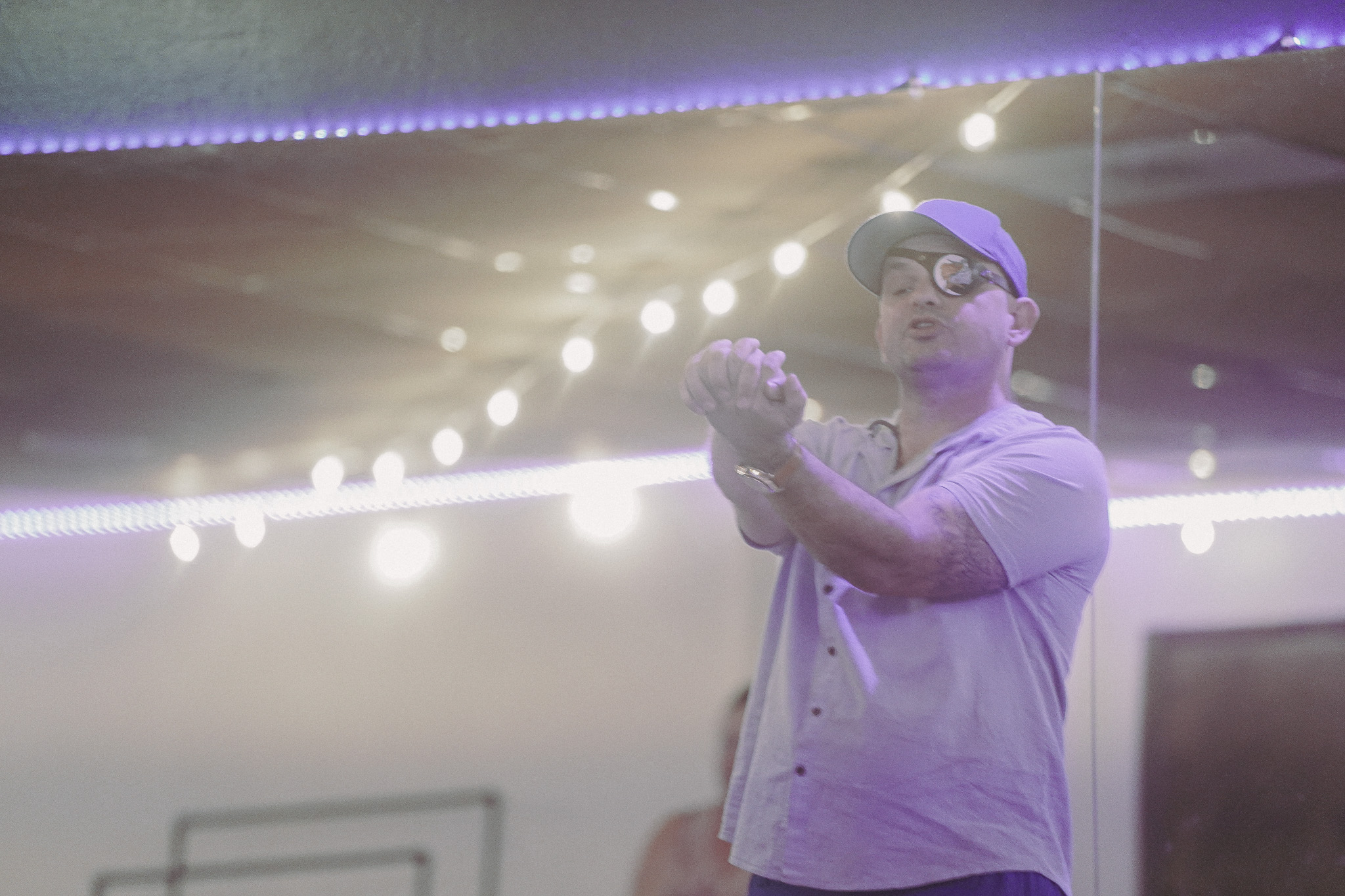
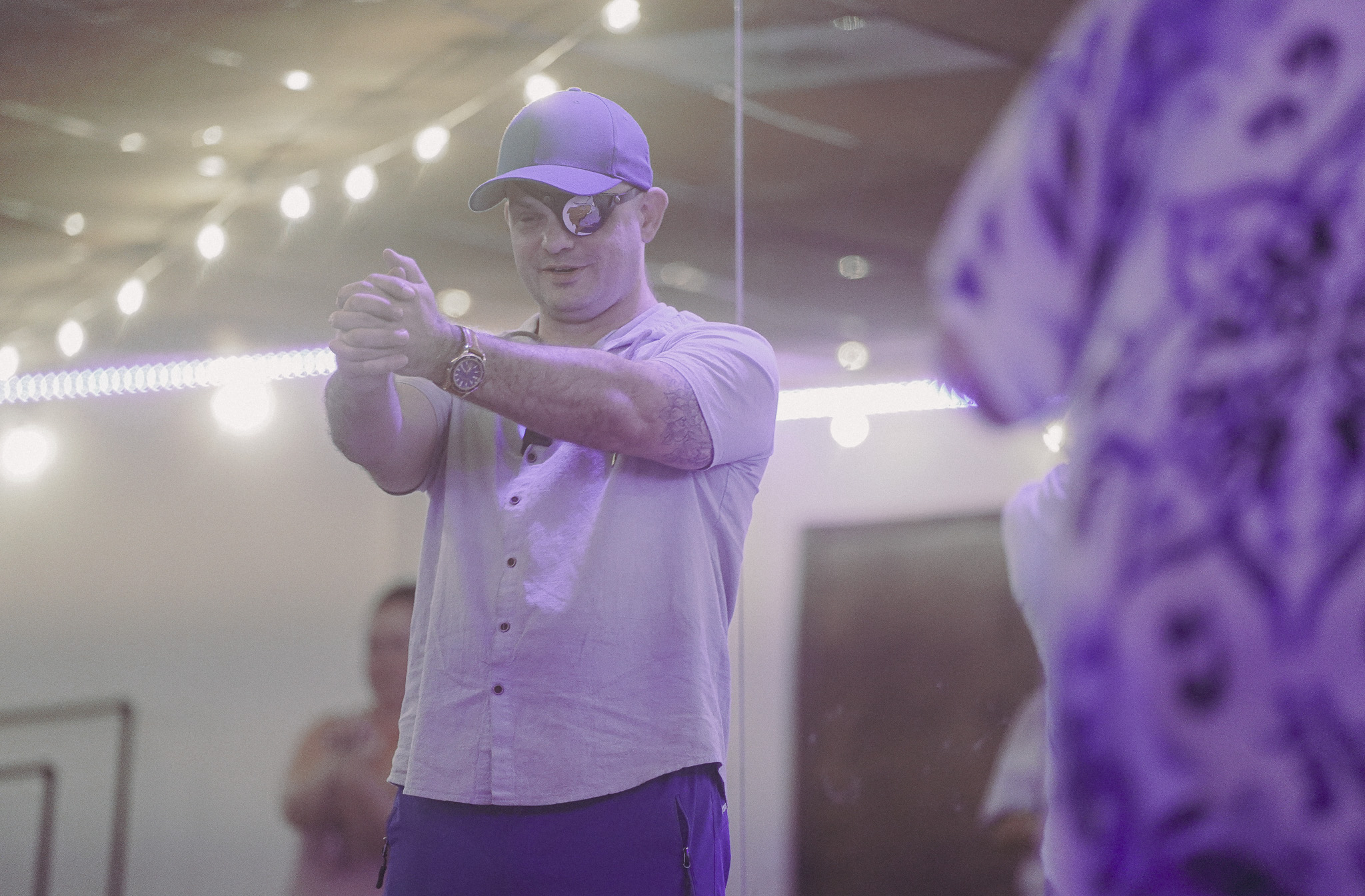
Final thoughts: clarity and stability can be practiced through the body
Gentle movement may support mental clarity and inner stability because it gives the body and mind a structured way to slow down together. Through movement, breath awareness, grounding, posture, balance, and mindful transitions, practices such as Tai Chi can help people create more space between mental noise and intentional response.
The goal is not to eliminate every thought, solve every problem, or maintain perfect calm. A more realistic goal is to build a steadier relationship with the body and mind so that clarity becomes easier to access when life feels full, demanding, or uncertain.
For people who feel mentally scattered, emotionally overwhelmed, physically tense, or disconnected from the present moment, gentle movement can offer a practical place to begin. It does not require intensity. It requires attention, repetition, and a willingness to return to the body with more care.
Gentle movement supports mental clarity and inner stability by helping people slow down enough to notice what is happening, return to the body, and move into the next moment with more awareness.
Looking for gentle movement for mental clarity in Tempe, Arizona?
At The Healing Tree Collective, our beginner-friendly wellness classes are designed to support stress relief, mindfulness, body awareness, and deeper connection. If you are curious about Tai Chi, moving meditation, gentle movement, mental clarity, or mind-body practices, you are welcome to begin here.