25 July 2026
The Healing Tree Collective • Tempe, Arizona
How Tai Chi Can Help You Bring More Patience Into Daily Life
Patience is often talked about as a personality trait, as if some people naturally have it and others simply do not. But in daily life, patience is usually more complicated than that. It is affected by stress, fatigue, pressure, overstimulation, responsibility, emotional load, and how much space a person has before they are expected to respond.
When life moves quickly, patience can become harder to access. The body may feel rushed. The breath may become shallow. The mind may jump ahead. Small delays may feel frustrating. Conversations may feel harder to stay present for. Rest may feel uncomfortable because there is always something else to do.
Tai Chi can help you bring more patience into daily life because it gives the body a way to practice slowing down, staying present, moving through transitions, noticing frustration, and returning to the breath before reacting automatically.
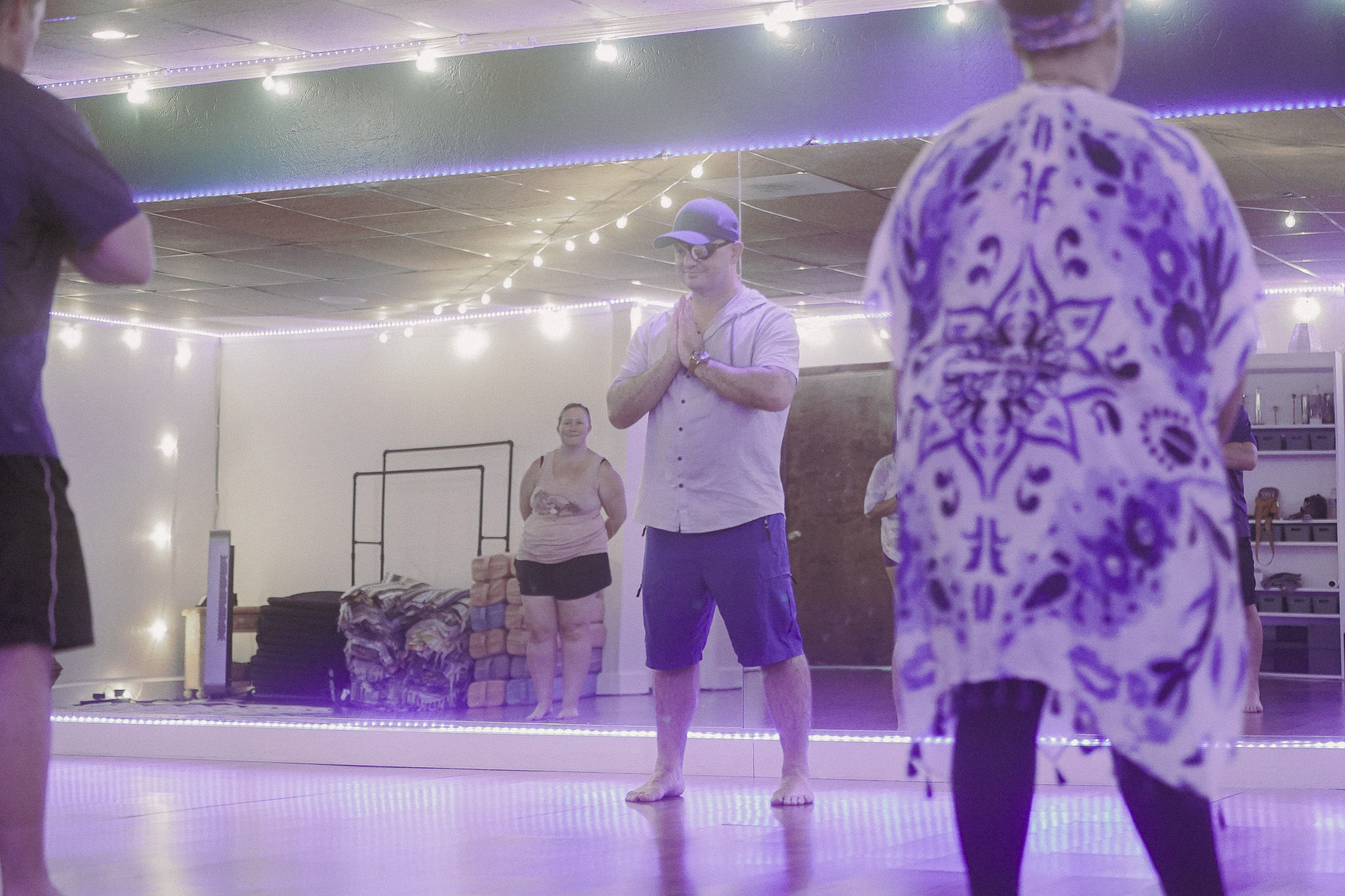
Tai Chi supports patience by helping people practice slow movement, breath awareness, grounding, balance, and mindful transitions.
Tai Chi may help develop patience by helping you:
Practice patience through the body, not just through willpower.
- Move slower than your usual pace
- Notice the urge to rush
- Stay present during transitions
- Return to the breath when frustrated
- Practice balance without forcing control
- Let repetition teach gradual progress
- Create space before reacting in daily life
Patience is not only a mindset
Many people think patience is something they should be able to choose instantly. They tell themselves to calm down, wait, stop rushing, or be more understanding. While these reminders may be helpful, they do not always reach the body. If the body is tense, the breath is shallow, and the mind is moving quickly, patience may feel difficult to access even when someone wants to be patient.
This is because patience is not only a mental decision. It is also a physical state. A body that feels rushed may react quickly. A body that feels unsupported may become more easily frustrated. A body that is exhausted may have less capacity to pause. A body that is overstimulated may struggle to stay present.
Tai Chi can support patience because it works directly with the body. The practice invites slower movement, steadier breathing, grounded posture, and mindful attention. Instead of only telling the mind to be patient, Tai Chi gives the body repeated experiences of moving patiently.
Patience becomes more accessible when the body has practiced slowing down enough to support it.
Tai Chi teaches patience through slow movement
The pace of Tai Chi is one of its most important teachers. In a world that often rewards speed, Tai Chi asks the body to move slowly, intentionally, and with attention. This slower pace can reveal how unfamiliar patience may feel in the body.
A beginner may notice the urge to move faster, finish the sequence quickly, or jump ahead to the next posture before fully completing the current one. The mind may become impatient because the practice does not move at the speed of everyday life. These reactions are not wrong. They are part of what Tai Chi helps people notice.
When someone practices moving slowly, they are also practicing staying with a moment longer than usual. They are learning to feel what is happening instead of rushing through it. Over time, this can help the body become more familiar with patience as an embodied experience, not just an idea.
Slow movement teaches patience by giving the body time to stay with one moment before reaching for the next.
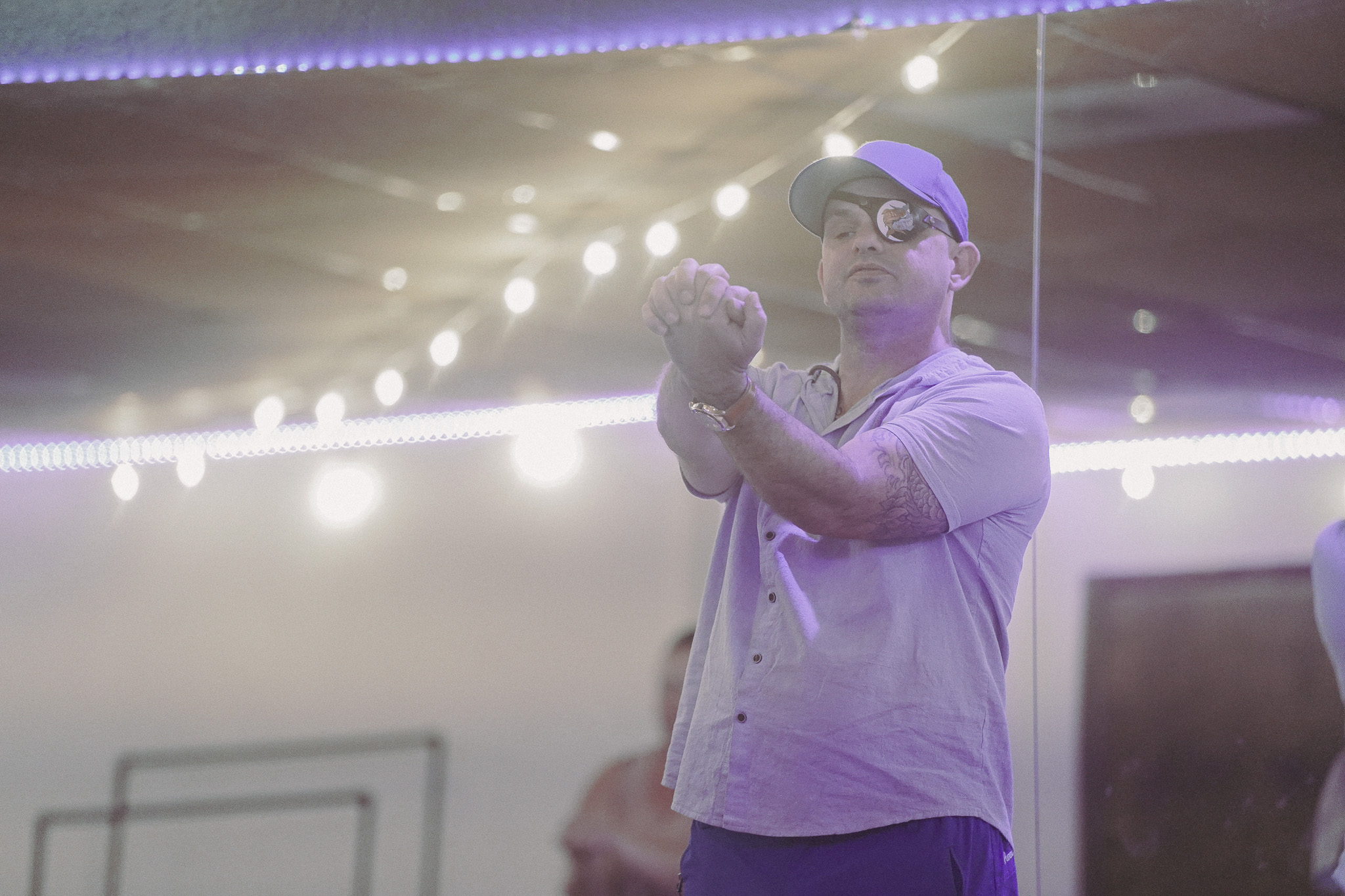
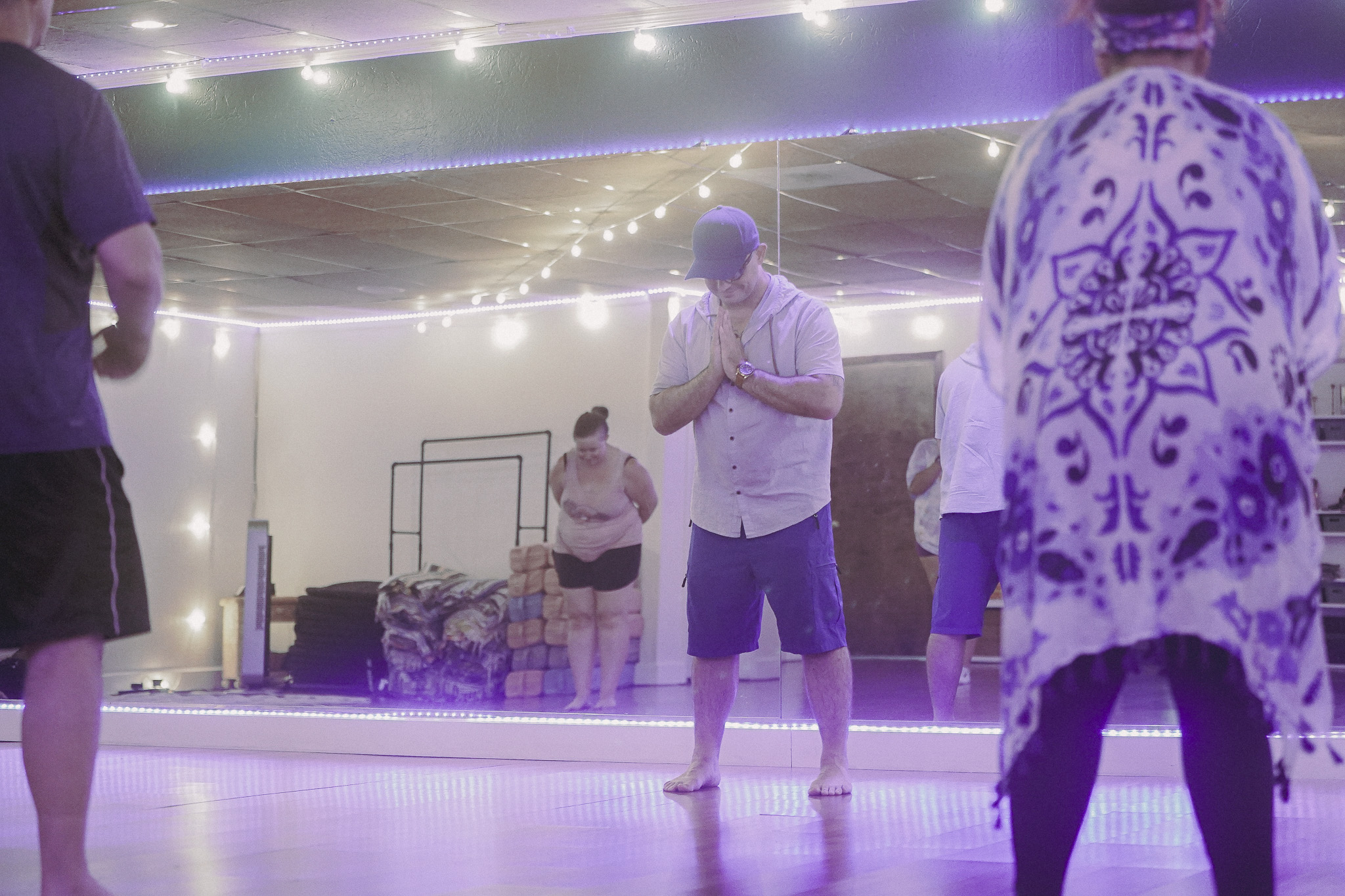
Patience begins when you notice the urge to rush
Before patience can become a practice, rushing has to become visible. Many people rush automatically. They rush through tasks, conversations, meals, errands, decisions, transitions, and even rest. The body becomes used to moving ahead before the present moment is complete.
Tai Chi helps reveal this because the practice slows down the places where rushing usually hides. During a small weight shift, a simple hand movement, or a transition between postures, the practitioner may notice impatience, urgency, breath-holding, or the desire to get the movement over with. These reactions are useful information.
When the urge to rush becomes visible in practice, it becomes easier to recognize in daily life. A person may begin noticing that they rush through conversations, respond too quickly to messages, hurry through transitions, or become frustrated when life does not move at the speed they expected. Tai Chi helps create awareness around these patterns without turning them into personal failures.
You cannot practice patience with a pattern you have not noticed yet. Tai Chi helps make the habit of rushing visible.
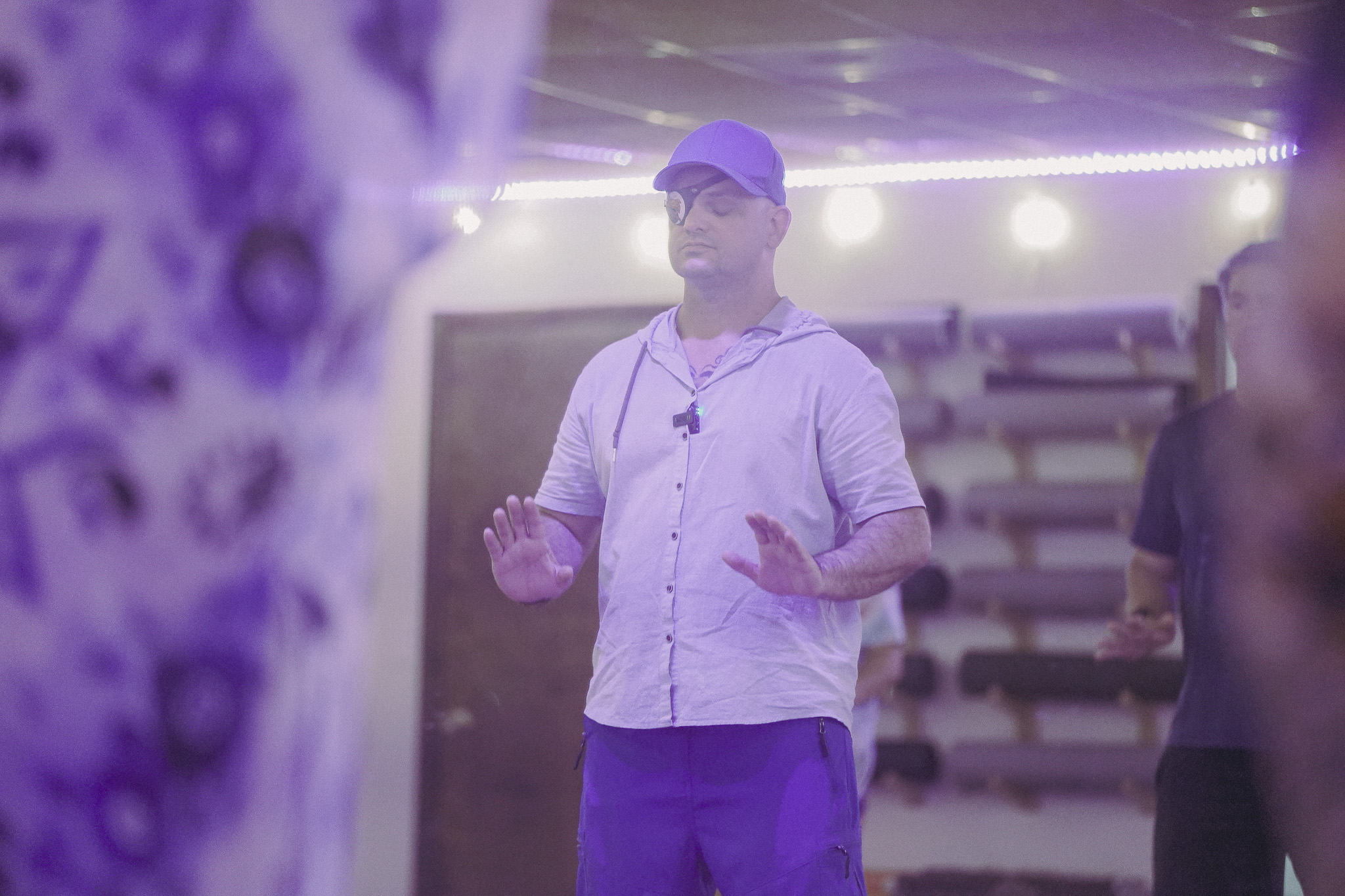
Tai Chi reveals the urge to rush and gives the body a slower rhythm to practice instead.
The breath can help create space before reacting
Patience often depends on the space between what happens and how we respond. When that space feels small, reactions can happen quickly. A person may snap, rush, interrupt, over-explain, shut down, or move into problem-solving before they have fully understood what is happening.
The breath can help create more space. In Tai Chi, the slower movement makes the breath easier to notice. A practitioner may recognize that they hold the breath when concentrating, breathe shallowly when frustrated, or soften when the exhale becomes more available. These observations can become practical tools for daily life.
When stress or frustration appears outside of class, the breath can become a signal. A held breath may reveal that the body is bracing. A shallow breath may show that urgency is present. One slower breath may create enough space to respond with more patience than would have been available through automatic reaction.
Patience often begins with enough breath to create space between the trigger and the response.
Held Breath
May appear when the body is concentrating, frustrated, uncertain, or trying to stay in control.
Shallow Breath
May reveal rushing, impatience, stress, pressure, or mental overload.
Noticed Breath
Can become a cue to pause before reacting, speaking, deciding, or rushing ahead.
Steadier Breath
May support a more patient response by helping the body feel less urgent.
Transitions are where Tai Chi teaches patience most clearly
In Tai Chi, transitions matter. The space between one posture and the next is not empty. It is part of the practice. The practitioner learns to feel the weight shift, notice the breath, organize posture, and remain connected as the body moves from one position into another.
This can be one of the clearest places where patience is developed. Many people want to rush through transitions because they are focused on arriving at the next shape. Tai Chi teaches that how you move between moments matters as much as the moment you are moving toward.
This lesson is practical because daily life is full of transitions. Moving from work to home, from one conversation to another, from stress into rest, from conflict into repair, from uncertainty into decision-making, and from responsibility into recovery all require transitions. Tai Chi helps the body practice not abandoning itself in the space between.
Tai Chi teaches patience in the transitions, where the body learns not to rush from one moment into the next.

Balance teaches patience with uncertainty
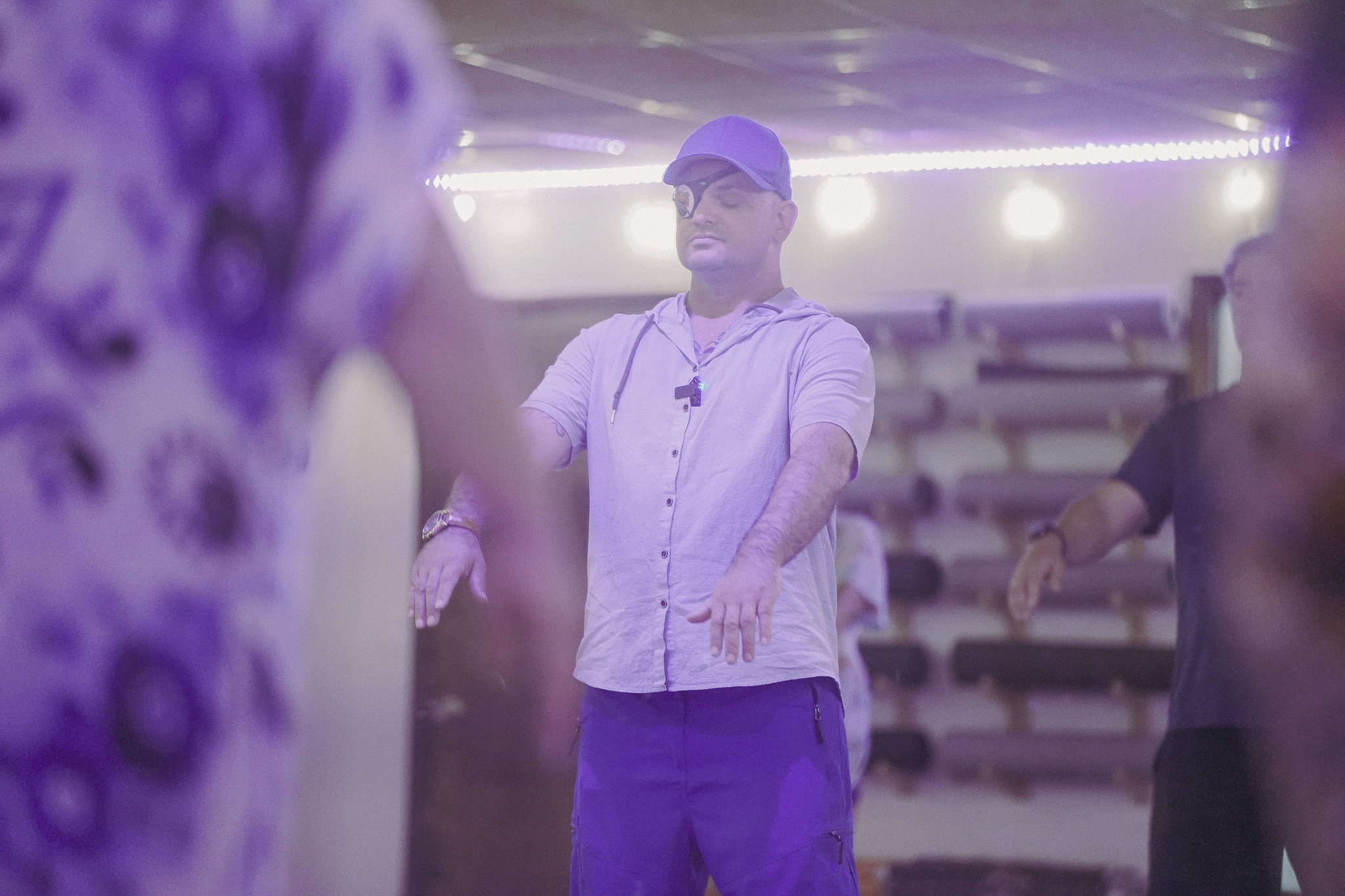
Balance can bring impatience to the surface quickly. When the body feels unsteady, many people want to rush through the movement, force control, hold the breath, or tighten the body to avoid the discomfort of wobbling. Tai Chi gives people a gentle place to observe these reactions.
Balance teaches patience because steadiness is not always immediate. The body often needs time to feel support, make small adjustments, and settle into the movement. A slight wobble does not mean failure. It means the body is learning. It means feedback is happening.
This can translate into daily life because uncertainty often triggers impatience. When someone does not have an answer yet, when plans change, when a conversation feels unclear, or when progress is slow, the body may want to rush into control. Tai Chi helps practice staying present long enough to adjust instead of reacting from discomfort.
Balance teaches that patience is not waiting perfectly. It is learning how to stay present while adjustment is happening.
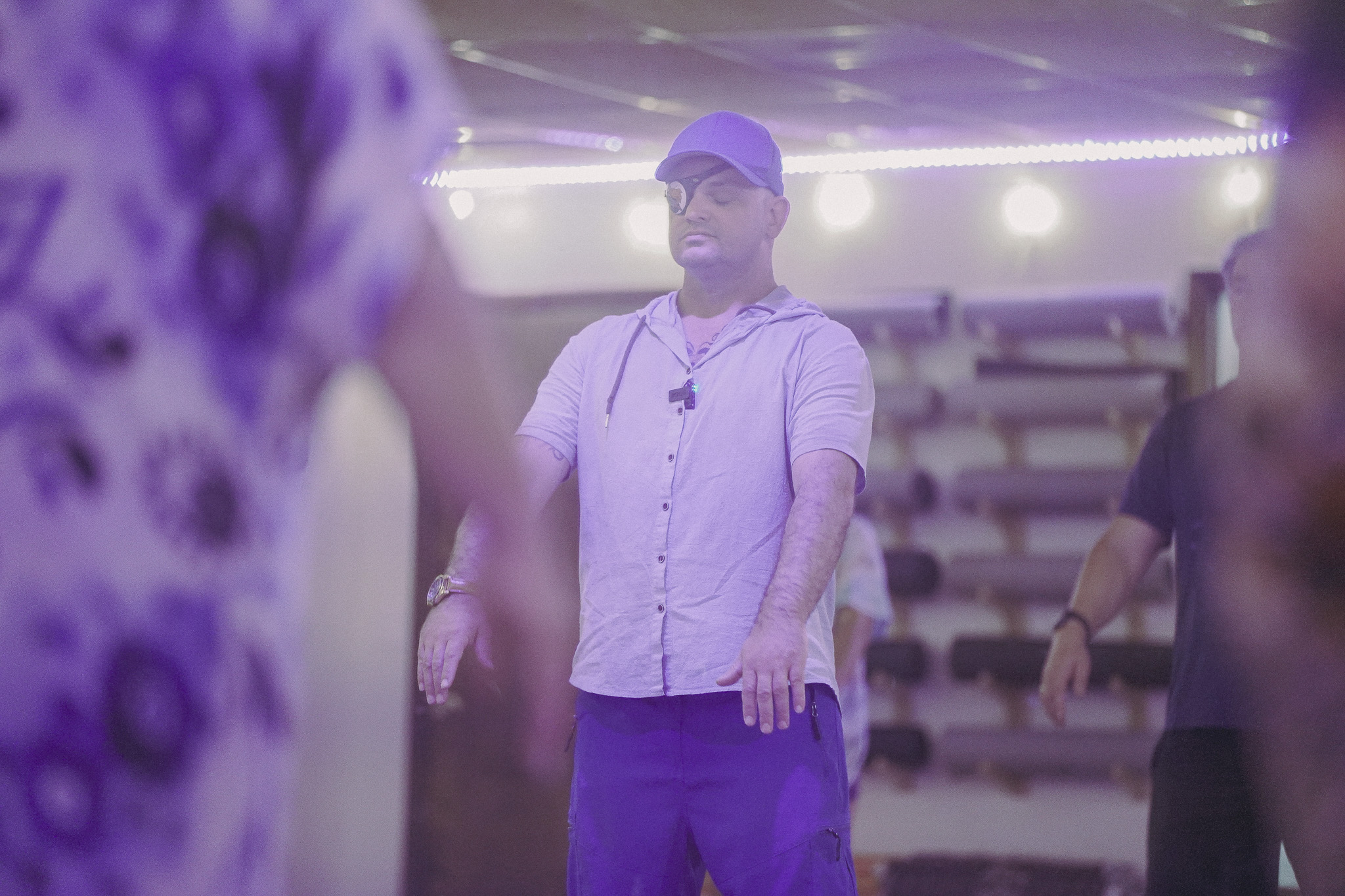
Balance practice can help people stay present with uncertainty instead of rushing into tension or control.
Patience grows through repetition, not instant results
Many people come to wellness practices hoping to feel better quickly. This is understandable. When someone is stressed, tired, overwhelmed, or disconnected from the body, they naturally want relief. But some of the most meaningful benefits of Tai Chi develop through repetition rather than immediate results.
Patience is one of those benefits. A person may not feel patient after one class. They may feel awkward, distracted, impatient, or unsure of the movements. This does not mean the practice is failing. It means the body and mind are learning something unfamiliar.
With repeated practice, the sequence becomes more familiar. The body begins recognizing the slower rhythm. The mind learns how to return when it wanders. The breath becomes easier to notice. The practitioner may begin experiencing patience not as something they force, but as something that slowly becomes more available.
Patience grows through repeated experiences of returning, not through one perfect moment of calm.
Tai Chi can help soften self-judgment while learning
Patience is not only about how people respond to others. It also matters in how they respond to themselves. Many beginners become frustrated when they do not understand a movement right away. They may judge their balance, coordination, memory, flexibility, or ability to follow along.
Tai Chi offers an opportunity to practice self-patience. The movements are learned gradually. The body may need time to coordinate. The mind may forget the sequence. Balance may feel different from one day to the next. These experiences are part of learning.
When someone practices meeting those moments with curiosity instead of criticism, they are developing patience with themselves. This can become meaningful beyond class. The same person who learns to be patient with their body while learning Tai Chi may begin practicing more patience with themselves during mistakes, stress, transitions, and slow progress in other areas of life.
Self-patience begins when learning is treated as a process, not as proof that something is wrong with you.

Patience can support relationships and communication
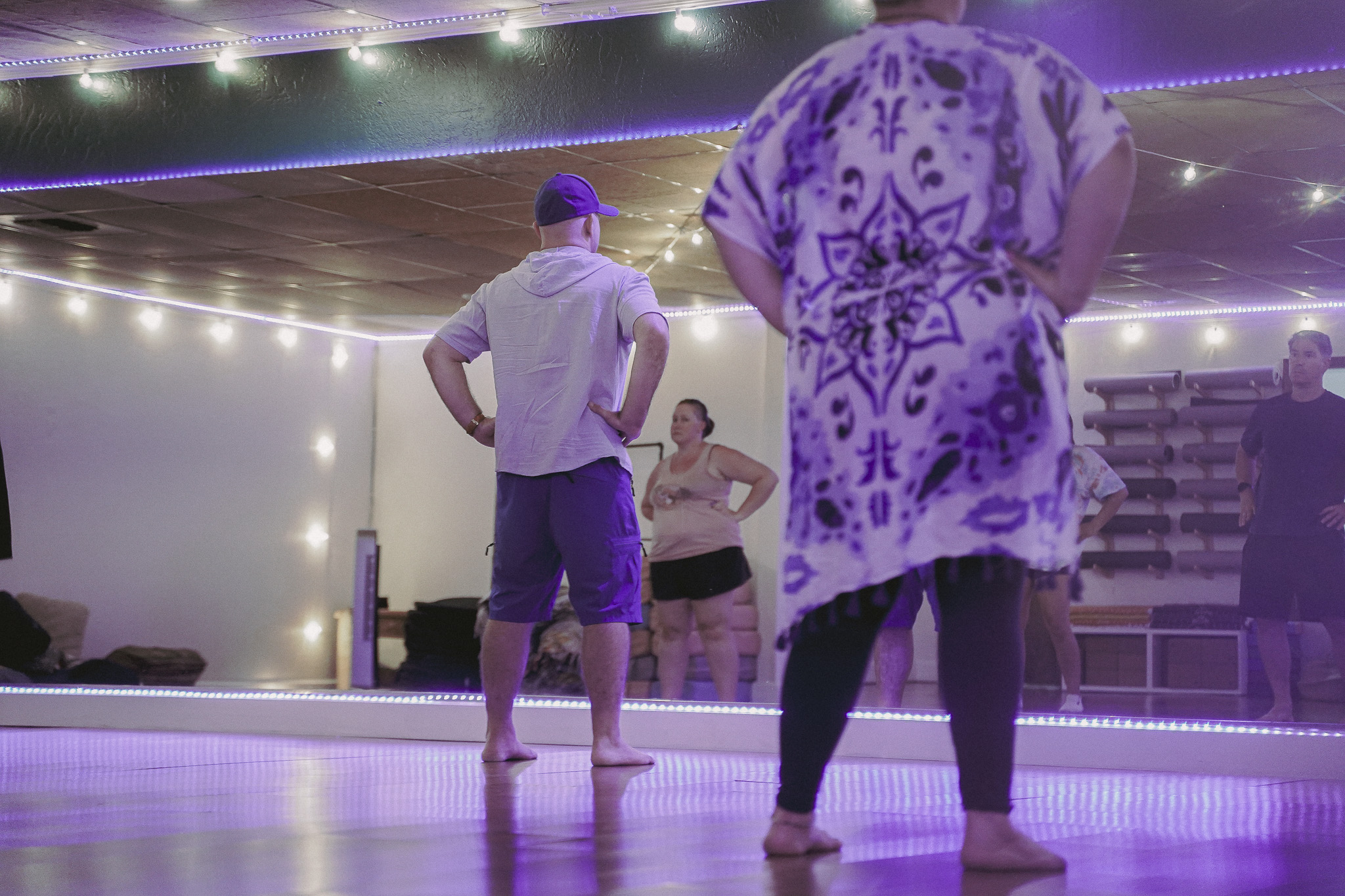
Many daily frustrations happen in relationships: conversations that do not go as planned, interruptions, misunderstandings, delays, emotional reactions, family stress, work pressure, and the constant need to communicate. When the body is already rushed or tired, patience may be harder to access.
Tai Chi can support communication indirectly by helping people practice the space before response. The practice teaches the body to notice breath, tension, grounding, and the urge to rush. Over time, those skills can become available during conversations.
A person may notice their jaw tighten before interrupting. They may feel their shoulders rise before becoming defensive. They may take one breath before answering. These small moments can help create more patience, not because the person is forcing themselves to be different, but because the body has practiced pausing and returning.
Patience in communication often begins with noticing what happens in the body before the response leaves the mouth.
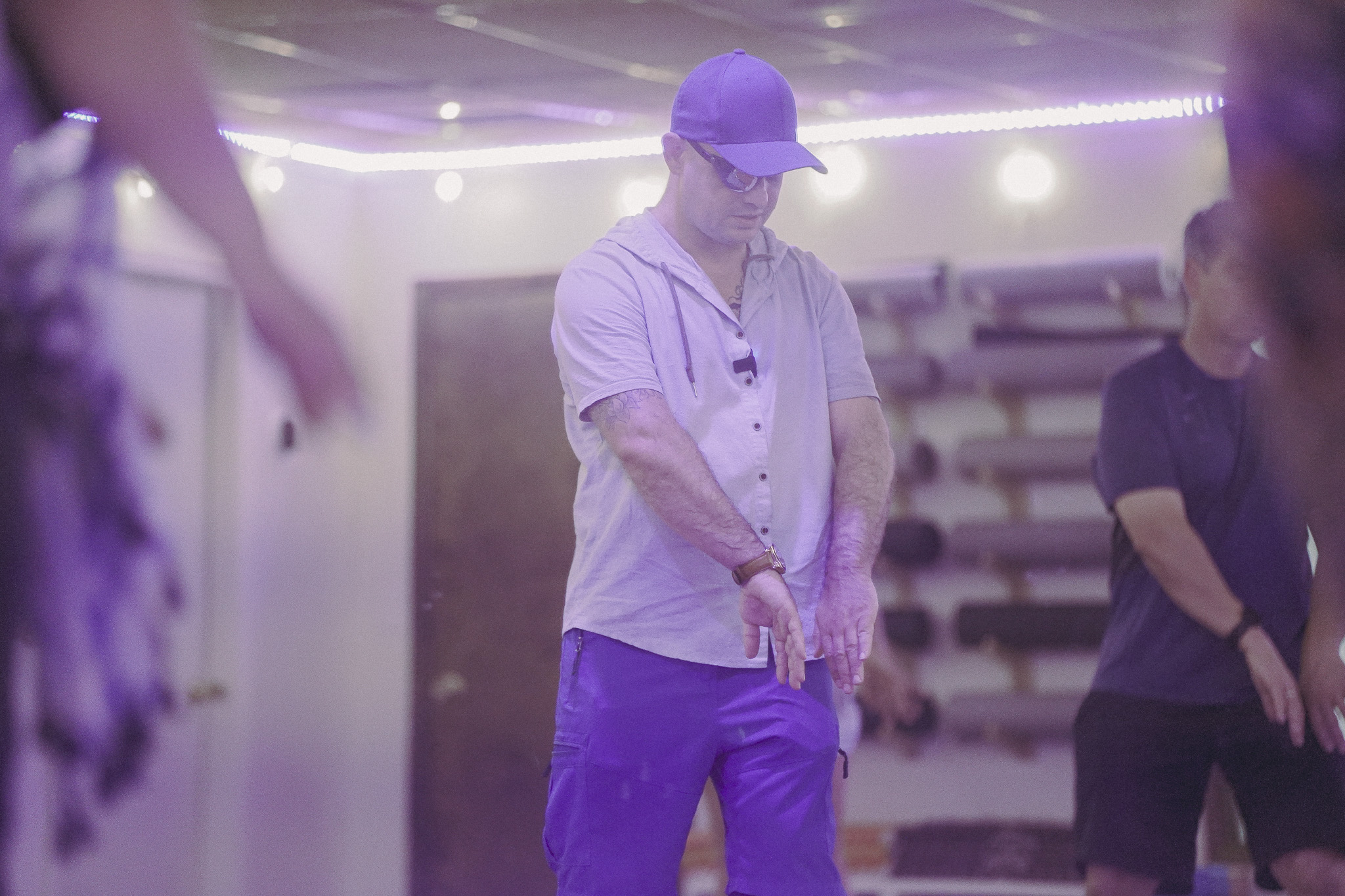
Tai Chi can help people practice the pause that supports more patient communication in daily life.
Patience is also important during stress
Stress often creates urgency. When people feel stressed, they may want quick answers, immediate solutions, fast relief, or a clear way out of discomfort. This is understandable, but urgency can sometimes make stress harder to navigate. The body may react quickly before there is enough space to understand what is actually needed.
Tai Chi helps by giving the body a slower rhythm to practice during low-pressure moments. Through slow movement, breath, balance, and grounding, the body learns that not every moment needs to be met with speed. This practice can support stress awareness because the person becomes more familiar with noticing signals before reacting automatically.
In daily life, this may look like pausing before responding to a stressful message, taking one breath before making a decision, feeling the feet before entering a difficult conversation, or allowing a transition before moving into the next task. Patience becomes practical when it gives the body enough space to choose.
Stress creates urgency. Tai Chi helps the body practice another option: pause, breathe, notice, and return.
At Work
Patience may help create space before reacting to pressure, deadlines, emails, or unexpected changes.
At Home
Patience may support slower responses during family stress, caregiving needs, or daily responsibilities.
During Conflict
Patience may begin with noticing breath, tension, or defensiveness before speaking.
During Change
Patience may help the body stay present while answers, clarity, or direction are still developing.
How Tai Chi can bring patience into daily life
The patience practiced in Tai Chi can begin to show up in ordinary moments. A person may notice that they are rushing through a transition, holding the breath while waiting, becoming frustrated with a delay, or moving into reaction before they have fully arrived in the moment.
These moments create opportunities for small returns. One breath before responding. One pause before rushing. One softened shoulder before continuing. One moment of feeling the feet before reacting. These small acts may not seem dramatic, but they are how patience becomes practical.
Tai Chi helps people understand that patience is not passive waiting. It is active awareness. It is staying connected to the body long enough to choose the next movement, word, or response with more intention.
In Conversations
You may pause before interrupting, defending, explaining, or reacting from stress.
In Transitions
You may give yourself a moment to arrive before moving from one task or role into another.
In Waiting
You may use waiting as a chance to breathe, feel the feet, and notice the body instead of rushing internally.
In Self-Growth
You may become more willing to let progress unfold gradually instead of judging yourself for not changing faster.
Tai Chi is not a replacement for medical or mental health care
Tai Chi can be a supportive wellness practice for mindfulness, gentle movement, breath awareness, grounding, balance, body awareness, stress awareness, emotional wellbeing, and patience, but it is not a replacement for medical care, physical therapy, therapy, medication, psychiatric support, trauma-informed treatment, anger management support, workplace accommodations, or crisis services. If someone is experiencing persistent distress, panic, depression, trauma symptoms, thoughts of self-harm, severe burnout, ongoing emotional dysregulation, or difficulty functioning, support from qualified professionals may be necessary.
At the same time, many people benefit from practices that help them slow down, notice the body, and create more space before reacting. Tai Chi can be one supportive part of a broader care routine because it offers a gentle, structured, and repeatable way to practice patience through movement.
The value of Tai Chi is not that it makes someone calm or patient in every situation. Its value is that it gives people repeated opportunities to practice returning to breath, body, and awareness before moving forward.
Tai Chi can support patience and body awareness as part of a broader wellness routine, but it should not replace professional care when professional support is needed.
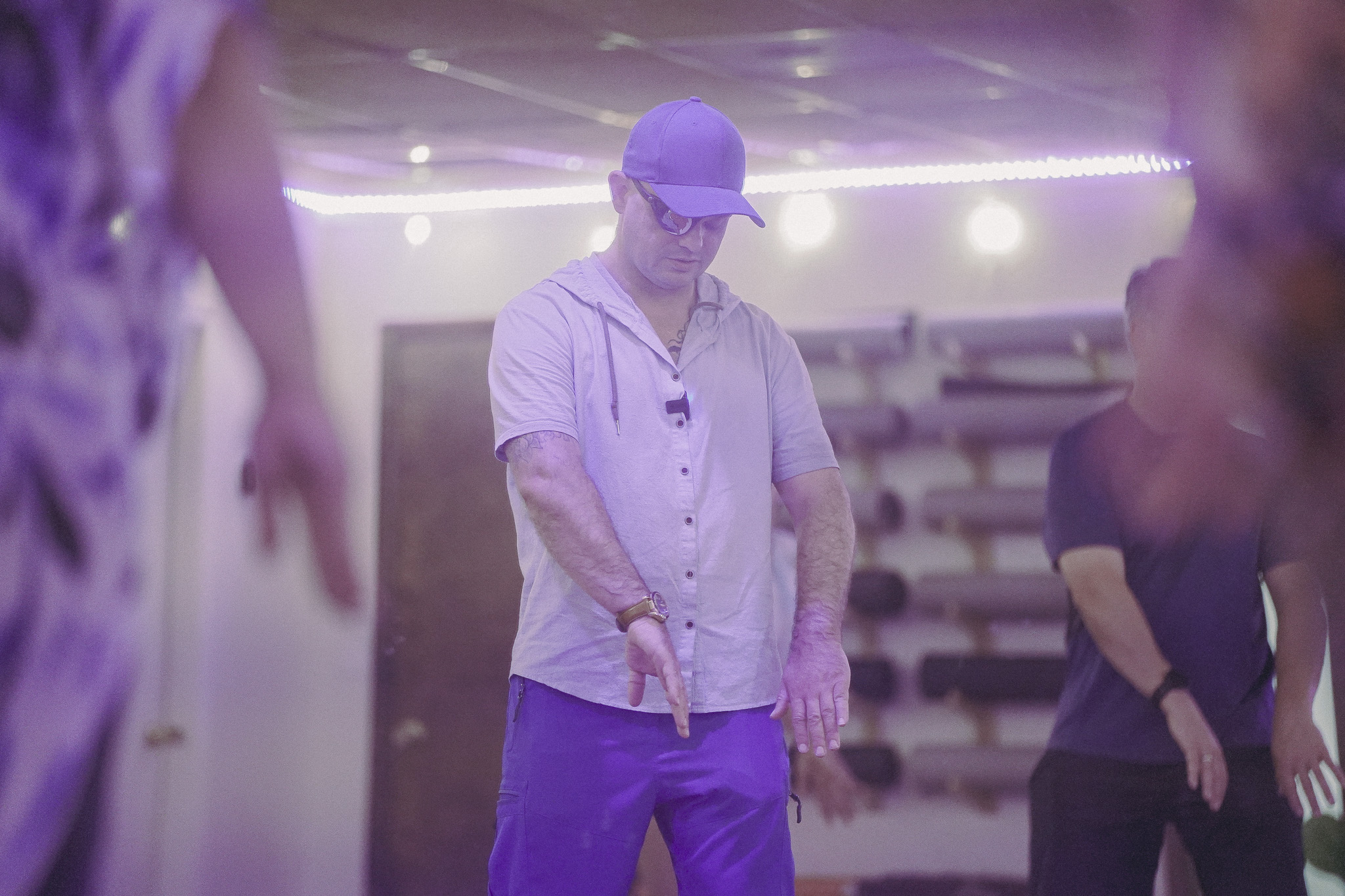
Tai Chi and The Healing Tree Collective
At The Healing Tree Collective, we understand that many people are trying to become more patient while living in environments that constantly ask them to rush. They may be carrying work stress, family responsibility, caregiving, emotional pressure, overstimulation, or the quiet fatigue of always needing to respond quickly.
Tai Chi fits naturally into our approach because it gives people a body-based way to practice patience. It does not require prior experience, advanced flexibility, athletic ability, or a perfectly calm mind. The practice invites people to breathe, feel the feet, move slowly, notice frustration, and return to the present moment with more care.
Our mission is to create accessible wellness spaces where people can heal, grow, and reconnect with themselves through practices that feel supportive, educational, and real. Tai Chi supports that mission because it teaches patience not as perfection, but as a practice of returning again and again.
At The Healing Tree Collective, Tai Chi is offered as a practice of patience: a way to slow down, breathe, notice, and move through life with more awareness and care.
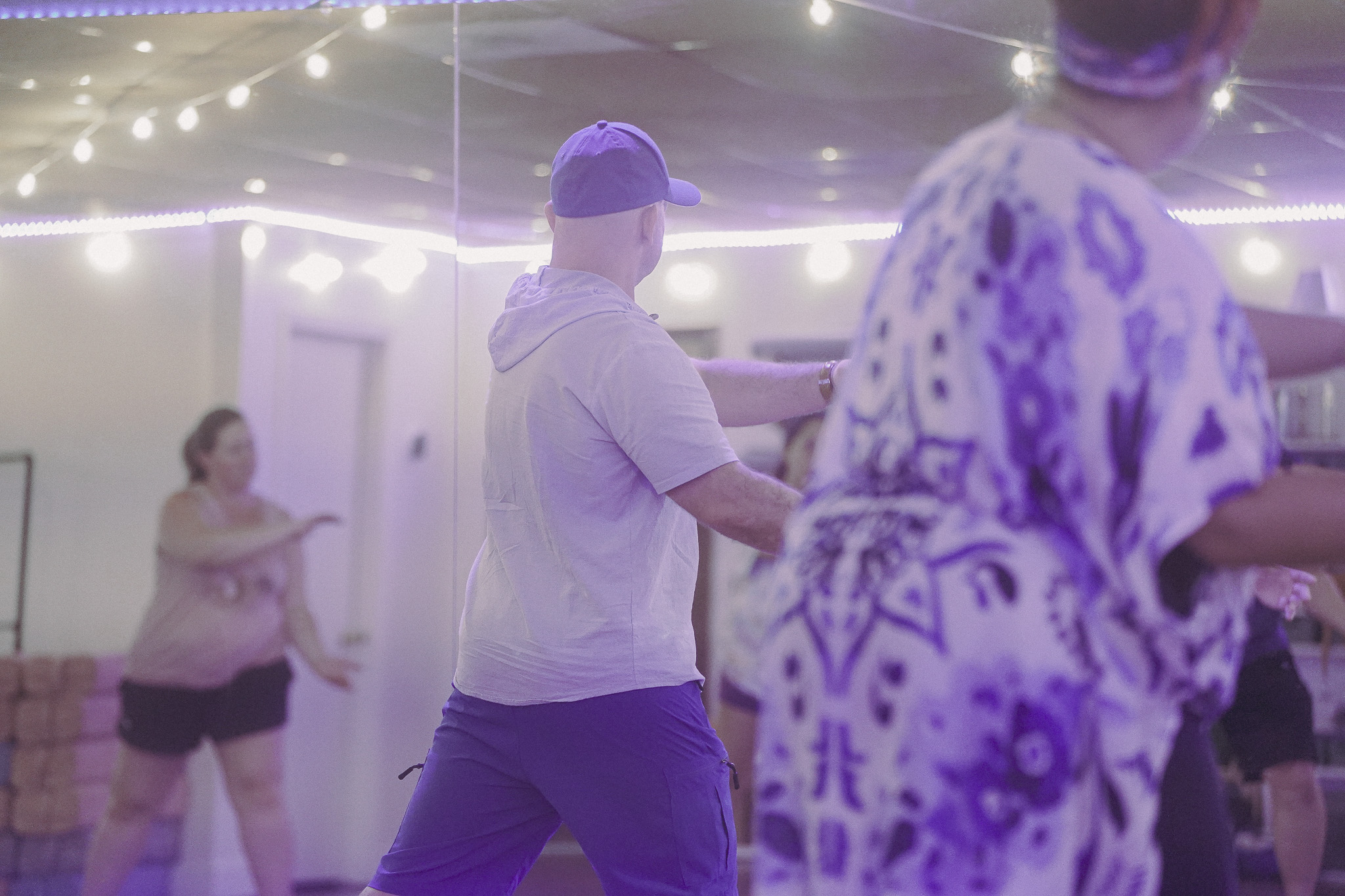
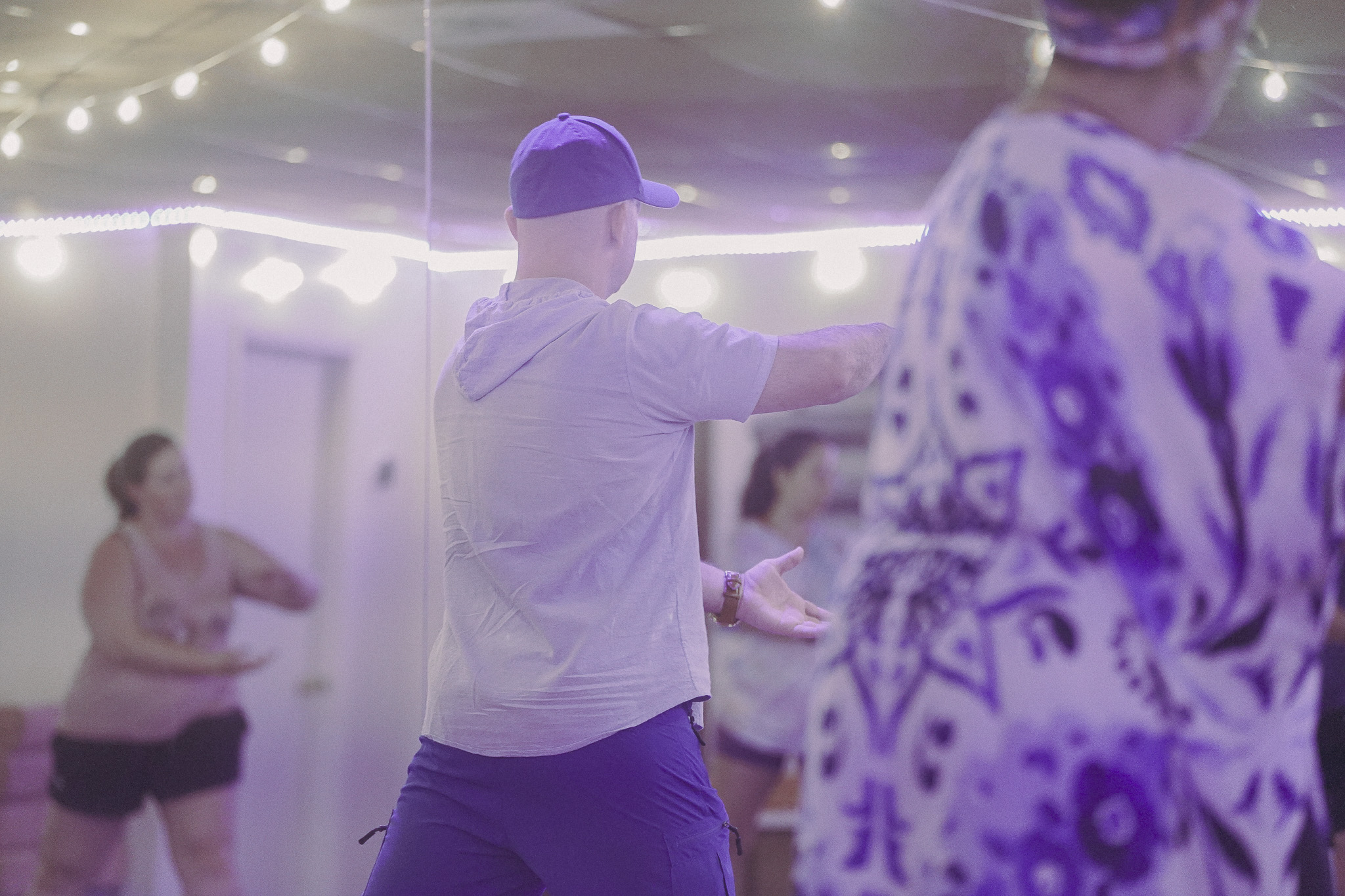
Final thoughts: patience is something you can practice through the body
Tai Chi can help you bring more patience into daily life by teaching the body how to slow down, stay present, breathe through frustration, move through transitions, and return when the mind wants to rush ahead. Patience becomes more than a concept. It becomes something practiced through movement.
This does not mean Tai Chi will make every stressful moment easy or every reaction perfect. It means the practice can help create more space. More awareness. More breath. More ability to notice the urge to rush before following it automatically.
For people who feel impatient with themselves, others, stress, change, or slow progress, Tai Chi offers a gentle and practical place to begin. One slower breath, one mindful transition, and one return to the body can become part of learning patience in real life.
Tai Chi teaches patience by helping the body practice slowing down, staying present, adjusting with care, and returning again when life asks you to rush.
Looking for Tai Chi to support patience and stress relief in Tempe, Arizona?
At The Healing Tree Collective, our beginner-friendly wellness classes are designed to support stress relief, mindfulness, grounding, body awareness, balance, and deeper connection. If you are curious about Tai Chi, gentle movement, moving meditation, or a practice that can help you slow down and build more patience, you are welcome to begin here.