29 June 2026
How Tai Chi Can Help You Create Space Between Feeling and Reacting
Everyone knows what it feels like to react before having time to fully understand what is happening. A stressful message comes through, a difficult conversation begins, a child needs something at the wrong moment, a work issue creates pressure, or an emotion rises quickly before the mind has time to organize it.
In those moments, the body may respond before we consciously choose how we want to respond. The shoulders tighten, the breath changes, the jaw clenches, the voice sharpens, the mind starts defending, or the body wants to withdraw, explain, fix, please, or push back.
Tai Chi may help create more space between feeling and reacting because it trains the body to slow down, notice internal signals, move through transitions with awareness, and return to the present moment before action becomes automatic.
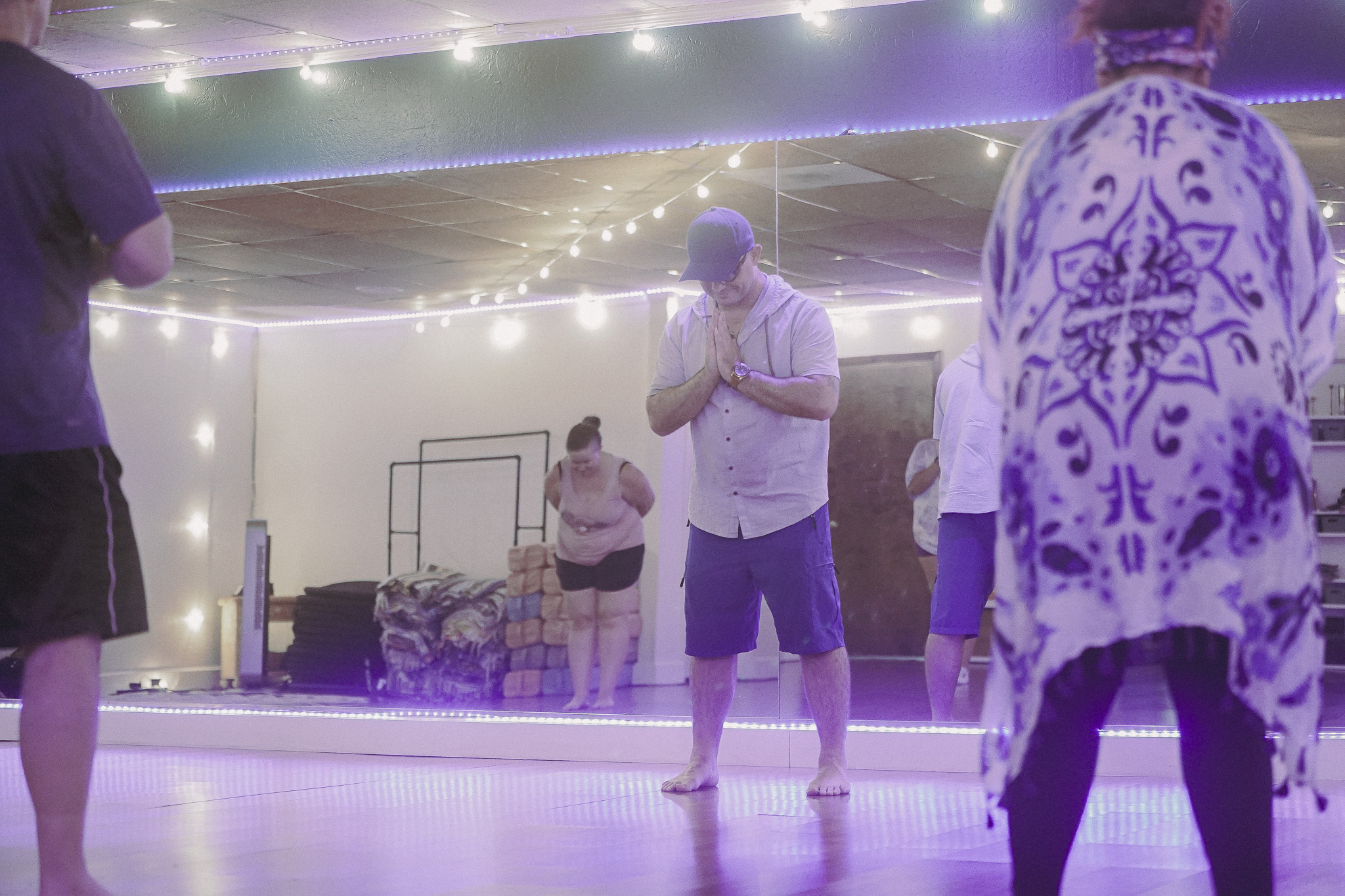
Tai Chi helps train awareness in the body, which can support the ability to pause before reacting automatically.
Tai Chi may support the pause between feeling and reacting by helping you practice:
A body-based approach to awareness, emotional regulation, and steadier responses.
- Noticing physical stress signals
- Returning to the breath
- Feeling grounded through the feet
- Moving slowly through transitions
- Recognizing unnecessary tension
- Pausing before automatic reaction
- Responding with more intention
The space between feeling and reacting is where awareness begins
Emotions often rise quickly. Before a person has time to clearly name what they are feeling, the body may already be responding. This is especially true when stress, fear, frustration, sadness, embarrassment, or pressure is involved. The body may prepare to protect, defend, avoid, shut down, control, or move quickly toward action.
This does not mean a person is doing something wrong. Reaction is often the result of learned patterns, stress responses, and repeated experiences. If someone has spent years needing to respond quickly, stay strong, avoid conflict, please others, or keep everything together, the body may become very efficient at reacting before reflection is available.
The space between feeling and reacting is important because it creates the possibility of choice. Without space, the body may move directly from emotion into habit. With even a small amount of space, a person may be able to notice what is happening, take one breath, feel their body, and choose a response that is more aligned with what the situation actually needs.
The goal is not to stop feelings from arising. The goal is to develop enough awareness to choose how you respond to them.
Why reacting can happen so quickly
Reaction often happens quickly because emotions are not only thoughts. They are physical experiences. A person may feel anger as heat, anxiety as tightness, sadness as heaviness, fear as alertness, or stress as pressure in the chest, shoulders, jaw, stomach, or breath. These physical signals can create a strong impulse to do something immediately.
In daily life, this can look like sending a message too quickly, interrupting, withdrawing from a conversation, saying yes when the body means no, becoming defensive, over-explaining, shutting down, or pushing through stress without pausing. These reactions may be understandable, but they do not always create the outcome a person actually wants.
Tai Chi can be supportive because it helps people become more familiar with the early physical signs of activation. When you practice moving slowly, you may notice subtle shifts in your breath, posture, balance, or tension. Over time, this awareness can become useful outside of class because the body’s early signals become easier to recognize before a reaction takes over.
When the body’s signals are noticed earlier, there is more opportunity to respond with awareness instead of reacting from habit.
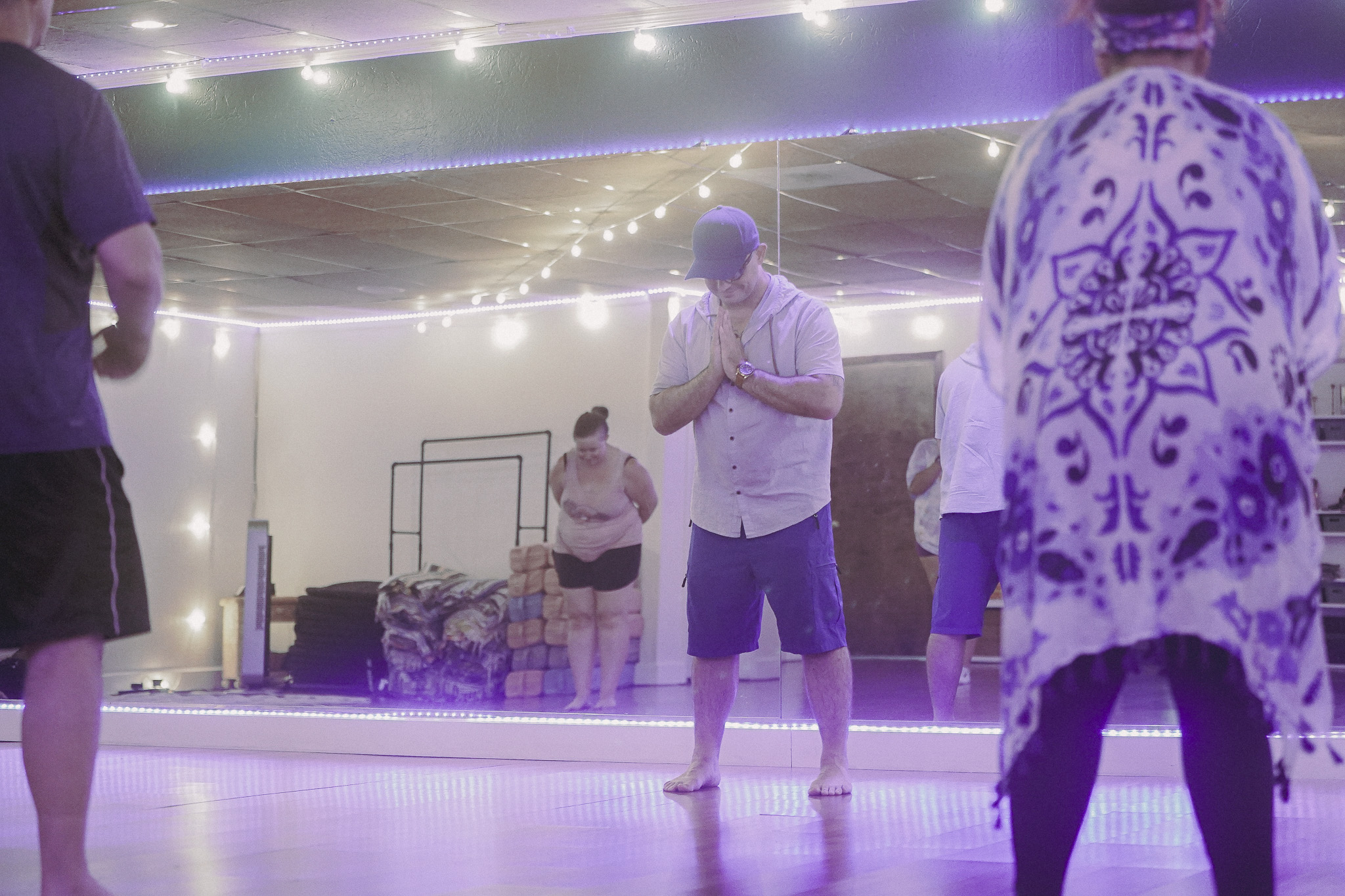
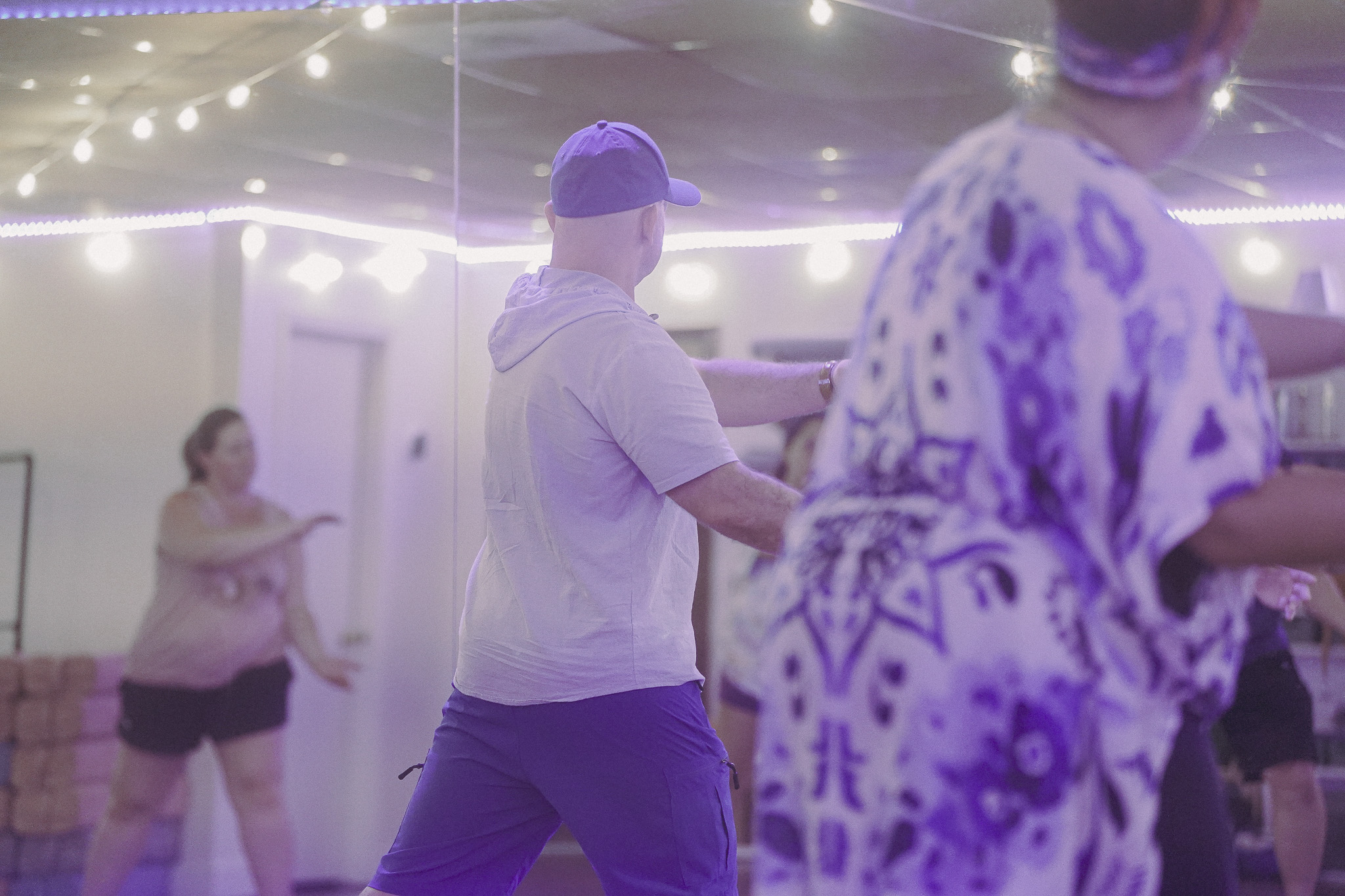
Tai Chi trains awareness through slow movement
One of the most practical aspects of Tai Chi is that it slows movement down enough for awareness to become part of the process. Instead of moving from one position to another without noticing the transition, Tai Chi asks you to pay attention to how movement is happening. You notice the feet, the breath, the posture, the shift of weight, the placement of the hands, and the amount of effort being used.
This kind of attention is valuable because emotional reactions also have a process. There is usually a moment when the body begins to tighten, brace, accelerate, withdraw, or prepare to defend. Many people miss this moment because it happens quickly and because they are not used to observing their body in real time.
Tai Chi helps build that observational skill. The practice does not only teach physical movement; it teaches the nervous system and attention how to slow down enough to notice what is happening before the next action. This is why Tai Chi can be useful for people who want to respond more intentionally in stressful or emotionally charged situations.
Slow movement becomes a training ground for noticing the space before the next action.
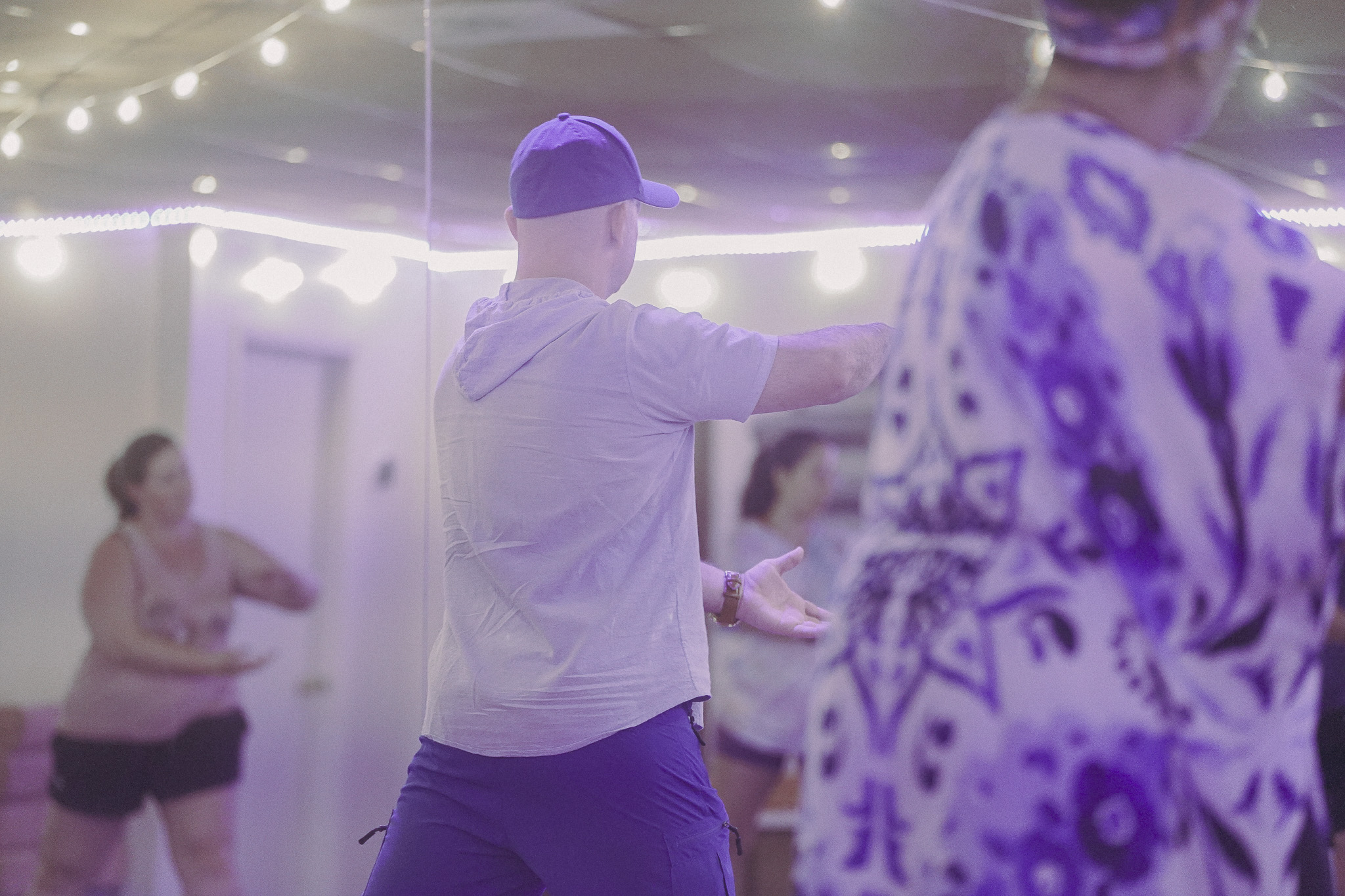
In Tai Chi, the transition between movements is part of the practice, which makes it a useful model for emotional awareness.
The pause is learned through the body
Many people understand the idea of pausing before reacting, but understanding the concept is not always enough. In a real moment of stress, the body may still react faster than the mind can remember what it knows. This is why emotional regulation often needs to be practiced in the body, not only understood intellectually.
Tai Chi gives the body a repeated experience of pausing, shifting, and responding with intention. Before stepping, you feel where your weight is. Before extending the arm, you notice the shoulder. Before moving into the next posture, you complete the transition you are already in. These small physical pauses teach patience and awareness in a practical way.
Over time, this can influence how a person relates to emotional moments. A stressful interaction may still bring up strong feelings, but there may be a slightly greater chance of noticing the breath, feeling the feet, or recognizing tension before reacting automatically. The pause may begin very small, but even a small pause can change the direction of a response.
The pause is not only a mental decision. It is a body-based skill that can be strengthened through practice.
Before Movement
Tai Chi teaches you to notice where the body is before moving into the next action.
During Transition
The practice emphasizes the in-between moments, where balance, breath, and attention are especially important.
After Activation
When emotions rise, body awareness can help you recognize activation before it becomes an automatic reaction.
Before Response
A small pause can create enough space to choose a response that is more intentional and less reactive.
Tai Chi helps you notice the physical signs of emotion
Emotions often appear in the body before they are clearly understood in the mind. A person may not immediately recognize that they are feeling anxious, hurt, angry, disappointed, or overwhelmed, but the body may already be showing signs. The breath may become shallow, the chest may tighten, the jaw may clench, the stomach may brace, or the shoulders may lift.
In Tai Chi, these signals become easier to observe because the pace is slower and the practice encourages attention to subtle physical changes. You may notice that your shoulders tense when you are trying to remember the sequence, that your breath becomes restricted when balance feels uncertain, or that your hands grip when you are concentrating. These observations may seem small, but they reveal how the body responds when it experiences pressure or uncertainty.
This awareness can support emotional wellbeing because it helps you identify activation earlier. Instead of waiting until an emotion becomes overwhelming, you may begin to notice the body’s first signs. That early awareness creates more room to breathe, ground, adjust posture, or take a moment before reacting.
The body often reveals an emotional response before the mind has found language for it.
Creating space does not mean suppressing emotion
It is important to clarify that creating space between feeling and reacting does not mean ignoring emotion, minimizing it, or pretending to be calm when something is genuinely upsetting. Suppressing emotion often creates more tension because the body still carries what has not been acknowledged.
The purpose of creating space is not to make the feeling disappear. The purpose is to relate to the feeling with more awareness. A person can feel anger and still choose not to lash out. A person can feel hurt and still pause before withdrawing completely. A person can feel anxiety and still take a breath before making a decision. A person can feel overwhelmed and still recognize that the next response needs care rather than urgency.
Tai Chi supports this because the practice does not ask the body to deny what it feels. Instead, it gives the body a structured way to slow down, notice, and move with what is present. This can help people understand that emotional regulation is not the absence of emotion; it is the ability to stay connected enough to respond with more intention.
Emotional regulation is not about having fewer feelings. It is about building a more conscious relationship with what those feelings ask you to do next.
The breath can interrupt automatic reaction
The breath is often involved in emotional reaction. When stress rises, the breath may become shallow, fast, restricted, or held. Because this shift can happen automatically, many people do not notice it until they are already tense, reactive, or overwhelmed.
Tai Chi helps bring breath into awareness without making it overly complicated. As the movement slows, the breath becomes easier to observe. You may notice where it feels limited, how it changes during balance, or how an exhale can help soften unnecessary tension. This kind of breath awareness can become useful outside of class because the breath is one of the quickest signals that the body is becoming activated.
In a stressful moment, one conscious breath may not solve the entire situation, but it can create a small interruption in the automatic sequence. That interruption can be enough to recognize what is happening and choose a more thoughtful response.
A conscious breath can create a brief but meaningful space between activation and action.
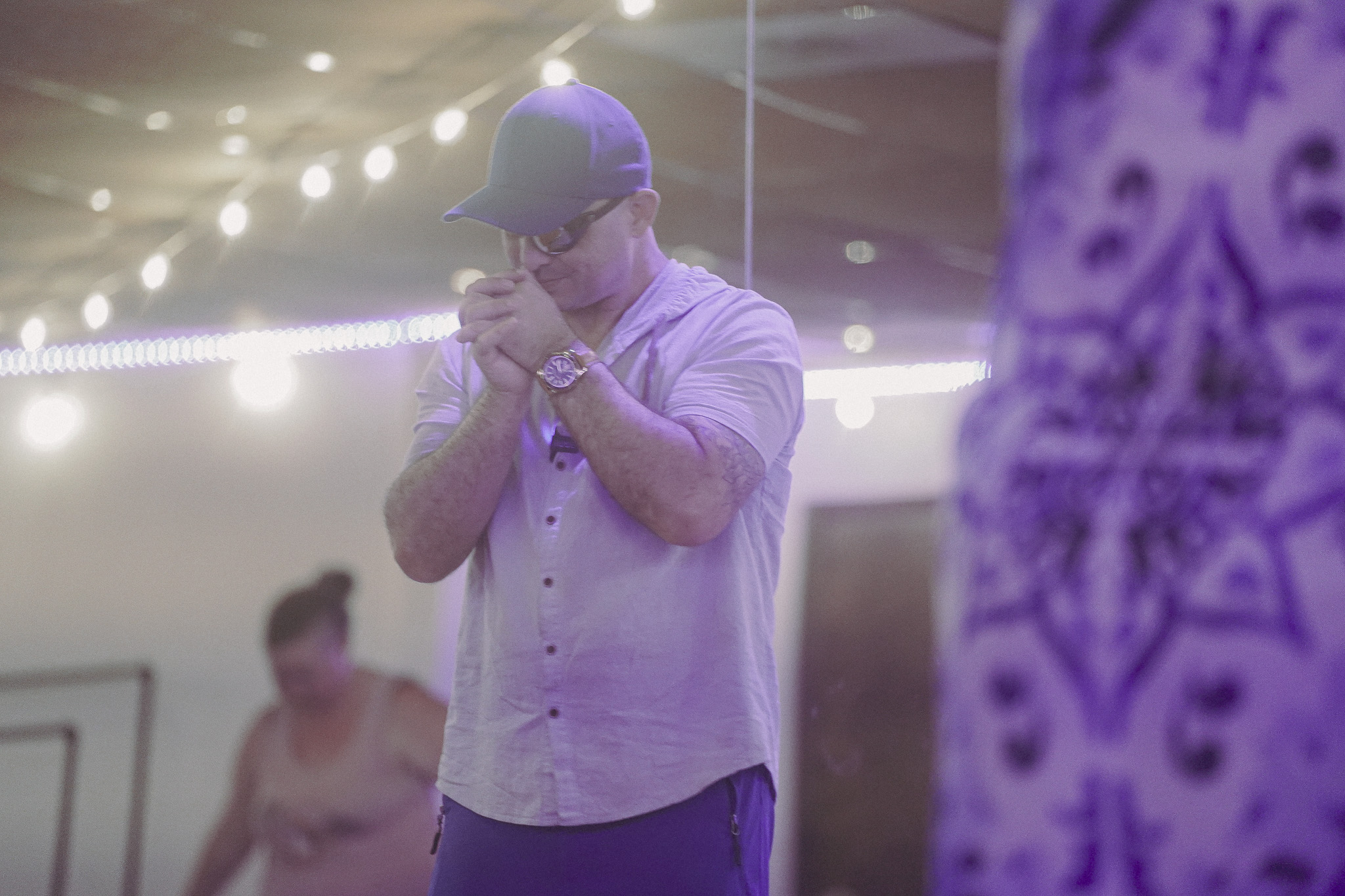
Breath awareness can help identify the early signs of emotional activation before reaction becomes automatic.
Transitions in Tai Chi mirror transitions in real life
Tai Chi places significant attention on transitions. The movement from one posture into another is not rushed or treated as empty space. The transition is part of the practice. It requires balance, attention, patience, and awareness of how weight, breath, and posture are changing.
This is relevant because many emotional reactions happen during transitions in daily life. Moving from work into home life, from one conversation into another, from disappointment into decision-making, or from stress into rest can all create moments where reaction is more likely. When people rush through transitions, they may carry the emotional state of one moment into the next without realizing it.
Tai Chi helps train respect for the in-between. It teaches that how you move from one thing to the next matters. This can translate into daily life by helping a person slow down during moments of change, check in before responding, and notice whether they are carrying stress forward without awareness.
The transition is often where the response begins. Tai Chi teaches you to pay attention before the next action takes shape.
Work to Home
You may notice whether you are carrying the pace, stress, or frustration of the workday into your personal space.
Feeling to Speaking
You may create a pause between the first emotional reaction and the words that follow.
Conflict to Repair
You may become more aware of when the body wants to defend, withdraw, or rush past what needs attention.
Stress to Rest
You may recognize that the body often needs a transition before it can fully settle into rest.
How this skill can support relationships
Many relationship challenges become more difficult when reactions happen faster than awareness. In conversations with partners, family members, coworkers, friends, or children, a person may respond from hurt, fear, frustration, defensiveness, or exhaustion before they have fully understood what they are feeling.
Creating space between feeling and reacting can support more thoughtful communication. It may help a person recognize that their body is activated before they speak sharply. It may help them notice the urge to shut down before leaving a conversation entirely. It may help them identify when they are saying yes out of guilt, explaining out of fear, or becoming defensive because they feel misunderstood.
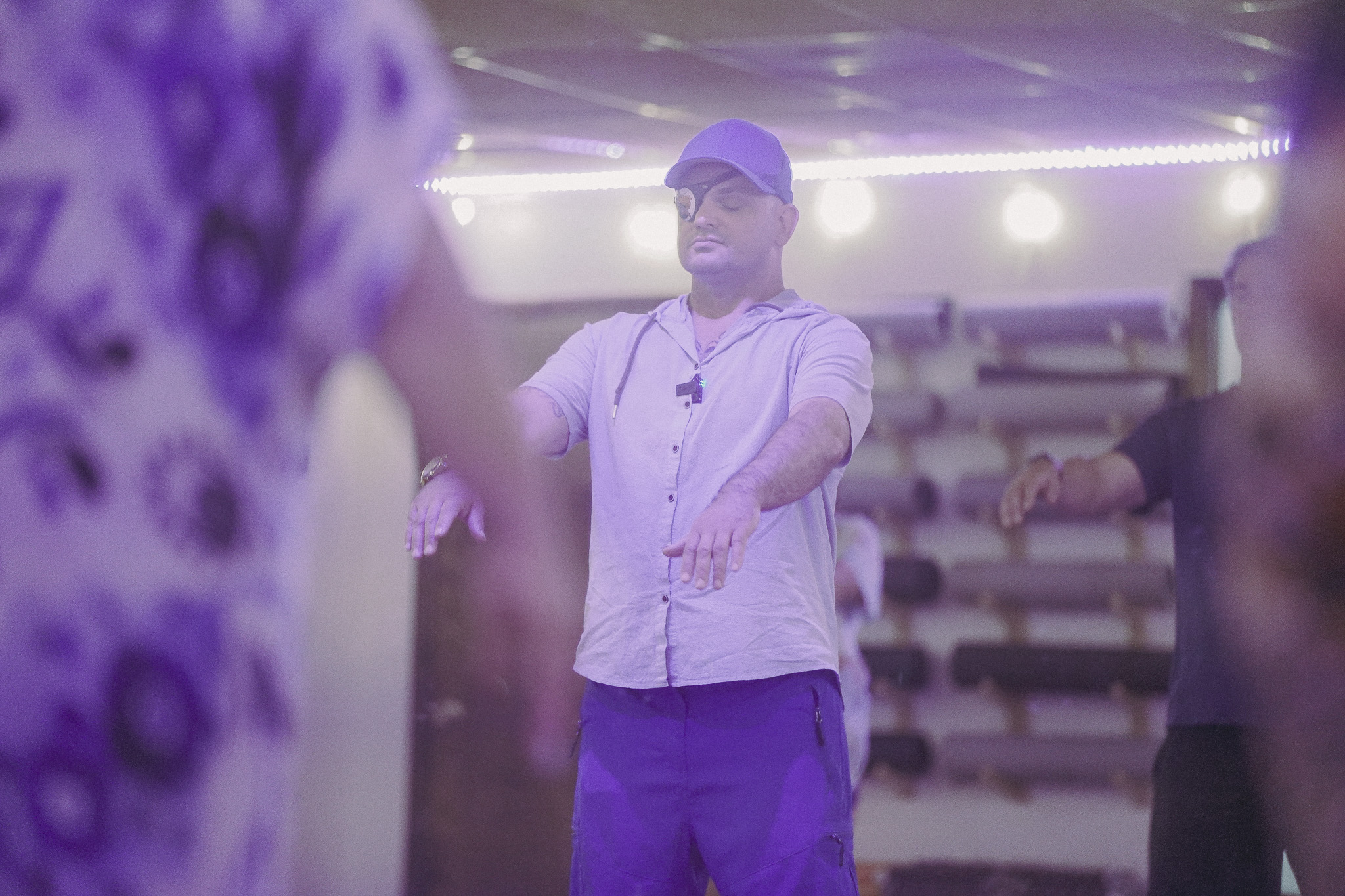
Tai Chi supports this relational skill by developing awareness of internal state. The practice helps people notice body signals, pause during transitions, and return to grounding. While Tai Chi does not solve relationship conflicts by itself, it can help strengthen the internal awareness that supports healthier communication.
When you can notice your body before you respond, communication has more room for care, clarity, and choice.
How this skill can support work stress
Work environments often create situations where people feel pressure to respond quickly. Emails, deadlines, feedback, meetings, customer needs, team dynamics, and leadership responsibilities can all create moments where the body becomes activated before there is time to reflect.
In these situations, the space between feeling and reacting can be especially valuable. A person may feel frustration but choose not to send an immediate response. They may notice anxiety before agreeing to something they do not have capacity for. They may recognize defensiveness before entering a meeting. They may pause long enough to ask a clarifying question instead of reacting to an assumption.
Tai Chi supports this by helping the body practice slower transitions, steadier breath, and present-moment awareness. These skills can be carried into professional life because many work reactions are physical before they become verbal. When the body is noticed earlier, the response can become more intentional.
Work stress often asks for speed, but emotional clarity often requires a pause.
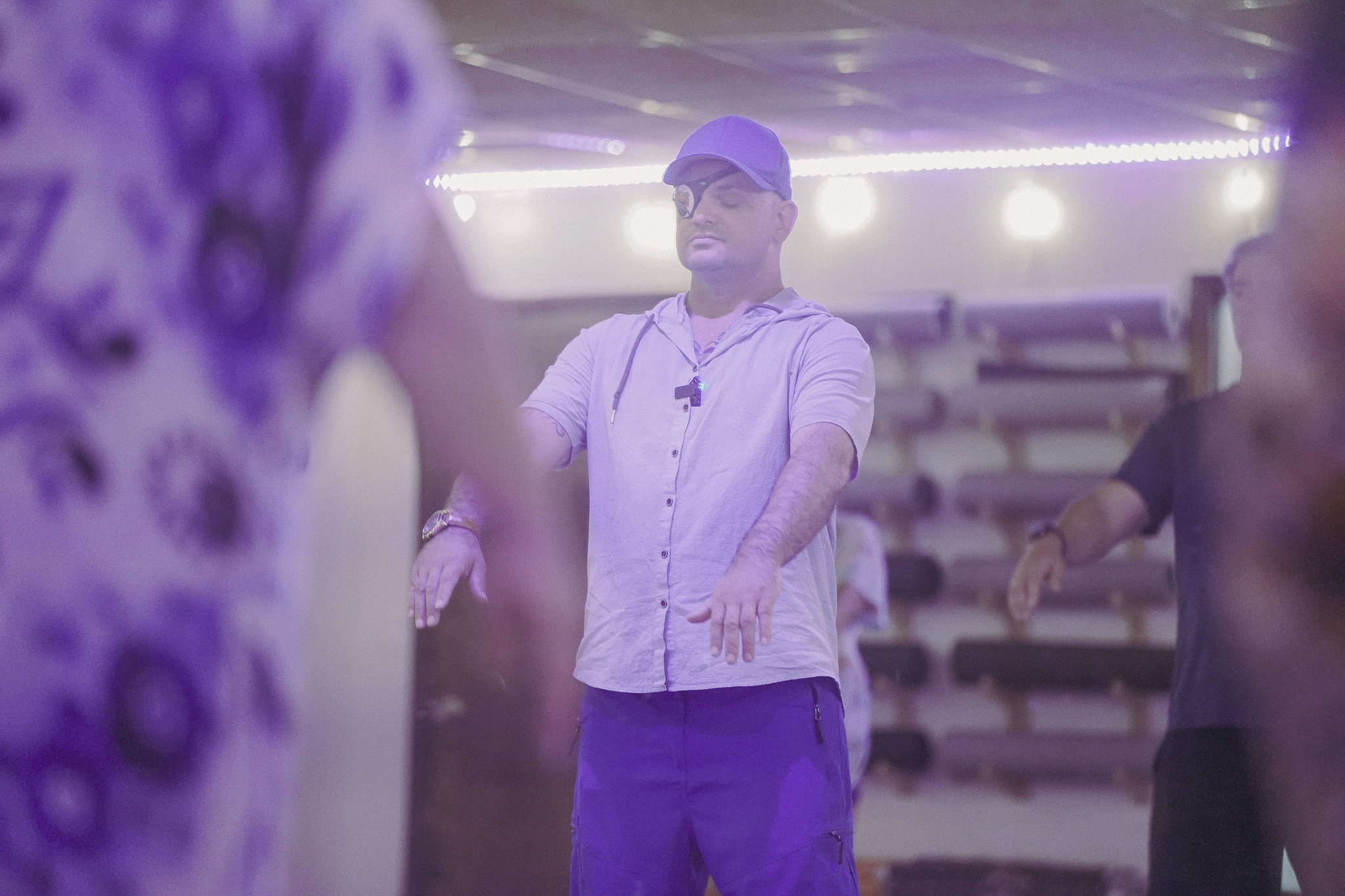
The awareness practiced in Tai Chi can support everyday moments where pressure, communication, and decision-making intersect.
The skill develops through repetition, not perfection
Creating space between feeling and reacting is not something most people master immediately. It develops through repetition, self-awareness, and patience. There will still be moments when reactions happen quickly. There will still be conversations where emotions rise strongly. There will still be days when stress makes the pause harder to access.
This is why Tai Chi is valuable as a practice rather than a quick fix. Each class gives the body another opportunity to move slowly, notice tension, return to breath, and complete transitions with care. Over time, these repeated experiences can strengthen the ability to recognize internal signals earlier.
The goal is not perfection. The goal is a little more awareness than before. One more breath before speaking. One more moment of feeling the feet before reacting. One more recognition that the shoulders have tightened. One more opportunity to choose a response rather than repeat a habit.
Small pauses practiced consistently can gradually change the way a person relates to emotion, stress, and response.
Tai Chi and The Healing Tree Collective
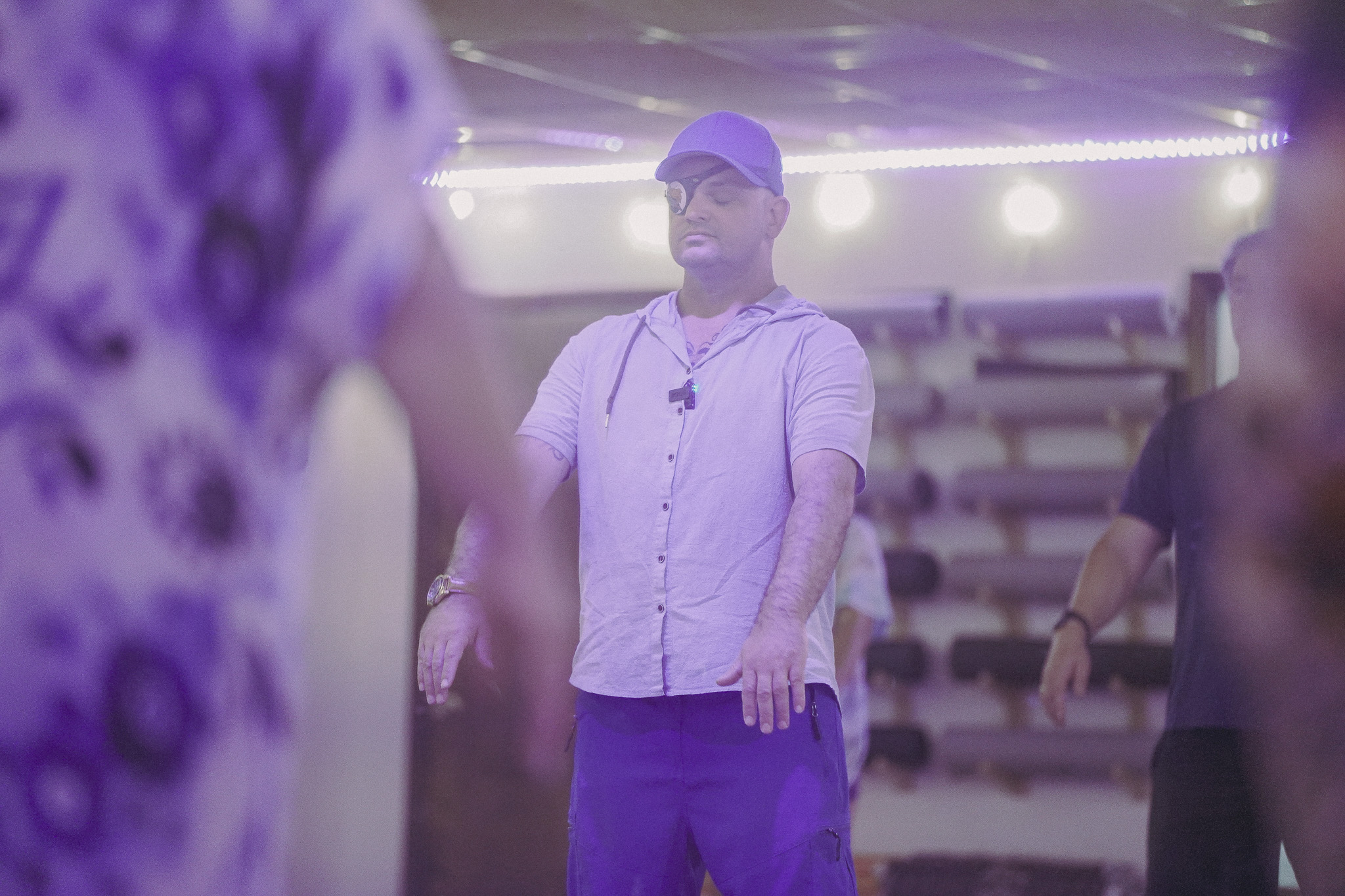
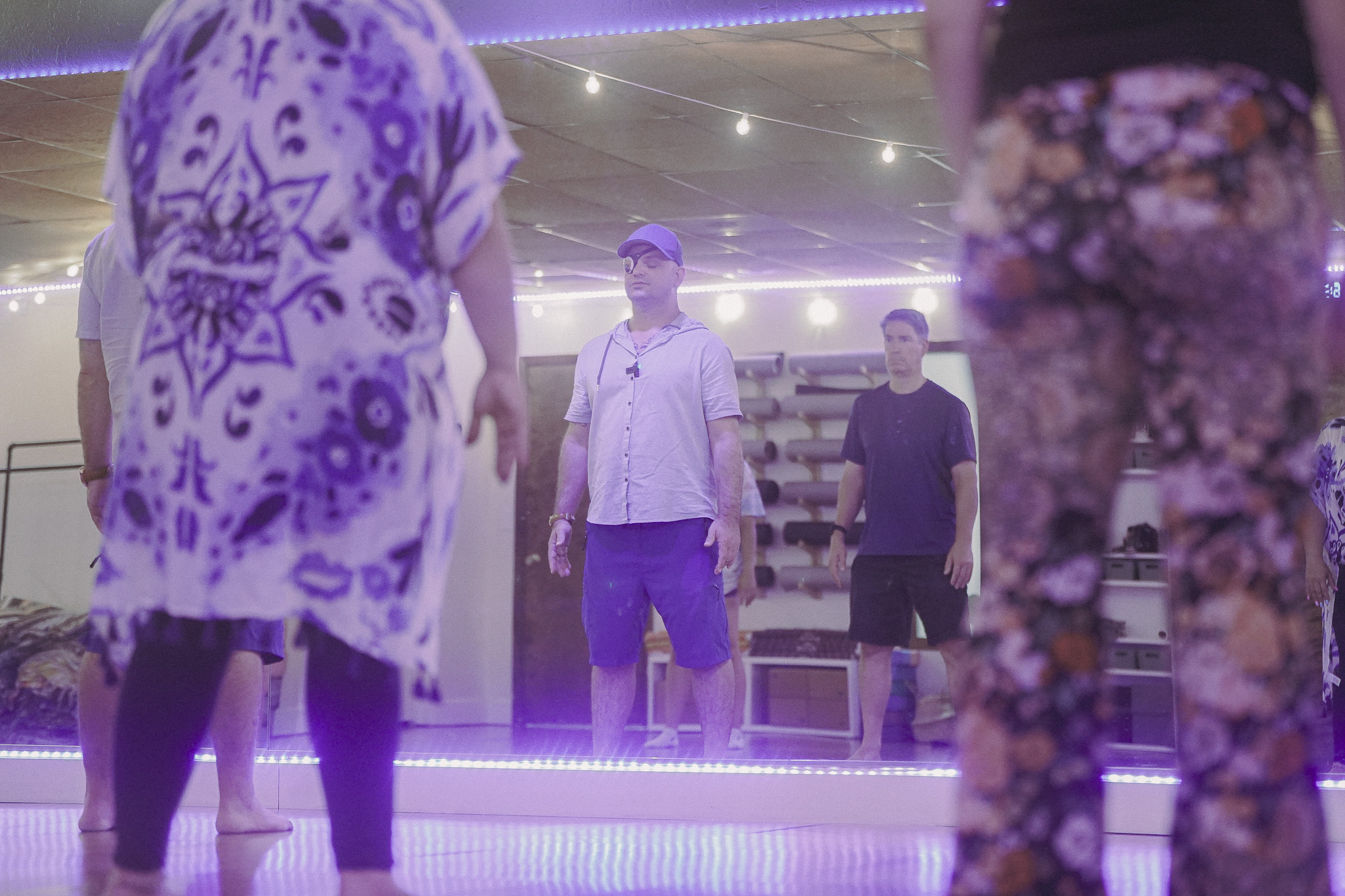
At The Healing Tree Collective, we believe emotional wellbeing is supported when people have access to practices that help them understand what is happening in their bodies, not only what is happening in their thoughts. Many people are trying to respond differently in life, but they have not been given enough opportunities to practice that difference in a body-based way.
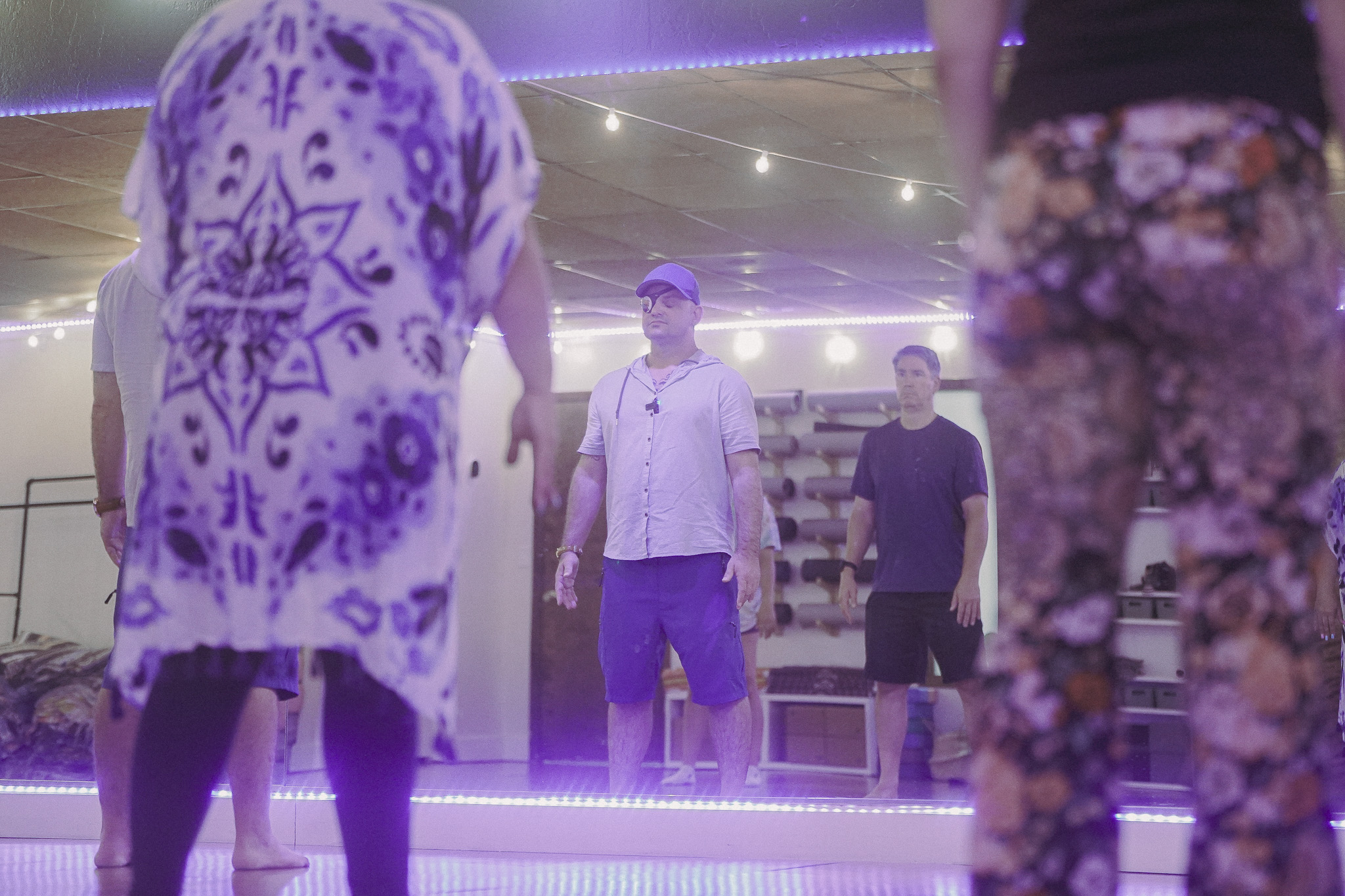
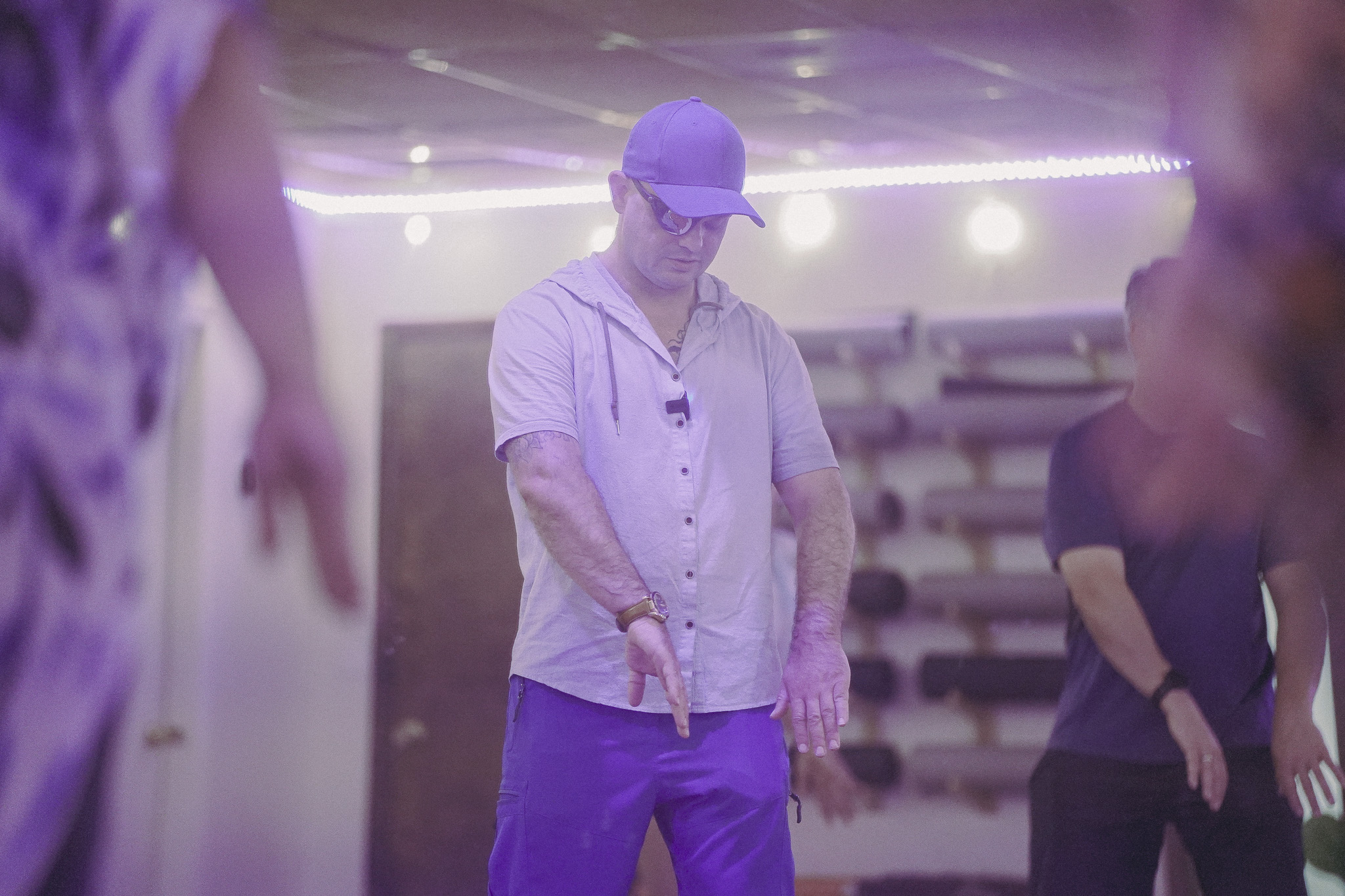
Tai Chi fits naturally into our approach because it gives people a gentle and accessible way to practice slowing down, noticing physical signals, grounding through movement, and returning to breath. It does not require prior experience, athletic performance, or a perfectly calm mind. It simply invites people to become more aware of how they move, how they hold stress, and how they transition from one moment to the next.
Our mission is to create accessible wellness spaces where people can heal, grow, and reconnect with themselves through practices that feel supportive, educational, and real. Tai Chi supports that mission because it helps people develop practical awareness they can carry into everyday emotional moments, conversations, responsibilities, and relationships.
At The Healing Tree Collective, Tai Chi is offered as a practice for real life: a way to build awareness, create space, and return to yourself before reaction becomes the only option.
Final thoughts: the pause can become a practice
Tai Chi may help you create space between feeling and reacting because it teaches the body how to slow down before moving into the next action. Through gentle movement, breath awareness, grounding, balance, and mindful transitions, the practice gives you repeated opportunities to notice what is happening before responding automatically.
This does not mean you will never react. It does not mean you will always feel calm or that emotions will become easy to manage overnight. A more realistic benefit is that Tai Chi can help build awareness over time, allowing you to recognize stress, tension, breath changes, and emotional activation earlier than before.
That awareness can become meaningful in real life. It can support the way you communicate, the way you handle pressure, the way you respond to conflict, and the way you care for yourself when emotions rise. The pause may begin as one breath, one moment of grounding, or one recognition that your body is becoming activated.
Tai Chi supports the space between feeling and reacting by helping the body practice awareness before action.
Looking for Tai Chi for emotional awareness in Tempe, Arizona?
At The Healing Tree Collective, our beginner-friendly wellness classes are designed to support stress relief, mindfulness, body awareness, and deeper connection. If you are curious about Tai Chi, moving meditation, emotional regulation, or gentle mind-body practices, you are welcome to begin here.