14 July 2026
How Tai Chi Helps You Notice the Way Stress Lives in Your Body
Stress is often described as something that happens in the mind, but many people experience stress through the body long before they fully recognize it in their thoughts. The breath may become shallow. The shoulders may lift. The jaw may tighten. The chest may feel guarded. The body may start rushing, bracing, or holding tension without conscious awareness.
Because life moves quickly, these physical signals can be easy to miss. Many people continue working, caring for others, answering messages, making decisions, and pushing through the day while the body is quietly carrying the impact of stress in the background.
Tai Chi can help people notice the way stress lives in the body because it slows movement down enough to reveal breath patterns, tension habits, posture changes, balance shifts, and the physical signals that often appear before stress becomes overwhelming.
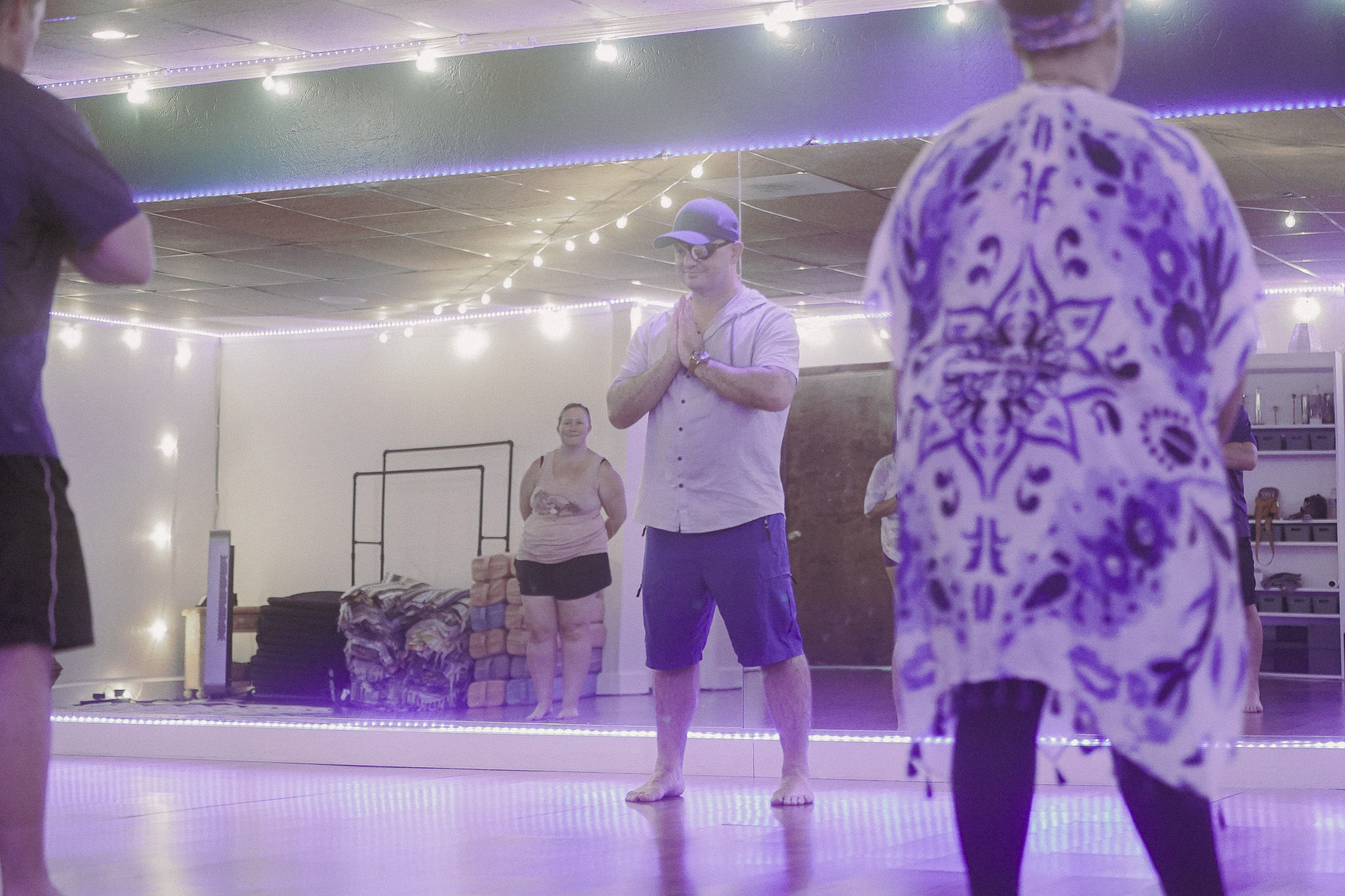
Tai Chi helps make stress more visible by slowing the body down enough to notice breath, posture, tension, balance, and movement patterns.
Stress may live in the body as:
Physical signals that are easy to ignore when life is moving quickly.
- Shallow or held breath
- Jaw, neck, or shoulder tension
- Tightness through the chest or abdomen
- Rushing through movement
- Bracing during uncertainty
- Fatigue or heaviness
- Difficulty feeling grounded or settled
Stress is not only a thought pattern
Many people recognize stress through mental symptoms first. They may notice racing thoughts, worry, irritability, difficulty focusing, or the feeling that there are too many things to manage at once. While these mental signs are real, stress is not limited to the mind. The body participates in stress as well.
Stress can change the way a person breathes, stands, moves, rests, speaks, and reacts. The body may prepare for pressure even when the person is not consciously naming the stress. This is why someone may say they are “fine” while their shoulders are raised, their jaw is tight, their breath is restricted, and their body is moving with urgency.
Tai Chi helps make this connection more visible. Because the practice is slow, intentional, and body-based, it gives people time to notice what stress may be doing physically. Instead of only asking, “What am I thinking?” Tai Chi invites another question: “What is my body showing me?”
Stress often speaks through the body before the mind has fully found words for it.
The breath often reveals stress first
The breath is one of the clearest ways stress shows up in the body. When a person feels rushed, uncertain, overwhelmed, focused, or emotionally activated, the breath may become shallow, held, fast, or restricted. Many people do not notice this change because attention is focused on solving the problem, completing the task, or getting through the moment.
In Tai Chi, the slower pace creates enough space to notice the breath without forcing it. A practitioner may realize they hold the breath when concentrating, restrict the breath during a balance shift, or breathe more easily when the movement becomes familiar. These observations can be simple, but they are meaningful.
When people begin noticing breath patterns during Tai Chi, they may also begin noticing them outside of class. They may recognize shallow breathing during a stressful email, breath-holding during a difficult conversation, or a tight chest when trying to make a decision. This awareness can become an early signal that the body needs support.
The breath can become an early messenger, showing when stress is present before it becomes harder to manage.
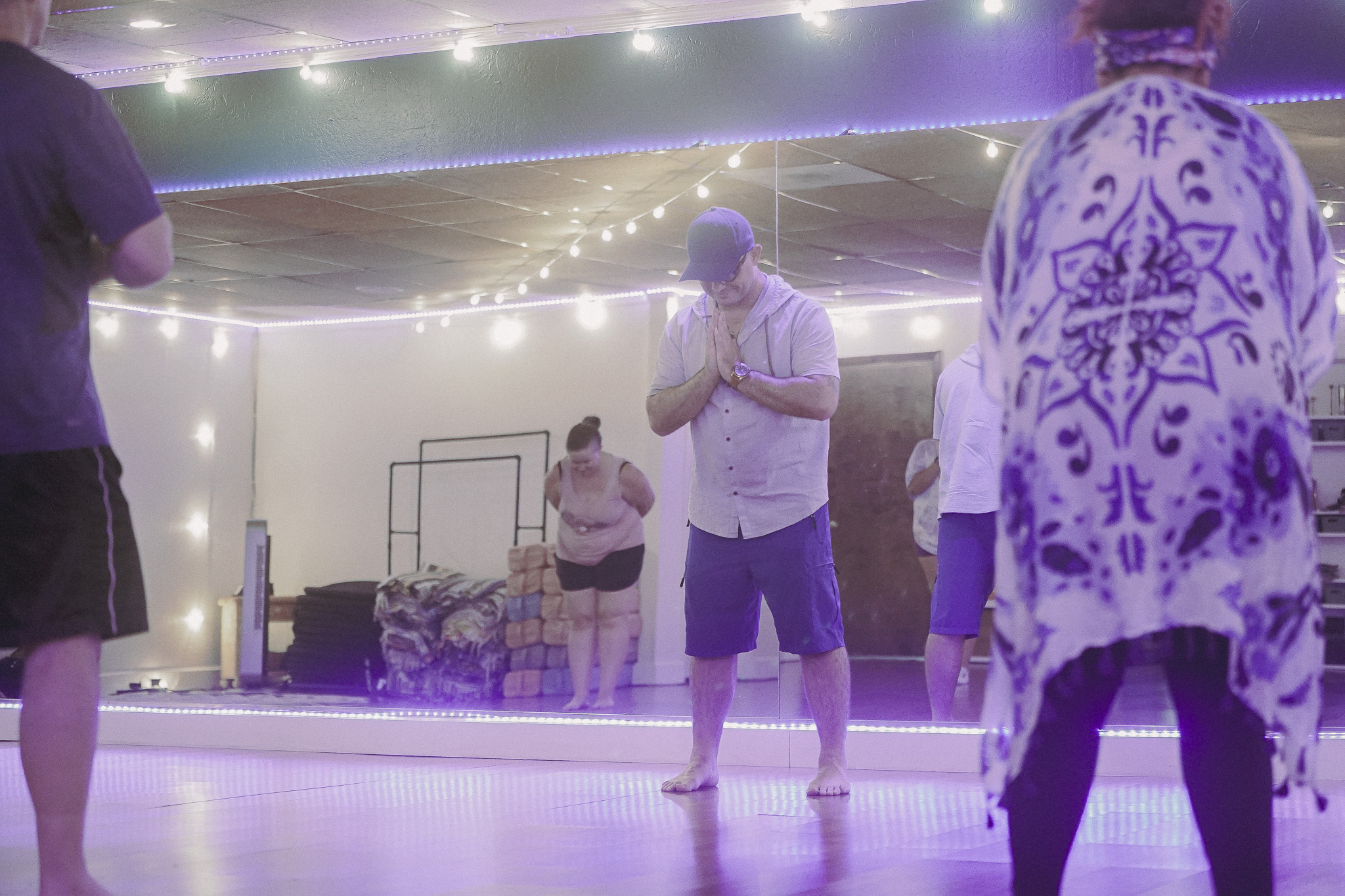
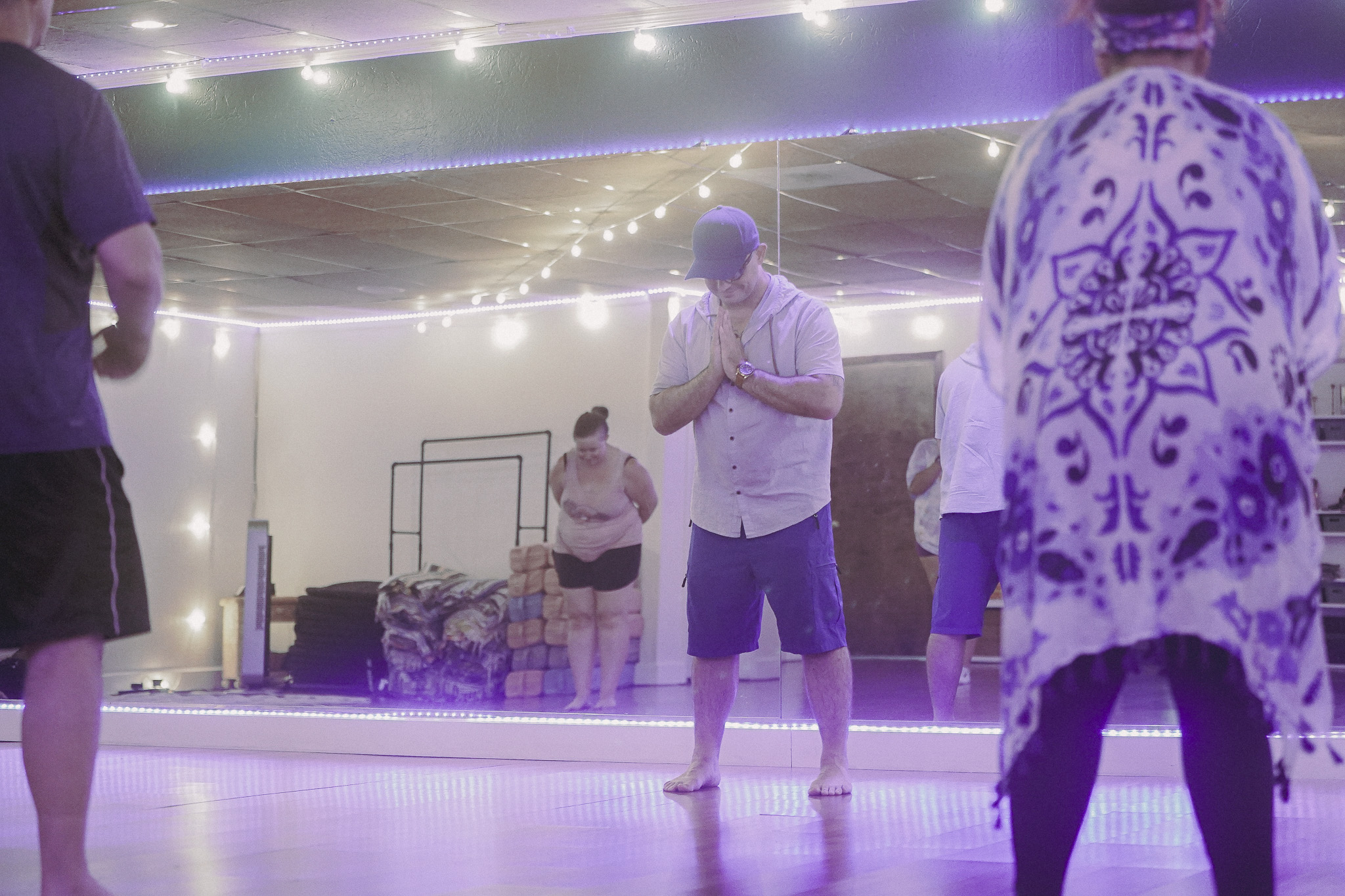
Stress can live in the shoulders, jaw, and posture
For many people, stress becomes visible through tension. The shoulders may lift toward the ears. The jaw may clench. The neck may tighten. The chest may close. The hands may grip. The body may hold itself as if preparing for impact, even when the situation is not physically dangerous.
These patterns can become so familiar that they feel normal. A person may not realize how much tension they are carrying until they slow down enough to feel the difference between effort and ease. Tai Chi can help reveal these patterns because the movements are gentle and controlled. If the shoulders are doing more work than necessary, the practitioner may notice. If the jaw tightens during concentration, it may become visible. If posture collapses from fatigue, the body may communicate that clearly.
This is not about judging the body. It is about learning from it. Tension is information. Posture is information. A clenched jaw or raised shoulder is not a failure. It may be the body’s way of showing how stress has been carried.
The body does not only carry stress in obvious ways. Sometimes it carries stress quietly through posture, tension, and the effort it takes to keep going.

Tai Chi can help people notice the tension patterns that often become automatic during stress.
Rushing can be a physical sign of stress
Stress does not always feel like anxiety or worry. Sometimes it feels like speed. The body starts moving quickly. The mind jumps ahead. The breath shortens. The person may begin rushing through tasks, conversations, transitions, and even moments that do not actually require urgency.
Tai Chi reveals this pattern because the practice asks the body to move slowly. A small weight shift or simple hand movement can show how strongly the body wants to hurry. The practitioner may feel impatient, want to finish the movement quickly, or notice that the mind is already trying to move into the next step.
This awareness can be powerful because rushing often becomes a normal part of daily life. A person may rush through meals, rest, errands, work, conversations, and emotional processing without realizing that the body is operating from stress. Tai Chi creates a place to notice the habit of rushing and practice a different rhythm.
Sometimes stress lives in the body as speed, urgency, and the feeling that you cannot slow down.
Rushing the Breath
The breath may become fast, shallow, or difficult to feel when the body is moving from urgency.
Rushing the Movement
The body may try to skip through transitions instead of staying with the present moment.
Rushing the Mind
Attention may move into what comes next before the body has fully arrived where it is.
Practicing a Slower Rhythm
Tai Chi gives the body repeated opportunities to feel what it is like to move without urgency.
Balance can reveal how the body handles pressure
Balance is one of the most direct ways Tai Chi helps people notice stress in the body. When the body shifts weight slowly, the practitioner can observe how they respond to uncertainty. Do they hold the breath? Do the shoulders tighten? Does the body brace? Do they rush to avoid feeling unsteady?
These reactions are not only about physical balance. They can reflect how the body handles pressure more generally. When life feels uncertain, many people respond by trying to control, tense, rush, or overthink. Tai Chi makes those responses easier to notice because the movement is slow enough for the pattern to become visible.
Over time, balance practice can help people respond differently. Instead of bracing immediately, they may feel the feet. Instead of rushing through uncertainty, they may slow down. Instead of holding the breath, they may notice it. This does not remove stress from life, but it can help people recognize how stress is living in the body and practice meeting it with more awareness.
Balance helps reveal whether the body meets pressure with grounding, breath, patience, tension, control, or rushing.
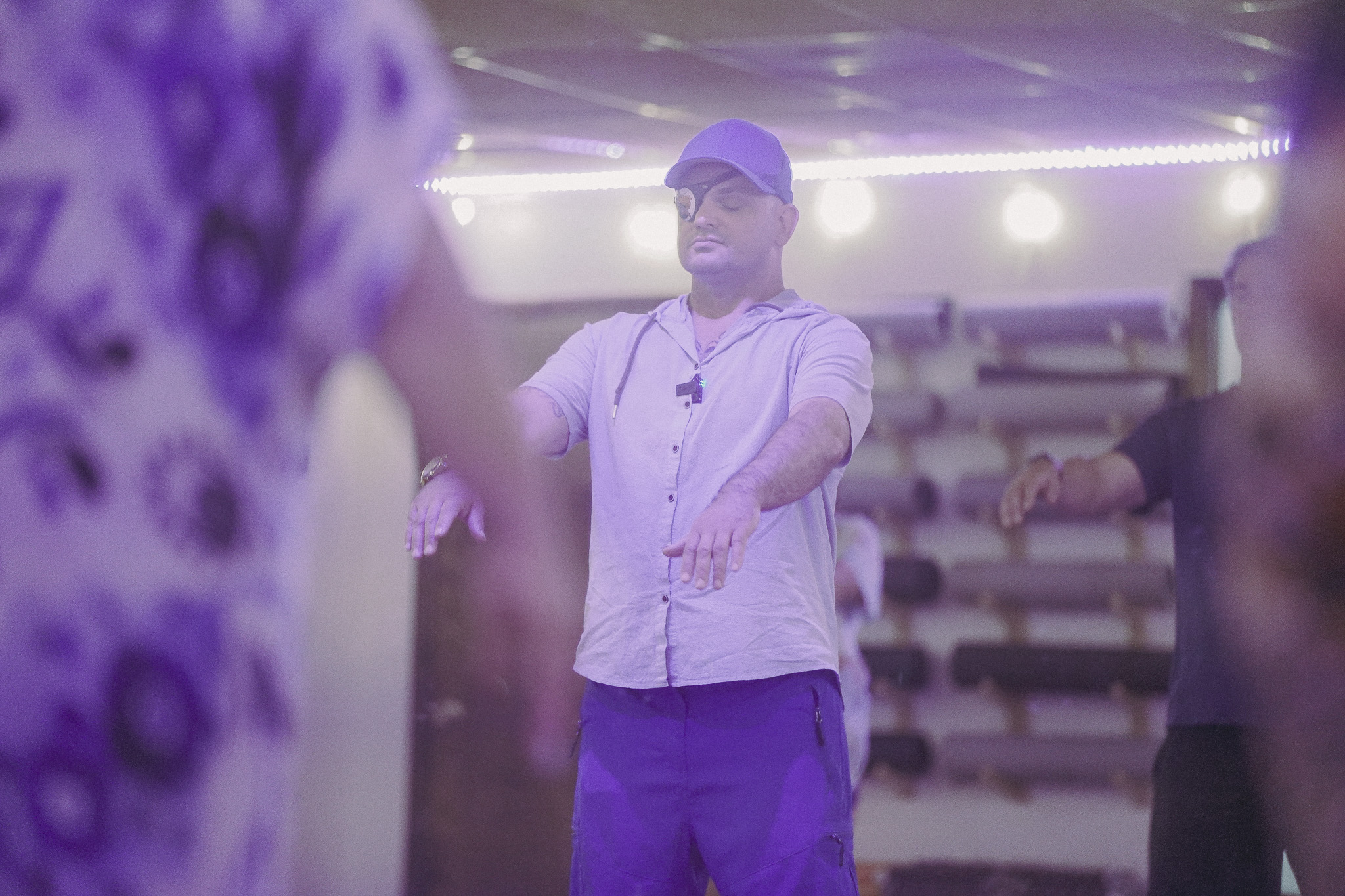
Stress can show up as over-effort
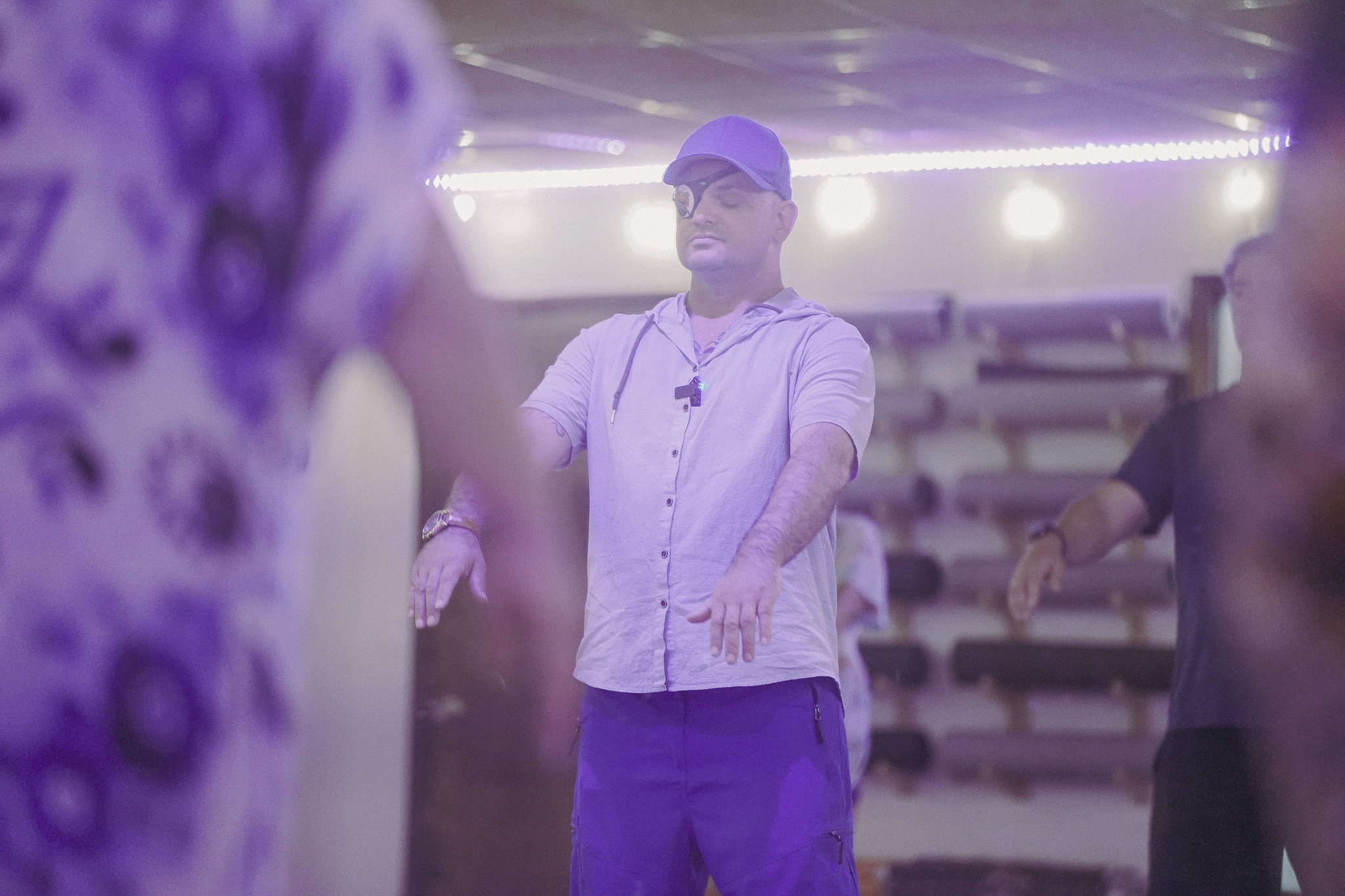
Another way stress lives in the body is through over-effort. A person may use more force than necessary, grip the hands, tighten the shoulders, lock the knees, or try to control every detail of the movement. This pattern can show up clearly in Tai Chi because the practice does not require intensity. When the movement is gentle, unnecessary effort becomes easier to feel.
Over-effort in the body often connects to over-effort in life. A person may overthink decisions, overextend themselves for others, overwork when tired, over-explain in relationships, or try to control outcomes that cannot fully be controlled. The body may reflect that same pattern through tension and force.
Tai Chi helps people notice where effort is needed and where effort has become excessive. This is not about becoming passive or careless. It is about learning the difference between intentional effort and unnecessary tension. That difference can support both movement practice and daily life.
Stress can live in the body as the habit of trying harder than the moment actually requires.
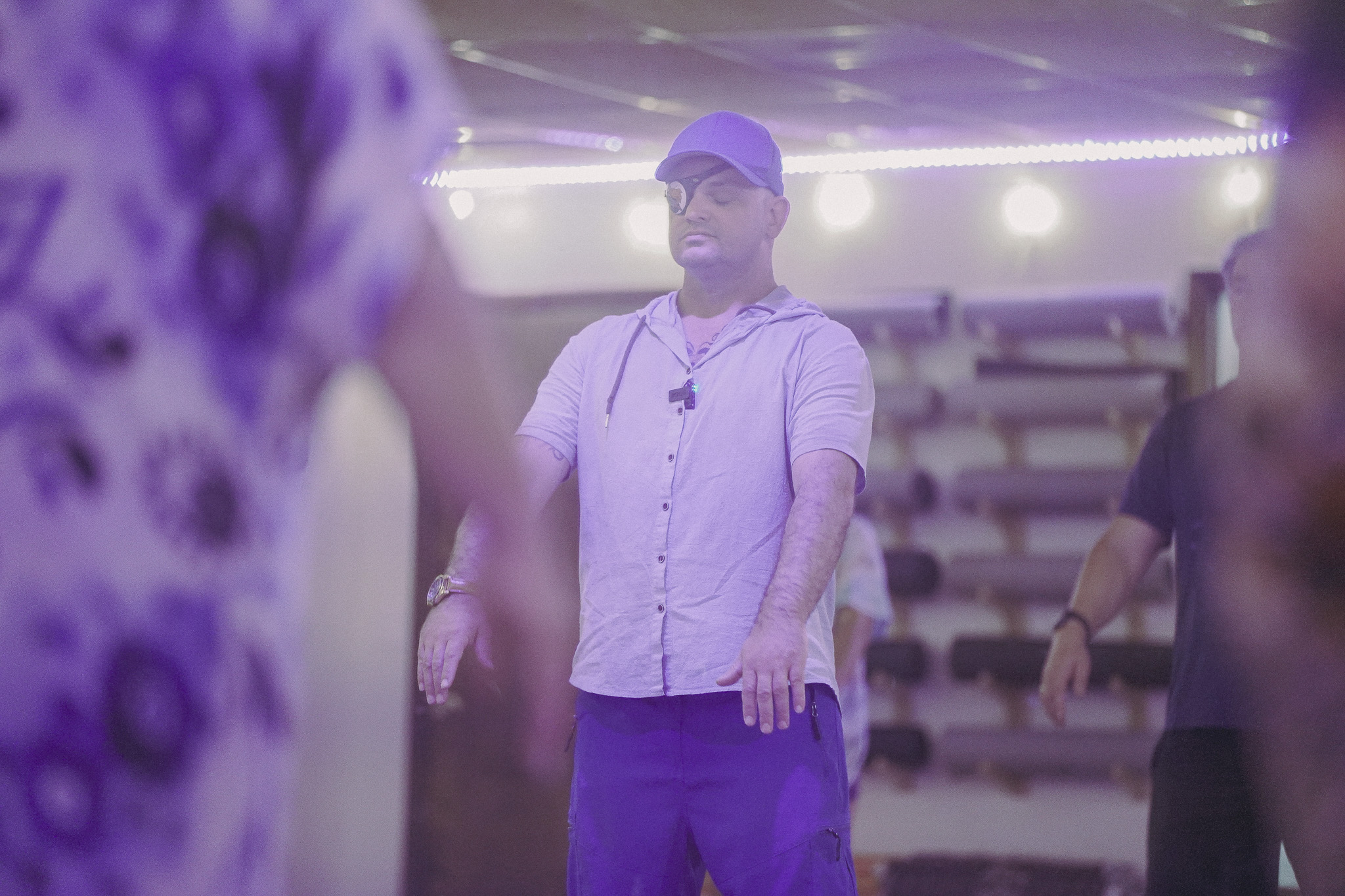
Slow movement can reveal where the body is using more effort, tension, or control than needed.
Fatigue and heaviness are also stress signals
Stress does not always feel active. Sometimes it feels heavy. A person may feel physically tired, mentally foggy, emotionally flat, or less connected to the body. They may have been carrying stress for so long that the body no longer feels energized by urgency. Instead, it feels depleted.
Tai Chi can help people notice this kind of stress because the practice is gentle enough to meet the body without demanding high intensity. As the body begins moving slowly, a person may recognize fatigue, stiffness, heaviness, or a lack of connection. These signals may reveal that the body has been asking for care in quieter ways.
This is important because many people only identify stress when it feels intense. They may overlook the slower signs: exhaustion, low motivation, difficulty settling, body heaviness, or the sense of being disconnected from themselves. Tai Chi creates a space where these signals can be noticed without judgment.
Stress does not always appear as intensity. Sometimes it lives in the body as heaviness, fatigue, or the feeling of being disconnected from yourself.
Tai Chi helps you notice stress without judging yourself for it
For some people, noticing stress can quickly turn into self-criticism. They may judge themselves for being tense, distracted, tired, overwhelmed, or unable to relax. This kind of judgment can add another layer of stress to the original stress.
Tai Chi offers a different approach. The practice invites observation rather than criticism. If the breath is shallow, that is information. If the shoulders are tense, that is information. If the body is rushing, that is information. If balance feels unsteady, that is information. These signals do not need to become proof that something is wrong with the person.
This is one of the most important parts of body awareness. The goal is not to shame the body for carrying stress. The goal is to learn how stress shows up so it can be met earlier, with more care and more choice.
Stress signals are not personal failures. They are information from the body asking to be noticed.


Noticing stress earlier creates more room to respond
One of the benefits of body awareness is that it can help people recognize stress before it becomes overwhelming. If someone only notices stress after they are exhausted, reactive, shut down, or physically uncomfortable, their options may feel limited. Earlier awareness can create more room.
Tai Chi helps build earlier awareness by repeatedly bringing attention back to the body. Over time, a person may begin noticing physical stress signals sooner. They may recognize when the breath changes, when the jaw tightens, when the shoulders lift, or when the body starts rushing through a transition.
Once those signals are noticed, the person may have more choice. They may pause, breathe, soften unnecessary tension, move more slowly, ask for support, take a break, or respond with more intention. This is how Tai Chi becomes practical beyond the class itself.
When you notice stress earlier, you have more opportunity to respond before the body has to become louder to get your attention.
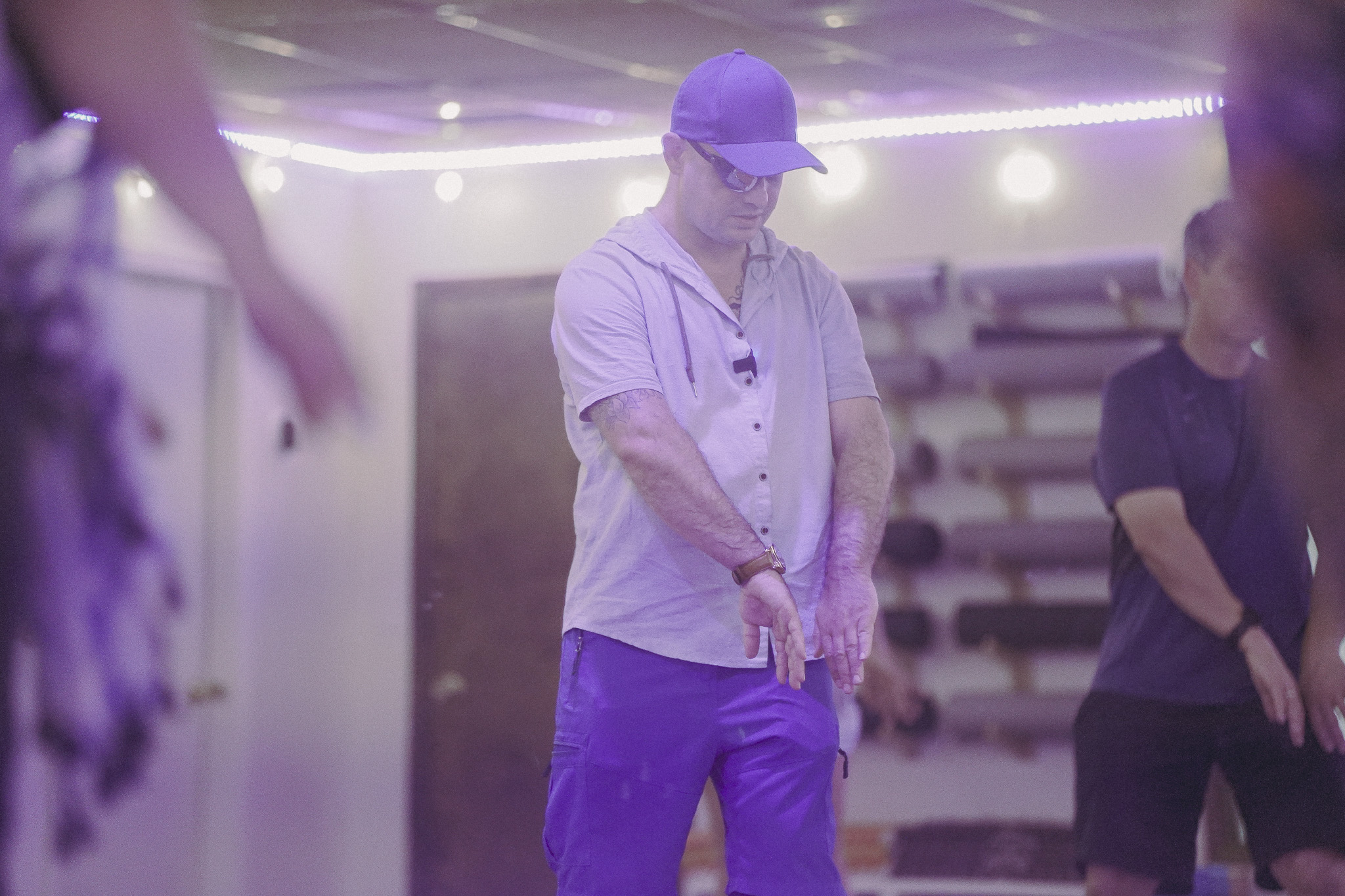
Tai Chi can help people recognize physical stress signals earlier, which may support more intentional responses in daily life.
How this awareness can support daily life
The awareness developed in Tai Chi can begin to show up outside of class. A person may notice shallow breathing while working, shoulder tension during a difficult conversation, jaw clenching while concentrating, or a rushed pace during a transition from one responsibility to another.
These moments are meaningful because they make stress more visible. Instead of only realizing stress after it becomes overwhelming, a person can begin to recognize the early physical signs. This can support small but important choices throughout the day.
A person may take one slower breath before responding to a message, feel their feet before entering a conversation, release the shoulders during a work task, or pause before saying yes to another commitment. These small responses can help the body feel less ignored and more supported.
At Work
You may notice shallow breathing, shoulder tension, or mental rushing before stress becomes harder to manage.
In Relationships
You may recognize jaw tension, defensiveness, or physical activation before responding automatically.
During Transitions
You may slow down when moving from one task, role, or emotional state into another.
Before Rest
You may notice whether the body is actually settling or still carrying the speed of the day.
Tai Chi is not a replacement for medical or mental health care
Tai Chi can be a supportive wellness practice for body awareness, mindfulness, stress awareness, gentle movement, balance, and emotional wellbeing, but it is not a replacement for medical care, physical therapy, therapy, medication, psychiatric support, trauma-informed treatment, or crisis services. If someone is experiencing persistent pain, significant distress, panic, depression, trauma symptoms, thoughts of self-harm, or difficulty functioning, support from qualified professionals may be necessary.
At the same time, many people benefit from practices that help them notice stress signals earlier and build a more compassionate relationship with the body. Tai Chi can be one supportive part of a broader care routine because it offers a gentle and repeatable way to practice slowing down, breathing, grounding, and listening to physical signals.
The value of Tai Chi is not that it removes every stressor or solves every problem. Its value is that it gives people a practical way to recognize how stress shows up in the body so they can respond with more awareness over time.
Tai Chi can support stress awareness as part of a broader wellness routine, but it should not replace professional support when professional care is needed.
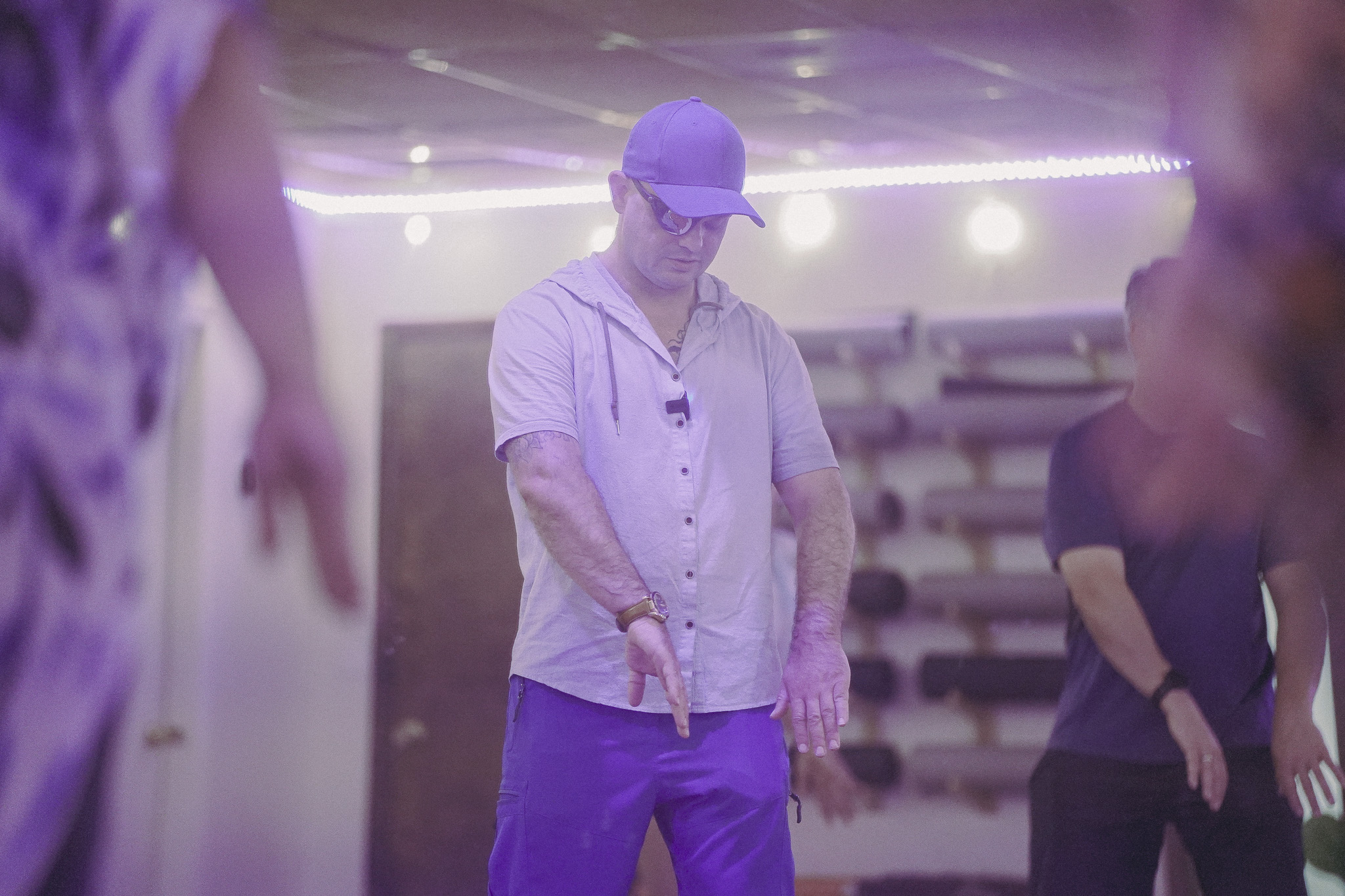
Tai Chi and The Healing Tree Collective
At The Healing Tree Collective, we understand that many people are carrying stress in their bodies without realizing how much they have been holding. They may feel mentally busy, physically tense, emotionally full, or disconnected from themselves after long seasons of pushing through.
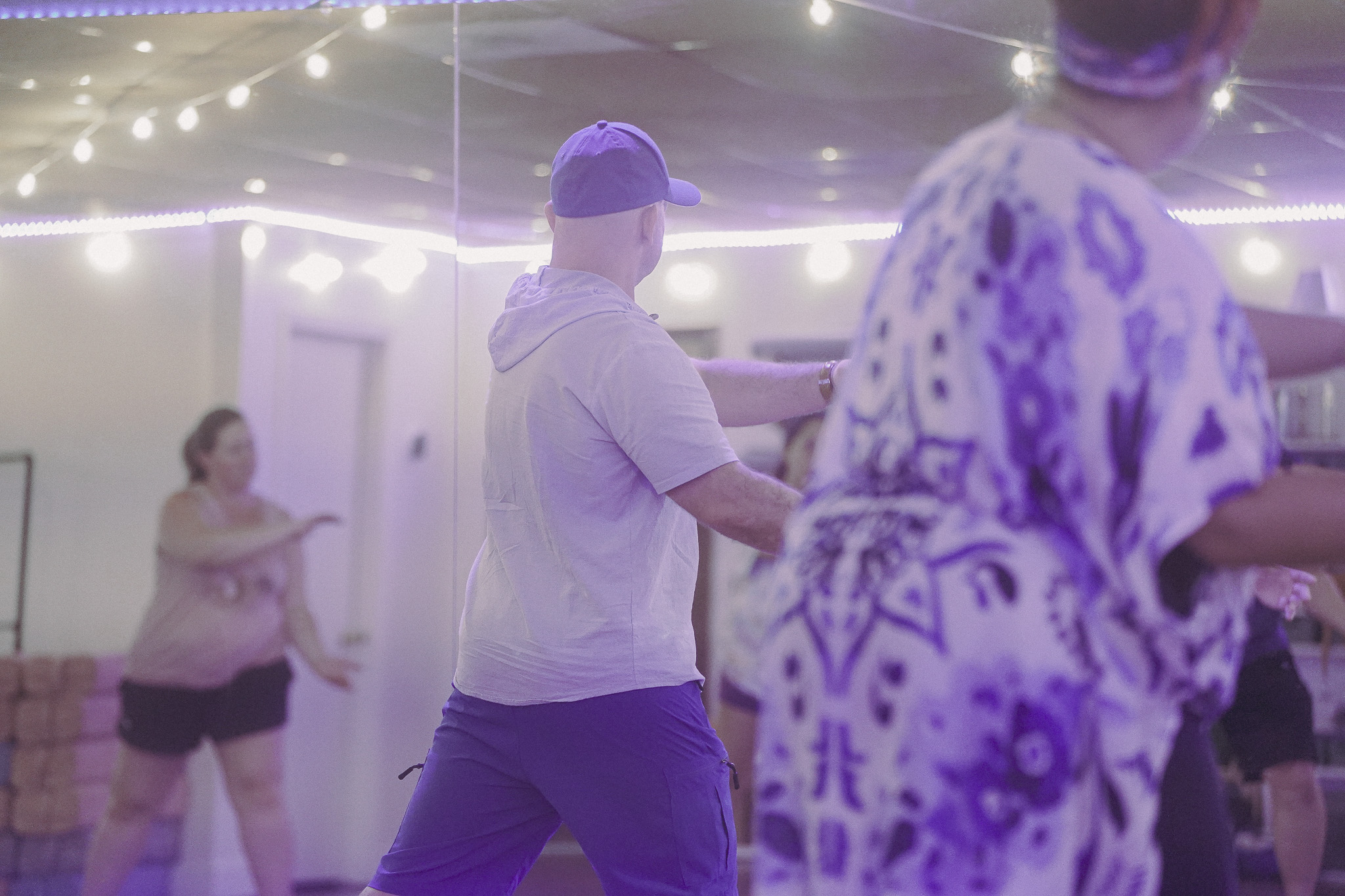
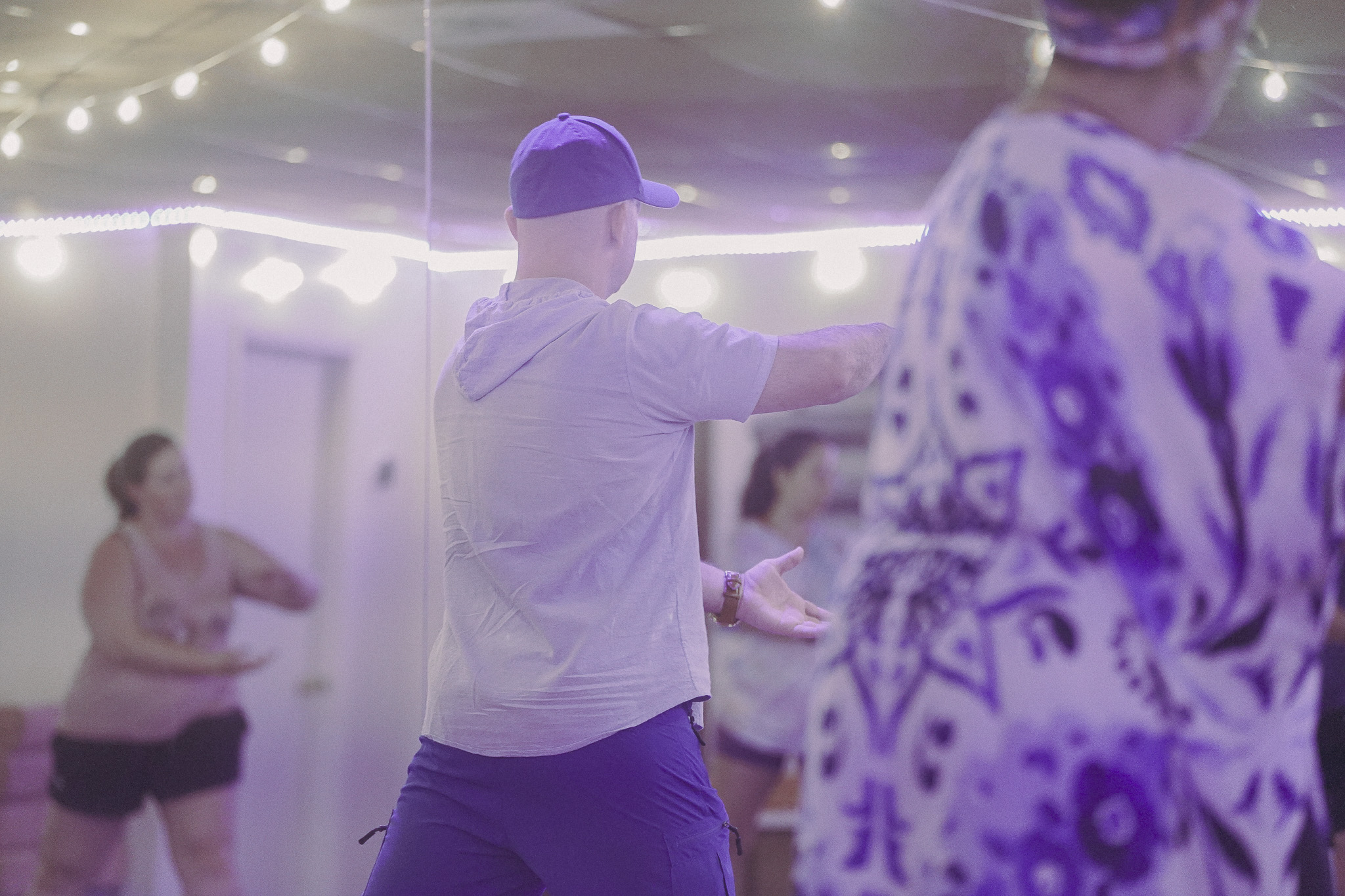
Tai Chi fits naturally into our approach because it gives people a gentle way to slow down and notice. The practice does not require prior experience, advanced flexibility, athletic ability, or a perfectly calm mind. It invites people to feel their feet, notice the breath, observe tension, practice balance, and move with more awareness.
Our mission is to create accessible wellness spaces where people can heal, grow, and reconnect with themselves through practices that feel supportive, educational, and real. Tai Chi supports that mission because it helps people recognize the physical language of stress and begin listening to the body with more patience and care.
At The Healing Tree Collective, Tai Chi is offered as a body-based practice for noticing stress, rebuilding awareness, and returning to yourself through breath, balance, and movement.
Final thoughts: stress often lives in the body before we realize it
Tai Chi helps people notice the way stress lives in the body by slowing movement down enough to reveal breath patterns, tension, rushing, balance changes, posture habits, fatigue, and over-effort. These physical signals often appear before stress becomes overwhelming, but they can be easy to miss when life is moving quickly.
The goal is not to judge the body for carrying stress. The goal is to listen. When stress signals are noticed earlier, the body has more opportunity to receive support before it has to become louder through discomfort, exhaustion, or overwhelm.
For people who feel disconnected from their bodies, mentally overloaded, physically tense, or unsure how to begin slowing down, Tai Chi offers a practical and gentle place to start. The body is already speaking. Tai Chi helps create the space to hear it.
Tai Chi helps you notice how stress lives in your body so you can begin responding with more awareness, patience, and care.
Looking for Tai Chi for stress awareness in Tempe, Arizona?
At The Healing Tree Collective, our beginner-friendly wellness classes are designed to support stress relief, mindfulness, body awareness, and deeper connection. If you are curious about Tai Chi, body awareness, moving meditation, or gentle movement practices for stress support, you are welcome to begin here.