21 July 2026
How Tai Chi Helps You Slow Down in a World That Keeps Rushing You
Most people are not only busy. They are being constantly trained to move faster. Faster responses, faster decisions, faster productivity, faster communication, faster healing, faster results, and faster transitions from one responsibility to the next.
Over time, that pace can become so familiar that the body starts to treat rushing as normal. The breath shortens. The shoulders stay lifted. The mind jumps ahead. Rest feels uncomfortable. Even when there is no immediate emergency, the body may still move as if there is not enough time.
Tai Chi helps you slow down by giving the body a different rhythm to practice. Through gentle movement, breath awareness, grounding, balance, and repetition, Tai Chi teaches the body and mind how to return to a steadier pace in a world that keeps asking you to rush.
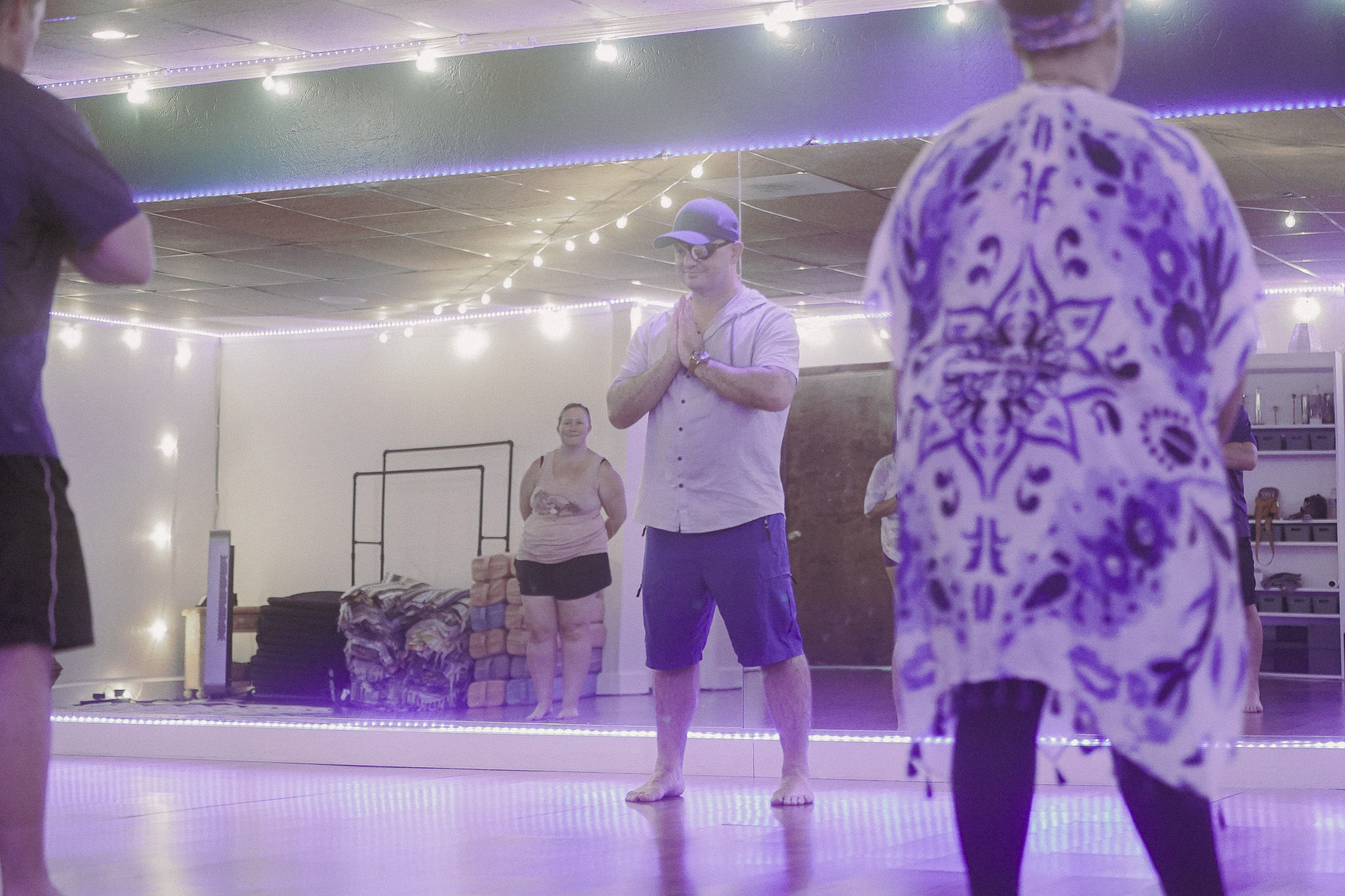
Tai Chi gives the body a slower rhythm to practice through breath, grounding, balance, and intentional movement.
Tai Chi may help you slow down by helping you:
Practice a different pace through the body, not just through thought.
- Notice when the body is rushing
- Reconnect with the breath
- Feel your feet and the ground
- Move one transition at a time
- Practice patience with your body
- Return attention when the mind jumps ahead
- Experience slowness without pressure or performance
Rushing can become a body habit
Rushing is not only a scheduling problem. It can become a body habit. When life repeatedly asks a person to move quickly, respond immediately, manage multiple responsibilities, and stay available to constant stimulation, the body can begin carrying urgency even when the moment itself is not urgent.
This may show up as shallow breathing, tight shoulders, a clenched jaw, a forward-leaning posture, impatience, restlessness, or difficulty settling down at the end of the day. A person may sit down to rest, but the body still feels like it is moving. They may finish one task, but the mind is already preparing for the next one.
Tai Chi helps reveal this pattern because the practice moves slowly enough for rushing to become noticeable. When the body wants to speed up, skip ahead, or finish the movement quickly, that reaction becomes information. The practice gives people an opportunity to notice urgency instead of automatically obeying it.
Sometimes the world rushes us for so long that the body starts to rush even when there is nowhere urgent to go.
Slowing down is not the same as doing nothing
Many people associate slowing down with stopping, giving up, becoming lazy, or losing momentum. This belief can make rest and slower practices feel uncomfortable. If someone has learned to measure their worth through productivity, slowing down may feel like they are falling behind.
Tai Chi offers a different understanding of slowness. In Tai Chi, slowing down does not mean becoming inactive. It means becoming more aware. The body is still moving, but the movement is intentional. The mind is still participating, but attention becomes more focused. The breath is still present, but it becomes easier to notice.
This can be an important lesson for people who feel uncomfortable with stillness. Tai Chi shows that slowing down can be active, engaged, and meaningful. The practice is not about doing nothing. It is about doing one thing with more attention.
Slowness in Tai Chi is not emptiness. It is movement with awareness.
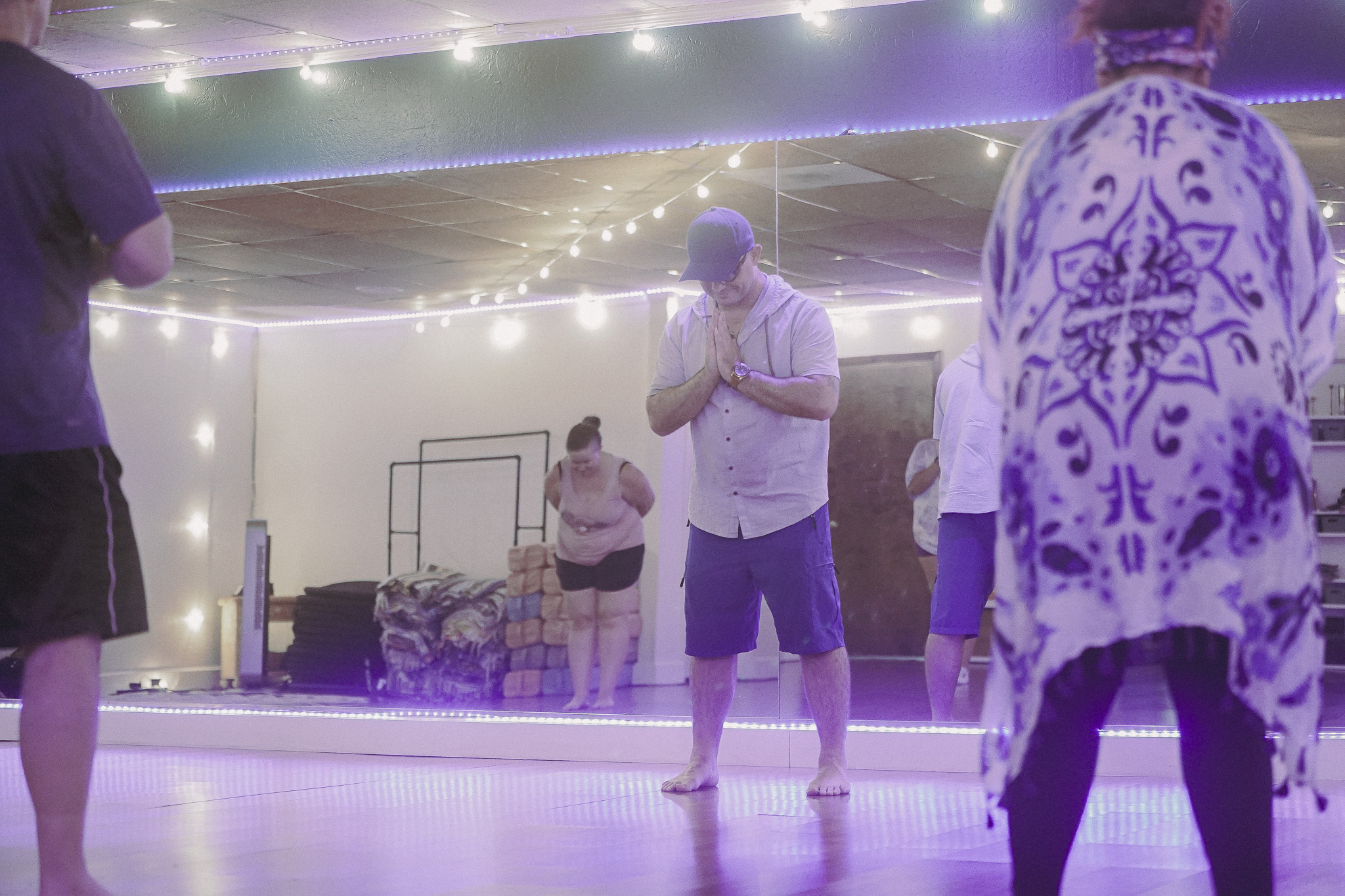
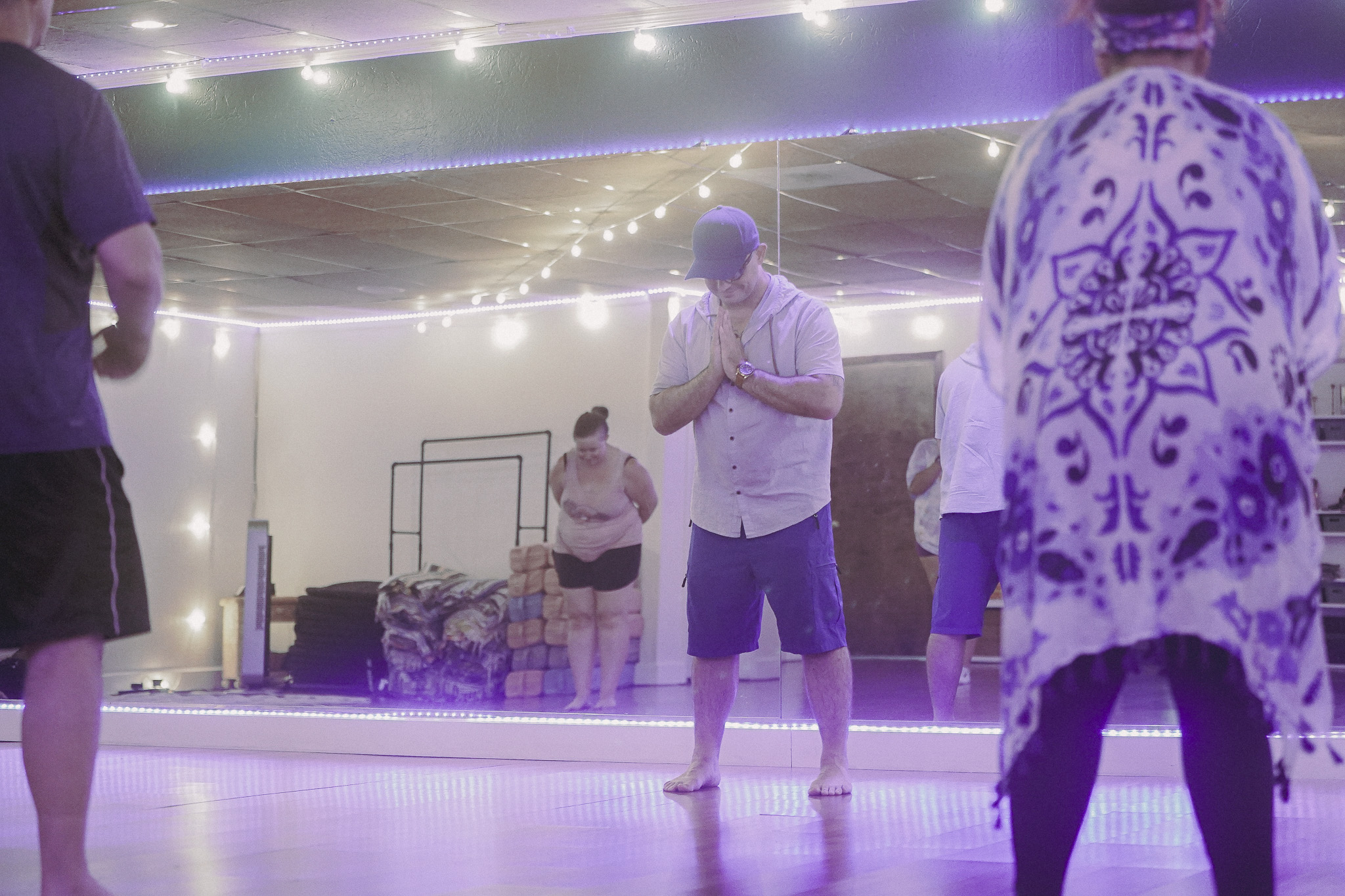
Tai Chi gives the nervous system a slower rhythm to practice
When the body is used to urgency, slowing down can feel unfamiliar. A slower pace may even feel uncomfortable at first because the body has adapted to speed, stimulation, and constant readiness. This does not mean slowness is wrong. It means the body may need repeated experiences of a different rhythm.
Tai Chi provides that rhythm through slow movement, breath awareness, and steady transitions. The practice gives the body a chance to experience movement without rushing, focus without pressure, and effort without intensity. Over time, this repeated rhythm can help slowness feel less foreign.
This is one reason consistency matters. One class may introduce the body to a different pace, but repeated practice helps the body recognize it. The more often the body practices slowing down, the more familiar that state can become.
Tai Chi helps the body practice a slower rhythm until slowing down begins to feel less unfamiliar.
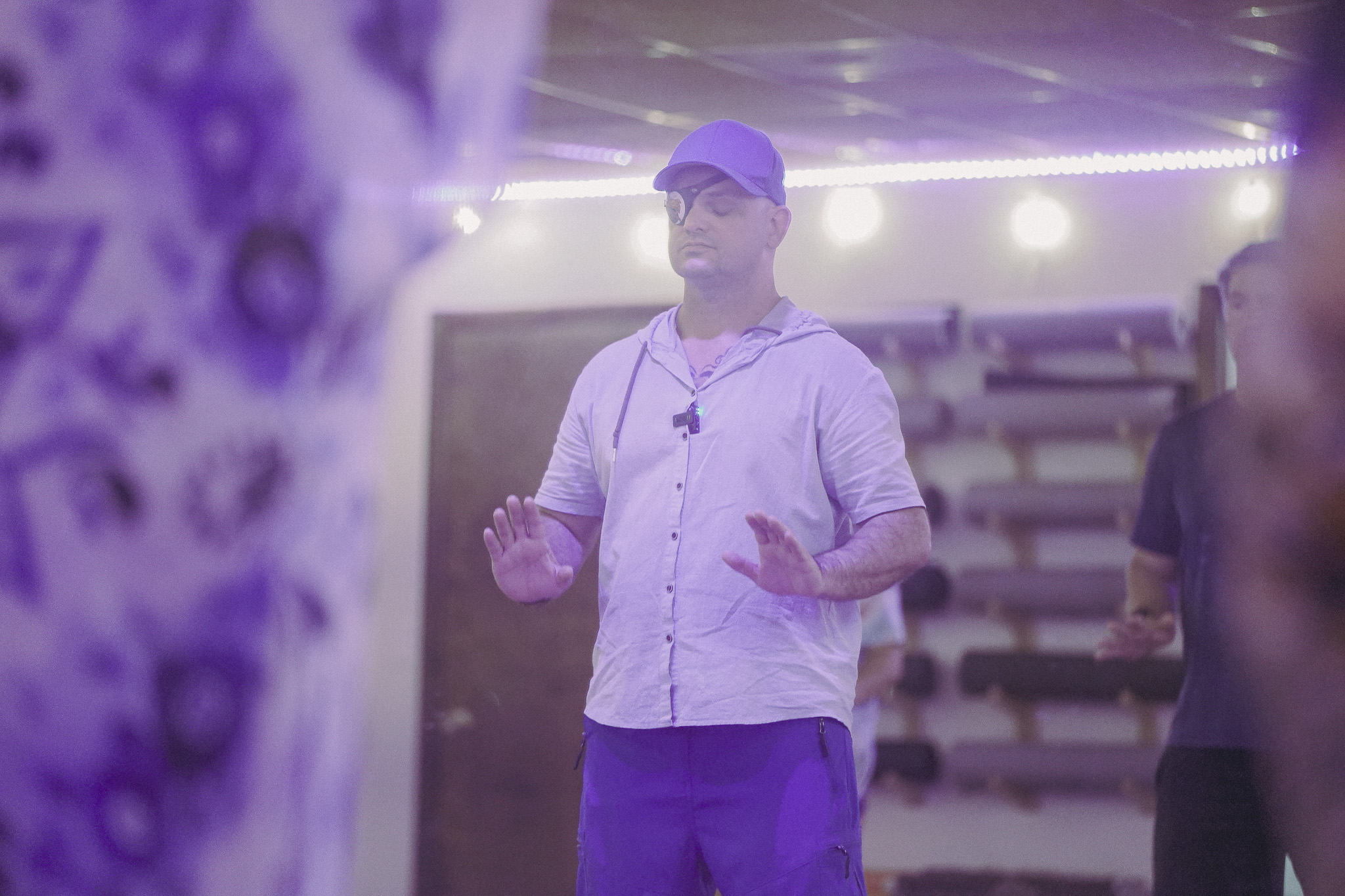
Tai Chi creates repeated experiences of moving slowly, breathing with awareness, and returning to the present moment.
The breath reveals when you are moving too fast
The breath often shows when the body is rushing before the mind recognizes it. During stress or urgency, the breath may become shallow, held, tight, or fast. Many people do not notice because attention is focused on the next task, the next message, or the next problem to solve.
In Tai Chi, the slow pace makes the breath easier to observe. A practitioner may notice that they hold their breath while concentrating, lose track of the breath when learning a movement, or breathe more freely when the body begins to settle into the rhythm. These observations can become practical tools for daily life.
When someone learns to notice the breath during Tai Chi, they may begin recognizing breath patterns outside of class. A shallow breath during work, a held breath during a difficult conversation, or a tight breath while trying to make a decision may become signals that the body is rushing or bracing.
The breath can show you when the body is moving at the speed of stress.
Shallow Breath
May reveal stress, urgency, mental overload, or the feeling of needing to keep up.
Held Breath
May appear during concentration, pressure, uncertainty, or the attempt to control the moment.
Noticed Breath
Can become a simple way to return attention to the present moment and the body.
Slower Breath
May become more available as the body practices a rhythm that does not require rushing.
Slow movement helps you feel the present moment
When life moves quickly, the present moment can become difficult to feel. The body may be here, but the mind is already ahead. It may be planning the next task, reviewing what just happened, or preparing for what might go wrong. This creates a disconnect between where the body is and where attention is.
Tai Chi helps bring attention back by making the present moment physical. The feet touch the ground. The weight shifts. The hands move through space. The breath comes and goes. The posture changes. These simple physical details give attention something real to follow.
This is why slow movement can be so supportive. It gives the mind fewer places to scatter and more opportunities to return. Instead of trying to force presence through thought, Tai Chi helps people feel presence through the body.
Slow movement brings you back to the present by giving attention something physical and immediate to stay with.
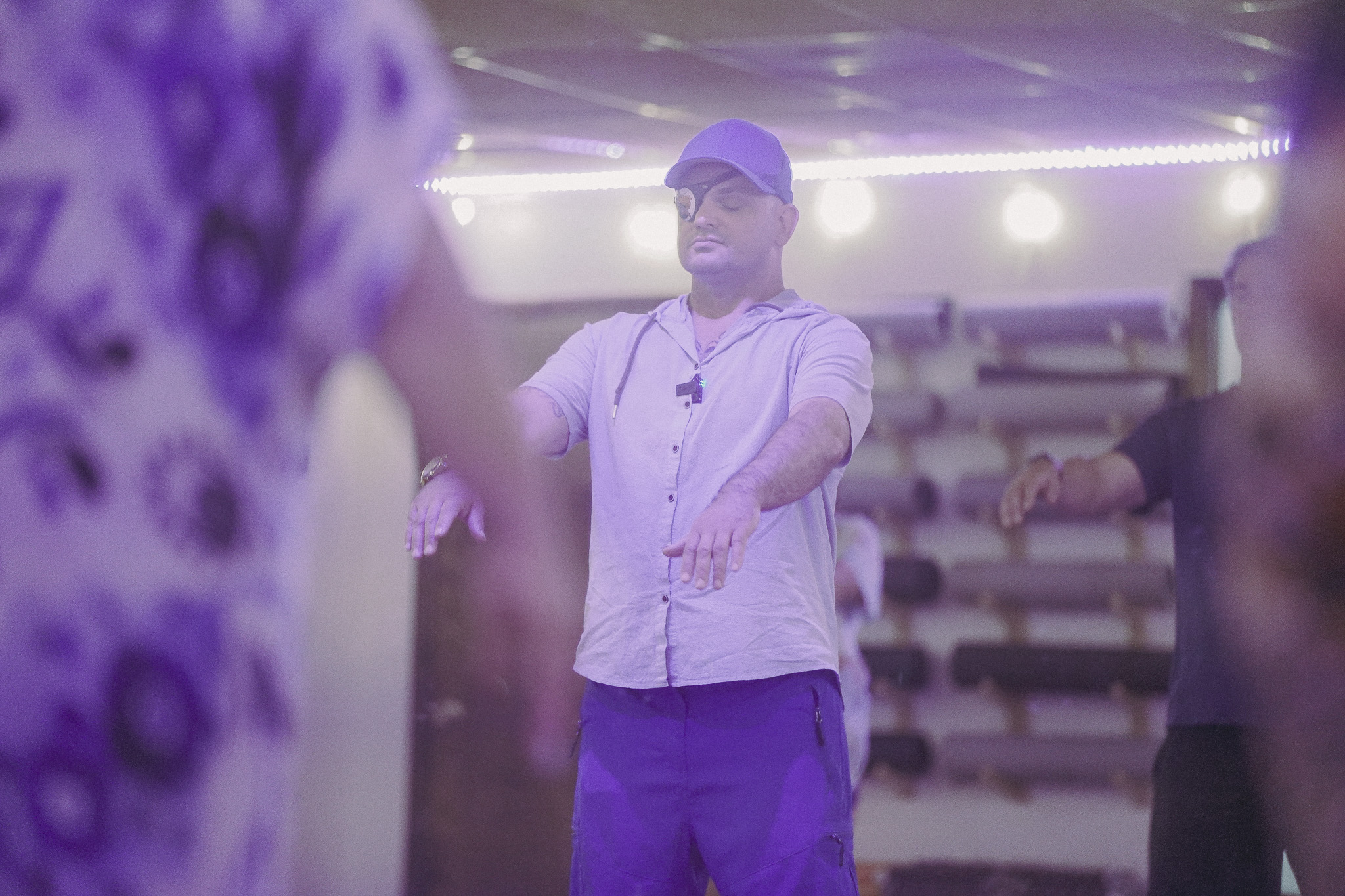
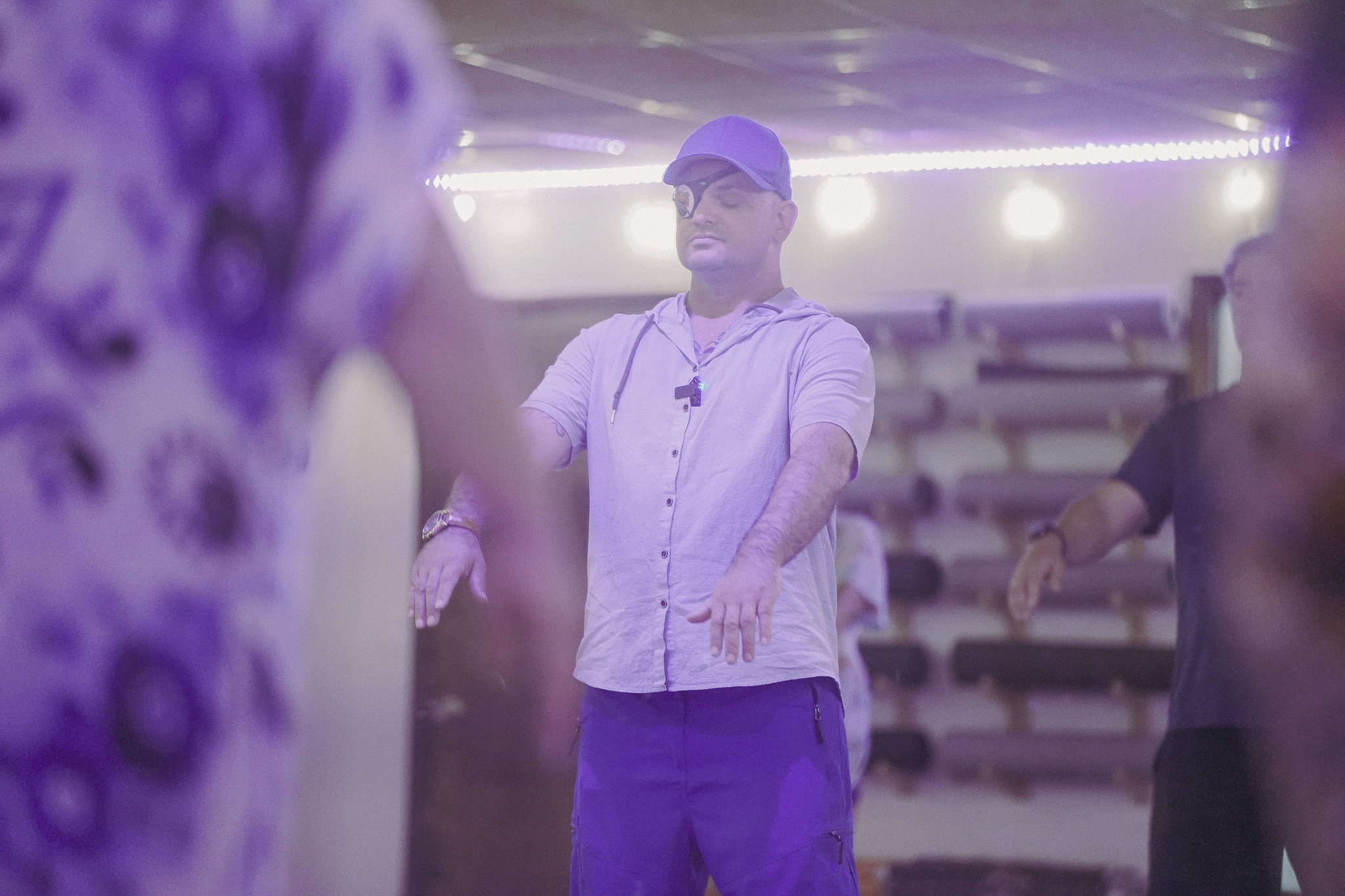
Tai Chi helps you notice the urge to jump ahead
One of the habits that Tai Chi often reveals is the urge to move ahead before the current movement is complete. This may happen physically, when the body rushes through a transition. It may happen mentally, when the mind starts thinking about the next posture before fully feeling the one that is happening now.
This pattern often reflects daily life. Many people move from one thing to the next without fully arriving. They may answer one email while thinking about the next meeting, listen to someone while preparing their response, or try to rest while mentally planning tomorrow.
Tai Chi helps people notice this habit gently. The practice does not shame the mind for moving ahead. It simply gives the person a chance to return. The movement becomes a place to practice staying with what is happening before rushing into what comes next.
Tai Chi teaches that the next moment does not need to be entered before this one has been felt.
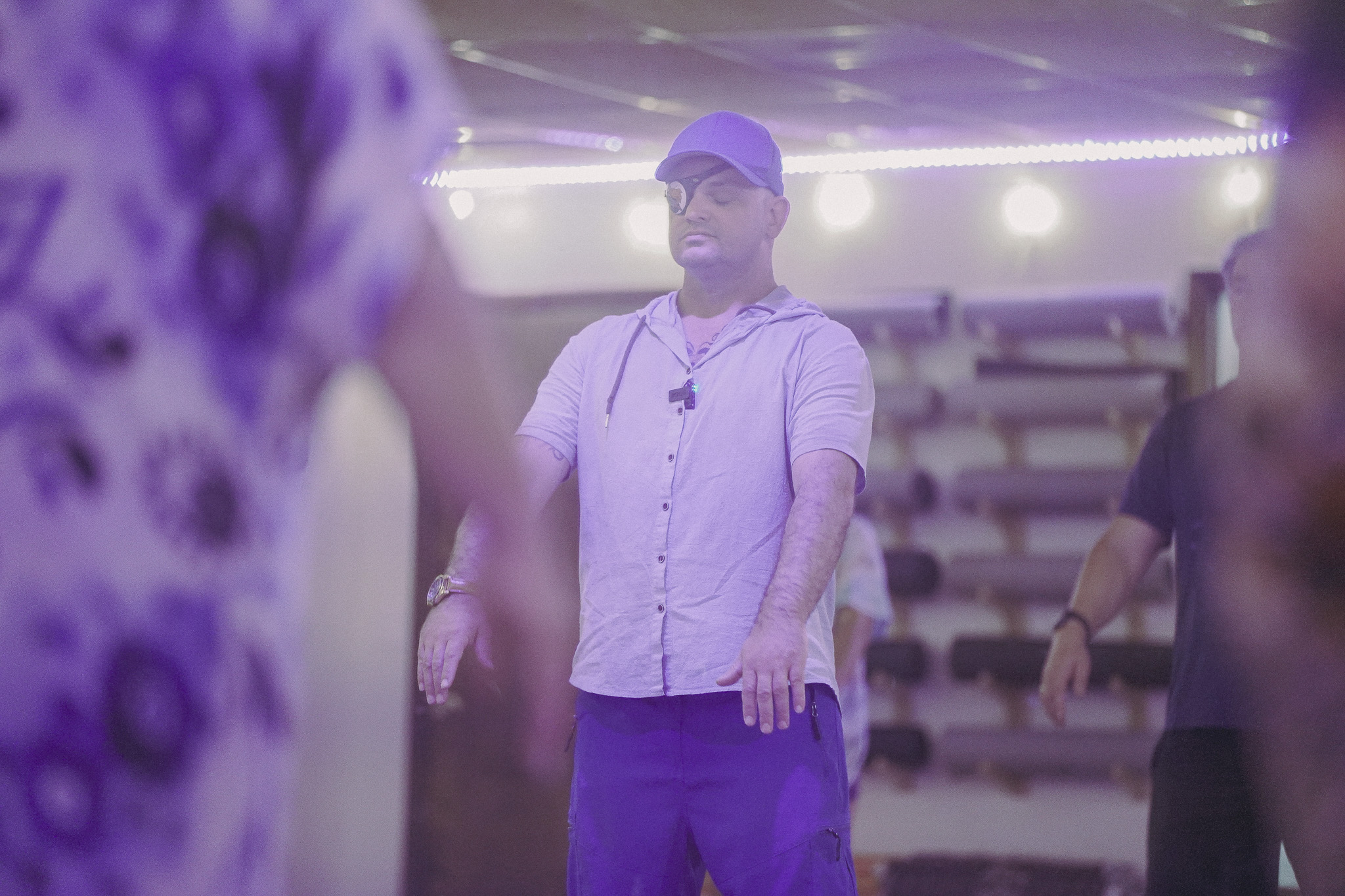
Tai Chi helps people practice staying with one movement, one breath, and one transition at a time.
Slowing down can feel uncomfortable at first
For people who are used to moving quickly, Tai Chi may feel uncomfortable in the beginning. The pace may feel too slow. The mind may become impatient. The body may feel restless. A person may wonder whether they are doing enough or whether the practice is supposed to feel more intense.
This discomfort can be important information. It may reveal how unfamiliar slowness has become. If the body is used to speed, stimulation, and urgency, a slower rhythm may feel strange simply because it is different. That does not mean the practice is not working. It may mean the body is meeting a pace it has not practiced in a while.
Tai Chi helps people build tolerance for slowness gradually. The goal is not to force the body into calm or demand immediate stillness. The goal is to return to the movement, breath, feet, and posture again and again until the body begins to trust the slower rhythm.
Sometimes slowness feels uncomfortable because the body has spent so much time adapting to speed.
The transitions are where Tai Chi teaches patience
In Tai Chi, the space between movements matters. A transition is not something to skip over quickly. It is part of the practice. The practitioner notices how weight shifts, how the breath changes, how the body prepares, and how attention stays connected during the movement from one posture into the next.
This can be a powerful lesson because many people rush through transitions in daily life. They move from work into home life without pausing, from stress into conversation without grounding, from one task into another without breathing, and from emotional activation into response without space.
Tai Chi teaches that transitions deserve attention. The way someone moves between moments affects how they arrive in the next one. By slowing down transitions in practice, a person can begin learning how to move through life transitions with more awareness and less automatic urgency.
The transition is where Tai Chi teaches you how to move from one moment into the next without abandoning yourself.


Slowing down can help you notice what speed has been covering
One reason slowing down can feel difficult is that speed often covers what has not had space to be felt. When people stay busy, they may not notice fatigue, grief, tension, uncertainty, sadness, overwhelm, or the quiet need for rest. Movement from one task to another can keep the body functioning, but not always connected.
Tai Chi creates enough space for some of those quieter signals to become visible. A person may notice that the body is tired, that the breath has been shallow, that the shoulders have been tense, or that they have been moving through the day without fully feeling themselves.
This awareness may be uncomfortable at first, but it can also be supportive. The goal is not to flood the body with everything at once. The goal is to listen earlier, before stress, exhaustion, or disconnection becomes harder to ignore.
Slowing down can reveal what speed has been covering, giving the body a chance to be heard before it has to become louder.
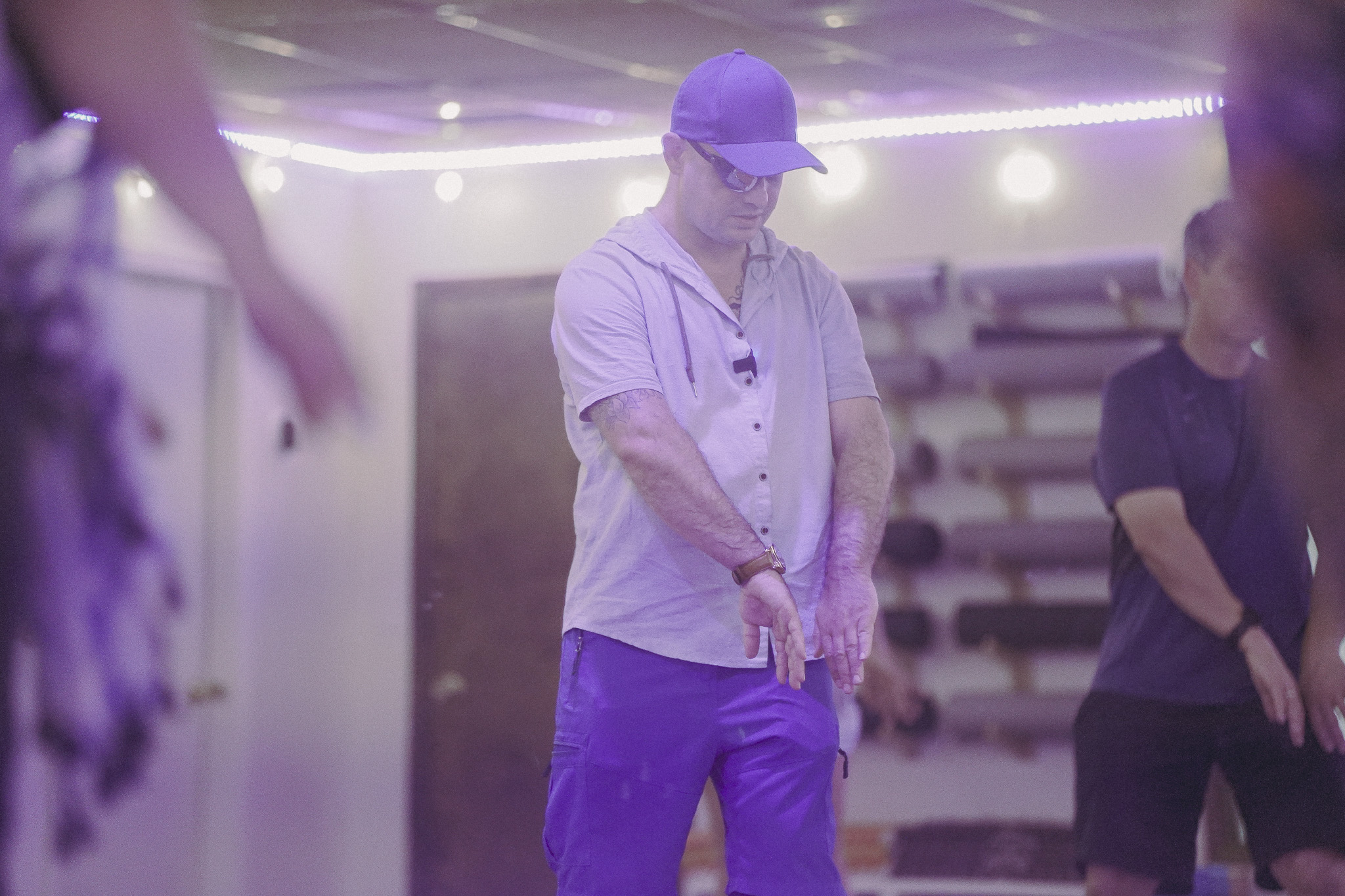
The slower pace of Tai Chi can help people notice breath, tension, fatigue, and the body’s need for support.
Tai Chi teaches that slower can still be strong
In a culture that often celebrates intensity, speed, and productivity, slower practices may be misunderstood. People may assume that if something is gentle, it is not powerful. They may think that if movement is slow, it is not doing much. Tai Chi challenges that assumption.
Slow movement requires attention. It asks the practitioner to stay present, coordinate the body, notice balance, regulate effort, observe the breath, and remain patient through transitions. This is not passive. It is a different kind of strength.
Tai Chi teaches that strength is not only found in pushing harder. It can also be found in control, awareness, patience, balance, steadiness, and the ability to remain connected when the body wants to rush. For people who are used to force, this can be an important and healing lesson.
Slower does not mean weaker. In Tai Chi, slowness can reveal strength, control, patience, and awareness.
Slower Breath
Can help you notice when the body is rushing, bracing, or trying to keep up.
Slower Movement
Can reveal tension, balance, coordination, posture, and the quality of your attention.
Slower Transitions
Can help you practice patience between one moment and the next.
Slower Responses
Can support daily life by creating space before reacting automatically.
How slowing down in Tai Chi can support daily life
The slower rhythm practiced in Tai Chi can begin to influence ordinary moments outside of class. A person may notice when they are rushing through a work task, holding the breath during a conversation, moving too quickly between responsibilities, or trying to rest while the body still feels activated.
These moments create opportunities to apply the practice. A person may pause before responding, breathe before continuing, feel the feet before entering a meeting, soften the shoulders before speaking, or take a slower transition between work and home life.
This is where Tai Chi becomes practical. The practice does not only teach someone to move slowly inside a class. It helps the body recognize speed, urgency, and rushing in daily life so there is more possibility for choice.
At Work
You may notice when productivity pressure is making your breath shallow or your body tense.
In Conversations
You may slow down before responding from defensiveness, pressure, or emotional activation.
During Transitions
You may give yourself a moment to arrive before moving from one role or responsibility into another.
Before Rest
You may notice whether your body has actually slowed down or is still carrying the pace of the day.
Tai Chi is not a replacement for medical or mental health care
Tai Chi can be a supportive wellness practice for mindfulness, gentle movement, breath awareness, grounding, balance, body awareness, stress awareness, and emotional wellbeing, but it is not a replacement for medical care, physical therapy, therapy, medication, psychiatric support, trauma-informed treatment, or crisis services. If someone is experiencing persistent pain, significant distress, panic, depression, trauma symptoms, thoughts of self-harm, or difficulty functioning, support from qualified professionals may be necessary.
At the same time, many people benefit from practices that help them slow down, reconnect with the body, and build a more compassionate relationship with stress and urgency. Tai Chi can be one supportive part of a broader care routine because it offers a gentle, structured, and repeatable way to practice a slower rhythm.
The value of Tai Chi is not that it removes every responsibility or makes life stop moving quickly. Its value is that it gives people a place to practice not matching the speed of everything around them.
Tai Chi can support stress awareness and body connection as part of a broader wellness routine, but it should not replace professional care when professional support is needed.
Tai Chi and The Healing Tree Collective
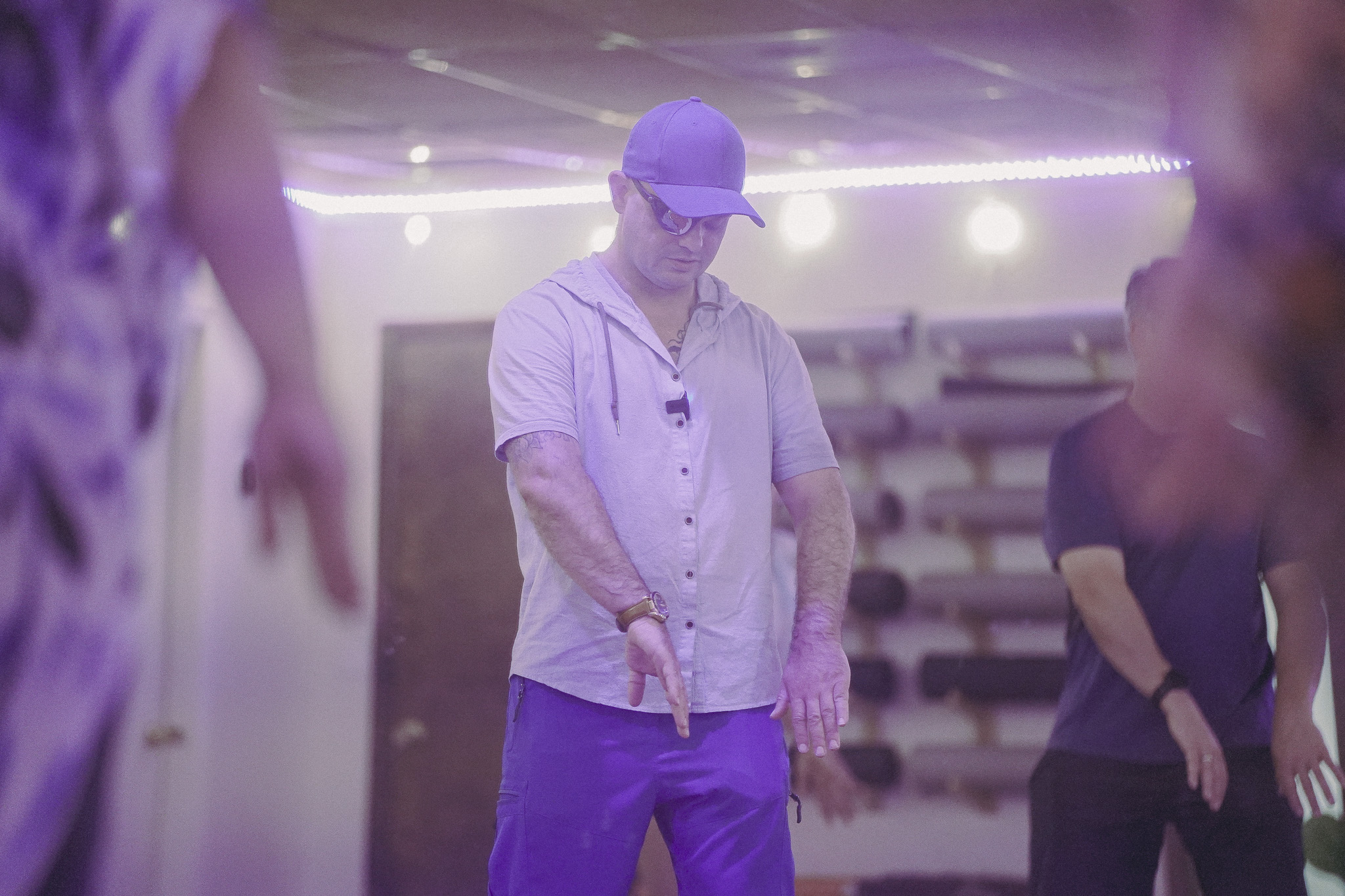
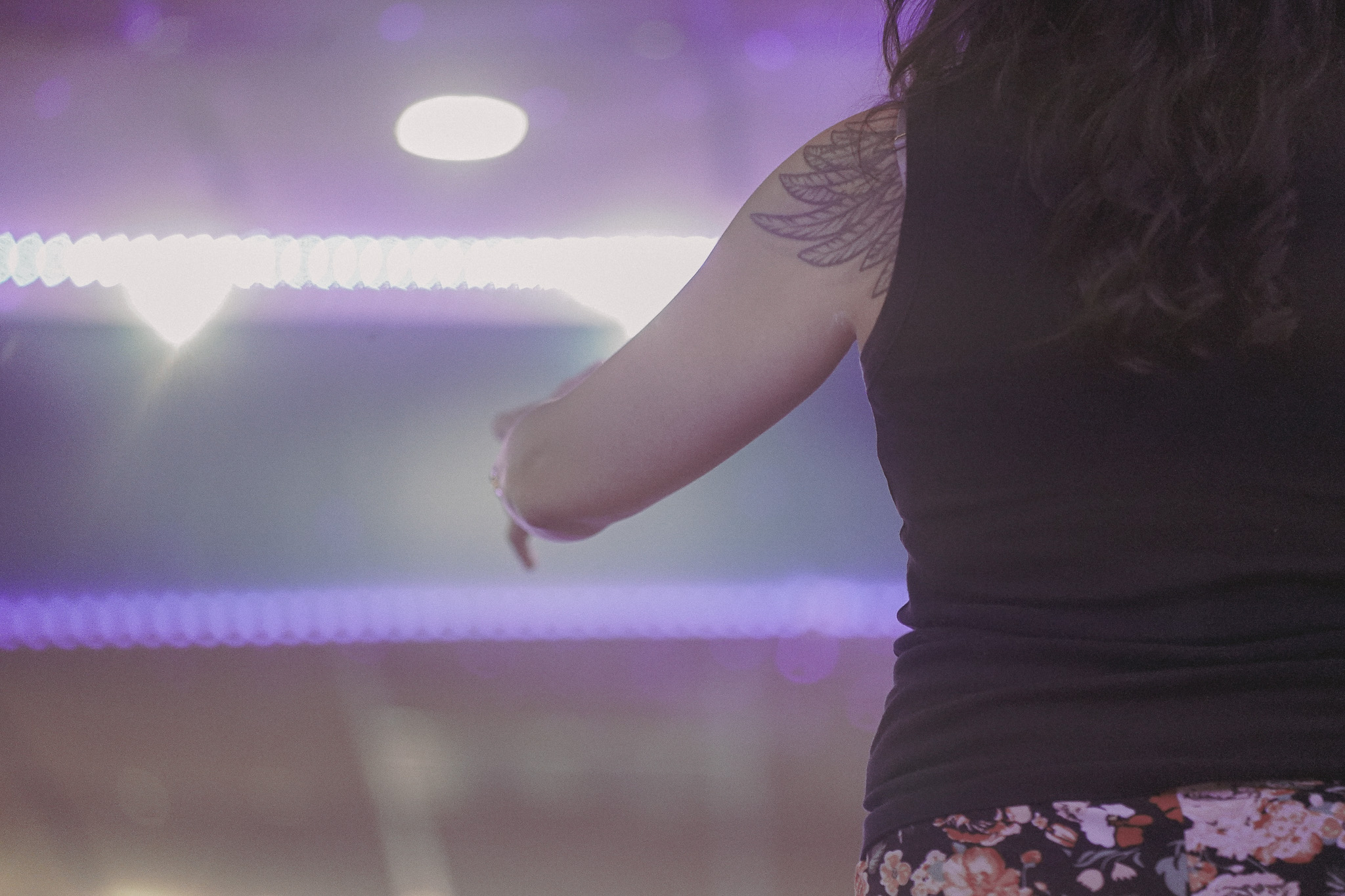
At The Healing Tree Collective, we understand that many people are not simply tired. They are rushed from the inside. They may feel mentally busy, physically tense, emotionally full, overstimulated, or disconnected from the body after long seasons of moving quickly and carrying responsibility.
Tai Chi fits naturally into our approach because it gives people a practice for slowing down without needing to stop completely. It does not require prior experience, advanced flexibility, athletic ability, or a perfectly calm mind. The practice invites people to breathe, feel the feet, move slowly, notice tension, and return to a steadier rhythm.
Our mission is to create accessible wellness spaces where people can heal, grow, and reconnect with themselves through practices that feel supportive, educational, and real. Tai Chi supports that mission because it helps people practice a pace that is more connected, more present, and more aligned with the body’s need for awareness and care.
At The Healing Tree Collective, Tai Chi is offered as a practice of slowing down: a way to step out of urgency and return to breath, body, presence, and a more sustainable rhythm.
Final thoughts: slowing down is something the body can practice
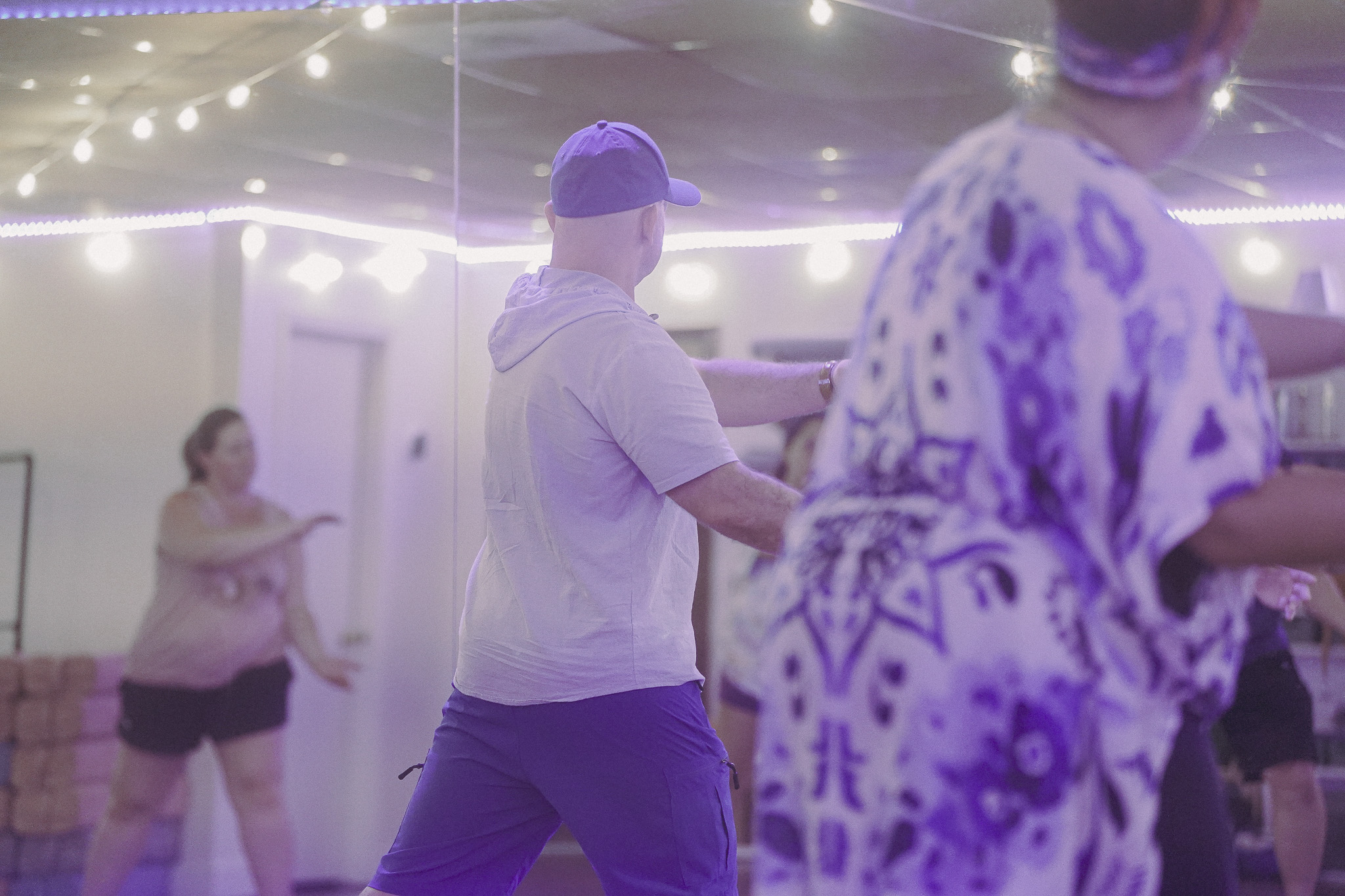
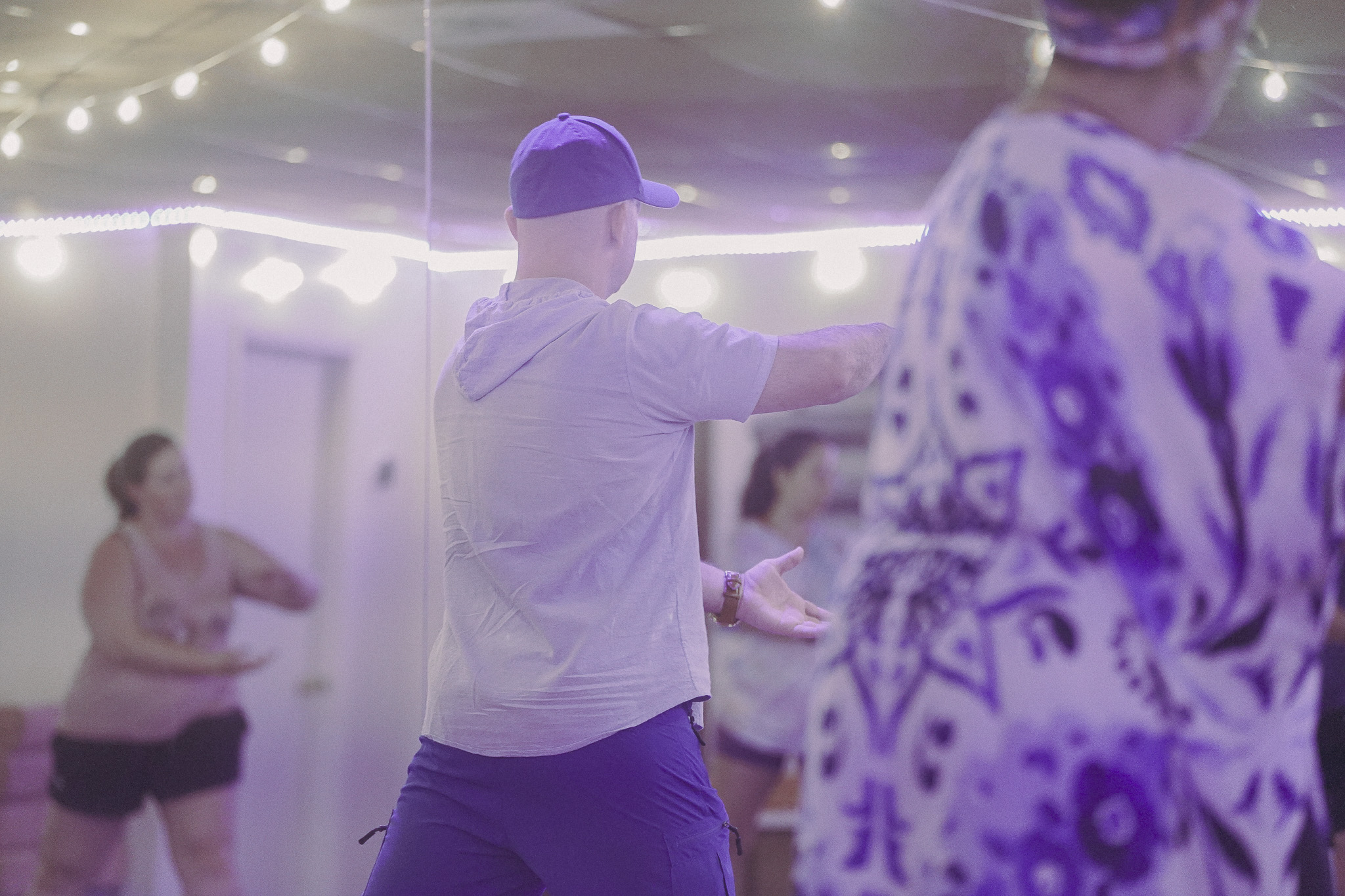
Tai Chi helps you slow down in a world that keeps rushing you by giving the body a different pace to experience. The practice slows movement, brings attention to the breath, reconnects the feet to the ground, and teaches the mind how to return when it jumps ahead.
Slowing down is not always easy at first. The body may be used to speed, urgency, and constant stimulation. But through repetition, Tai Chi helps slowness become more familiar. It teaches that you do not have to match the pace of everything around you in order to be present, steady, or strong.
For people who feel rushed, overwhelmed, mentally busy, or disconnected from themselves, Tai Chi offers a gentle and practical place to begin. The world may keep asking you to move faster, but the body can learn another rhythm.
Tai Chi reminds us that slowing down is not falling behind. It is a practice of returning to the body, the breath, and the moment we are actually living.
Looking for Tai Chi to help you slow down in Tempe, Arizona?
At The Healing Tree Collective, our beginner-friendly wellness classes are designed to support stress relief, mindfulness, grounding, body awareness, balance, and deeper connection. If you are curious about Tai Chi, slow movement, moving meditation, or practices that help you step out of rushing, you are welcome to begin here.