2 May 2026
The Healing Tree Collective • Tempe, Arizona
How to Build a More Supported Circle of Care for Clients
A lot of clients do not need just one form of support.
They need a circle of care.
A connected ecosystem of support that helps them not only process what they are carrying, but also practice regulation, rest, embodiment, and care in real life.
For therapists, counselors, psychotherapists, and social workers, this matters deeply.
Because even the best therapy can benefit from a stronger support system around the client.
Insight matters.
Clinical care matters.
And many clients also need safe, trustworthy spaces between sessions where the body can soften, the nervous system can settle, and support can become something they actually experience.. not just something they understand.
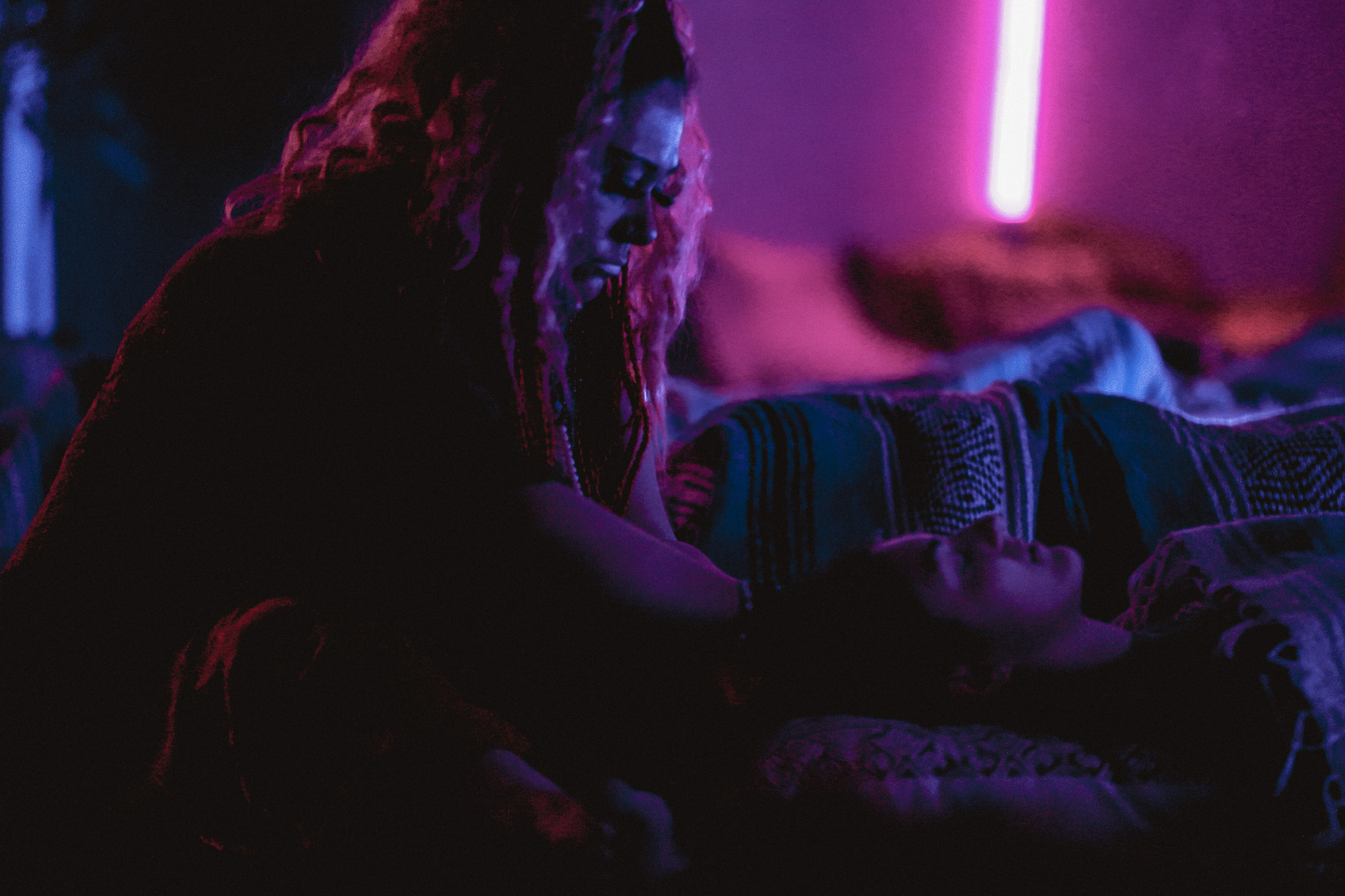
What is a circle of care?
A circle of care is the network of support surrounding a person as they move through healing, stress, grief, trauma, burnout, or major life transitions.
It may include a therapist, psychiatrist, primary care provider, trusted loved ones, support groups, community spaces, wellness practices, and other resources that help the person feel more held in their actual life.
The goal is not to overcomplicate care.
The goal is to recognize that people often heal more sustainably when care is not isolated.
When support is not all resting on one hour a week.
When there are multiple, aligned touchpoints that help a client feel resourced and less alone.
A stronger circle of care does not replace therapy. It strengthens the environment around therapy so clients have more ways to stay supported between sessions.
Why clients often need more support than one room can provide
Therapy can be deeply transformative.
It can help clients build insight, language, awareness, boundaries, and emotional clarity.
But life keeps happening outside the therapy room.
Stressors keep happening.
Nervous systems keep responding.
The body keeps carrying what it carries.
A client may leave a session with more understanding and still struggle with sleep, tension, overwhelm, shutdown, or the inability to feel settled in their body.
They may know what is happening and still need supportive spaces to practice what regulation, rest, and connection feel like.
That is one reason a circle of care matters.
It helps bridge insight into lived support.
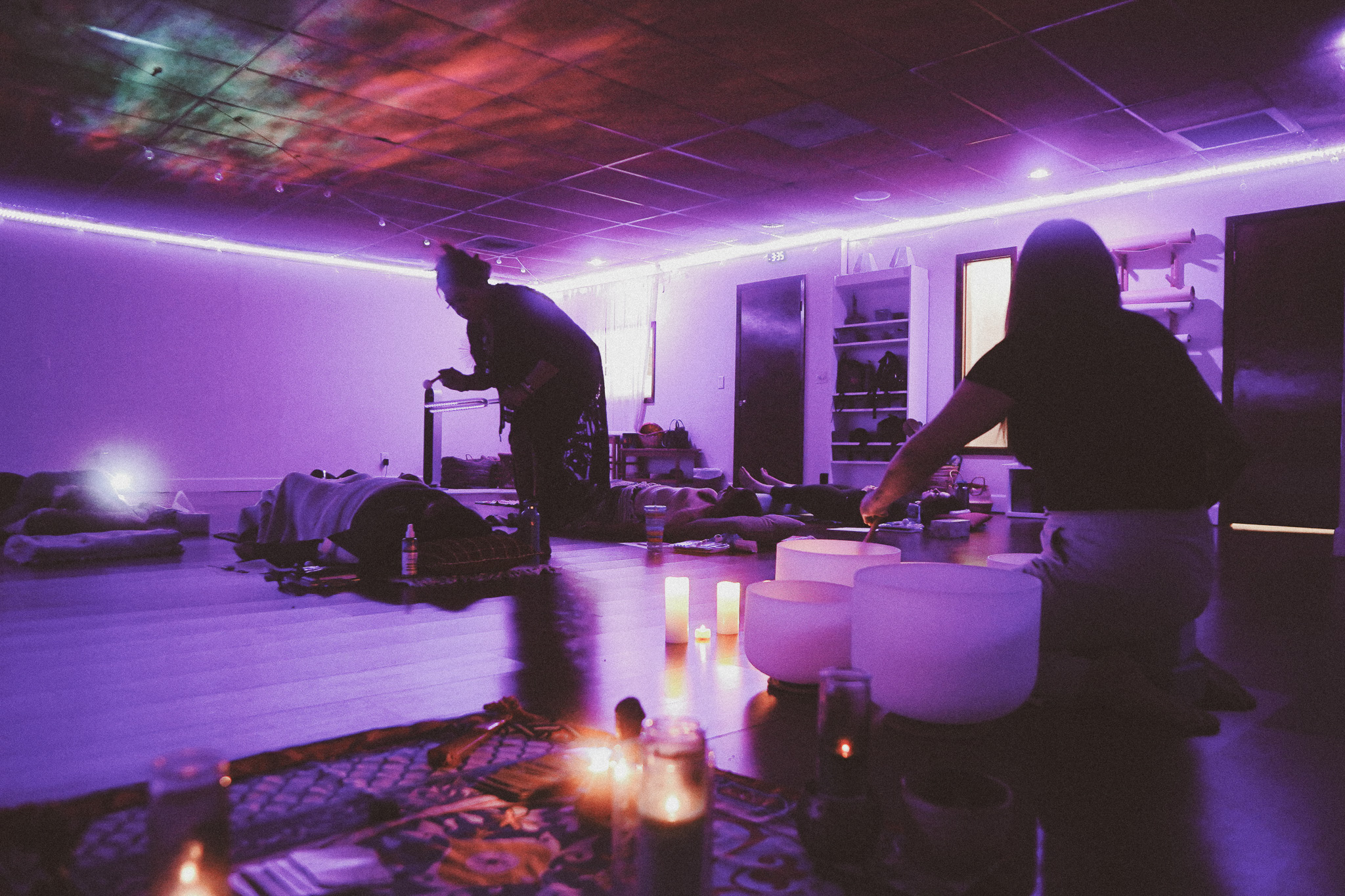

What makes a circle of care feel more supported?
Not every referral or resource automatically creates a stronger care ecosystem.
A more supported circle of care is one that feels aligned, trustworthy, and realistic for the client’s actual life.
It helps when support options are:
- Clear about their role and scope
- Trauma-aware and nervous-system–friendly
- Accessible enough to use consistently
- Grounded in integrity rather than overpromising
- Supportive of the client’s emotional and embodied experience
- Connected to the client’s real needs, not just generic wellness language
A supported circle of care is not about adding random resources.
It is about building meaningful support that actually helps the client feel more resourced.
A strong support ecosystem may include:
- Clinical therapy or counseling
- Therapy-complementary wellness classes
- Breathwork, meditation, or sound healing for regulation
- Trauma-aware community spaces
- Trusted referrals that respect scope
- Supportive routines between sessions
Why trust matters in referrals
For clinicians, one of the biggest barriers to building a stronger circle of care is trust.
Can this practitioner or space actually hold clients responsibly?
Do they understand trauma-awareness?
Do they respect boundaries and scope?
Will they support the therapeutic process or unintentionally disrupt it?
These are important questions.
Because a referral is not just a suggestion.
It is an extension of trust.
That is why clinicians need referral partners who understand their role clearly.
Partners who know they are not replacing therapy.
Partners who are committed to creating safe, supportive, embodied spaces that complement the clinical work already happening.
Building a strong circle of care begins with trusted relationships between providers, not just a list of names to hand out.
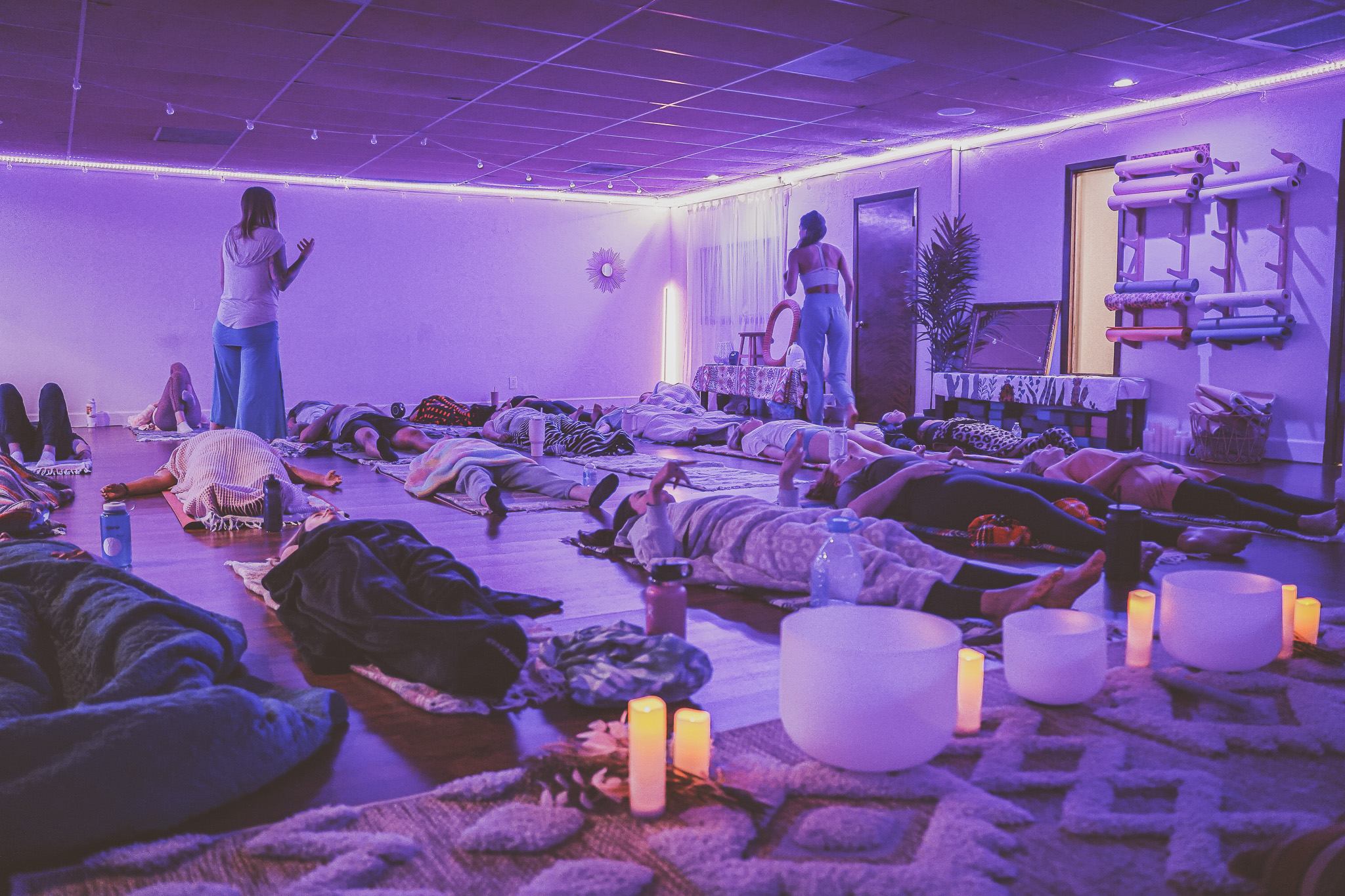
What clients often need between therapy sessions
Many clients need more than reflection between sessions.
They need practices that help them settle, regulate, breathe, rest, and reconnect.
They need support when the body still feels activated after a hard session.
They need somewhere to go when insight is present but capacity still feels low.
This is where therapy-complementary spaces can become so meaningful.
Not because they provide treatment, but because they provide practice.
Practice with breath.
Practice with stillness.
Practice with slowing down.
Practice with being in the body in a safer, more supported way.
A stronger circle of care helps clients access support that is not only cognitive, but embodied.
How The Healing Tree Collective fits into the circle of care
The Healing Tree Collective was built as a mental health support partner because we saw the need for supportive spaces between sessions.
We are not a therapy clinic.
We do not diagnose, assess, or provide psychotherapy.
We do not replace licensed clinical care.
What we do offer is a trauma-aware, nervous-system–friendly environment where clients can access supportive practices like breathwork, sound healing, meditation, Yoga Nidra, mindful movement, and community-based care.
These experiences can help people slow down, reconnect with the body, access rest, and feel more supported in the spaces where healing is actually being lived.
We aim to support clients through:
- Gentle, embodied wellness practices
- Trauma-aware class environments
- Nervous system support between sessions
- Community-based care that reduces isolation
- Scope-respectful support that complements therapy
How clinicians can build a more supported care ecosystem
Building a more supported circle of care does not mean doing everything at once.
It often starts with a few thoughtful questions:
- What support does this client need outside the therapy room?
- Are they needing more rest, regulation, embodiment, or community?
- What local resources actually feel aligned and trustworthy?
- What referral partners understand trauma-awareness and scope?
- How can support be made more accessible and sustainable for this client?
When clinicians ask these questions consistently, they begin building a stronger support ecosystem around the people they serve.
One that can hold more than insight alone.
A more supported circle of care helps clients feel like healing is not something they have to do in isolation.

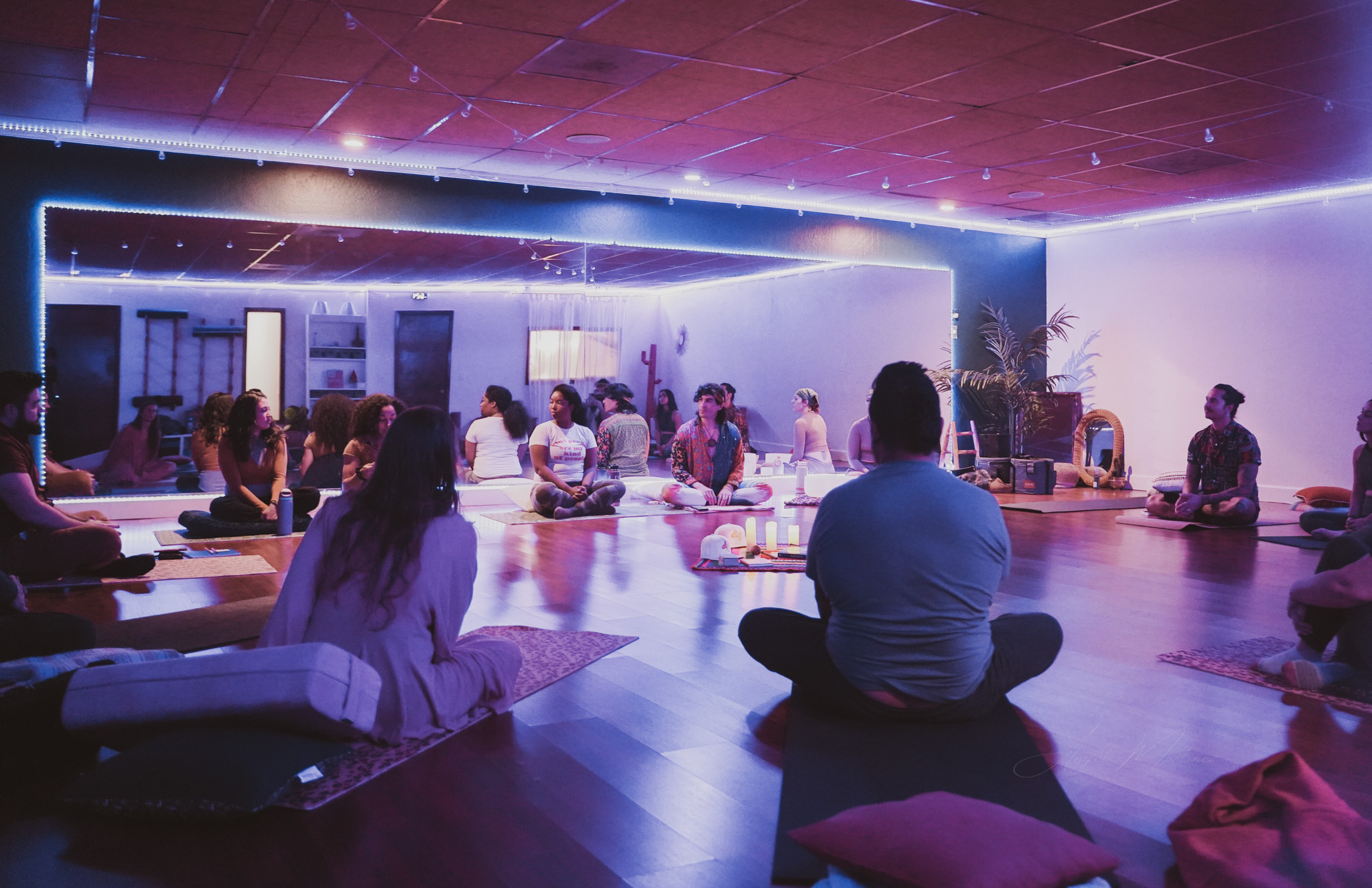
A stronger circle of care helps clients feel less alone
At the end of the day, this is what so much of this comes back to.
People need support that feels real.
They need to know they are not carrying everything alone.
They need places where they can be human, not perform wellness.
They need care that is relational, embodied, and honest.
A stronger circle of care helps make that possible.
And when clinicians, community spaces, and supportive practices work in integrity together, the client often feels the difference.
Looking to build a more supported circle of care for your clients?
Explore our Mental Health Partnerships at The Healing Tree Collective in Tempe, Arizona. We would love to connect with therapists, counselors, psychotherapists, and social workers seeking trauma-aware, nervous-system–friendly support options for their clients.