30 July 2026
Looking for Tai Chi Near Me? What to Know Before Your First Class
Searching for “Tai Chi near me” usually means you are curious about the practice, but you may still have questions before attending your first class. You may wonder what Tai Chi actually is, whether it is beginner-friendly, what to wear, how slow the class will feel, and whether you need experience before joining.
For many people, trying a new wellness class can feel intimidating. It can bring up concerns about looking awkward, not knowing the movements, being the only beginner, or feeling unsure about what the class is supposed to feel like. These concerns are normal, especially when the practice is unfamiliar.
Tai Chi can be a very approachable practice for beginners because it is slow, gentle, body-aware, and focused on learning through repetition. You do not need to be flexible, athletic, coordinated, or experienced before your first class.
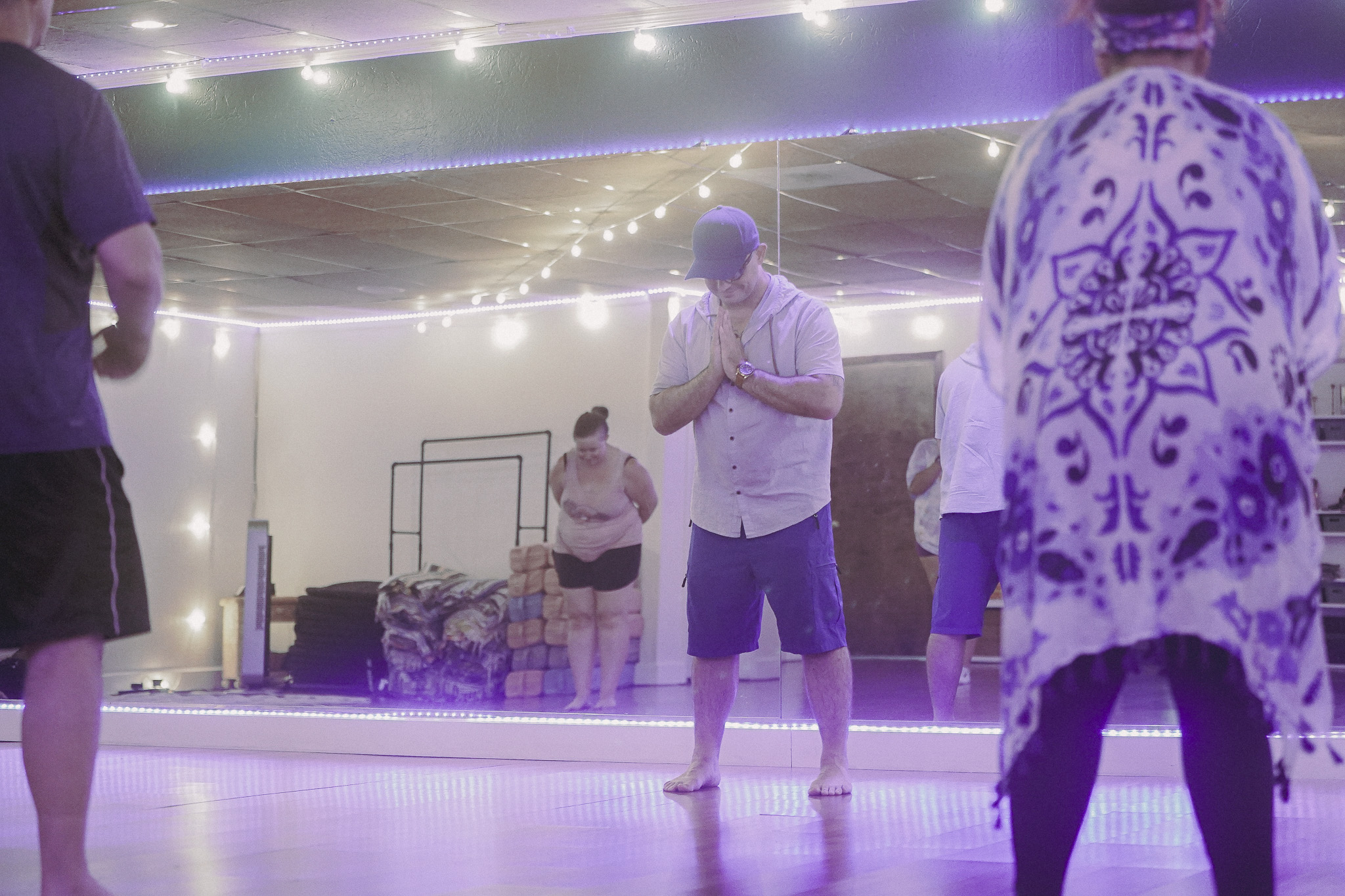
A beginner-friendly Tai Chi class gives you space to slow down, learn gradually, and reconnect with your body without performance pressure.
Before your first Tai Chi class, it helps to know:
You do not need to arrive already knowing the practice.
- Beginners are welcome
- The pace is slow and intentional
- You do not need advanced flexibility
- Comfortable clothing is best
- The practice is learned gradually
- It is normal to feel awkward at first
- The goal is awareness, not perfection
What is Tai Chi?
Tai Chi is a gentle mind-body movement practice that uses slow, intentional movements, breath awareness, posture, balance, grounding, and focused attention. It is often described as moving meditation because it helps people practice mindfulness while the body is in motion.
For a beginner, Tai Chi does not have to be understood all at once. You do not need to know every form, movement name, tradition, or philosophy before attending your first class. The beginning can be simple: feel your feet, notice your breath, follow the teacher, move slowly, and allow the body to learn over time.
This is one reason Tai Chi can be helpful for people who want to reduce stress, reconnect with their body, improve body awareness, or explore meditation in a way that does not require sitting still. The practice gives the mind something physical to follow while the body moves with more awareness.
Tai Chi is a practice of slow movement, breath, balance, and attention. You do not have to understand everything before you begin.
Is Tai Chi good for beginners?
Yes, Tai Chi can be a supportive practice for beginners, especially when the class is taught with patience and clear guidance. The practice is learned gradually, which means your first class is not about memorizing everything or getting each movement perfect.
Many beginners feel awkward at first. That is normal. Tai Chi asks the body to move in a slower and more intentional way than most people are used to. You may need time to understand weight shifting, follow the hands, coordinate the breath, or remember what comes next. None of this means you are doing it wrong.
In a beginner-friendly Tai Chi class, the focus is not performance. The focus is awareness. The class gives you time to practice returning to the body, noticing your pace, feeling your balance, and building familiarity through repetition.
Your first Tai Chi class is not a test. It is an introduction to moving with more awareness.
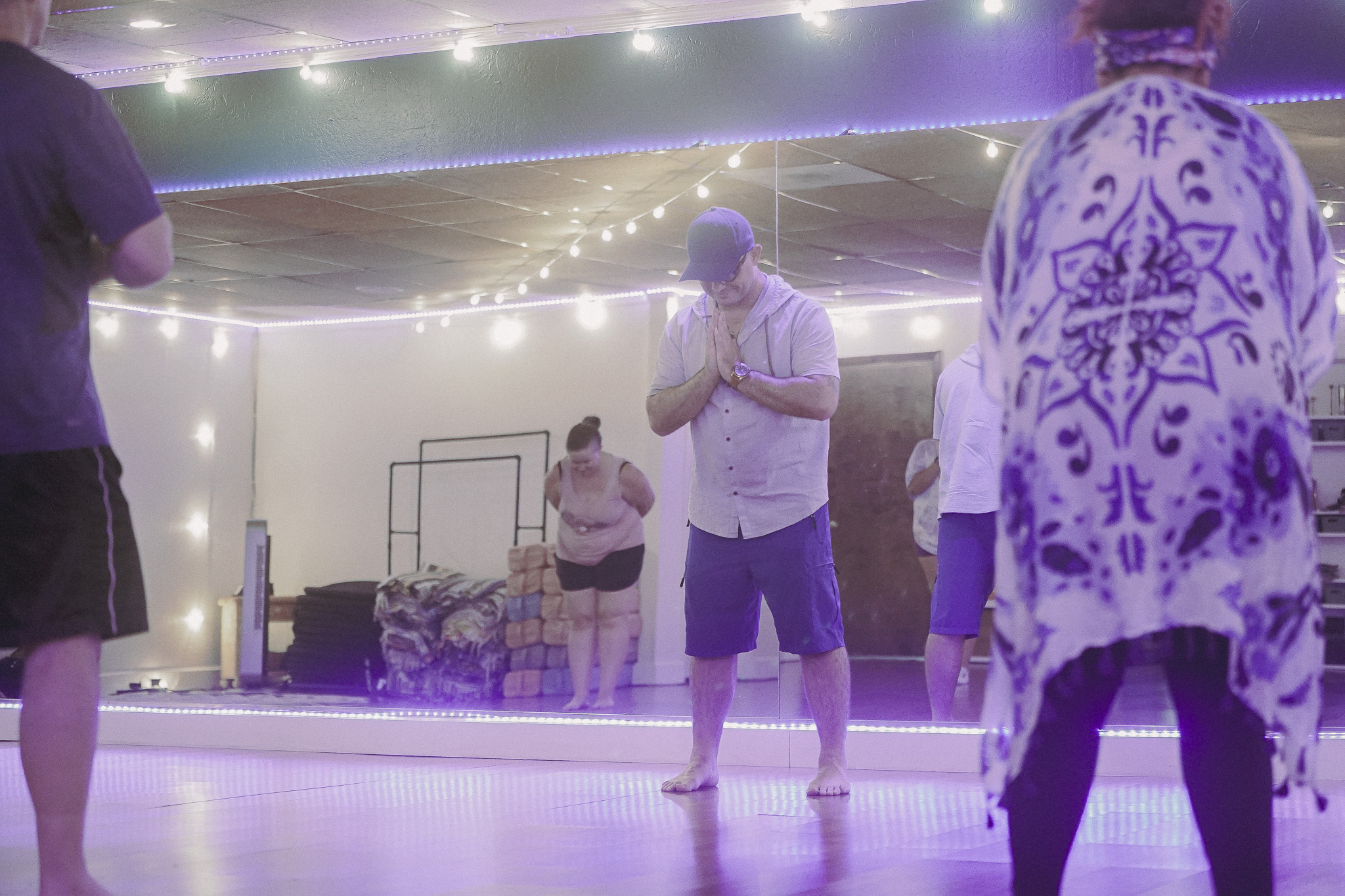
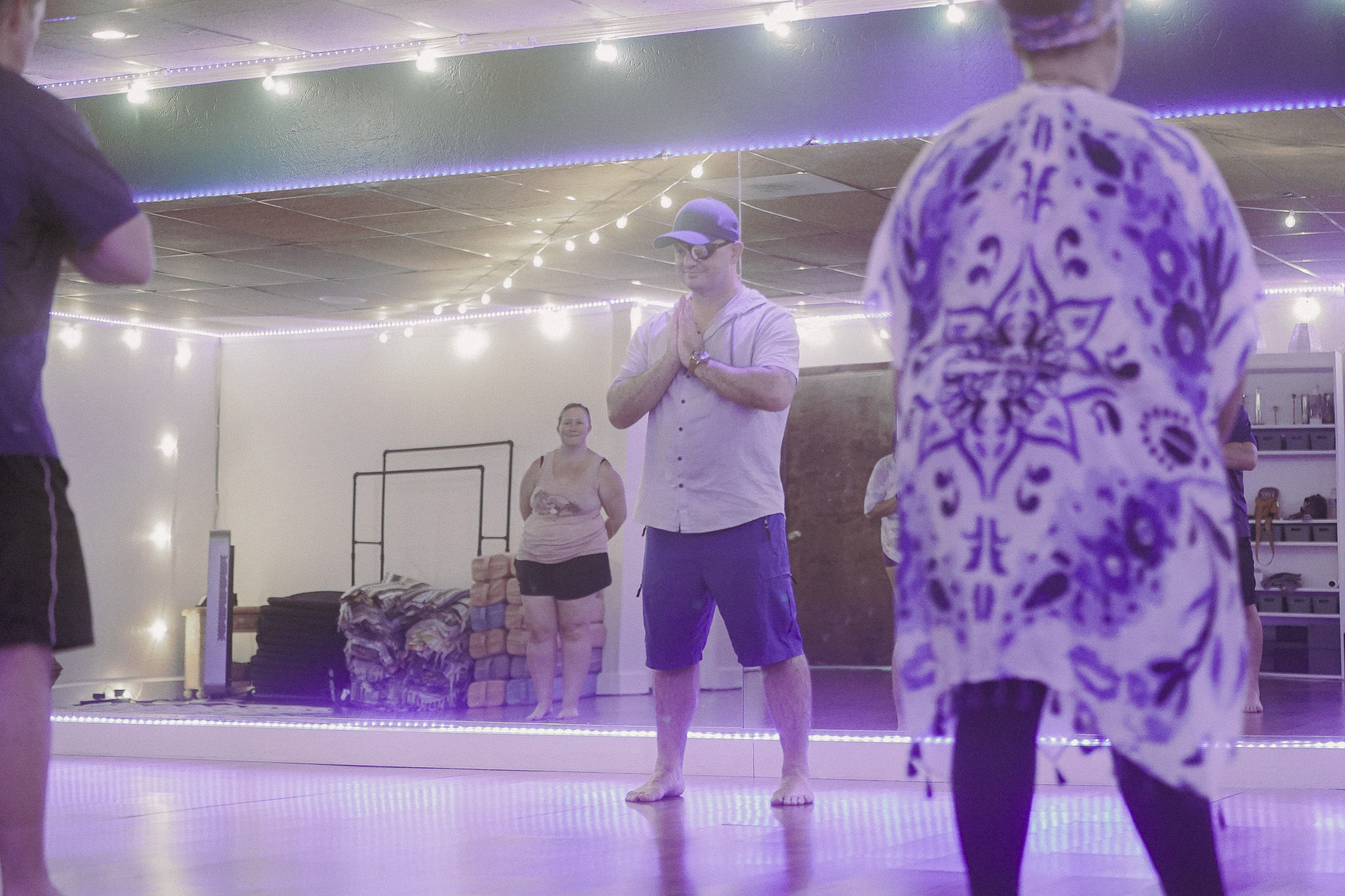
What happens in a Tai Chi class?
A Tai Chi class usually includes gentle movement, guided instruction, breath awareness, posture awareness, balance practice, and slow transitions. The teacher may guide the group through movements step by step, helping students understand how to shift weight, move the arms, feel the feet, and stay connected to the breath.
The pace is intentionally slow. This slower pace helps the body notice what is happening. You may become aware of where you are holding tension, how your balance feels, whether your breath is shallow, or how quickly the mind wants to jump ahead. These observations are part of the practice.
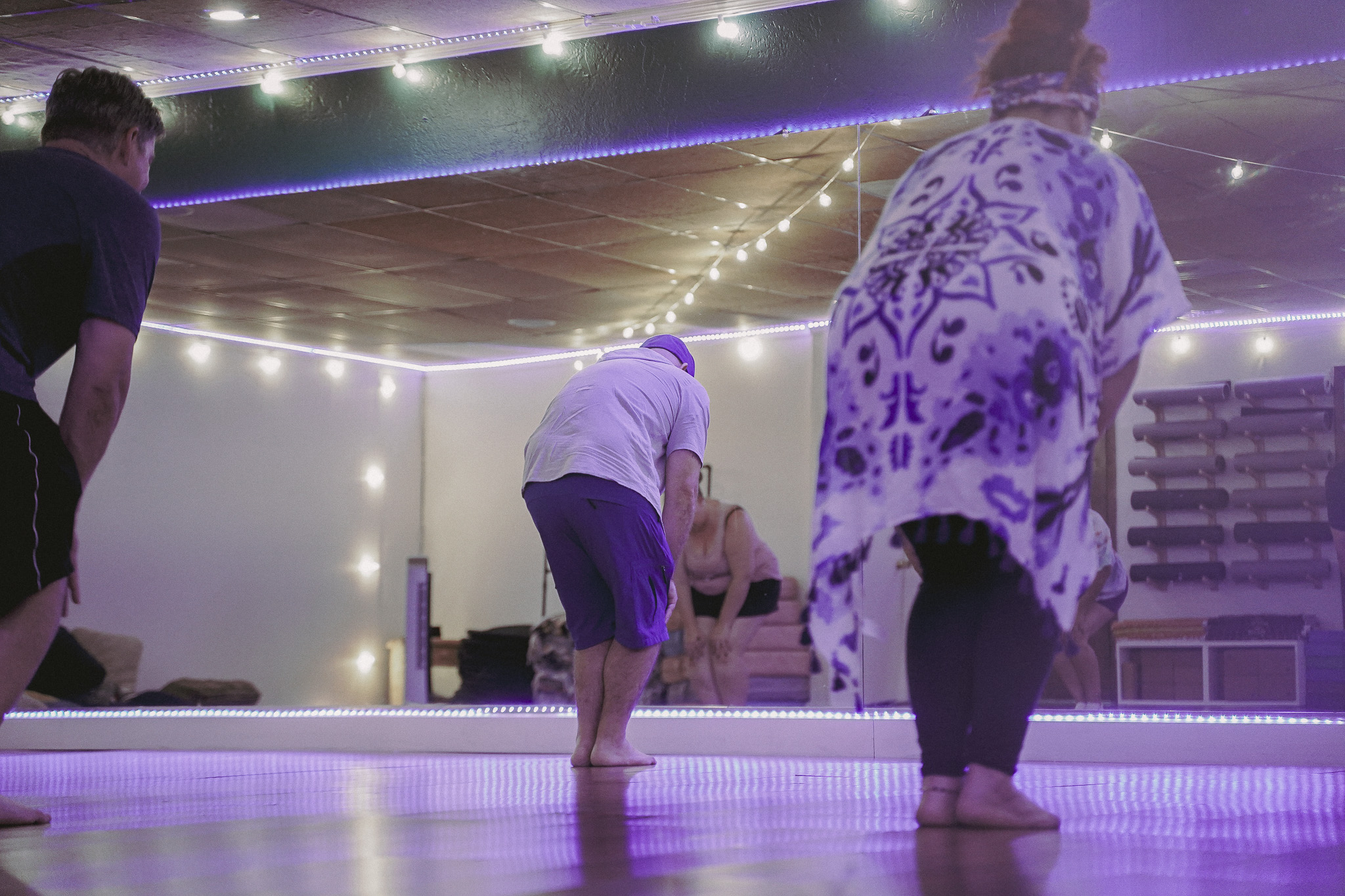
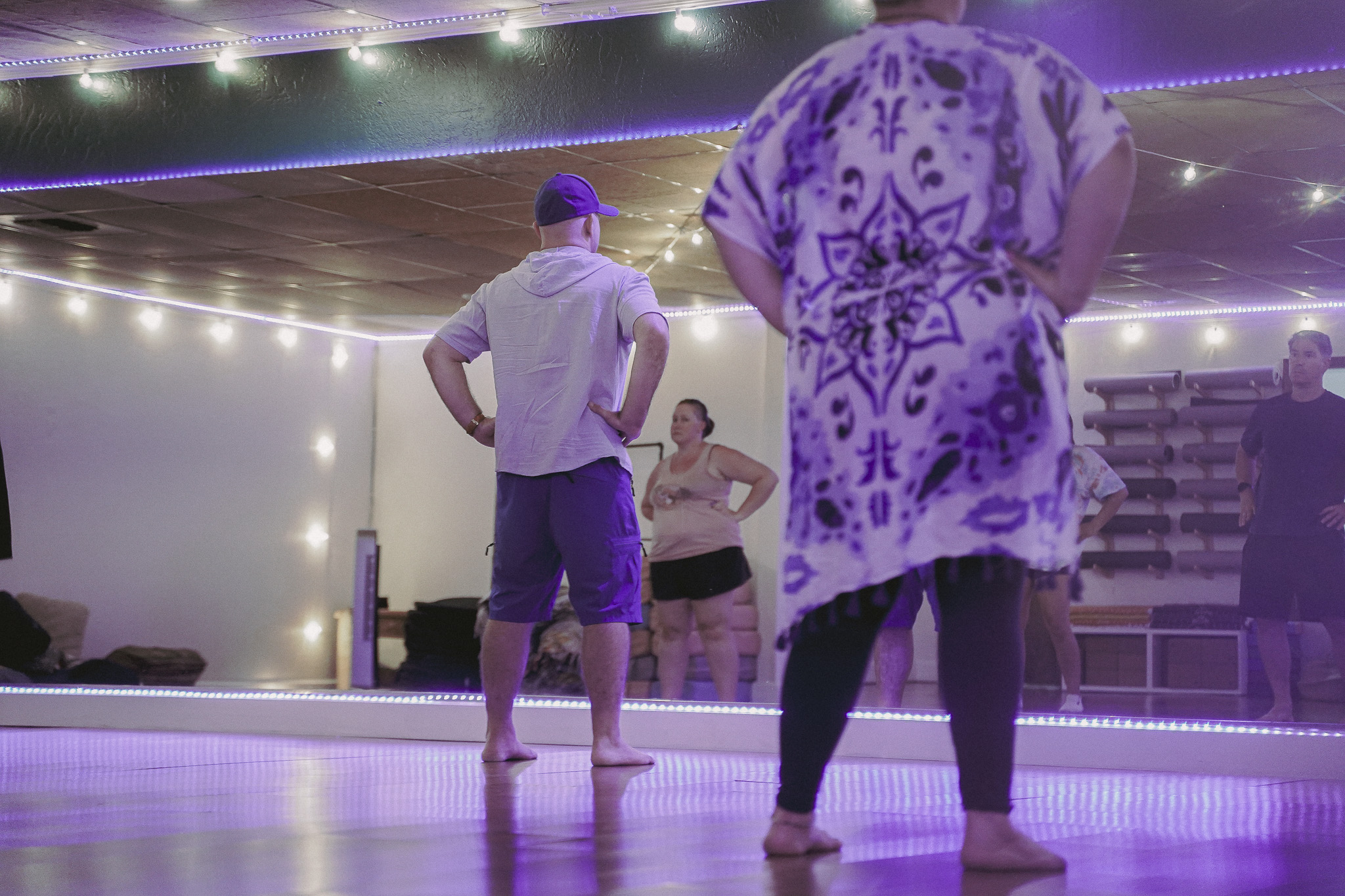
At The Healing Tree Collective, Tai Chi is held in a way that welcomes beginners and supports all levels. The intention is not to overwhelm people with perfection. The intention is to create a steady space where people can learn, move, breathe, and reconnect with the body.
A Tai Chi class gives the body time to learn slowly, instead of forcing the mind to understand everything immediately.
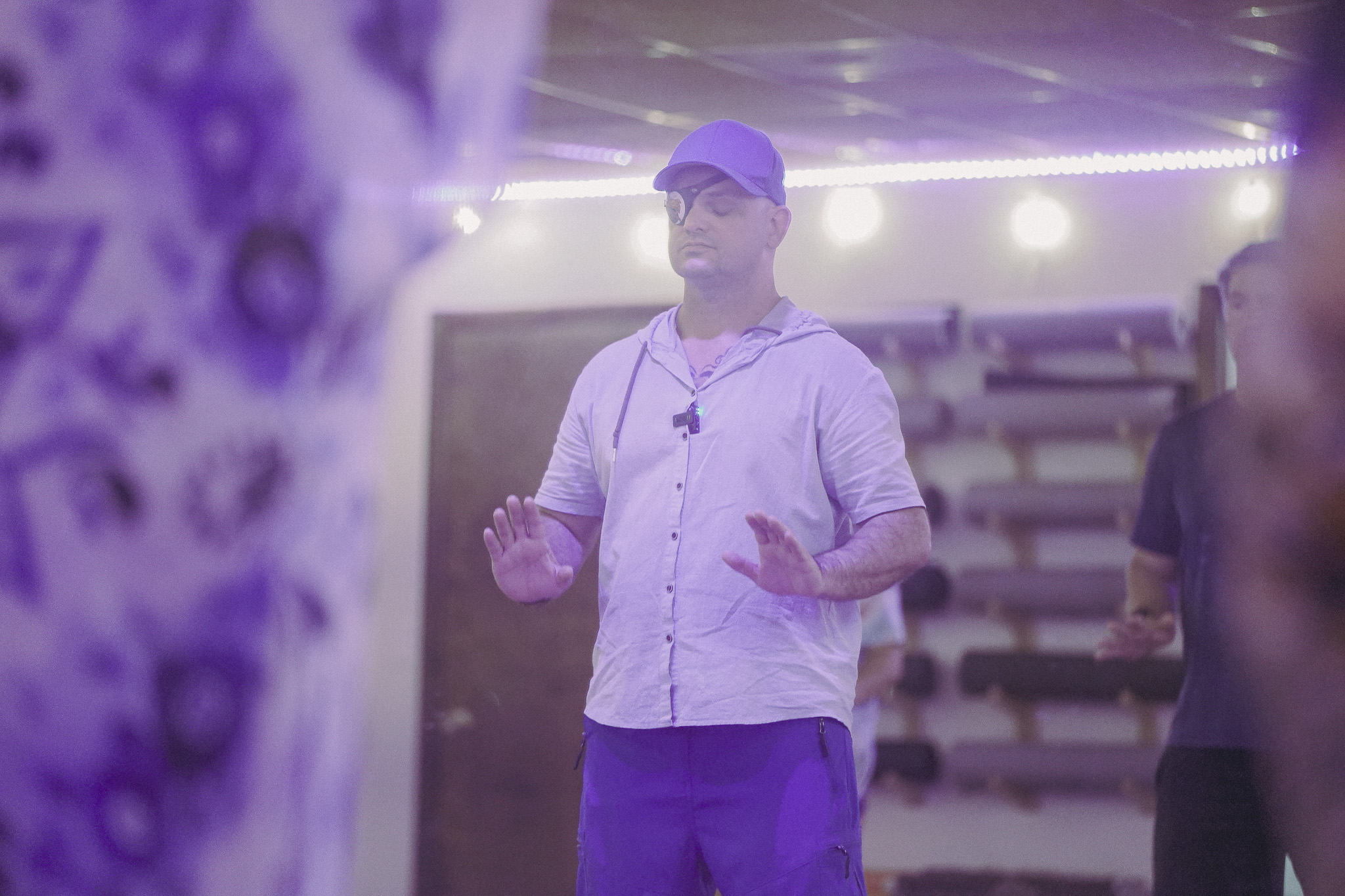
In Tai Chi, slow movement gives you time to notice breath, balance, posture, grounding, and the way your body responds.
What should you wear to Tai Chi?
Comfortable clothing is best for Tai Chi. You do not need special outfits or equipment. Wear something that allows you to move your arms, shift your weight, bend your knees slightly, and breathe comfortably. Many people wear soft pants, leggings, joggers, a comfortable shirt, or layers that are easy to move in.
Because Tai Chi is slower and more grounded, supportive footwear or bare feet may depend on the class setting and your personal comfort. The most important thing is that you feel stable and able to sense your connection with the floor. In a studio setting, people often practice in socks, bare feet, or comfortable flat shoes depending on what feels appropriate.
You do not need to dress for intensity. Tai Chi is not usually a high-sweat class. The practice is more focused on awareness, coordination, grounding, balance, breath, and slow movement.
For your first Tai Chi class, choose clothing that helps you move comfortably and feel grounded.
Comfortable Clothing
Wear clothes that allow easy movement without feeling tight, stiff, or distracting.
Stable Footing
Choose socks, bare feet, or comfortable flat shoes based on the class setting and your body’s needs.
Simple Layers
Layers can help you stay comfortable if your body temperature changes during class.
No Special Gear
You do not need equipment, props, or previous training to begin.
Do you need to be flexible or athletic?
No. You do not need to be flexible, athletic, or in a certain kind of shape before starting Tai Chi. This is one of the most important things beginners should know. Many people delay starting movement practices because they think they need to prepare their body first, but Tai Chi is something you can begin as you are.
The practice is gentle and can be approached with patience. Movements can often be adjusted to meet your body. You can take your time, listen to your breath, notice your balance, and allow familiarity to develop over time.
Tai Chi is less about pushing the body and more about learning how to move with awareness. For people who feel intimidated by fitness classes, this can make Tai Chi feel more accessible and less performance-based.
You do not need to become more flexible, fit, or coordinated before beginning Tai Chi. The practice begins where you are.
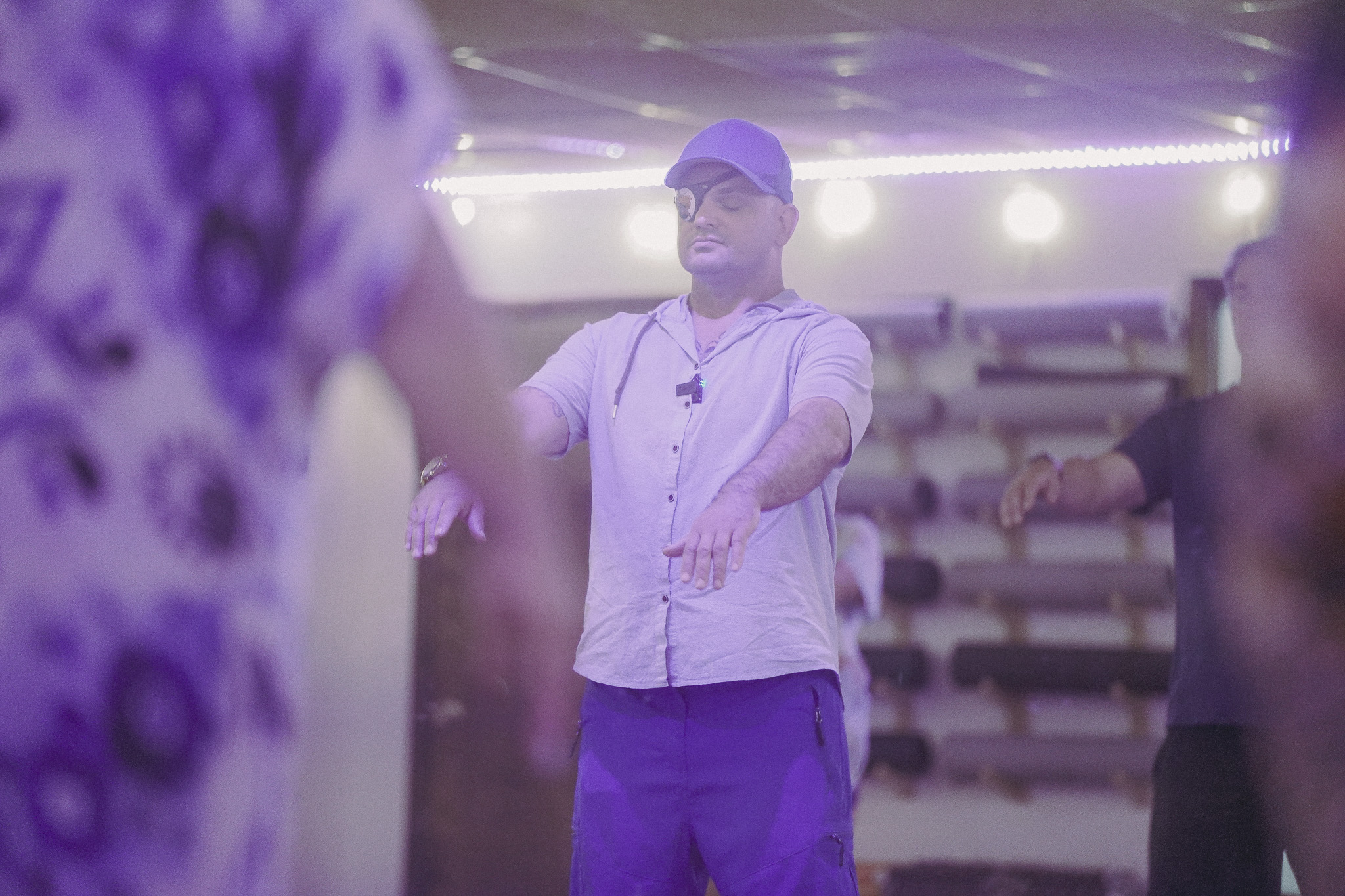
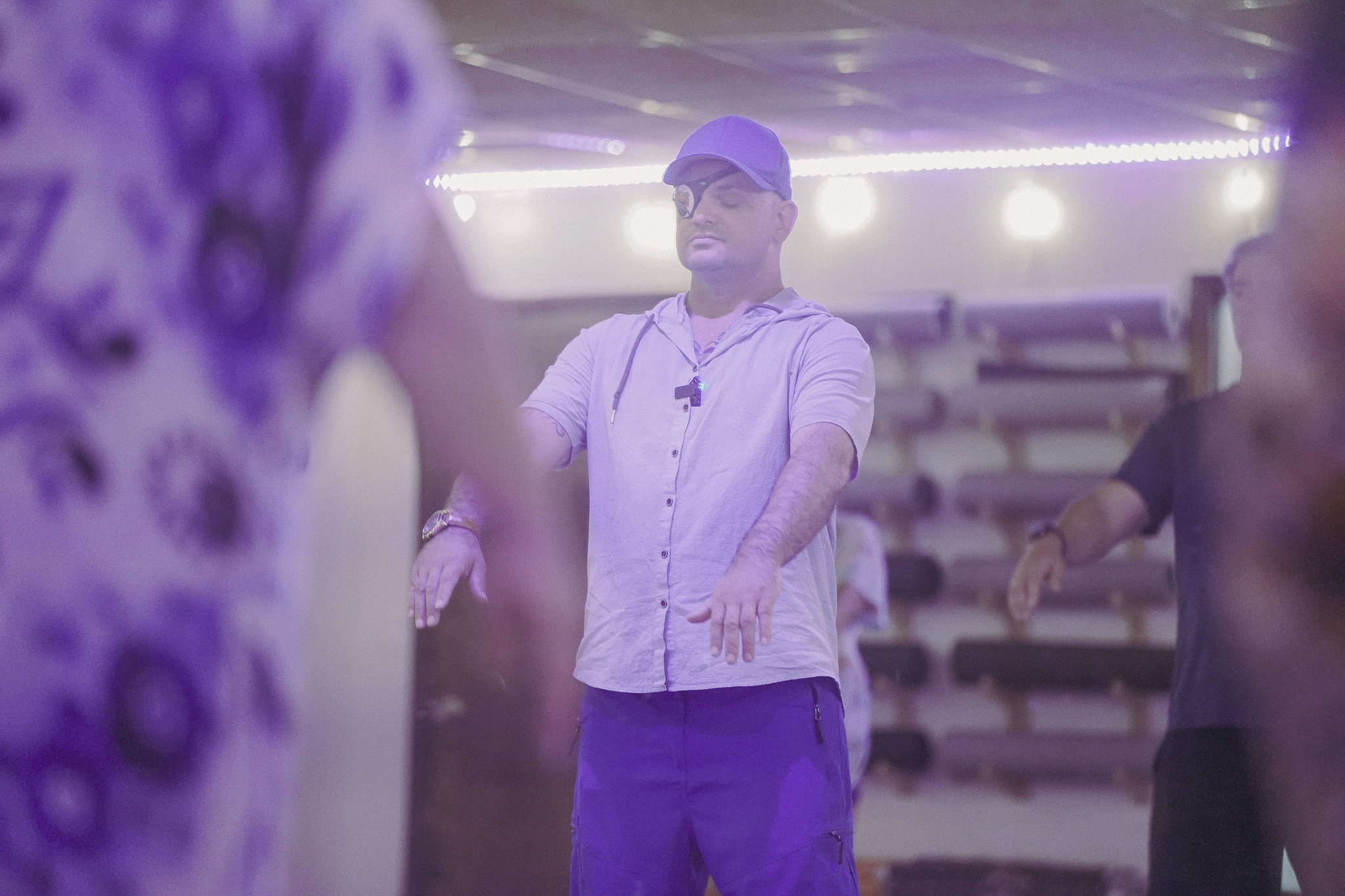
It is normal to feel awkward in your first class
Feeling awkward in your first Tai Chi class is completely normal. The movements may be slower than what you are used to. The coordination may feel unfamiliar. The sequence may be new. You may find yourself wondering where to place your hands, how to shift your weight, or whether you are doing it correctly.
This awkwardness does not mean the practice is not for you. It often means you are learning something new. Tai Chi is built through repetition, and the body needs time to understand the movements. The first class is simply the beginning of that relationship.
A helpful mindset is to approach your first class with curiosity instead of pressure. Notice what feels new. Notice where the breath goes. Notice how your body responds to moving slowly. Notice when the mind wants to judge. All of these observations are part of the practice.
Awkwardness is not a sign that you are failing. It is often the beginning of learning.
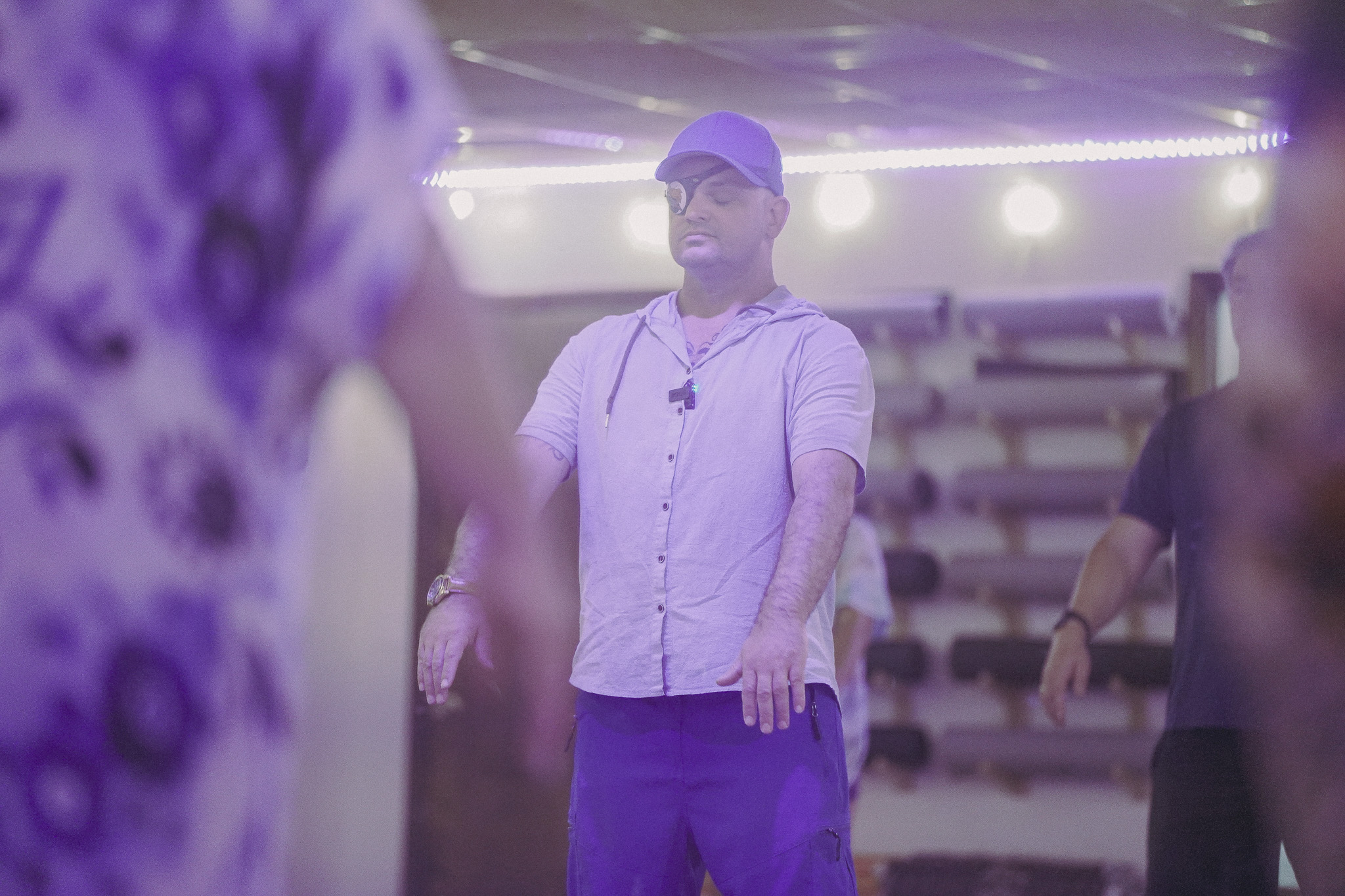
Your first Tai Chi class is a place to learn gradually, not a place where you need to perform perfectly.
How Tai Chi can support stress relief
Many people search for Tai Chi near them because they are looking for stress relief. They may feel mentally overloaded, physically tense, emotionally tired, or disconnected from the body after long days of work, caregiving, school, screen time, or responsibility.
Tai Chi supports stress relief by giving the body a slower rhythm. The movement is gentle, but still structured. The breath becomes easier to notice. The feet become an anchor. The mind has something physical to follow. Instead of asking the body to push harder, Tai Chi invites it to slow down and reconnect.
This can be especially helpful for people who struggle to relax on command. Tai Chi does not require immediate calm. It offers a process: breathe, move, notice, shift, return. Over time, that process can help people build a more grounded relationship with stress.
Tai Chi supports stress relief by helping the body practice a slower rhythm than the pace of daily stress.
How Tai Chi supports mind-body connection
Many people spend most of the day in their head. They think, plan, solve, communicate, remember, respond, and prepare for what comes next. Over time, the body may only get attention when it becomes uncomfortable, tired, tense, or overwhelmed.
Tai Chi helps rebuild mind-body connection by bringing awareness back to physical experience. You begin to notice the feet, the breath, the hands, the balance, the weight shift, and the transitions between movements. These details help the mind reconnect with the body in real time.
This connection matters because the body often communicates stress, fatigue, and emotional load before the mind has words for it. Tai Chi helps people practice listening earlier, before the body has to become louder to get attention.
Mind-body connection begins when the body becomes something you listen to, not something you only push through.


What should you look for in a Tai Chi class near you?
When looking for a Tai Chi class near you, it helps to look for a space that feels welcoming, beginner-friendly, and clear in its approach. A supportive class should not make you feel embarrassed for being new. It should help you understand the practice gradually and give you room to learn at a human pace.
It can also help to look for a teacher or space that explains the purpose of the movements, not just the sequence. Beginners often benefit when they understand that Tai Chi is about breath, grounding, balance, posture, body awareness, and focus — not simply copying shapes.
The environment matters too. A good first class should feel supportive enough for you to ask questions, move slowly, make mistakes, and return. You should not feel like you need to perform belonging before you have had time to learn.
A supportive Tai Chi class helps beginners feel welcome, not behind.
Beginner-Friendly Guidance
Look for a class where beginners are welcomed and movements are explained patiently.
Clear Instruction
A helpful class explains movement, breath, grounding, and balance in a way that is easy to understand.
Supportive Pace
The class should give your body time to learn without rushing through every transition.
Low Performance Pressure
The focus should be awareness and practice, not looking perfect or matching everyone else.
What to expect emotionally during your first class
Your first Tai Chi class may bring up more than physical movement. You may feel curious, awkward, peaceful, distracted, frustrated, calm, self-conscious, or surprised by how hard it is to slow down. These responses are normal because the practice gives you time to notice yourself.
Some people feel relaxed right away. Others feel restless because the pace is slower than they expected. Some people notice how busy their mind is. Others notice tension in the body that they had been ignoring. None of these experiences are wrong.
Tai Chi is not about forcing one specific feeling. It is about building awareness. The class gives you a place to observe what is present without needing to fix everything immediately. That alone can be meaningful.
Your first class does not have to feel profound to be valuable. Sometimes the first step is simply noticing what is present.

Tai Chi gives beginners space to notice the body, breath, mind, and emotional state without pressure to force a certain experience.
How often should you practice Tai Chi?
The benefits of Tai Chi often develop through consistency. You do not need to practice every day to begin, and you do not need to create a perfect routine immediately. A weekly class can be a helpful starting point because it gives the body a regular opportunity to return to slow movement, breath, grounding, and awareness.
Over time, some people may choose to add short moments of practice at home. This could be a few slow movements, a mindful weight shift, a breath before responding, or a simple grounding pause during the day. These small moments can help the practice become part of daily life.
Instead of focusing only on how often you “should” practice, it may be more useful to ask what feels sustainable. Tai Chi is built through repeated returns, not through pressure or perfection.
A sustainable Tai Chi practice is one you can return to with consistency, patience, and respect for your real life.

Common questions before your first Tai Chi class
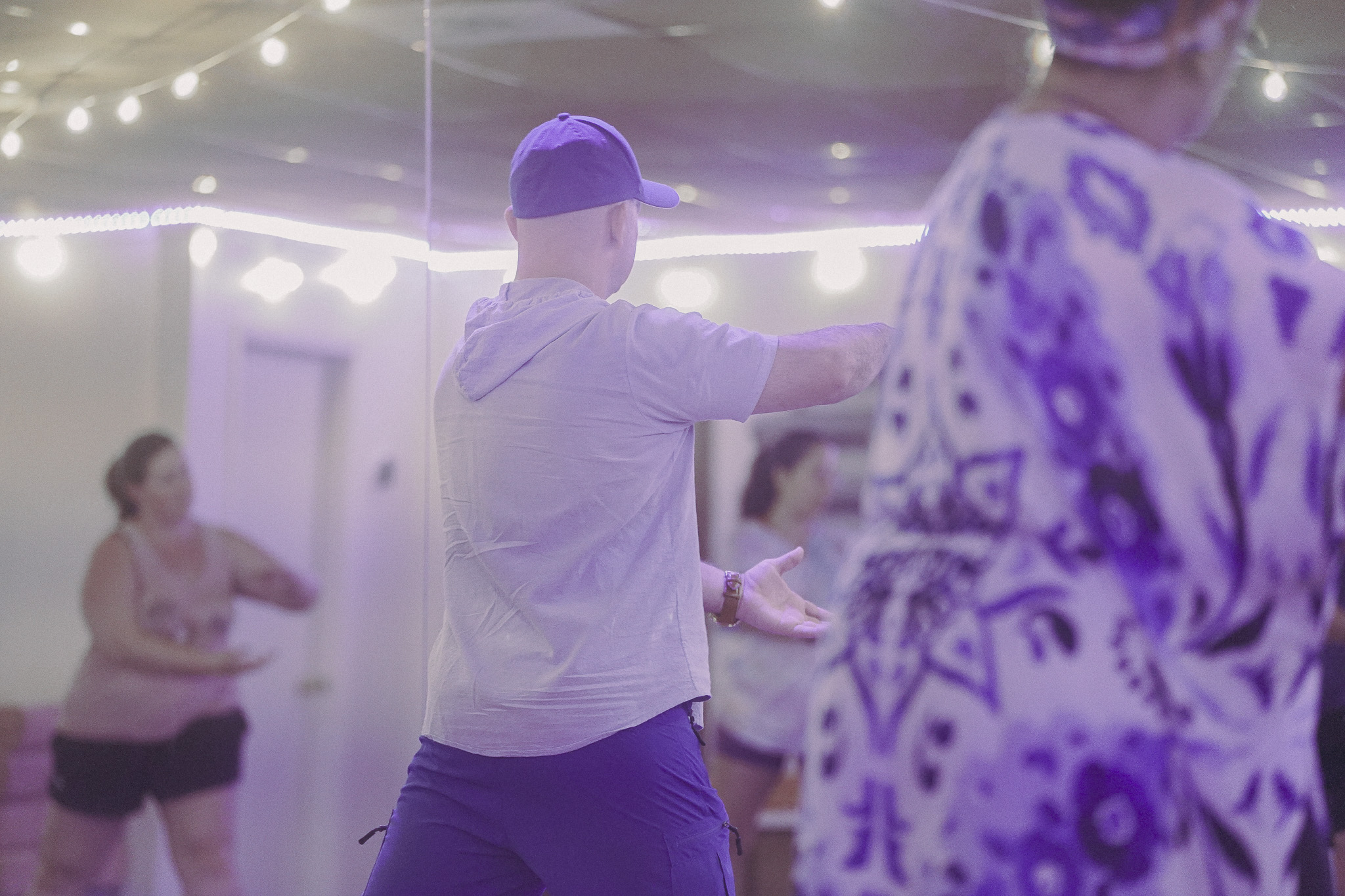
It is normal to have questions before attending your first Tai Chi class. Most beginners want to know whether they will be able to follow along, whether they need special experience, whether the class will be too slow, or whether they will feel out of place.
The most reassuring answer is that Tai Chi is meant to be learned gradually. You are not expected to know everything on day one. You are allowed to be new. You are allowed to ask questions. You are allowed to move slowly. You are allowed to forget the sequence and return again.
Starting a new practice does not require certainty. It only requires a willingness to begin with curiosity.
Will I be able to follow along?
You may not understand every movement right away, and that is normal. Tai Chi is learned through repetition.
Will it feel too slow?
It may feel slow at first because the practice moves differently than everyday life. Slowness is part of the teaching.
Do I need experience?
No prior experience is needed. Beginners can start by following along and noticing the body.
What if I feel awkward?
Awkwardness is normal when learning something new. The goal is awareness, not perfection.
Tai Chi is not a replacement for medical or mental health care
Tai Chi can be a supportive wellness practice for stress relief, mindfulness, gentle movement, breath awareness, grounding, balance, body awareness, focus, and emotional wellbeing, but it is not a replacement for medical care, physical therapy, therapy, medication, psychiatric support, trauma-informed treatment, or crisis services. If someone is experiencing persistent pain, significant distress, panic, depression, trauma symptoms, thoughts of self-harm, severe burnout, or difficulty functioning, support from qualified professionals may be necessary.
At the same time, many people benefit from practices that help them slow down, reconnect with the body, and build awareness in a gentle and structured way. Tai Chi can be one supportive part of a broader wellness routine because it offers a repeatable way to practice presence through movement.
The value of Tai Chi is not that it fixes every stressor or makes every day calm. Its value is that it gives people a practical way to return to breath, body, grounding, and awareness within real life.
Tai Chi can support stress relief and mind-body connection as part of a broader wellness routine, but it should not replace professional care when professional support is needed.


Tai Chi at The Healing Tree Collective in Tempe, AZ
At The Healing Tree Collective, we offer beginner-friendly wellness classes in Tempe, Arizona for people who are looking for stress relief, grounding, mindfulness, gentle movement, and deeper connection with themselves. Our space is designed for real people with full lives, busy minds, tired bodies, and a desire to feel supported.
Tai Chi fits naturally into our approach because it offers a gentle way to move, breathe, focus, and reconnect with the body. It does not require prior experience, advanced flexibility, athletic ability, or a perfectly calm mind. The practice is approachable, steady, and meaningful over time.
Whether you searched for “Tai Chi near me” because you are stressed, curious, overwhelmed, disconnected from your body, or simply ready to try something new, you are welcome here. You can begin exactly where you are.
At The Healing Tree Collective in Tempe, Tai Chi is offered as a beginner-friendly practice for stress relief, mind-body connection, grounding, and slow intentional movement.
Final thoughts: your first Tai Chi class is a place to begin
Looking for Tai Chi near you may be the beginning of a new relationship with your body, breath, movement, and attention. You do not have to arrive knowing exactly what to do. You do not have to be flexible, athletic, calm, or experienced. You simply need a place where beginning is welcomed.
Tai Chi offers that kind of beginning. Through slow movement, breath awareness, grounding, balance, and repetition, the practice gives the body and mind a chance to return to the present moment. It can support stress relief, mind-body connection, focus, patience, and a more compassionate relationship with learning.
At The Healing Tree Collective, our intention is to make practices like Tai Chi feel accessible and supportive for people who are ready to slow down, reconnect, and begin where they are.
Your first Tai Chi class does not have to be perfect to be meaningful. It only has to be a beginning.
Looking for Tai Chi near Tempe, AZ?
The Healing Tree Collective offers beginner-friendly wellness classes in Tempe, Arizona designed to support stress relief, mindfulness, grounding, body awareness, balance, and deeper connection. If you are curious about Tai Chi, gentle movement, moving meditation, or a practice that supports mind-body connection, you are welcome to begin here.