3 August 2026
Mindfulness Classes in Tempe: How Tai Chi Supports Presence and Emotional Balance
If you are looking for mindfulness classes in Tempe, you may be searching for a practice that helps you slow down, feel more present, manage stress, and reconnect with yourself in a more grounded way. You may also be wondering what kind of mindfulness practice will actually feel accessible if your mind is busy, your body is tense, or sitting still feels difficult.
Many people think mindfulness means sitting in silence and trying to clear the mind. While seated meditation can be supportive, it is not the only way to practice mindfulness. For some people, presence becomes easier to access when the body is included.
Tai Chi can support mindfulness, presence, and emotional balance because it gives the mind and body a shared practice. Through slow movement, breath awareness, grounding, balance, and repetition, Tai Chi helps people pay attention to what is happening now without needing to force the mind into silence.
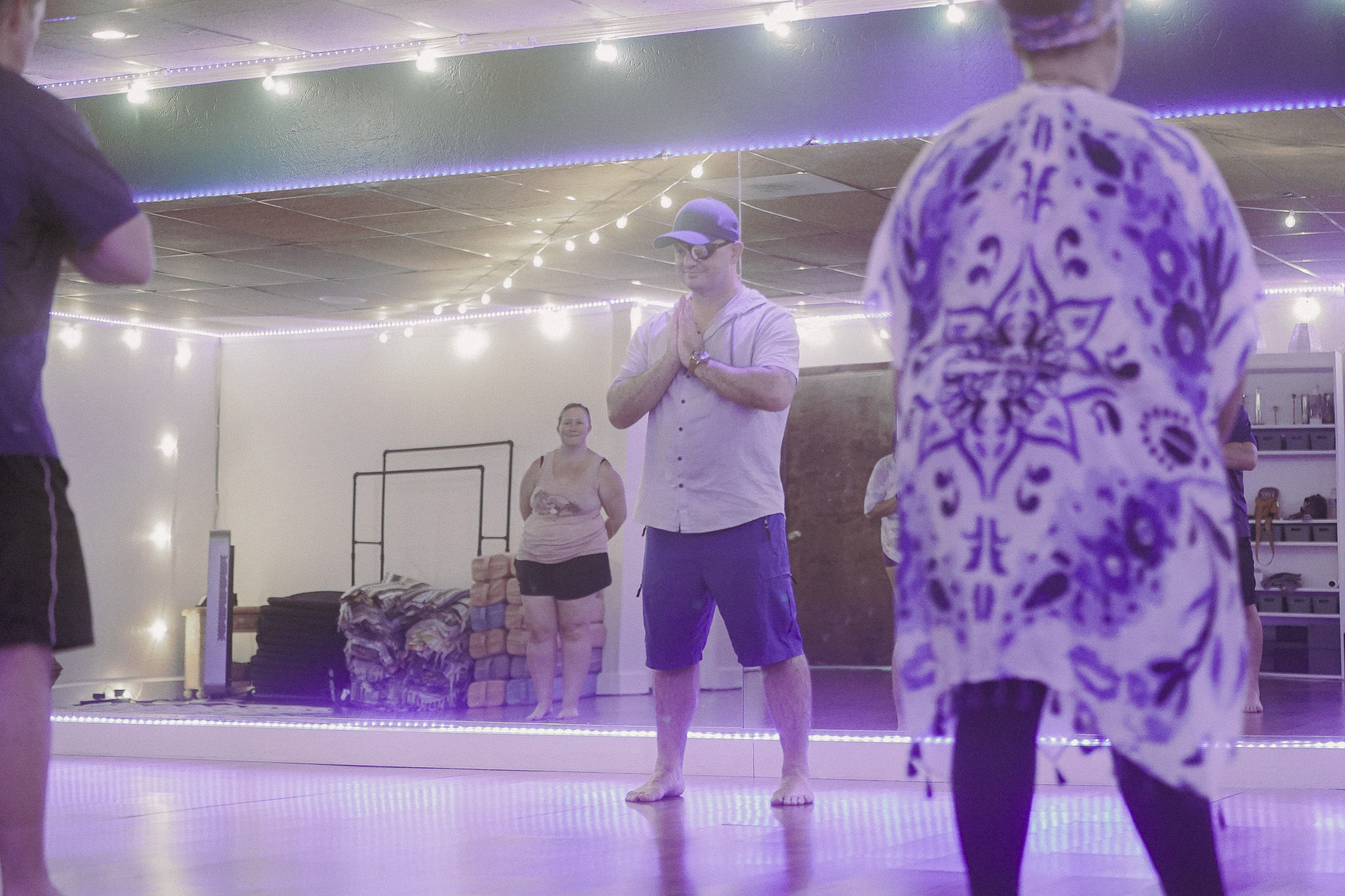
Tai Chi supports mindfulness by giving attention a physical place to return: the breath, body, balance, posture, and present movement.
Tai Chi may support mindfulness by helping you:
Practice presence through the body instead of pressure.
- Notice the breath
- Slow down racing thoughts
- Return attention to the present
- Feel grounded through the feet
- Build body awareness
- Create space before reacting
- Practice emotional balance over time
Mindfulness is not only sitting still
Many people avoid mindfulness practices because they think they have to sit perfectly still, empty the mind, and feel calm immediately. When that does not happen, they may assume they are bad at mindfulness or that meditation is not for them.
In reality, mindfulness can be practiced in many ways. It is less about forcing silence and more about learning how to notice the present moment. That present moment may include breath, sound, emotion, tension, thought, posture, movement, or physical sensation.
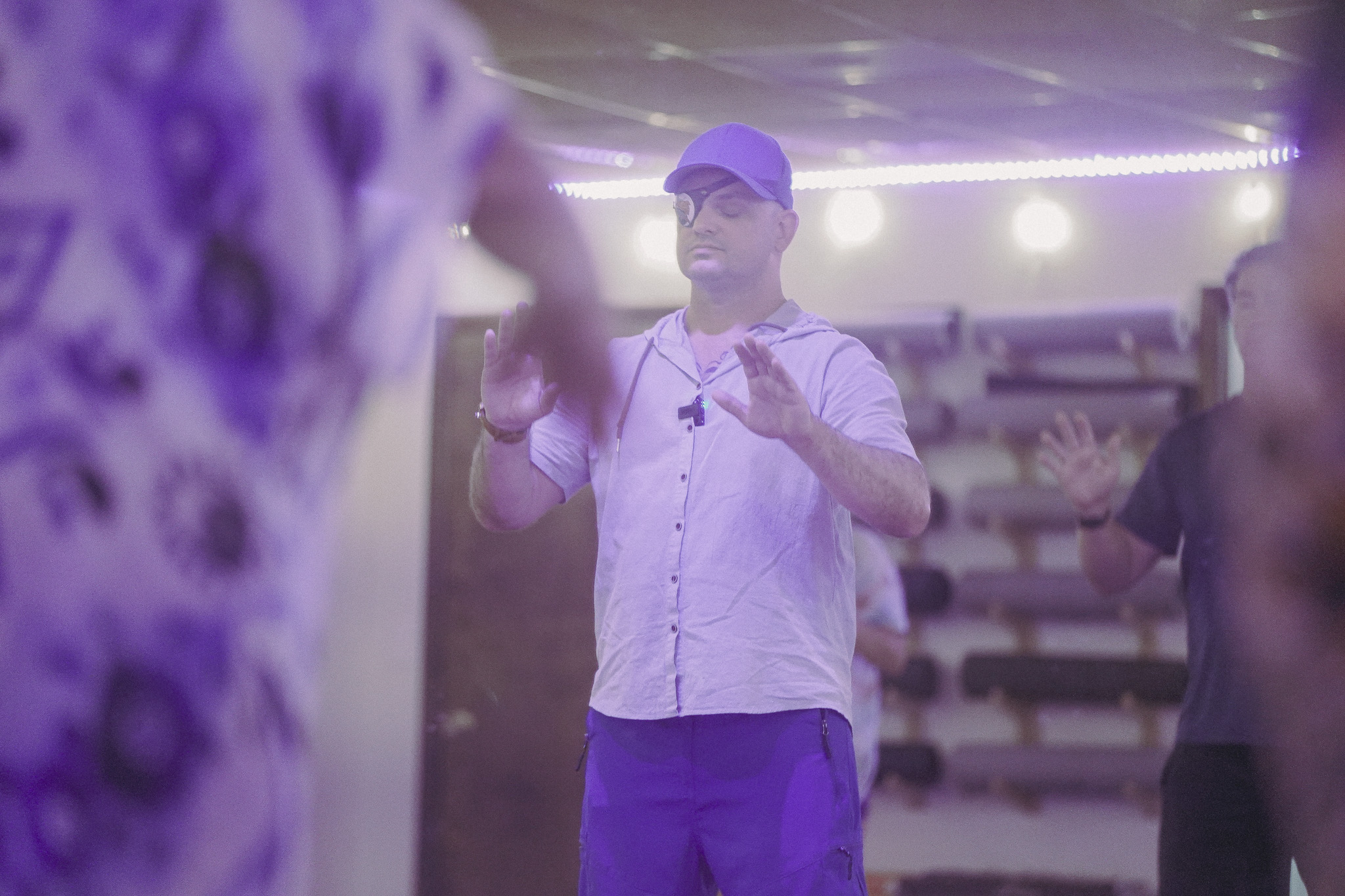
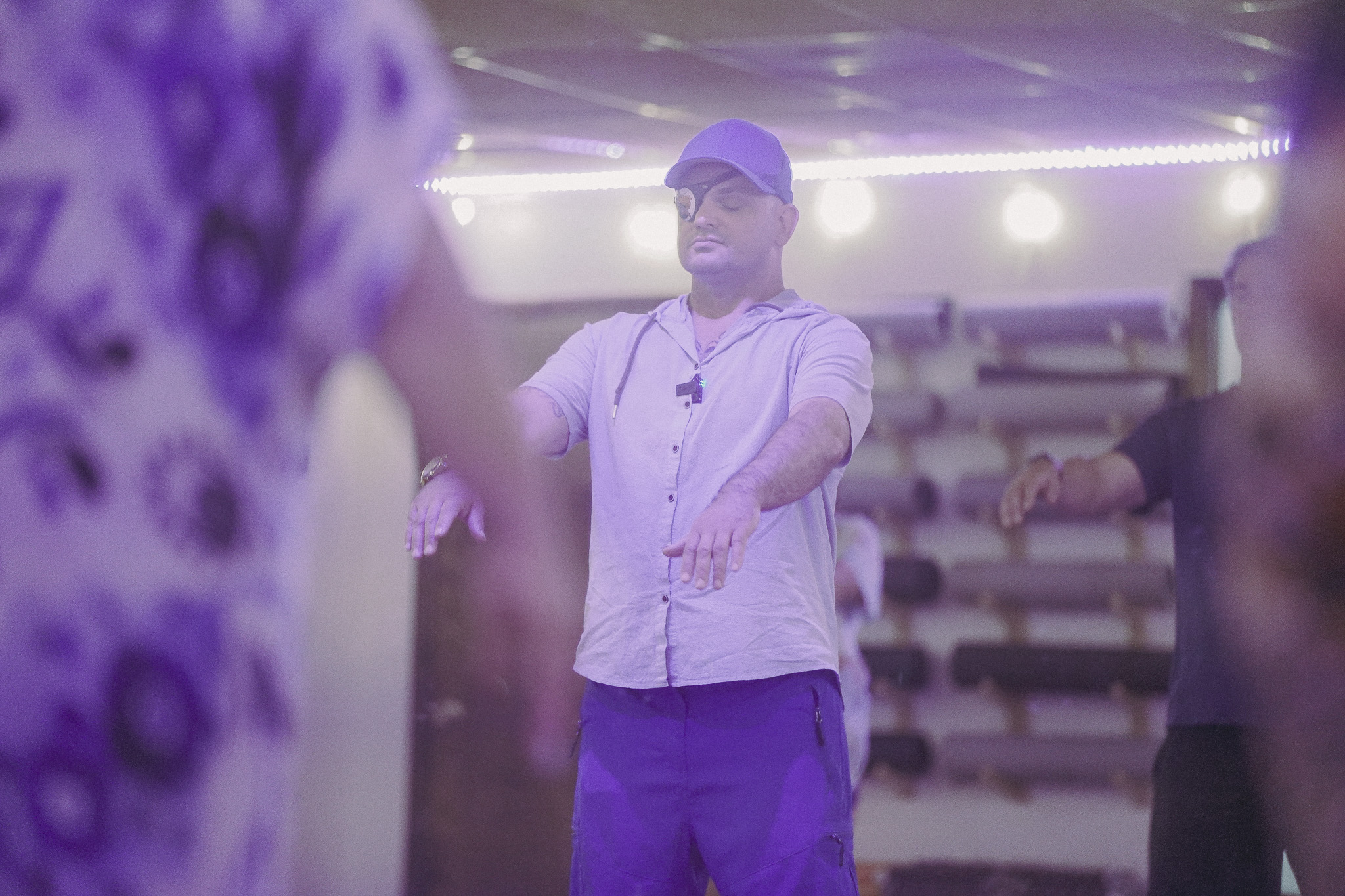
Tai Chi offers a moving form of mindfulness. The body is not asked to disappear from the practice. The body becomes part of the practice. The practitioner feels the feet, follows the hands, notices the breath, shifts weight, and observes what happens internally as movement unfolds slowly.
Mindfulness does not always require stillness. Sometimes presence becomes easier when the body is allowed to move.
Tai Chi helps make presence physical
Presence can feel abstract when it is only talked about as a mental state. People may understand the idea of being present, but still struggle to experience it in daily life. The mind may be thinking about the next task, replaying a conversation, worrying about the future, or trying to solve several things at once.
Tai Chi helps make presence physical. Instead of trying to think your way into the present moment, the practice invites you to feel it through the body. Where are your feet? How is your weight shifting? What is your breath doing? Are your shoulders tense? Are you rushing through the transition?
These questions bring attention into direct experience. Presence becomes less about achieving a perfect mental state and more about noticing what is actually happening in the body right now.
Tai Chi teaches presence by giving the mind something real and physical to pay attention to.
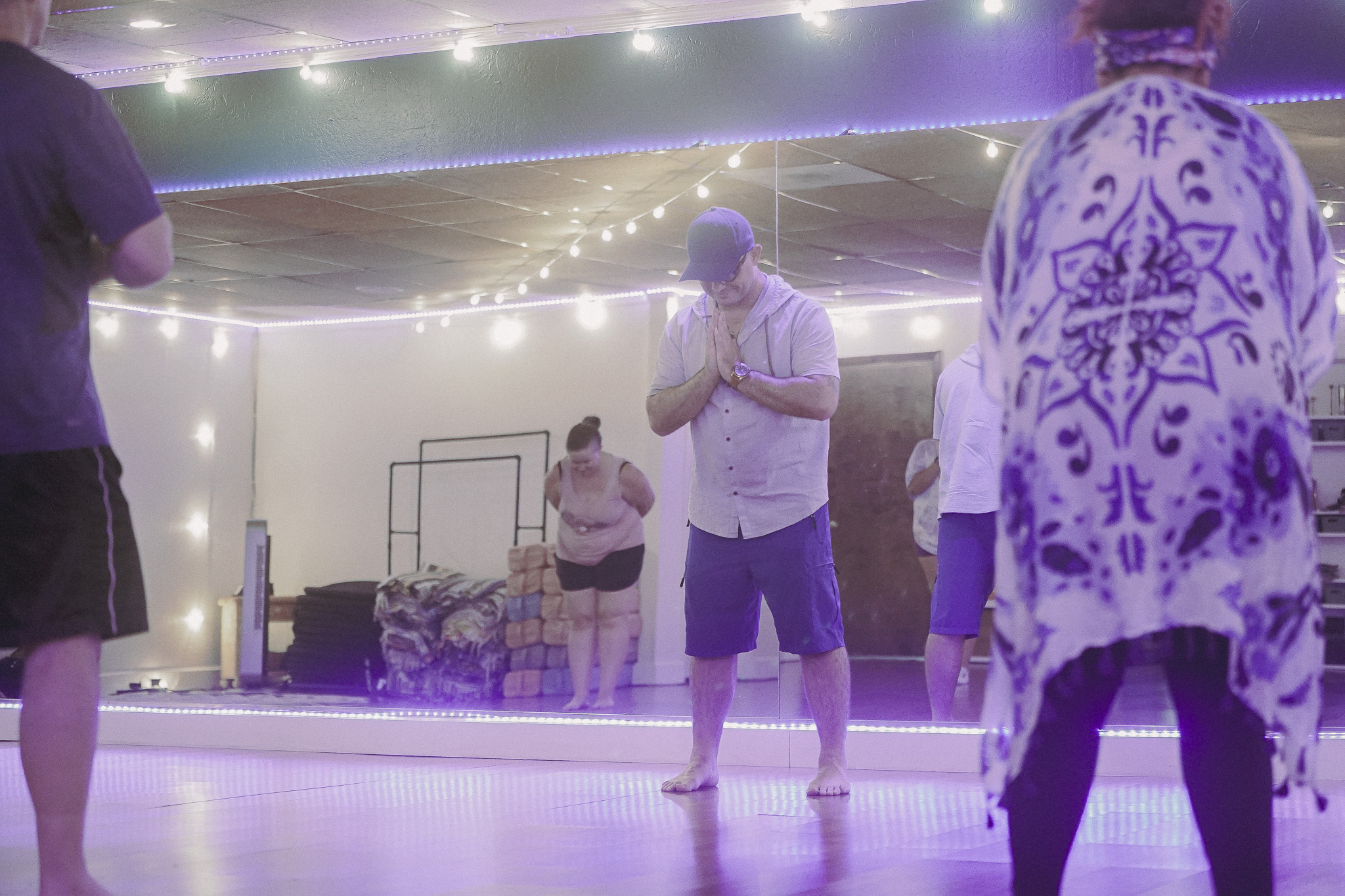
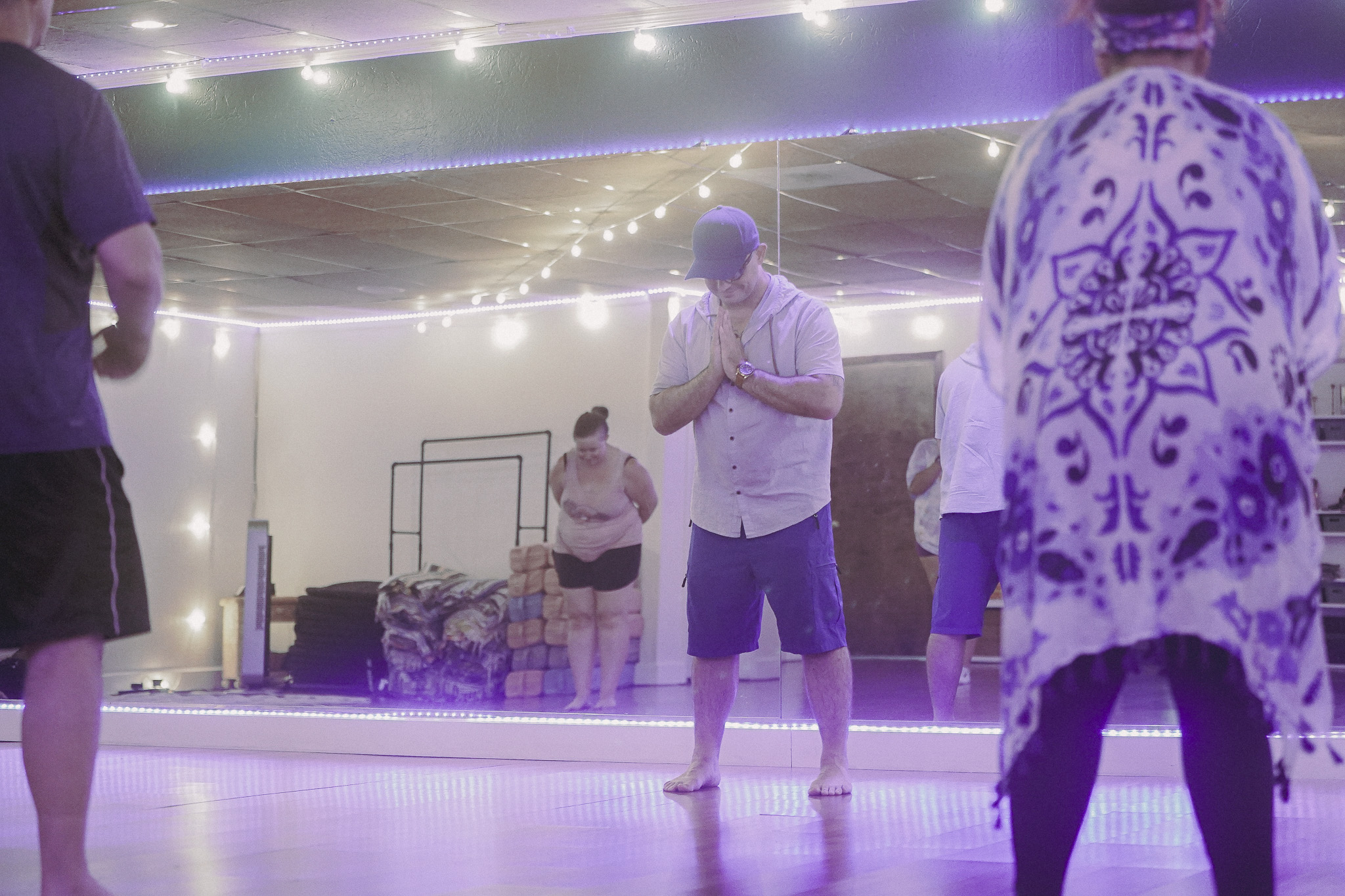
The breath becomes an anchor for mindfulness
The breath is one of the most accessible ways to practice mindfulness because it is always happening in the present moment. When attention becomes scattered, the breath can help bring awareness back into the body.
In Tai Chi, breath awareness develops naturally through slow movement. A person may notice that they hold the breath when concentrating, breathe shallowly when trying to get a movement right, or soften when the body begins to trust the rhythm of the practice.
This kind of awareness can be helpful outside of class. A shallow breath during stress may become a signal to pause. A held breath during a difficult conversation may become a cue to return to the body. One slower breath can create enough space to respond with more awareness.
The breath helps turn mindfulness from an idea into something you can feel and return to.
Held Breath
May show up when the body is concentrating, bracing, controlling, or feeling uncertain.
Shallow Breath
May reveal stress, urgency, emotional activation, screen fatigue, or mental overload.
Noticed Breath
Can become a mindfulness anchor that helps attention return to the body and present moment.
Steadier Breath
May support emotional balance by helping the body feel less rushed and more connected.
Emotional balance begins with noticing what is present
Emotional balance does not mean feeling calm all the time. It does not mean avoiding frustration, sadness, anxiety, grief, anger, or stress. Emotional balance is more about building enough awareness to notice what is present before being completely carried away by it.
Tai Chi supports emotional balance because it helps people notice the body’s early signals. Emotions often show up physically. The chest may tighten. The jaw may clench. The stomach may tense. The shoulders may lift. The breath may become shallow. The body may feel restless, heavy, or braced.
When these signals become easier to notice, there is more opportunity to respond with care. Tai Chi gives people a gentle place to practice noticing sensation, breathing through discomfort, and returning to the present moment without needing to suppress what they feel.
Emotional balance is not the absence of emotion. It is the practice of staying connected while emotion is present.
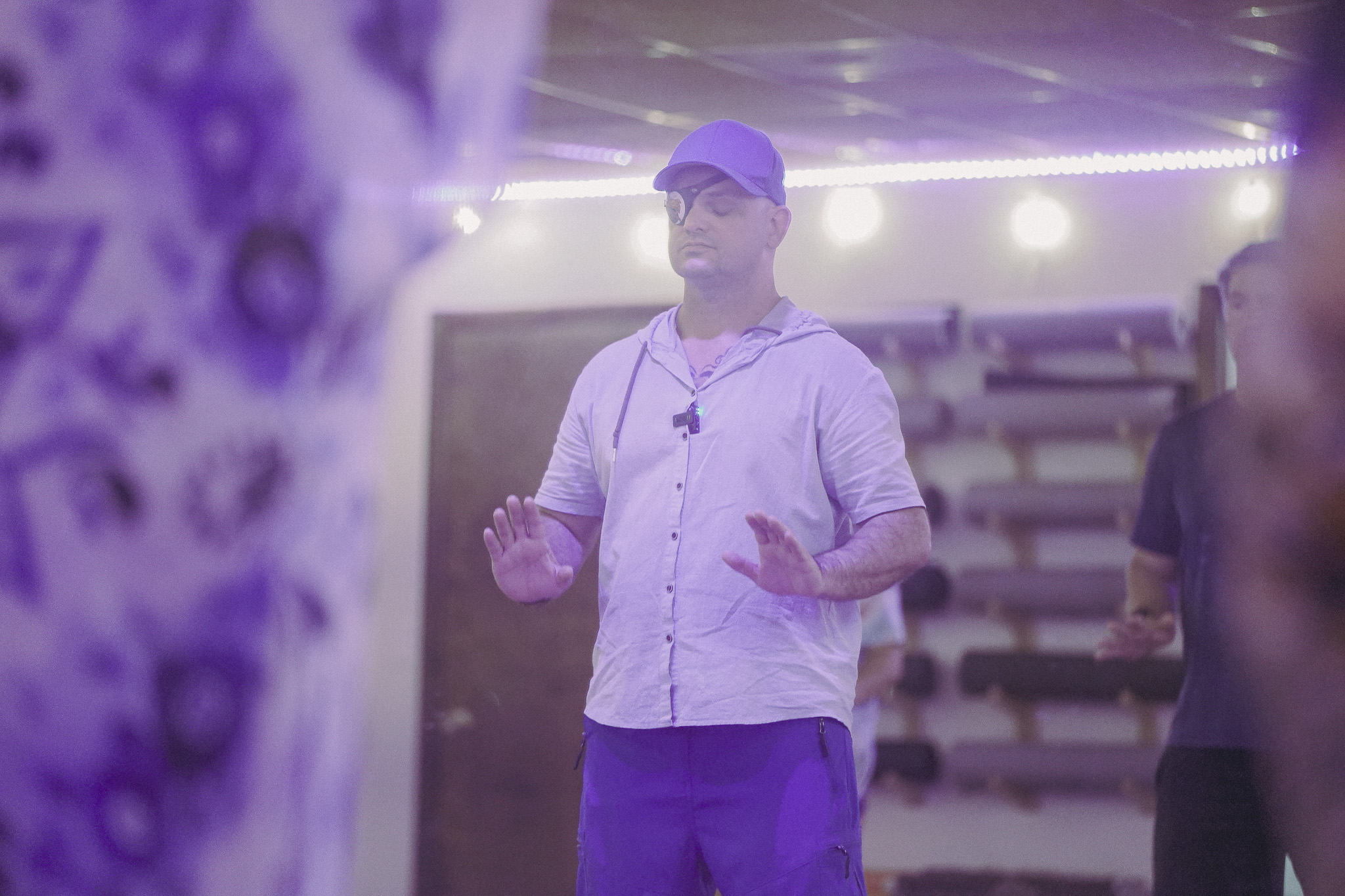
Tai Chi can help people notice how emotions appear in the body through breath, posture, tension, and movement.
Slow movement creates space between feeling and reacting
Many people want to respond to life with more patience, clarity, and care, but reactions can happen quickly when stress is high. A difficult message, a tense conversation, an unexpected change, or a moment of pressure can activate the body before the mind has time to choose a response.
Tai Chi helps by practicing a slower relationship with movement. The body learns to pause, sense support, shift weight, breathe, and move with intention. Instead of rushing from one movement into the next, the practitioner learns to feel the transition.
This can translate into emotional life. A person may begin to notice the moment before reacting. They may feel tension rising, recognize a held breath, or sense urgency in the body. That small moment of awareness can create space for a more grounded response.
Tai Chi teaches that there can be a breath, a pause, and a return before the next response.
Grounding helps when emotions feel overwhelming
When emotions feel intense, attention can move quickly into thought, worry, analysis, or reaction. A person may become caught in what happened, what might happen next, what they should have said, or what they need to fix. The mind may move in several directions while the body feels tense or unsettled.
Tai Chi supports grounding by bringing attention back to the feet, floor, posture, balance, and breath. These physical anchors can help a person locate themselves in the present moment. Grounding does not erase emotions, but it can help the body feel less lost inside them.
This is one reason Tai Chi can be a meaningful mindfulness class for people who feel emotionally overloaded. It gives the body a way to return to support, even while emotions are still present.
Grounding does not make emotions disappear. It helps the body remember that it has support while emotions move through.
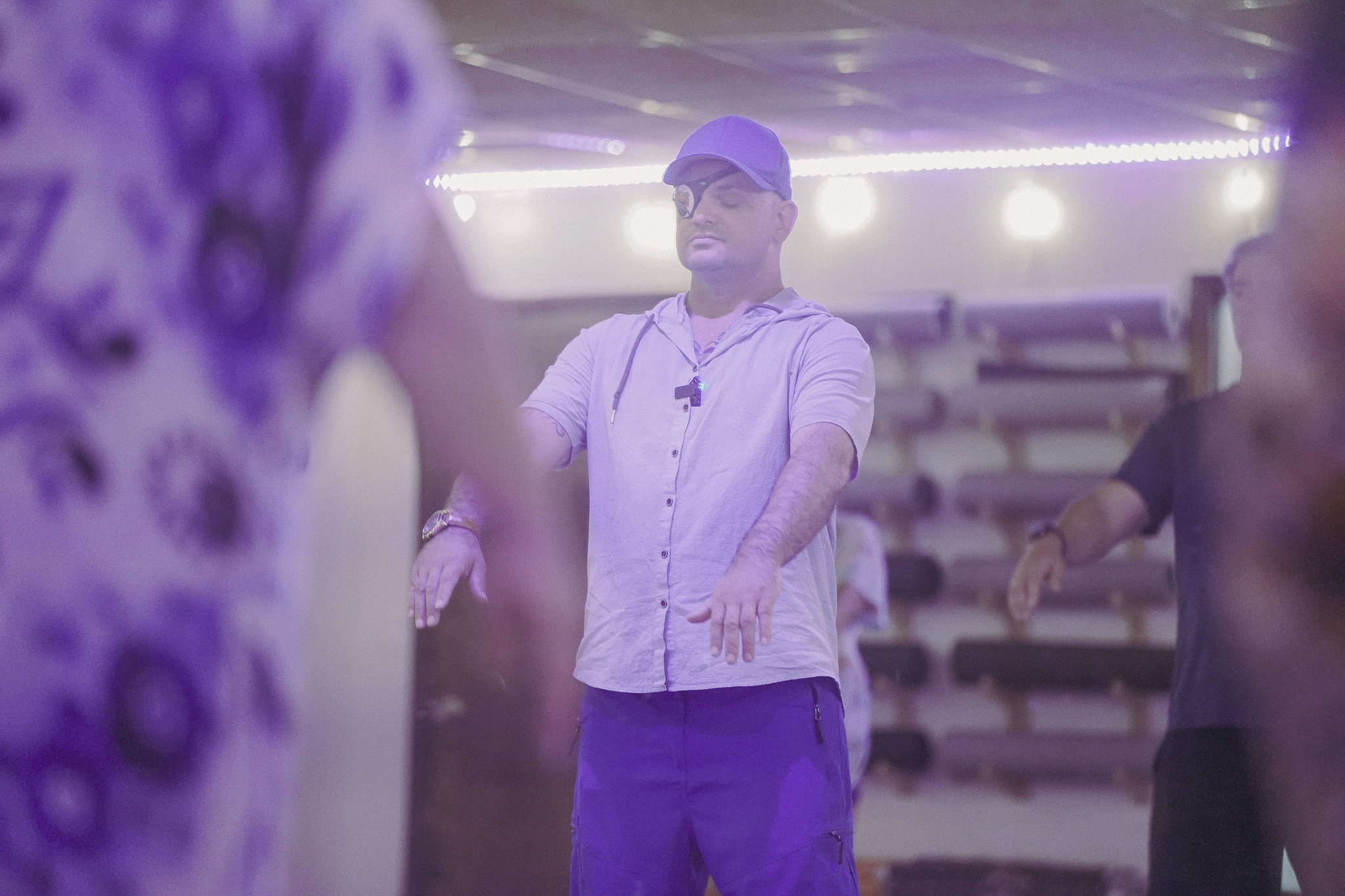
Grounding through Tai Chi helps attention return to the feet, floor, posture, and body when emotions feel intense or scattered.
Tai Chi supports mindfulness for busy minds
Many people searching for mindfulness classes have busy minds. They may be constantly thinking, planning, processing, remembering, worrying, or preparing for what comes next. This can make seated meditation feel difficult because the mind may seem louder when the body becomes still.
Tai Chi offers another doorway into mindfulness. The practice does not require the mind to be quiet before beginning. Instead, it gives the mind a physical pathway to follow. The hands move slowly. The feet shift weight. The breath becomes noticeable. The body becomes the anchor.
For busy-minded people, this can feel more accessible than trying to meditate through stillness alone. The practice allows movement and mindfulness to work together. Attention may wander, but the body offers a place to return.
For busy minds, Tai Chi offers mindfulness through movement instead of demanding stillness first.
Presence grows through repetition
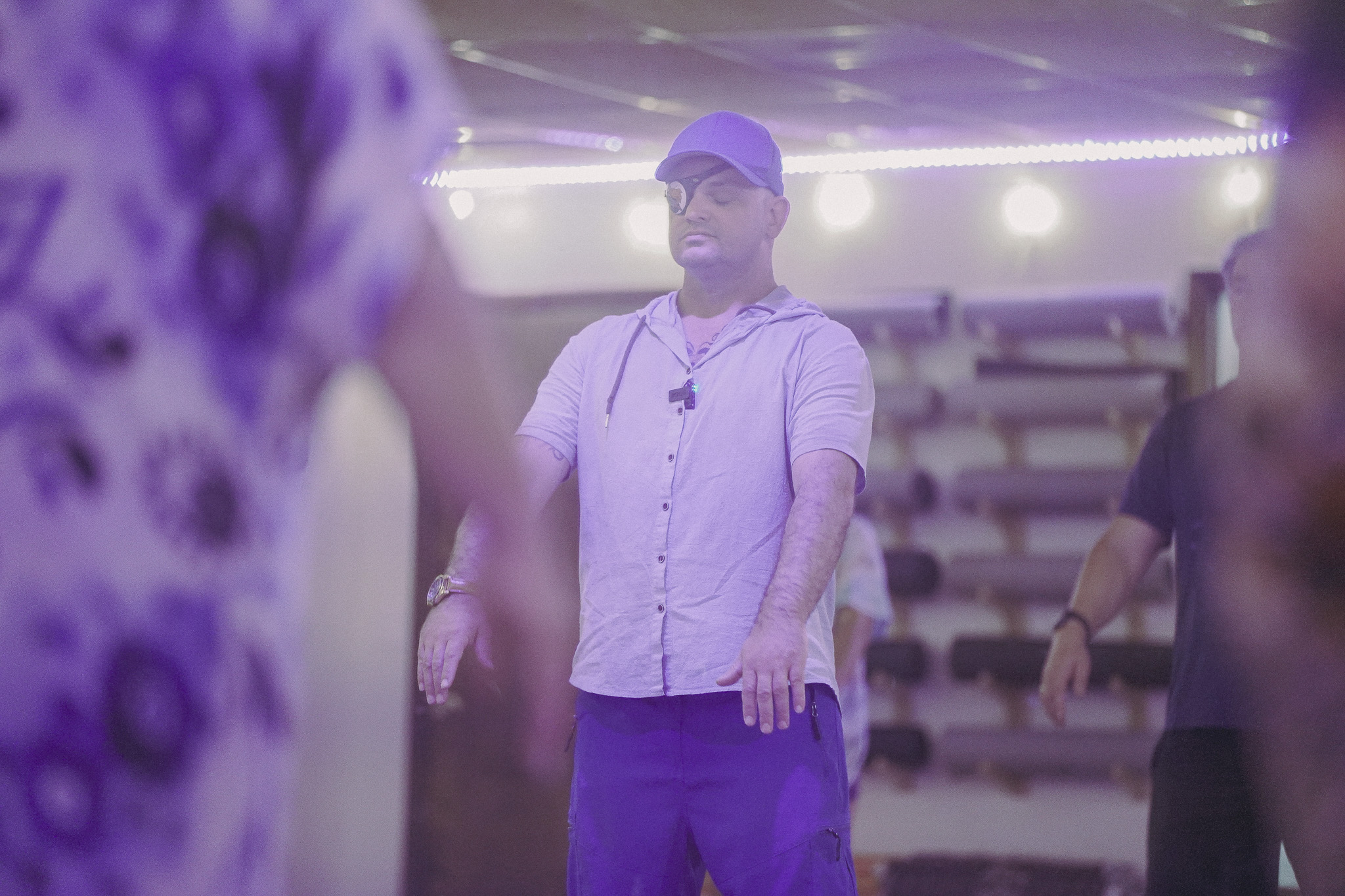
Presence is not something most people can force instantly. It develops through repetition. In Tai Chi, the practitioner repeats movements, returns to the breath, notices the feet, and practices staying with one transition at a time.
This repetition helps because the mind will wander. The body may rush. The breath may disappear. Emotions may appear. Distraction may happen. Tai Chi does not treat these moments as failure. They are part of the practice.
Each return is meaningful. The practice becomes less about staying perfectly present and more about learning how to return more gently, more often, and with less judgment. Over time, this repeated return can support a deeper relationship with mindfulness and emotional balance.
Presence grows through repeated returns, not through perfect attention.

Mindfulness can become practical in daily life
The mindfulness practiced in Tai Chi is not limited to class. It can begin to support real-life moments where presence and emotional balance are needed. A person may notice shallow breathing during stress, tension during a conversation, rushing during work, or emotional activation before reacting.
These moments become opportunities to return. Feel the feet. Take one slower breath. Notice the jaw. Soften the shoulders. Pause before responding. Move through the transition with more awareness. These small practices may seem simple, but they help mindfulness become part of daily life.
This is one of the reasons Tai Chi can be so practical. It teaches mindfulness through the body, and the body is always with you. The breath, feet, posture, and pause can become tools you carry into work, relationships, parenting, caregiving, school, and stressful transitions.
Mindfulness becomes useful when it helps you meet real moments with more awareness, breath, and choice.
At Work
You may notice stress in the breath or shoulders and pause before continuing.
In Relationships
You may feel emotional activation in the body before responding automatically.
During Stress
You may use grounding and breath to create a small space before reacting.
During Rest
You may notice when the body is physically still but the mind is still moving quickly.
What to expect in a Tai Chi mindfulness class
A Tai Chi class may feel slower, quieter, and more body-aware than other movement classes. You can expect gentle movement, breath awareness, posture awareness, grounding, balance practice, and repeated movements that help the body learn gradually.
Beginners do not need to know the movements in advance. You may feel awkward at first. You may forget what comes next. You may notice that your mind wanders or that your body wants to rush. This is normal. Tai Chi is learned through repetition and attention over time.
At The Healing Tree Collective, Tai Chi is offered in a beginner-friendly way so people can begin where they are. The class is not about performing mindfulness perfectly. It is about practicing presence through breath, body awareness, and movement.
A Tai Chi mindfulness class gives you space to practice presence without needing to arrive perfectly calm.

Tai Chi gives beginners a practical way to explore mindfulness through slow movement, breath, grounding, and repetition.
Tai Chi is not a replacement for medical or mental health care
Tai Chi can be a supportive wellness practice for mindfulness, presence, stress relief, gentle movement, breath awareness, grounding, balance, body awareness, focus, and emotional wellbeing, but it is not a replacement for medical care, physical therapy, therapy, medication, psychiatric support, trauma-informed treatment, workplace accommodations, or crisis services. If someone is experiencing persistent pain, significant distress, panic, depression, trauma symptoms, thoughts of self-harm, severe burnout, emotional dysregulation, or difficulty functioning, support from qualified professionals may be necessary.
At the same time, many people benefit from practices that help them slow down, reconnect with the body, and build awareness in a gentle and structured way. Tai Chi can be one supportive part of a broader wellness routine because it offers a repeatable way to practice presence through movement.
The value of Tai Chi is not that it eliminates every emotion or makes someone calm in every situation. Its value is that it gives people a practical way to notice, breathe, ground, and return to awareness within the reality of daily life.
Tai Chi can support mindfulness and emotional balance as part of a broader wellness routine, but it should not replace professional care when professional support is needed.
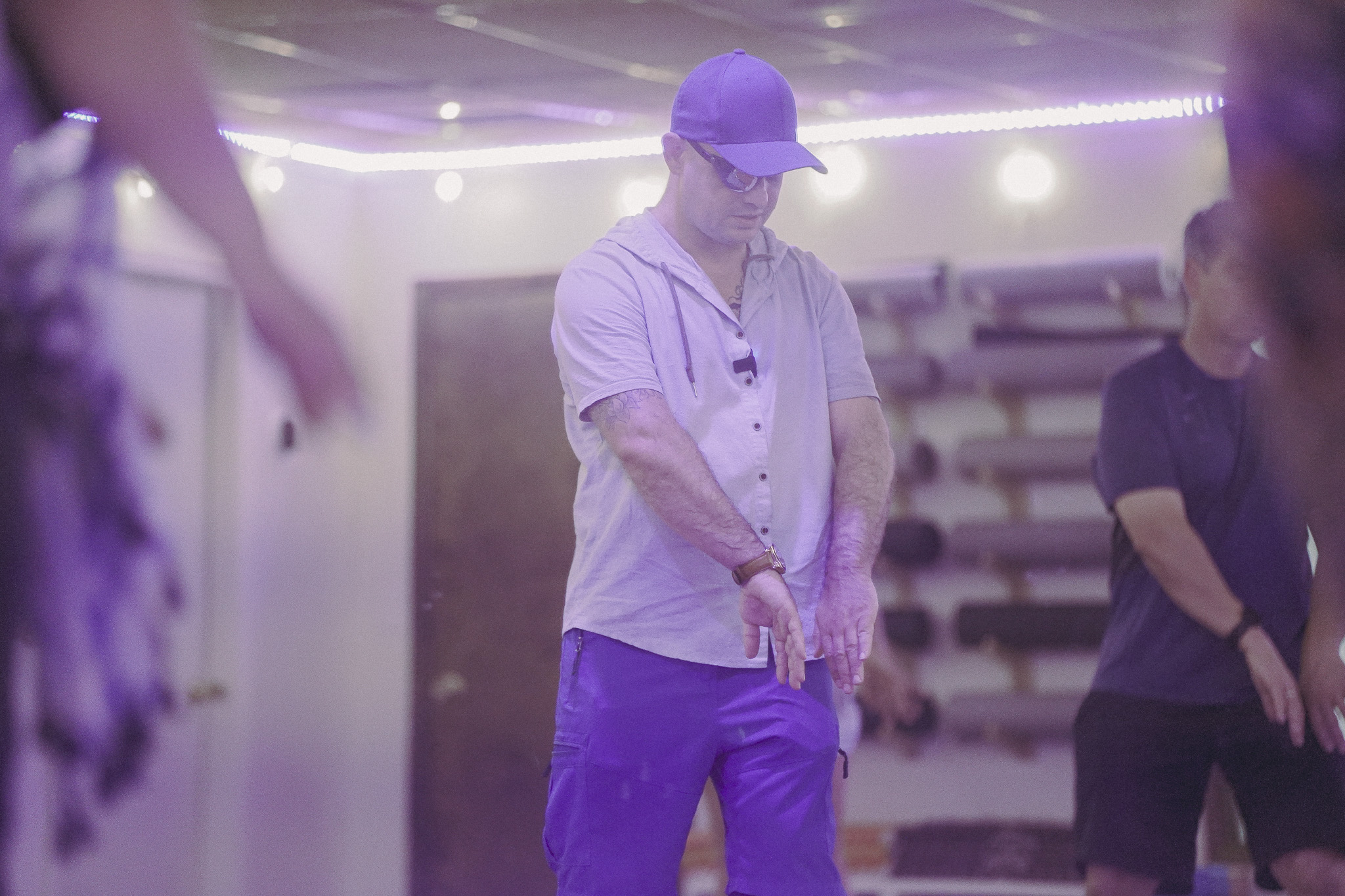
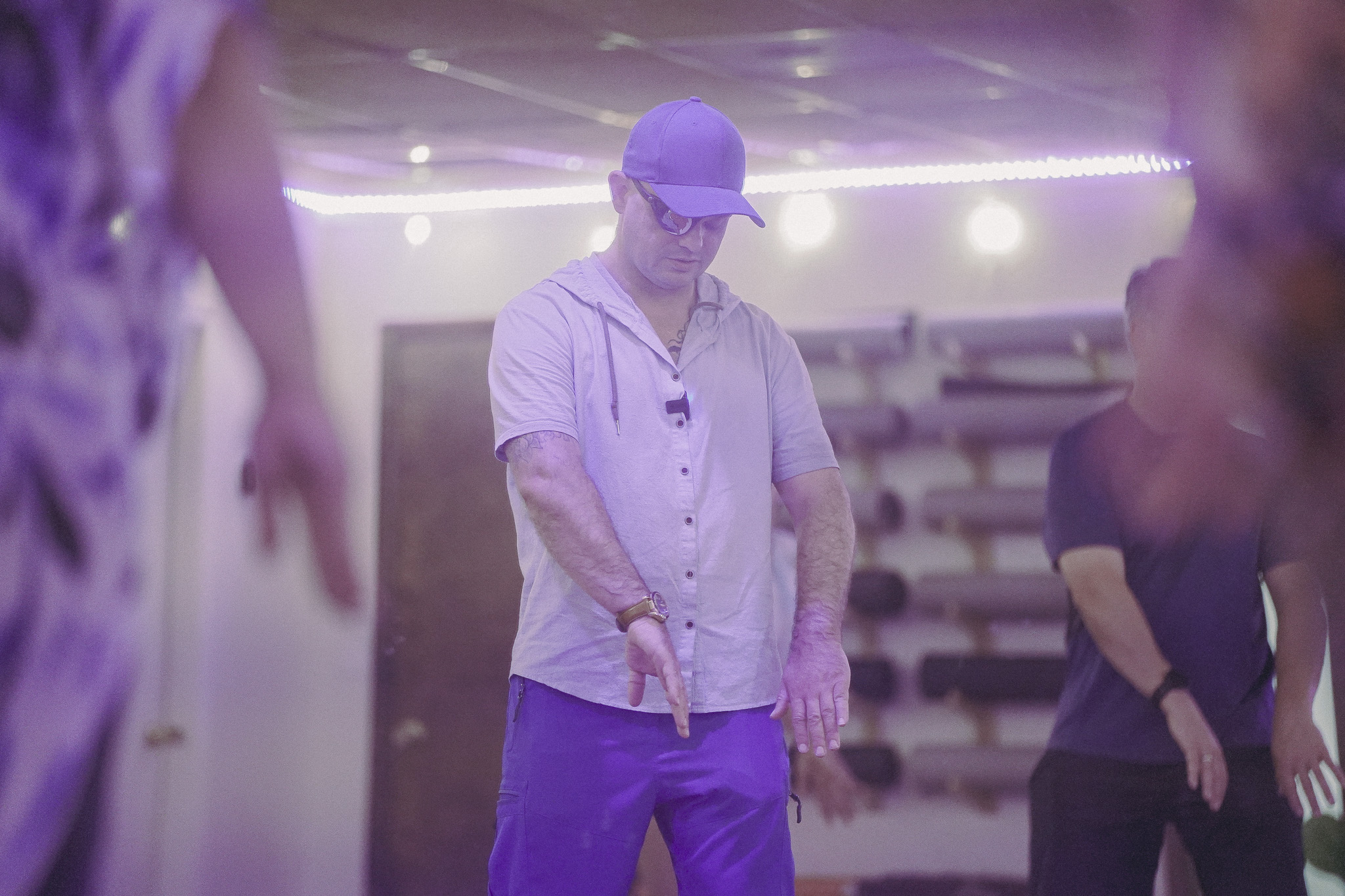
Mindfulness classes at The Healing Tree Collective in Tempe
At The Healing Tree Collective, we offer wellness classes in Tempe that support mindfulness, stress relief, nervous system care, grounding, body awareness, emotional wellbeing, and deeper connection. Our space is designed for people with real lives: full schedules, tired bodies, busy minds, emotional responsibility, and a desire to feel supported.
Tai Chi fits naturally into our approach because it offers a gentle way to move, breathe, focus, and reconnect with the body. It does not require prior experience, advanced flexibility, athletic ability, or a perfectly calm mind. The practice is approachable, steady, and meaningful over time.
If you are looking for mindfulness classes in Tempe and want something that feels beginner-friendly, grounded, and practical, Tai Chi may be a supportive place to begin. You can arrive curious, stressed, tired, distracted, emotional, or completely new. The practice can meet you there.
At The Healing Tree Collective, Tai Chi is offered as a beginner-friendly mindfulness practice that helps people slow down, breathe, move gently, and return to themselves.
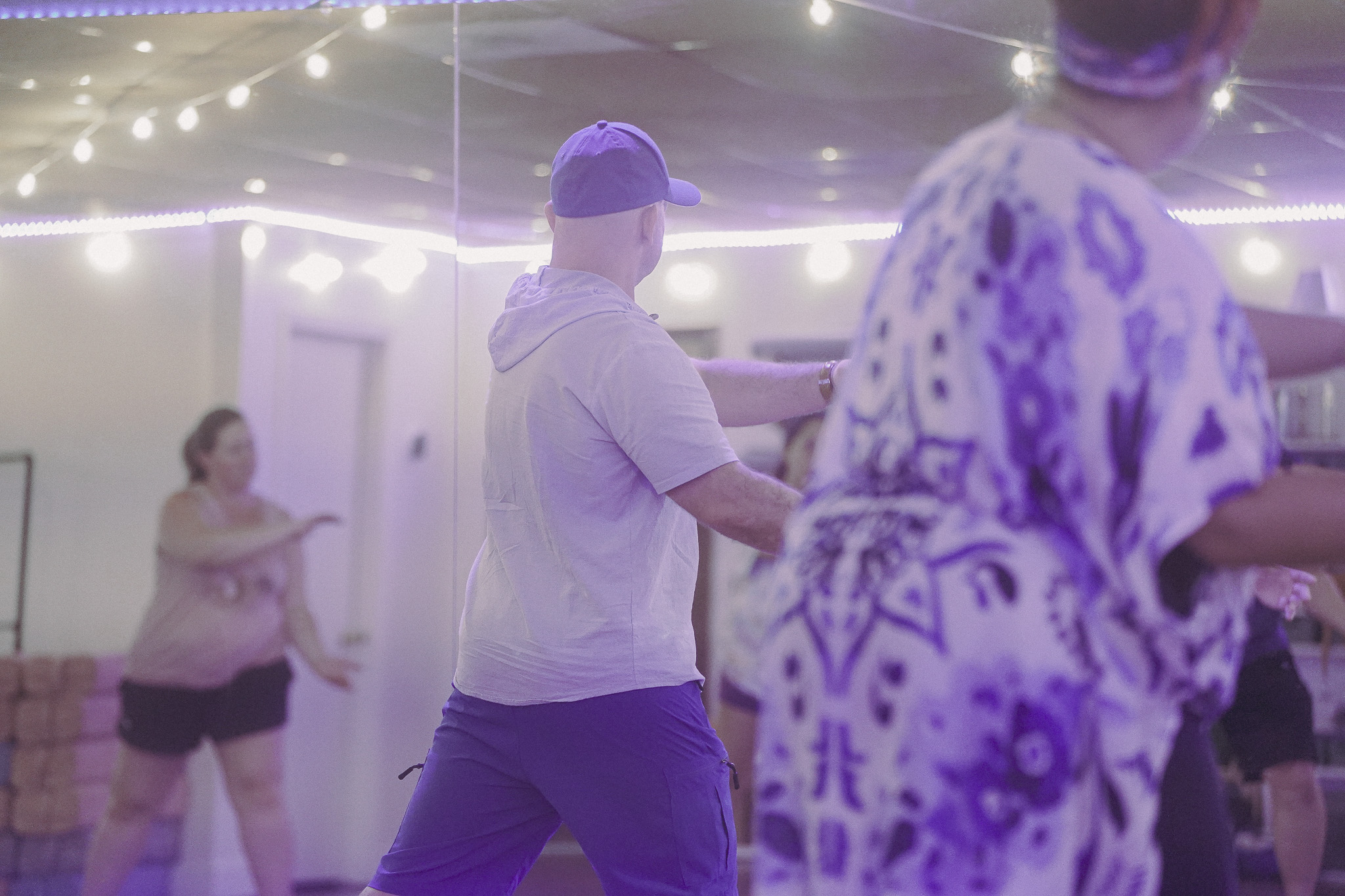
Final thoughts: mindfulness can move with you
If you are searching for mindfulness classes in Tempe, Tai Chi may offer a different kind of entry point into presence. It does not ask you to sit perfectly still, empty your mind, or arrive already calm. It gives the body and mind a shared practice through breath, grounding, balance, and slow movement.
Through Tai Chi, mindfulness becomes something you can feel. You can notice the breath, feel the feet, observe tension, move through transitions, and return when attention wanders. Over time, this practice can support emotional balance by helping you create more space between what you feel and how you respond.
At The Healing Tree Collective, our intention is to make mindfulness feel accessible, human, and connected to real life. Tai Chi is one way we invite people to practice presence without pressure and emotional balance without perfection.
Tai Chi reminds us that mindfulness does not have to be still to be meaningful. Presence can be practiced through one breath, one grounded step, and one gentle return to the body.
Looking for mindfulness classes in Tempe?
The Healing Tree Collective offers beginner-friendly wellness classes in Tempe, Arizona designed to support mindfulness, stress relief, grounding, body awareness, balance, emotional wellbeing, and deeper connection. If you are curious about Tai Chi, gentle movement, moving meditation, or a practice that supports presence and emotional balance, you are welcome to begin here.