17 July 2026
The Healing Tree Collective • Tempe, Arizona
Tai Chi and Balance: More Than Just Physical Stability
When people think about balance, they often think about the ability to stand on one foot, avoid falling, or stay physically steady. While physical stability is an important part of balance, Tai Chi teaches that balance is much more than a physical skill.
Balance also involves attention, breath, grounding, patience, posture, and the ability to respond when something changes. It is not only about staying perfectly still. It is about learning how to adjust, return, and find steadiness again when the body, mind, or life feels pulled off center.
Tai Chi supports balance by helping people practice physical stability while also developing body awareness, focus, emotional steadiness, and a more grounded relationship with uncertainty.
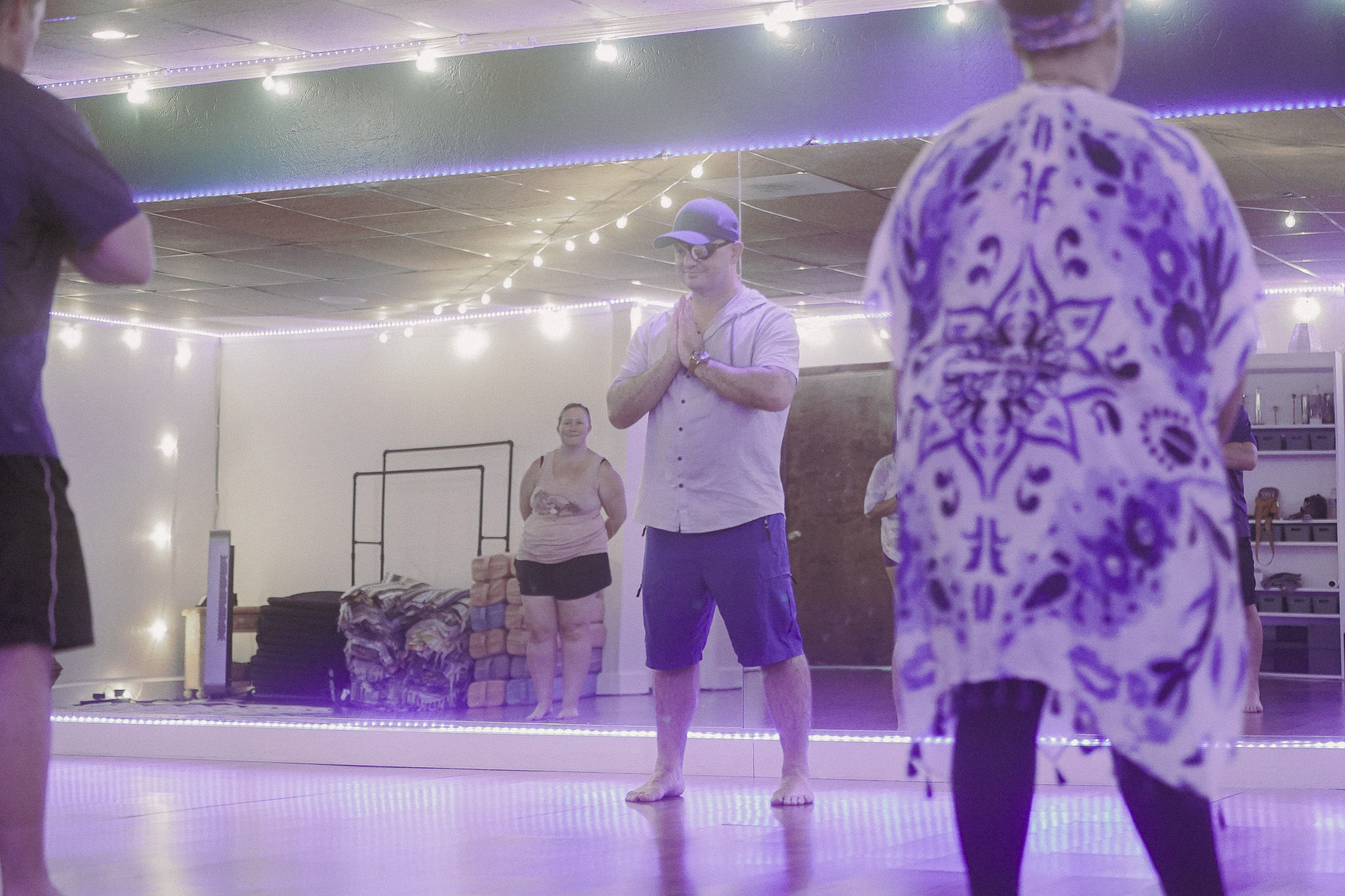
Tai Chi teaches balance through slow movement, weight shifting, breath awareness, grounding, and mindful attention.
In Tai Chi, balance can include:
More than physical steadiness. Balance becomes a full-body practice of awareness and return.
- Feeling grounded through the feet
- Shifting weight with awareness
- Noticing how breath changes with pressure
- Staying present during transitions
- Making small adjustments without panic
- Learning how the body responds to uncertainty
- Returning to center after feeling unsteady
Balance is not the absence of movement
Many people imagine balance as a still position. They picture the body holding steady without wobbling, shifting, or needing adjustment. In real life, balance is more dynamic than that. The body is constantly making small corrections. The feet respond to the ground. The knees adjust. The breath changes. The posture organizes itself moment by moment.
Tai Chi teaches this clearly because the practice involves slow, continuous movement. Balance is not only practiced when the body is still. It is practiced while shifting weight, stepping, turning, extending the arms, softening the knees, and moving from one posture into another. The body learns to stay connected while change is happening.
This matters because life is also full of movement and change. Stability is not always about staying fixed. Sometimes balance means learning how to remain connected while responsibilities, emotions, decisions, relationships, and circumstances continue to shift around you.
In Tai Chi, balance is not about becoming motionless. It is about learning how to stay connected while movement and change are happening.
Physical balance begins with grounding
Before the body can shift with steadiness, it needs a sense of support. In Tai Chi, that support begins with the feet. The practitioner learns to feel contact with the floor, notice how weight is distributed, and recognize whether the body feels grounded or disconnected.
This may sound simple, but many people are not used to paying attention to their feet. They may live primarily in the mind, moving through thoughts, responsibilities, and stress without noticing how the body is standing. Tai Chi brings awareness downward. It teaches the body to feel the ground beneath it.
Grounding is important because balance cannot develop only from thinking. A person can understand a movement mentally, but the body still needs to sense where support is coming from. Tai Chi helps people practice this through slow weight shifts, steady posture, and repeated attention to the base of the body.
Balance begins when the body learns where support is coming from.
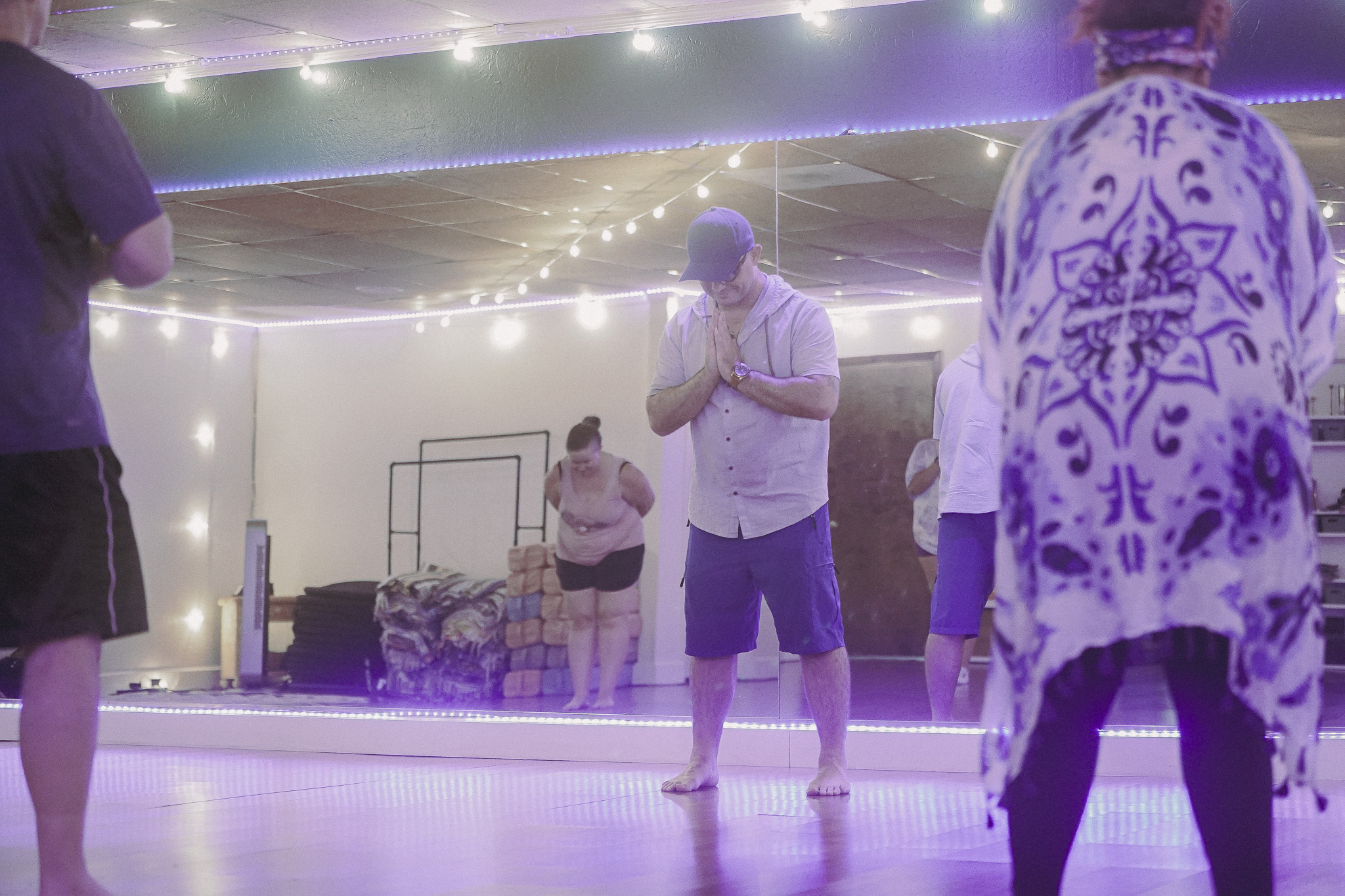
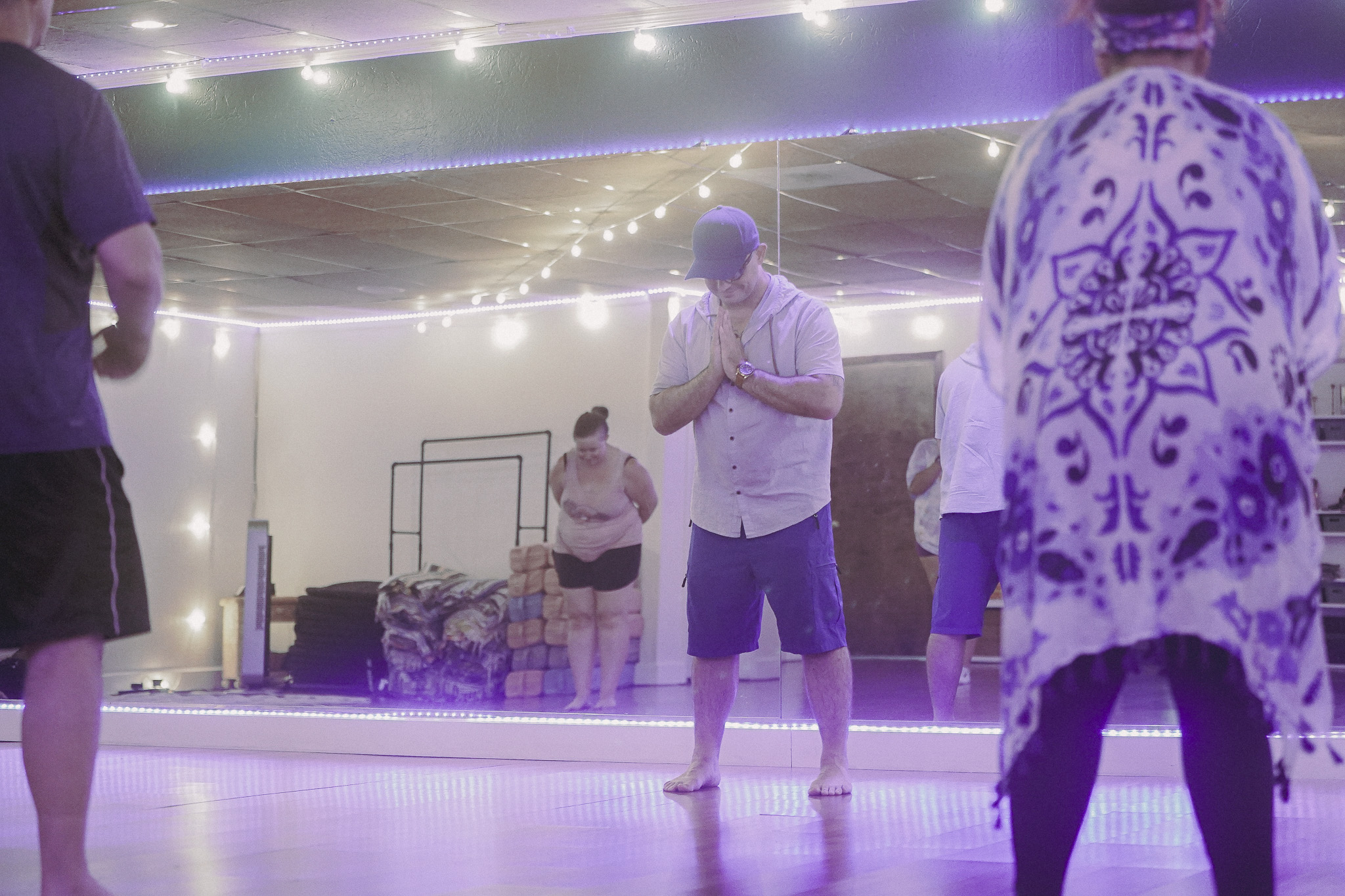
Weight shifting teaches awareness and control without force
One of the most important elements of Tai Chi is weight shifting. The body gradually moves weight from one side to the other, from one foot into the next, or from one posture into another. These shifts are slow enough for the practitioner to notice what is happening in real time.
Weight shifting teaches control, but not the kind of control that comes from force or rigidity. It teaches responsive control. The body learns how to sense, adjust, soften, and move with intention. If the practitioner rushes, balance may feel harder. If the knees lock, the body may feel less adaptable. If the breath is held, the movement may become tense.
This kind of awareness is valuable because many people try to find stability by tightening, controlling, or bracing. Tai Chi offers another way. It shows that steadiness can come from sensitivity, patience, and small adjustments rather than from force.
Weight shifting teaches that stability is not always created by tightening. Sometimes it is created by sensing, softening, and adjusting.
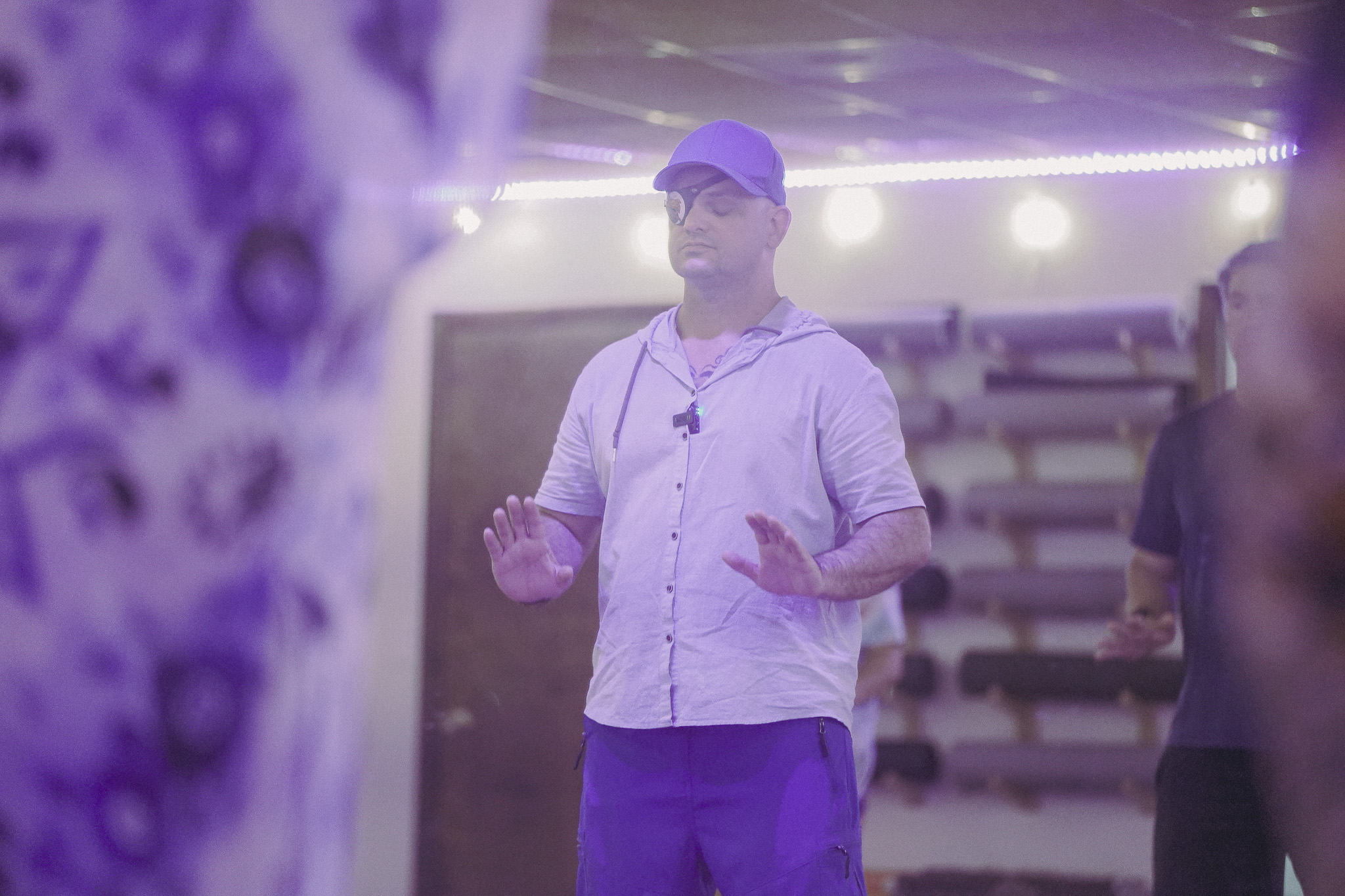
Slow weight shifting helps the body practice balance through awareness, grounding, and small adjustments.
Balance teaches you how you respond to uncertainty
Balance can reveal a lot about how the body responds when something feels uncertain. During a slow transition, a person may notice that they hold the breath, tense the shoulders, tighten the jaw, rush the movement, or become self-critical when the body feels unsteady.
These reactions are not limited to Tai Chi. They can reflect broader patterns. When life feels uncertain, many people respond by bracing, overthinking, rushing, trying to control, or judging themselves for not having everything figured out. The body may show these patterns through balance before the mind has fully named them.
Tai Chi creates a gentle place to observe uncertainty. The goal is not to avoid feeling unsteady. The goal is to notice how the body responds and practice returning to support. This can help people develop a more grounded relationship with moments that feel unclear, transitional, or unfamiliar.
Balance teaches us how the body meets uncertainty: whether through breath, grounding, patience, control, tension, or rushing.
Bracing
The body may tighten when balance feels uncertain, revealing how stress can create physical protection.
Rushing
The body may try to move quickly through instability instead of staying present with the transition.
Breath-Holding
The breath may disappear during moments that require focus, balance, or trust in the body.
Returning
Tai Chi gives the body repeated chances to return to the feet, breath, posture, and present moment.
Balance requires attention to stay present
When the body is balancing, attention cannot move too far away without the body noticing. If the mind is already focused on the next movement, balance may feel less steady. If the practitioner is comparing themselves to someone else, they may lose connection with their own feet. If the mind becomes harsh or impatient, the body may respond with tension.
This is one of the reasons Tai Chi can be helpful for mindfulness. Balance brings attention back into the present moment. It gives the mind something immediate to participate in. The practitioner has to feel the feet, notice the breath, sense the posture, and remain aware of the transition that is happening now.
Over time, this can support more focused attention. The mind learns that balance is not only physical. It is also mental. To remain steady, attention needs to stay connected to the body rather than constantly reaching ahead or drifting away.
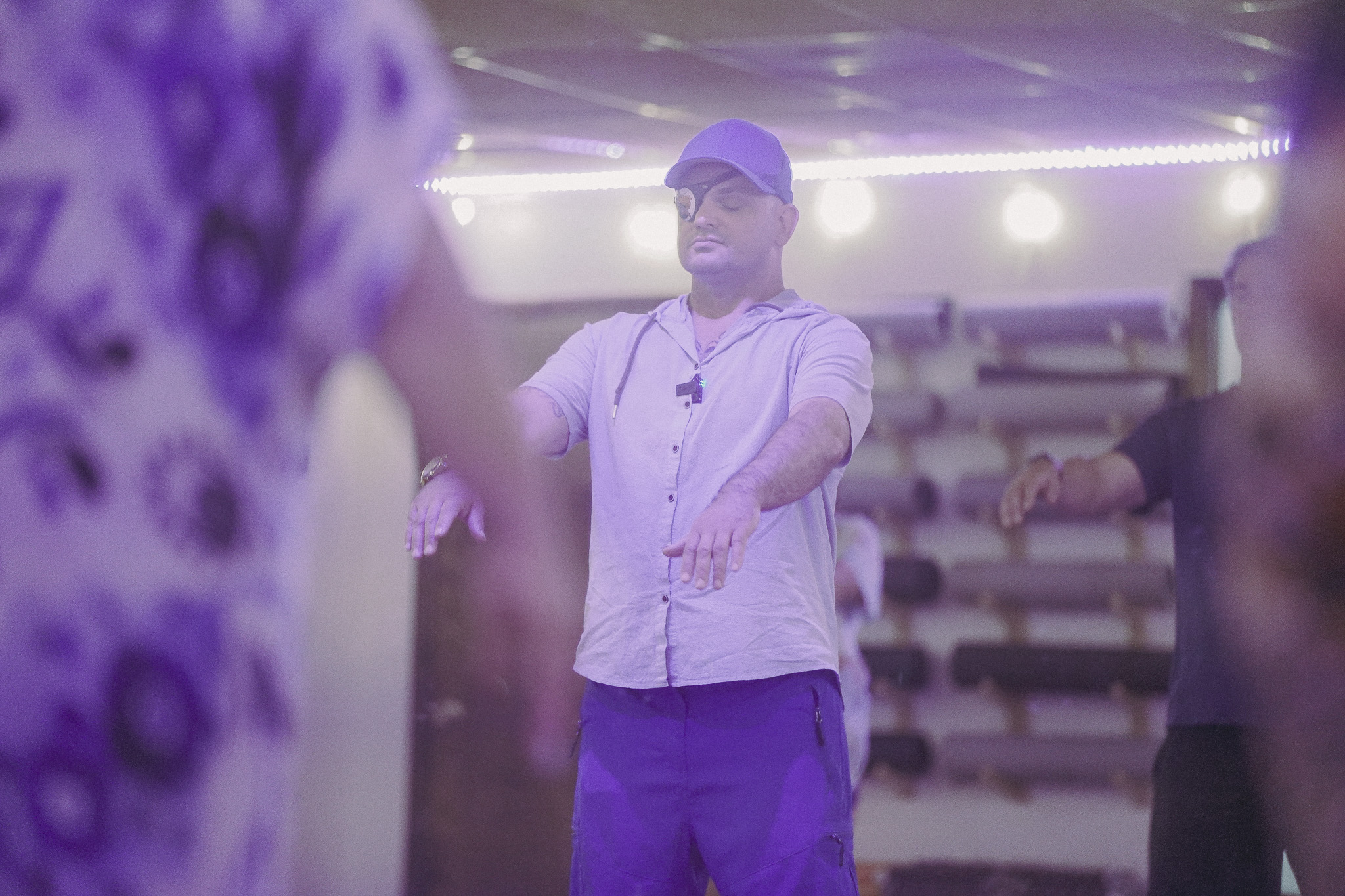
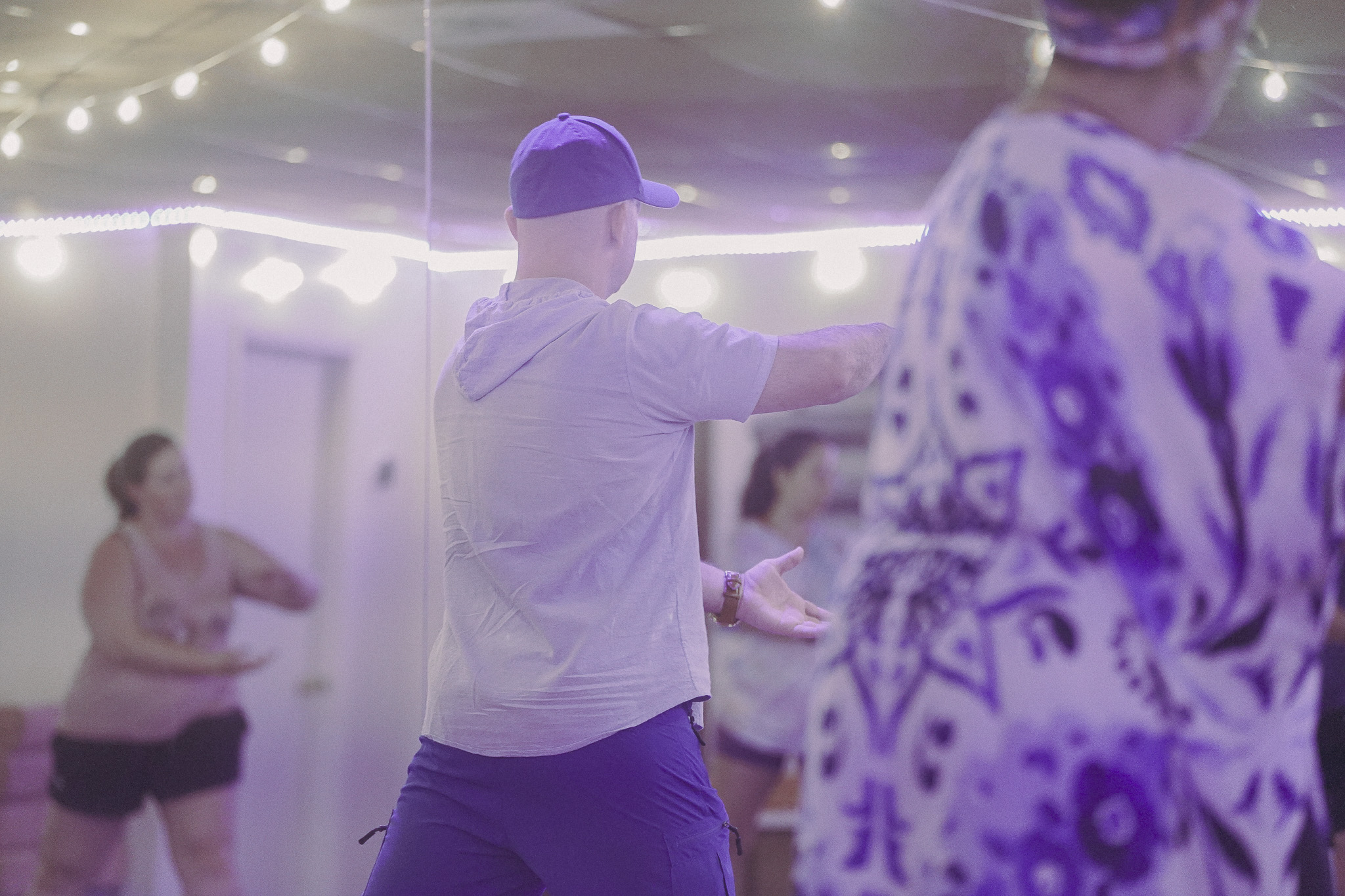
Balance brings attention back to the present because the body cannot stabilize in a moment the mind has already left.
Balance is built through small adjustments
One of the most important lessons in Tai Chi is that balance is not a fixed achievement. It is a living process. The body is constantly making small adjustments to remain steady. A slight shift in the foot, a softer knee, a more available breath, or a relaxed shoulder can change the entire experience of a movement.
This can be a helpful lesson for people who feel pressure to get things right immediately. Tai Chi shows that steadiness is often built through correction, not perfection. Losing balance slightly does not mean failure. It provides feedback. The body learns through sensing and adjusting.
This lesson applies beyond movement. Many parts of life require small adjustments rather than dramatic changes. A slower response, a clearer boundary, a pause before saying yes, a breath before reacting, or a moment of grounding before continuing can all support greater steadiness. Tai Chi helps people understand this through the body.
Balance is not maintained by never wobbling. It is developed through noticing the wobble and learning how to adjust.
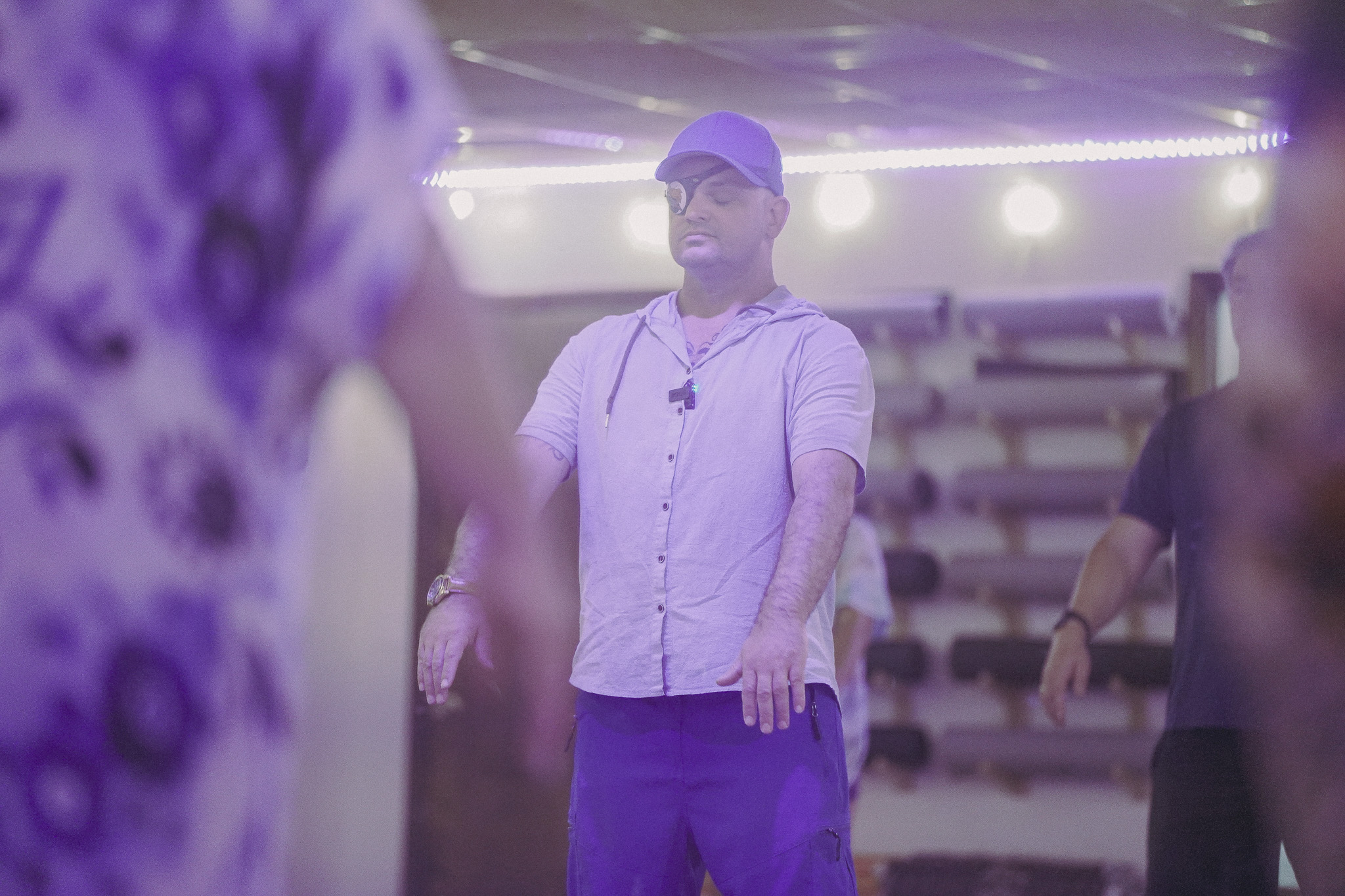
Tai Chi teaches that balance is built through small adjustments, not perfect stillness.
Balance can reveal where you are overworking
Many people try to create balance through extra effort. They tighten the body, lift the shoulders, hold the breath, lock the knees, or use force to feel steady. This may create a temporary sense of control, but it often creates more tension than true stability.
Tai Chi helps reveal over-effort because the practice is gentle enough for unnecessary tension to become noticeable. A practitioner may realize that the upper body is working too hard, the jaw is clenched, or the breath has disappeared during a simple weight shift. These observations can be very useful.
The lesson is not that effort is bad. Effort is needed in practice and in life. The lesson is that over-effort can reduce adaptability. When the body is too tense, it becomes harder to adjust. Tai Chi teaches a more balanced relationship with effort, where support comes from grounding, breath, alignment, and awareness rather than force alone.
Tai Chi helps show the difference between useful effort and unnecessary tension.
Emotional balance can begin with physical awareness
Emotional balance does not mean never feeling strong emotions. It does not mean staying calm in every situation or avoiding discomfort. A more realistic understanding of emotional balance is the ability to notice what is happening, stay connected to the body, and respond with more awareness instead of being completely overtaken by the moment.
Tai Chi can support this because physical balance and emotional steadiness are connected through attention and body awareness. When the body practices grounding, breathing, adjusting, and returning, the mind also practices a form of steadiness. The practitioner learns to notice discomfort without immediately rushing away from it.
This can be especially helpful in daily life. When a difficult conversation, stressful decision, or emotional transition pulls someone off center, the body may already know how to return to the breath, feet, posture, or a slower pace. Tai Chi gives the body repeated practice in returning.
Emotional balance is not the absence of feeling. It is the ability to stay connected to yourself while feelings move through.


Balance also means knowing when to return to support
In Tai Chi, balance is not created by pretending support is unnecessary. The body needs the floor. The feet need contact. The legs need to participate. The breath needs space. The posture needs organization. Balance depends on relationship with support.
This can be a meaningful lesson for people who are used to carrying too much alone. Many people try to stay balanced by pushing through, ignoring stress, or holding everything internally. Tai Chi offers a physical reminder that steadiness is not created in isolation. It is created through support, grounding, awareness, and adjustment.
Learning to return to support during practice can translate into daily life. Support may look like rest, asking for help, setting a boundary, slowing down, joining a class, talking to someone trusted, or making space to breathe. Balance becomes more than a physical skill; it becomes a way of relating to care.
Balance is not about proving you can hold everything alone. It is about learning how to return to support when you need it.
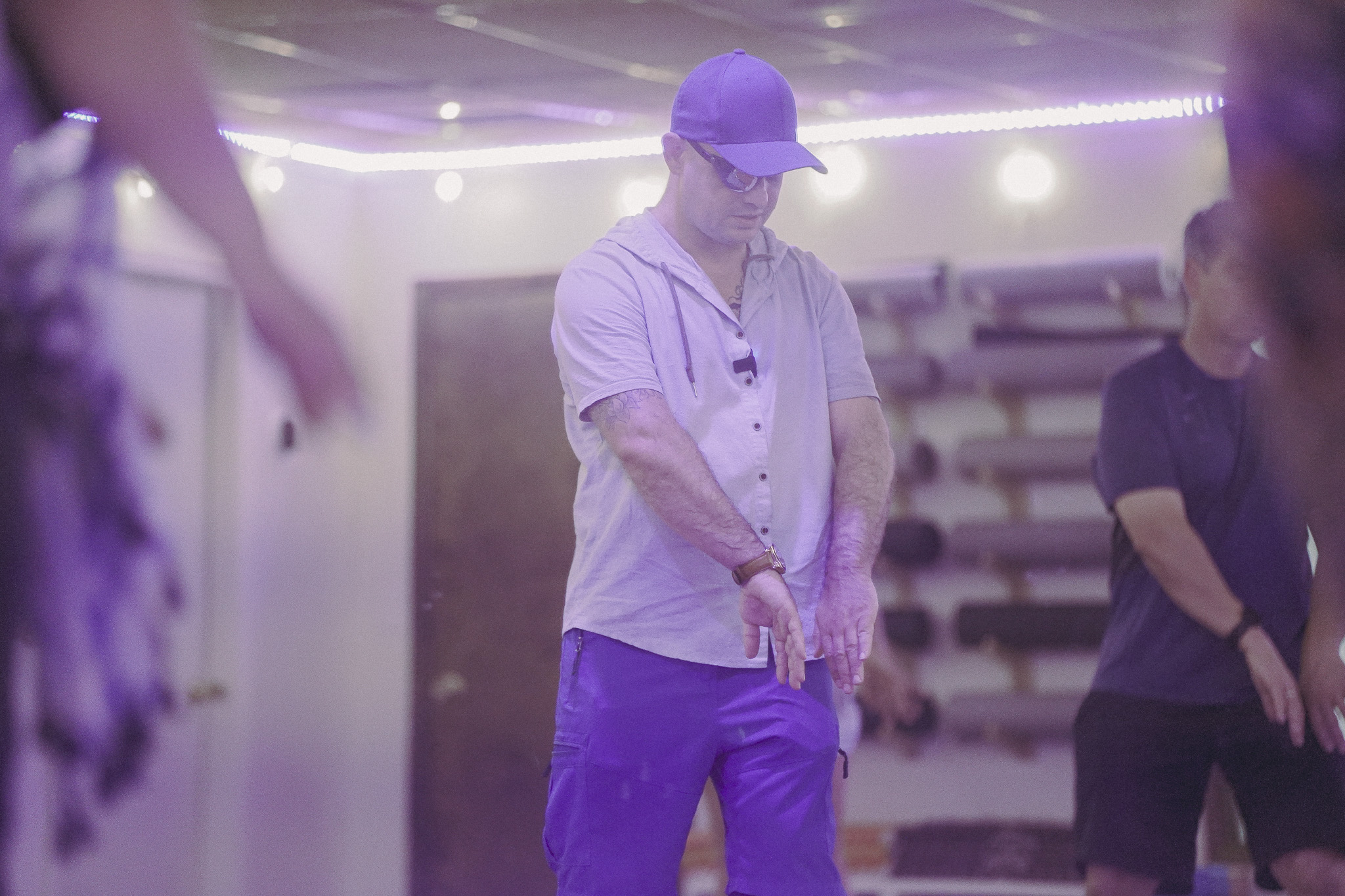
Tai Chi reminds the body that balance depends on support, grounding, breath, and small adjustments.
Repetition helps balance deepen over time
Balance is not usually mastered in one class. Like many parts of Tai Chi, it develops through repetition. Each practice gives the body another opportunity to feel the feet, shift weight, adjust posture, notice breath, and return when something feels unsteady.
At first, balance may feel awkward or inconsistent. A beginner may feel unsure of the sequence, distracted by the movements, or self-conscious about wobbling. This is normal. The body is learning how to coordinate attention, movement, and support in a new way.
Over time, repetition helps the body become more familiar with steadiness. The movements may feel less foreign. The breath may become easier to access. The feet may feel more connected to the ground. The practitioner may begin trusting small adjustments instead of forcing balance through tension.
Balance deepens through repetition because the body needs repeated experiences of grounding, shifting, adjusting, and returning.
First Class
Balance may feel unfamiliar because the body is learning a slower and more intentional way of moving.
Early Practice
The body begins recognizing how breath, posture, feet, and attention affect steadiness.
Consistent Practice
Balance may become less about control and more about awareness, adjustment, and trust.
Daily Life
The same skill of returning to support may begin to show up during stress, transitions, and uncertainty.
How Tai Chi balance supports daily life
The balance practiced in Tai Chi can become useful beyond the class itself. A person may begin noticing when they feel physically ungrounded during stress, when they are rushing through transitions, or when they are trying to create stability by holding tension. These observations can create more choice.
Instead of moving automatically from stress into reaction, a person may pause, breathe, feel their feet, soften their shoulders, or slow down. These small actions can help the body return to a sense of support before continuing.
This is why balance in Tai Chi is more than a physical skill. It becomes a practical way of understanding how to stay connected in real life. It teaches that steadiness is not about never being pulled off center. It is about learning how to notice, adjust, and return.
At Work
You may notice when stress makes the body tense, rushed, or disconnected from the ground.
In Relationships
You may feel when emotional pressure pulls you off center before responding automatically.
During Transitions
You may slow down and allow the body to arrive before moving into the next task or role.
When Life Feels Uncertain
You may practice returning to breath, support, grounding, and small adjustments instead of rushing to control.
Tai Chi is not a replacement for medical or mental health care
Tai Chi can be a supportive wellness practice for balance, body awareness, mindfulness, gentle movement, stress awareness, and emotional wellbeing, but it is not a replacement for medical care, physical therapy, therapy, medication, psychiatric support, trauma-informed treatment, or crisis services. If someone is experiencing persistent dizziness, falls, pain, significant distress, panic, depression, trauma symptoms, thoughts of self-harm, or difficulty functioning, support from qualified professionals may be necessary.
At the same time, many people benefit from practices that help them build a more grounded relationship with the body. Tai Chi can be one supportive part of a broader care routine because it offers a gentle, structured, and repeatable way to practice balance, posture, breath awareness, and mindful movement.
The value of Tai Chi is not that it guarantees perfect stability or removes every source of stress. Its value is that it helps people practice returning to steadiness through the body over time.
Tai Chi can support balance and body awareness as part of a broader wellness routine, but it should not replace professional care when professional support is needed.
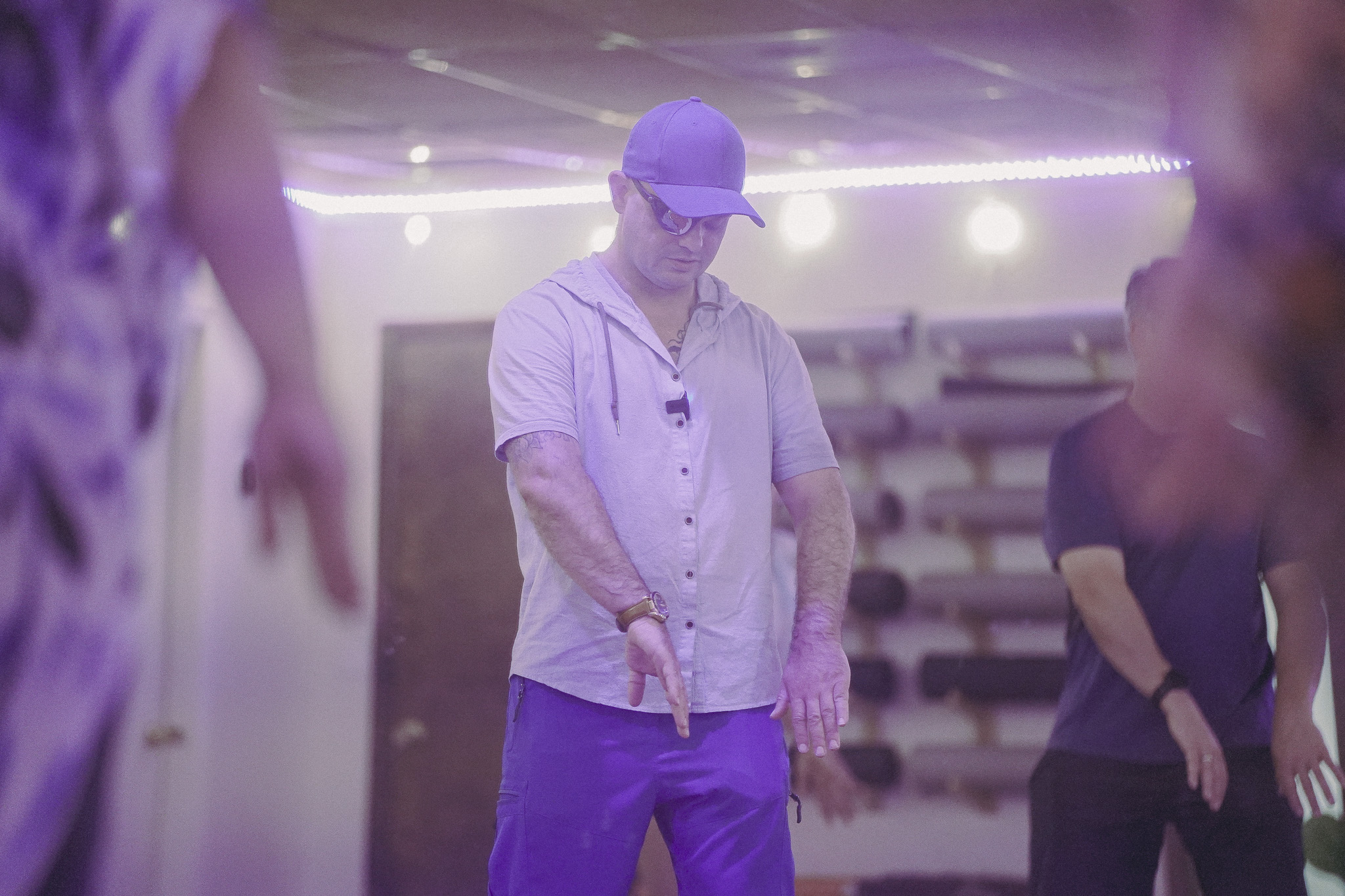
Tai Chi and The Healing Tree Collective
At The Healing Tree Collective, we understand that many people are seeking balance in more ways than one. They may want physical steadiness, but they may also be looking for emotional steadiness, mental clarity, stress relief, and a more grounded relationship with themselves.
Tai Chi fits naturally into our approach because it teaches balance through the body. It does not require prior experience, advanced flexibility, athletic ability, or a perfectly calm mind. The practice invites people to feel the feet, notice the breath, shift weight with awareness, and return to support when they feel unsteady.
Our mission is to create accessible wellness spaces where people can heal, grow, and reconnect with themselves through practices that feel supportive, educational, and real. Tai Chi supports that mission because it helps people experience balance not as perfection, but as an ongoing practice of grounding, adjustment, awareness, and return.
At The Healing Tree Collective, Tai Chi is offered as a practice of balance: a way to build steadiness in the body while also learning how to return to yourself when life feels unsteady.
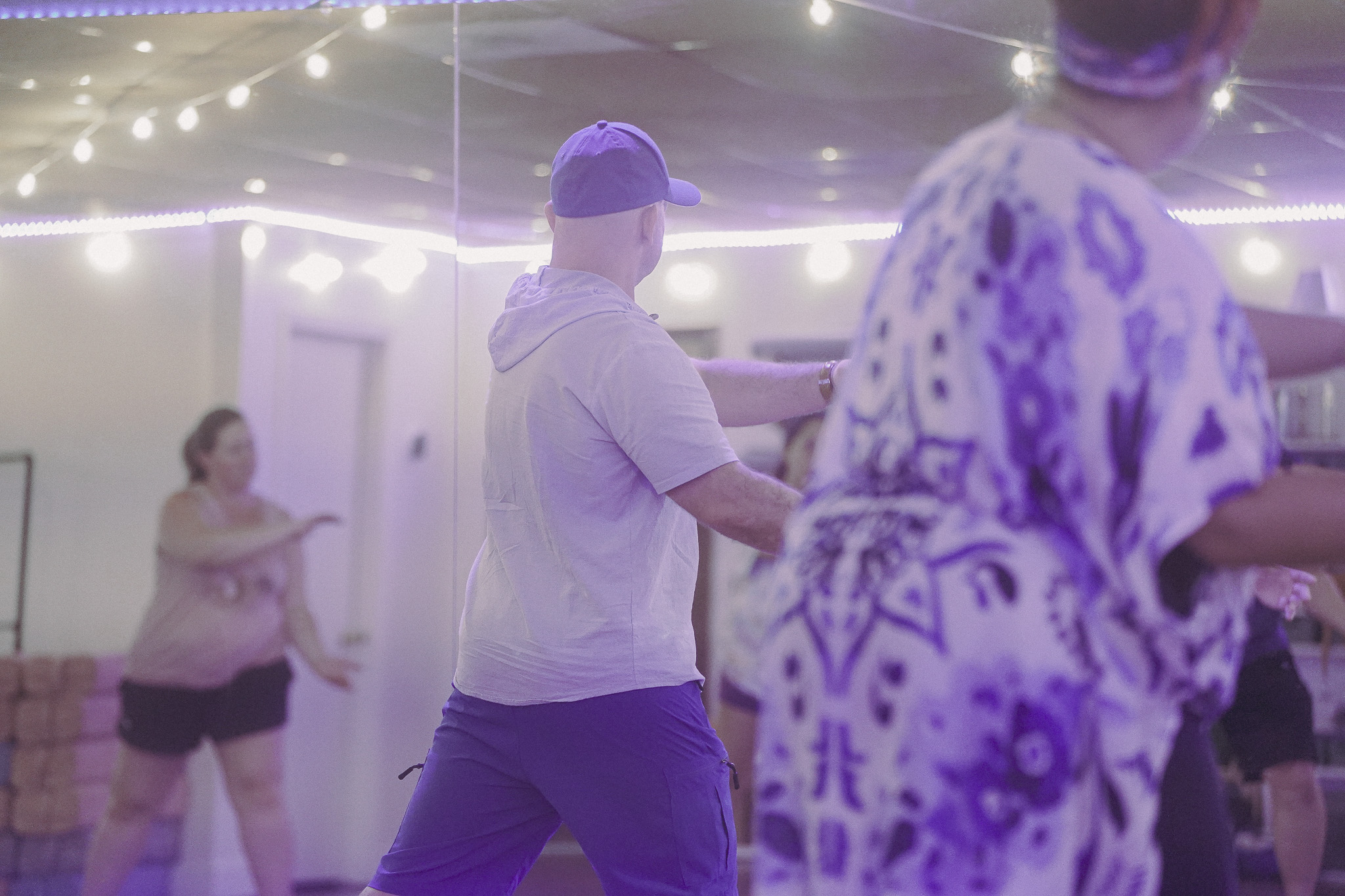
Final thoughts: balance is the practice of returning
Tai Chi teaches that balance is more than physical stability. It is the ability to feel support, notice when you are shifting, make small adjustments, stay present during transition, and return to steadiness when the body or mind feels pulled off center.
Physical balance is part of the practice, but it is not the whole practice. Tai Chi also teaches attention, patience, grounding, breath awareness, emotional steadiness, and trust in the body. It shows that wobbling is not failure. Wobbling is information. Adjustment is part of balance.
For people who feel physically unsteady, mentally scattered, emotionally pulled in different directions, or disconnected from the body, Tai Chi offers a gentle and practical place to begin. Balance becomes something you can practice slowly, one breath, one shift, and one return at a time.
Tai Chi teaches that balance is not about never becoming unsteady. It is about learning how to notice, adjust, and return.
Looking for Tai Chi for balance in Tempe, Arizona?
At The Healing Tree Collective, our beginner-friendly wellness classes are designed to support stress relief, mindfulness, body awareness, balance, and deeper connection. If you are curious about Tai Chi, balance, moving meditation, grounding, or gentle movement practices, you are welcome to begin here.