13 July 2026
Tai Chi and the Mind-Body Connection: Learning to Listen to Yourself Again
The mind-body connection is often talked about in wellness spaces, but many people do not always know what it means in practical terms. It can sound like an idea rather than something you can actually feel, practice, or apply in everyday life.
In simple language, the mind-body connection is the relationship between what you think, what you feel, what your body experiences, and how those signals influence each other. Stress can affect the breath. Emotions can show up as tension. Fatigue can change patience. Racing thoughts can make the body feel rushed. The body is constantly communicating, but many people have learned to ignore those messages until they become loud.
Tai Chi can support the mind-body connection because it teaches people how to slow down, feel the body, notice internal signals, and listen to themselves again through breath, posture, balance, grounding, and movement.
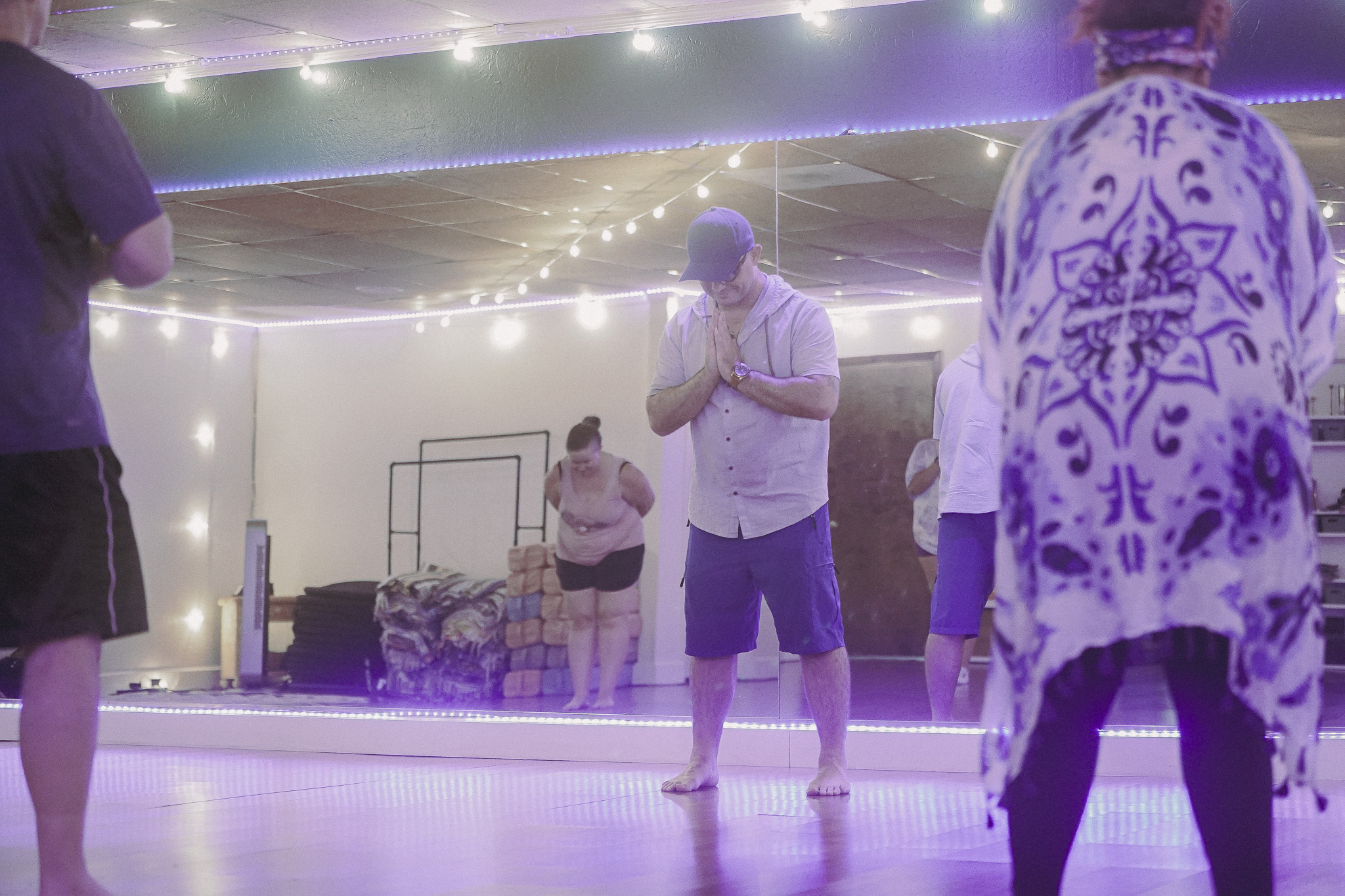
Tai Chi helps people rebuild the mind-body connection through slow movement, breath awareness, grounding, and listening to physical signals.
Tai Chi may support the mind-body connection by helping you notice:
The physical signals that often appear before the mind has fully named what is happening.
- How stress affects the breath
- Where tension gathers in the body
- When the body is rushing
- How balance changes with attention
- What posture may reveal about effort
- When fatigue or overwhelm is present
- How to return to the body with more care
What the mind-body connection means in real life
The mind-body connection is not only something that happens during meditation, yoga, Tai Chi, or wellness practices. It is happening all the time. A stressful conversation can change your breathing. A full schedule can create shoulder tension. Worry can make the stomach feel tight. Fatigue can make emotions feel closer to the surface. Emotional pressure can change posture, energy, patience, and the way you move through the day.
Many people only notice this connection after the body becomes uncomfortable. They may not recognize stress until they have a headache, tight chest, clenched jaw, or difficulty resting. They may not notice emotional overwhelm until they become irritable, exhausted, or unable to focus. They may not notice how much they have been pushing through until the body finally refuses to continue at the same pace.
Tai Chi helps make the mind-body connection more visible. The practice slows movement down enough for people to notice how attention, breath, posture, balance, and tension all influence one another. Instead of treating the body as something separate from emotional and mental life, Tai Chi teaches that the body is part of how we understand ourselves.
The mind-body connection becomes practical when you begin noticing how your thoughts, emotions, breath, posture, tension, and movement are all speaking to each other.
Many people have learned to stop listening to the body
It is common for people to become disconnected from their bodies, especially when life has required them to keep going. Work, caregiving, parenting, grief, stress, trauma, overwork, major transitions, and emotional responsibility can all teach a person to override physical signals. The body may ask for rest, but there are still tasks to complete. The breath may become shallow, but the schedule continues. Tension may build, but the person has learned to push through.
Over time, ignoring the body can start to feel normal. A person may not notice hunger until they are depleted, fatigue until they are exhausted, stress until they are overwhelmed, or emotion until it becomes difficult to contain. This does not mean they are failing to care for themselves. It often means they have adapted to a life that has not always made space for listening.
Tai Chi can offer a gentle way back. It does not demand that someone understand everything they feel right away. It begins with simple physical awareness: the feet on the ground, the breath moving, the body shifting weight, the hands moving slowly, and the posture organizing itself in space. These simple points of attention can begin rebuilding the habit of listening.
Learning to listen to the body again often begins with small moments of noticing, not with immediate answers.
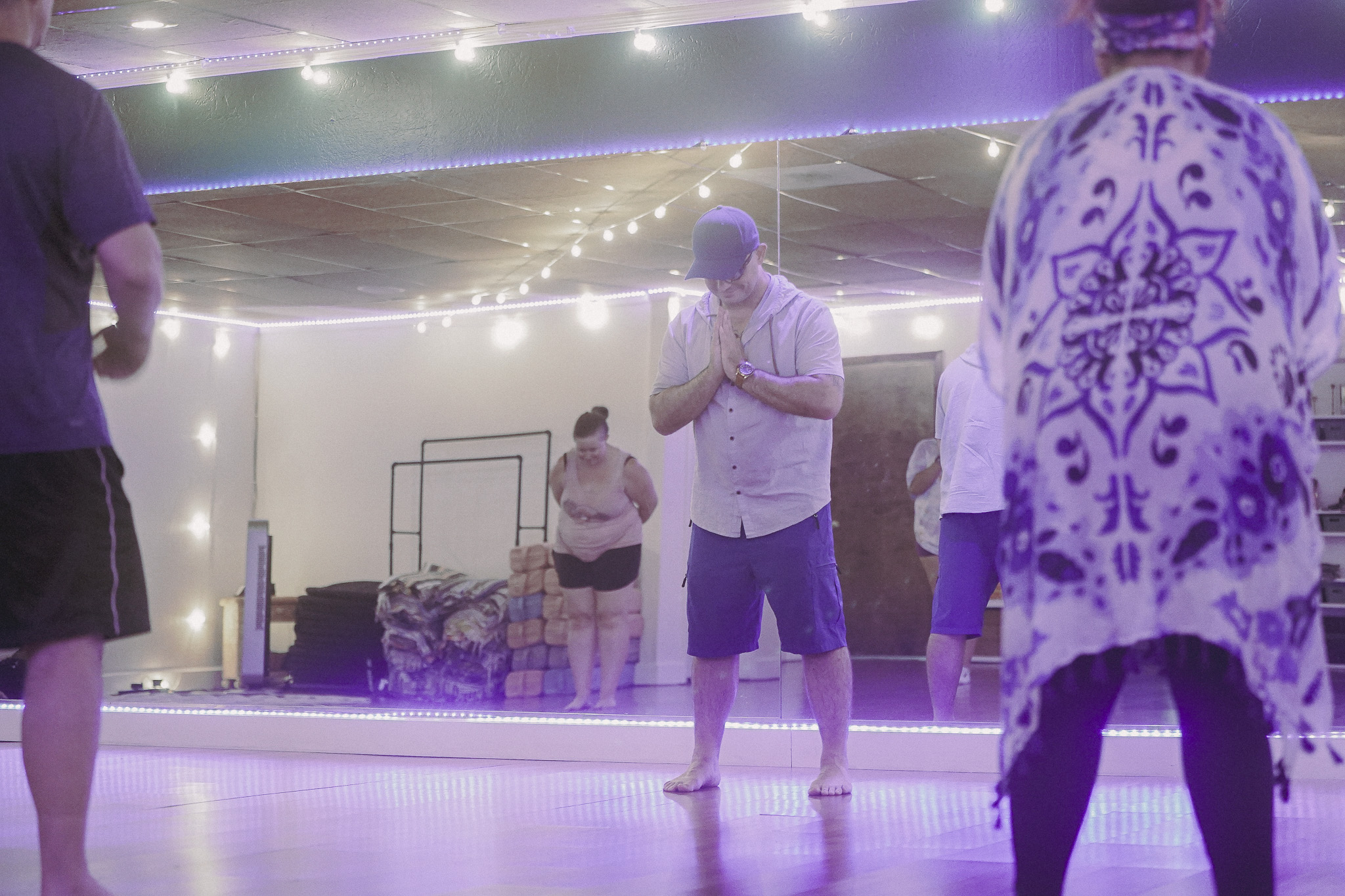
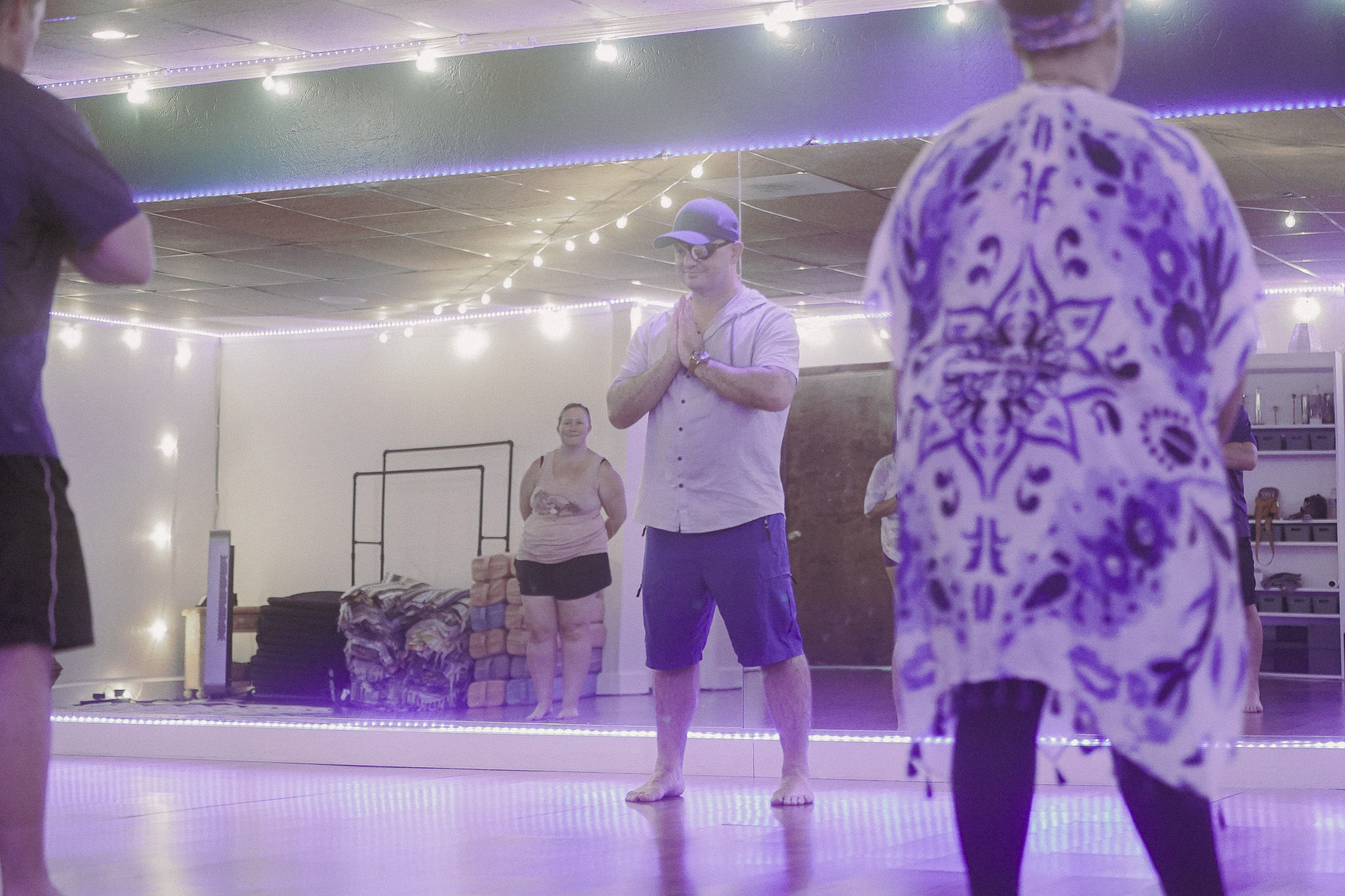
Tai Chi helps reconnect thought with sensation
Many people live primarily through thought. They plan, organize, remember, analyze, anticipate, and solve problems throughout the day. These mental skills are useful, but they can become exhausting when they are disconnected from physical awareness. A person may continue thinking and functioning without realizing that the body is tense, tired, overstimulated, or asking for a pause.
Tai Chi helps reconnect thought with sensation. During practice, the mind is not removed from the experience. It is invited to pay attention to the body. The practitioner notices where the feet are, how the breath is moving, whether the shoulders are tense, how balance changes, and what happens when movement slows down.
This reconnection is important because the body often provides information that the thinking mind may overlook. The mind may say, “I can keep going,” while the breath is shallow and the shoulders are tight. The mind may say, “I am fine,” while the body feels guarded or depleted. Tai Chi creates a space where thought and sensation can begin communicating again.
The mind-body connection deepens when thought is no longer separated from the information the body is offering.
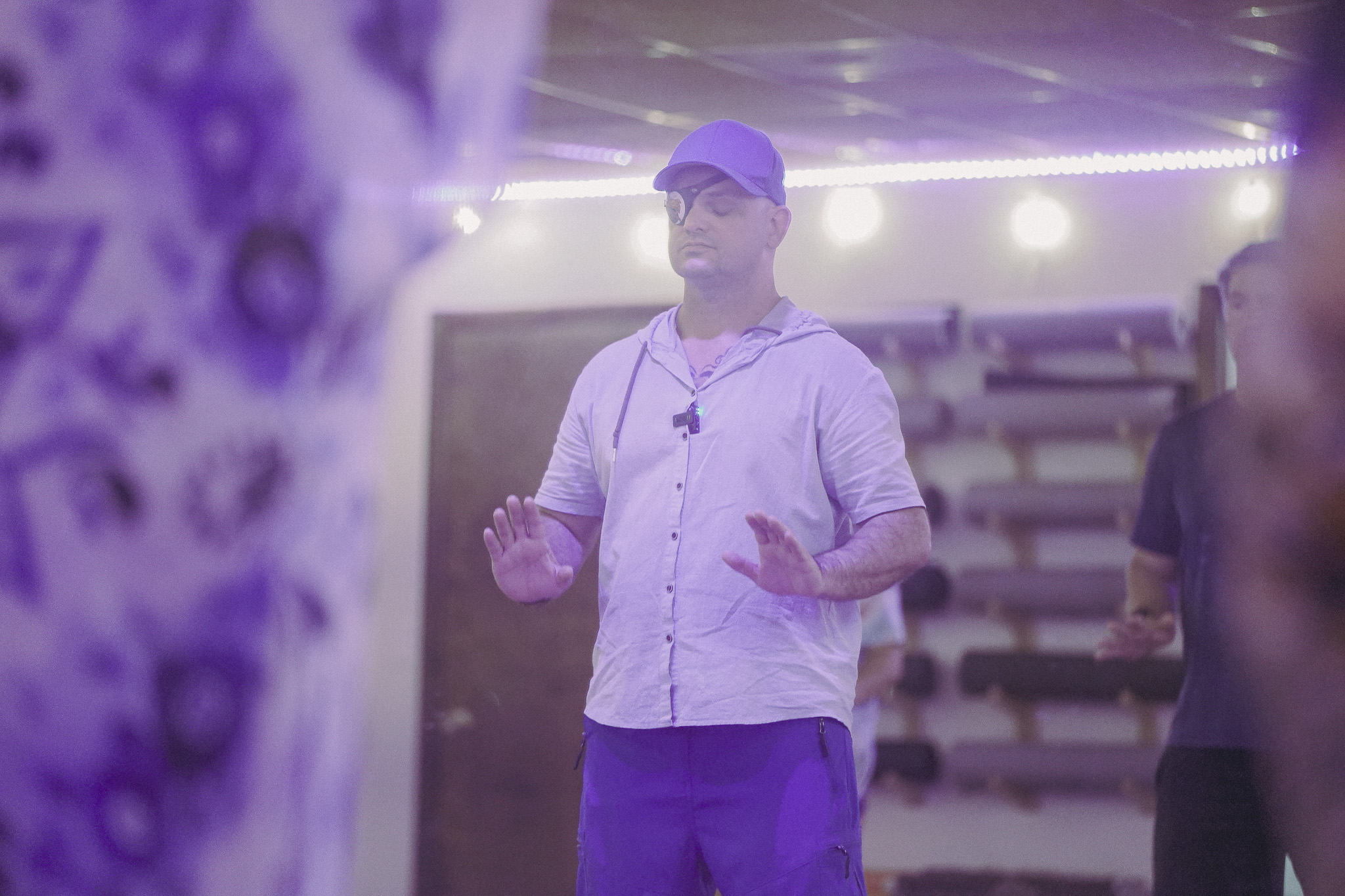
Tai Chi gives the mind a way to listen through the body rather than only through thought.
The breath can reveal what the body is carrying
The breath is one of the clearest examples of the mind-body connection. When someone feels stressed, rushed, anxious, focused, or emotionally guarded, the breath often changes. It may become shallow, restricted, held, fast, or difficult to fully access. Many people do not notice this change because the mind is focused on what needs to be done.
In Tai Chi, the slower pace creates an opportunity to observe the breath without forcing it. The practitioner may notice when the breath feels tight, when it becomes held during concentration, or when an exhale creates more ease in the body. This does not require perfect breathing. It requires attention.
Learning to notice the breath can help people listen to themselves earlier. A shallow breath may signal stress. A held breath may reveal concentration or bracing. A long exhale may show the body beginning to settle. These observations can become practical cues for self-awareness in daily life.
The breath often tells the truth before the mind has finished explaining what is happening.
Shallow Breath
May signal stress, pressure, anxiety, rushing, or the body’s attempt to stay alert.
Held Breath
May appear during concentration, uncertainty, fear of making mistakes, or physical bracing.
Restricted Breath
May reflect tension in the chest, shoulders, abdomen, or a sense of emotional guardedness.
Noticed Breath
Can become an anchor for returning to the body with more presence and care.
Balance teaches you to listen in real time
Balance is another important part of the mind-body connection because it requires attention to stay connected to the present moment. When the body shifts weight in Tai Chi, the practitioner has to notice where support is coming from, how the feet meet the floor, and how the body adjusts to remain steady.
This cannot be done well from thought alone. A person may understand the movement mentally, but balance requires physical listening. The body communicates through small shifts, corrections, and signals. If the practitioner rushes, overthinks, or disconnects from sensation, balance may feel less steady.
This is one reason Tai Chi can be so valuable. It teaches that listening is not only emotional or mental. Listening can be physical. The body gives information through balance, weight, pressure, posture, and adjustment. Tai Chi helps people become more available to that information.
Balance teaches that the body is not silent. It is constantly offering feedback through movement, weight, steadiness, and adjustment.
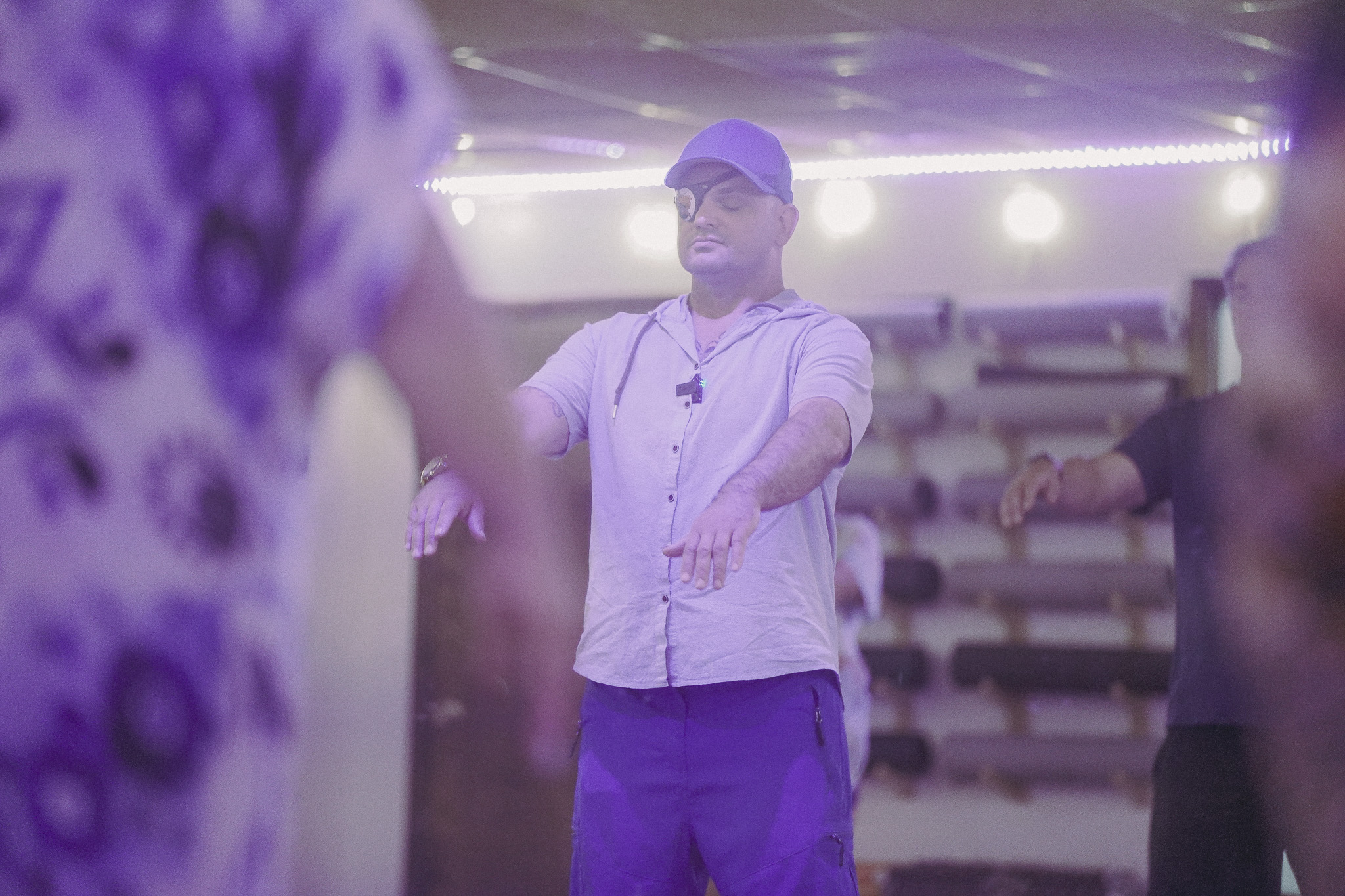
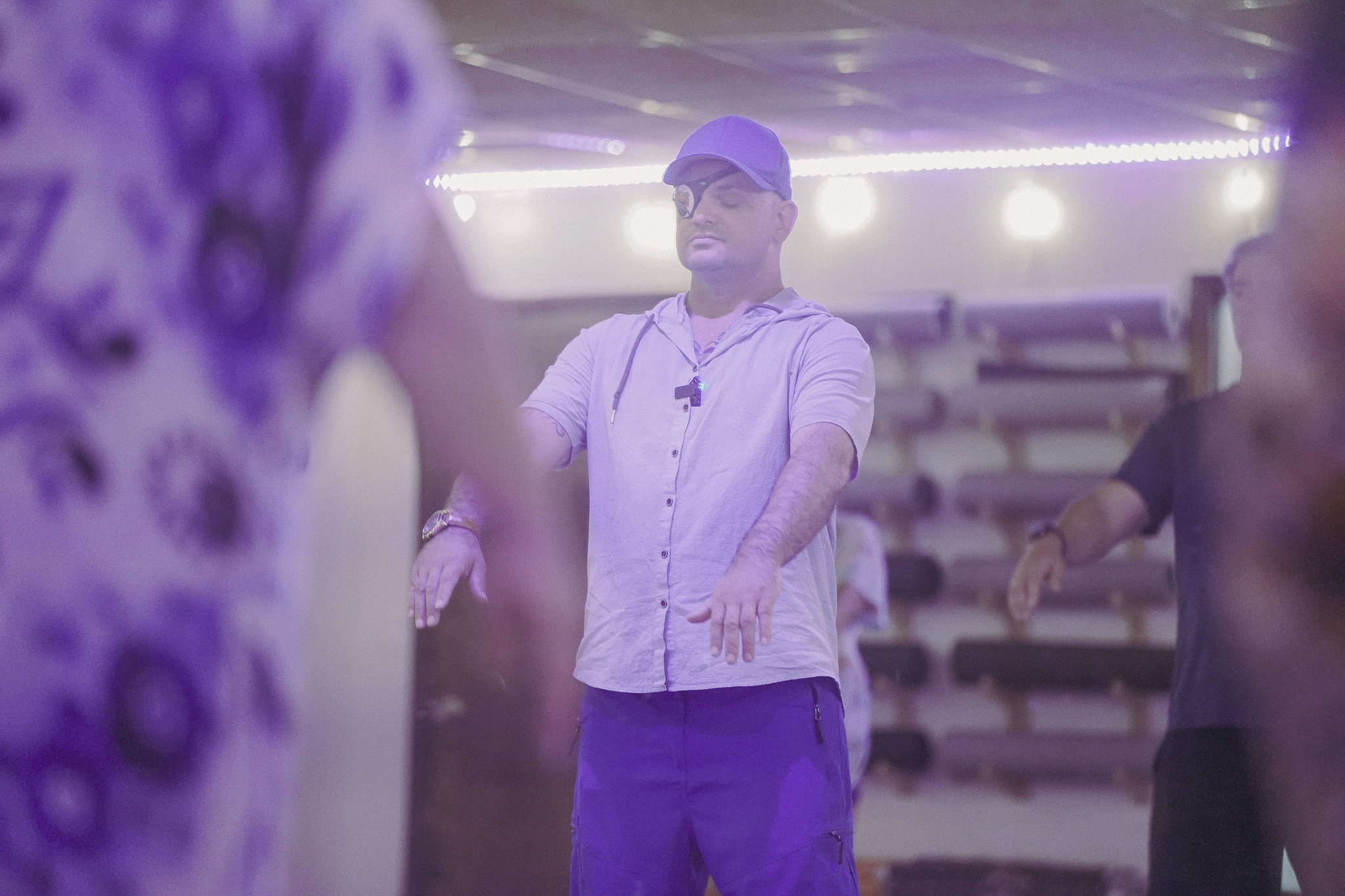
Movement can show you where you are forcing
Because Tai Chi is slow, it can reveal the difference between effort and force. Many people do not realize how much they force the body until they are asked to move with more awareness. They may grip, tense, rush, brace, or try to make the movement happen through control rather than coordination.
This is not only a physical pattern. It can reflect a broader relationship with life. The same person who forces a movement may also force productivity when tired, force calm when overwhelmed, force an answer before they are ready, or force themselves to keep going when the body is asking for support.
Tai Chi does not shame these patterns. It helps make them visible. When a person notices they are forcing, they can begin asking different questions. Can I soften? Can I breathe? Can I move with less effort? Can I listen before pushing? This is part of learning to listen to yourself again.
Tai Chi can reveal where the body is forcing, which may also reveal where life has taught you to push past your own signals.
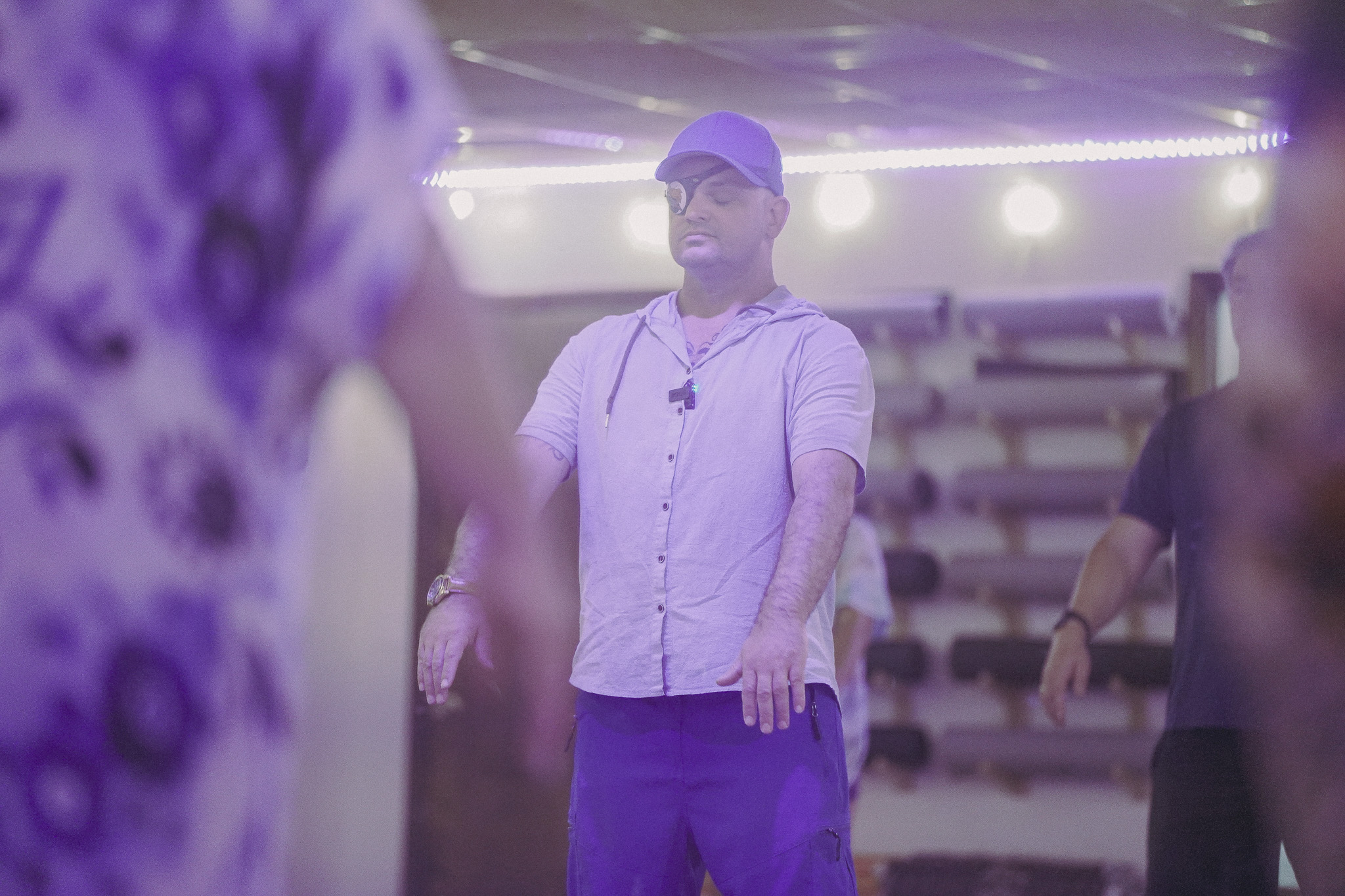
Slow movement can reveal effort, tension, rushing, and the places where the body may be asking for a different pace.
Listening to yourself does not mean overanalyzing every sensation
Learning to listen to the body does not mean turning every sensation into a problem or trying to interpret every feeling perfectly. That can become another form of pressure. The goal is not to obsess over the body. The goal is to build a more respectful relationship with the information the body offers.
Tai Chi supports this because the practice is observational. You notice the breath, posture, balance, and movement without needing to immediately fix everything. You may notice that one side feels different from the other. You may notice fatigue, tension, restlessness, or ease. These observations are treated as information, not as failures.
This kind of listening is practical and compassionate. It helps people become more aware without becoming harsh with themselves. Over time, this can support a healthier mind-body connection because the body is no longer ignored, but it is also not treated as something constantly wrong.
Listening to the body is not about searching for problems. It is about building enough awareness to respond with more care.
Tai Chi can help rebuild trust in the body
Some people feel disconnected from the body because they do not fully trust it. The body may have been associated with pain, discomfort, illness, stress, appearance, limitation, or pressure. Others may have spent so long ignoring the body that listening to it feels unfamiliar or even uncomfortable.
Tai Chi can help rebuild trust gradually because the practice is gentle, structured, and repeatable. The body is not asked to perform at an extreme level. It is invited to move slowly, notice balance, feel support, and practice awareness. This can make reconnection feel more approachable.
Trust is built through repeated experiences. A person may notice that the body can learn slowly, that balance can improve through small adjustments, that breath can become easier to access, and that movement can feel supportive without being intense. These experiences can help shift the relationship from control to cooperation.
Trust with the body is rebuilt through repeated experiences of listening, adjusting, and discovering that the body can be approached with care.


The practice deepens through repetition
The mind-body connection is not usually rebuilt in one class. For many people, disconnection has developed over time, so reconnection also takes time. Tai Chi supports this process because it is based on repetition. Each class gives the body another opportunity to notice, breathe, move, ground, and return.
At first, attention may be focused on learning the movements. Over time, the sequence becomes more familiar, and the practitioner may begin noticing subtler layers. They may feel how stress affects balance, how breath changes with concentration, how posture shifts with fatigue, or how the body responds differently from one day to the next.
This repetition is what allows Tai Chi to become more than movement. The same practice begins revealing different information because the practitioner becomes more available to listen. The body has always been communicating, but repetition helps create the space to hear it more clearly.
Tai Chi deepens over time because repeated movement creates repeated opportunities to listen.
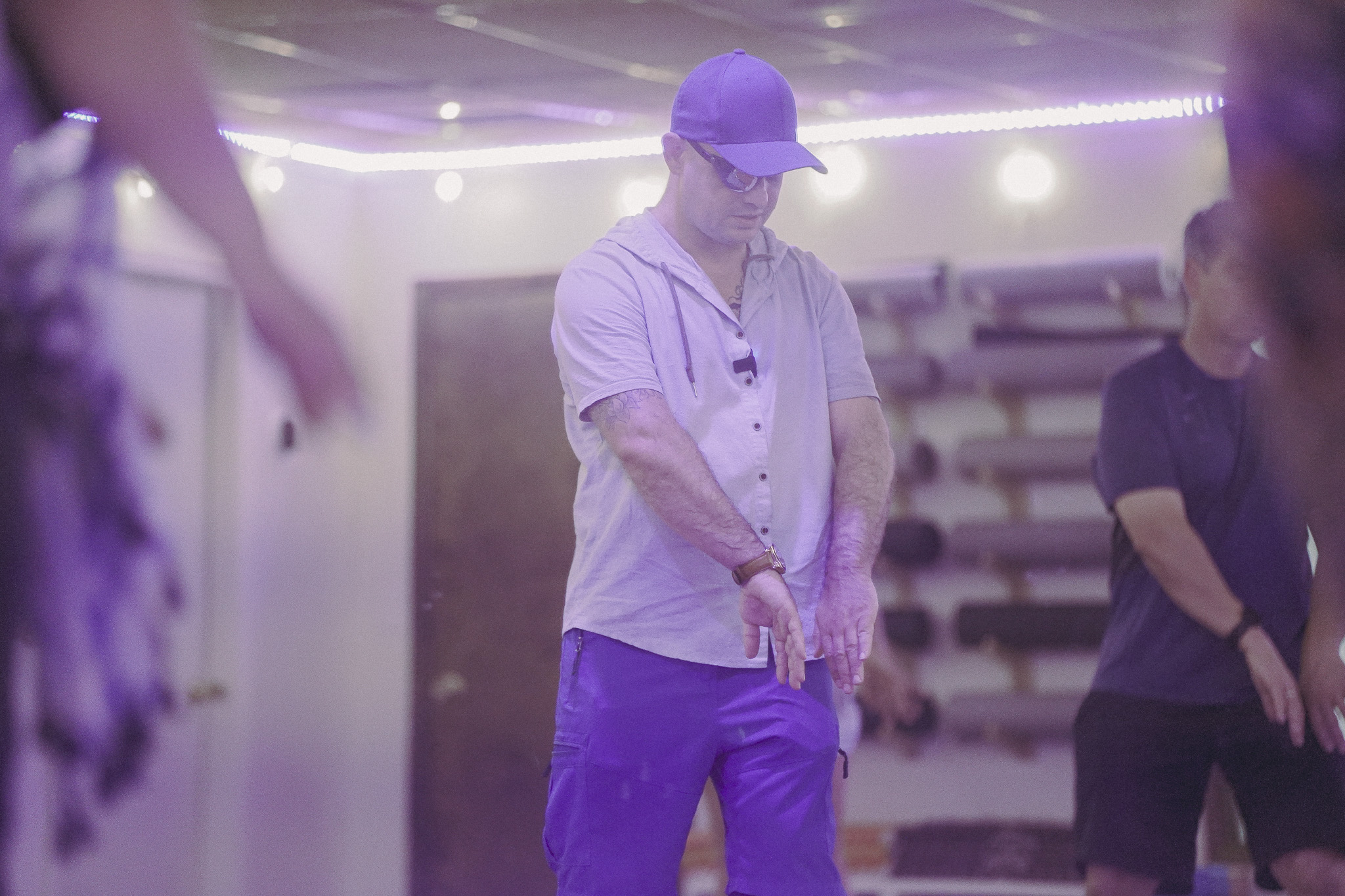
Consistent practice can help people recognize physical patterns, emotional signals, and stress responses with more clarity.
The mind-body connection can support daily life
The value of Tai Chi is not limited to class. As body awareness grows, people may begin noticing themselves more clearly in daily life. They may recognize when the breath becomes shallow while answering a stressful message, when the shoulders tense during a conversation, when the body rushes through a transition, or when fatigue is affecting patience.
These moments of awareness can create space for more intentional choices. A person may pause before responding, take a breath before continuing, step away for a moment, ask for support, soften unnecessary tension, or recognize that rest is needed. These choices may seem small, but they can shift how a person relates to stress.
This is how the mind-body connection becomes practical. It is not only about feeling more connected during wellness practice. It is about learning how to listen to yourself in real situations, before the body has to become louder to get your attention.
At Work
You may notice how deadlines, meetings, emails, or pressure affect your breath, posture, and mental pace.
In Relationships
You may recognize tension, activation, or emotional pressure before reacting automatically.
During Stress
You may identify body signals earlier, before stress becomes harder to manage.
During Rest
You may notice whether the body is actually settling or still carrying the pace of the day.
Tai Chi is not a replacement for medical or mental health care
Tai Chi can be a supportive wellness practice for body awareness, mindfulness, stress awareness, balance, gentle movement, and emotional wellbeing, but it is not a replacement for medical care, physical therapy, therapy, medication, psychiatric support, trauma-informed treatment, or crisis services. If someone is experiencing persistent pain, significant distress, panic, depression, trauma symptoms, thoughts of self-harm, or difficulty functioning, support from qualified professionals may be necessary.
At the same time, many people benefit from practices that help them reconnect with the body, notice stress earlier, and build a more compassionate relationship with internal signals. Tai Chi can be one supportive part of a broader care routine because it offers a gentle and repeatable way to practice listening, grounding, and returning to the body.
The value of Tai Chi is not that it explains every sensation or solves every source of stress. Its value is that it gives people a practical way to rebuild communication between the mind and body over time.
Tai Chi can support the mind-body connection as part of a broader wellness routine, but it should not replace professional support when professional care is needed.
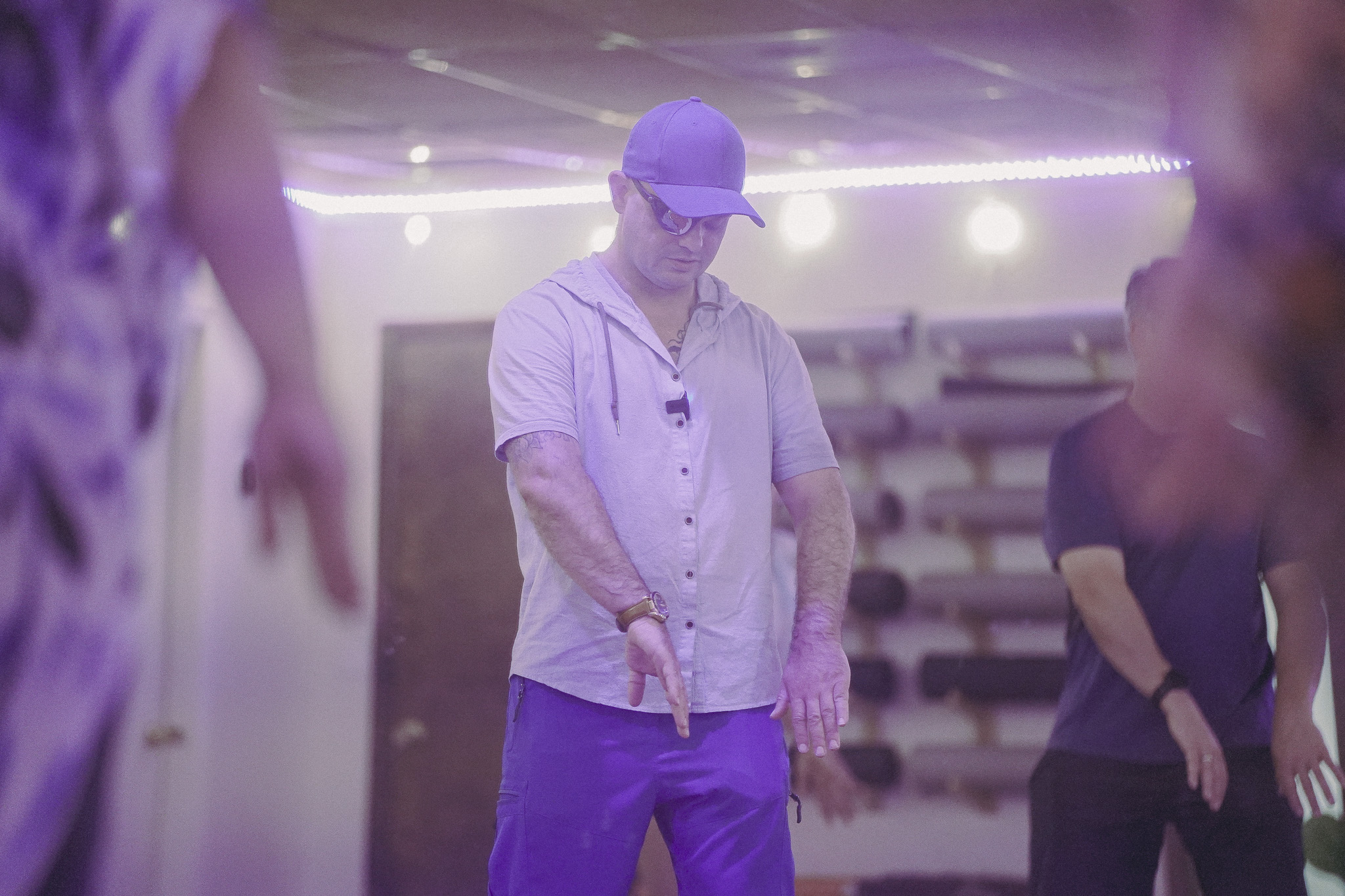
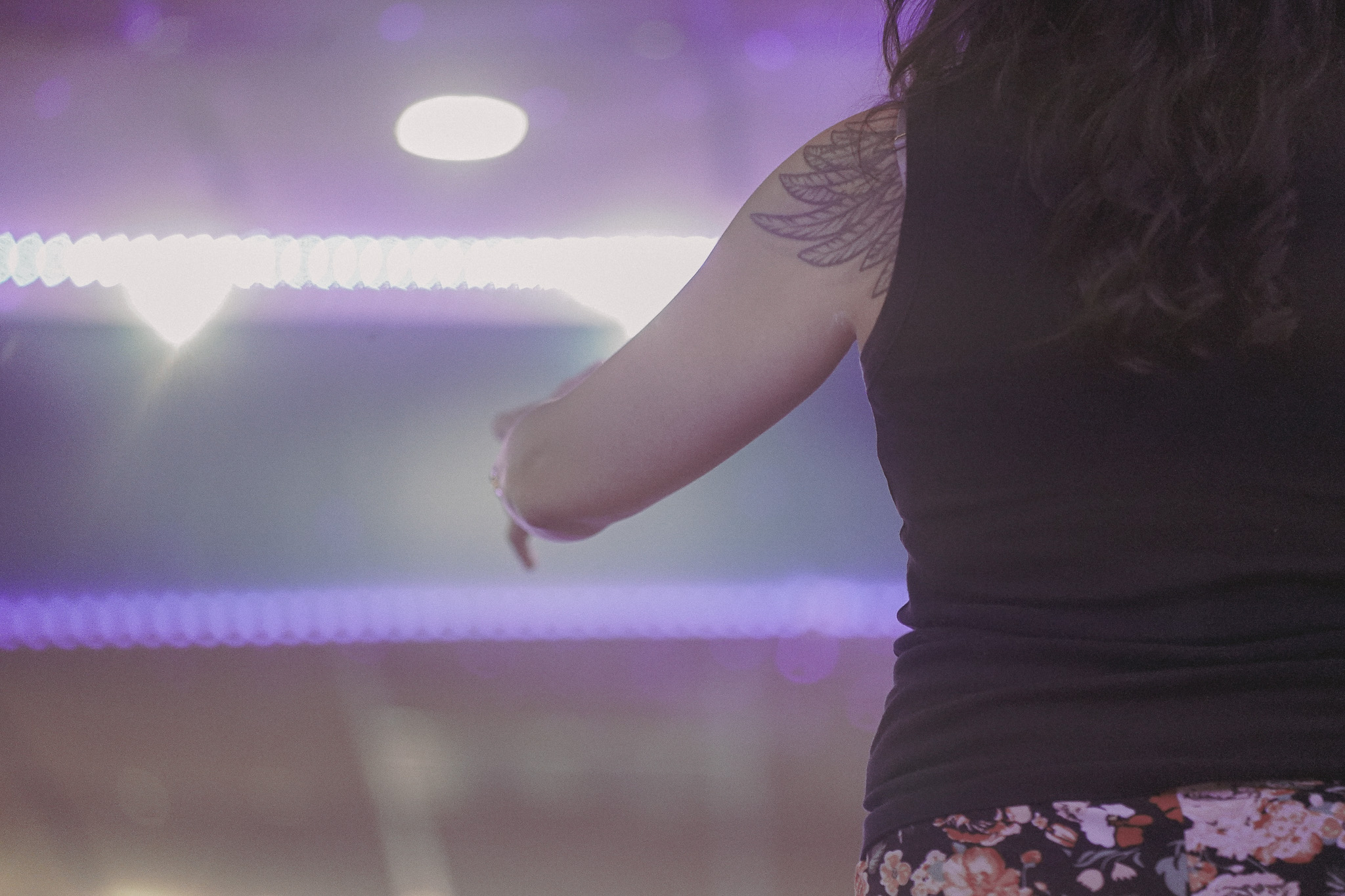
Tai Chi and The Healing Tree Collective
At The Healing Tree Collective, we understand that many people are trying to reconnect with themselves after long seasons of stress, busyness, emotional responsibility, grief, burnout, or disconnection from the body. They may know they need support, but not know how to begin listening again in a way that feels safe, grounded, and realistic.
Tai Chi fits naturally into our approach because it supports the mind-body connection through gentle movement. It does not require prior experience, advanced flexibility, athletic ability, or a perfectly calm mind. The practice invites people to slow down, feel their feet, notice their breath, observe their posture, and move with more awareness.
Our mission is to create accessible wellness spaces where people can heal, grow, and reconnect with themselves through practices that feel supportive, educational, and real. Tai Chi supports that mission because it helps people practice listening to the body again, not through pressure or performance, but through patience, repetition, and care.
At The Healing Tree Collective, Tai Chi is offered as a practice of reconnection: a way to listen to the body, understand stress with more awareness, and return to yourself through movement.
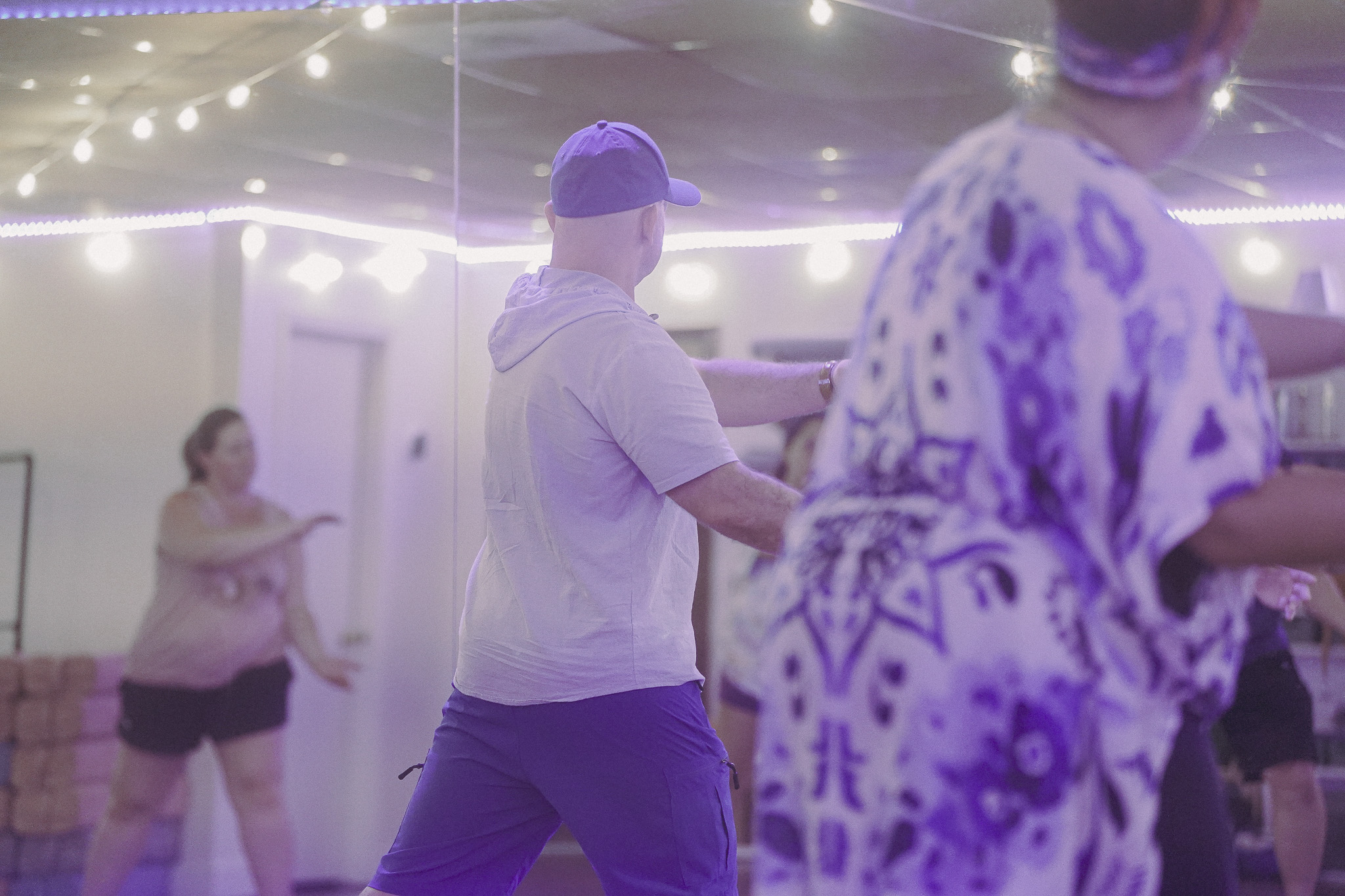
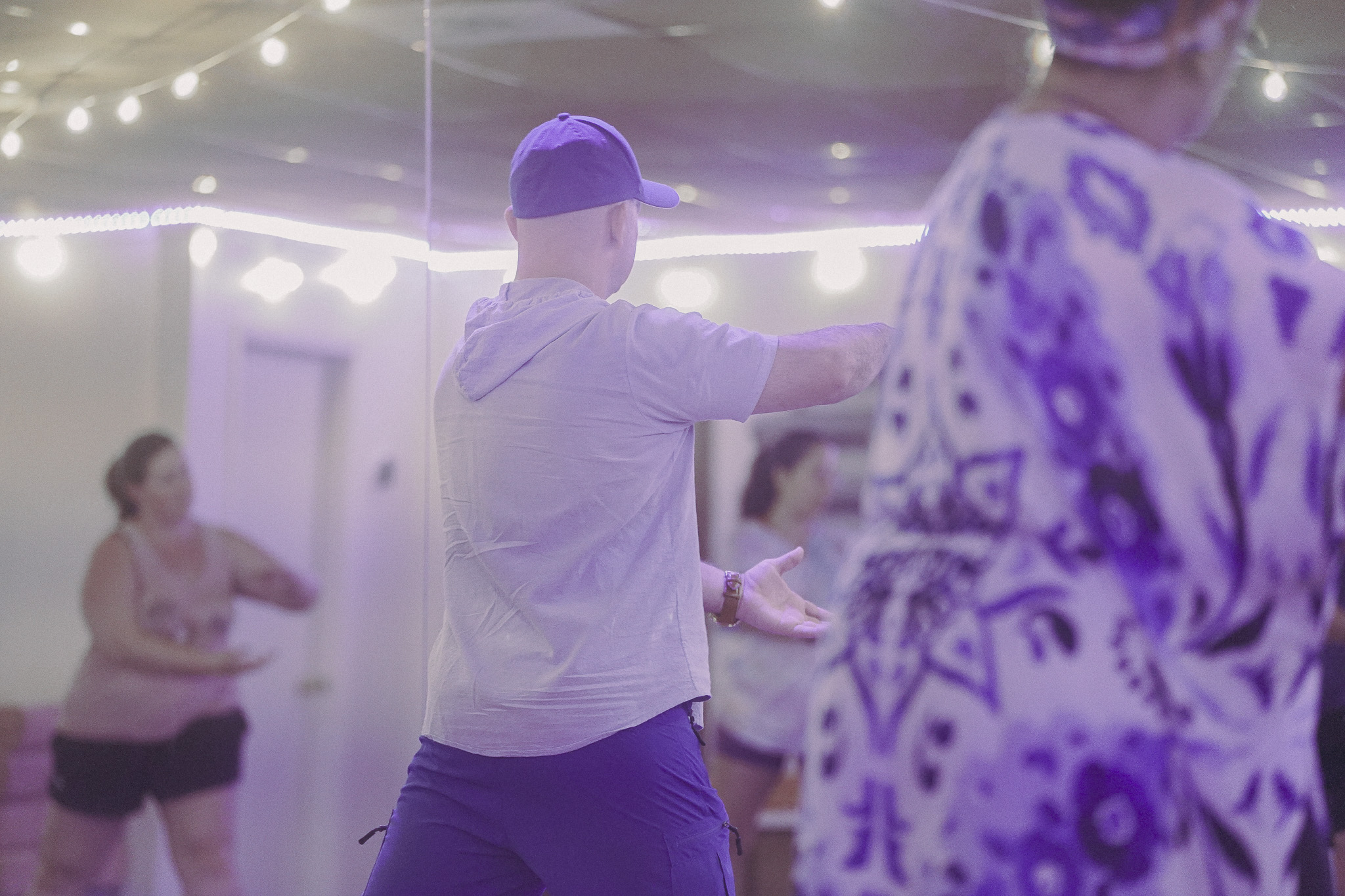
Final thoughts: listening to yourself can begin with the body
Tai Chi supports the mind-body connection by helping people slow down enough to notice what the body may be communicating. Through breath awareness, balance, posture, grounding, and slow movement, the practice creates a space where the mind can begin listening to the body again.
This kind of listening does not require perfection. It does not require interpreting every sensation or fixing every pattern immediately. It begins with noticing. It begins with feeling the feet, recognizing the breath, observing tension, and allowing movement to become a place of awareness.
For people who feel disconnected, overwhelmed, mentally busy, or unsure how to reconnect with themselves, Tai Chi can offer a gentle and practical place to begin. The body does not have to be ignored until it becomes loud. It can be listened to earlier, with more patience and care.
Tai Chi helps rebuild the mind-body connection by teaching you how to listen to yourself again, one breath, one movement, and one moment of awareness at a time.
Looking for Tai Chi for the mind-body connection in Tempe, Arizona?
At The Healing Tree Collective, our beginner-friendly wellness classes are designed to support stress relief, mindfulness, body awareness, and deeper connection. If you are curious about Tai Chi, the mind-body connection, moving meditation, or gentle movement practices, you are welcome to begin here.