27 July 2026
Tai Chi for Better Focus: How Slowing Down Can Help You Pay Attention
Focus can feel difficult when life constantly pulls attention in different directions. Many people move through their day switching between messages, tasks, conversations, screens, responsibilities, and mental checklists. Even when they want to concentrate, the mind may feel scattered, overstimulated, or already reaching for the next thing.
In a fast-paced world, focus is often treated like something we should be able to force. We tell ourselves to pay attention, stop getting distracted, stay productive, or try harder. But focus is not only a mental skill. It is also connected to the body, the breath, the nervous system, posture, movement, and how much space a person has to actually arrive in the present moment.
Tai Chi can support better focus because it gives the body and mind a slower rhythm to follow. Through breath awareness, grounding, balance, posture, repetition, and slow intentional movement, Tai Chi helps people practice paying attention without forcing the mind into silence.
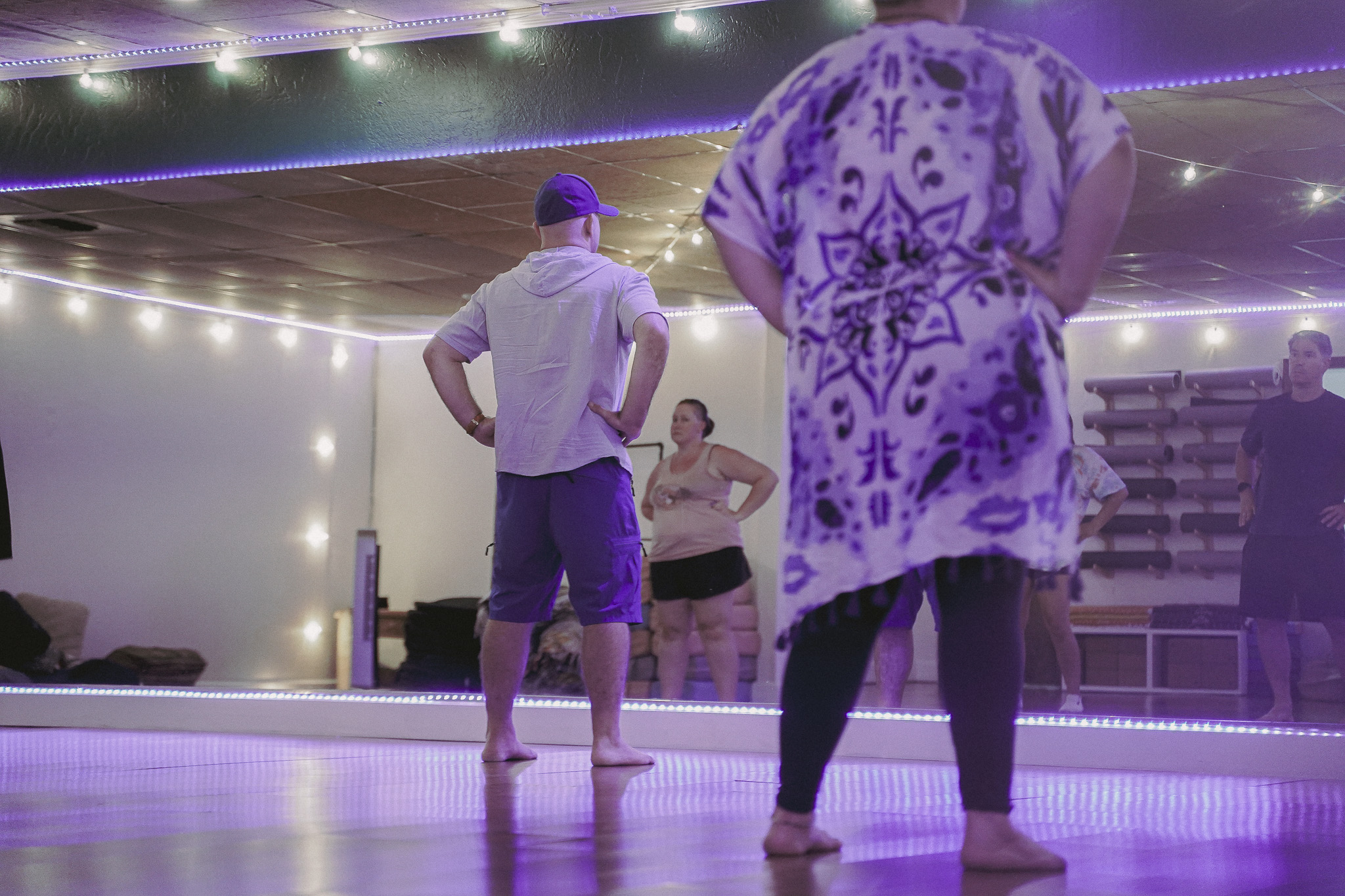
Tai Chi supports focus by giving attention a physical place to return: the breath, feet, posture, balance, and present movement.
Tai Chi may support focus by helping you:
Practice attention through the body instead of trying to force concentration through the mind alone.
- Slow down mental rushing
- Notice when attention wanders
- Return to the breath and body
- Feel grounded through the feet
- Practice one movement at a time
- Build awareness through repetition
- Create space from screen fatigue and mental overload
Focus is harder when the mind is constantly being pulled
Many people are not struggling with focus because they lack discipline. They are struggling because their attention is being divided all day. Phones, email, work tasks, family needs, social media, notifications, deadlines, and emotional responsibilities all compete for mental space. Over time, the mind becomes used to jumping from one thing to another.
This kind of constant switching can make it difficult to stay with one moment. A person may try to focus, but the mind quickly moves ahead to the next task or back to something unfinished. Even during rest, attention may continue moving, planning, reviewing, and anticipating.
Tai Chi offers a different experience. The practice does not ask the mind to suddenly stop thinking. Instead, it gives attention one physical pathway to follow. The hands move slowly. The feet shift weight. The breath becomes noticeable. The body moves through space. This gives the mind a place to return when attention becomes scattered.
Focus becomes easier to practice when attention has somewhere steady to land.
Tai Chi teaches focus through slow movement
The slow pace of Tai Chi is one of the reasons it can support attention. When movement is fast, it is easier to move automatically. When movement is slow, the body has more time to notice. The practitioner becomes aware of the feet, the hands, the breath, the posture, the transfer of weight, and the transition from one movement into the next.
This kind of attention is different from forcing the mind to focus through pressure. Tai Chi teaches focus through participation. The body gives the mind something concrete to follow. Instead of trying to focus on nothing, the practitioner focuses on what is happening now.
Over time, this can help people build a more patient relationship with attention. The mind may wander during practice. That is normal. The practice is not about never getting distracted. It is about noticing distraction and returning to the movement again.
Tai Chi does not demand perfect focus. It teaches the repeated skill of noticing when attention leaves and gently returning.
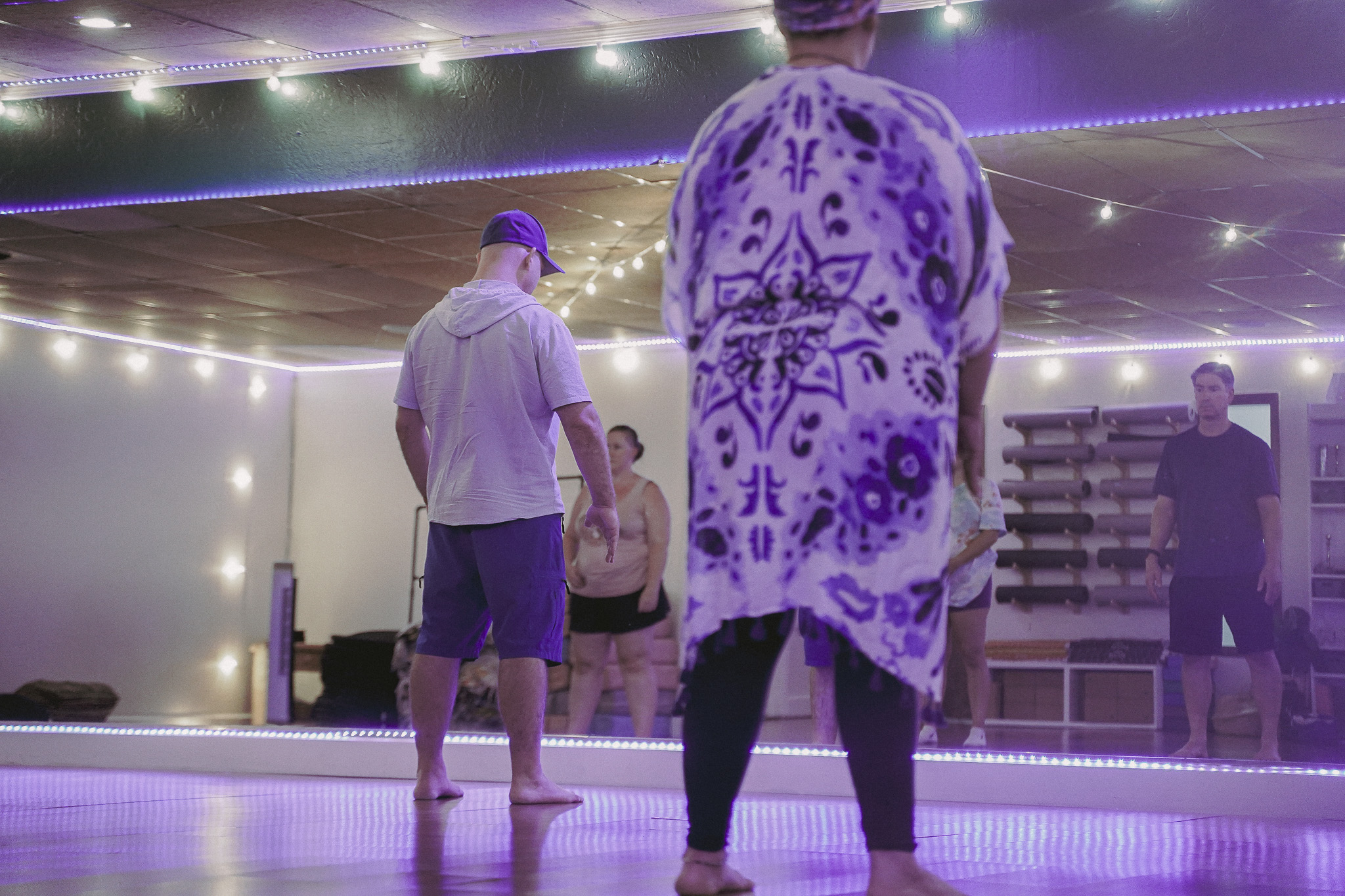
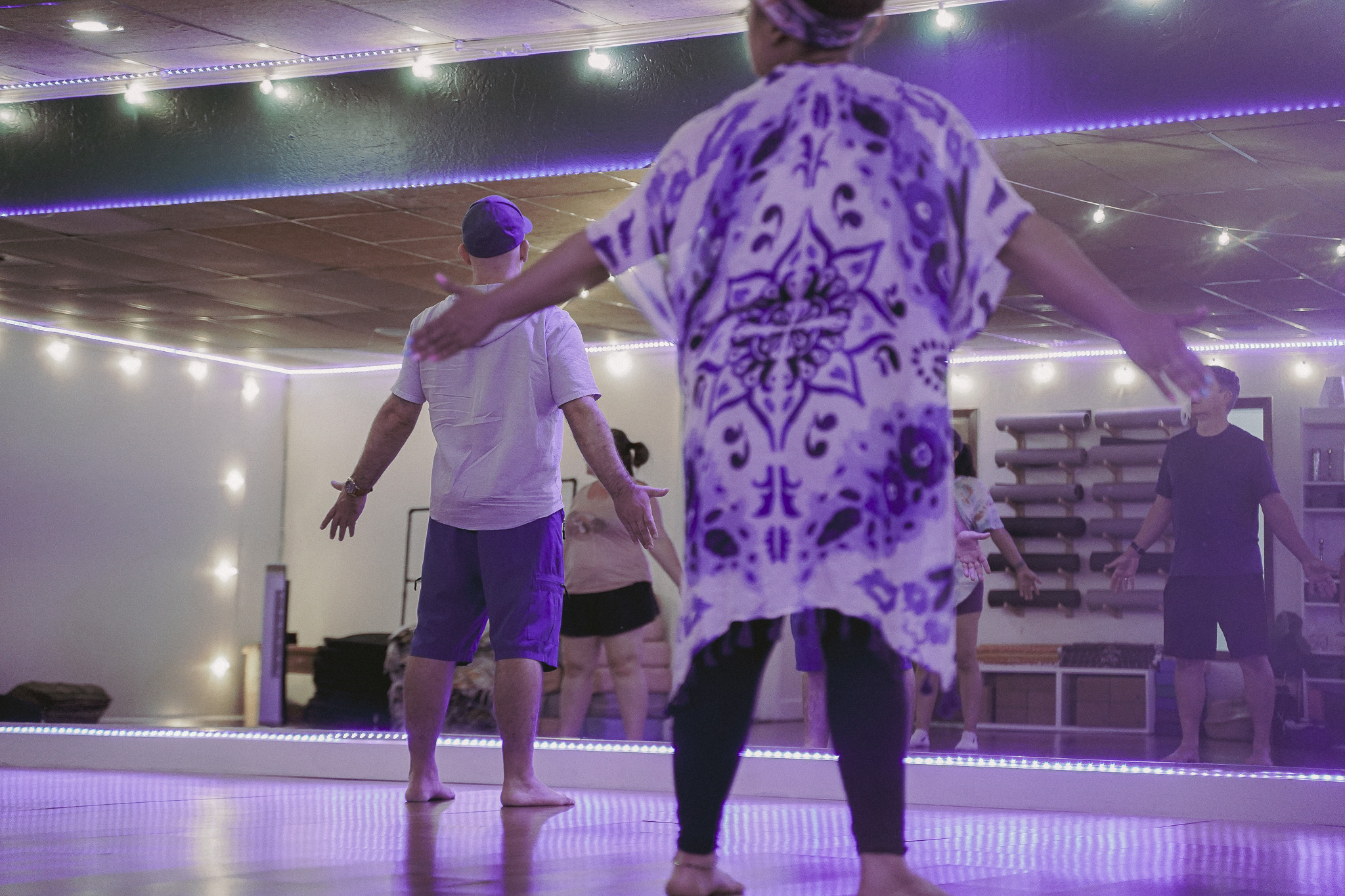
Slowing down helps you notice where your attention goes
One of the first things Tai Chi can reveal is how quickly attention moves. A person may begin a movement and suddenly find themselves thinking about work, errands, conversations, worries, or what comes next in the sequence. This is not a failure. It is awareness.
Many people do not realize how much their attention moves until they enter a slower practice. Tai Chi makes wandering attention easier to notice because the body is moving at a pace that gives the mind time to observe itself. The slower pace shows where attention goes when it is no longer being pushed by speed.
This awareness can be helpful beyond class. Once a person begins noticing the movement of attention during Tai Chi, they may also notice it during work, conversations, meals, rest, or time with family. Awareness of distraction is the beginning of learning how to return.
Better focus begins with noticing where attention goes before trying to control where it should be.
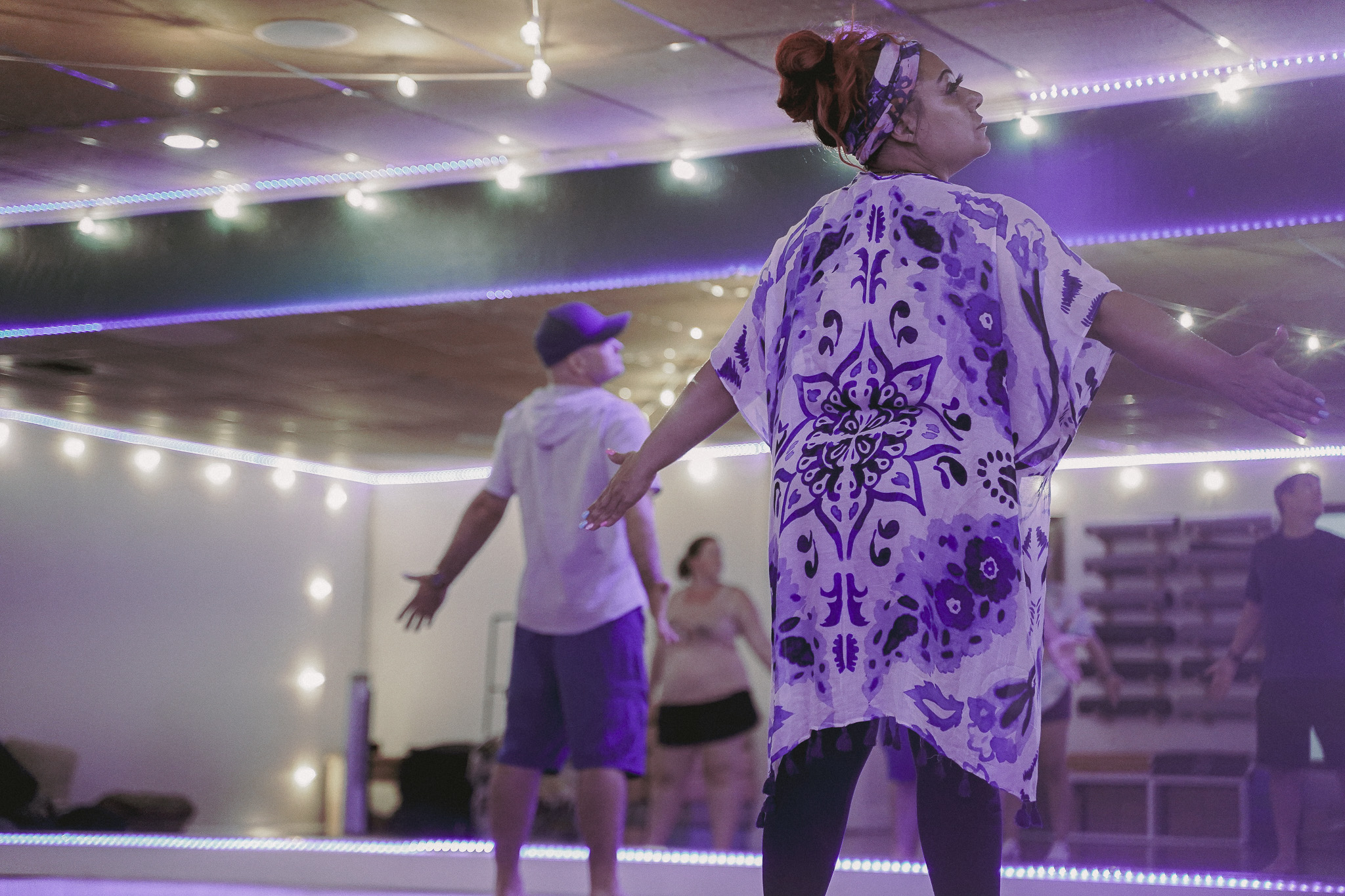
The slower pace of Tai Chi helps people notice when attention wanders and practice returning with patience.
The breath can become an anchor for attention
The breath is one of the most practical anchors for focus because it is always happening in the present moment. When the mind is scattered, the breath can offer a simple place to return. In Tai Chi, the breath is not forced or overmanaged. Instead, the slow movement creates space to notice what the breath is already doing.
A person may discover that they hold the breath while concentrating, breathe shallowly when trying to remember a movement, or breathe more freely when they begin trusting the rhythm of the practice. These observations help connect attention to the body.
In daily life, breath awareness can become useful when focus begins to fade. A shallow breath during work, a held breath while reading a difficult message, or a tight breath during stress may signal that attention has become strained. One slower breath can help the mind return to the present before continuing.
The breath gives attention a place to come back when the mind feels scattered or overloaded.
Held Breath
May appear when the mind is concentrating, trying too hard, or bracing during uncertainty.
Shallow Breath
May reveal stress, screen fatigue, urgency, or mental overload during a busy day.
Noticed Breath
Can become a simple anchor that brings attention back into the body and present moment.
Steadier Breath
May support more focused attention by helping the body feel less rushed and more connected.
Grounding helps attention move out of the head and into the body
When people are trying to focus, they often stay entirely in the head. They think harder, try harder, and mentally push themselves to concentrate. While mental effort can be useful, it can also become exhausting when the body is ignored.
Tai Chi supports focus by bringing attention down into the body. The feet become important. The floor becomes important. Weight shifting becomes important. The practitioner begins noticing where support is coming from and how the body is positioned in space.
This grounding helps focus because attention becomes more embodied. Instead of floating between thoughts, plans, and distractions, the mind reconnects with physical experience. Feeling the feet can help bring a scattered mind back to where the body actually is.
Grounding supports focus by helping attention return from mental noise into physical presence.


Balance requires attention to stay close
Balance is a direct teacher of focus because it asks attention to stay connected to the body. When weight shifts slowly from one foot to another, the practitioner has to notice what is happening now. If the mind moves too far ahead, the body may feel less steady. If the breath is held, balance may become tense. If the posture is disconnected from the feet, the body may feel less supported.
This kind of focus is practical because it is immediate. The body gives feedback. A small wobble may show that attention has wandered. A rushed transition may reveal impatience. A tense shoulder may show unnecessary effort. These signals help the practitioner return.
Over time, balance practice can help people understand focus as something that involves the whole body. Paying attention is not only about thinking harder. It can also mean feeling the feet, breathing, adjusting posture, and staying present through change.
Balance teaches focus because the body cannot stay steady in a moment the mind has already left.
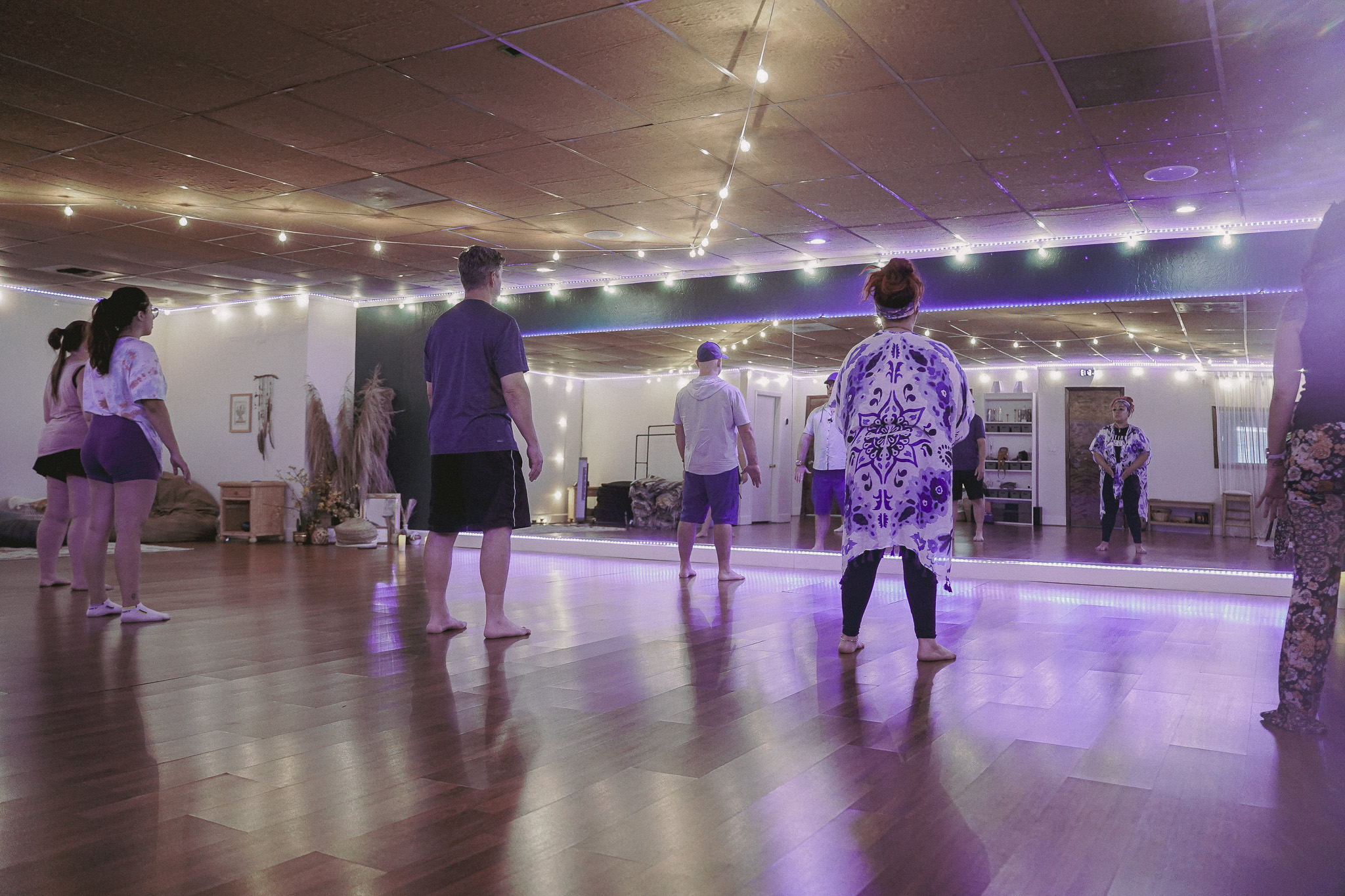
Balance practice helps attention stay close to the body through breath, grounding, posture, and small adjustments.
Tai Chi can support people with screen fatigue and mental overload
Many people spend hours each day looking at screens, reading messages, responding to notifications, and absorbing information. This kind of constant input can leave the mind tired and the body disconnected. A person may feel mentally drained but physically restless, tense, or numb.
Tai Chi can offer a helpful contrast to screen-based attention. Instead of looking outward at a device, the practice invites attention inward and downward. The eyes soften. The breath becomes noticeable. The body begins moving. The feet reconnect with the ground. The mind follows physical sensation instead of another stream of information.
This can be especially supportive after a long workday, study session, or period of heavy screen use. Tai Chi gives attention something slower and more embodied to engage with, which may help people feel less mentally scattered and more connected to themselves.
After a day of screens and information, Tai Chi gives attention a slower, physical place to recover and return.
Repetition helps focus become more familiar
Focus is not built through one perfect moment. It is built through repetition. In Tai Chi, the practitioner repeats movements, returns to the breath, feels the feet, and practices the same transitions many times. Each repetition gives attention another opportunity to stay, wander, notice, and return.
This is important because many people become discouraged when they cannot focus immediately. They may think a wandering mind means they are not good at mindfulness or that the practice is not working. In reality, the noticing and returning are part of the training.
With repeated practice, focus can become less forced. The movements become more familiar. The body understands the rhythm. The breath becomes easier to notice. The mind may still wander, but returning may feel more natural. Tai Chi teaches focus through the repeated act of coming back.
Focus grows through repeated returns, not through never becoming distracted.
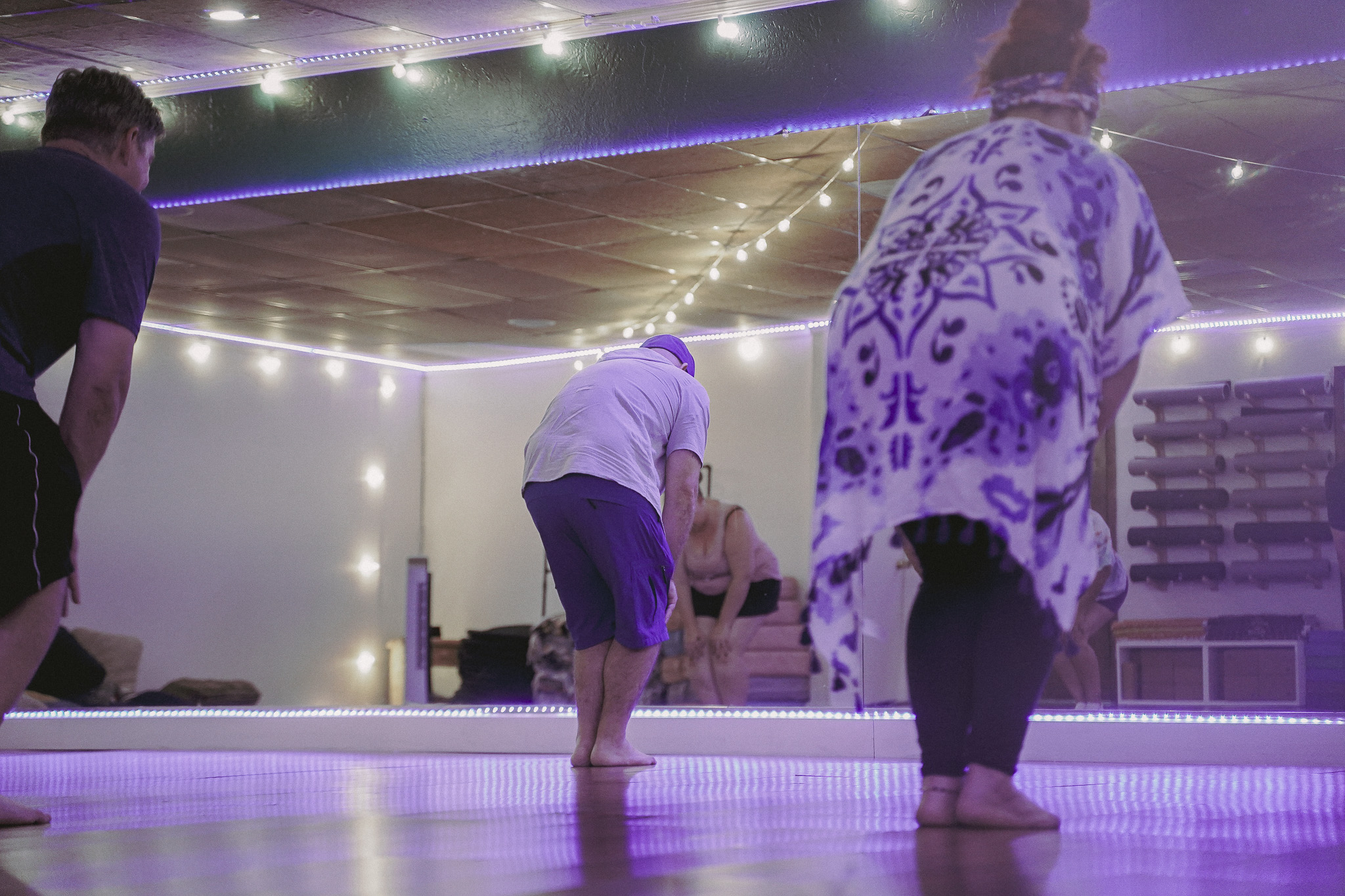
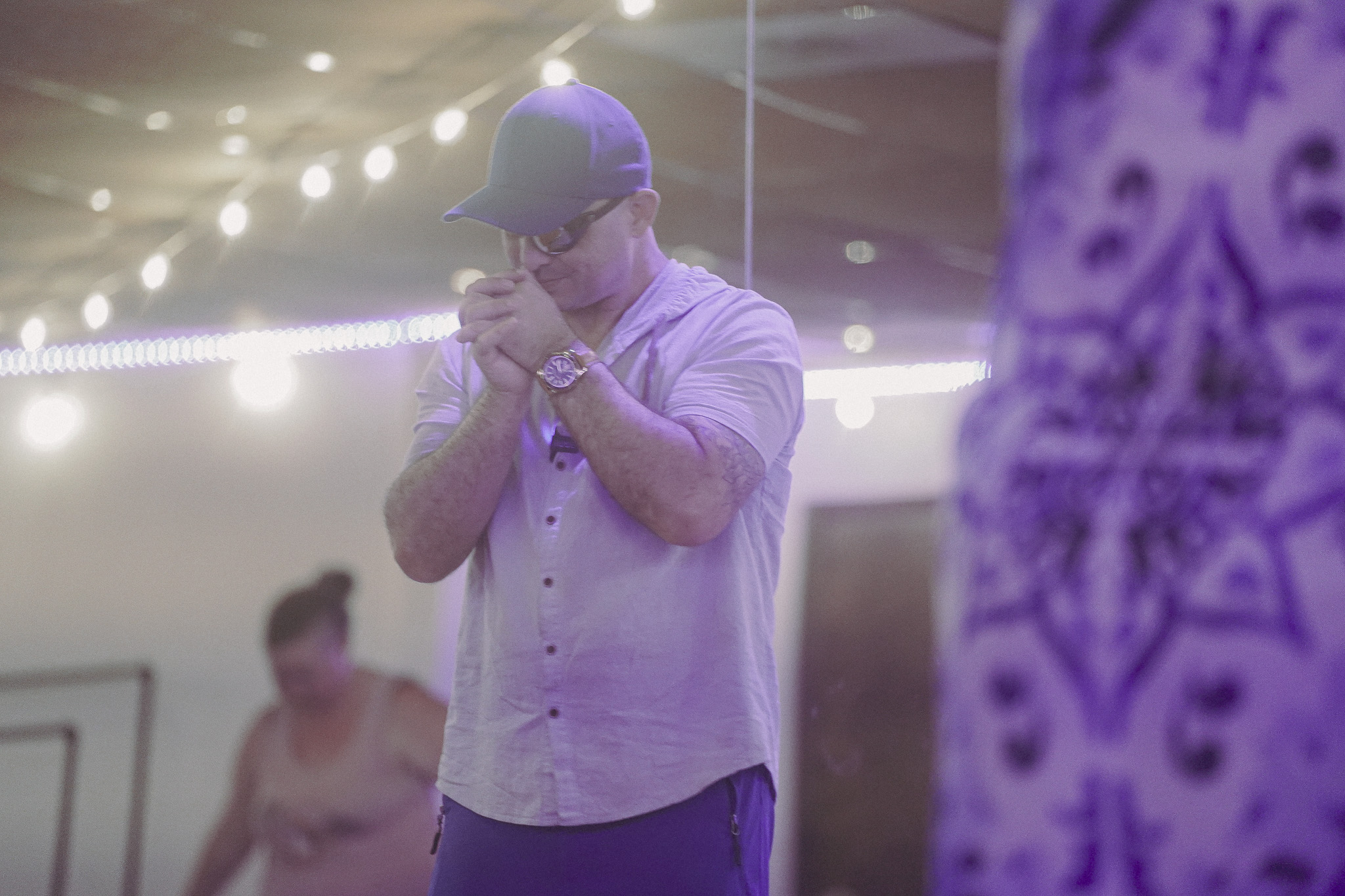
Better focus does not mean forcing the mind to be quiet
One of the biggest misunderstandings about focus and mindfulness is the idea that the mind has to be silent. Many people become frustrated because thoughts keep appearing. They assume they are failing because the mind continues to plan, remember, worry, or drift.
Tai Chi offers a more realistic approach. The mind does not have to be empty in order to practice focus. The practice simply invites attention to return to movement, breath, posture, balance, and the body. Thoughts may still appear, but they do not have to lead the entire experience.
This makes Tai Chi accessible for people with busy minds. It does not demand silence before beginning. It gives the mind something meaningful to follow and teaches that focus can be practiced through returning, not perfection.
In Tai Chi, better focus is not about having no thoughts. It is about learning how to return when thoughts pull attention away.
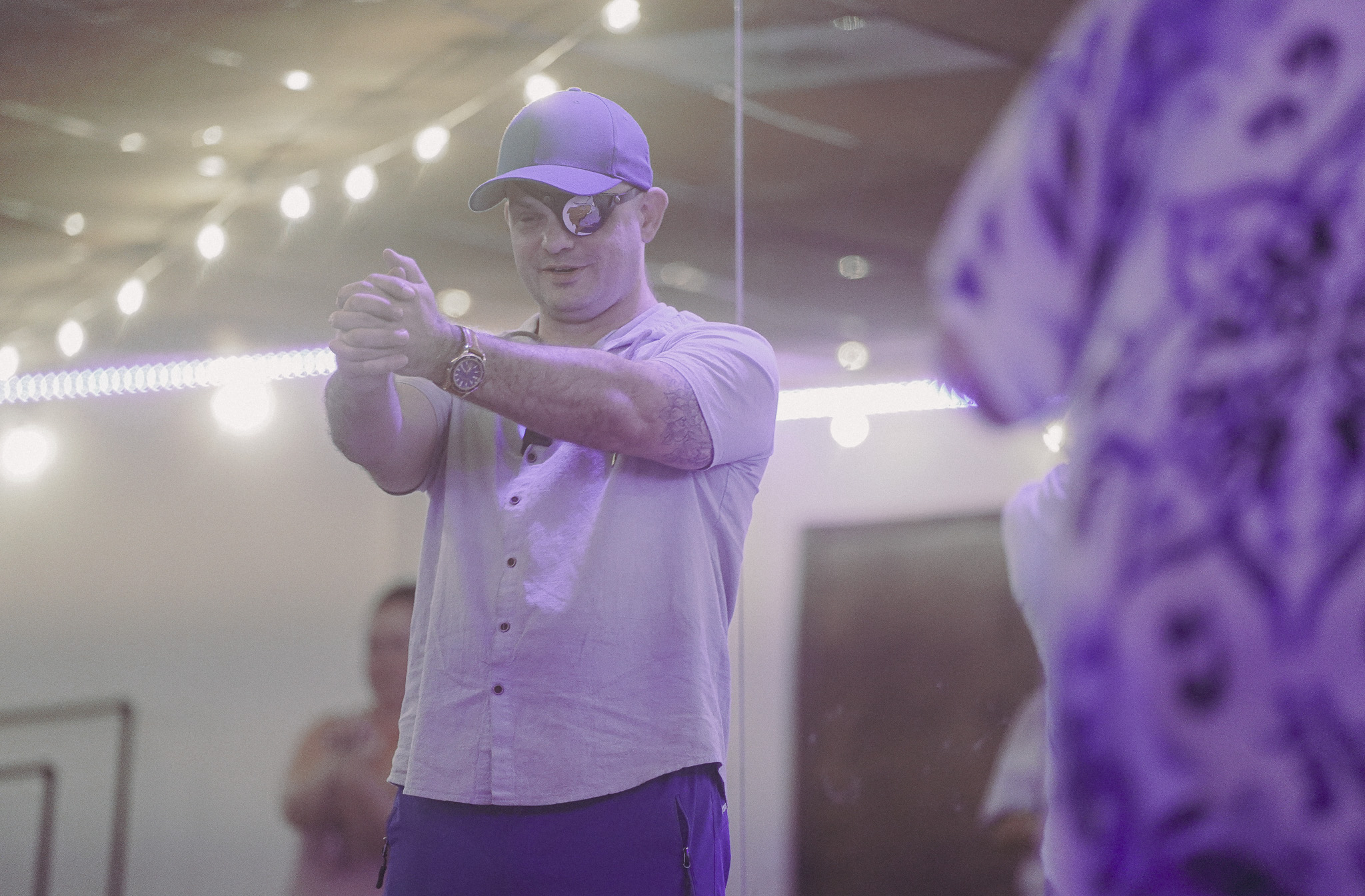
Tai Chi gives busy minds a practical way to focus without requiring complete silence or perfect concentration.
Tai Chi can help you focus on one thing at a time
Many people spend their day multitasking, even when they do not realize it. They may be answering a message while thinking about a meeting, eating while scrolling, listening while planning a response, or resting while mentally organizing tomorrow. Over time, the mind becomes used to divided attention.
Tai Chi invites a different pattern. One movement. One breath. One weight shift. One posture. One transition. The practice gently asks attention to stay with what is happening now instead of splitting into several directions.
This does not mean multitasking disappears from daily life. Real life is full and complex. But Tai Chi gives the body and mind a regular experience of single-task attention. That experience can become valuable because it reminds the system what it feels like to be with one thing fully.
Tai Chi teaches focus by helping the body and mind practice one movement, one breath, and one moment at a time.
One Breath
Attention returns to the body through the breath that is happening now.
One Step
Weight shifting teaches the mind to stay with the body instead of jumping ahead.
One Transition
The space between movements becomes a place to practice steady attention.
One Return
Every time attention wanders, returning becomes part of the practice.
How Tai Chi focus can support daily life
The focus practiced in Tai Chi can begin to support everyday moments. A person may notice when attention is scattered at work, when they are rushing through a conversation, when they are reading without absorbing, or when they are physically present but mentally somewhere else.
These moments create opportunities to return. Feel the feet. Take one slower breath. Notice posture. Finish one task before reaching for the next. Pause before responding. Move through a transition with more awareness. These small returns can help focus become more practical in daily life.
Tai Chi does not promise that attention will never wander. Instead, it teaches a more useful skill: how to notice wandering sooner and return with more patience. That skill can support work, relationships, rest, learning, creativity, and emotional awareness.
At Work
You may notice when attention is scattered and return to one task, one breath, or one next step.
In Conversations
You may practice listening more fully before planning your response.
During Rest
You may notice when the body is resting but the mind is still moving quickly.
During Stress
You may use breath, grounding, and posture to return attention before reacting automatically.
Tai Chi is not a replacement for medical or mental health care
Tai Chi can be a supportive wellness practice for focus, mindfulness, gentle movement, breath awareness, grounding, balance, body awareness, stress awareness, and emotional wellbeing, but it is not a replacement for medical care, therapy, medication, psychiatric support, ADHD treatment, trauma-informed care, workplace accommodations, or crisis services. If someone is experiencing significant difficulty focusing, severe anxiety, depression, trauma symptoms, persistent distress, thoughts of self-harm, or difficulty functioning, support from qualified professionals may be necessary.
At the same time, many people benefit from practices that help them slow down, reconnect with the body, and practice attention in a gentle and structured way. Tai Chi can be one supportive part of a broader care routine because it offers a repeatable way to notice wandering attention and return to the present moment.
The value of Tai Chi is not that it makes focus perfect or eliminates every distraction. Its value is that it helps people practice the skill of returning to the body, breath, and movement when attention becomes scattered.
Tai Chi can support focus and mindfulness as part of a broader wellness routine, but it should not replace professional care when professional support is needed.
Tai Chi and The Healing Tree Collective
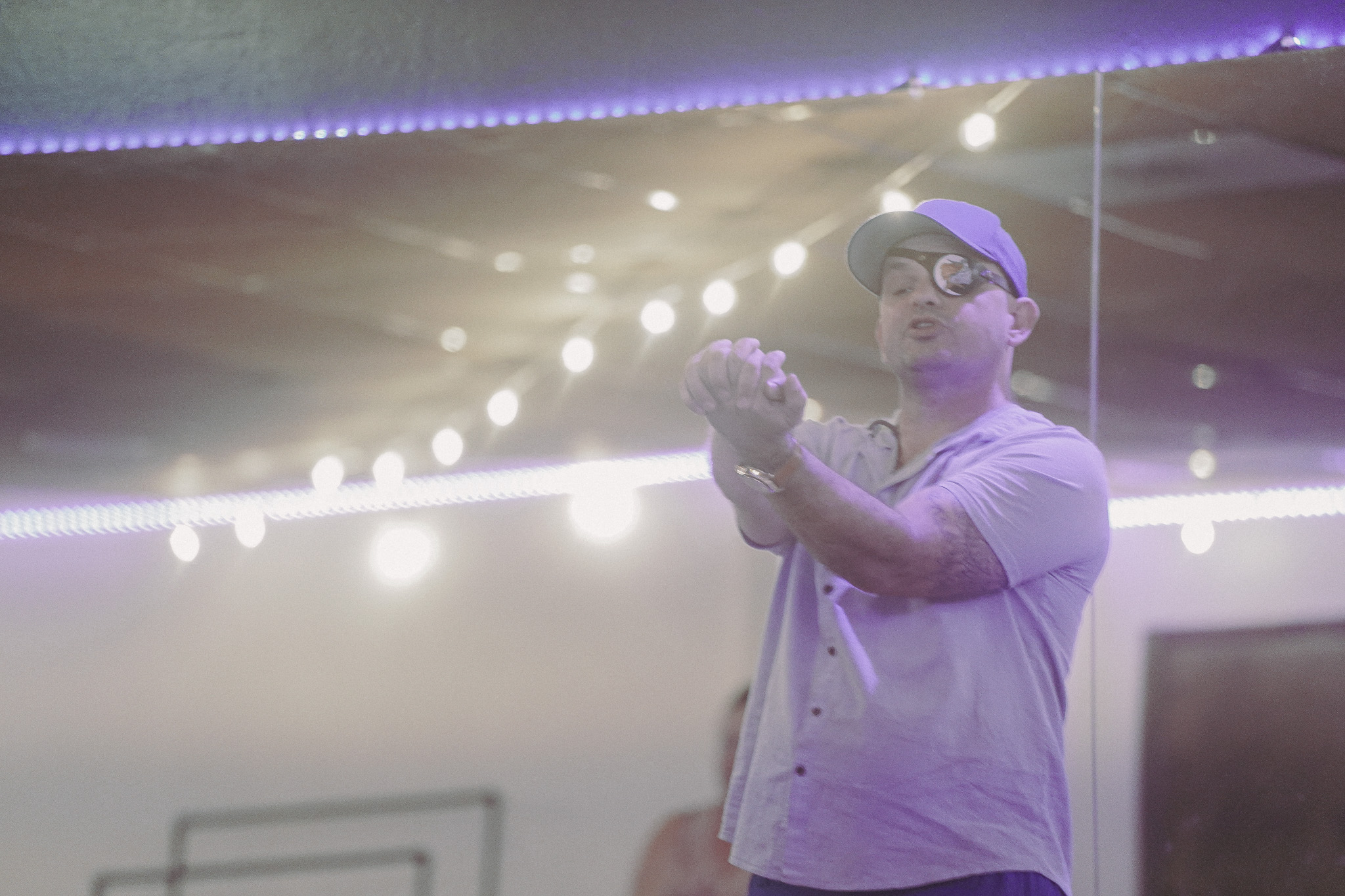
At The Healing Tree Collective, we understand that many people are living with busy minds, full schedules, screen fatigue, emotional responsibility, and constant stimulation. They may want more focus, but they may not need more pressure. They may need a practice that helps attention return through the body in a way that feels supportive and realistic.
Tai Chi fits naturally into our approach because it teaches focus through slow movement, breath, grounding, and repetition. It does not require prior experience, advanced flexibility, athletic ability, or a perfectly calm mind. The practice invites people to move slowly, notice distraction, return to the body, and build attention with patience.
Our mission is to create accessible wellness spaces where people can heal, grow, and reconnect with themselves through practices that feel supportive, educational, and real. Tai Chi supports that mission because it helps people practice focus without judgment, performance, or the expectation that the mind must become quiet immediately.
At The Healing Tree Collective, Tai Chi is offered as a practice of focus: a way to slow down, return to the body, and build attention one breath and one movement at a time.
Final thoughts: focus is the practice of returning
Tai Chi can support better focus by helping people slow down enough to notice where attention is going. Through breath awareness, grounding, balance, posture, repetition, and slow movement, the practice gives the mind and body a steady place to return.
Better focus does not mean never becoming distracted. It means recognizing distraction sooner and practicing the return with less judgment. Tai Chi teaches this through movement. The mind wanders, and the body returns. Attention drifts, and the breath brings it back. The next movement begins, and awareness has another opportunity to participate.
For people with busy minds, screen fatigue, work stress, or scattered attention, Tai Chi offers a gentle and practical way to practice paying attention. Slowing down does not make focus weaker. It can make focus more embodied, more patient, and more connected to the present moment.
Tai Chi teaches that focus is not forced through pressure. It is built through slow movement, breath, grounding, and the repeated practice of returning.
Looking for Tai Chi for better focus in Tempe, Arizona?
At The Healing Tree Collective, our beginner-friendly wellness classes are designed to support stress relief, mindfulness, grounding, body awareness, balance, and deeper connection. If you are curious about Tai Chi, gentle movement, moving meditation, or a practice that can help support focus and attention, you are welcome to begin here.
No prior experience is needed. Come as you are. We will meet you there.