15 July 2026
Tai Chi for Body Awareness: Why Small Movements Can Reveal Big Patterns
Body awareness is not only about noticing pain, tension, or discomfort after the body becomes impossible to ignore. It is the ability to sense what is happening in the body earlier, with more clarity, before stress, fatigue, or emotional pressure becomes overwhelming.
Many people move through daily life without realizing how much the body is communicating. They may hold their breath while concentrating, tense the shoulders during stress, rush through transitions, grip the jaw during difficult conversations, or push through fatigue because they are used to ignoring internal signals.
Tai Chi can support body awareness because its small, slow, intentional movements reveal patterns that are easy to miss when life is moving quickly. Through breath, balance, posture, weight shifting, and mindful movement, Tai Chi helps people begin listening to the body with more attention and care.
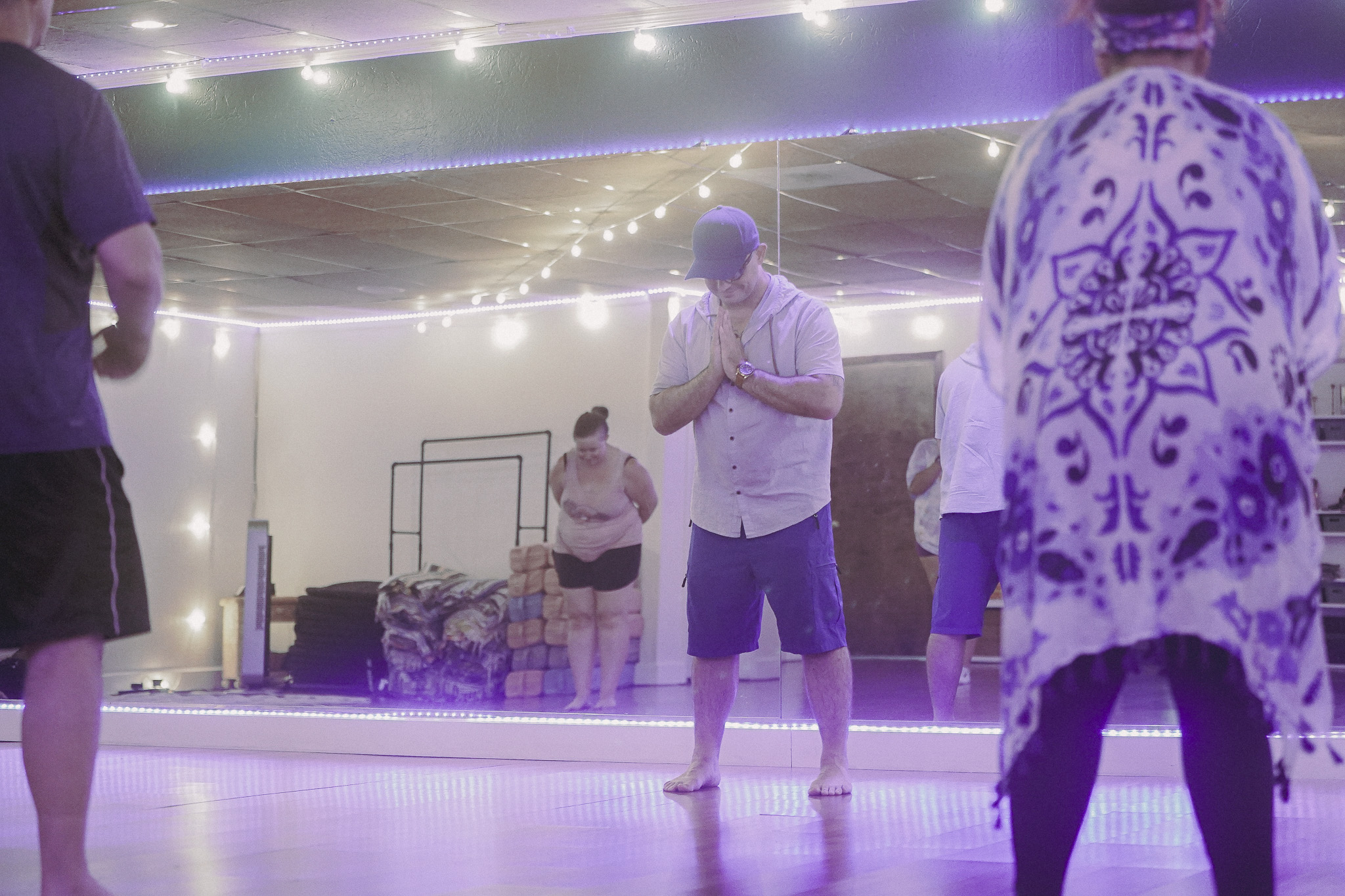
Small movements in Tai Chi can reveal patterns in breath, posture, balance, tension, and attention that often appear in daily life too.
Tai Chi may help reveal patterns such as:
Subtle habits that become easier to notice when movement slows down.
- Holding the breath while concentrating
- Rushing through transitions
- Overusing the shoulders or jaw
- Bracing when balance feels uncertain
- Moving from effort instead of ease
- Disconnecting from the feet and ground
- Judging the body while learning something new
Body awareness begins with noticing what is already happening
Body awareness does not mean trying to control every sensation or analyze every movement. It begins with something much simpler: noticing what is already happening. How is the breath moving? Where is the body holding effort? Are the shoulders tense? Are the feet grounded? Is the body rushing even when the movement is slow?
These questions may seem small, but they can reveal important information. Many people do not realize how often the body is carrying stress until they slow down enough to feel it. The body may have adapted to tension, shallow breathing, bracing, or mental urgency so consistently that those patterns begin to feel normal.
Tai Chi creates an environment where these patterns become easier to observe. Because the movements are slow and intentional, the practitioner has time to feel details that might be missed during faster forms of movement. The practice does not ask the body to perform intensely. It asks the person to pay attention.
Body awareness begins when you stop moving on autopilot long enough to notice what your body has been doing quietly in the background.
Small movements can reveal the habit of rushing
Rushing is one of the most common patterns Tai Chi can reveal. In everyday life, many people move from one task to the next without fully arriving in the moment they are in. They may rush through meals, conversations, errands, work responsibilities, transitions, and even rest. The body becomes used to moving ahead before the present moment is complete.
Tai Chi slows that pattern down. A small weight shift, a gentle arm movement, or a simple transition between postures can reveal how strongly the body wants to hurry. The practitioner may notice impatience, breath-holding, tension, or the urge to get the movement over with. These are not failures. They are information.
When rushing becomes visible in a small movement, it can become easier to recognize in larger areas of life. The same internal speed that appears during Tai Chi may also appear when answering emails, making decisions, responding in relationships, or trying to rest after a full day.
Small movements can reveal where the body is still living at the speed of stress.
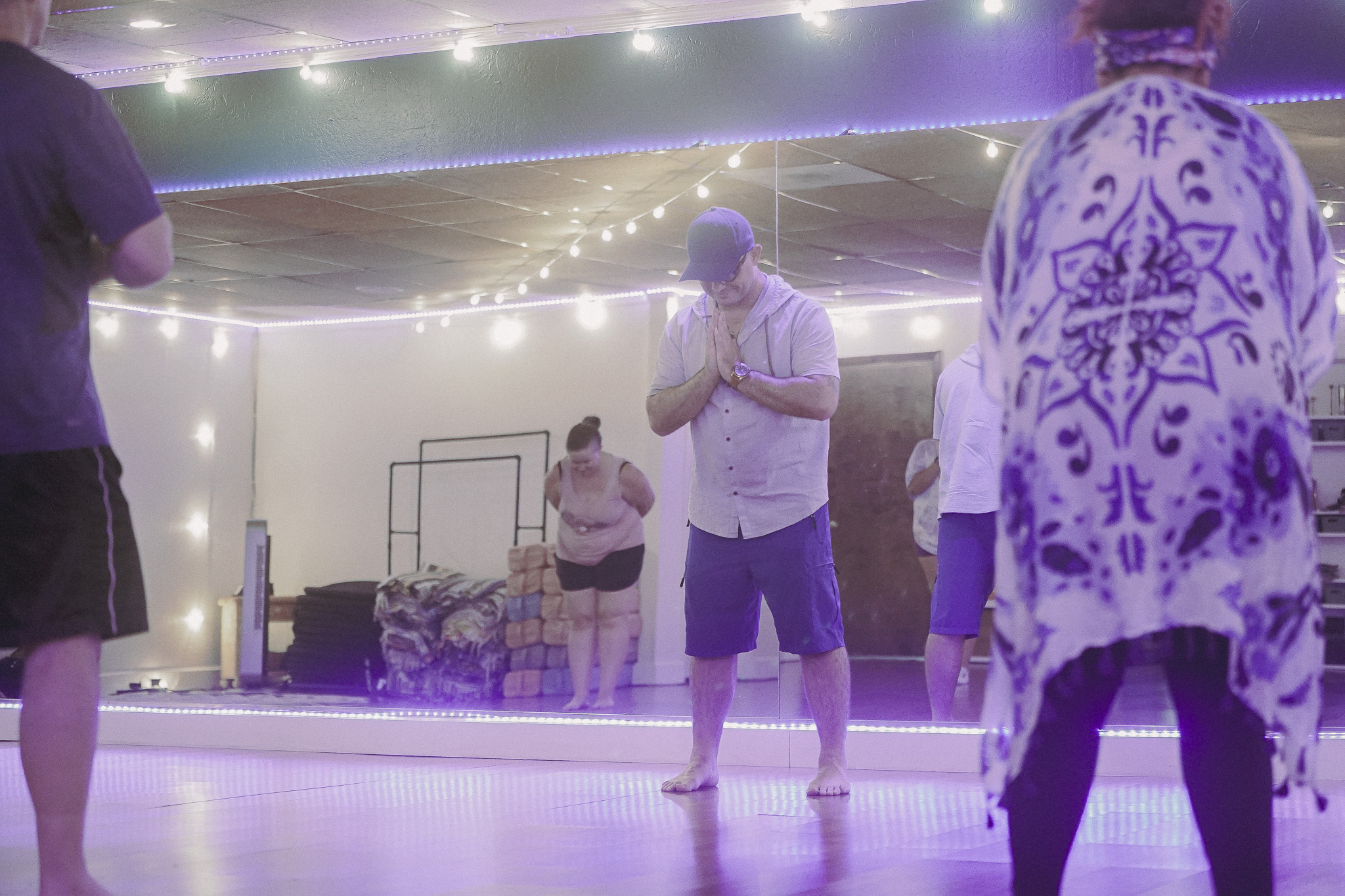
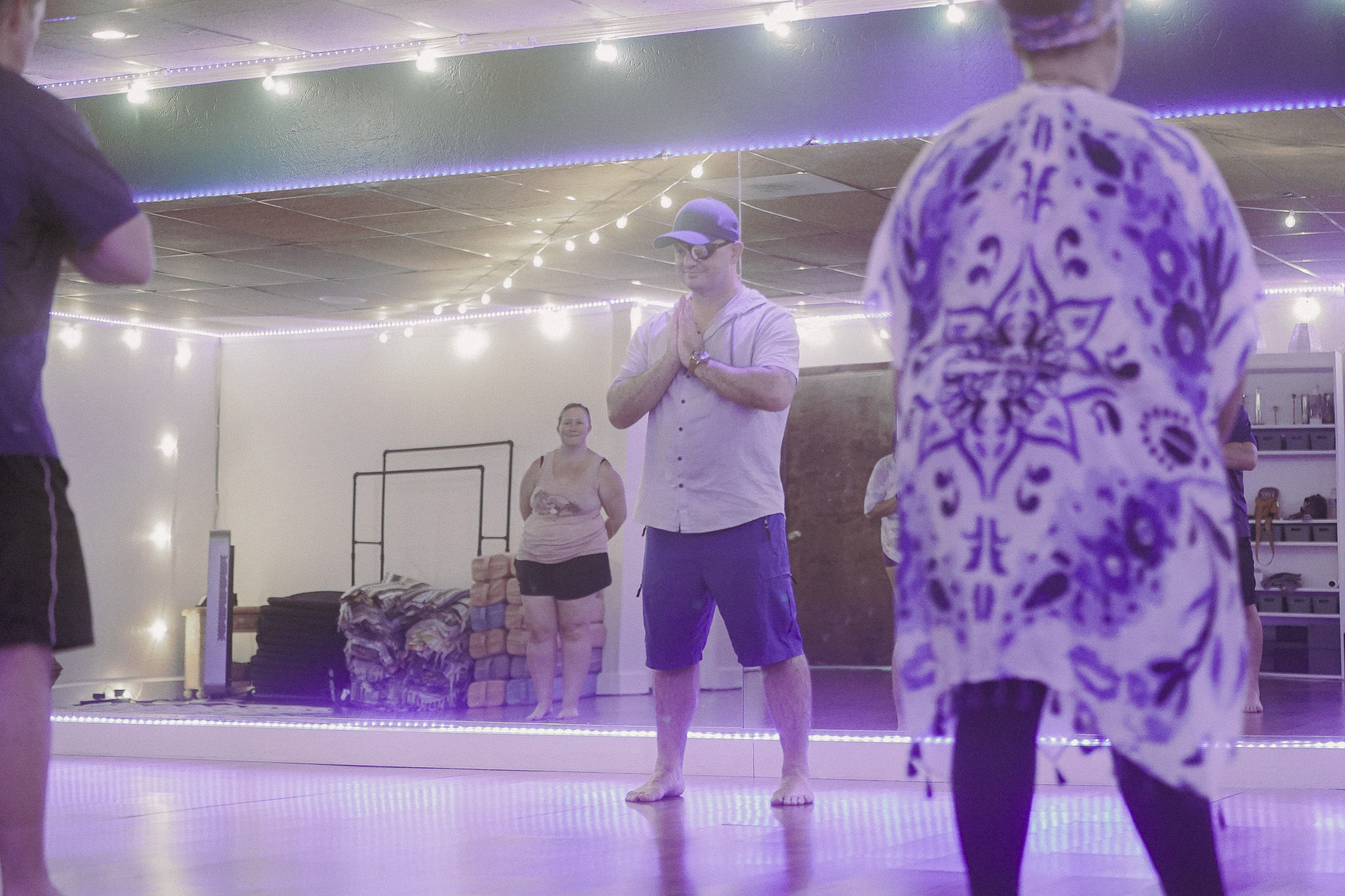
Breath patterns become easier to notice when the body slows down
The breath is one of the clearest ways the body communicates stress, effort, concentration, and emotional state. Many people hold their breath when learning something new, restrict the breath when they feel uncertain, or breathe shallowly when the mind is busy. Because this can happen automatically, it often goes unnoticed.
In Tai Chi, small movements give the breath more room to be observed. A practitioner may notice that they hold the breath during a balance shift, lose the breath when concentrating on the sequence, or soften naturally when they exhale during a slower transition. These observations can help reconnect the mind with the body.
This matters because breath patterns often appear outside of class as well. A person who holds the breath during Tai Chi may also hold the breath while working under pressure, listening to difficult news, waiting for a response, or trying to make a decision. Once the pattern is noticed in practice, it may become easier to notice in daily life.
The breath often reveals stress before the mind has finished explaining what is happening.
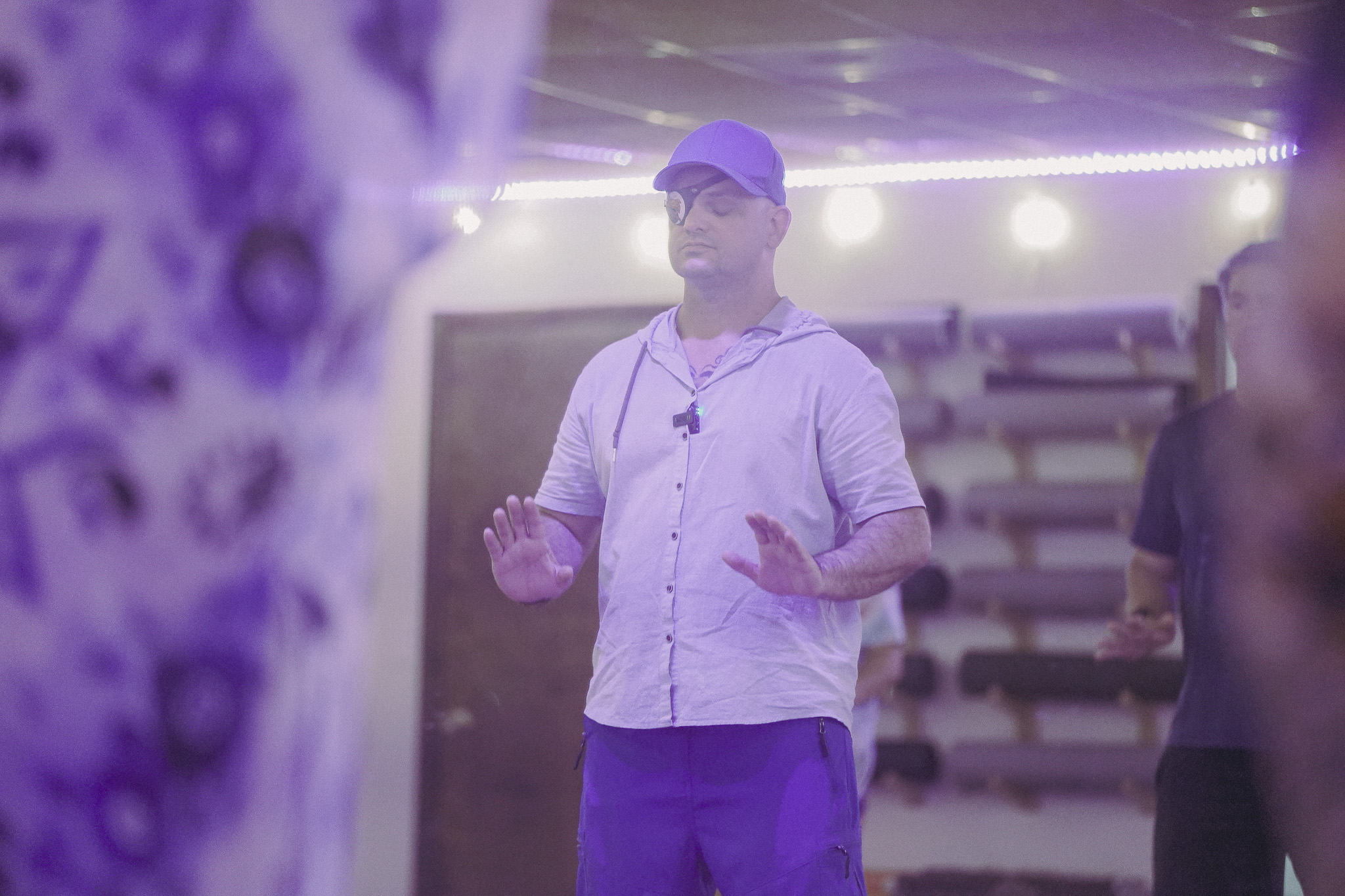
Breath awareness in Tai Chi helps people notice when the body is bracing, concentrating, rushing, or beginning to settle.
Balance reveals how the body responds to uncertainty
Balance is one of the most direct ways Tai Chi teaches body awareness. When the body shifts weight slowly from one side to another, the practitioner has to notice where support is coming from. Are the feet grounded? Is the posture steady? Is the body overcorrecting? Is the mind rushing ahead before the body has fully arrived?
These small questions reveal more than physical balance. They can show how the body responds to uncertainty. When balance feels unstable, some people brace. Others hold the breath, tense the shoulders, look for control, or move too quickly to avoid feeling unsteady. Tai Chi gives the body a safe and gentle space to observe these reactions.
This can be meaningful because uncertainty is not limited to physical balance. Life also brings uncertainty through decisions, transitions, relationships, work, health, grief, and change. The way the body responds to a small balance challenge may offer insight into how it responds to uncertainty in other areas.
Balance practice can reveal whether the body responds to uncertainty with breath, grounding, patience, bracing, or control.
Grounding
The feet can reveal whether the body feels connected to support or disconnected from the ground beneath it.
Bracing
Balance shifts may reveal shoulder tension, jaw tension, breath-holding, or unnecessary muscular effort.
Adjustment
Small corrections help the body learn steadiness without needing to force perfect control.
Patience
Slow balance work teaches the body to stay present instead of rushing through discomfort.
Posture can reveal effort, protection, and fatigue
Posture is not only about standing up straight. It can reveal how the body is organizing itself in response to stress, fatigue, emotion, focus, or pressure. A person may lift the shoulders when concentrating, collapse the chest when tired, lean forward when rushing, or tighten the torso when feeling guarded.
Tai Chi brings attention to posture in a gentle way. The practice does not require rigid alignment or forced correction. Instead, it invites the practitioner to notice how the body is standing, where effort is being held, and whether the posture feels supported or strained. This kind of awareness can be more useful than simply trying to “fix” posture from the outside.
Small posture shifts can reveal larger life patterns. A person who constantly holds the shoulders high may discover how often they carry responsibility physically. A person who collapses when tired may notice how deeply fatigue has been ignored. A person who leans forward through each movement may recognize the habit of living slightly ahead of themselves.
Posture can become a map of how the body has learned to carry responsibility, fatigue, protection, and effort.
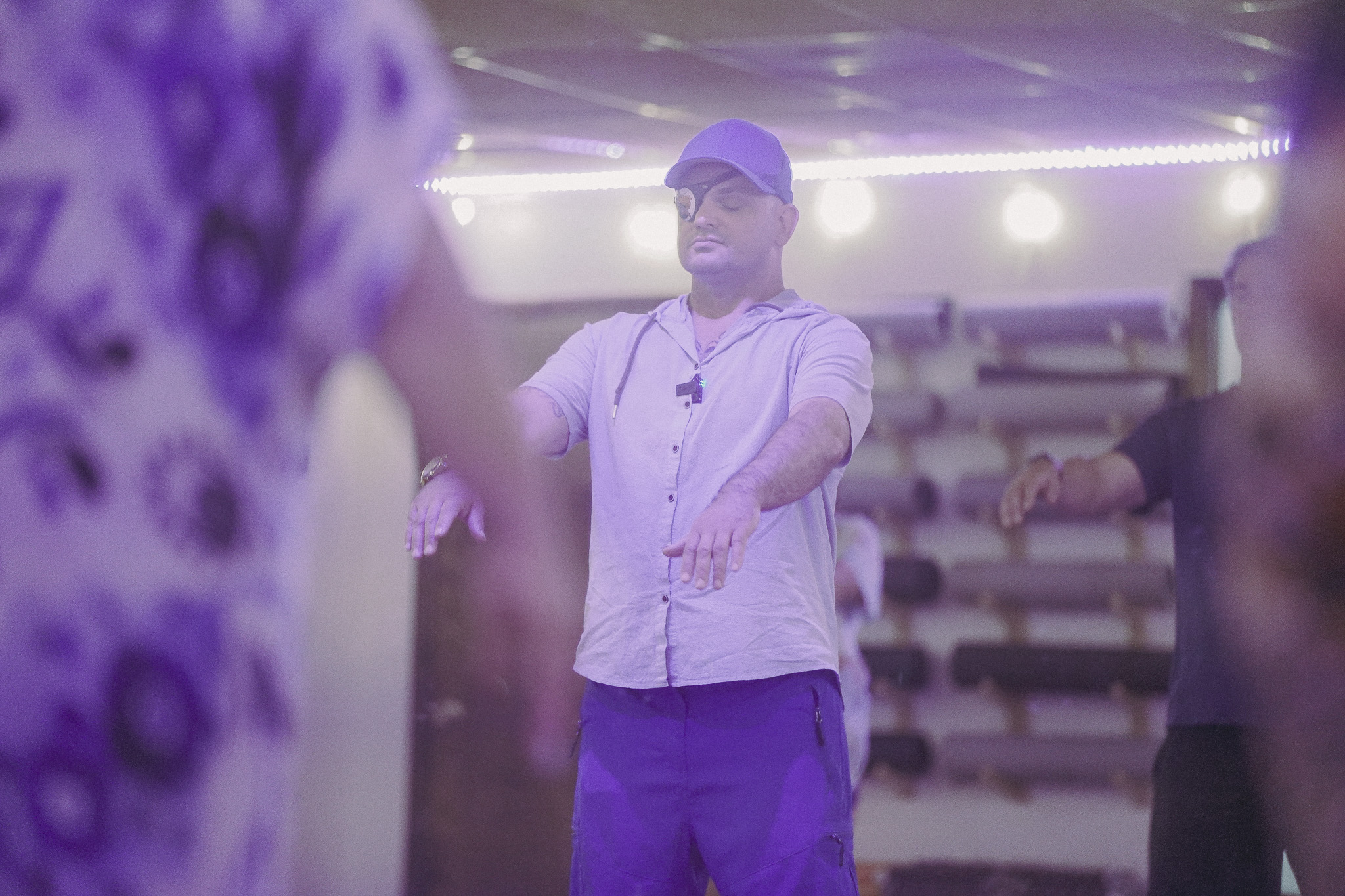
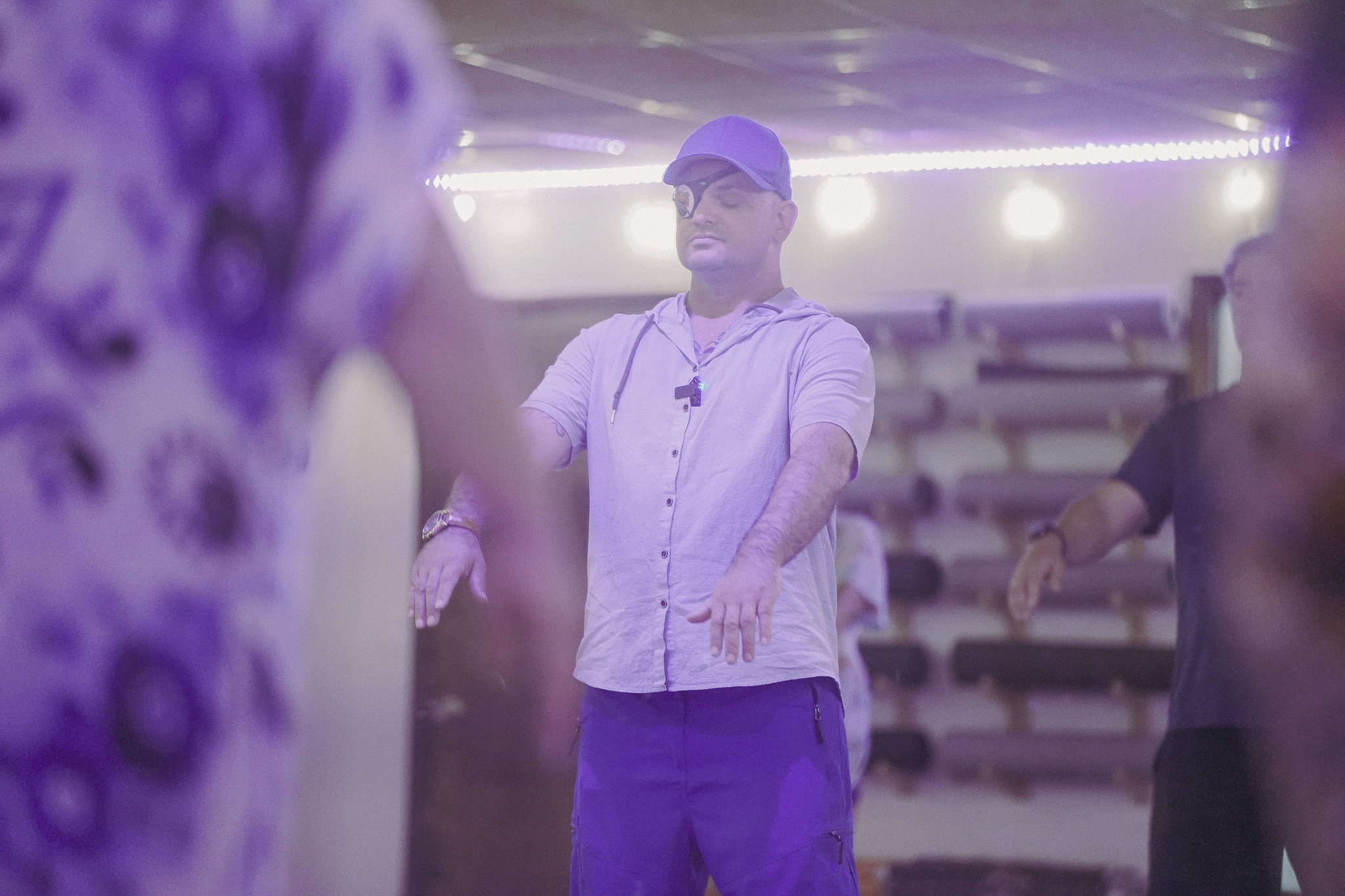
Small movements can reveal over-effort
Many people are used to trying harder than necessary. They may approach movement, work, relationships, healing, or personal growth with the belief that more effort always creates better results. This habit can show up clearly in Tai Chi because the movements are slow and subtle enough to reveal unnecessary force.
A practitioner may notice that they are gripping the hands, tightening the jaw, locking the knees, lifting the shoulders, or pushing through a movement that could be done with more ease. This does not mean they are doing anything wrong. It means the practice is revealing how the body has learned to organize effort.
This awareness can be valuable because over-effort often appears in daily life. A person may overthink decisions, over-explain in conversations, overextend themselves for others, or overwork even when the body is asking for rest. Tai Chi helps make the physical version of that pattern visible so it can be met with more awareness.
When small movements reveal over-effort, they may also reveal the places where life has taught the body to try harder than necessary.
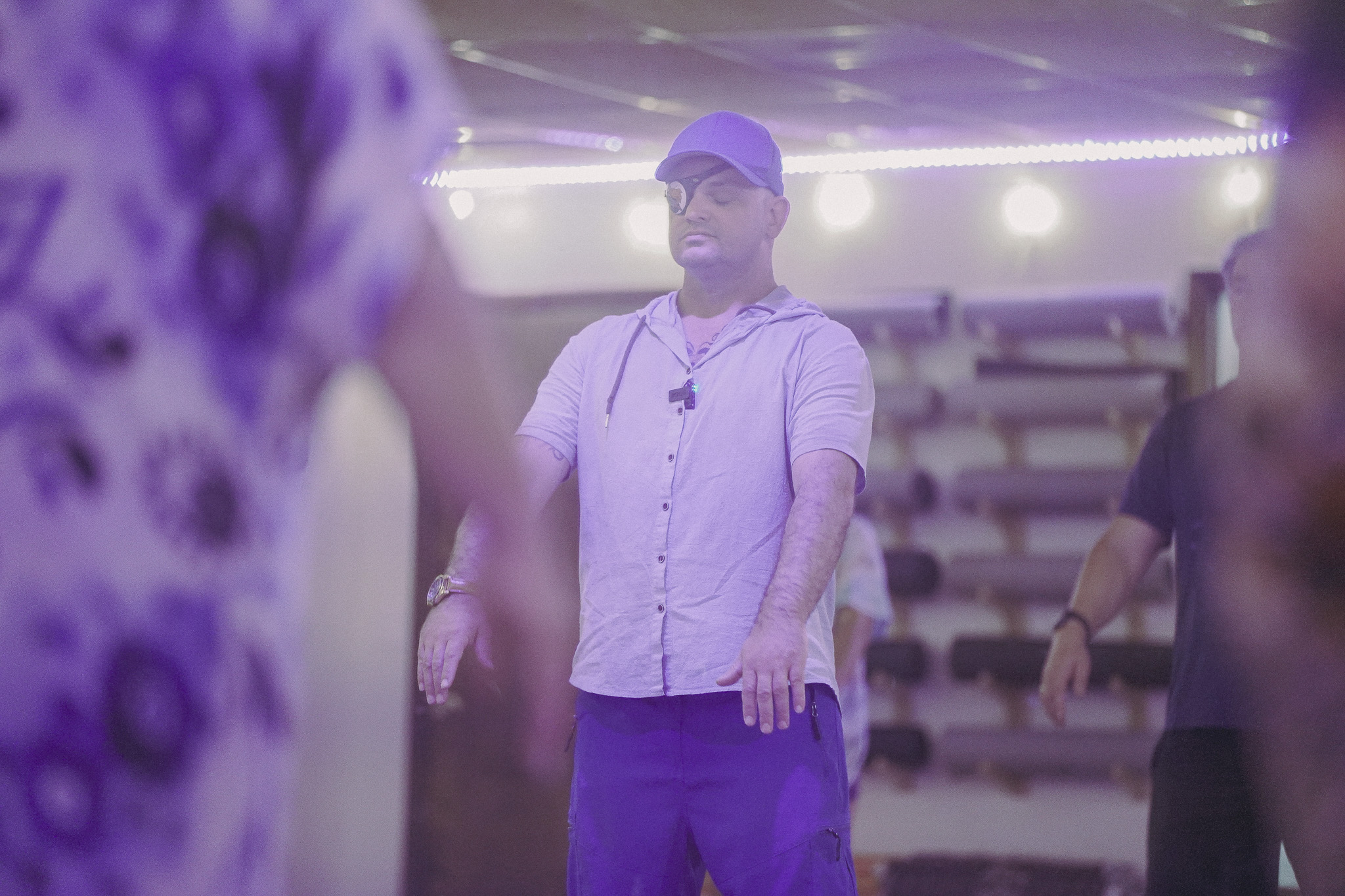
Tai Chi helps people notice the difference between intentional effort and unnecessary tension.
The body often shows patterns before the mind names them
One of the reasons body awareness is so important is that the body often communicates before the mind has language. A person may not yet realize they are overwhelmed, but their breath is shallow. They may not have named their fatigue, but their posture is collapsed. They may not recognize emotional guardedness, but the chest or jaw feels tight.
Tai Chi helps people develop the ability to notice these signals earlier. The practice does not require immediate interpretation. A person does not need to know exactly why the body feels tense or why balance feels harder on a certain day. The first step is noticing the signal without dismissing it.
Over time, this can support a more respectful relationship with the body. Instead of ignoring physical signals until they become urgent, a person may begin listening earlier. They may pause, breathe, adjust, ask for support, or recognize that the body needs a slower pace.
The body does not always speak in words. Sometimes it speaks through breath, posture, balance, tension, and the way movement feels.
Repetition helps patterns become easier to recognize
The body does not reveal everything at once. This is why repetition matters in Tai Chi. During the first class, a person may be focused mostly on learning the sequence. They may wonder where to place their feet, how to move their hands, or how to follow the instructor. This is normal.
As the movements become more familiar, attention can become more refined. The practitioner may begin noticing how the breath changes, how balance feels different on different days, where the body holds effort, or how the mind reacts when something feels unfamiliar. These observations become easier because the repeated movements provide a consistent reference point.
This is one reason Tai Chi can deepen over time. The same small movement may reveal something new depending on the person’s stress level, energy, emotional state, or awareness that day. Repetition gives the body repeated opportunities to speak, and it gives the practitioner repeated opportunities to listen.
Repetition helps body awareness deepen because the same movement can reveal different patterns as your attention becomes more available.


Body awareness is not about judging the body
For some people, noticing the body can quickly turn into judging the body. They may criticize their balance, coordination, flexibility, posture, or ability to follow the movement. This is especially common for beginners who are learning something unfamiliar.
Tai Chi offers an opportunity to practice a different kind of attention. The goal is not to judge every physical signal. The goal is to observe with curiosity. Losing balance becomes information. Tension becomes information. Breath-holding becomes information. Forgetting the sequence becomes information. None of these moments need to become proof that the person is failing.
This distinction is important because body awareness is most supportive when it is paired with care. If awareness becomes harsh, the body may feel like something being evaluated. If awareness becomes compassionate, the body can become something being listened to.
Body awareness becomes healing when the body is listened to with curiosity instead of judged as a problem.
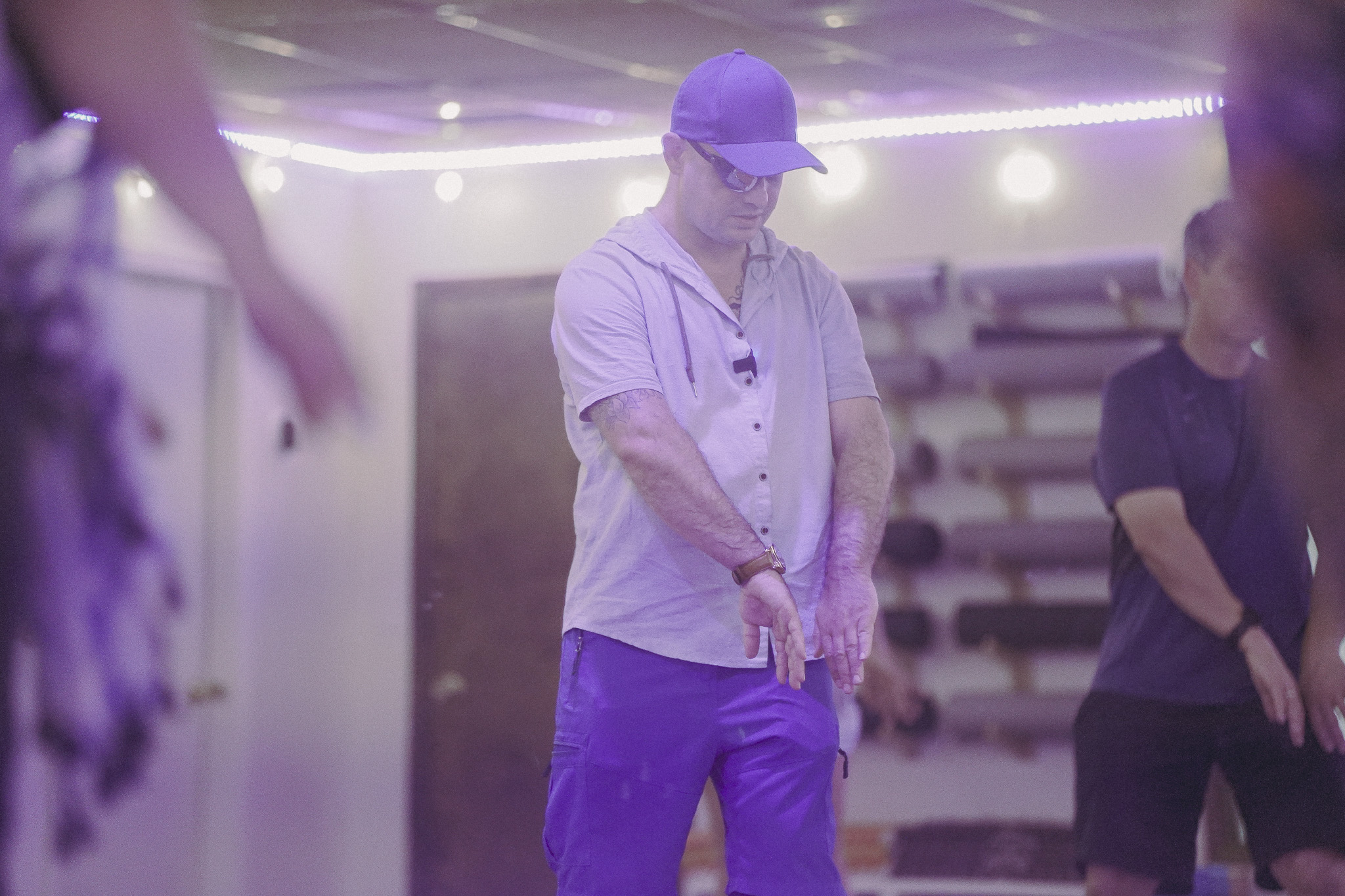
Tai Chi helps beginners practice noticing the body without turning every movement into a performance.
Small patterns in class can reflect larger patterns in life
One of the deeper benefits of Tai Chi is that the patterns noticed in class often reflect patterns that appear outside the studio. The person who rushes through a transition may also rush through rest. The person who holds the breath while concentrating may also hold the breath during work stress. The person who becomes self-critical while learning a movement may also judge themselves harshly in other areas of life.
This does not mean every movement needs to be analyzed. It means Tai Chi can create a practical mirror. Small movements make large patterns easier to see because the practice slows them down. Instead of noticing these habits only after stress has built, a person can begin recognizing them in real time.
Once a pattern is recognized, there is more possibility for choice. A person may soften the shoulders, breathe before responding, slow down before rushing, or notice self-judgment before believing it. These small shifts can support daily life in meaningful ways.
Tai Chi helps reveal that the way we move through a small transition can reflect the way we move through stress, responsibility, uncertainty, and change.
Rushing
May show up in movement, work, communication, decision-making, transitions, and rest.
Breath-Holding
May appear during concentration, stress, uncertainty, emotional discomfort, or pressure.
Self-Judgment
May appear while learning something new, making mistakes, being seen, or moving slowly.
Over-Effort
May show up as pushing, forcing, overthinking, overworking, or trying to control every outcome.
Tai Chi can help rebuild trust in your body
Many people have complicated relationships with their bodies. The body may be associated with discomfort, fatigue, appearance, stress, pain, limitation, or pressure to perform. Others have spent so long ignoring the body that listening to it again feels unfamiliar.
Tai Chi can support a more trusting relationship with the body because the practice is gentle and repeatable. It does not require extreme flexibility, high intensity, or perfect coordination. The body is invited to move slowly, feel support, notice balance, and practice awareness in small steps.
Over time, this can help the body feel less like something to control and more like something to cooperate with. Trust develops through repeated experiences of listening, adjusting, grounding, and discovering that small movements can be supportive rather than overwhelming.
Trust in the body is often rebuilt through small, repeated experiences of listening and responding with care.
Tai Chi is not a replacement for medical or mental health care
Tai Chi can be a supportive wellness practice for body awareness, balance, mindfulness, gentle movement, stress awareness, and emotional wellbeing, but it is not a replacement for medical care, physical therapy, therapy, medication, psychiatric support, trauma-informed treatment, or crisis services. If someone is experiencing persistent pain, significant distress, panic, depression, trauma symptoms, thoughts of self-harm, or difficulty functioning, support from qualified professionals may be necessary.
At the same time, many people benefit from practices that help them notice body signals earlier and build a more compassionate relationship with movement. Tai Chi can be one supportive part of a broader care routine because it offers a gentle, structured, and repeatable way to practice listening to the body.
The value of Tai Chi is not that it explains every sensation or solves every pattern immediately. Its value is that it gives people a practical way to slow down, notice, and respond with more awareness over time.
Tai Chi can support body awareness as part of a broader wellness routine, but it should not replace professional care when professional support is needed.
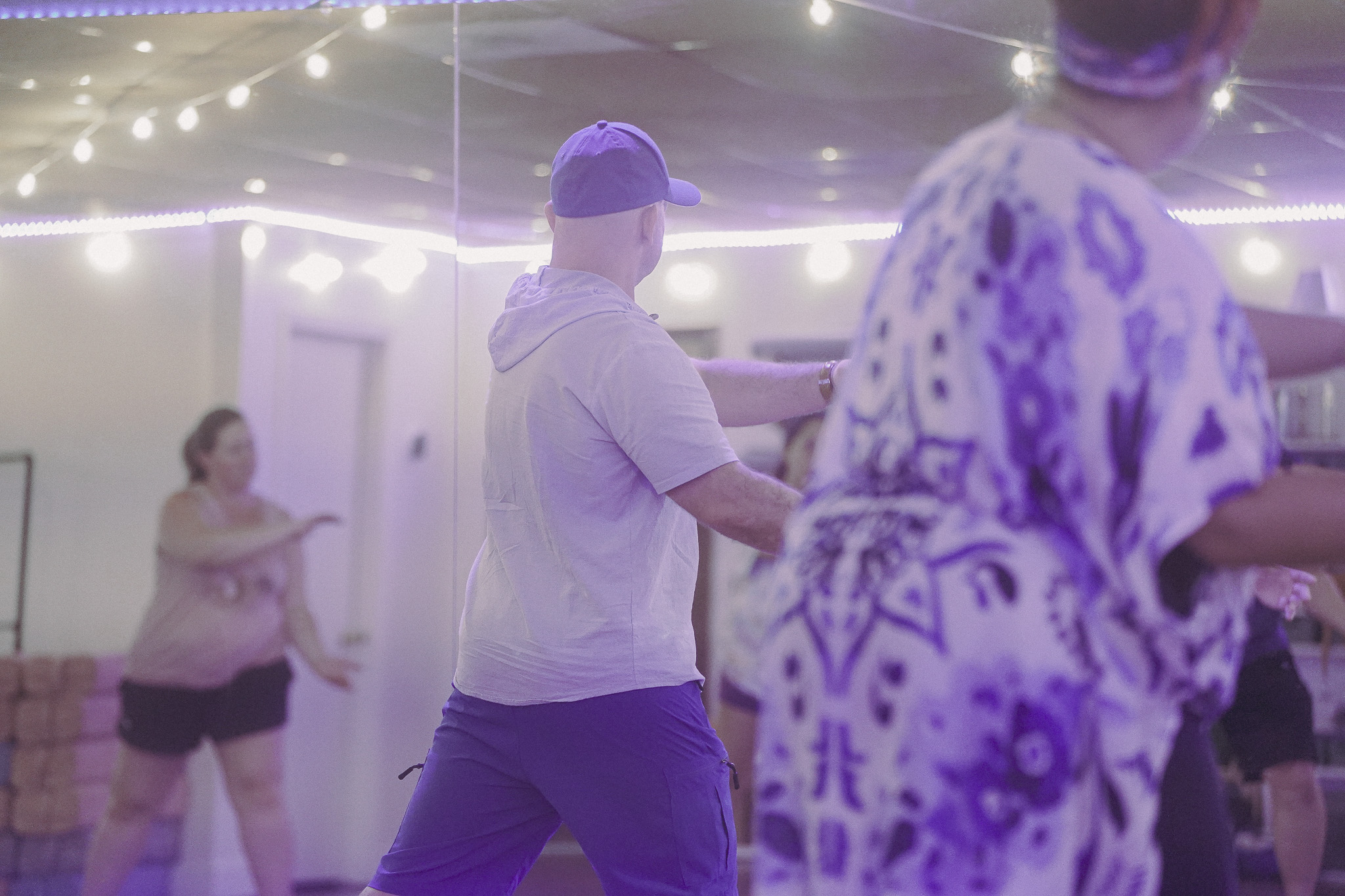
Tai Chi can be part of a broader wellness routine because it gives people a gentle way to practice noticing, grounding, and returning to the body.
Tai Chi and The Healing Tree Collective
At The Healing Tree Collective, we understand that many people are carrying stress in ways they have not had time to fully notice. They may feel mentally busy, physically tense, emotionally full, disconnected from the body, or unsure how to slow down without feeling uncomfortable.
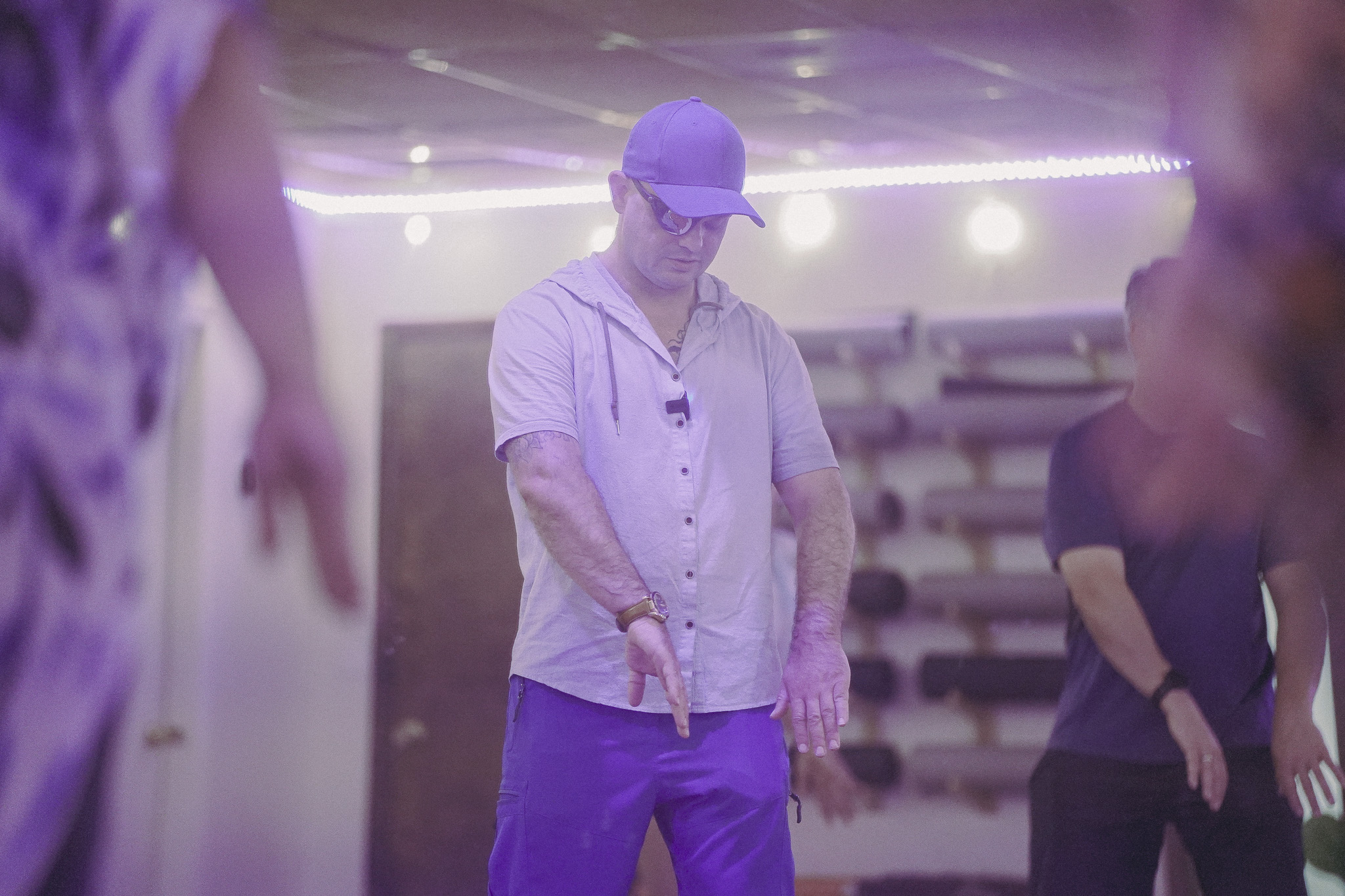
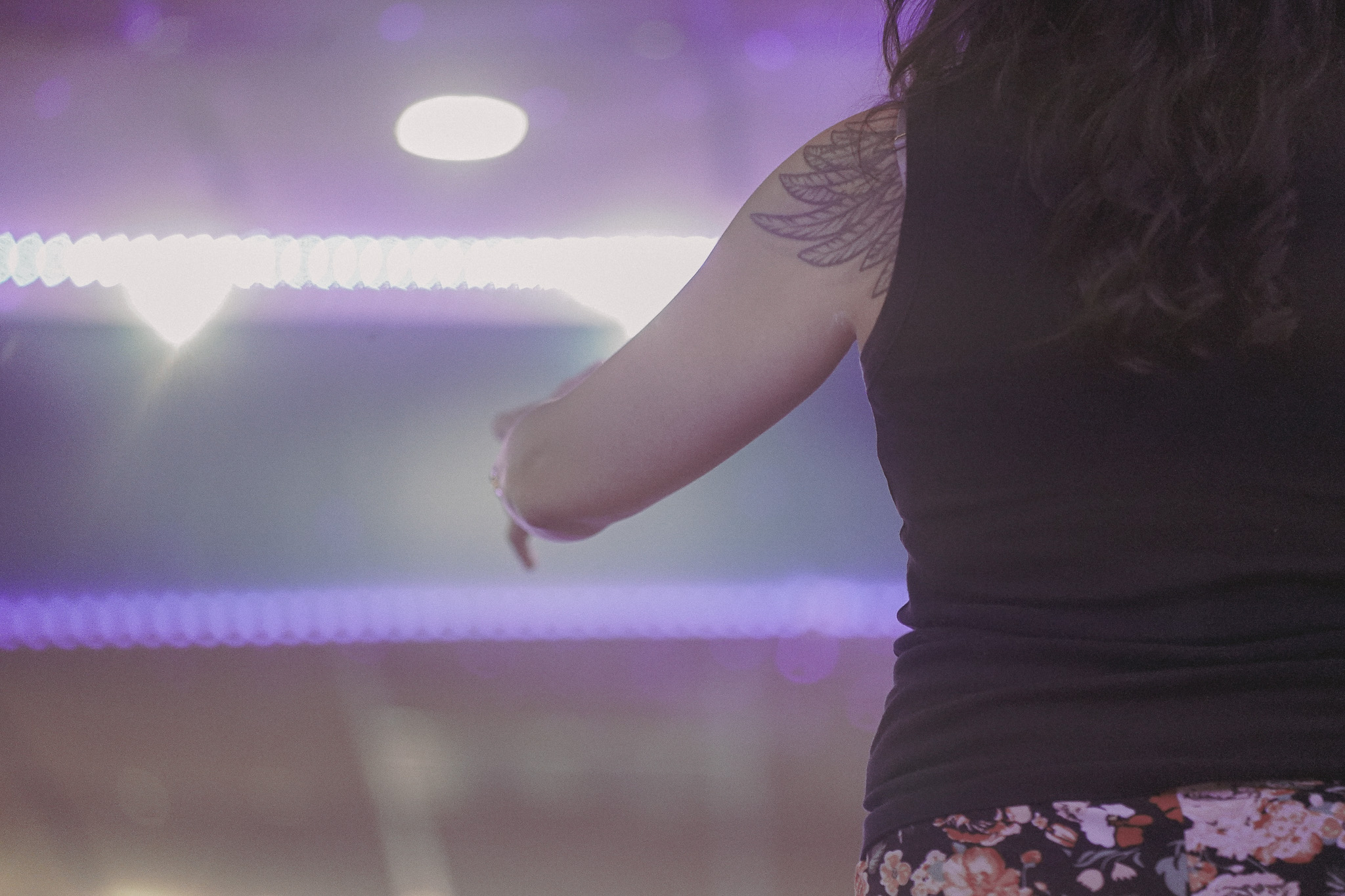
Tai Chi fits naturally into our approach because it supports body awareness through small, accessible movements. It does not require prior experience, advanced flexibility, athletic ability, or a perfectly calm mind. The practice invites people to feel their feet, notice their breath, observe their posture, and learn from the body without pressure.
Our mission is to create accessible wellness spaces where people can heal, grow, and reconnect with themselves through practices that feel supportive, educational, and real. Tai Chi supports that mission because it helps people notice the patterns they carry, listen to themselves more clearly, and return to the body with more patience and care.
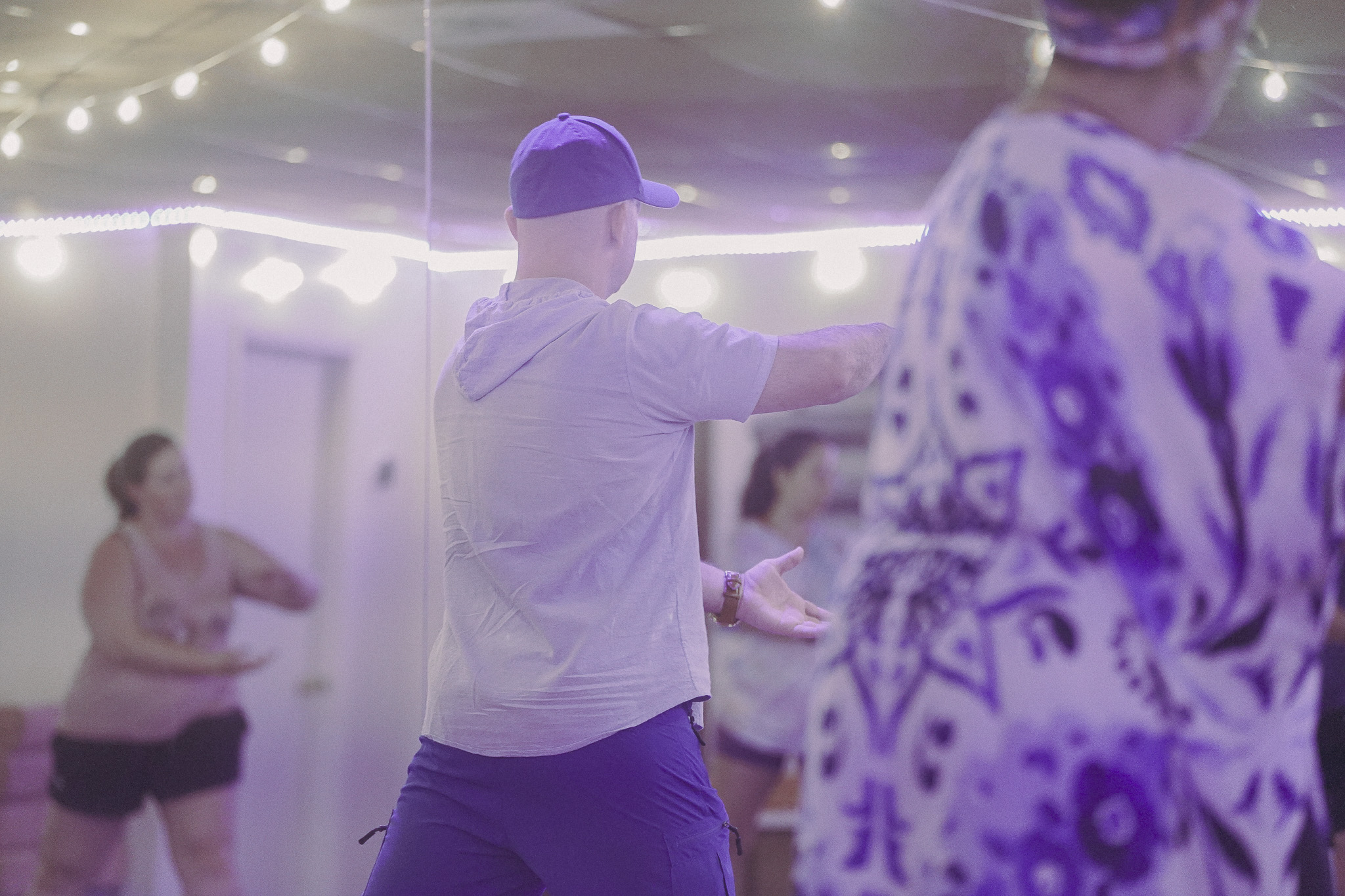
At The Healing Tree Collective, Tai Chi is offered as a body awareness practice: a way to notice small signals, understand larger patterns, and reconnect with yourself through movement.
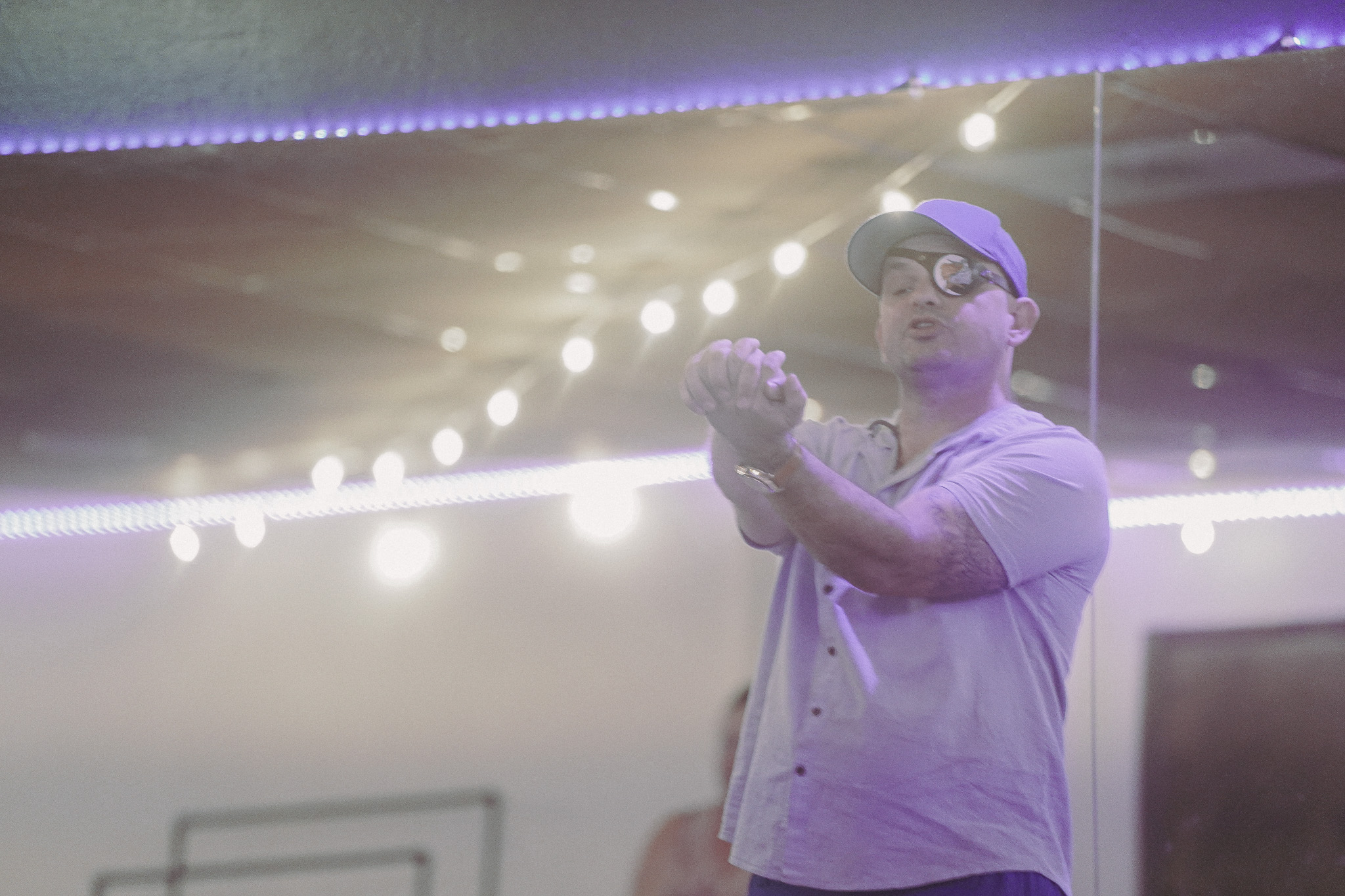
Final thoughts: small movements can teach big lessons
Tai Chi supports body awareness by slowing movement down enough for people to notice what the body may be communicating. Small movements can reveal big patterns because they make breath, balance, posture, tension, rushing, over-effort, and self-judgment easier to observe.
The goal is not to analyze every sensation or perform the movements perfectly. The goal is to build a more honest relationship with the body. When the body is listened to earlier, it does not always have to become louder to get attention.
For people who feel disconnected from their bodies, overwhelmed by stress, or unsure how to begin listening to themselves again, Tai Chi offers a gentle and practical place to start. The smallest movements can become meaningful when they are practiced with awareness.
Tai Chi shows us that small movements can reveal big patterns, helping us listen to the body before stress, tension, or disconnection becomes harder to ignore.
Looking for Tai Chi for body awareness in Tempe, Arizona?
At The Healing Tree Collective, our beginner-friendly wellness classes are designed to support stress relief, mindfulness, body awareness, and deeper connection. If you are curious about Tai Chi, body awareness, moving meditation, or gentle movement practices, you are welcome to begin here.