8 August 2026
Tai Chi for Burnout Prevention: A Gentle Practice for Modern Workplaces
Burnout prevention is not only about encouraging employees to take time off after they have already reached exhaustion. It is about creating workplace rhythms, practices, and cultures that help people notice stress earlier, recover more consistently, and feel supported before they reach a breaking point.
Modern workplaces ask a lot from people. Employees may spend their days responding to messages, sitting at screens, managing deadlines, attending meetings, supporting clients, caring for teams, solving problems, and carrying emotional pressure that is not always visible. Over time, the body can begin to carry the pace of work as tension, fatigue, shallow breathing, mental overload, or disconnection.
Tai Chi can support burnout prevention by giving employees and teams a gentle, accessible way to slow down, breathe, move, ground, and reconnect with the body before stress becomes something they only notice when they are already depleted.
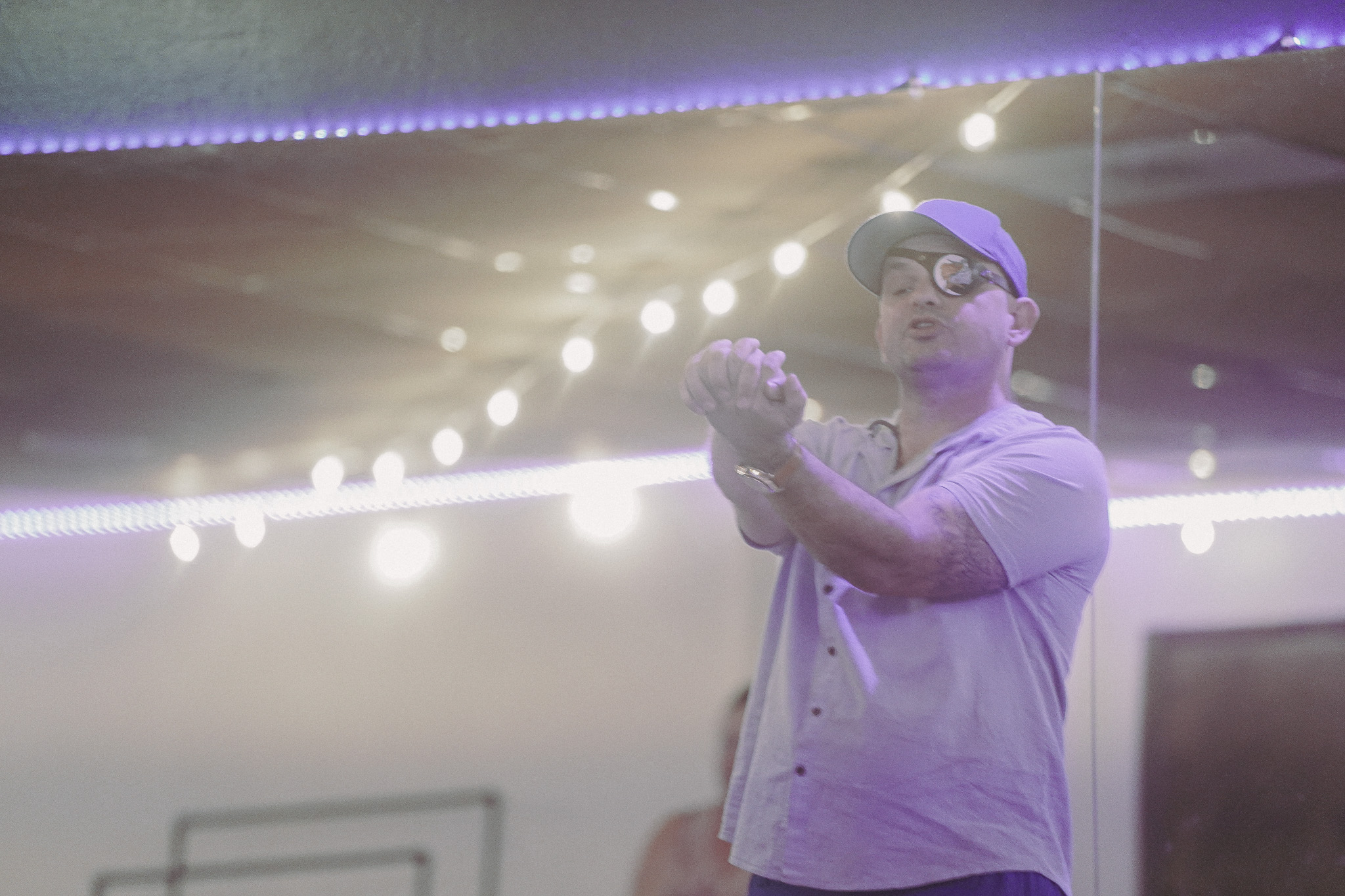
Tai Chi can support workplace burnout prevention by giving teams a gentle way to slow down, breathe, ground, and reconnect with the body.
Tai Chi may support burnout prevention by helping teams:
Build practical stress awareness through gentle movement and breath.
- Notice stress earlier
- Practice slowing down
- Reduce physical tension awareness
- Reconnect after screen-heavy work
- Support focus and presence
- Create a calmer team rhythm
- Build sustainable wellness habits
Burnout prevention has to begin before employees are exhausted
Many workplaces wait to address burnout until employees are already overwhelmed, disengaged, emotionally drained, or struggling to keep up. By that point, support is still important, but the body and mind may already be carrying a significant amount of stress. Prevention asks a different question: what can be built into the workplace before exhaustion becomes the norm?
Burnout prevention is not about asking employees to become more resilient so they can tolerate unhealthy conditions. It is about creating a healthier relationship with work, stress, recovery, communication, workload, and support. This includes organizational responsibility, leadership awareness, realistic expectations, and access to meaningful wellbeing practices.
Tai Chi can be one supportive practice within that larger strategy because it helps employees recognize stress through the body. When people notice shallow breathing, rushed movement, tense shoulders, held posture, scattered focus, or the inability to slow down, they may begin recognizing stress before it becomes full depletion.
Burnout prevention works best when support begins before employees have to prove how exhausted they are.
Why modern workplaces need body-based stress support
Workplace stress is often discussed in terms of productivity, performance, deadlines, and workload. These are important, but stress is not only a mental experience. It also shows up in the body. Employees may feel tightness in the shoulders, tension in the jaw, headaches, shallow breathing, fatigue, restlessness, digestive discomfort, or a sense of being unable to truly settle after work.
Body-based stress support matters because employees cannot always think their way out of stress that the body is carrying. A person may understand that they need to rest, but the body may still feel alert. They may know they need to slow down, but the nervous system may still be operating at the pace of urgency.
Tai Chi gives the body a way to participate in stress management. Through slow movement, breath awareness, grounding, posture, and balance, employees can practice a rhythm that is different from constant output. This does not solve every workplace issue, but it gives the body a meaningful place to begin returning.
Modern workplaces need practices that do more than talk about stress. They need practices that help the body experience a different pace.
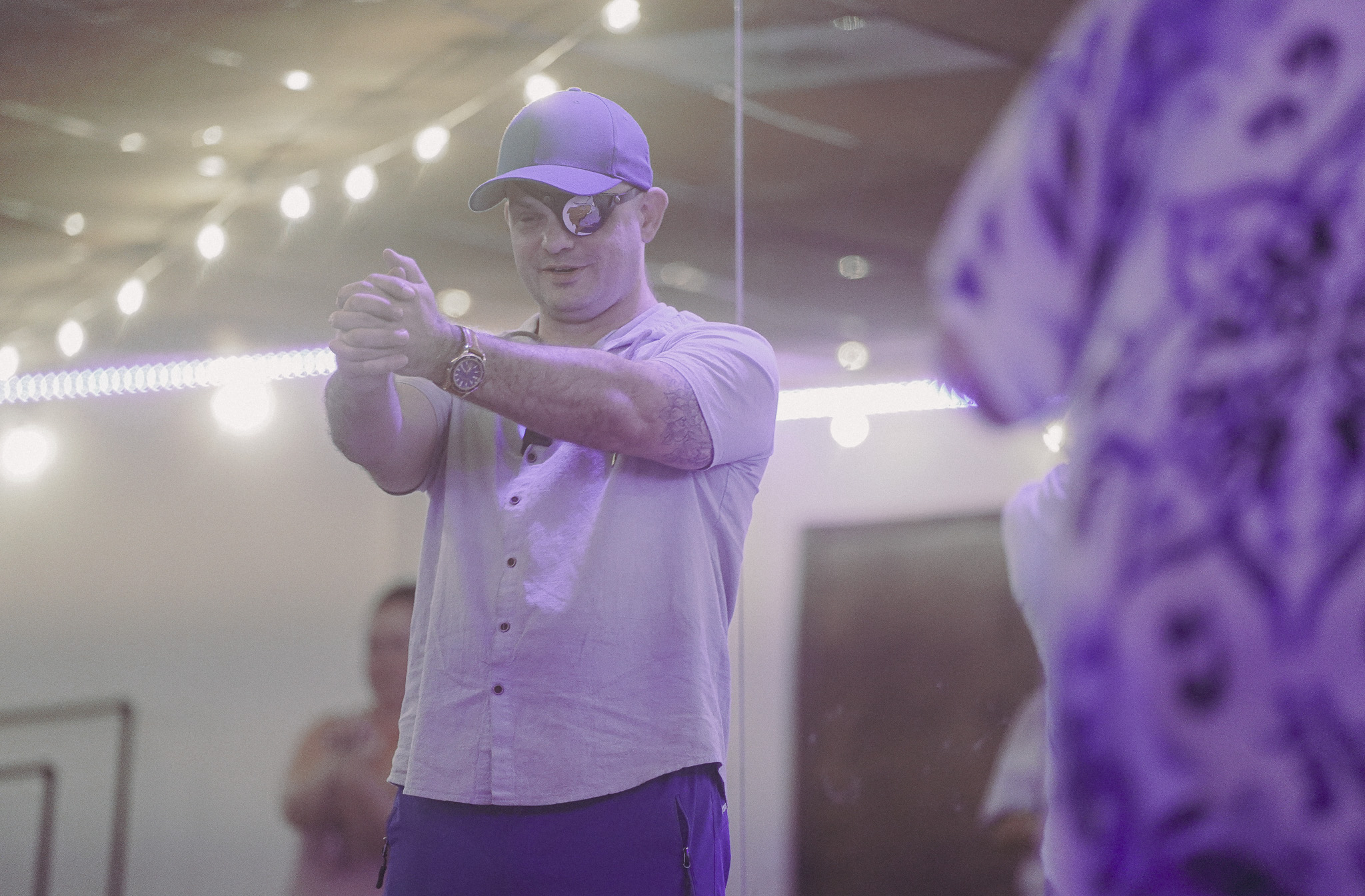
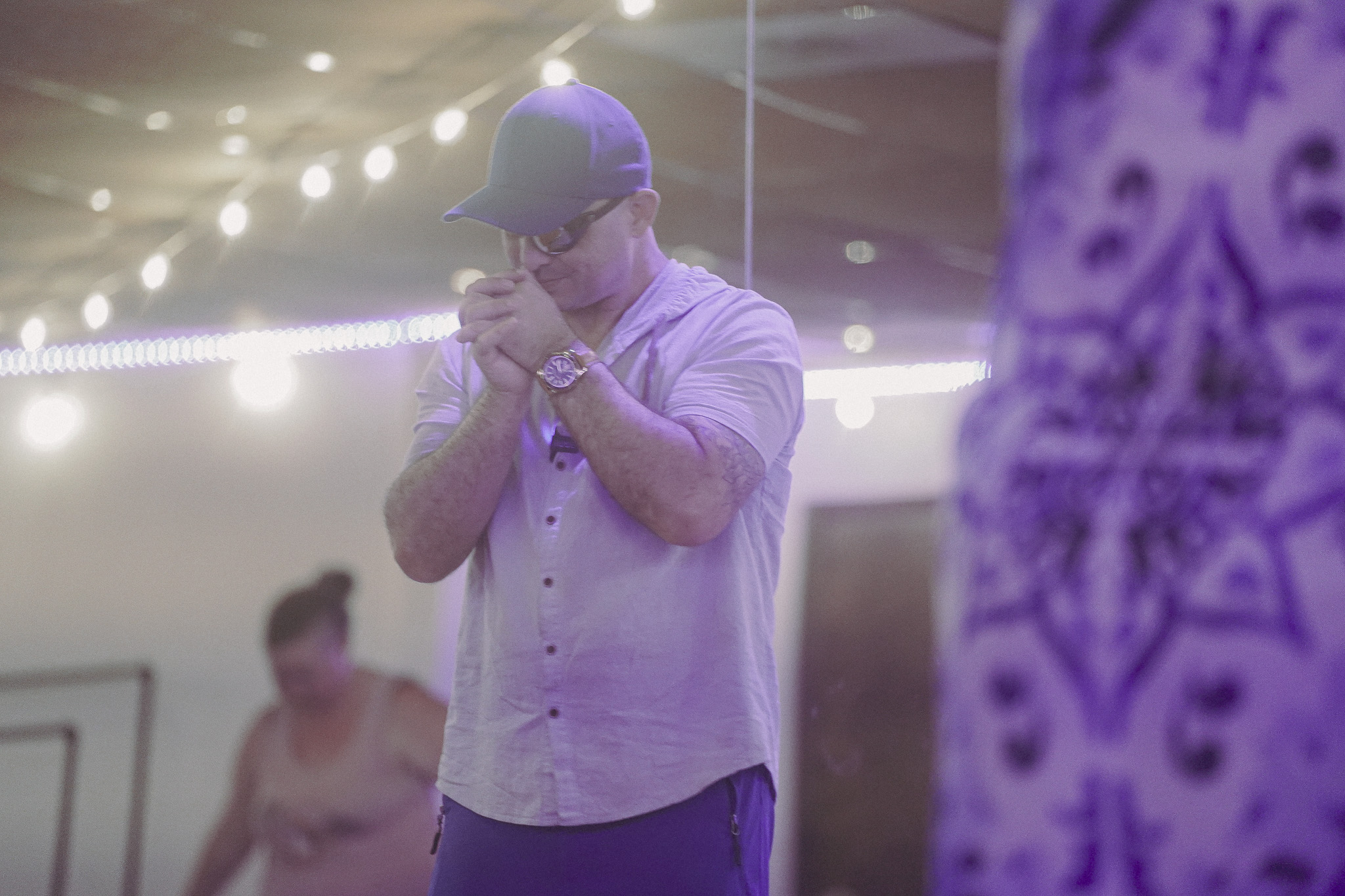
Tai Chi helps employees practice slowing down
Slowing down can be surprisingly difficult for employees who spend their days responding, producing, solving, and switching between tasks. Even during a break, the mind may continue thinking about what needs to happen next. The body may remain tense, alert, or ready for the next demand.
Tai Chi supports burnout prevention by giving employees a structured way to slow down through movement. The practice does not simply say, “relax.” It guides the body through one breath, one posture, one weight shift, one movement, and one return to the present moment.
This can be especially helpful because slowing down is not always a switch that employees can turn on instantly. It often has to be practiced. Tai Chi makes the practice of slowing down physical, accessible, and repeatable.
Slowing down is not weakness. In modern workplaces, it can be a form of prevention.
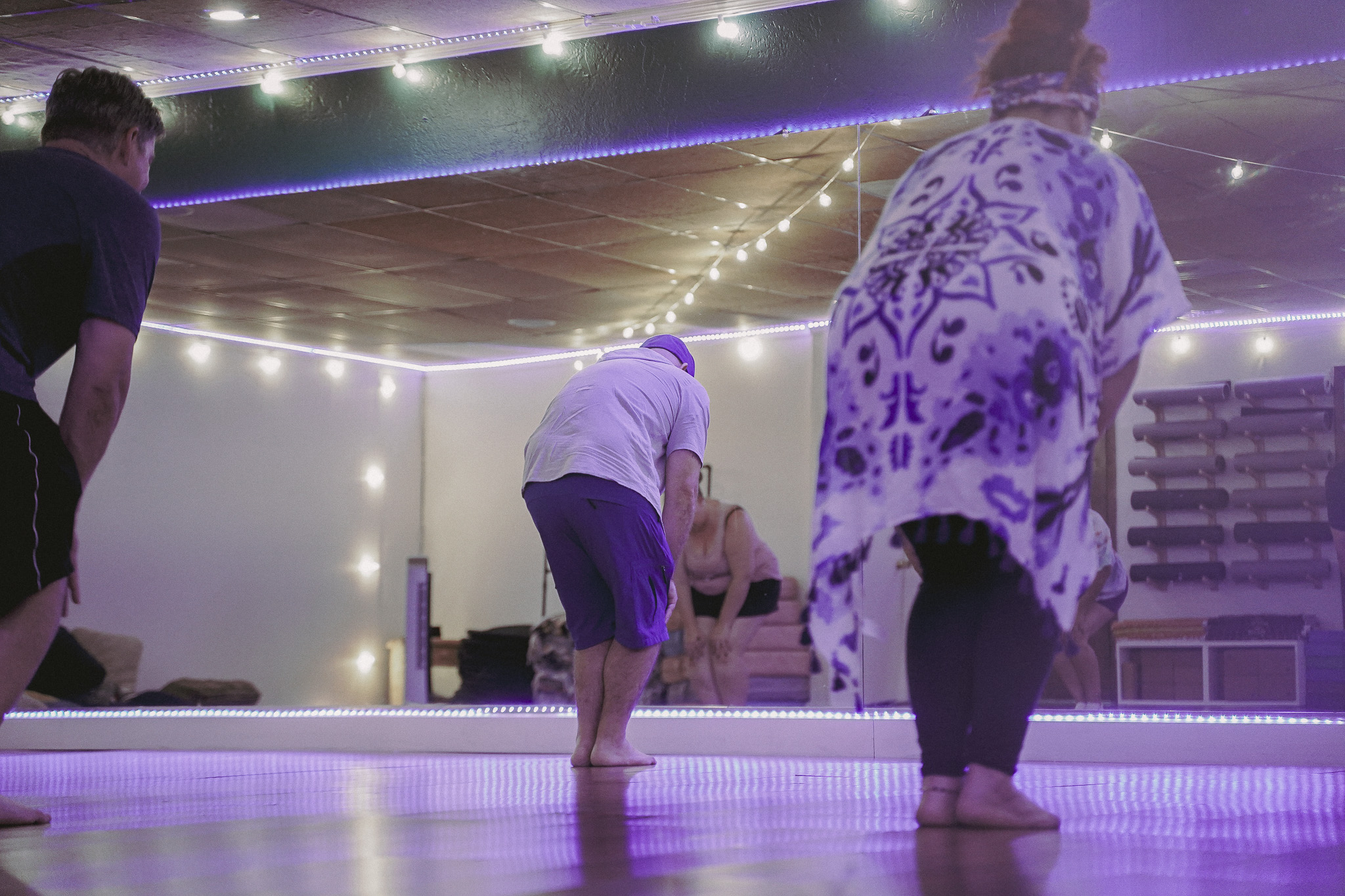
Tai Chi helps employees practice slowing down through breath, grounding, posture, balance, and mindful movement.
Burnout prevention requires sustainable practices, not quick fixes
Many wellness efforts are introduced as one-time events. A team may have a wellness day, a lunch-and-learn, or a single stress relief session. These can be valuable, but burnout prevention usually requires more than occasional support. Employees benefit from practices that can be repeated, understood, and integrated into the rhythm of work.
Tai Chi is supportive because it is built through repetition. The practice does not depend on one dramatic breakthrough. It teaches small returns: return to the breath, return to the feet, return to posture, return to balance, return to the present moment. These small returns can become tools employees use during everyday stress.
A workplace Tai Chi session can introduce these tools in a simple way, but the larger value comes from helping employees understand that stress management is not only something they do after they are overwhelmed. It can be practiced in small moments throughout the day.
Burnout prevention is built through repeated support, not one-time reminders to take care of yourself.
One Breath
A slower breath can help an employee notice stress before moving into the next task.
One Grounding Moment
Feeling the feet can help attention return from mental overload into the body.
One Pause
A brief pause can create space before responding from urgency or pressure.
One Transition
Moving slowly between tasks can help the body shift out of constant rushing.
Tai Chi supports employees who spend all day in their heads
Many employees spend most of their workday in mental activity. They think, plan, communicate, analyze, decide, remember, respond, and solve. Even when the work is meaningful, this amount of mental effort can leave people feeling disconnected from the body.
Disconnection can show up in simple ways. A person may not notice they are holding their breath, clenching their jaw, sitting with tense shoulders, skipping breaks, or carrying work stress into their evening. They may feel mentally exhausted but physically restless.
Tai Chi supports these employees by bringing attention back into physical experience. The practice gives the mind something embodied to follow. The feet, breath, posture, weight shift, and movement become anchors. This can help employees reconnect with the body instead of living only in thought.
For employees who spend all day in their heads, Tai Chi offers a pathway back into the body.
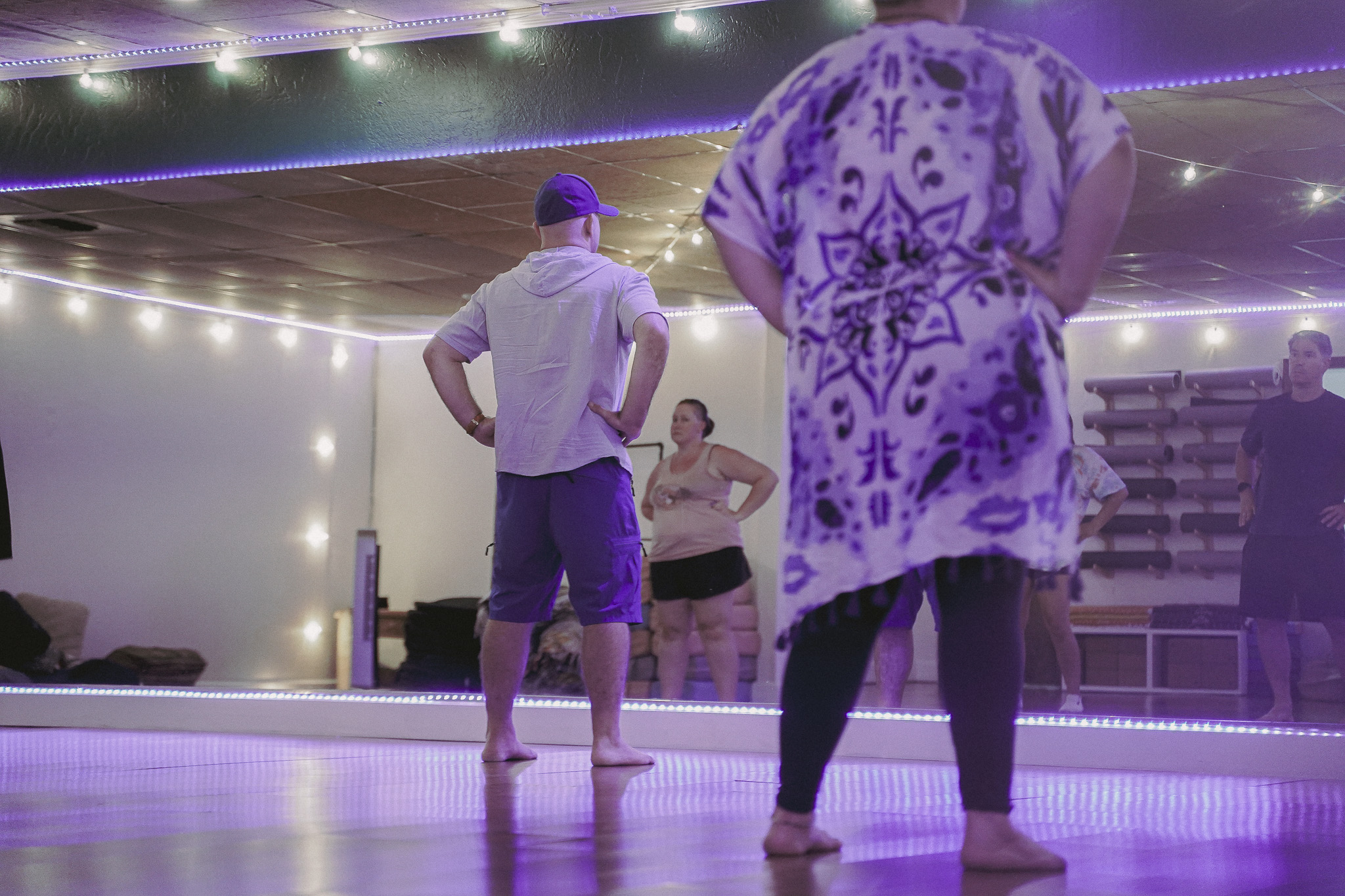
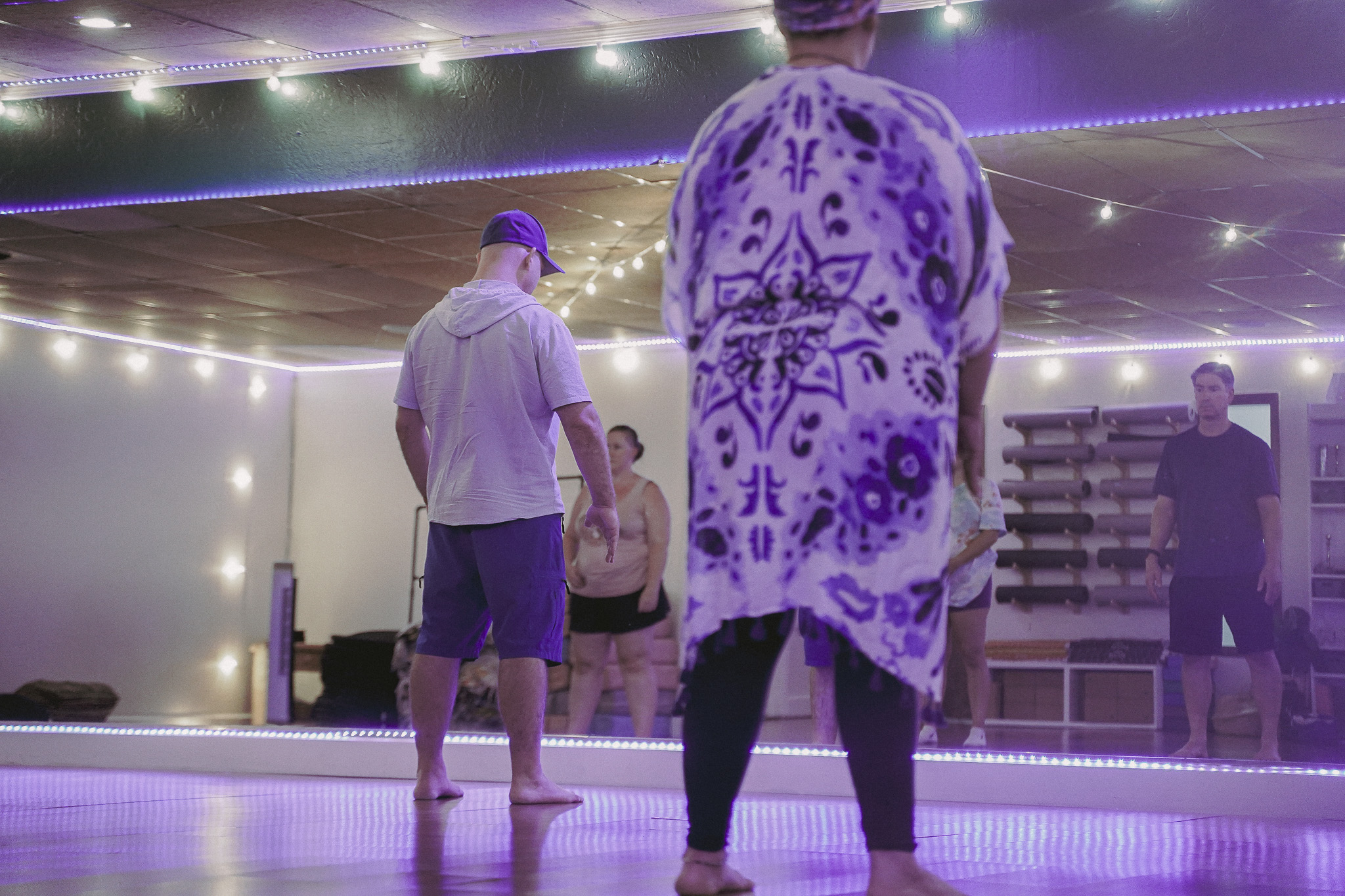
A gentle practice can be more accessible for a full team
Workplace wellness should be accessible to a wide range of people. Every team includes different bodies, comfort levels, abilities, experiences, ages, and relationships with movement. Some employees may enjoy high-intensity classes, while others may feel intimidated, self-conscious, or physically unable to participate in that kind of setting.
Tai Chi offers a gentler option because it does not require athletic ability, advanced flexibility, or prior experience. It can be introduced through simple, plain-language cues that help people feel their feet, notice their breath, shift weight slowly, and move with awareness.
This accessibility matters for burnout prevention. If support is only available through practices that some employees feel unable to join, the wellness offering may not reach the people who need it most. Gentle movement creates a wider doorway.
A burnout prevention practice should not create more pressure. It should give people a place to begin safely and honestly.
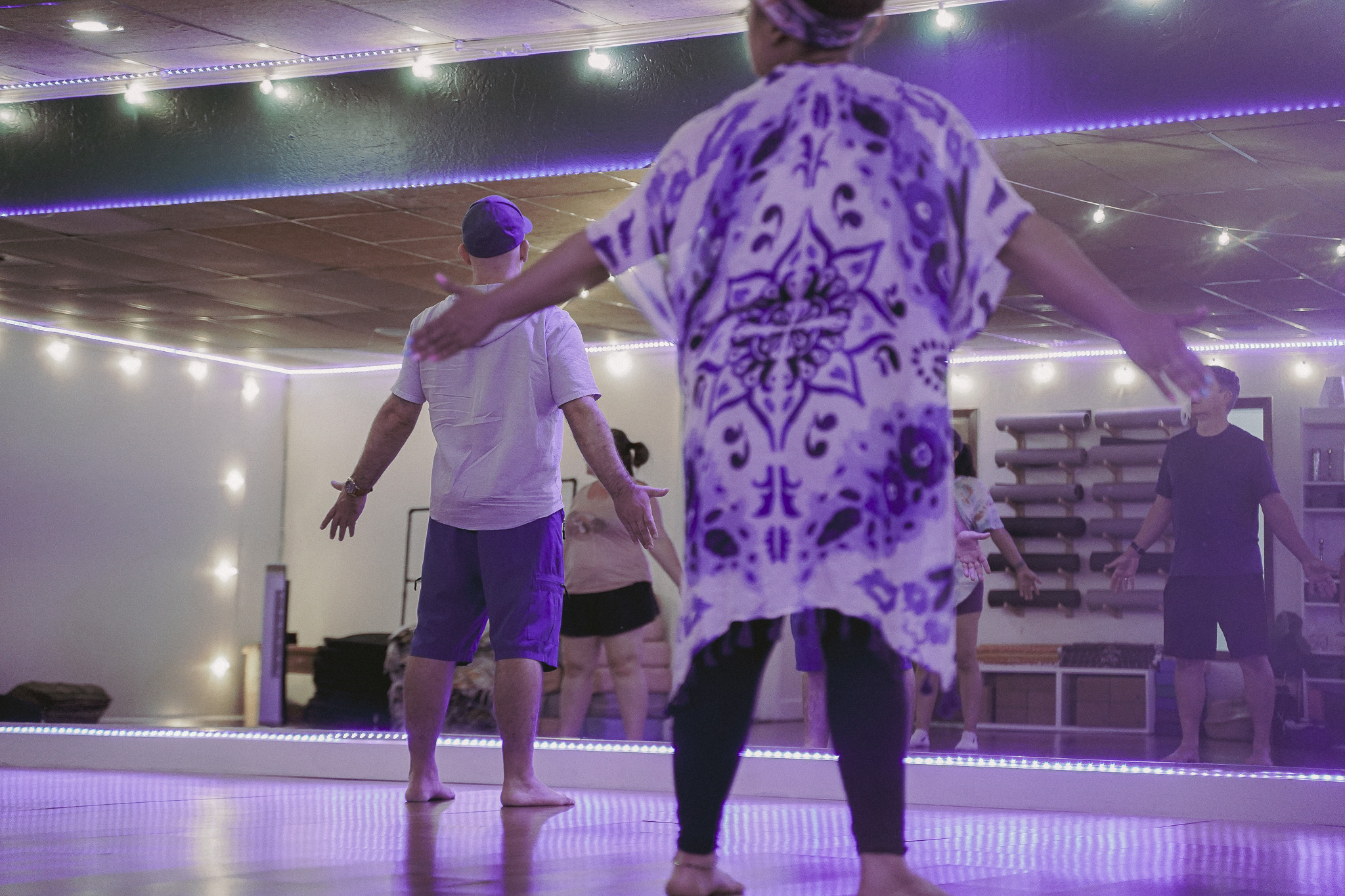
Tai Chi can offer teams an accessible wellness practice that supports different bodies, experience levels, and comfort zones.
Tai Chi can help employees notice early signs of stress
One reason burnout becomes difficult is that many employees do not notice stress until it has already become severe. They may normalize tension, fatigue, irritability, mental distance, lack of focus, or the feeling of being constantly drained. In high-pressure cultures, these signals can be dismissed as part of the job.
Tai Chi can help employees become more aware of early physical signals. During slow movement, a person may notice shallow breathing, shoulder tension, impatience, restlessness, balance changes, or the urge to rush. These observations may seem small, but they can help people become more aware of how stress is living in the body.
When employees learn to notice stress earlier, they have more opportunities to respond with care. This does not mean every problem can be solved by one practice. It means employees may become better able to recognize when support, rest, boundaries, conversation, or organizational changes are needed.
Burnout prevention begins with noticing stress before the body has to become louder to get attention.
Tai Chi can support team culture by changing the shared pace
Burnout is not only an individual experience. It can become part of a team culture when urgency, overwork, constant responsiveness, and lack of recovery become normalized. When everyone is rushing, the pace itself becomes part of the stress.
Tai Chi can offer a shared experience of slowing down. When a team practices gentle movement, breath awareness, grounding, and presence together, the room experiences a different rhythm. People are not competing, performing, or producing. They are simply practicing awareness together.
This may seem simple, but shared pace matters. A team that has experienced slowing down together may have more opportunities to communicate with patience, notice stress sooner, and understand wellbeing as something practiced collectively rather than privately.
Teams need shared practices that remind them they are human beings together, not just roles moving through a deadline.
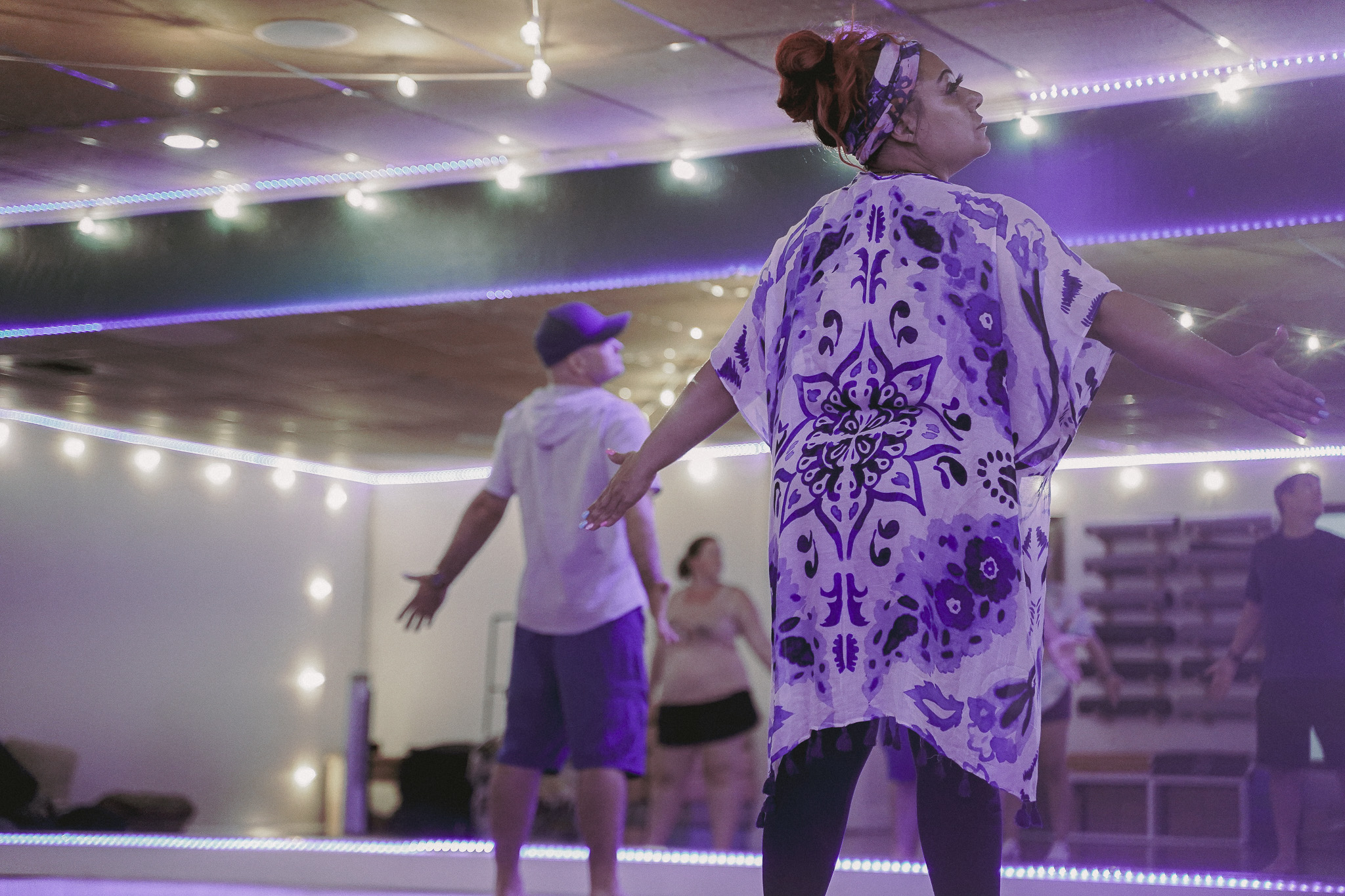

What a workplace Tai Chi session can look like
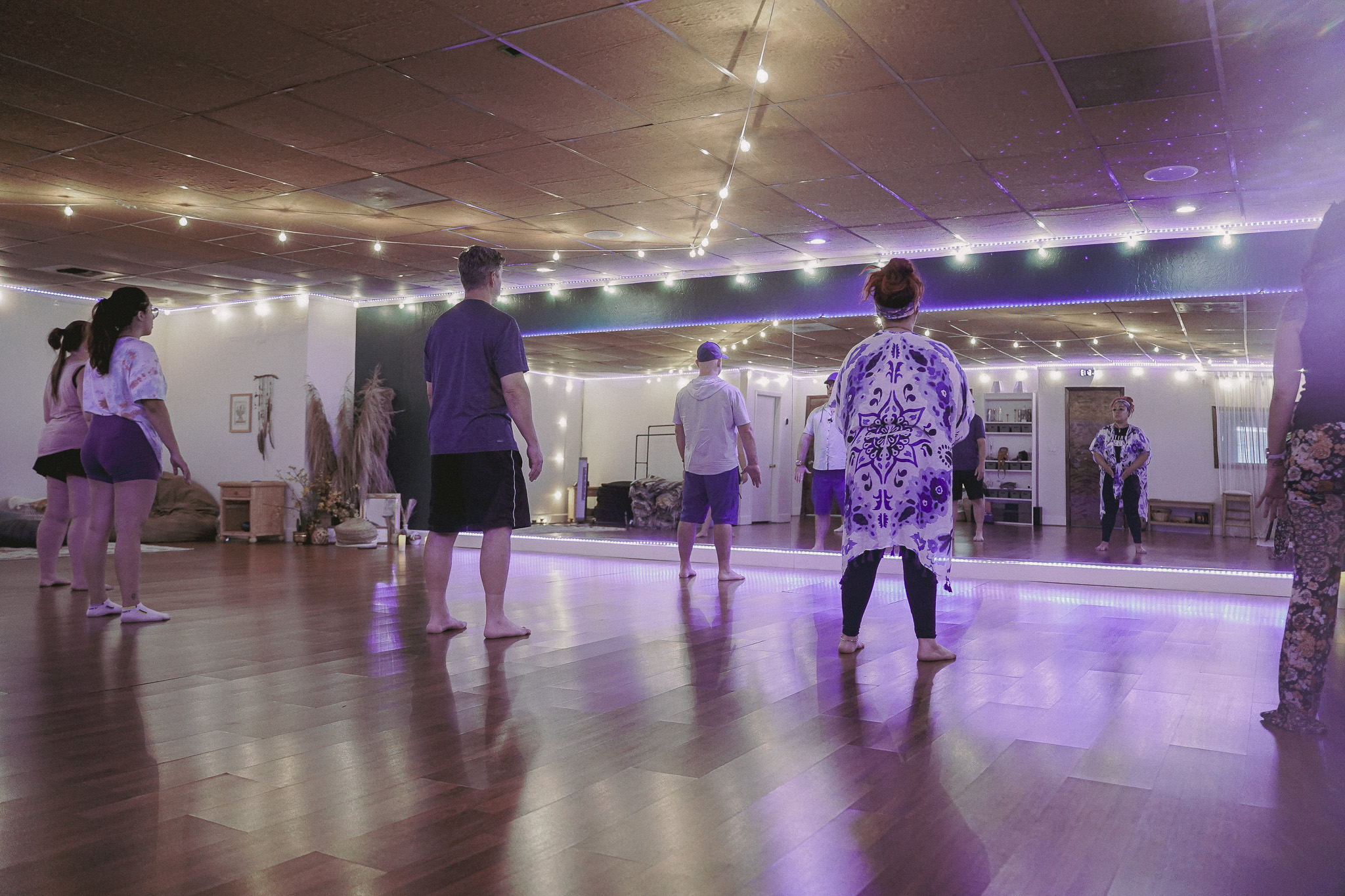
A workplace Tai Chi session can be simple, beginner-friendly, and practical. It does not need to teach an entire Tai Chi form or overwhelm employees with complex language. The goal is to give the team an accessible experience of slowing down, noticing the body, and practicing stress awareness through movement.
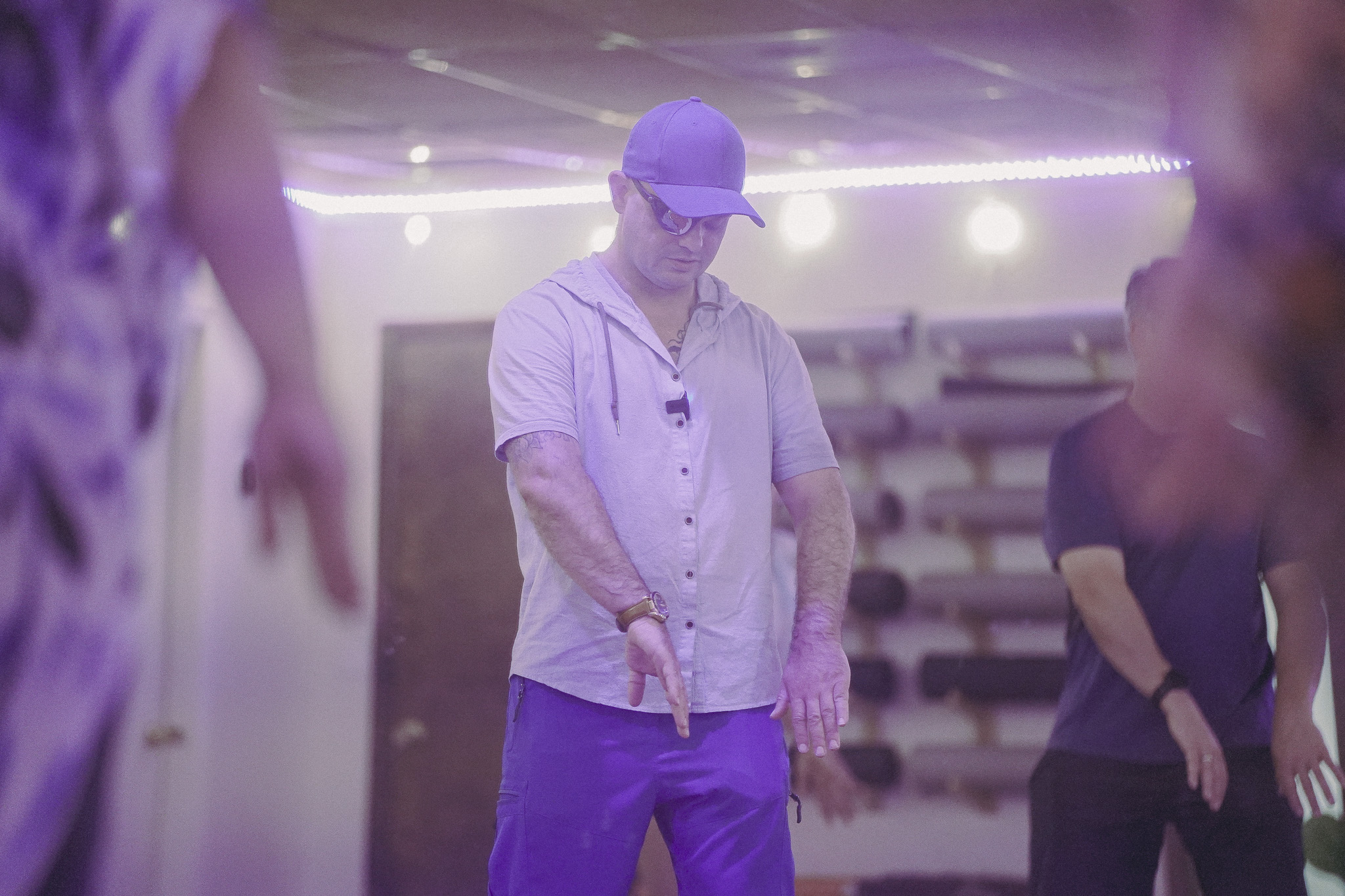
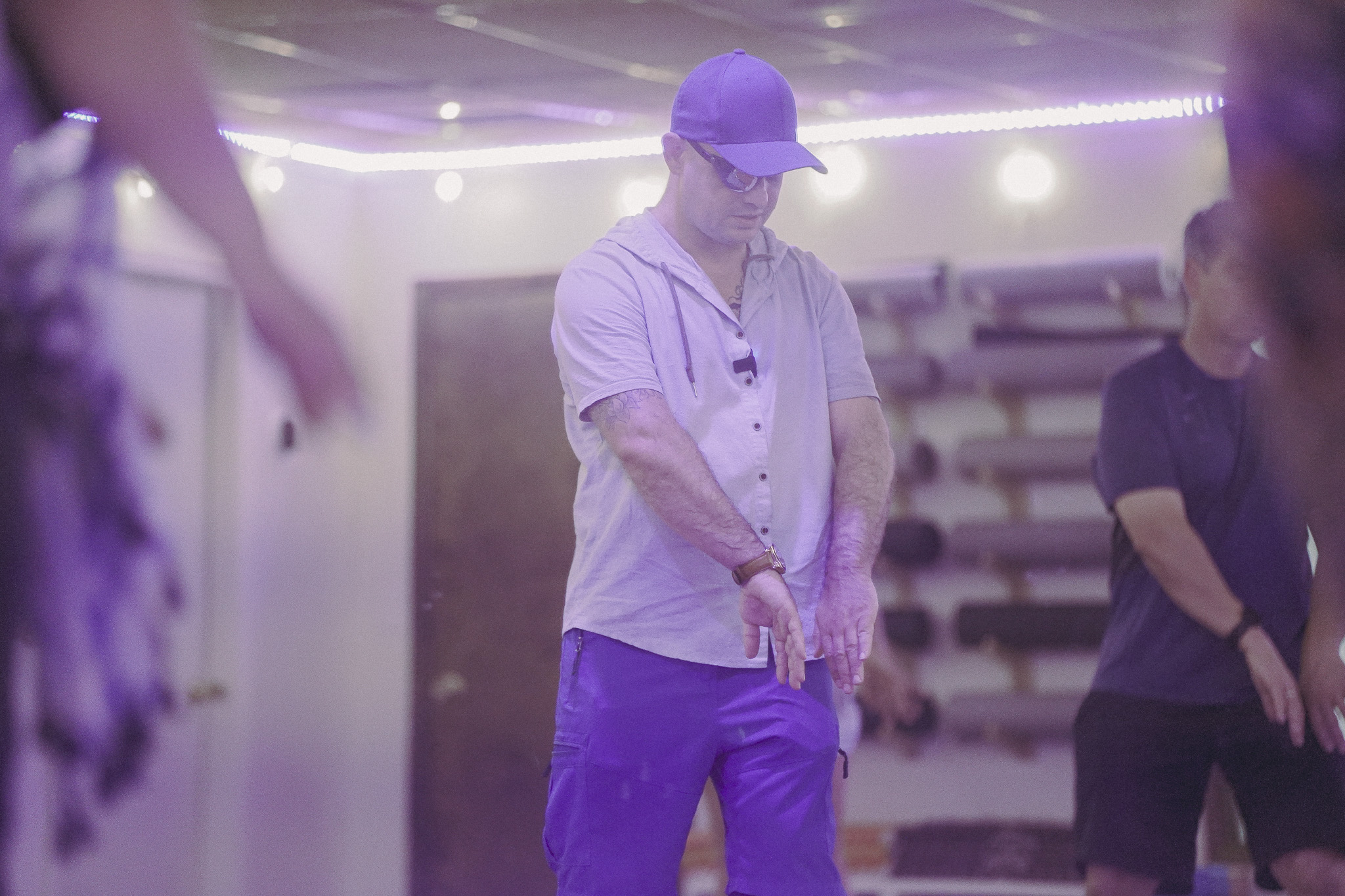
A session may begin with grounding and breath awareness, followed by slow Tai Chi-inspired movements that help employees feel their feet, shift weight, soften tension, and move with intention. The facilitator may also explain how these simple practices can be used during workday transitions, before meetings, after screen-heavy tasks, or during stressful moments.
The best workplace wellness sessions help employees understand how the practice applies to real life. Tai Chi can do this by turning abstract ideas like “be present” or “manage stress” into something people can physically experience.
A workplace Tai Chi session does not have to be complicated to be meaningful. It simply needs to help people feel what slowing down can actually be like.

A workplace Tai Chi session can introduce employees to breath, grounding, posture awareness, gentle movement, and practical stress-management tools.
Burnout prevention needs organizational care too
Tai Chi can be a meaningful support practice, but it is important to be clear: burnout prevention cannot depend only on individual self-care. Employees should not be expected to use wellness tools to tolerate unhealthy workloads, unclear expectations, poor communication, lack of support, or workplace cultures that reward constant overextension.
Real burnout prevention includes organizational responsibility. Workplaces need healthy systems, reasonable expectations, supportive leadership, psychological safety, access to mental health resources, communication practices that reduce confusion, and a culture where employees can name stress before they reach collapse.
Tai Chi can support this larger effort by helping employees build body awareness and stress management skills. But the responsibility for burnout prevention belongs to the workplace as well as the individual.
Wellness practices are most supportive when they are paired with workplace cultures that take stress seriously.
Healthy Systems
Burnout prevention requires realistic workloads, clear expectations, and thoughtful workplace design.
Supportive Leadership
Leaders play an important role in modeling balance, listening, and responding to employee needs.
Practical Wellness
Practices like Tai Chi can help employees reconnect with the body and manage stress more intentionally.
Real Care
Burnout prevention works best when wellness is not a perk, but part of how people are supported.
Tai Chi is not a replacement for professional care or healthy workplace systems
Tai Chi can be a supportive workplace wellness practice for stress relief, gentle movement, mindfulness, breath awareness, grounding, focus, balance, and body awareness, but it is not a replacement for medical care, therapy, medication, psychiatric support, trauma-informed treatment, employee accommodations, crisis services, or healthy workplace systems.
If employees are experiencing significant distress, panic, depression, trauma symptoms, thoughts of self-harm, severe burnout, persistent pain, or difficulty functioning, support from qualified professionals may be necessary. Employers should take these needs seriously and connect employees with appropriate resources.
Mind-body practices like Tai Chi can support wellbeing, but they should not be used to avoid addressing deeper workplace conditions or professional care needs. They are most effective when they are part of a broader culture of support, prevention, and accountability.
Tai Chi can support burnout prevention as part of a broader workplace wellness strategy, but it should not replace professional care or organizational responsibility.
Burnout prevention with The Healing Tree Collective
At The Healing Tree Collective, we support workplaces that want to care for their teams in a more human way. Our workplace wellness experiences are designed to help employees slow down, reconnect with their bodies, understand stress in practical terms, and experience supportive practices that can translate into daily life.
Tai Chi can be part of a larger burnout prevention and workplace wellness experience alongside meditation, breathwork, sound healing, Reiki, nervous system education, grounding practices, and reflective team sessions. Each offering can be customized based on the needs of the team, the workplace environment, and the intention of the experience.
We believe burnout prevention should feel accessible, educational, and real. It should not be another performance or another task employees have to complete. It should offer space to breathe, reset, and feel supported as whole people.
At The Healing Tree Collective, burnout prevention is about helping teams return to the human being behind the role, the inbox, the meeting, and the deadline.

Final thoughts: burnout prevention needs a slower rhythm
Tai Chi can support burnout prevention by giving employees a gentle way to slow down before stress turns into full depletion. It helps teams practice breath awareness, grounding, posture, balance, and mindful movement in a way that feels accessible and practical.
For modern workplaces, this matters. Employees are not machines. They need rhythms of recovery, moments of presence, and practices that help them notice stress before it becomes normalized. Tai Chi does not ask employees to push harder. It invites them to return to the body that has been carrying the work.
Burnout prevention is not only about doing less after people are exhausted. It is about creating conditions where people can stay more connected to themselves while they work, communicate, lead, serve, and contribute.
Tai Chi for burnout prevention helps teams practice the return: to breath, to body, to presence, and to a more sustainable pace of working together.
Looking for burnout prevention and workplace wellness experiences?
The Healing Tree Collective offers workplace wellness experiences designed to support stress relief, mindfulness, grounding, nervous system education, body awareness, burnout prevention, and team connection. If your team is curious about Tai Chi, meditation, breathwork, sound healing, Reiki, or a customized wellness session, we would love to help you create an experience that feels supportive and practical.
We bring a human approach to workplace wellness because teams need more than productivity tools. They need space to breathe, slow down, and reconnect.